

Moving My Tropical Plants Indoors for the Winter
October is an especially busy month at my farm, as my gardeners and outdoor grounds crew work to bring all my warm-weather container plants indoors for the winter.
I have an extensive collection of tropical plants that cannot tolerate freezing temperatures. Because I live in a four-season region, these tender specimens must be moved into the greenhouses, where temperature and humidity can be carefully managed throughout the colder months. The plants that spent the summer at Skylands, my home in Maine, are also brought back for winter storage. Moving and organizing such a large collection is a time-consuming process, but it is essential to protecting these plants and ensuring they remain healthy until they brought out again in spring.
Enjoy these photos.
-

- Every year, I evaluate the needs of my plants and decide where they will be stored for the winter months. Plants grow, so they cannot always be stored in the same place. It’s a big multiple-day process.
-
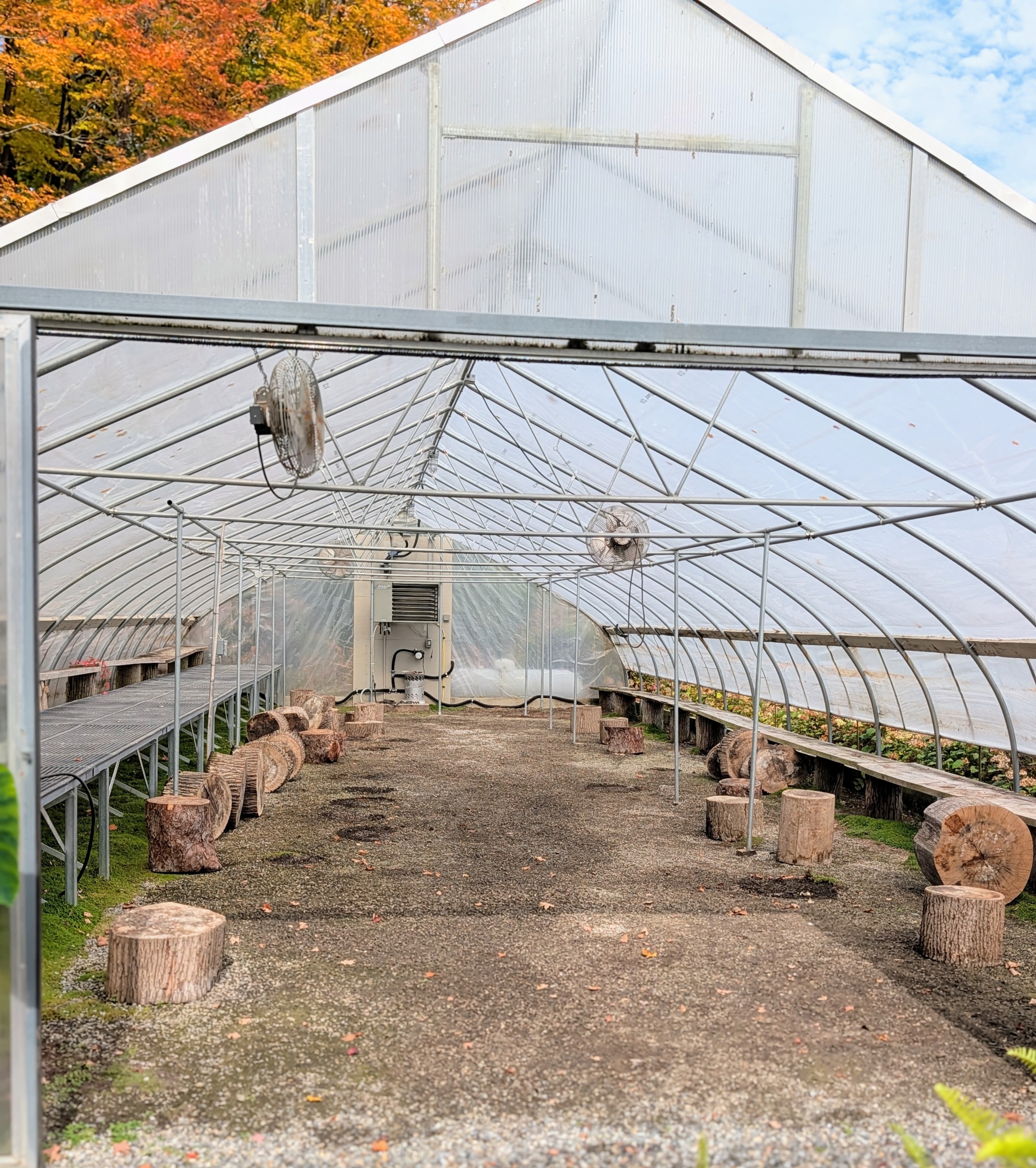
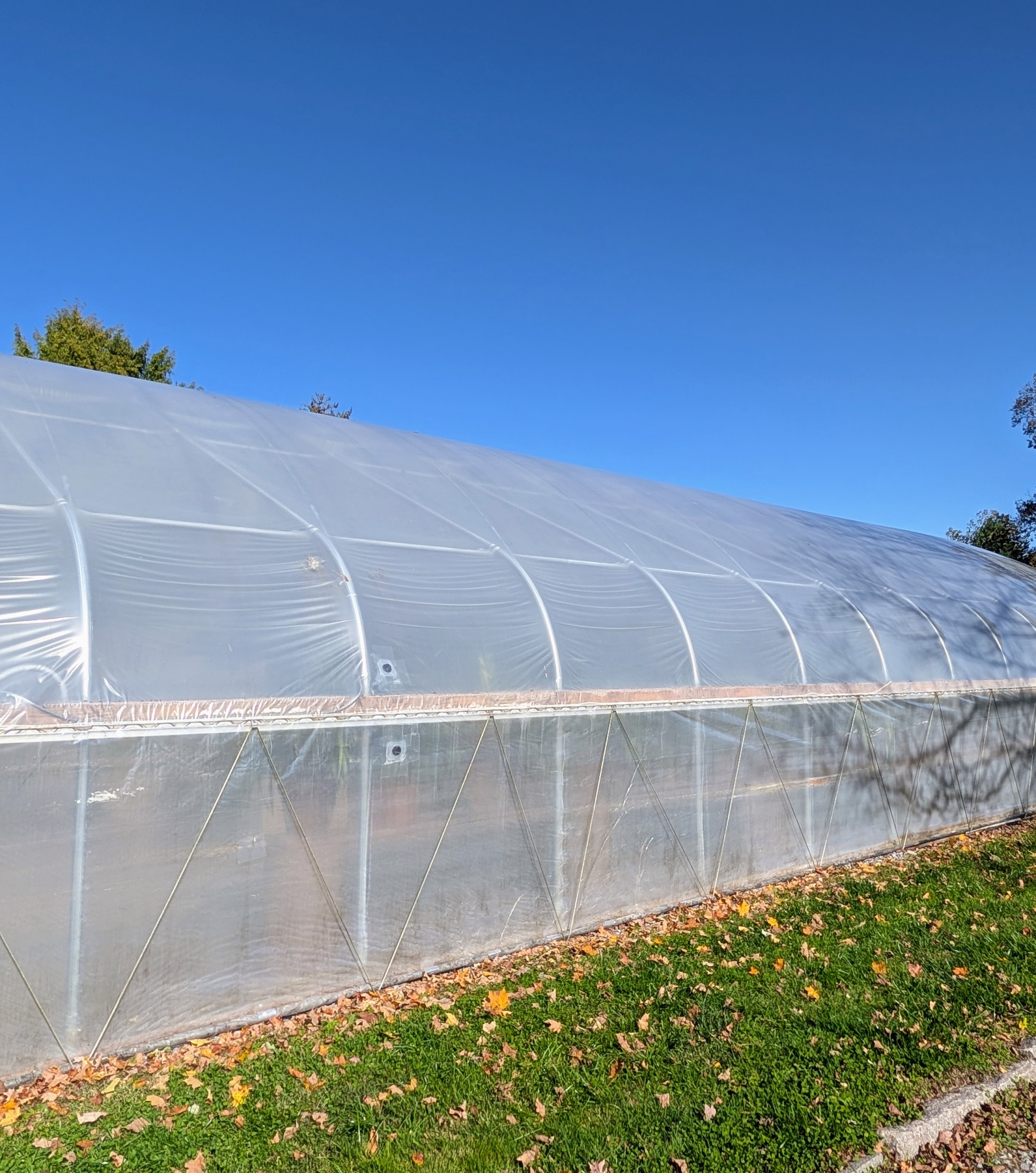
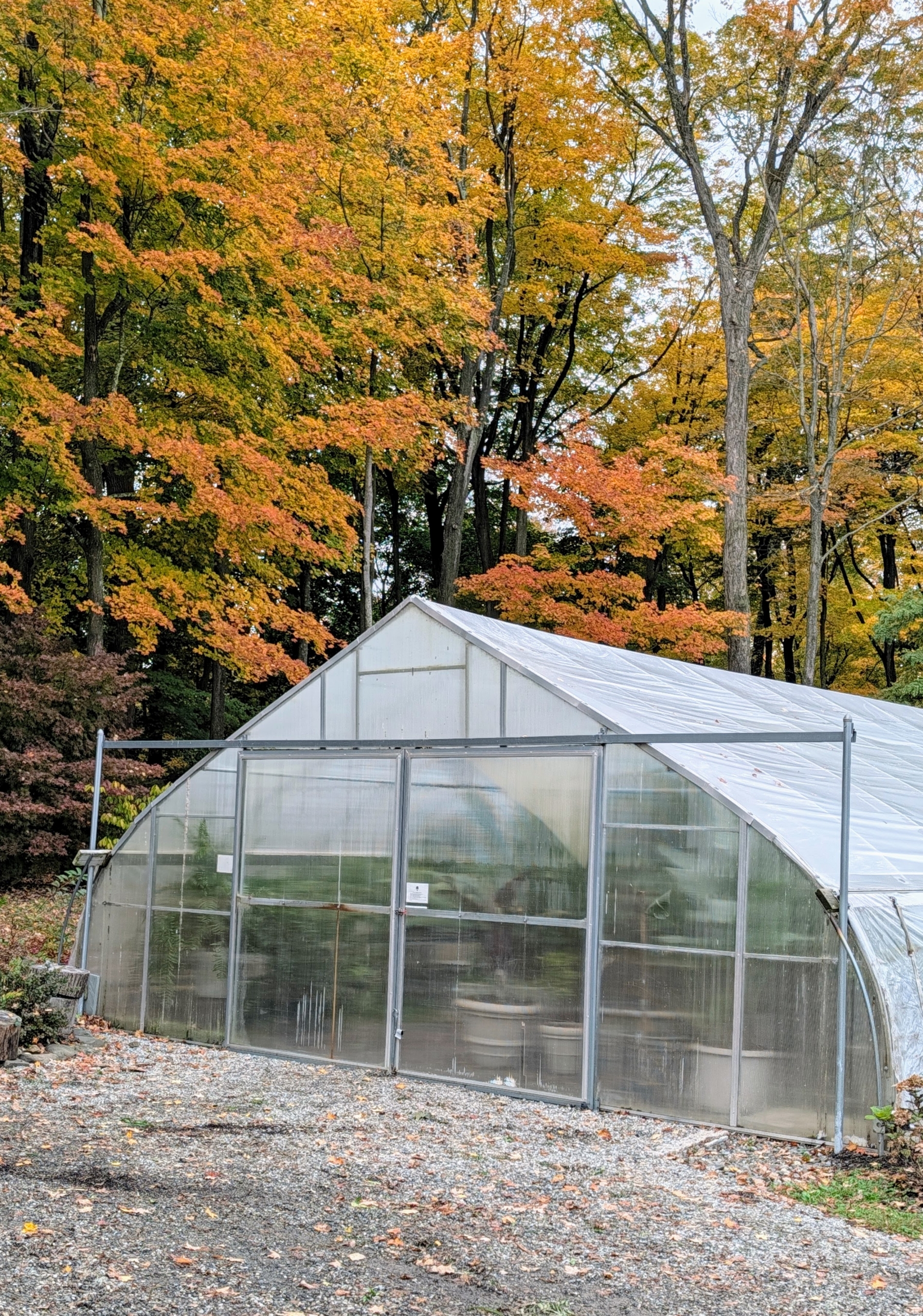
- The hoop house structures are all made from steel frames and polyethylene panels. Inside, the temperature and humidity levels are closely monitored and can be adjusted as necessary. They all have manual roll-up curtains on both sides for ventilation purposes on milder days.
-
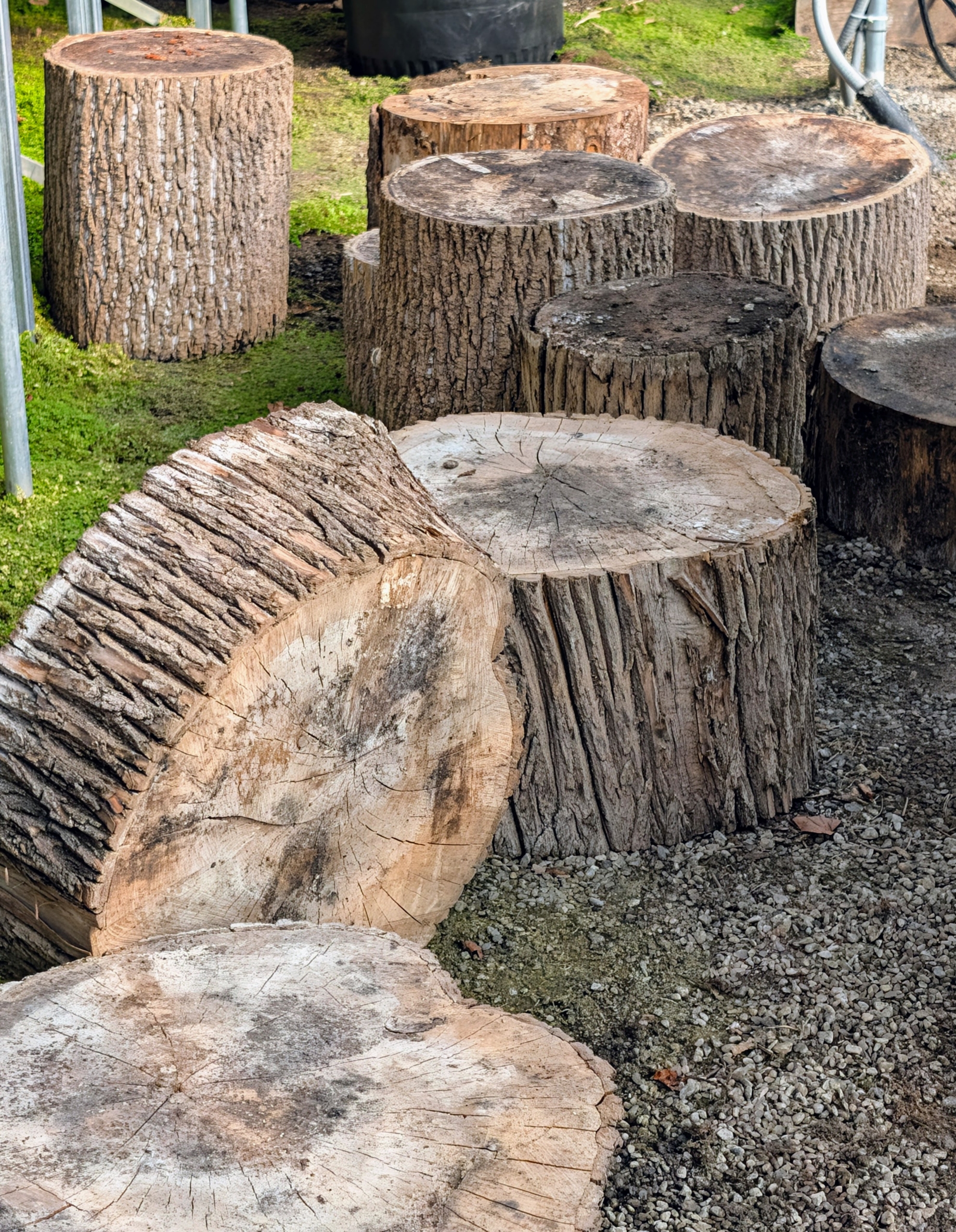
- I repurpose stumps from downed trees to use as risers for some of the potted plants or for the legs of tables. It’s important to make use of both horizontal and vertical space when storing.
-
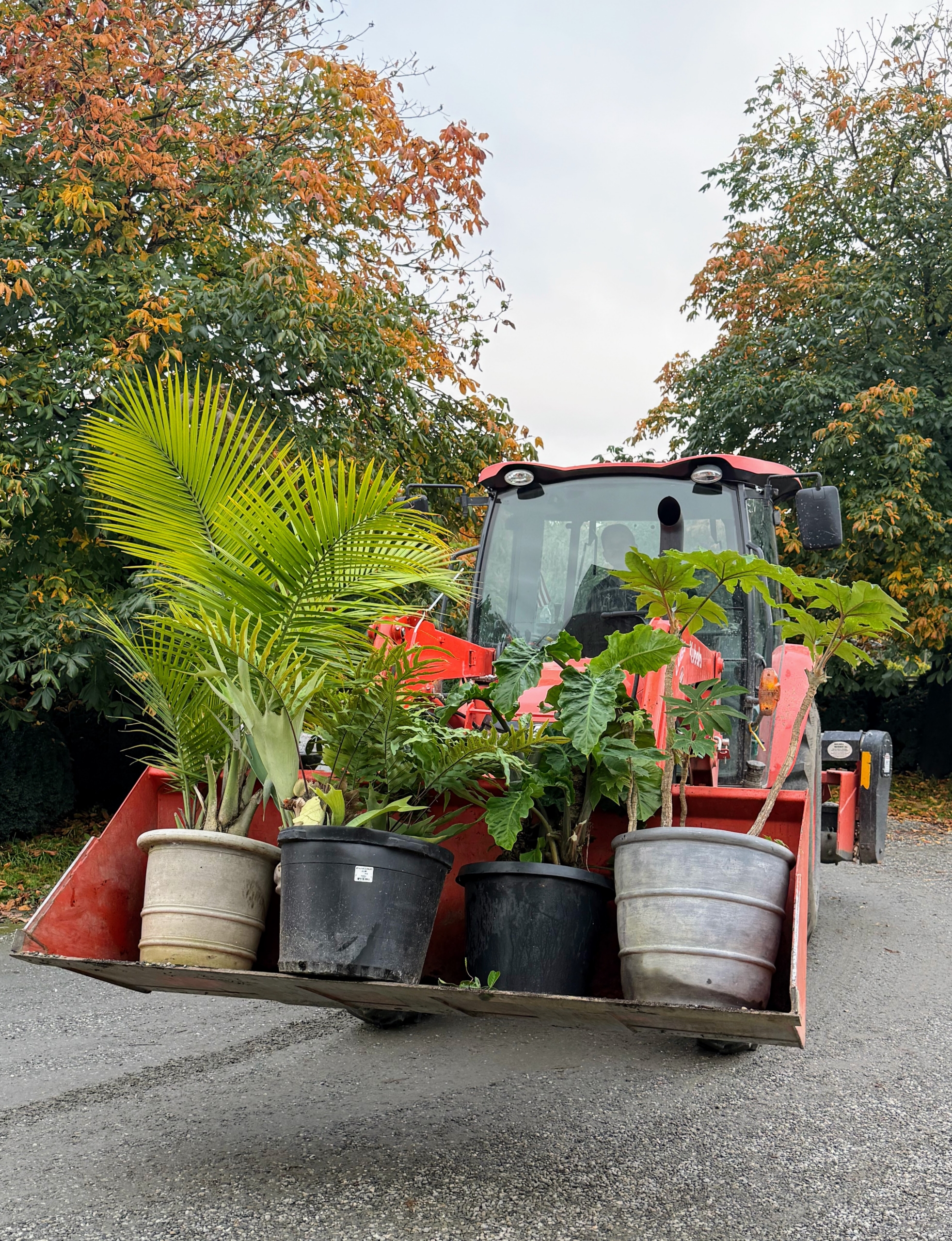
- All the plants are brought to their designated greenhouse and placed outside, so each one can be inspected, and trimmed or repotted if necessary. Then, each one is carried into the structure where they will stay for about seven months.
-
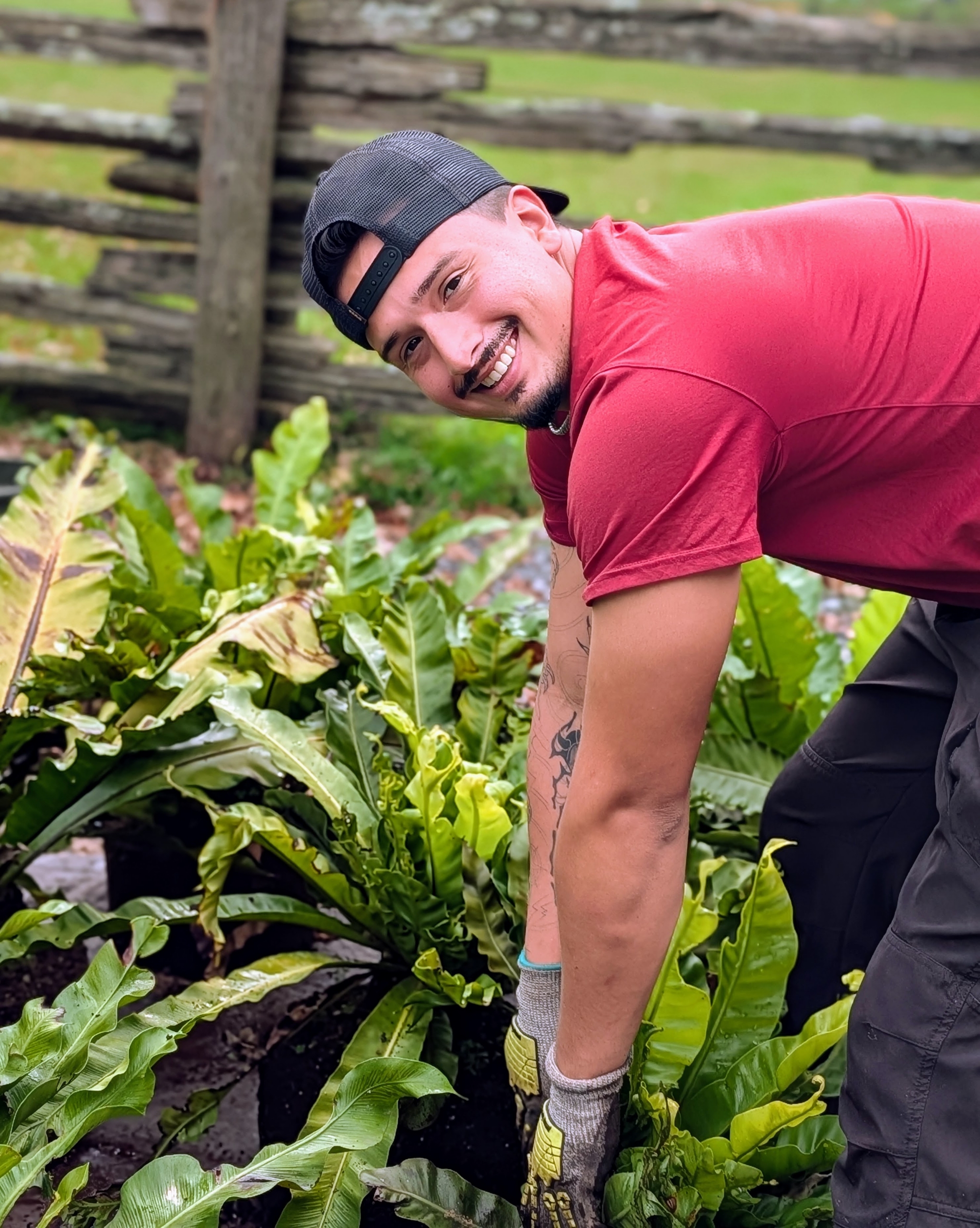
- Some plants need repotting before going indoors. Matthew oversees what plants need to be moved into bigger containers.
-
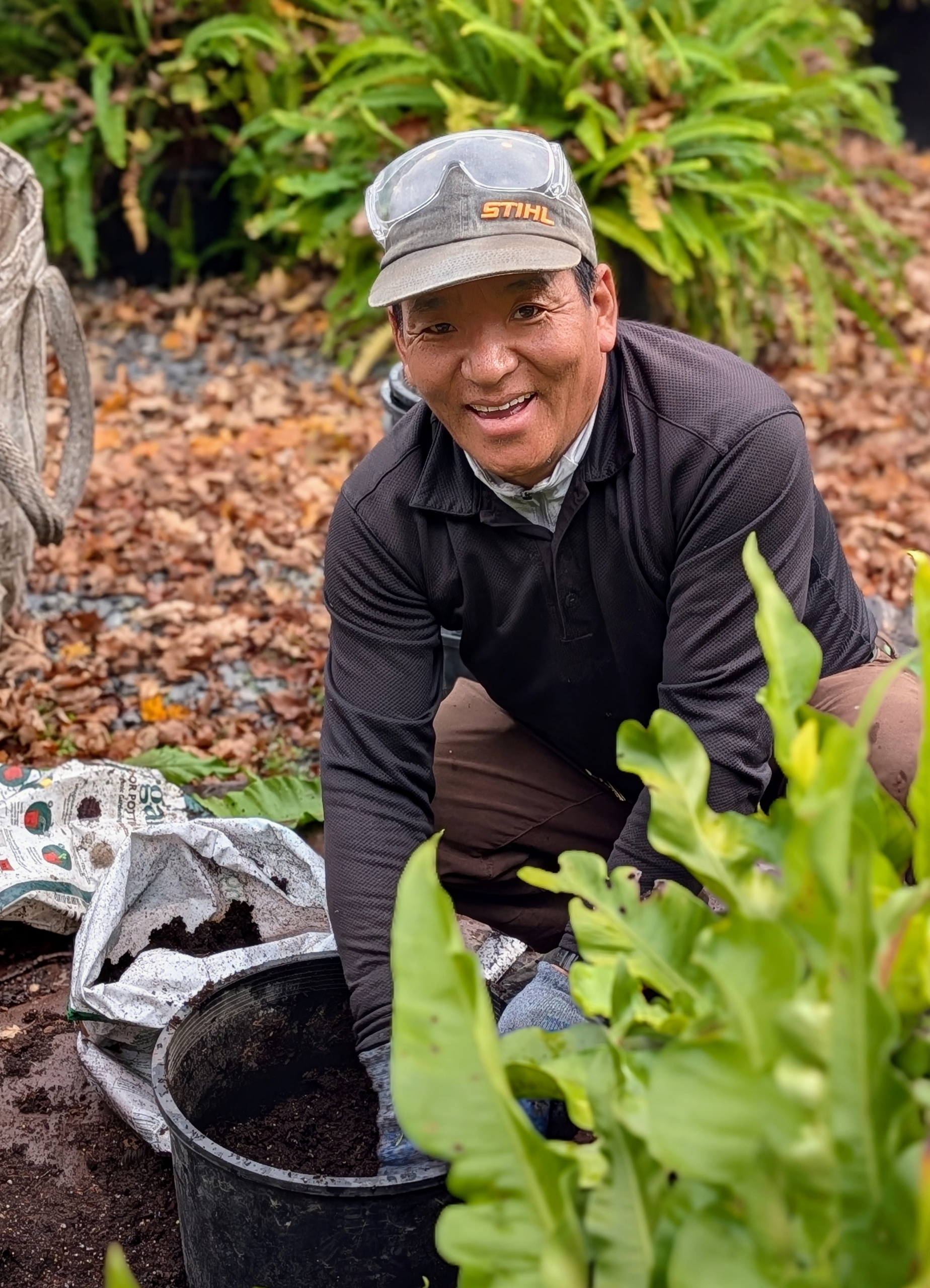
- Phurba repots a selection of bird’s nest ferns.
-
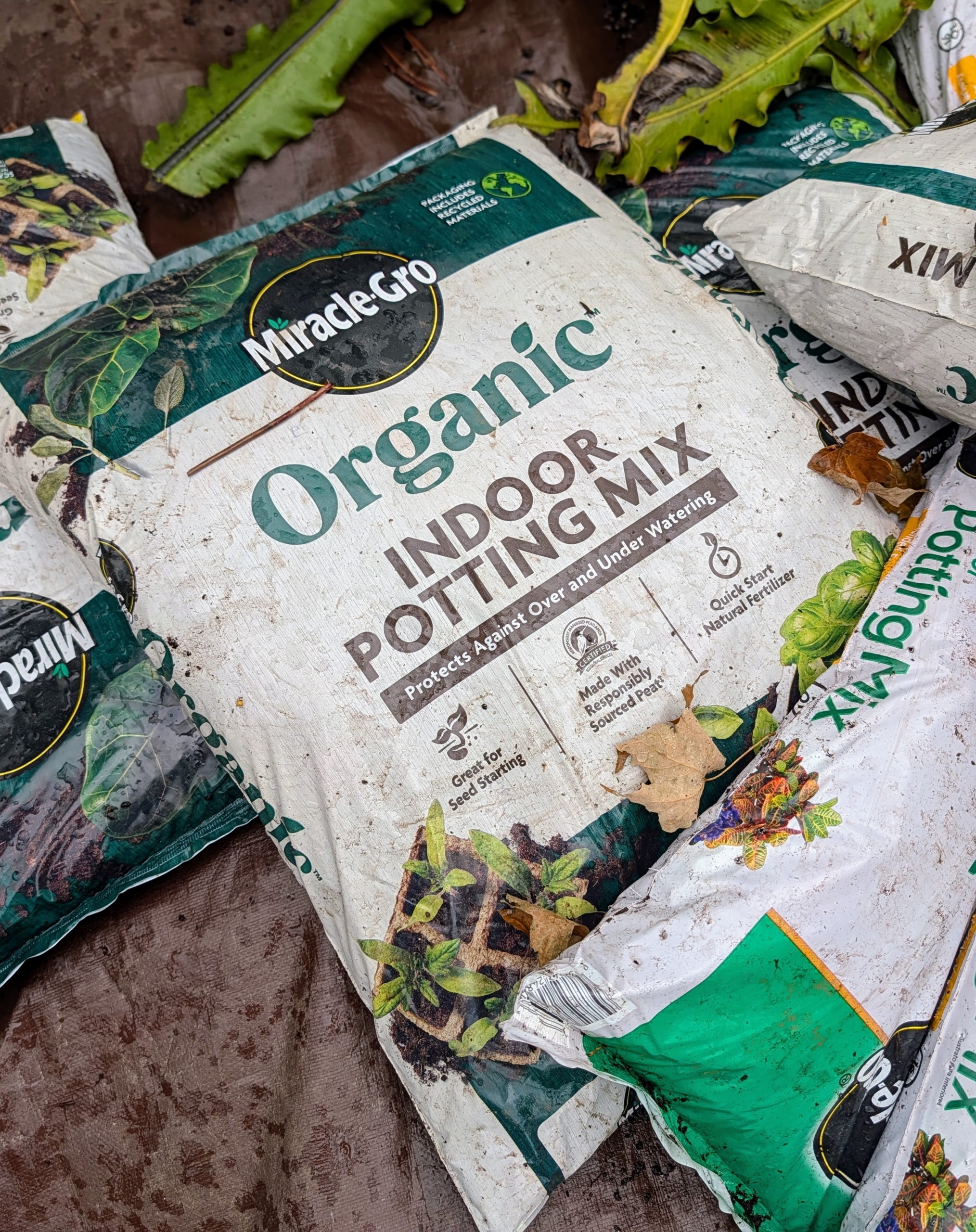
- For all the indoor potting needs, we use Miracle-Gro potting mix, which combines natural, nutrient-rich ingredients with the right balance of moisture retention, aeration, and drainage.
-
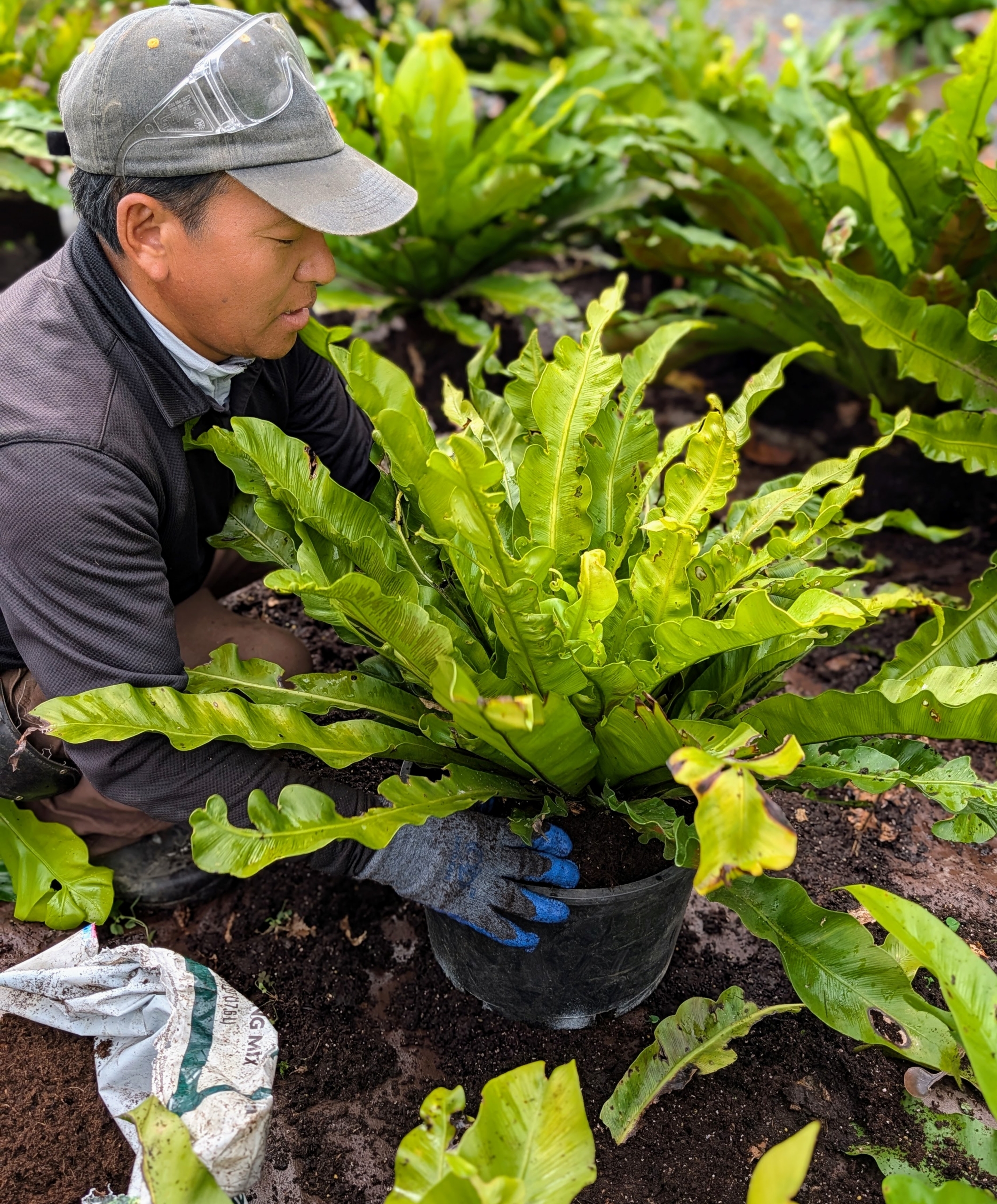
- Bird’s nest ferns grow a couple inches per year, or two to four new fronds annually. They are all repotted every two to three years.
-
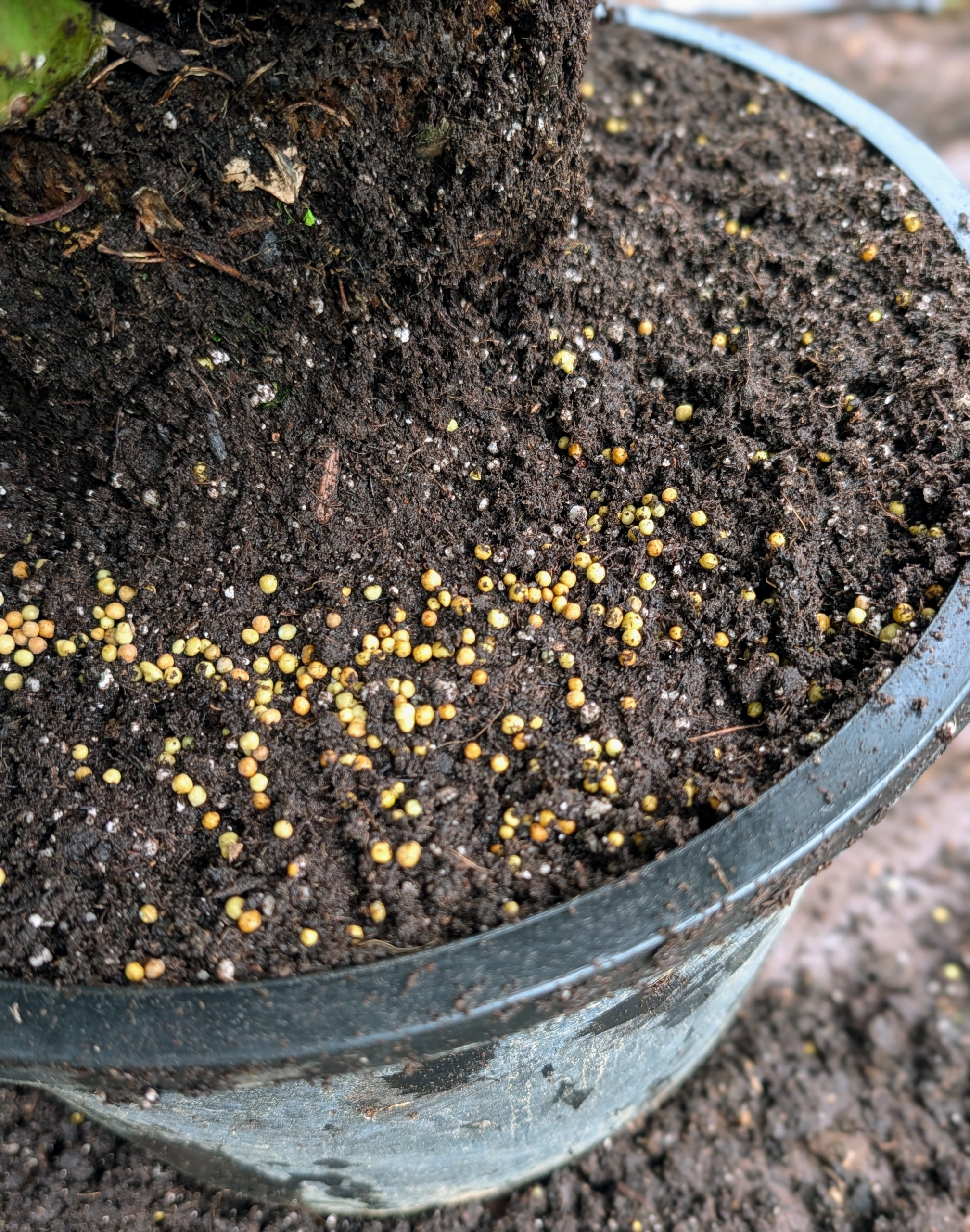
- They are also fed with Osmocote, a controlled‑release fertilizer made of polymer‑coated granules that slowly provide nitrogen, phosphorus, potassium, and other beneficial elements to the plants.
-
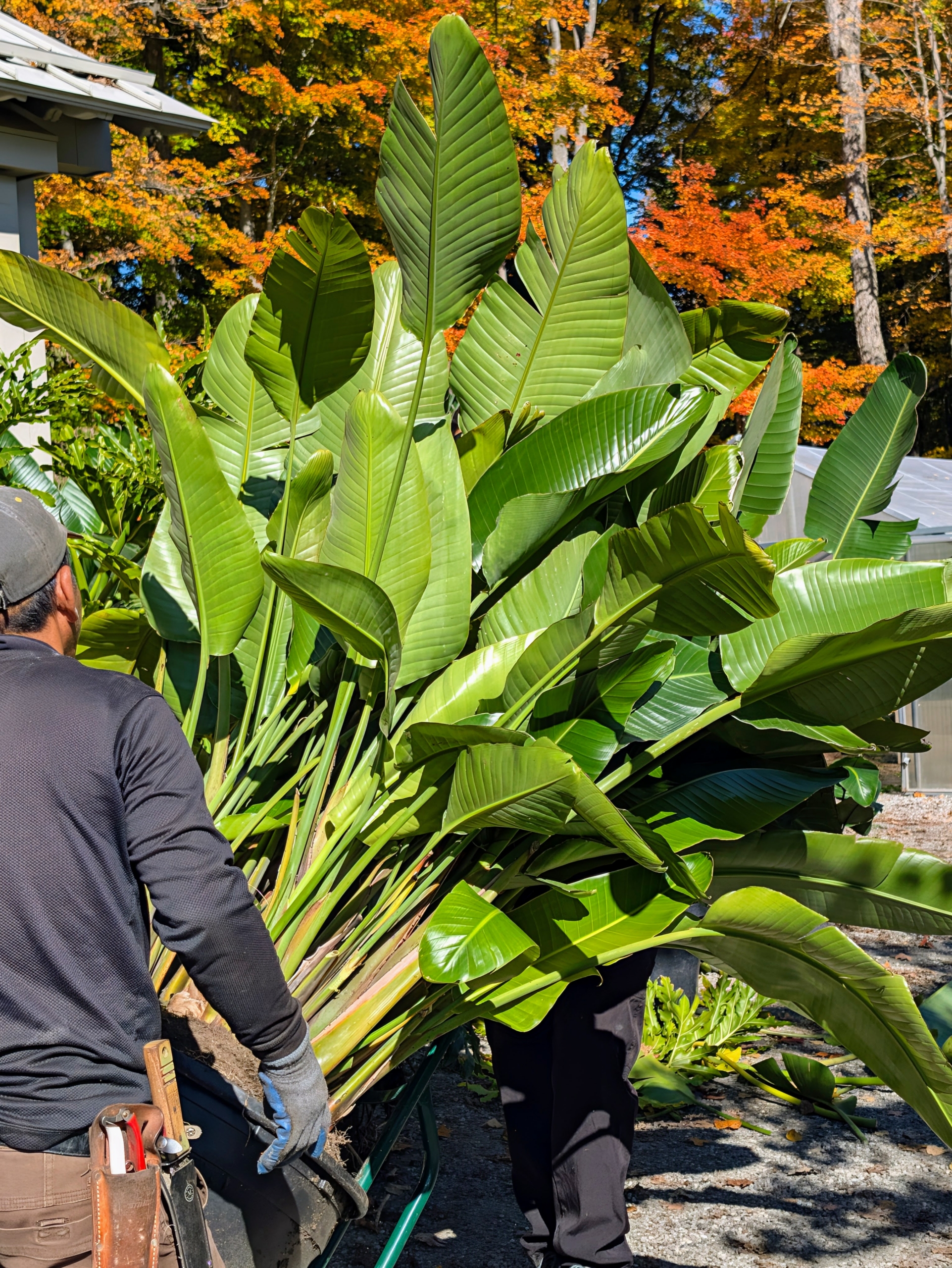
- Manageable potted plants are wheeled inside by hand cart.
-
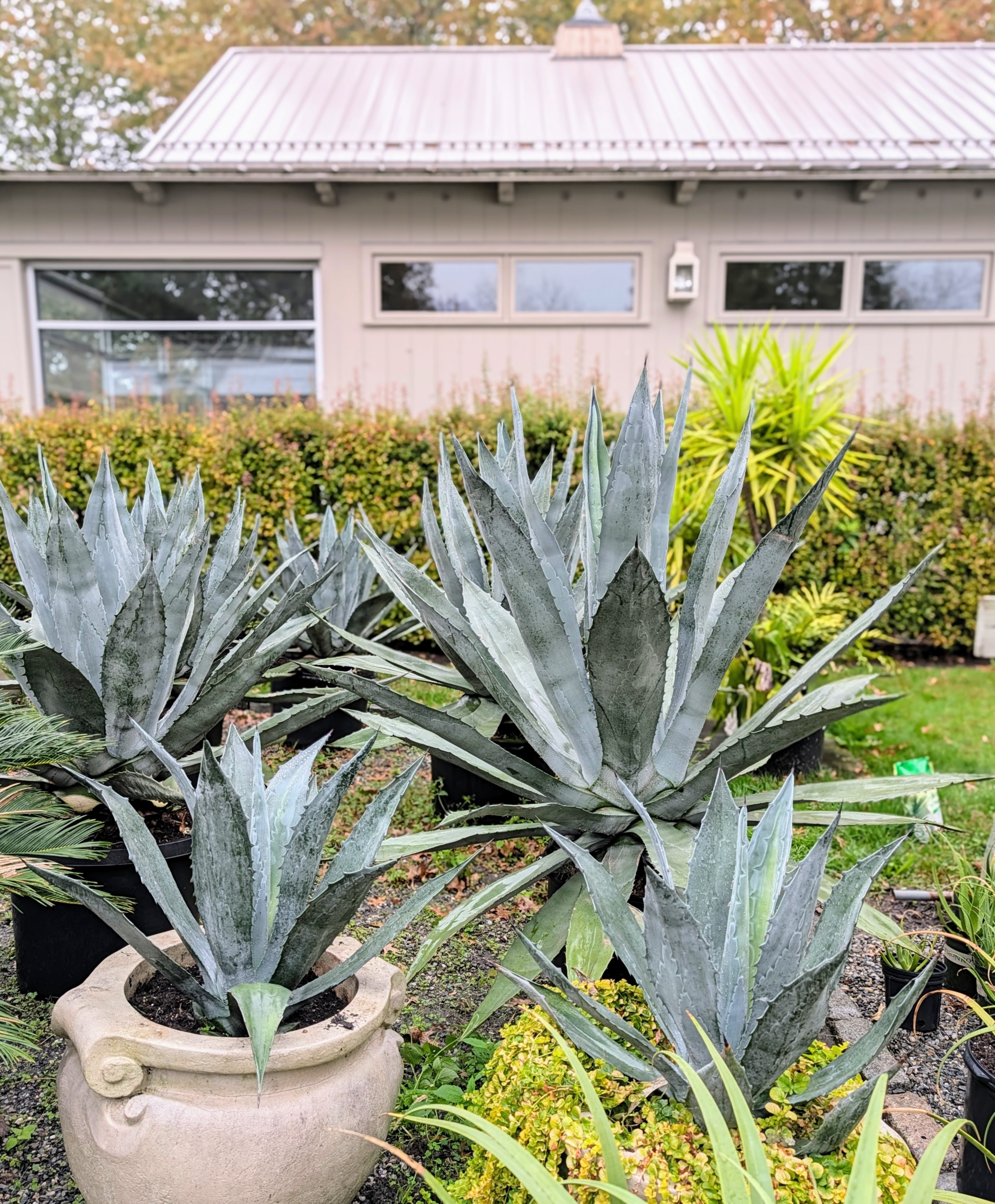
- These plants are outside the hoop house next to my vegetable greenhouse. Many of the plants are grouped by type and by care needs.
-
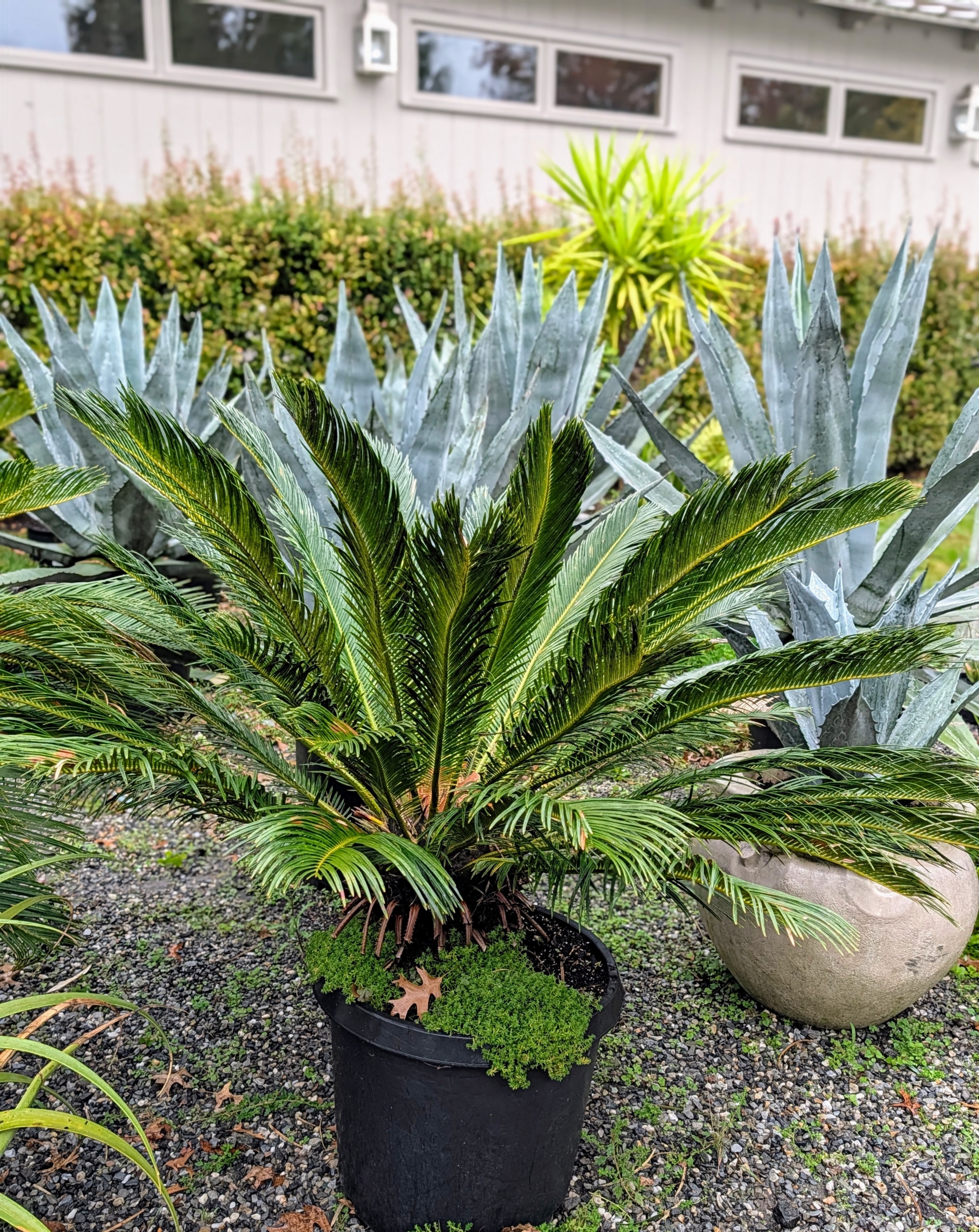
- Here is a sago palm. Everyone rushes to move the plants because of the threat of frost in the area. Tropical plants, such as sago palms, need to be moved indoors before temperatures dip below freezing and then kept in a bright, well‑ventilated space.
-
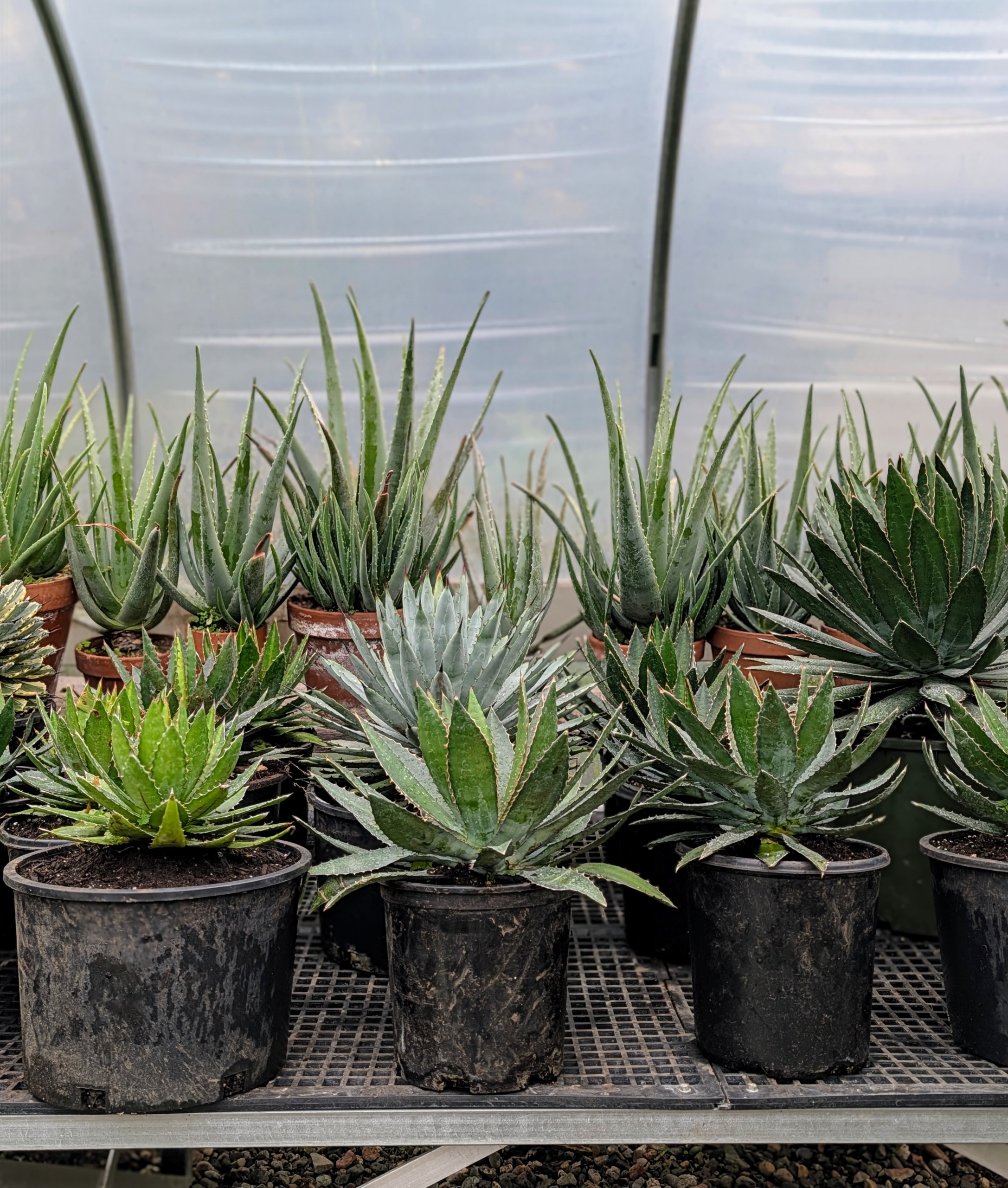
- Tables on both sides of this hoop house are used to store small, often younger potted specimens.
-
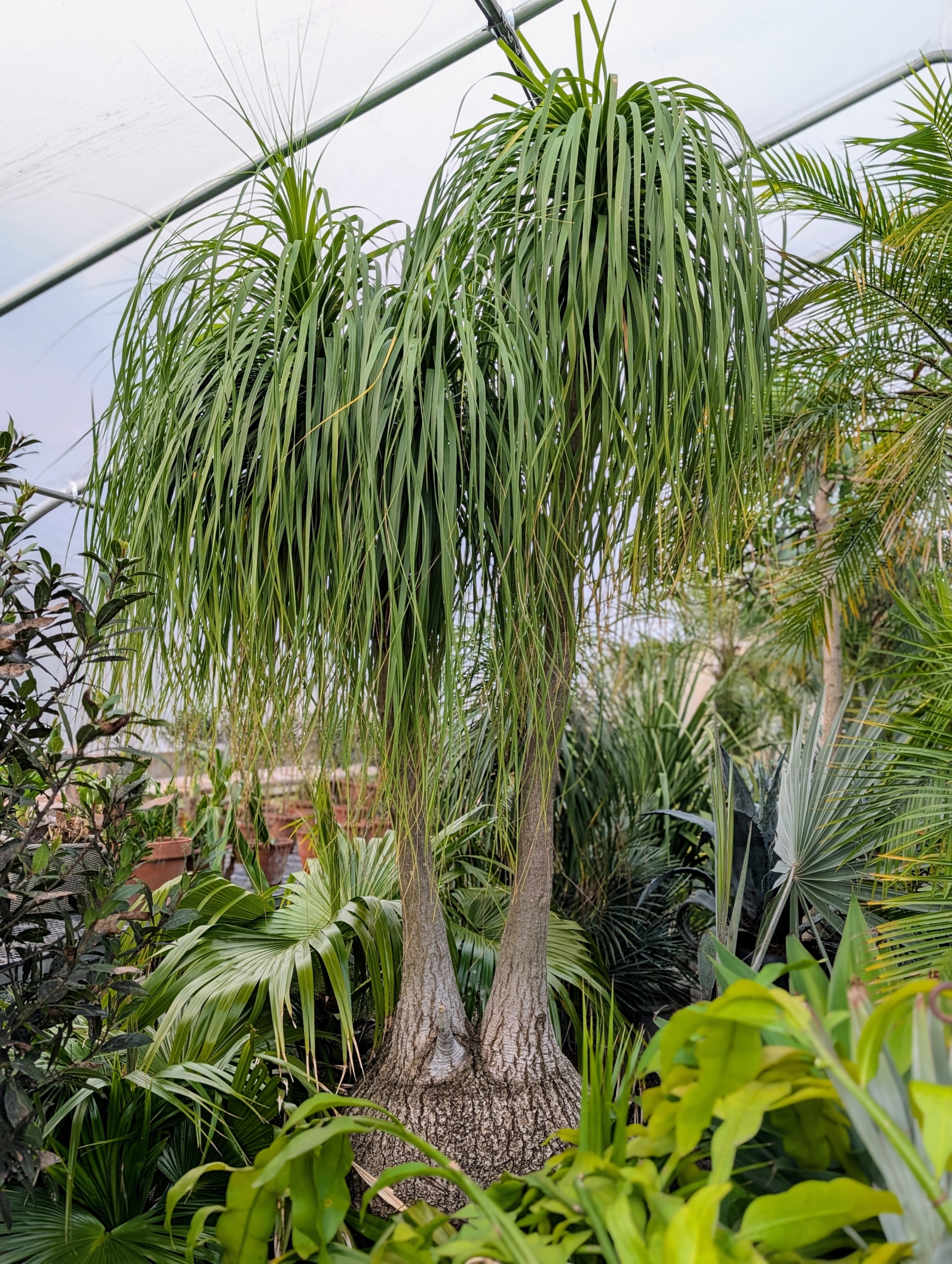
- The ponytail palm, Beaucarnea recurvata, is a striking succulent from eastern Mexico, with a bulbous trunk and long, hair‑like leaves. Despite its common name, it is not closely related to the true palms. In fact, it is a member of the Agave family and is actually a succulent.
-
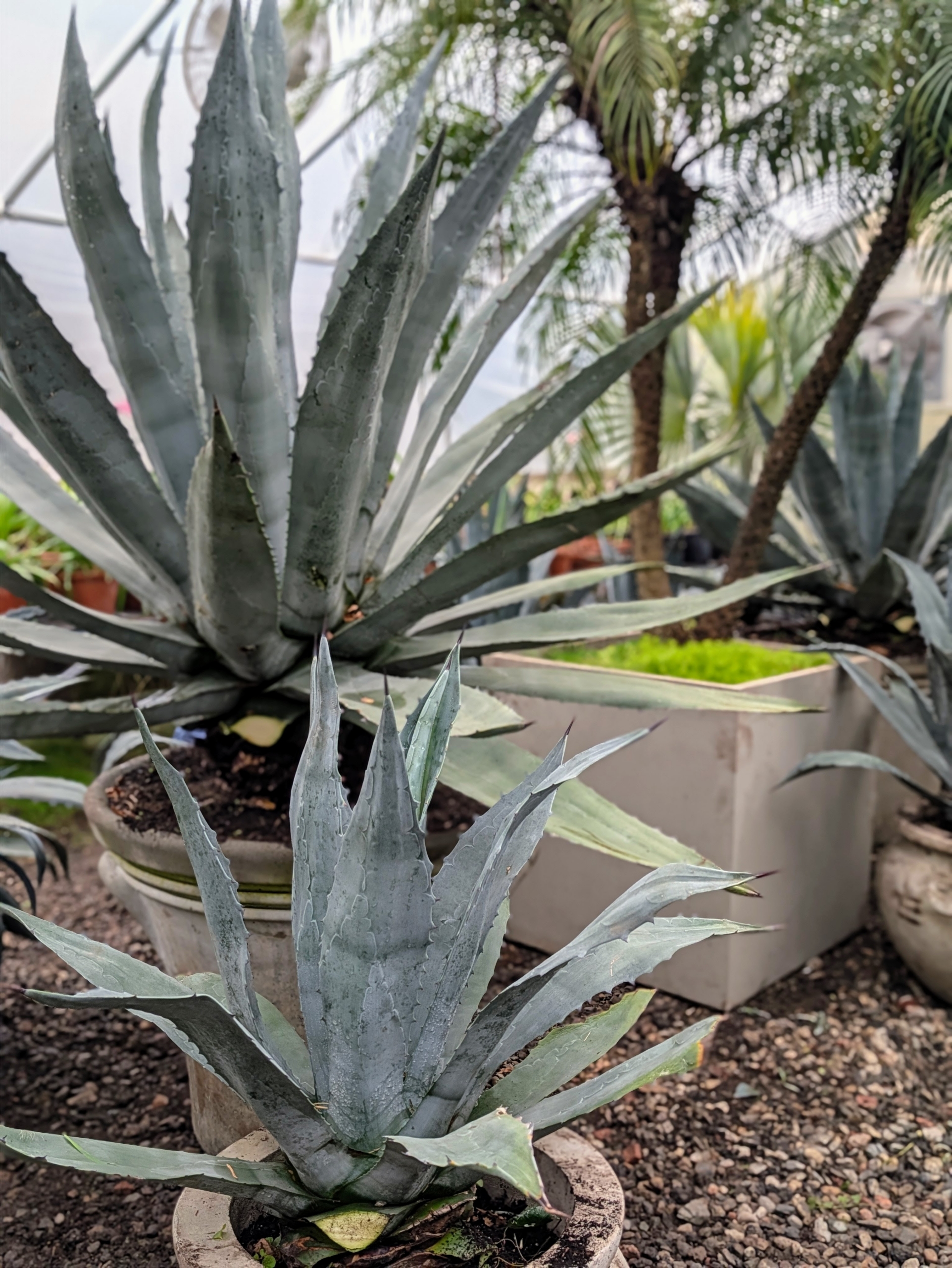
- These agaves also have sharp spines, so it is important to place them strategically.
-
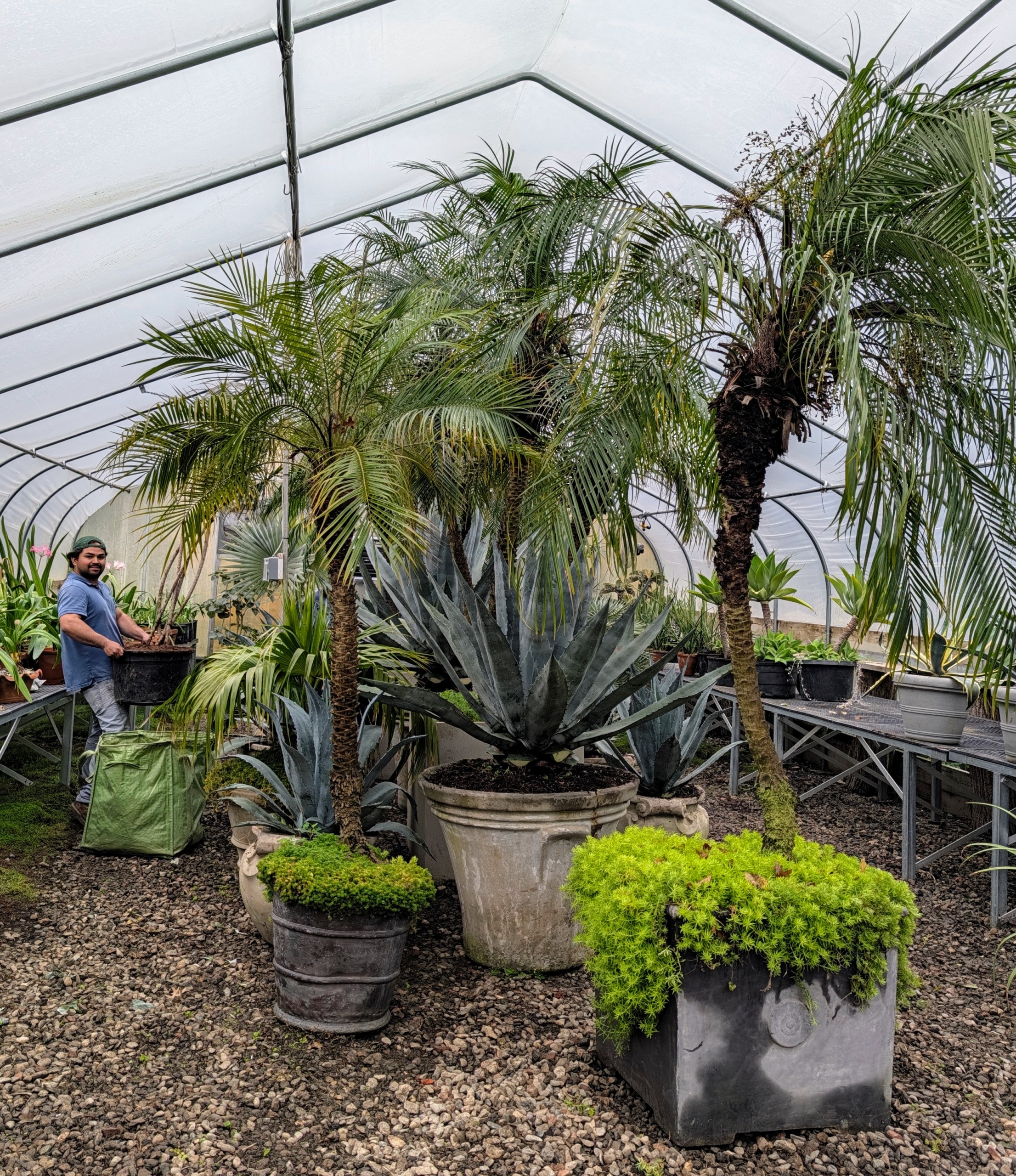
- One by one, plants are brought inside and also positioned so none of the plants touch. Plants are sensitive and if left touching could cause a defense response reducing growth. Plants can also become more easily infested with pests or diseases if left touching.
-
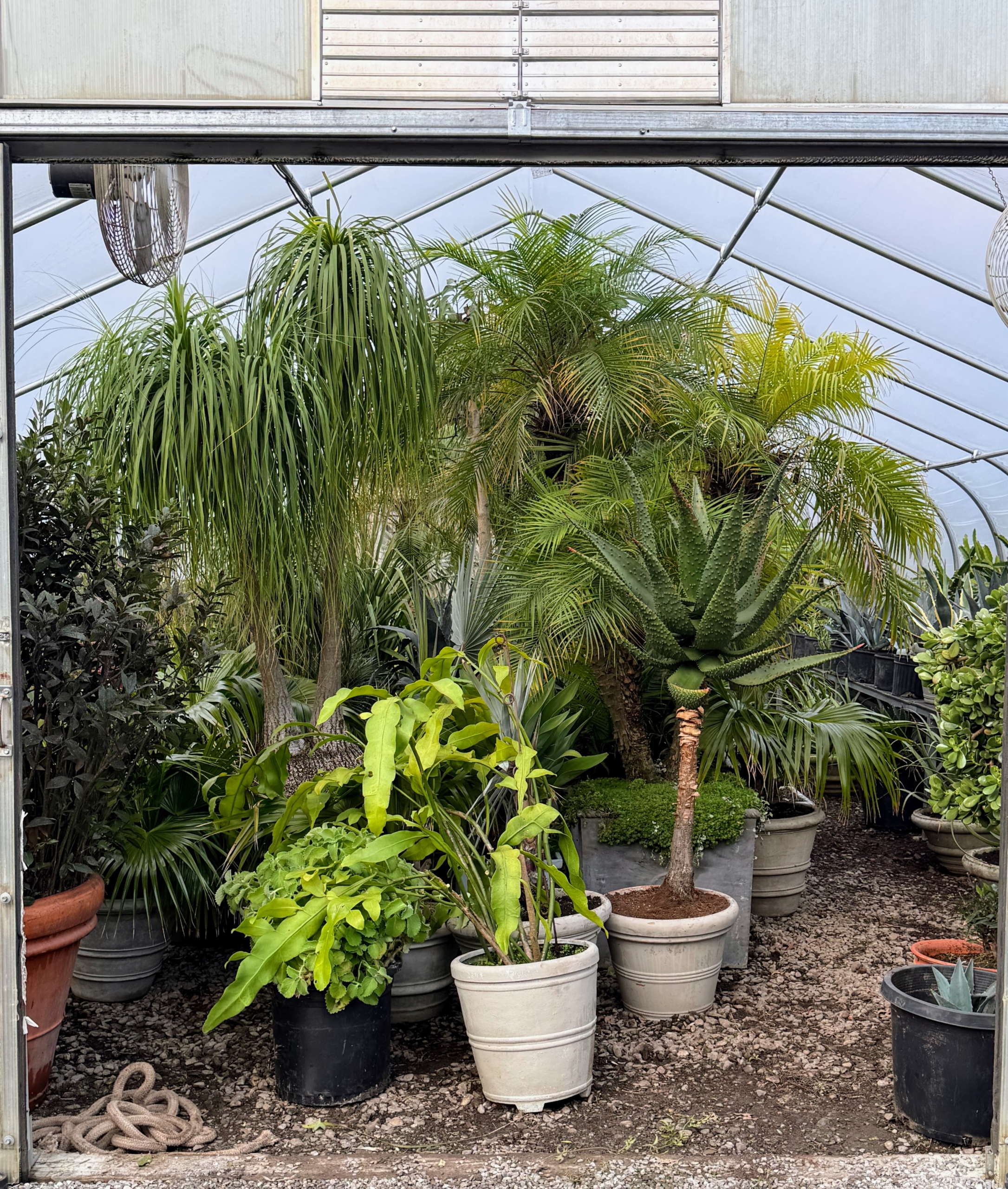
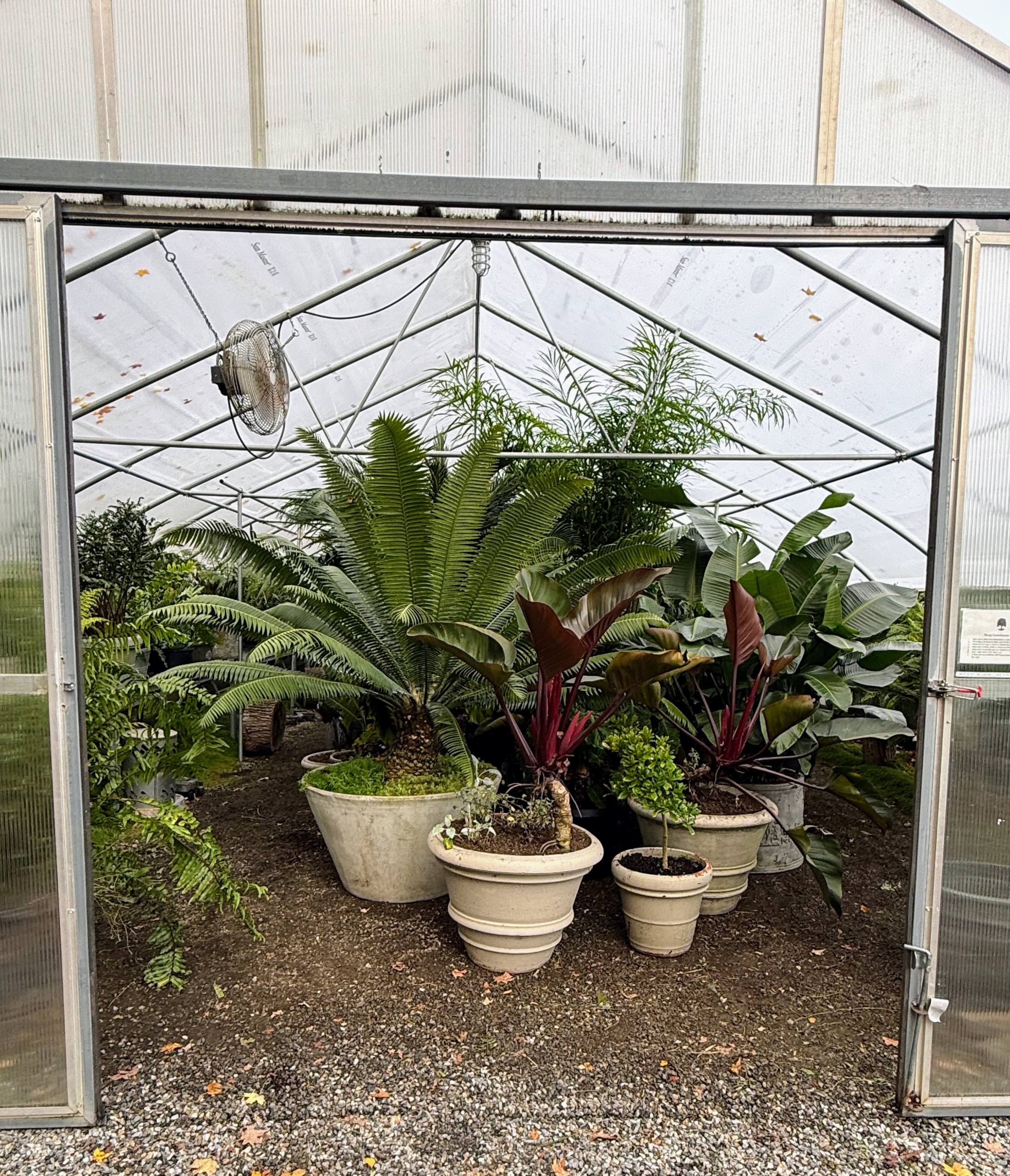
- This hoop house is full. I am very fortunate I have enough hoop houses and other indoor spaces to keep my expansive plant collection.
-
- All the greenhouses are checked a couple times each day to make sure the temperature remains comfortably warm inside. Too cold, plants will freeze – too hot, plants will rot.
-
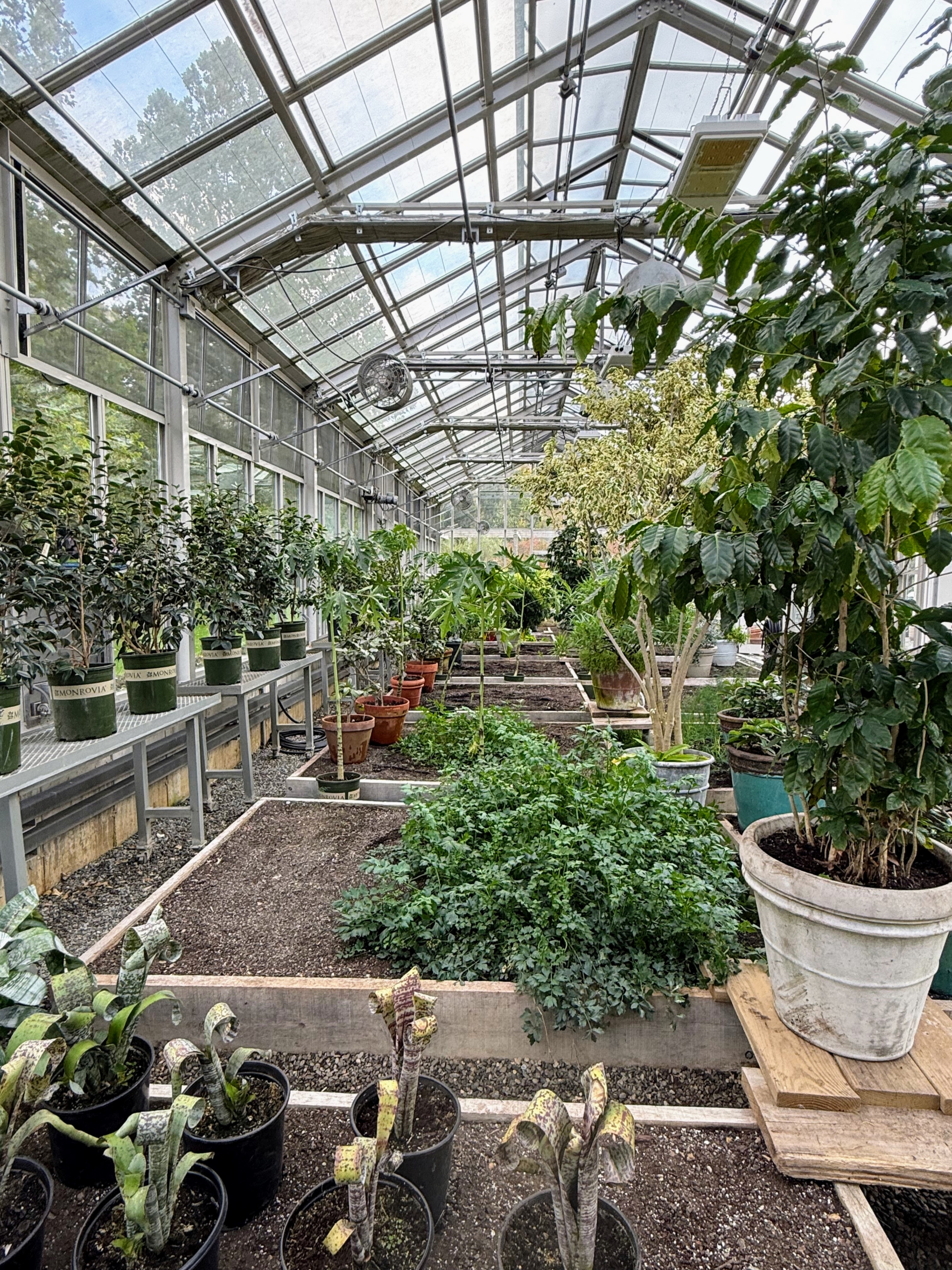
- This year, I also stored some plants in my vegetable greenhouse.
-
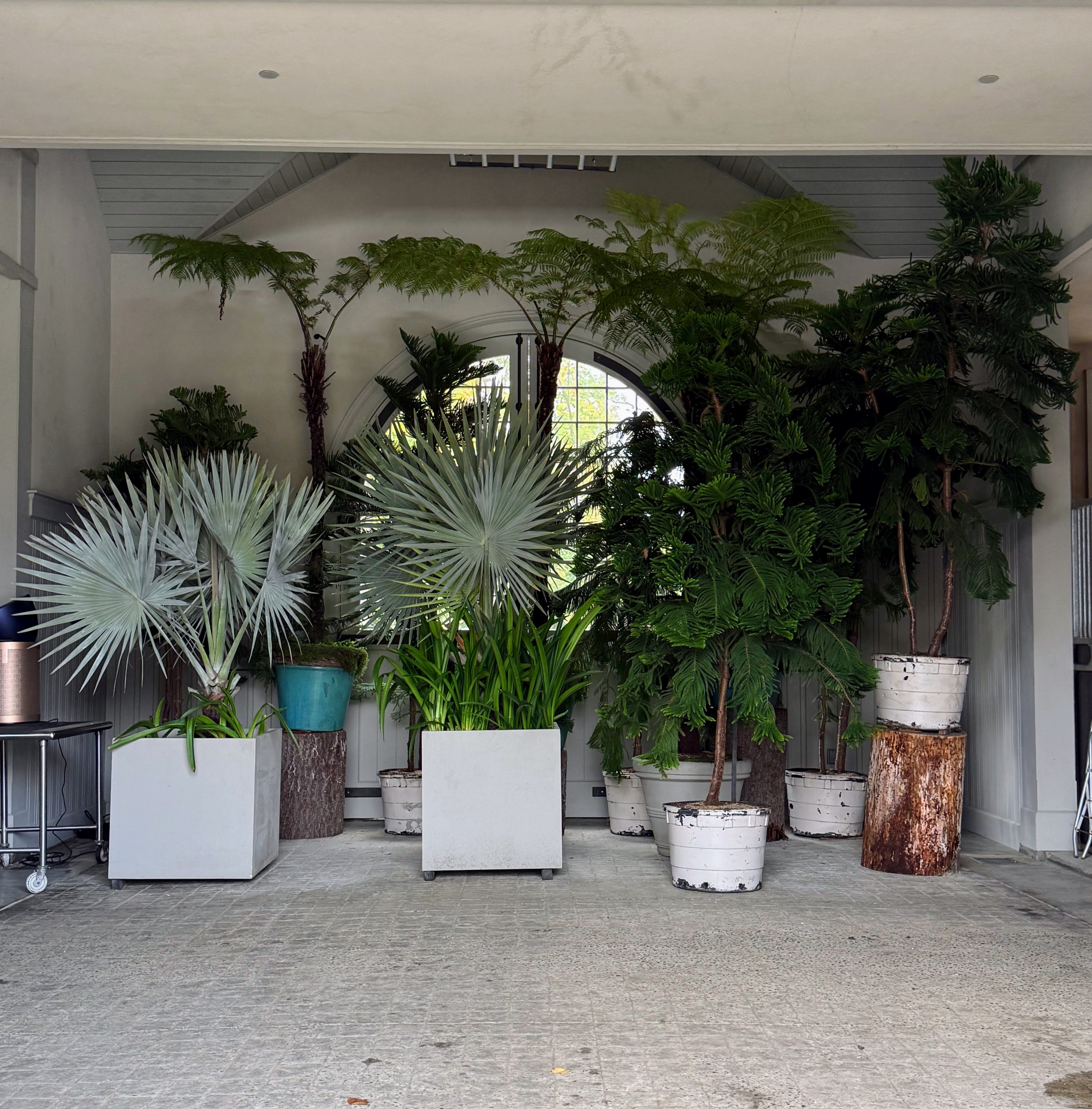
- And in my stable, where there is room for even taller specimens.
-
- I was worried I wouldn’t get them all in on time, but I did. They’ll continue to thrive in the hoop houses until they are brought outdoors again in spring.
 Martha Pins


 Martha Tweets


