
Caring for Seedlings
The outdoor gardens at my farm are still pretty bare, but there’s lots of work getting done in the greenhouses to prepare for the growing season ahead. And my Skylands gardener, Wendy Norling, is here to lend a helping hand.
While here, Wendy is helping to groom all the indoor plants in my main greenhouse. She is also tending all the young seedlings that were started over the last few weeks. She is going through each tray, thinning out those that are weak, pricking out those that are growing too big, and then transplanting them into larger pots.
Here are some photos, enjoy.
-

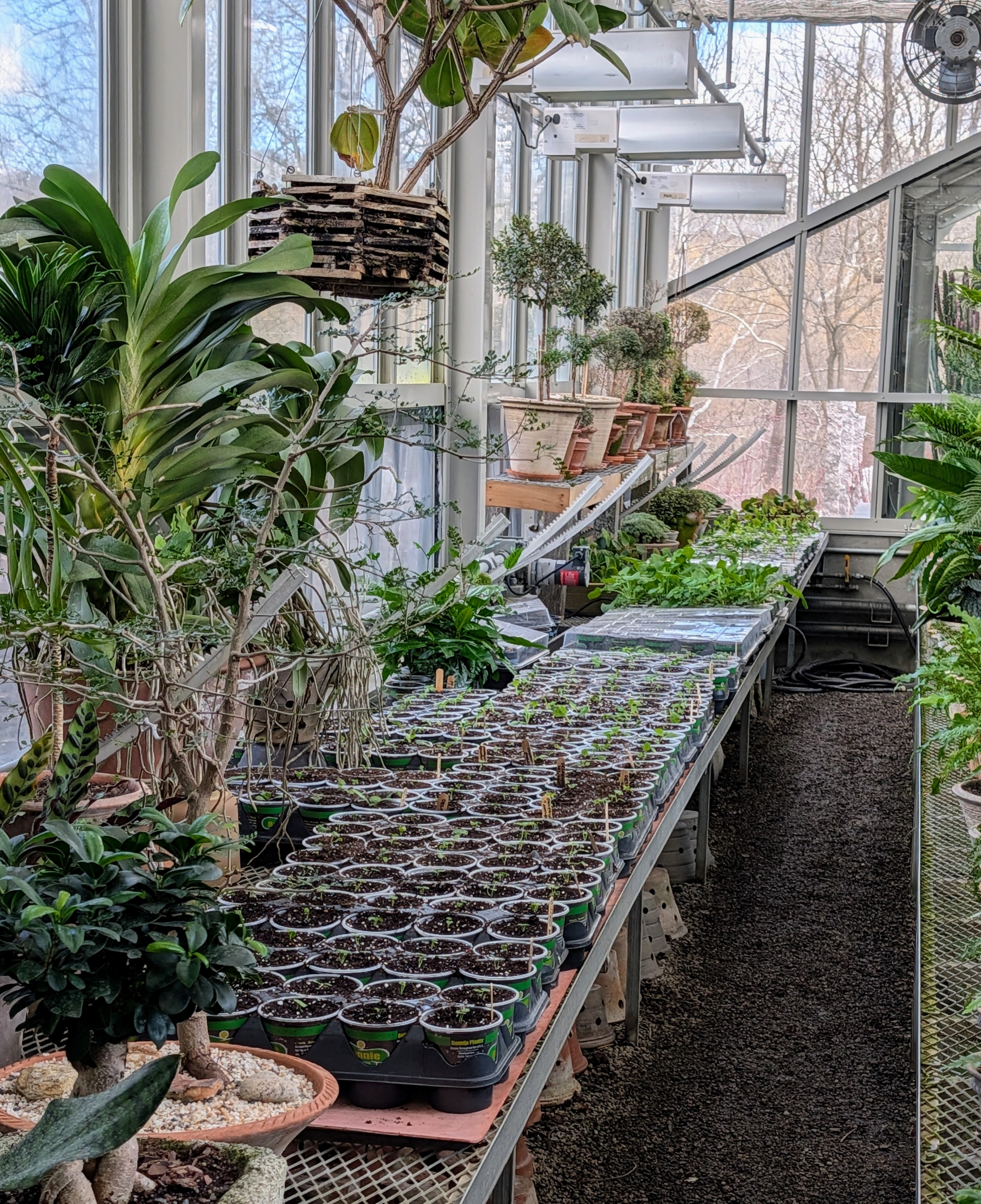
- Here at my farm, many of the seedlings start off on heated pads in the greenhouse, where they can be monitored carefully and maintained.
-
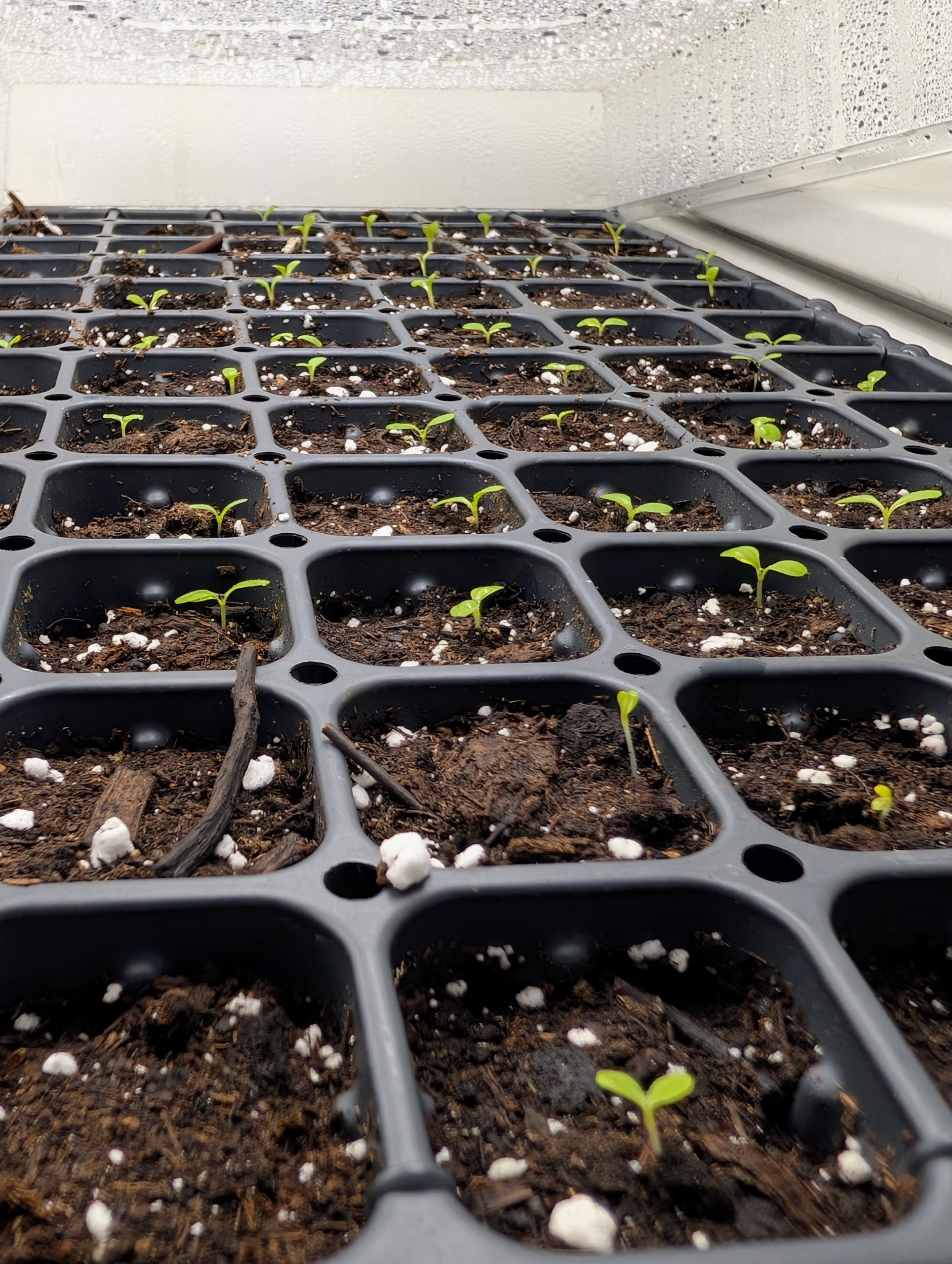
- Some of the newly started seeds are also placed in our commercial-sized Urban Cultivator, an automated system that provides a self-contained growing environment with everything the plants need to thrive.
-
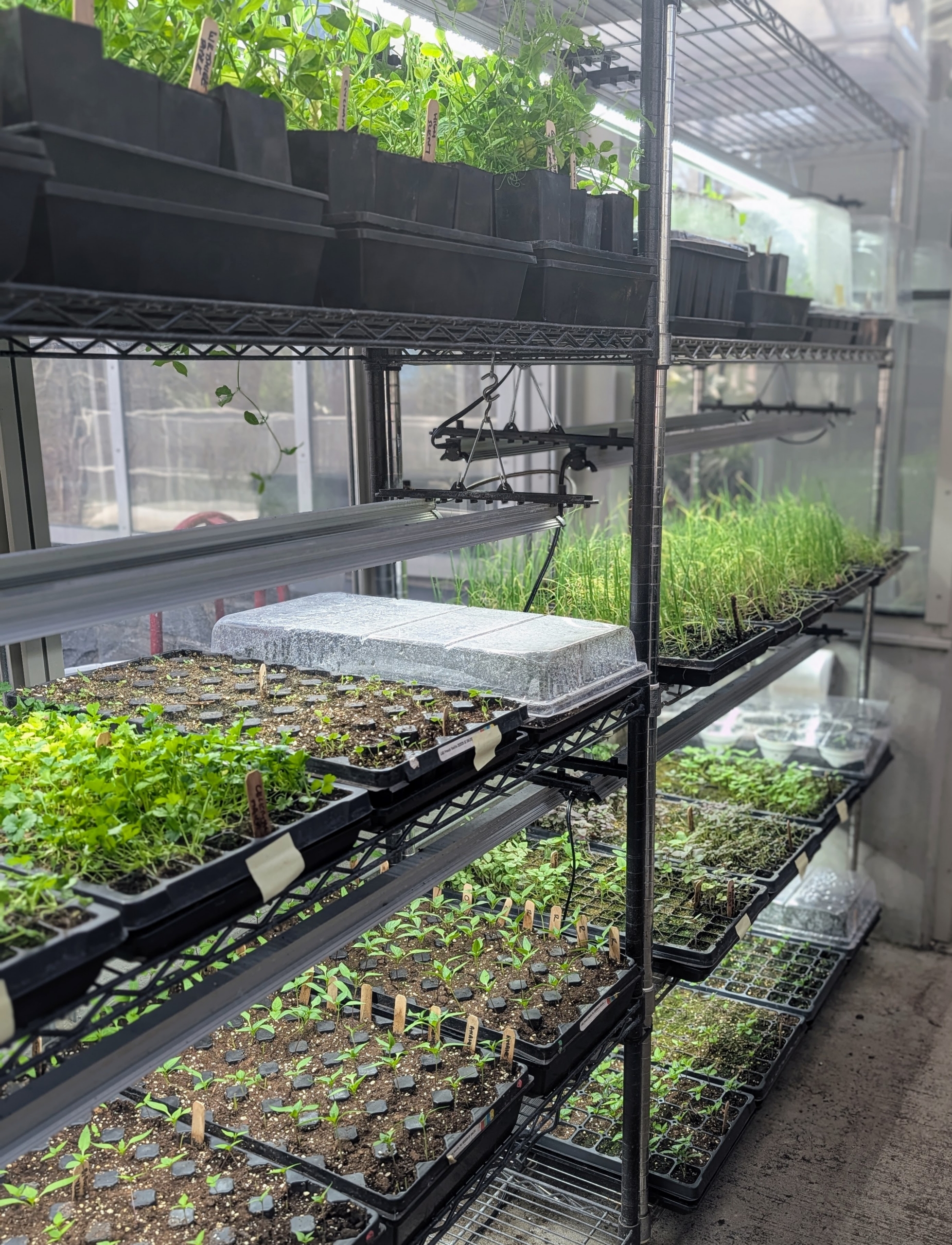
- And still more seedlings are here on shelves under proper growing lights. We start so many flowers and vegetables from seed – every possible bit of space is used to nurture them before they are planted outdoors.
-
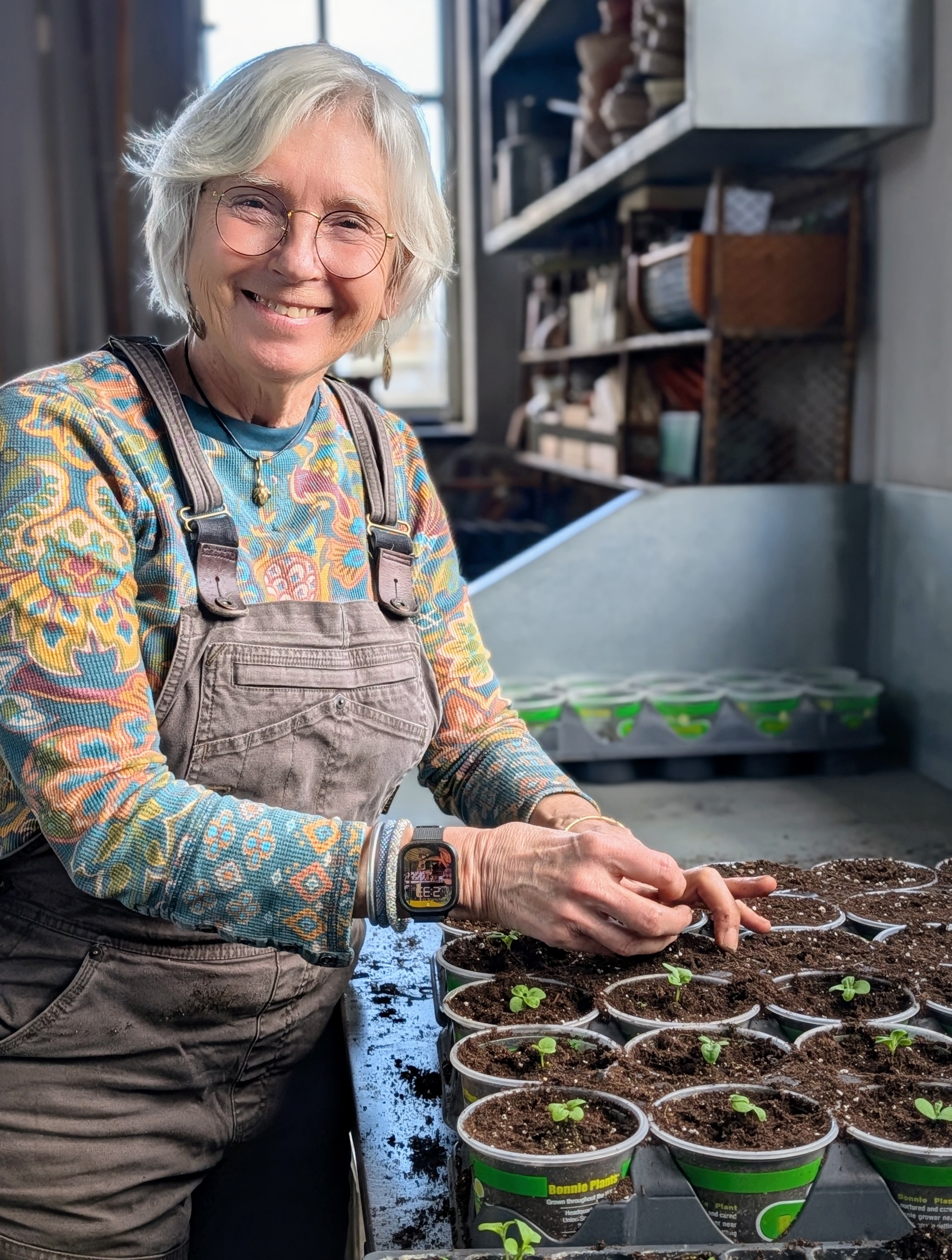
- Every winter my Skylands gardener, Wendy Norling, comes down to help at the farm. She comes just in time to transplant hundreds of growing flower seedlings. It’s a great way to learn about my farm and how its growing season differs from the one up in Maine.
-
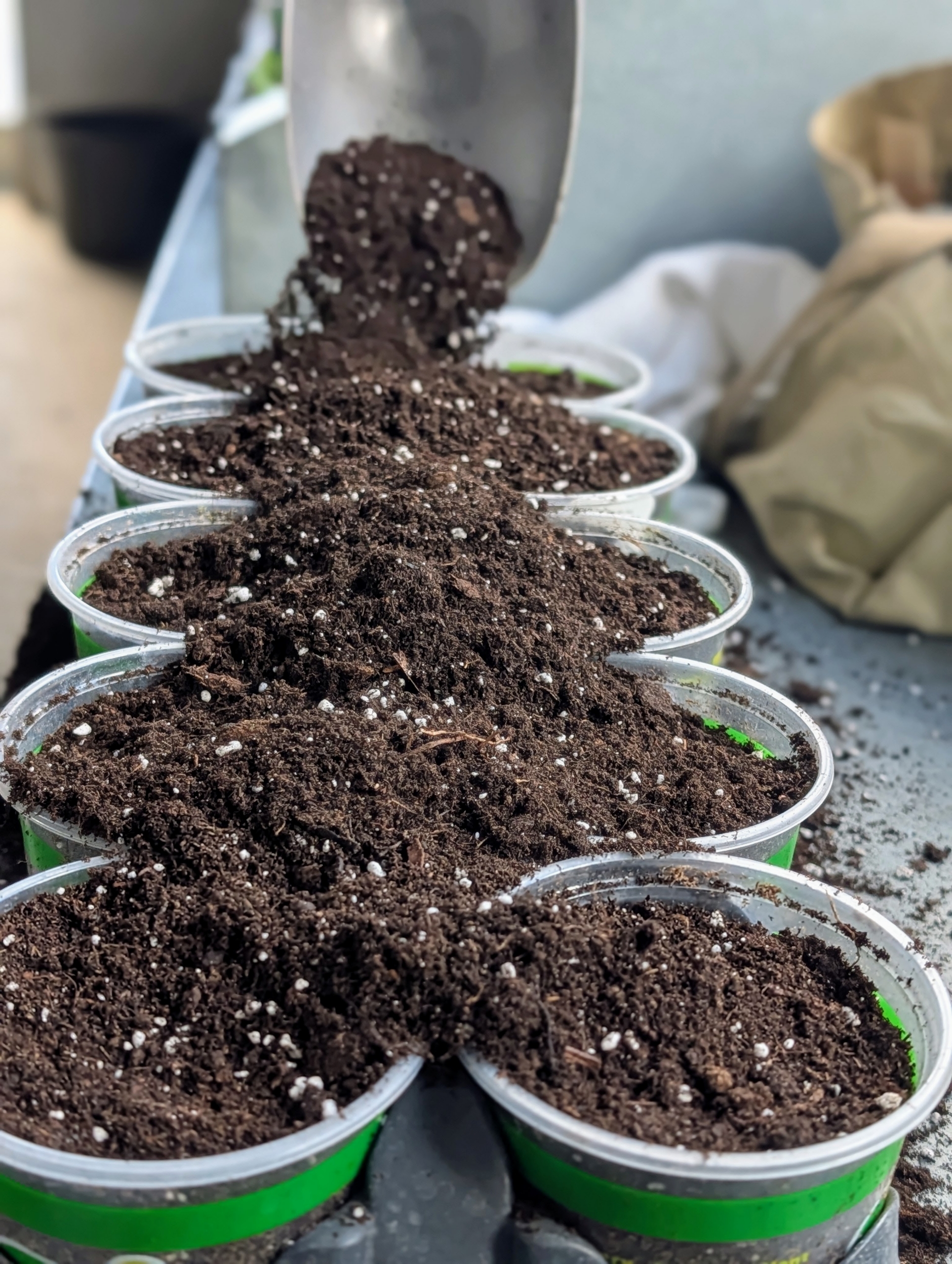
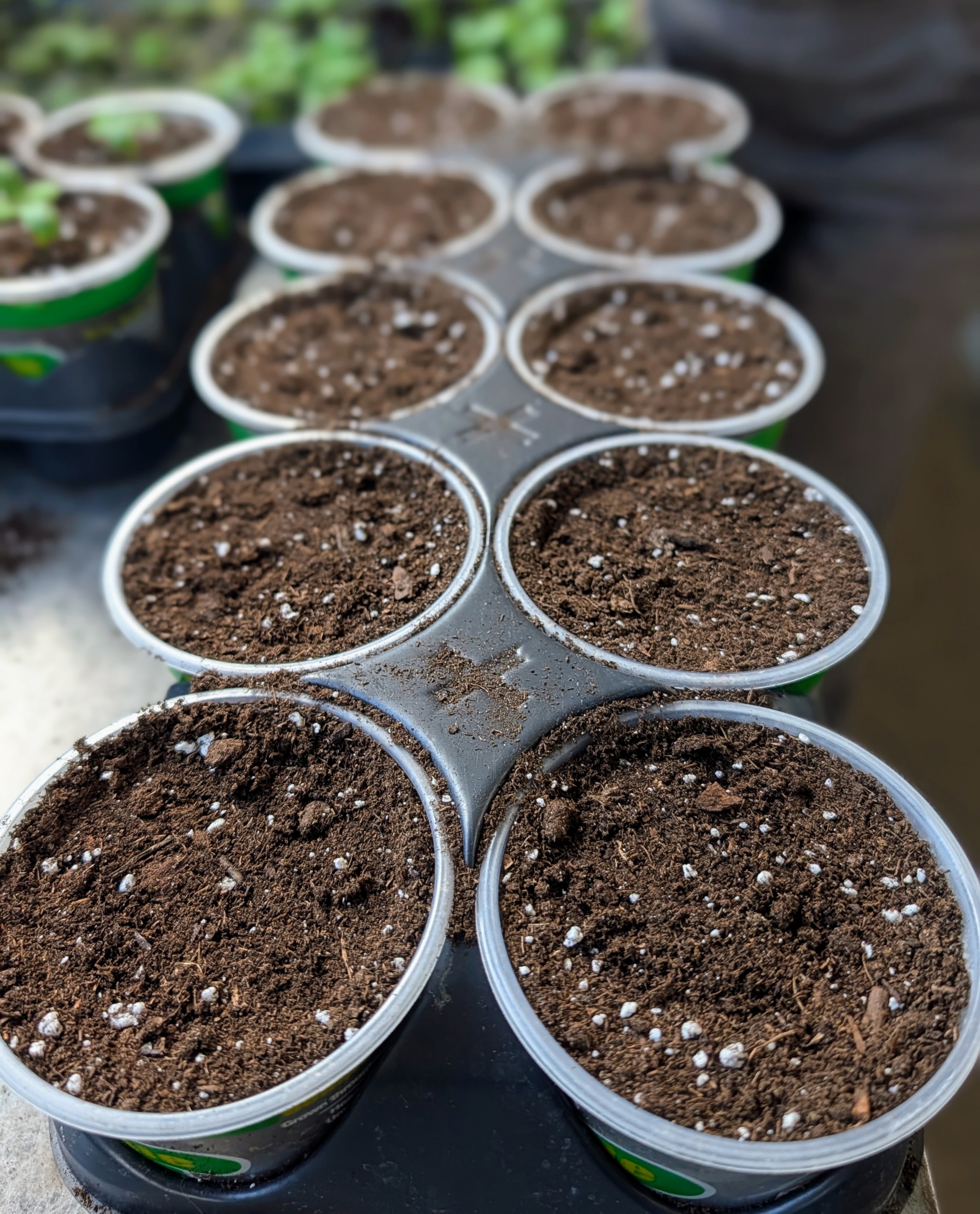
- Wendy fills slightly larger pots that fit in trays for the growing seedlings to be transplanted. Experiment with pots to see which ones work best for what plants. And always choose containers or trays that have proper drainage holes at the bottom.
-
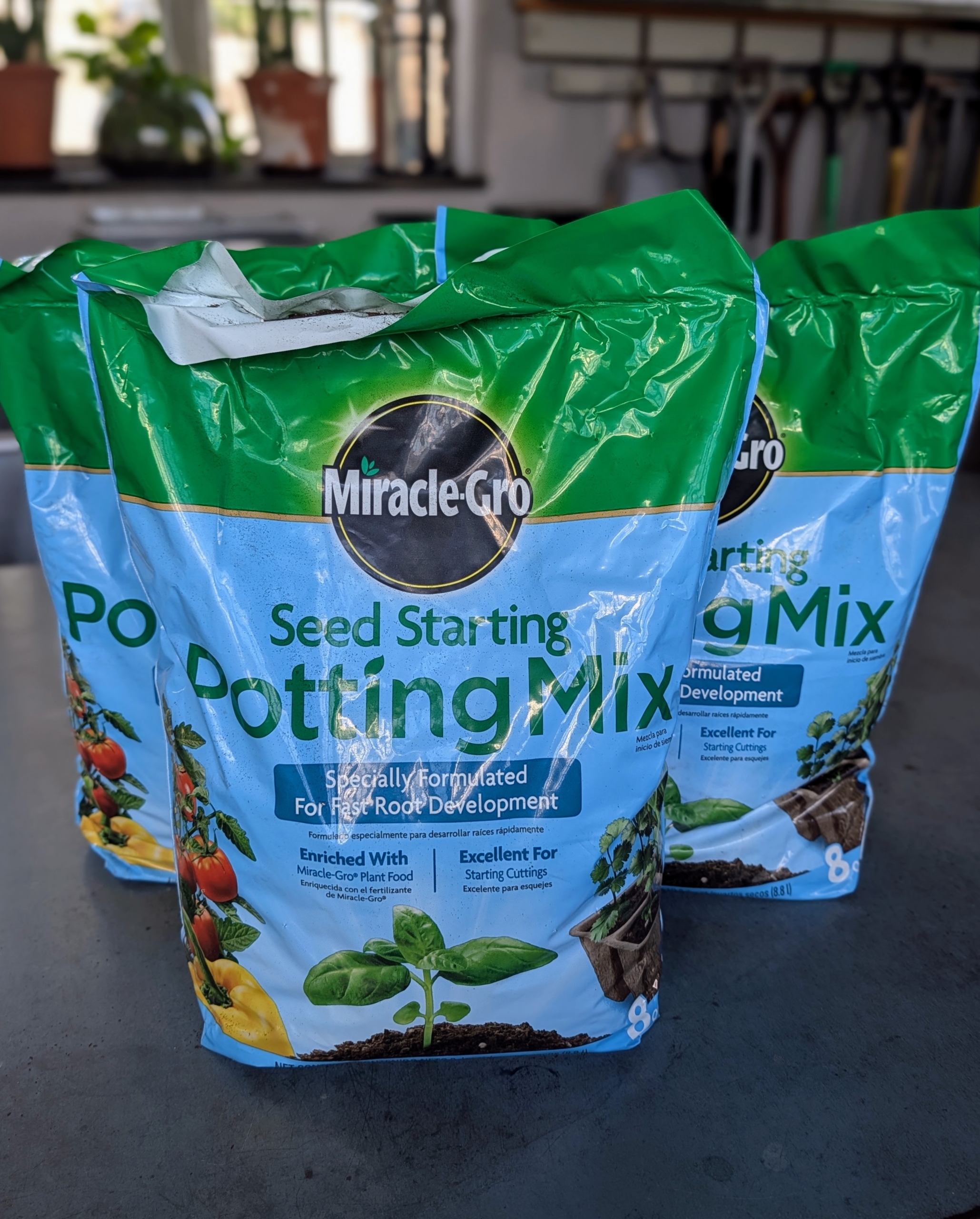
- I use Miracle-Gro Potting Mix. A good quality organic mix designed for seedlings will be fast draining and light. These mixes are formulated to encourage strong, healthy growth in new plants.
-
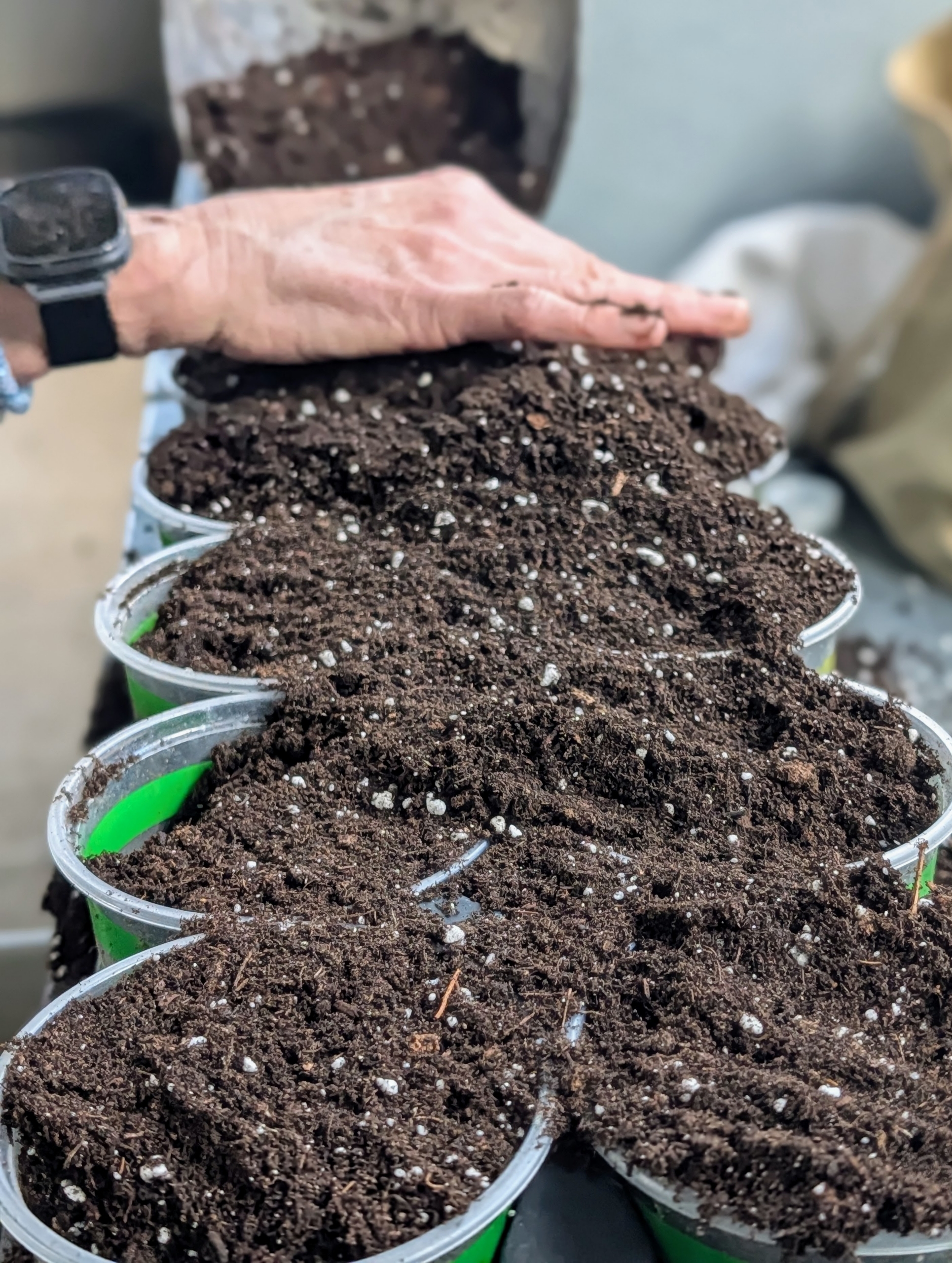
- Wendy fills the pots with mix and then levels off the soil to the rim.
-
- It’s important not to overfill, so soil does not spill out when watering.
-
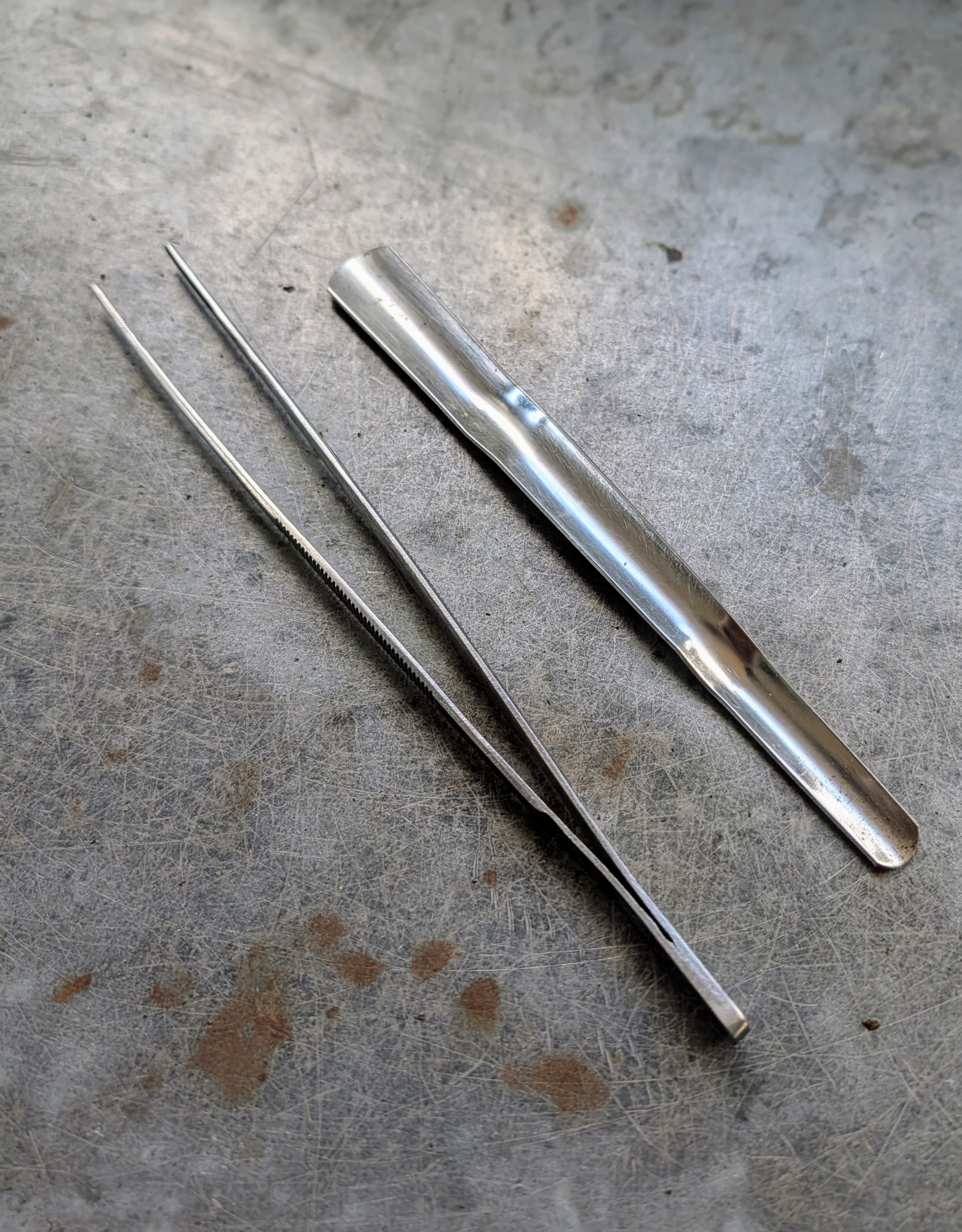
- These tools are great for transplanting seedlings. The tool on the left is an extra large tweezer. The one on the right is from Johnny’s Selected Seeds. It’s called a widger, a great multipurpose tool for seed starting. It has a convex stainless steel blade that delicately separates the tiny plants and helps to lift up the root balls.
-
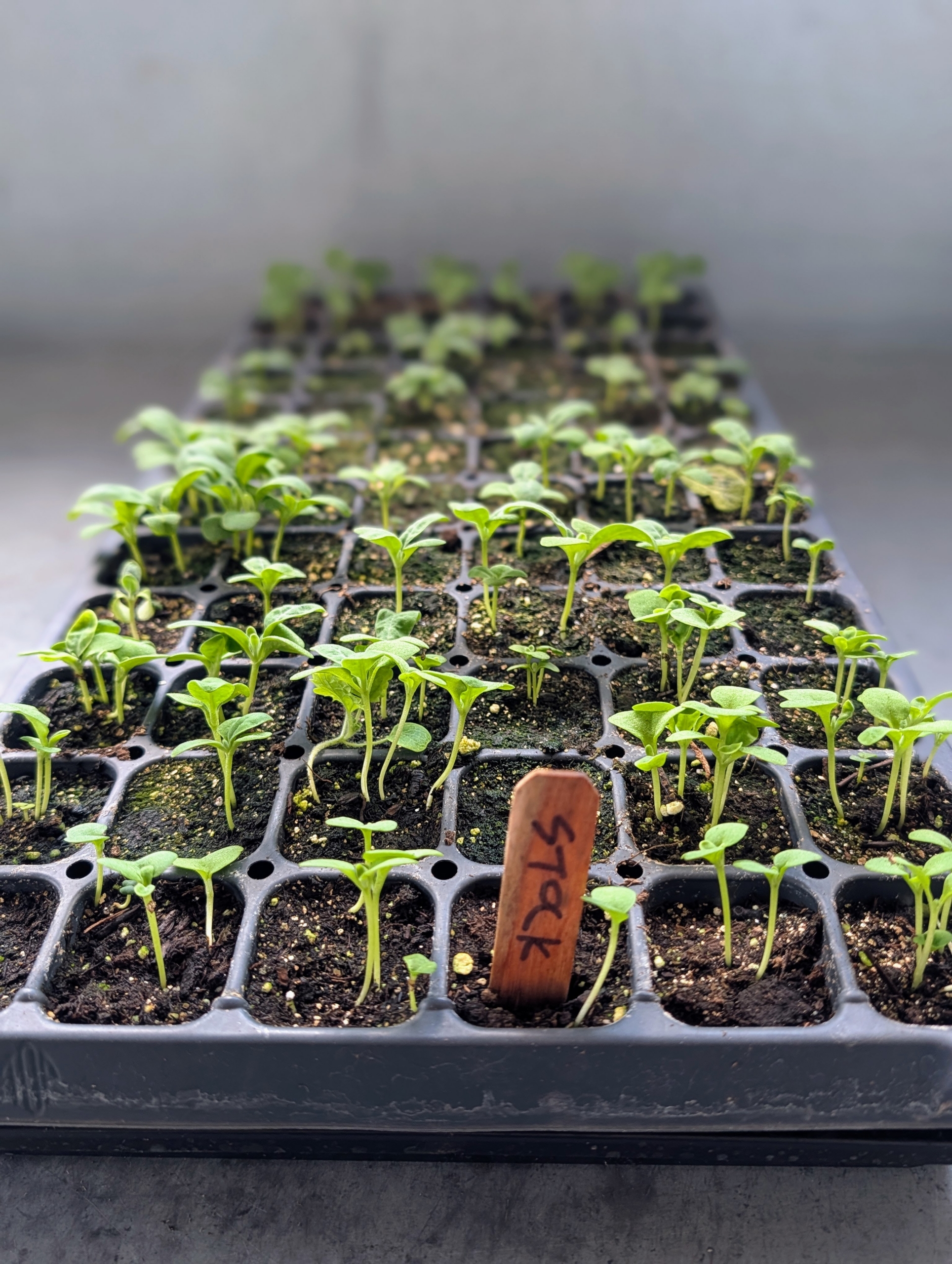
- The tiny seeds we planted just a few weeks ago are already sprouting and ready to move. These seedlings are Stock, Matthiola incana. Stock flowers grow with either single or double blooms in clusters on tall, spiky stems. The colorful flowers are great for attracting pollinators to the garden, such as bees and butterflies.
-
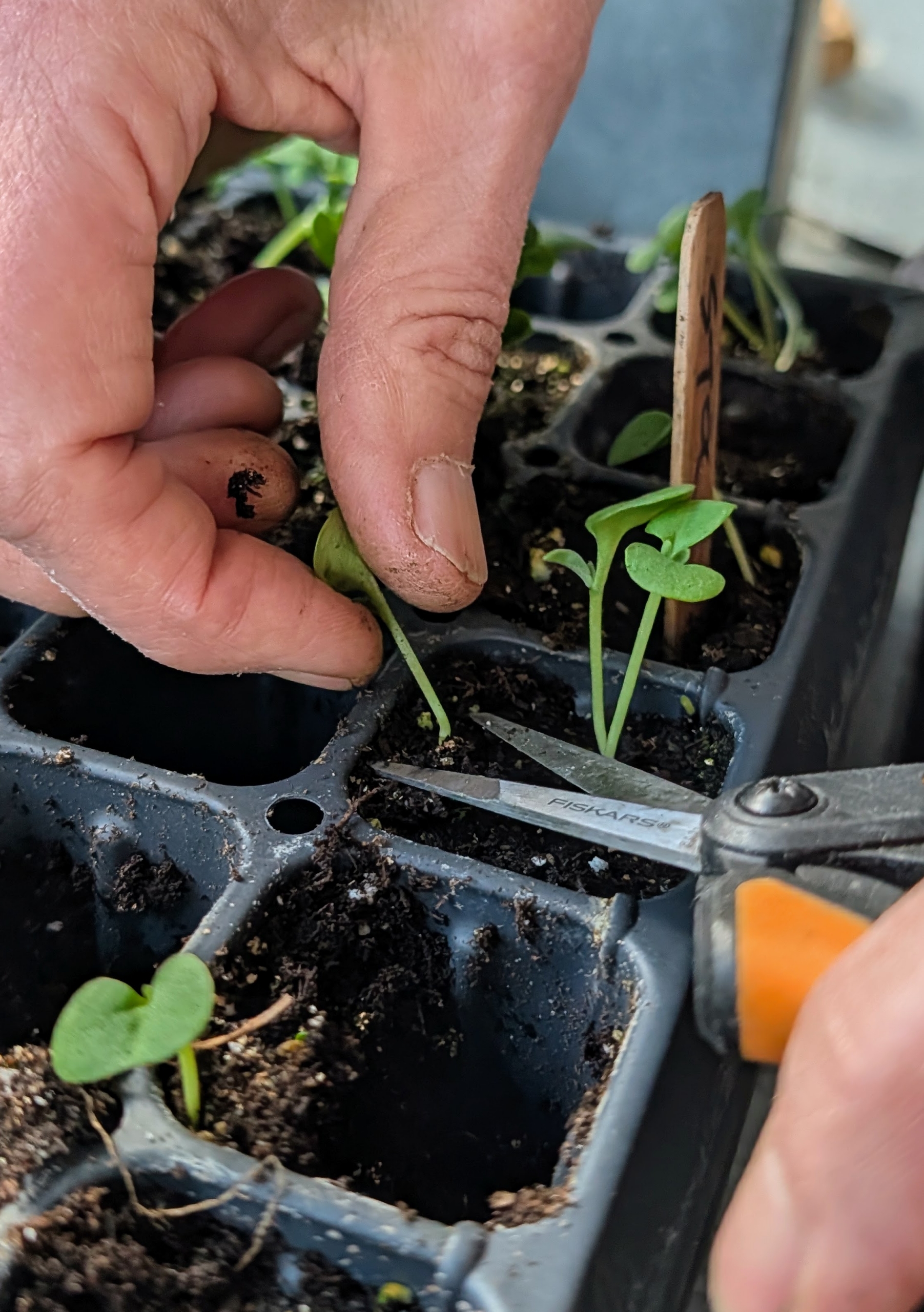
- When the seedlings are a couple inches tall and have reached their “true leaf” stage, which is when each seedling has sprouted a second set of leaves, it’s time for a process called selective thinning. Selective thinning prevents overcrowding, so seedlings don’t have competition for soil nutrients or room to grow. Wendy carefully loosens the soil around the seedling with the widger so it can be lifted.
-
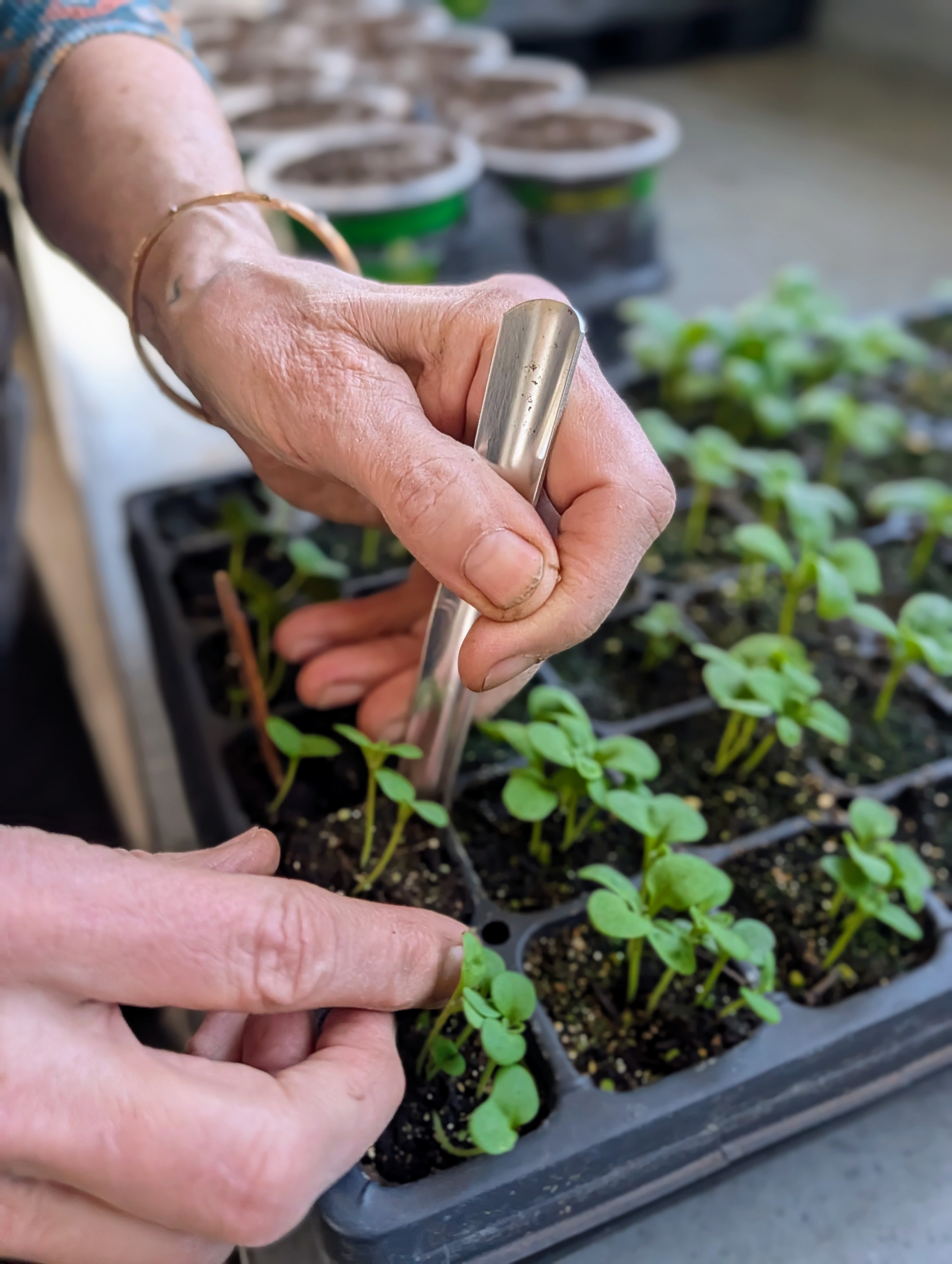
- In this cell, Wendy is removing a weaker seedling. She carefully inspects the seedlings and determines the strongest ones. She looks for fleshy leaves, upright stems, and center positioning in the space. The smaller, weaker, more spindly looking seedlings are removed, leaving only the stronger ones to mature. The stronger specimens will be transplanted into larger cells or pots.
-
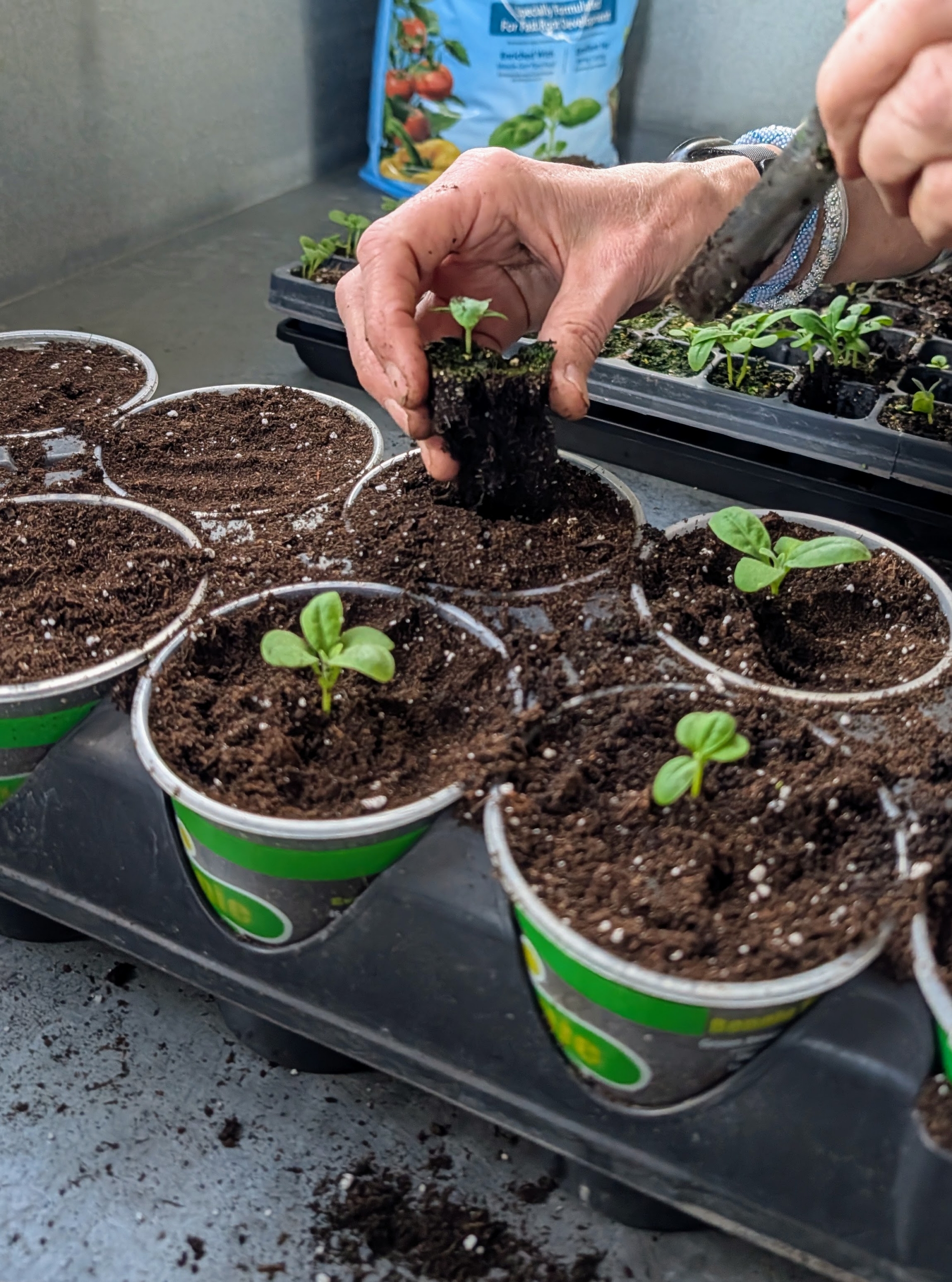
- Using the widger, Wendy carefully moves the seedling from the tray to its new and larger pot. The widger also helps to avoid damage to the plant’s leaves or roots.
-
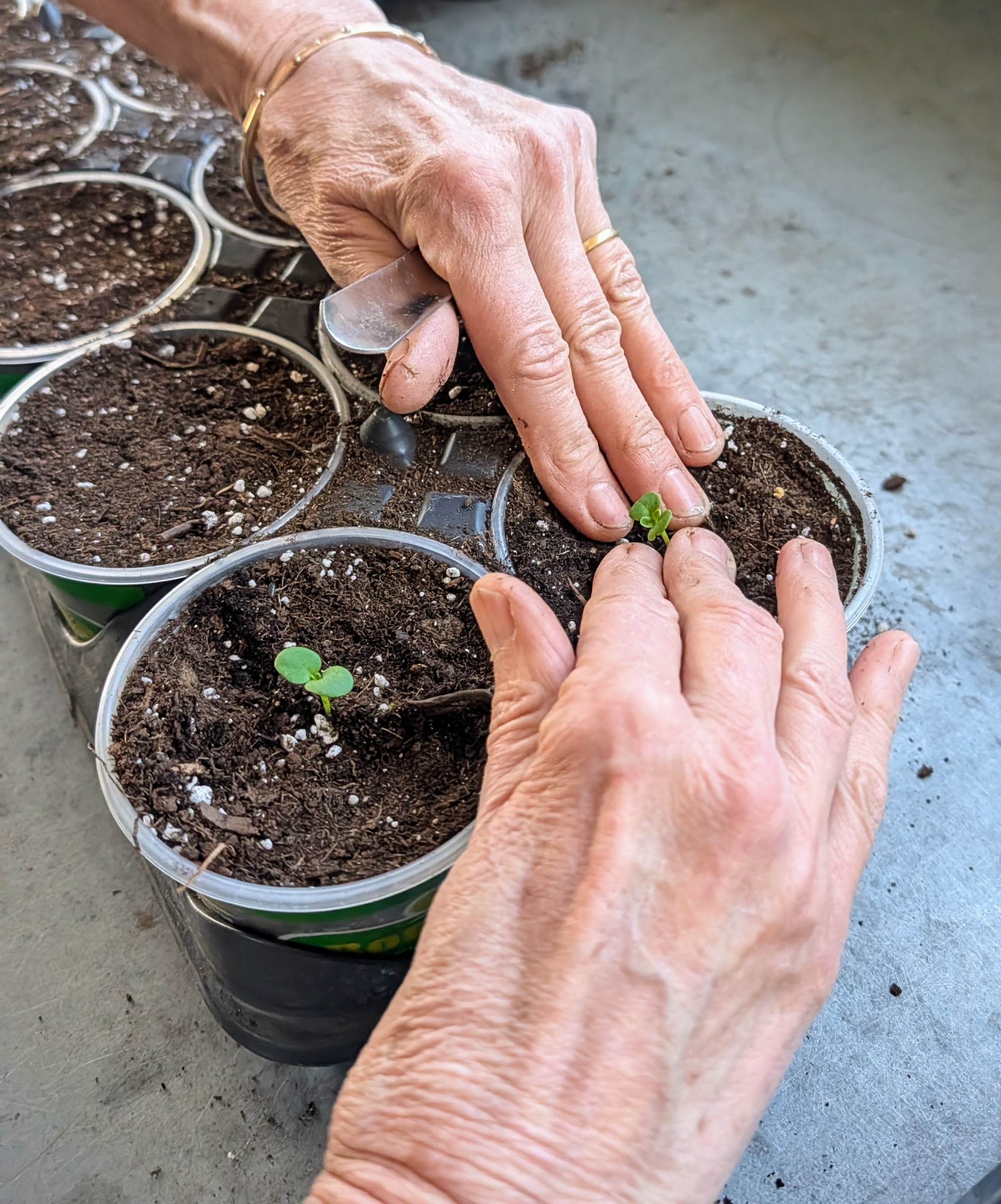
- The seedling is planted as deep as it was in its previous tray cell. Wendy gently firms up the surrounding soil, so the seedling is supported and standing straight in the center of the pot.
-
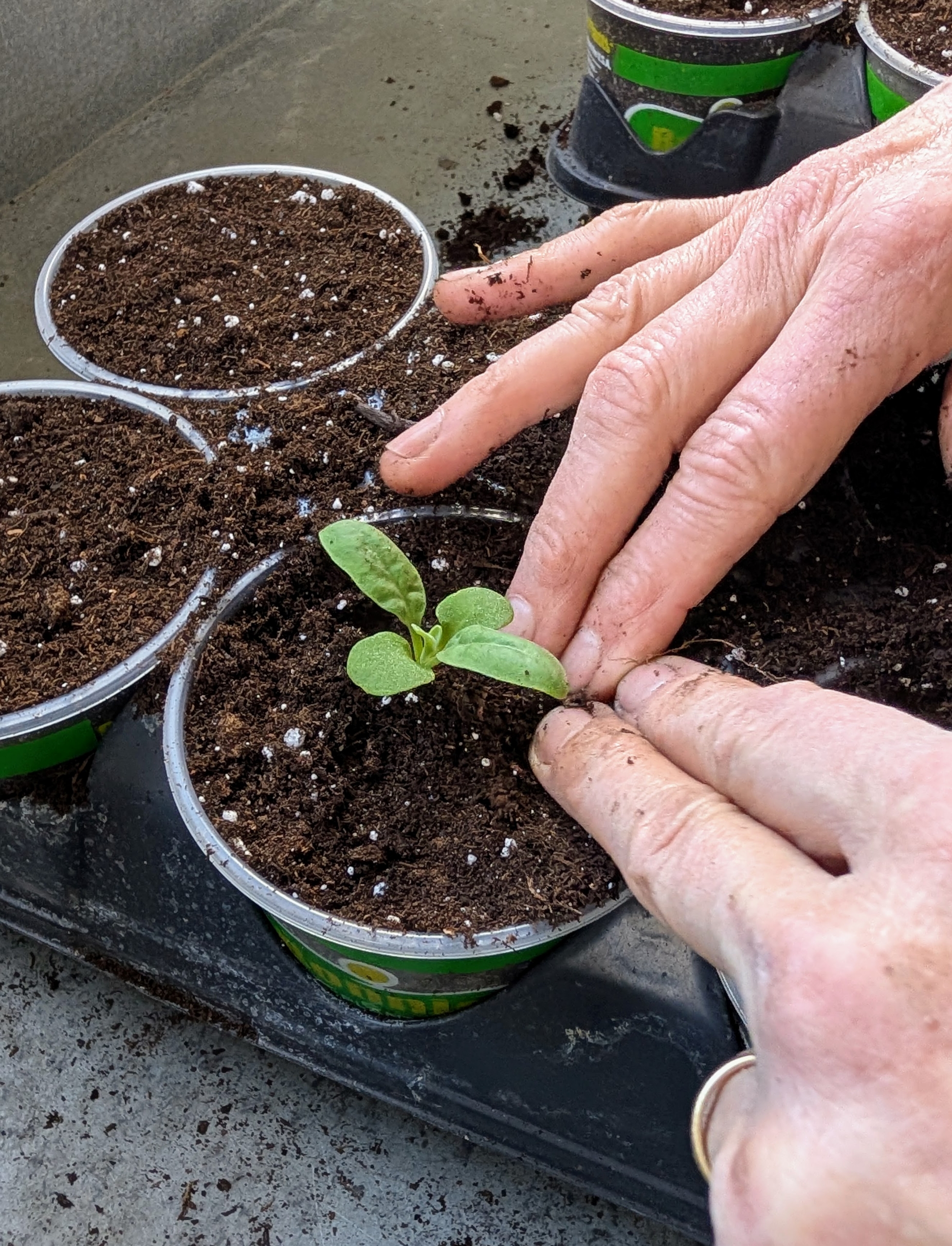
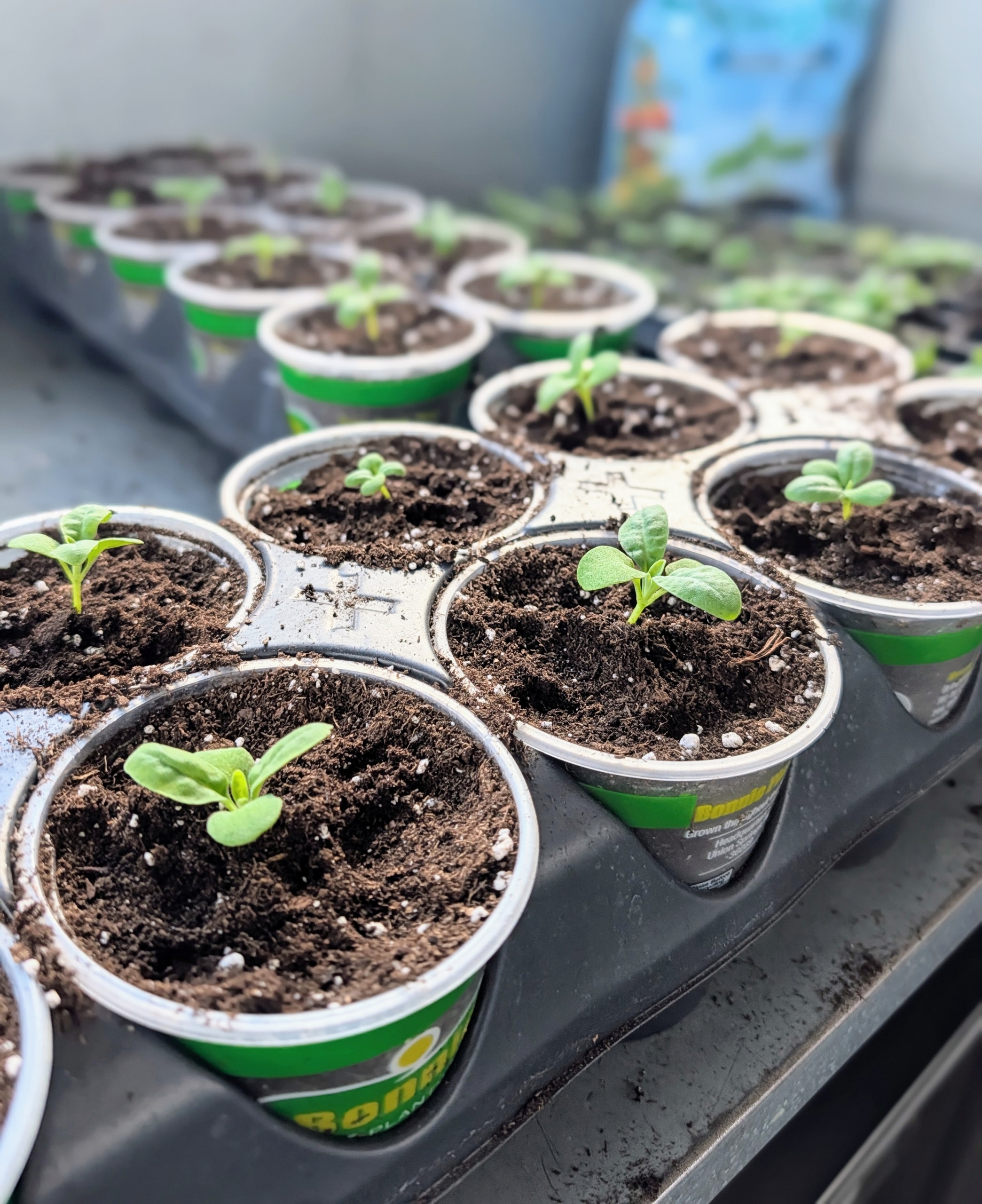
- Wendy avoids handling the seedling by its tender stems, which can bruise easily. The stronger plant now has more room to grow before getting transplanted into the ground.
-
- The purpose of transplanting is to provide enough room – overcrowding can stress the sprouts.
-
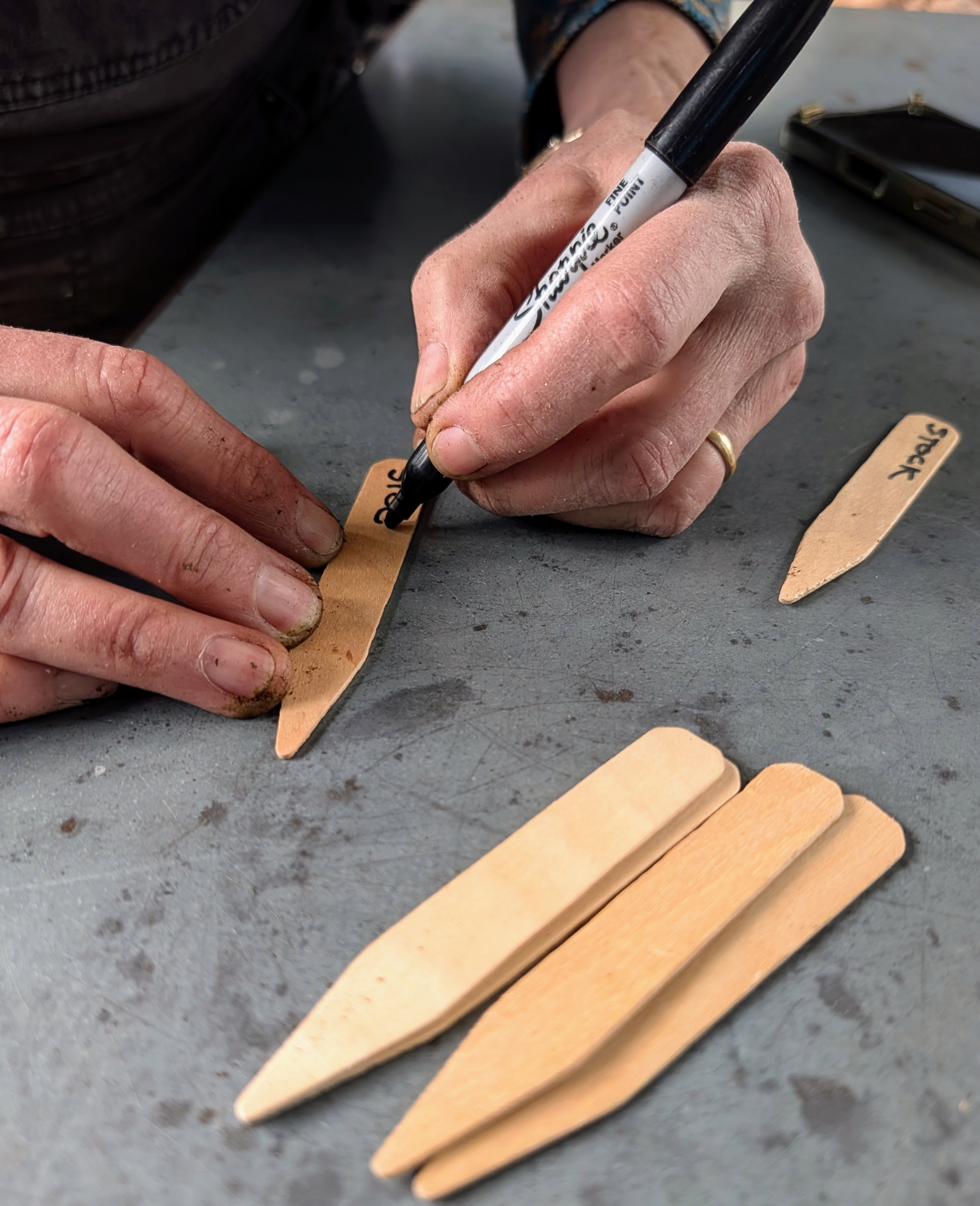
- Wendy fills out the appropriate identifying plant markers, also from Johnny’s Selected Seeds – a source I have used a long time for seeds and gardening supplies.
-
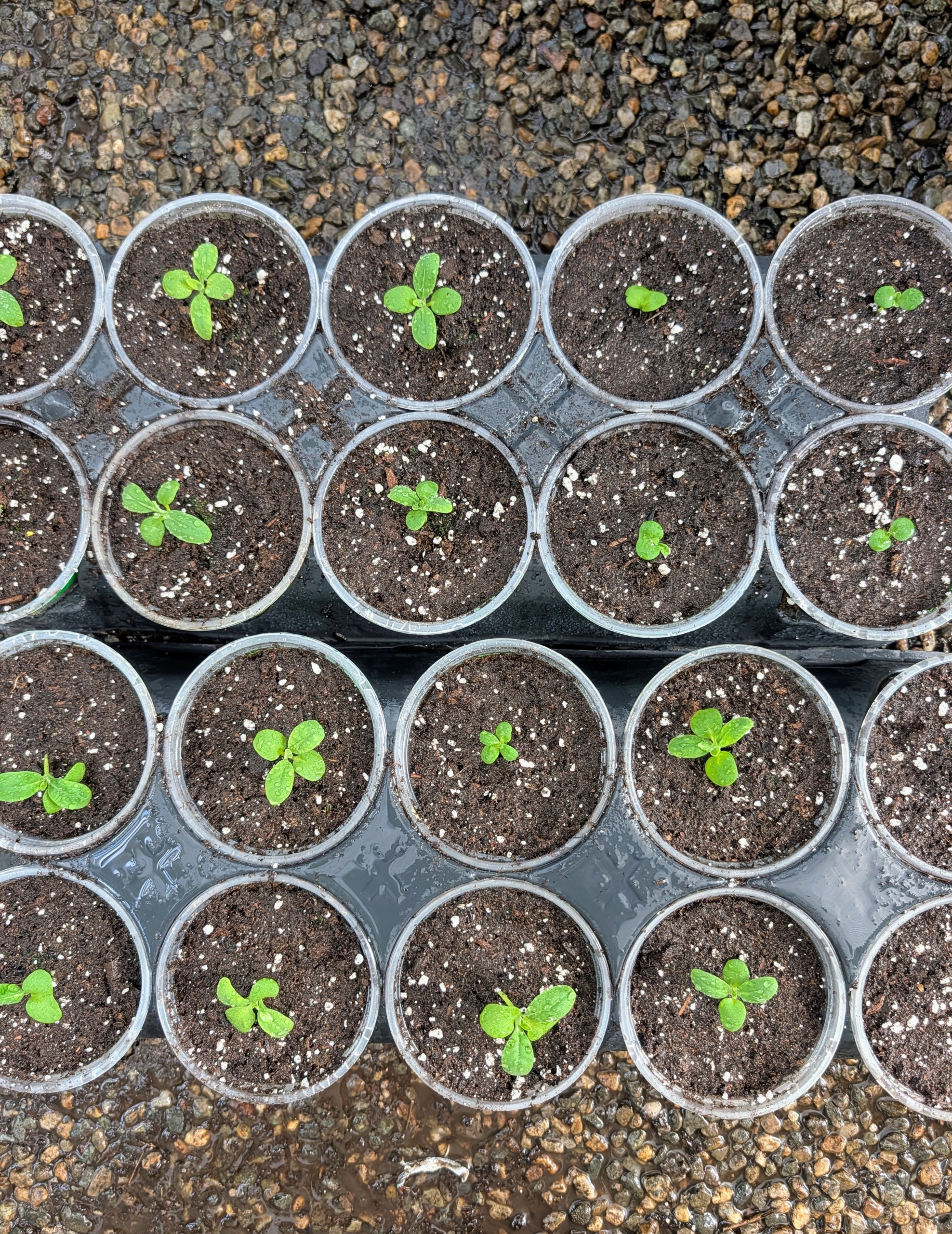
- The seedlings are then brought into the main greenhouse for a drink.
-
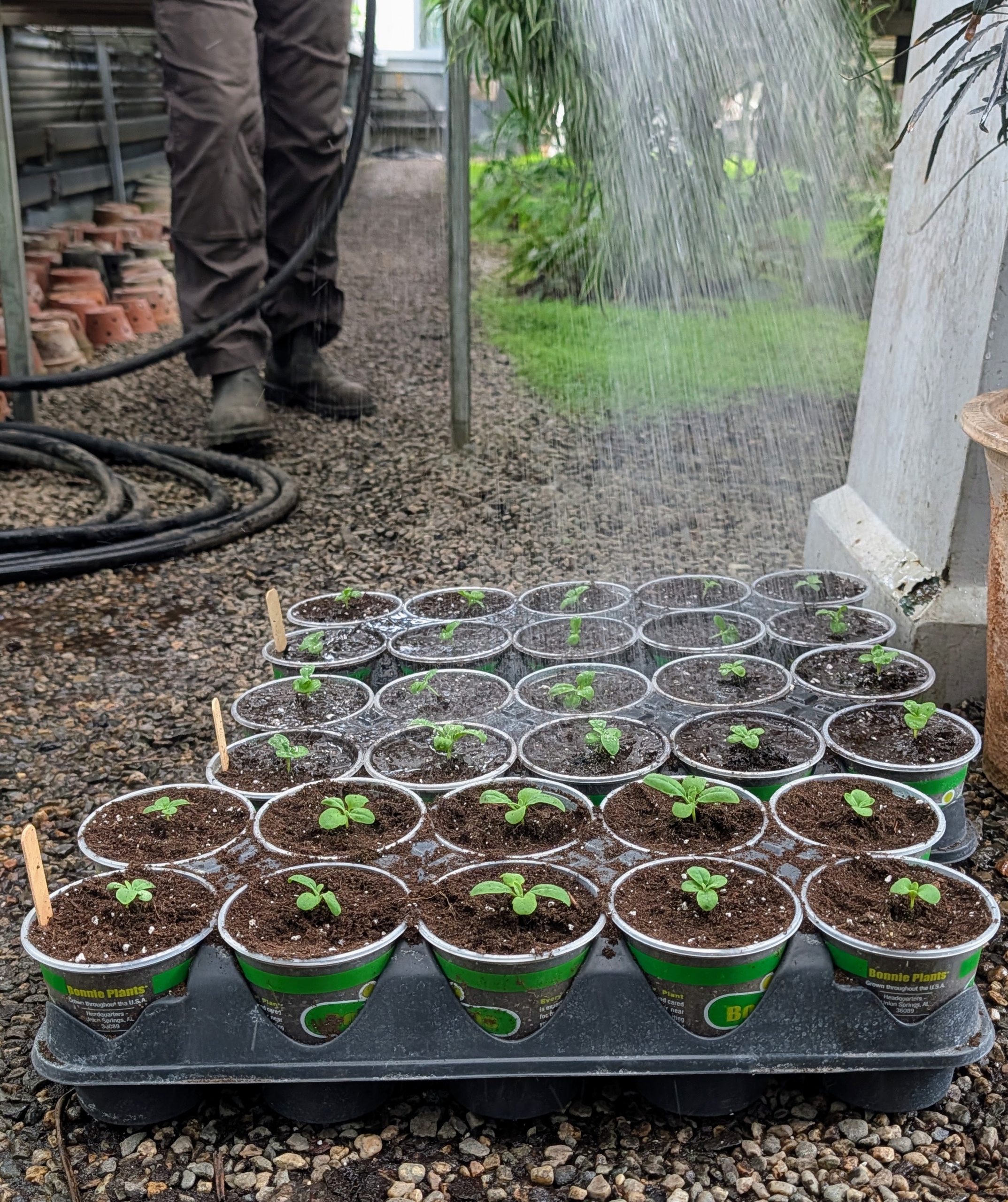
- These tender young seedlings should be watered lightly ensuring the roots have access to moisture. And don’t water too frequently – only when the top inch or so of soil is dry.
-
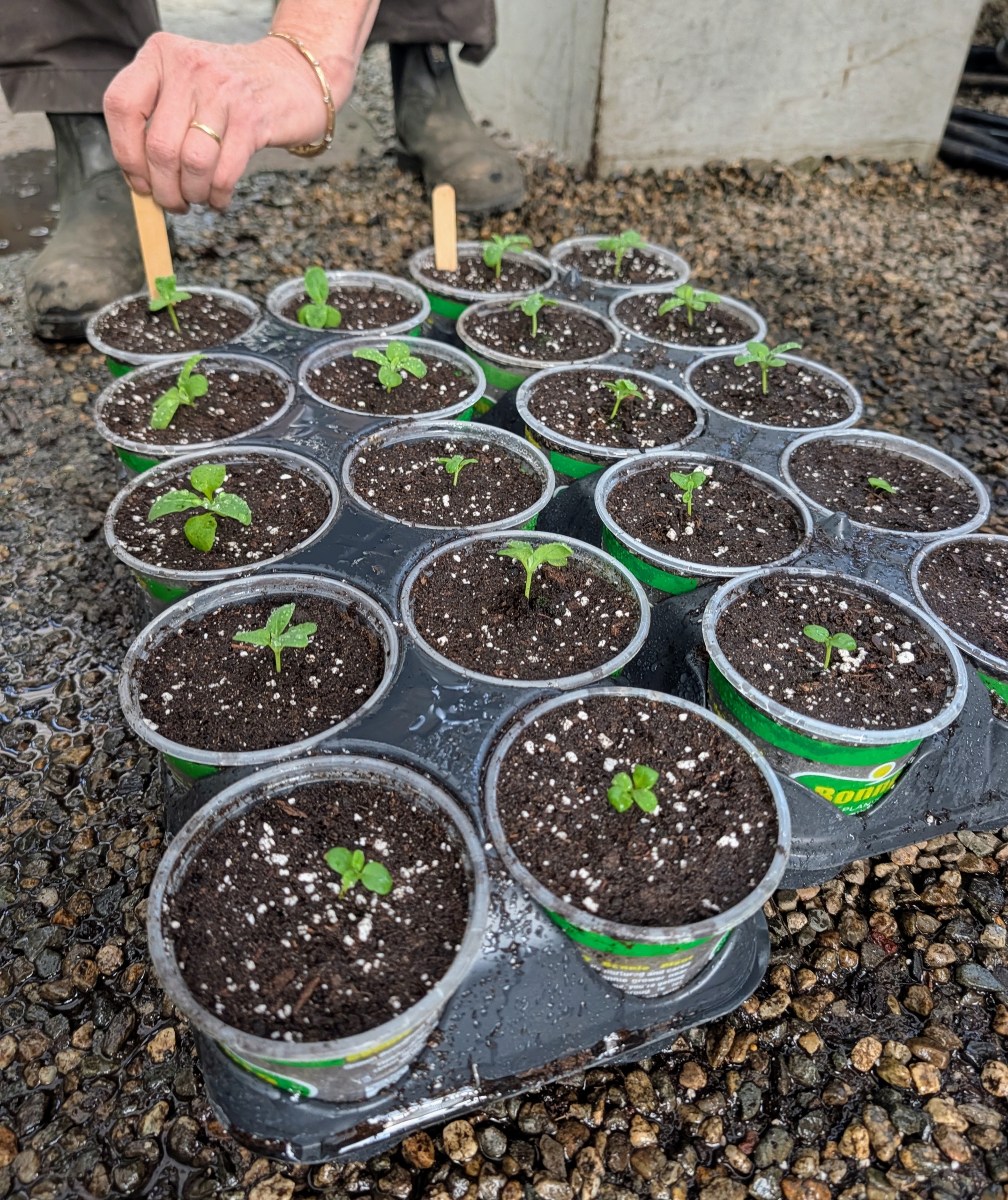
- Wendy places the markers identifying the seedlings in the containers – seedlings must be labeled throughout the growing process until they are planted outdoors. This allows us to know what they are, how various varieties grow, and which ones we should plant again next season.
-
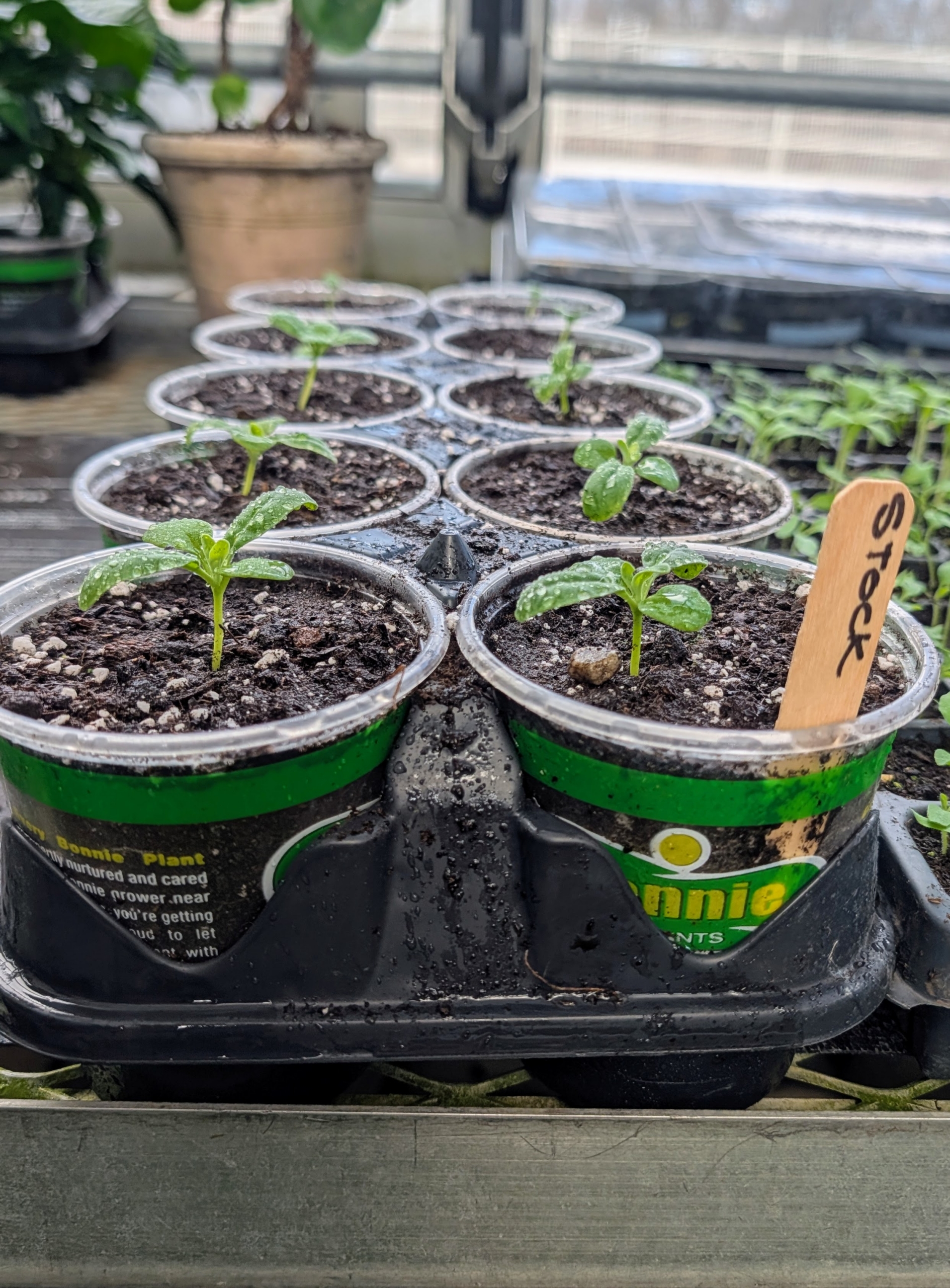
- Next, these growing seedlings will return to one of our seedling areas where they can continue to develop. It’s so nice to be able to grow vegetables and flowers from seed during these winter months. It won’t be long before they are all ready to move outdoors and get planted in the gardens.
 Martha Pins


 Martha Tweets

