

Grooming My Weeping Hornbeams
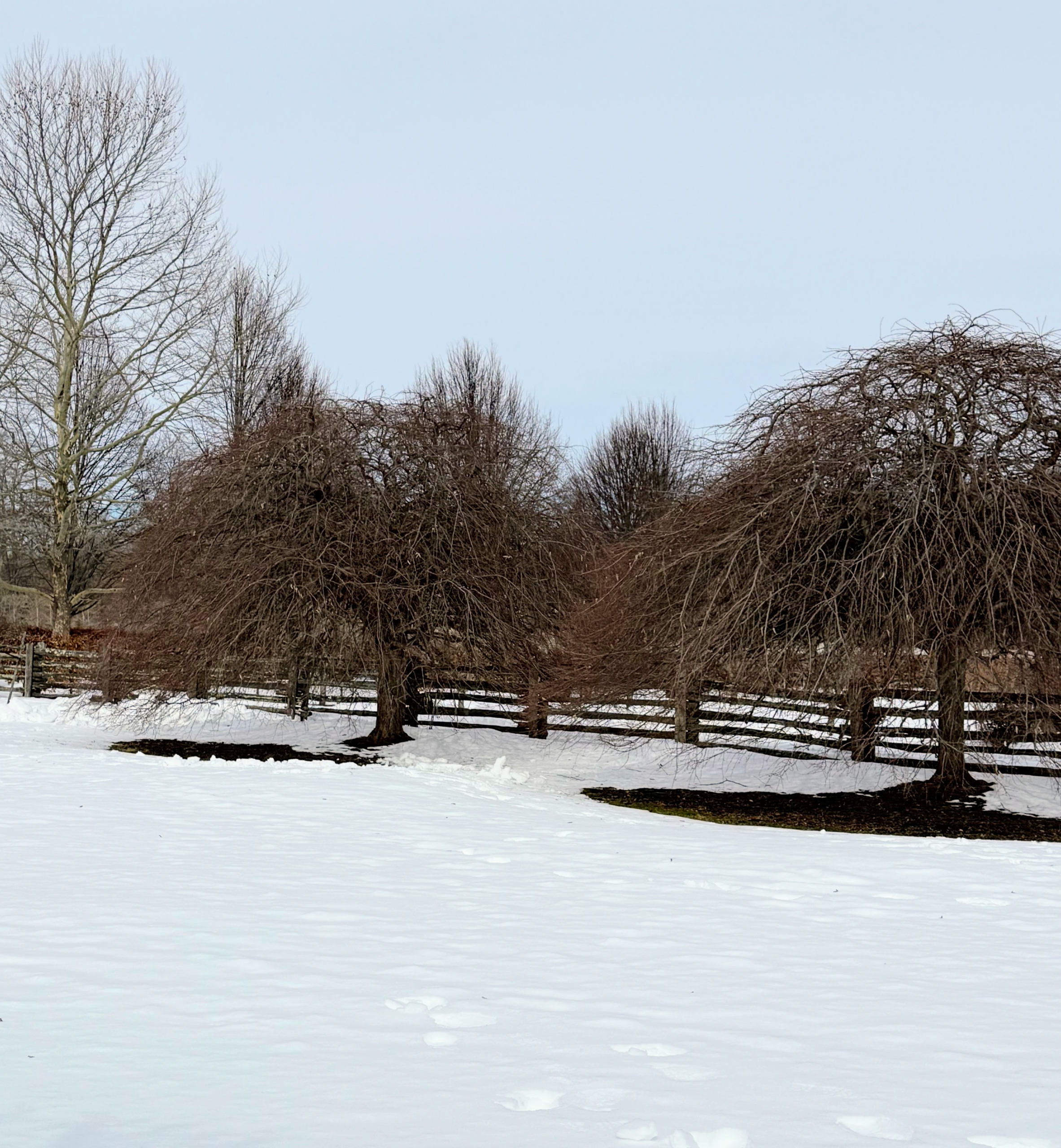
Outdoor winter chores continue at my farm with the grooming of six standard weeping hornbeams.
Even though there's still snow on the ground, the mild weather is allowing us to get lots of outdoor work completed. The team from The Arborist, Inc. in nearby Bedford Hills, New York took on the task of lightly pruning and grooming my rare weeping hornbeams, Carpinus betulus 'pendula,' that grow on one side of my "party lawn." I keep a close eye on my hornbeams - it’s crucial that they be pruned regularly, so they never look too overgrown and unruly.
Here are some photos, enjoy.
-

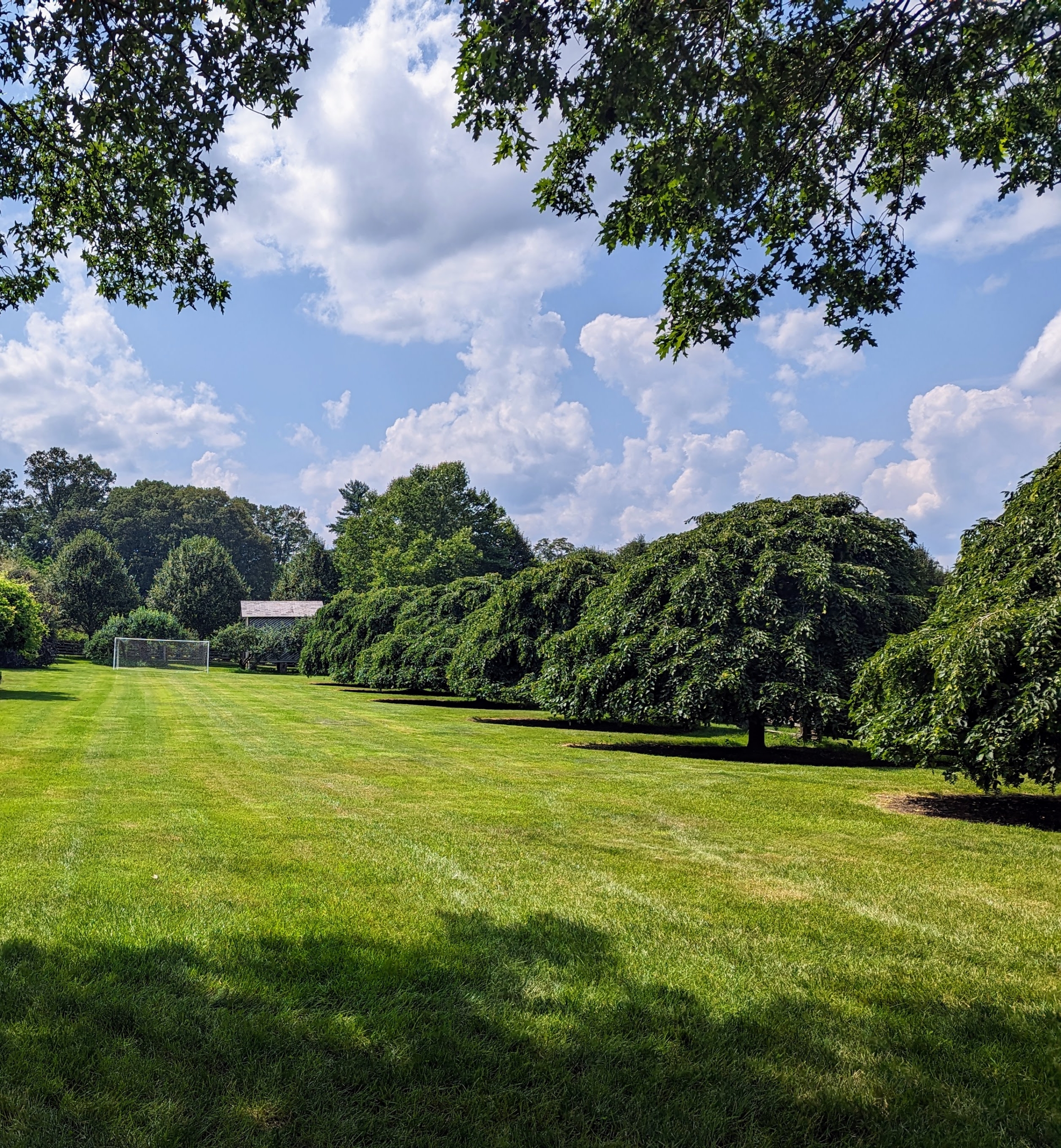
- In the area between my orchard and my long pergola are six matched standard weeping hornbeams, Carpinus betulus ‘Pendula’. These are very precious trees and I am so happy they continue to grow well here.
-
- Here they are lush green with foliage in summer. Carpinus betulus ‘Pendula’ is a dense tree with a strong center, a shapely form and gracefully arching branches.
-
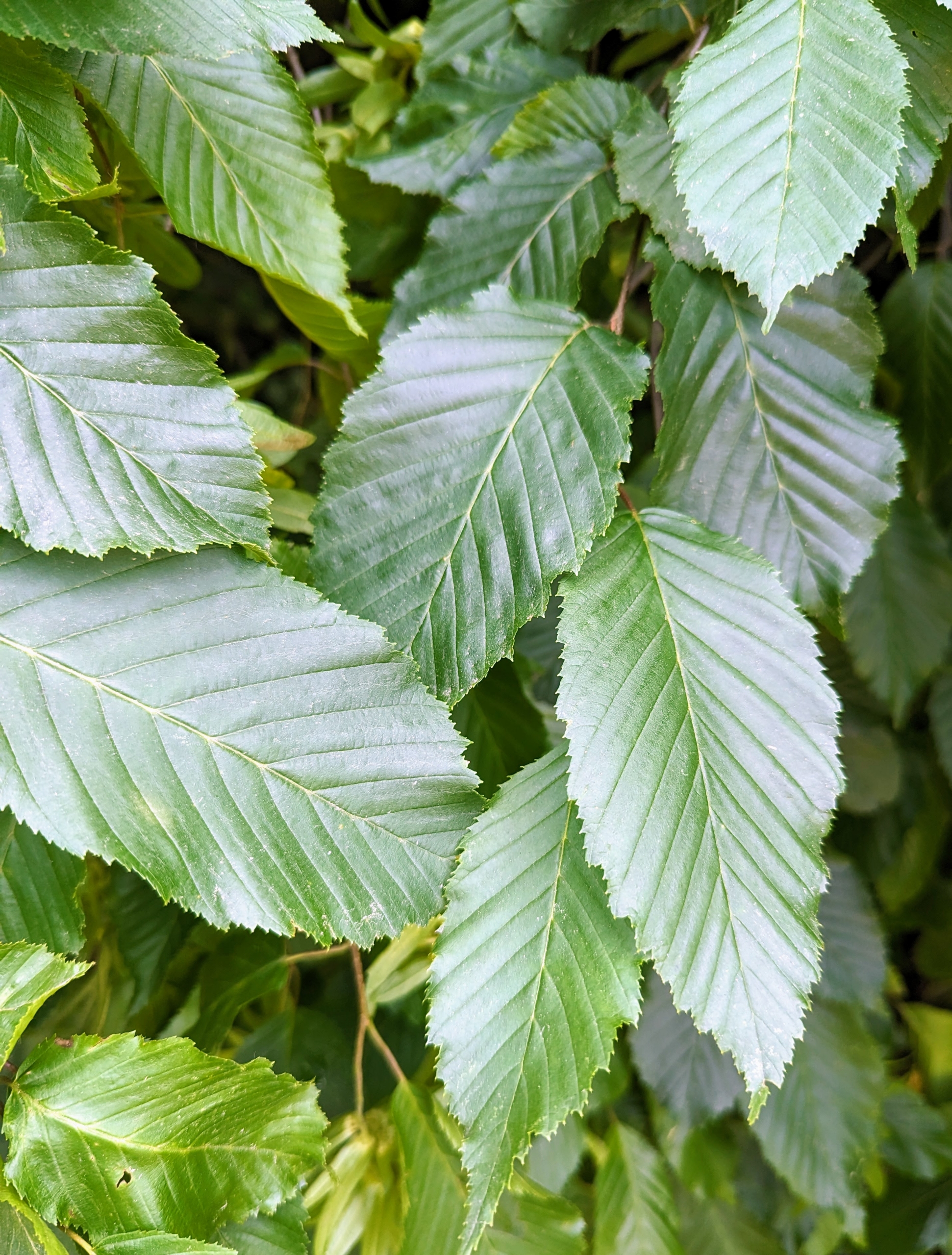
- The leaves are a vibrant green color in the spring and summer. Each leaf has a sharply double serrated edge and a top that tapers to a point.
-
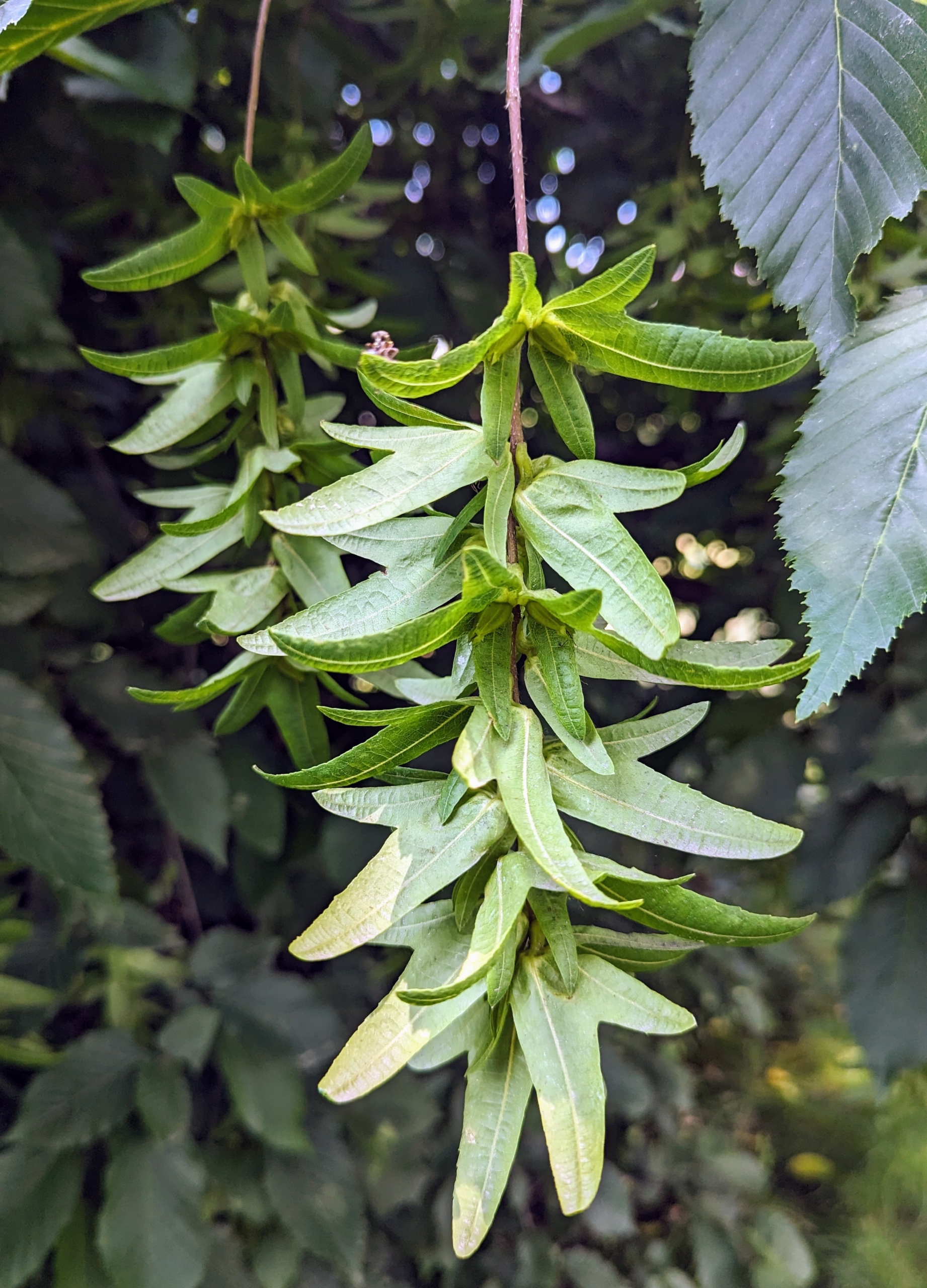
- These are the seed catkins hanging from the branches, holding about 10 to 30 seeds each.
-
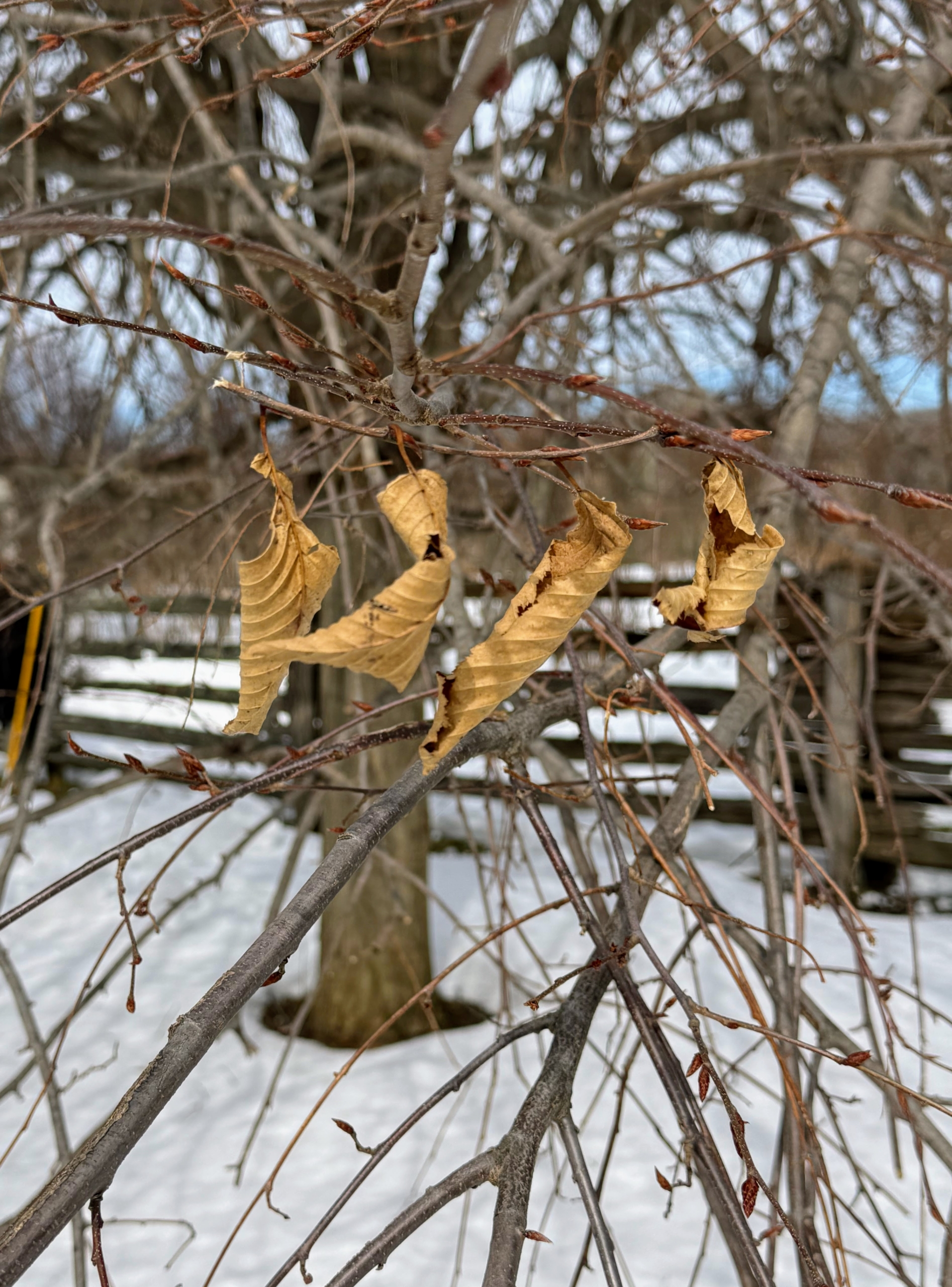
- Because they are deciduous, they lose their leaves in winter, leaving them bare – except for these few leaves which have held strong through the season.
-
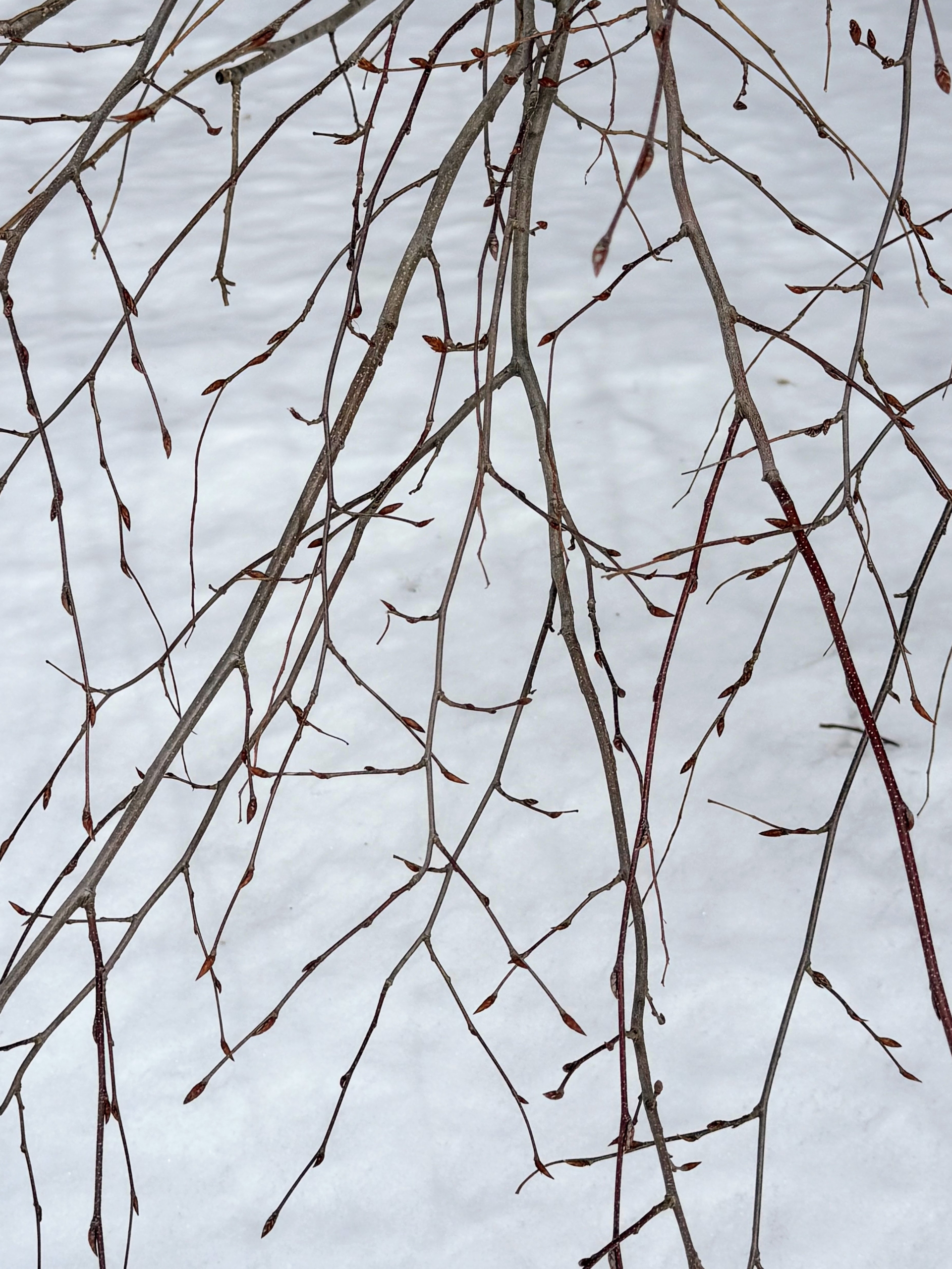
- Healthy buds can be see on on the branches now.
-
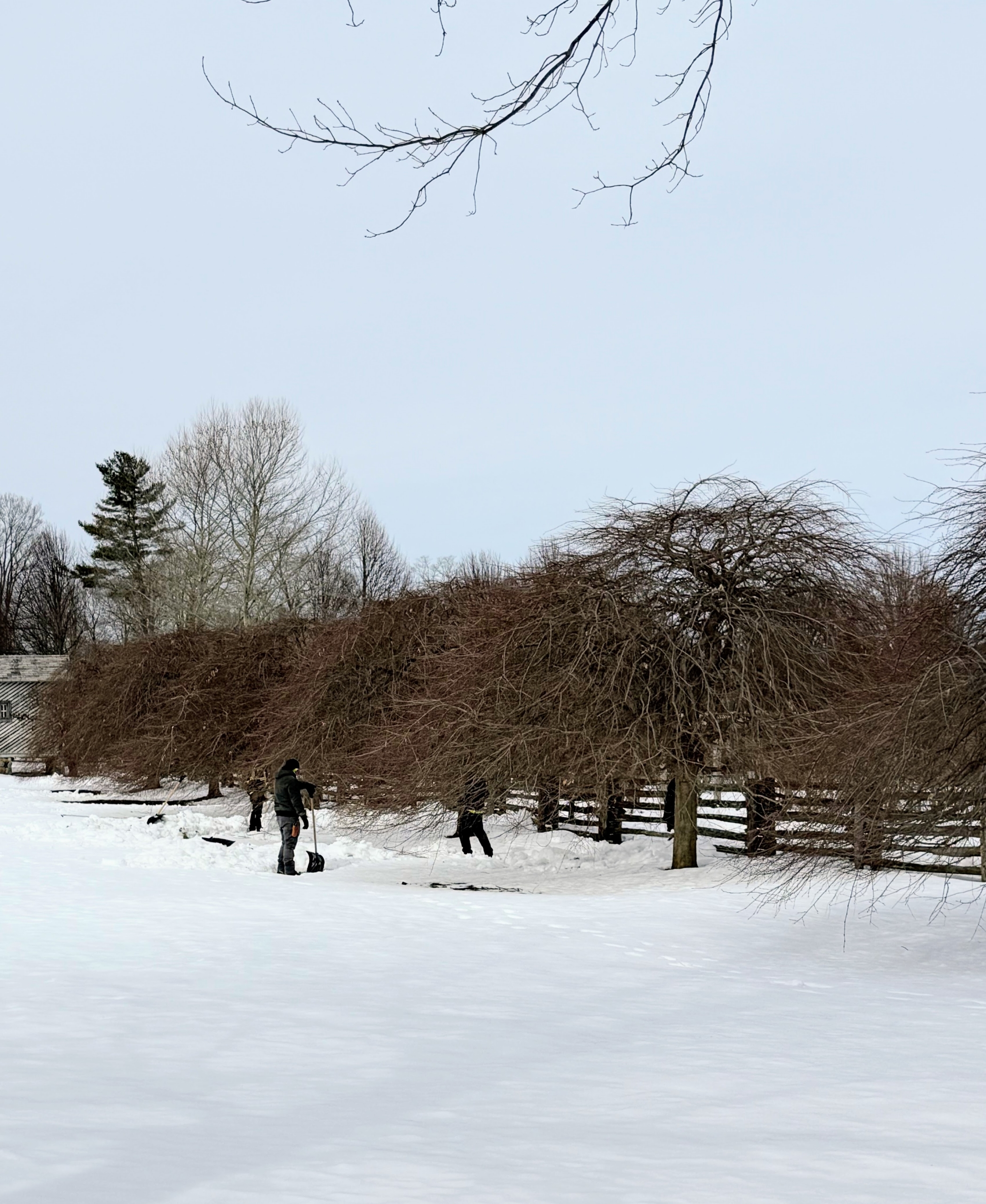
- I asked these expert pruners to do some light grooming on these trees to keep them looking their best.
-
- The tree experts at The Arborist specialize in pruning and have done excellent work on many of my trees already.
-
- Ray starts from the bottom, removing any branches that are touching the wood fence nearby.
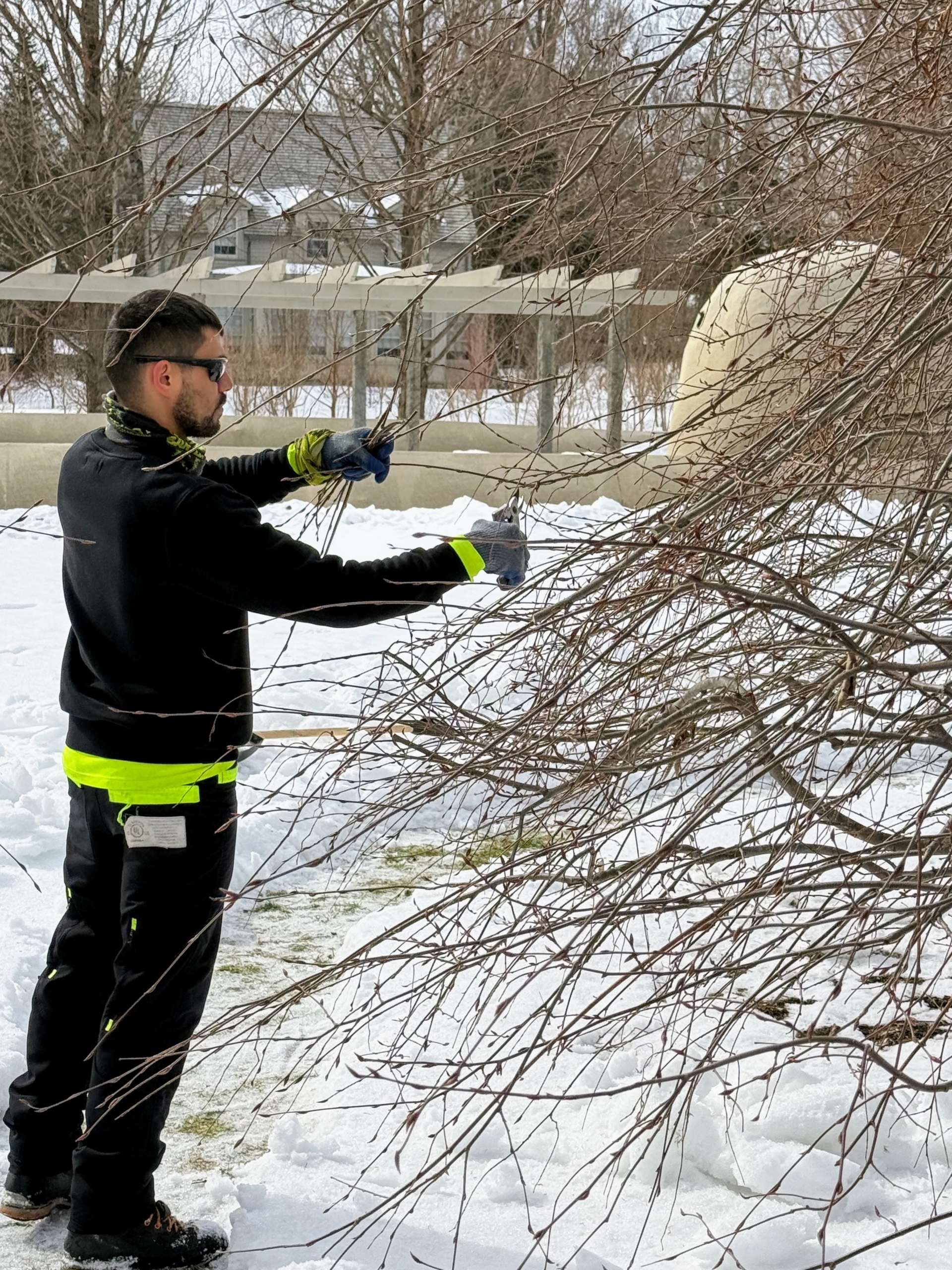
-
- The team also focuses on the Ds of pruning – removing any dead, diseased, damaged, defective, or deranged branches.
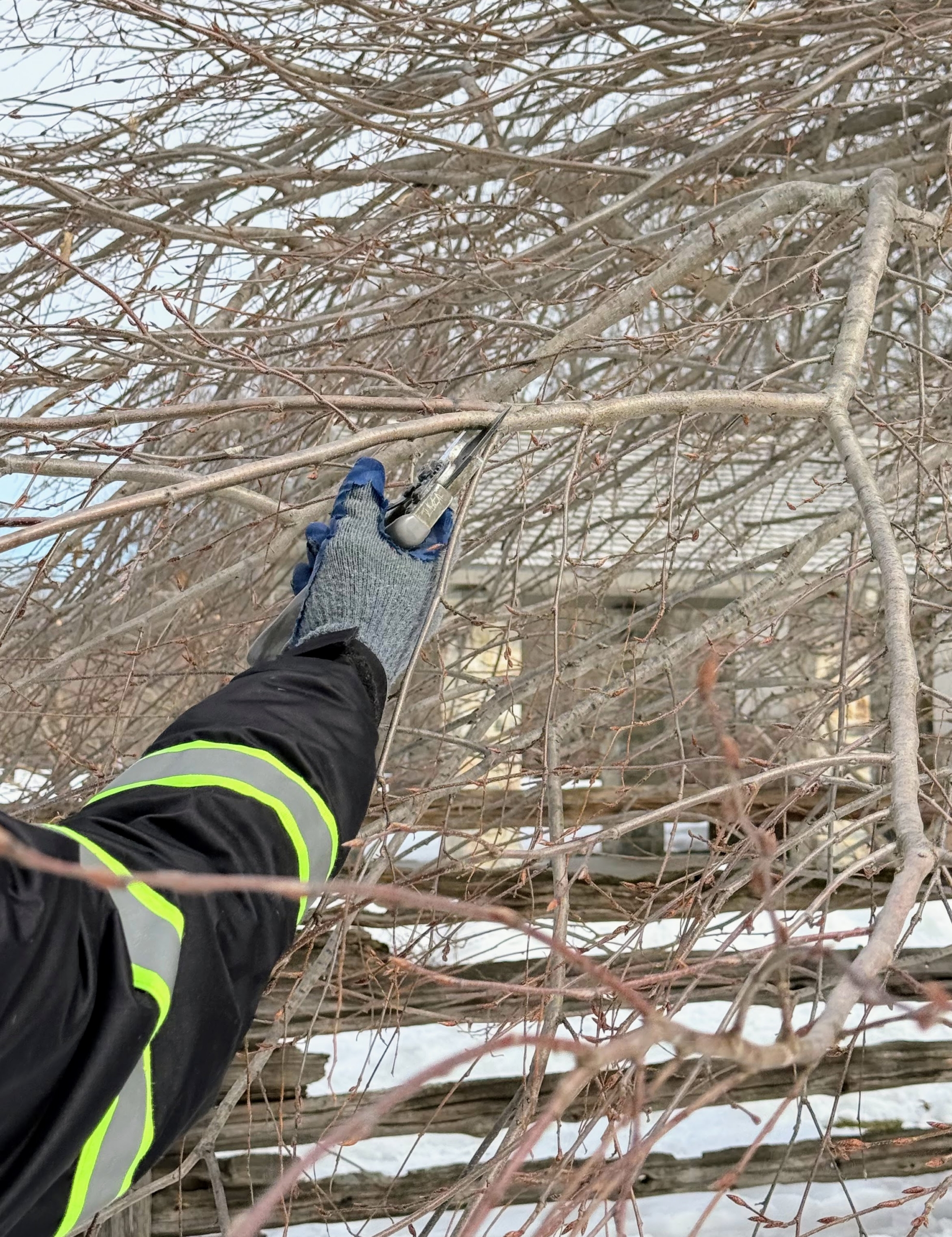
-
- They cut branches that are rubbing or crisscrossing each other, preventing any healthy new growth. Basically, the goal is to create a tree with well spaced lateral branches. Any branches which interfere with the tree’s shape or create a dense framework should be removed. Hornbeams are very dependable cultivars and don’t need much pruning except when necessary for shaping or for removing dieback.
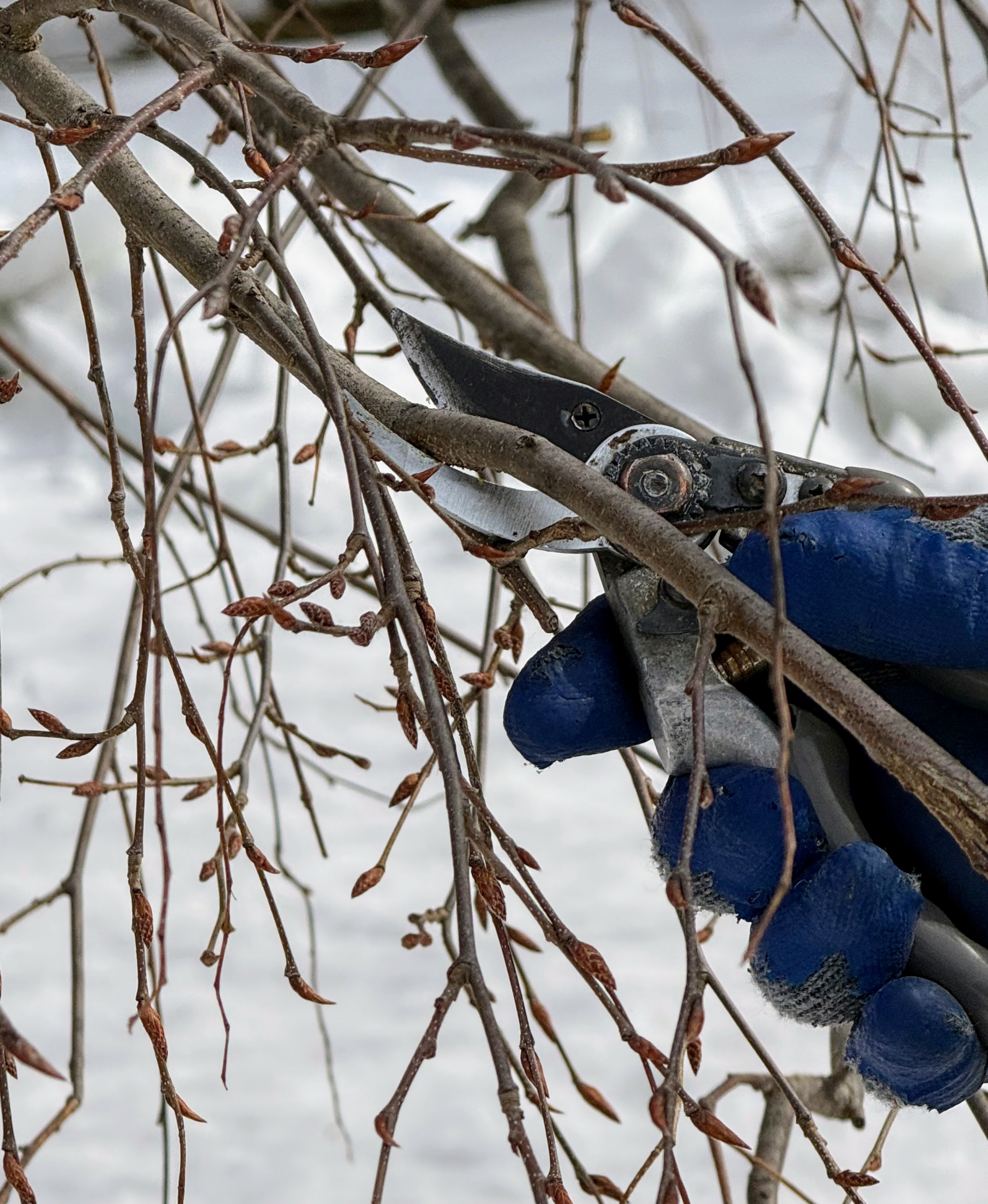
-
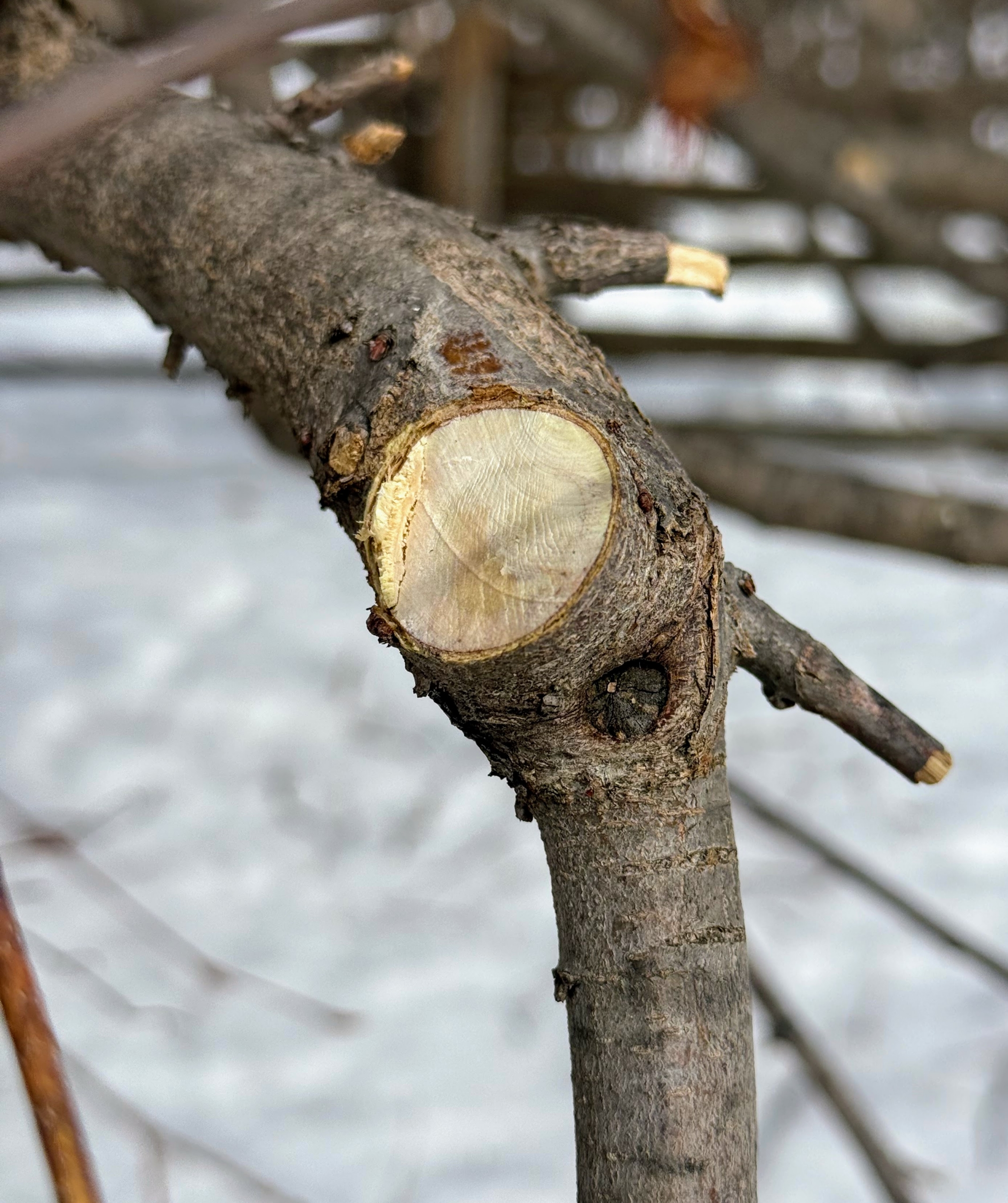
- Cuts are always made clean and should be made fairly flush to the branch from which it grew. The idea is to leave slight stubs. By removing any more, the remaining branch has too much of an opening for disease to enter.
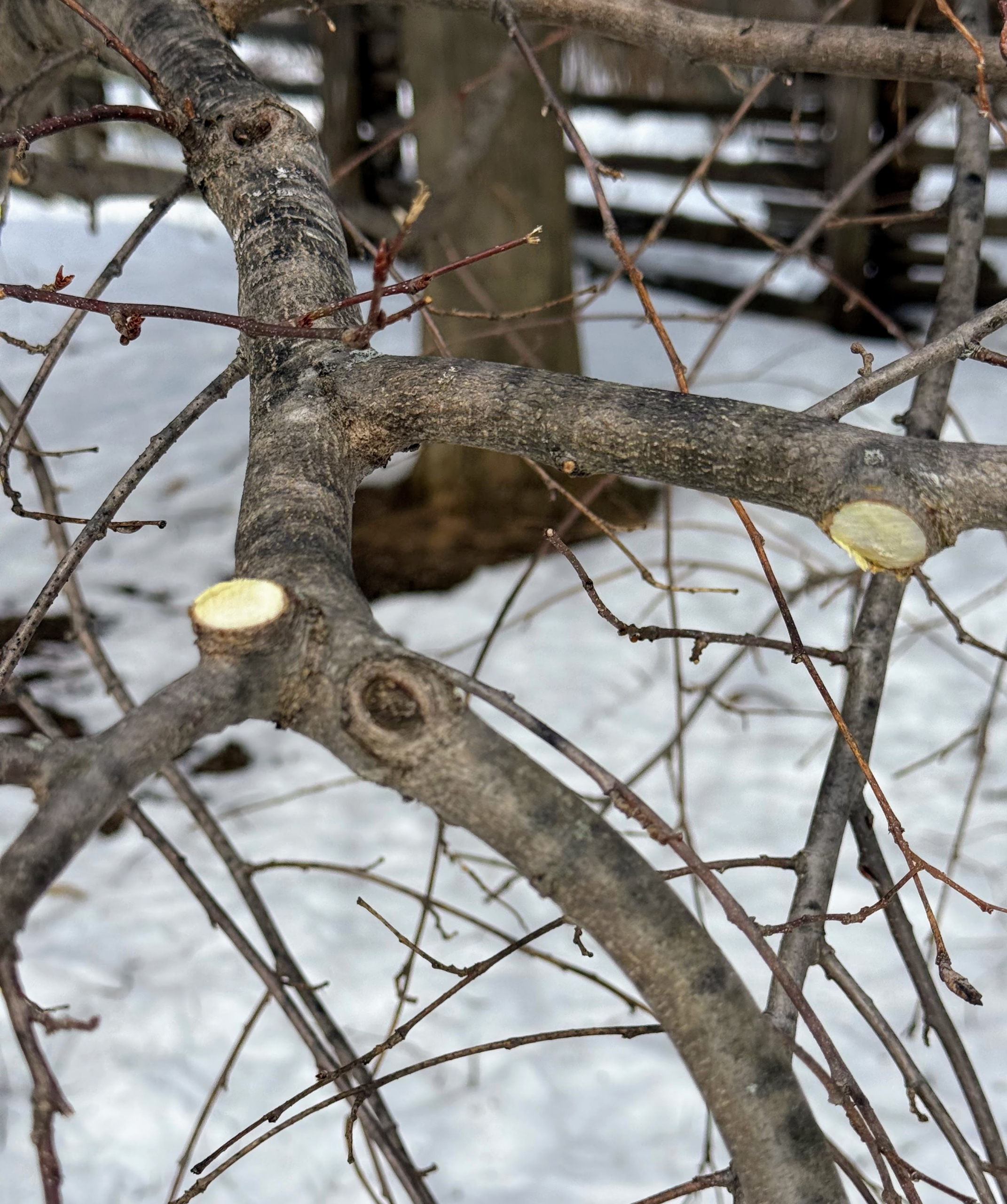
-
- And cuts should be clean and straight – something that can only be done with good, sharp tools.
-
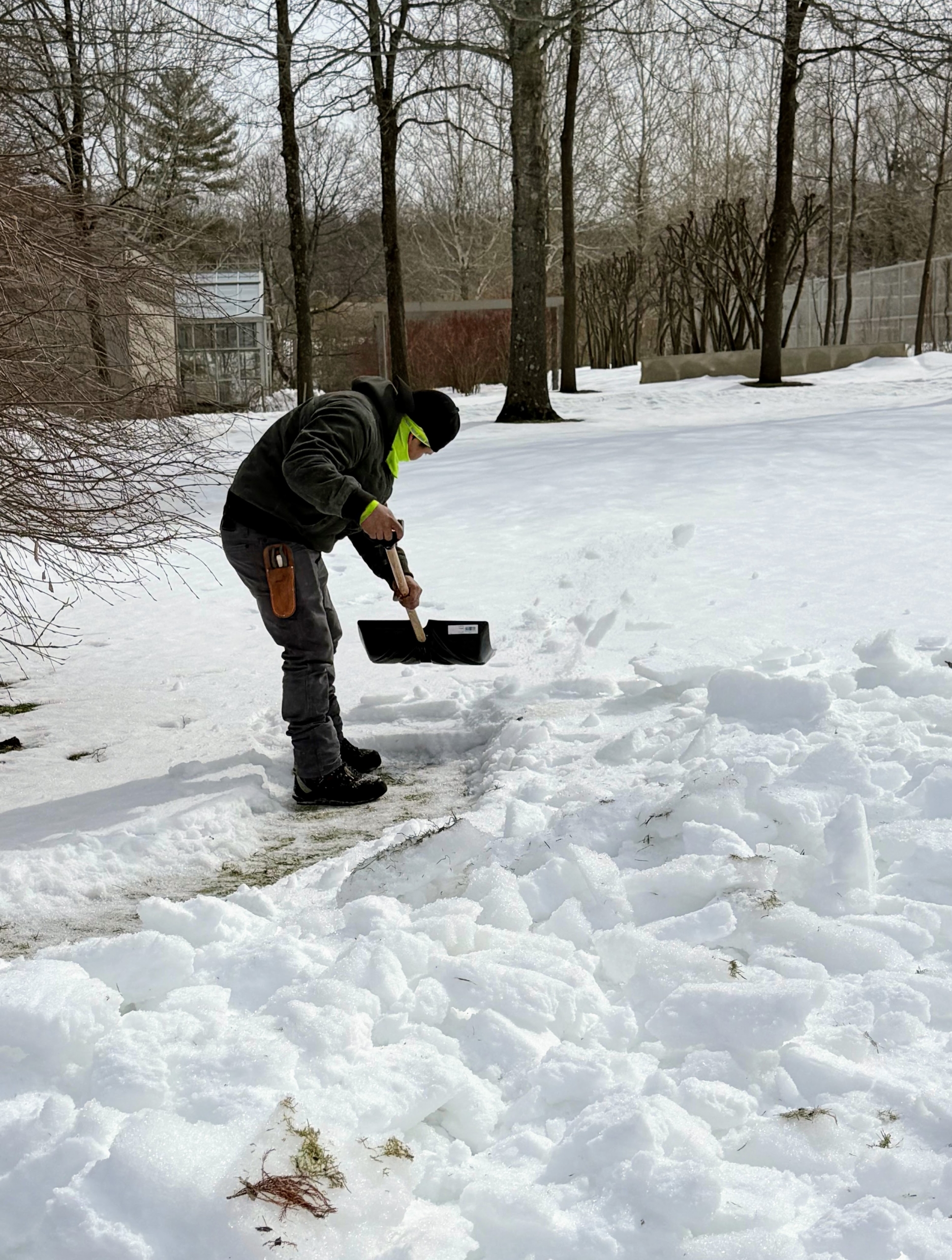
- With all the snow on the ground, it is also necessary to shovel a path, so the crew can work on each tree and safely set up their ladders. We’ve had a very snowy season.
-
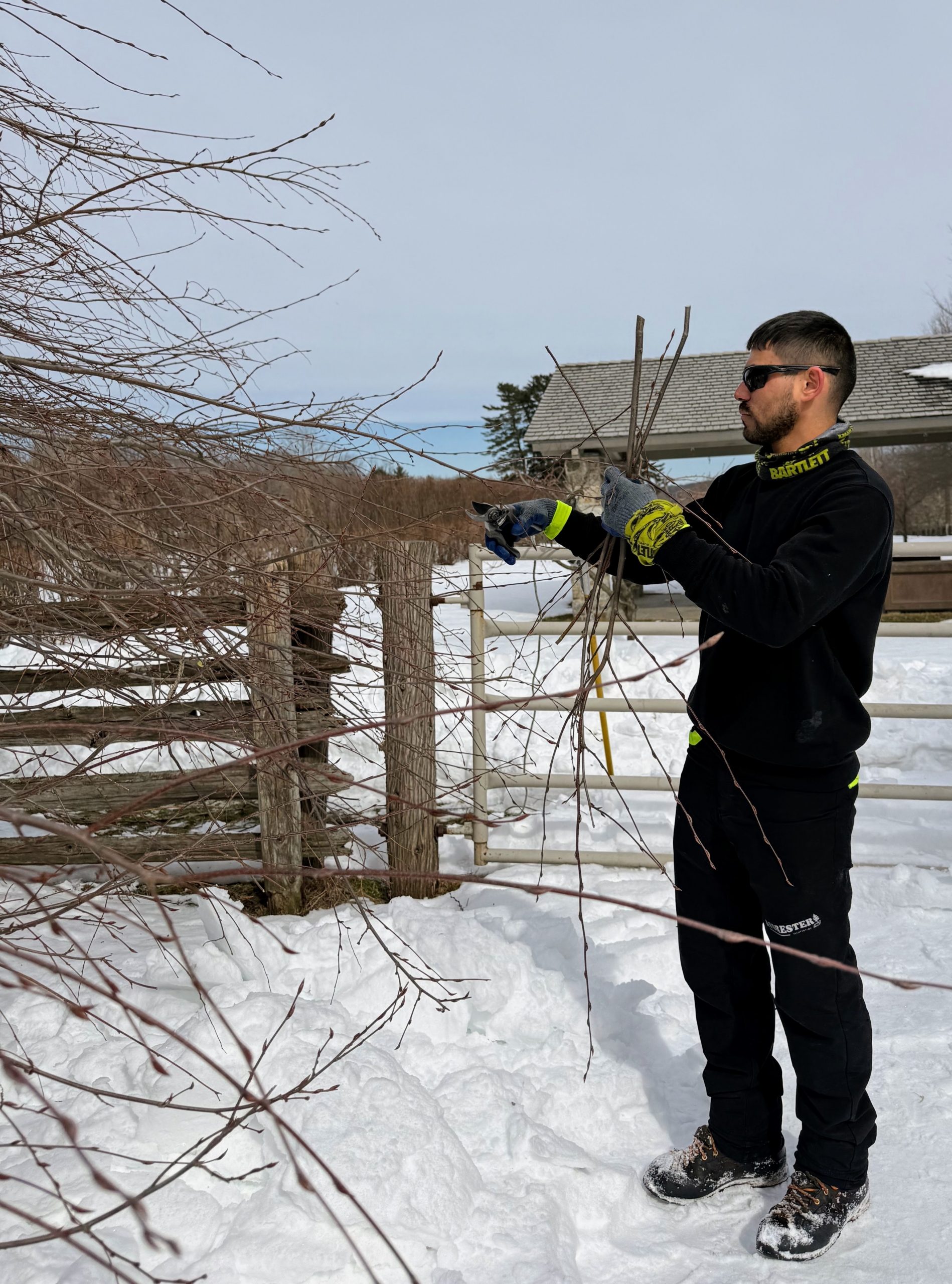
- While Ray works from the ground…
-
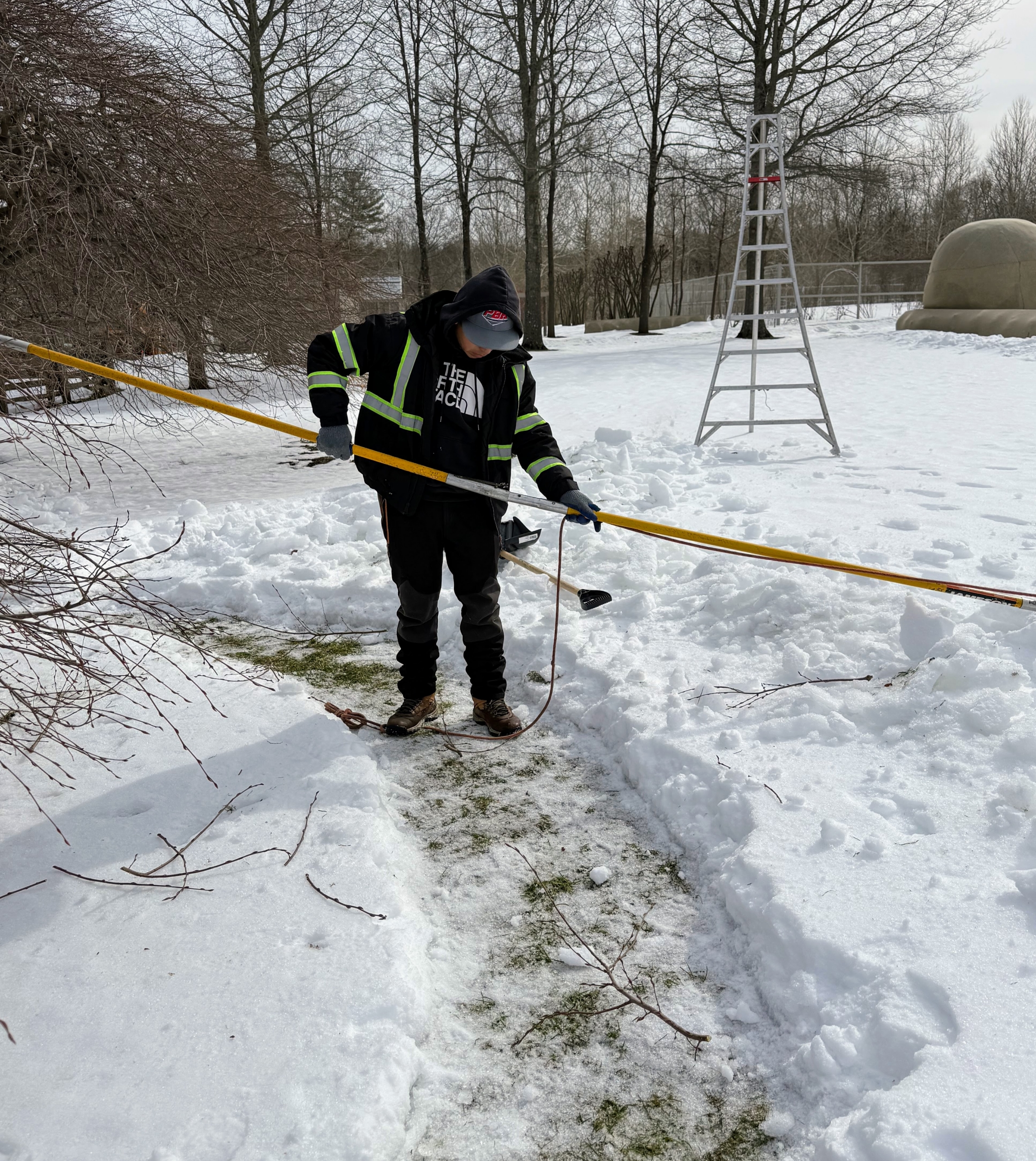
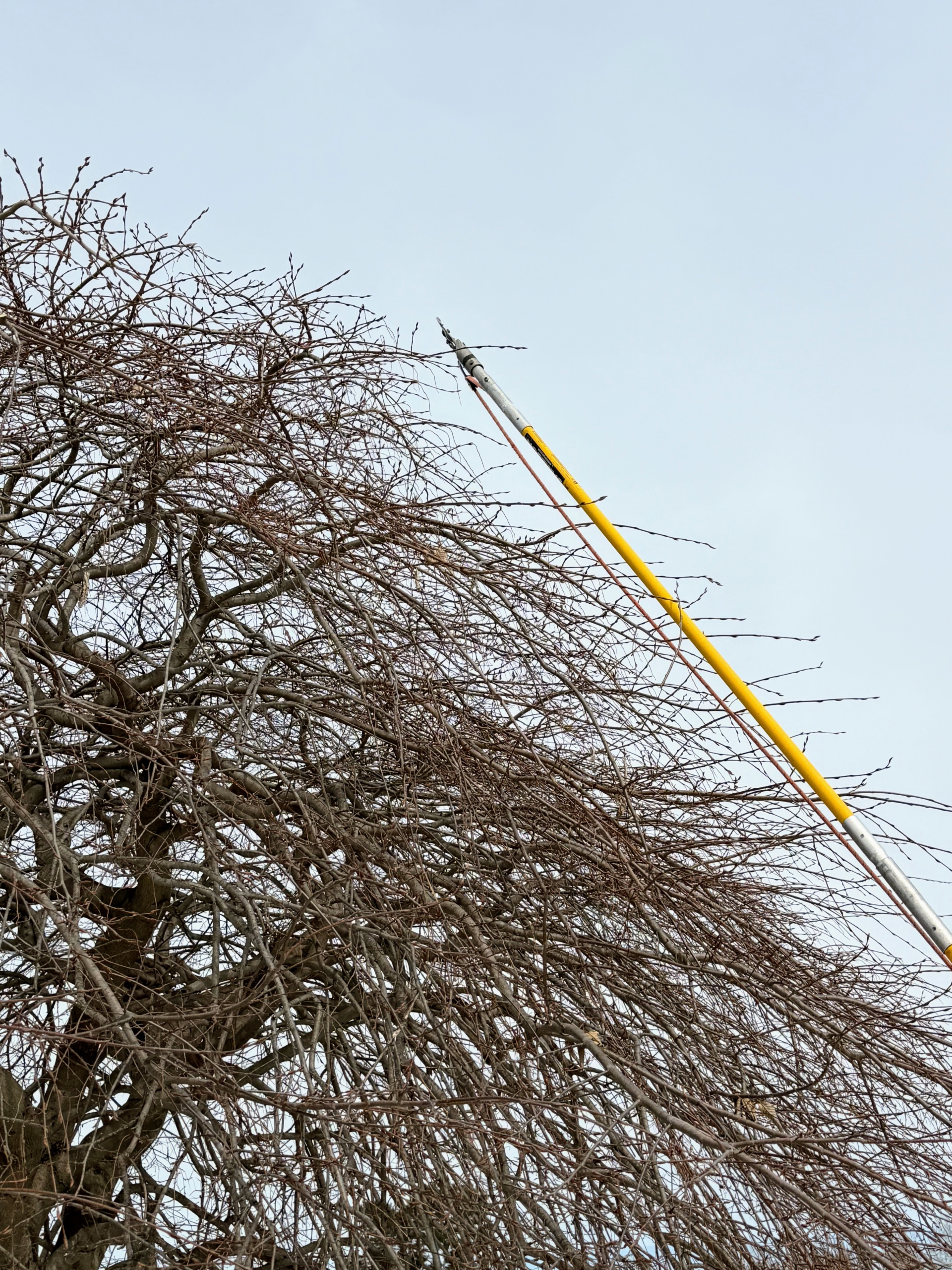
- … Rudy attaches an extension to his pole saw, so he can work from the top.
-
- The extensions allow them to reach high branches from below.
-
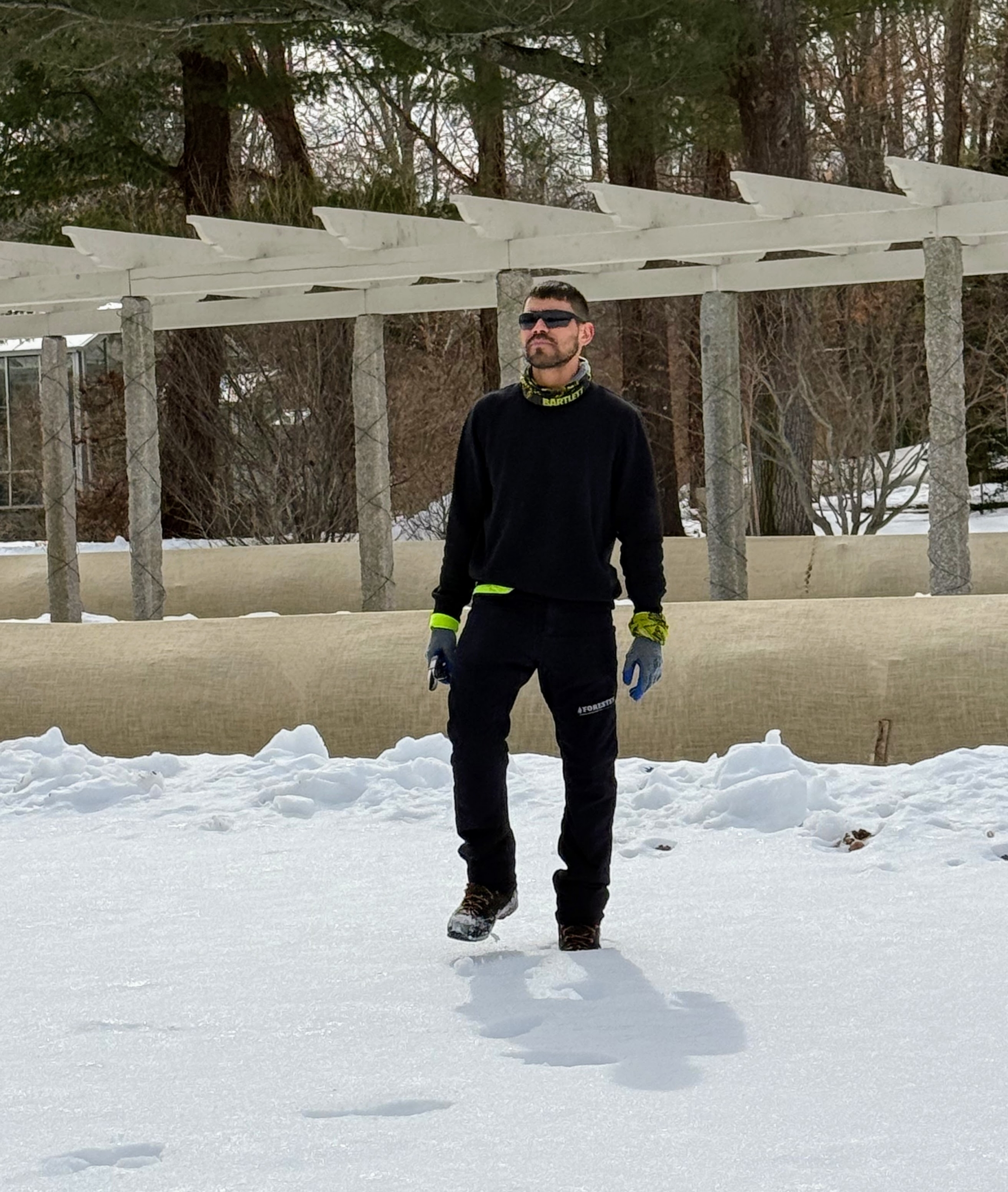
- Ray periodically steps back to look at the work done from afar. He assesses where trimming is still needed to create the best shape.
-
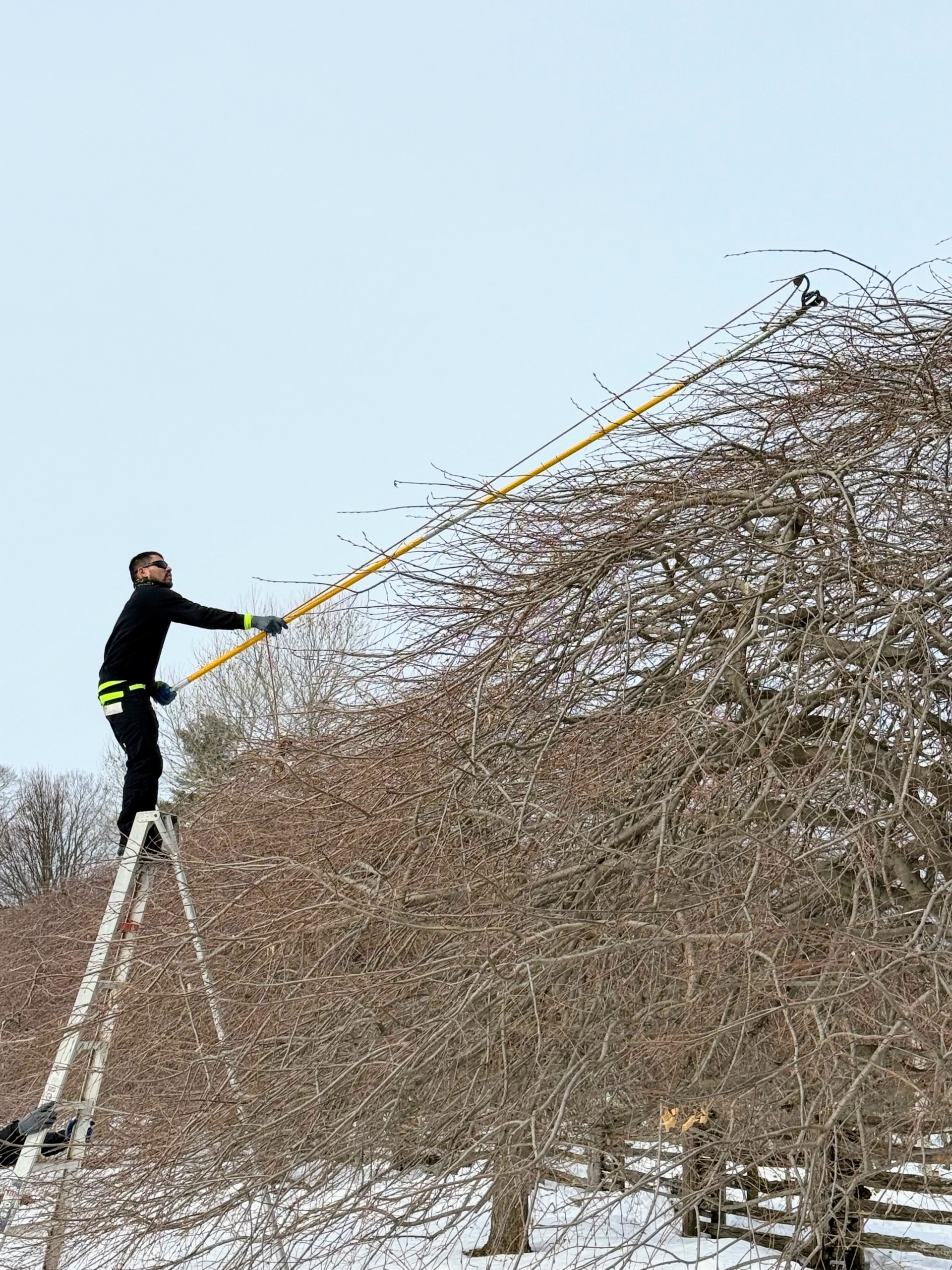
- Sometimes a ladder is still necessary. Here, Ray reaches branches at the very top center of the tree.
-
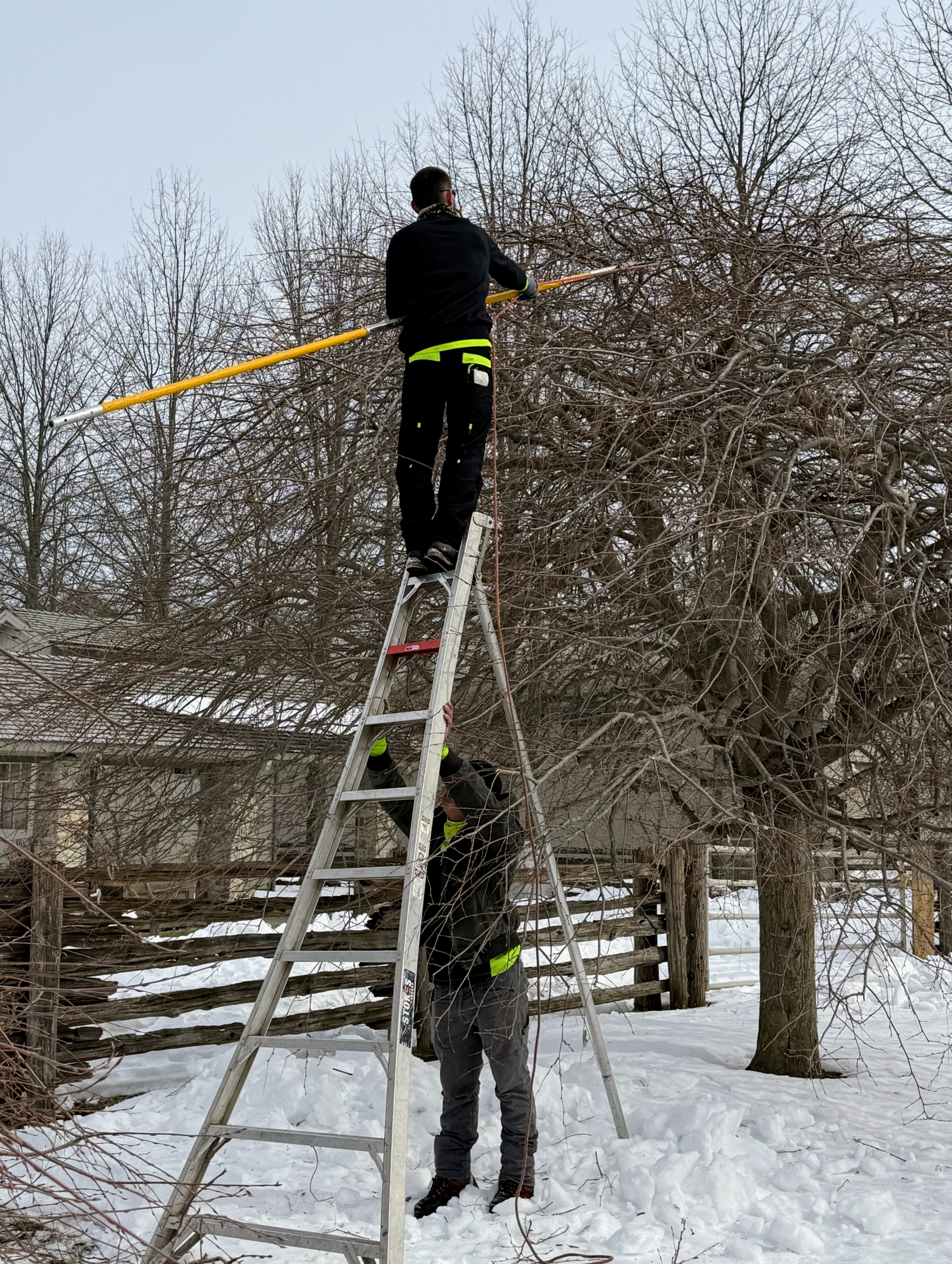
- And whenever someone is on the ladder, someone else is at its base ensuring the ladder is stable and safe.
-
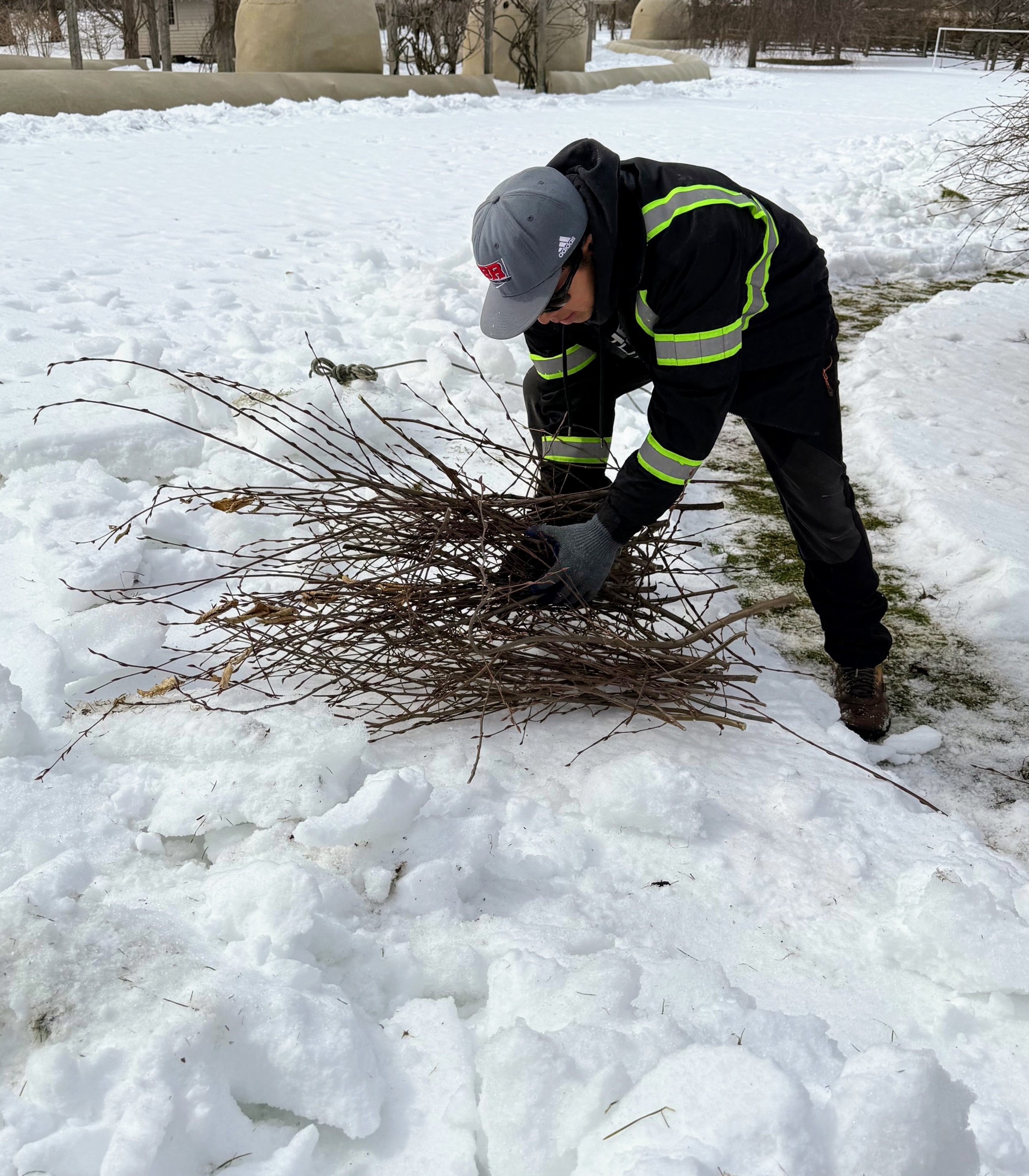
- Branches are neatly gathered and piled so they can be easily transported to the wood chipper.
-
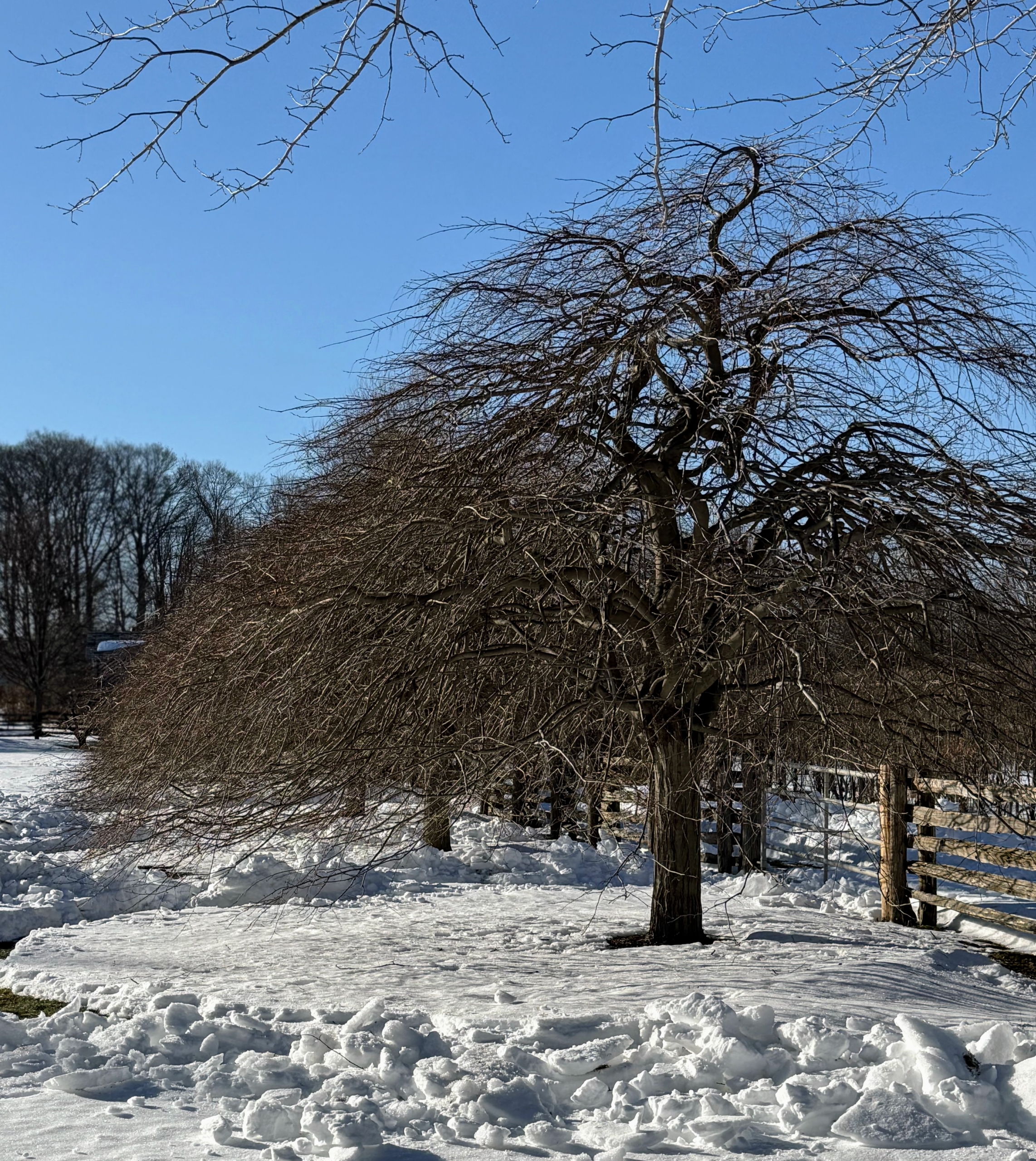
- Under ideal conditions, weeping hornbeams can live up to 120-years or more. I am so pleased these trees are thriving here at my farm – they are among my favorites.
 Martha Pins


 Martha Tweets

