

Planting More Than 100 Azaleas
Developing a garden requires lots of careful planning, planting, and patience. I am so happy with how well the plants are doing around my pond.
After restoring the old pond here at the farm, I wanted to create a garden of beautiful shady trees and bright, colorful azaleas. I planned a variety of unique specimens in yellow and orange hues to mix with the bold glossy green foliage of ferns and birch trees. I planted more than 100 azaleas last year. Yesterday, my gardeners planted another 100 from Summer Hill Nursery - a wholesale-only company in Madison, Connecticut. Of all the shrubs that flower in spring, azaleas provide some of the most brilliant displays. These plants are sure to look stunning every time they bloom.
Here are some photos, enjoy.
-

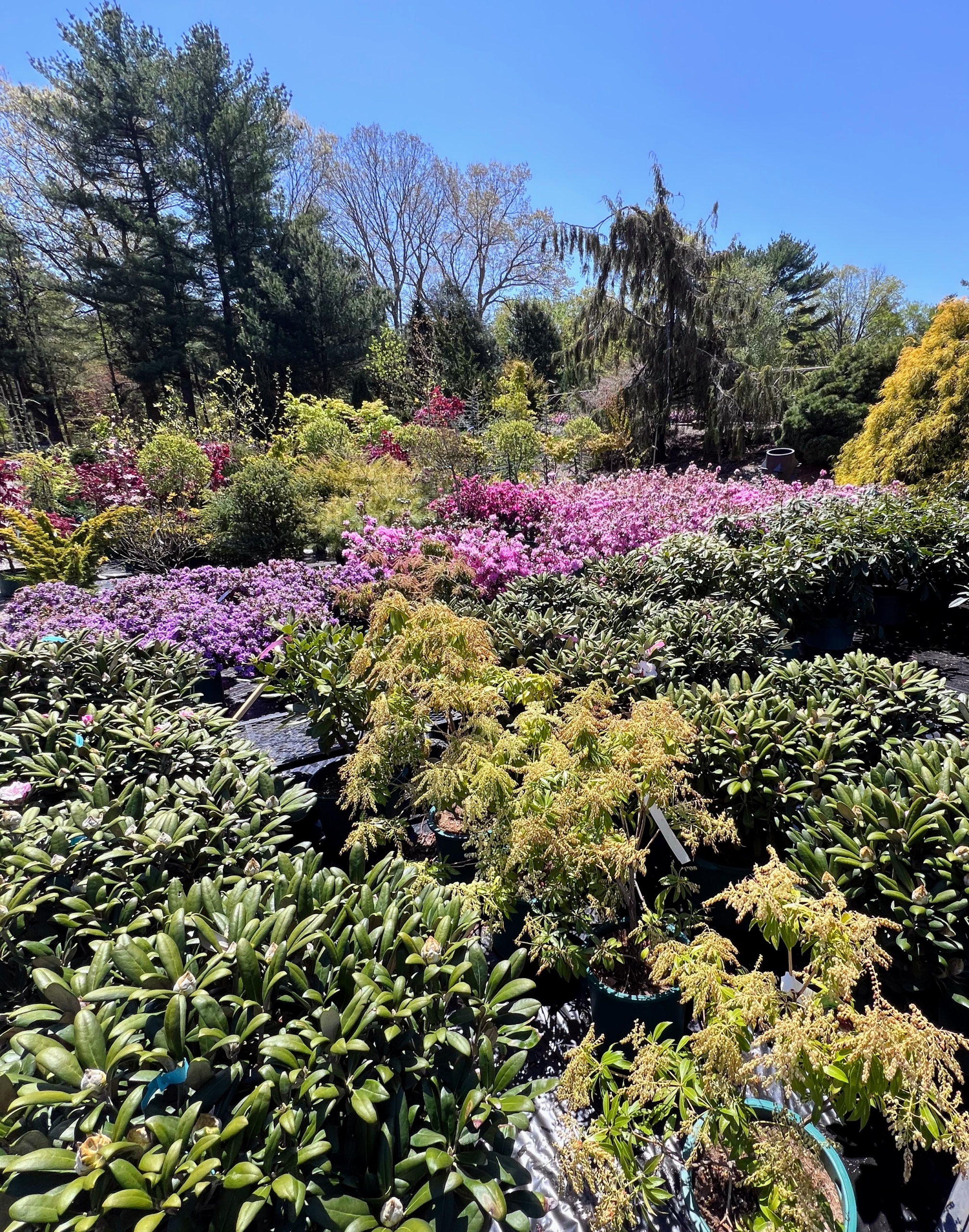
- Summer Hill Nursery is a mid-sized wholesale-ONLY establishment growing beautiful landscape specimens since 1957. It offers more than 1000 varieties of flowering trees, shrubs, evergreens, and grasses.
-
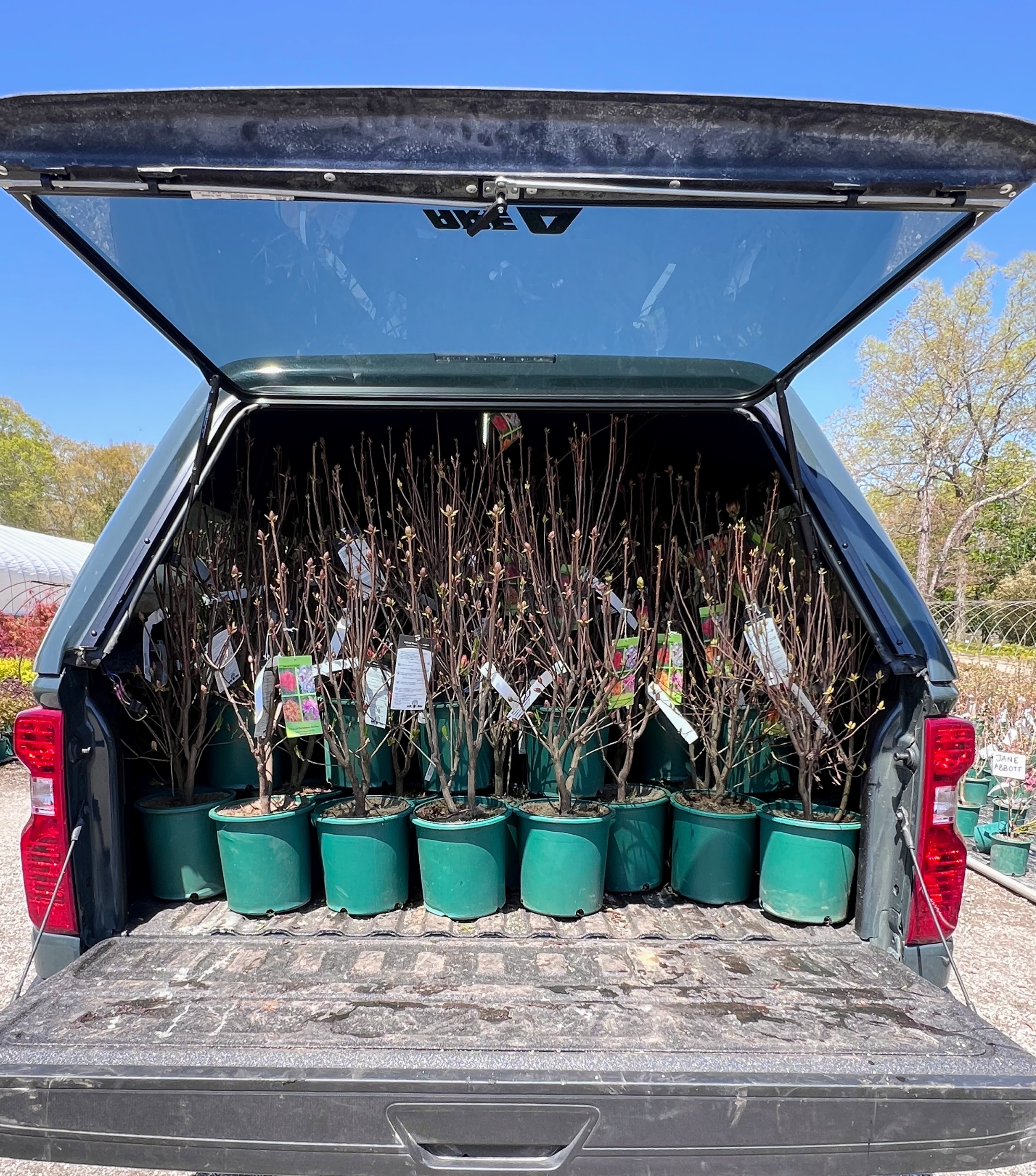
- I ordered 130 azaleas to add to my gardens at the farm. And they all fit into my covered truck!
-
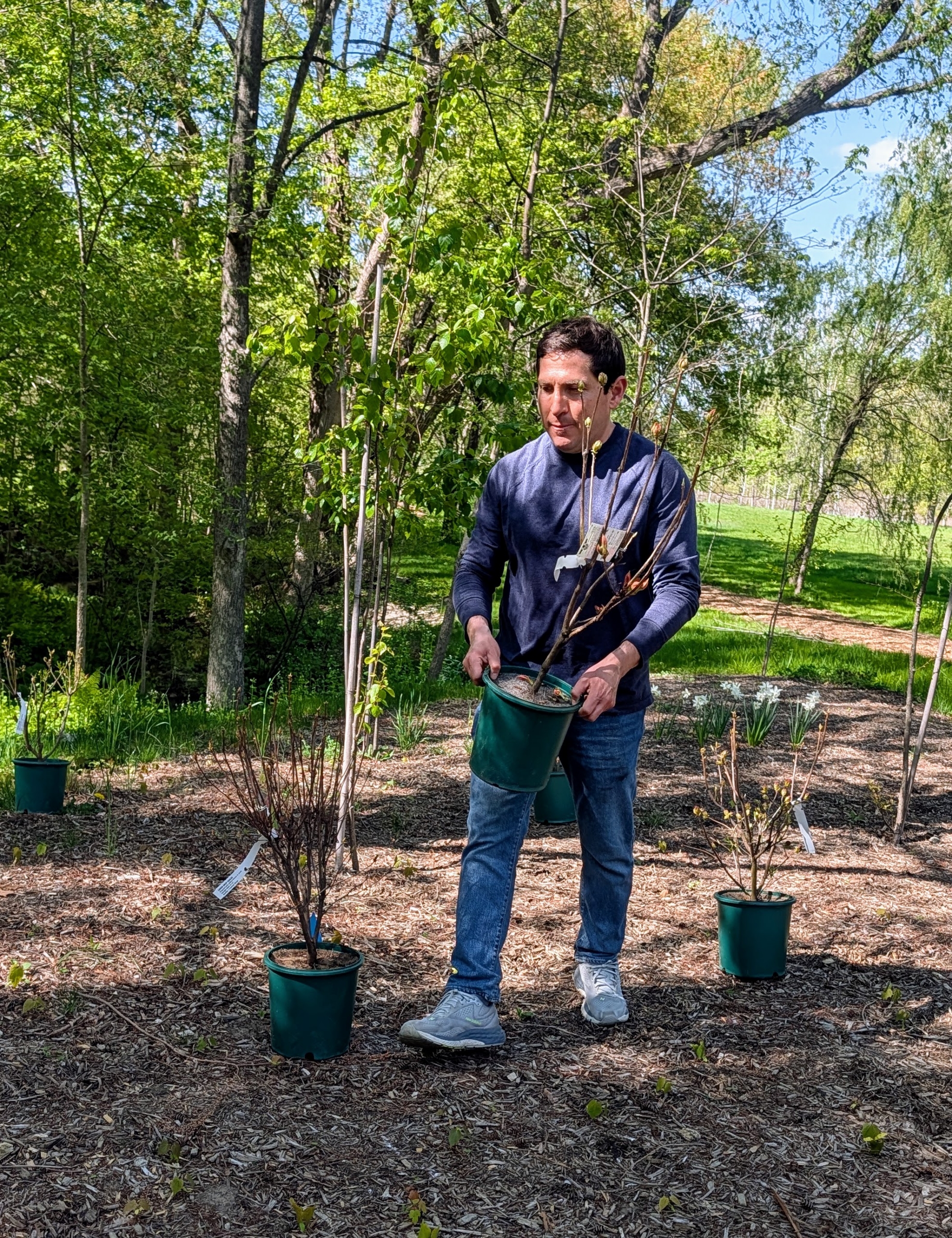
- Once they arrived, the plants were placed right away around the pond. Here’s Andres positioning them where they will be planted. When planning a garden, it is important to consider size of inventory, light needs and growth habits of the plants, and the location of any necessary footpaths.
-
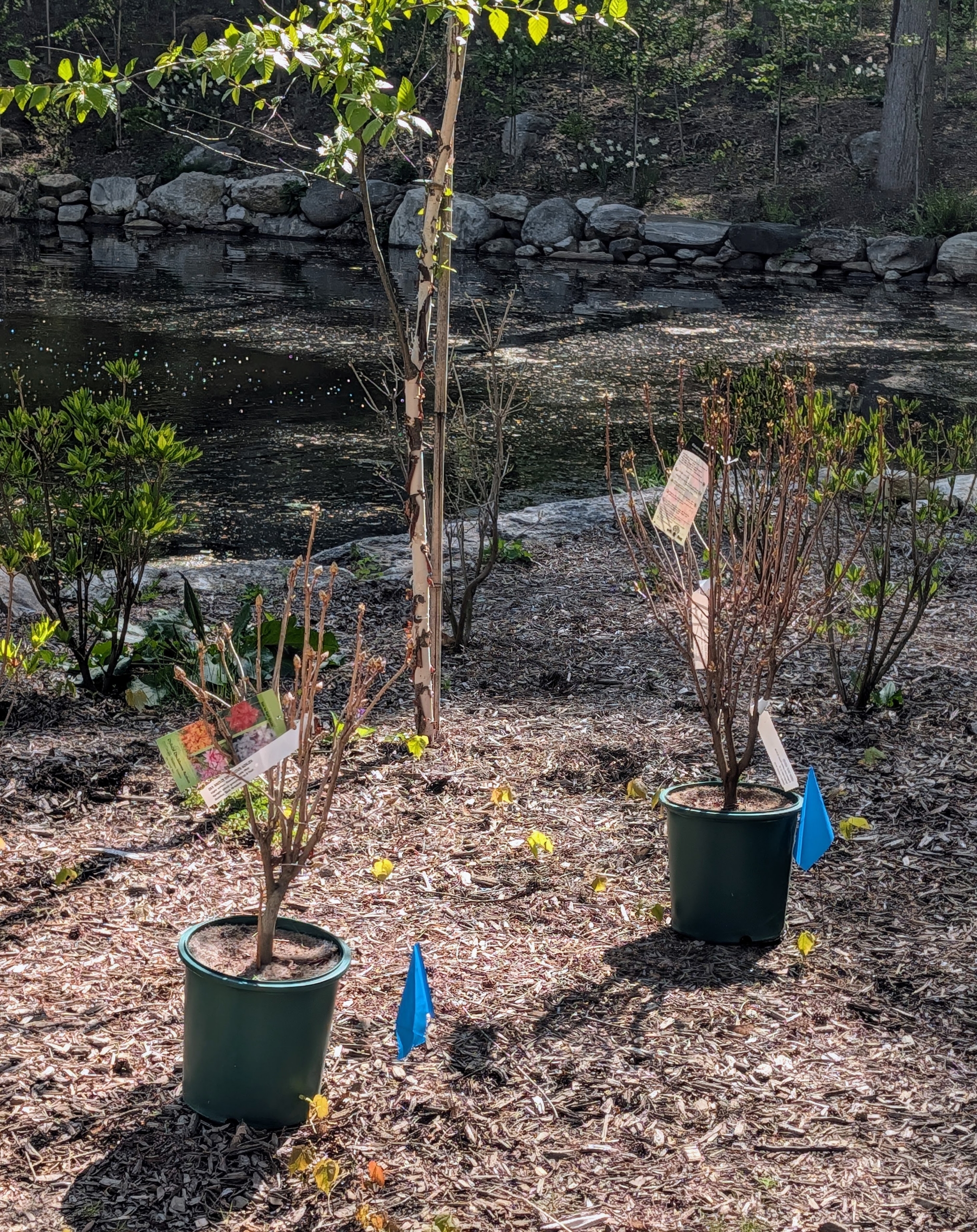
- Always buy plants that are sturdy, well-branched, and free of insect damage or diseases. And, avoid plants with weak, spindling growth and poor root systems.
-
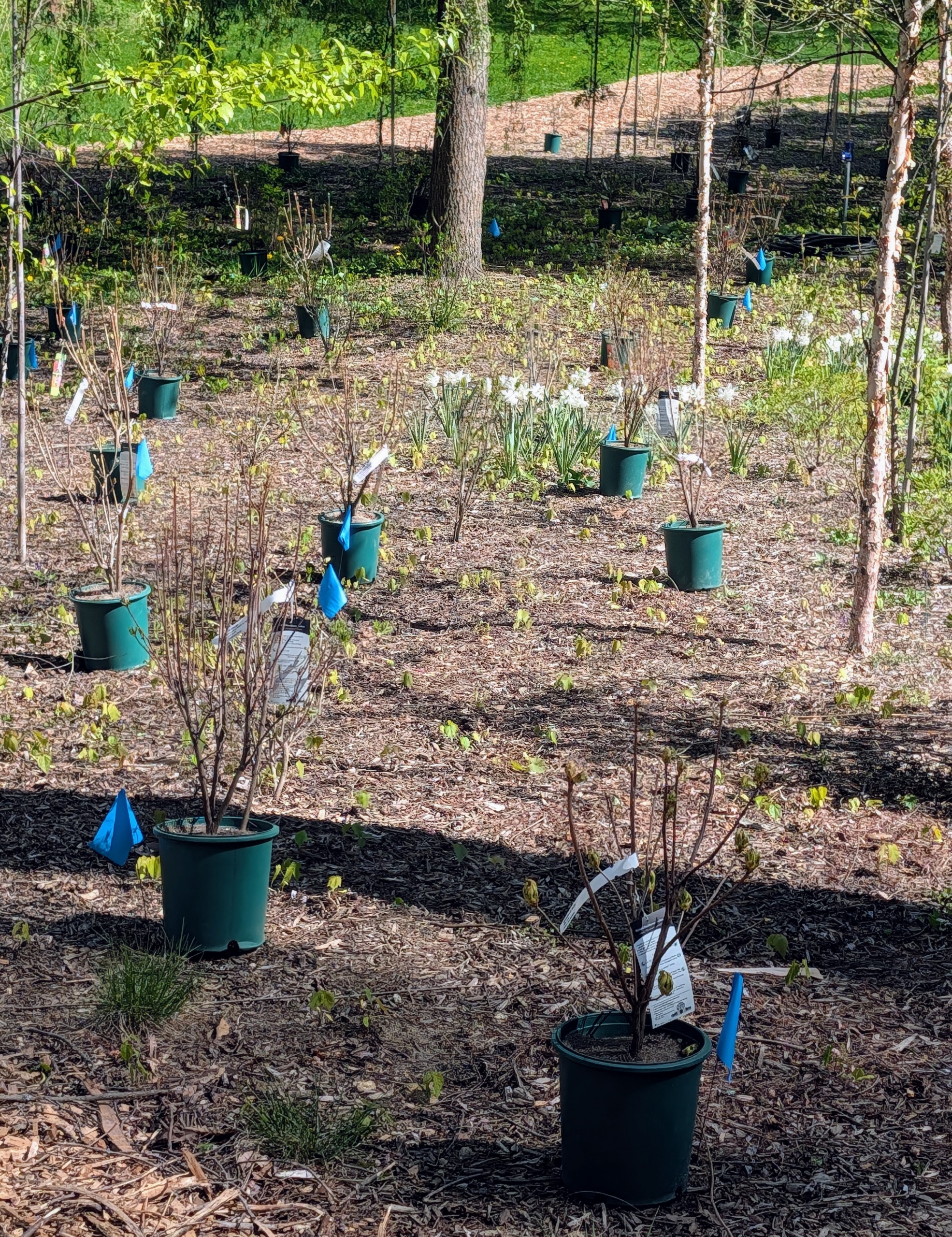
- I planted about 80 azaleas here one year ago and they are all thriving in this location. After the first batch is planted, one can see where more are needed. Filling in the bare areas takes time.
-
- The next day, planting begins.
-
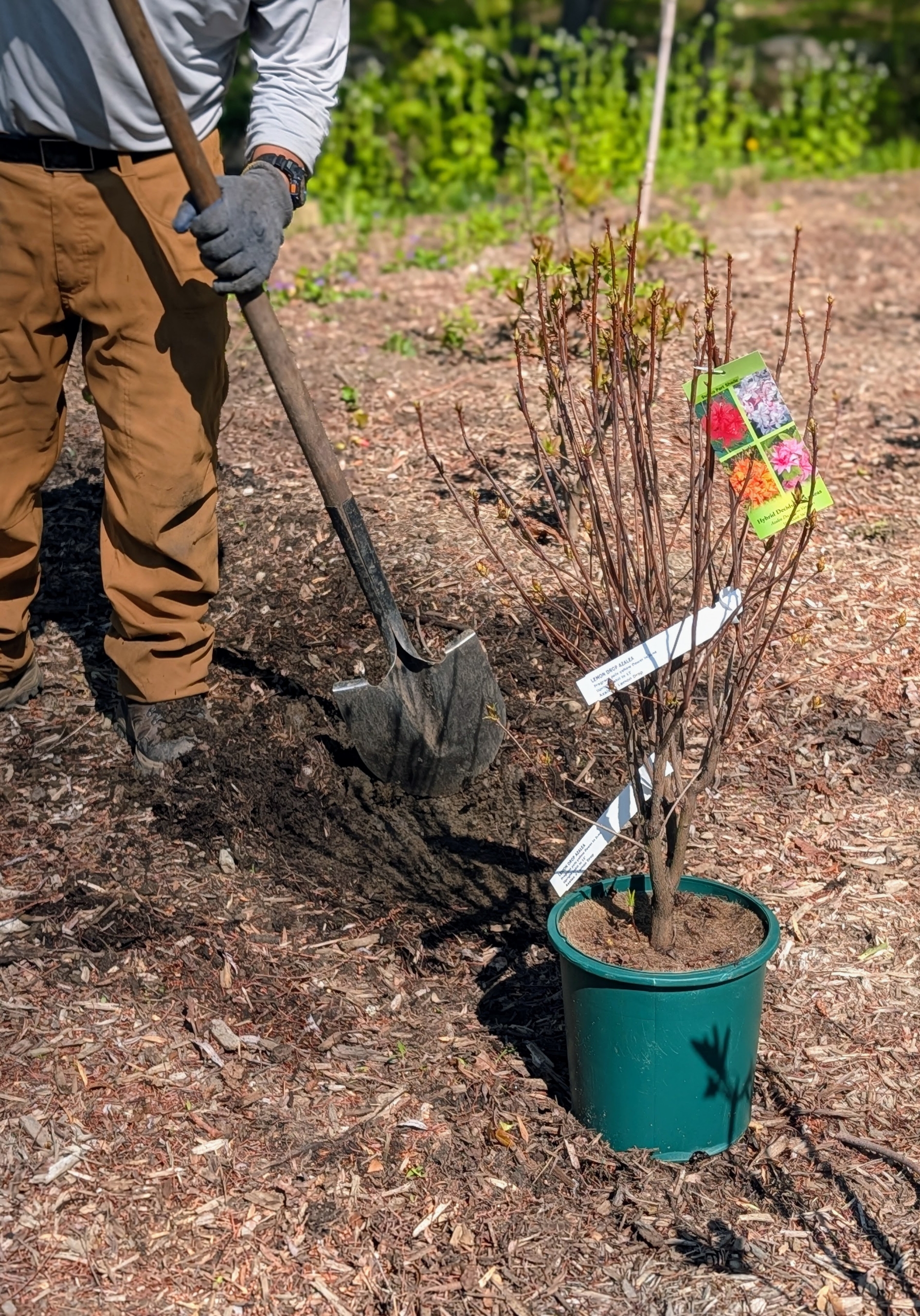
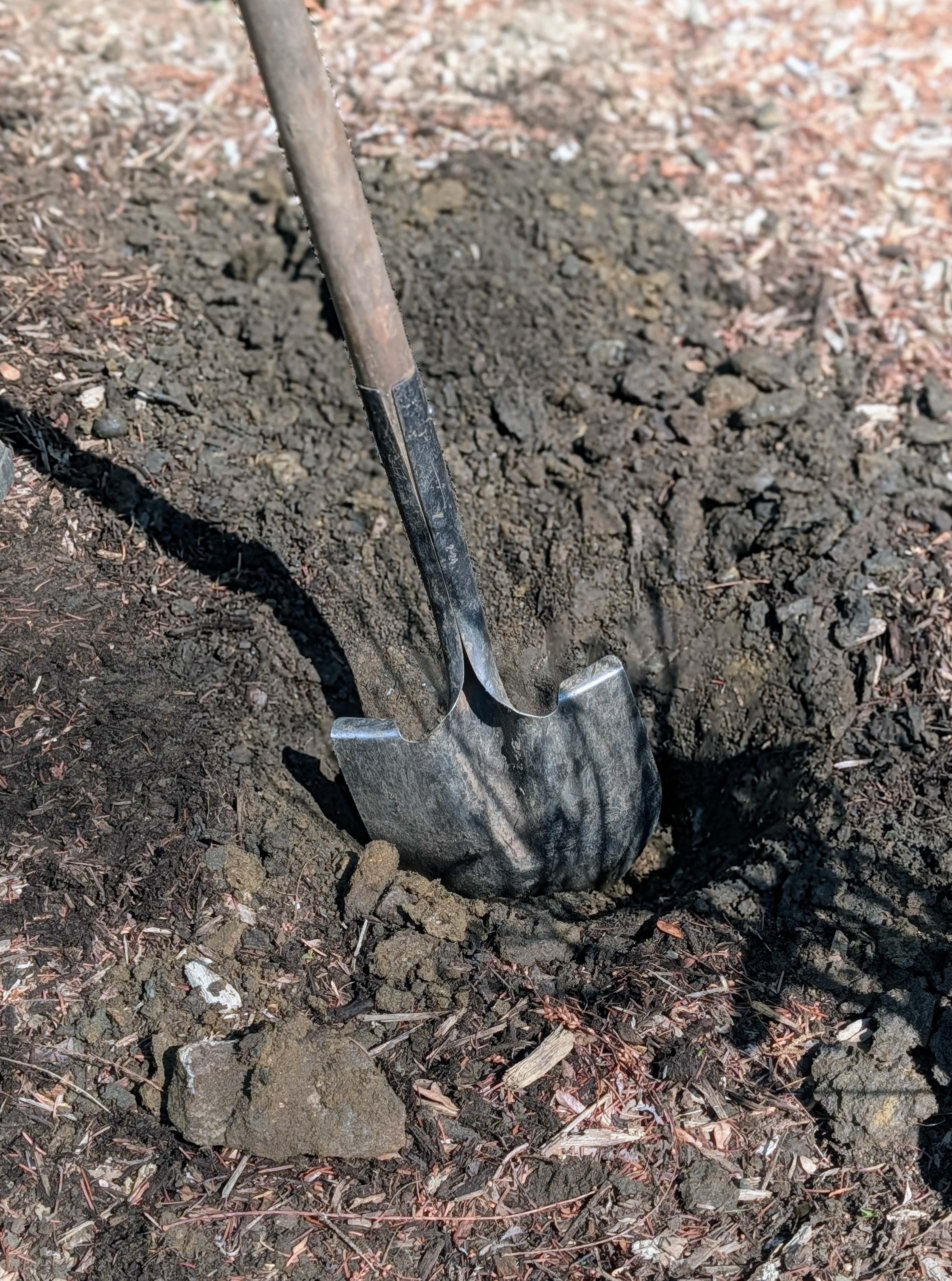
- When planting, dig a hole at least twice the size of the plant. Azaleas thrive in moist, well-drained soils high in organic matter.
-
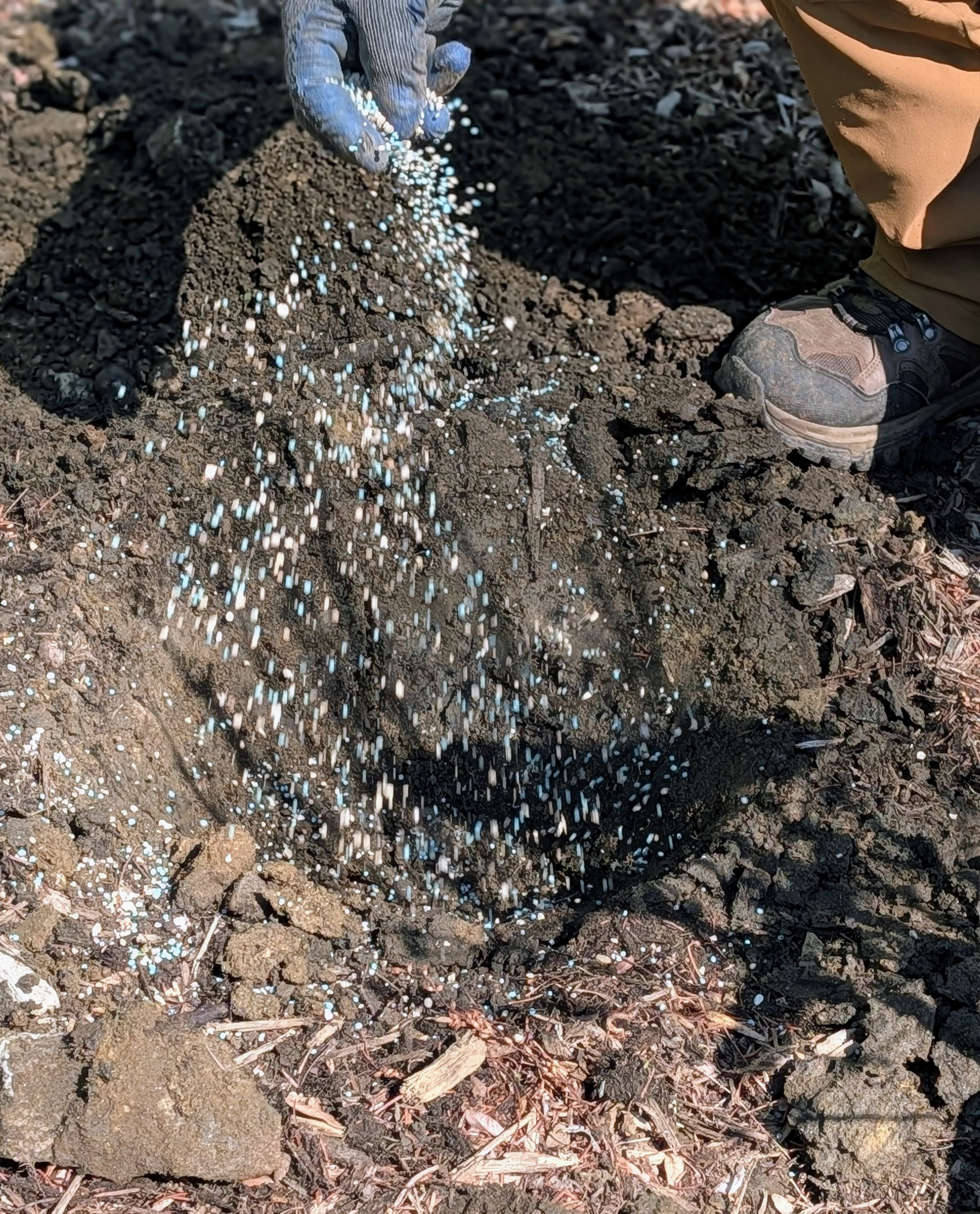
- Phurba sprinkles a generous handful of good, water-soluble fertilizer to the existing soil.
-
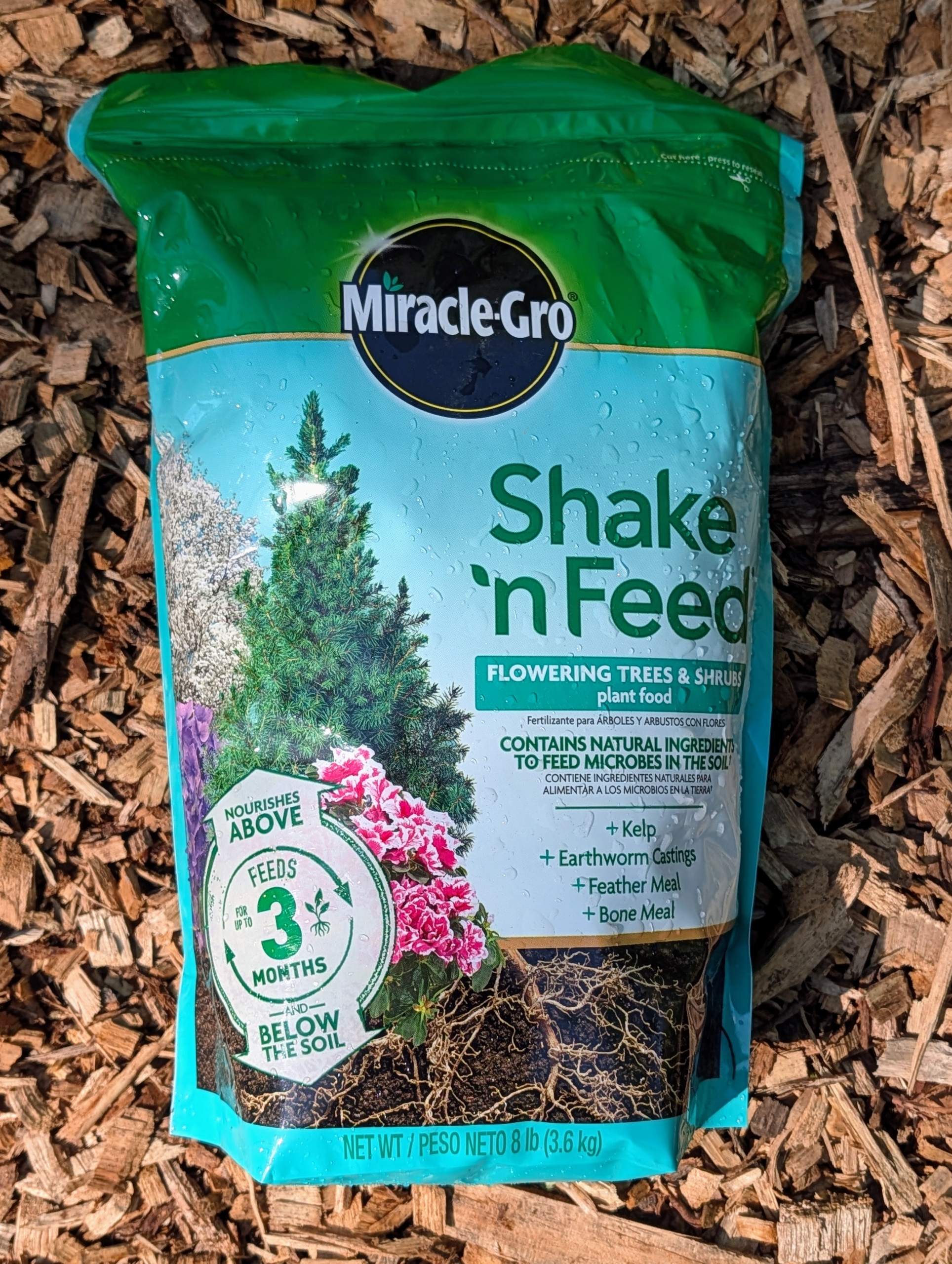
- I feed with Miracle-Gro Shake ‘n Feed Flowering Trees & Shrubs plant food – a dependable fertilizer that feeds for up to three months.
-
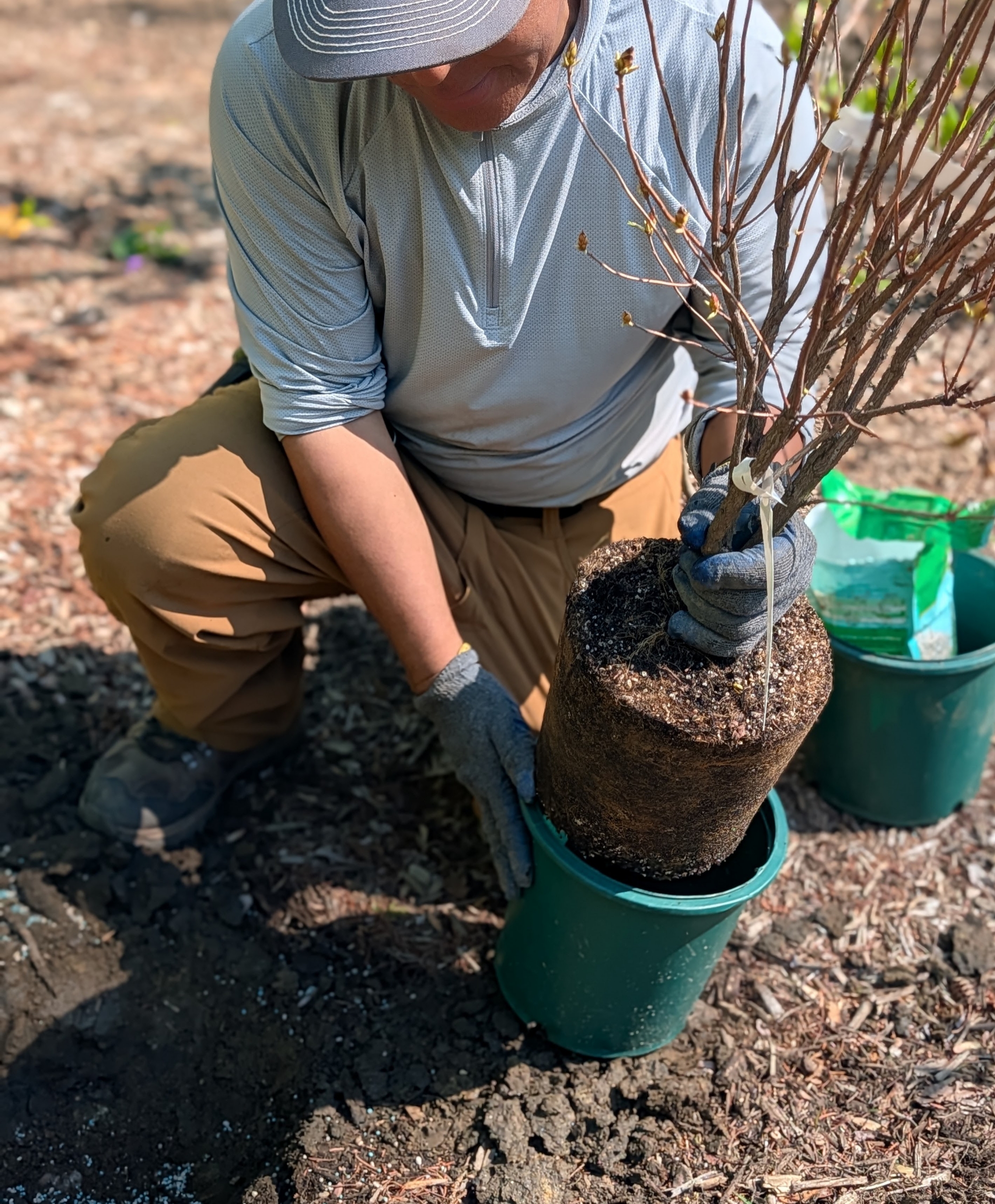
- Phurba carefully removes the plant from its pot – it’s completely intact and in excellent condition.
-
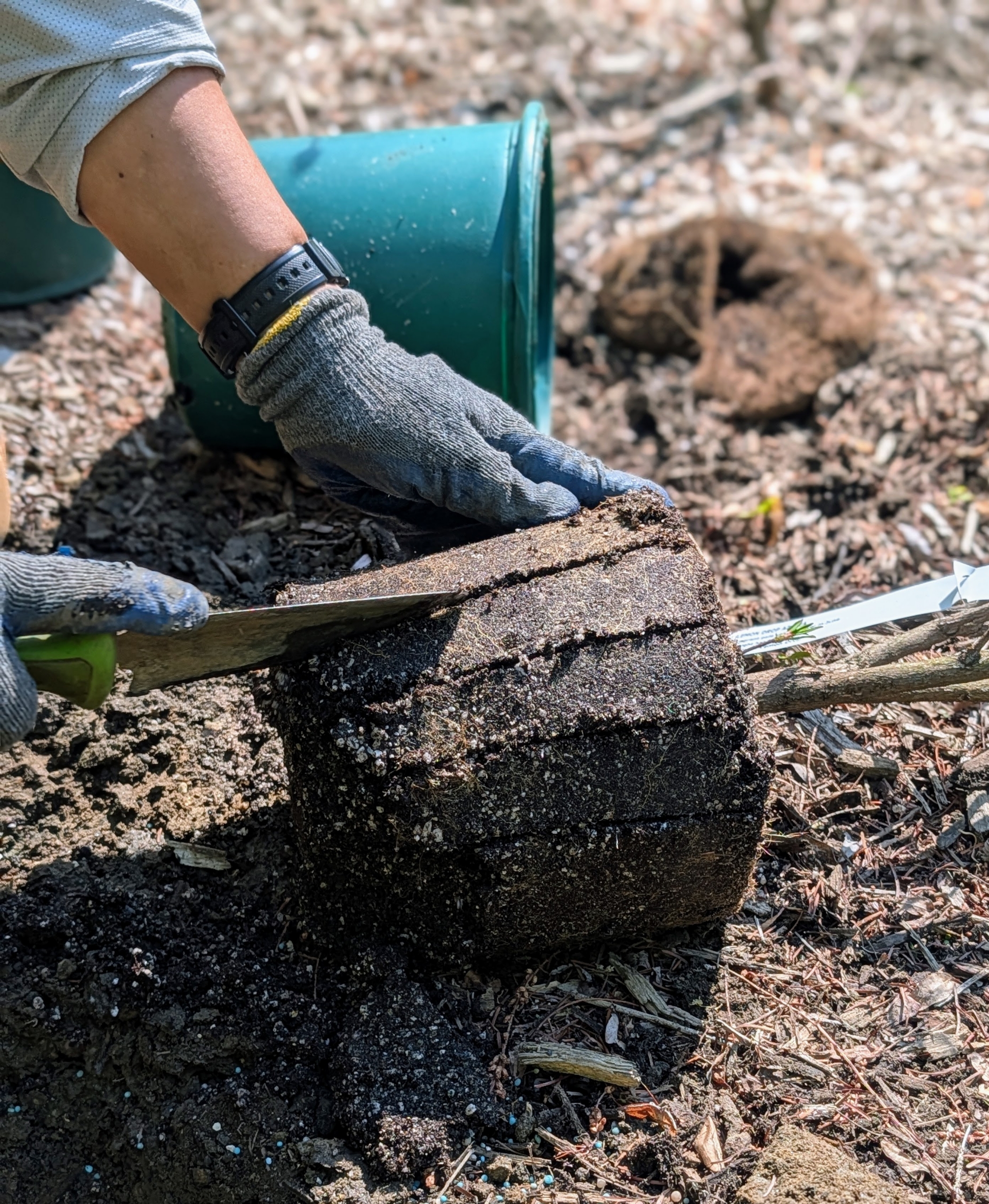
- Then he scarifies. Scarifying stimulates root growth. Essentially, one makes small cuts along the root ball to loosen the roots and create some beneficial injuries. This helps the plant become established more quickly in its new environment.
-
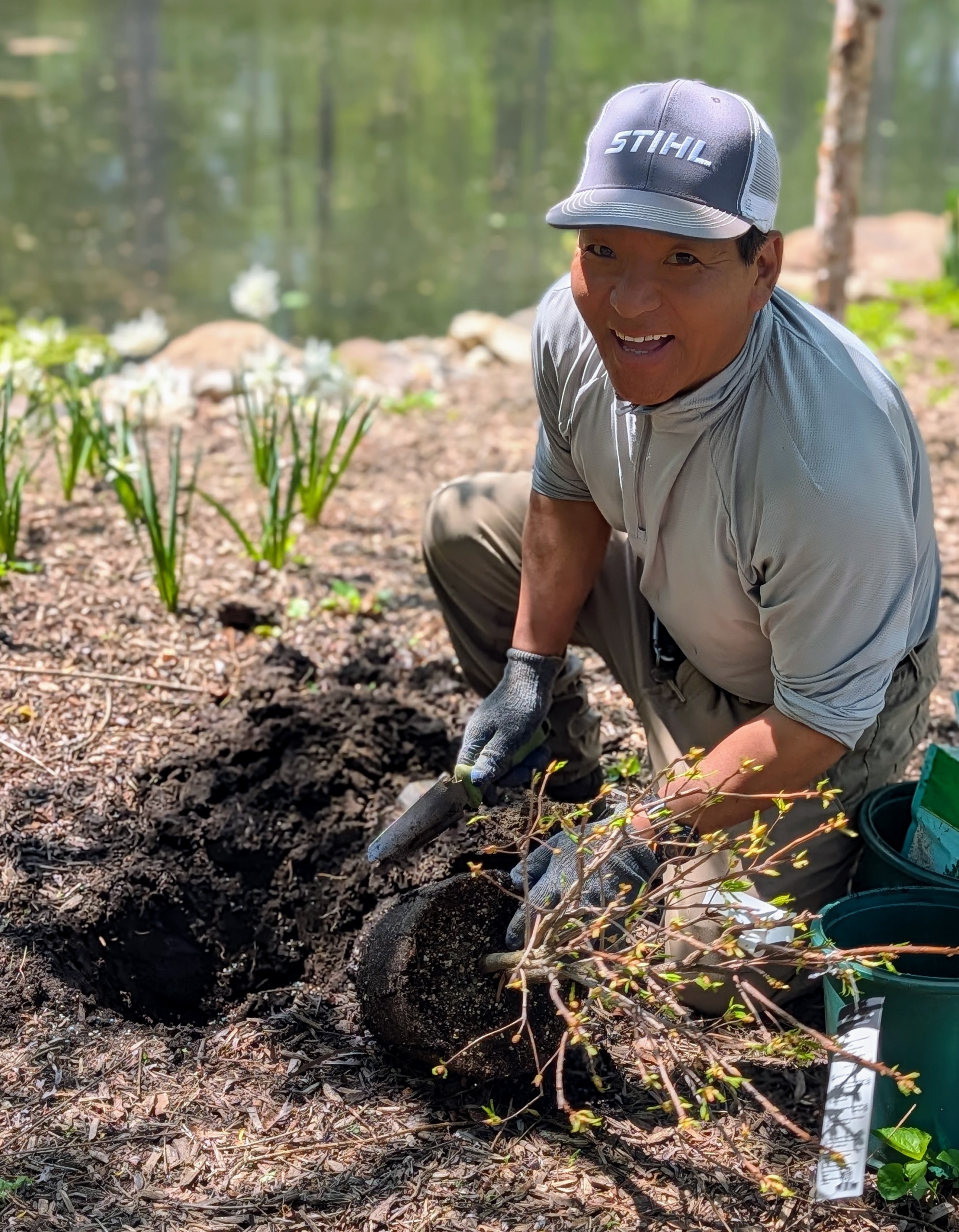
- Phurba has been working with me for almost 19 years. He’s planted many specimens around the farm and has seen so many of the gardens grow, develop, and change over the years.
-
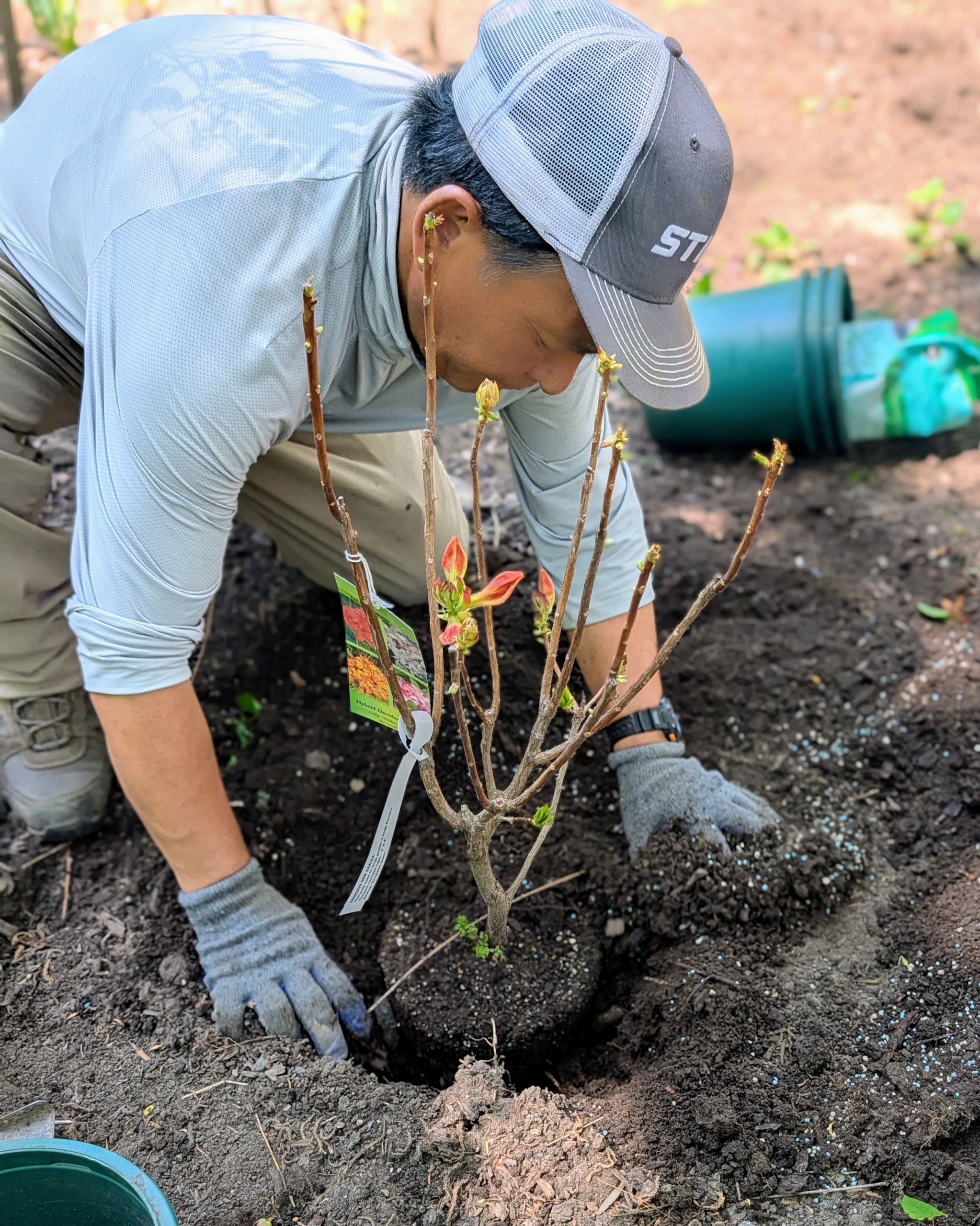
- The plant is placed into the hole and then checked to be sure it is at the right depth. Planting too deep could eventually cause bark deterioration at the soil line and kill the plant.
-
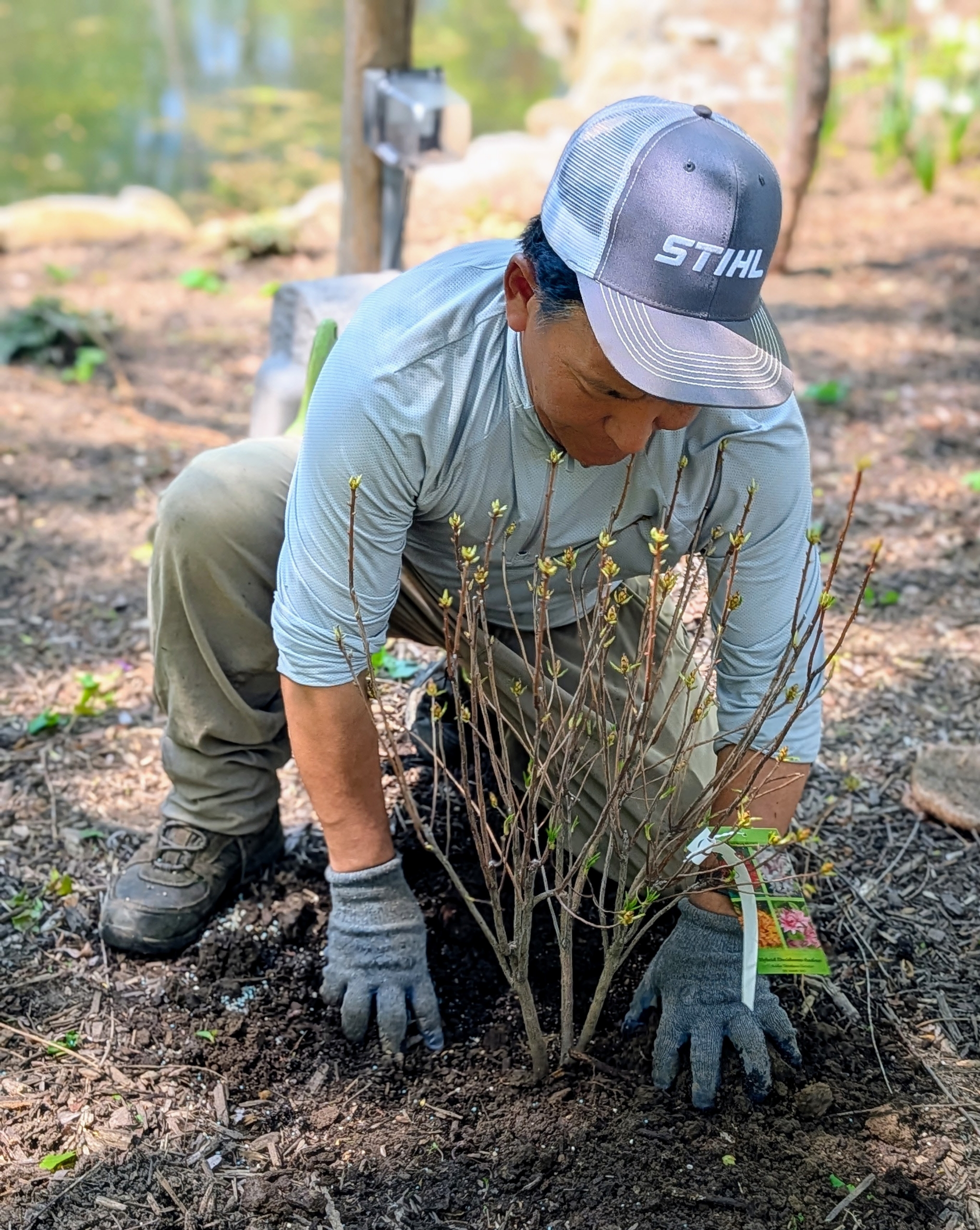
- The azalea is backfilled and the soil is lightly tamped for good contact with the root ball. Azaleas have short root systems, so they can easily be transplanted in early spring or early fall.
-
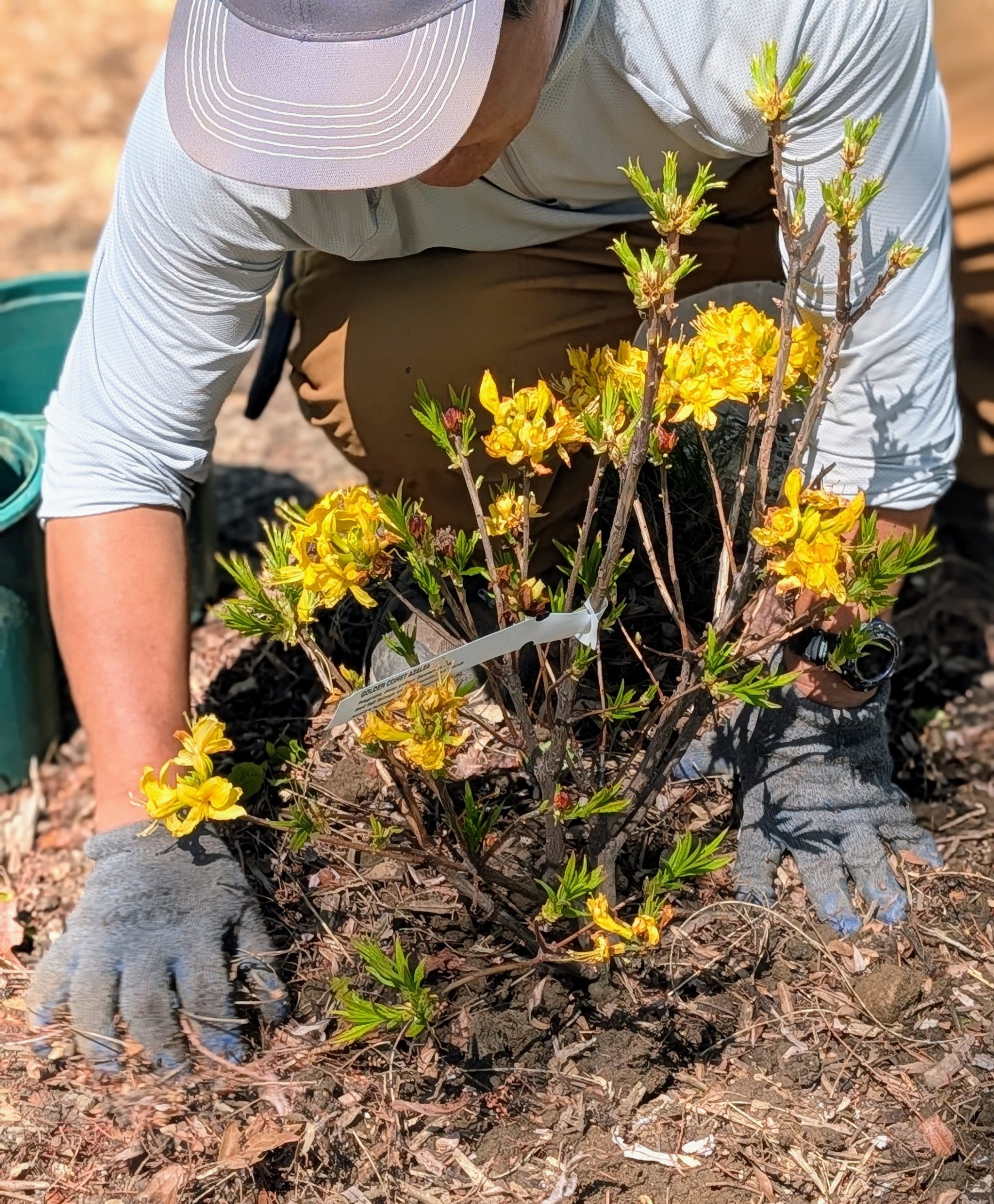
- Here he plants another azalea – this one in bloom. Azaleas are generally healthy, easy to grow plants. Some azaleas bloom as early as March, but most bloom in April and May with blossoms lasting several weeks.
-
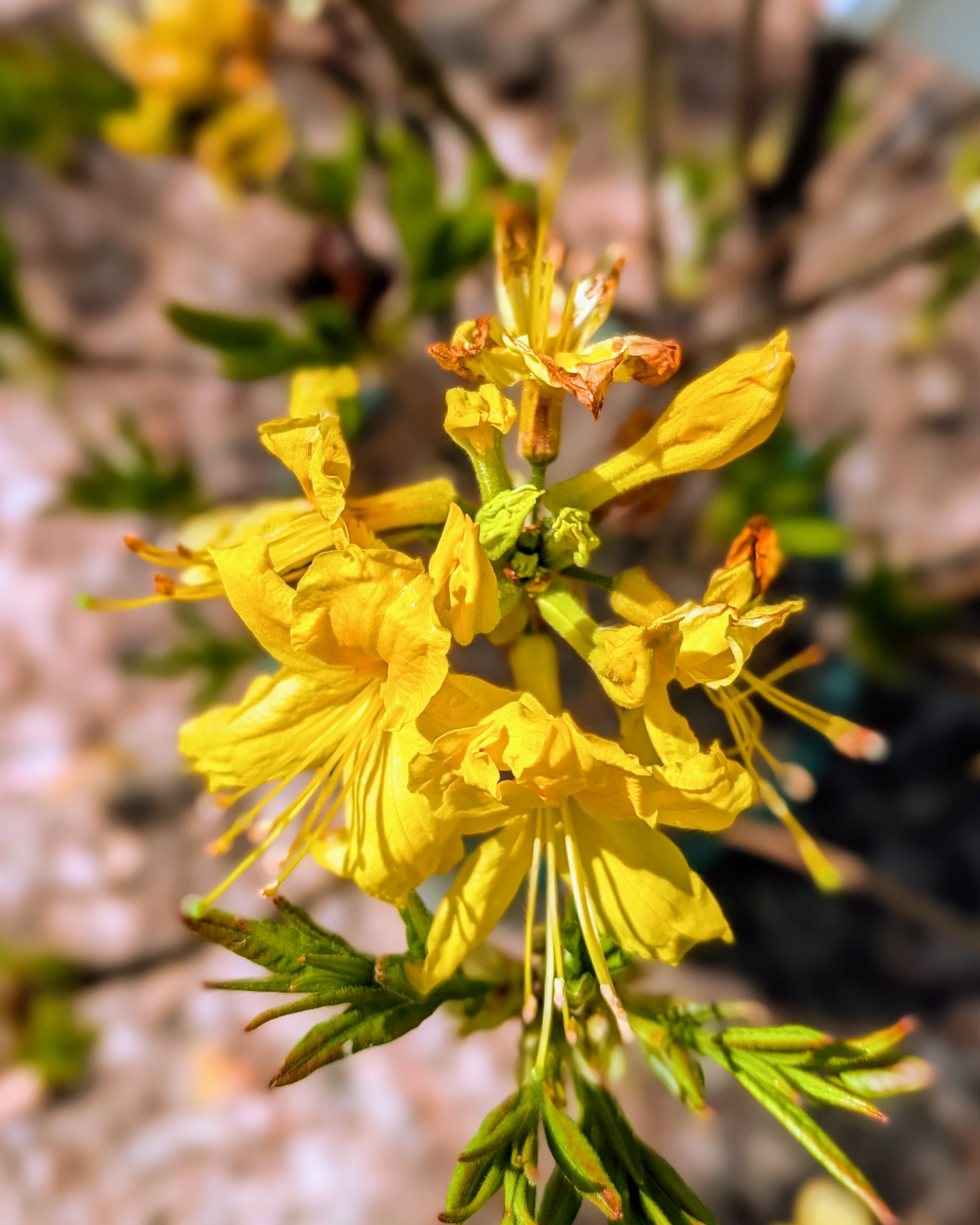
- This one is also in bloom. Some of the varieties include ‘Lemon Drop,’ ‘Sea Breeze’ ‘Golden Oriole’ Exbury, ‘Tangelo,’ ‘George Reynolds’ Exbury, and ‘Gibraltar’ Exbury,
-
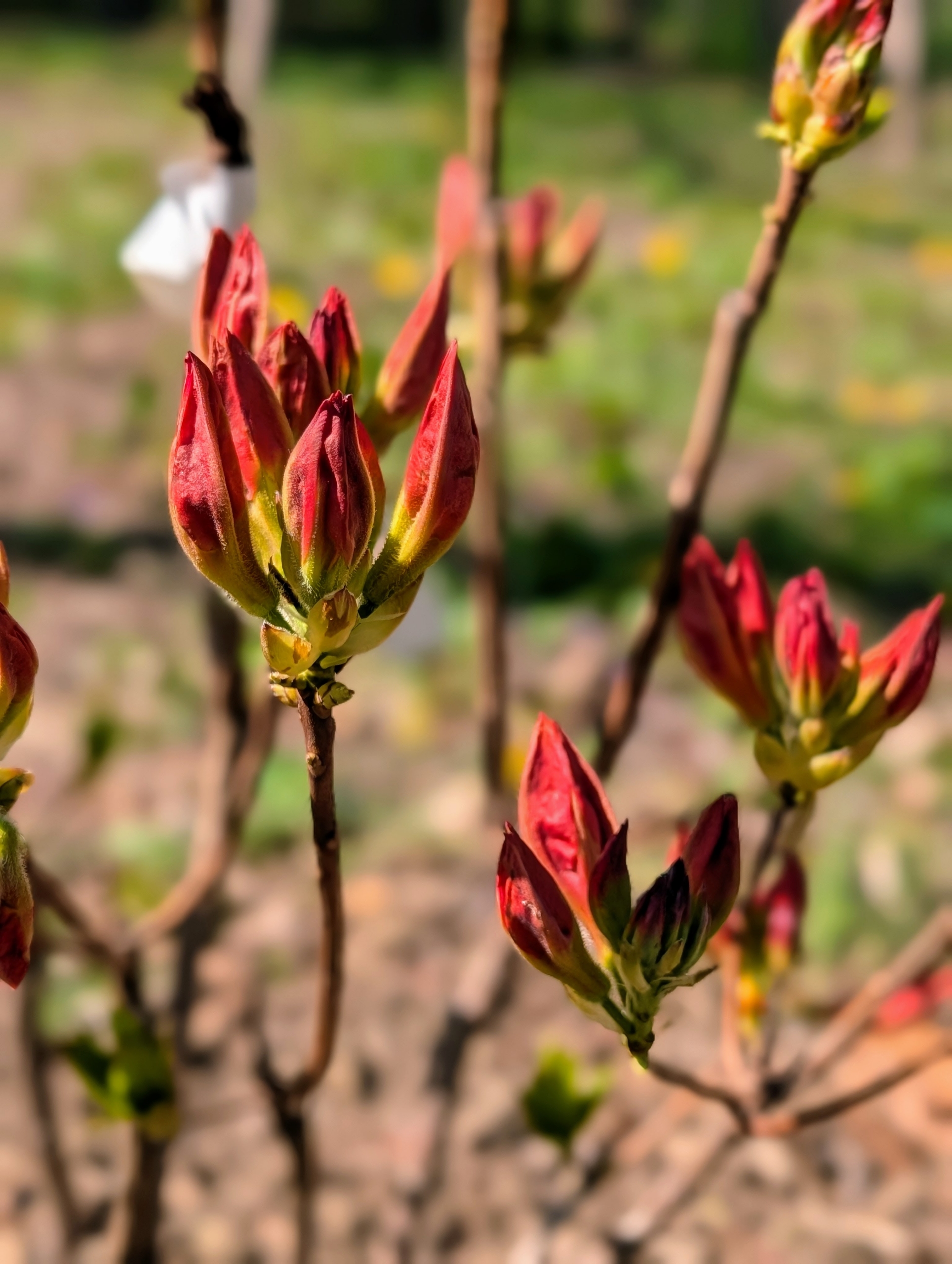
- Most of these are still waiting to open. I can’t wait to see the area in a couple of weeks.
-
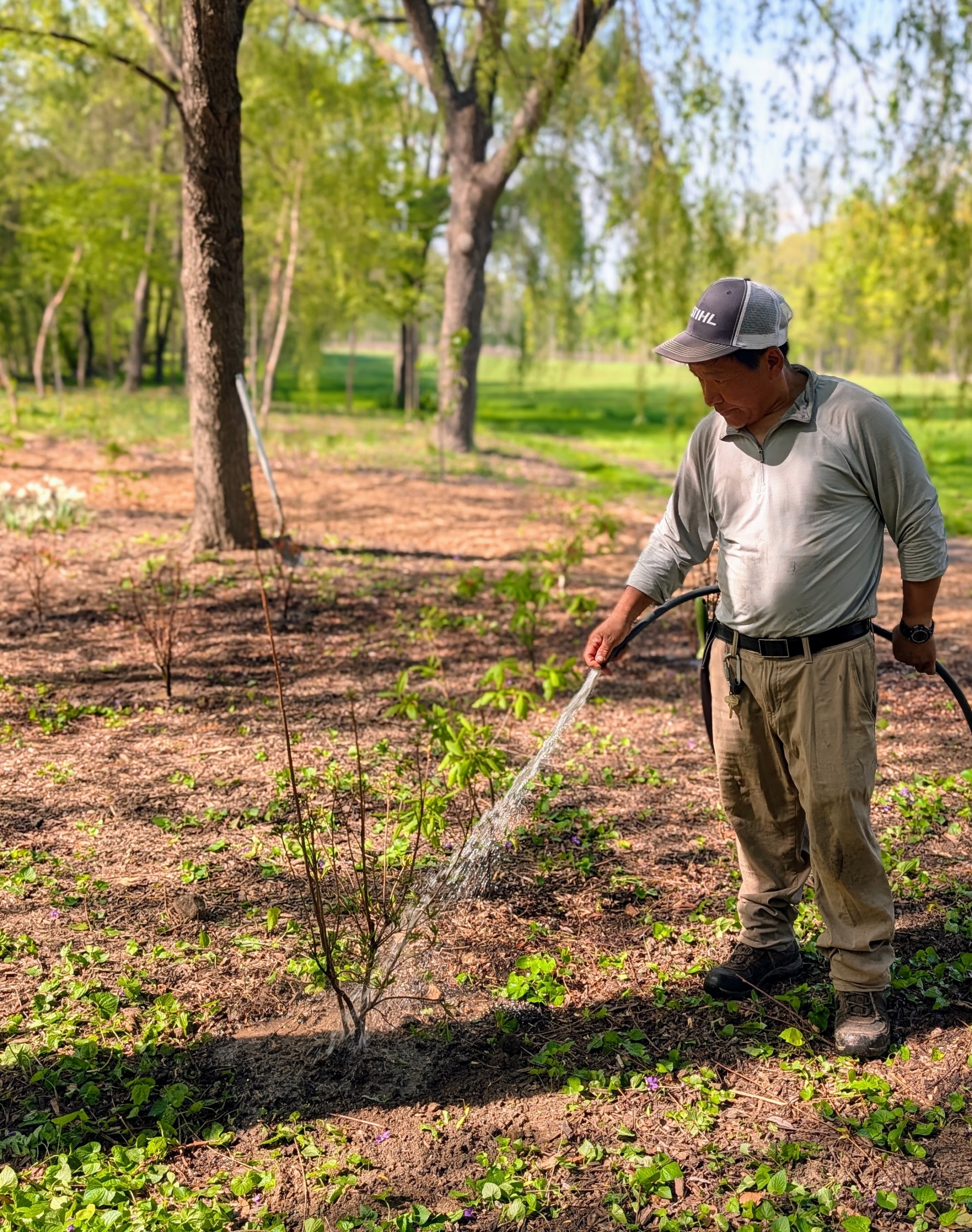
- By the end of the day all the azaleas are planted. Here’s Phurba giving each newly planted azalea a good drink.
-
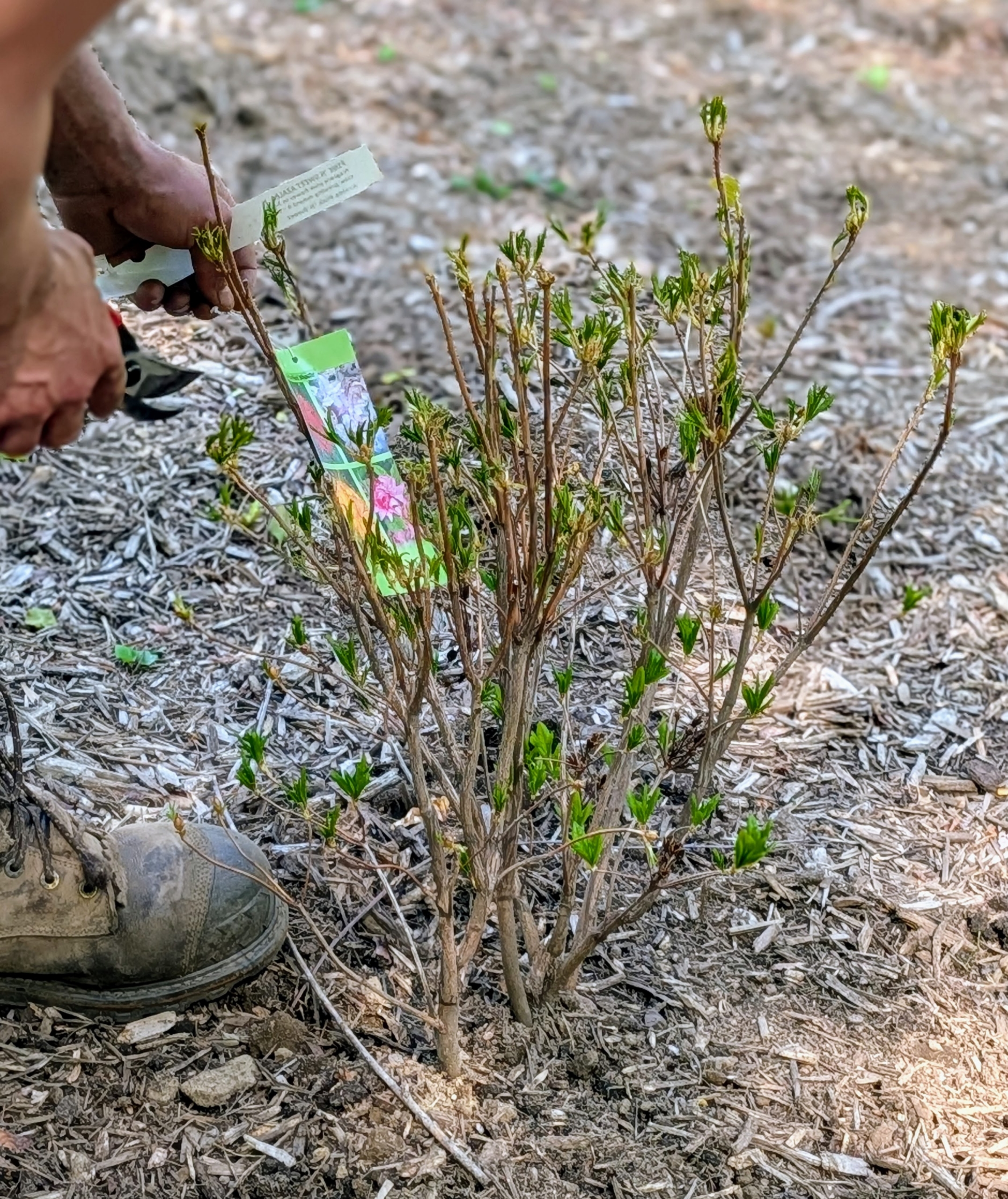
- All the plants are checked. Any plant ID and care tags still hanging are removed.
-
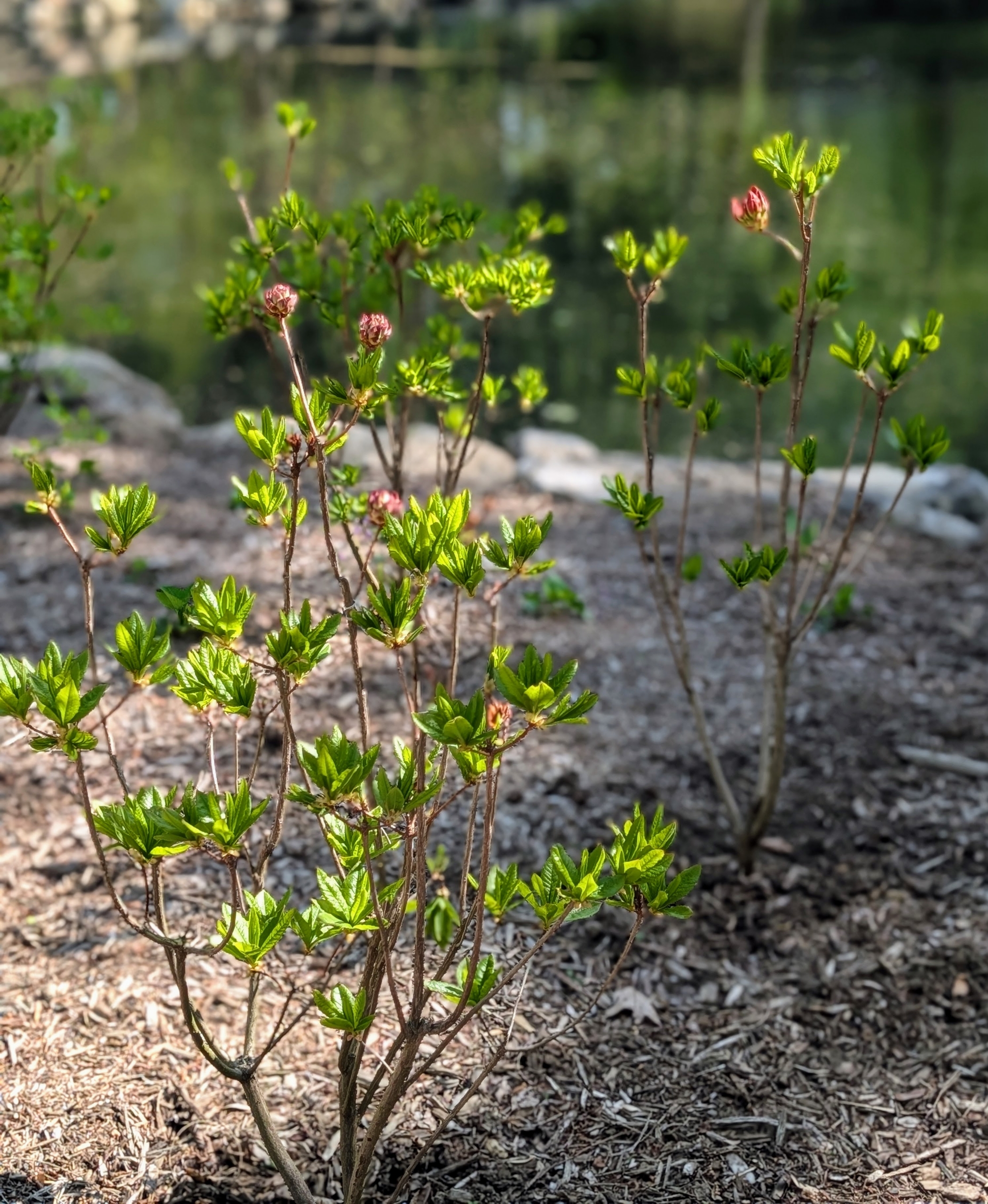
- This pond garden is coming together so nicely. Keep checking – this area should burst with color in another couple of weeks. I’ll be sure to share photos.
 Martha Pins


 Martha Tweets

