
What's Blooming in My Flower Garden?
My flower cutting garden continues to reward me with beautiful blooms.
This perennial garden lies just beyond my main greenhouse, at the foot of my long pergola. My gardeners and I devote many hours to its care - grooming and weeding it through the season and thoughtfully planting each new specimen. This time of year there are hollyhocks, Shasta daisies, balloon flowers, Black-Eyed Susans, yarrow, coneflowers, lilies, and more.
Here are some photos, enjoy.
-

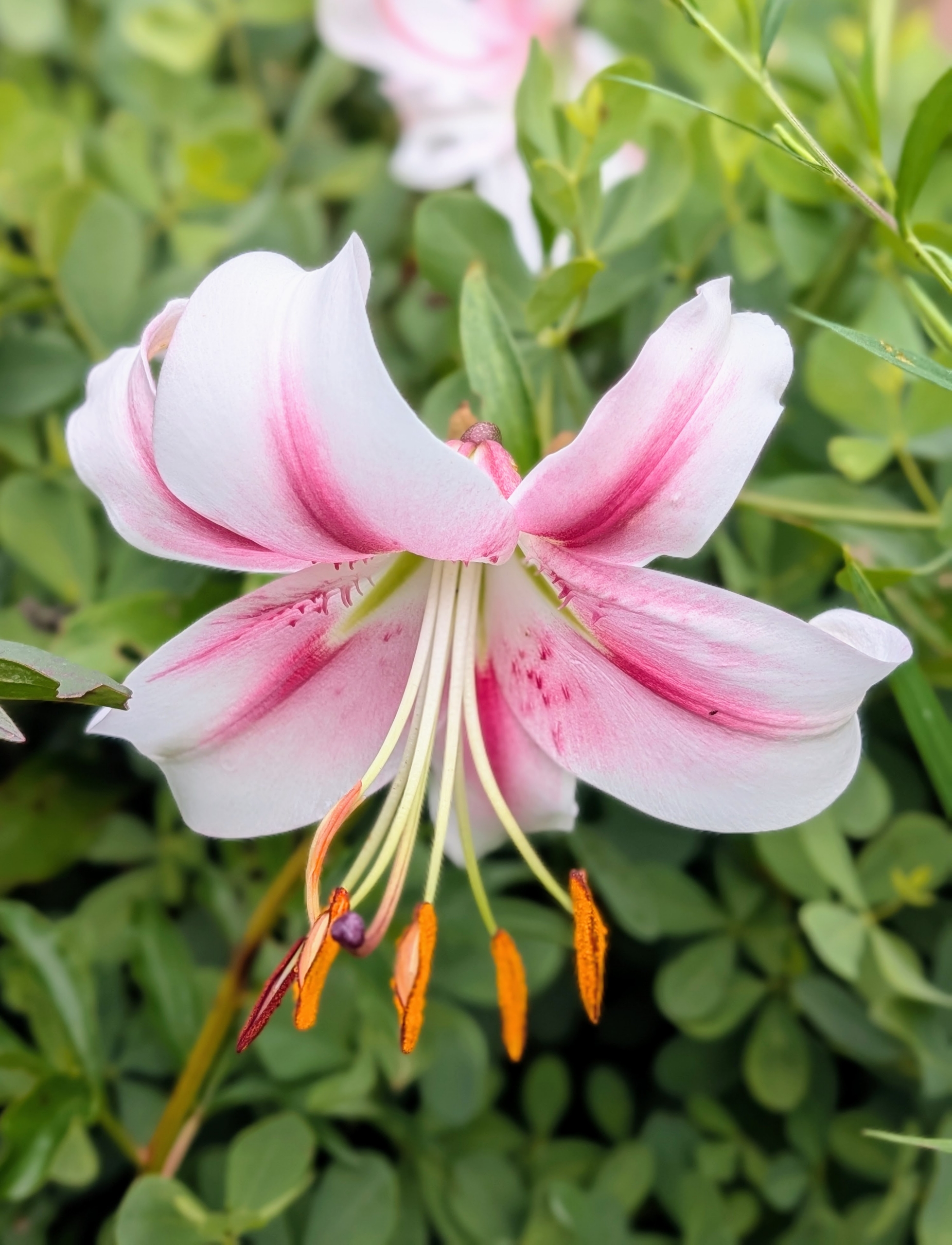
- Here is one of many kinds of lilies that bloom in my flower garden. In summer I also have lilies along my pergola, outside my Winter House kitchen and in the sunken garden behind my Summer House. My collection is a combination of Oriental, Asiatic, trumpet, and Orienpet lilies. Lilium is a genus of herbaceous flowering plants grown for their very showy, often fragrant flowers.
-
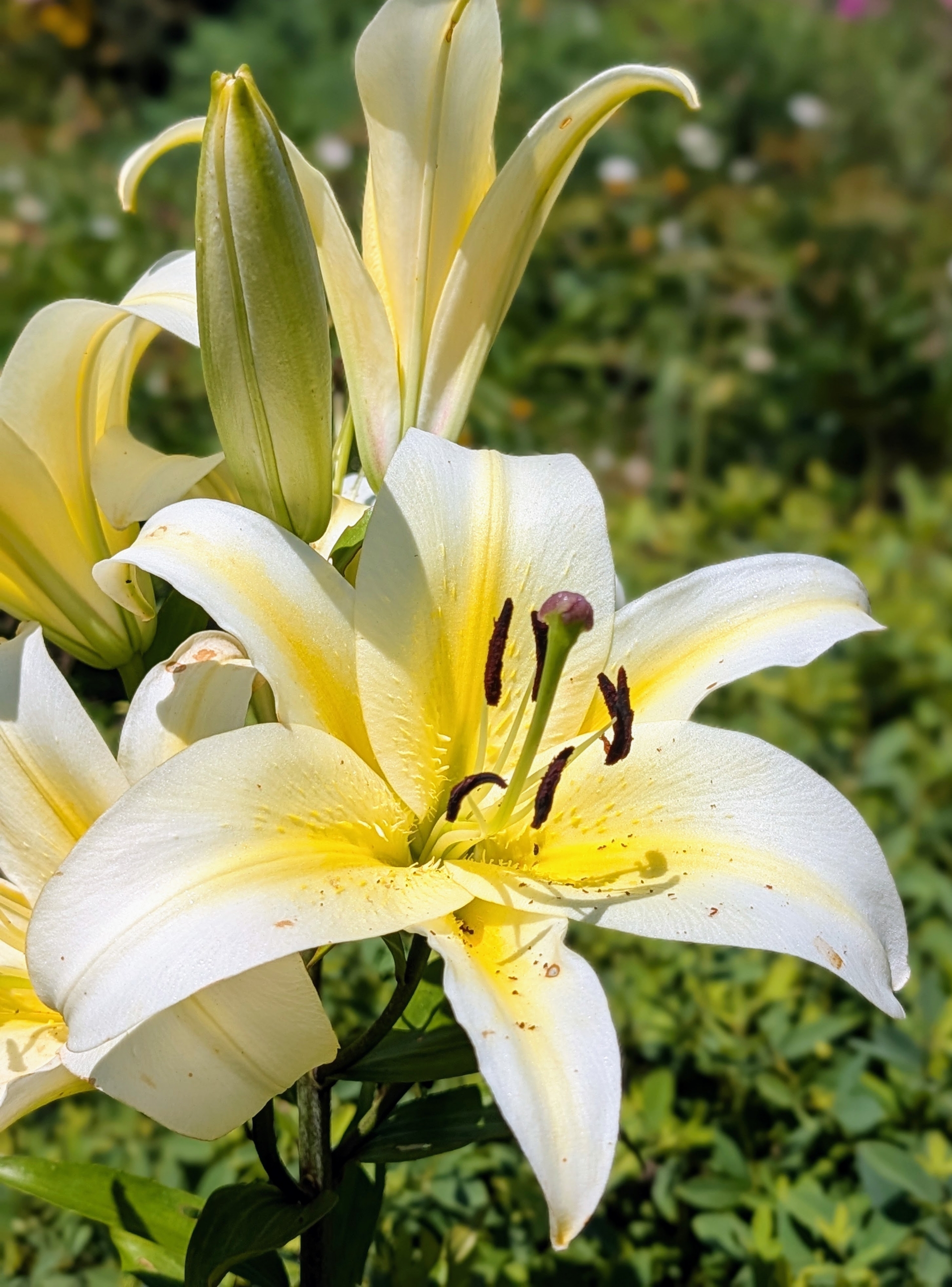
- Lilies come in a variety of colors with multiple blooms per stem. This is white with bold yellow.
-
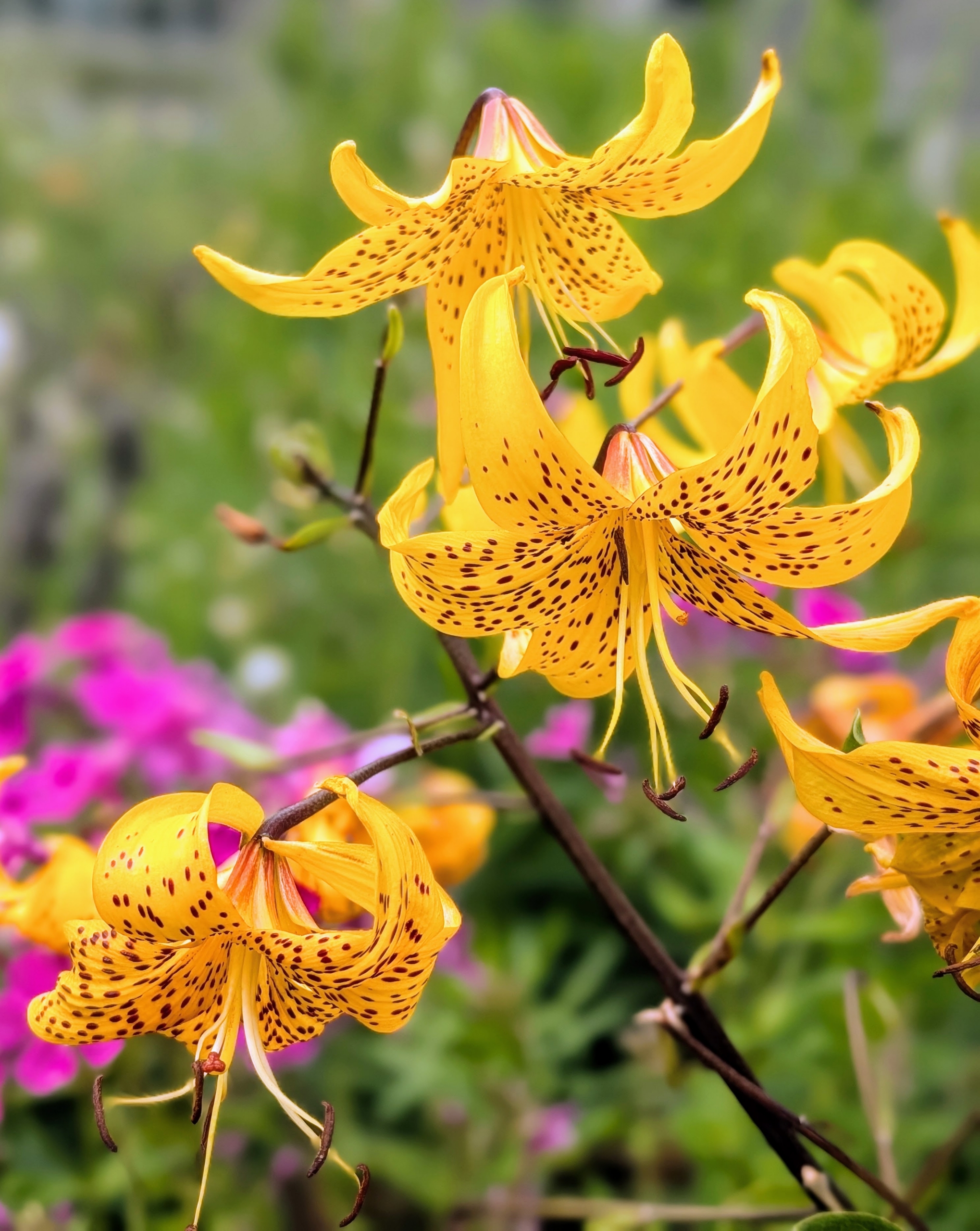
- Yellow tiger lilies are vibrant, medium-yellow lilies with characteristic dark spots, known for their striking appearance and ease of cultivation.
-
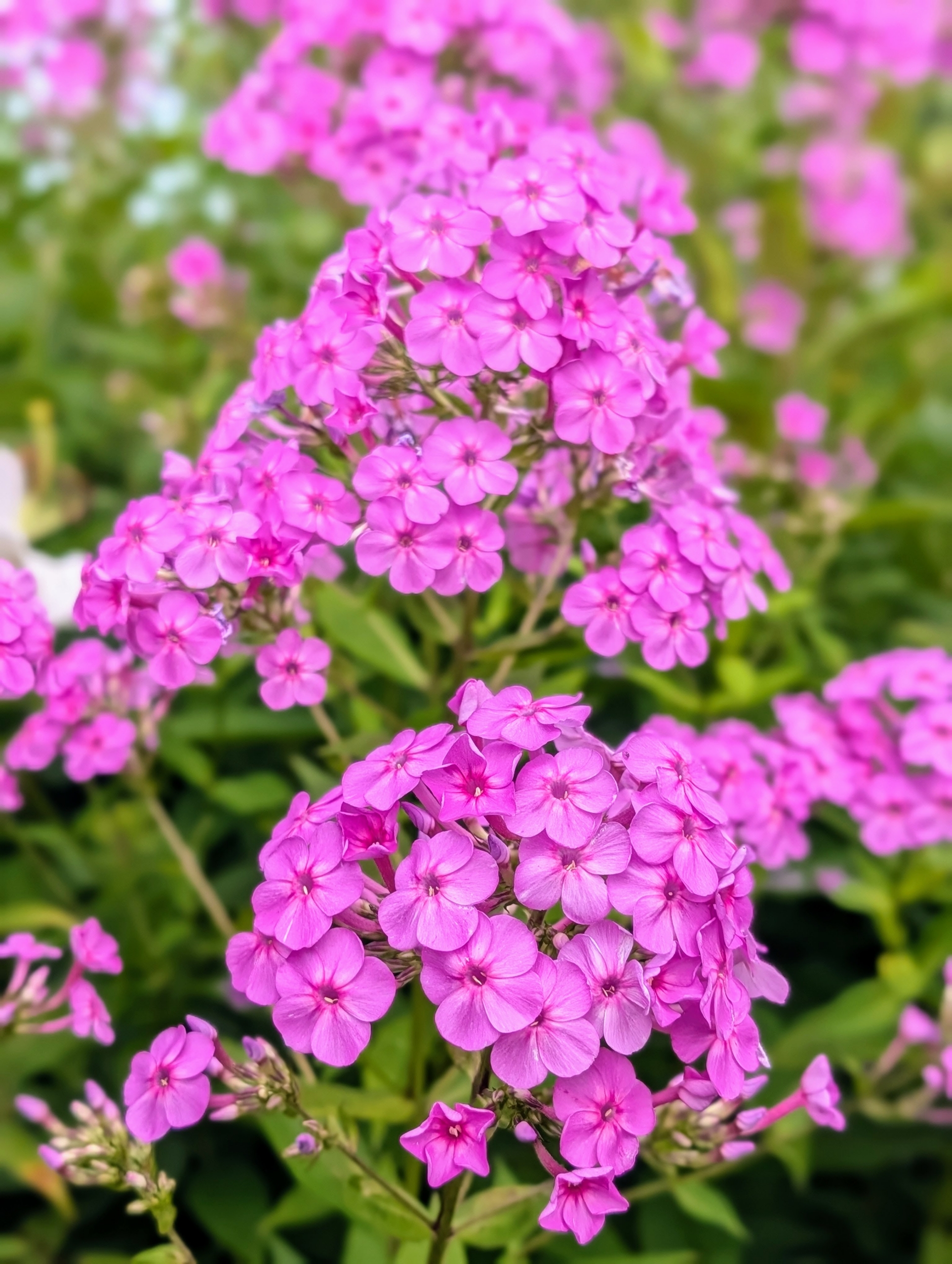
- The phlox is thriving in the garden. Phlox has superb heat and mildew resistance. Phlox is a tall and upright grower that’s great for the back of the border, or even planted at the edge of the garden among the shrubs.
-
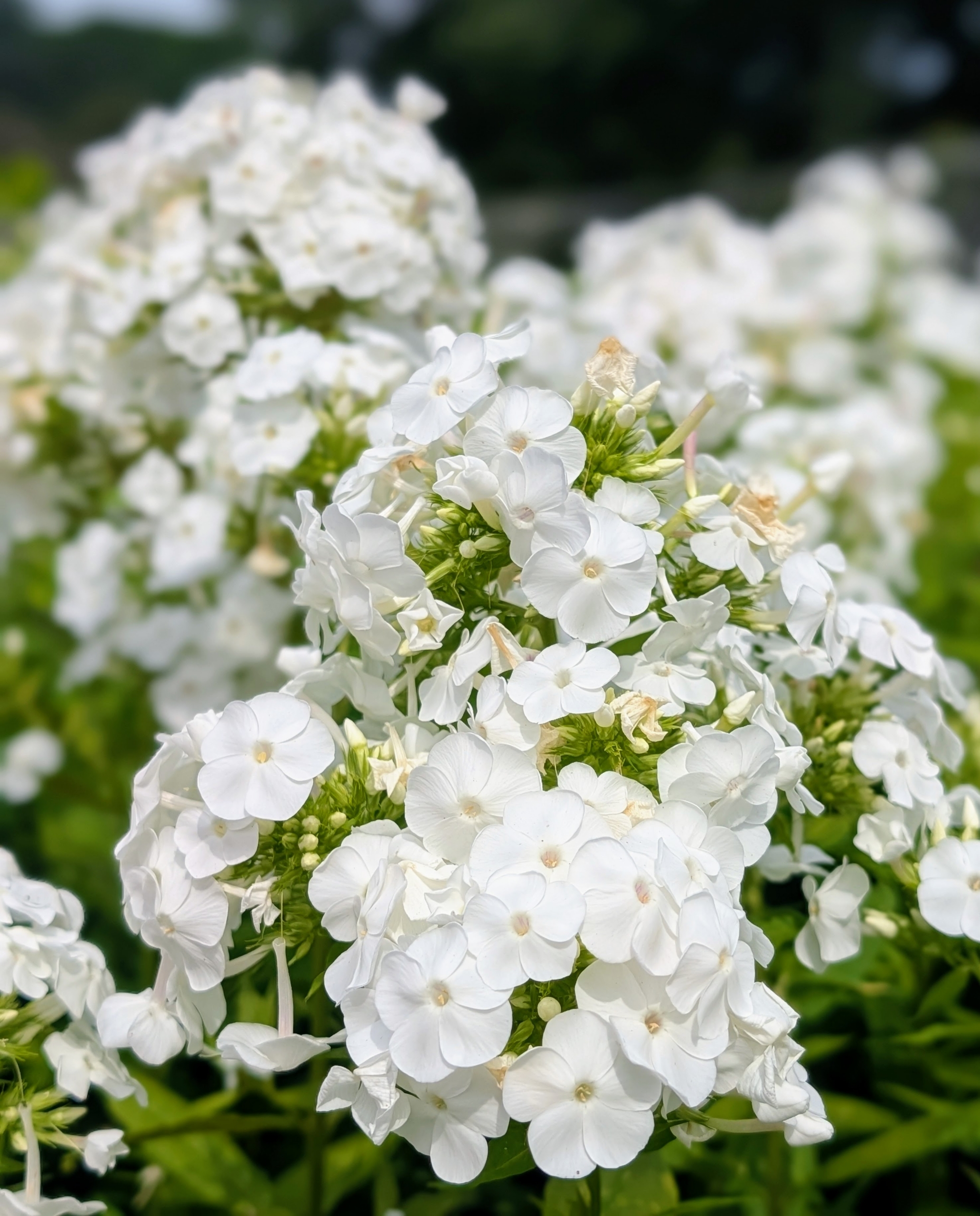
- Phlox also comes in a range of colors from pure white to lavender to even red, and grows happily in most parts of the country. If properly planted and sited, phlox is largely pest and disease free too – a perfect perennial.
-
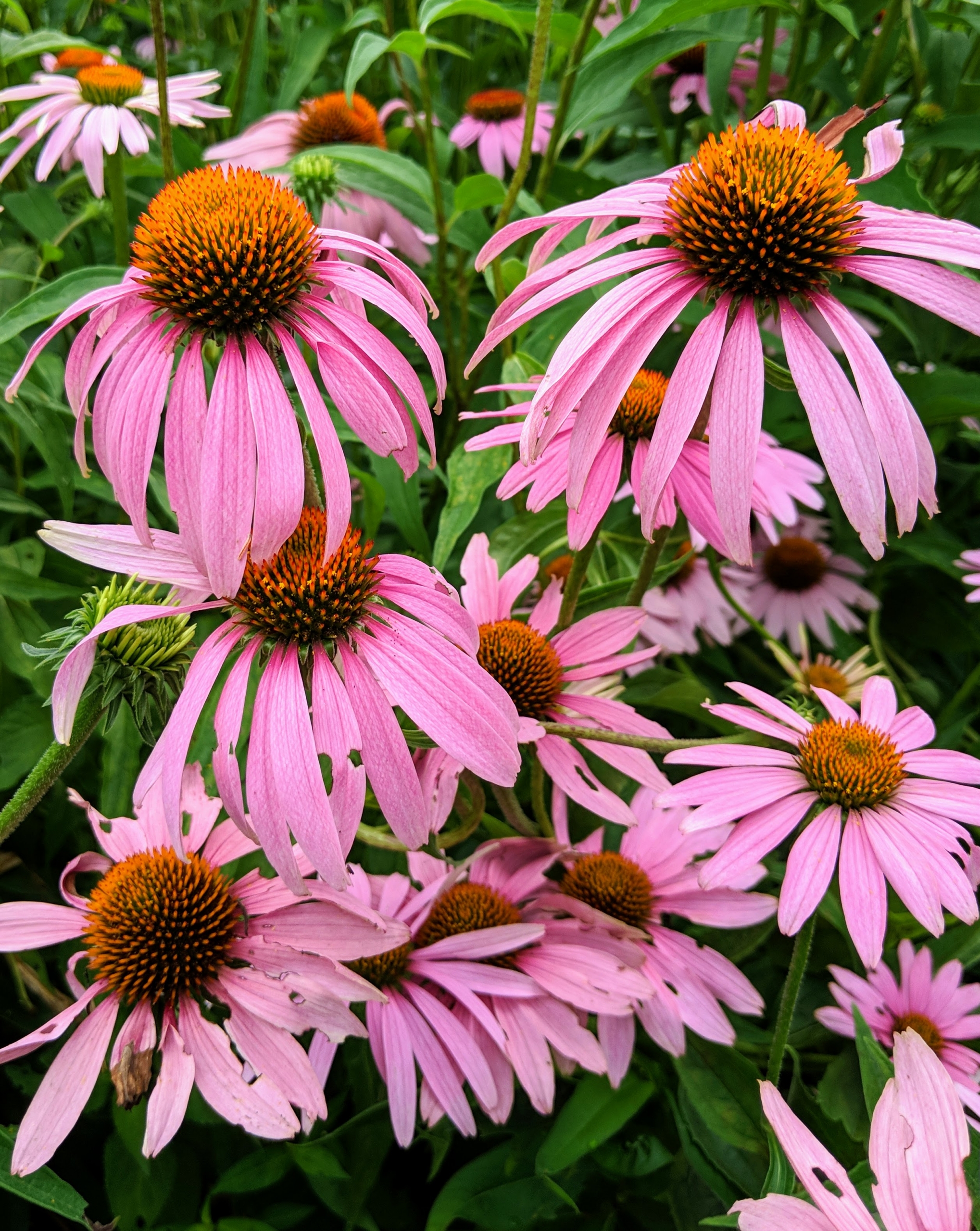
- Echinacea purpurea, or purple coneflower, is a hardy perennial. Echinacea purpurea has a large center cone, surrounded by colored petals that brighten the garden in mid-summer. Echinacea is a genus, or group of herbaceous flowering plants in the daisy family.
-
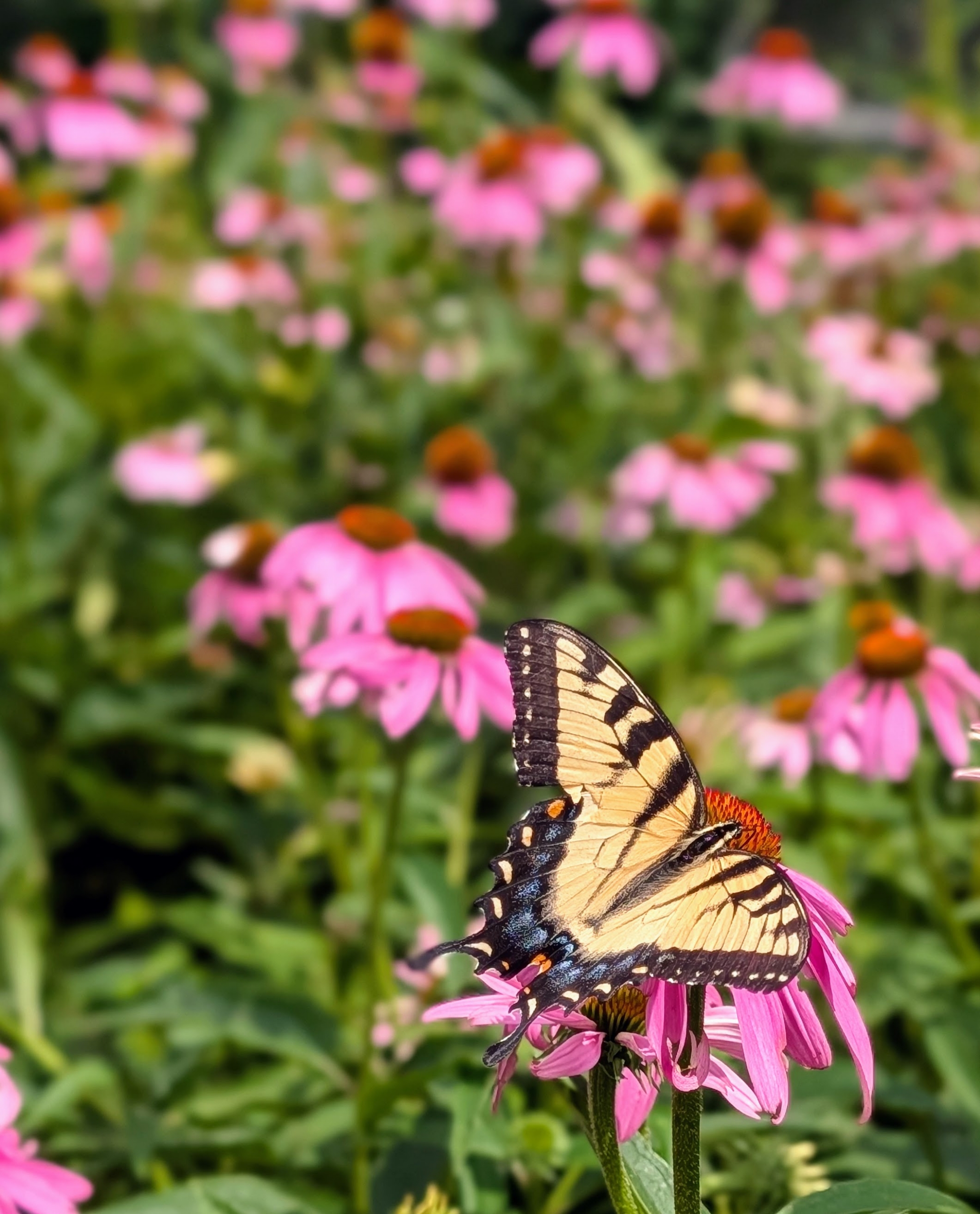
- Butterflies are attracted to Echinacea, including this swallowtail. They love coneflowers for their vibrant colors and nectar-rich blooms.
-
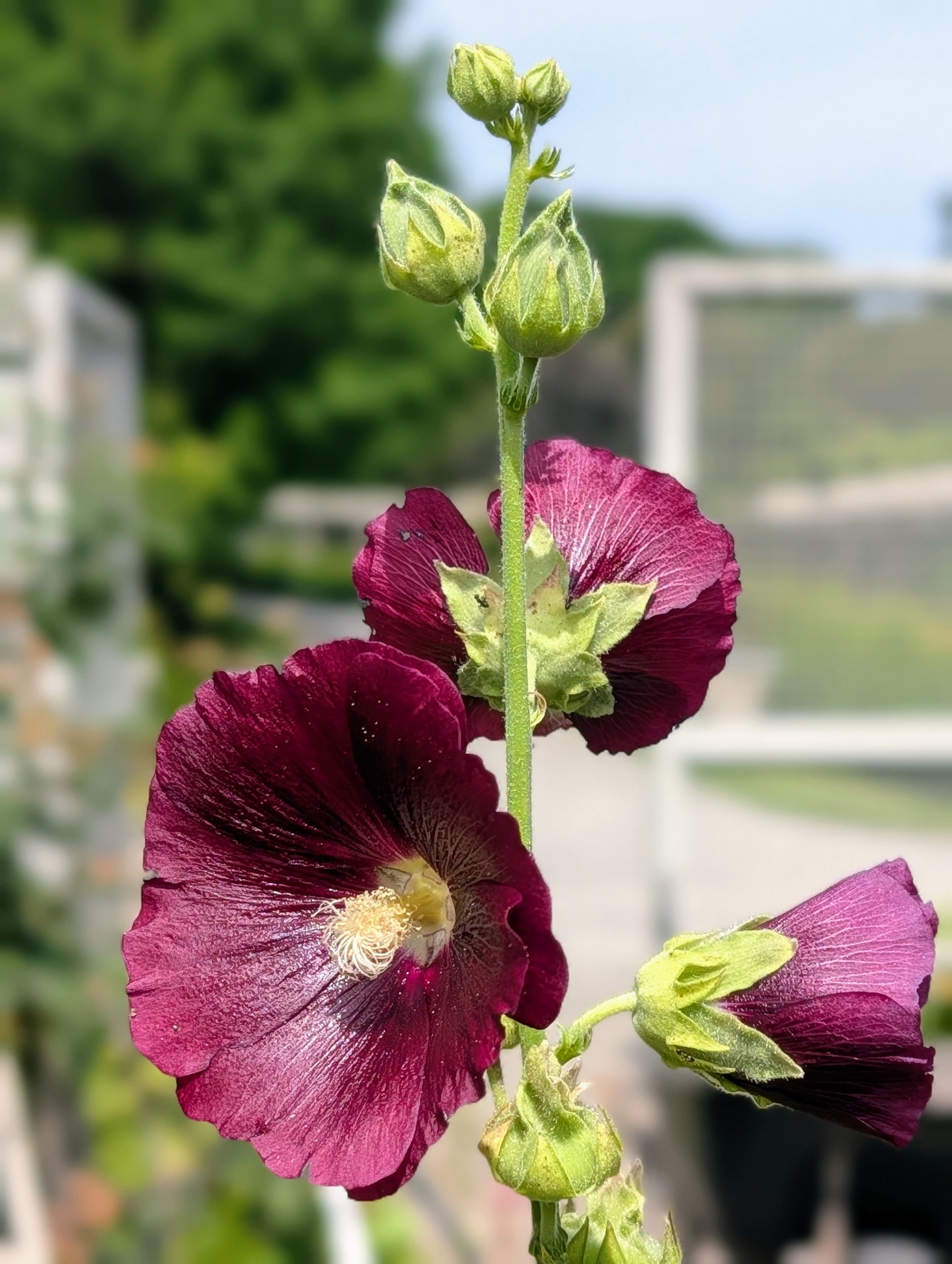
- This is Alcea rosea, also known as the hollyhock. These plants can reach five to eight-feet tall and up to about four feet across.
-
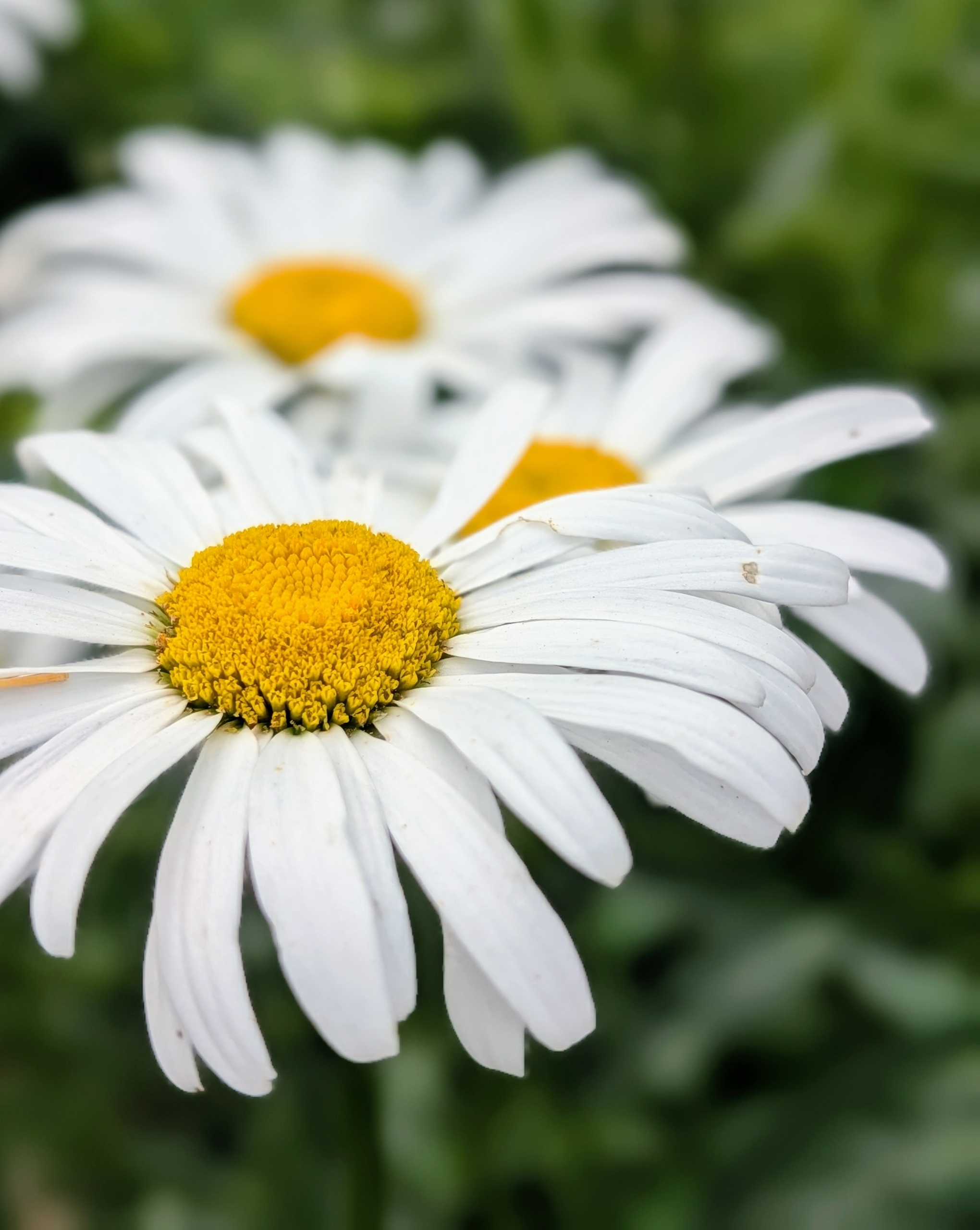
- Shasta daisy flowers provide perky summer blooms with the look of the traditional daisies along with evergreen foliage. They are low maintenance and great for filling in bare spots in the landscape.
-
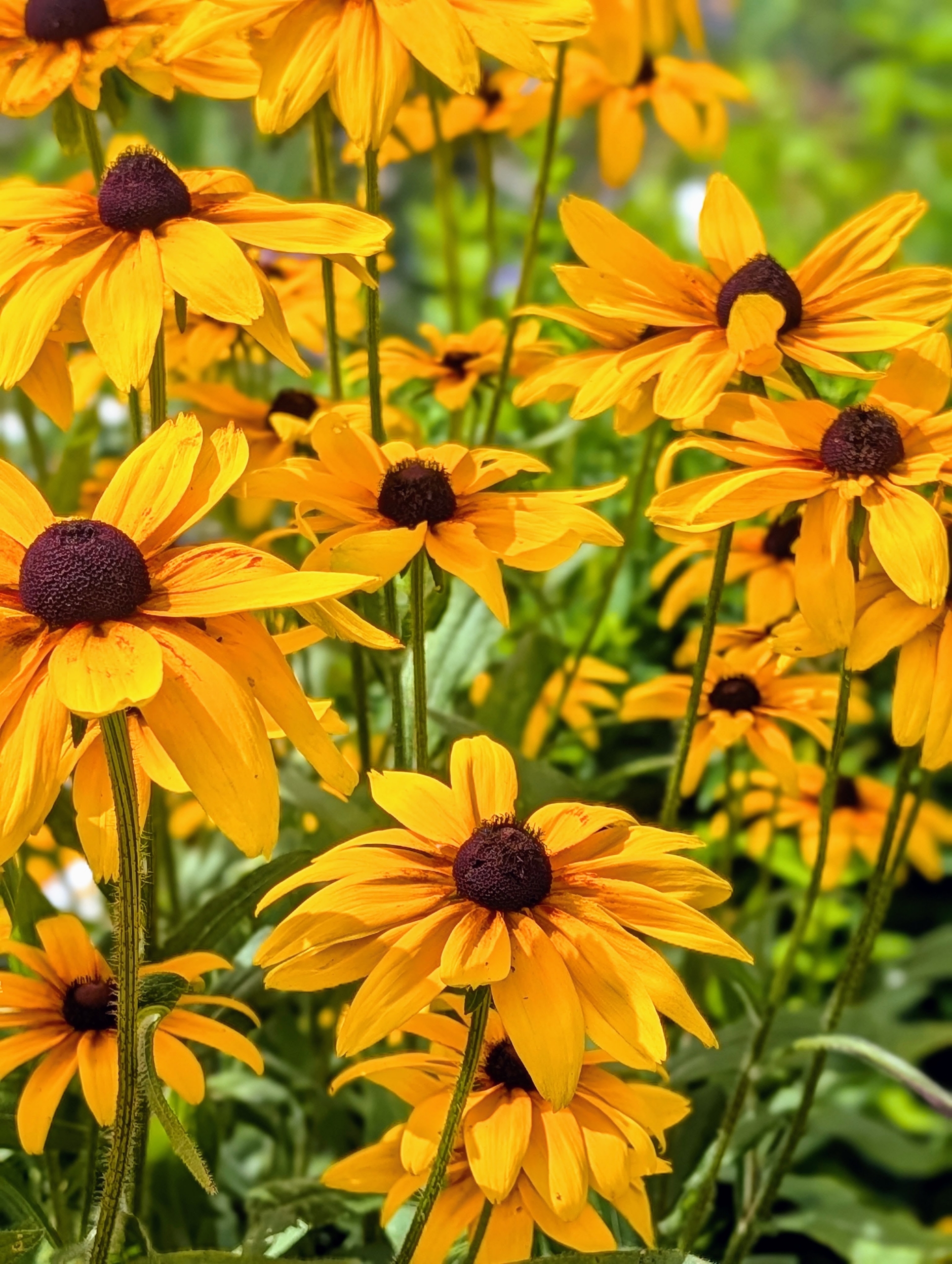
- These are the showy flowers of rudbeckia. Rudbeckia’s bright, summer-blooming flowers give the best effect when planted in masses in a border or wildflower meadow.
-
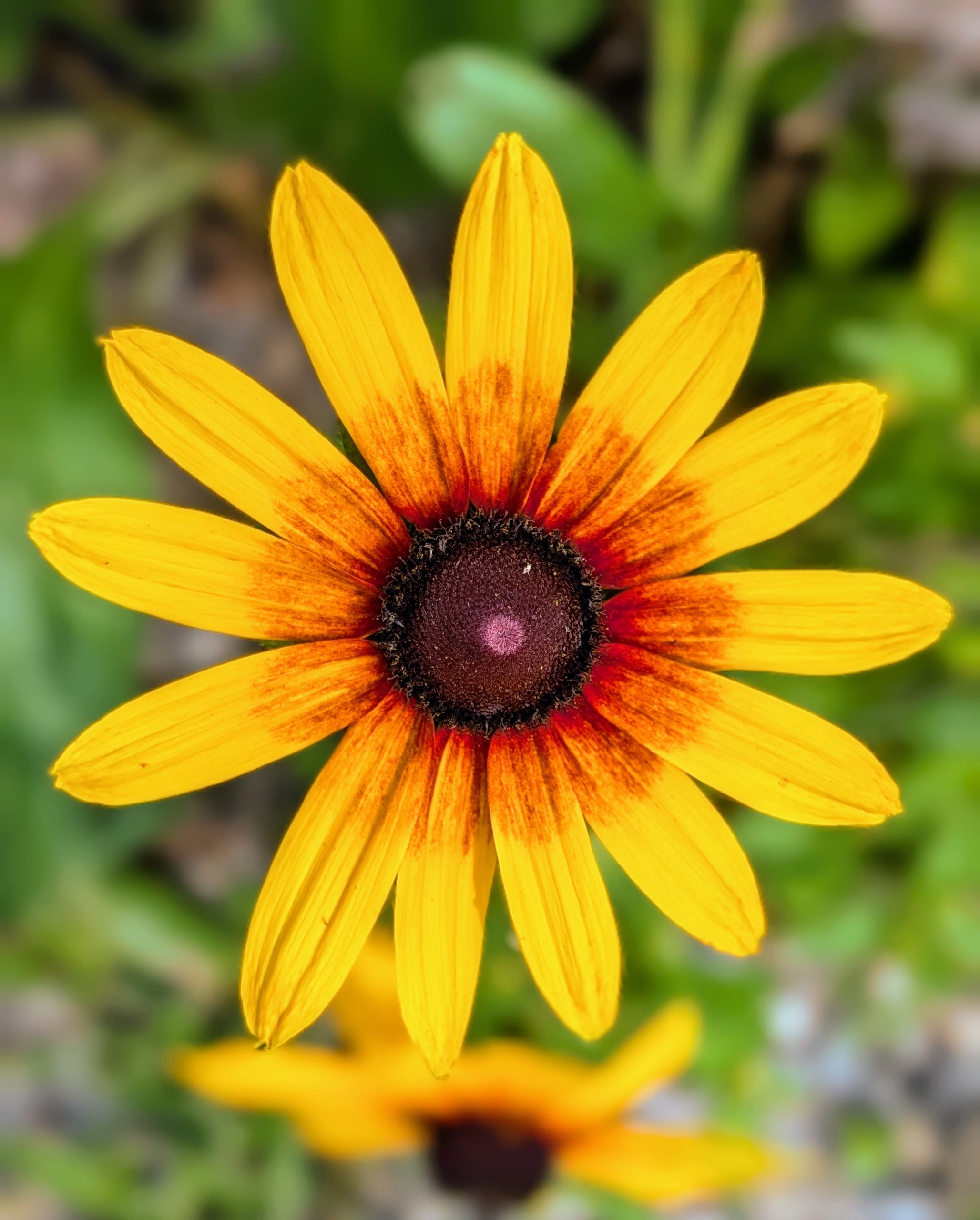
- In general, rudbeckias are relatively drought-tolerant and disease-resistant. Flower colors are yellow and gold with dark centers. The plants grow two to six feet tall, depending on the variety.
-
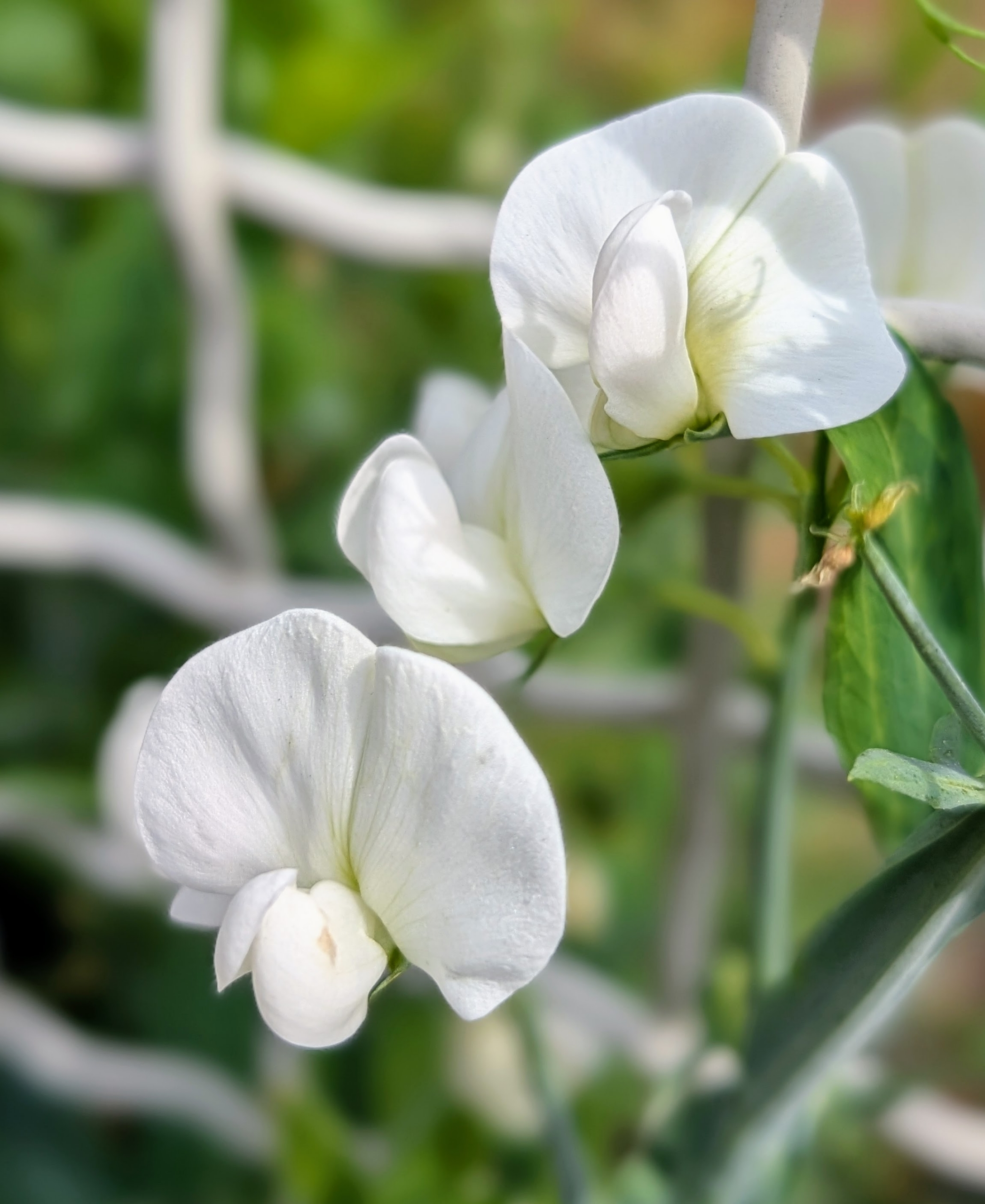
- Growing on one side of the fence surrounding the garden are these dainty perennial sweet pea or everlasting pea flowers. The sweet pea is a herbaceous climbing vine with beautiful bright flowers that grow up to 10 feet long.
-
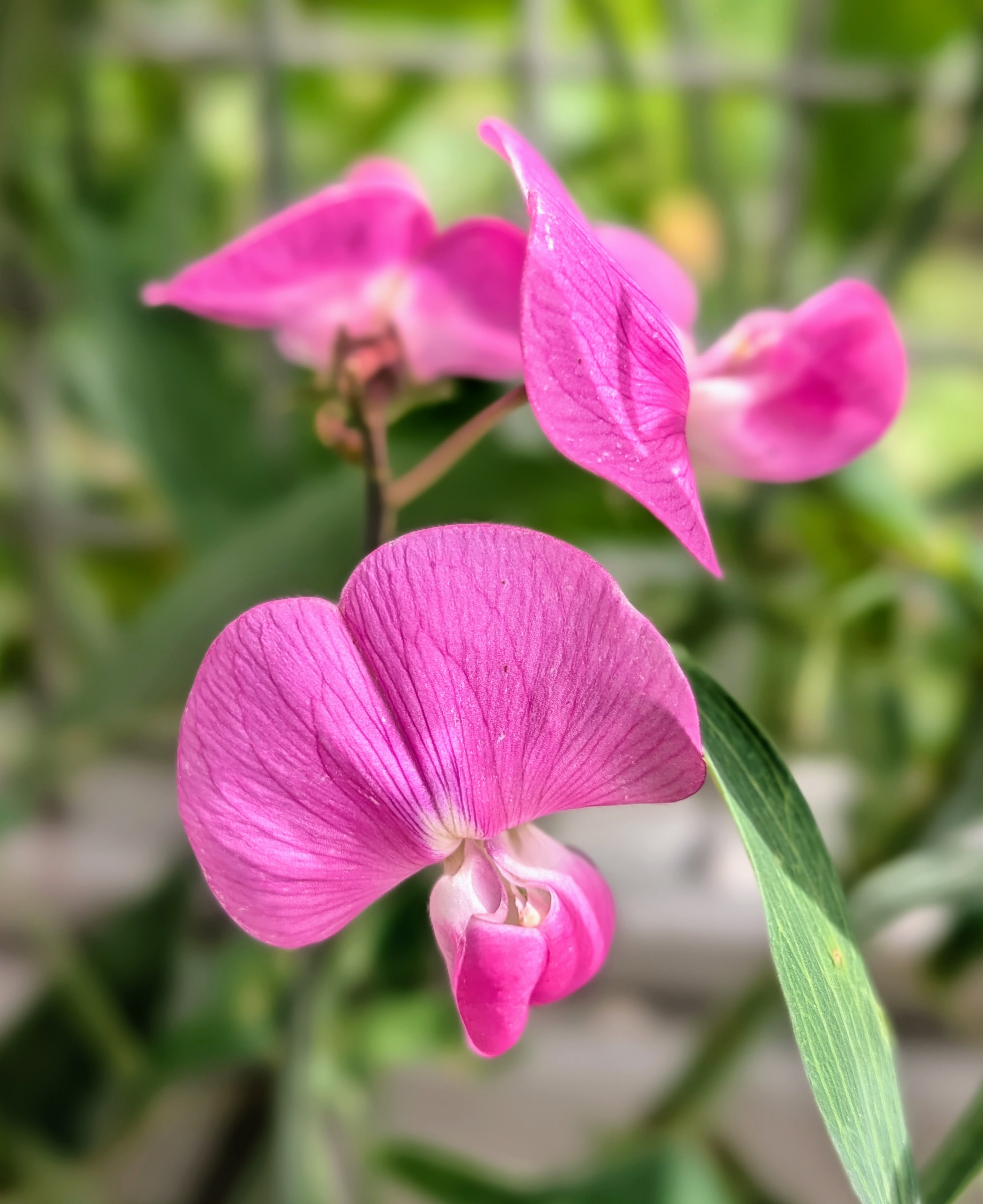
- Here is one in pink. The old-fashioned varieties of sweet pea are grown for their vibrant colors and intense fragrances. Most sweet peas will begin blooming in late spring or early summer.
-
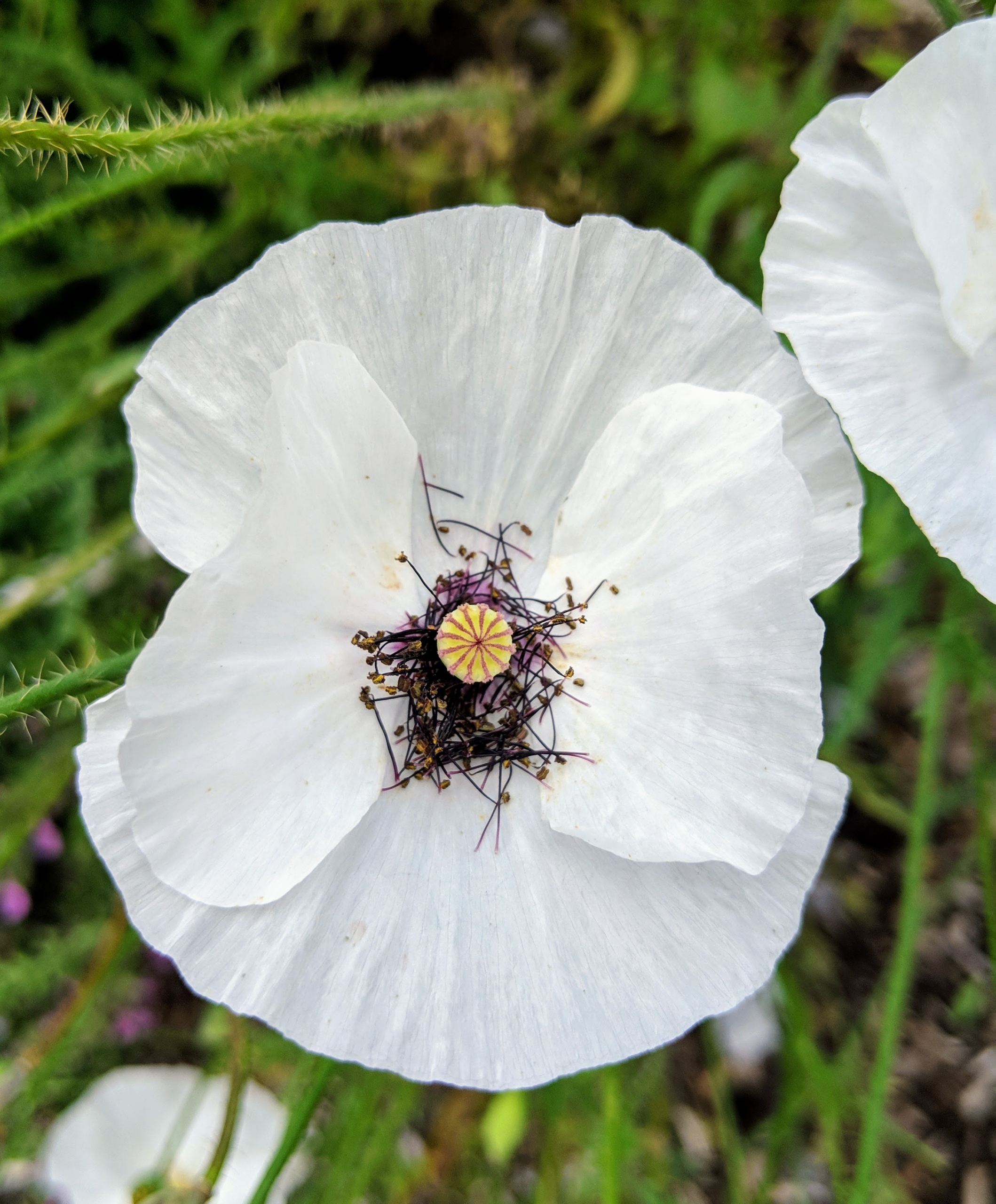
- Looking carefully, one can still spot a poppy or two. Poppies require very little care, whether they are sown from seed or planted when young – they just need full sun and well-drained soil.
-
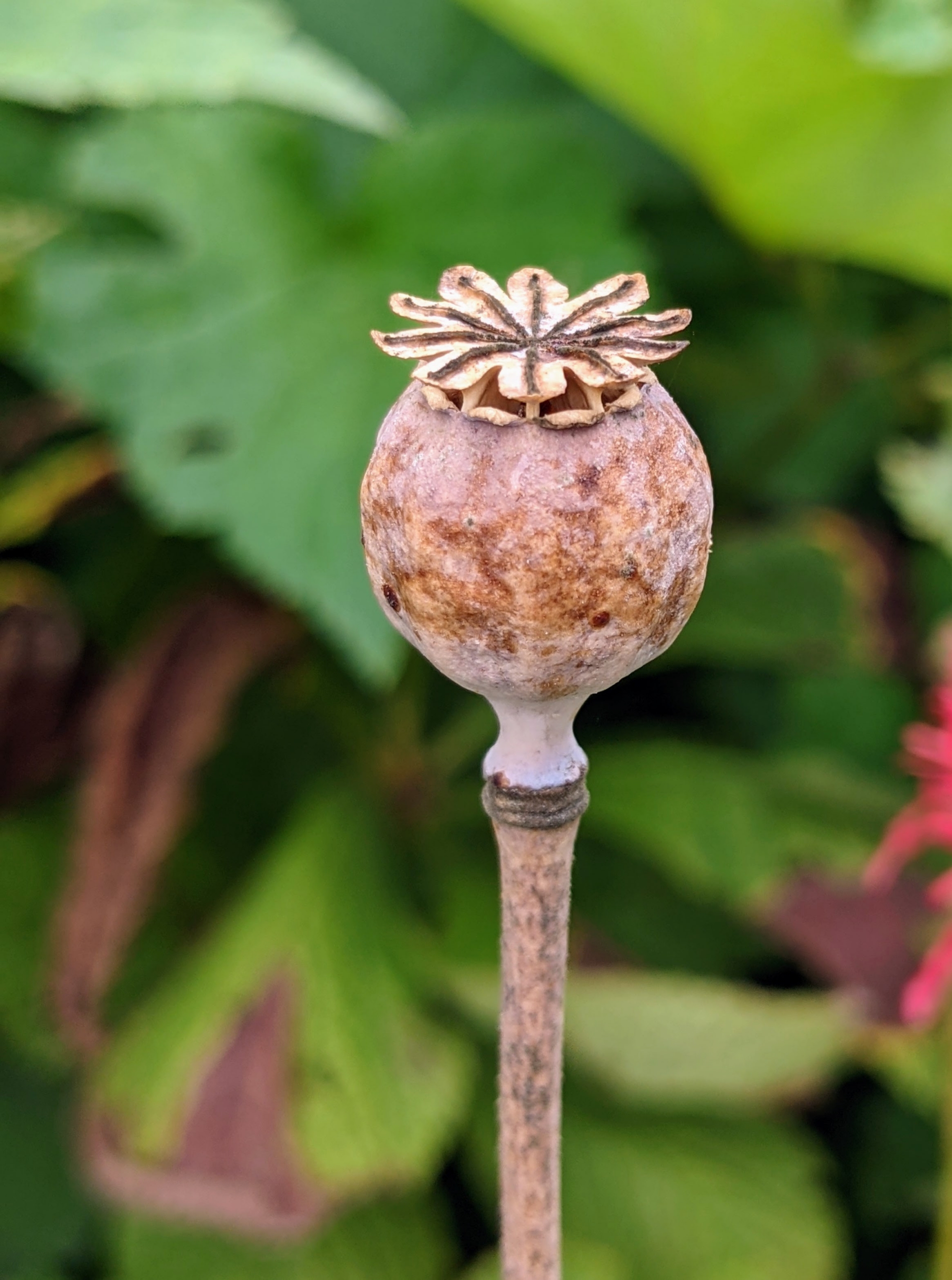
- This is a seed pod of the poppy. It is what’s left on the stem once the flower blooms and the petals fall off. As the seed heads turn brown with ripeness, it’s time to cut them and harvest the seeds. One can tell when pods are ripe by shaking the stem. If the pod rattles, it’s ready.
-
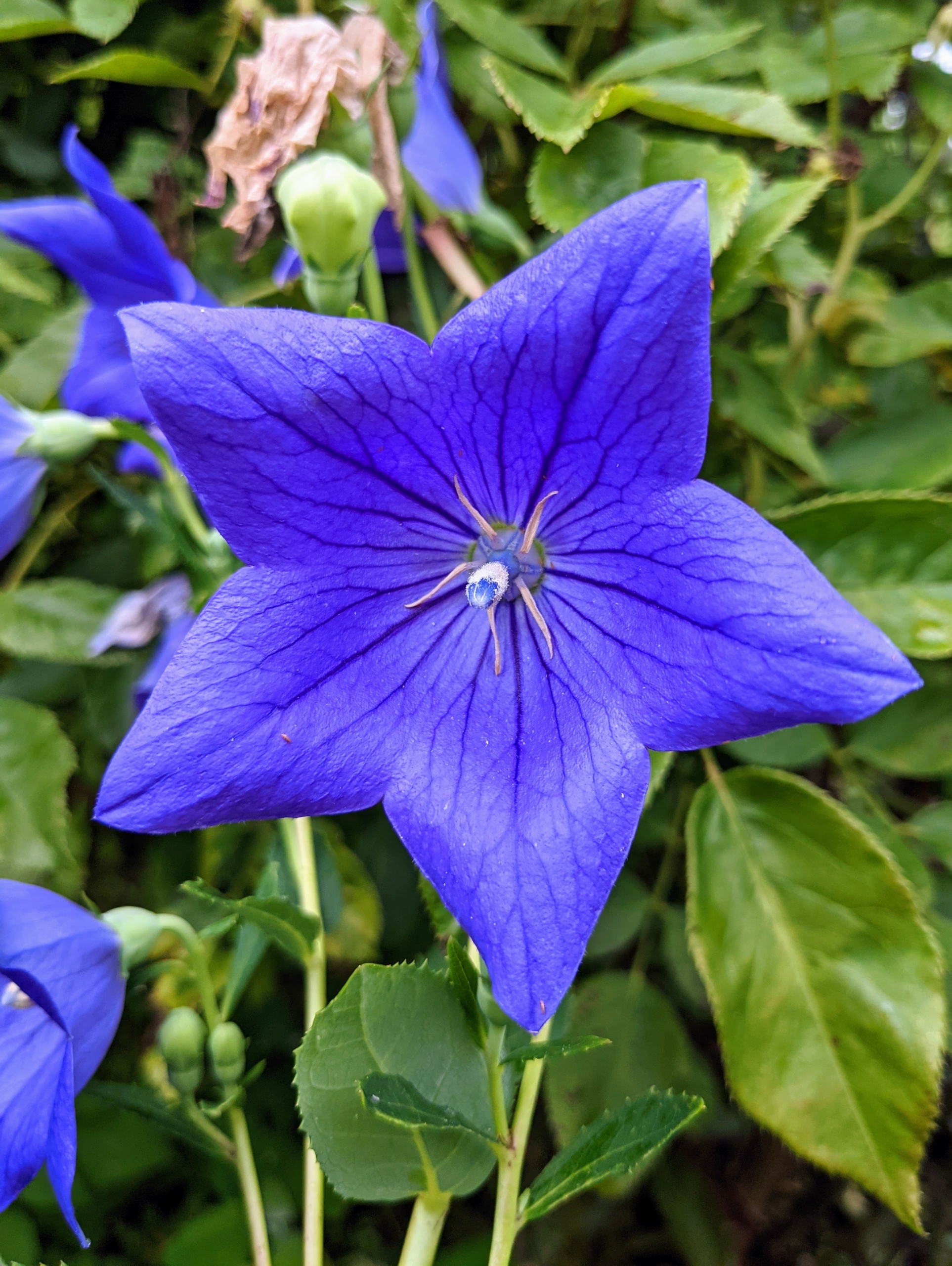
- This is a balloon flower, Platycodon grandiflorus – a species of herbaceous flowering perennial plant of the family Campanulaceae, and the only member of the genus Platycodon. It is native to East Asia and is also known as the Chinese bellflower or platycodon. The opened flowers resemble those of bellflowers, and while most are deep blue or purple, white and pink varieties are also available.
-
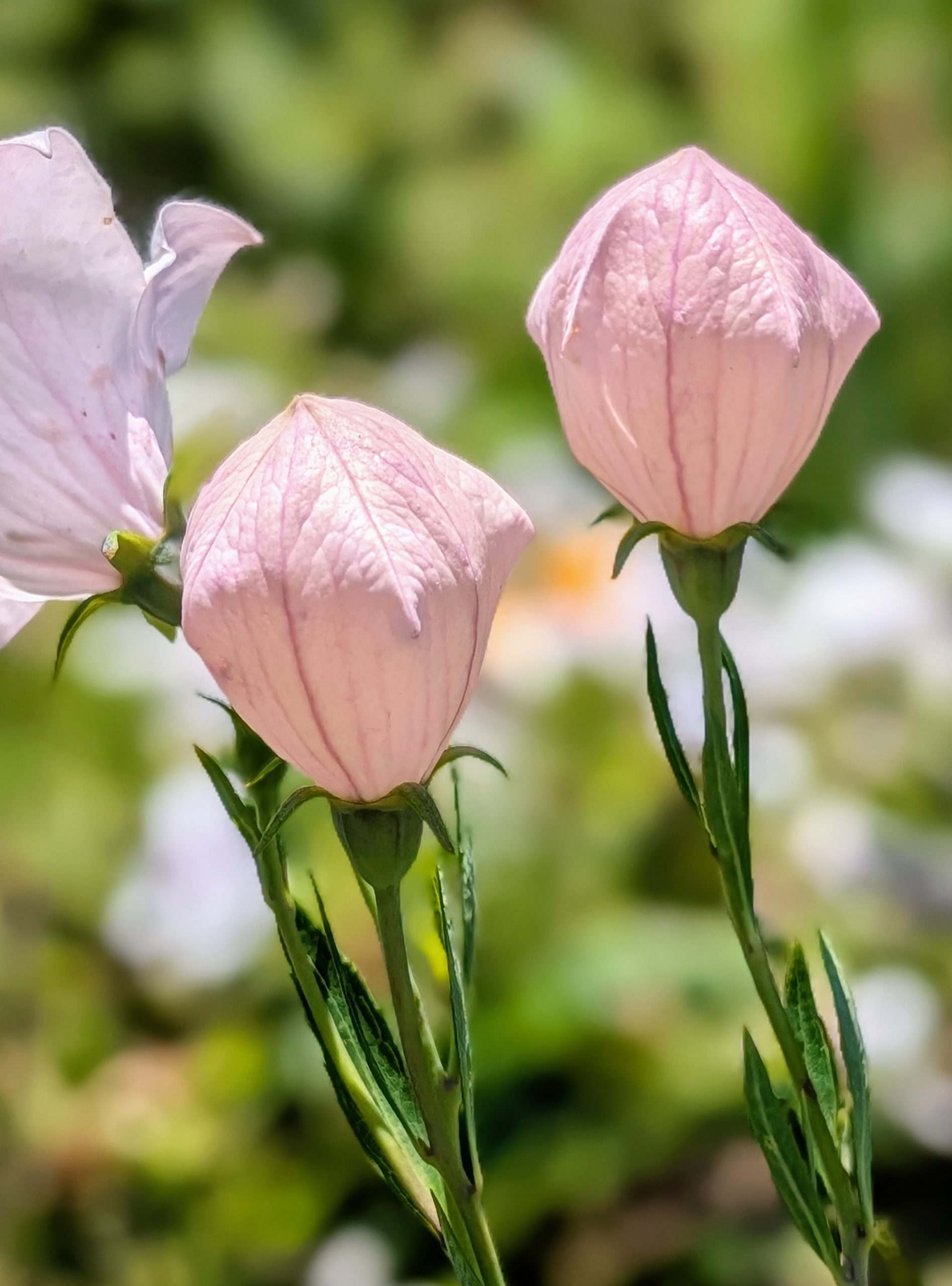
- Balloon flowers get their name from the unopened buds, which swell up prior to opening and resemble little hot-air balloons.
-
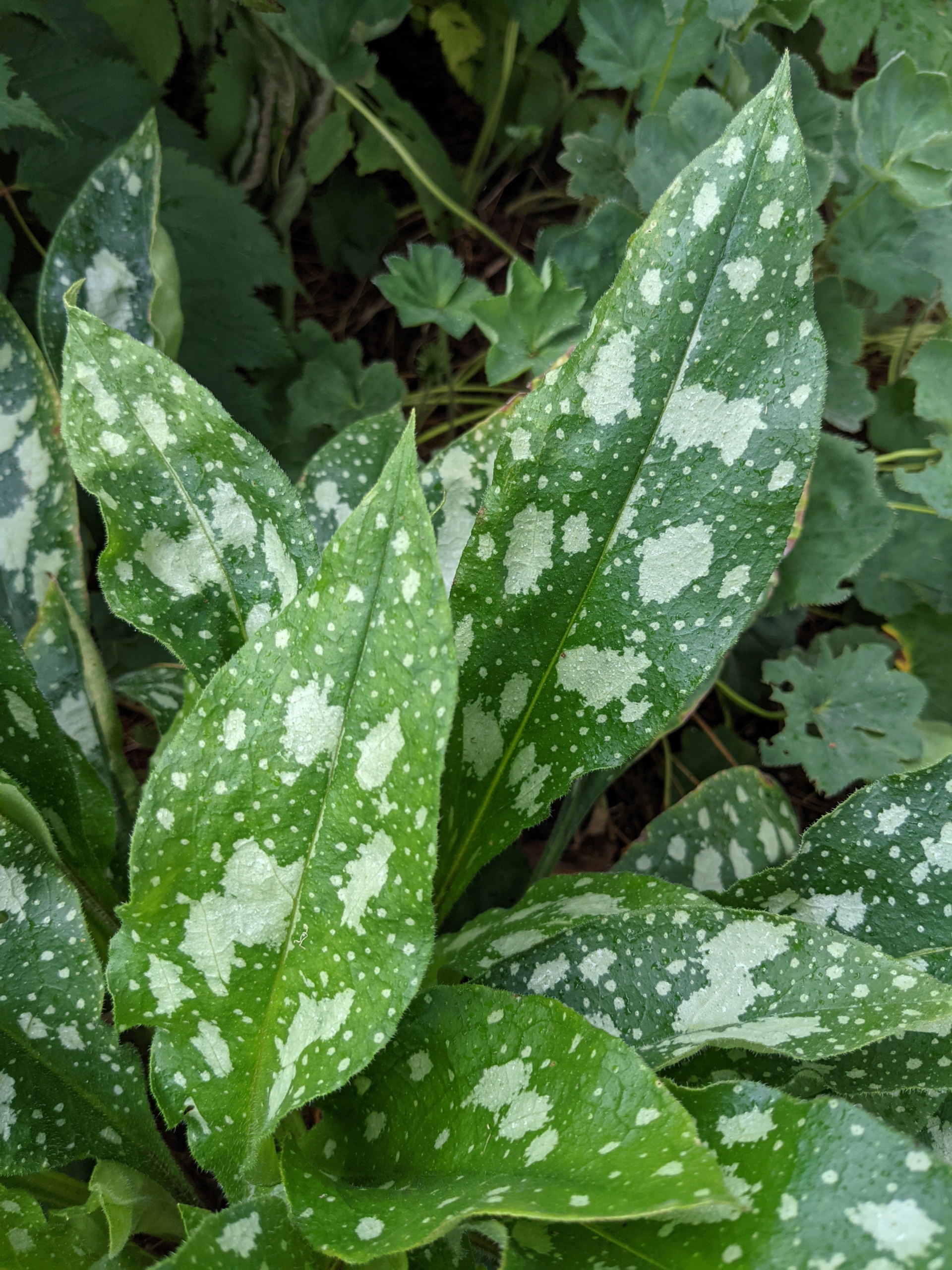
- This interesting foliage is Pulmoniaria. Pulmonaria are members of the Boraginaceae family and first cousin to other well-known garden favorites such as myosotis, brunnera, symphytum, and mertensia, the Virginia Bluebell. The name Pulmonaria come from the greenery, which is often green with white spots, resembling a diseased lung. In fact, its common name is lungwort. The silver spots on Pulmonaria leaves are actually the result of foliar air pockets used for cooling the lower surface of the leaves.
-
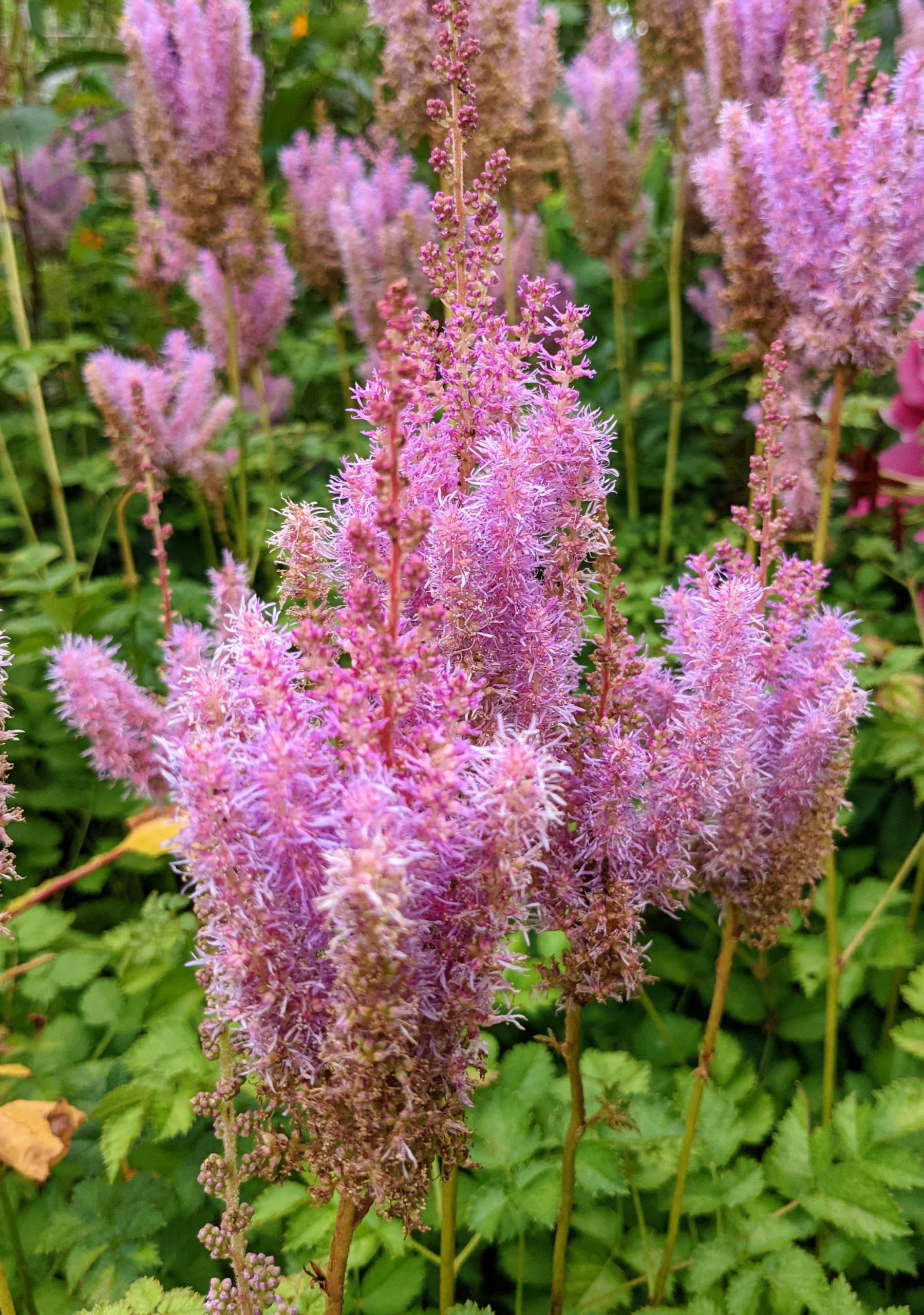
- Just outside the flower garden, I have dark pink Astilbe – it adds whimsical texture to every space with its fluffy, pink spikes of flowers. Astilbes are wonderful shade perennials, known for their dark green foliage and plume-like blossoms. Flowers bloom mid-summer and make charming fresh or dried cut flowers.
-
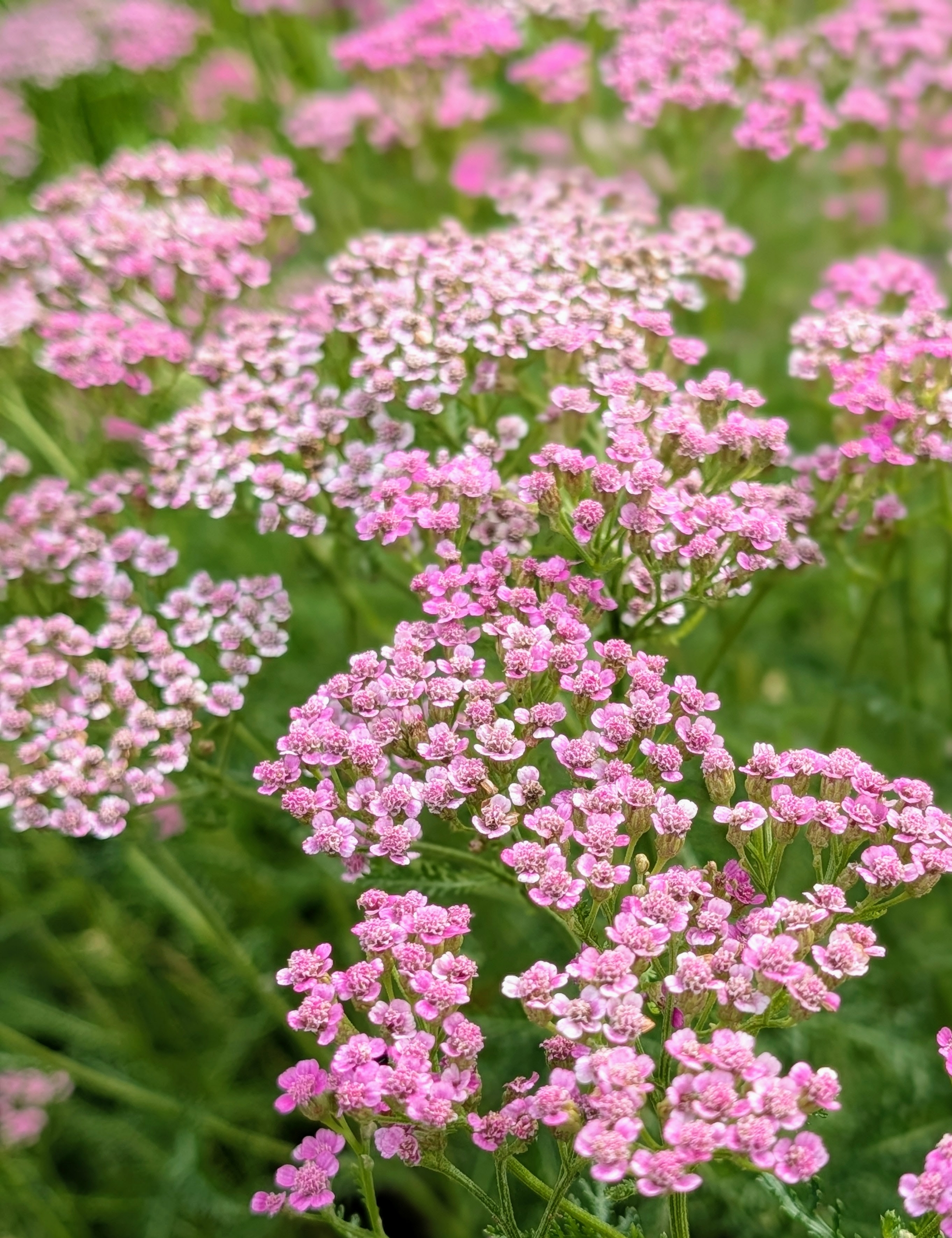
- Achillea millefolium, commonly known as yarrow, is a flowering plant in the family Asteraceae. It is a hardy perennial with fernlike leaves and colorful blooms. The large, flat-topped flower clusters are perfect for cutting and drying.
-
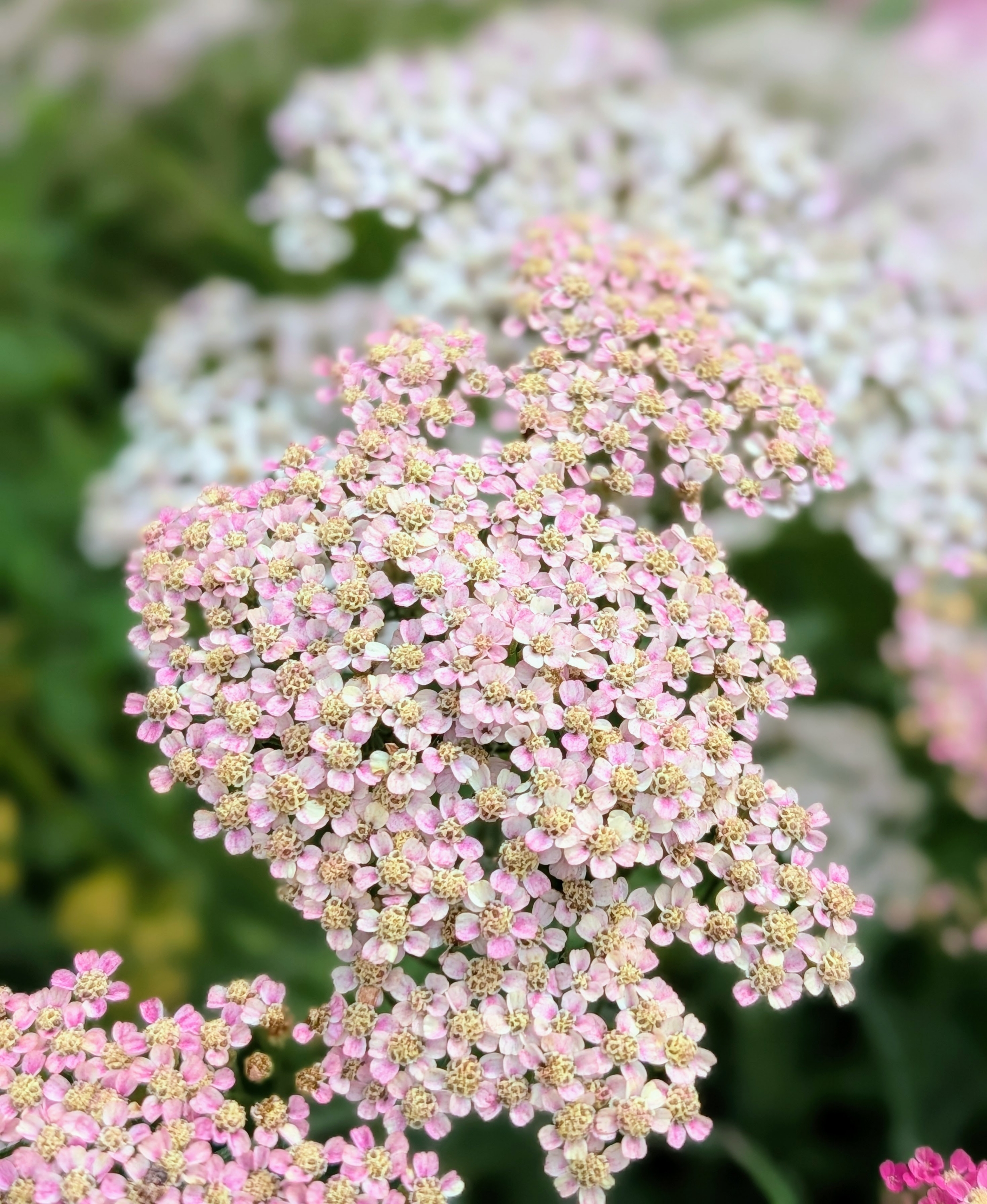
- The flower clusters or corymbs are made up of dozens of tiny daisy-like florets. Here’s yarrow in light pink. Yarrow flower colors range from white and soft pastels to brilliant shades of yellow, red, orange, and gold. Enjoy the flowers around you this weekend.
 Martha Pins


 Martha Tweets

