

Early Autumn in My Gardens
It’s officially fall, but here at my farm the gardens still have a few beautiful surprises to offer.
Although most of the summer flowers have faded, some perennials are still putting on a lovely display of late-season and now early-fall color, including Russian sage, Japanese anemones, nasturtiums, phlox, and of course, the autumn crocus.
Here are some photos, enjoy.
-

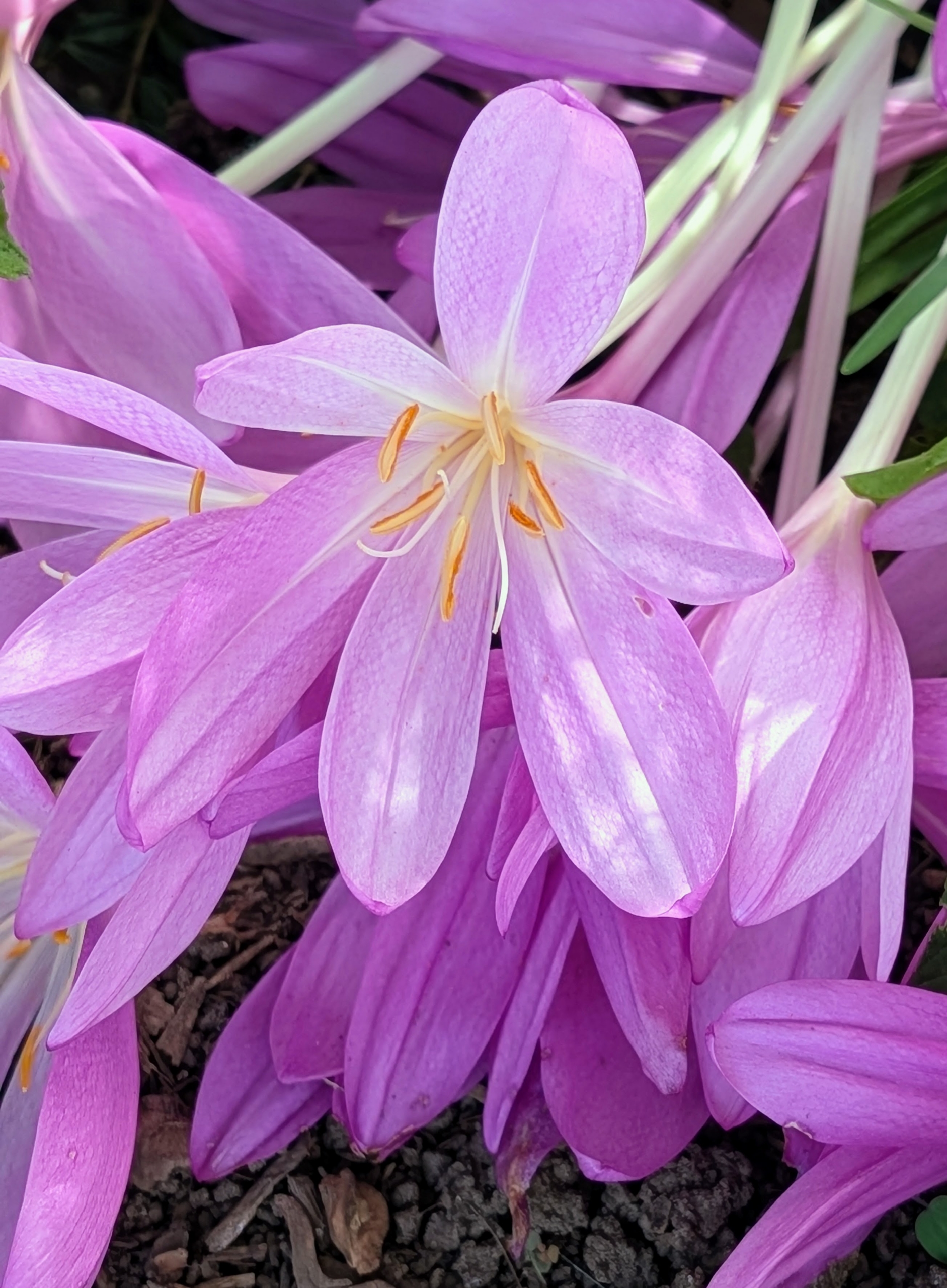
- Some of the first signs of autumn are these blooming autumn crocus, the common name for Colchicum. Colchicum is a member of the botanical family Colchicaceae and is native to West Asia, Europe, parts of the Mediterranean coast, down the East African coast to South Africa and the Western Cape.
-
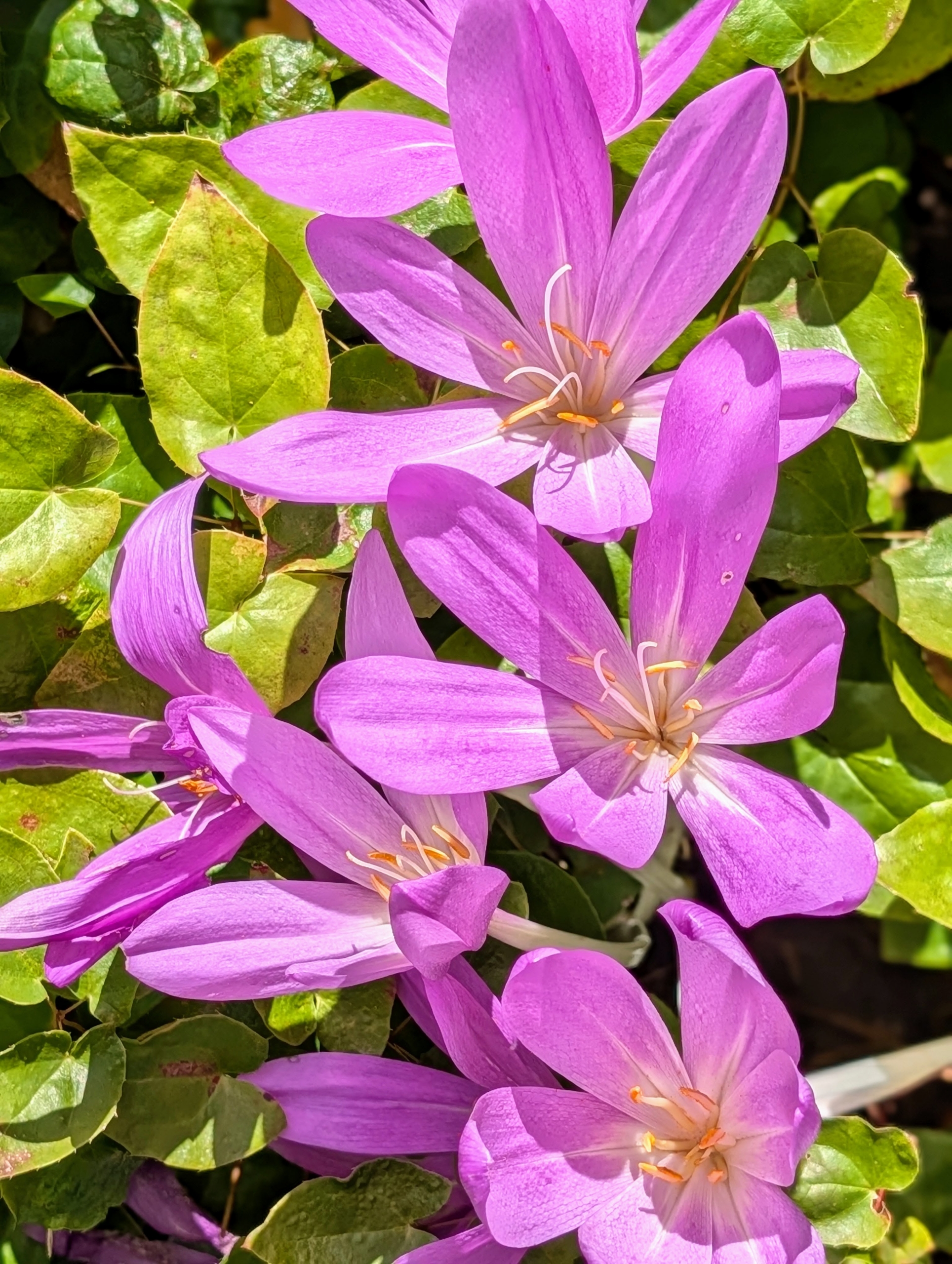
- The scientific name comes from Colchis, a region on the coast of the Black Sea. The name Colchicum alludes to the poisonous qualities of the species. The plant contains an alkaloid known as colchicine, which is found in all parts, but mostly in the seeds. Colchicum typically blooms from September to November.
-
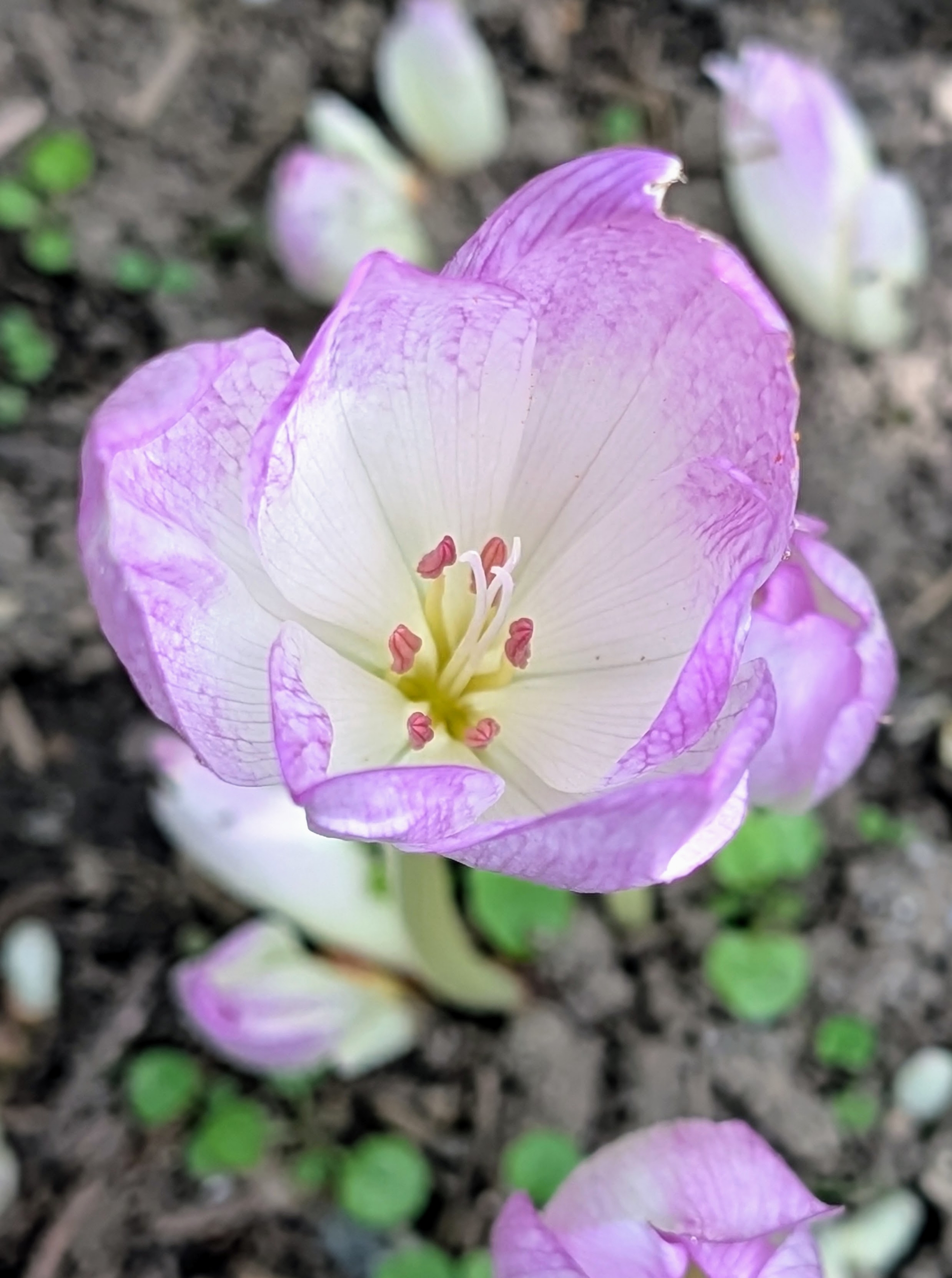
- Once open, many Colchicums produce large, goblet-like blooms in shades of pink, violet or white. They are large striking flower heads, with white at the base leading to pale pink at the apex.
-
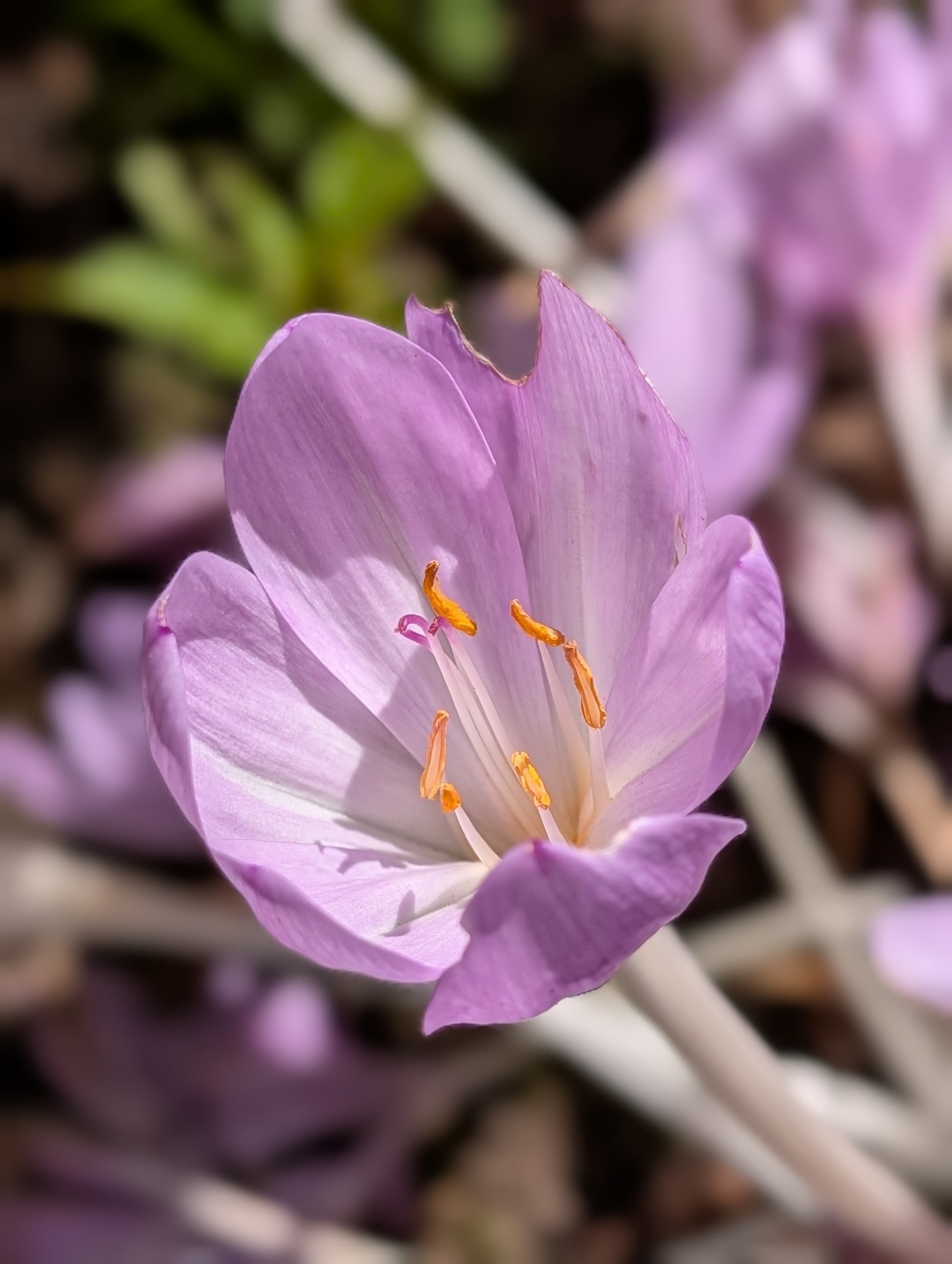
- When the weather is mild, colchicum’s nearly perfect cup-shape flowers begin to unfurl. Most Colchicum plants produce their flowers without any foliage. This is why these flowers were first known by the common name “naked boys.” In the Victorian era, they were also called “naked ladies.”
-
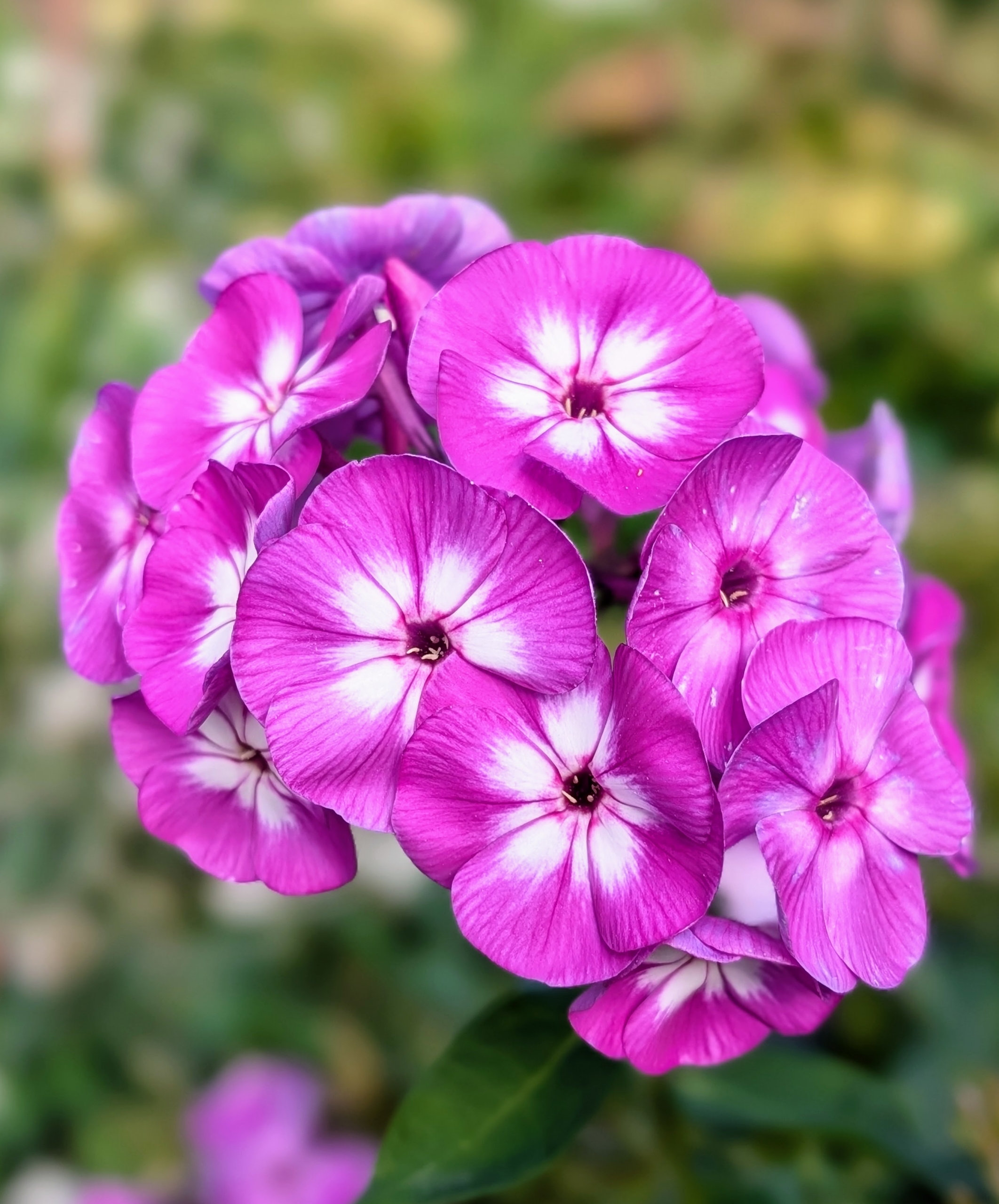
- When in bloom, phlox are covered with groups of small, sweet-smelling, star-shaped flowers from clean white to pale pastel, including pink, red, lavender, and purple.
-
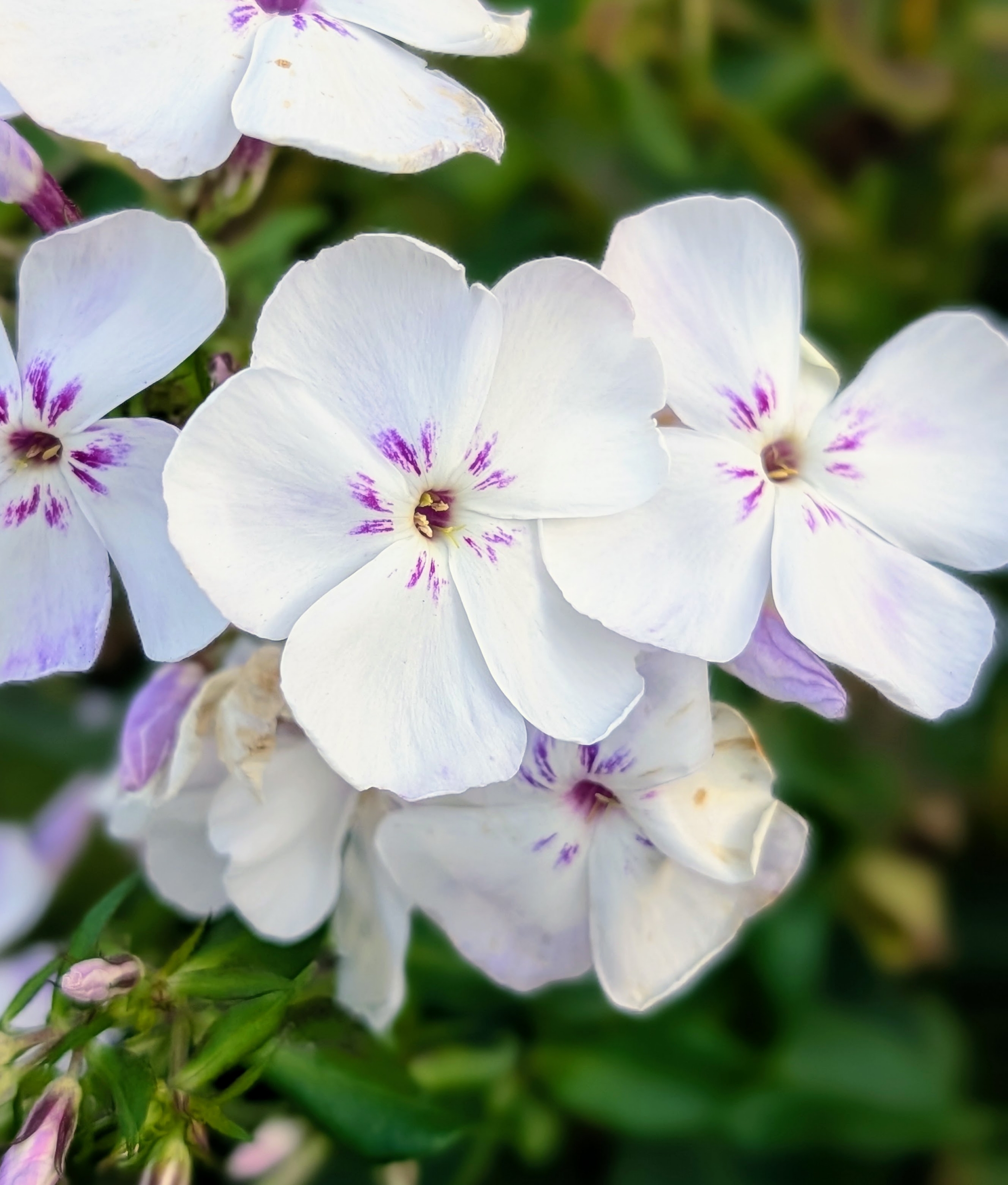
- Phlox species have tubular flowers with five distinct petals.
-
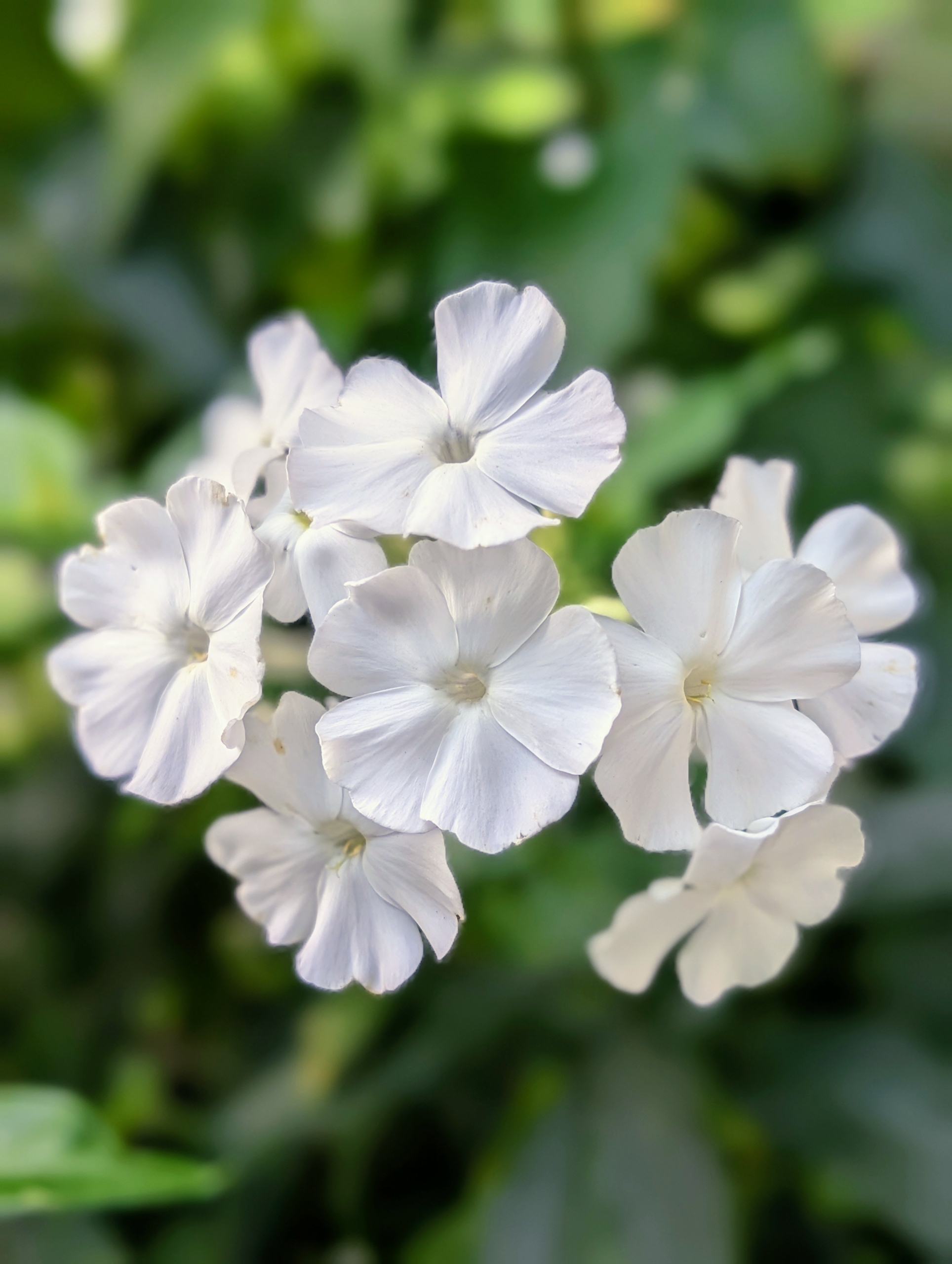
- This pure white colored phlox grows in my white garden outside my Winter House.
-
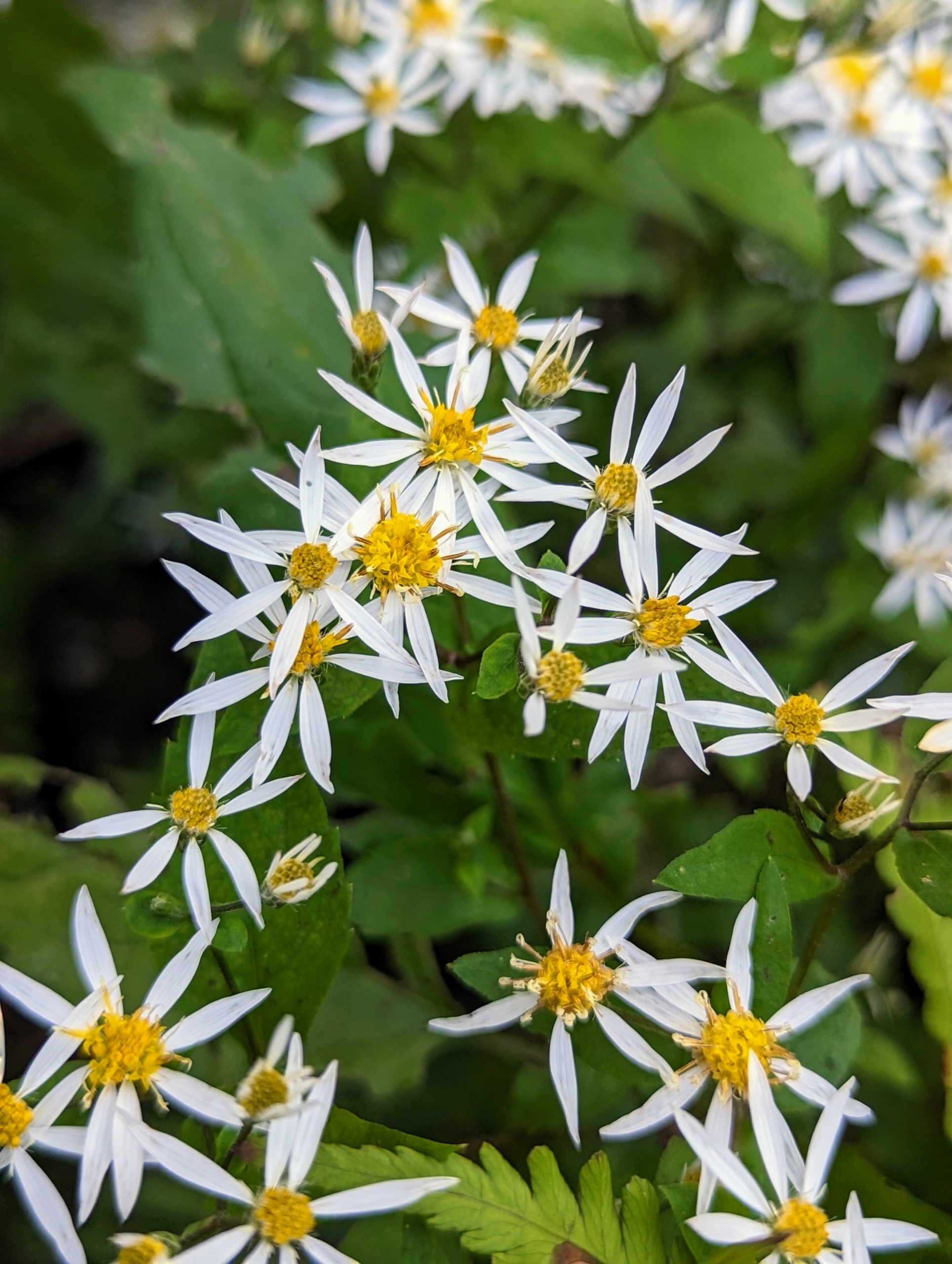
- White Wood Aster, Aster divaricatus, bears clusters of small white flowers in late summer and now, in the first week of fall. These are herbaceous perennial wildflowers with an upright and mounding growth habit.
-
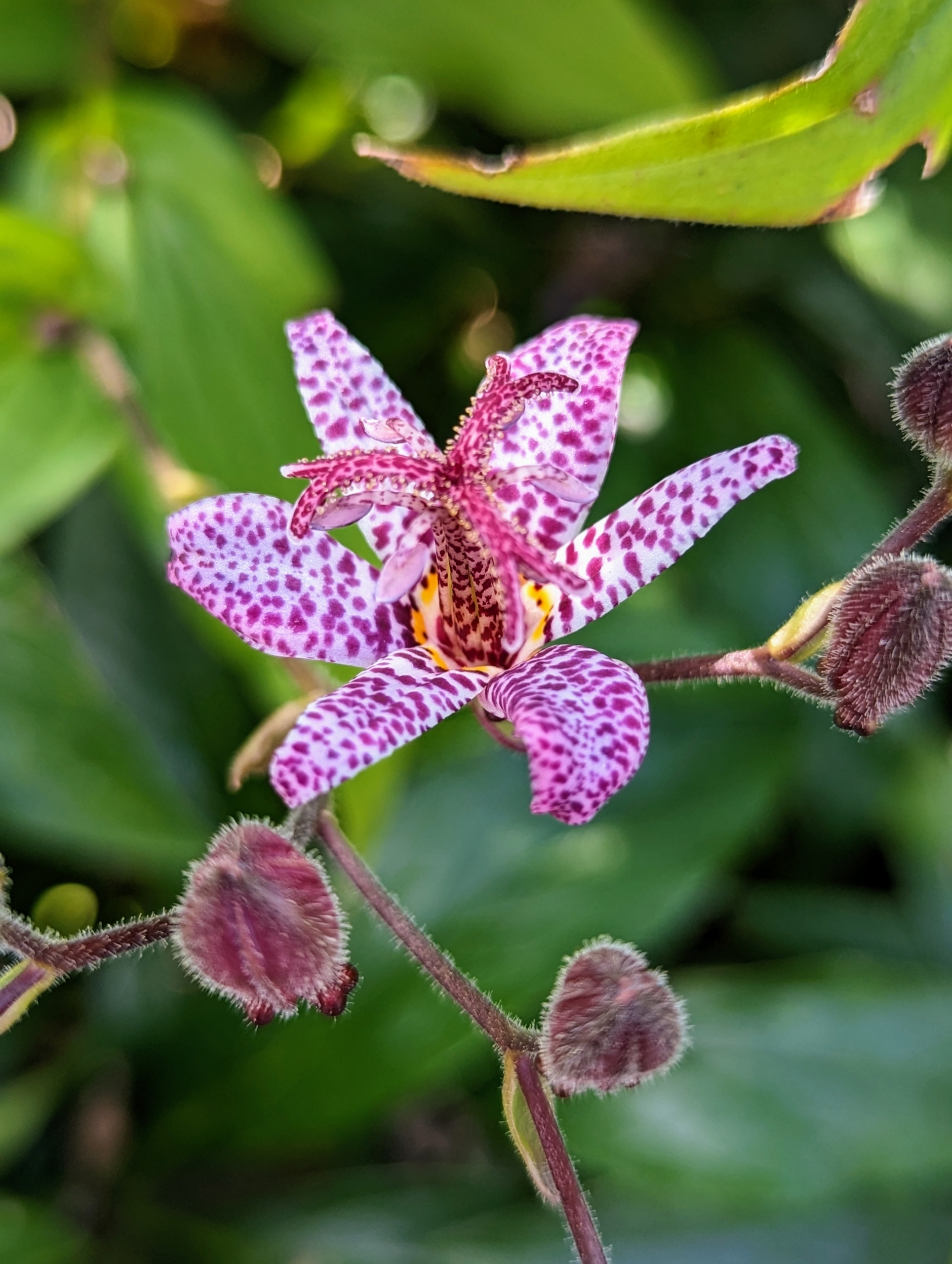
- Tricyrtis hirta, the toad lily or hairy toad lily, is a Japanese species of hardy herbaceous perennial plant in the lily family Liliaceae. Toad lilies are hardy perennials native to ravines and woodland edges in India, China, Japan, and other parts of Asia. Toad lily flowers bloom in a range of spotted colors in the axels of the plant.
-
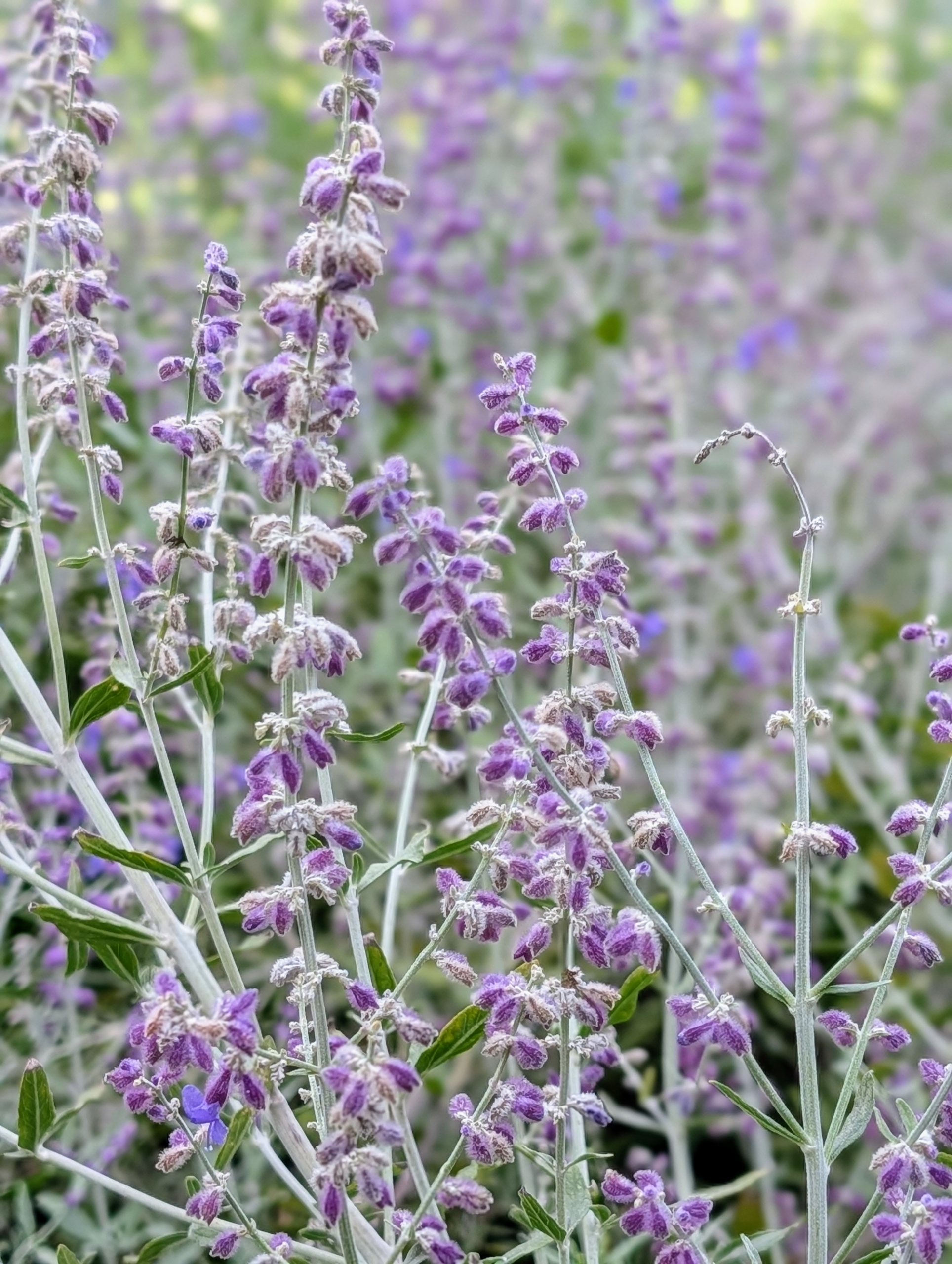
- In my pergola garden is Perovskia atriplicifolia, commonly called Russian sage. It shows tall, airy, spike-like clusters that create a lavender-blue cloud of color above the finely textured, aromatic foliage. It is vigorous, hardy, heat-loving, drought-tolerant, and deer resistant.
-
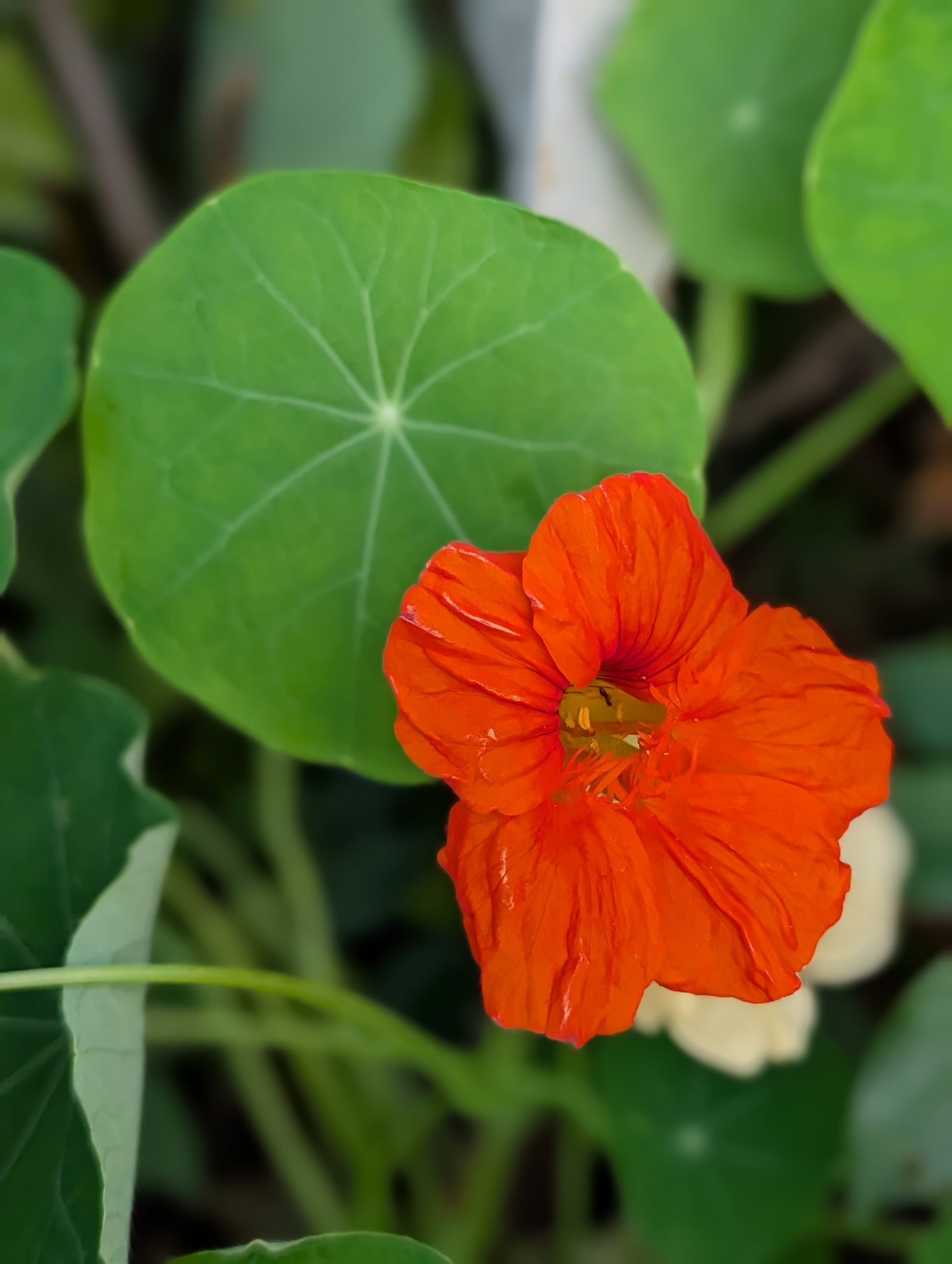
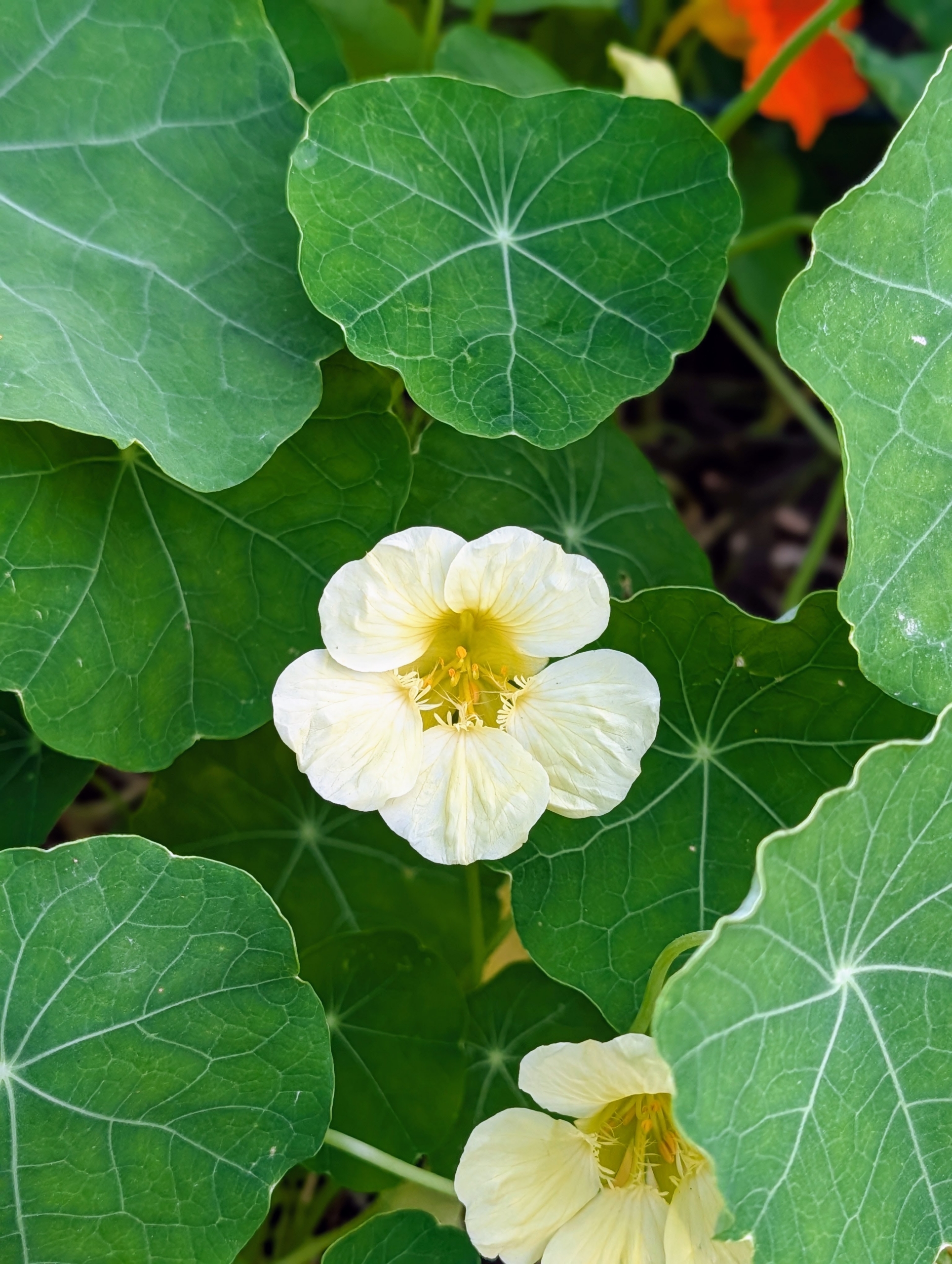
- This is a Nasturtium. Nasturtium plants, Tropaeolum, are loved for their rich, saturated, jewel-toned colors. Planted in the spring after the threat of frost has passed, they are fast and easy to grow. Nasturtium is a genus of about 80 species of annual and perennial herbaceous flowering plants. It was named by Carl Linnaeus in his book Species Plantarum, and is the only genus in the family Tropaeolaceae.
-
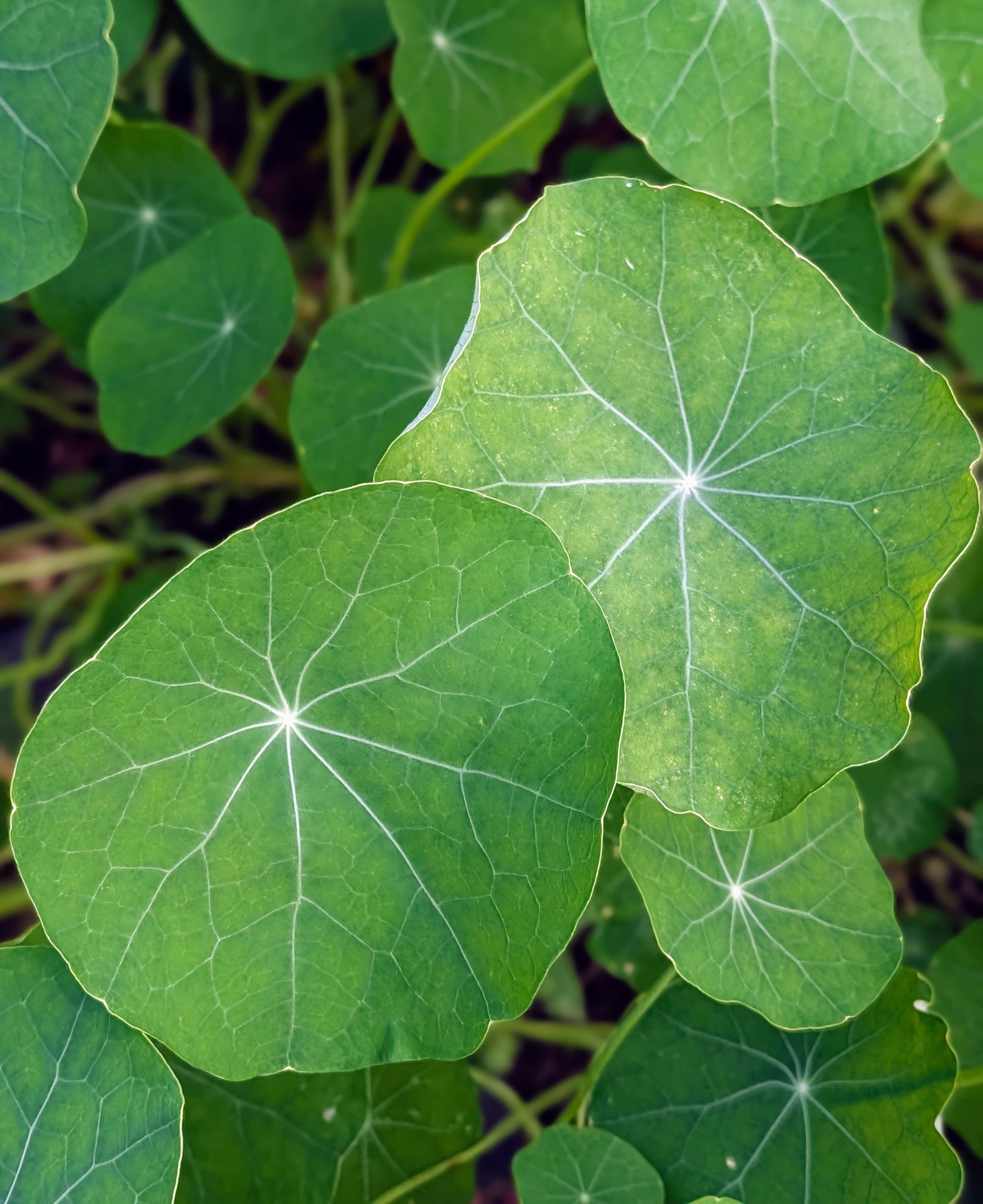
- Here’s a look at the interesting leaves of Nasturtium. The leaves are circular, shield-shaped and grow on a trailing plant. They are fragrant, with a mustard-like scent. And, do you know… all parts of the nasturtium plant are edible? The flowers, leaves, stems, and young seed pods can be eaten. All of these parts have a distinct peppery flavor similar to radishes.
-
- These flowers can vary in shade, but the most popular versions are yellow, orange pink, red, or mahogany. There are also varieties in subdued shades of butter yellow and cream.
-
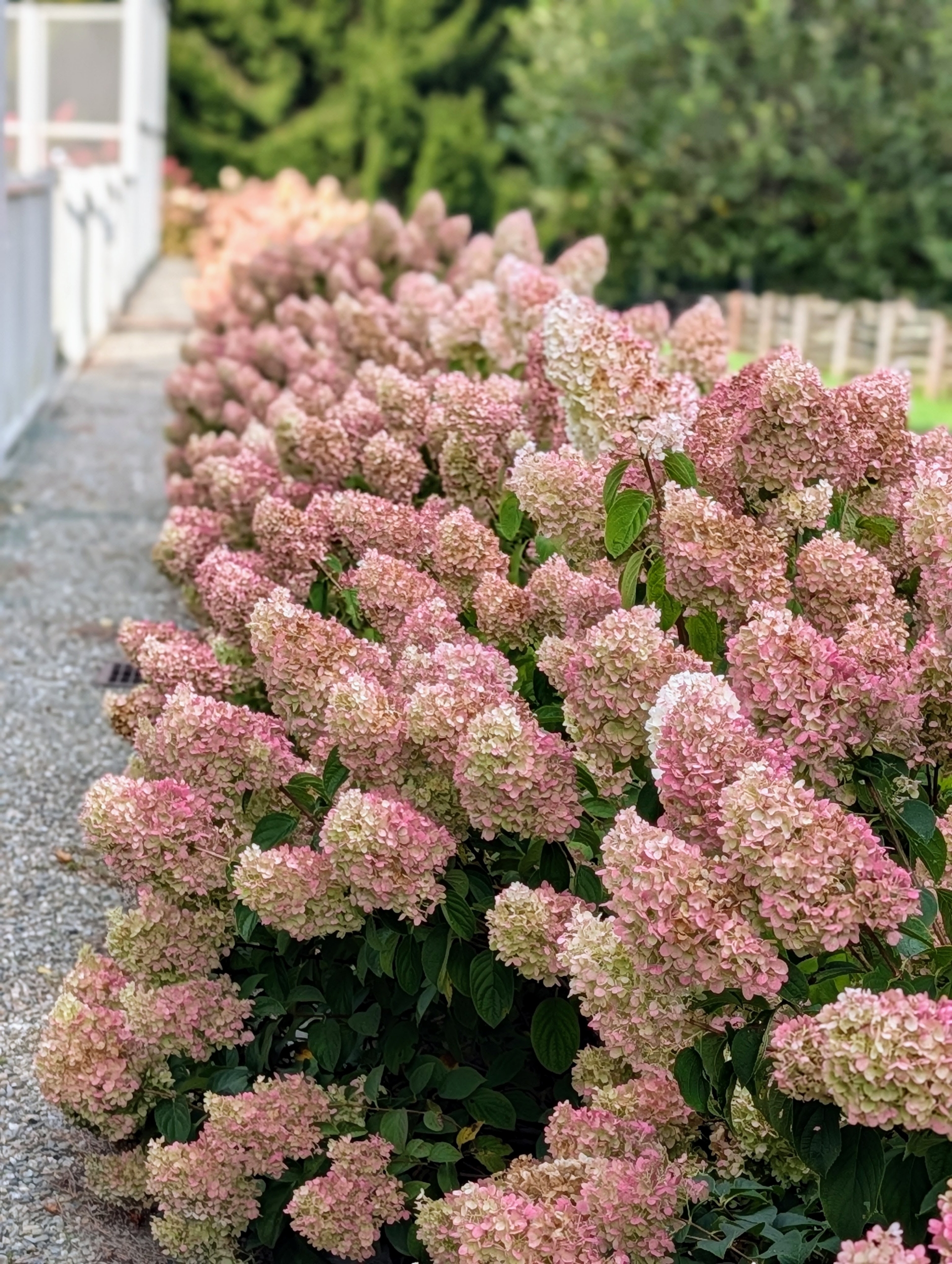
- There are still a few hydrangea flowers in the garden also – these are on one side of my tennis court. Hydrangeas are popular ornamental plants, grown for their large flower heads, which are excellent in cut arrangements and for drying. Little Hottie® is a compact, heat-tolerant panicle hydrangea that grows three to five feet tall and wide, with white blooms that blush pink in fall.
-
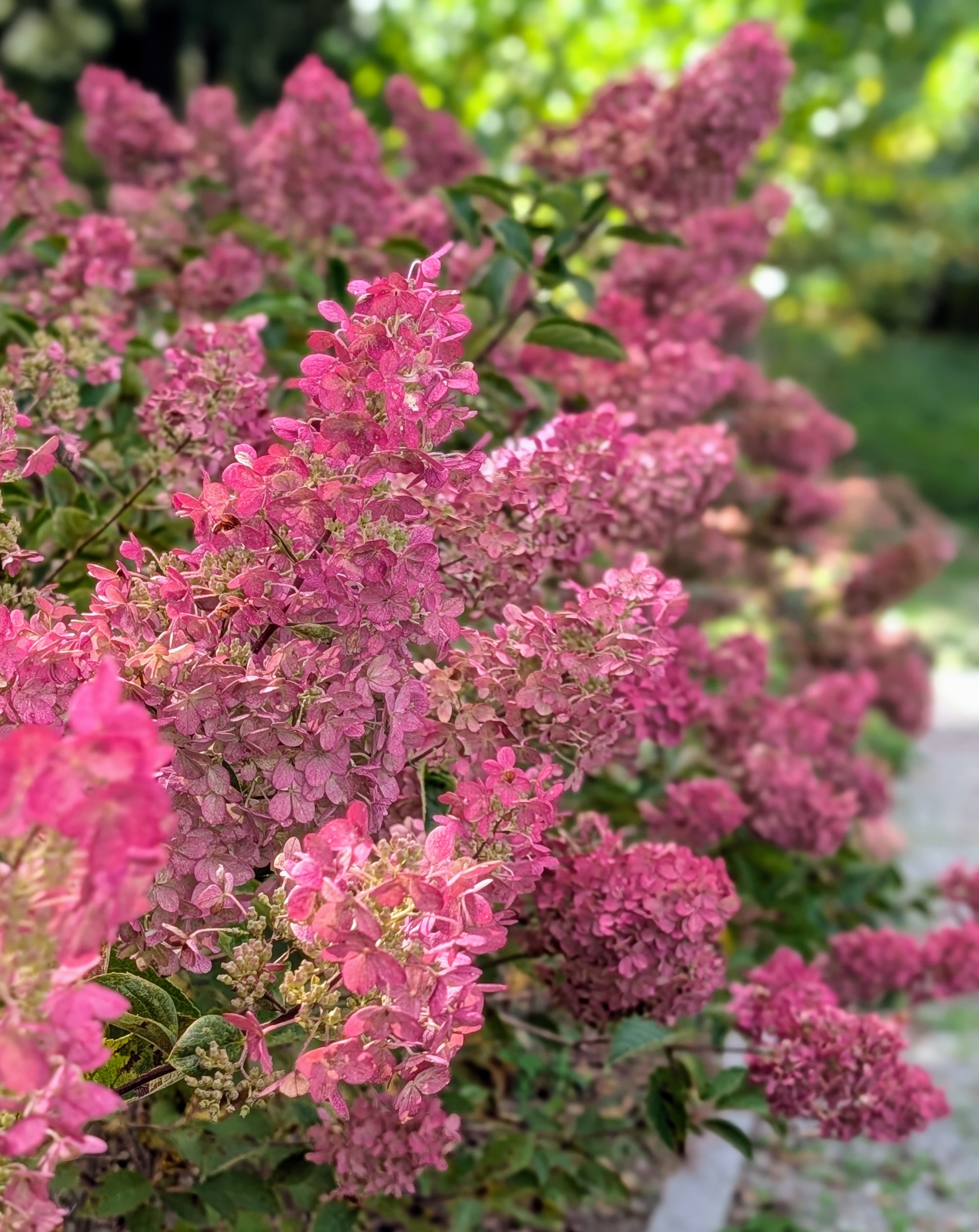
- Diamond Rouge® Panicle Hydrangeas have abundant, long lasting flower heads that start white and progress to pink, intense raspberry red, and finally wine red.
-
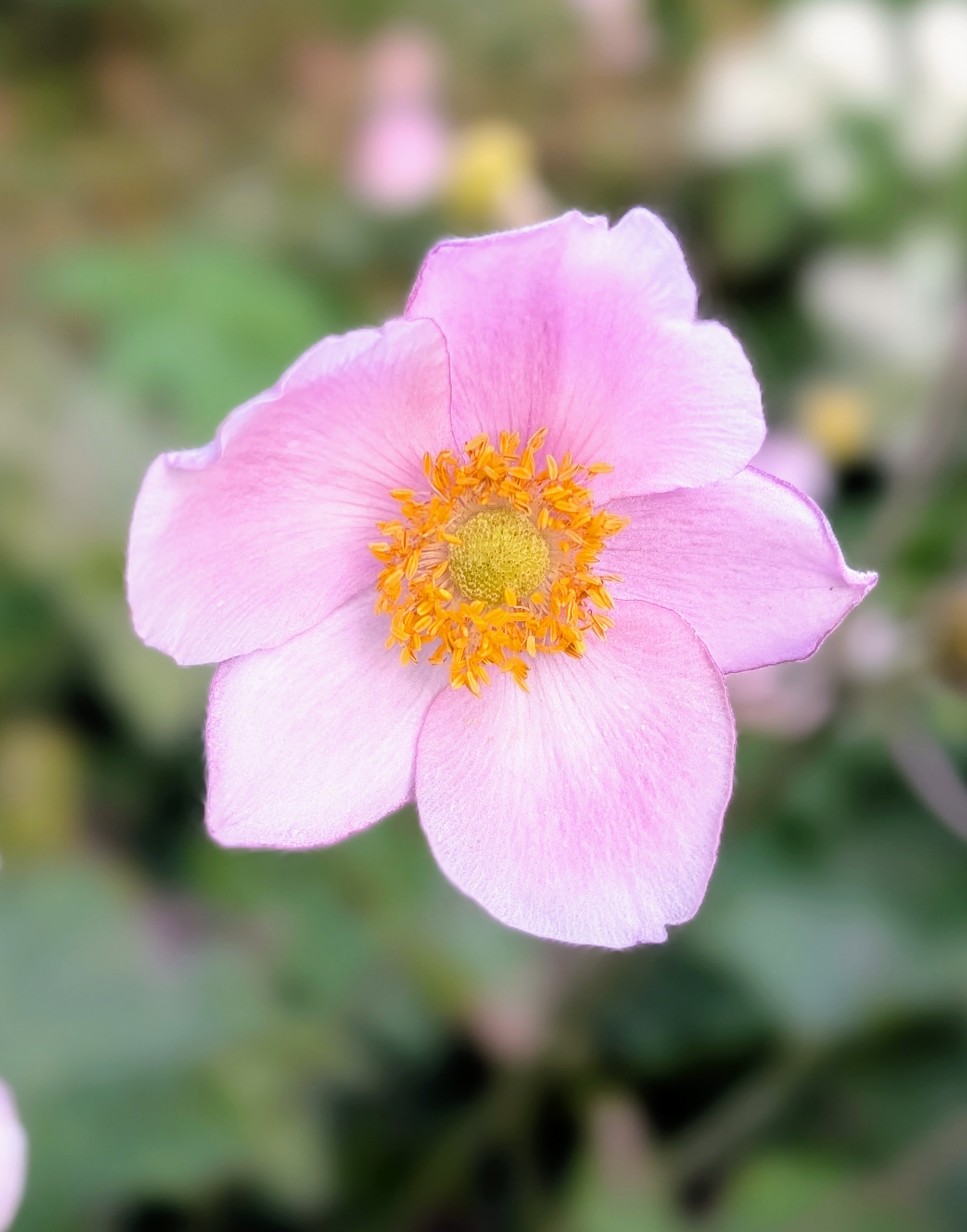
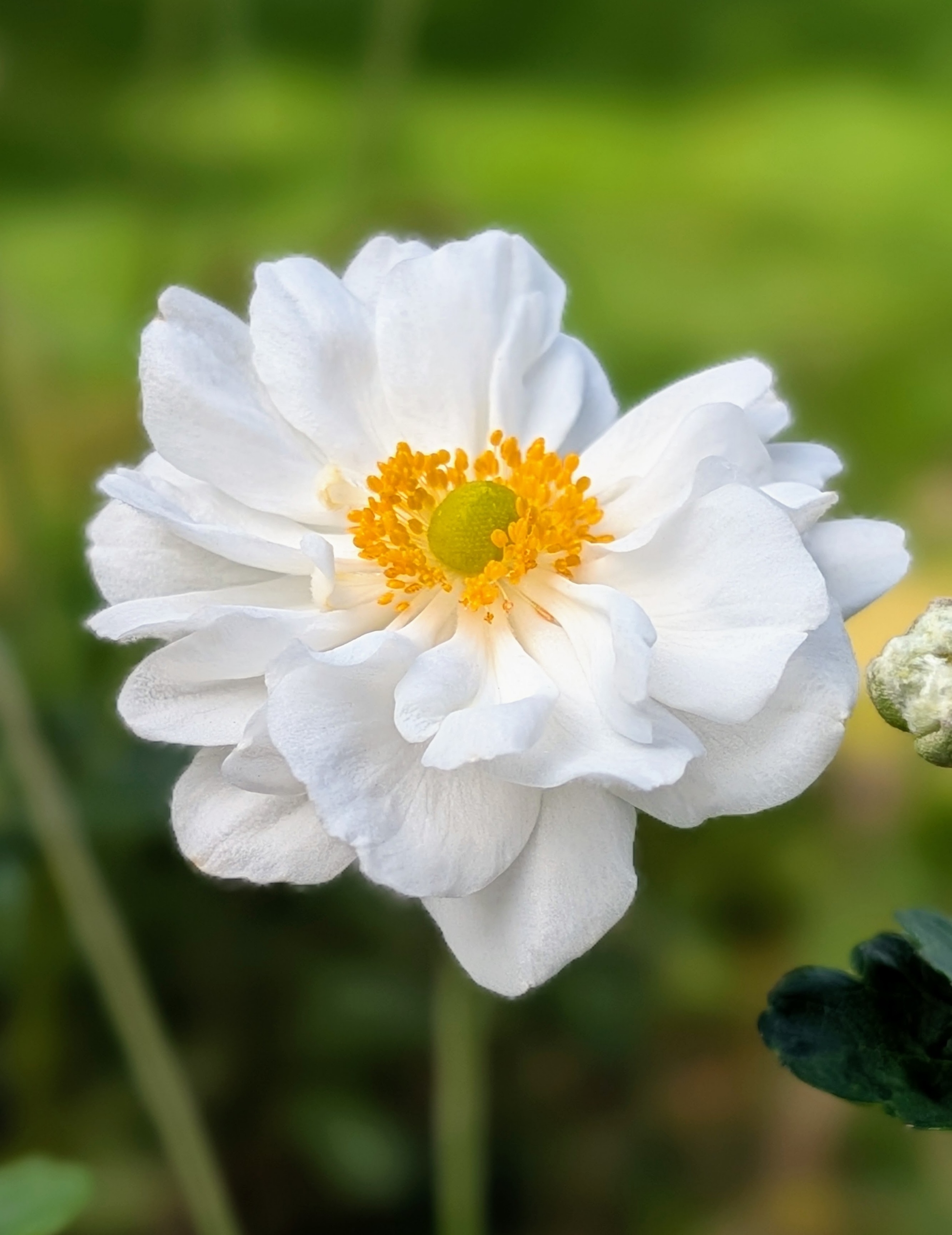
- The anemones are also holding strong. Anemone is a genus of flowering plants in the buttercup family Ranunculaceae. Most anemone flowers have a simple, daisy-like shape and lobed foliage that sway in the lightest breezes.
-
- And the two-and-a-half inch wide circular flowers come in white, pink, or mauve. Flowers can be single, double, or semi-double and add great late season color to the garden.
-
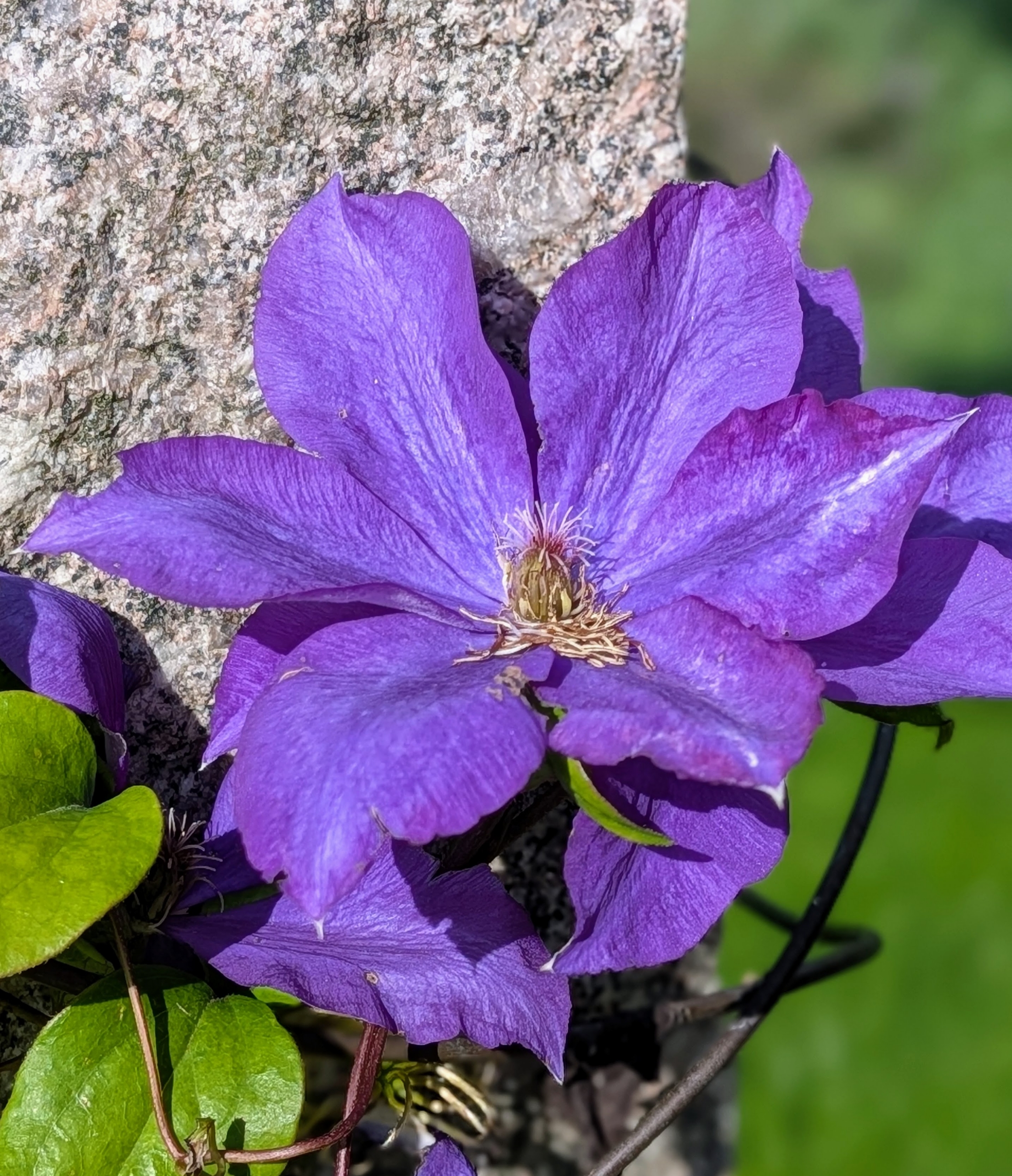
- Another long-lasting flower is the clematis. Clematis can start blooming anywhere from late winter to early spring and then continue flowering through the summer and into early fall.
-
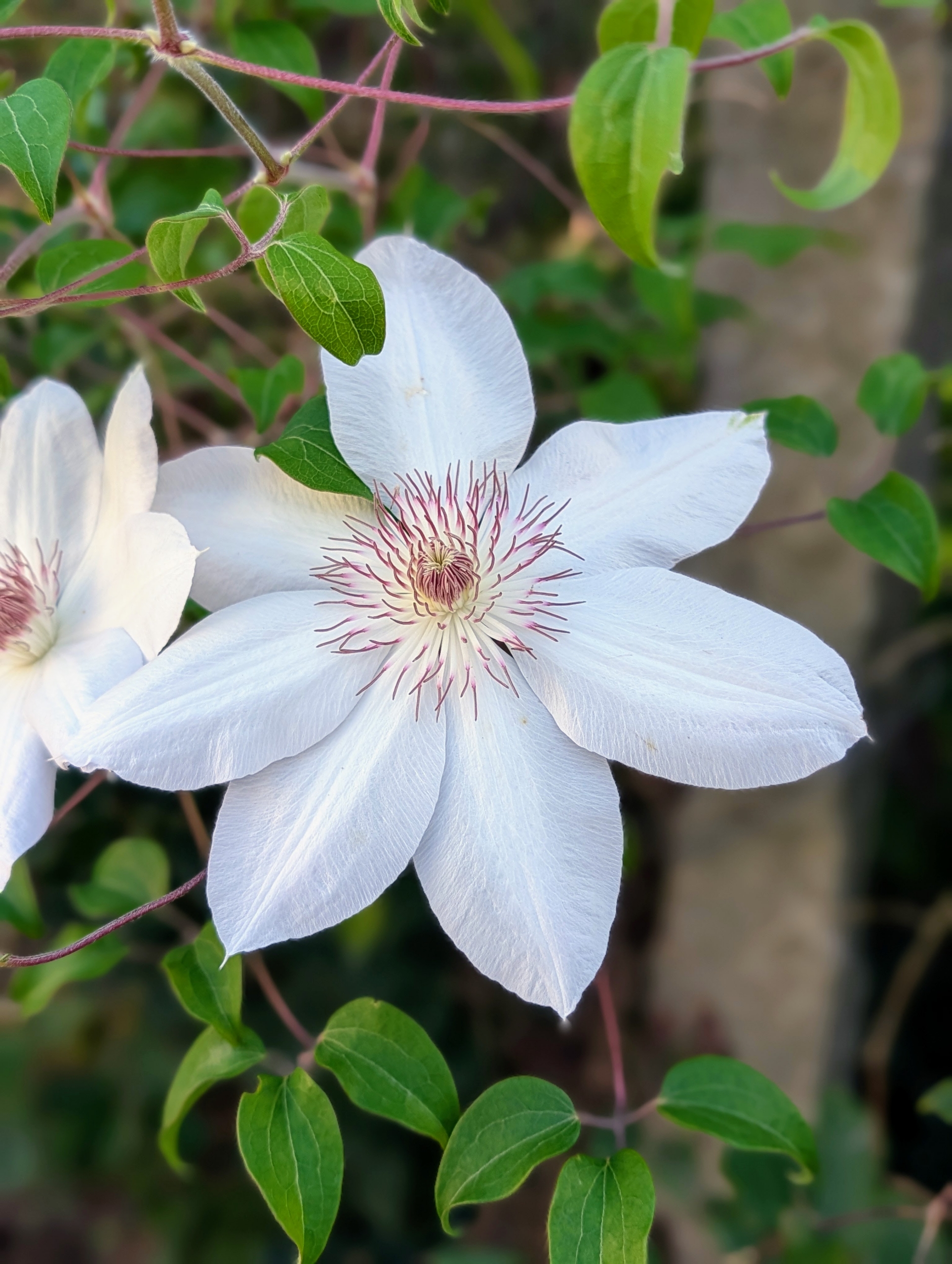
- This white clematis is blooming on an upright post by my blueberry patch.
-
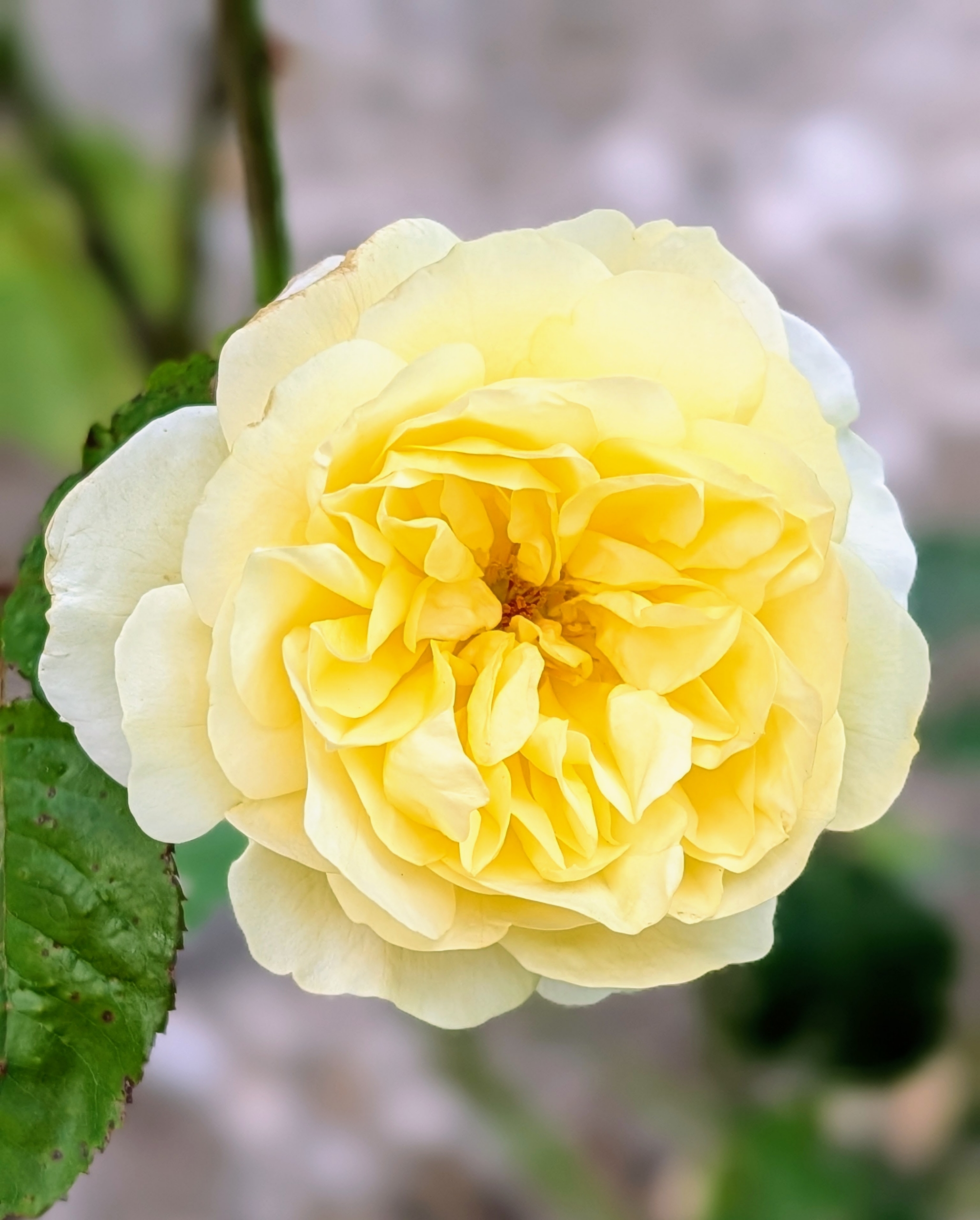
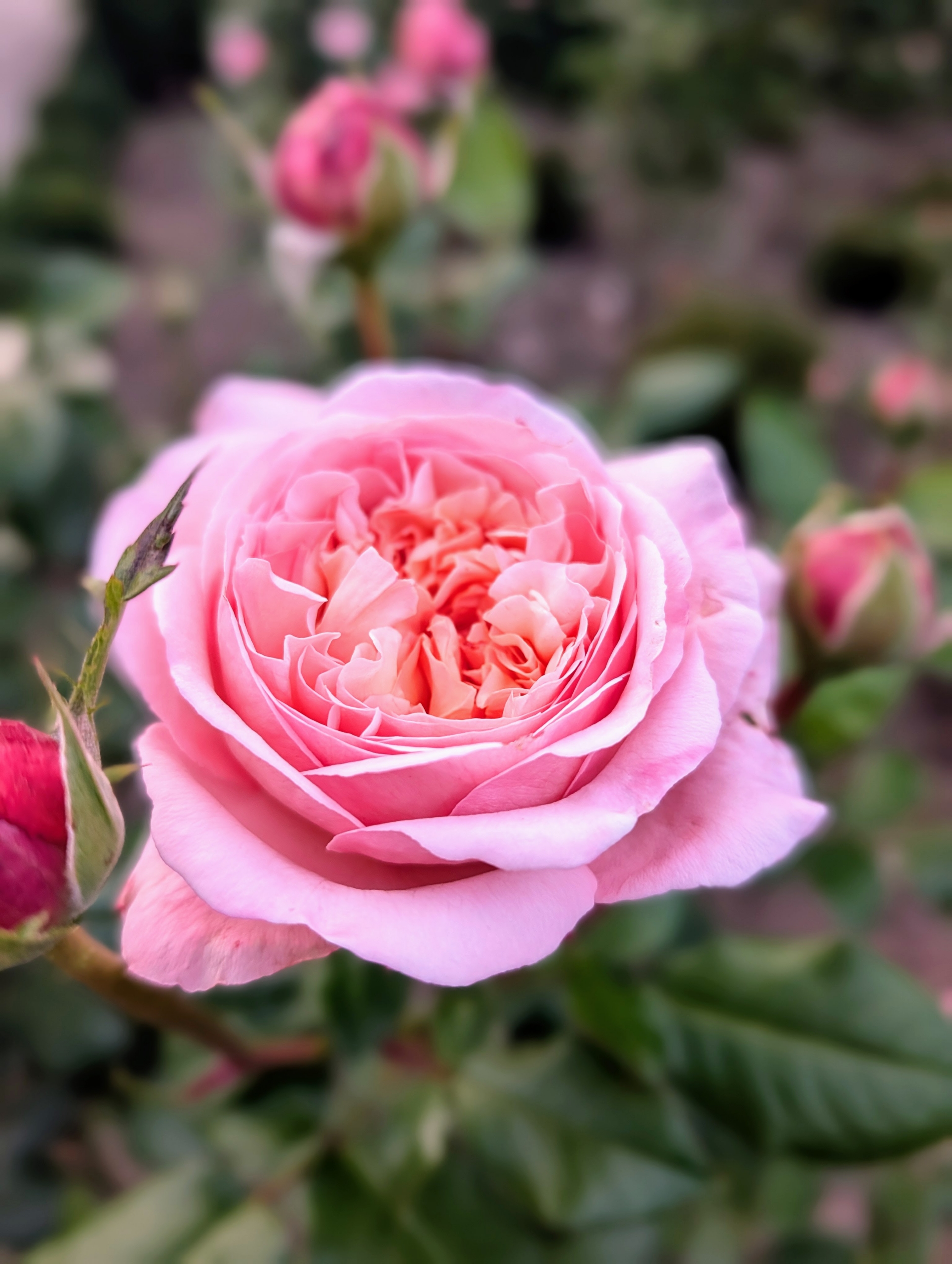
- And, depending on the variety, roses bloom from late spring through early fall.
-
- And here is my favorite rose, the Martha Stewart Hybrid Tea Rose, growing beautifully in the gardens in front of my greenhouse. I hope wherever you are, you can stop to appreciate the beautiful flowers that are showing off their gorgeous colors and forms this time of year.
 Martha Pins


 Martha Tweets

