
Caring for My Ferns
Ferns are beautiful, lush additions to any garden or indoor houseplant collection. With their interesting frond shapes and textures, ferns are easy to maintain and make excellent container plants - I have many different varieties.
As a passionate gardener, I am inside my greenhouses as often as possible - checking on my many plants, making sure they are in good health, and when my schedule allows, trimming, watering, and doing all kinds of maintenance care. Recently, I noted to my gardeners that some of the ferns needed repotting. A general rule of thumb is to repot ferns every two to three years, when the plant shows obvious signs of outgrowing its current vessel and as a way to provide fresh fertile soil.
Here are some photos, enjoy.
-

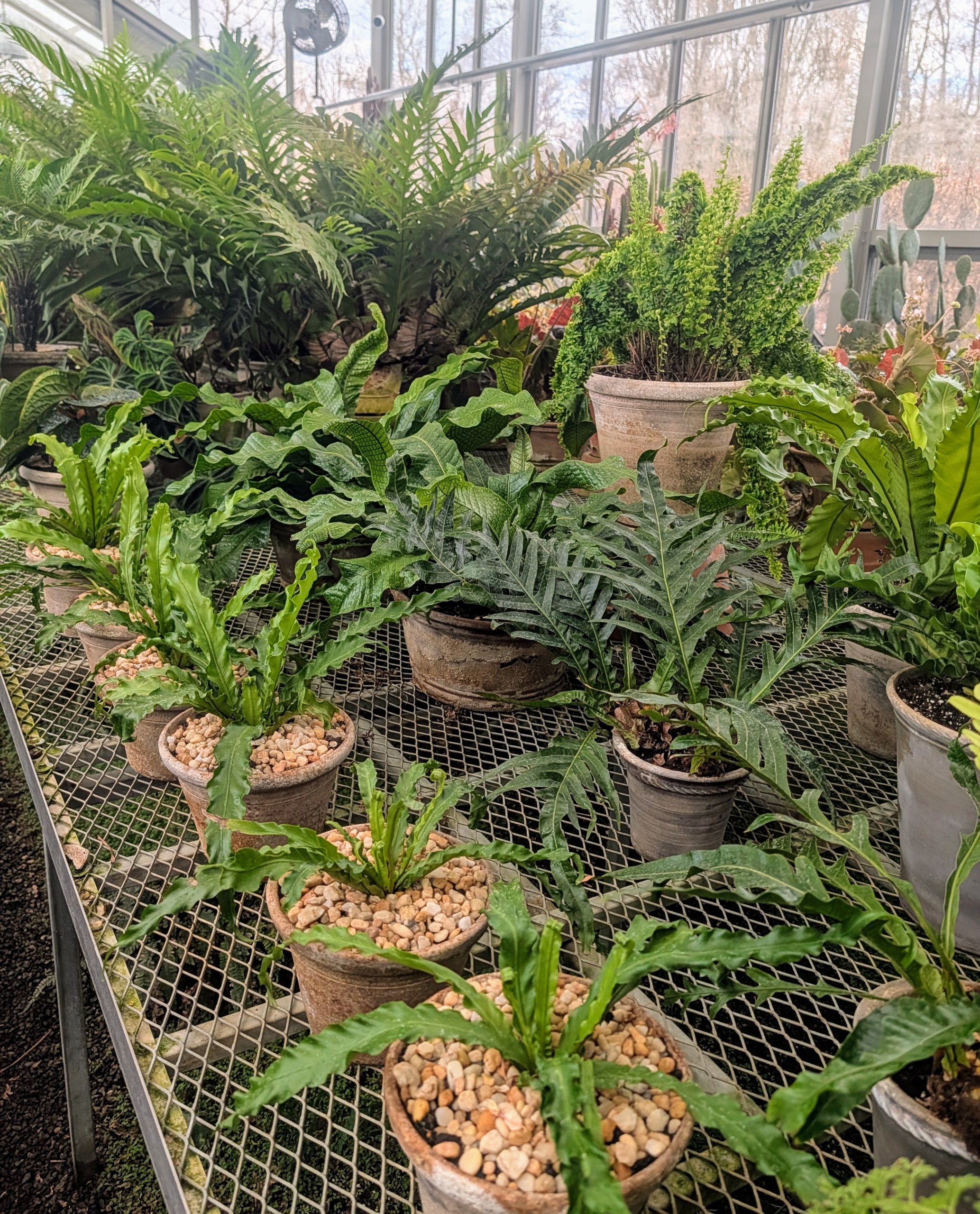
- I have hundreds of plants in my main greenhouse – categorized by type and light needs on long, sliding tables that provide access to every plant when needed. This section is for some of my potted ferns.
-
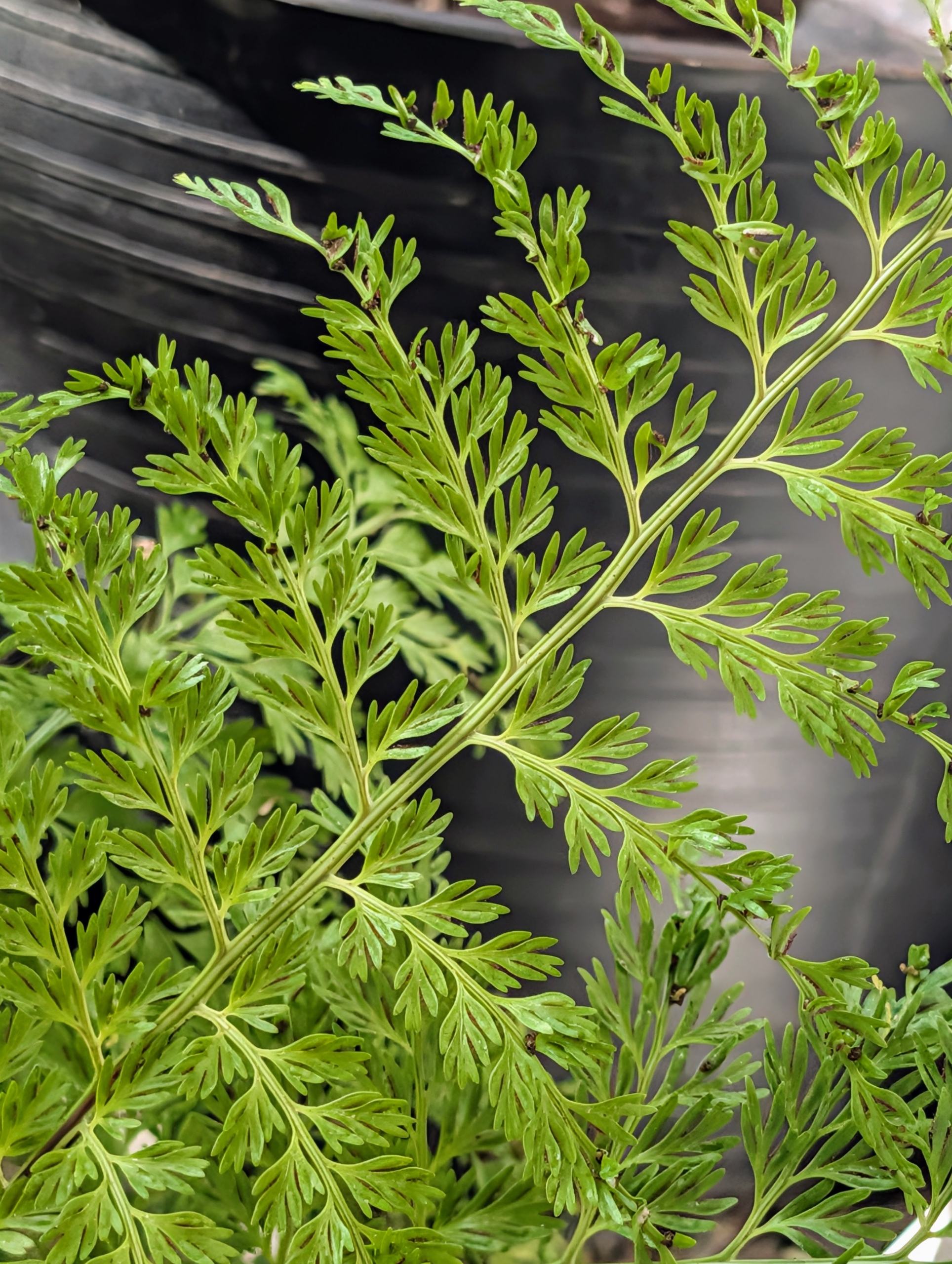
- The fern is a class of nonflowering, herbaceous vascular plants with roots, stems, interesting and complex leaves, that reproduce by spores. This is a delicate lacy fern.
-
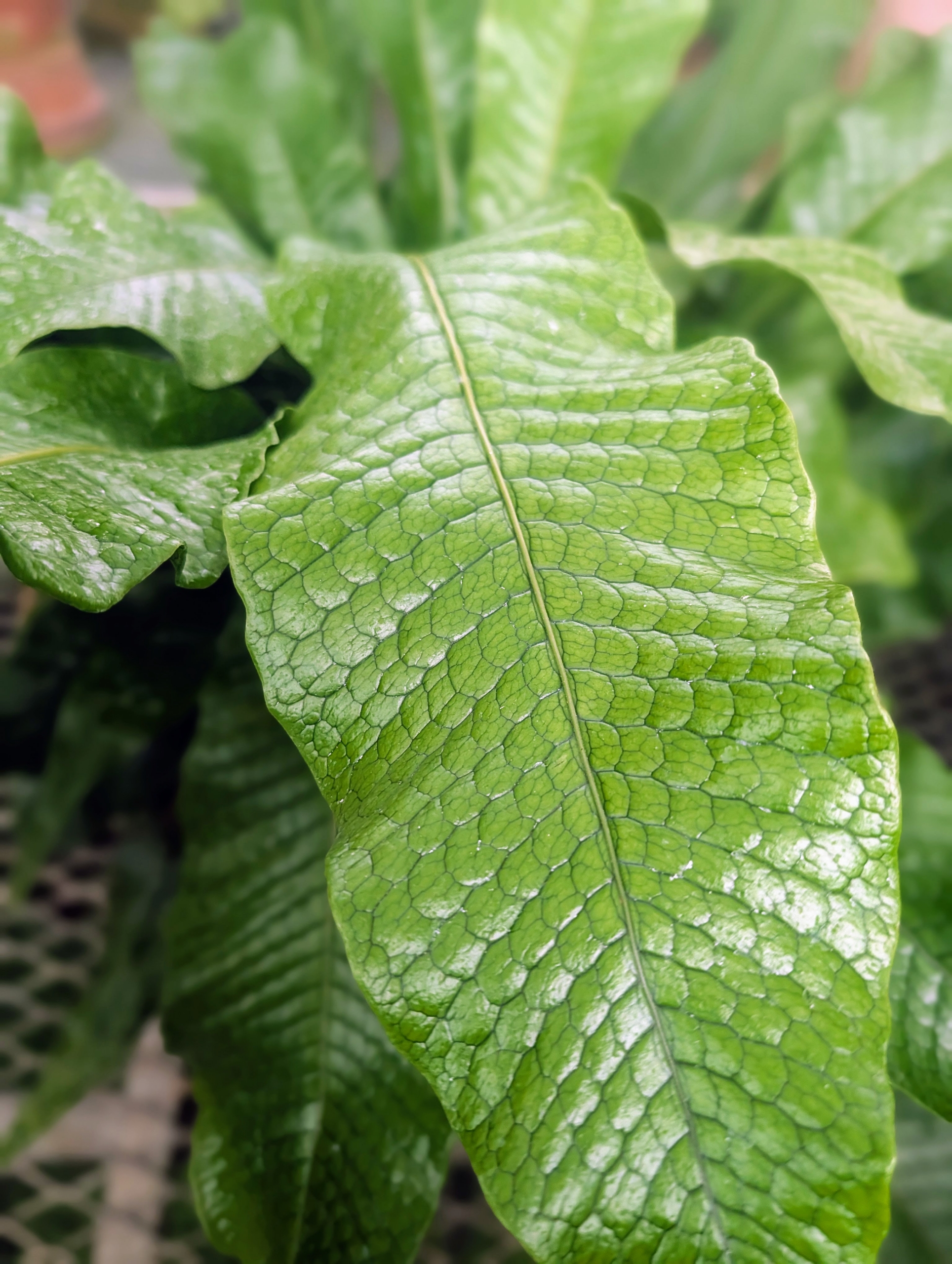
- Crocodile or alligator ferns are epiphytic ferns named for the markings on their long, lance-shaped fronds. The crisscrossed veins on the foliage resemble the scaly skin of the large semi-aquatic reptiles.
-
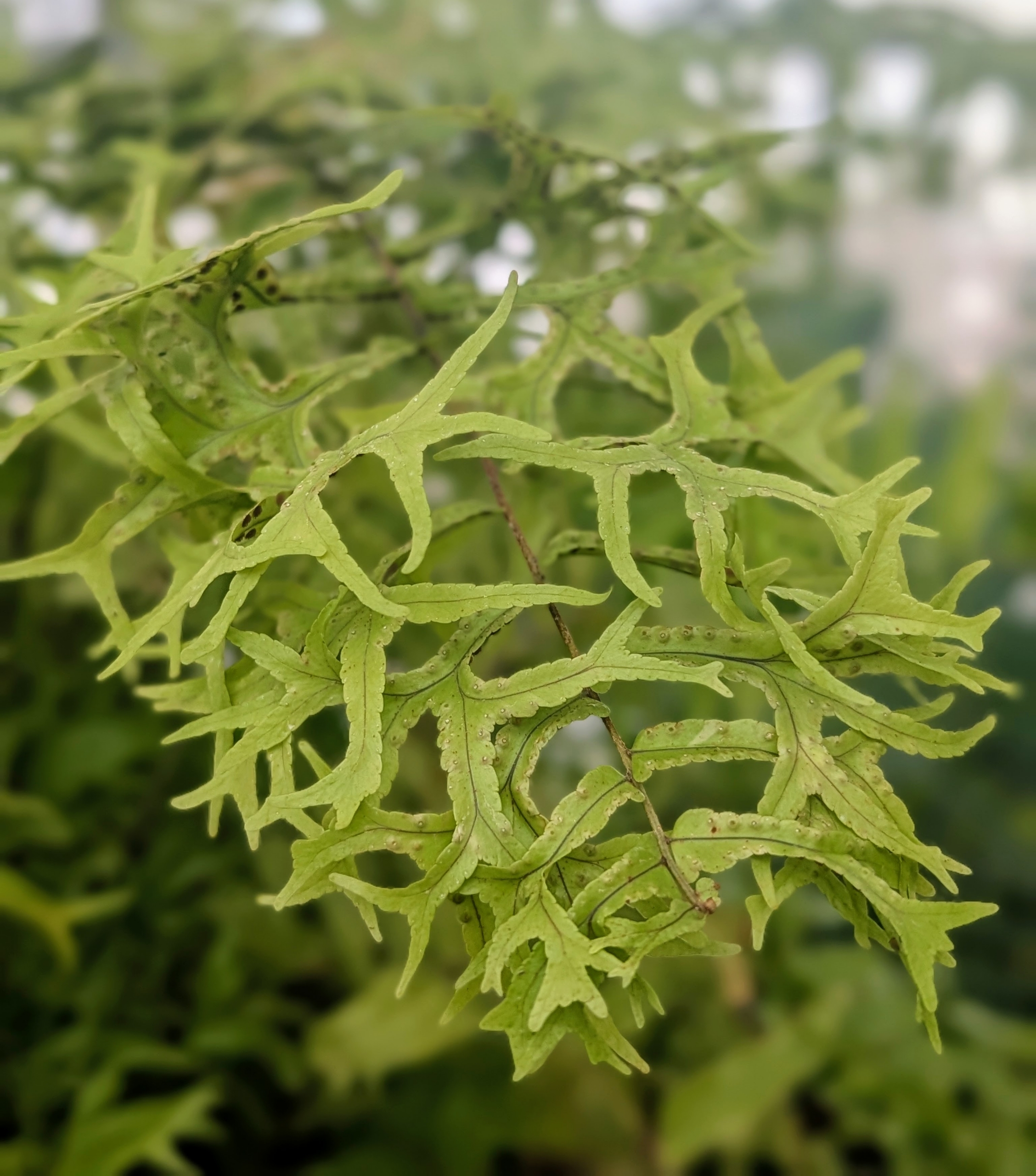
- Some ferns have fishtail-like fronds. Ferns thrive best in bright, indirect light.
-
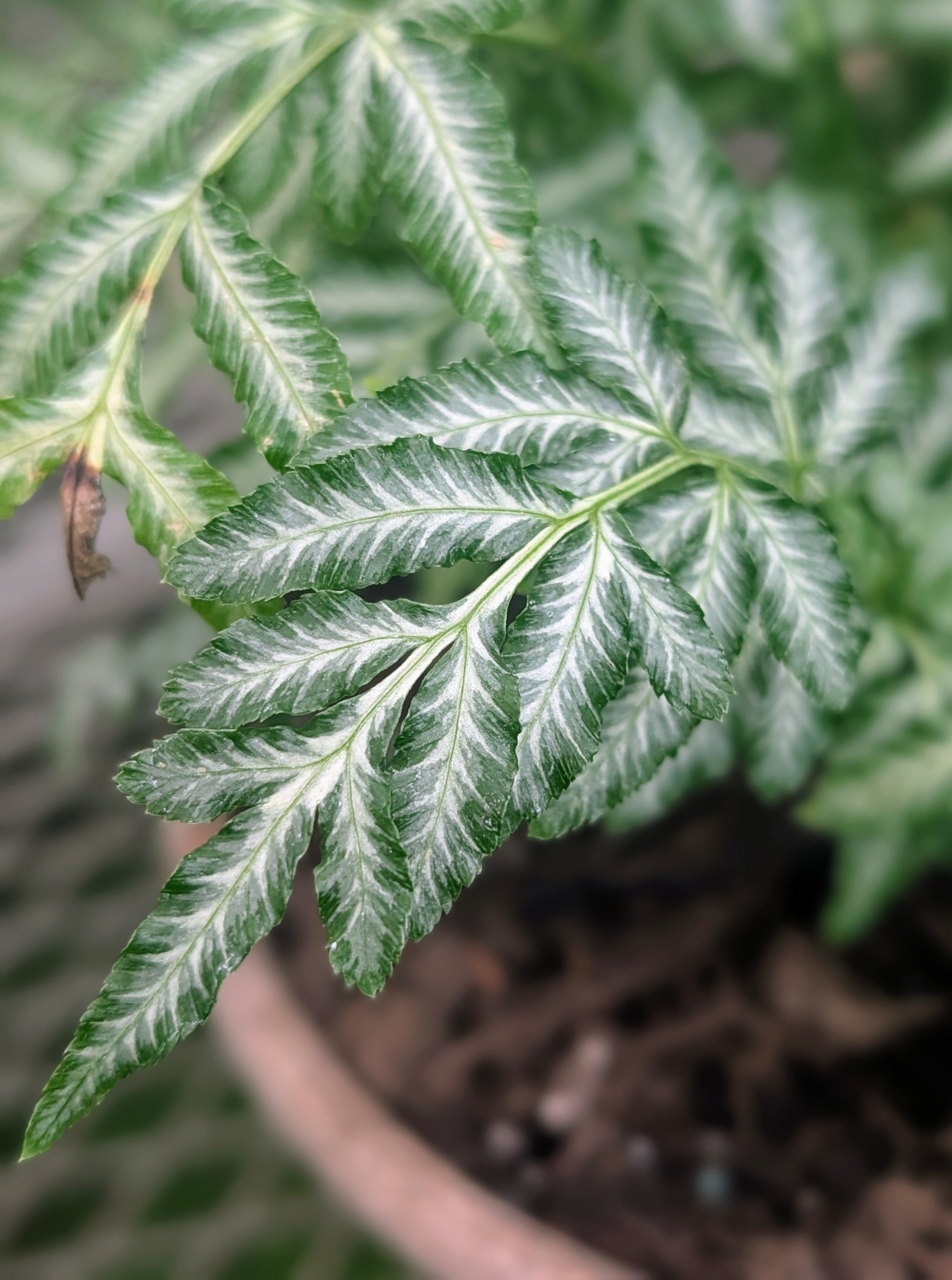
- Ferns primarily come in various shades of green, but some are also bi-colored. Types of ribbon ferns are recognized for the elegant, often variegated fronds, which can feature creamy white centers bordered by dark green edges.
-
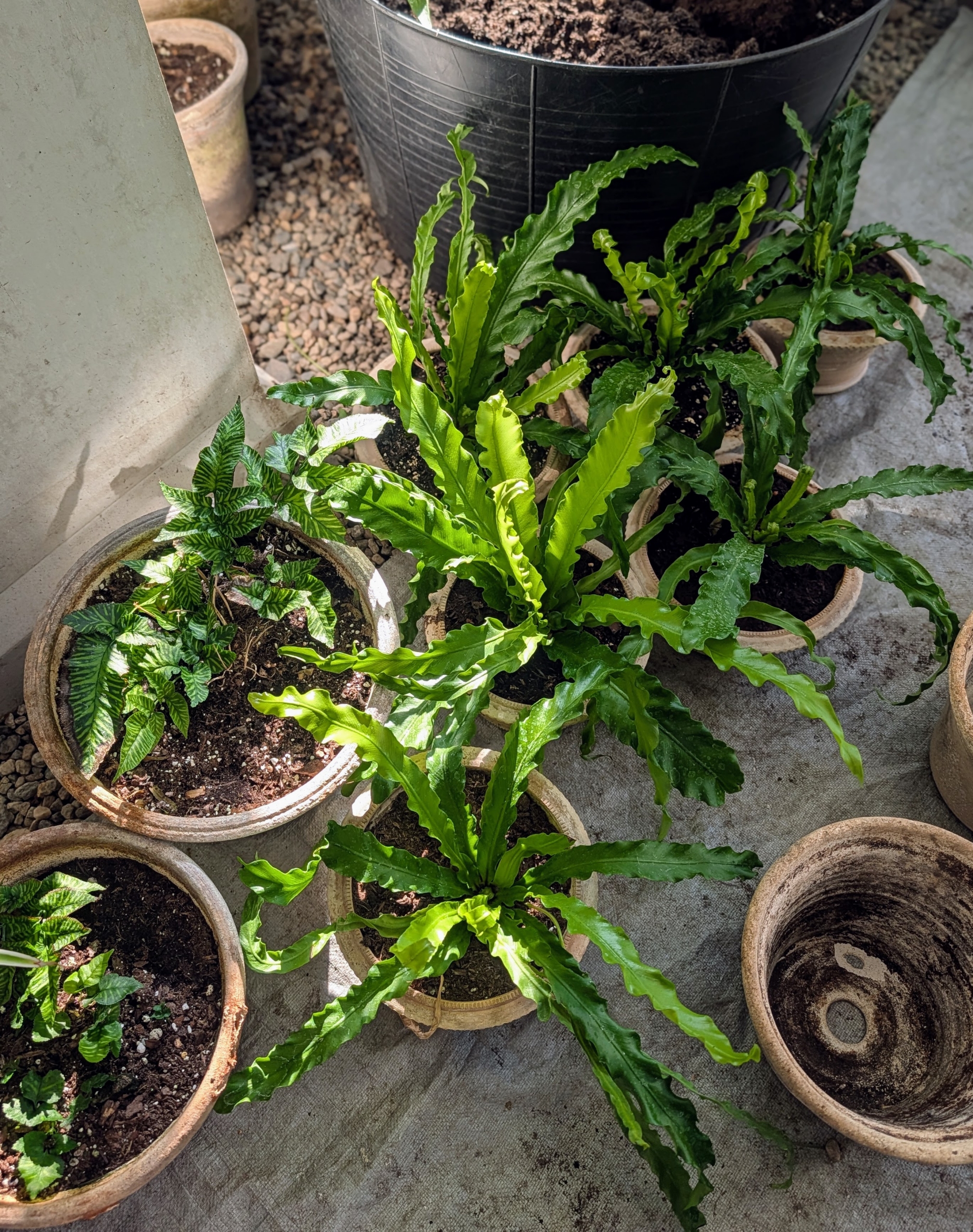
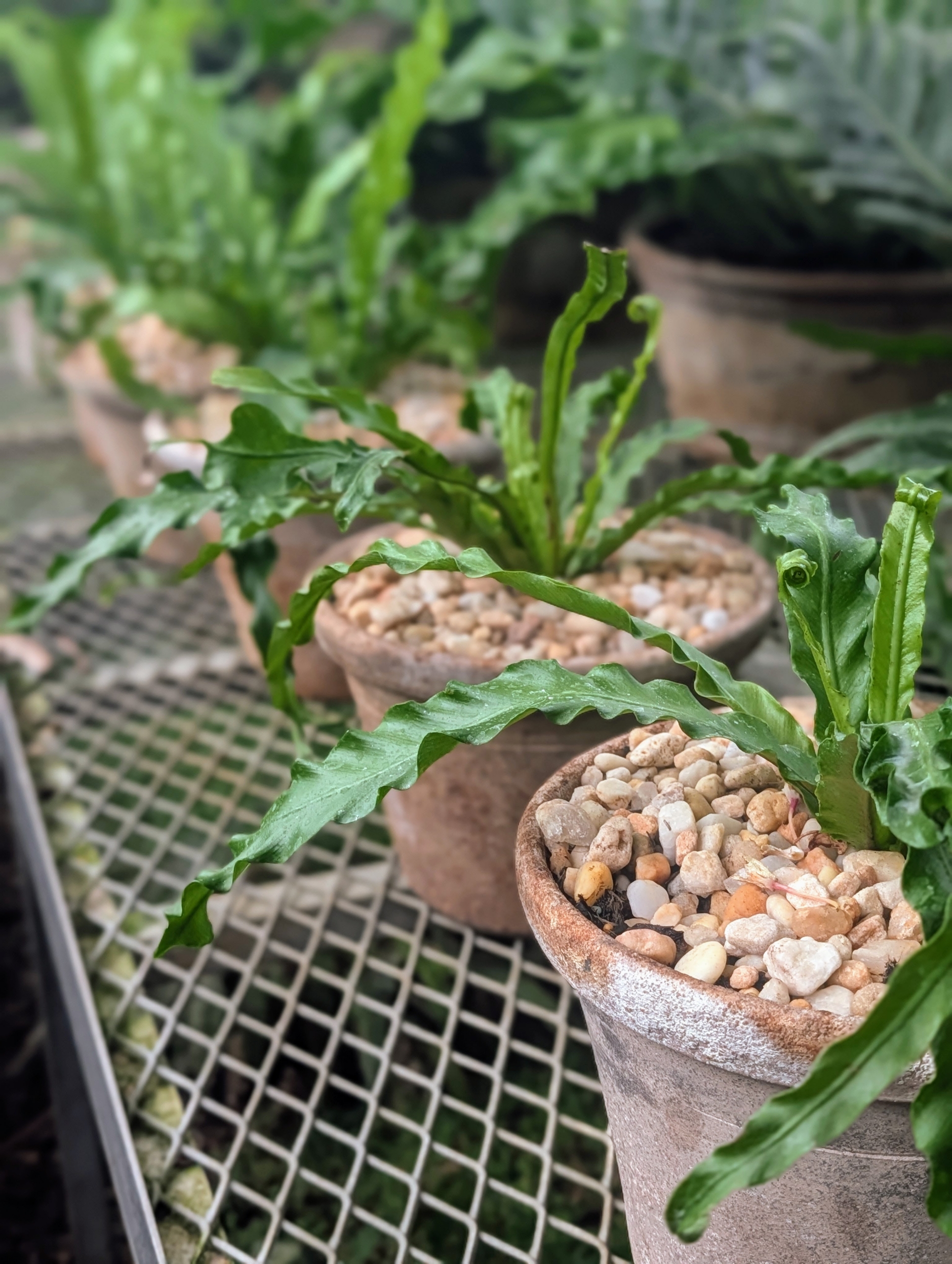
- And these are bird’s nest ferns – one of my favorite ferns. They grow slowly, only about two to six inches per year. Fronds eventually reach a maximum size of about three feet long, with plant diameters reaching about three feet wide. I have many mature specimens. These are still young, but will grow beautifully with the proper care.
-
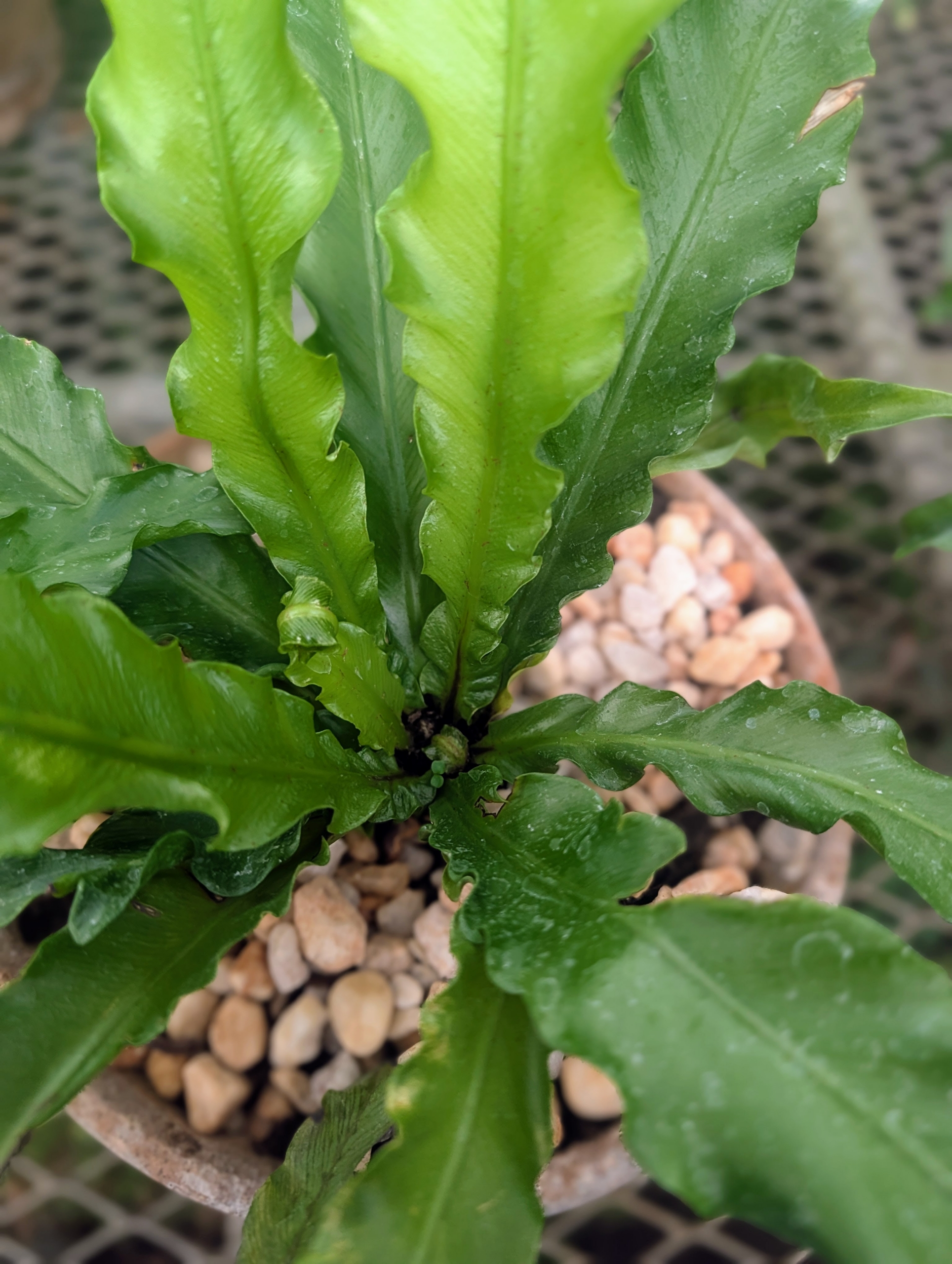
- The bird’s nest fern is so named because the center of the plant resembles a bird’s nest. It is also occasionally called a crow’s nest fern. Here, one can see a new frond growing from the center rosette.
-
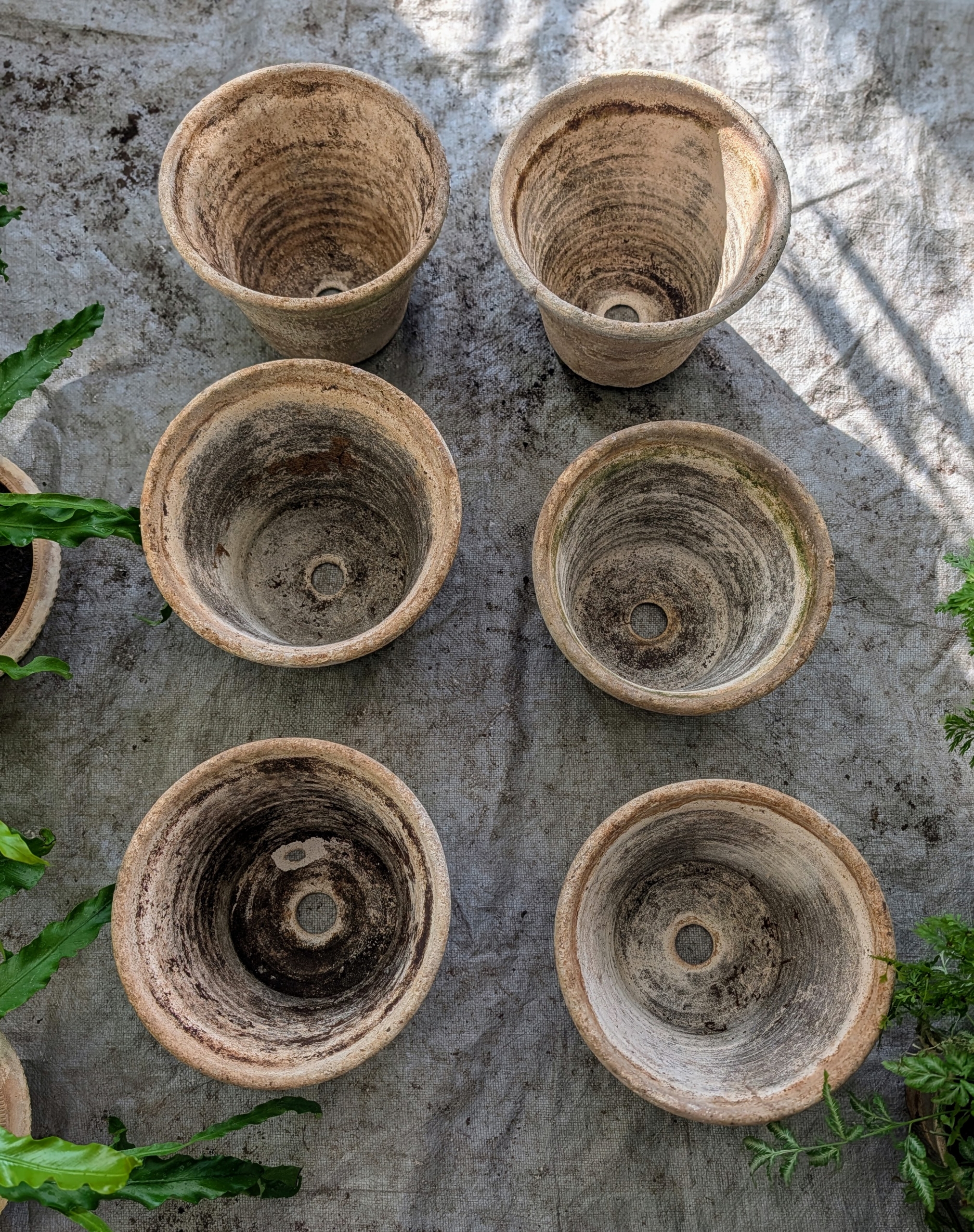
- When selecting a pot, consider plant size and growth habit as well as root size. The pot should be at least one inch wider than the plant’s root mass.
-
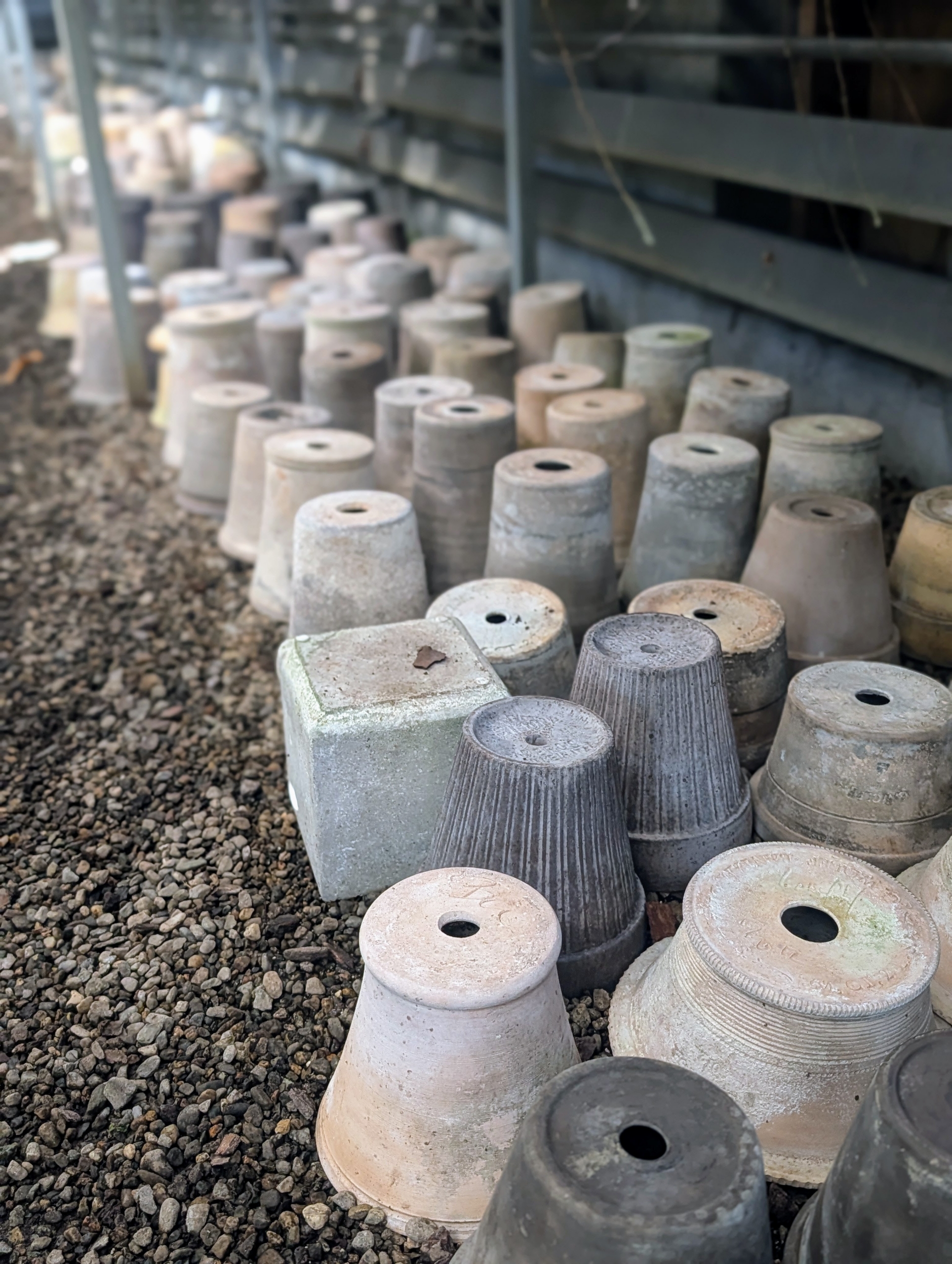
- Most of these pots are made by master potters, Guy Wolff and his son Ben. And according to Guy, I have the largest collection of his pots to date. These are just some of them organized under my greenhouse tables and ready to use.
-
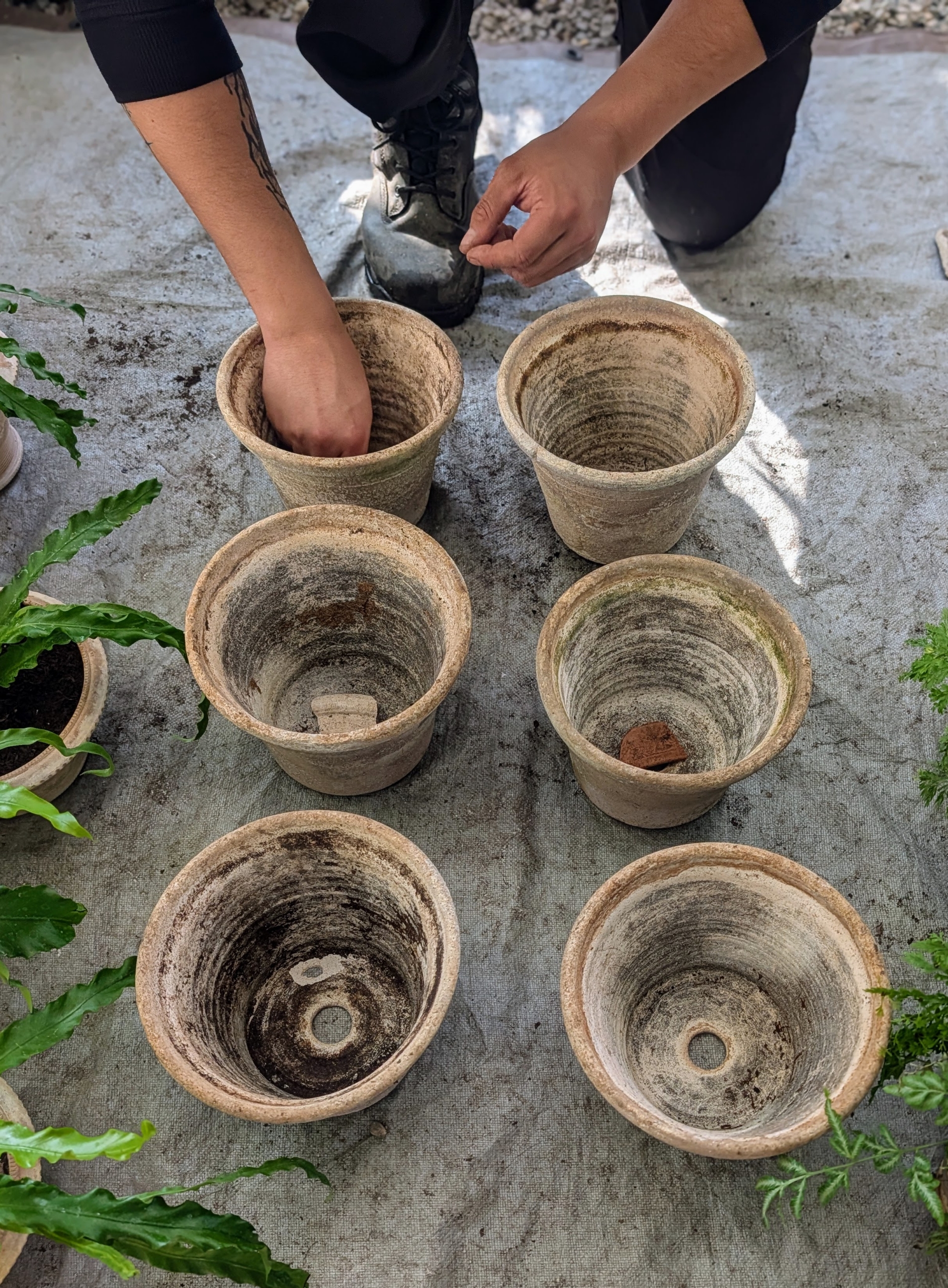
- In production line fashion, Matthew first covers the drainage hole with a pot shard. The shard keeps soil from falling through the hole and allows for better drainage.
-
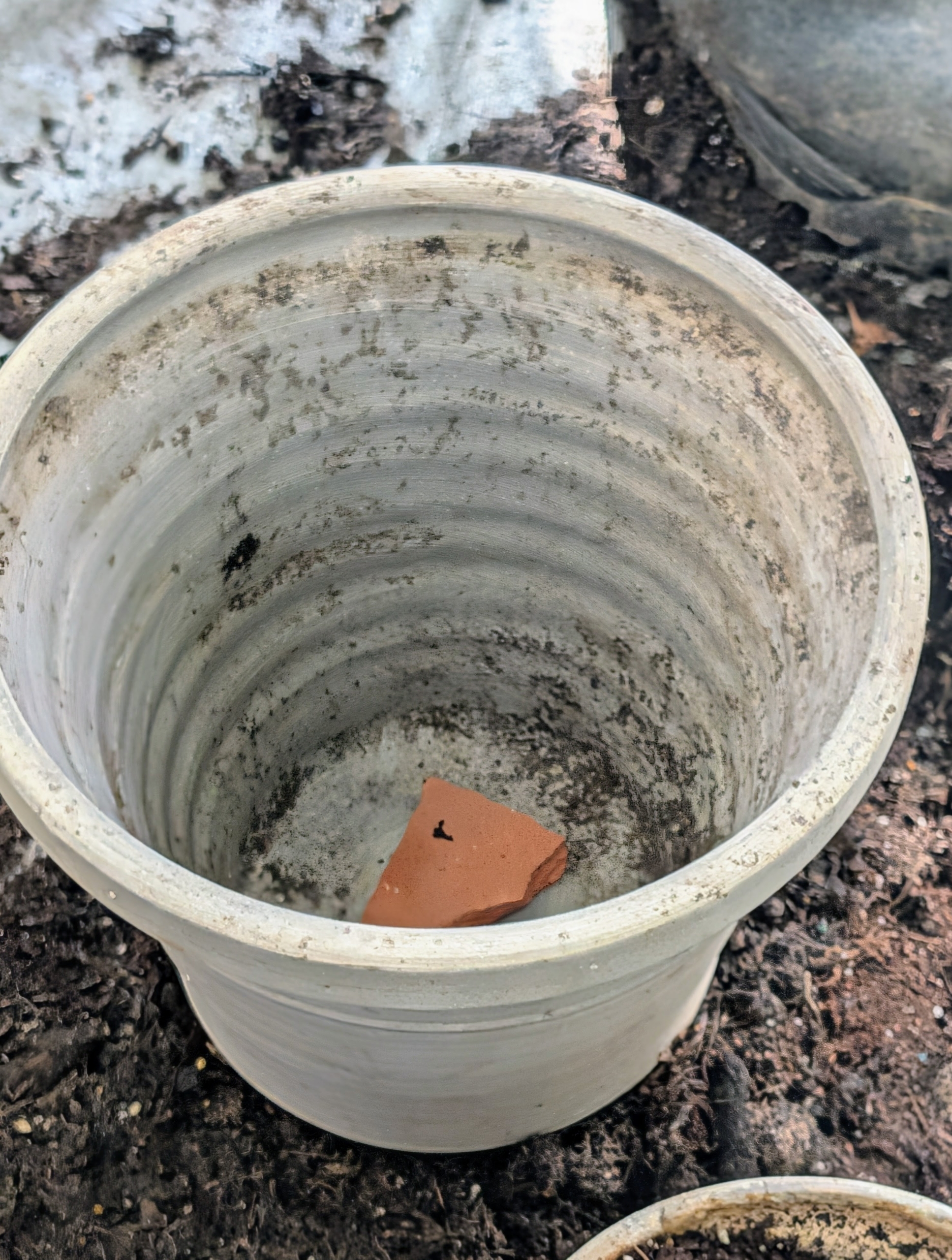
- It does not happen often, but pots do occasionally break. I save all the shards just for this purpose. Stones from the yard also work nicely.
-
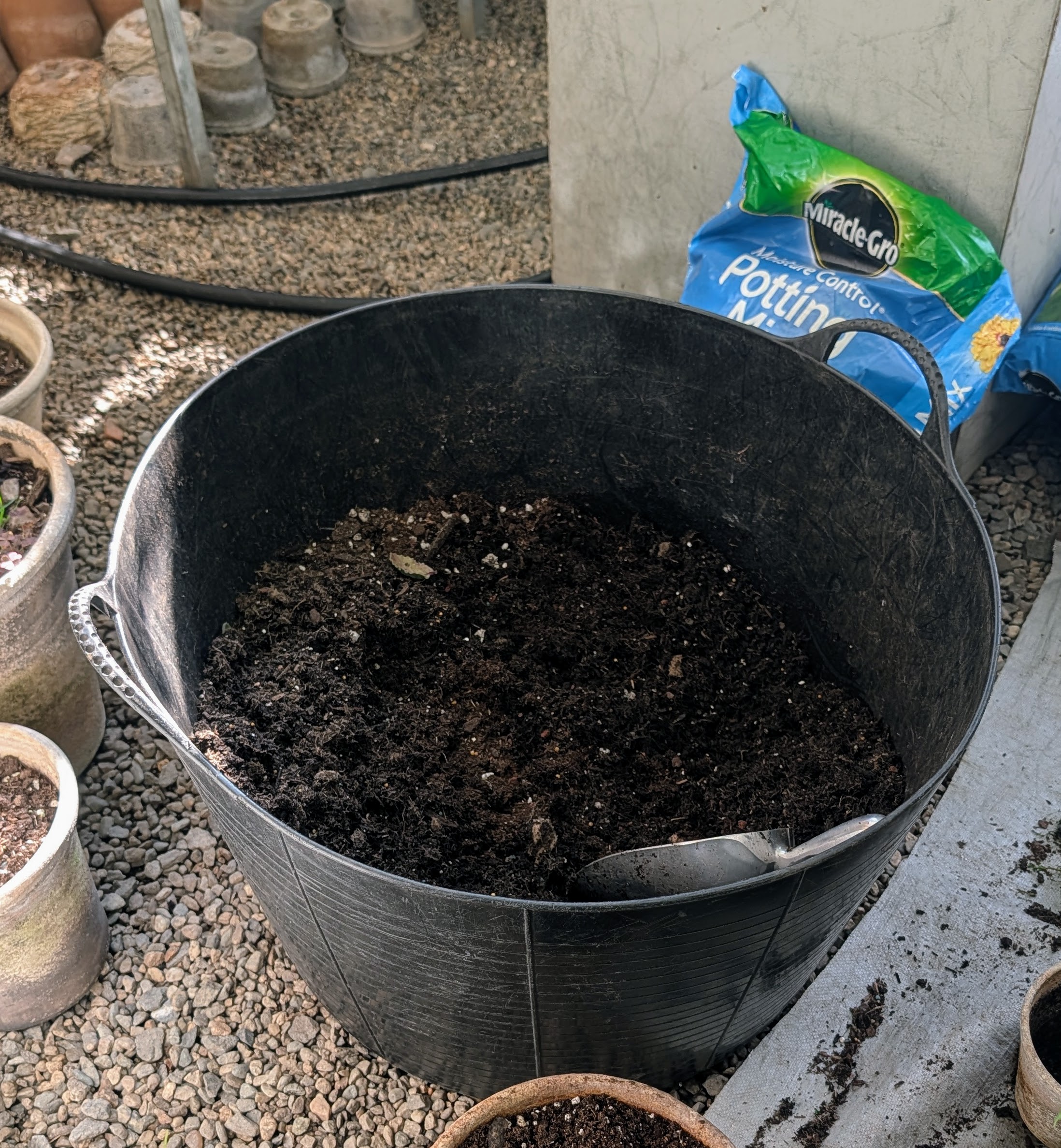
- For these, I use Scotts Moisture Control Potting Mix, which is specially formulated to protect against over- and under-watering and feeds for up to six months.
-
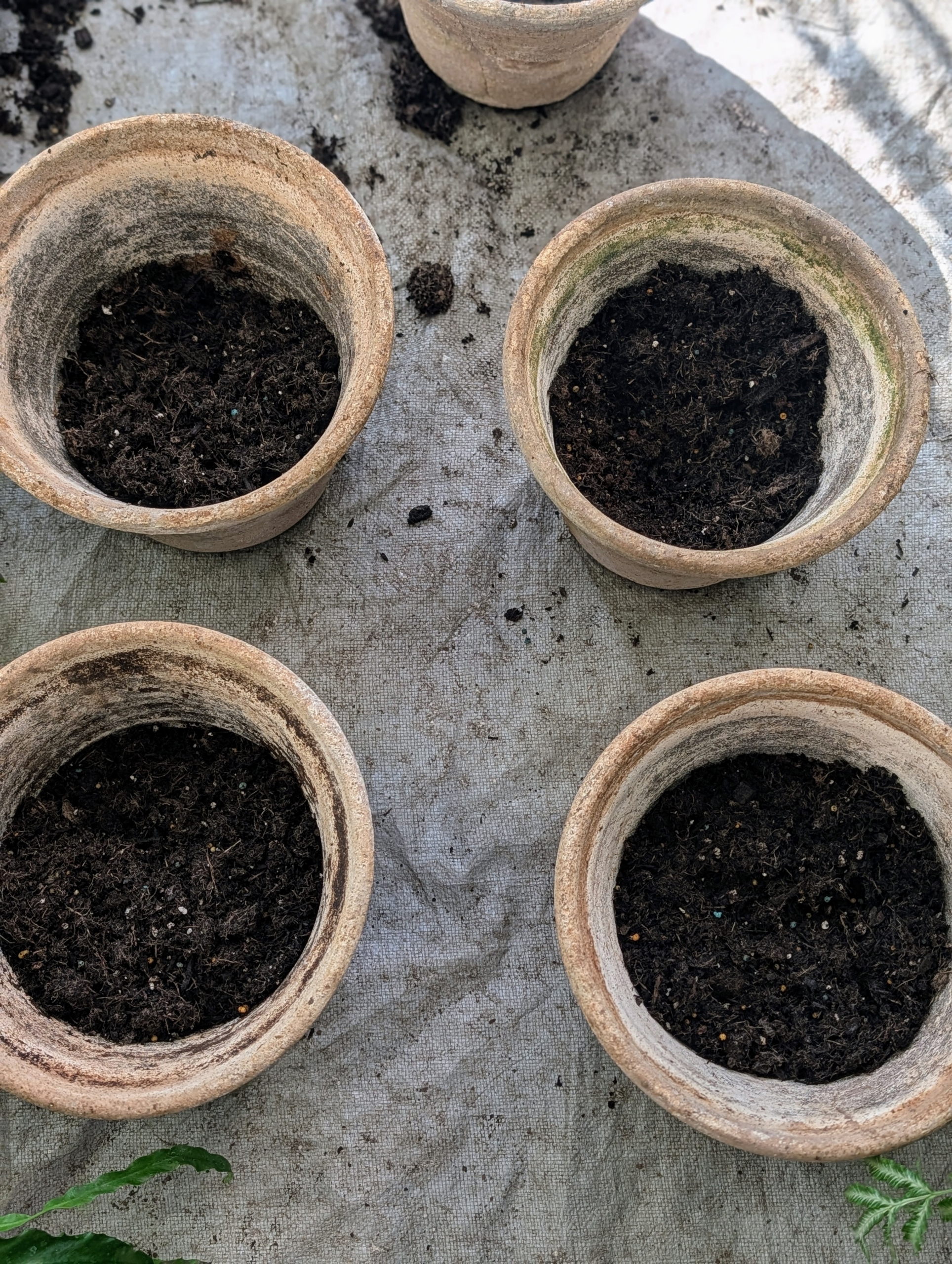
- A quality potting soil must have good water retention capacity and good porosity. It should also feel light, airy, and not show any signs of mold. Ferns thrive in well-draining, moisture-retentive soils rich in organic matter, and ideally with a slightly acidic pH between 5.5 and 7.0.
-
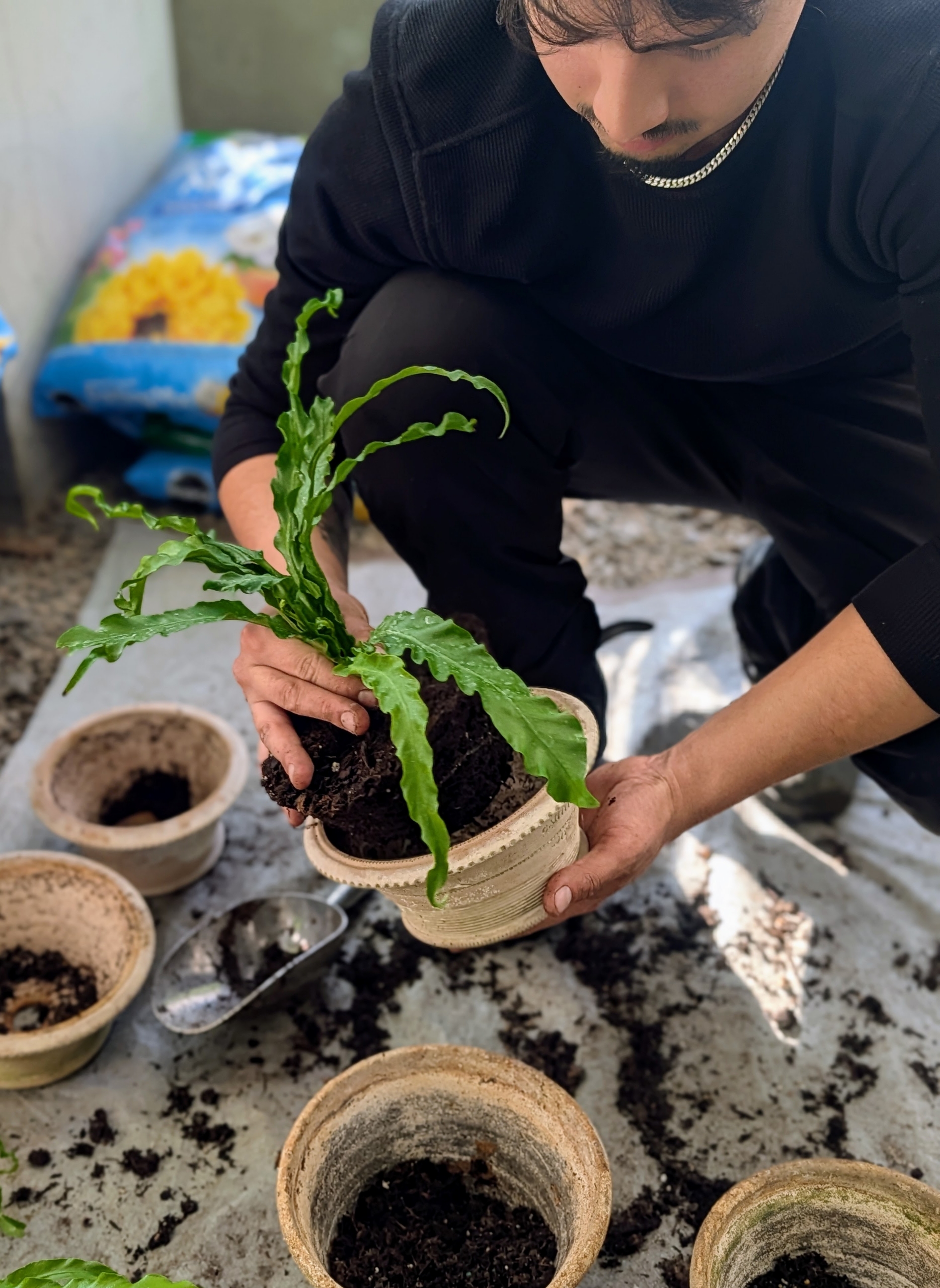
- Matthew removes a plant from its old container. This pot was too small and shallow. The growing bird’s nest fern definitely needed to be repotted.
-
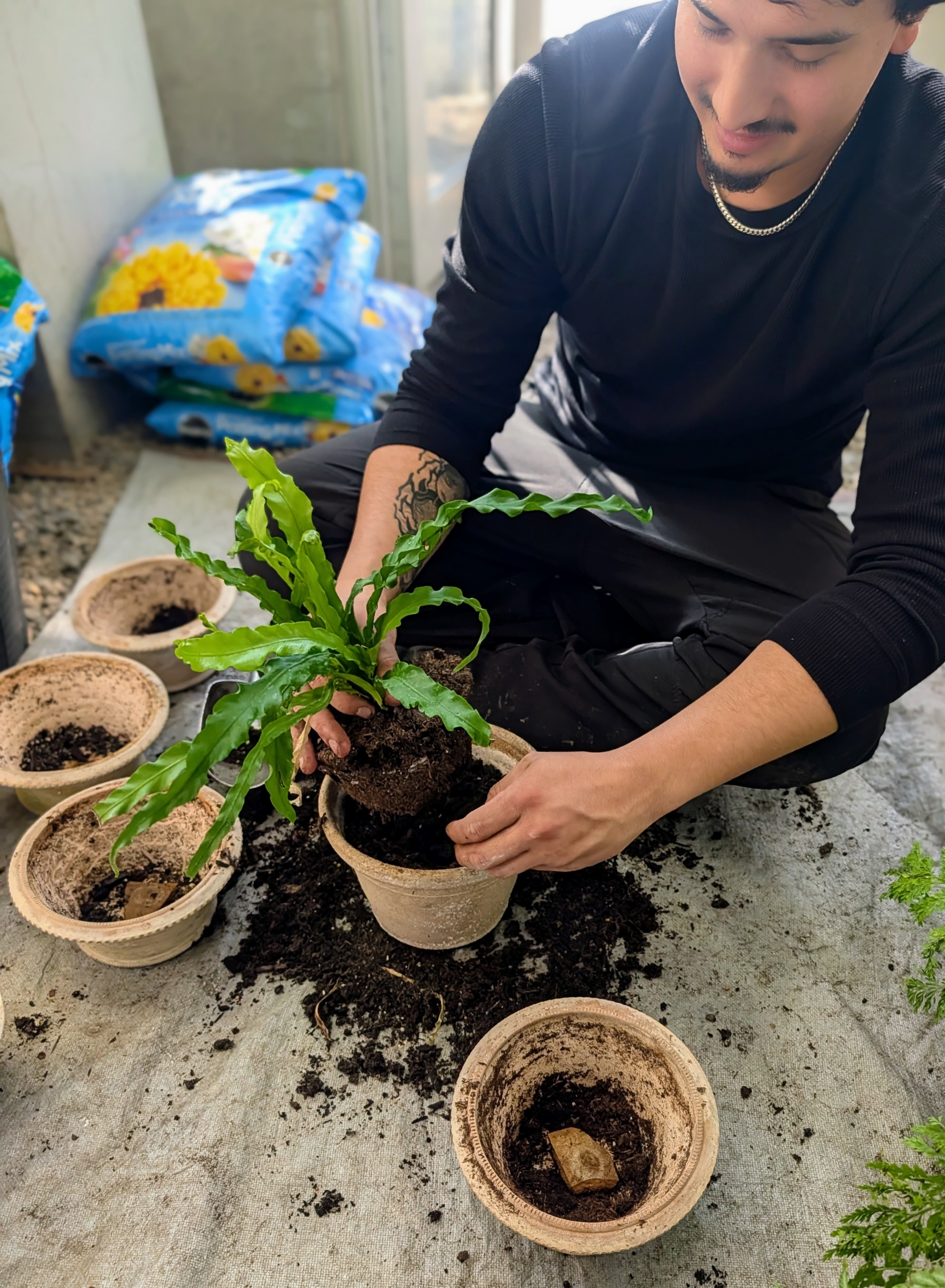
- Because the root ball is healthy, Matthew doesn’t have to do any excessive scarifying. He just teases and loosens the roots with his hands and places it into the new vessel.
-
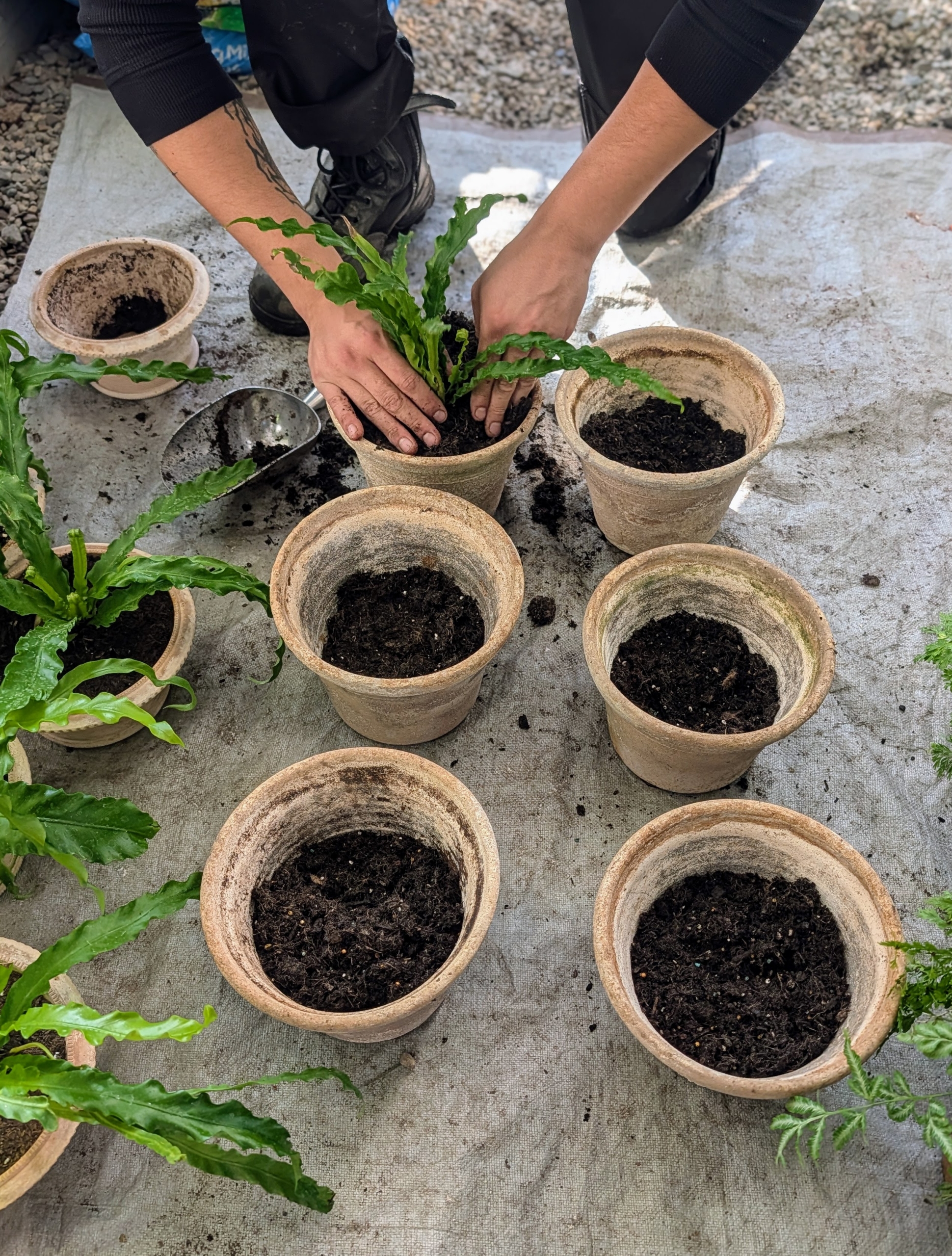
- Next, Matthew positions the fern firmly before backfilling.
-
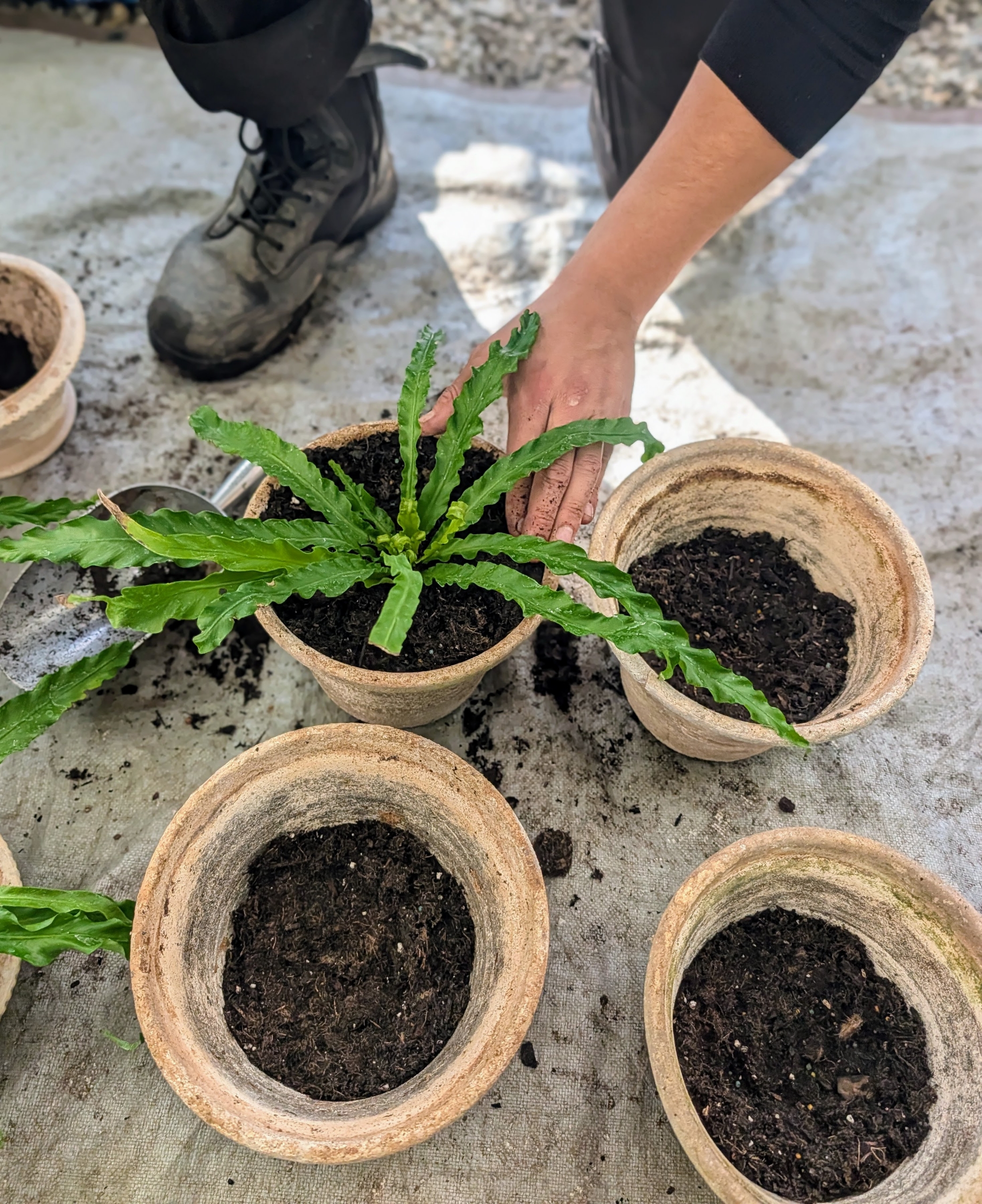
- Once potted and backfilled, Matthew presses down slightly on the soil to ensure there is good contact between the plant and the potting mix.
-
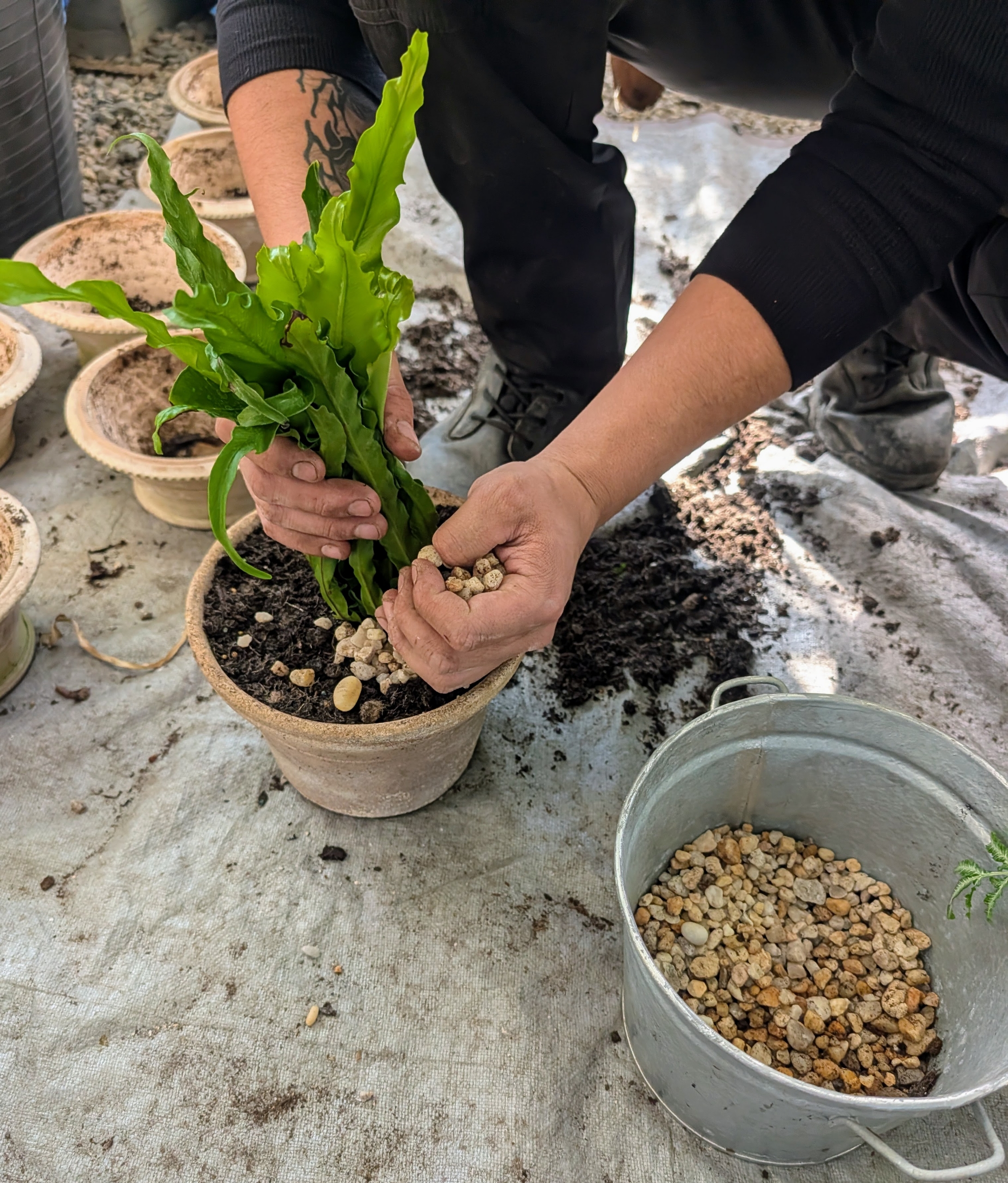
- As a top dressing, I like to cover the soil with pea gravel. Matthew arranges one layer of gravel gently around the plant base. Pea gravel can be found at garden supply shops.
-
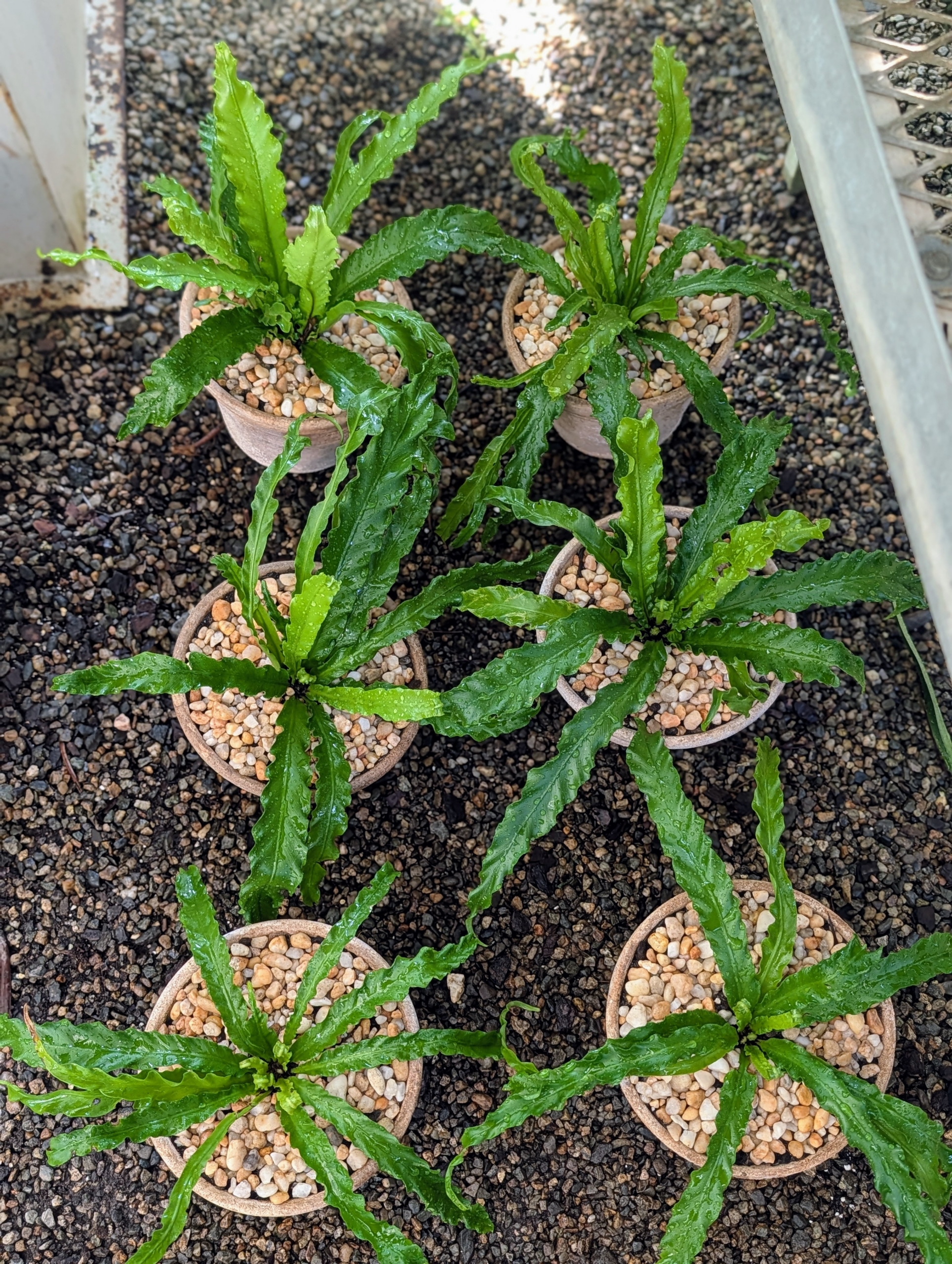
- These newly potted ferns will do very well inside the greenhouse where they can be monitored regularly along with the other plants.
-
- The right pot for the right plant provides the right amount of space and stability for proper watering and feeding. And the right light, humidity, and food will ensure it thrives for many years. What are your favorite ferns?
 Martha Pins


 Martha Tweets

