

Potting Succulents
Among my favorite plants are the exotic forms of succulents - they make excellent container specimens.
If you like growing plants, but don’t really have the time to care for them properly, I encourage you to consider growing succulents. Succulents are so easy to maintain and are able to survive prolonged drought because they store moisture in their fleshy stems, roots, and leaves. Not long ago, during a business trip out west, I stopped for a brief visit to see Flora Grubb, one of our 2012 American Made Winners, and got some beautiful small succulents to add to my growing collection.
Enjoy these photos.
-

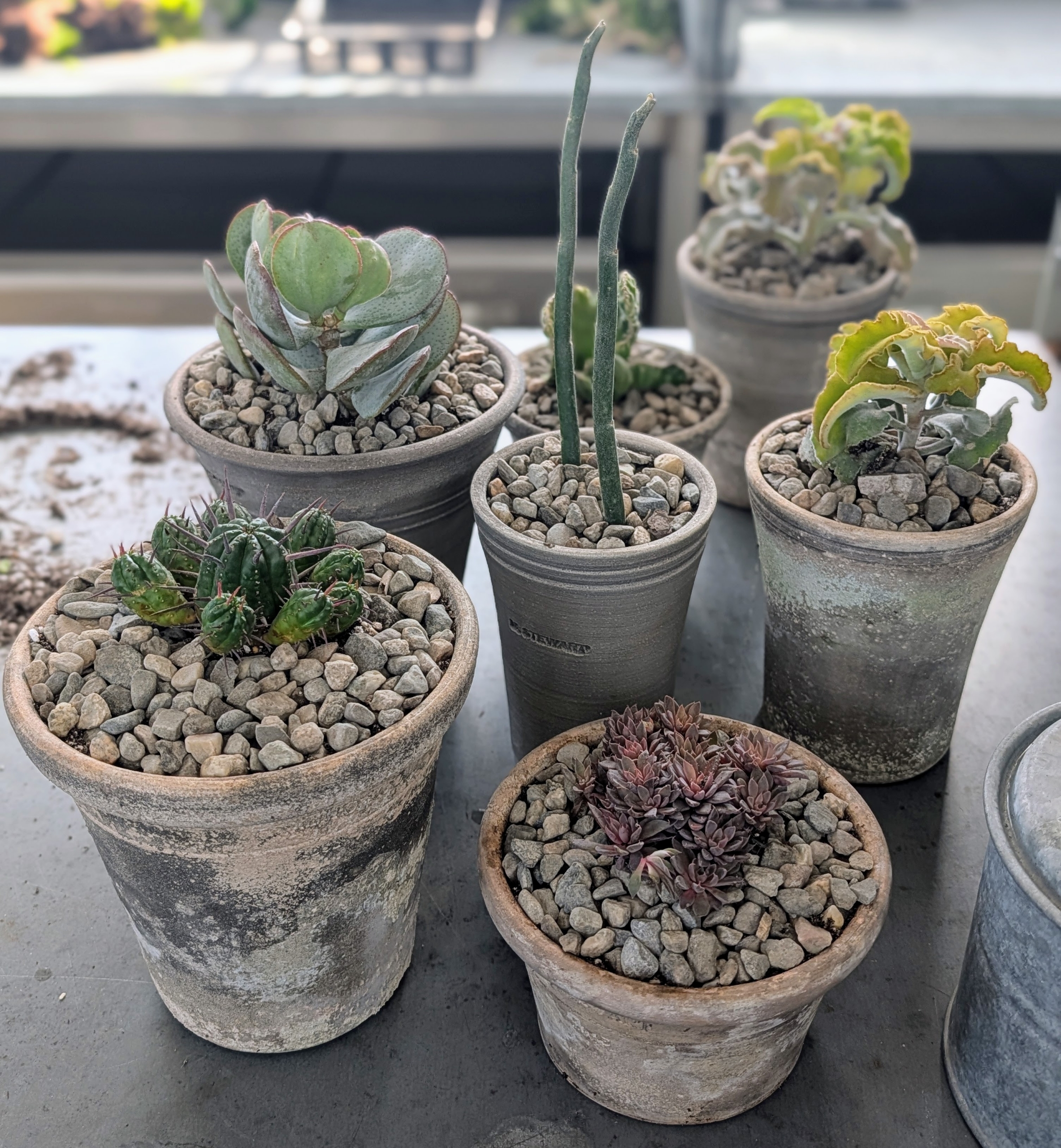
- I am always looking for interesting and unique plants to bring home and add to my greenhouse. I have amassed quite a collection of specimens over the years. Most of these succulents are from Flora Grubb’s San Francisco location. Succulent comes from the Latin word “sucus,” which means juice or sap. It’s also a nod to the nourishing leaves that help these plants survive in extremely warm conditions. They are often grown as ornamental plants because of their striking shapes.
-
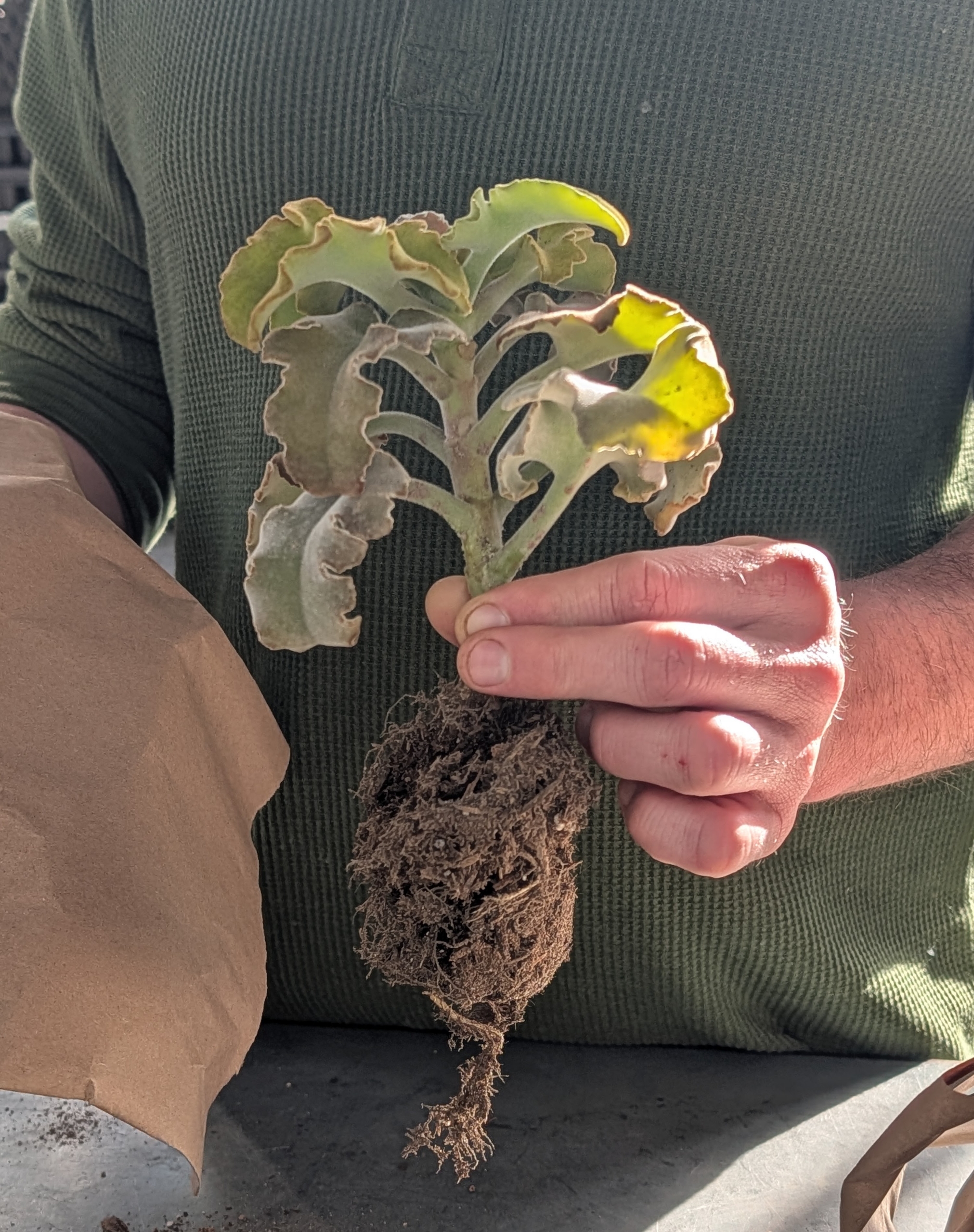
- Succulents are considered slow to grow with most varieties showing growth after several months to even years.
-
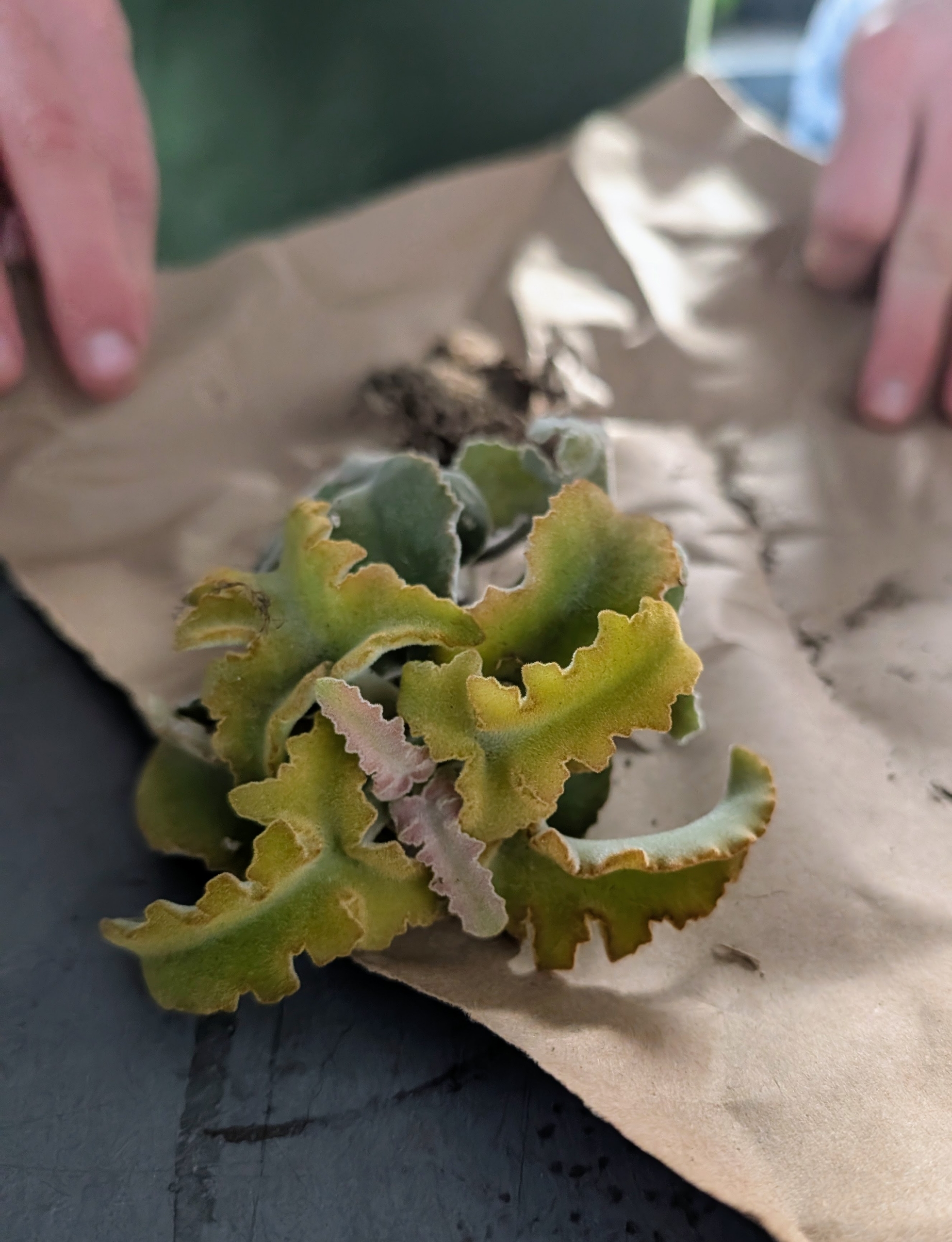
- Succulents are known for their ability to store water, come in various colors and sizes, and require minimal care, making them popular among plant enthusiasts.
-
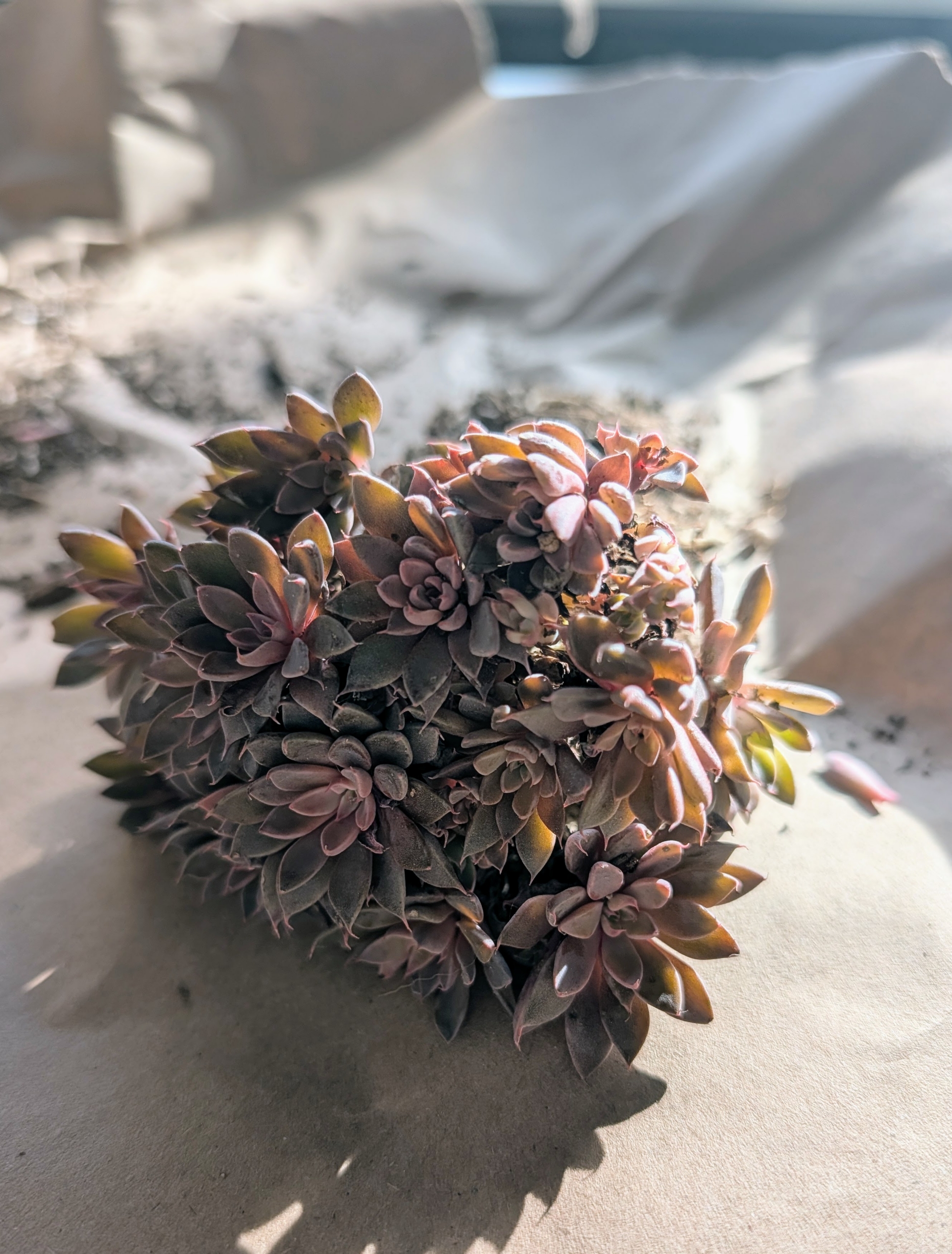
- Succulent colors include shades of purple, green, blue, pink, and even red. Their colors can change based on environmental factors such as sunlight exposure, temperature, and water availability.
-
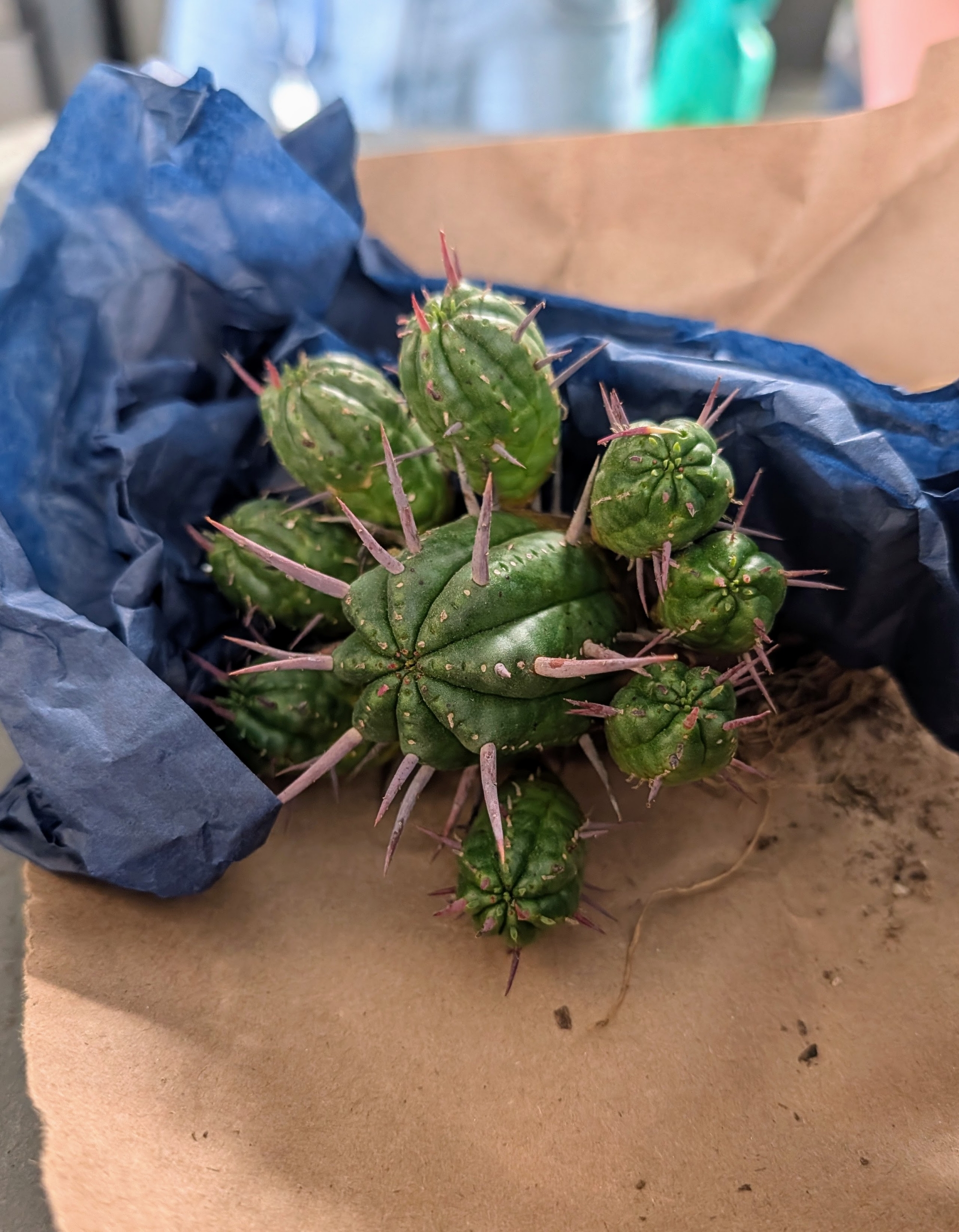
- Some are smooth and some have decorative and sharp spines.
-
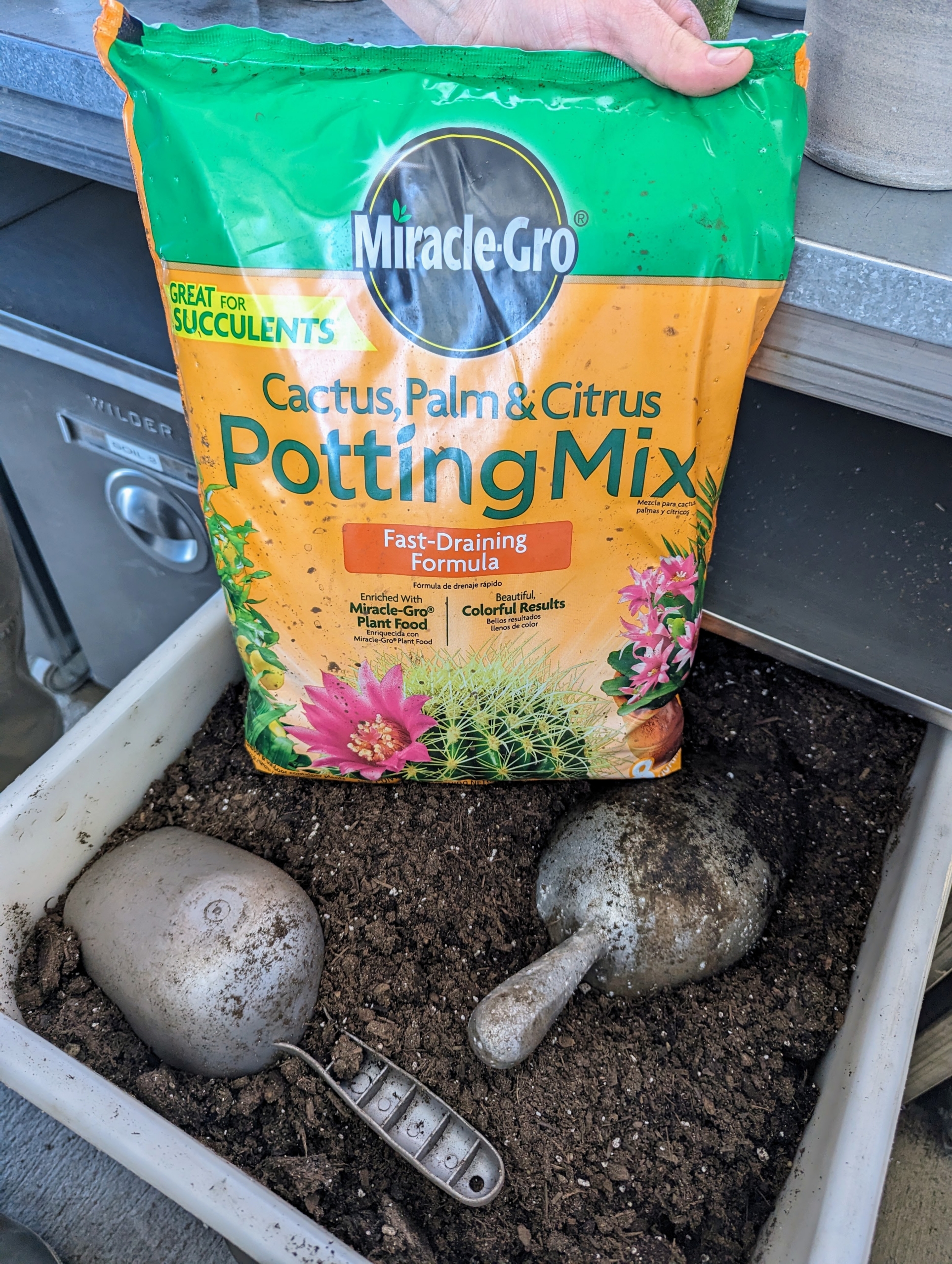
- Before potting, Ryan puts together a suitable soil mix. The right soil mix will help to promote faster root growth and provide quick anchorage to young roots. I use Miracle-Gro potting mix specifically formulated for succulents. This mix contains sand and perlite to help prevent soil compaction and improve drainage.
-
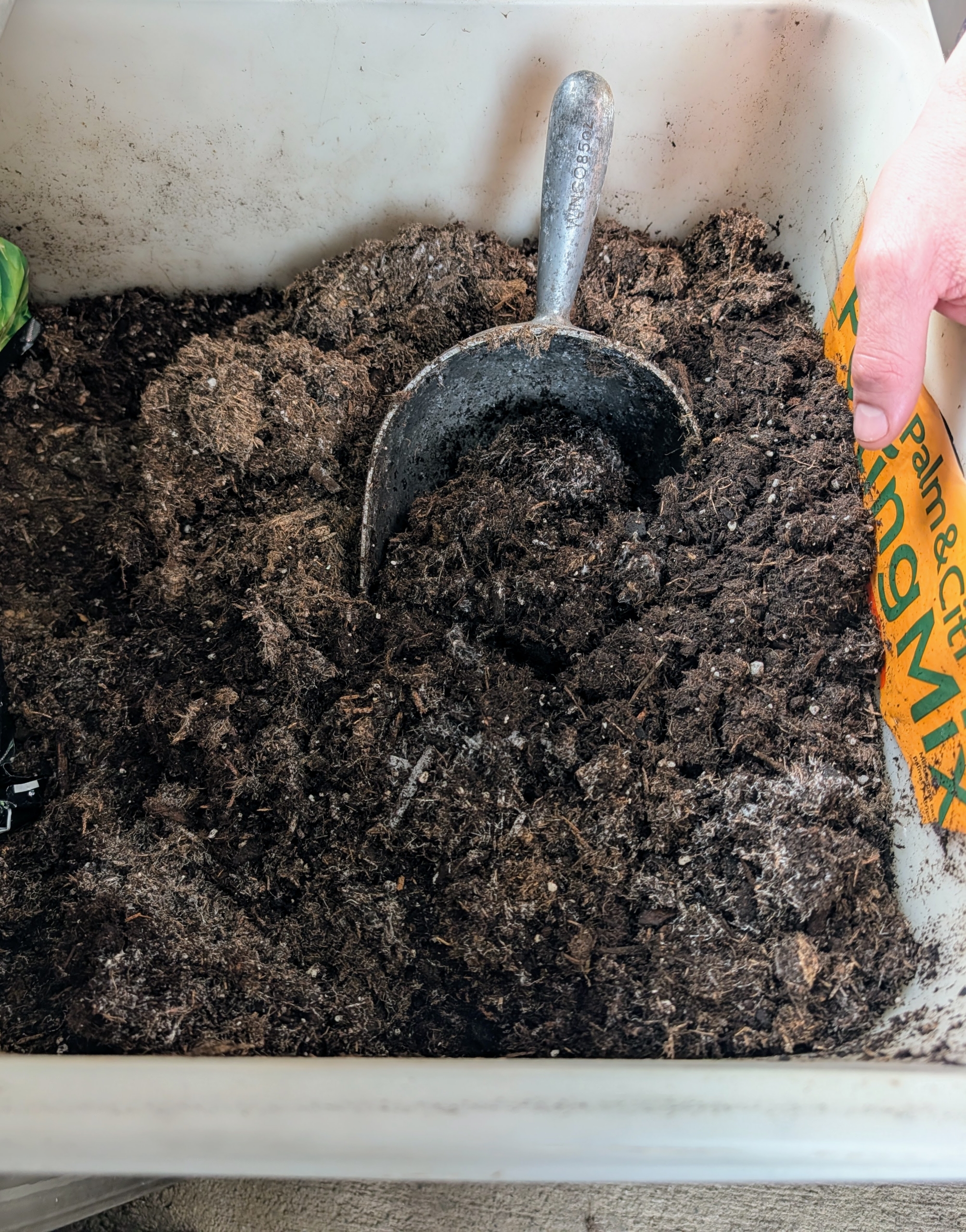
- Ryan moves several large scoops of potting mix into a bucket.
-
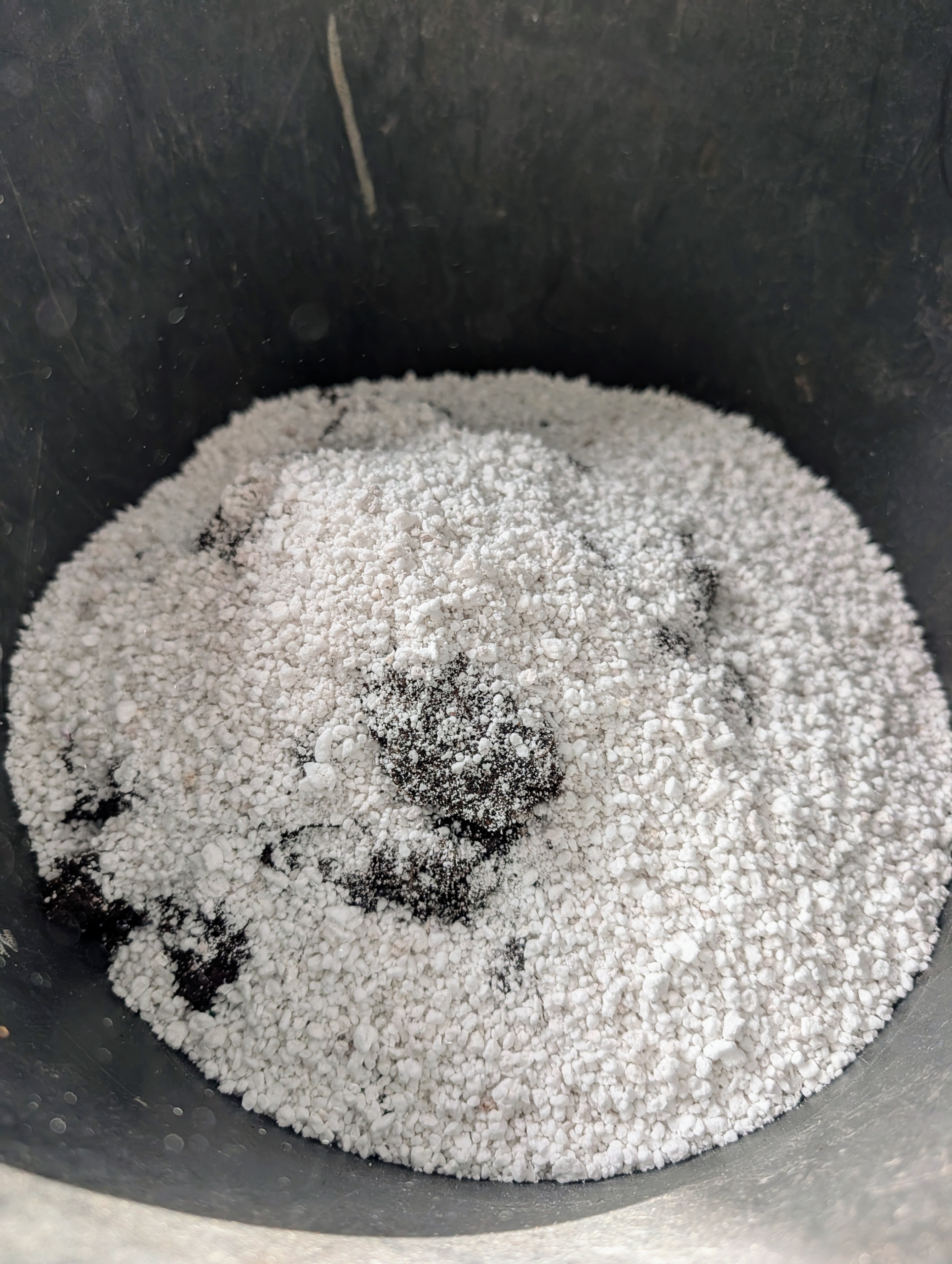
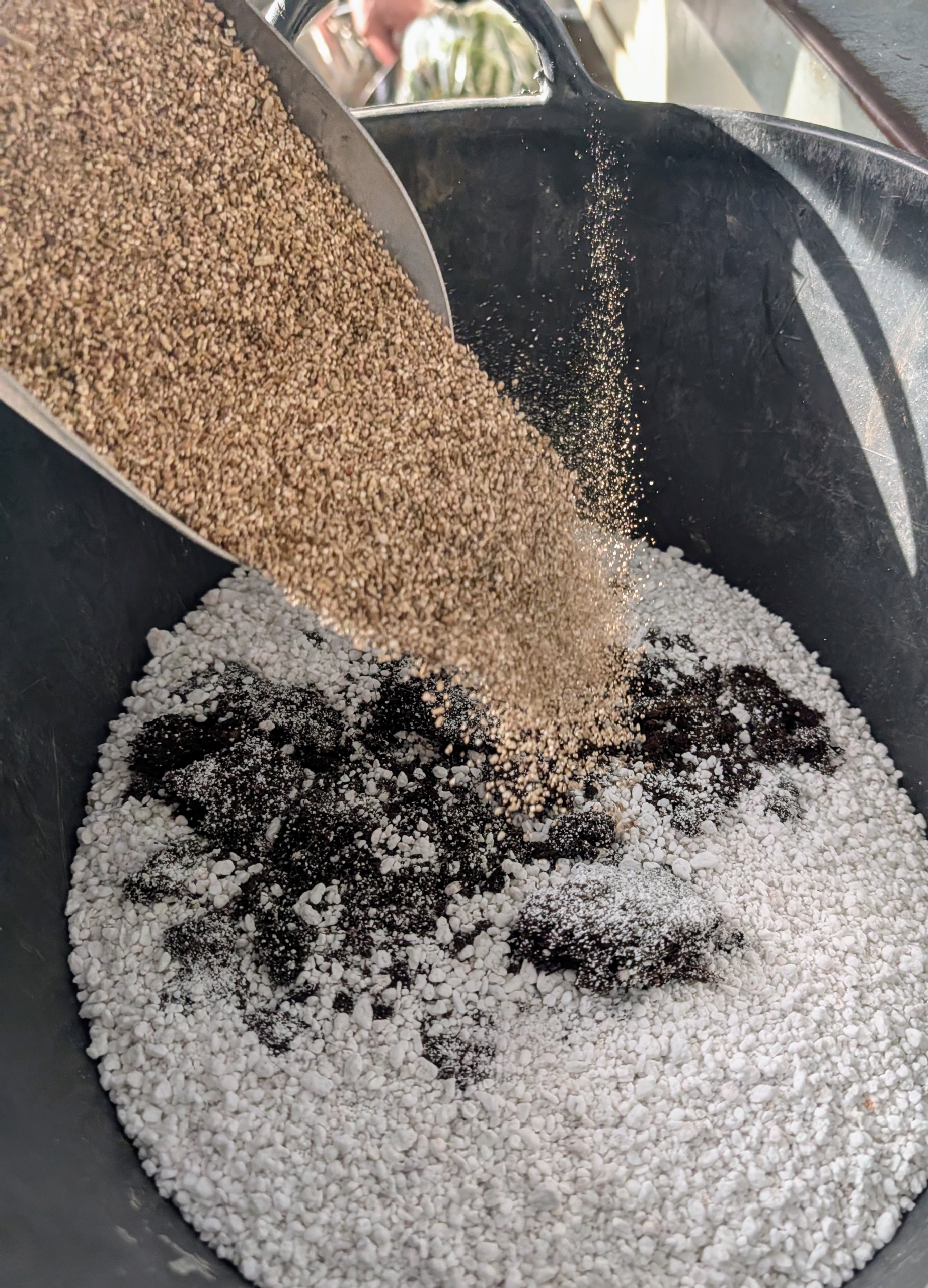
- Ryan and I also like to create our own mix to add more of the elements preferred by these plants. Ryan adds more perlite, a lightweight, porous volcanic glass used to improve aeration and drainage in soil and other plant mixes.
-
- Next, he adds some vermiculite, which is a naturally occurring mineral that expands when heated and is widely used to improve soil moisture retention and aeration.
-
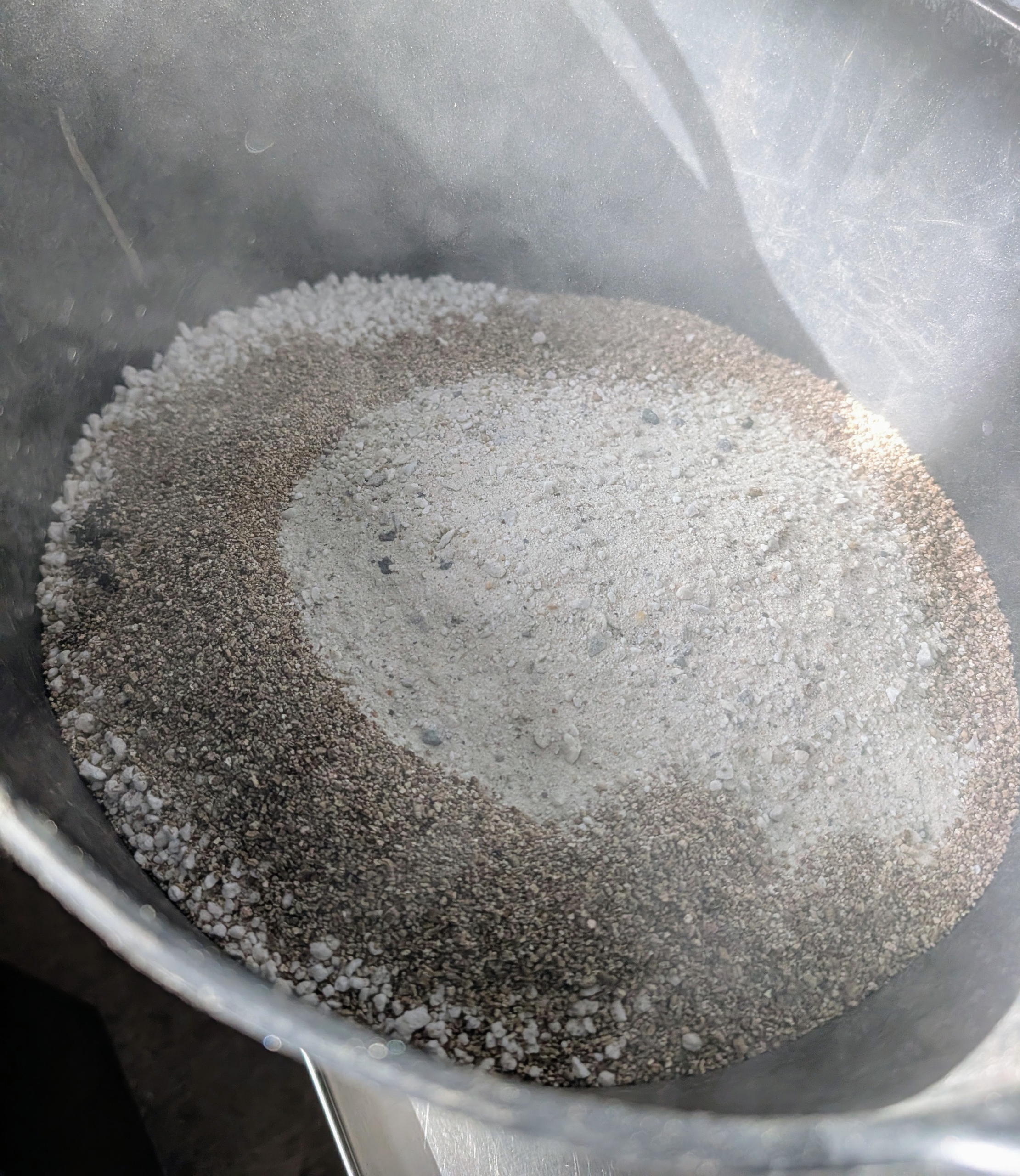
- And then he adds some horticultural sand, a very gritty sand made from crushed granite, quartz, or sandstone. Horticultural sand is often known as sharp sand, coarse sand, or quartz sand.
-
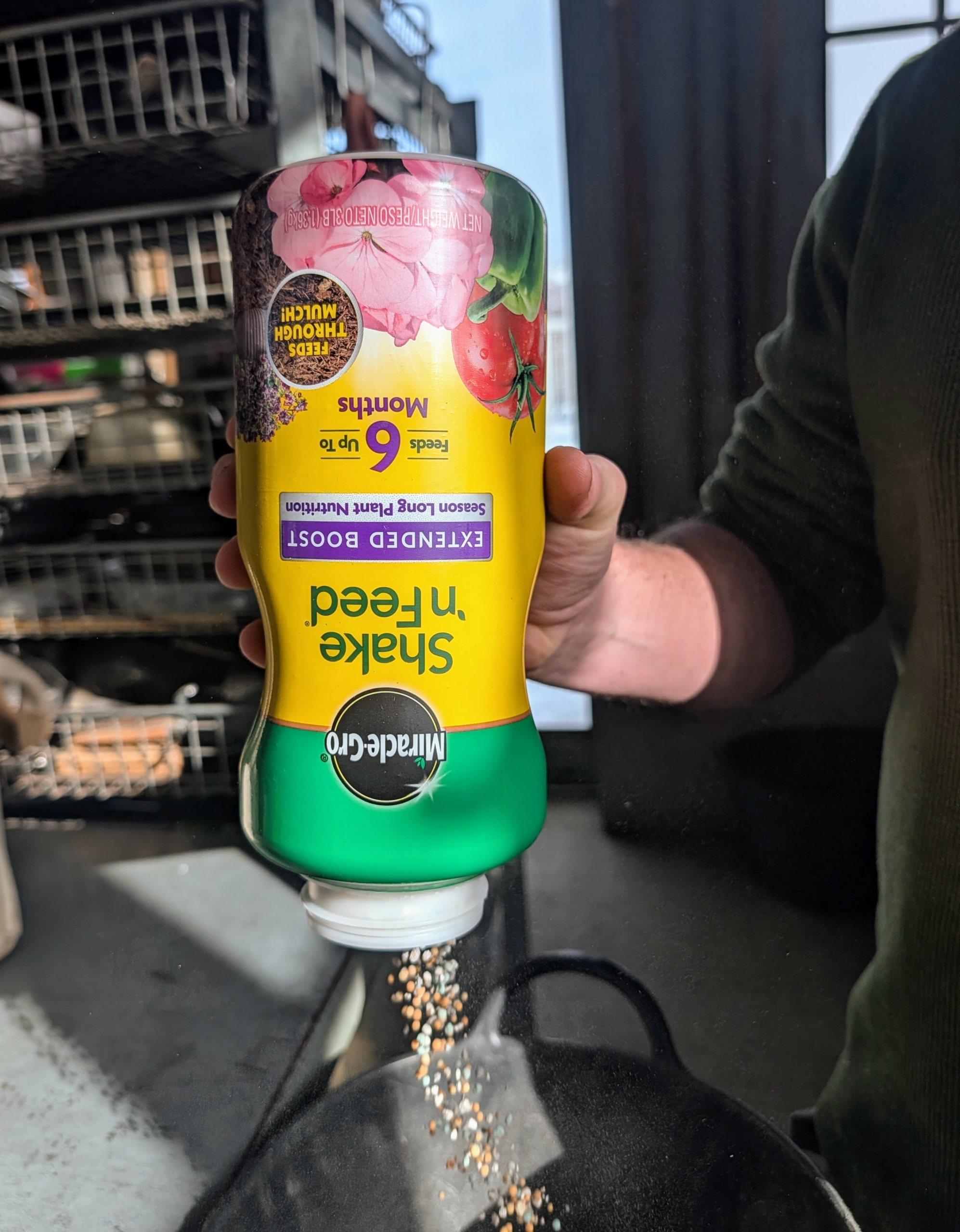
- And don’t forget to feed. Ryan sprinkles a generous amount of Miracle-Gro Shake ‘n Feed Extended Boost, which feeds up to six months.
-
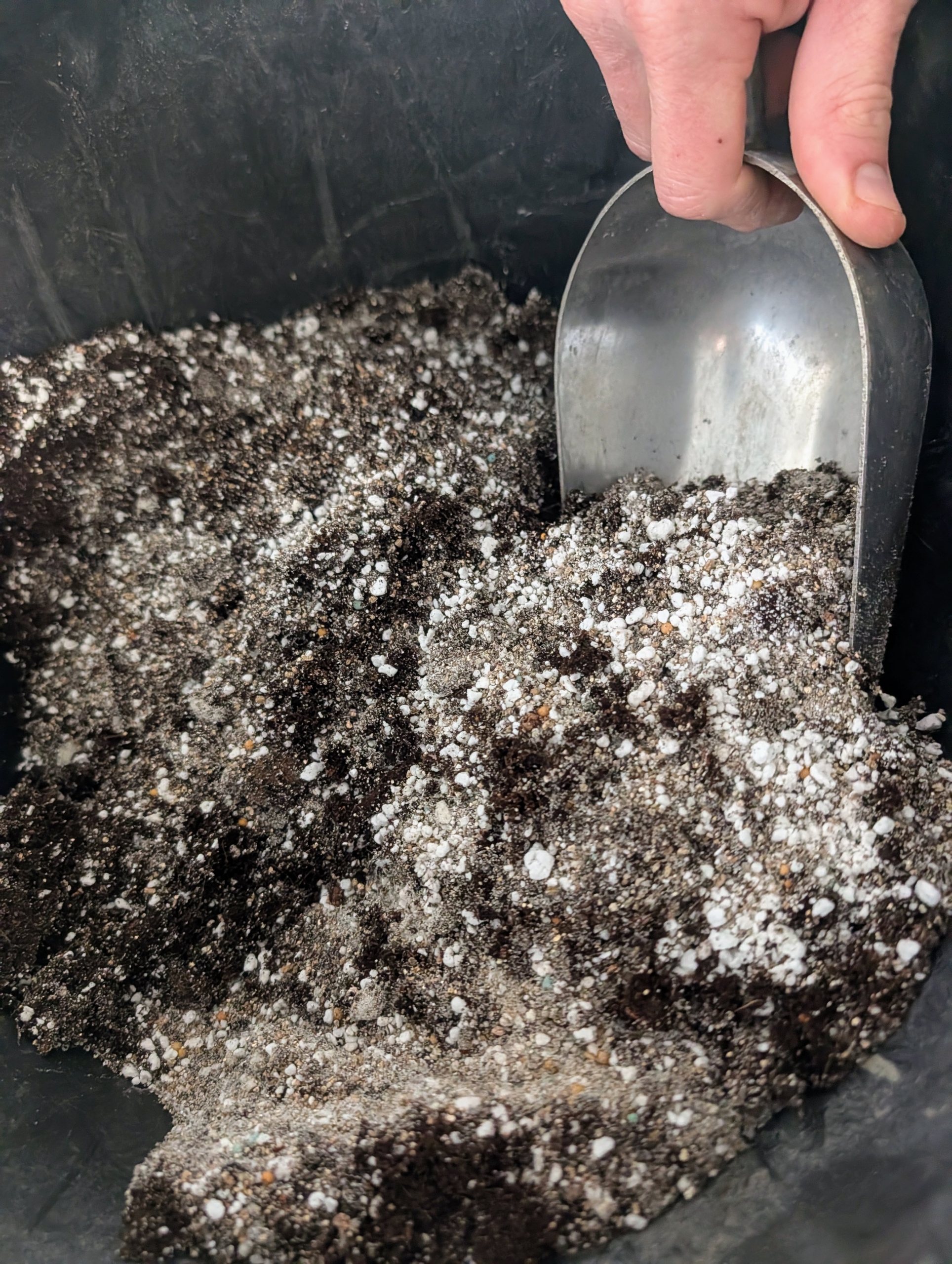
- After wetting down the mix, Ryan thoroughly combines all the elements. Because succulents don’t like wet roots, it is important to use a soil mixture that is appropriate and will drain well.
-
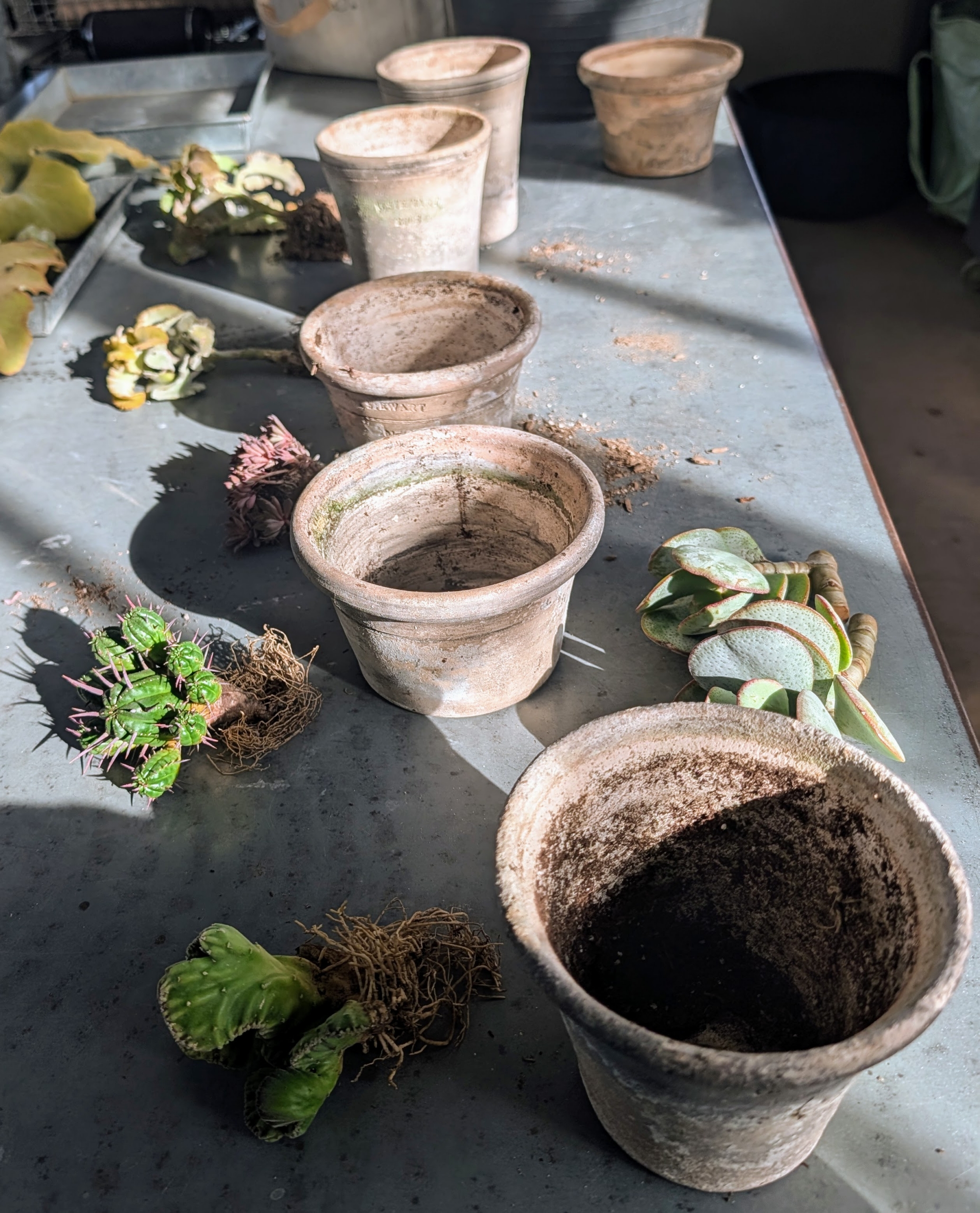
- Ryan chooses the appropriate size container for each specimen. I’ve been using Guy Wolff pots for many years – he makes every one of these by hand.
-
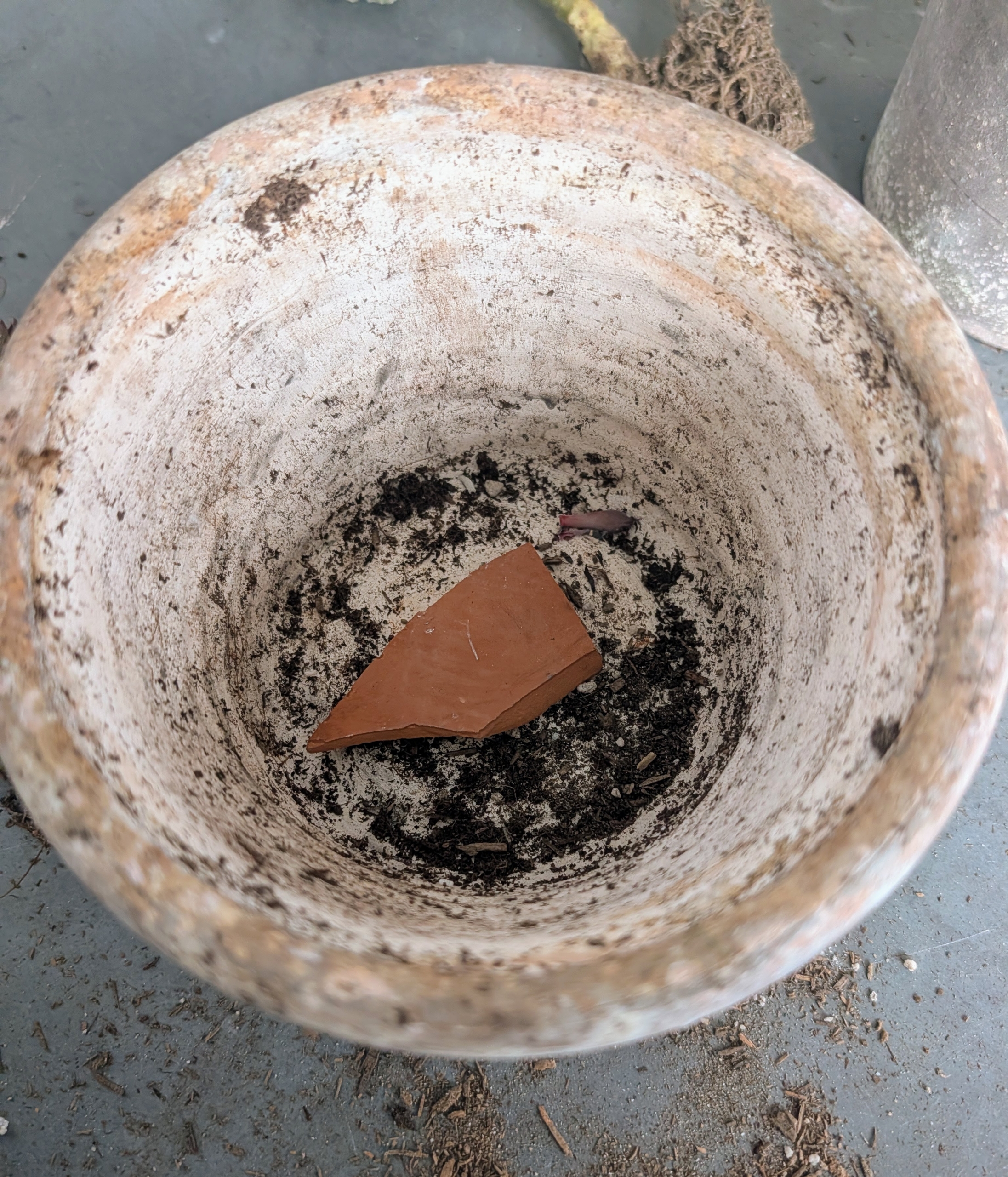
- Each pot has a drainage hole. A clay shard is placed over the hole to help with drainage. I also like to use clay pots because they allow proper aeration and moisture to penetrate through the sides and to the plant.
-
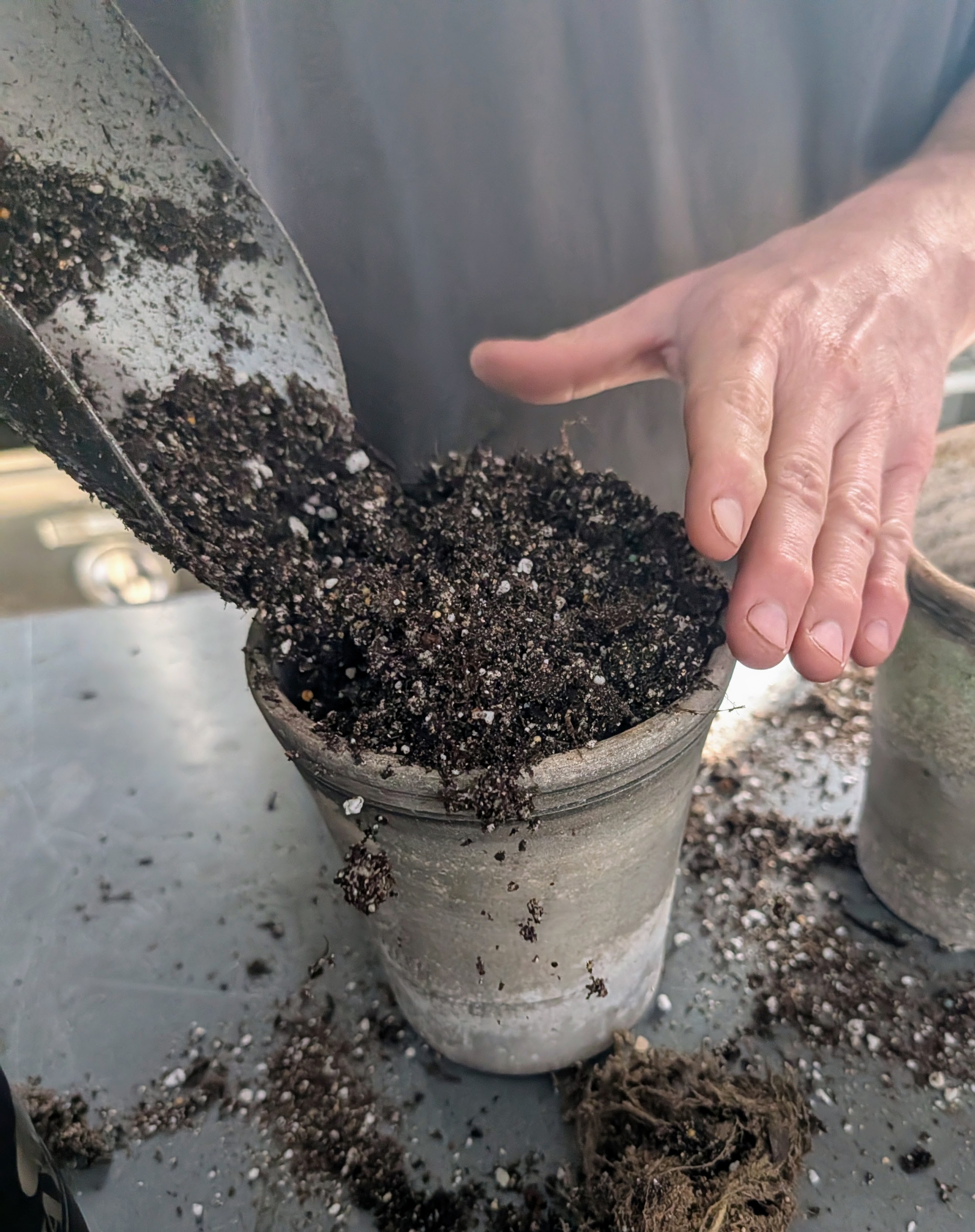
- Ryan fills the pots with the soil mix, adding just enough so it is filled just below the top rim of the pot. When potting several plants, Ryan works in an efficient production line process – filling all the pots first and then pot them up.
-
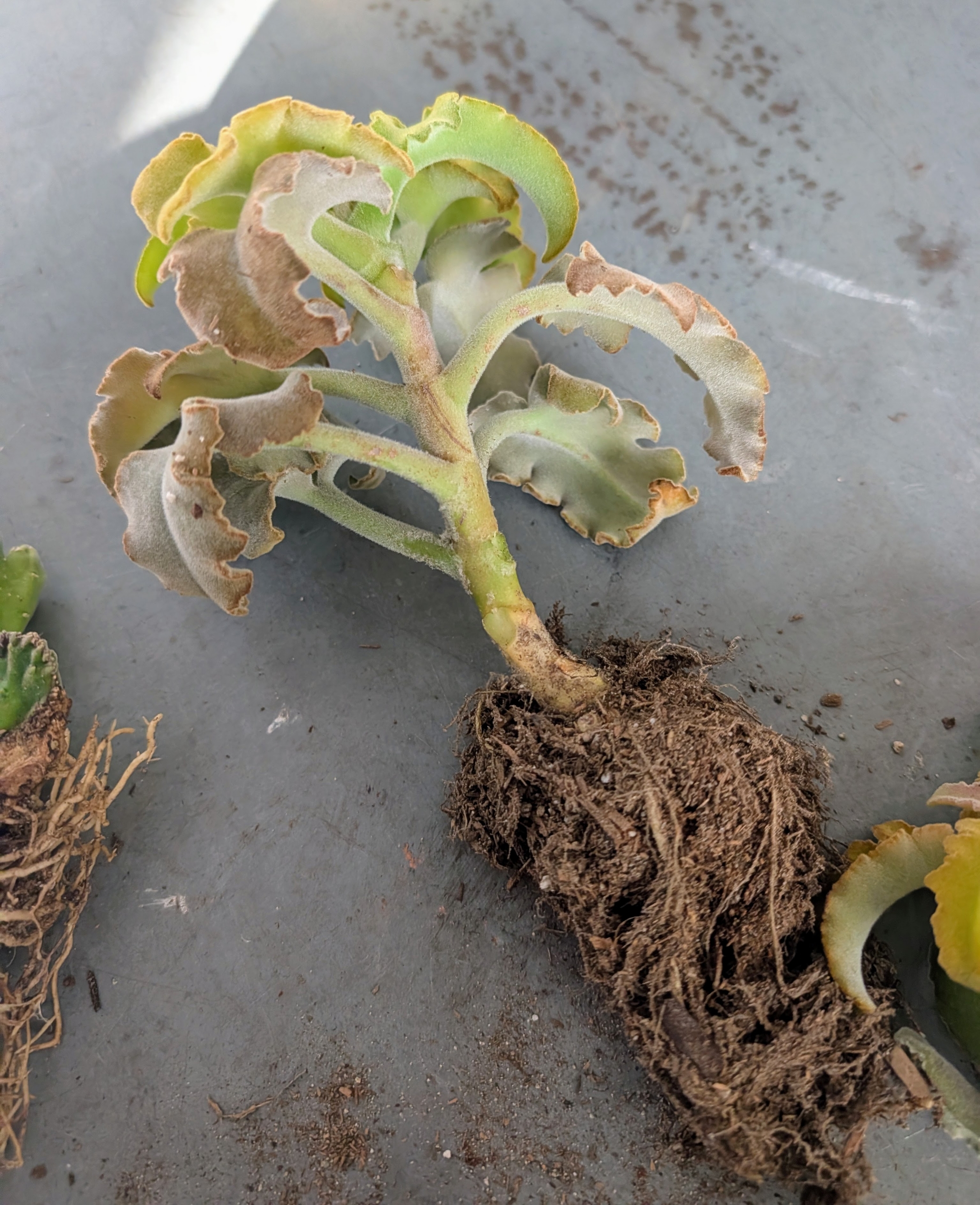
- These succulent roots are light in color, long enough to hold the dirt in the pot, and veiny. Healthy roots will appear moist and will taper in thickness the further they get from the plant.
-
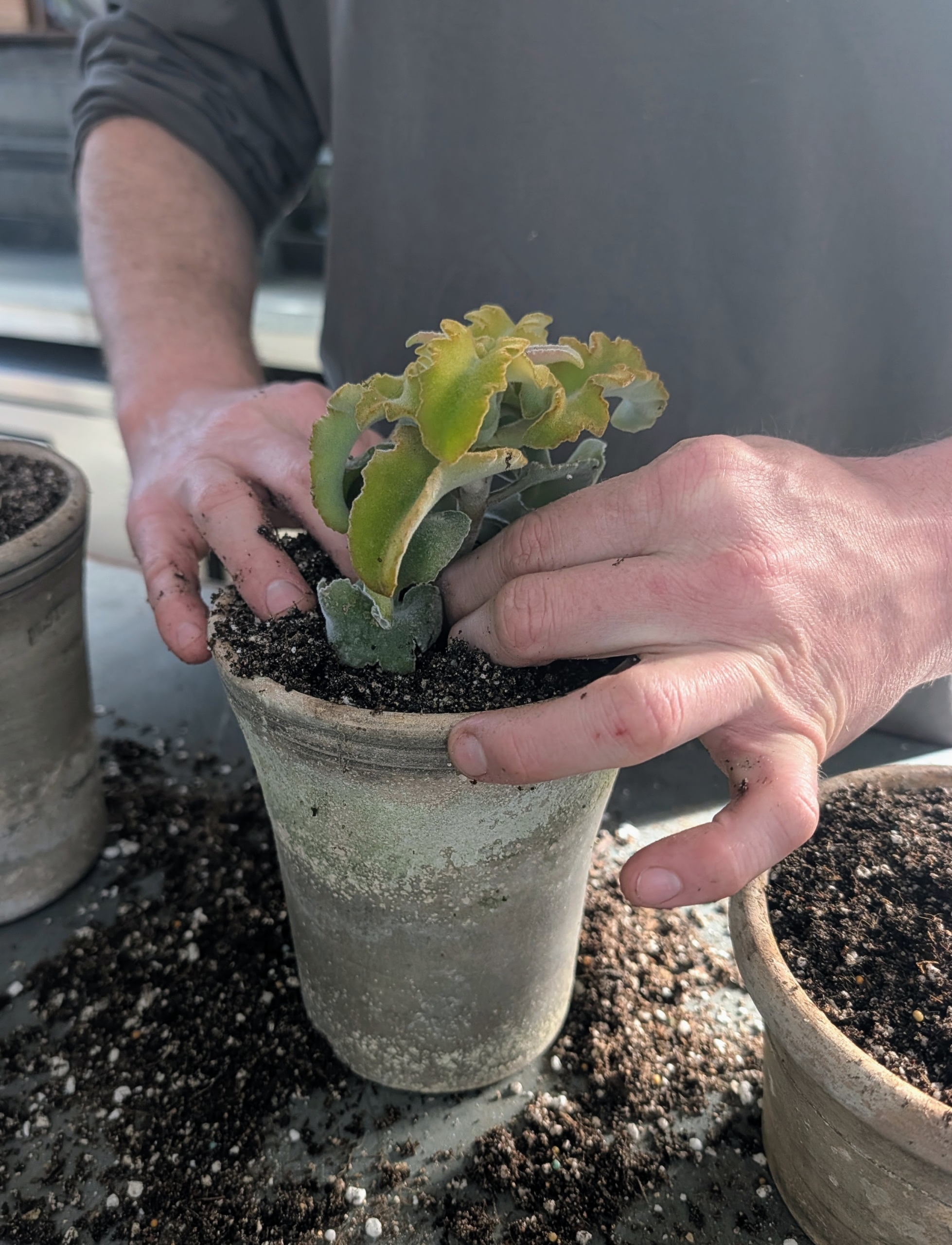
- The Kalanchoe is a popular succulent plant known for its thick, fleshy leaves and vibrant, long-lasting flowers, making it an excellent choice for indoor and outdoor gardening.
-
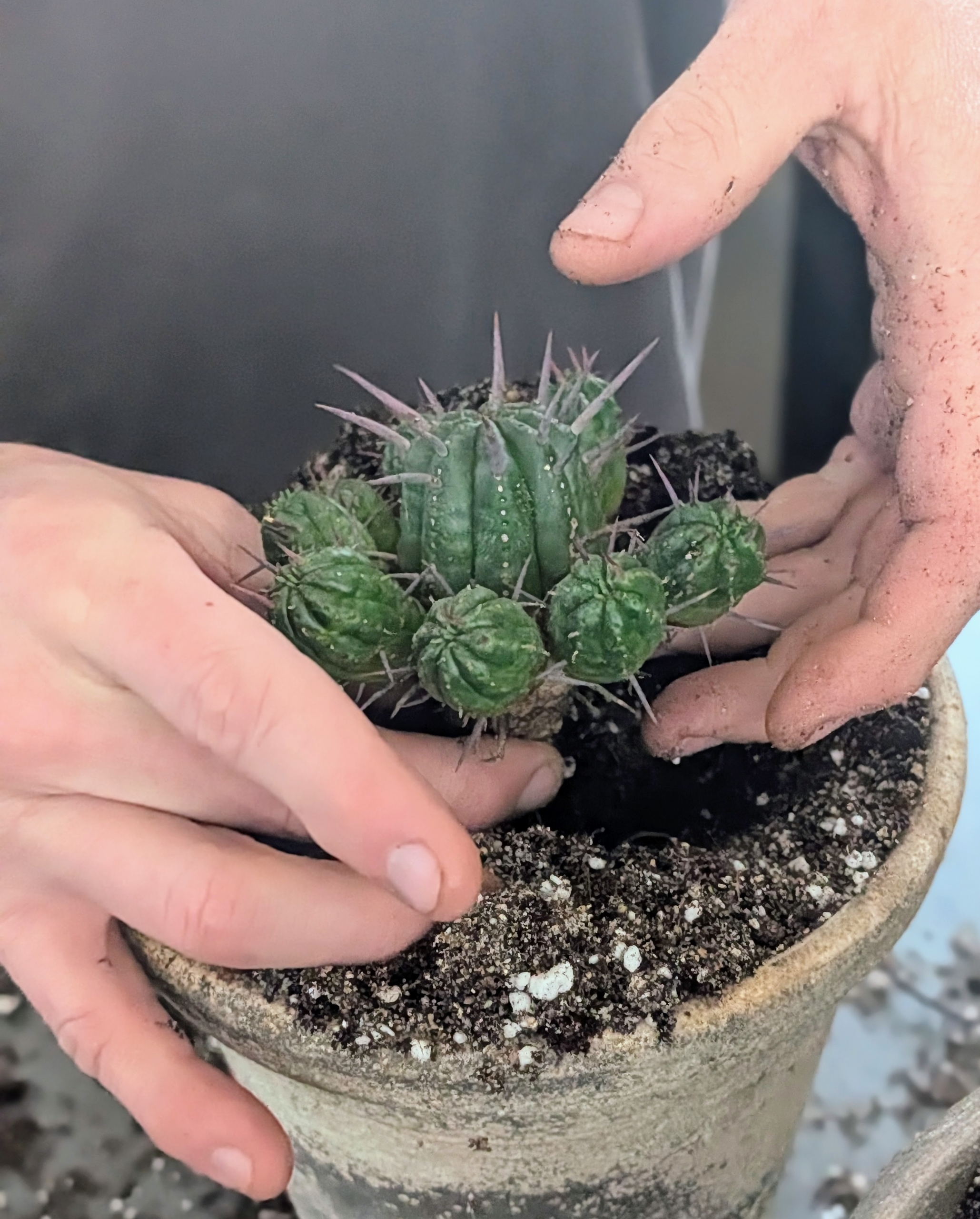
- This pincushion euphorbia is a succulent with spines on ribbed stems.
-
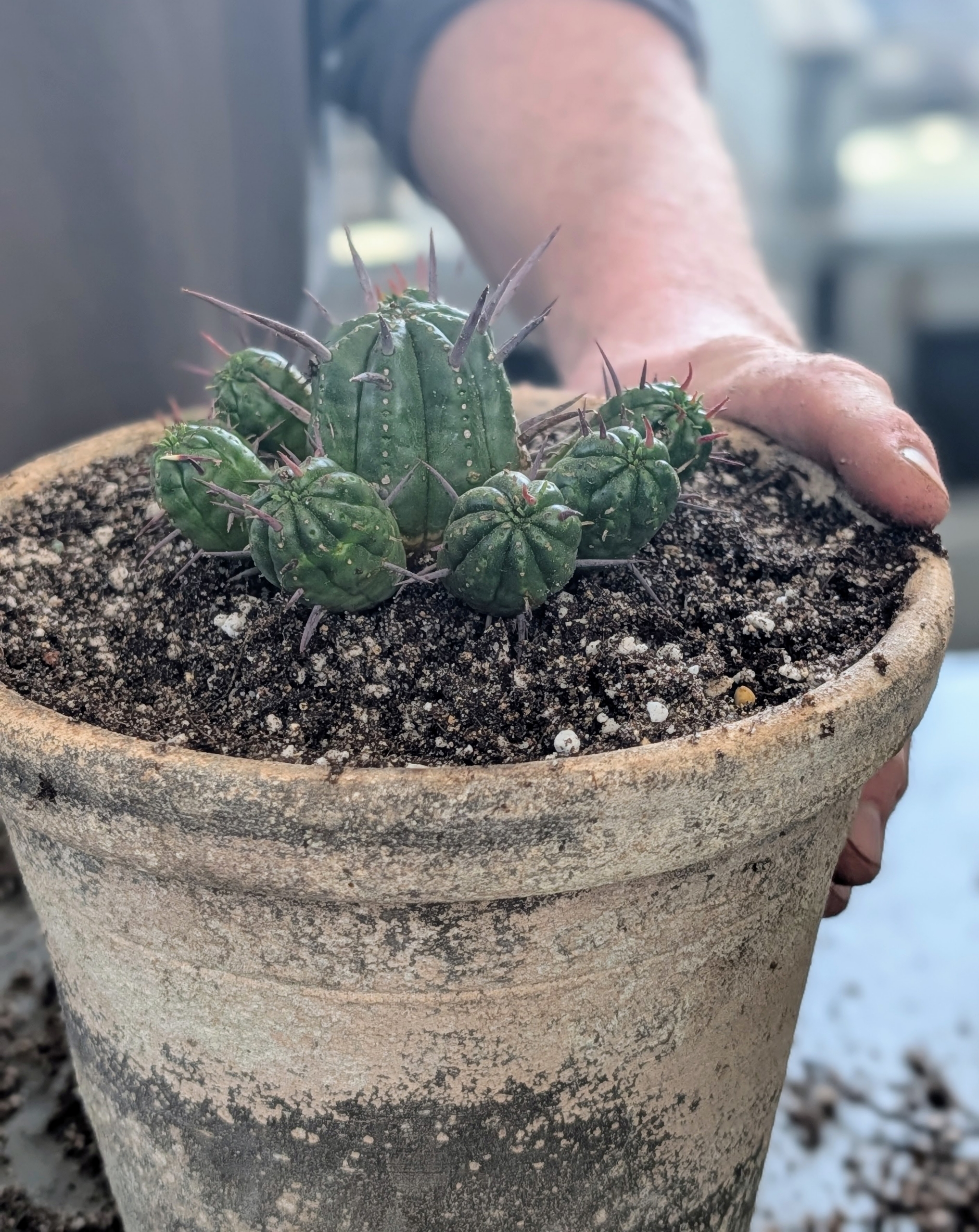
- This succulent will last a couple years in this pot before it will need to be transplanted again.
-
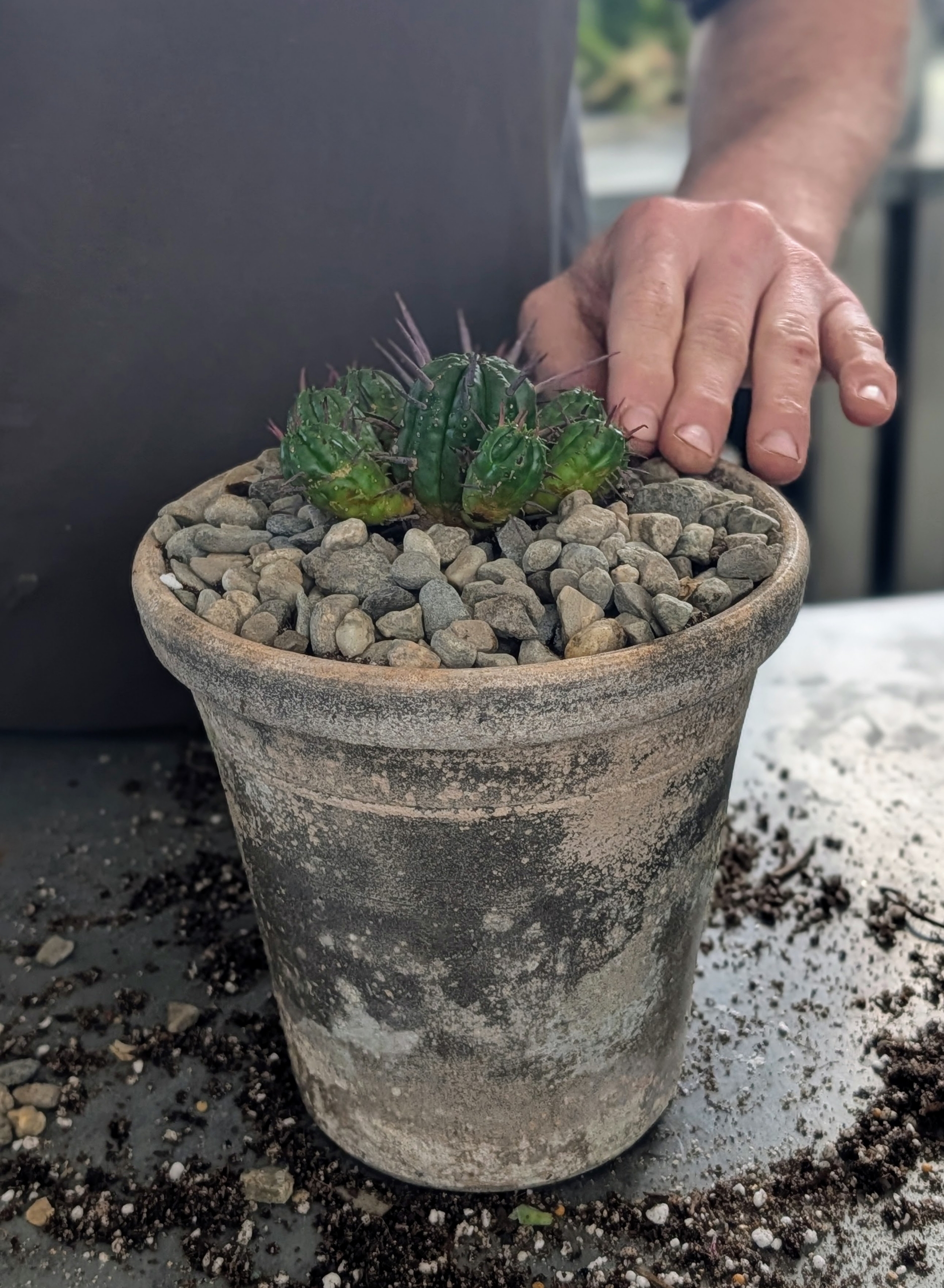
- Ryan adds pea gravel to the top of the pots. Pea gravel, so named because the pieces are pea-sized, is available at garden centers and comes in different colors.
-
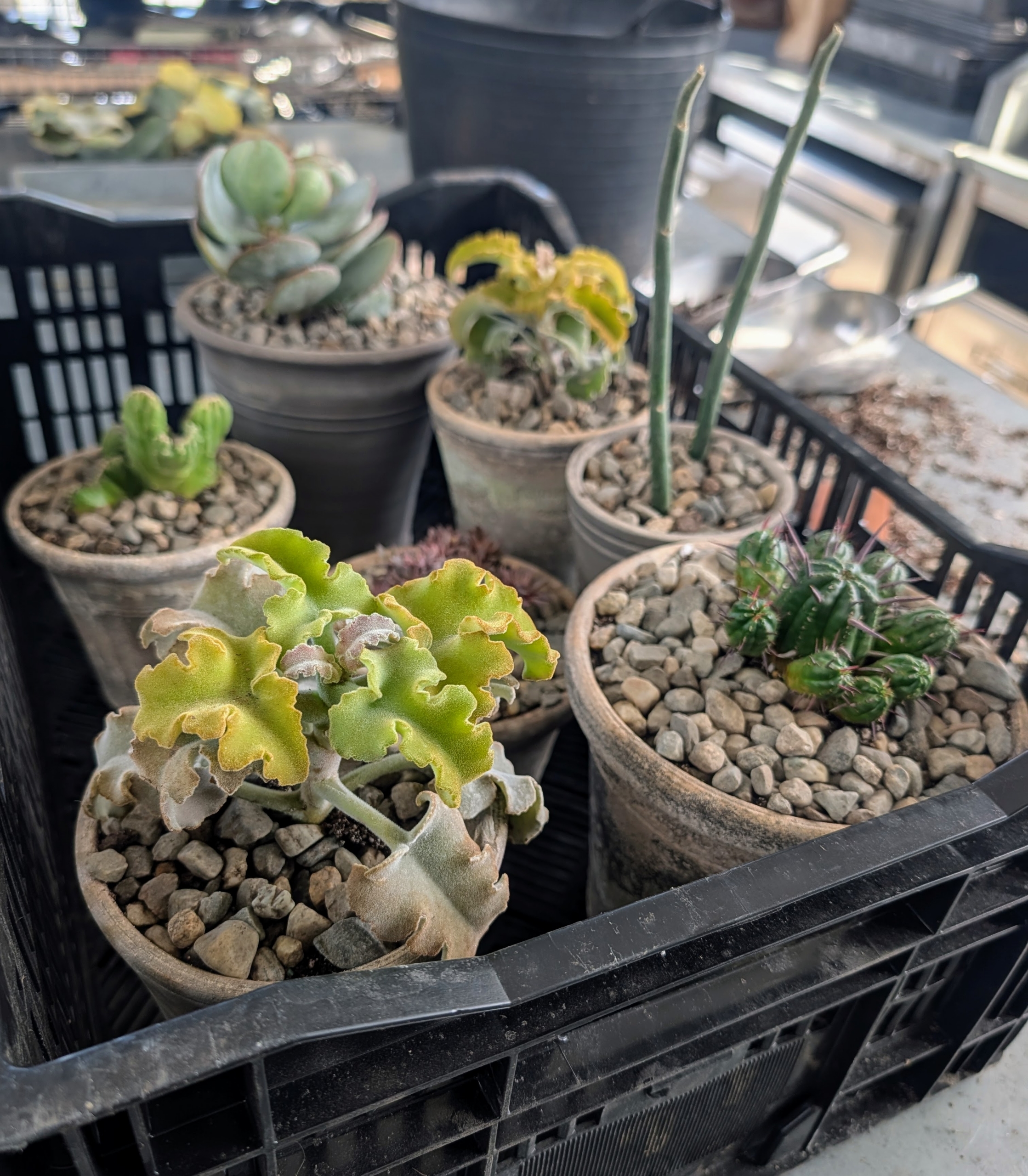
- The newly potted plants are placed into a crate and brought up to my Winter House porch.
-
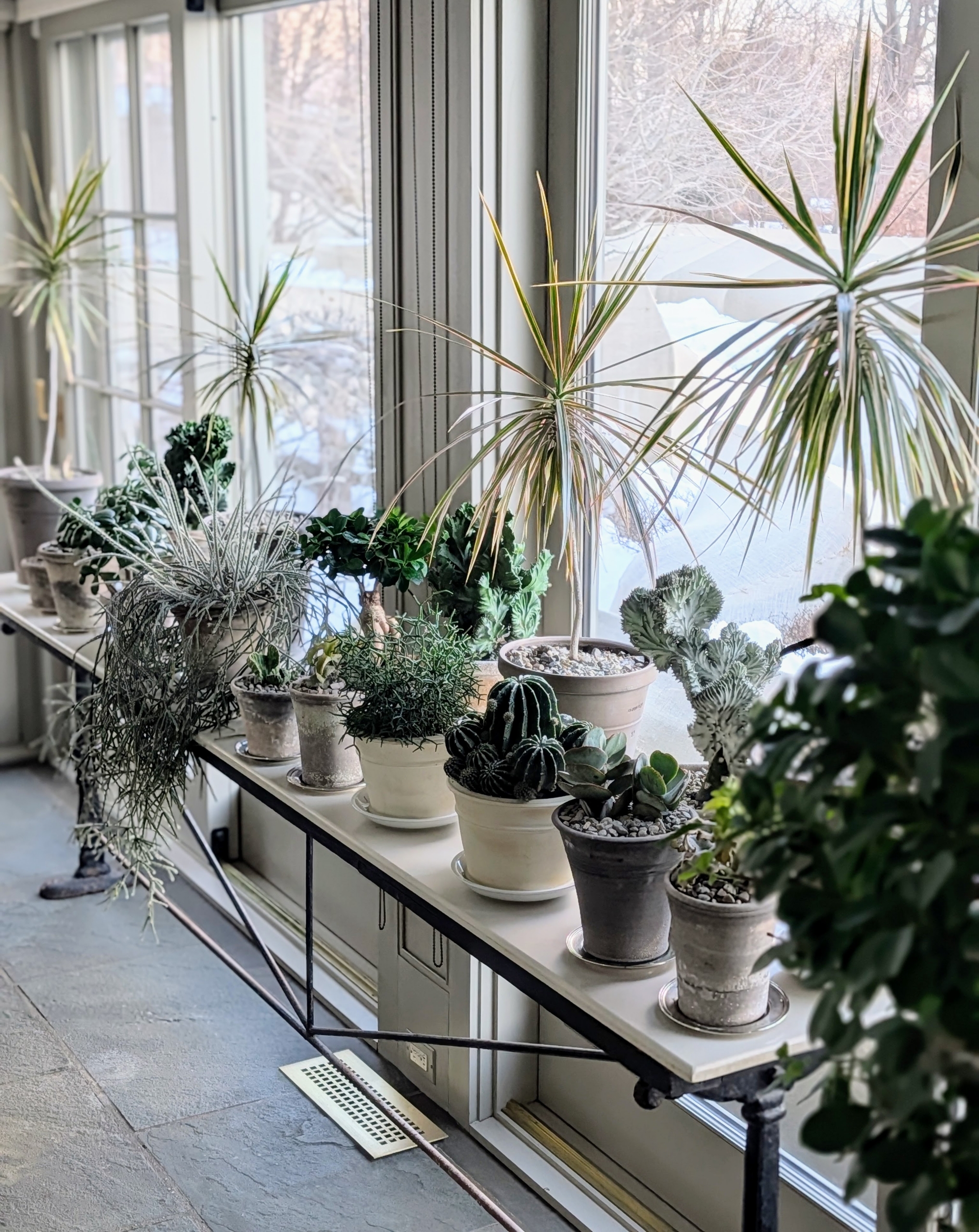
- And here they are now – joined with some other well-nurtured specimens. My porch is a lovely space for displaying potted plants. The floor to ceiling windows allow lots of light. Most succulents need at least half a day to a full day of sunlight. They’ll do beautifully in this space and will be a joy to watch grow and thrive.
 Martha Pins


 Martha Tweets

