

Planting Parkland Pillar Birch Trees
When looking for interesting, low maintenance trees for small spaces, there are some very unique and attractive tree types that have narrow, upright habits, such as the Parkland Pillar Birch tree. It's dense, heat and drought tolerant, and makes a great privacy screen when planted in multiples.
Here at my farm, planting has started once again in my living maze. Much of the three-acre area is now complete and all the plants are growing excellently. Last week, my crew planted several Parkland Pillar Birch, Betula platyphylla 'Jetpark,' from First Editions Shrubs and Trees.
Enjoy these photos.
-

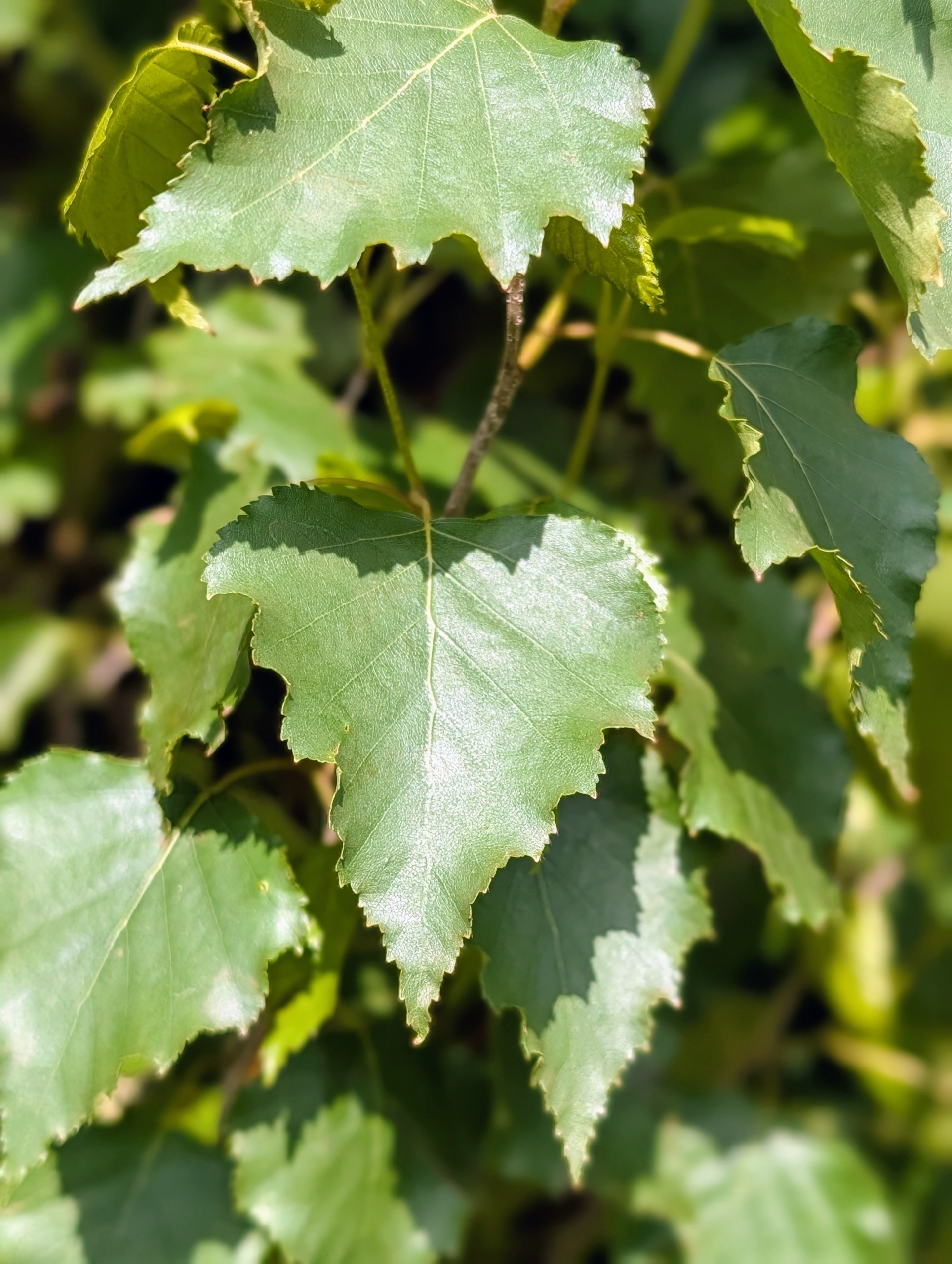
- The Parkland Pillar Birch has dense dark green foliage that turns a beautiful golden yellow in fall. It’s known for its fast growth, narrow, upright habit, and interesting white colored bark.
-
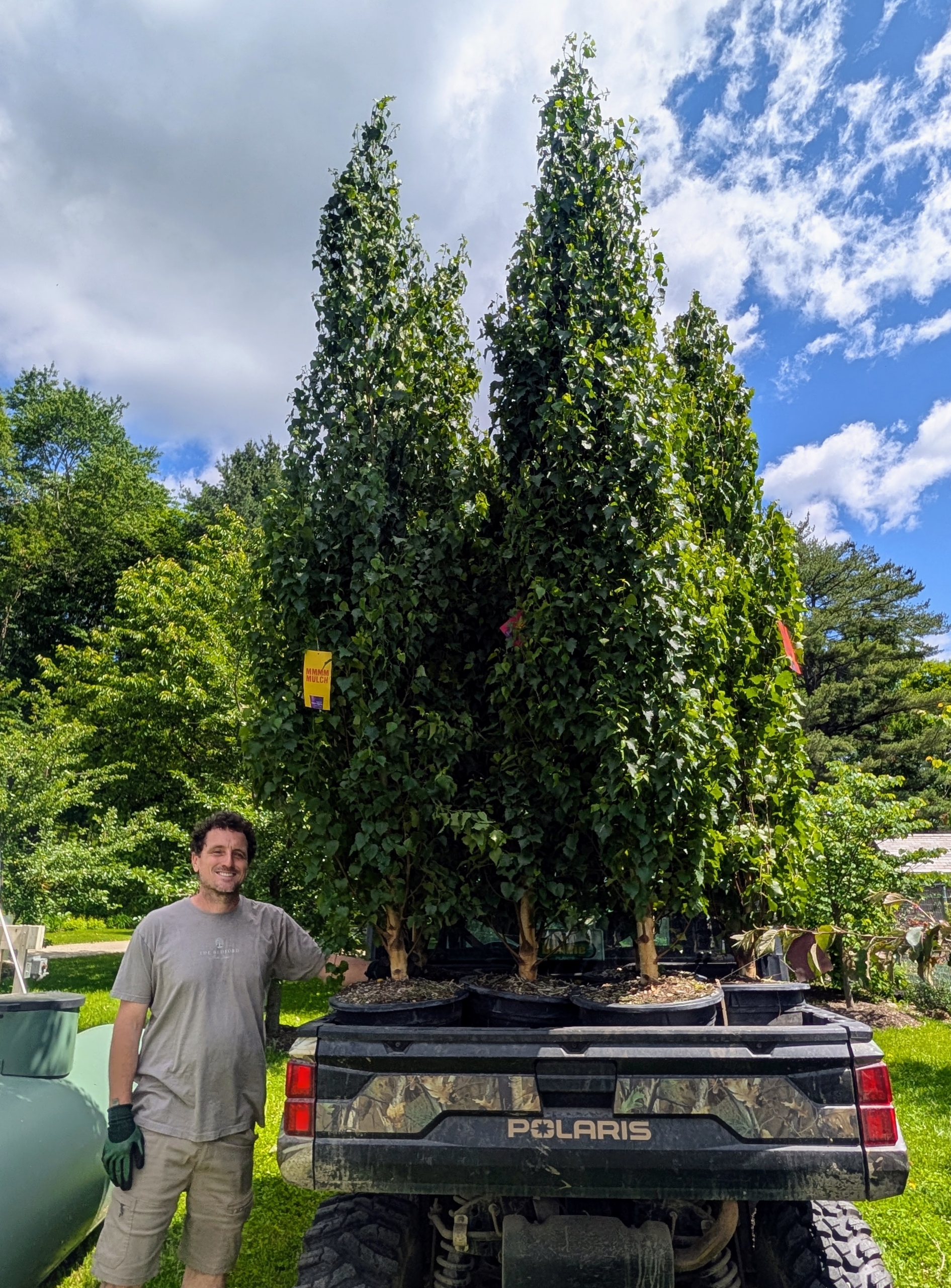
- Here’s Ryan loading several of the trees onto our trusted Polaris so they can be taken to the maze.
-
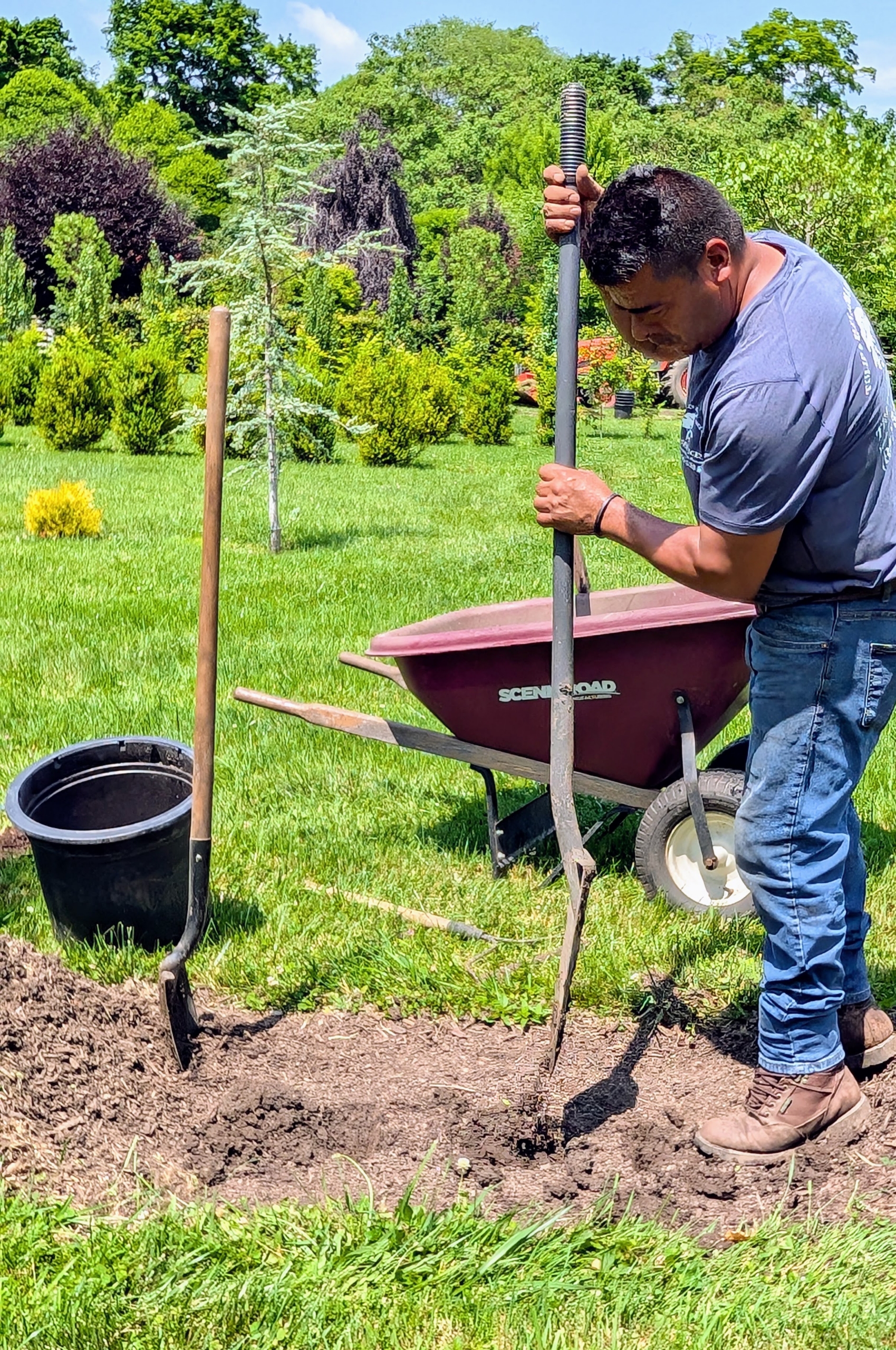
- At the maze, Arnold starts by digging the appropriate sized holes.
-
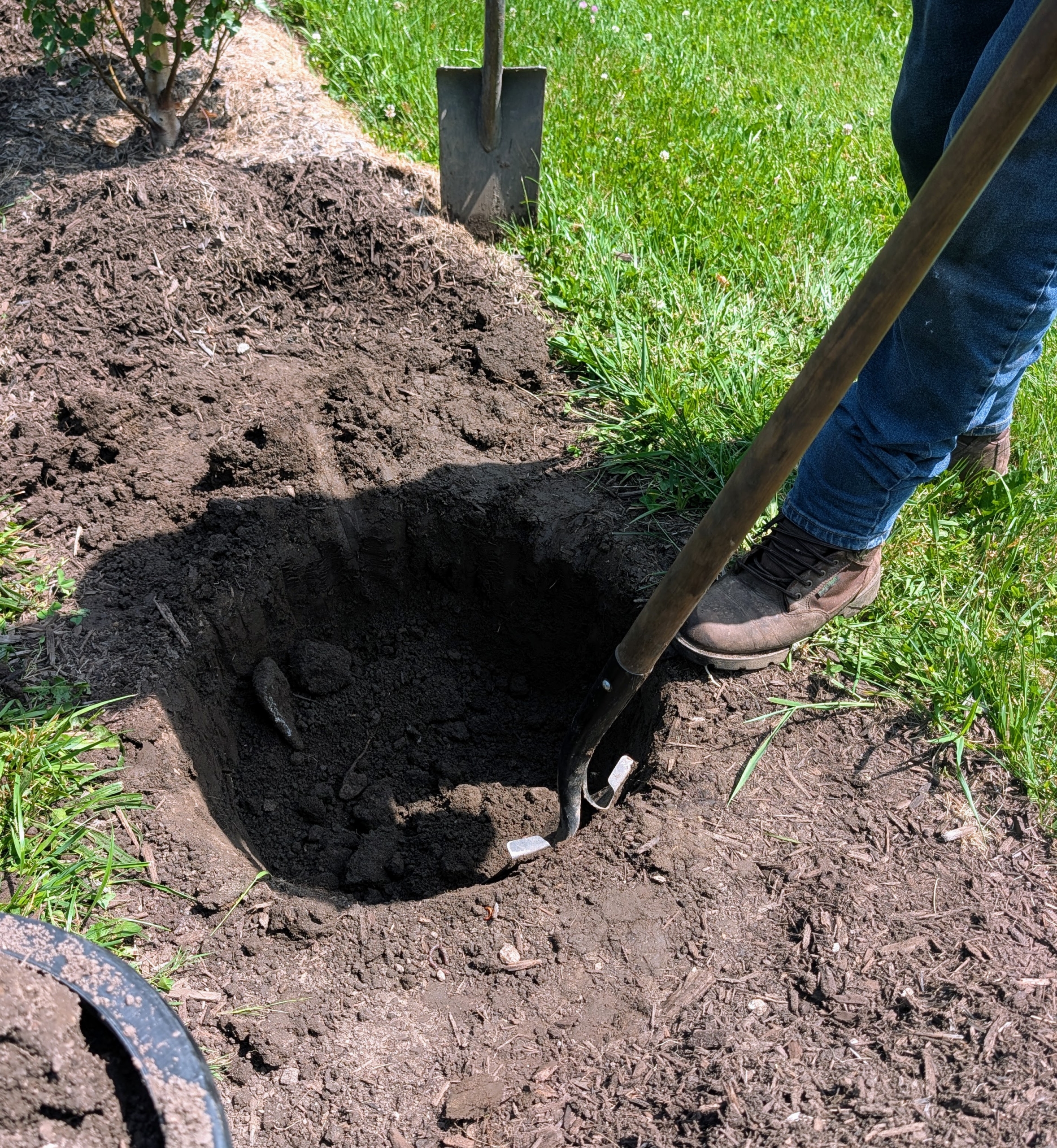
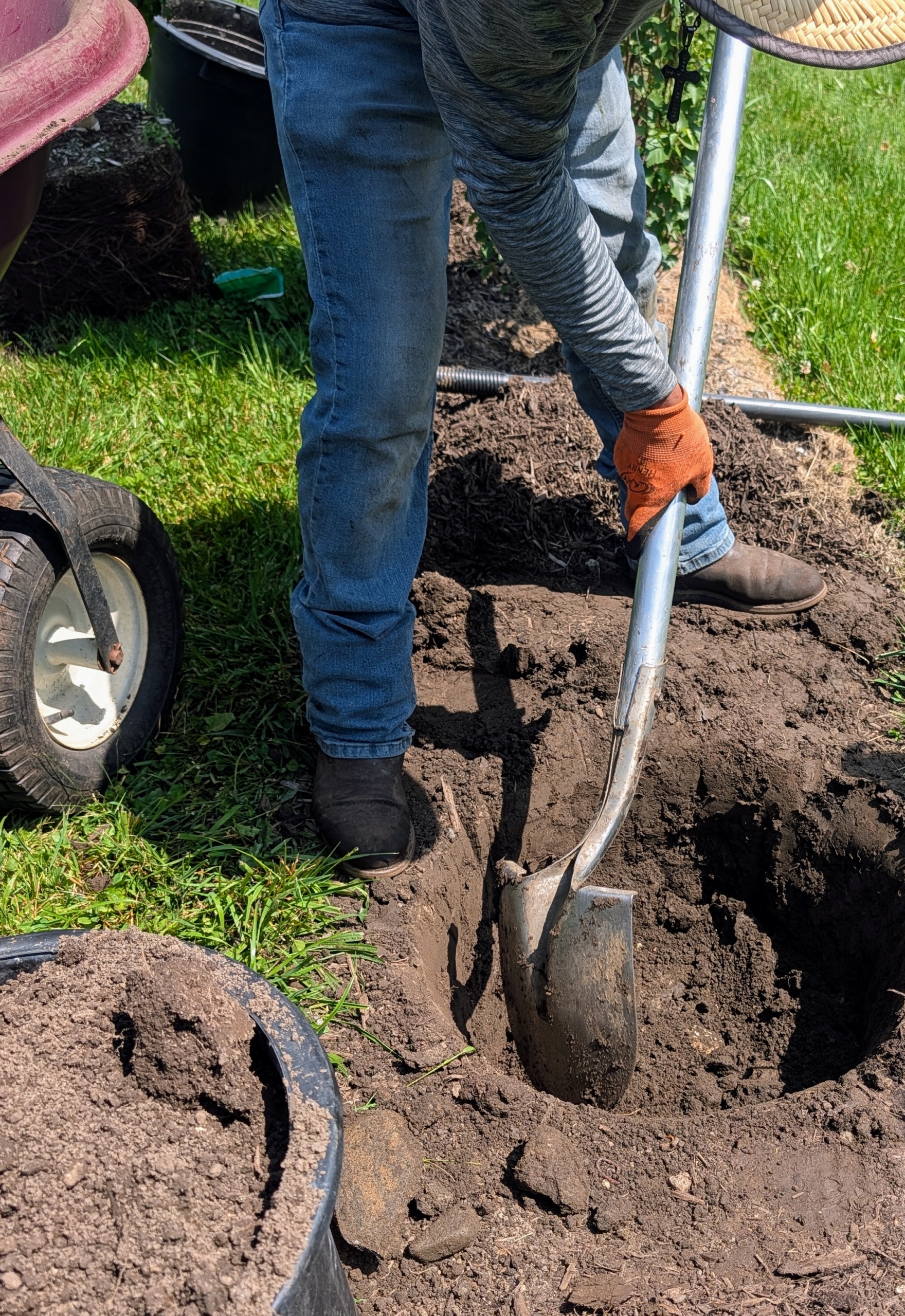
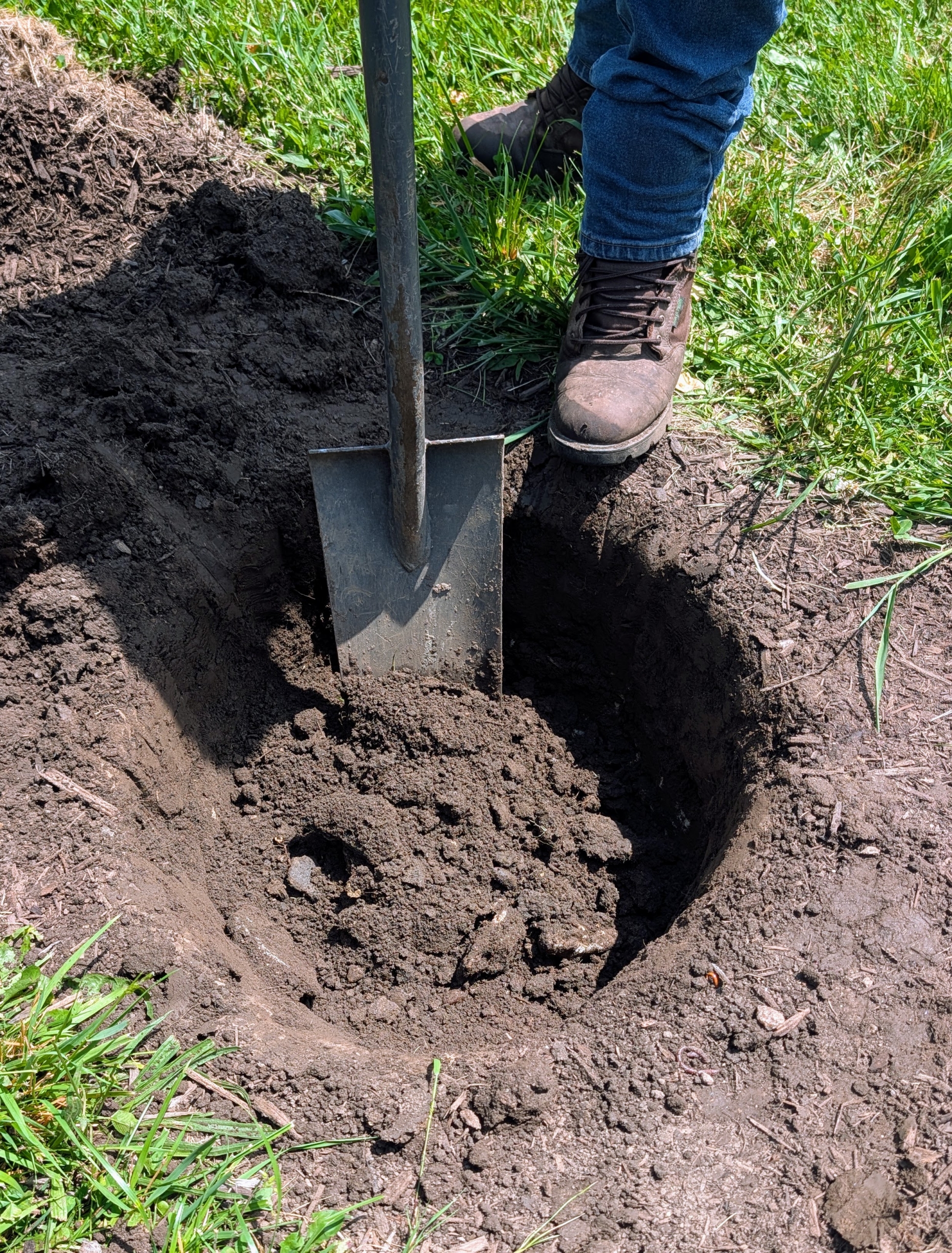
- He uses both a shovel and a spade depending on what he is doing. I always say, use the right tool for the job.
-
- Do you know the difference? A shovel is best for digging and moving loose material, such as soil, mulch, gravel, or debris. Shovels have broader, curved, or bowl-shaped blades to make this easy.
-
- The spade is designed for cutting, edging, and doing precise soil work. Here it is used to shape the hole.
-
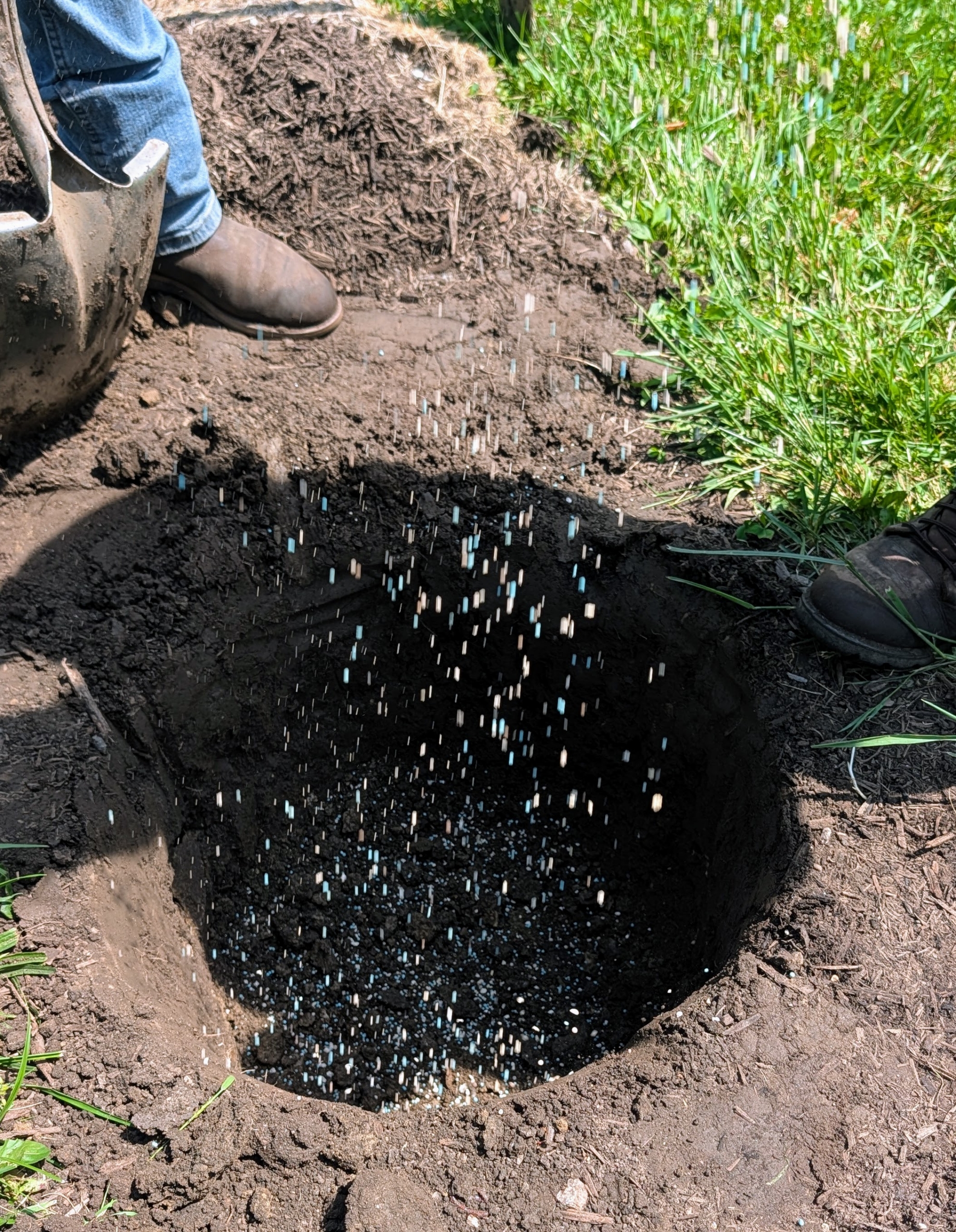
- Next, the hole and the surrounding soil are sprinkled with a generous amount of fertilizer.
-
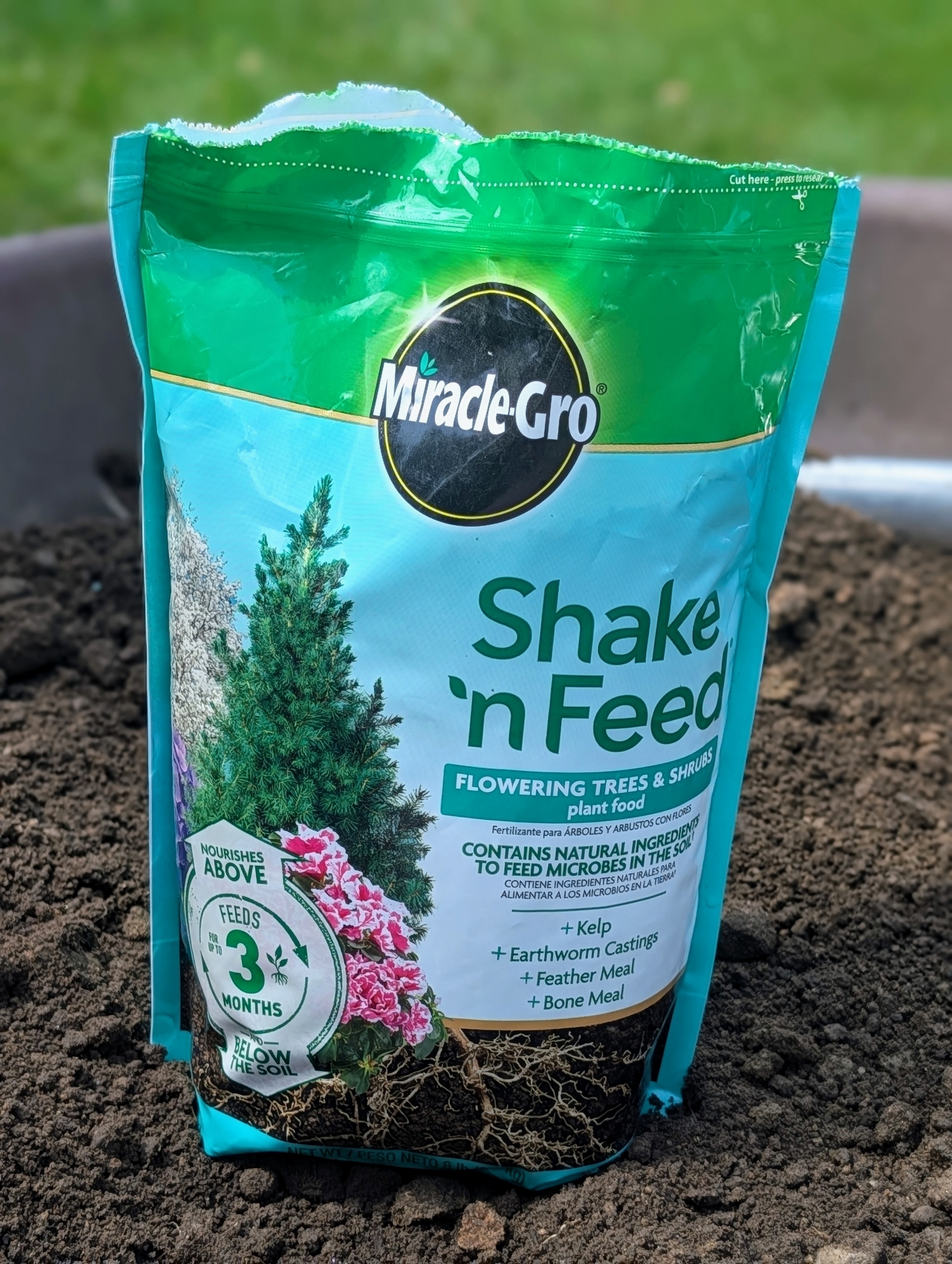
- For this project, I use Miracle-Gro Shake ‘n Feed Flowering Trees and Shrubs plant food. It contains natural ingredients such as kelp, earthworm castings, bone meal, and feather meal, which will feed the plant and maintain its deep, lush green foliage throughout the season.
-
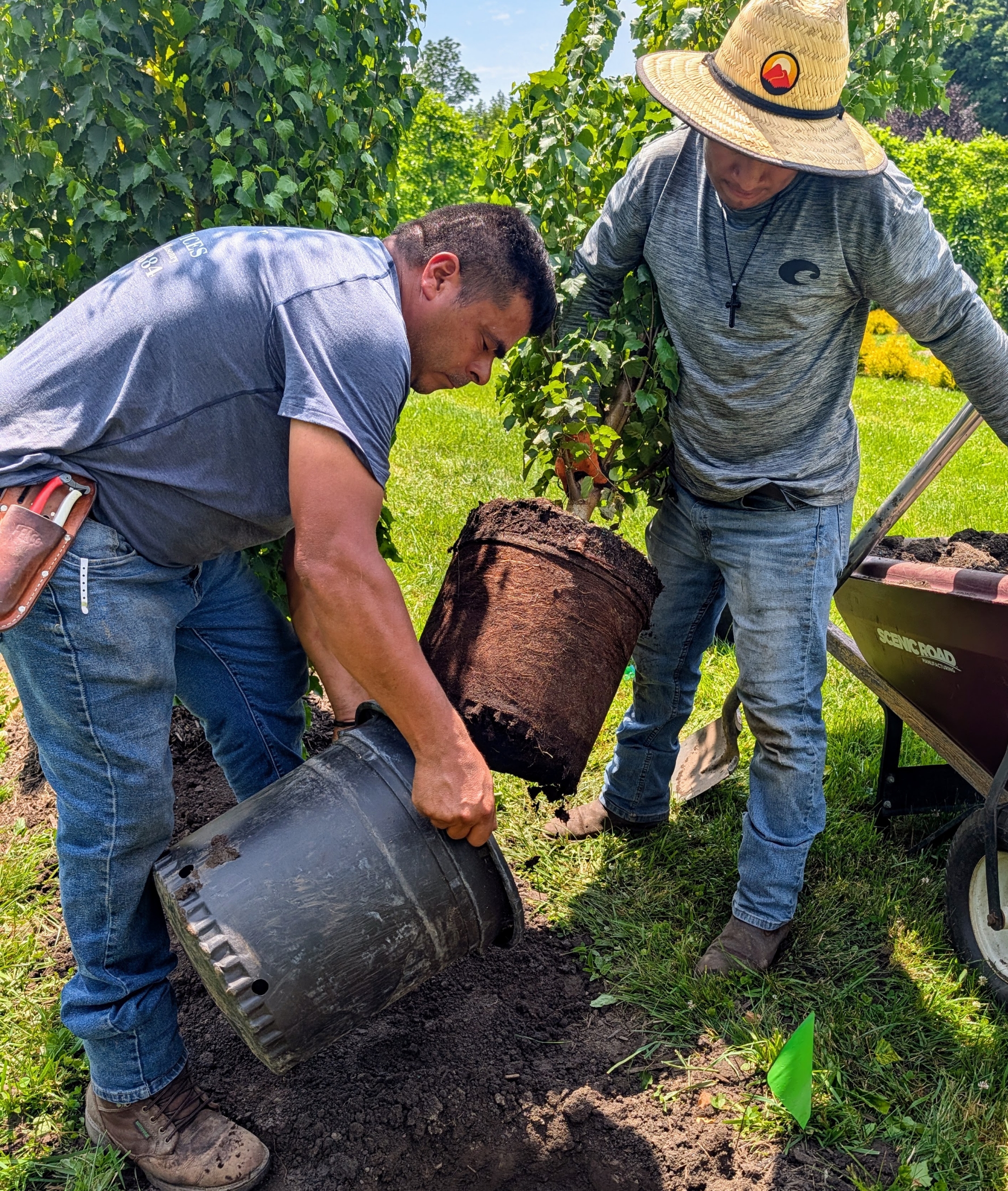
- The tree is carefully removed from its existing pot.
-
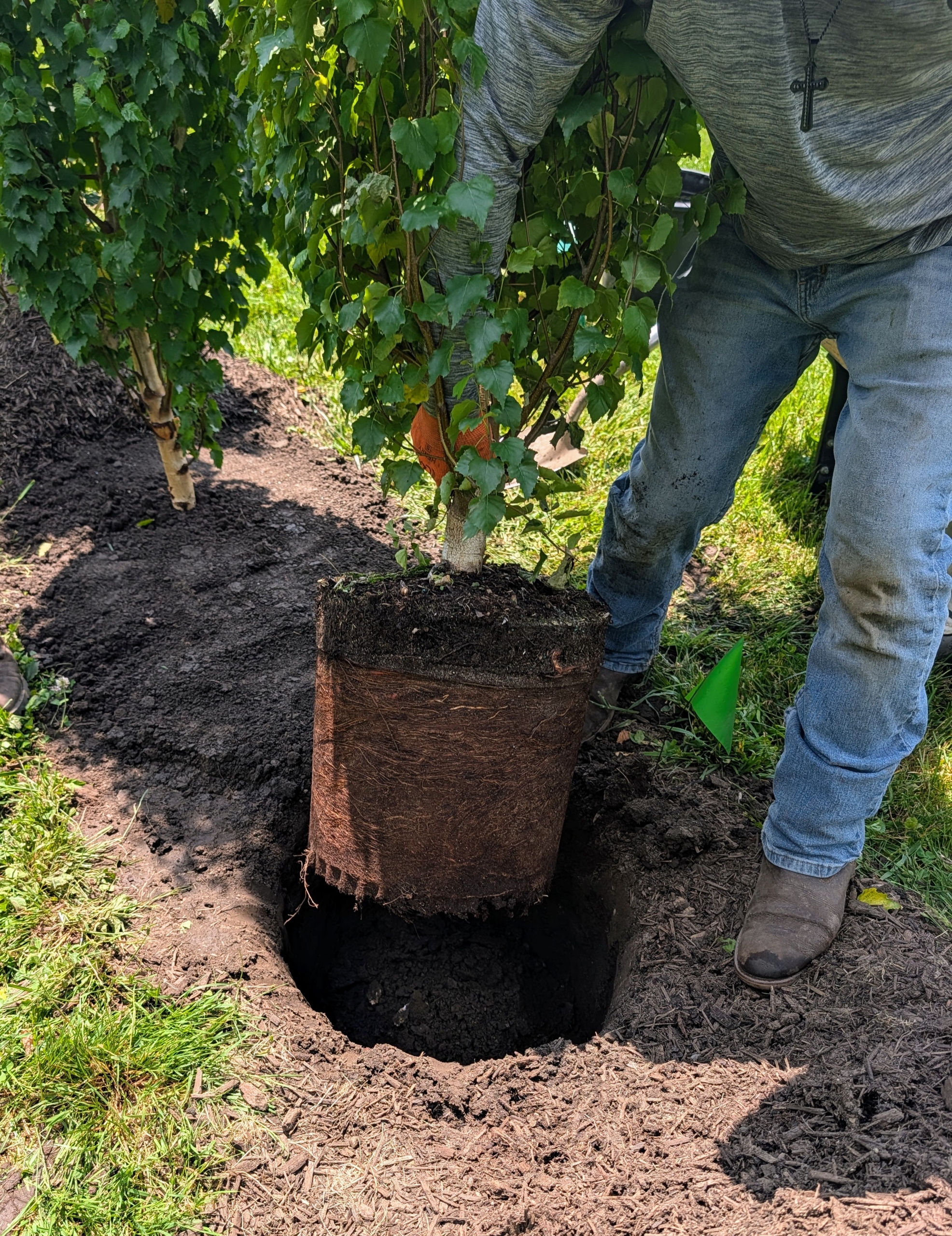
- And then placed into the hole to make sure it will sit at the right height. The top of the root ball should be level with the top of the hole.
-
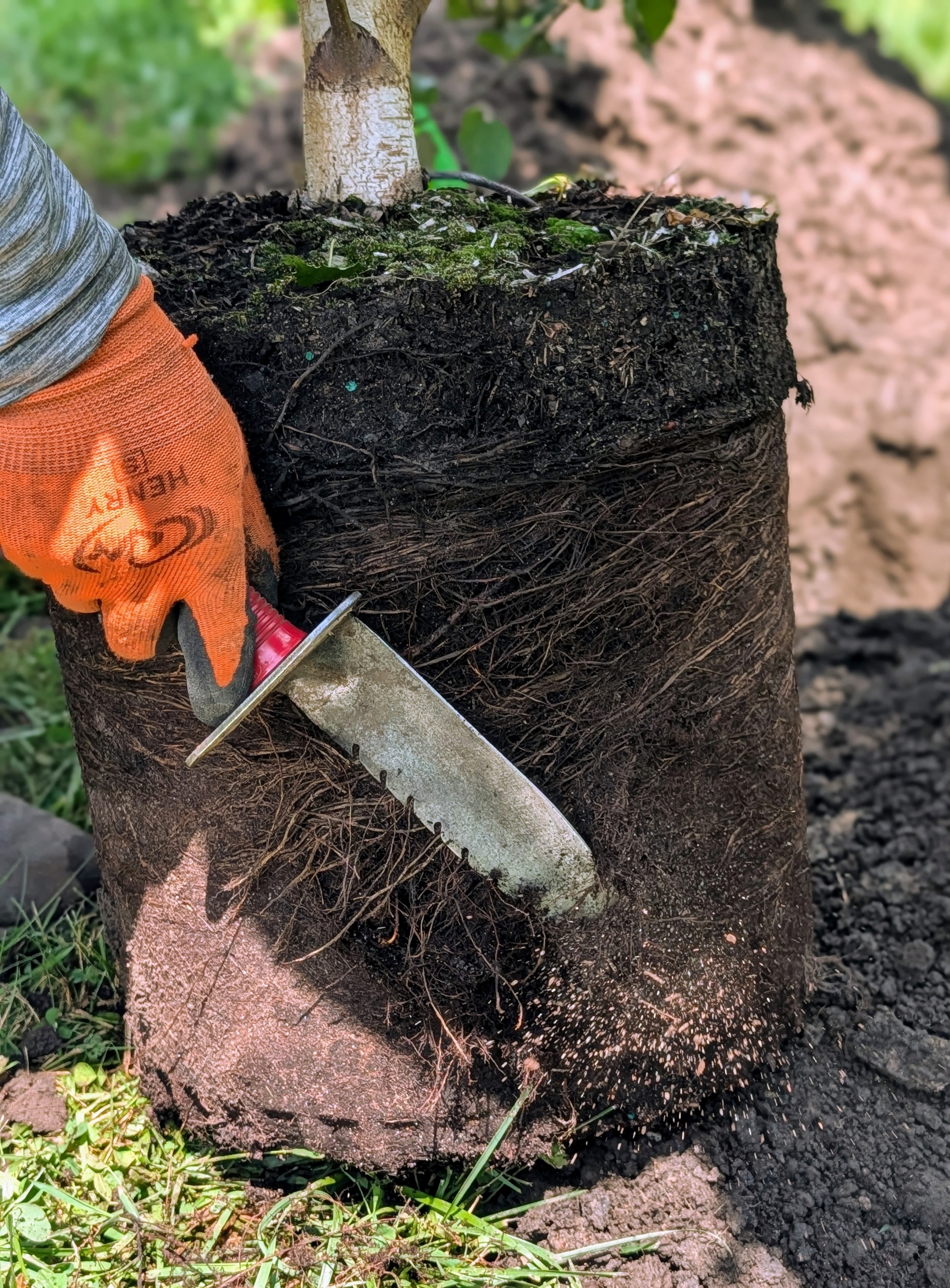
- The tree is removed from the hole and a hori hori knife is used to carefully scratch the root ball and stimulate growth. Essentially, small portions of the root ball are cut to loosen the roots and encourage new development.
-
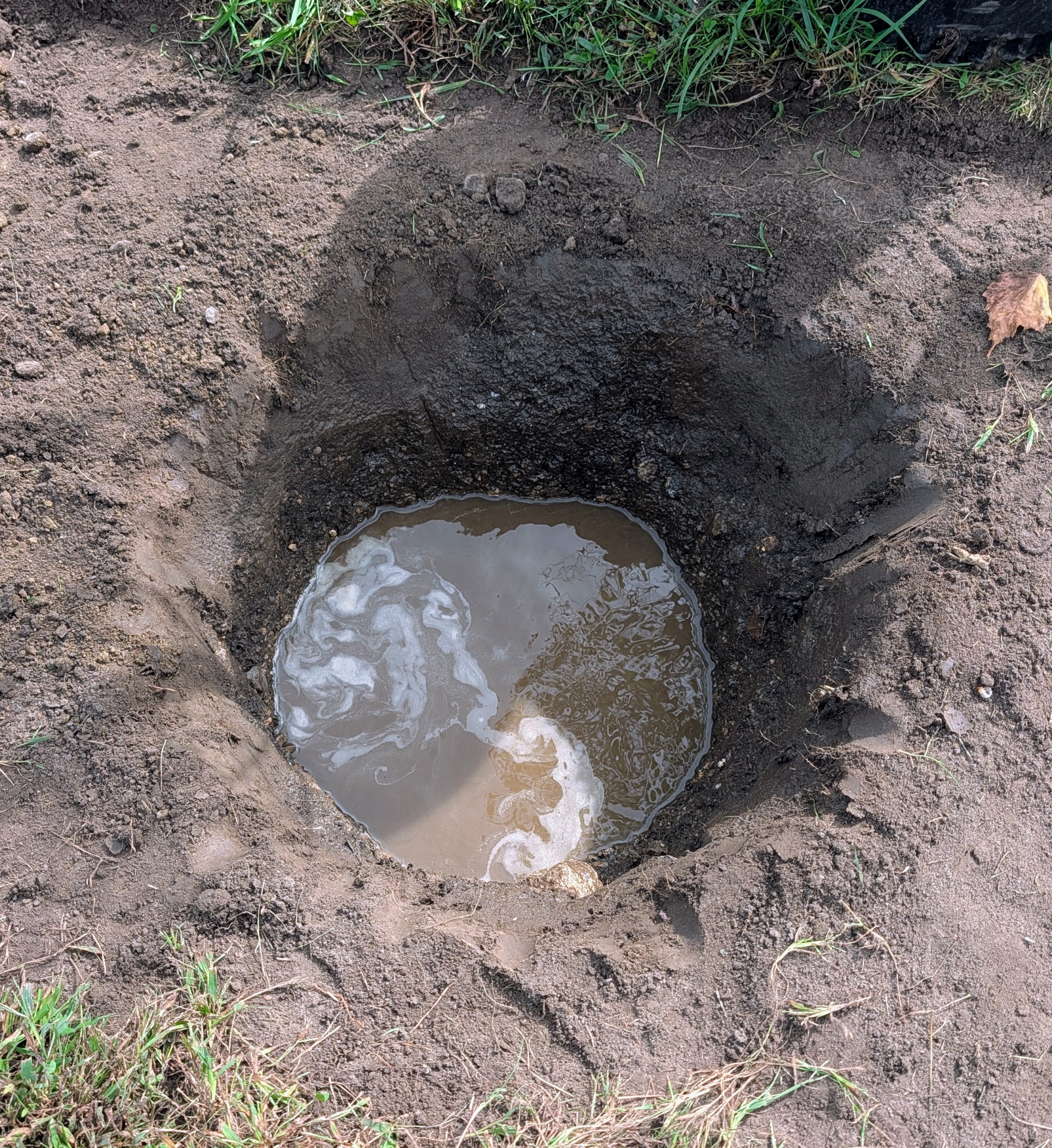
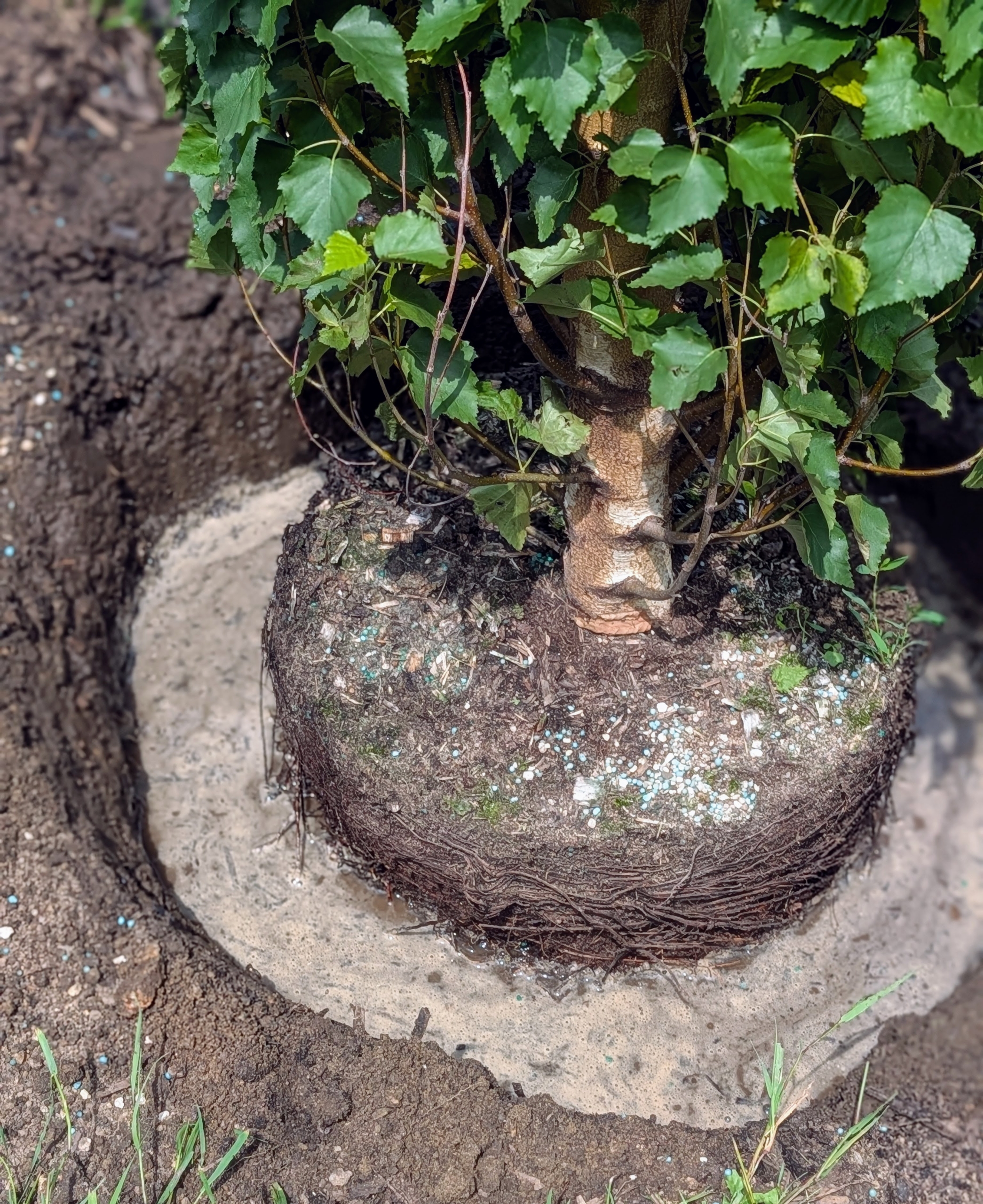
- When the soil is very dry, I instruct my team to fill the hole with water first before planting. This technique is designed to improve root establishment, reduce transplant shock, and increase survival chances.
-
- The tree is then placed into the water filled hole.
-
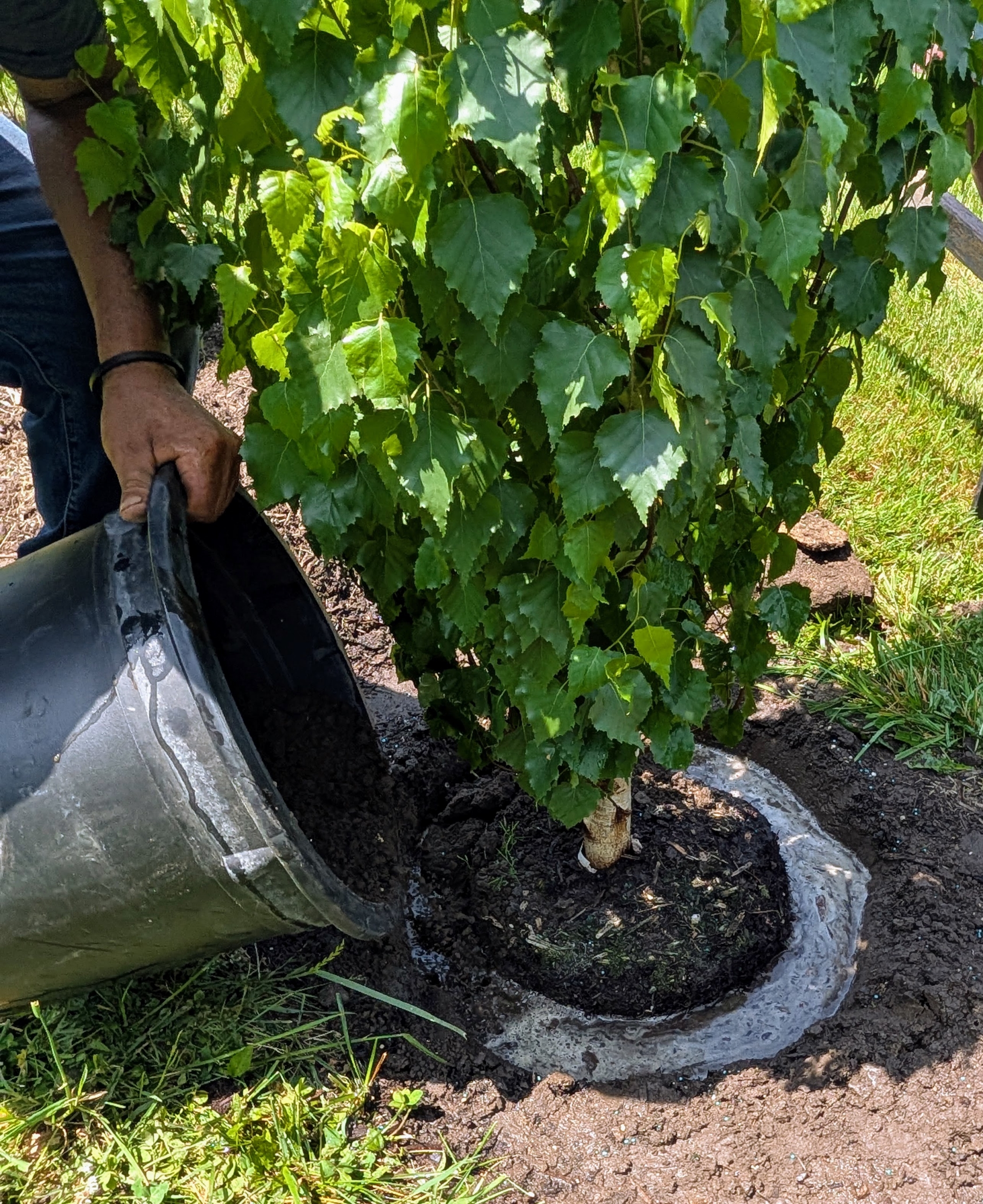
- And finally the hole is backfilled.
-
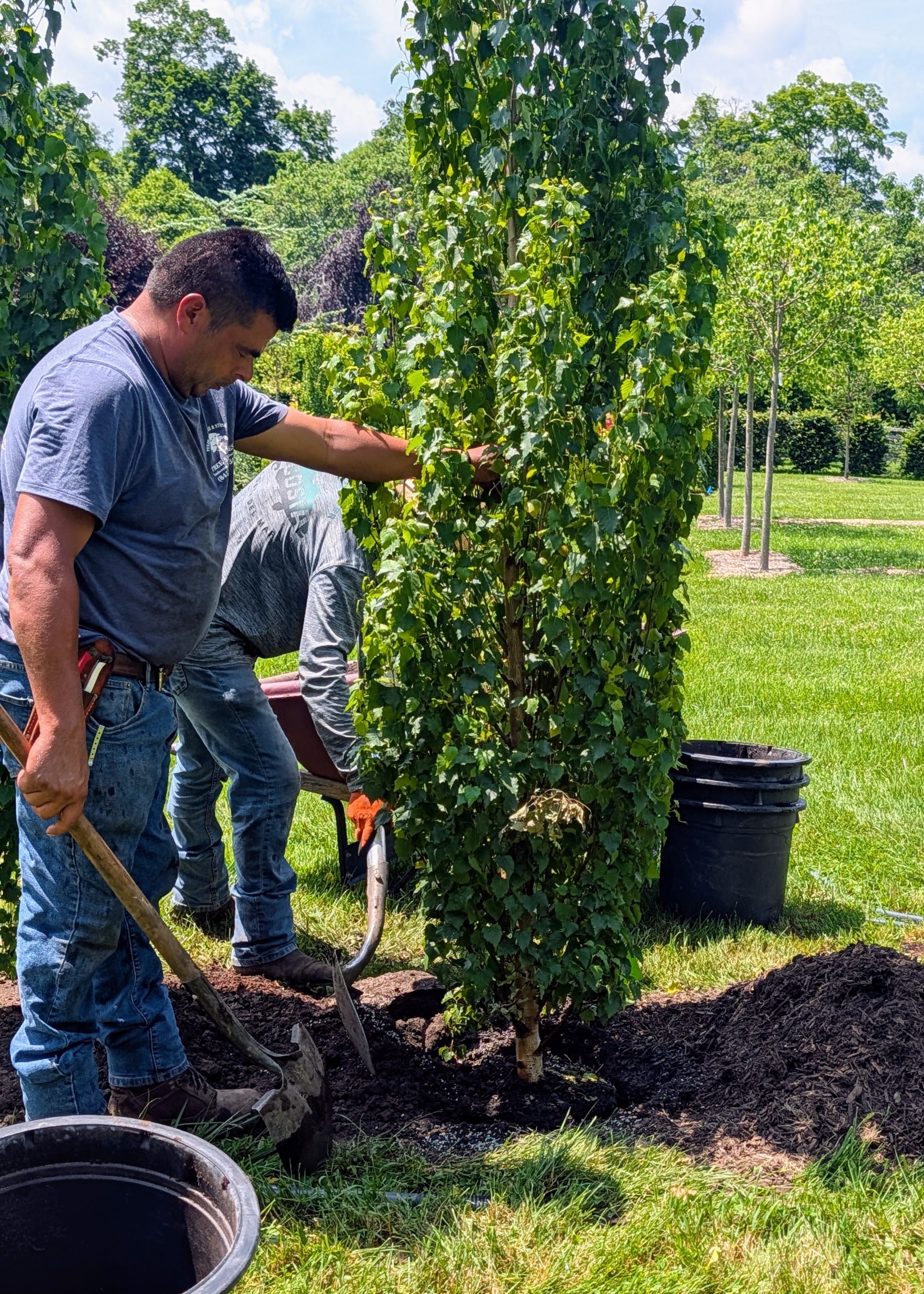
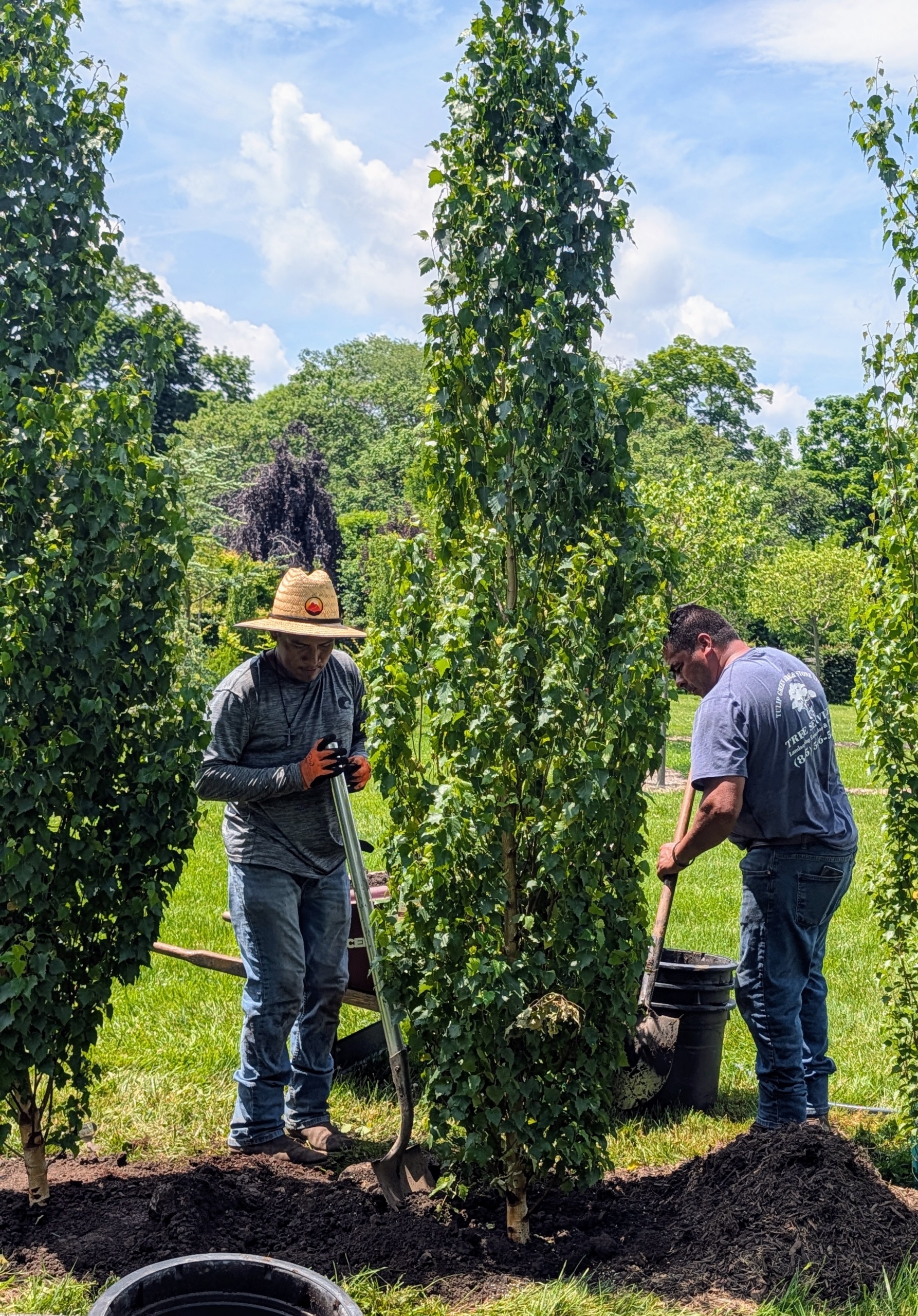
- One holds it straight as the soil is shoveled around the root ball. It is only buried up to the flare, where the tree meets the root system. Burying the tree too deep will kill it.
-
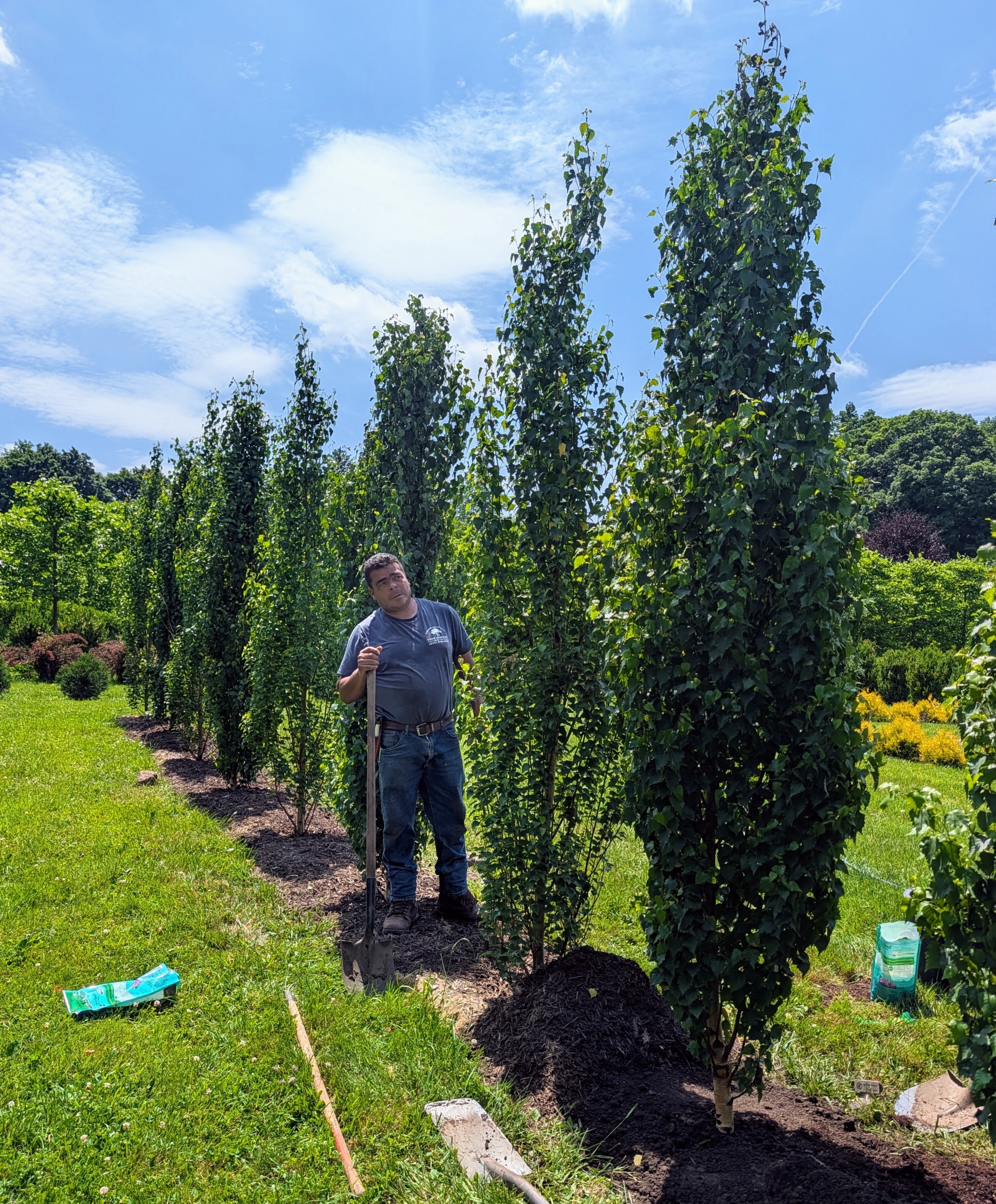
- Arnold looks at the tree from all sides and from various distances to make sure it is in perfect line with the others.
-
- The last of the soil is placed around the tree and tamped down to ensure good contact.
-
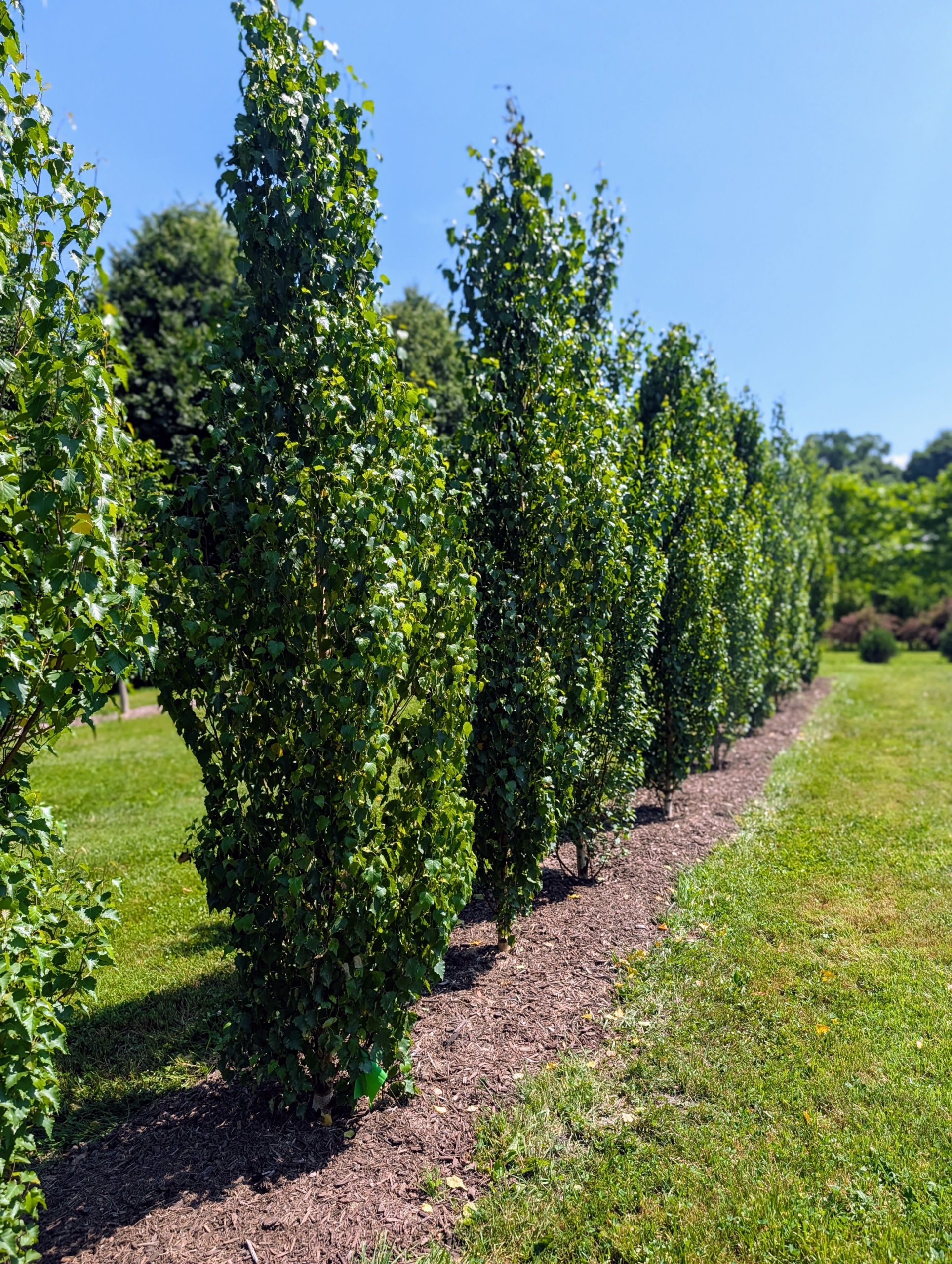
- Here they are all done and looking very good. At full maturity, these trees will be 30 to 40 feet tall with a slender spread of six to seven feet.
-
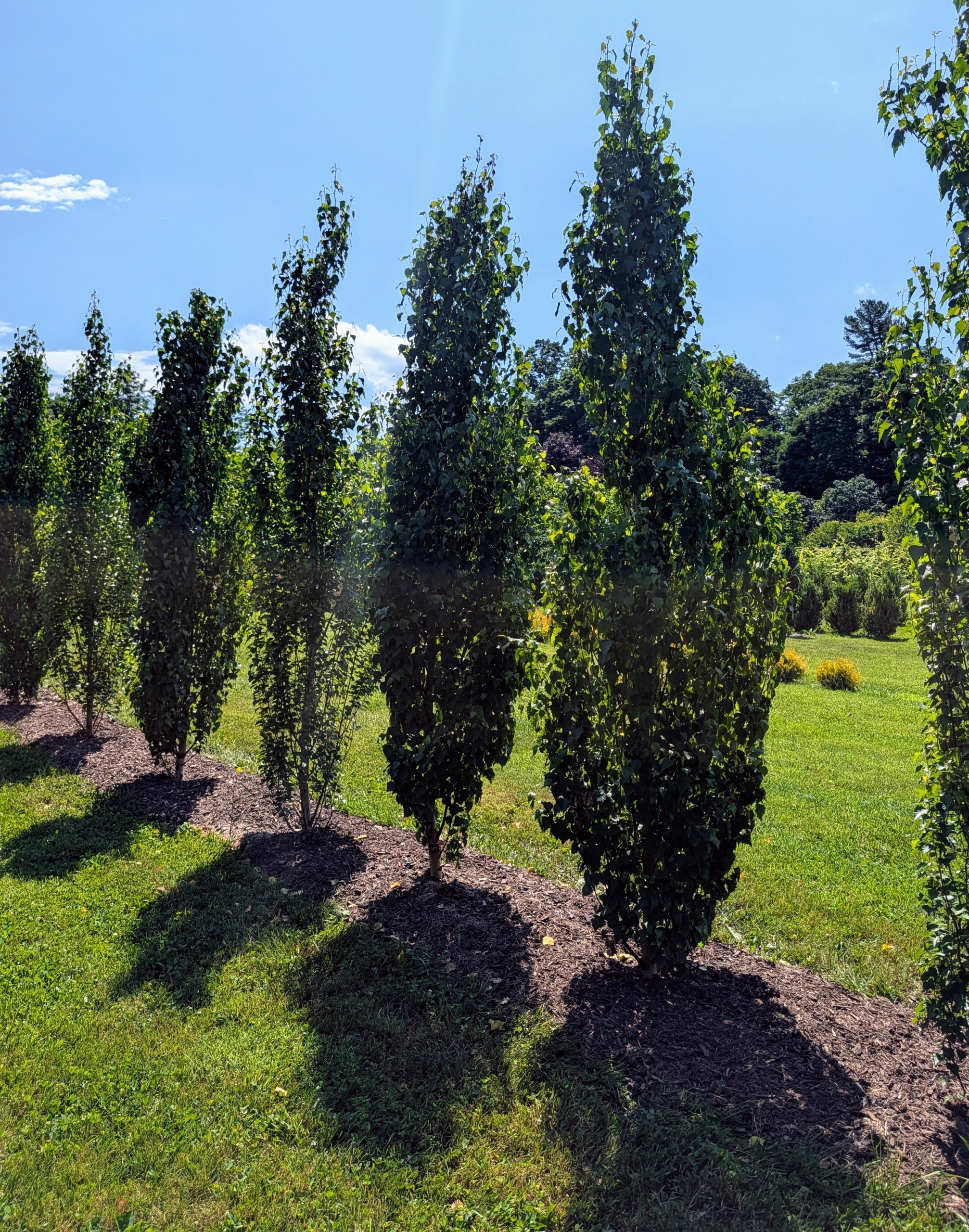
- And with consistent and proper care, these trees will live 30 to 50 years.
-
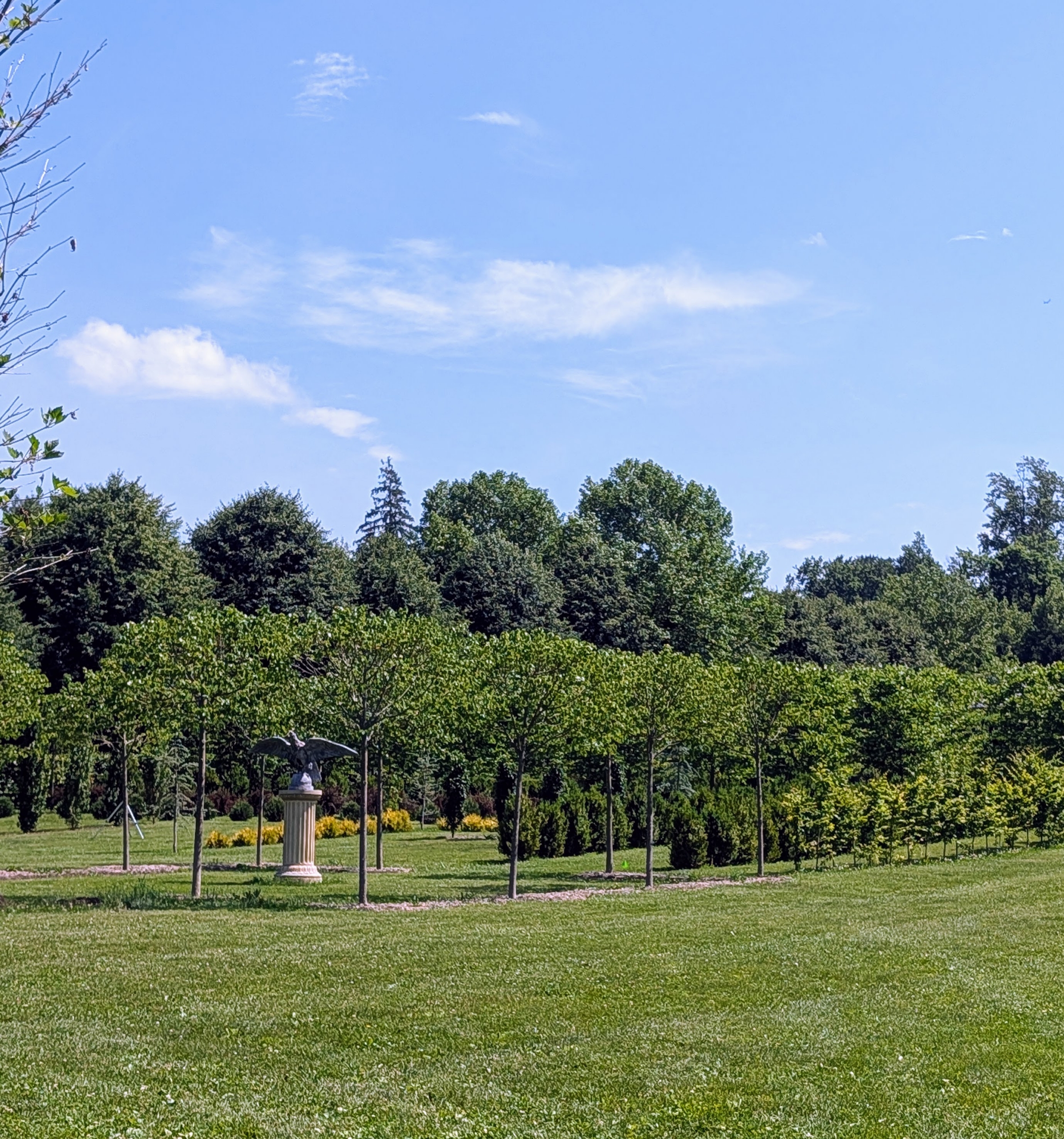
- The maze is almost done, and all the trees and shrubs and other plants are all thriving. I am so proud of all the work I’ve done to create this fun and interesting network of paths and passages.
 Martha Pins


 Martha Tweets

