

Lush Plants In and Around My Stewartia Garden
Facing the long and winding pergola at my farm is my Stewartia garden, which is filled with so many lush plants this time of year.
Originally filled with rows of ferns and lilies, my Stewartia garden now features those plants alongside a vibrant collection of Stewartia trees, Japanese maples, Cotinus, and flourishing specimens like Epimediums, Syneilesis, and hostas. It has truly matured beautifully over the years.
Enjoy these photos of the garden in summer.
-

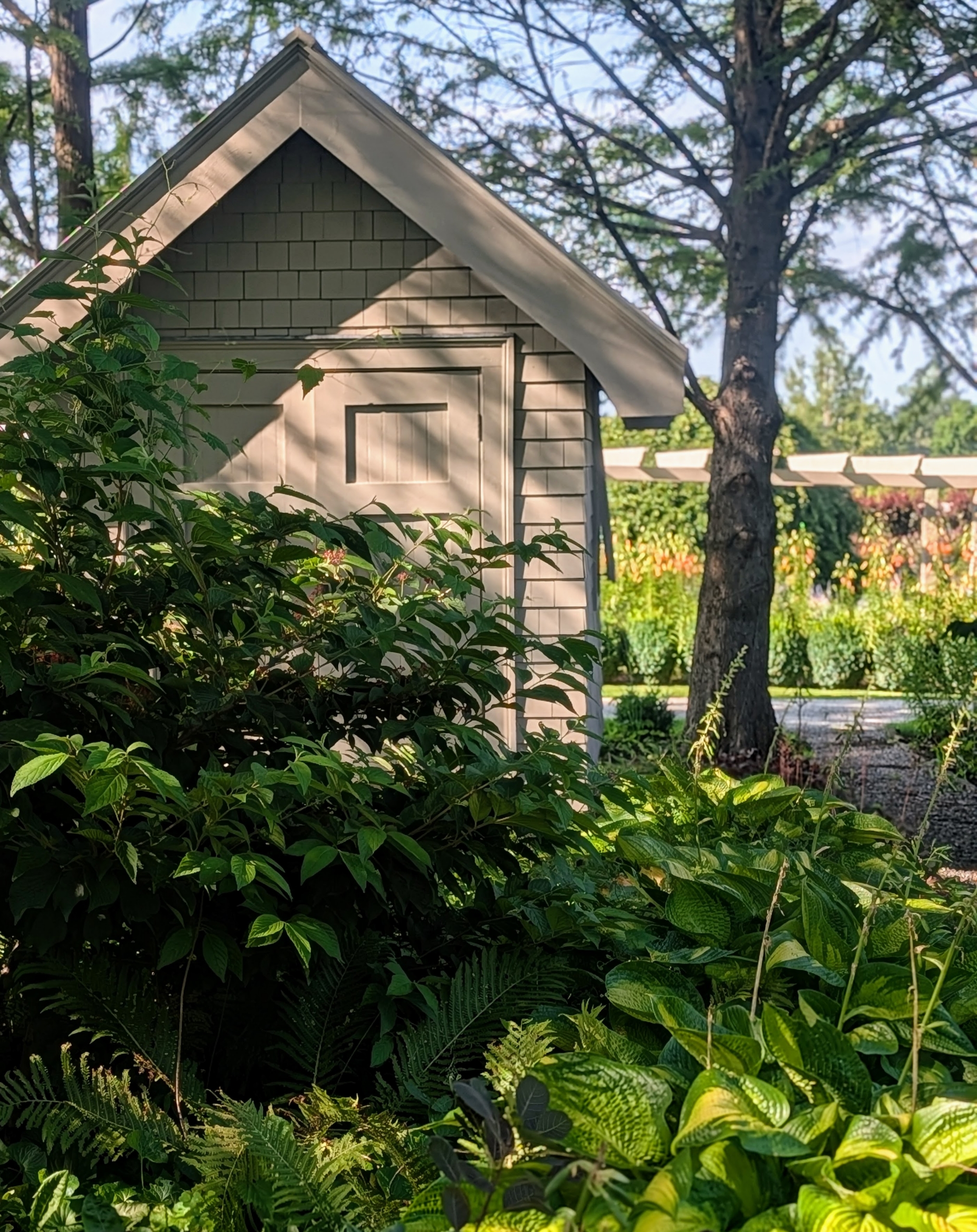
- The gardens around my Basket House and across from my long pergola are filled with greenery. Many are under the cover of the towering bald cypress.
-
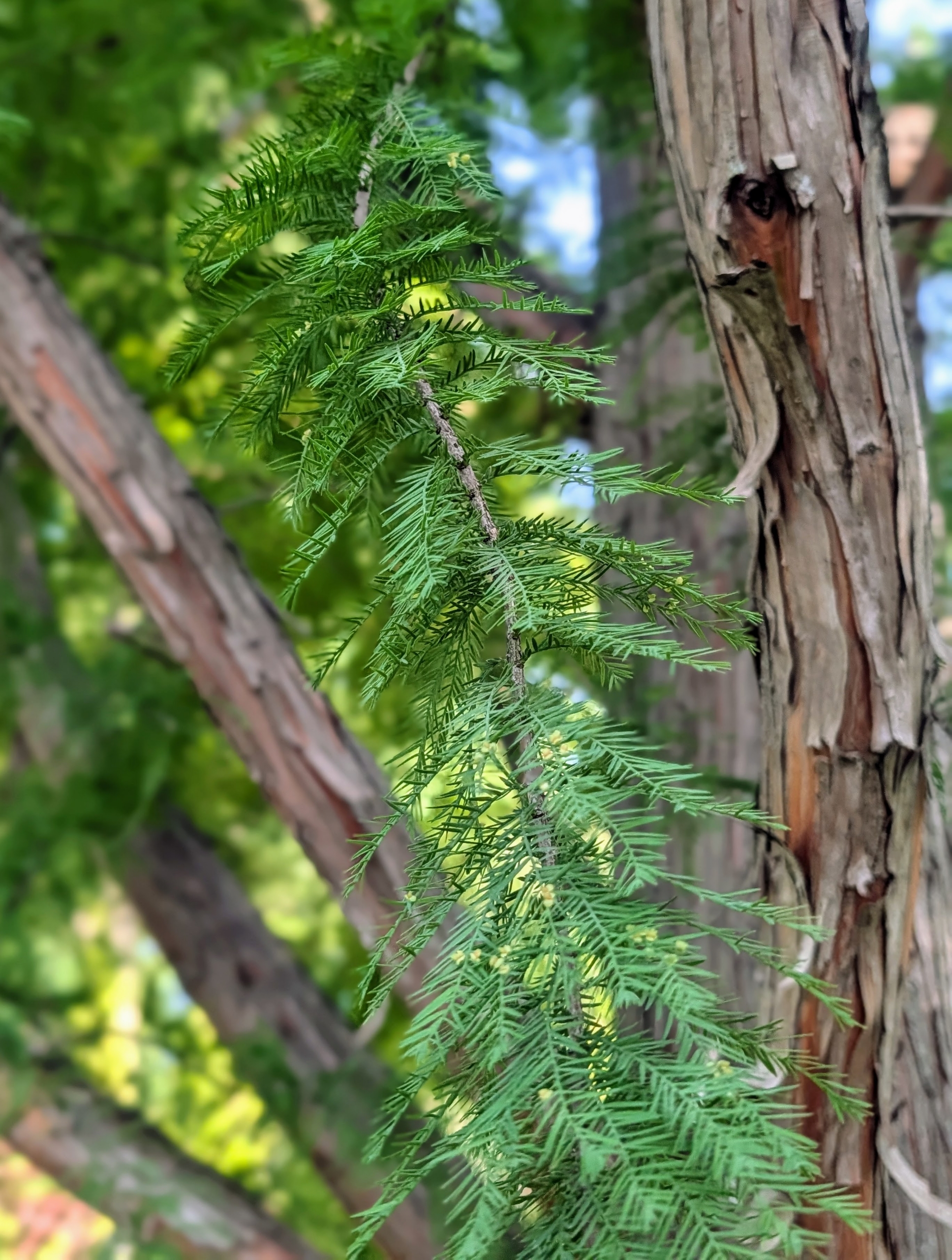
- The foliage of the bald cypress is bold green and feathery, made up of many small leaflets that are thin and lance-shaped.
-
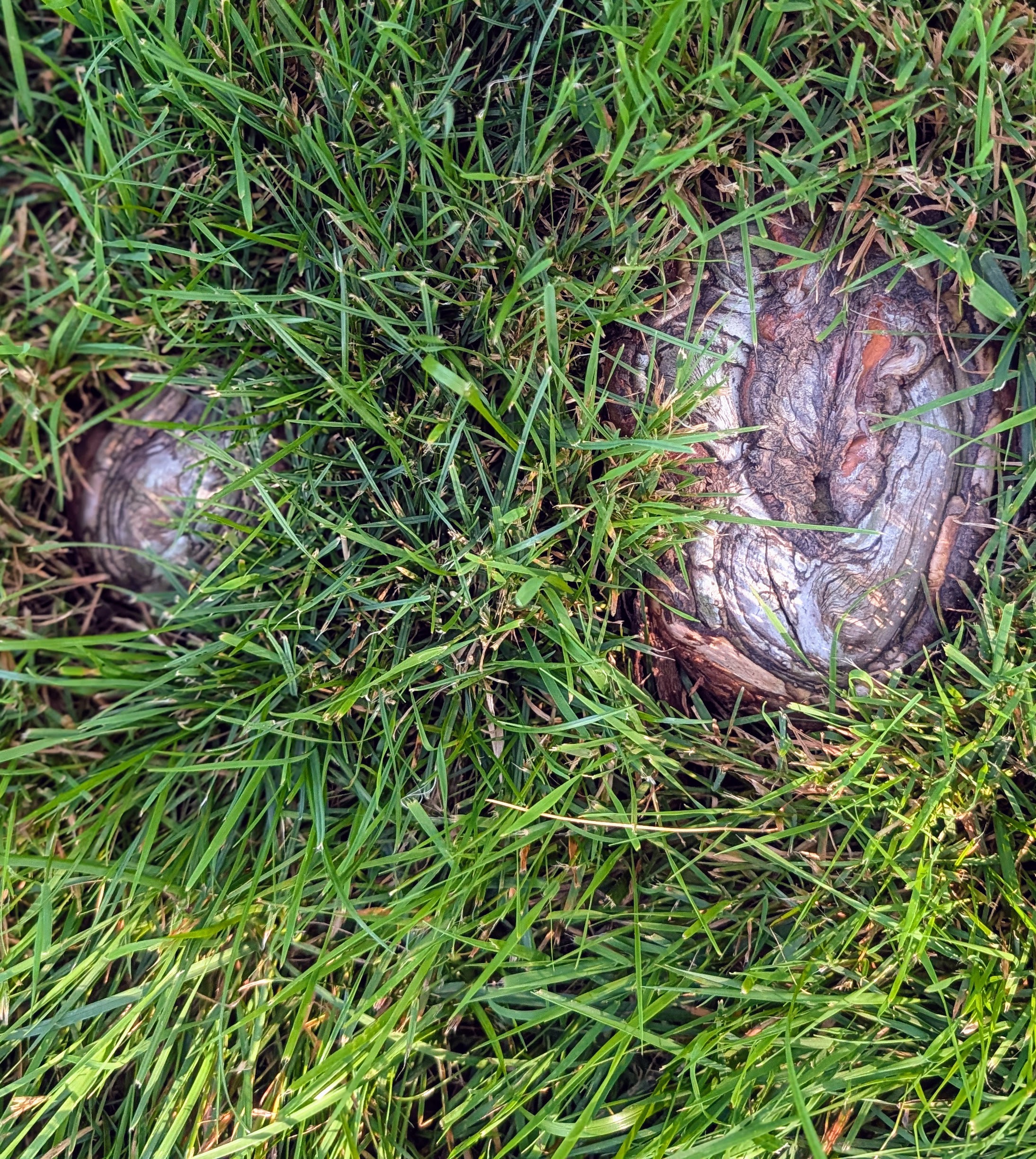
- One of the most interesting characteristics of the bald cypress is its knees. Known by the scientific name pneumatophores, these growths are specialized root structures that grow vertically above the moist soil near the tree. It is believed that these structures aid the oxygen and carbon dioxide exchange in the roots. Looking carefully at the ground, one can see many of these unique knees.
-
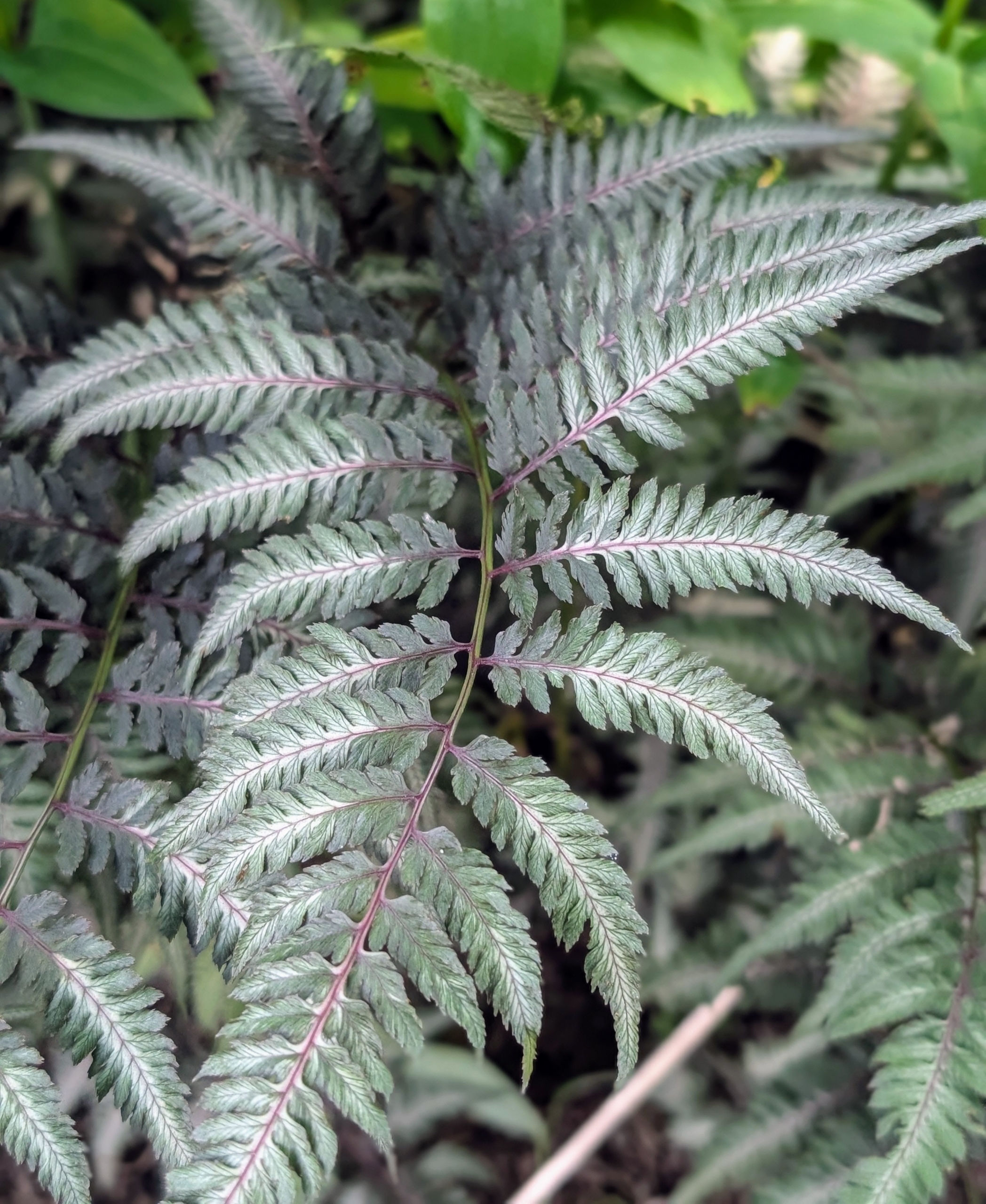
- Some of the ferns in this area include the Japanese painted ferns – beautiful mounds of dramatic foliage with luminescent blue-green fronds and dark central ribs that fade to silver at the edges.
-
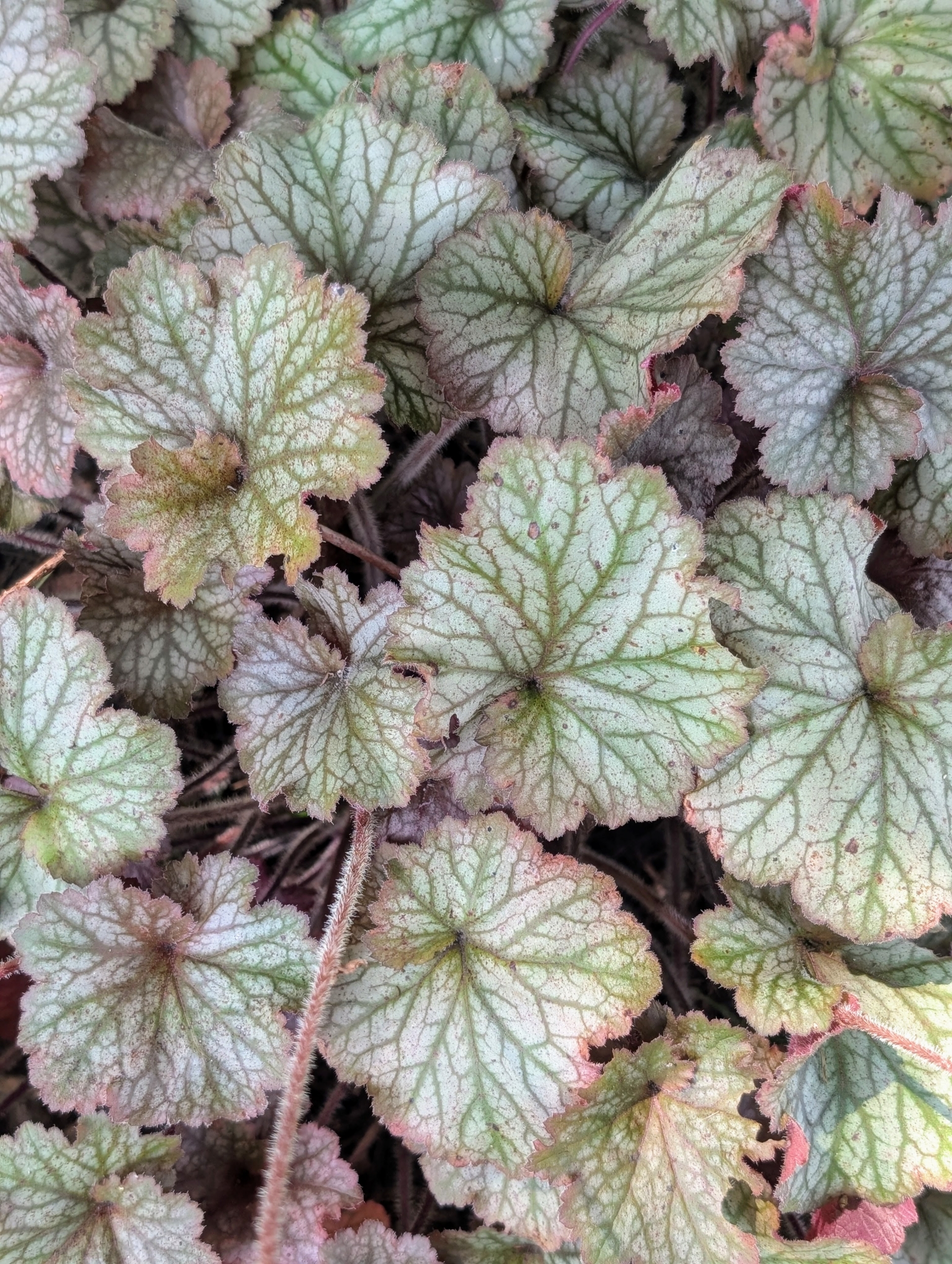
- Heuchera is a genus of largely evergreen perennial plants in the family Saxifragaceae, all native to North America. Common names include alumroot and coral bells.
-
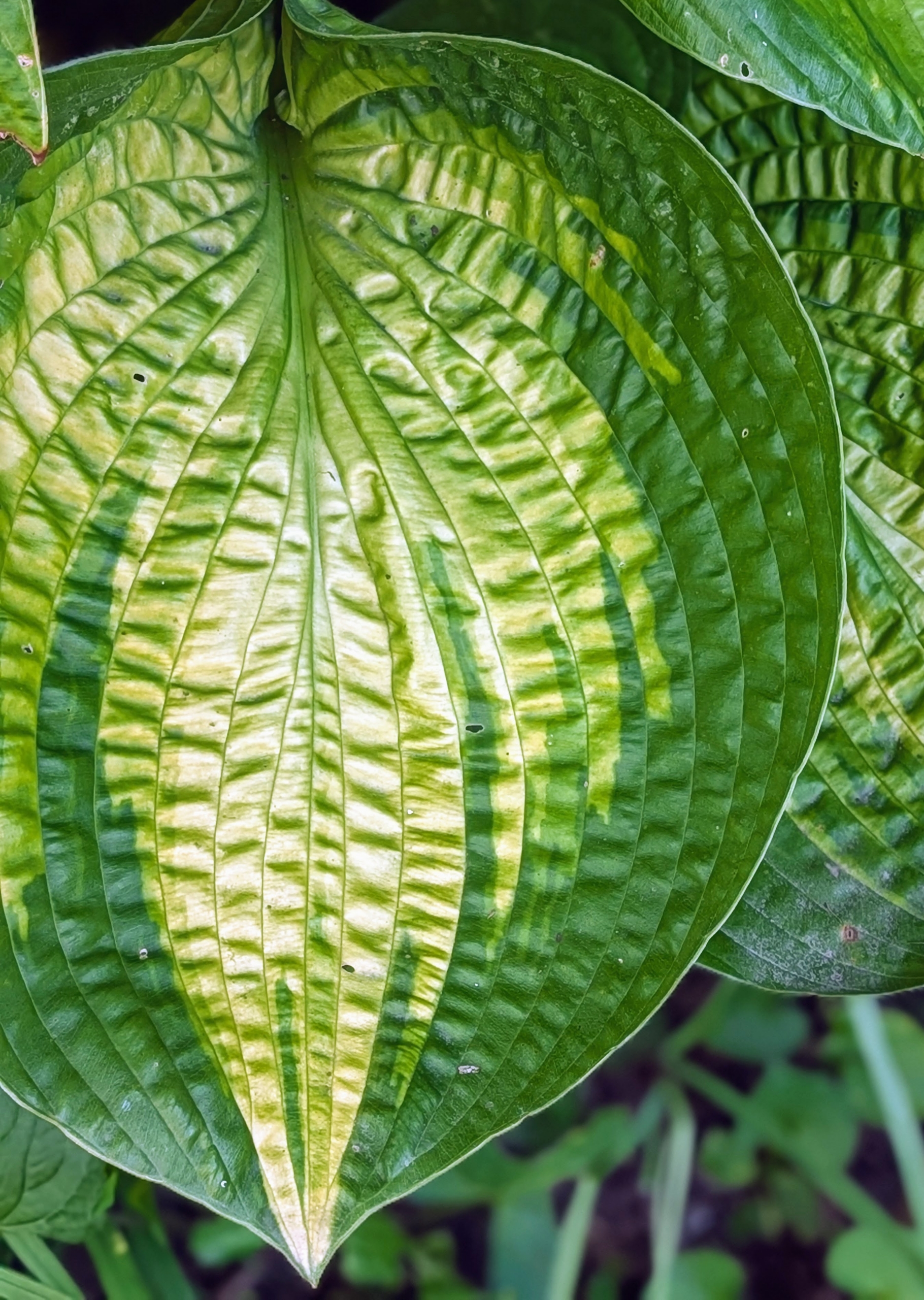
- The hostas are so lush with their varying leaf shapes, sizes, and textures. I also have a large hosta garden down behind my chicken yard.
-
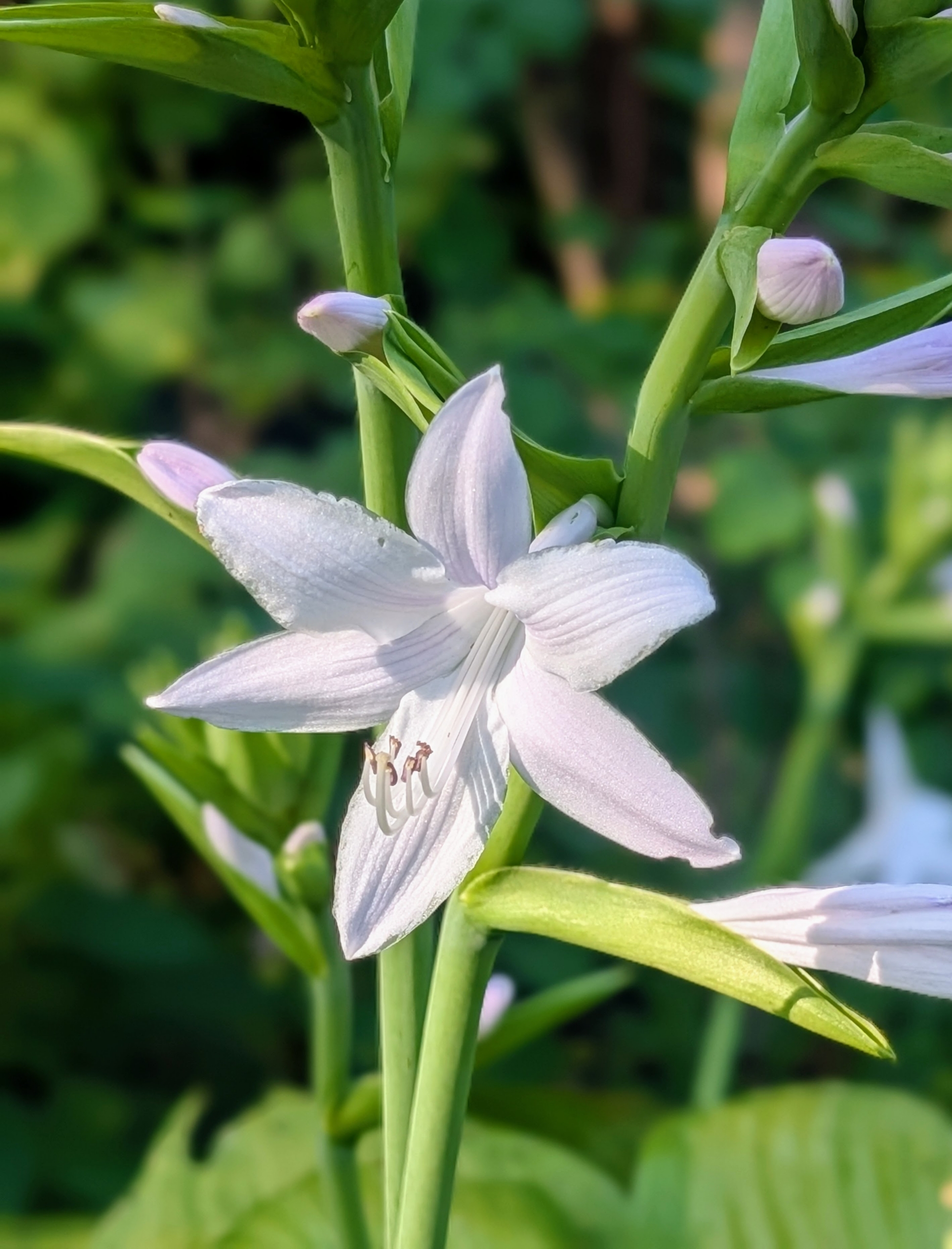
- Hosta plants produce attractive flowers in shades of white, lavender, pink, or light blue, typically blooming from early summer to early fall.
-
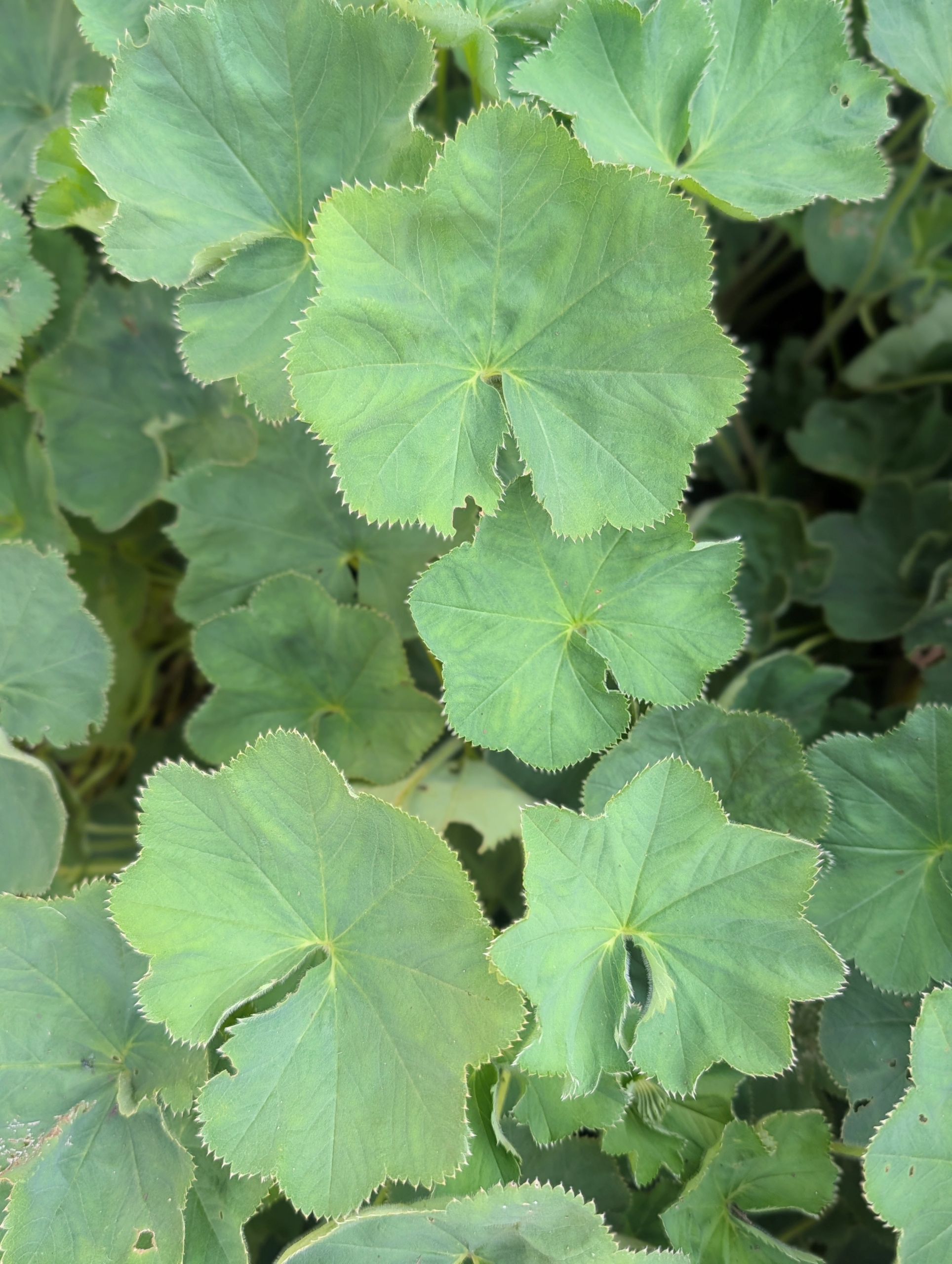
- Lady’s mantle, Alchemilla vulgaris, grows along one edge. It is a clumping perennial which typically forms a mound of long-stalked, circular, scallop-edge light green leaves, with tiny, star-shaped, chartreuse flowers.
-
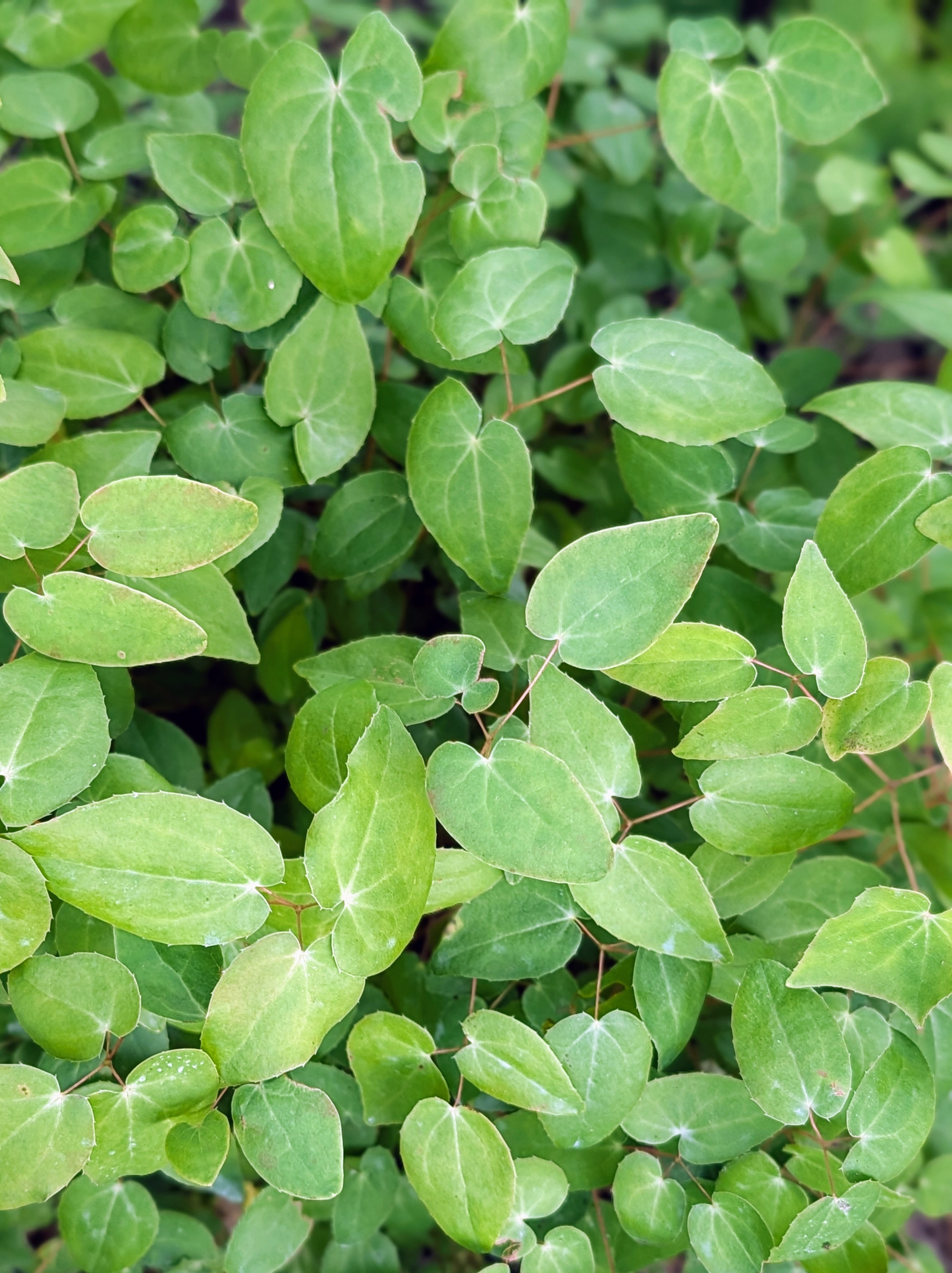
- Epimediums are long-lived and easy to grow and have such attractive and varying foliage. Epimedium, also known as barrenwort, bishop’s hat, and horny goat weed, is a genus of flowering plants in the family Berberidaceae.
-
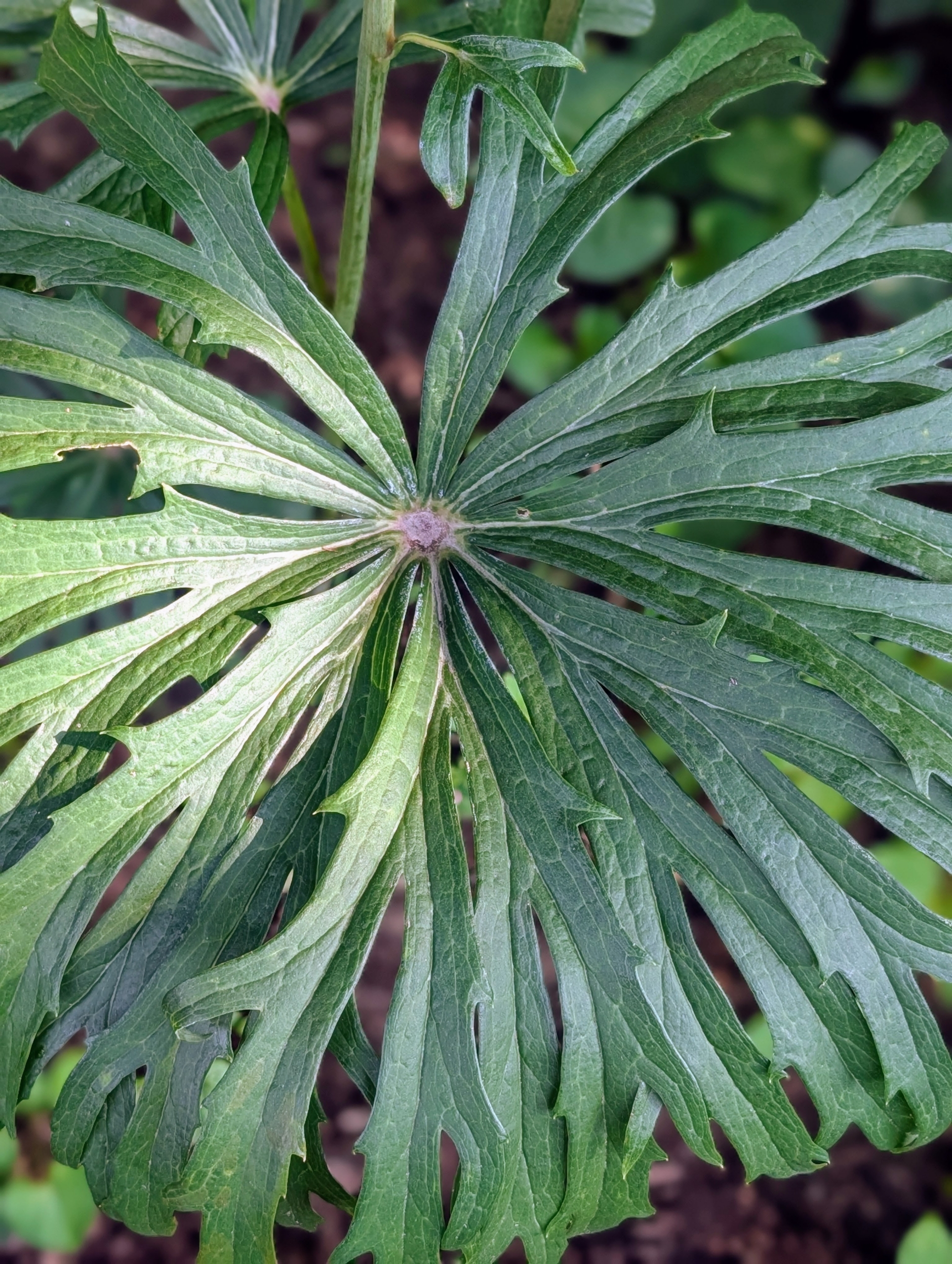
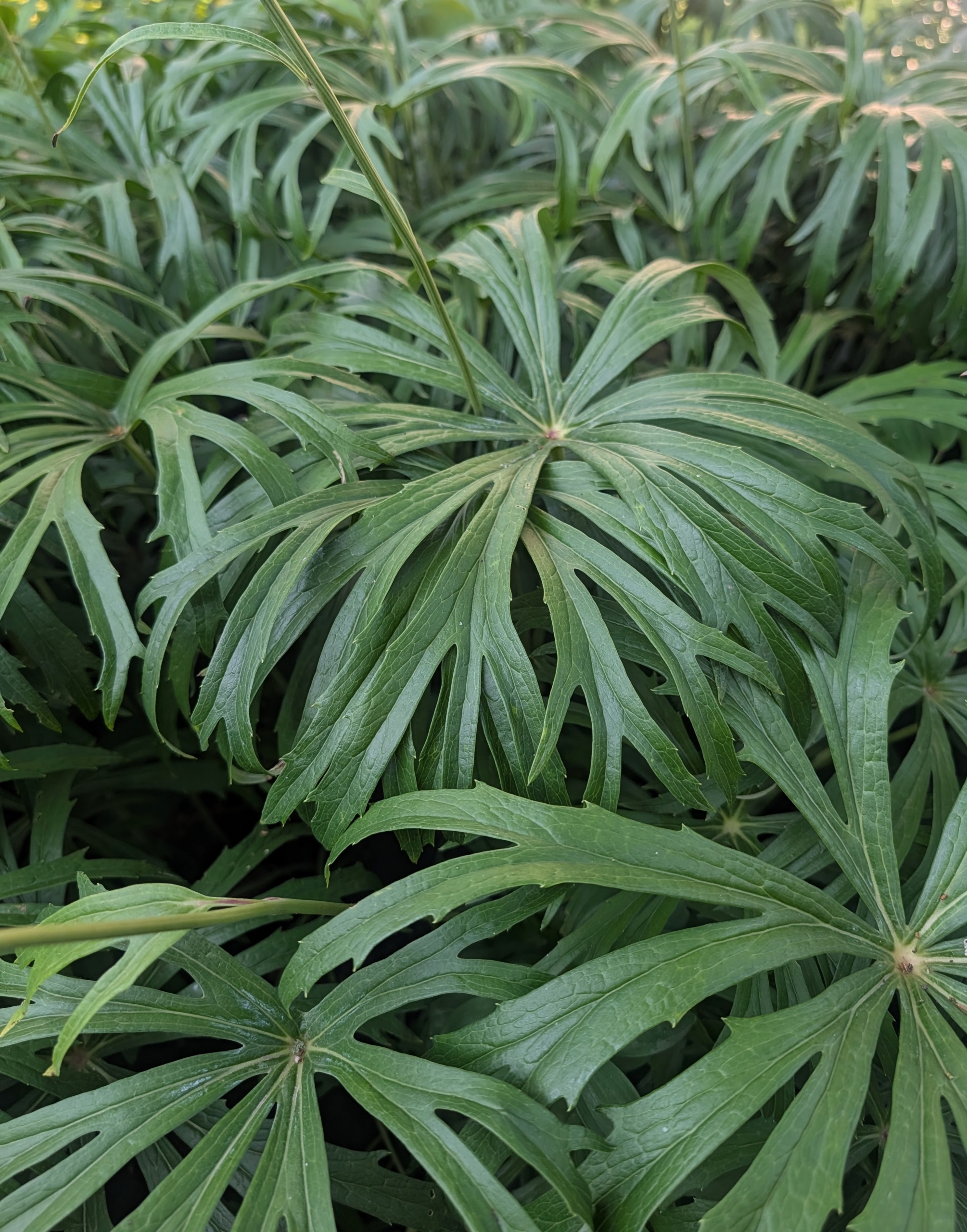
- This is Syneilesis palmata. These plants form green umbrella-shaped leaves. Mature specimens have leaves that can be more than a foot across.
-
- And over time, it naturally multiplies and forms colonies in shaded or woodland environments.
-
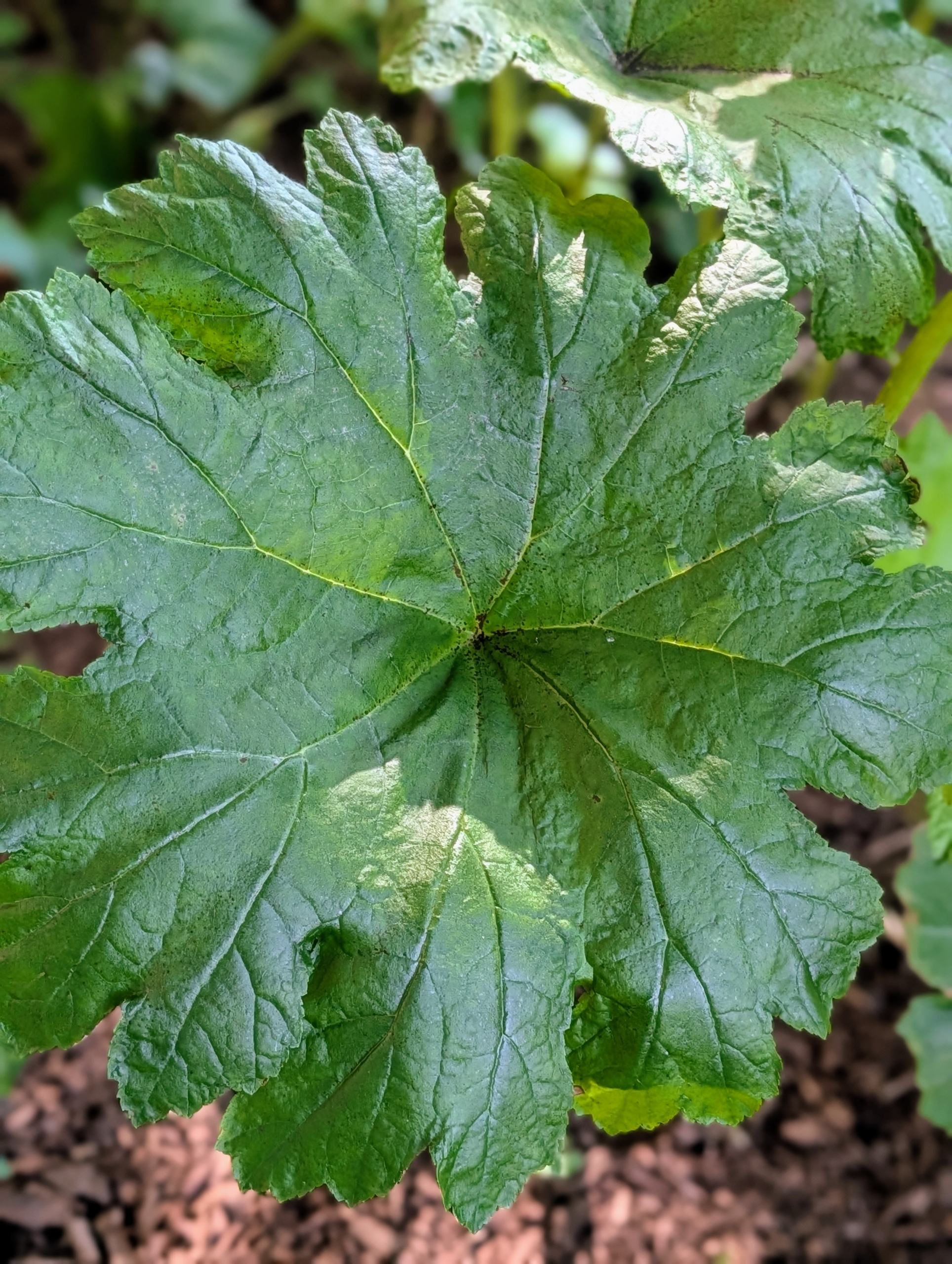
- Astilboides is an interesting plant with huge, bright green leaves that are round and flat and measure up to 24-inches across. The effect is dramatic, and beautiful among other hardy perennials.
-
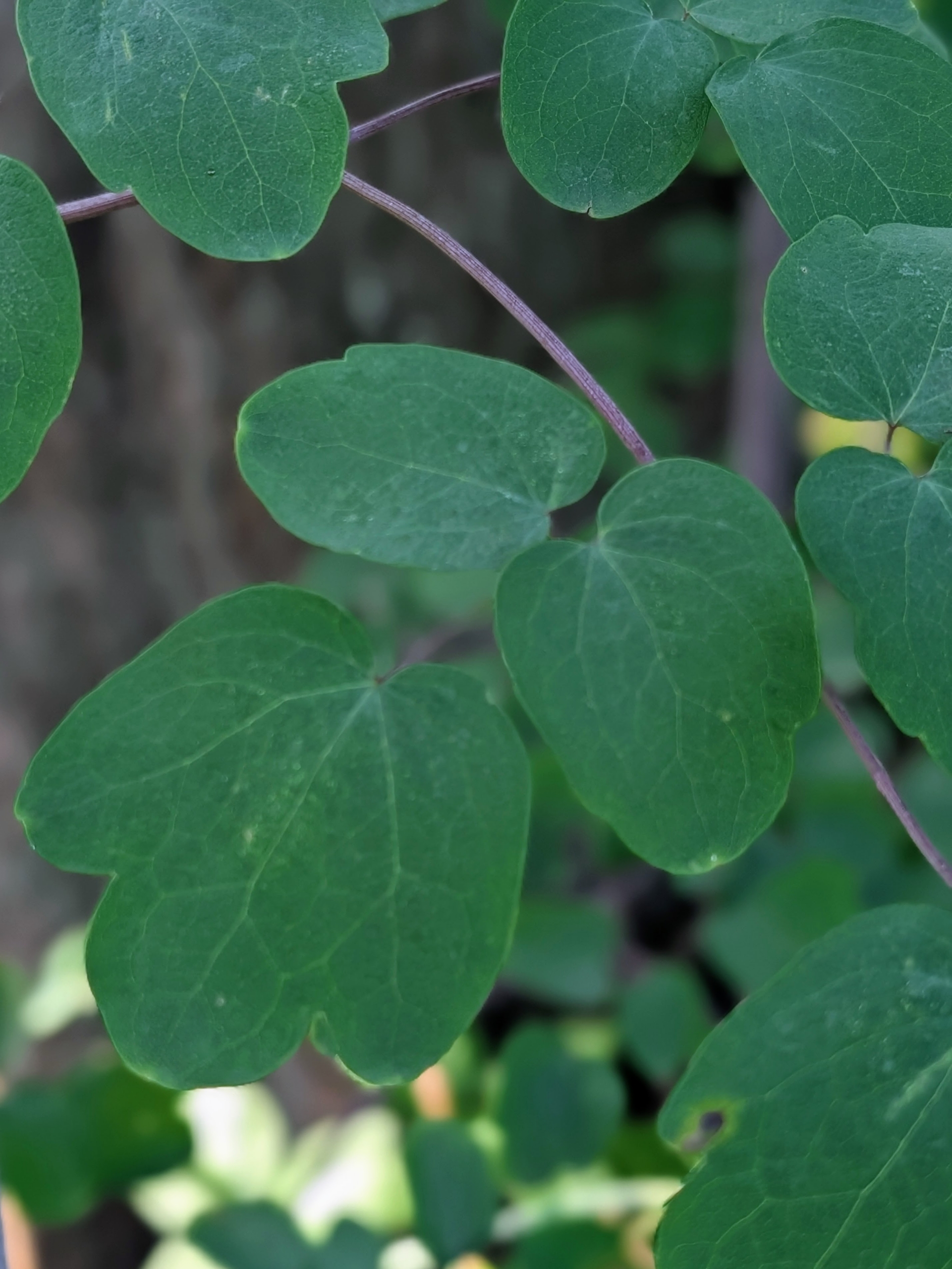
- And these are the dainty leaves of Thalictrum, or Meadow Rue – a robust, upright, clump-forming perennial that produces clouds of lavender mauve flowers later in the season.
-
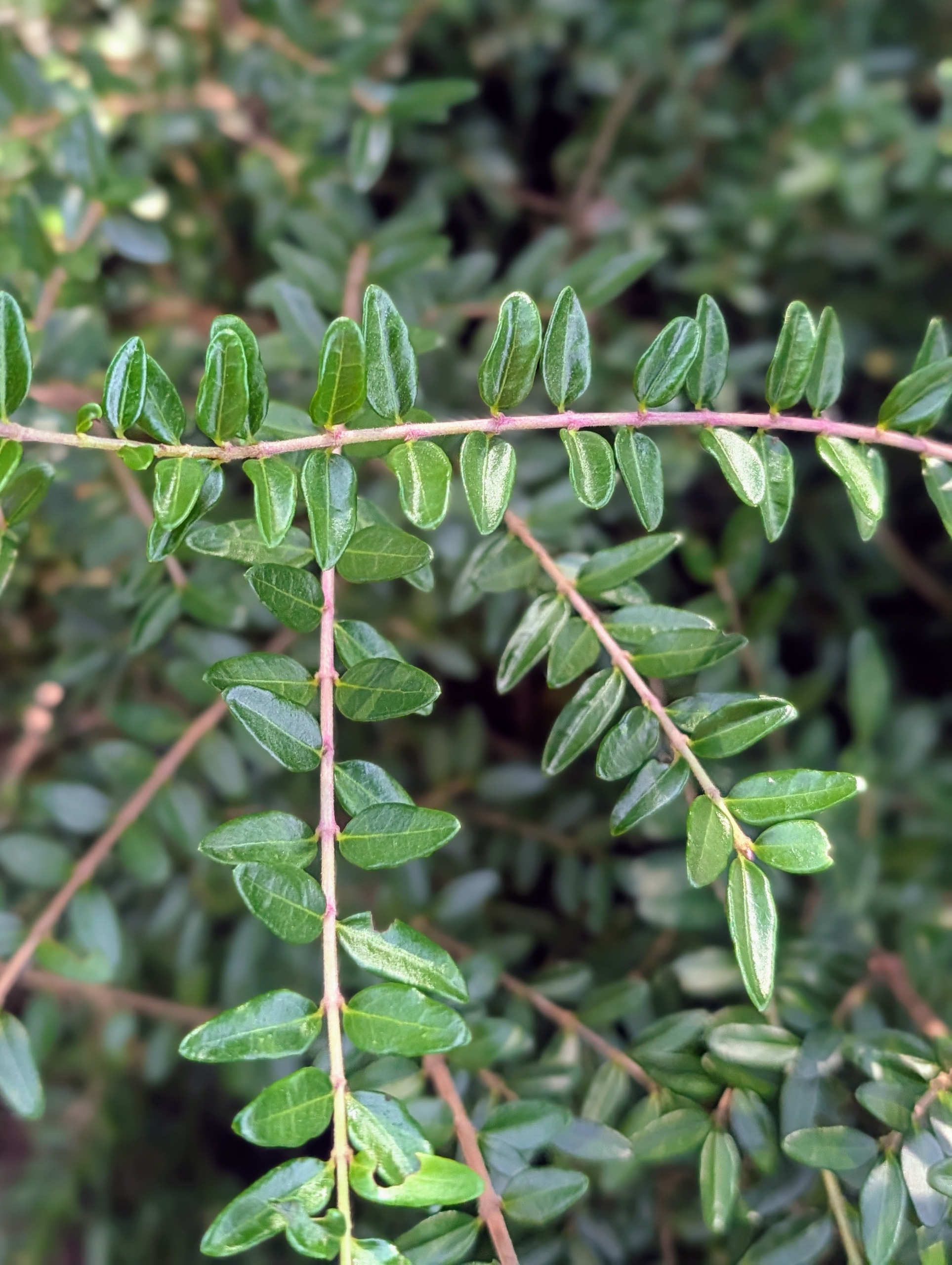
- Cotoneaster is a vigorous, dense, evergreen shrub with soft arching stems studded with leathery, glossy, rounded, dark green leaves. These plants work well for a low hedge.
-
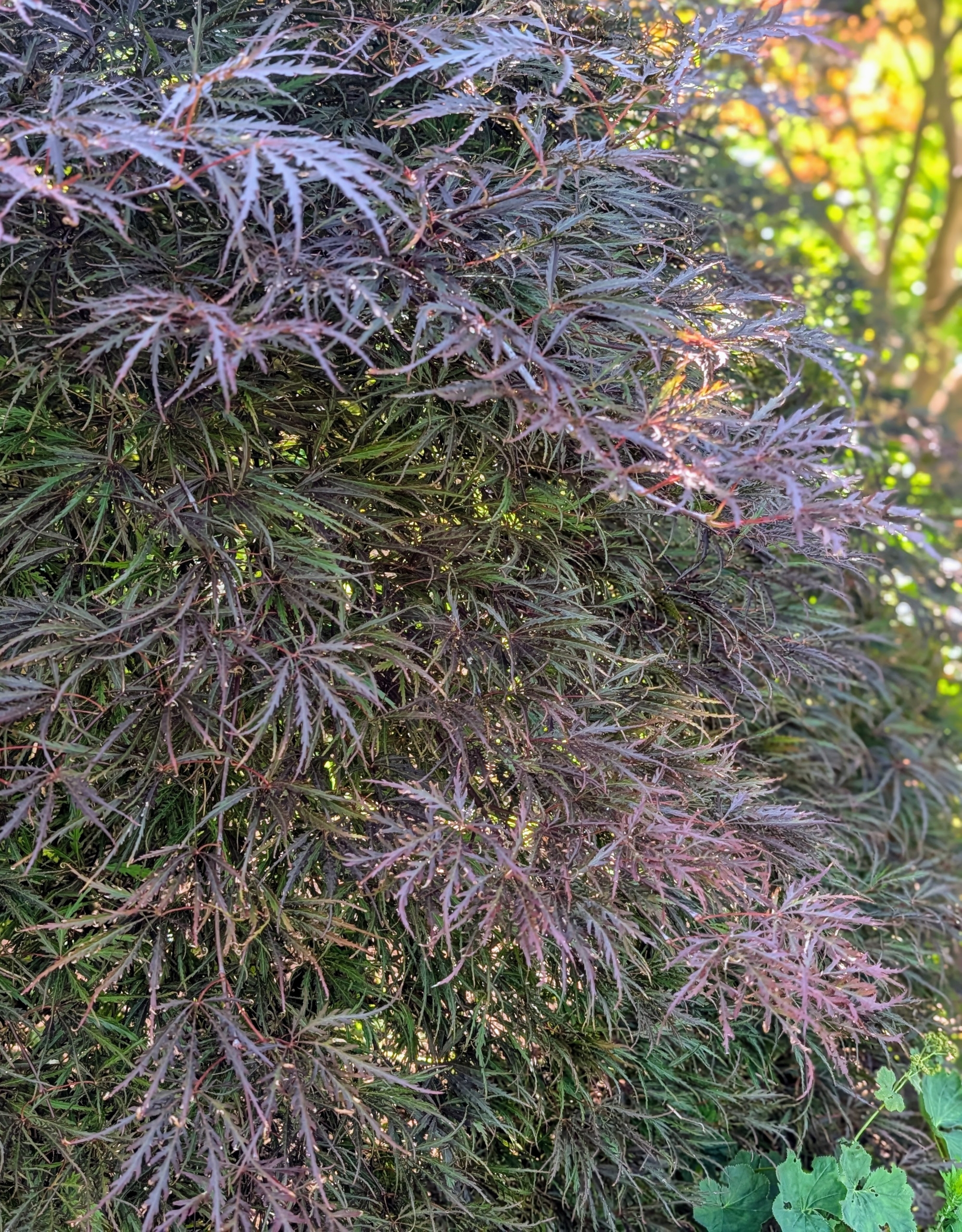
- I have many Japanese maples at the farm. With more than a thousand varieties and cultivars, the iconic Japanese maple tree is among the most versatile small trees for use in the landscape. Some of the Japanese maples in this garden include Acer palmatum var. dissectum ‘Crimson Queen’, Acer palmatum ‘Shaina’, and Acer palmatum var. dissectum ‘Red Dragon’.
-
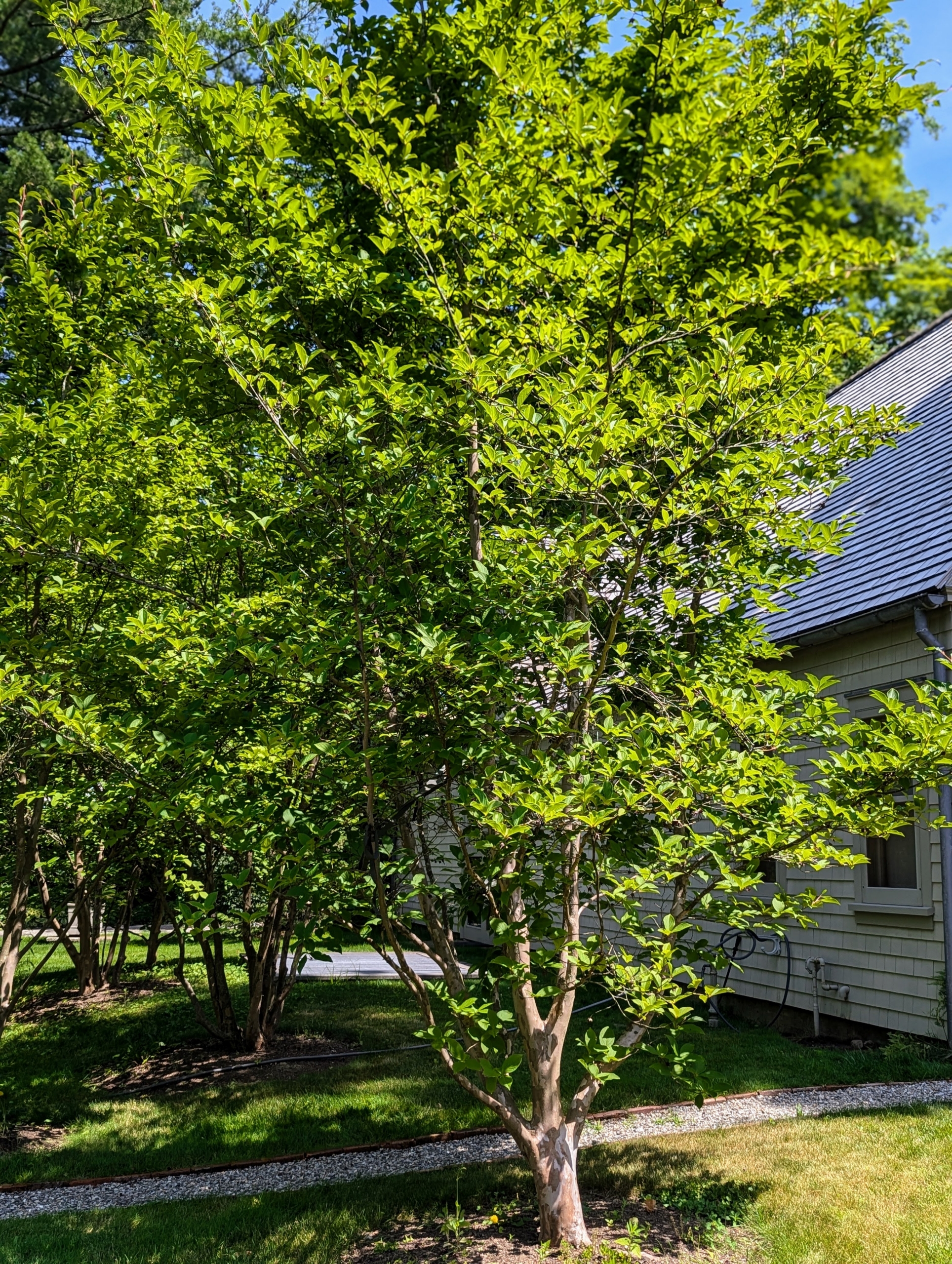
- I also have many Stewartia trees. Stewartia is a species of flowering plant in the family Theaceae, native to Japan and Korea. All varieties are slow-growing, all-season performers that show off fresh bright green leaves in spring, white flowers resembling single camellias in summer, and colorful foliage in autumn.
-
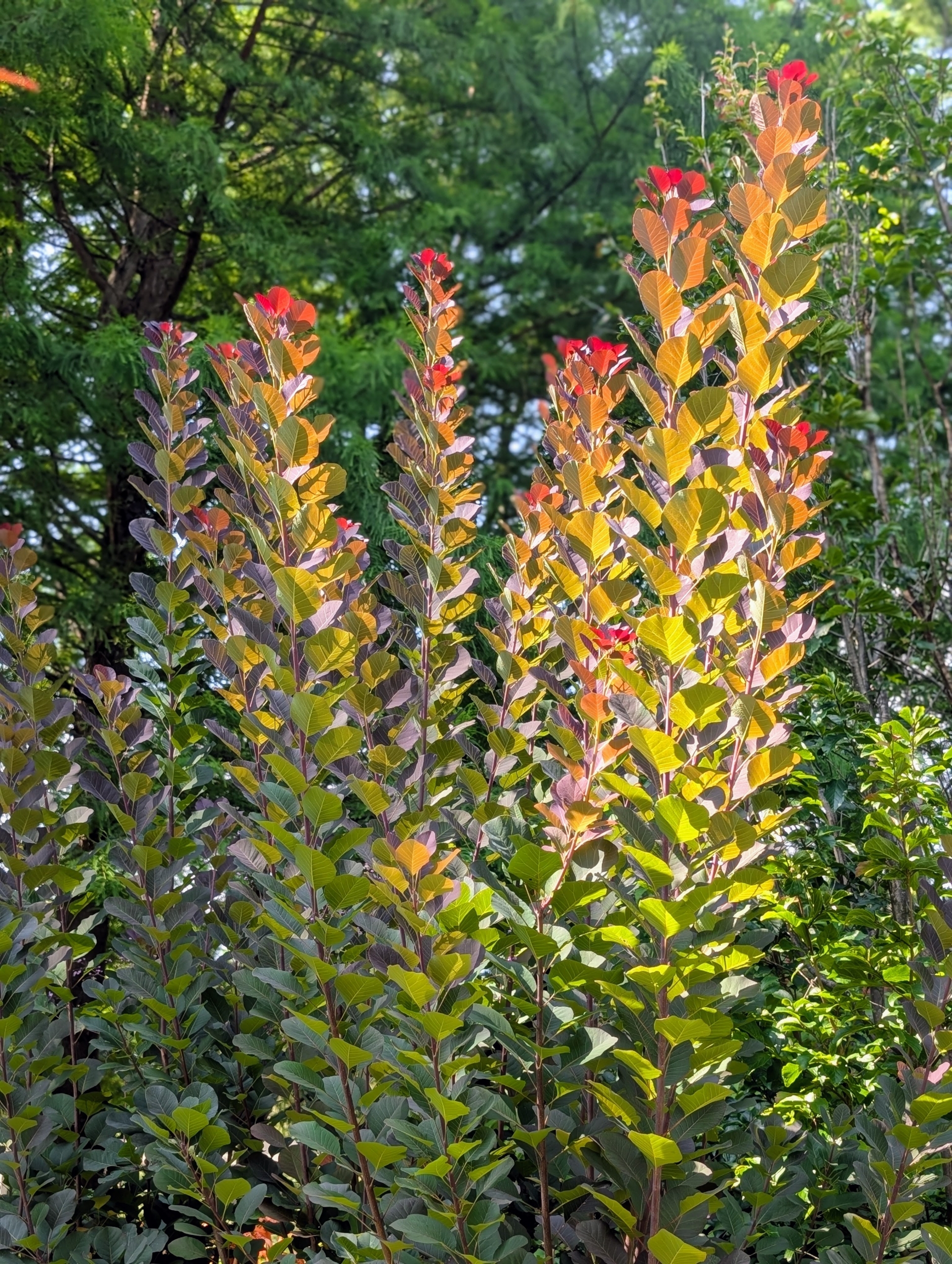
- Cotinus, the smoketree, or smoke bush, is a genus of two species of flowering plants in the family Anacardiaceae, closely related to sumacs. The simple, oval shaped leaves range from deep purple and red to bright green. They offer such a colorful display throughout the seasons.
-
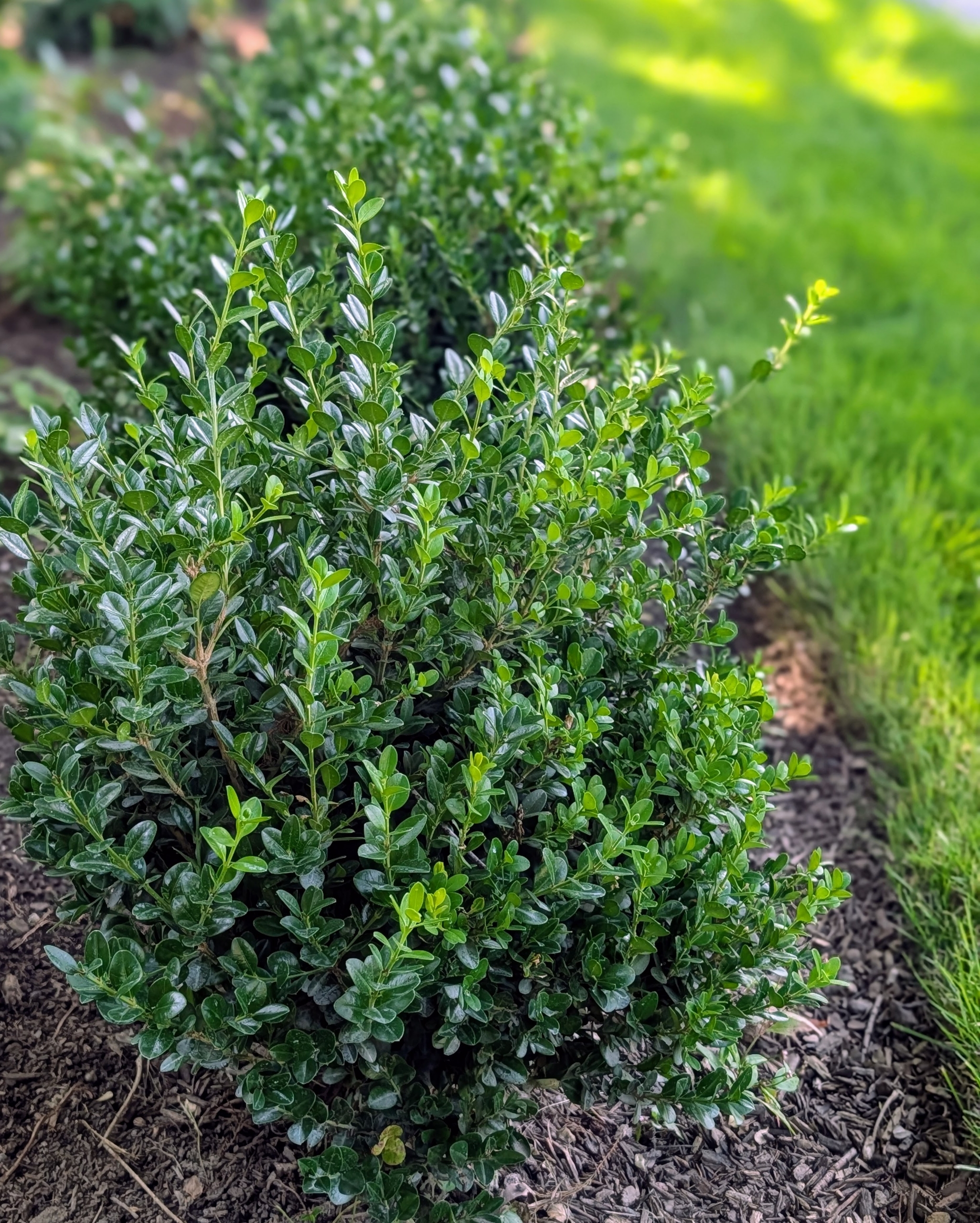
- Last year I planted a border of boxwood. I decided the space would look so pretty matching the boxwood across the carriage road along my winding pergola. Boxwood can grow in full sun and partial shade.
-
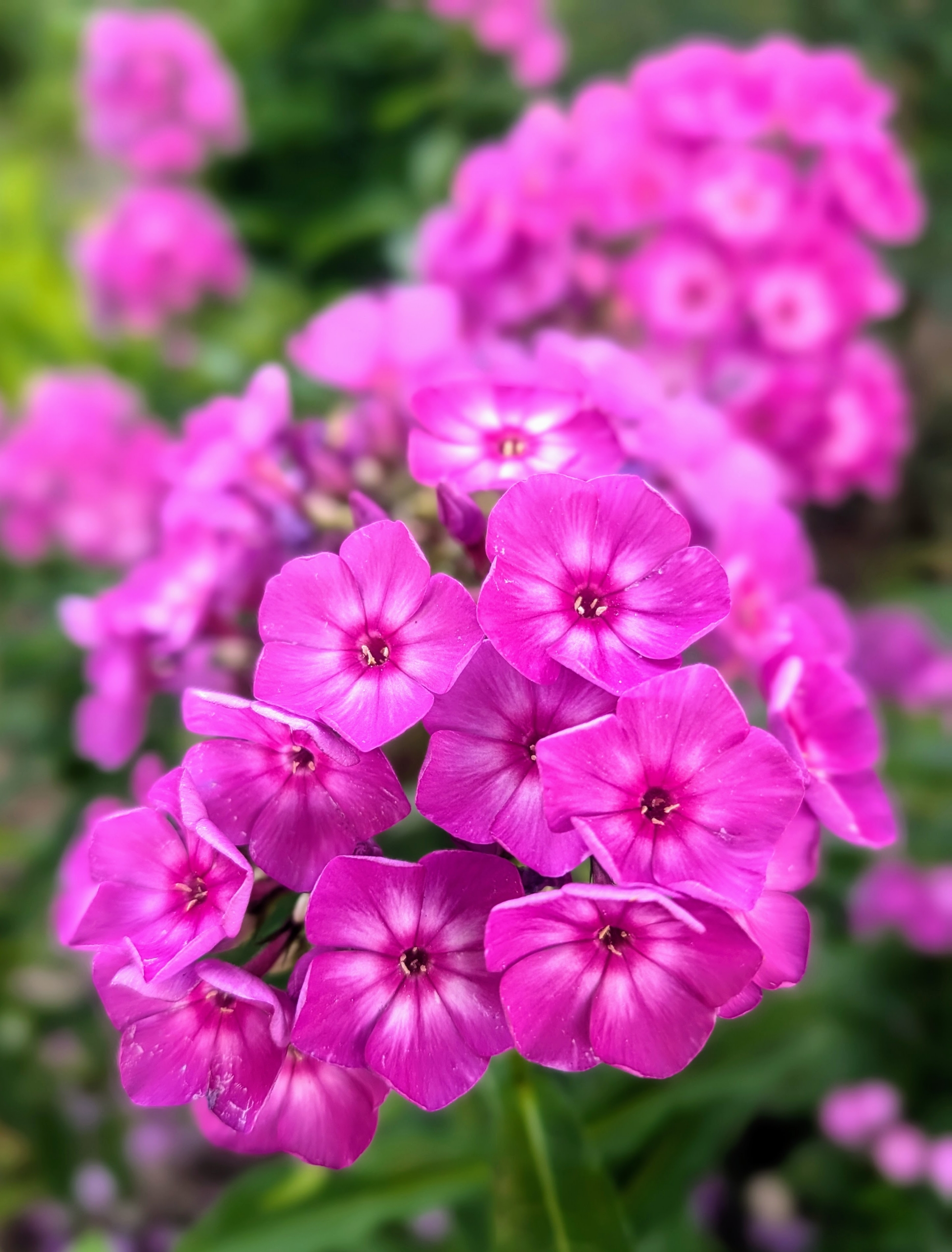
- Phlox is thriving in another bed nearby. Phlox has superb heat and mildew resistance. It comes in a range of colors from pink to pure white to lavender to even red and grows happily in most parts of the country. If properly planted and sited, phlox is largely pest and disease free too – a perfect perennial.
-
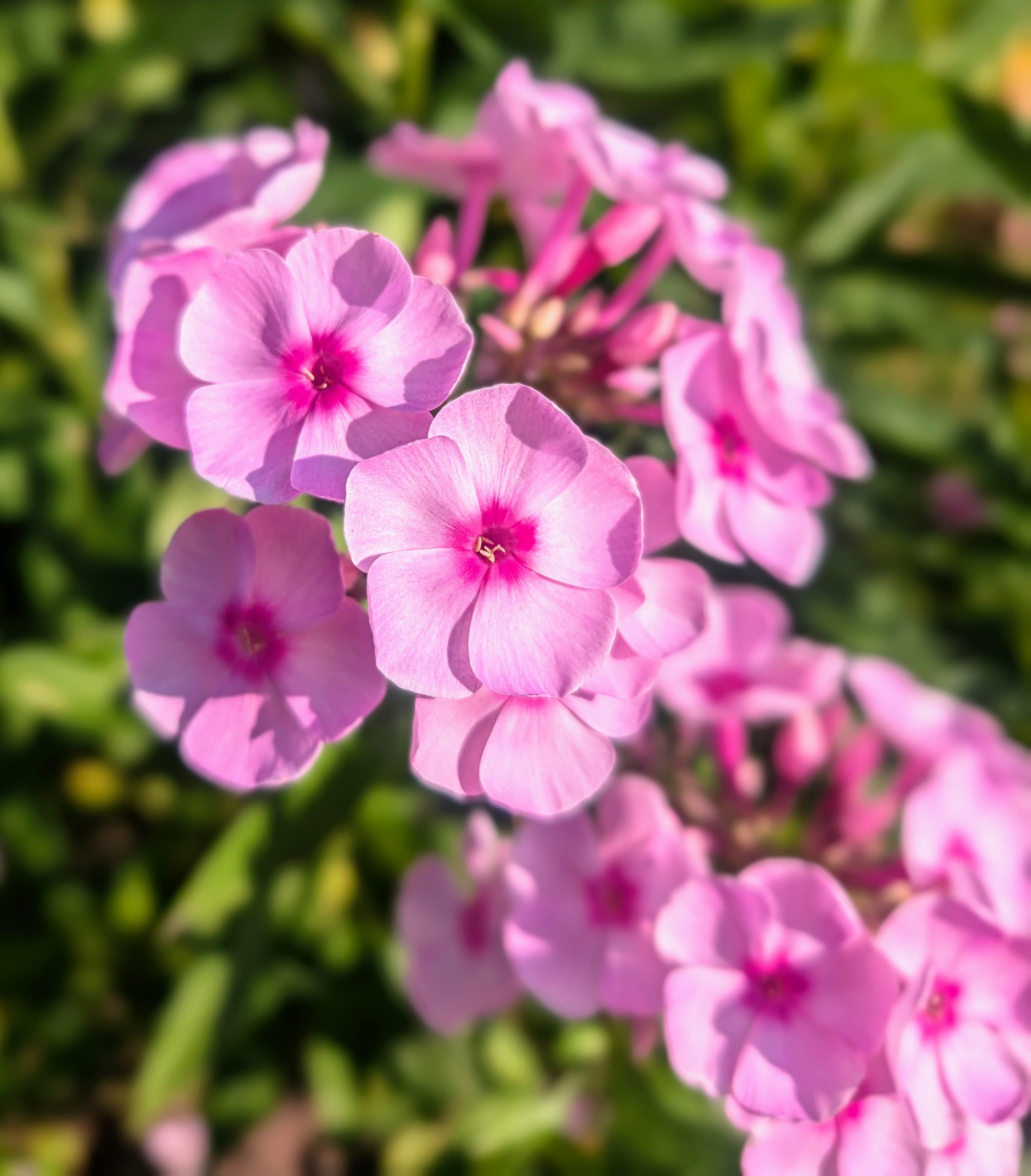
- Here is phlox in a lighter pink.
-
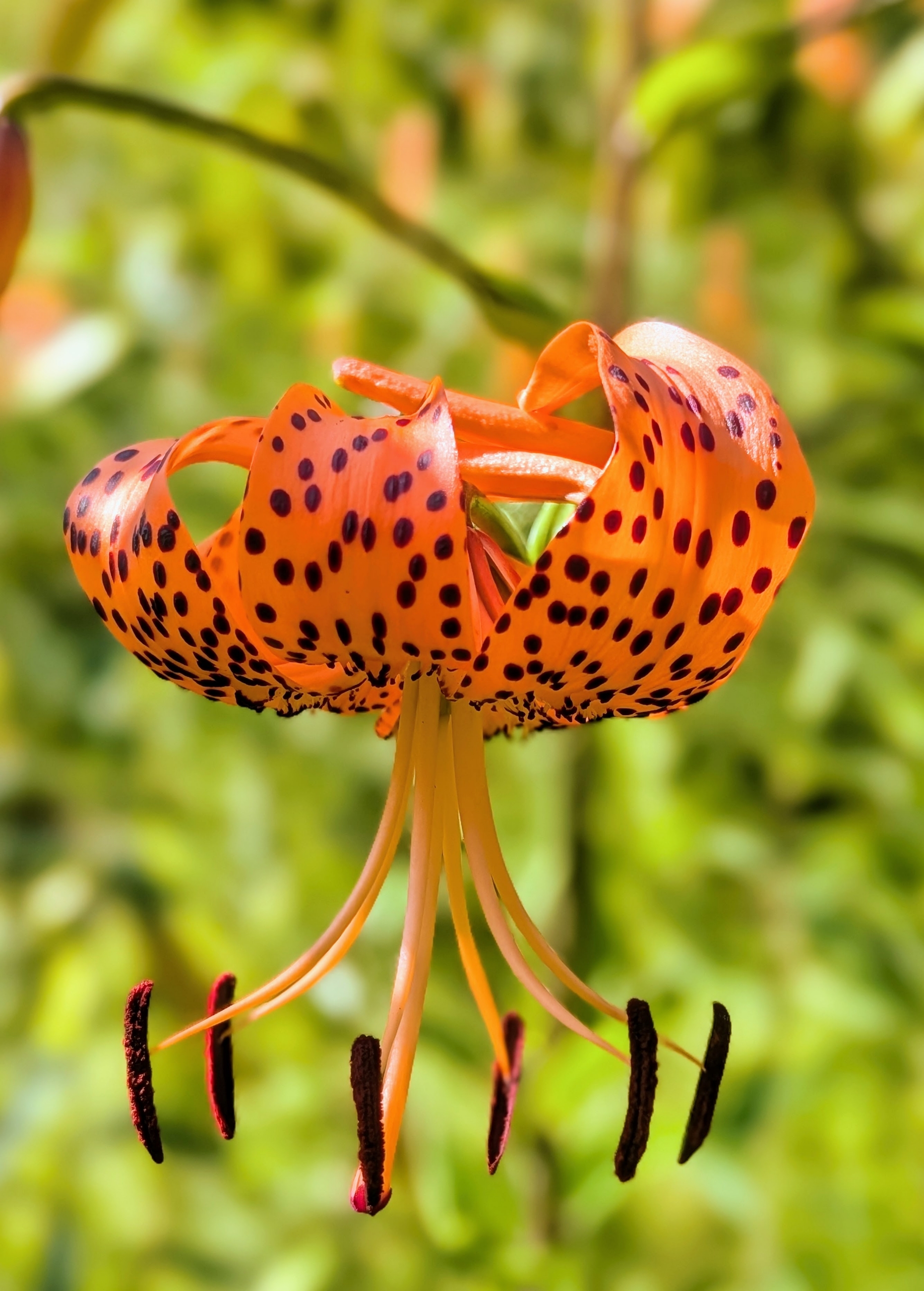
- The tiger lilies are just beginning to bloom. Native to China and Japan, Tiger lilies, Lilium lancifolium, bloom in mid to late summer, are easy to grow and come back year after year. I also have them across the carriage road in this same bright and cheerful orange.
 Martha Pins


 Martha Tweets

