

My Compost and Mulch
I'm so very proud of the organic mulch and nutrient-rich compost I produce right here on my farm.
Mulch is the protective layer spread over soil that helps to suppress weed growth, retain moisture, insulate the ground, and reduce erosion. Compost, also known in gardening as “black gold,” feeds the plants with essential nutrients. During the course of the year, my outdoor grounds crew amasses large amounts of organic debris - felled trees, branches, leaves, etc., but none of the material ever goes to waste. It is either repurposed quickly as milled lumber, or made into one of the two garden dressings.
Here are some photos.
-

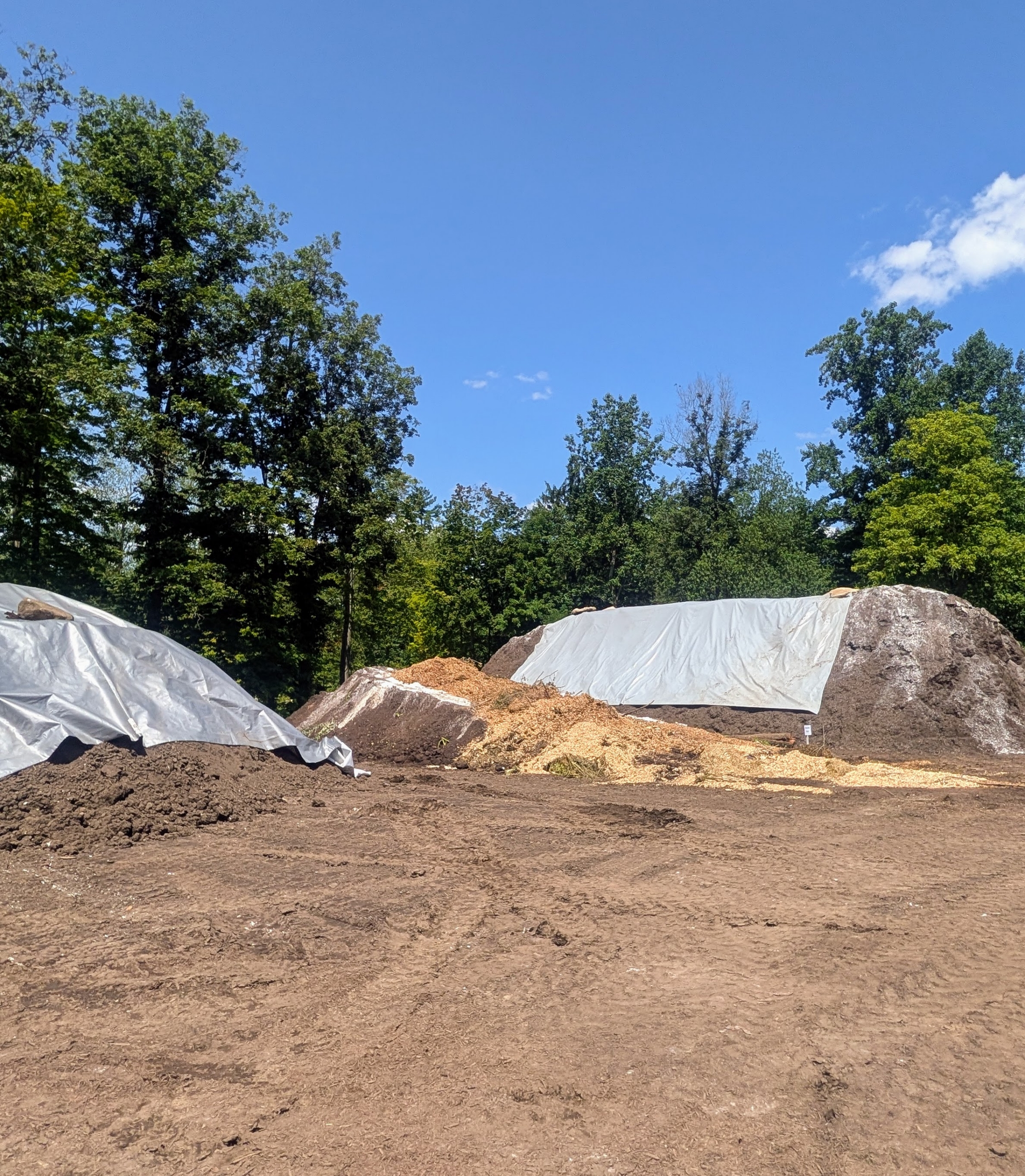
- Located in a back field of the farm is my compost yard – one of the most important areas on the property. These compost and mulch piles are in various stages of decay.
-
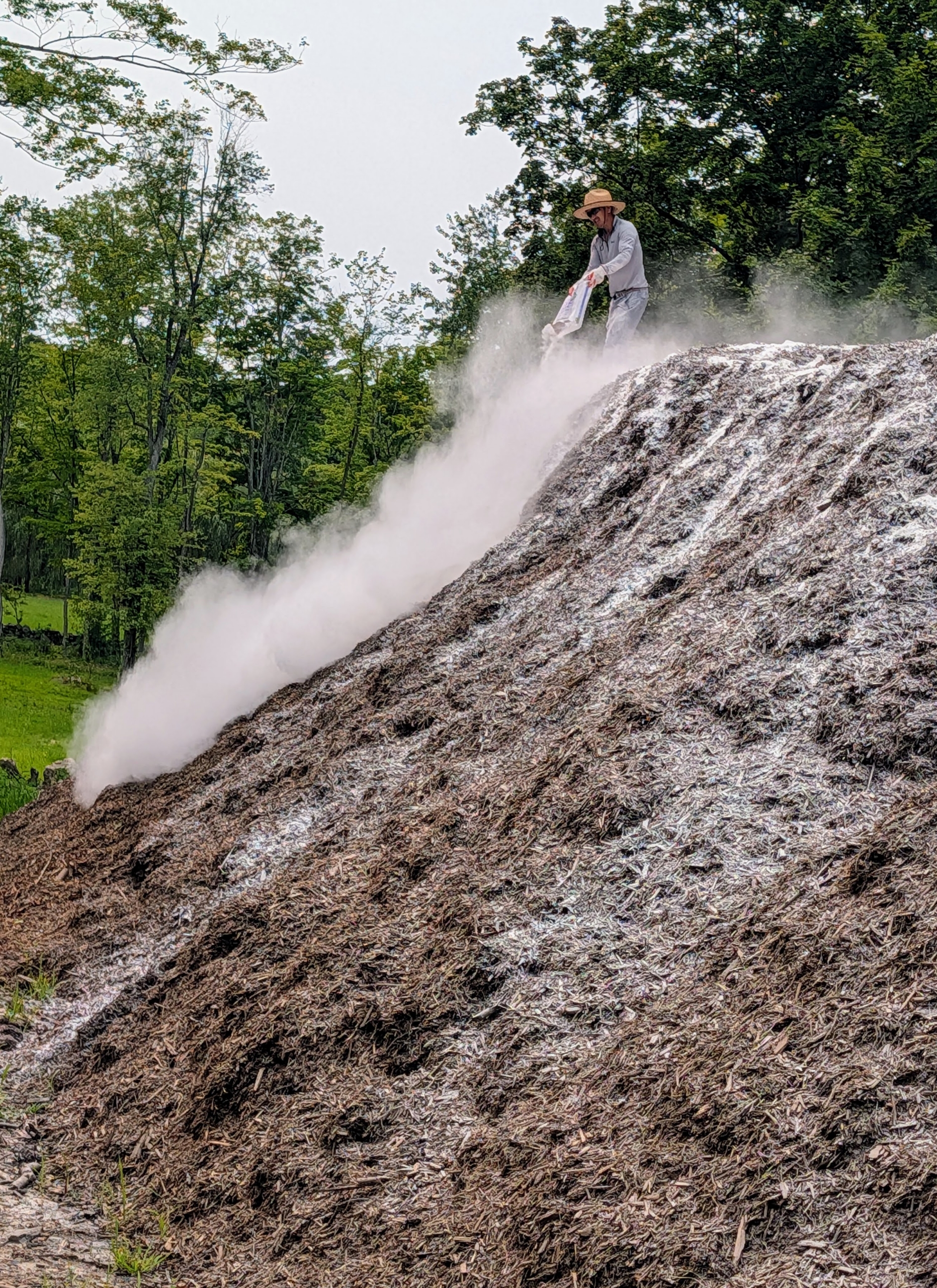
- Last week, my outdoor grounds crew foreman, Chhiring Sherpa, covered all the piles with lime. Lime is applied once a year to reduce mold, stabilize pH, enhance nutrient uptake, and speed up decomposition.
-
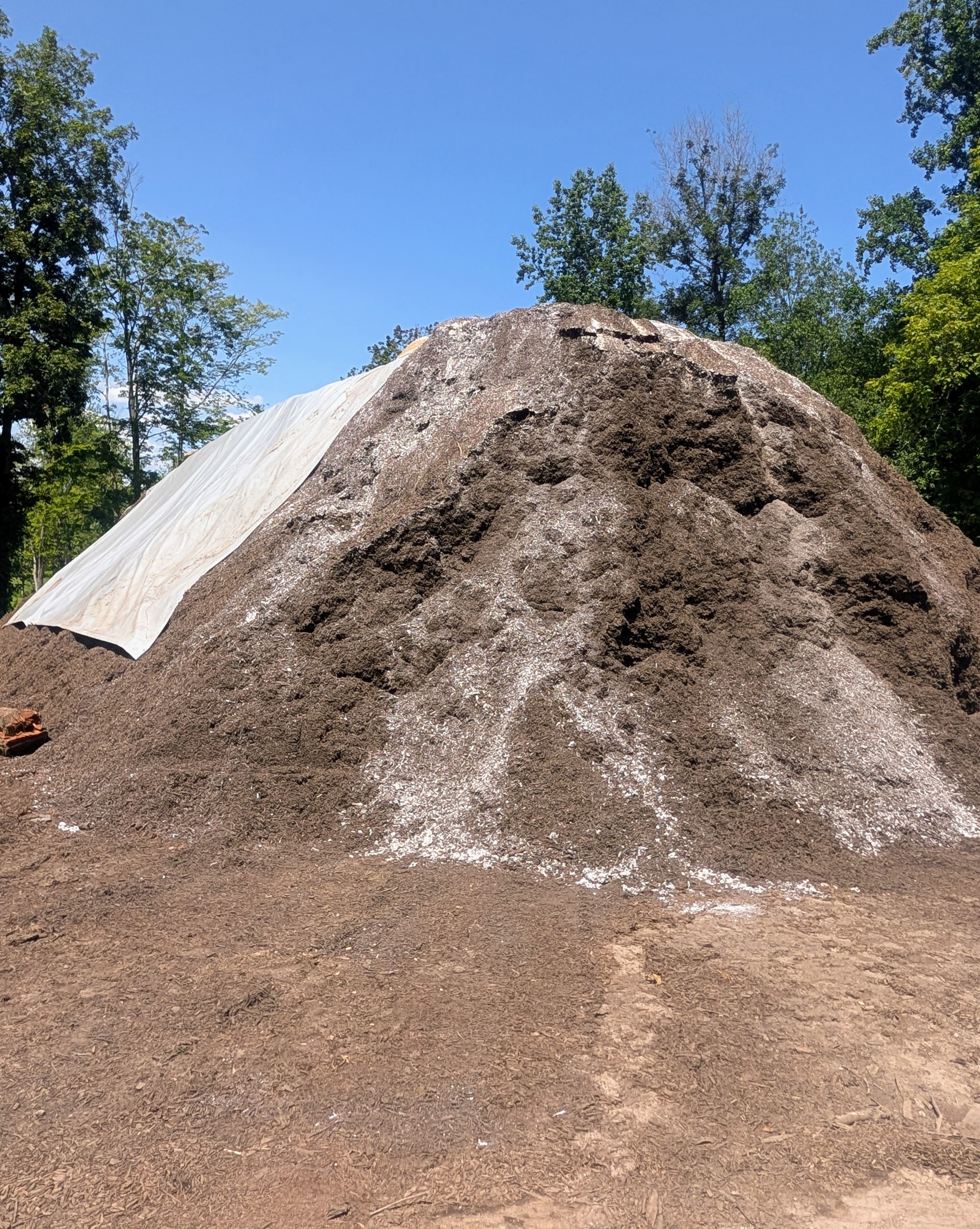
- And then the piles are covered to help decompose the material faster and more efficiently, raising the temperatures up to 160-degrees Fahrenheit. This pile is two year old mulch. Mulch needs to age for at least six to 12 months before it is safe and beneficial for the gardens.
-
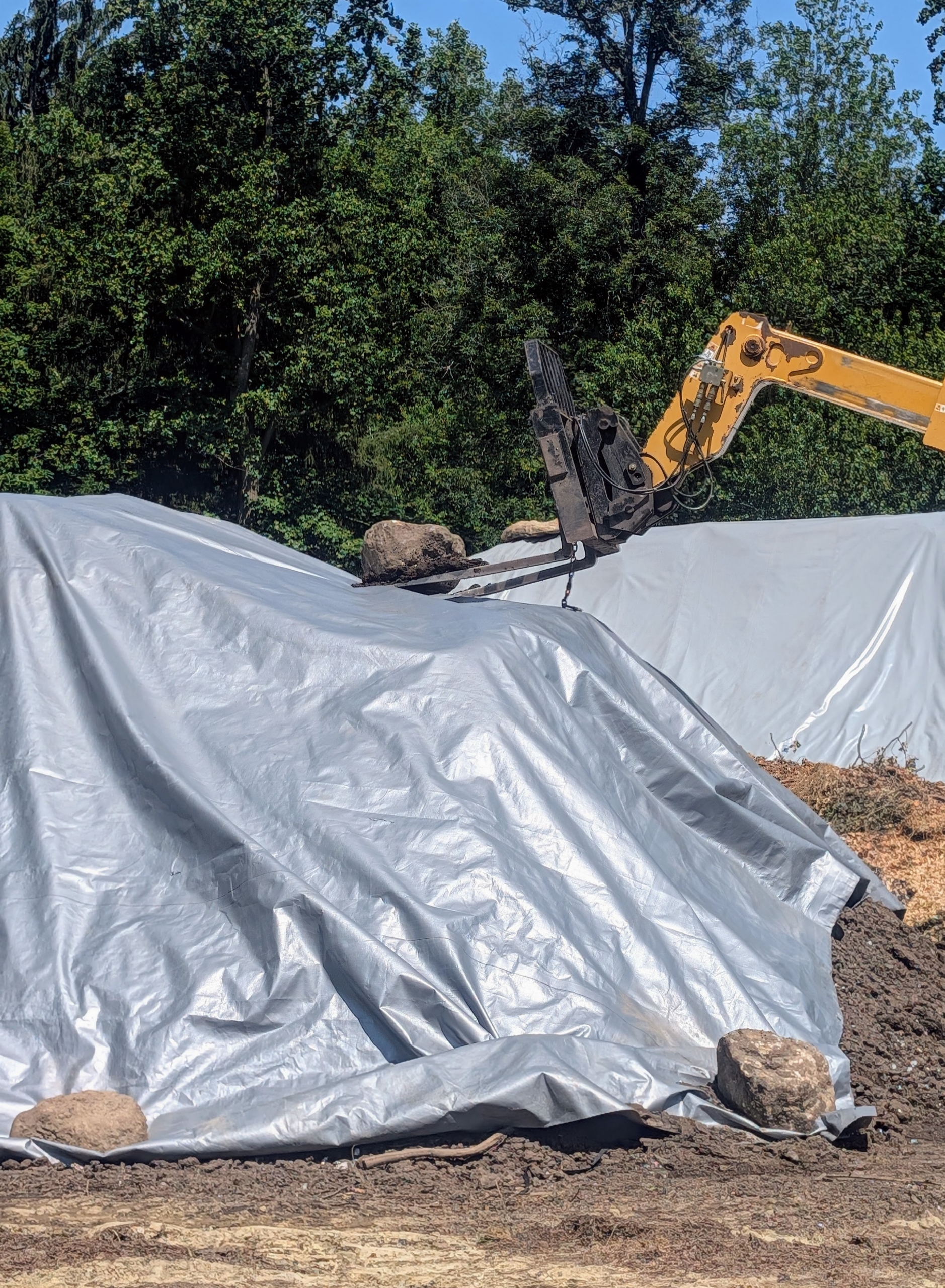
- Once the a pile is covered, using our trusted Hi-Lo Chhiring places huge boulders on top to keep the tarps in place.
-
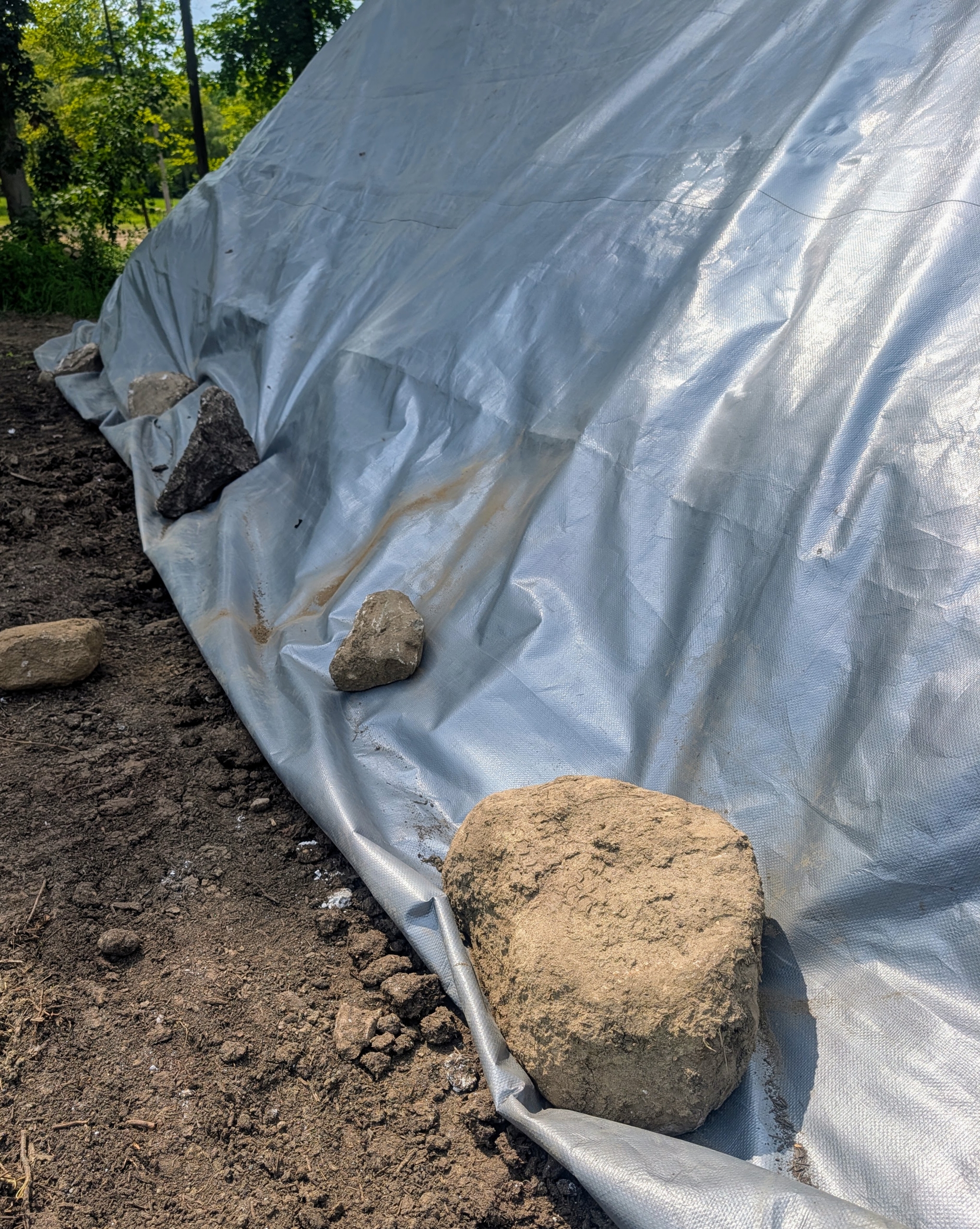
- He also places boulders around the edges.
-
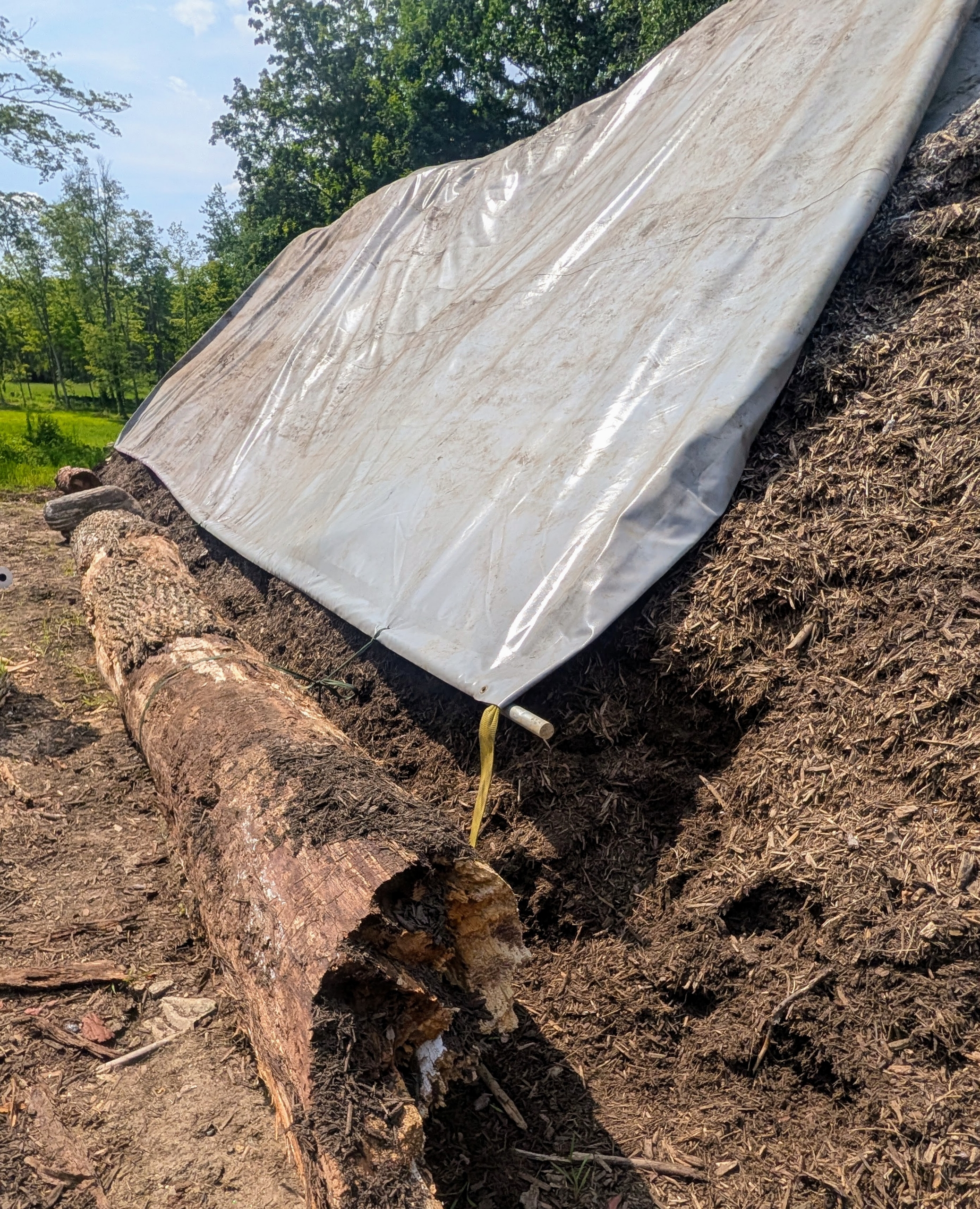
- On this pile, Chhiring uses a long pipe and a large log to prevent the tarp from blowing away. I always encourage my crew to think about better ways to improve our work around the farm using items we already have. My team is very innovative.
-
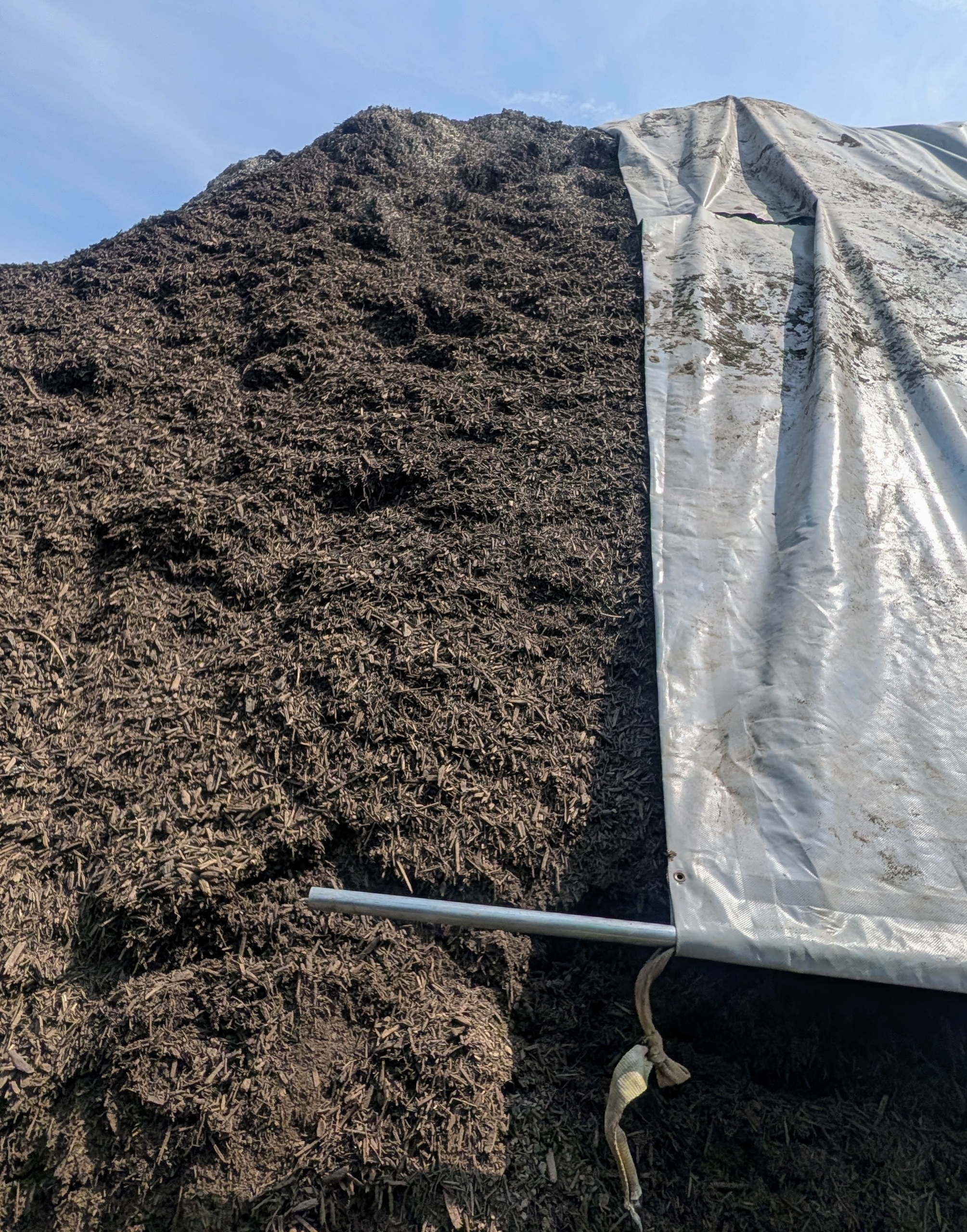
- Look at the rich, dark color of this clean and weed free mulch.
-
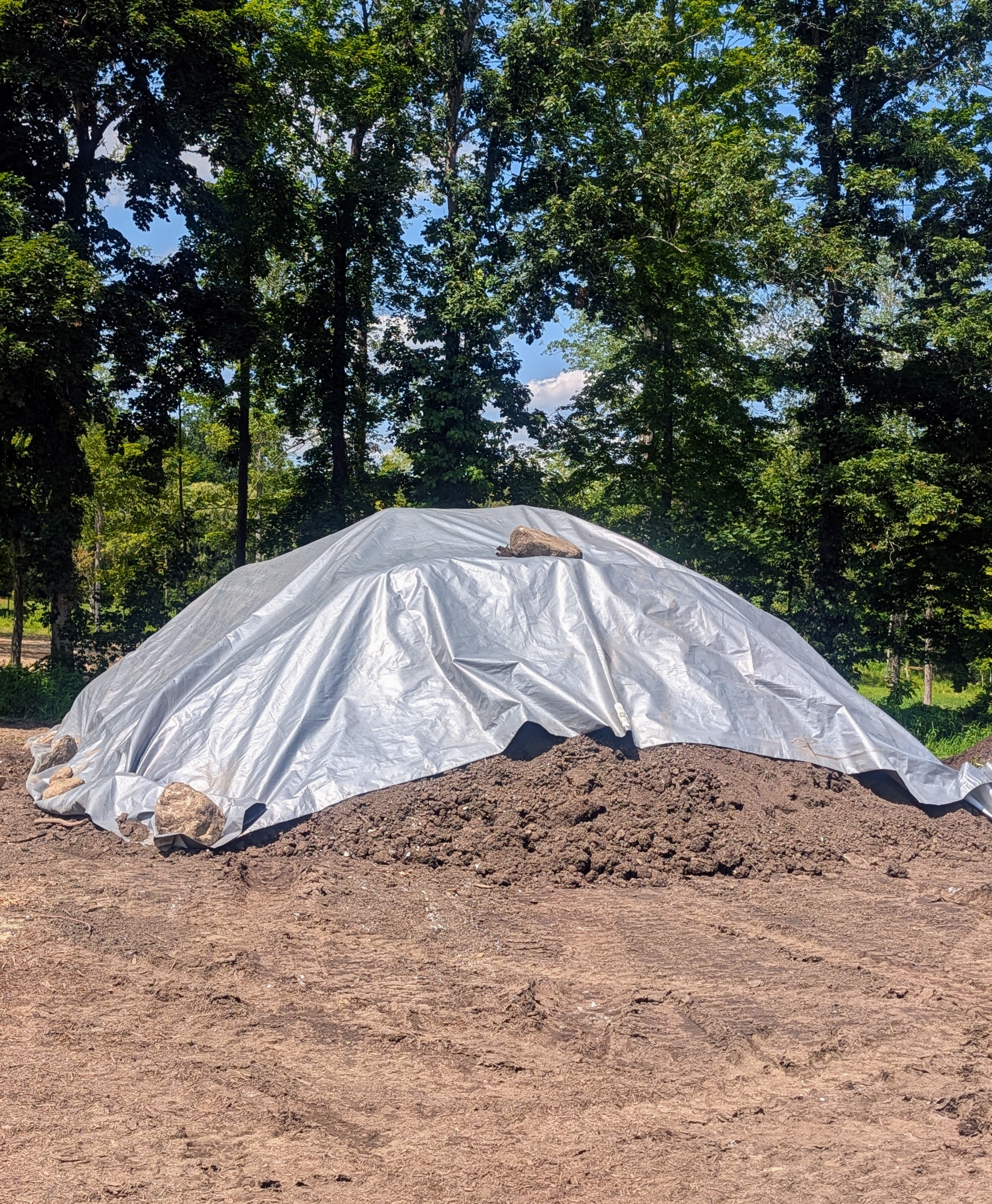
- This is a pile of compost. I am so proud to be able to make both right here at my farm.
-
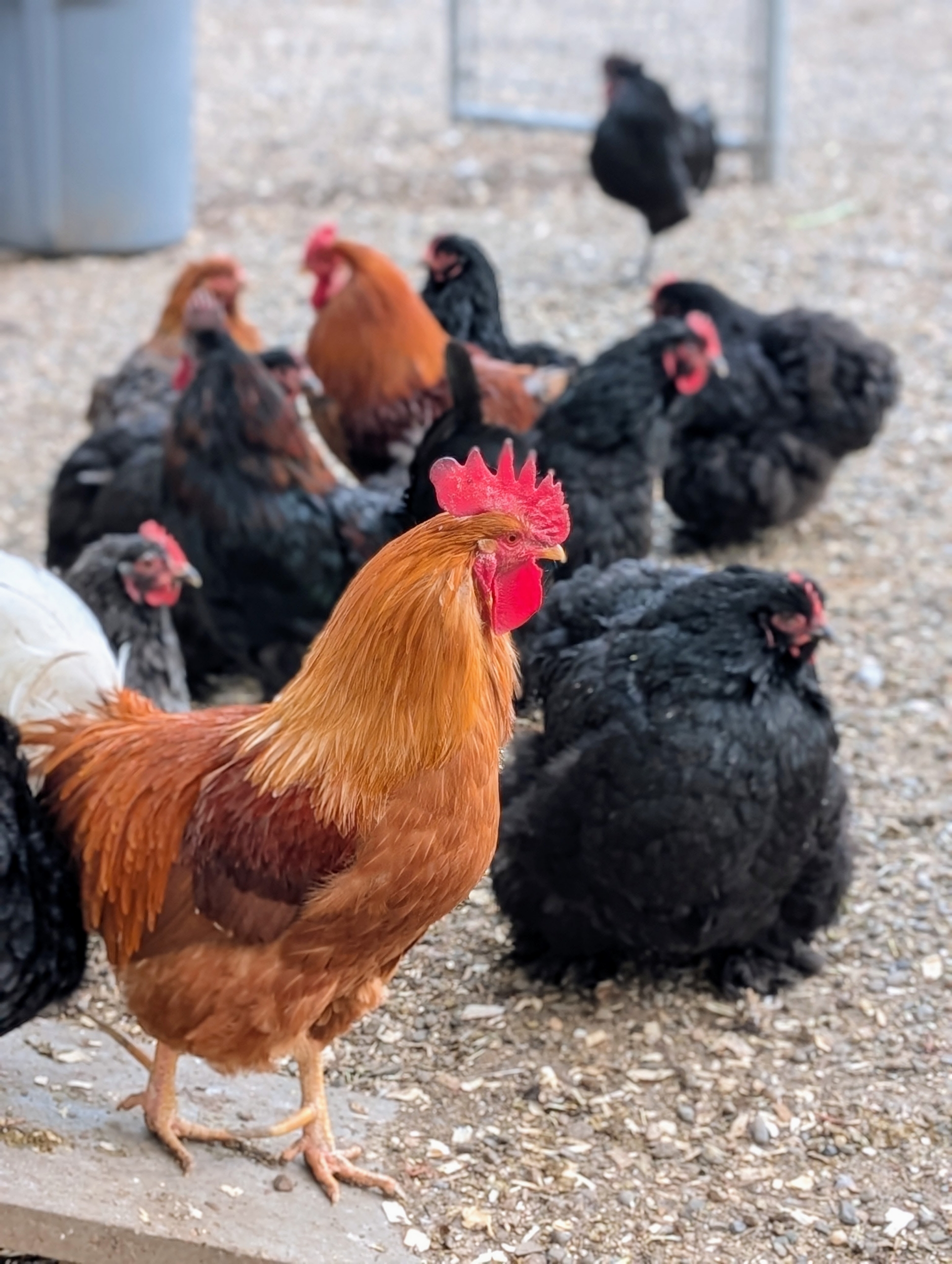
- And much of it starts in my chicken yard. My roosters, hens, turkeys, geese, pheasants, quail, and peafowl all help to create my valuable compost.
-
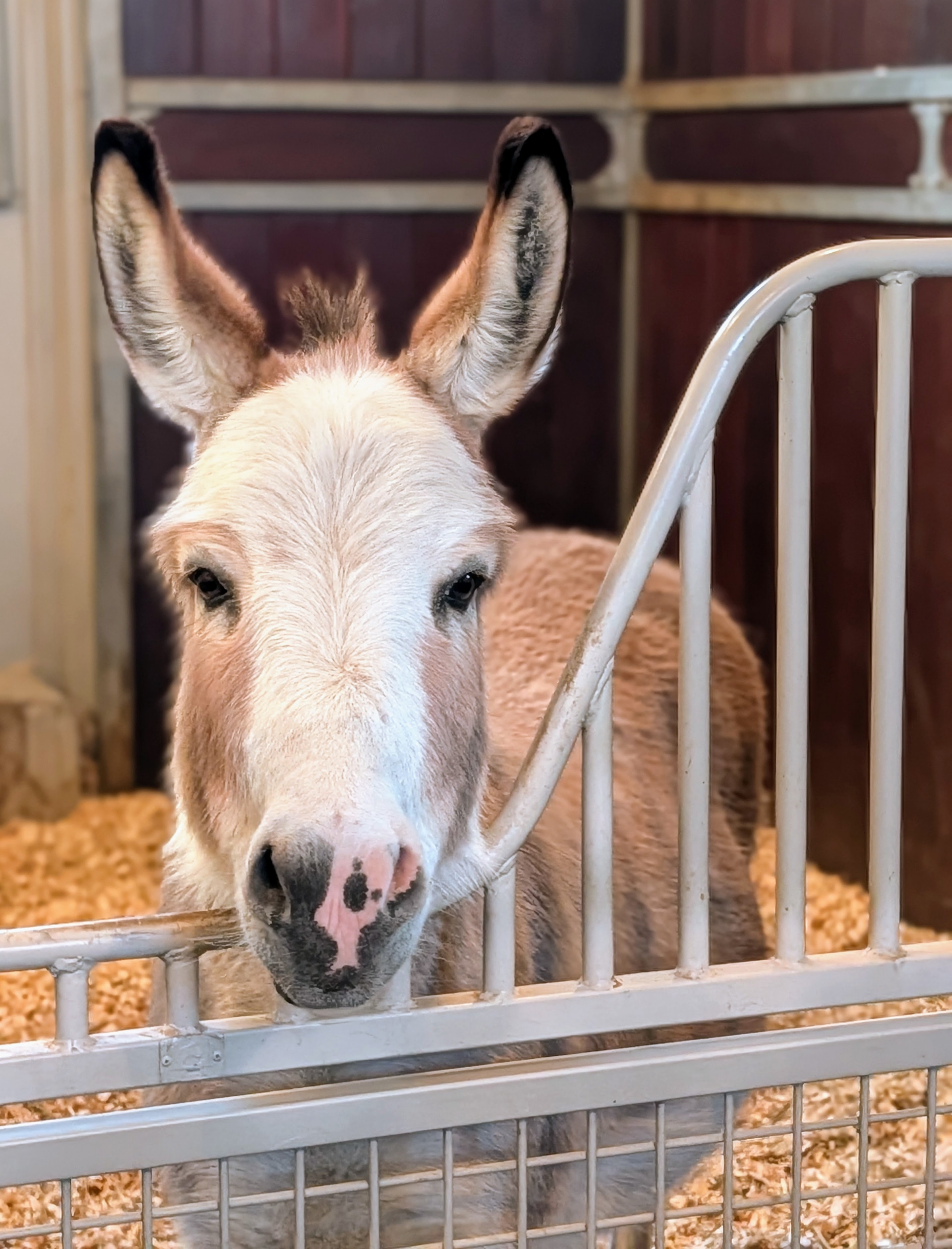
- … And so do my donkeys and horses.
-
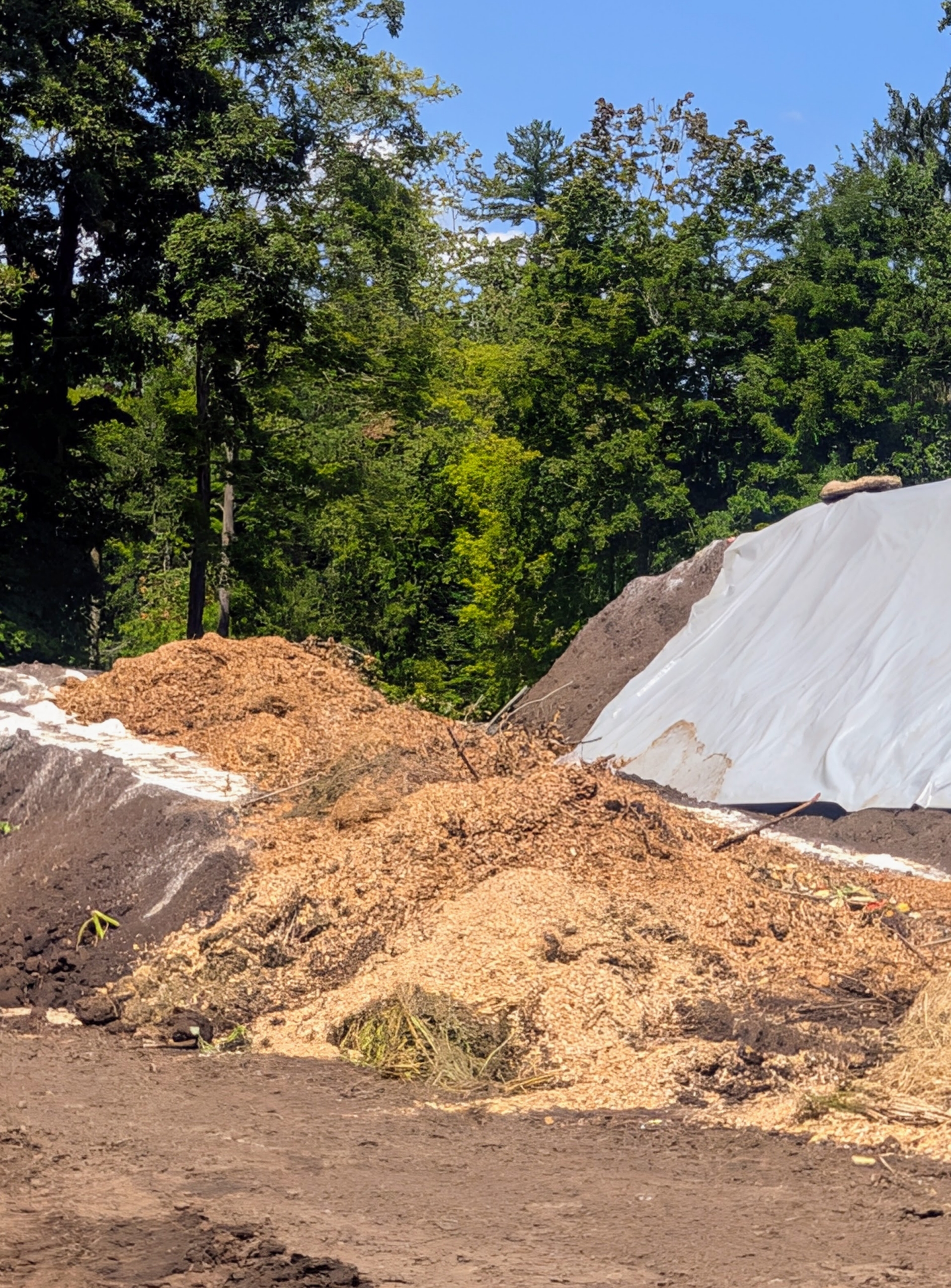
- Here is the animal waste and hay collected and piled in another area of the compost yard – ready for processing.
-
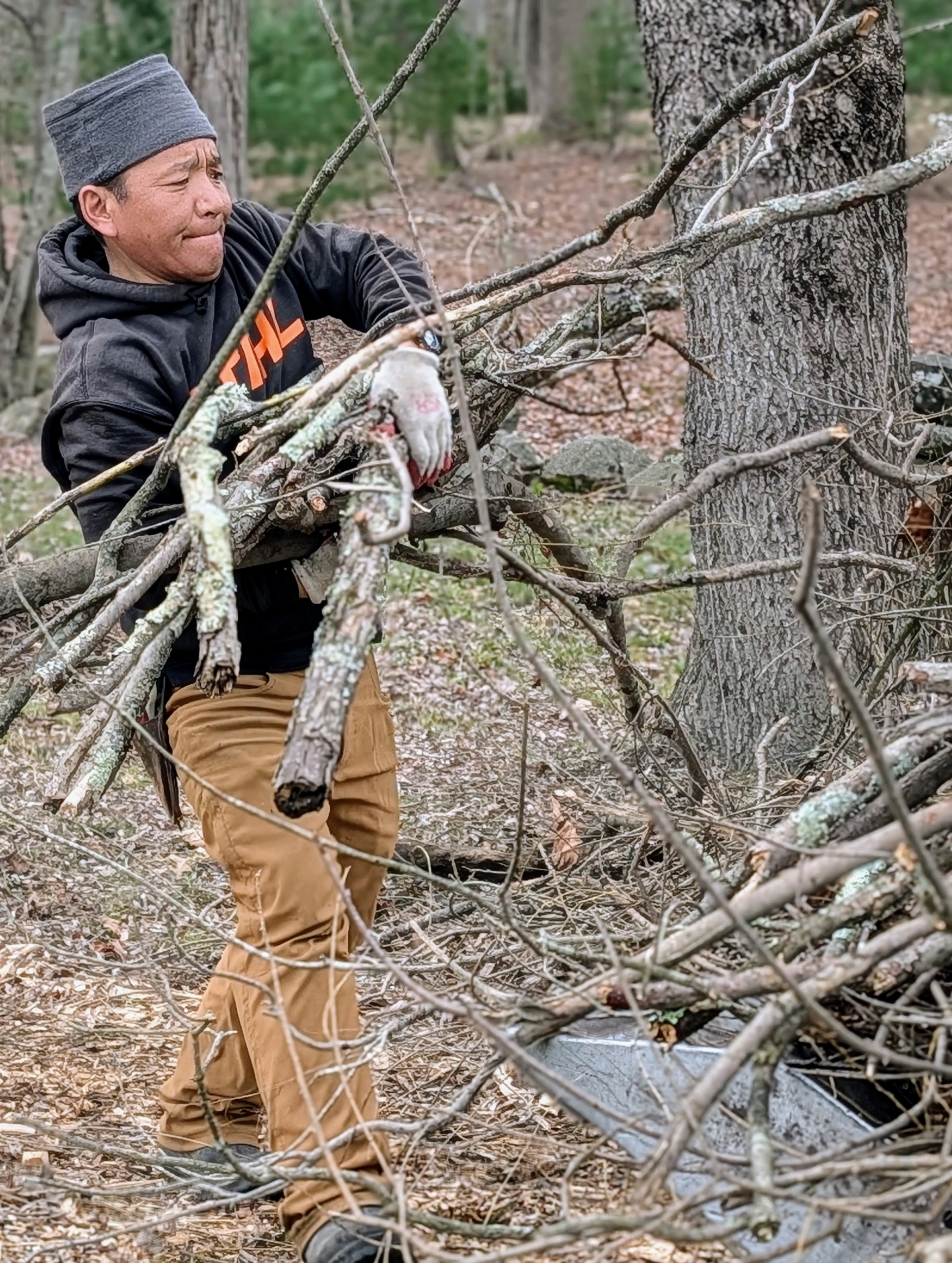
- During the course of the year, felled tree limbs and branches are collected and stored neatly. When possible, it is either chipped and returned as dressing in the woods, or carted away and brought to the compost yard.
-
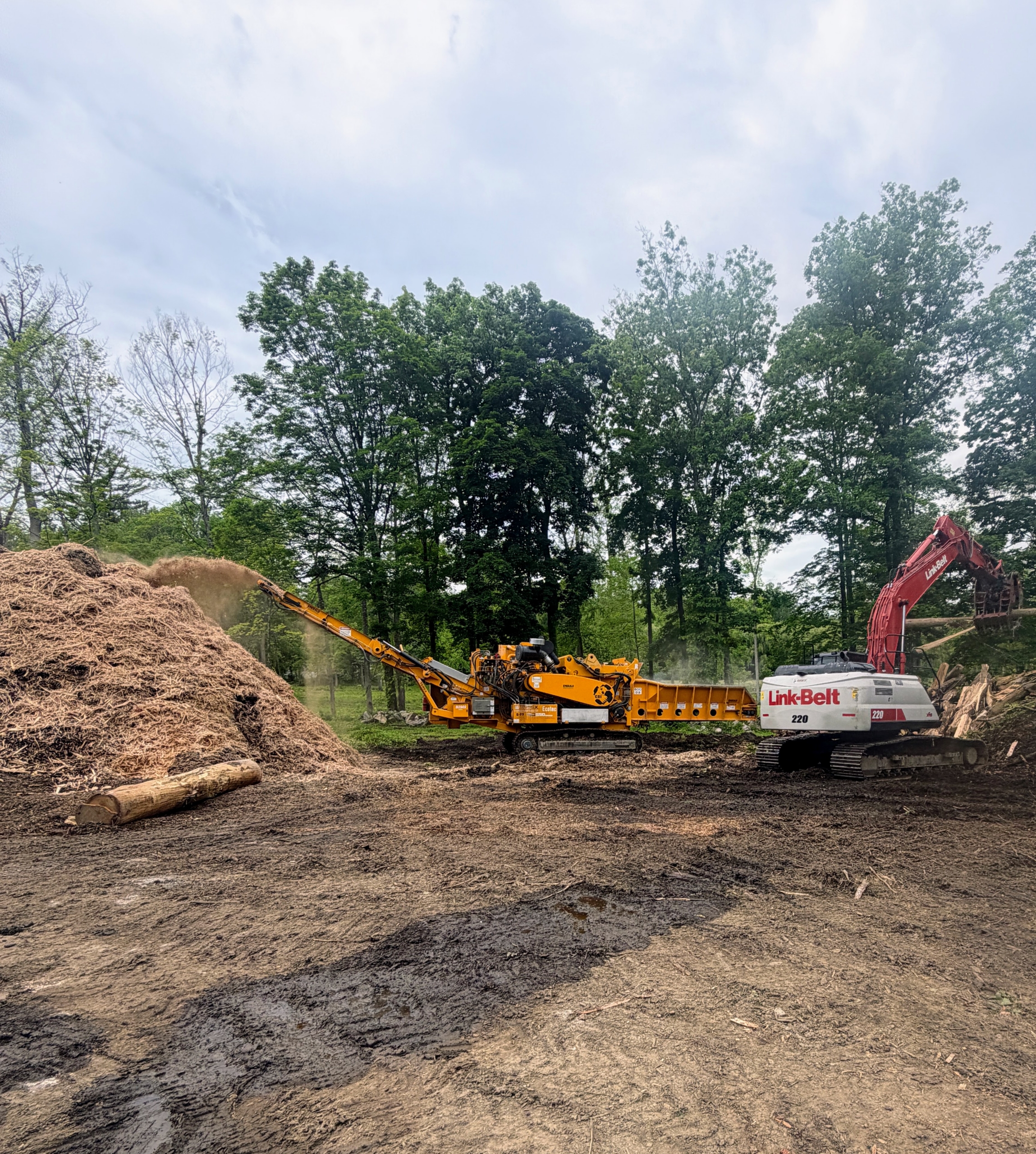
- Once a year, I call in heavy machinery to process the materials. And then the compost and mulch are left to decay naturally.
-
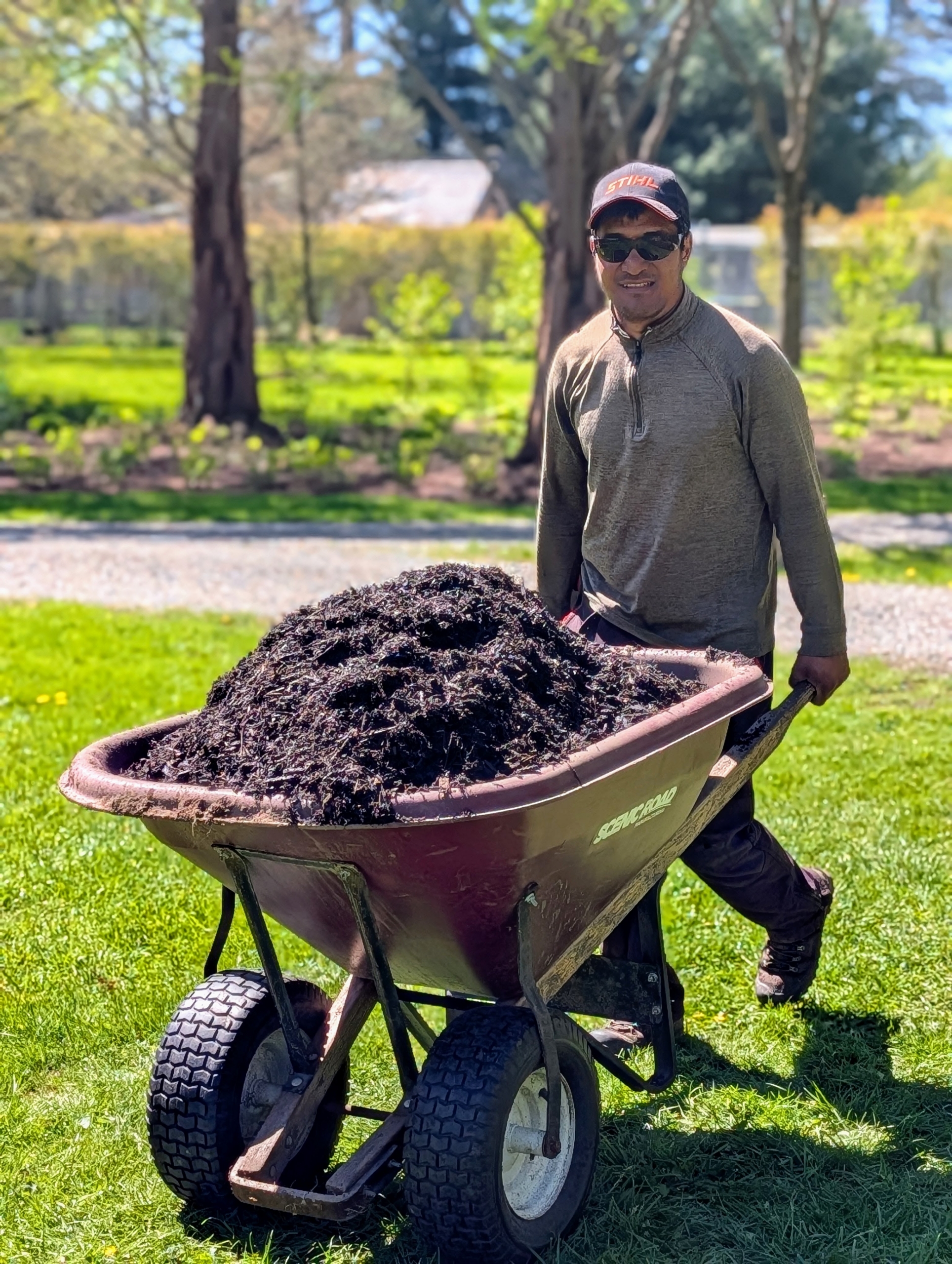
- Finally, it is brought out into the gardens to feed and dress my beds. Here’s Pasang transporting a wheelbarrow of mulch to the new rose garden earlier this season.
-
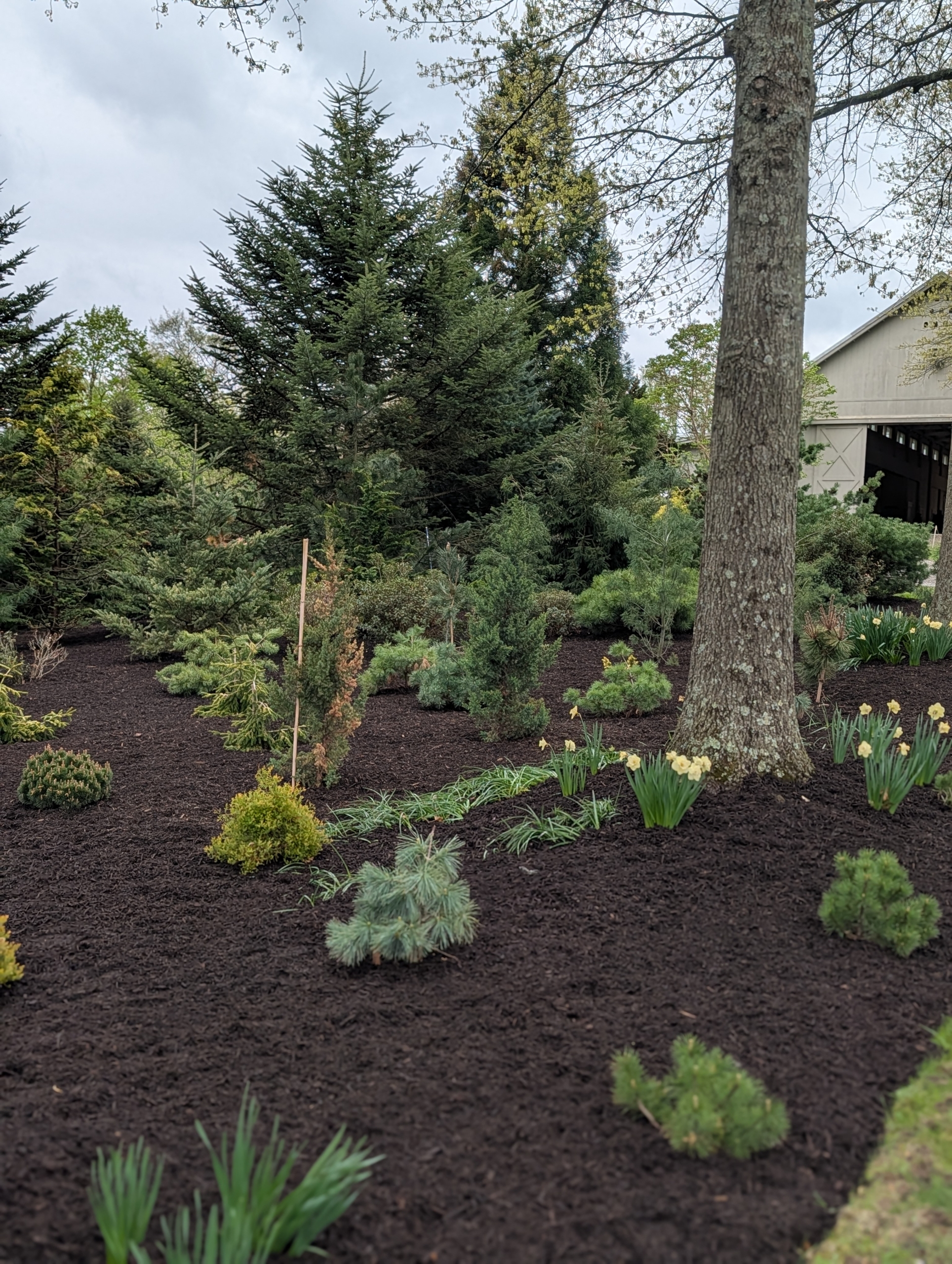
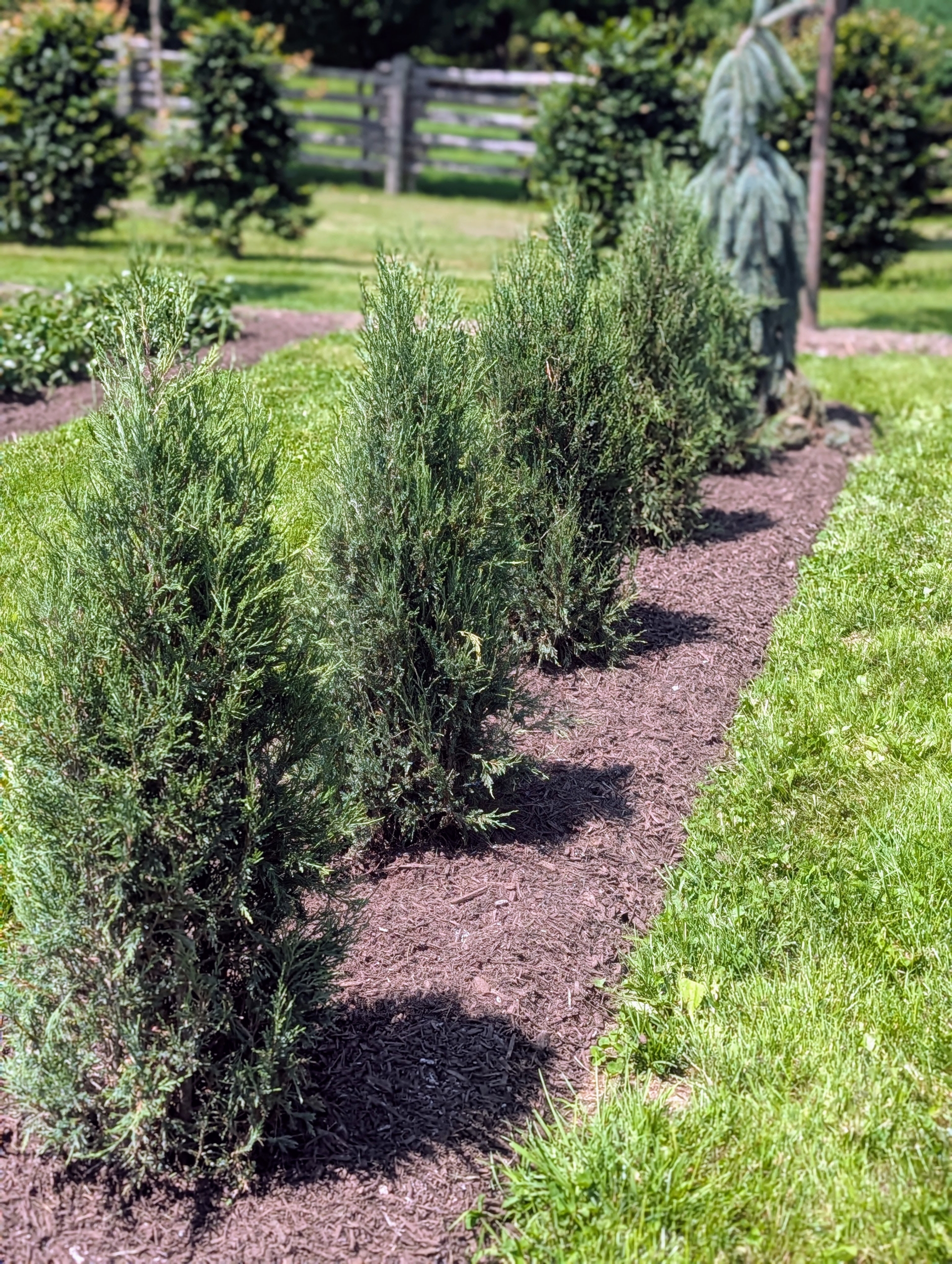
- Here is my pinetum right after it was covered with mulch.
-
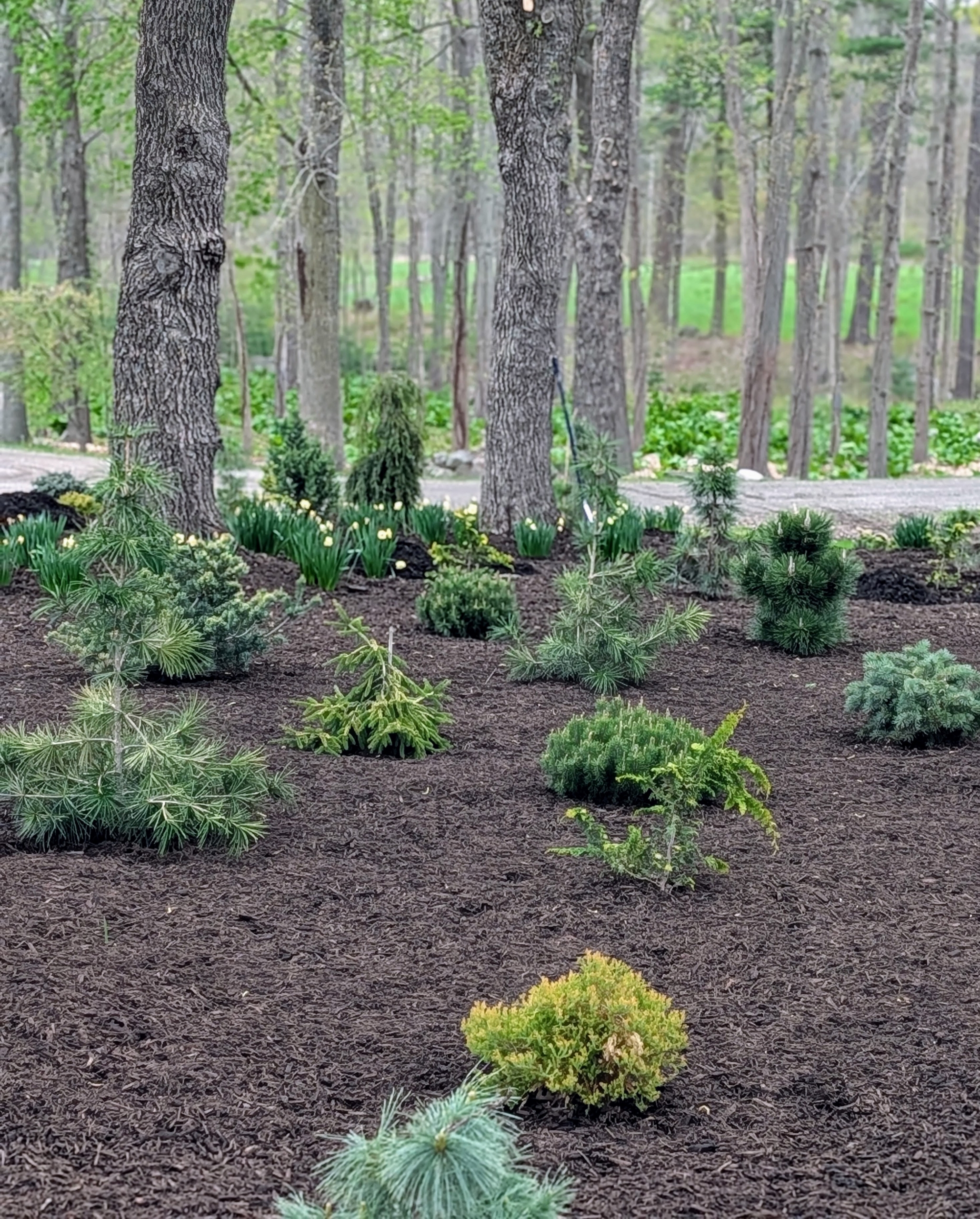
- The pinetum looks tidy and well groomed.
-
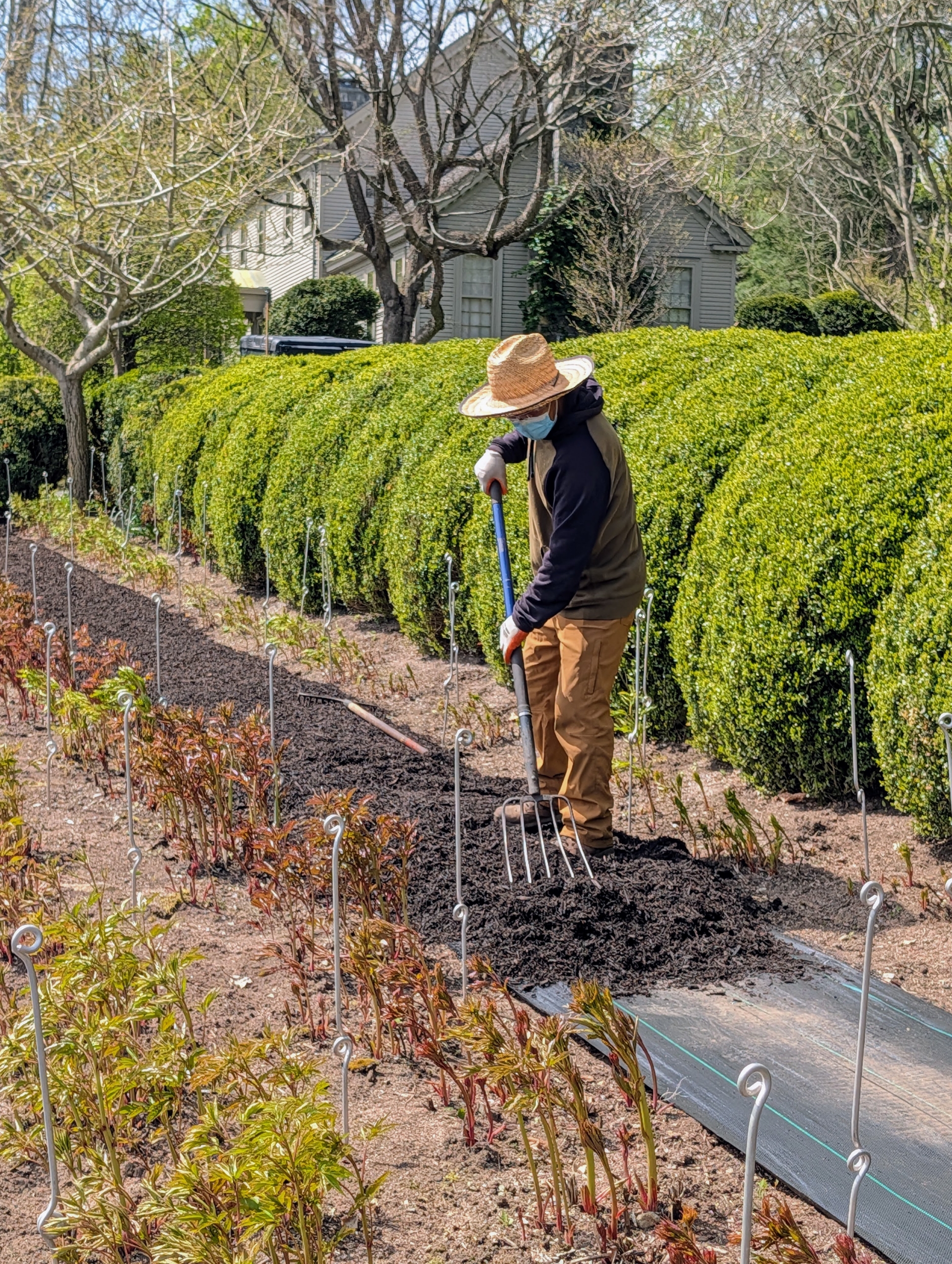
- In my peony garden, mulch is spread over weed cloth in all the footpaths. High-quality mulch typically appears rich in color, has a uniform texture, and is free from weeds or debris.
-
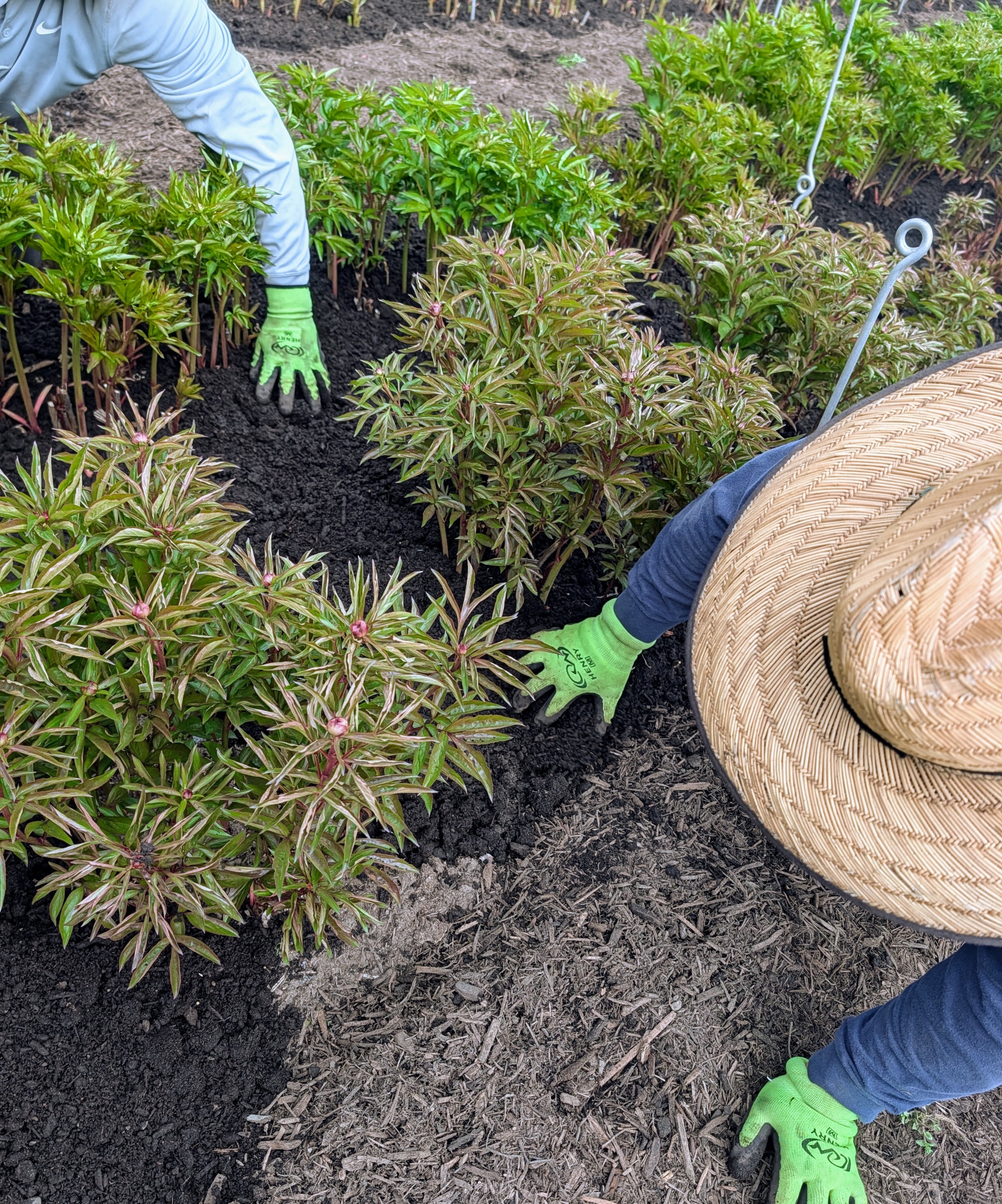
- Good compost is dark brown, crumbly, earthy-smelling, and free of any recognizable organic waste. Here it is spread around all the peony plants.
-
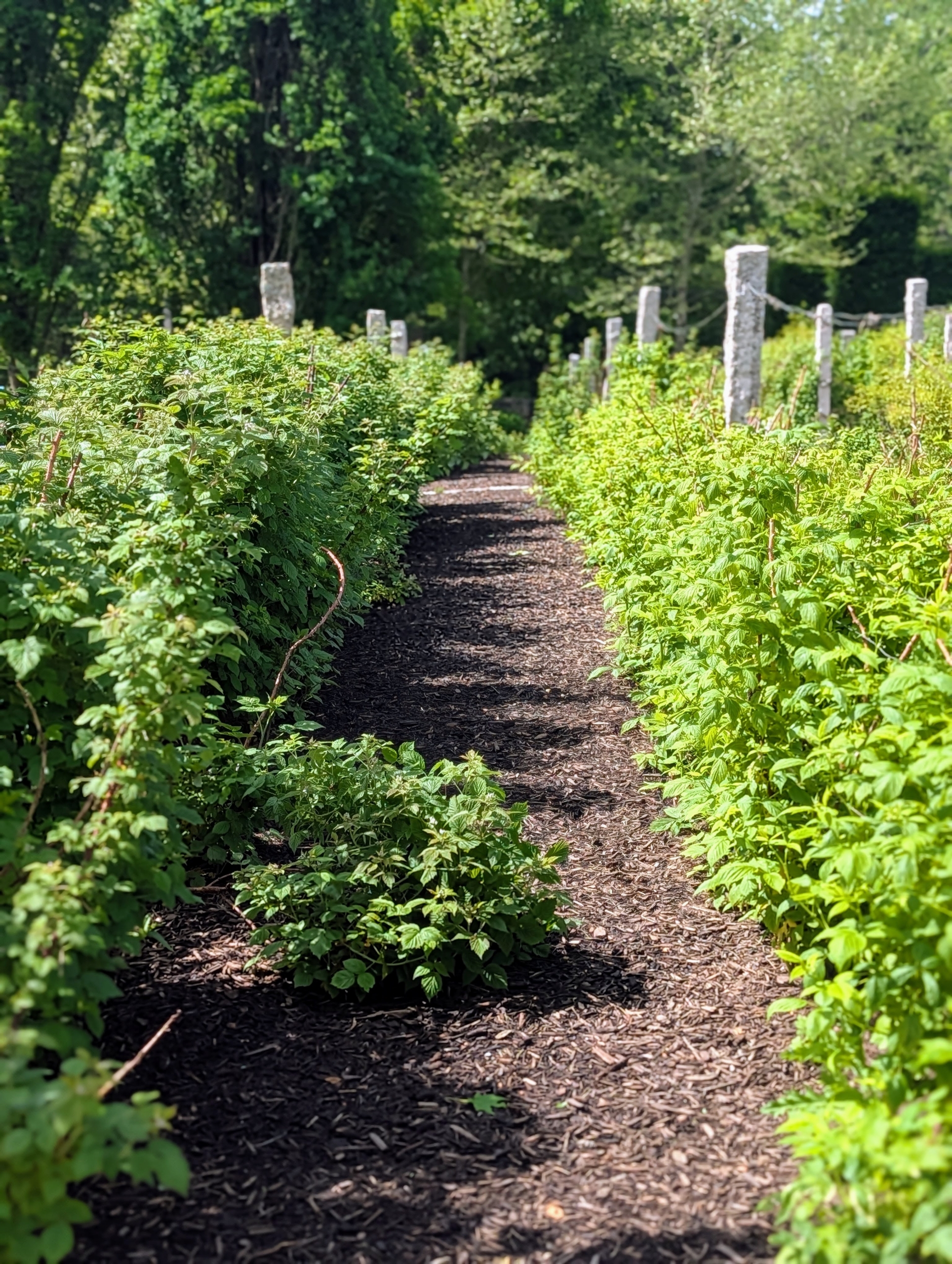
- I also spread mulch between my raspberry bushes.
-
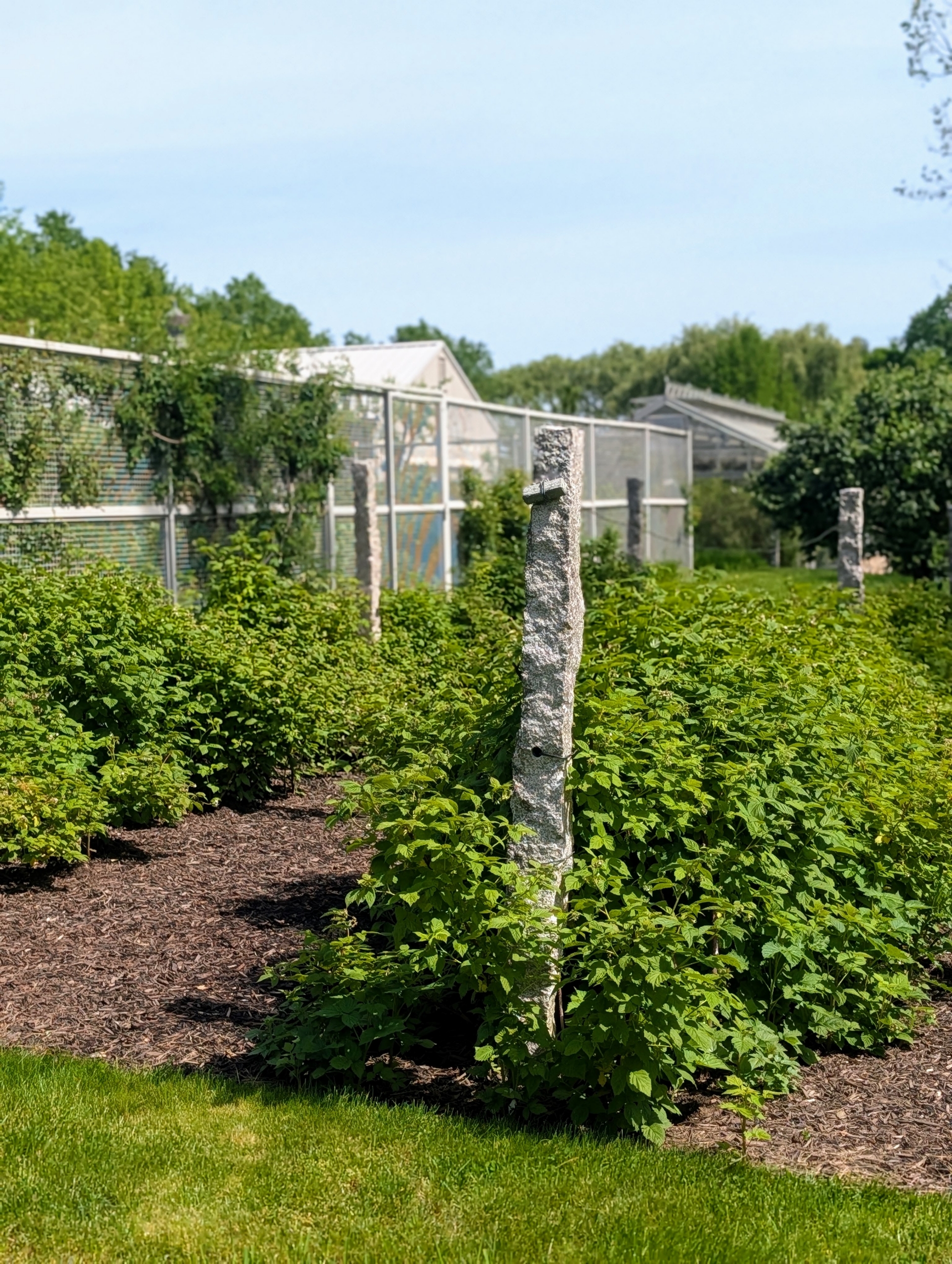
- In this full sun berry patch, the mulch regulates the soil temperature and makes the area neat for pickers.
-
- This week, my crew is mulching the maze. For most gardens, a two to four inch layer is sufficient. I mulch and compost my gardens once or twice a year. It’s a lot of work, but with compost to feed the soil from within, and mulch to protect it from above, any garden can flourish like mine.
 Martha Pins


 Martha Tweets

