

Grooming My Maze Garden Beds
Regular care and maintenance are essential to keeping the trees and plants at my farm healthy and beautiful throughout the seasons.
Four years ago, I began creating a garden maze of distinctive hedges, espaliers, and shrubs in the pasture across the carriage road from my Winter House terrace. Following a detailed plan that I designed specifically for the space, I selected and planted hundreds of different specimens to provide year-round texture, structure, and interest. This week, my grounds crew is working on mulching the beds, which improves soil health, conserves moisture, suppresses weeds, regulates temperature, and enhances overall plant growth and beauty.
Here are some photos, enjoy.
-

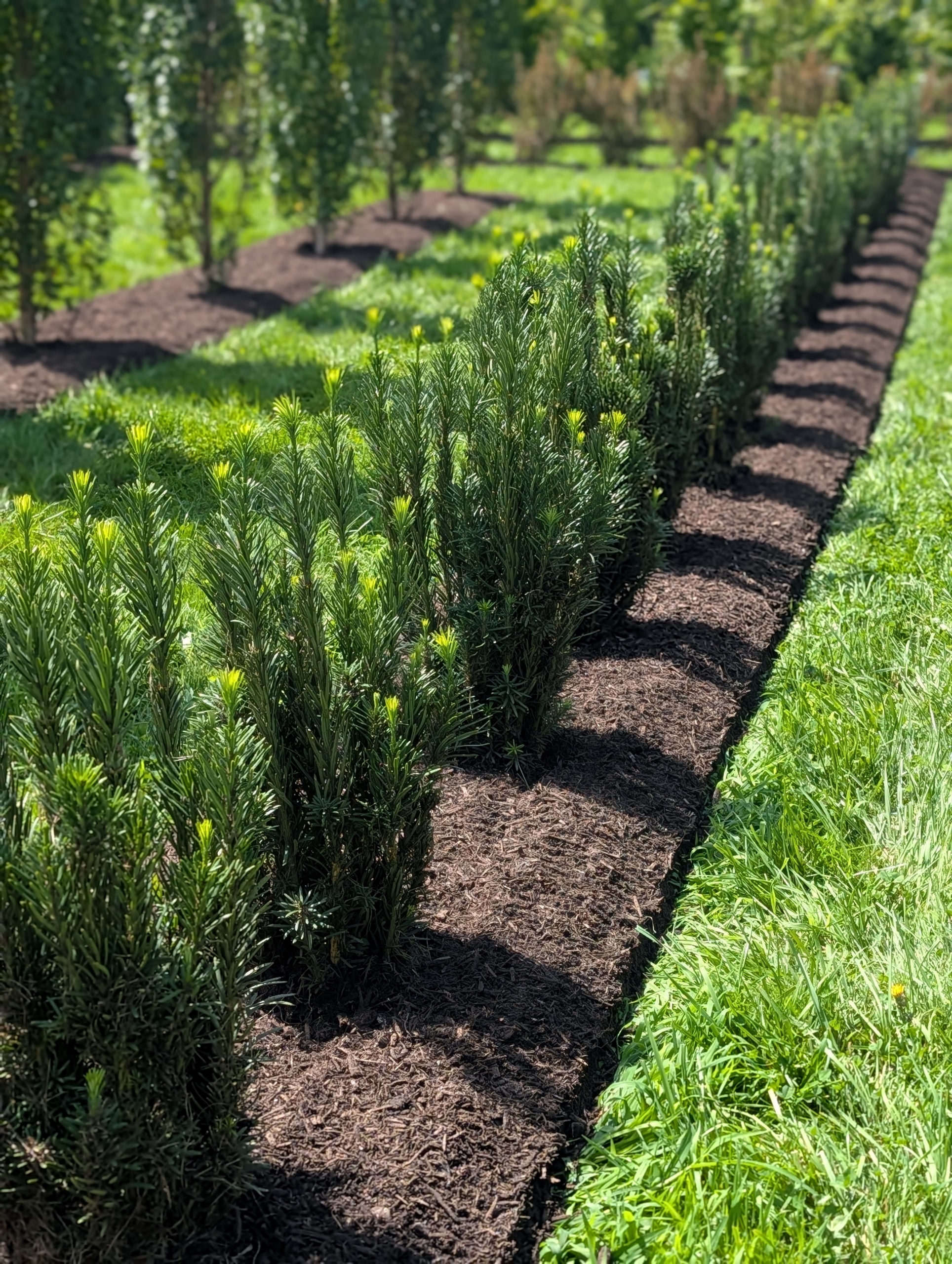
- A living garden maze is a puzzle of plantings. Rows branch off with various pathway options and dead ends – with only one correct route to the center. I designed the maze in this three acre pasture, where I could see it right from my window. This row shows Upright Japanese Plum Yews, Cephalotaxus harringtonia ‘Fastigiata.’ These have a carefree, vertical growth habit. The foliage is finely textured, shiny, dark green, and deer resistant.
-
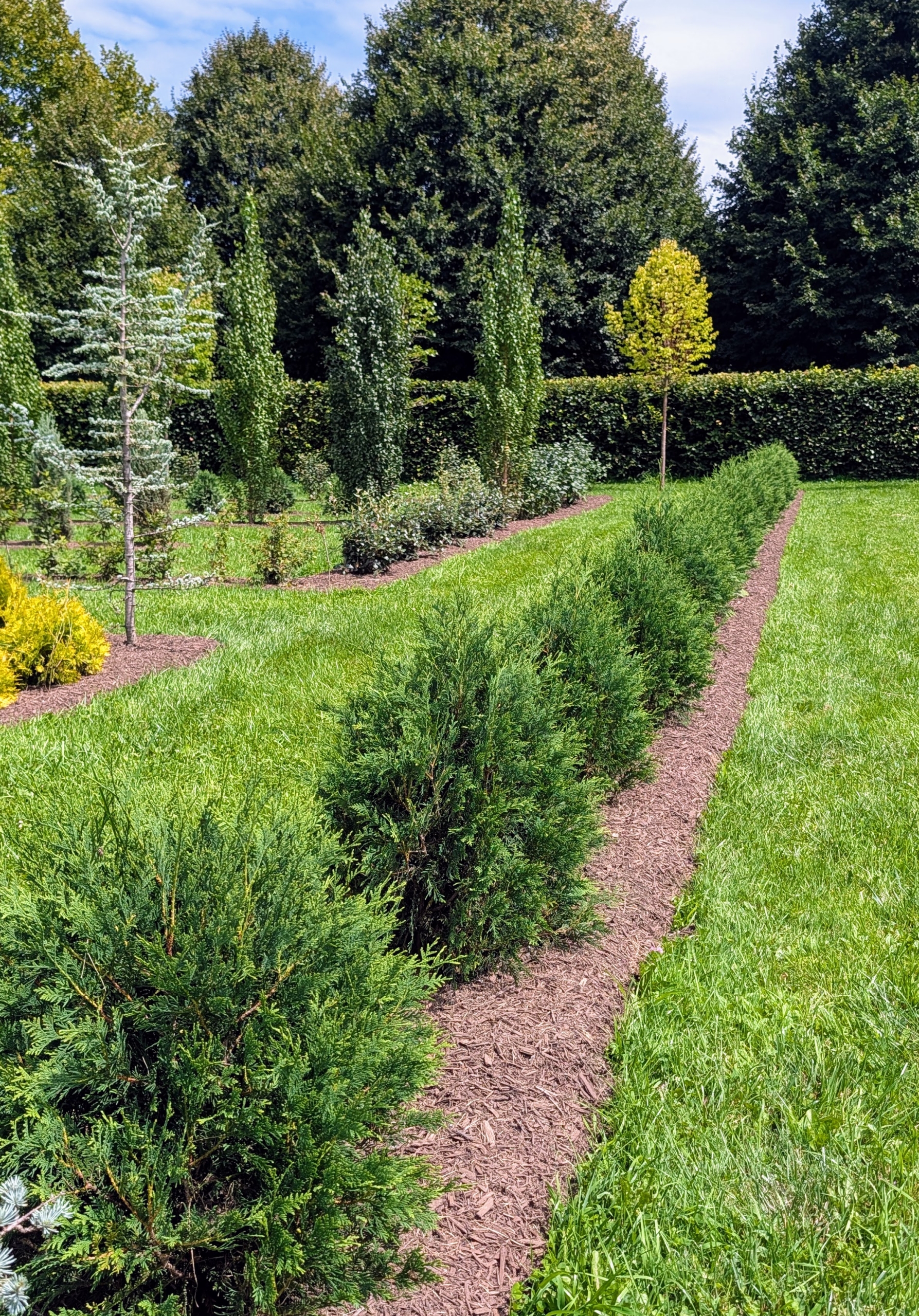
- Everything is looking so lush and green, in part because of the maintenance and care I give them throughout the year. This is a row of young arborvitae.
-
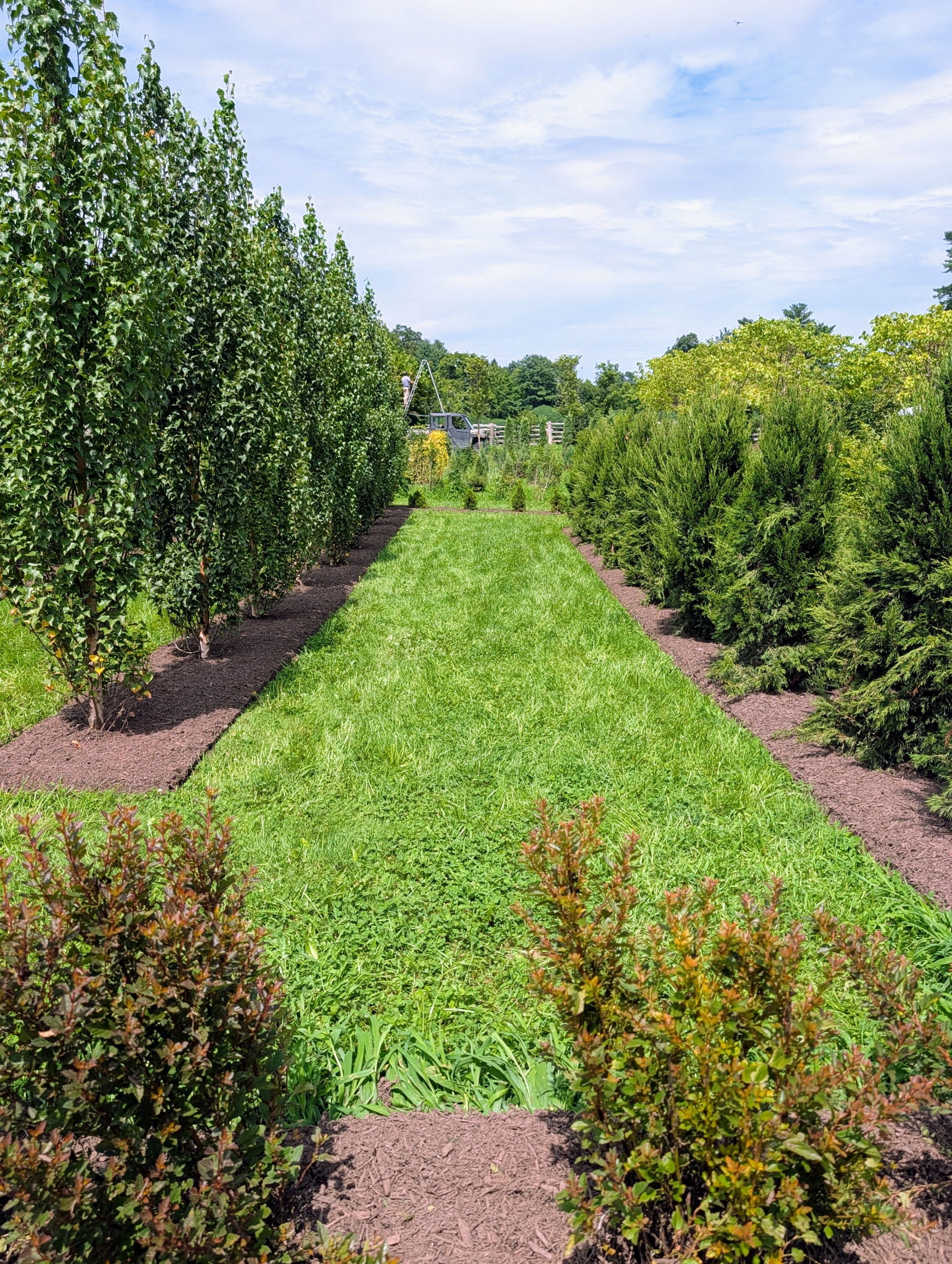
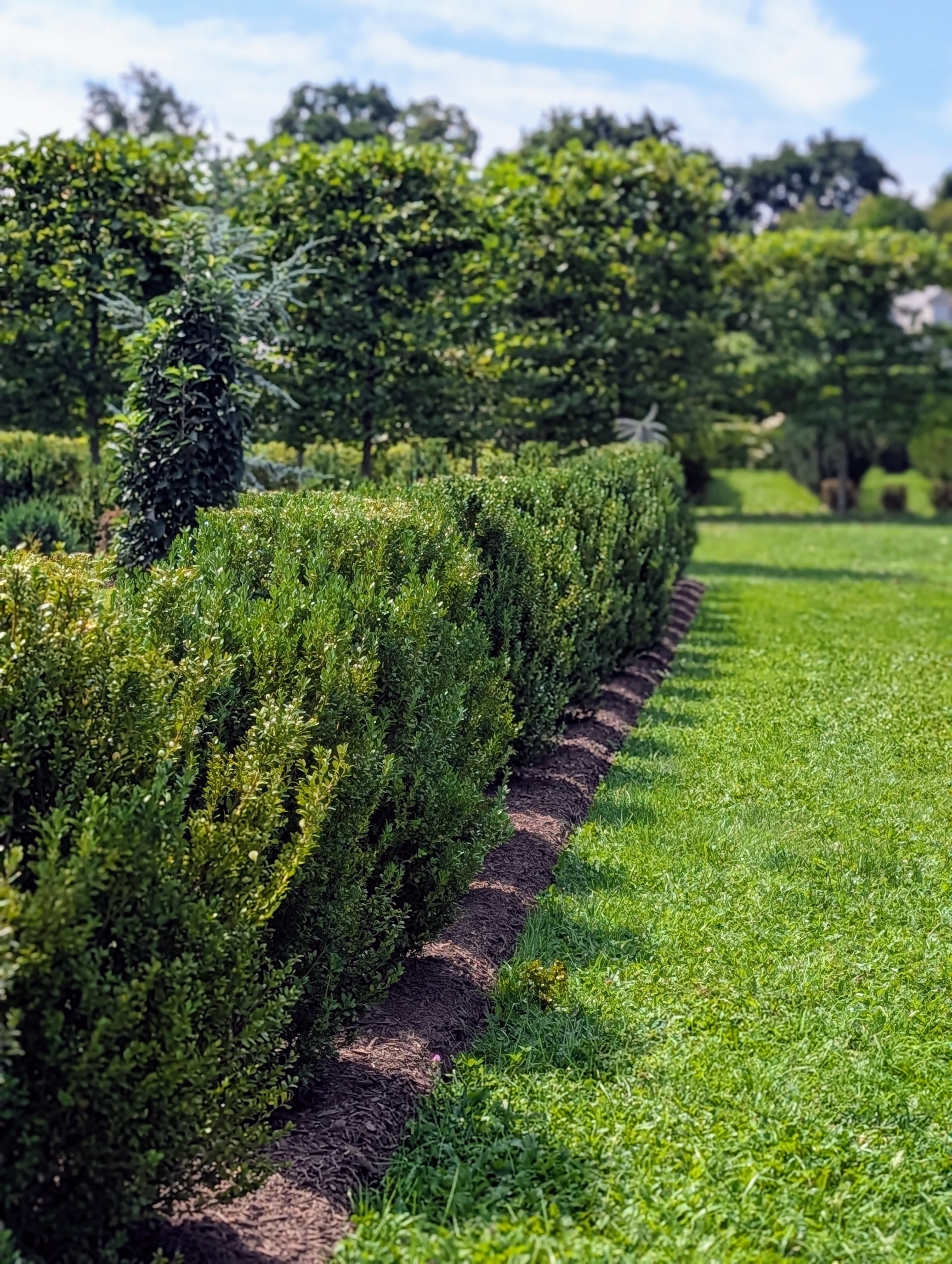
- Each shrub or bush is planted appropriately with enough space to accommodate its full grown size.
-
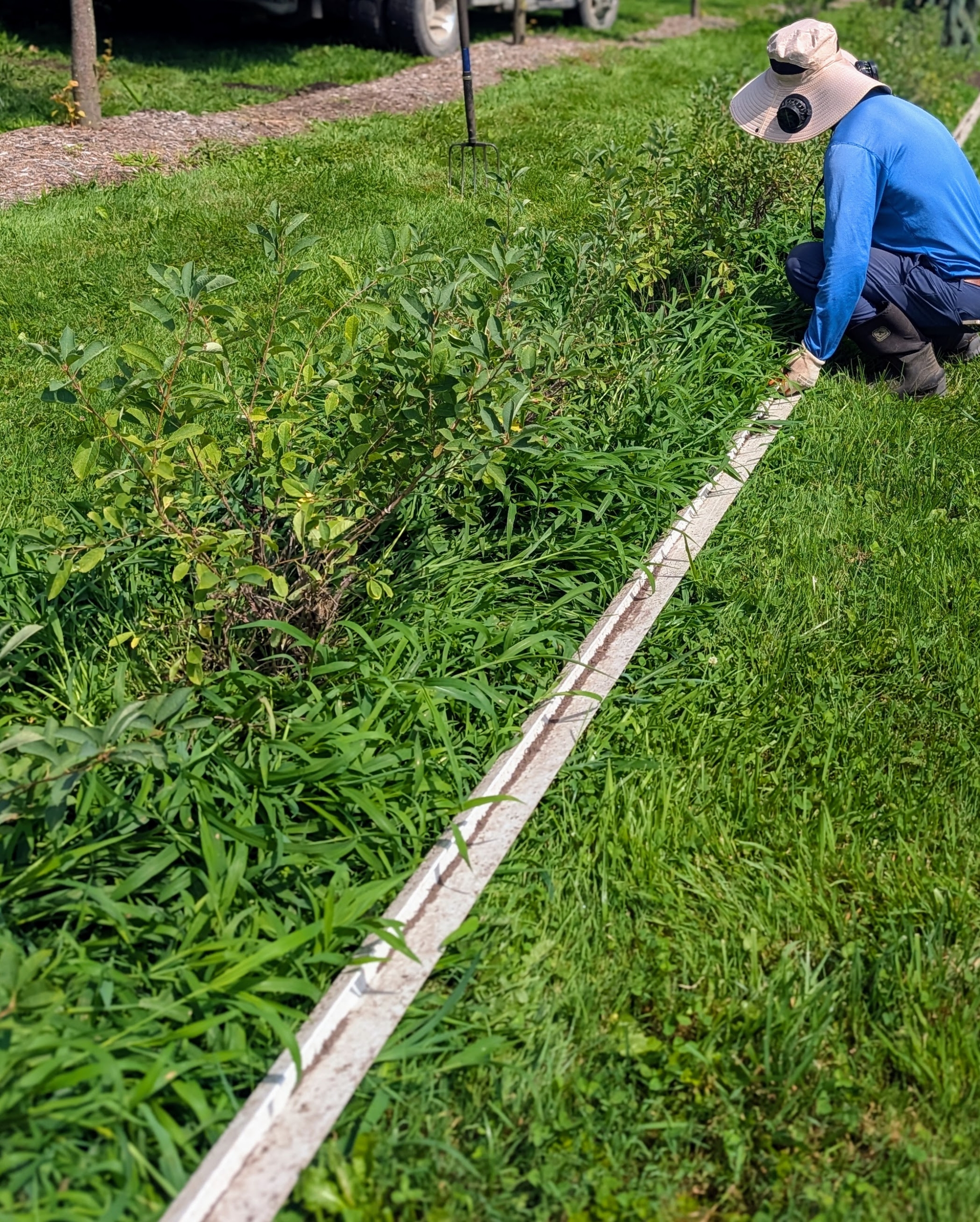
- Just in the last month, some of the rows had become overcome by pesky weeds. Here, it’s hard to even notice this row of Burkwood Viburnum, Viburnum x burkwoodii. Chhiring uses a piece of spare siding as an edge marker. This makes the task so much easier and faster.
-
- Using the strip as a guide, Chhiring drops small amounts of mulch along the bed. This rich, dark mulch is made right here at the farm – this batch is one year old.

-
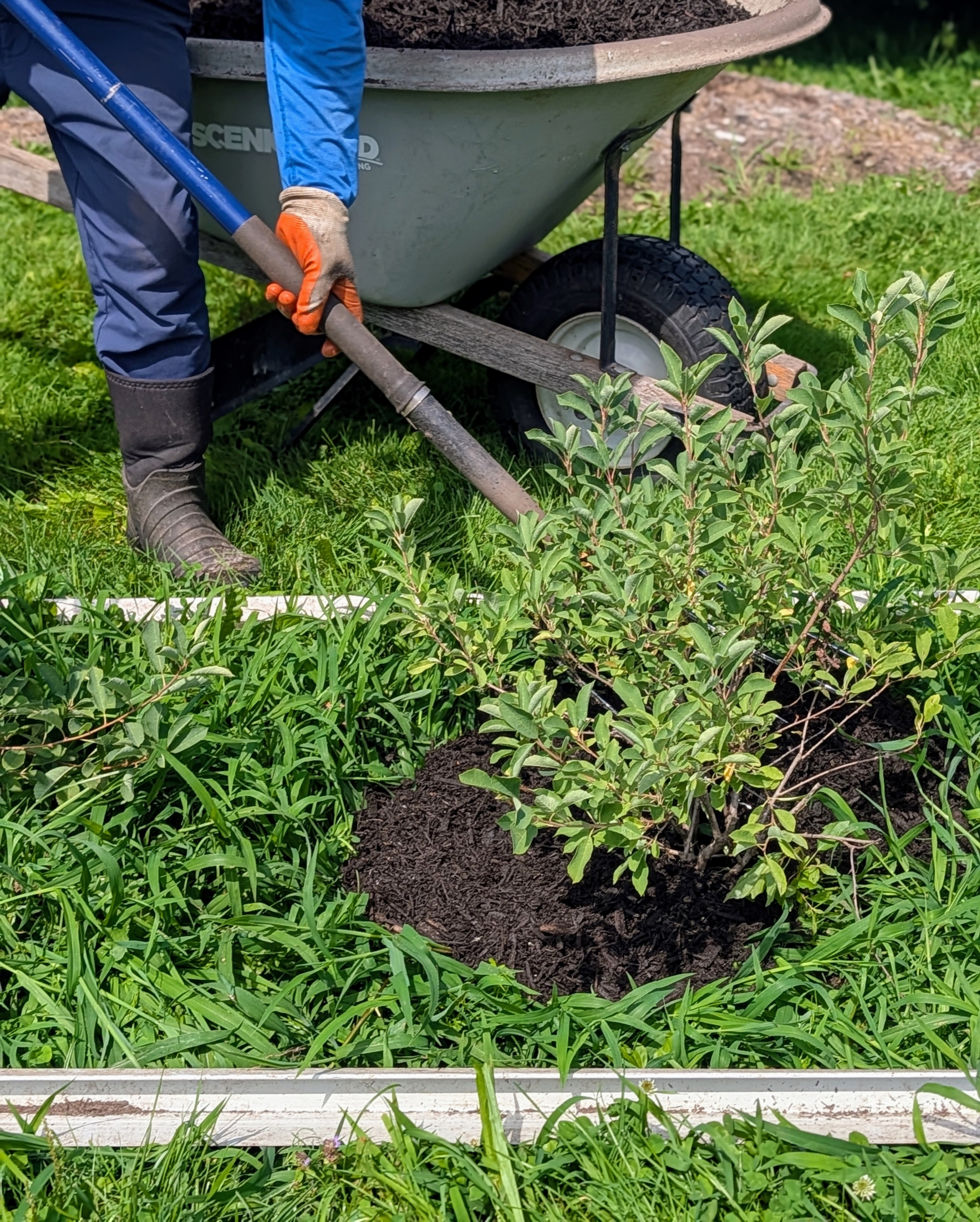
- Chhiring carefully spreads the mulch down around the plants and over the weeds.
-
- And then he spreads it outward until the edge of the siding strip.

-
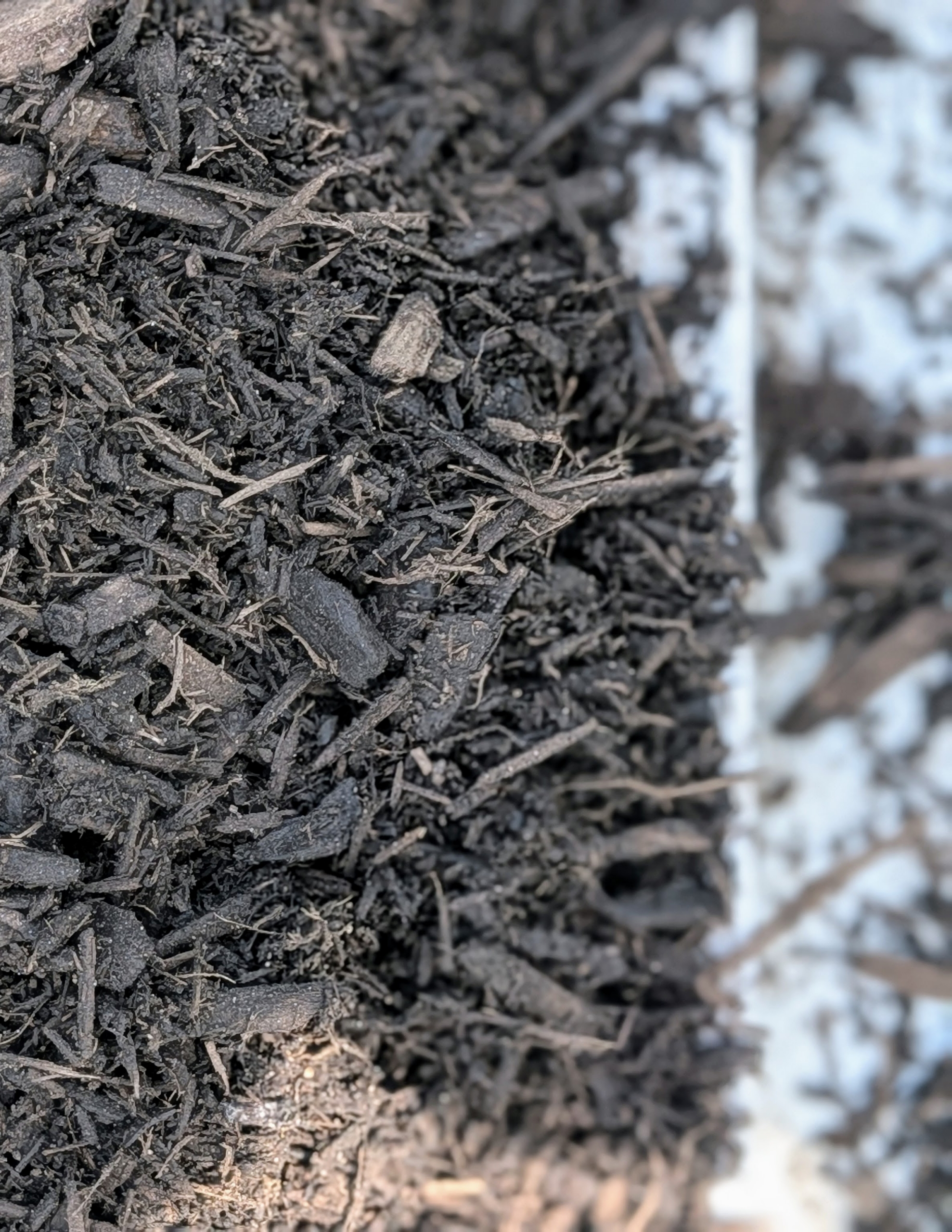
- I am so proud of the mulch I make here. For most gardens, a two to four inch layer is sufficient. I mulch and compost my gardens once or twice a year.
-
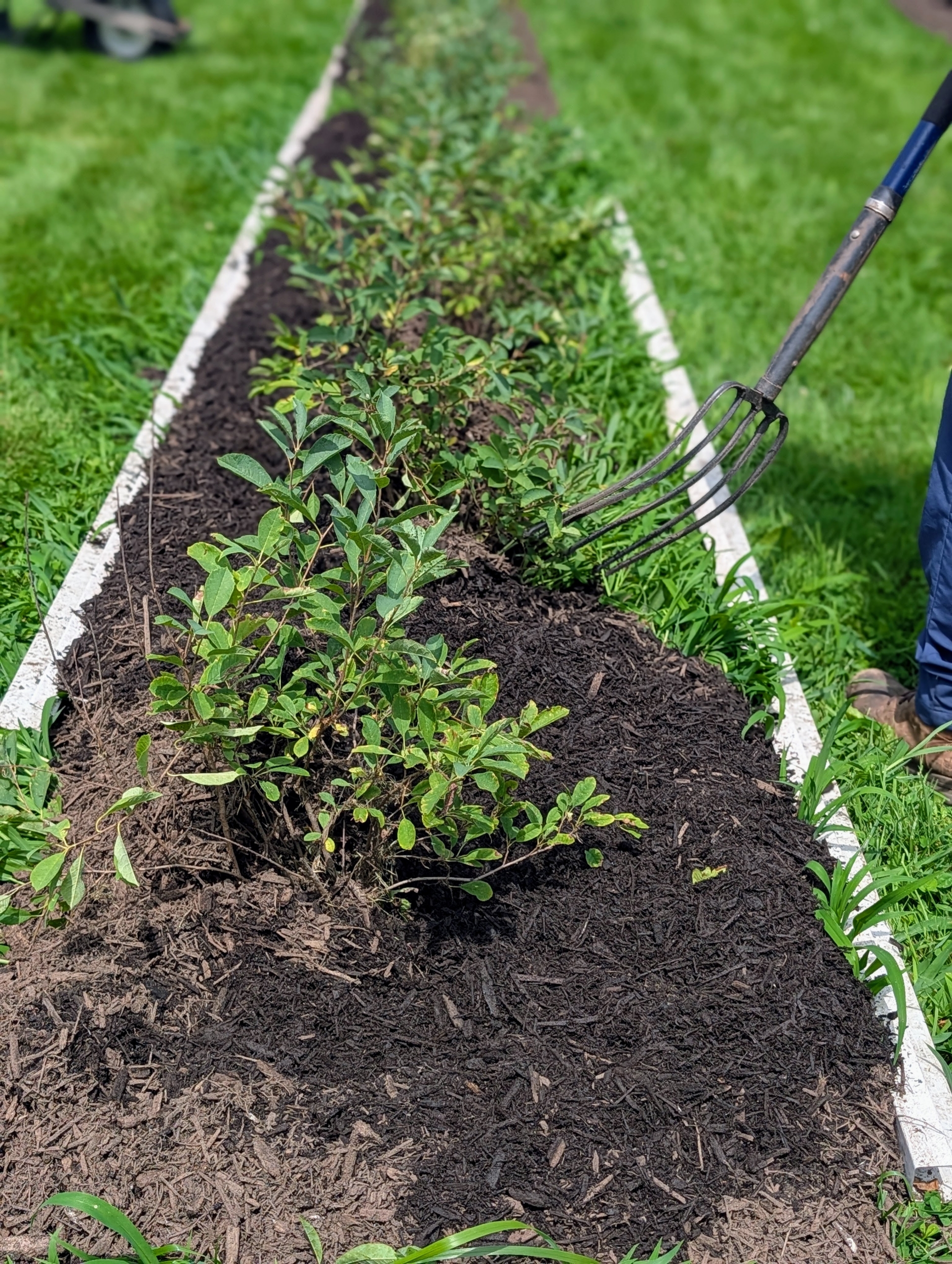
- Chhiring has a clear guide for mulching and the mulch will kill the weeds by blocking them from the light. The mulch will also act as a barrier that keeps weed seeds buried too deep to germinate.

-
- Here, one can see more of the plants. the bed is looking great already.
-
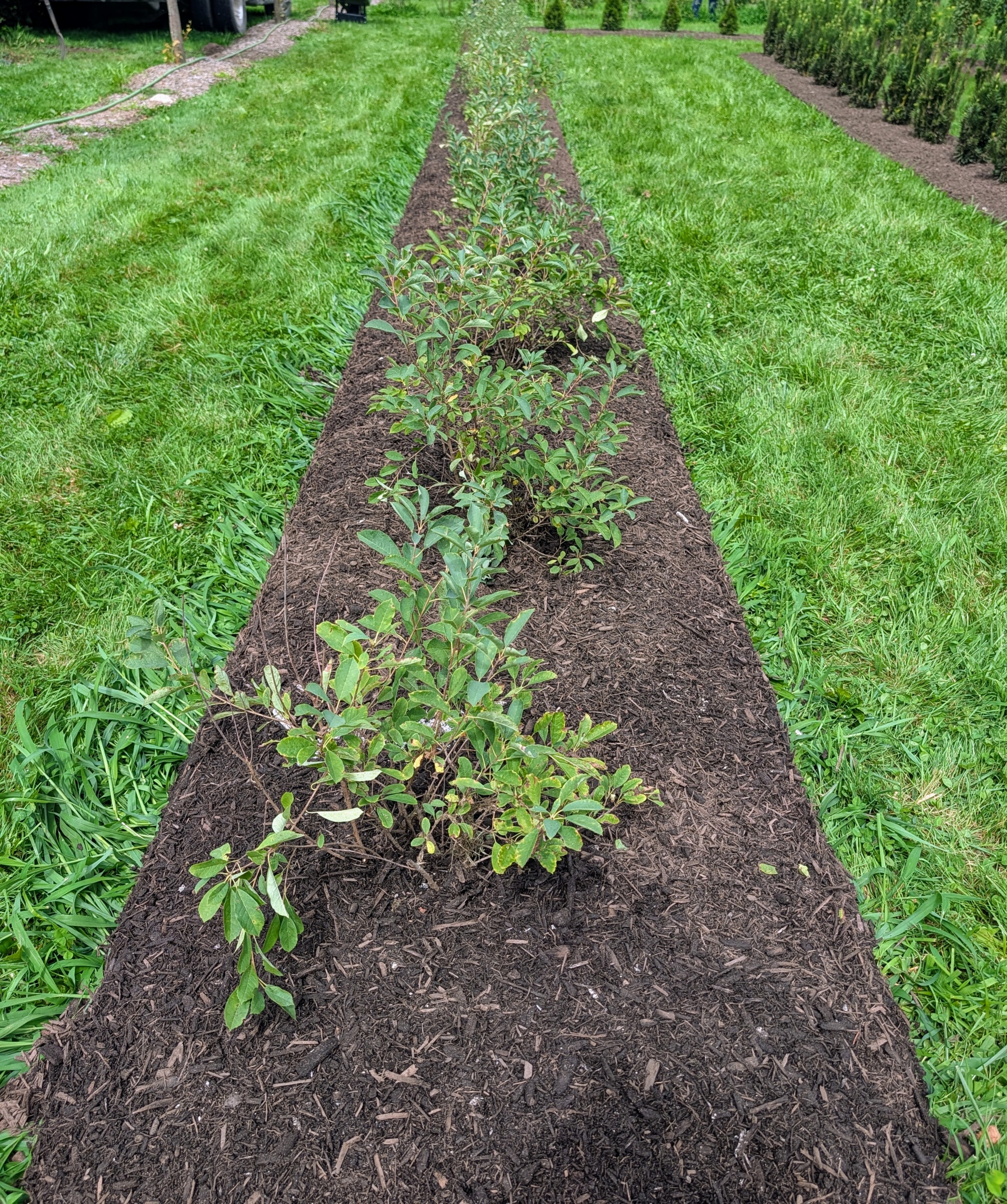
- When the job is complete, the row looks so much better.
-
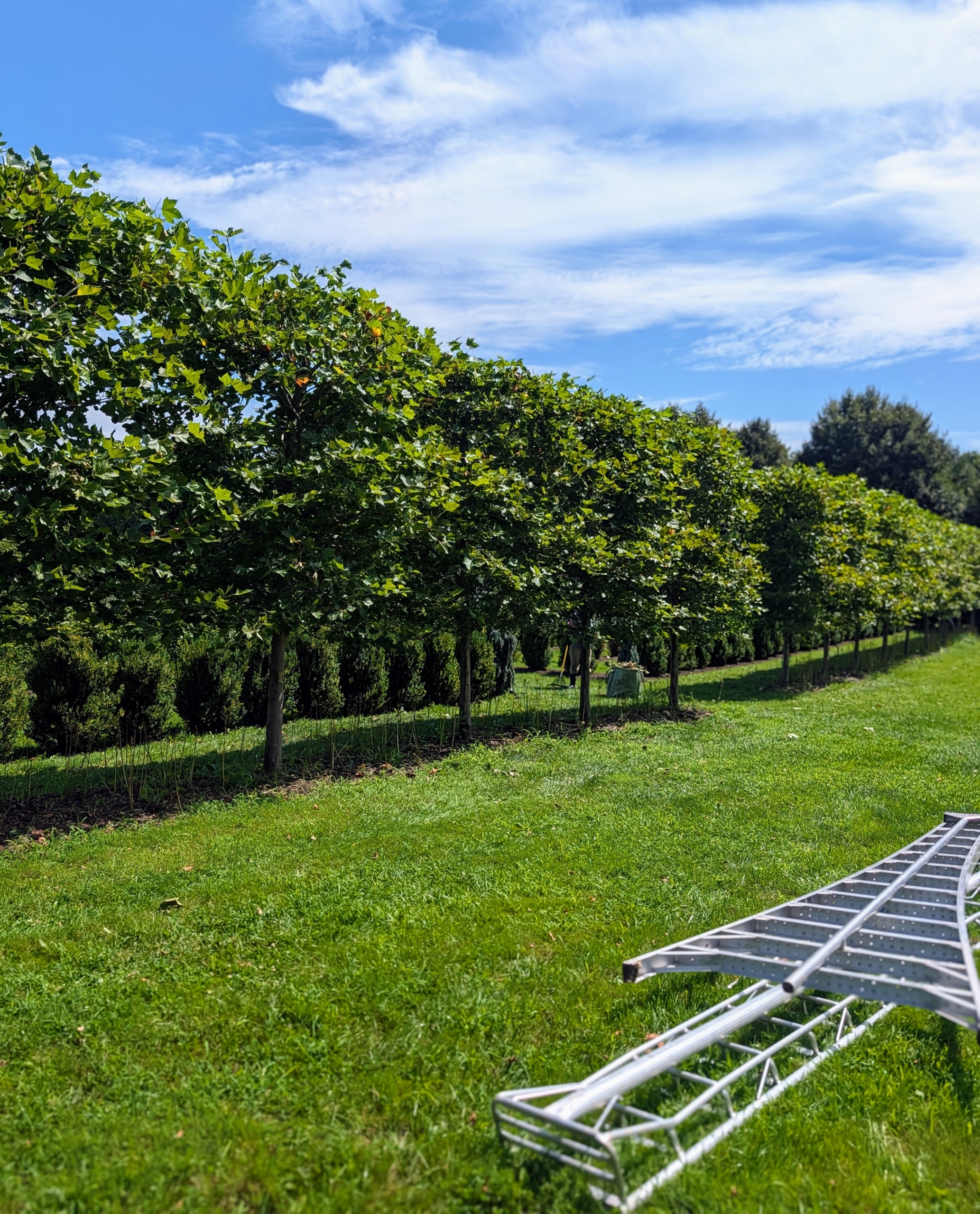
- And in this area, a selection of handsome London planetrees, Platanus acerifolia ‘Bloodgood,’ a relative of the mighty sycamore. These trees are large shade trees with broad open crowns. They were the perfect choice for the center of my maze, where they will surround and shade an open space.
-
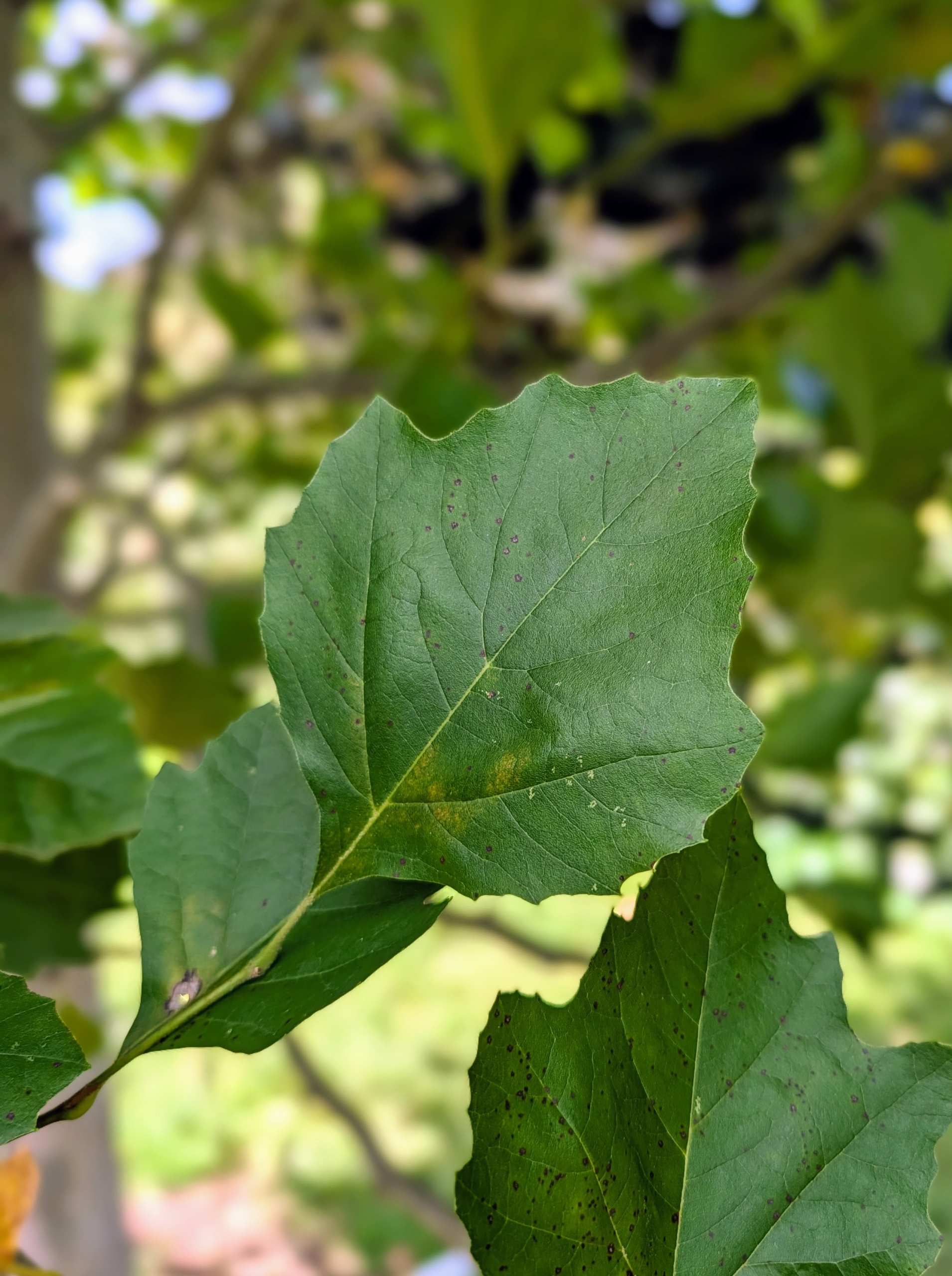
- The leaves are light to dark green with three to five pointed lobes. These planetree leaves look similar to maple or sycamore tree leaves. The large, pointed leaves with toothed margins measure about seven inches long and up to 10 inches wide.
-
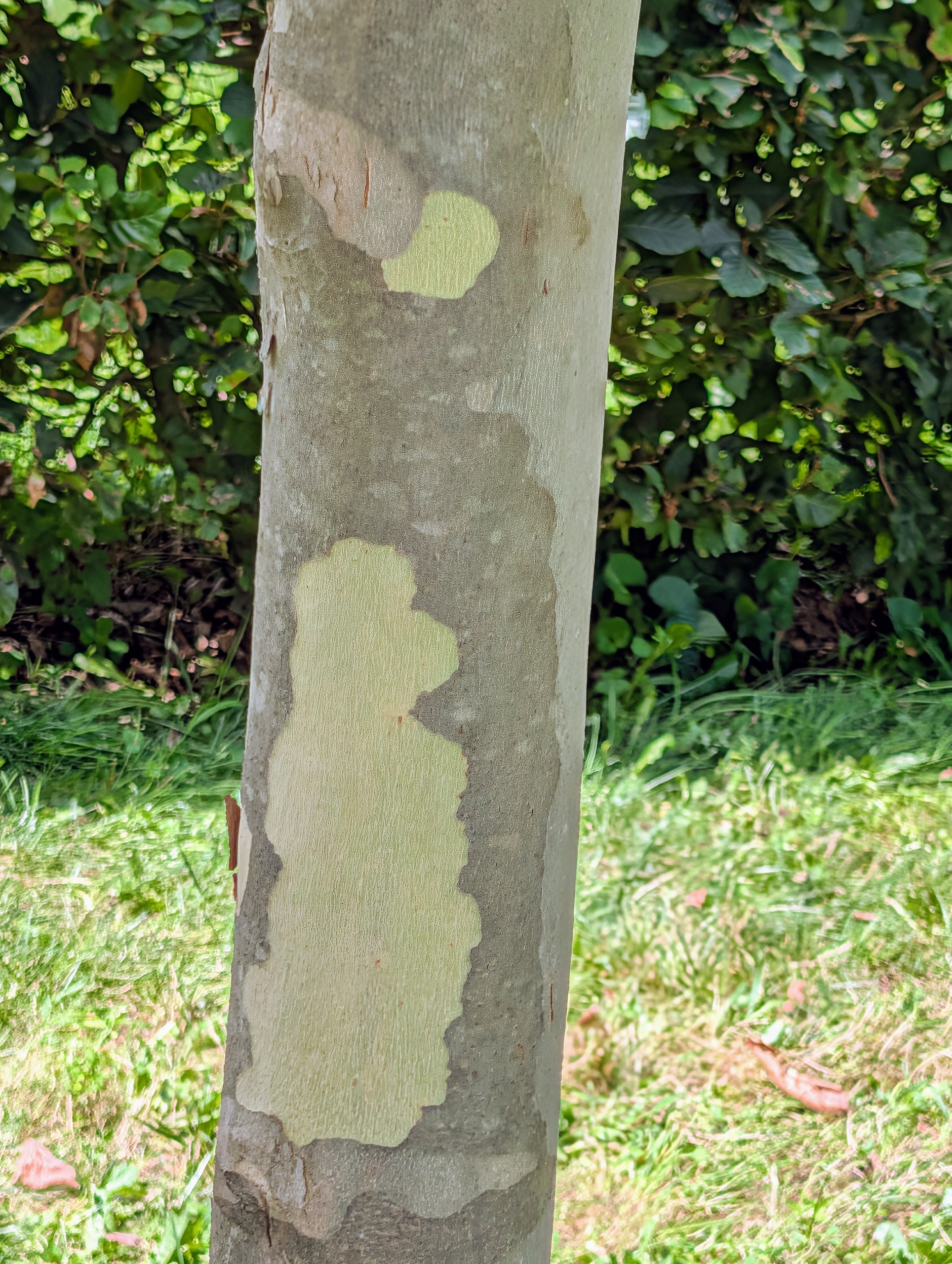
- Its most striking feature is the naturally shedding bark, which peels in thin, curly strips to reveal a dappled pattern of cream, ivory, and olive-green.
-
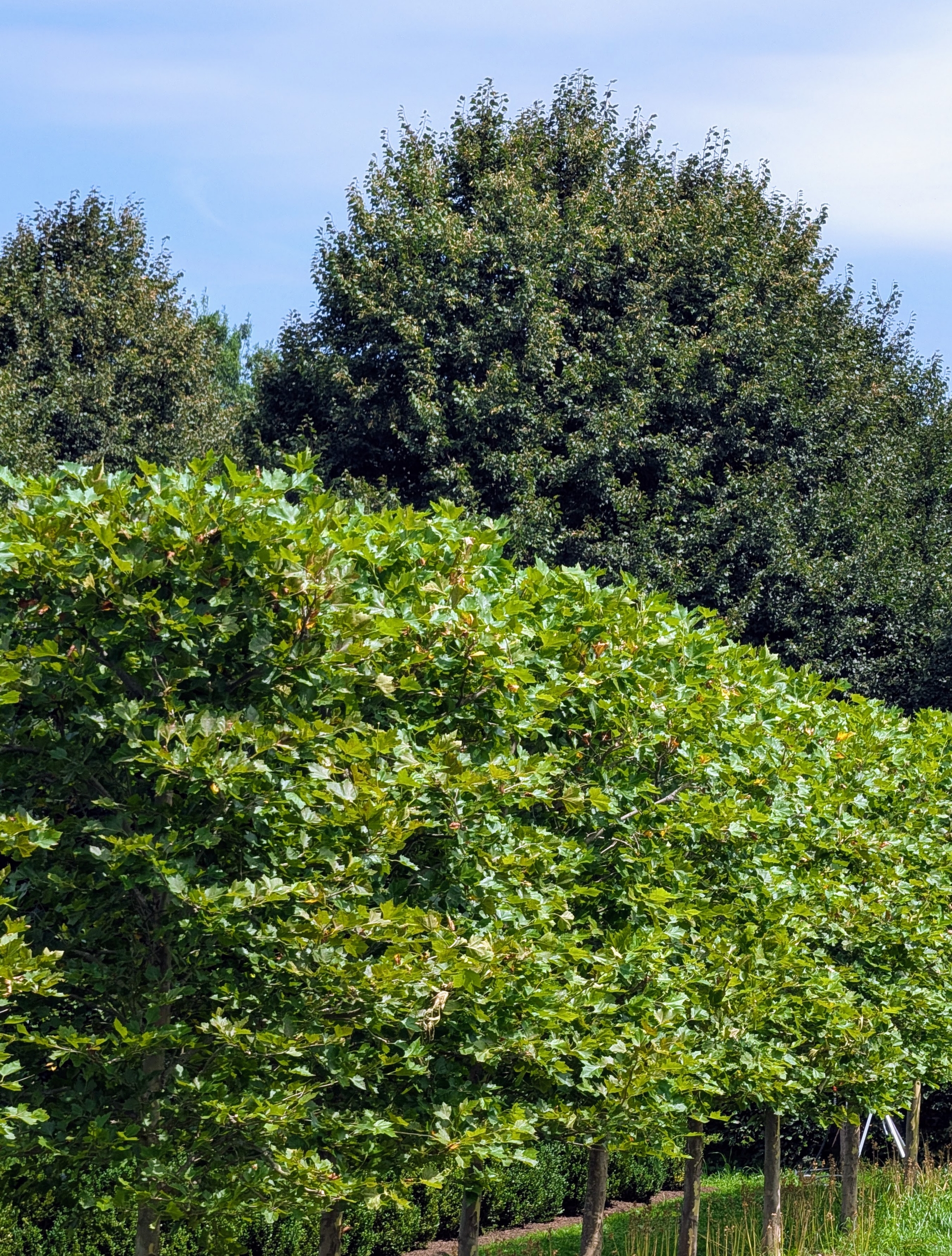
- I instructed the crew to make it completely straight on top – it’s another job well done.
-
- Monrovia, a wholesale plant nursery specializing in shrubs, perennials, annuals, ferns, grasses, and conifers with several nursery locations across the country, helped me to finish the maze. Their plant collection is exceptional – please look out for Monrovia whenever shopping for plants.
-
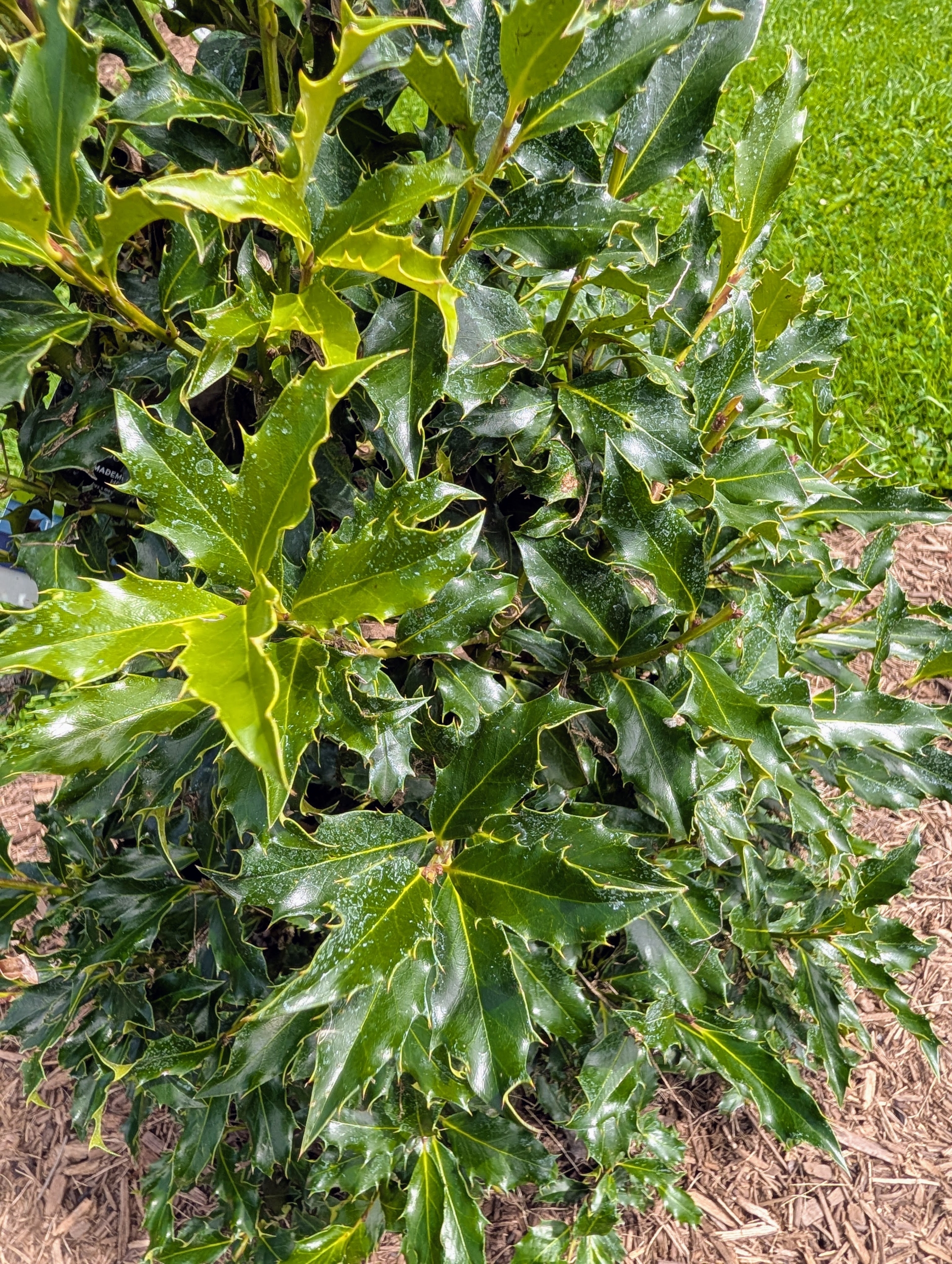
- This is holly, which features bright red berries combined with glossy, dark green foliage. Many varieties of holly, Ilex, have compact habits and glistening leaves that’s excellent for hedges, borders, and yes, mazes.
-
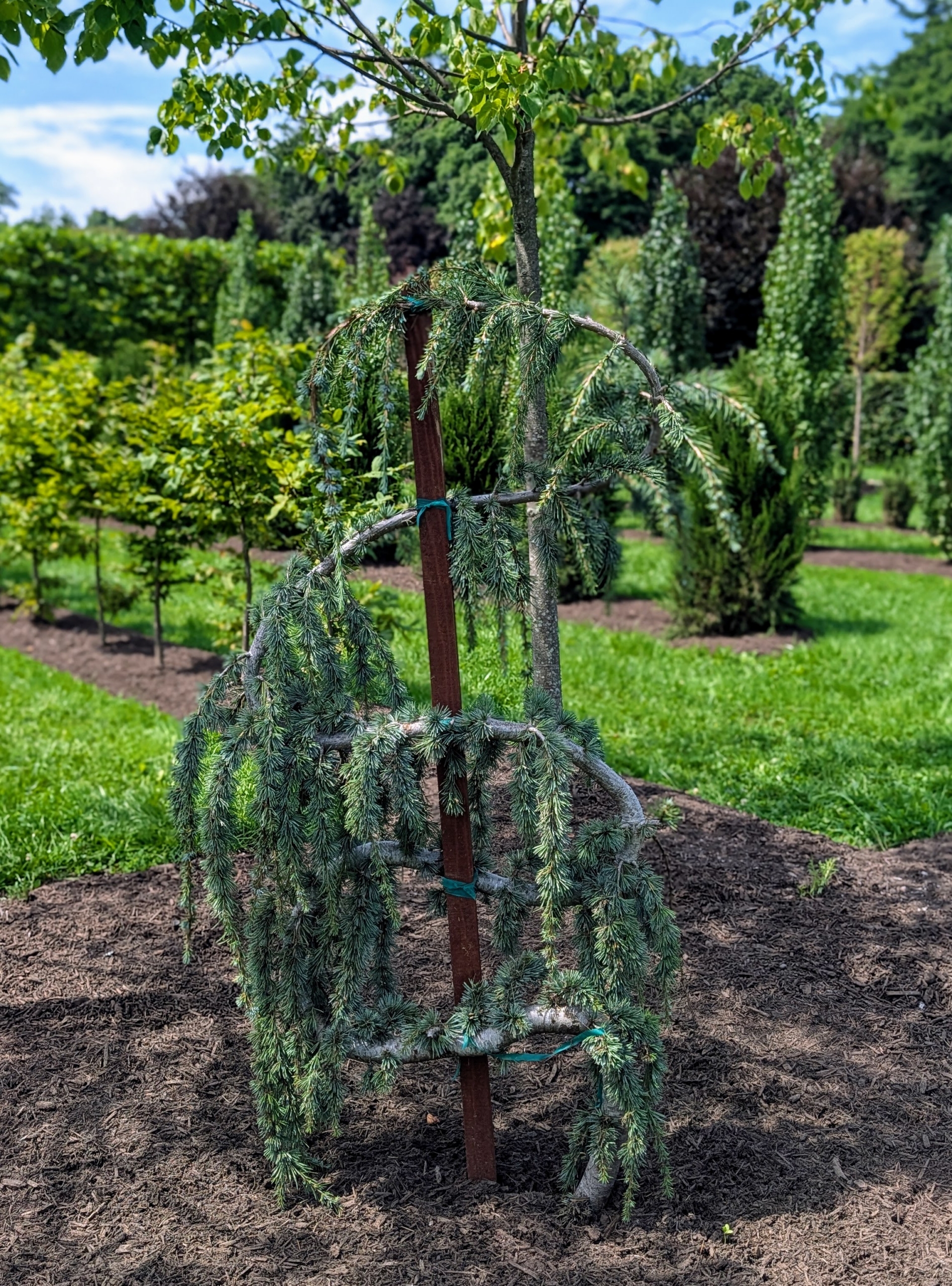
- Everyone at the farm admired the weeping blue atlas spruce, Cedrus atlantica ‘Glauca Pendula.’ This dramatic weeping evergreen is naturally slow-growing with a sprawling horizontal habit that is often trained into an upright, serpentine form. Pendant branchlets display icy-blue needles.
-
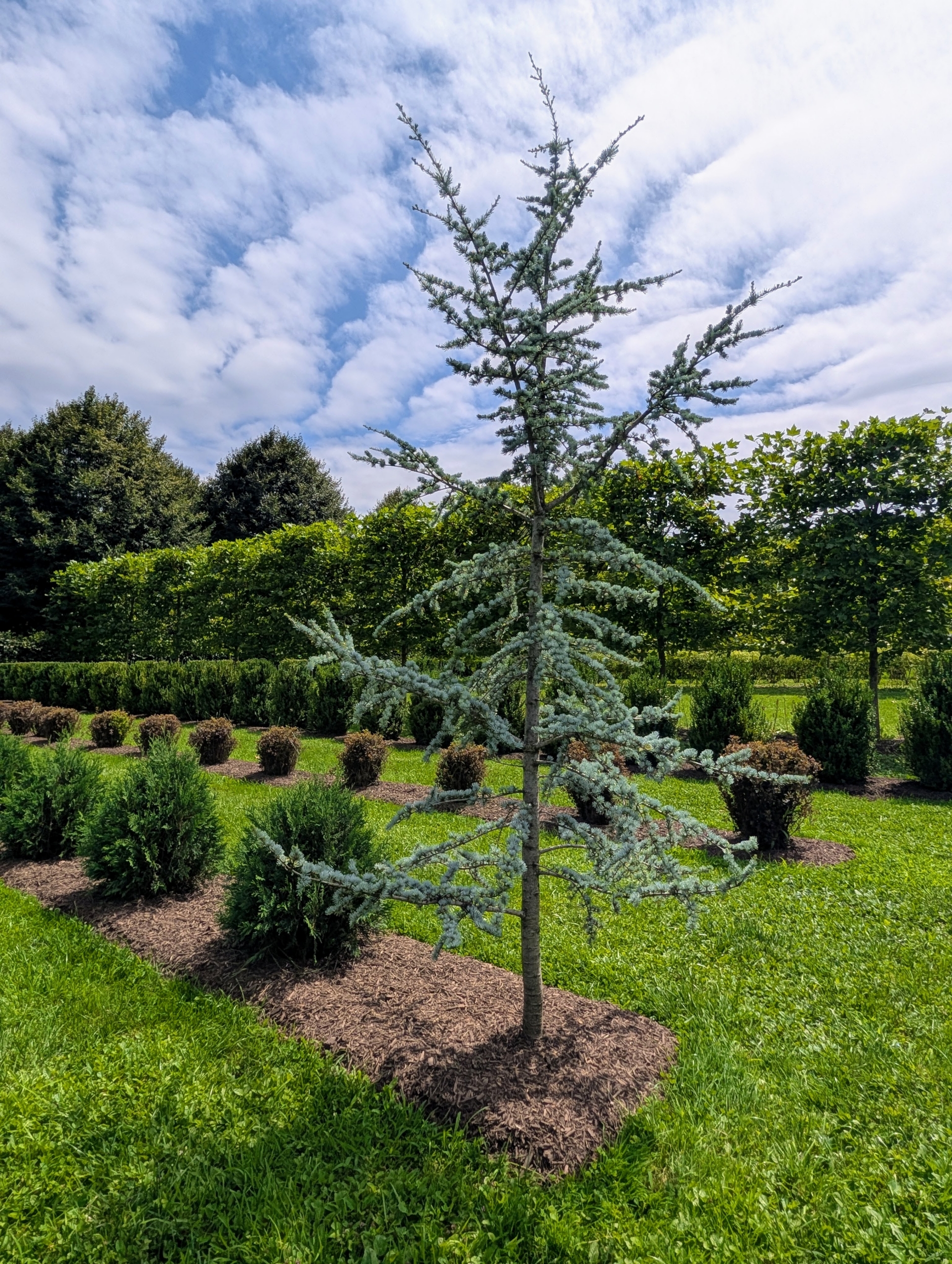
- At the end of certain rows, I placed anchoring specimen trees to add more interest. I am so proud of how it came out.
-
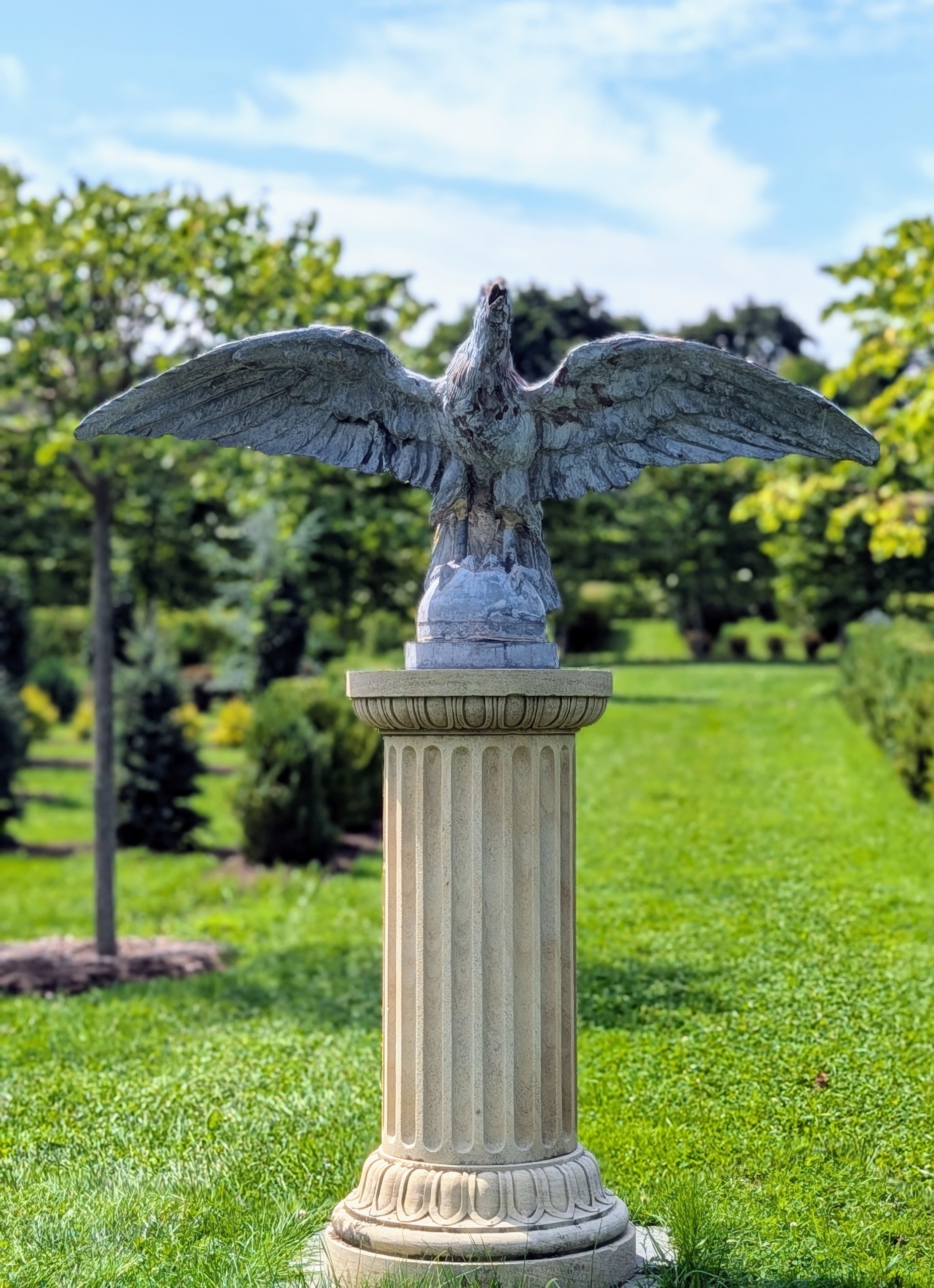
- And close to the north end of my maze is my giant eagle looking out toward the landscape beyond. It’s taken careful planning and planting and now I’m looking forward to watching all these plants mature and also confuse those who dare stroll through.
 Martha Pins


 Martha Tweets

