

A September Harvest
Summer may be over for another year, but my garden is still producing beautiful, fresh vegetables.
Last week, my housekeepers harvested another wonderful assortment, including tomatoes, eggplants, okra, peppers, carrots, beans, and more - all to enjoy and share with my family, friends, and my team here at the farm. It's been a very productive growing season.
Here are some photos, enjoy.
-

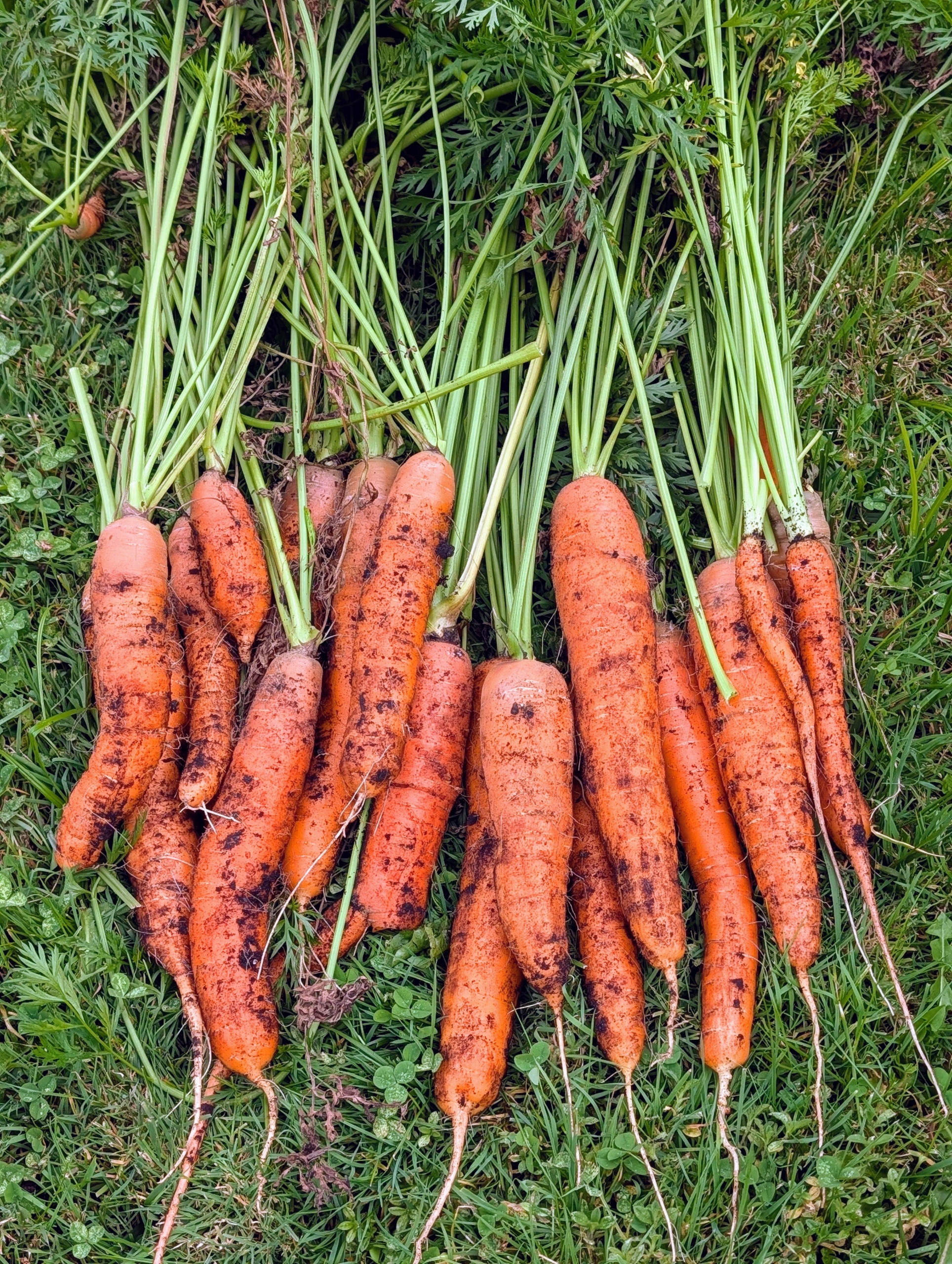
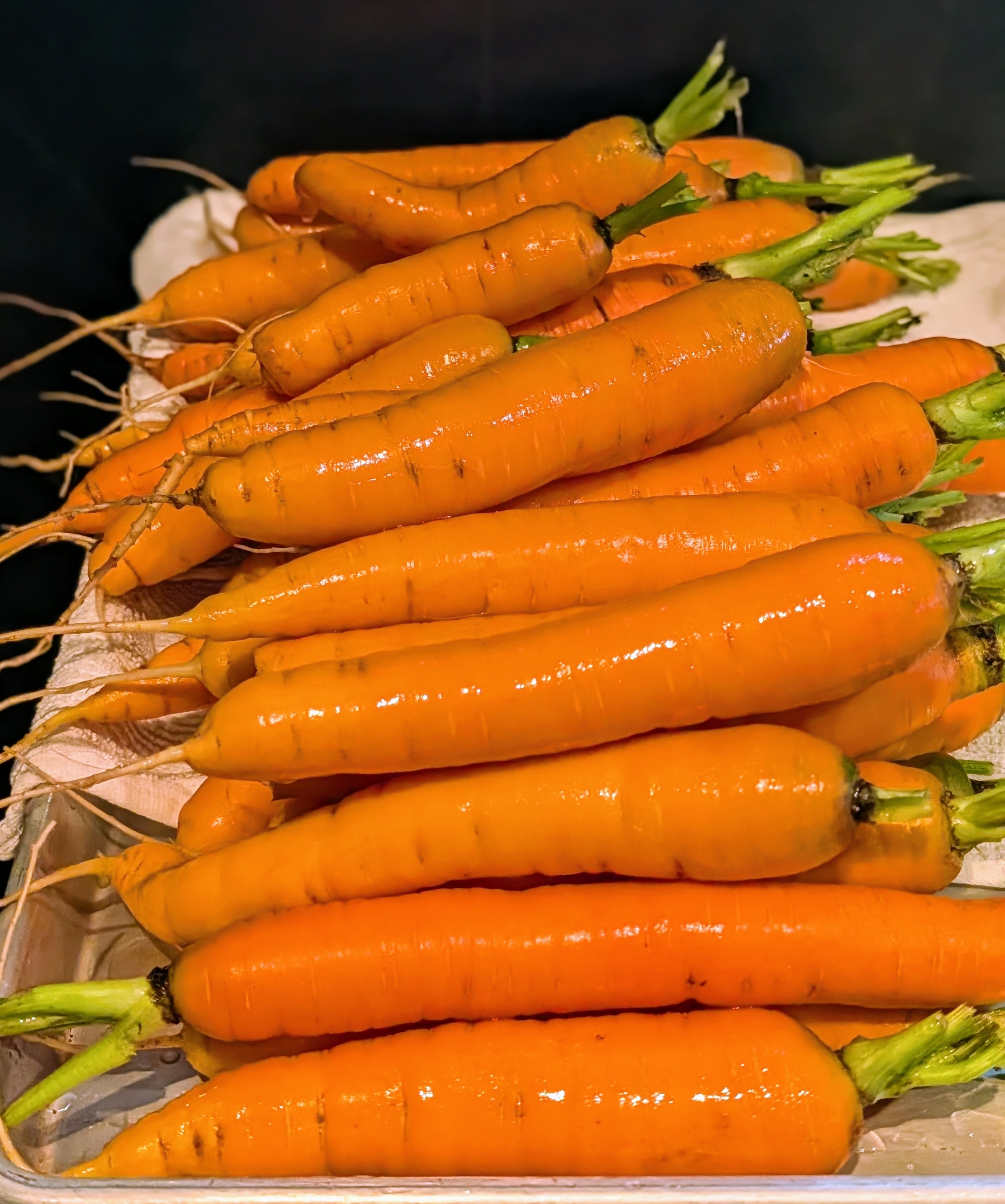
- I have such beautiful bold orange carrots this season. When pulling carrots, carefully loosen the soil around the carrot and then grab the carrot near its shoulder, where the green tops connect to the root and gently twist and pull from the soil.
-
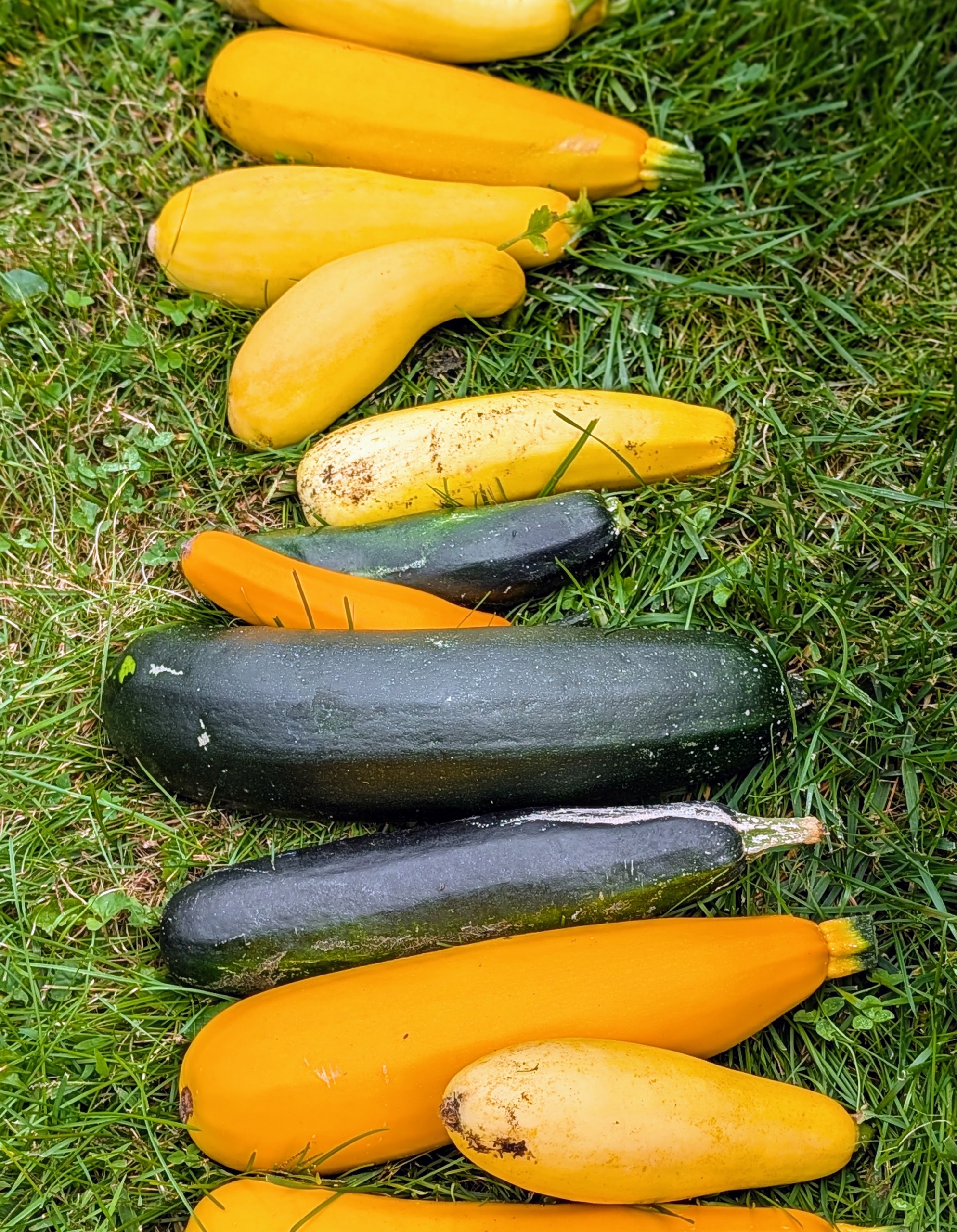
- Summer squash is best harvested when young, tender, and about eight inches long, with glossy, slightly firm skin.
-
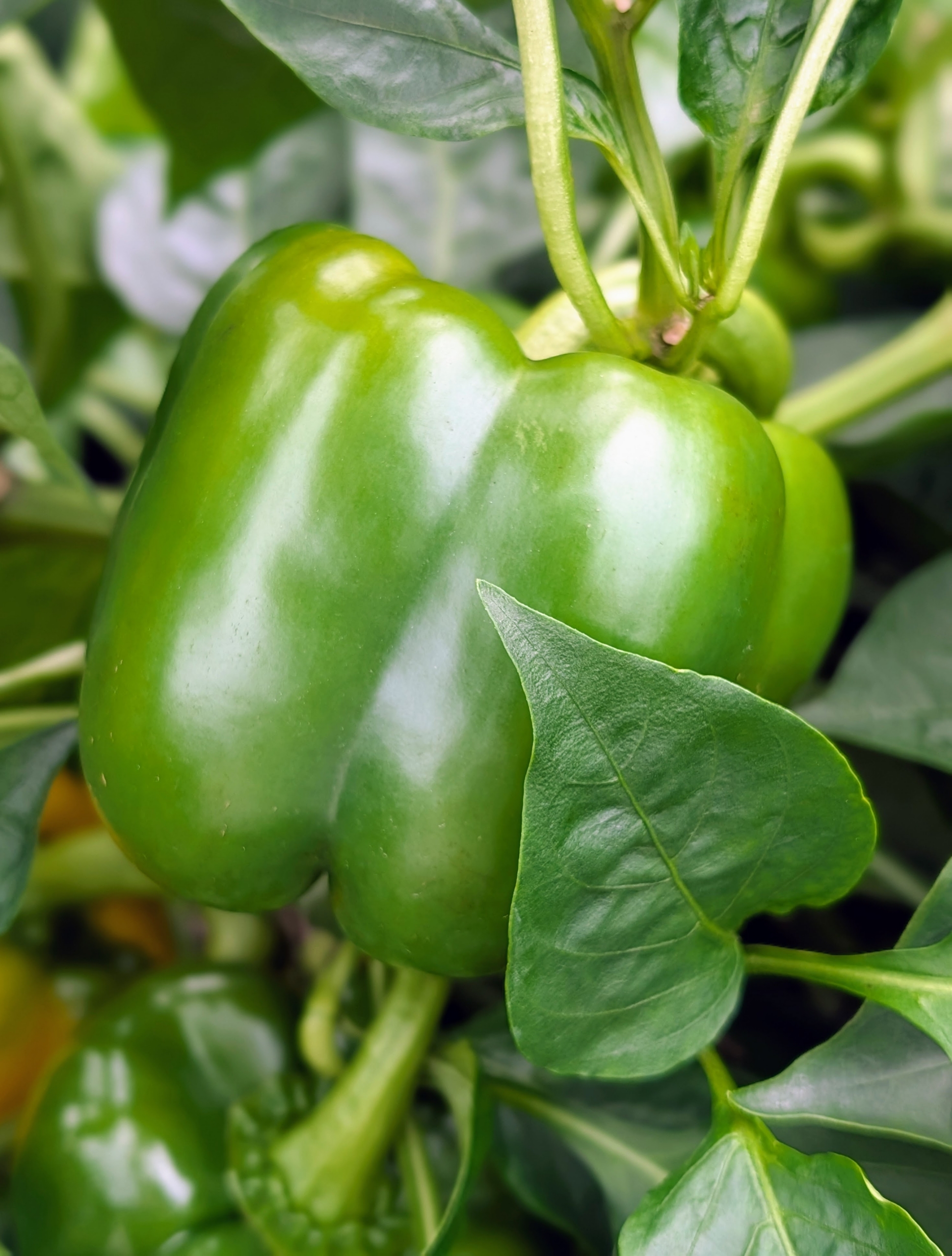
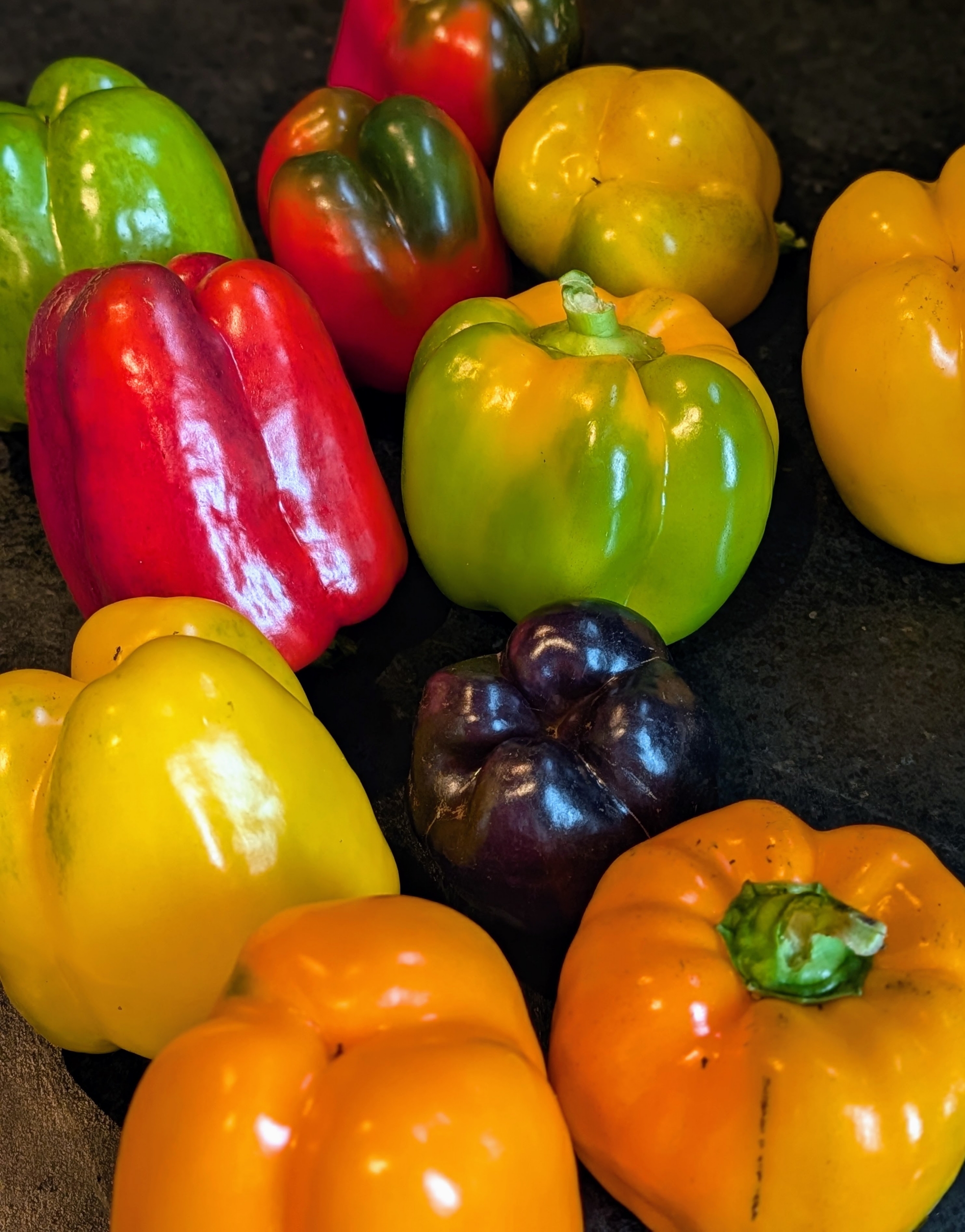
- Sweet bell peppers are popular in the garden – all are grassy in flavor and crunchy in texture. All bell peppers start green, but some are bred to remain green at full maturity.
-
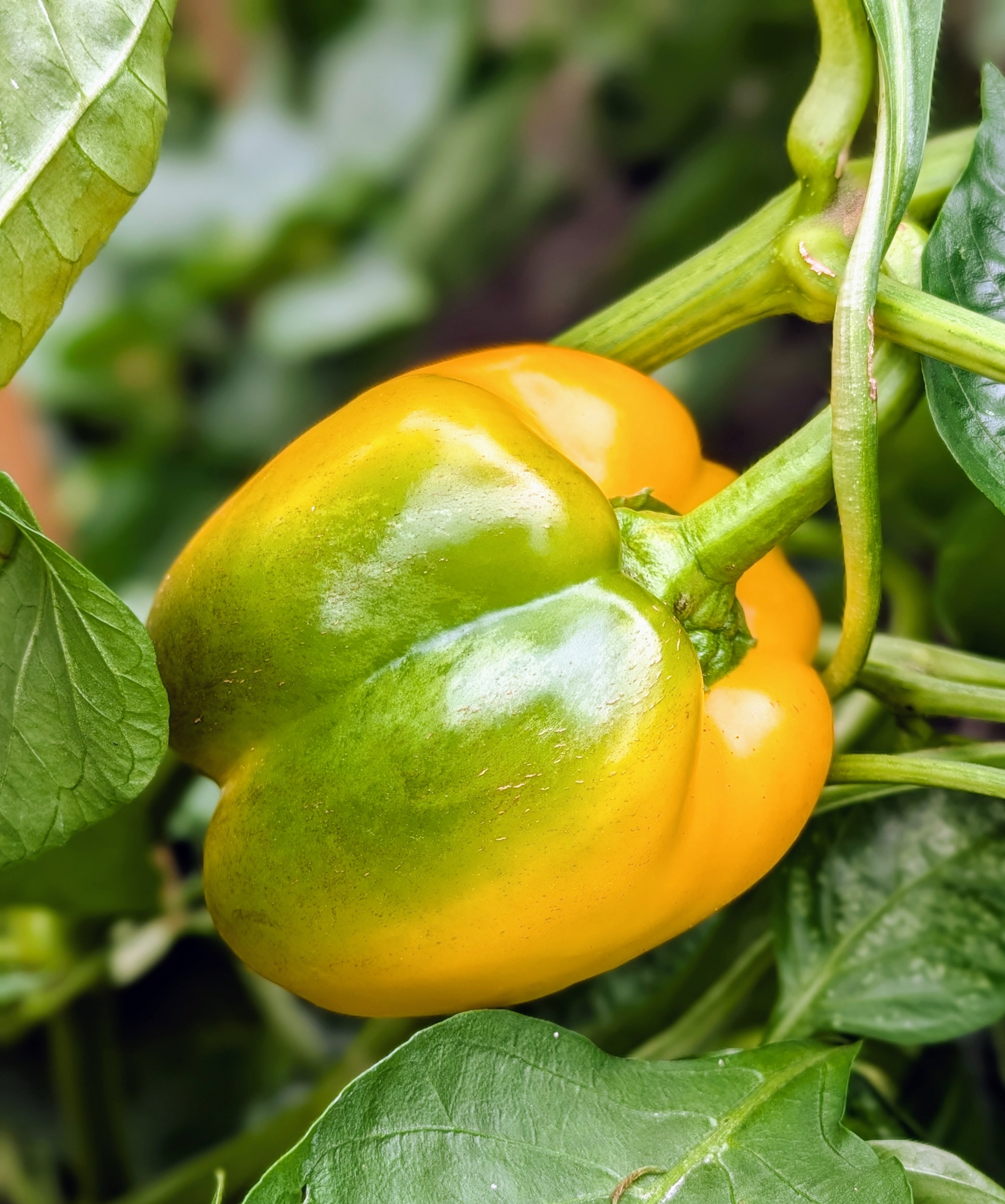
- In some varieties, the pepper matures and the chlorophyll breaks down, revealing other pigments called carotenoids that produce yellow, orange, and red colors.
-
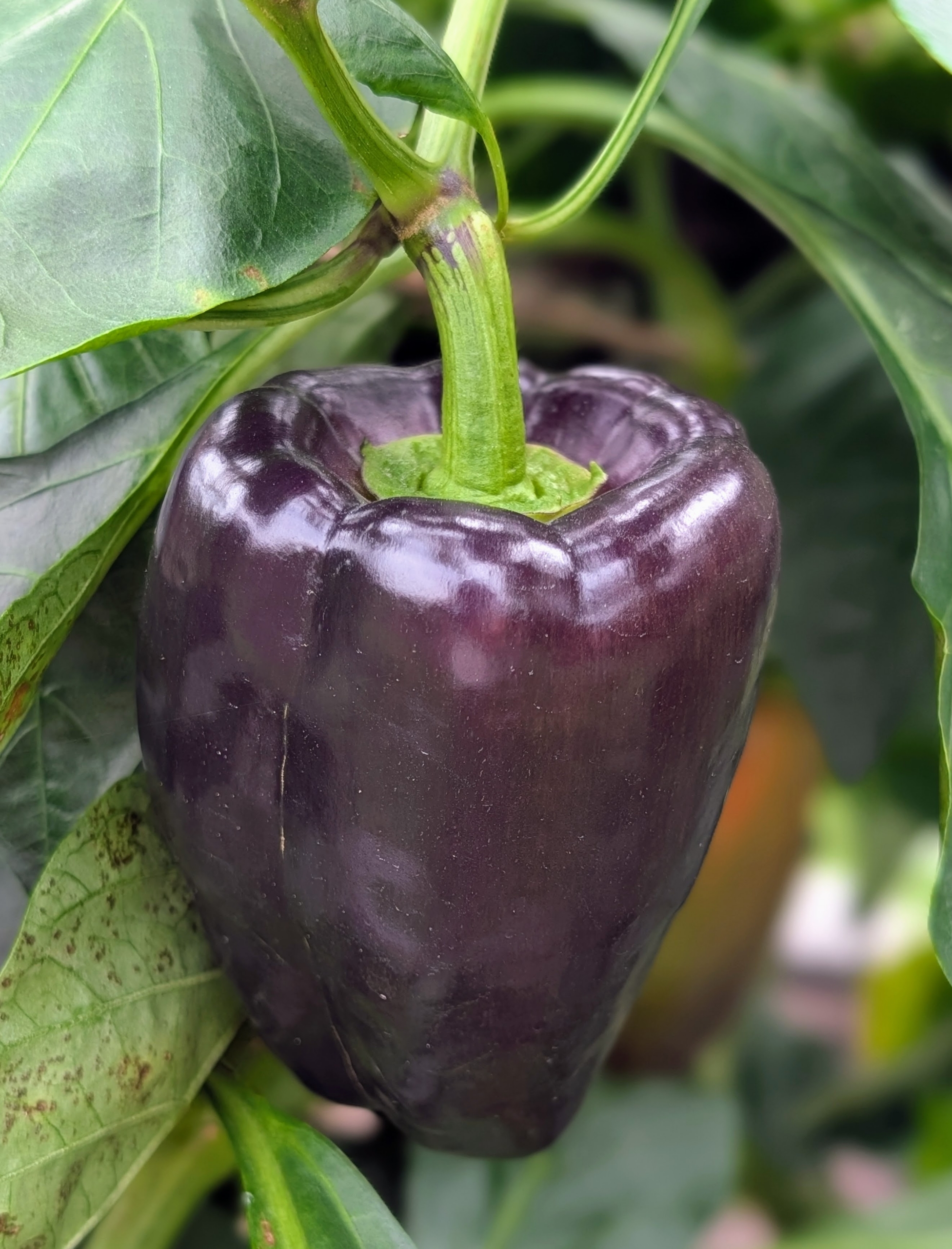
- Here’s a deep glossy purple bell pepper. And all are great for stuffing because they have hollow cavities and thick walls, which hold up their shape during cooking.
-
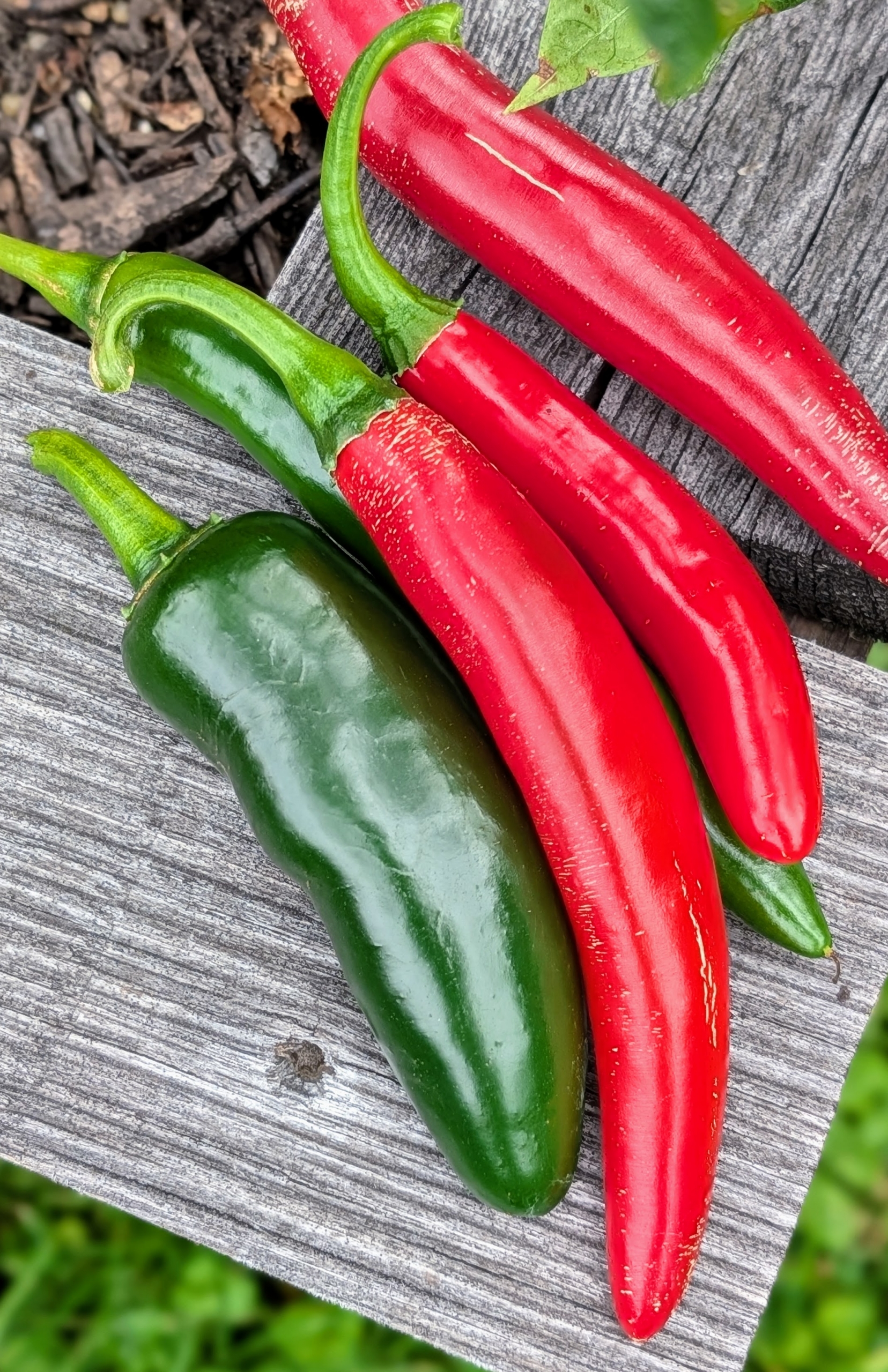
- I also grow many hot peppers to share. These thrive in full sun and are ready to pick when they are firm and about three inches long.
-
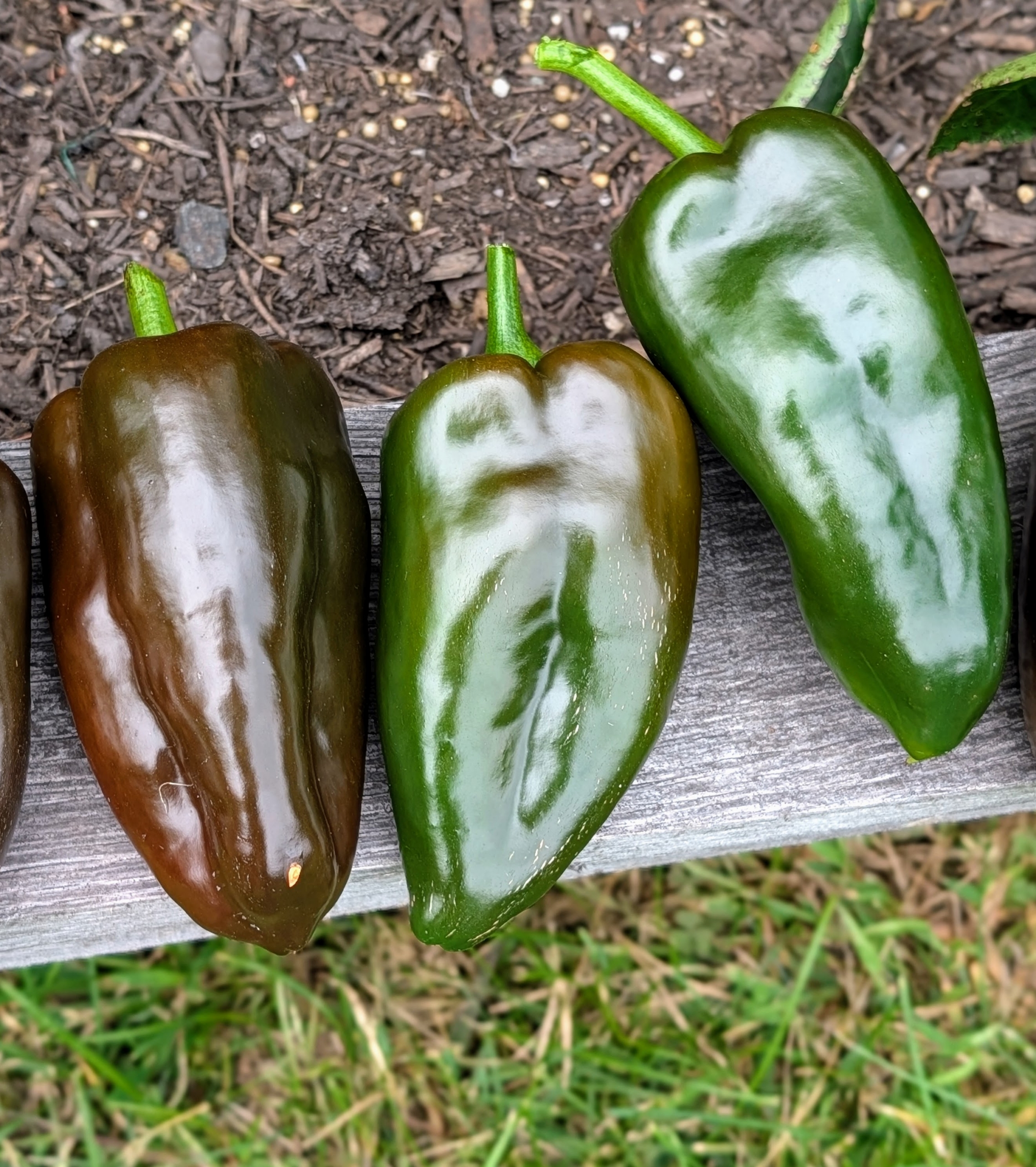
- Just be careful when picking peppers – always keep the hot ones separated from the sweet ones, so there is no surprise in the kitchen.
-
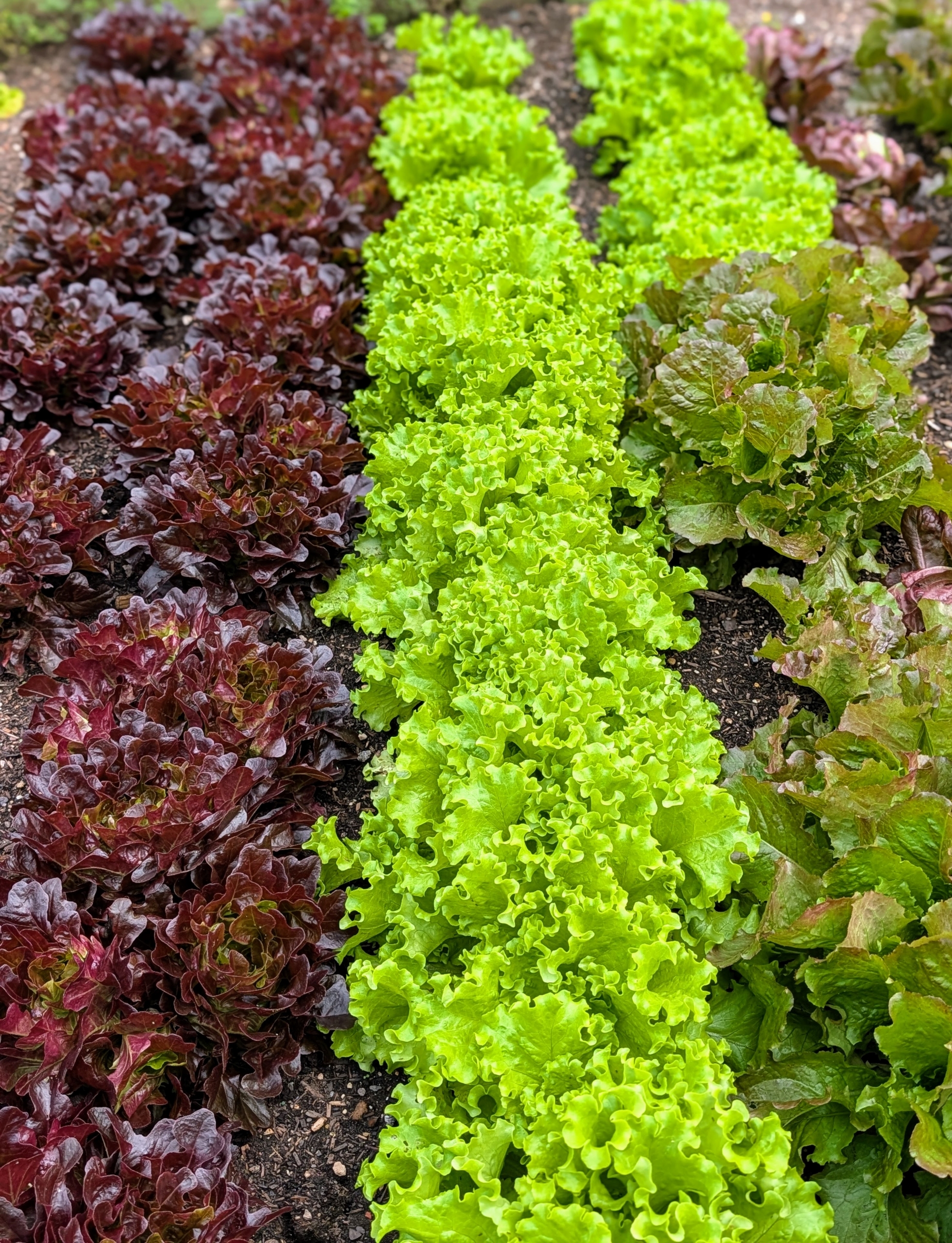
- And look at these beautiful lettuce heads. I always plant in succession. Succession planting is a practice of seeding crops at intervals of seven to 21 days in order to maintain a consistent supply of harvestable produce throughout the season. This dramatically increases a garden’s yield, while also improving produce quality.
-
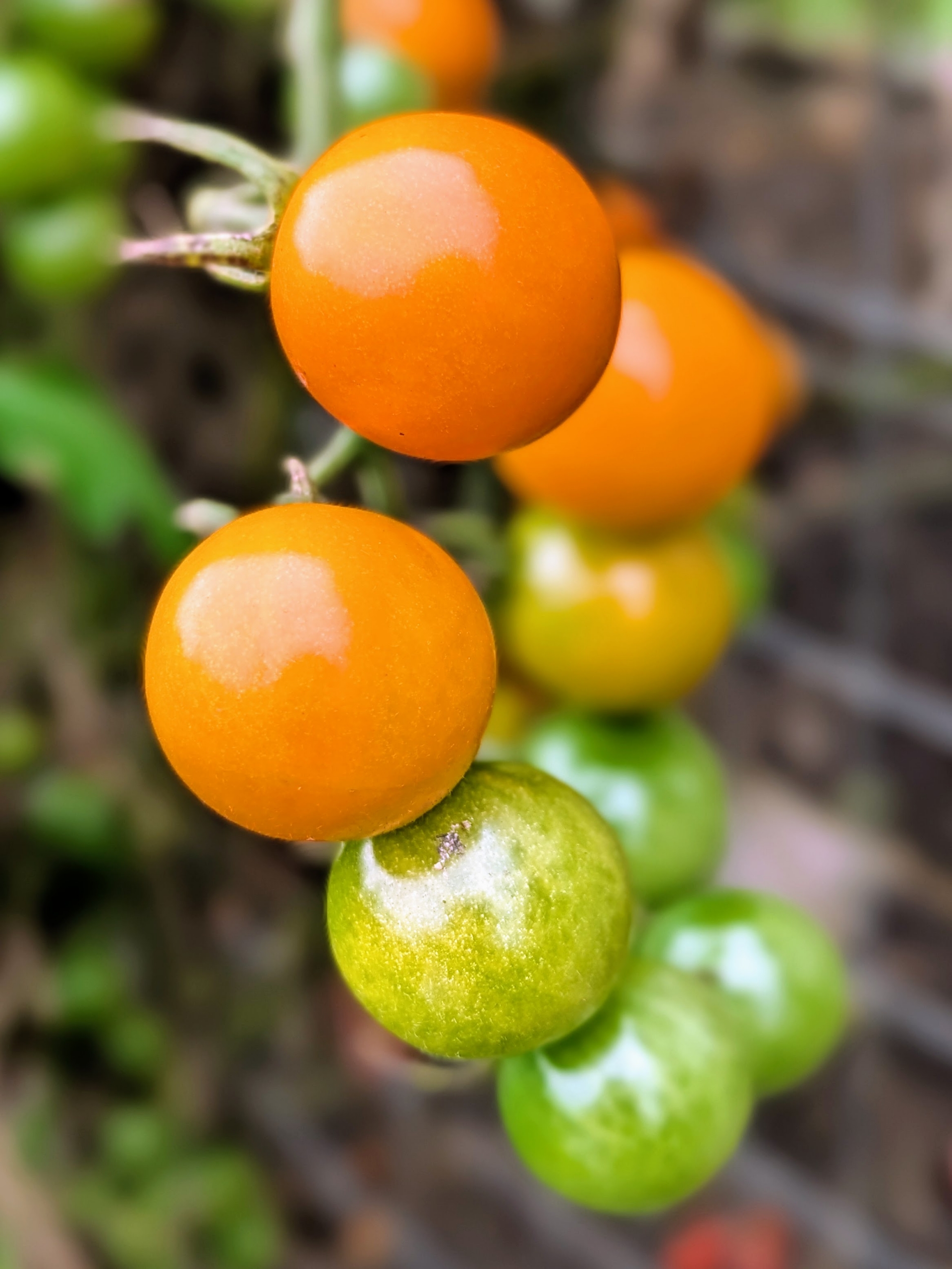
- It was a great tomato season at my farm, especially for these cherry tomatoes, the small, round fruits known for their sweet flavor, bite-sized form, and culinary versatility.
-
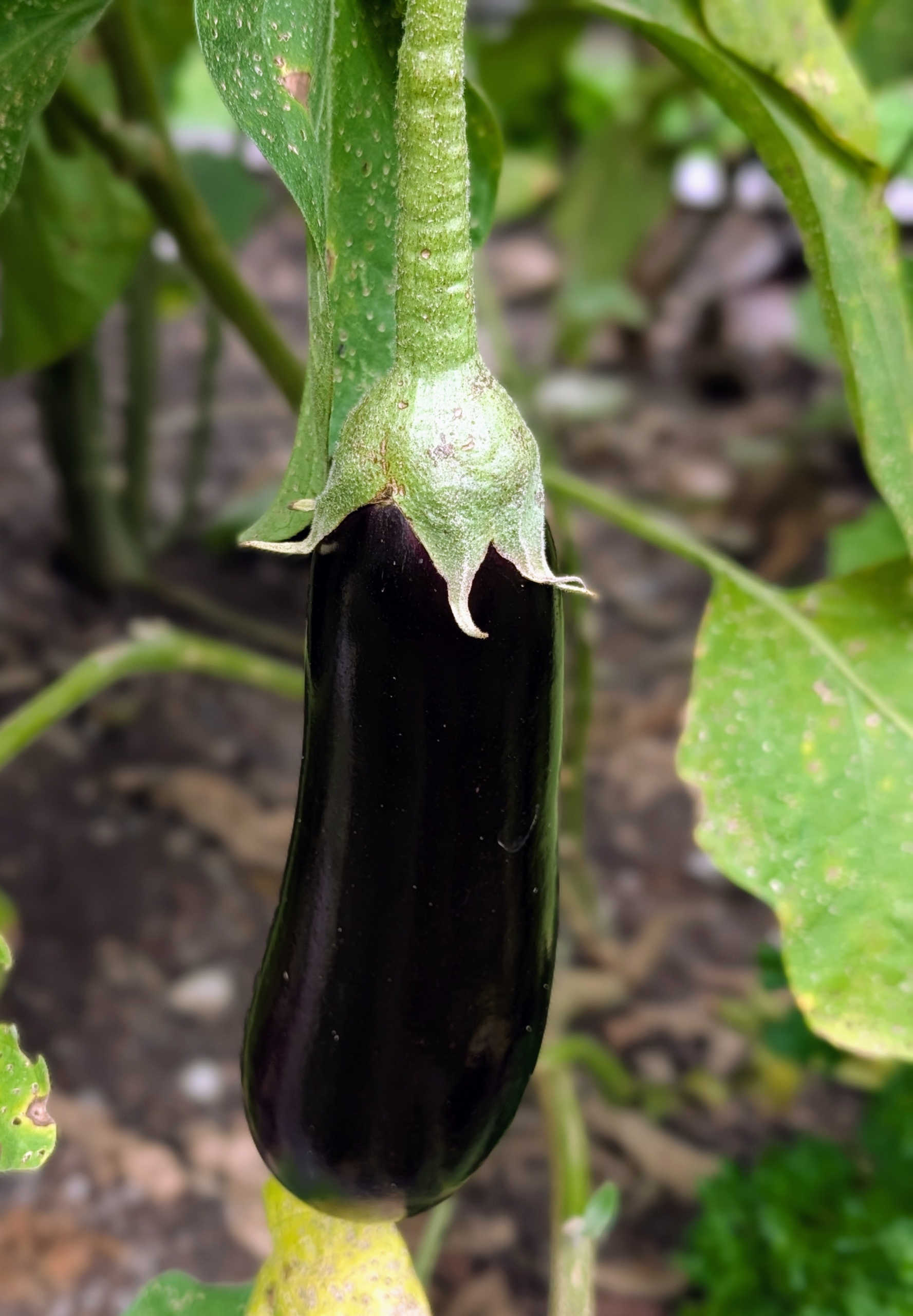
- It’s good to pick eggplants when they are young and tender. This eggplant is perfect.
-
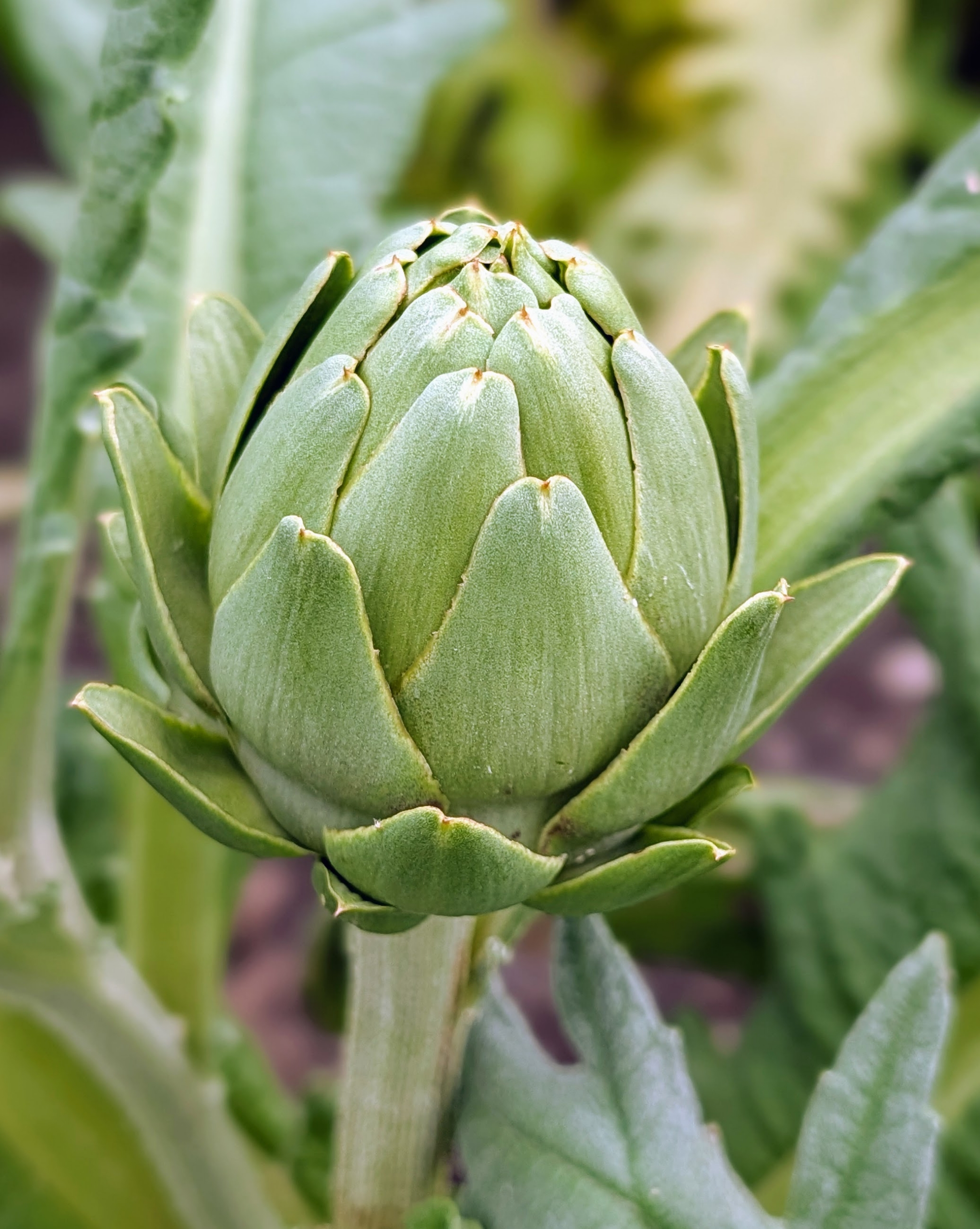
- The globe artichoke, Cynara scolymus, is actually a flower bud. They are generally harvested once they reach full size, just before the bracts begin to spread open. Artichoke harvest starts in late July or early August and continues well until frost.
-
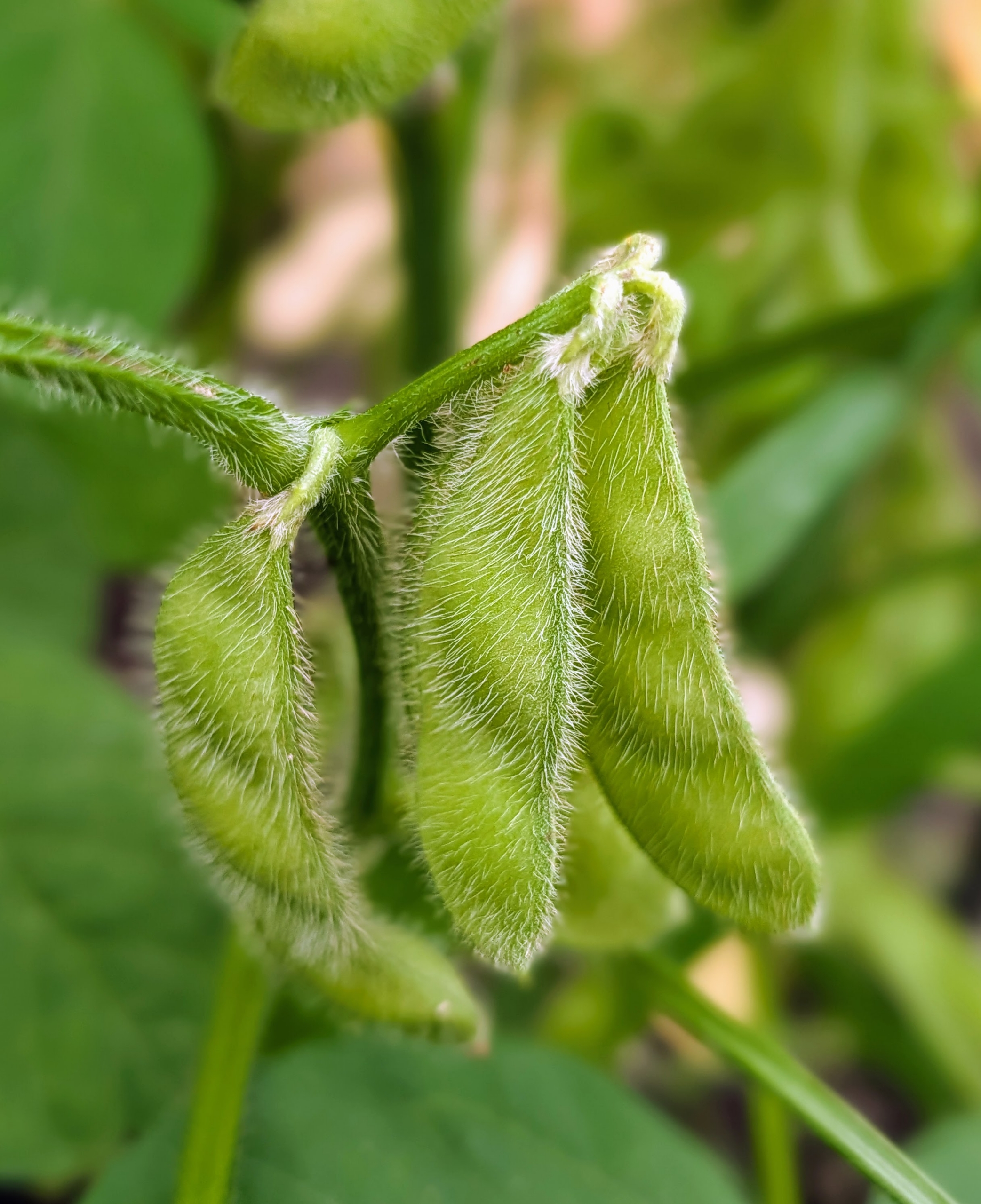
- The edamame is also growing abundantly. If you’re not familiar, edamame is the same soybean that makes tofu. Eaten as beans, they taste a bit like peas and are buttery with a hint of sweetness and nuttiness.
-
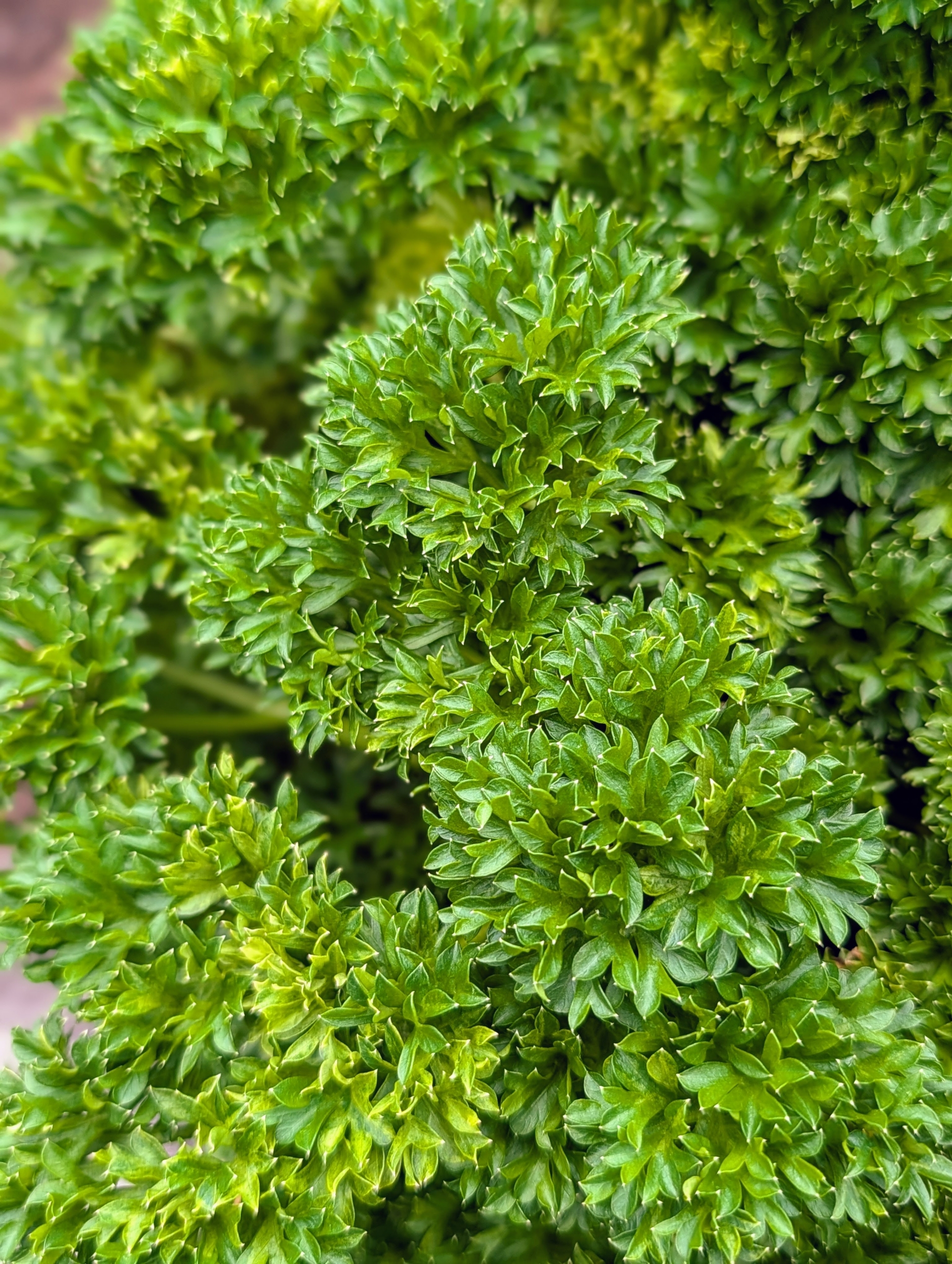
- All my herbs are still going strong too. Curley parsley is milder than the flat, but it is great to use as a decorative garnish, giving dishes pops of color.
-
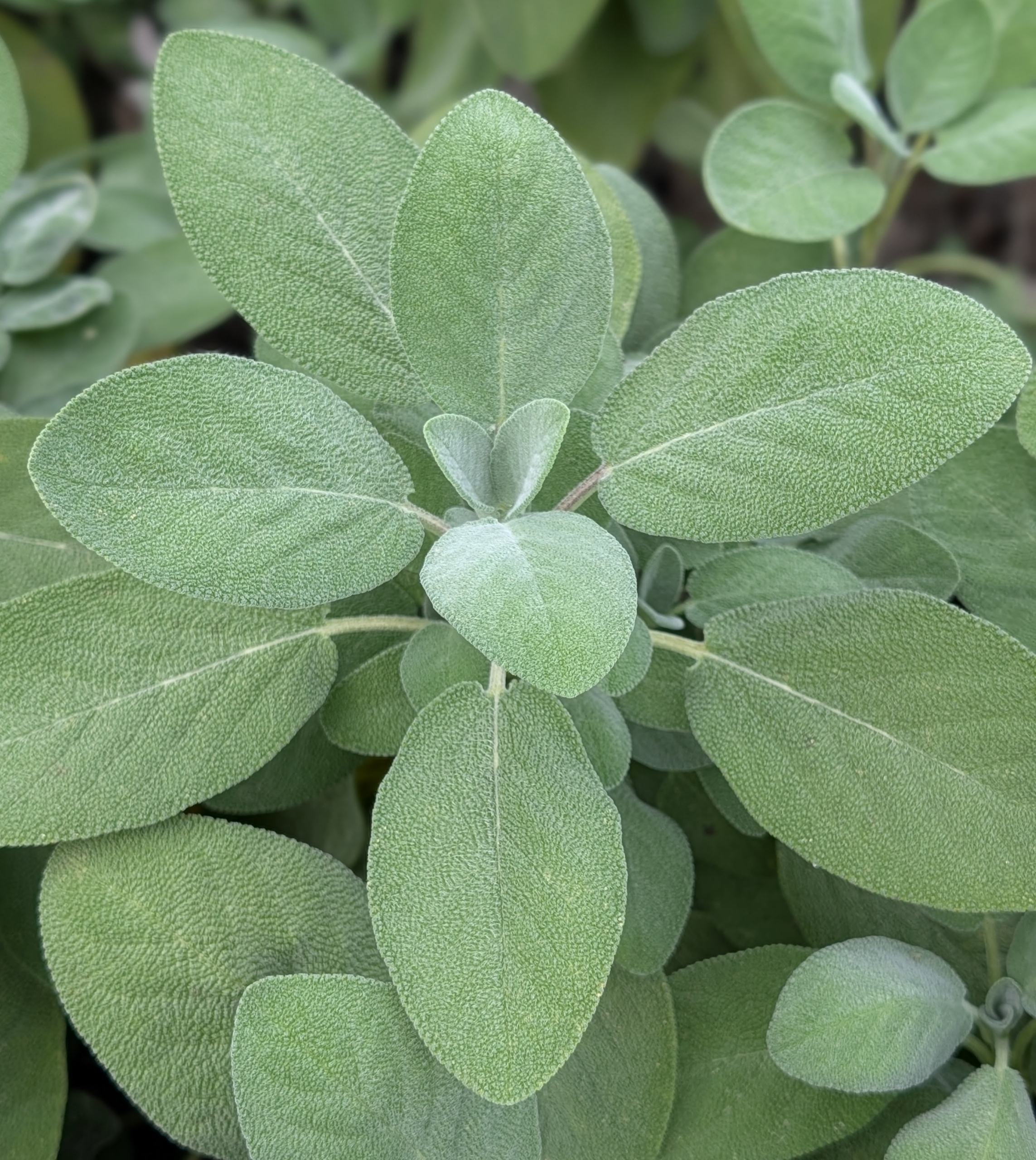
- This is sage. Sage is commonly used to season poultry or sausage, infuse butter, or to add flavor to root vegetables like sweet potatoes or parsnips.
-
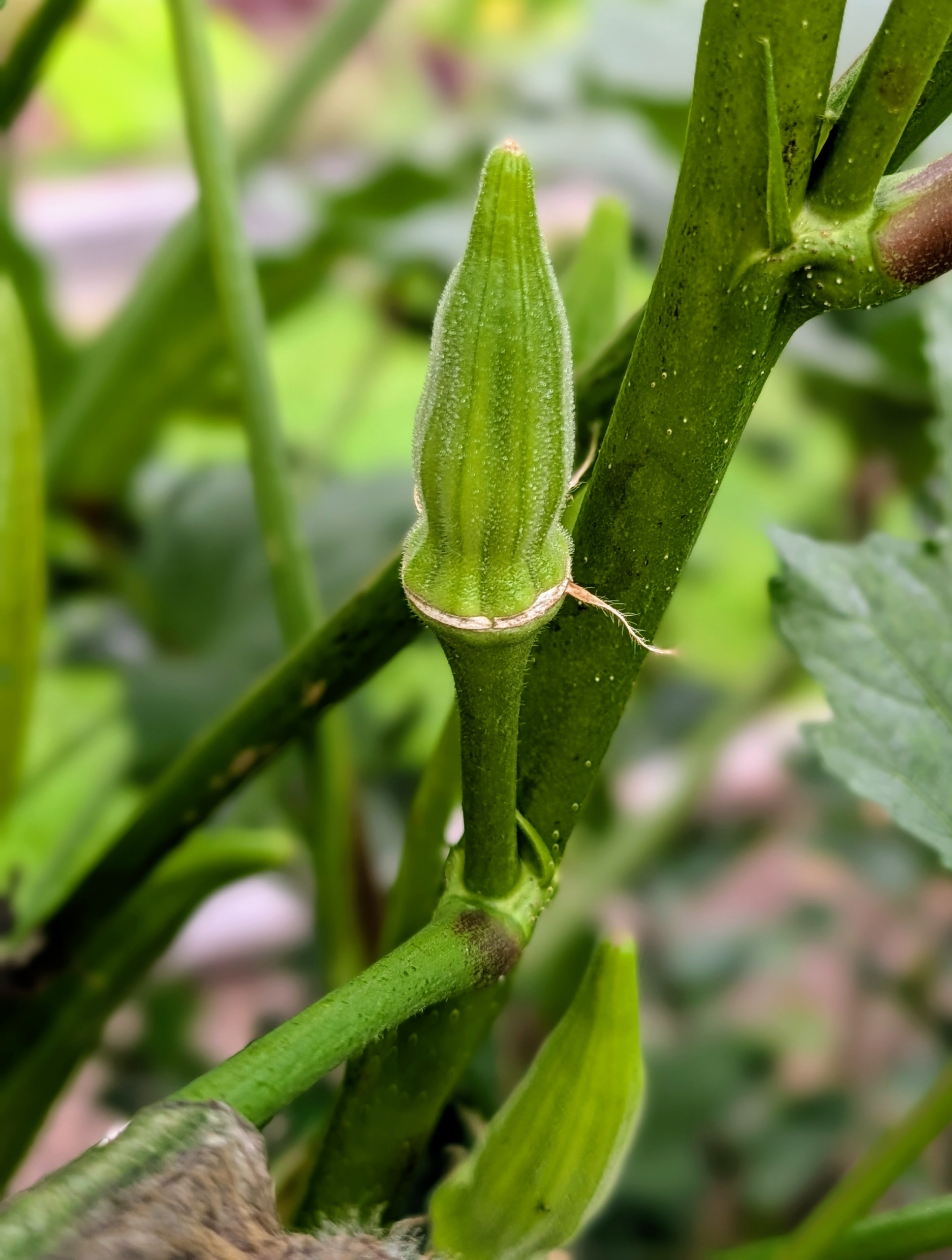
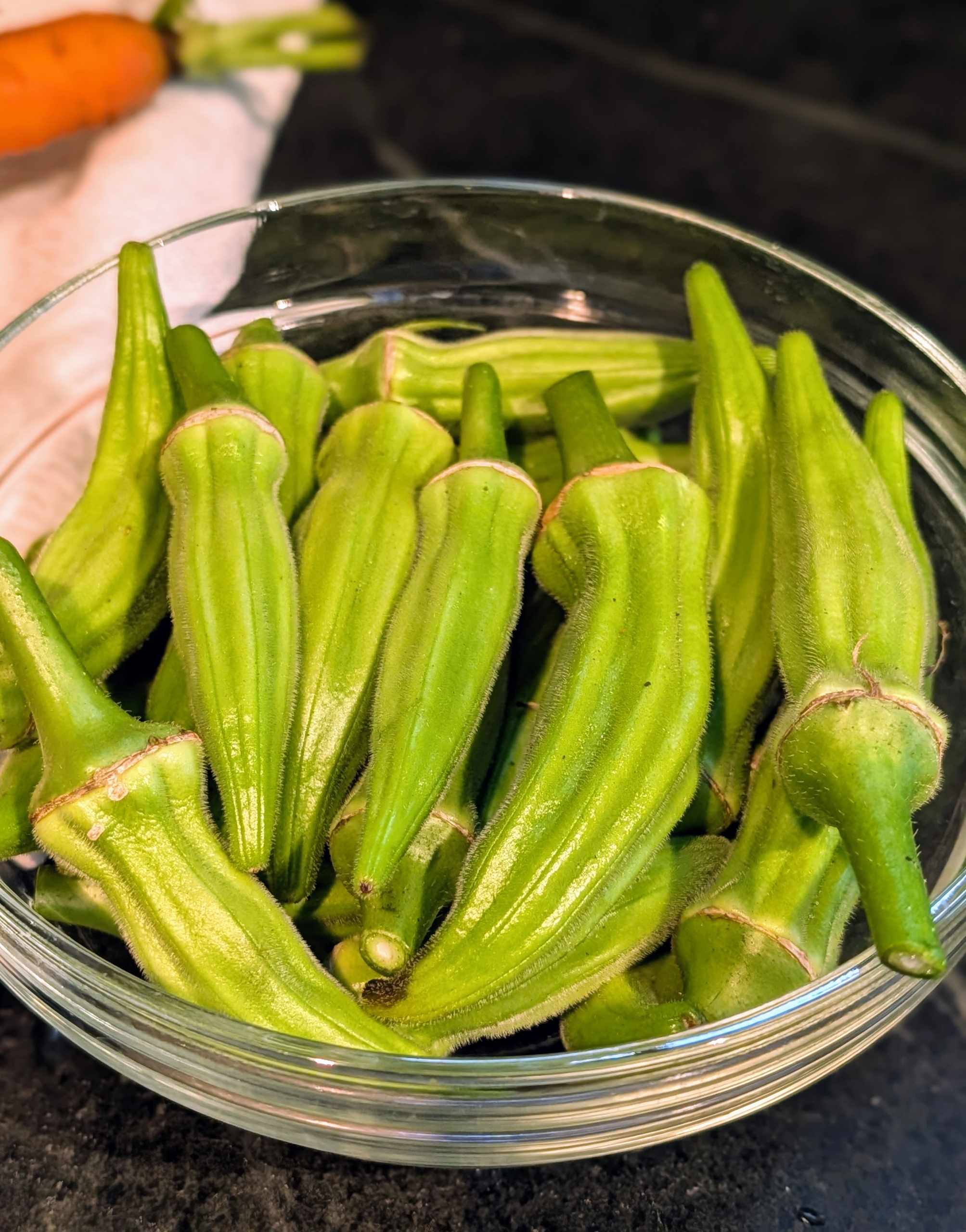
- Okra is ready to harvest when pods are about two to four inches long, typically three to four days after the flower blooms. A good sign is when they are picked – they should snap cleanly when bent.
-
- After any harvest, the freshly picked vegetables are loaded up and brought to my flower room, where they can be washed if needed, then bagged and stored in the refrigerator. It makes me so happy to be able to share all of this produce with my family and friends.
-
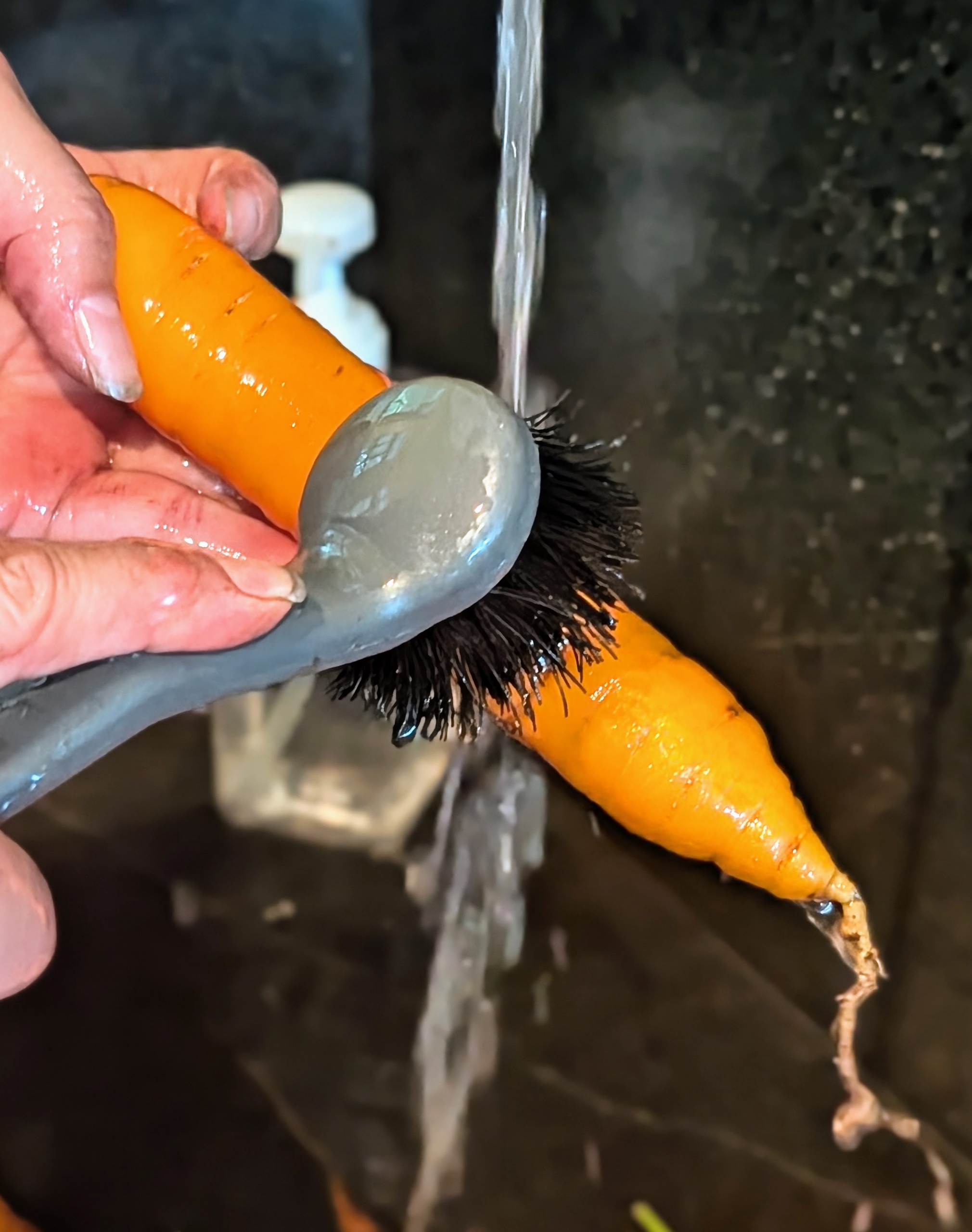
- The carrots are rinsed in cold water and scrubbed of any leftover soil.
-
- Okra is kept dry and unwashed until ready to use. And it lasts about three to five days in the refrigerator.
-
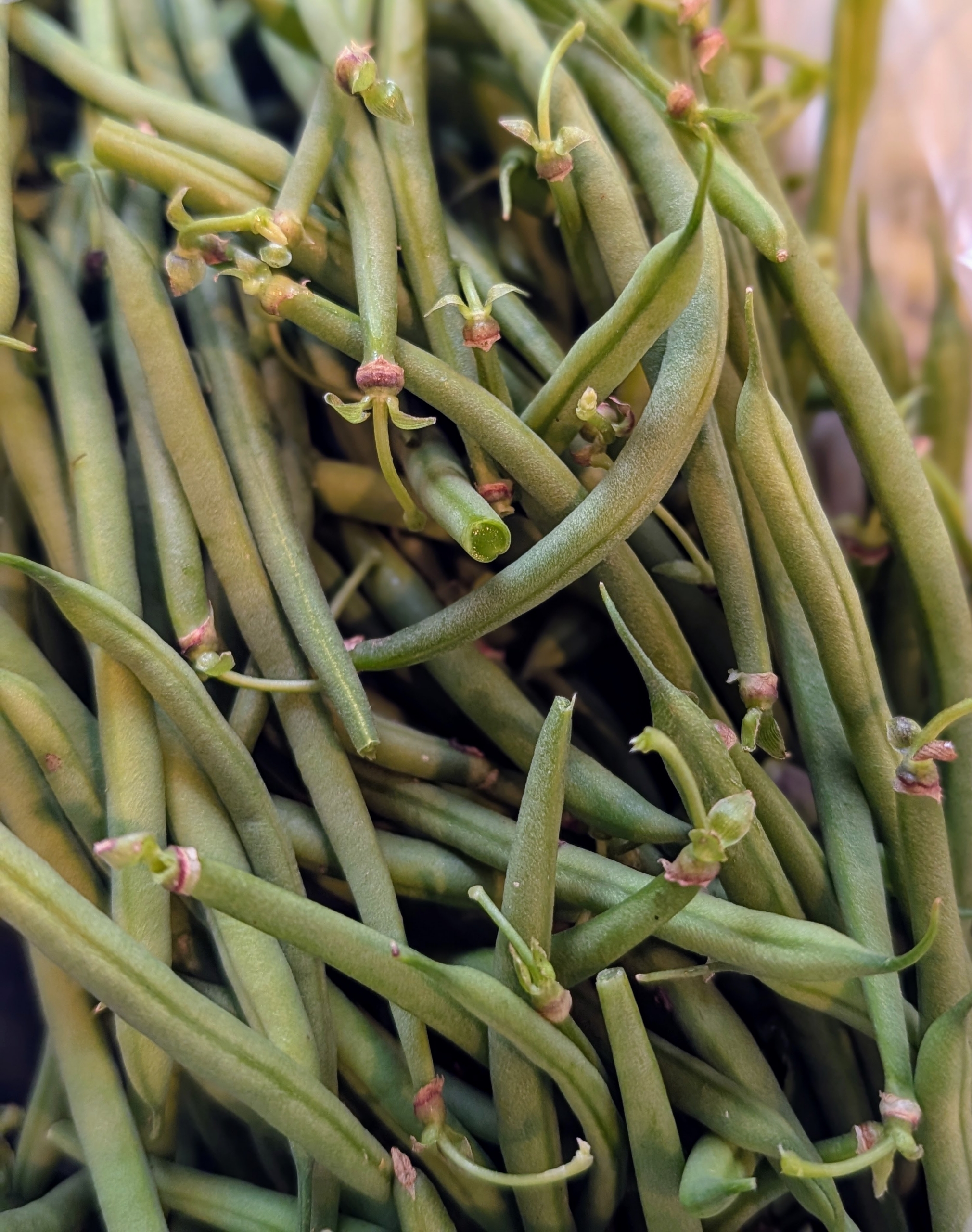
- There are two types of green beans. Pole beans grow on climbing vines and require trellising. Bush beans like these grow on bushes up to two feet and do not need support. And with the proper care, the bushes can produce beans through the entire season.
-
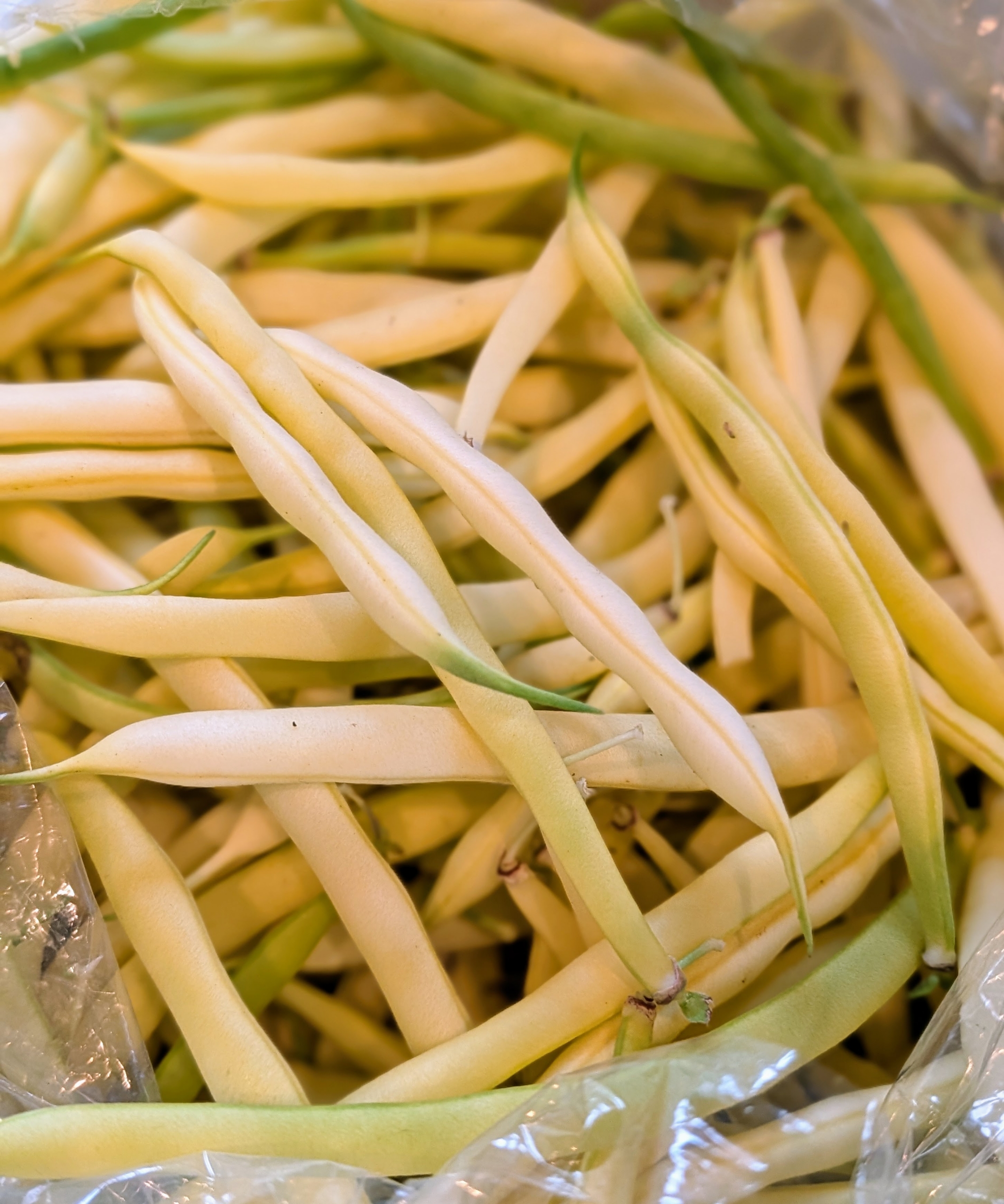
- I grow classic green beans, purple, and yellow beans. Yellow beans lack chlorophyll and will keep their color when cooked.
-
- And here are the beautiful bell peppers. These will also be kept dry and unwashed in the refrigerator until used.
-
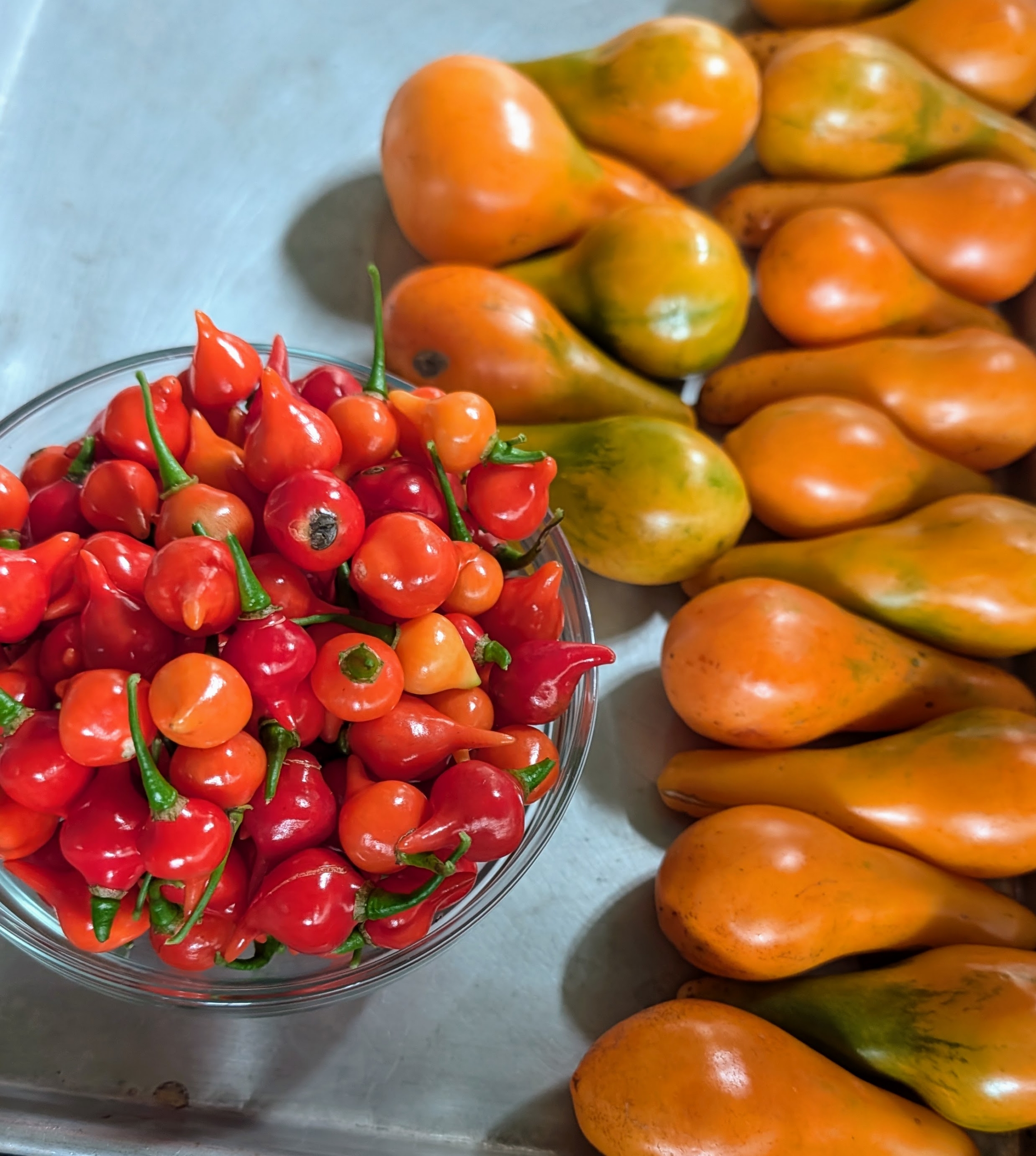
- On the left are birds beak peppers, also known as Pimenta Biquinho – small, round peppers with a tapered tip that resembles a bird’s beak. They originated in Brazil and are known for their tangy, fruity flavor and mild heat level. I like to pickle them. On the right are pear tomatoes or teardrop tomatoes. They are generally sweet, and are in the shape of a pear, but smaller. I am so excited to grow all of these at my farm. Have you looked at your garden lately? You may still find some treasures.
 Martha Pins


 Martha Tweets

