

Removing and Replacing Plants in a Garden
Change is constant in a garden and a good time to remove and replace plants is now - during the dormant season.
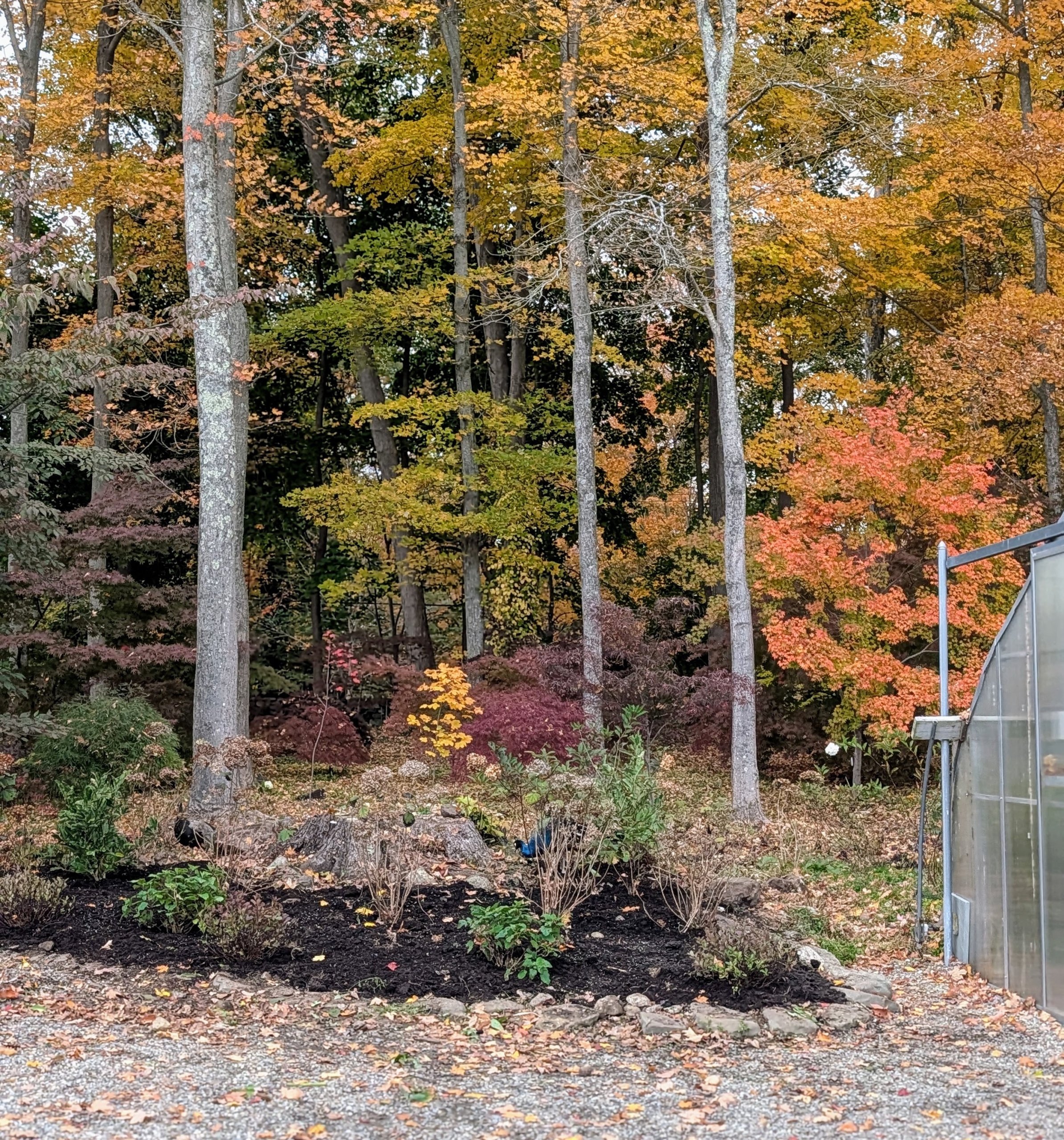
Yesterday, my gardeners and outdoor grounds crew removed a patch of Solomon's Seal, Polygonatum, from a small area outside my citrus hoop house. Removing it during the dormant season minimizes shock and gives the plants time to get established in their new location before the growing season begins. I replaced the Solomon's Seal with Birchleaf Spirea, Star Magnolia, and FlowerFull smooth hydrangeas - all from First Editions Shrubs and Trees. These plants will thrive here where there is full sun to part shade.
Enjoy these photos.
-

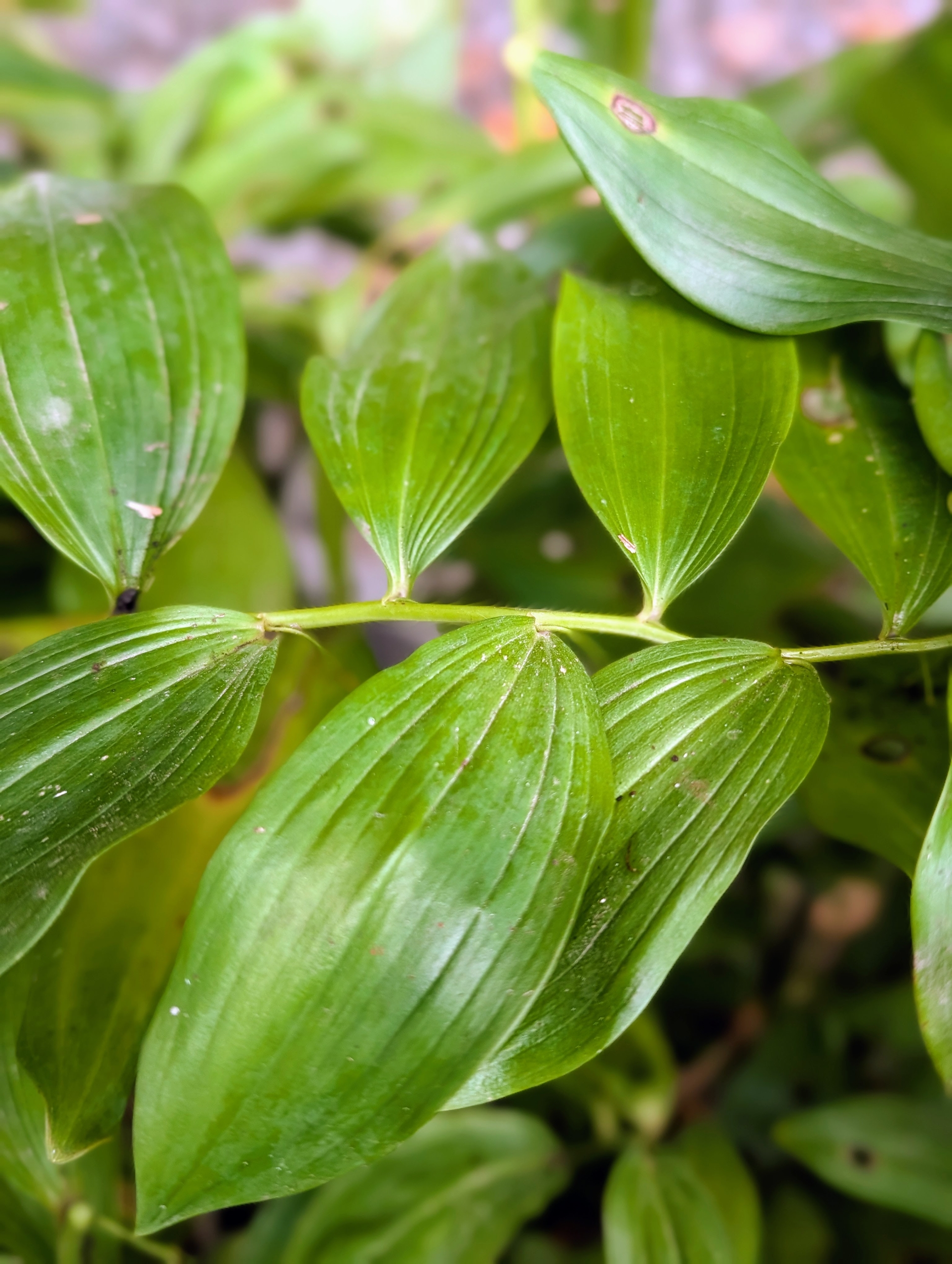
- Solomon’s Seal is a perennial known for its slender arching stems and small, white, bell shaped flowers that bloom in spring. I grow a lot of Solomon’s Seal here at the farm.
-
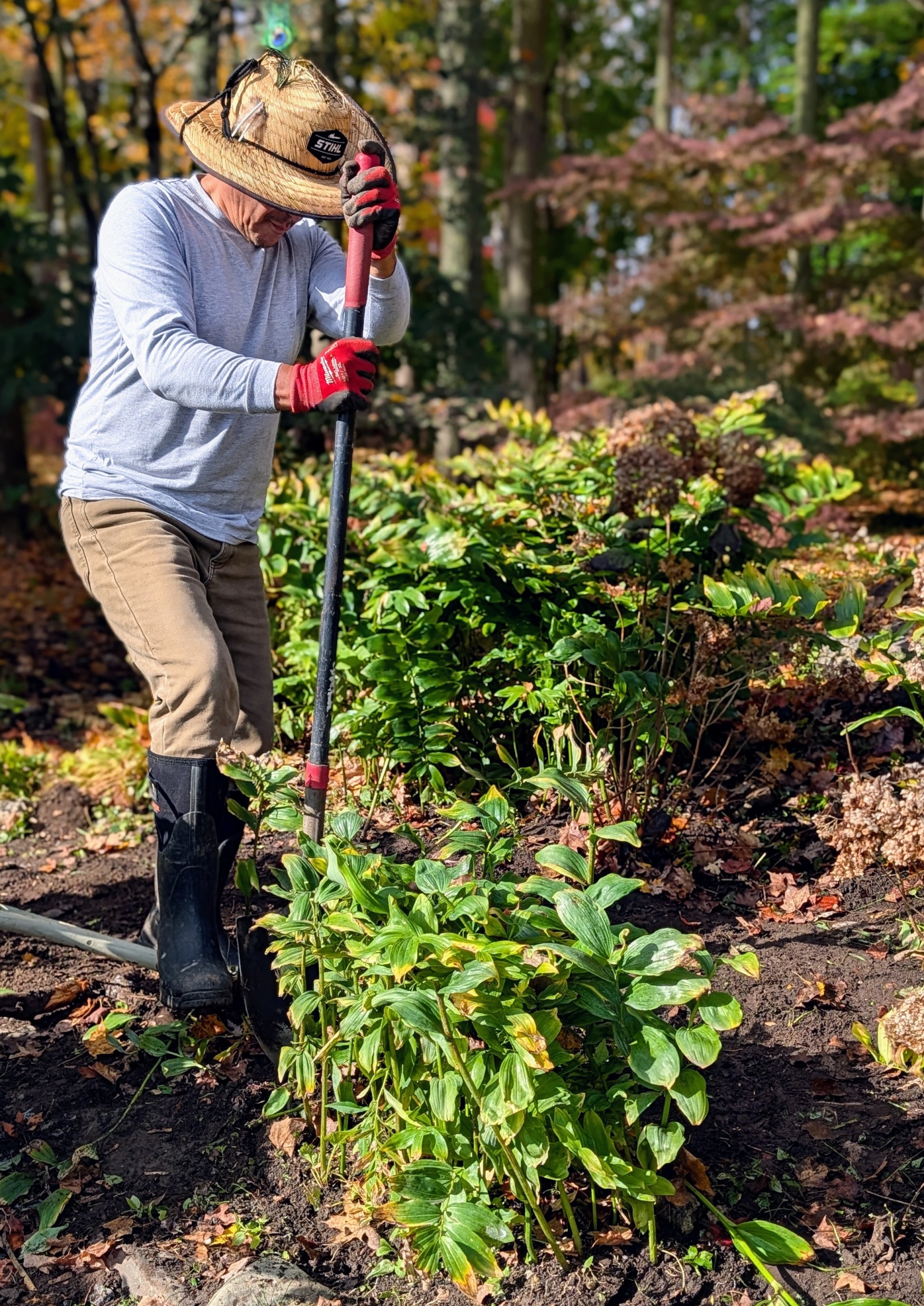
- To remove it, Cesar uses a spade and carefully inserts it around the edge of the plant root balls to loosen them.
-
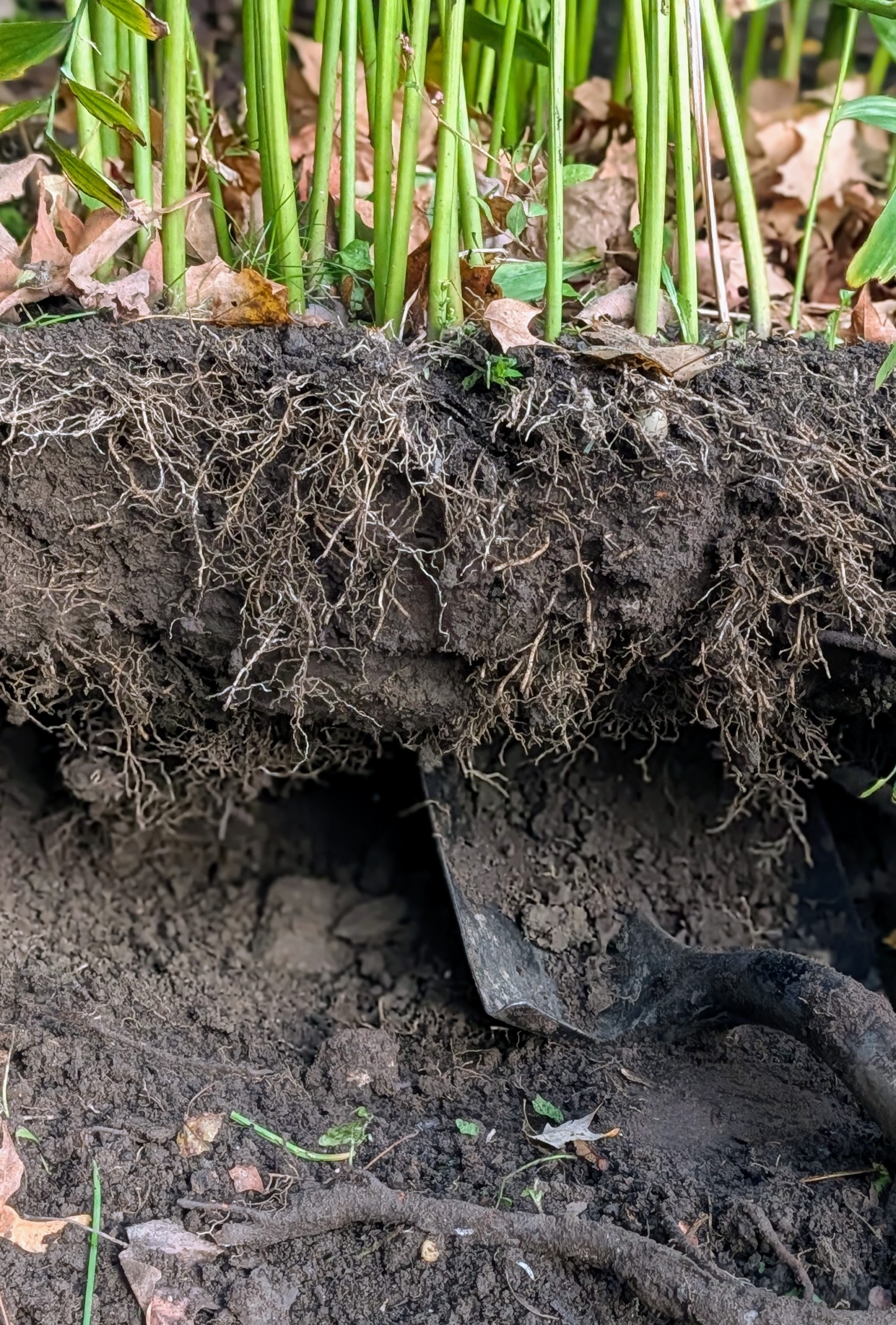
- Then, using a shovel he carefully lifts the plants out of the ground. Solomon’s Seal has shallow roots, making it pretty easy to lift up. And, do you know the difference between a shovel and a spade? Shovels are designed for scooping and moving loose materials, while spades are better suited for cutting through compacted soil. I always say, “use the right tool for the right job.”
-
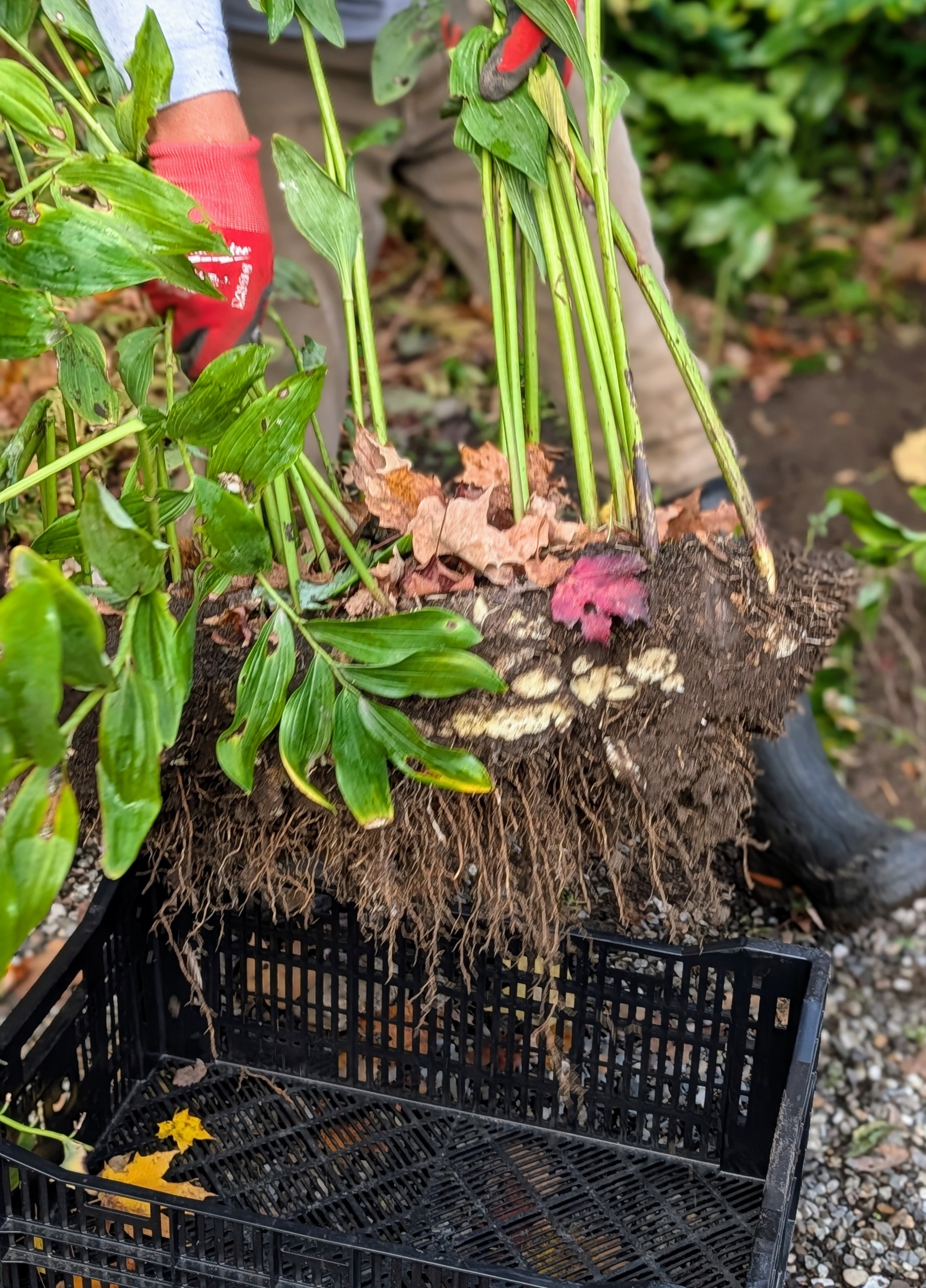
- Cesar places the Solomon’s Seal plants carefully into a crate, so they can be transplanted in another bed.
-
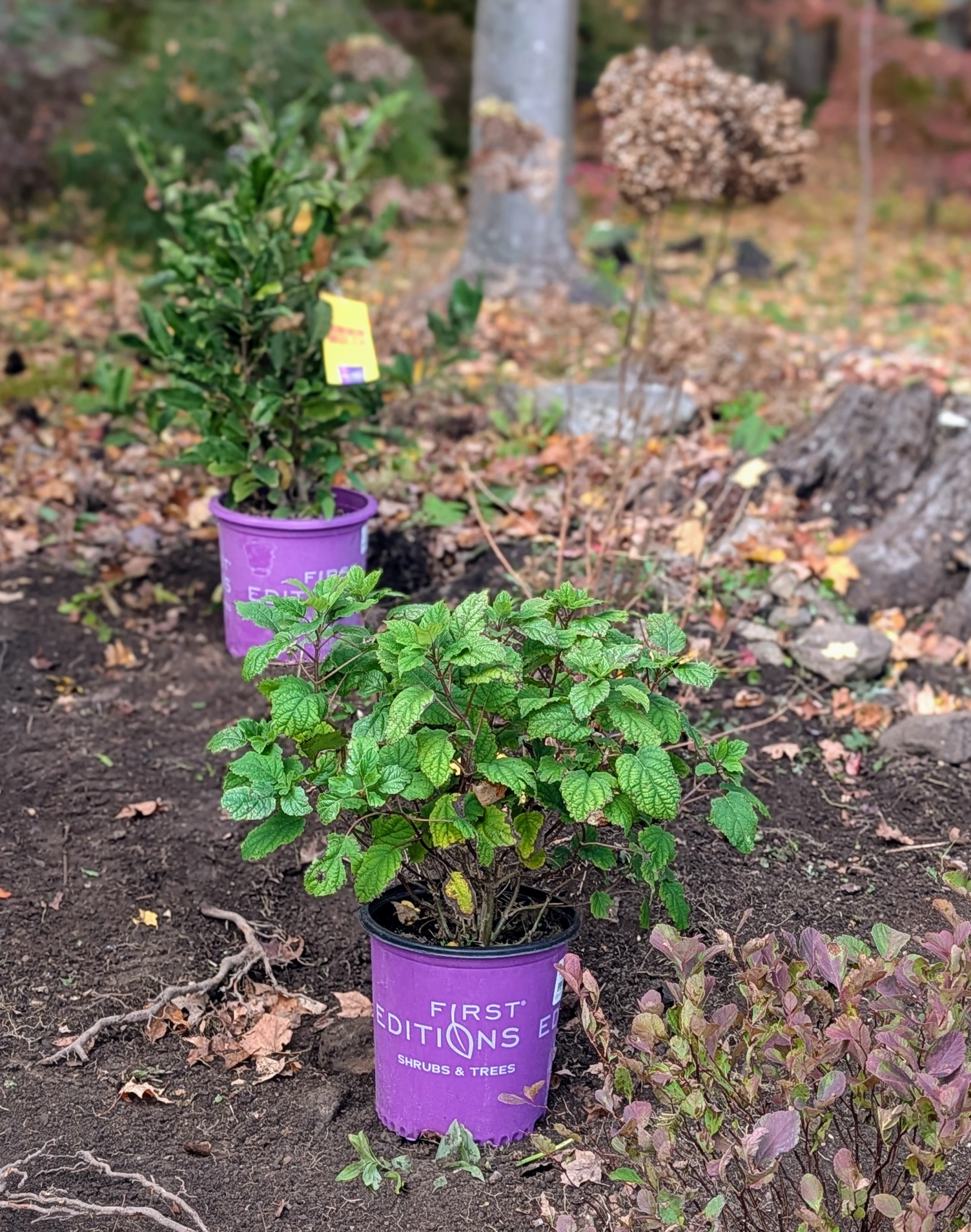
- Once all the Solomon’s Seal is removed, the area is raked and new plants are placed strategically around the bed. Always consider mature plant size when placing and make sure there is enough room for them to grow.
-
- Ryan positions each potted specimen. It is important to also take note of the plant’s light needs and growth habit.
-
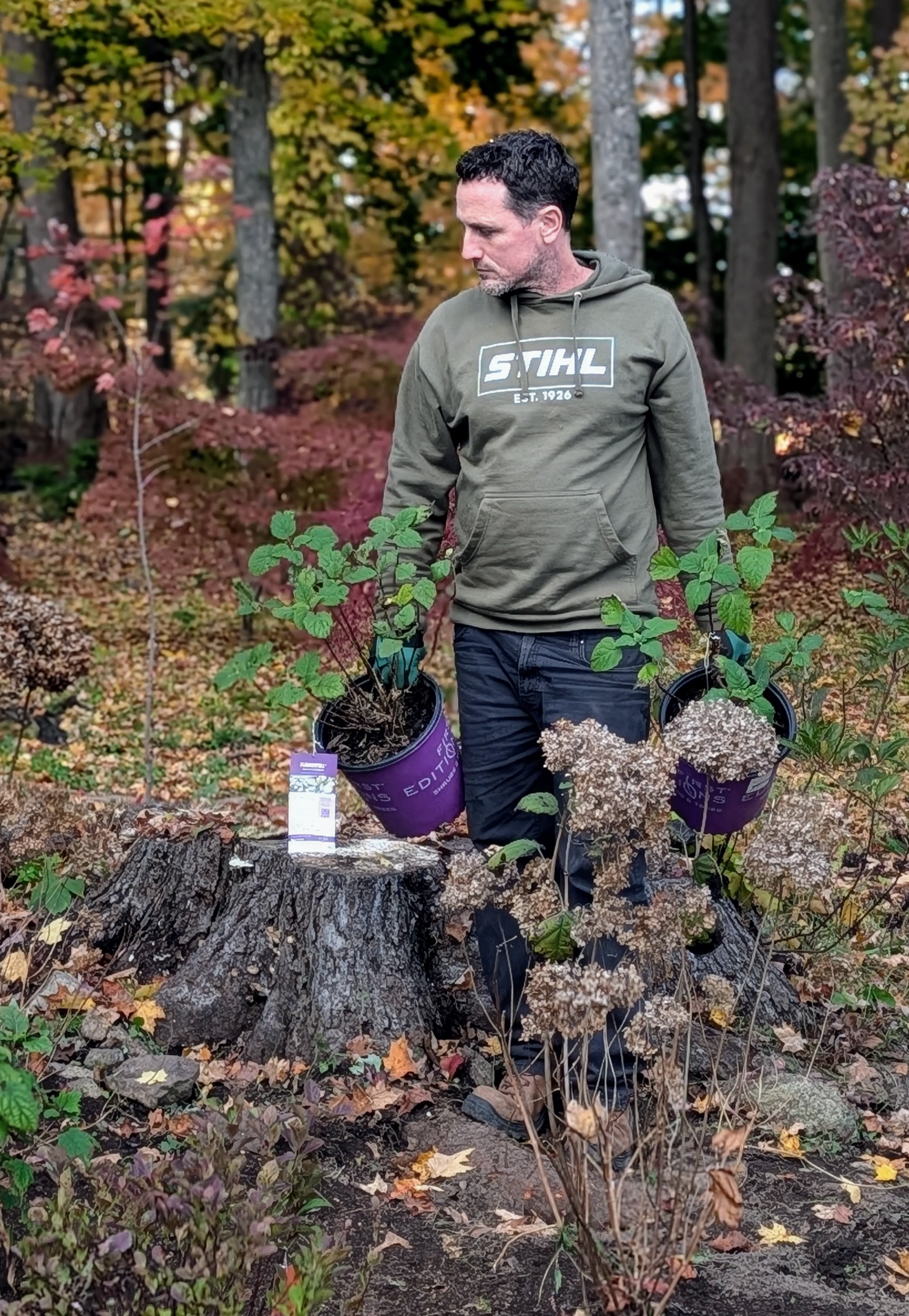
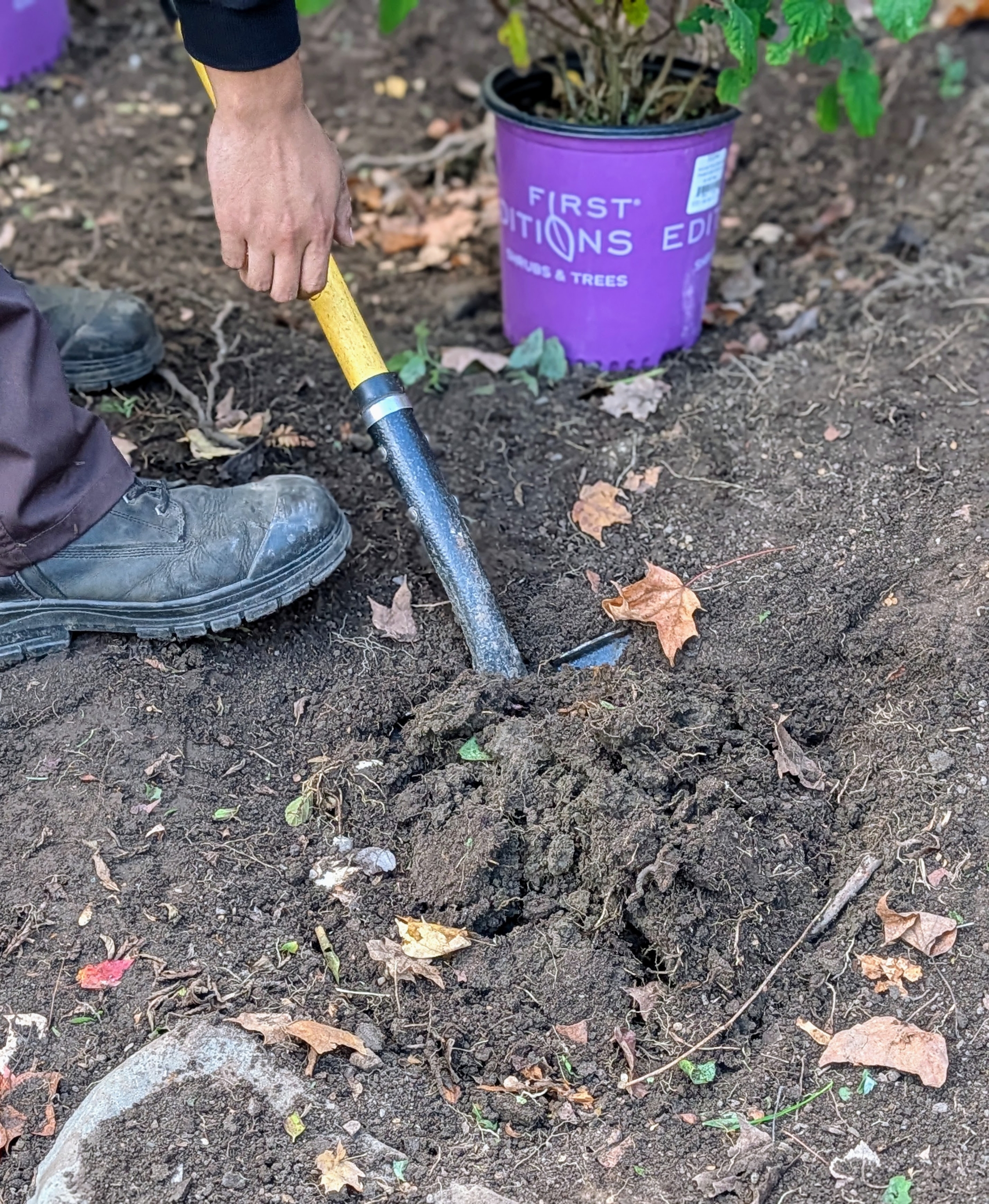
- Using a narrow shovel, Matthew starts digging all the holes.
-
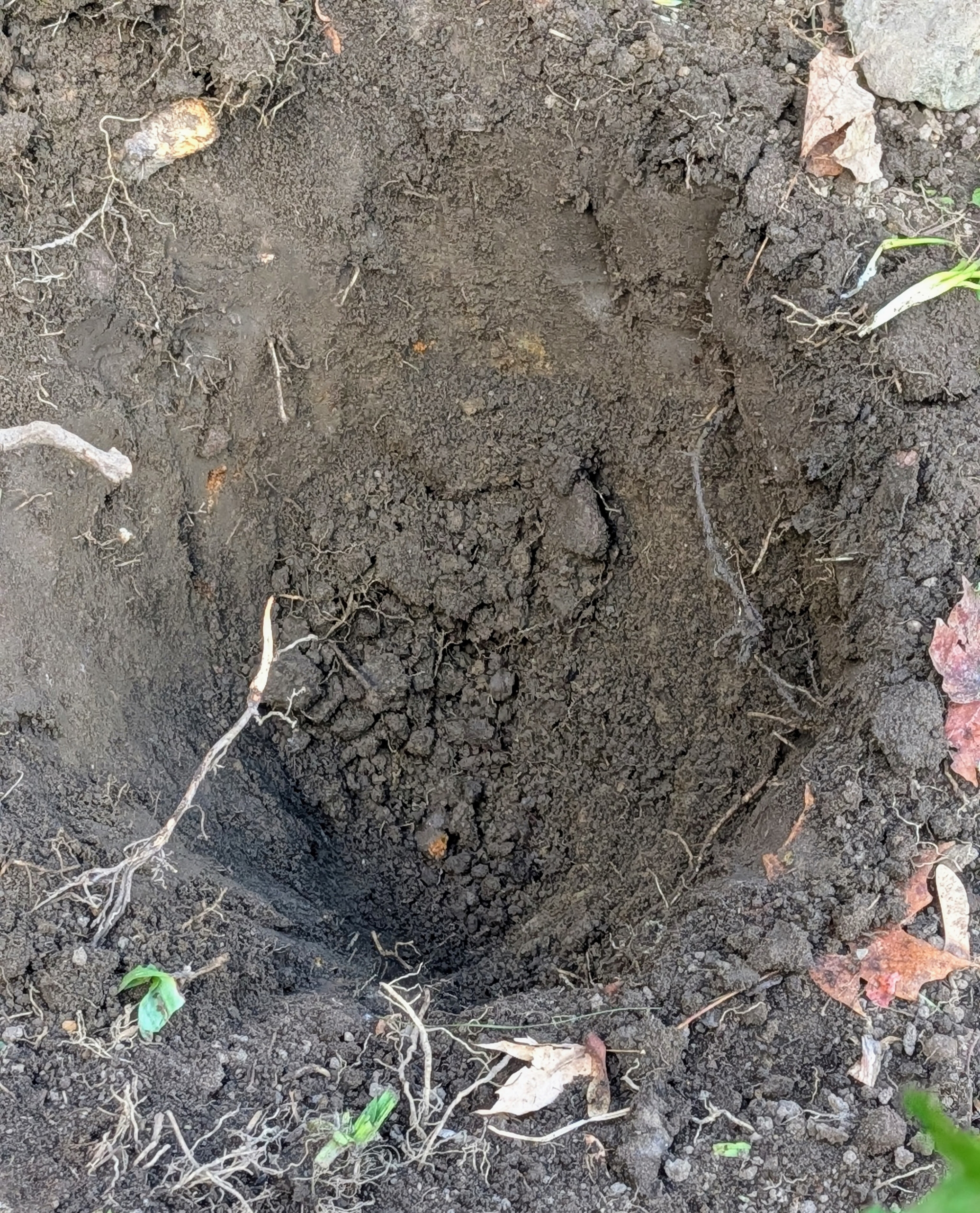
- The rule of thumb in gardening is to make a hole two to three times wider than the original pot and slightly deeper.
-
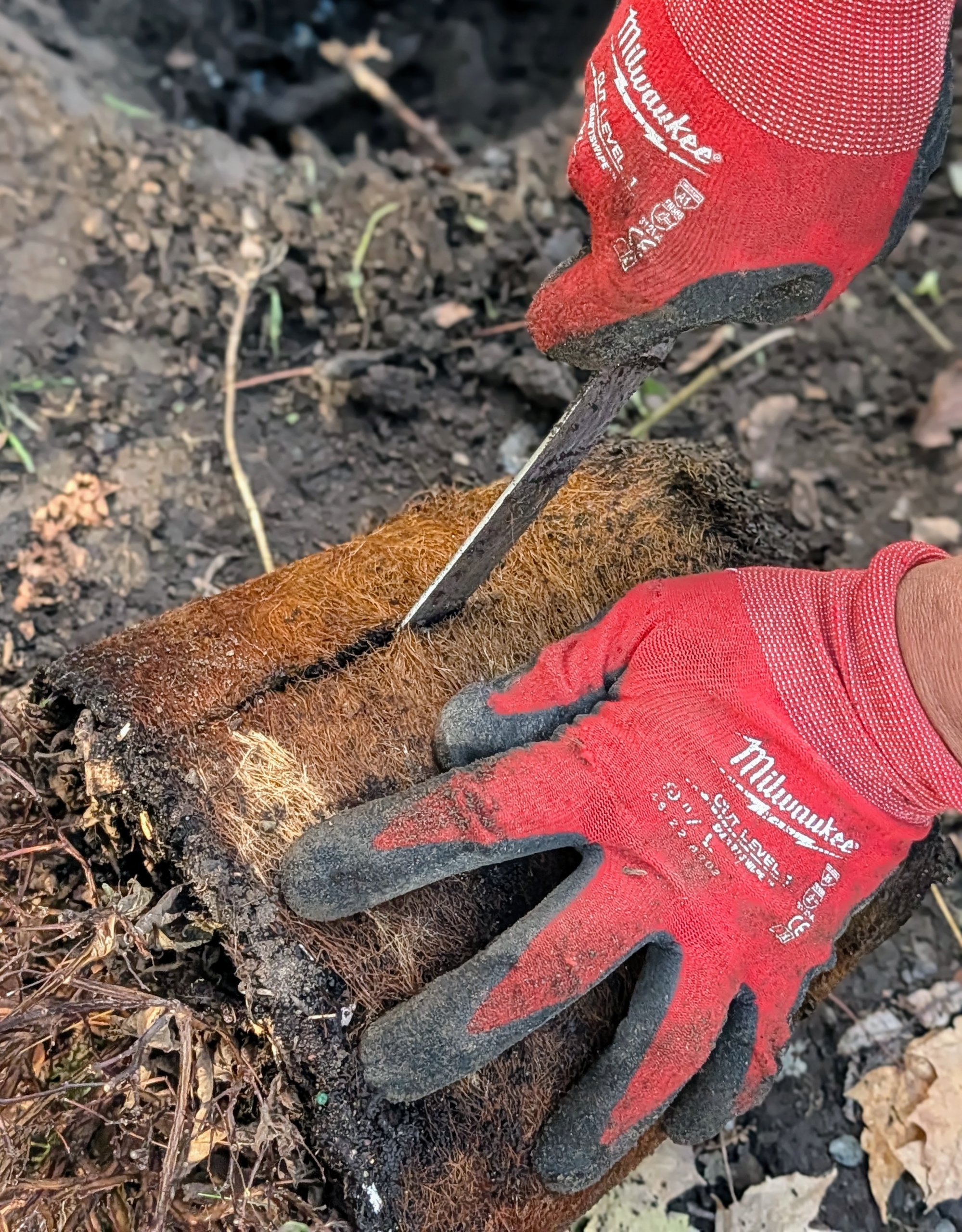
- Cesar uses a knife to make beneficial cuts around the root ball to stimulate growth. This is called scarifying.
-
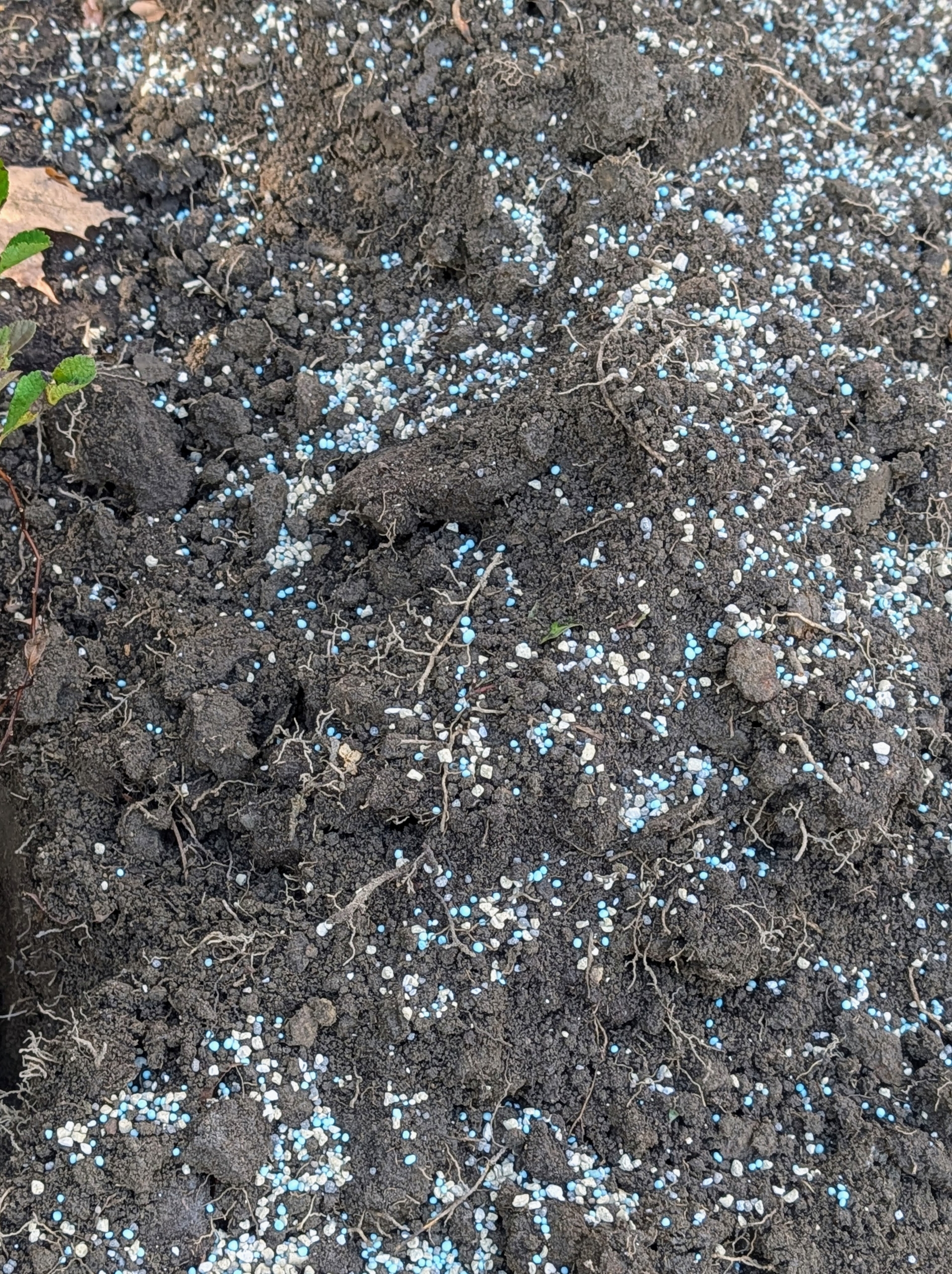
- A good all-purpose fertilizer is sprinkled in the hole and on the surrounding soil.
-
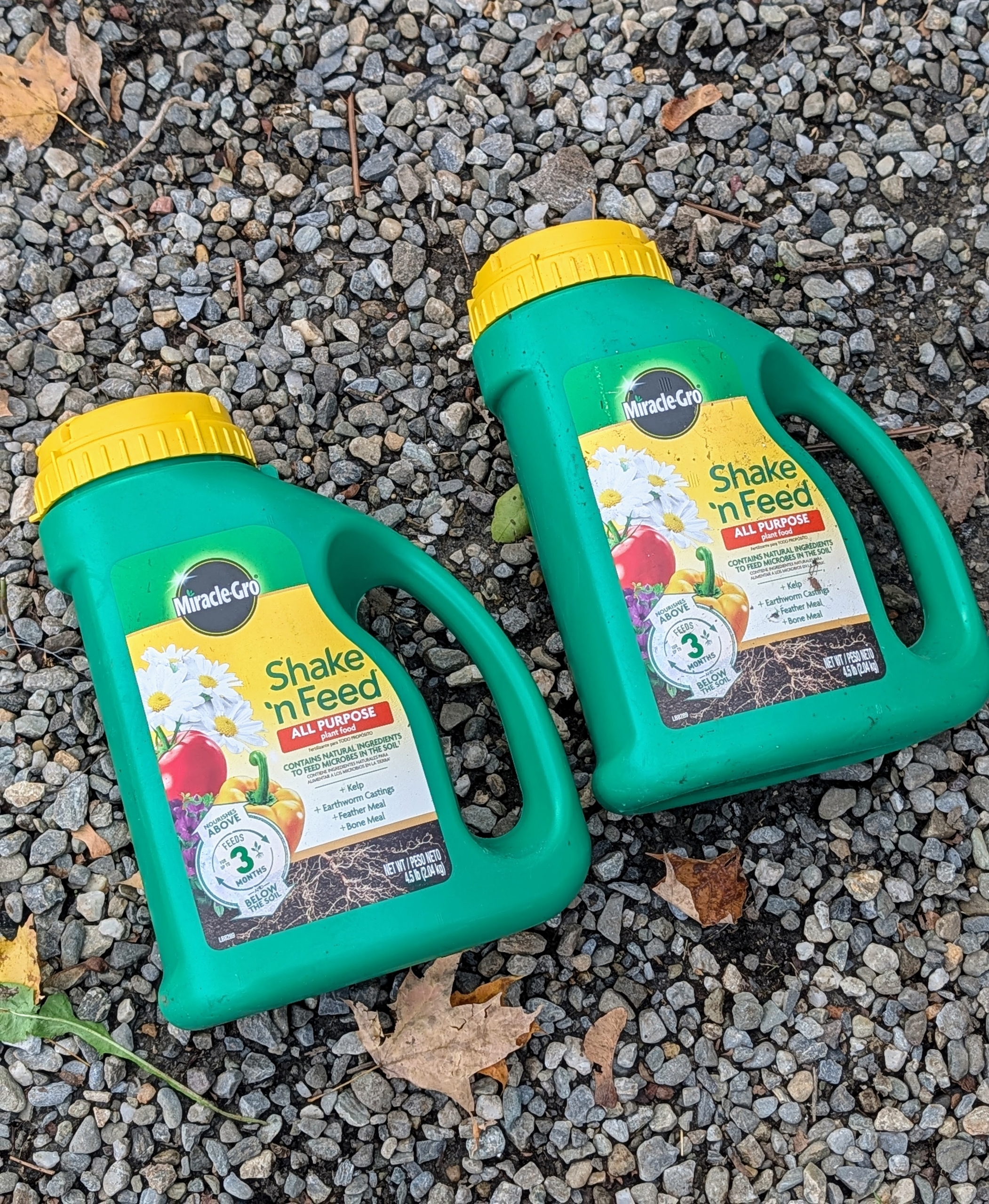
- I use Miracle-Gro Shake ‘n Feed All-Purpose plant food, which contains natural ingredients such as kelp, bone meal, earthworm castings, and feather meal.
-
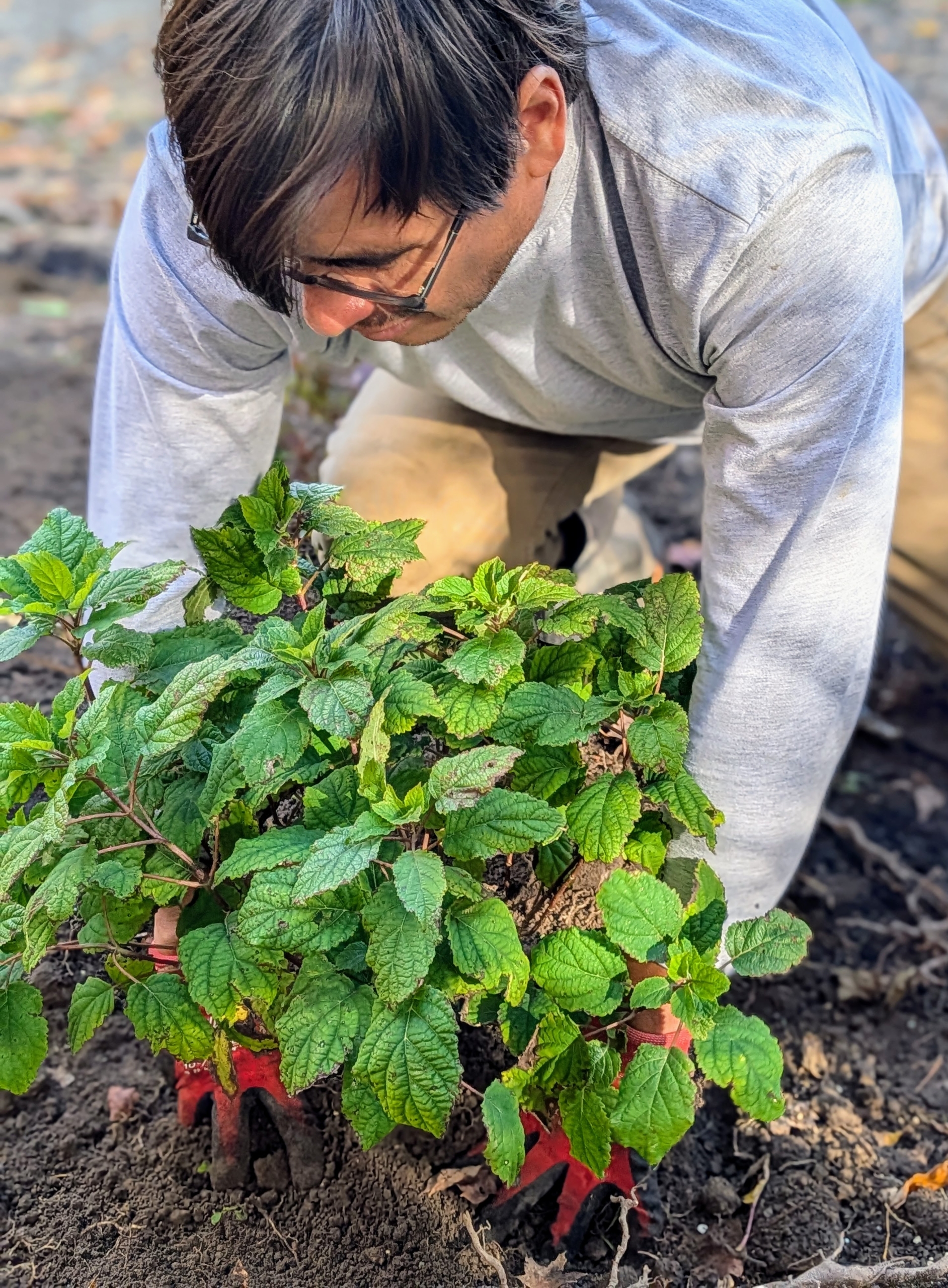
- In the ground, the plant should sit at the same depth it was in the pot.
-
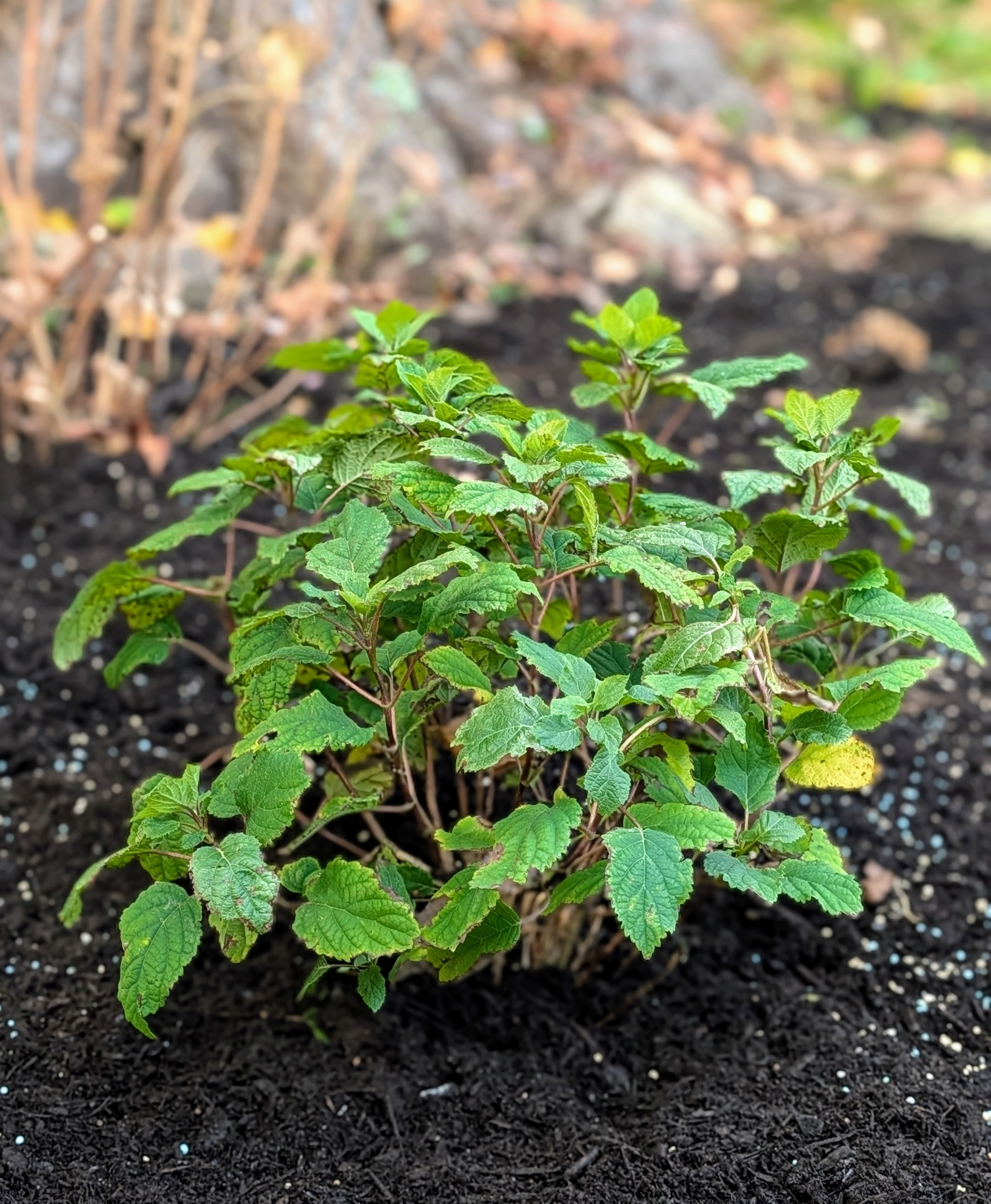
- This is FlowerFull® Smooth Hydrangea, which has bold blooms and strong stems that don’t flop in the wind and rain.
-
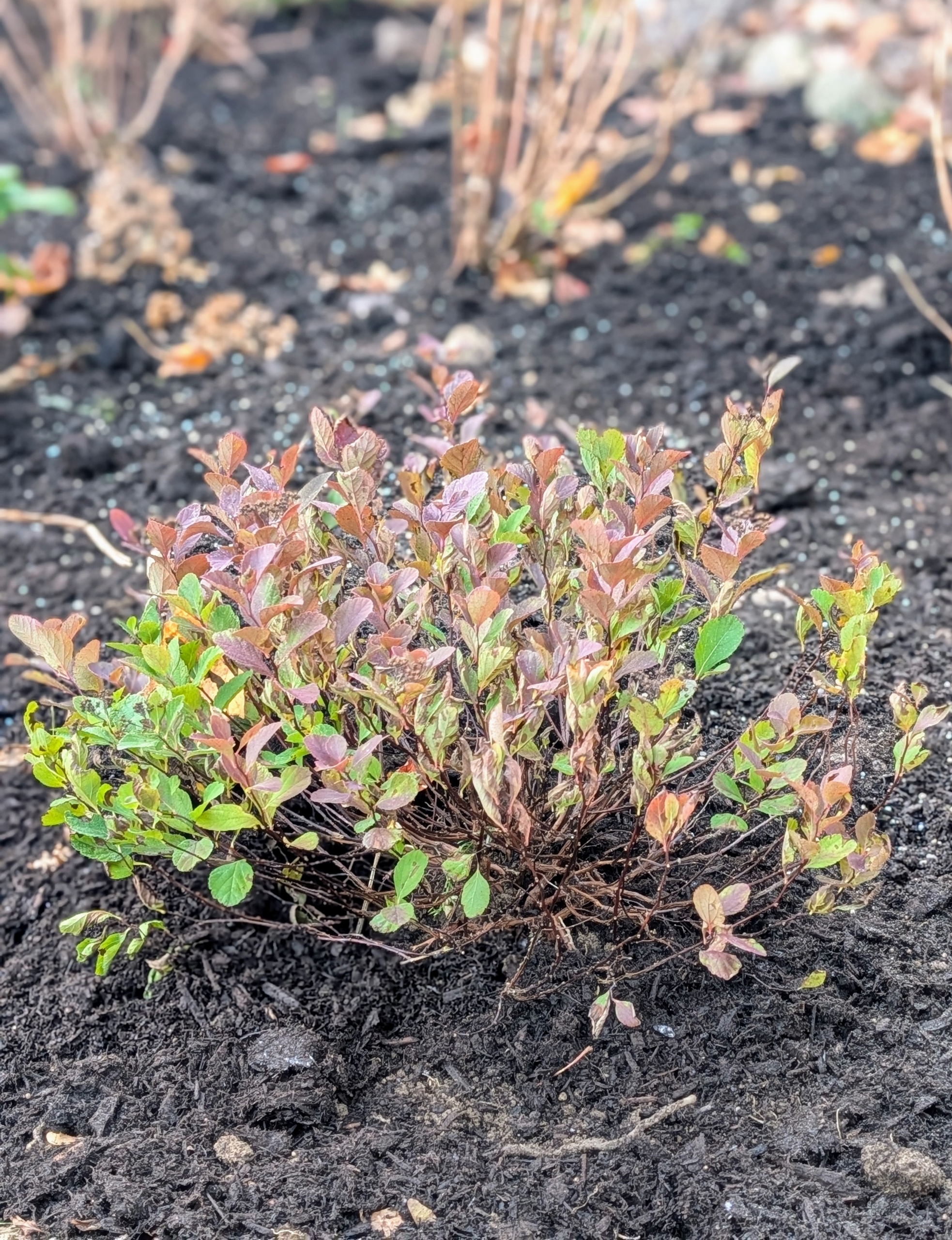
- Pink Sparkler™ Birchleaf Spirea is a lovely, rounded shrub that blooms in early summer with large pink flowers.
-
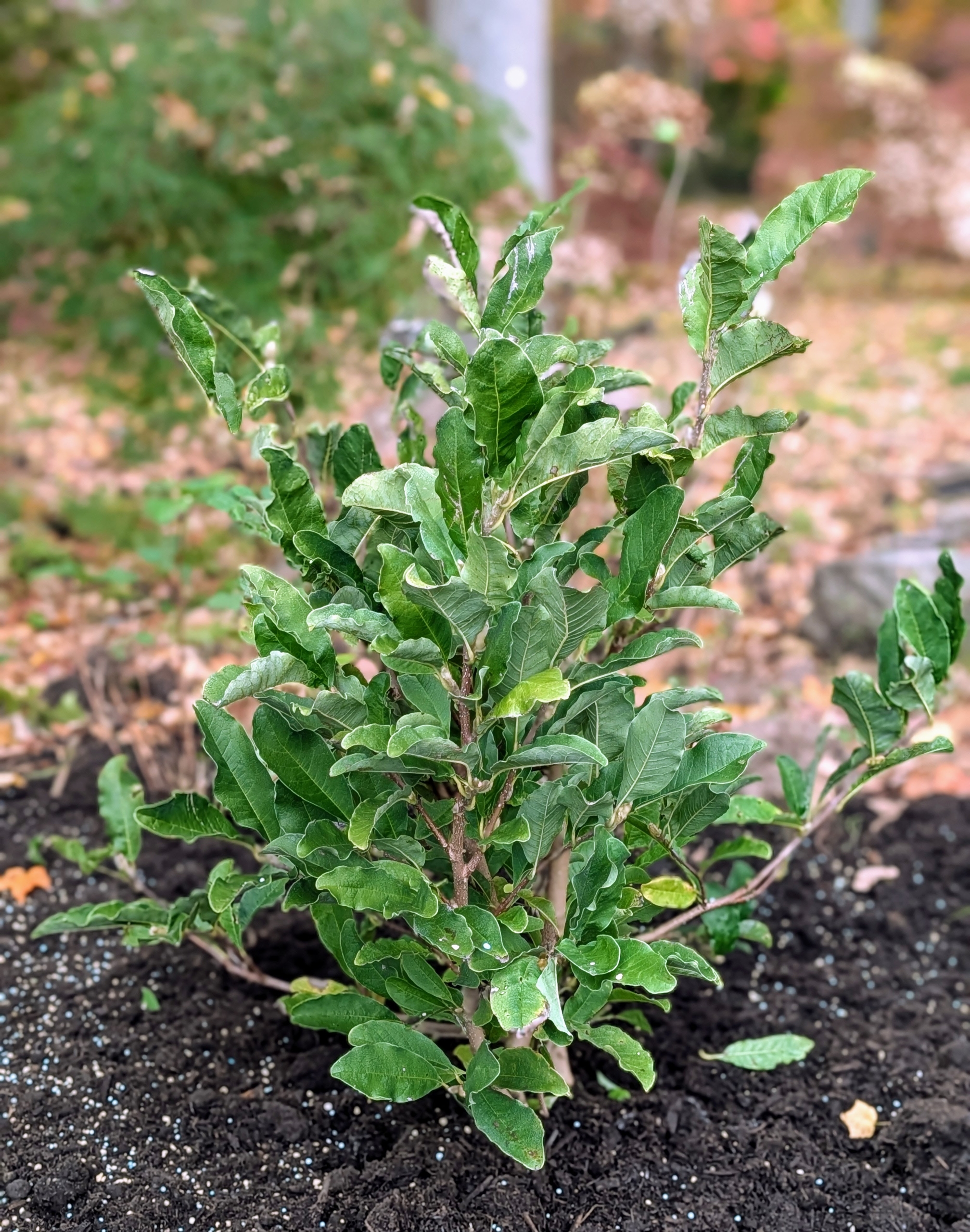
- Centennial Blush Star Magnolia shows off a floral display of fragrant, delicate pink flowers covering the entire plant in spring. Its medium green leaves turn shades of yellow and bronze this time of year.
-
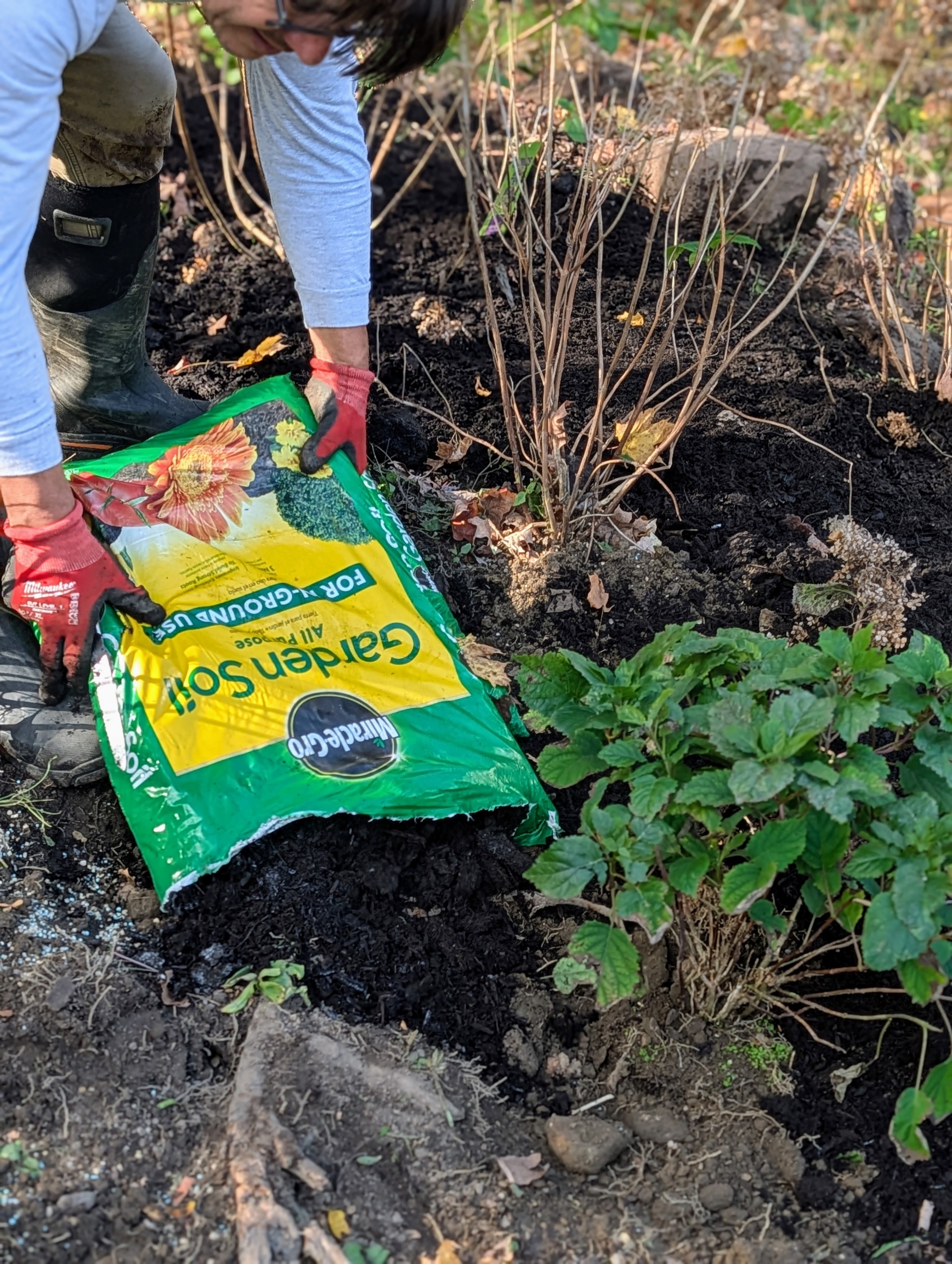
- Cesar spreads a fresh layer of Miracle-Gro All-Purpose Garden Soil around the entire bed.
-
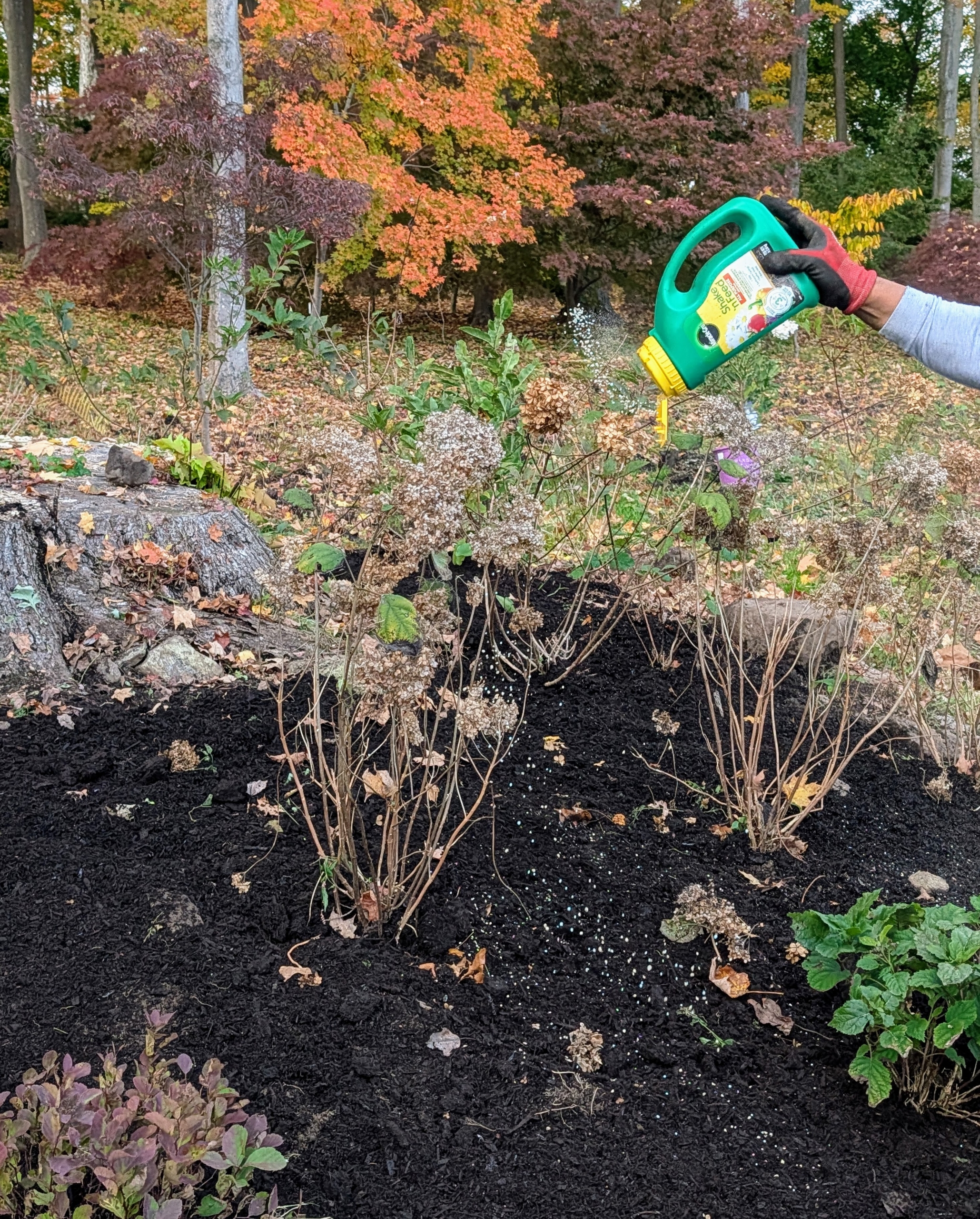
- Then he sprinkles more food on top of the garden soil.
-
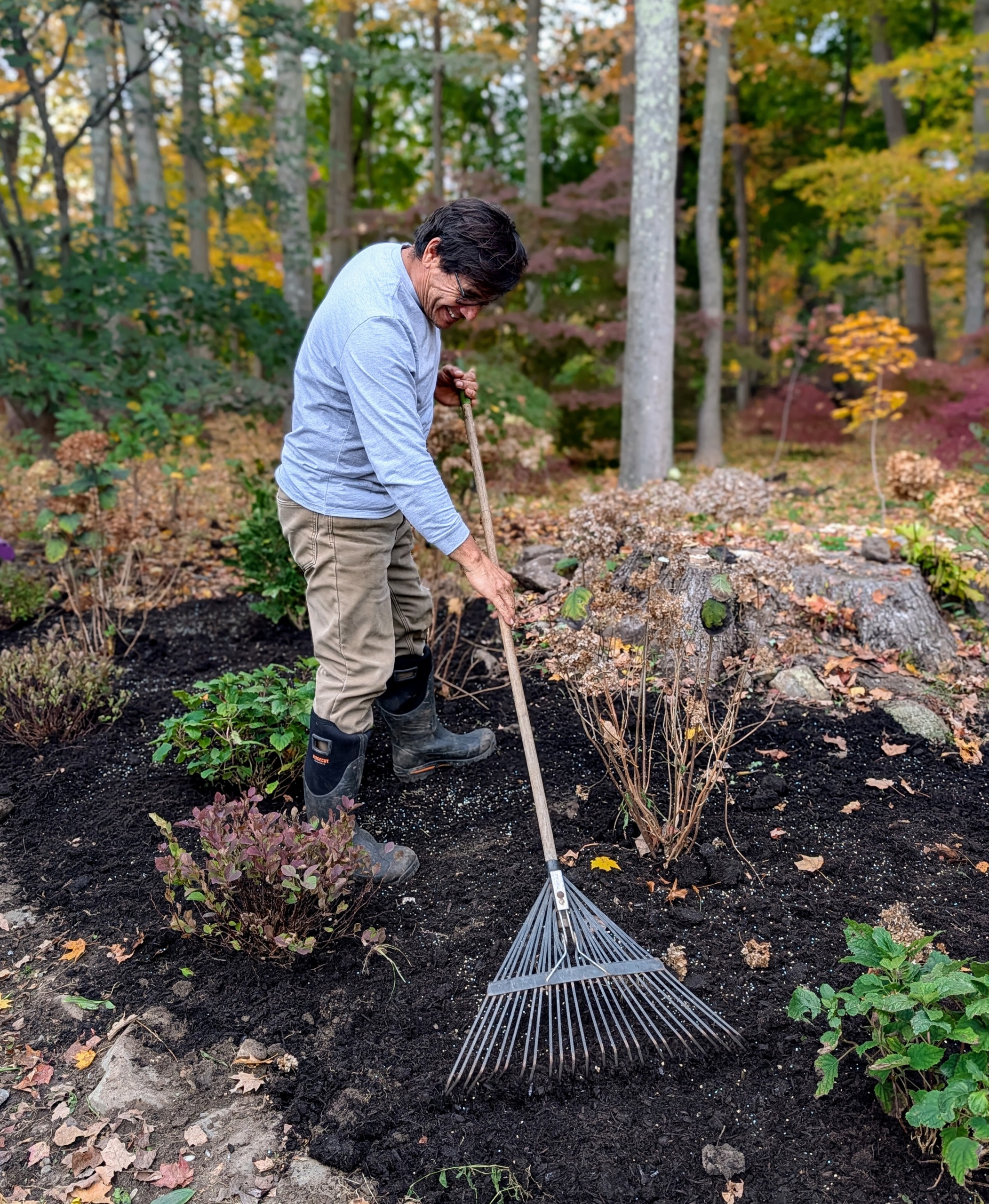
- And using a soft garden rake, he rakes everything thoroughly around all the plants, making sure they are all planted properly.
-
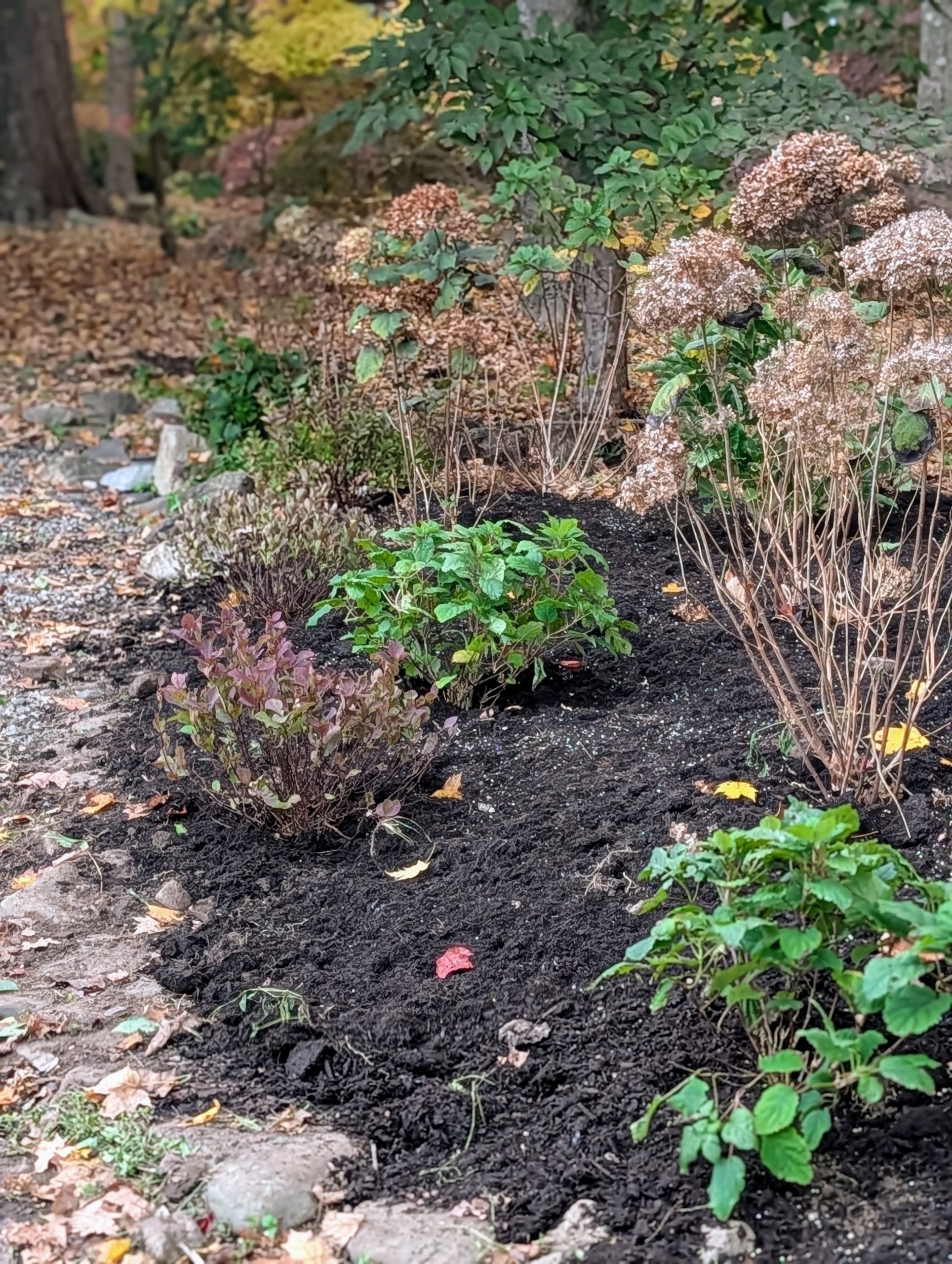
- These plants should thrive here and flower next spring.
-
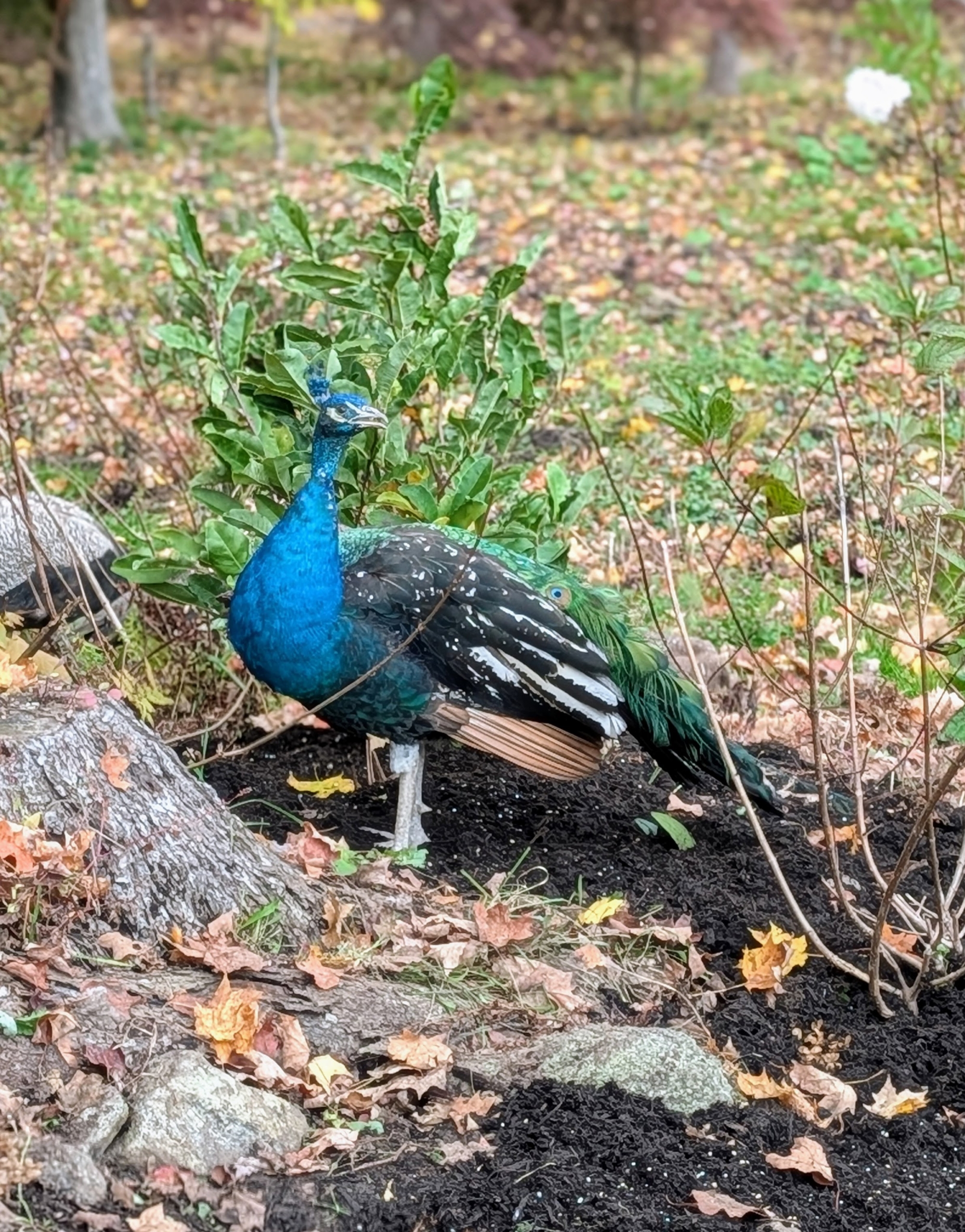
- It doesn’t take long before my handsome peacocks find the new bed. I think this “blue boy” approves.
-
- It is the peak of autumn here at the farm, but there is still time to plant in the garden.
 Martha Pins


 Martha Tweets

