

A Guest Blog From a Visit to the Ann Norton Sculpture Gardens in West Palm Beach, Florida
I always encourage others to share photos from places they've visited. Not long ago our own Marquee Brands Home Brand Director, Dipali Patwa, found herself with some extra time after a flight back home to New York was delayed. Instead of sitting at the airport, she went out and toured an interesting garden to learn something new. Enjoy her story and her images.
During a recent business trip to West Palm Beach, I had the opportunity to visit the Ann Norton Sculpture Gardens. I didn’t walk this garden with Martha, but I’ve walked others with her, and that experience fundamentally changes how you see a space like this. Walking gardens with Martha teaches you to notice what many may overlook - the discipline of proportion, the intention behind what is planted, the way pathways guide movement without announcing themselves, and how light, at different times of day, becomes as important a design element as any material. You begin to understand that great environments are not accidental- they are edited, refined, and deeply intentional. So when I stepped into the Ann Norton Sculpture Gardens, I found myself seeing through that lens. Slowing down. Observing transitions. Understanding restraint. And what revealed itself was not just a garden, but a living composition- one that quietly holds art, nature, and time in balance.
-

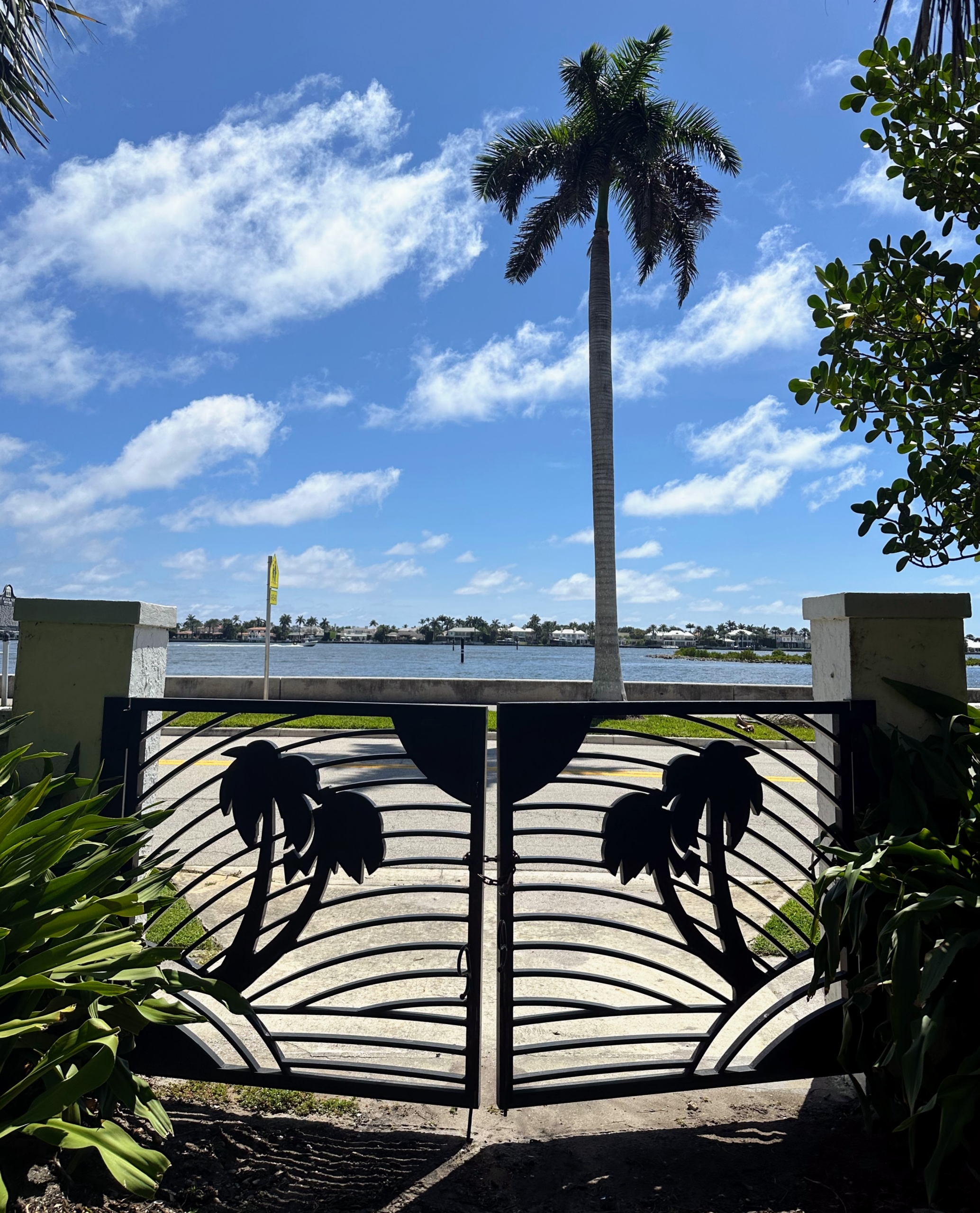
- The Garden has a view directly over Lake Worth, which is part of the Atlantic Intracoastal Waterway.
-
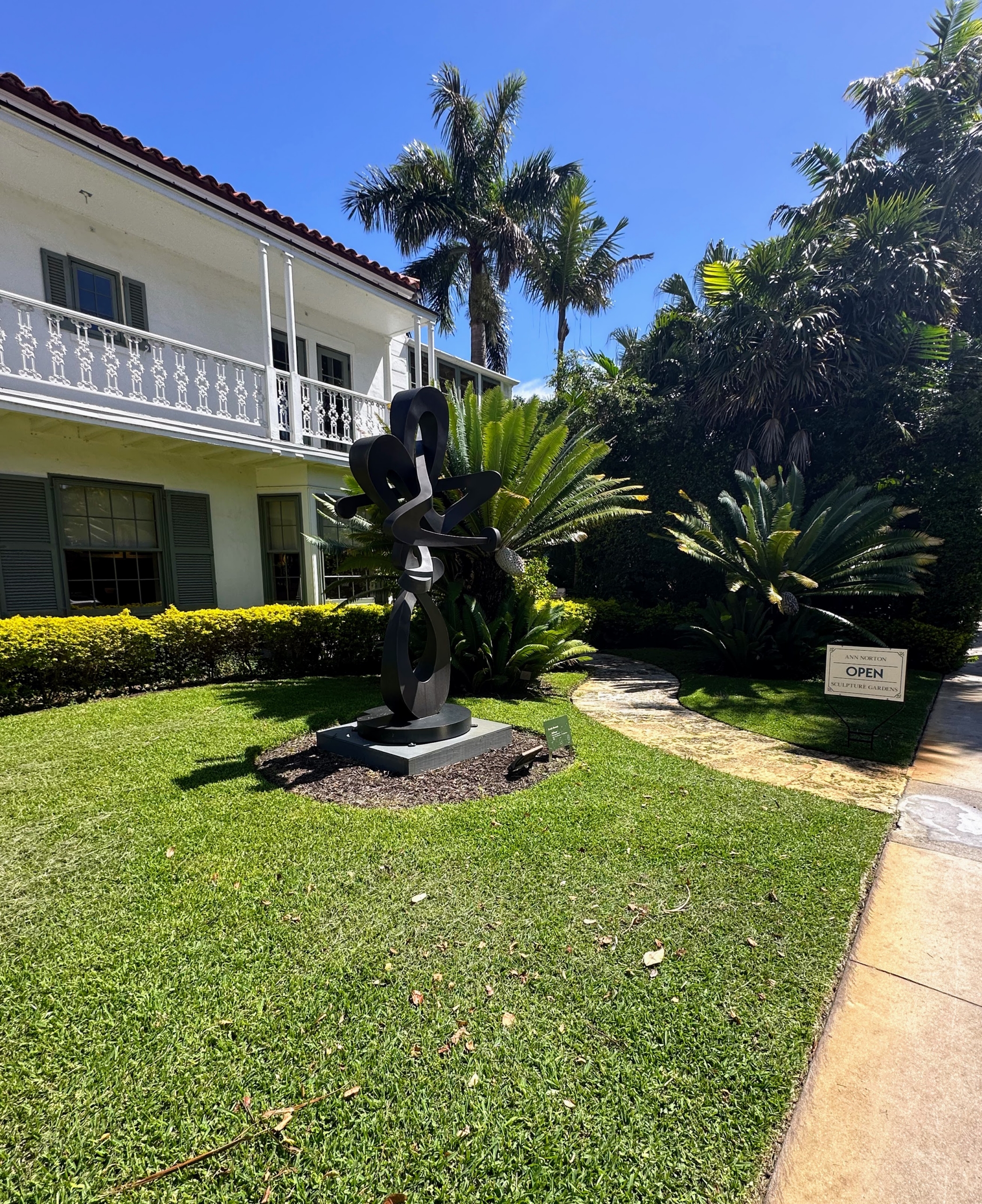
- In 1942, Ann Norton became the first instructor of sculpture at the new Norton Gallery and School of Art. In 1948, she married the museum’s founder, Ralph Hubbard Norton (1875-1953). This is the entrance to the Norton House & Gallery.
-
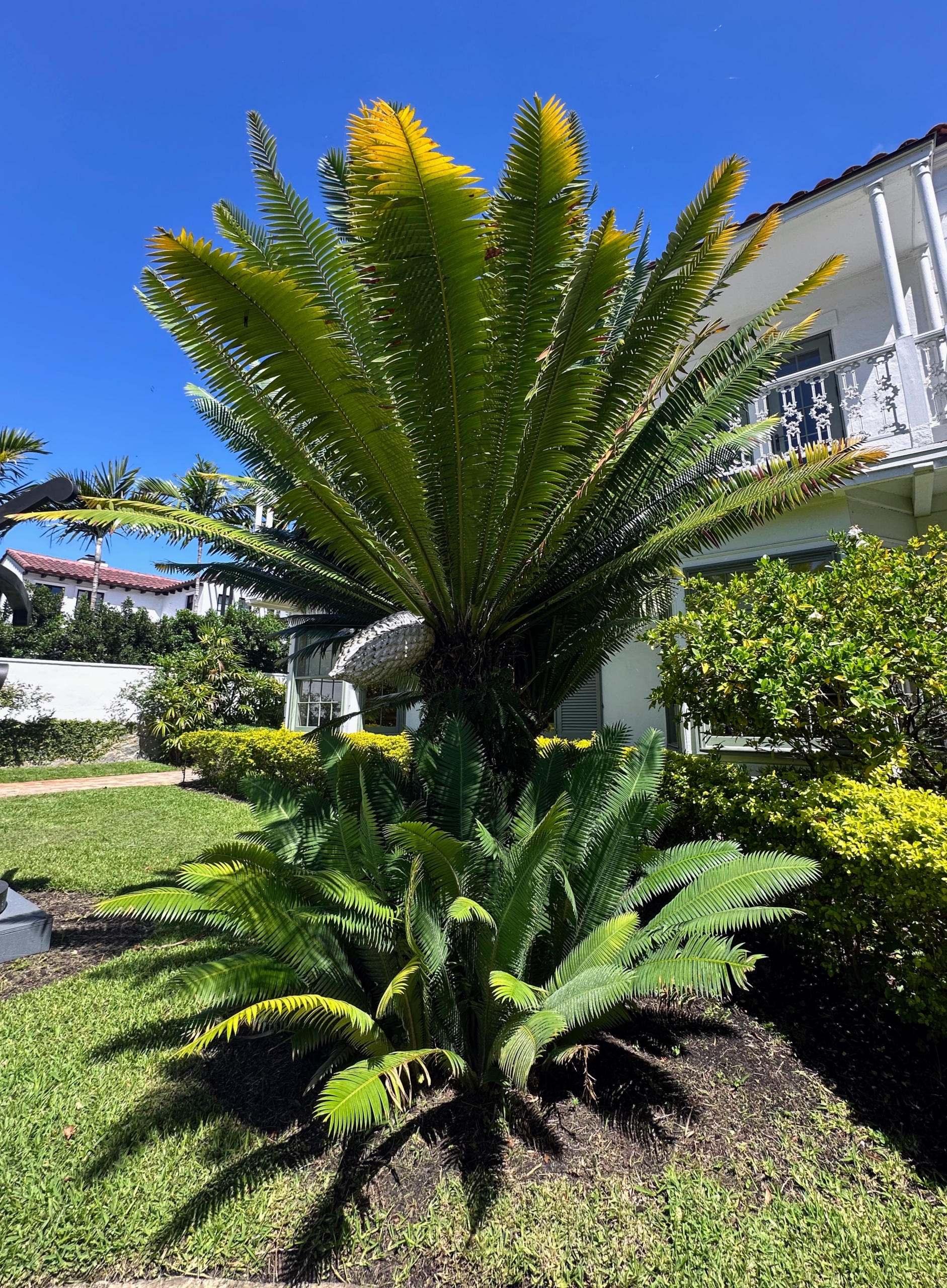
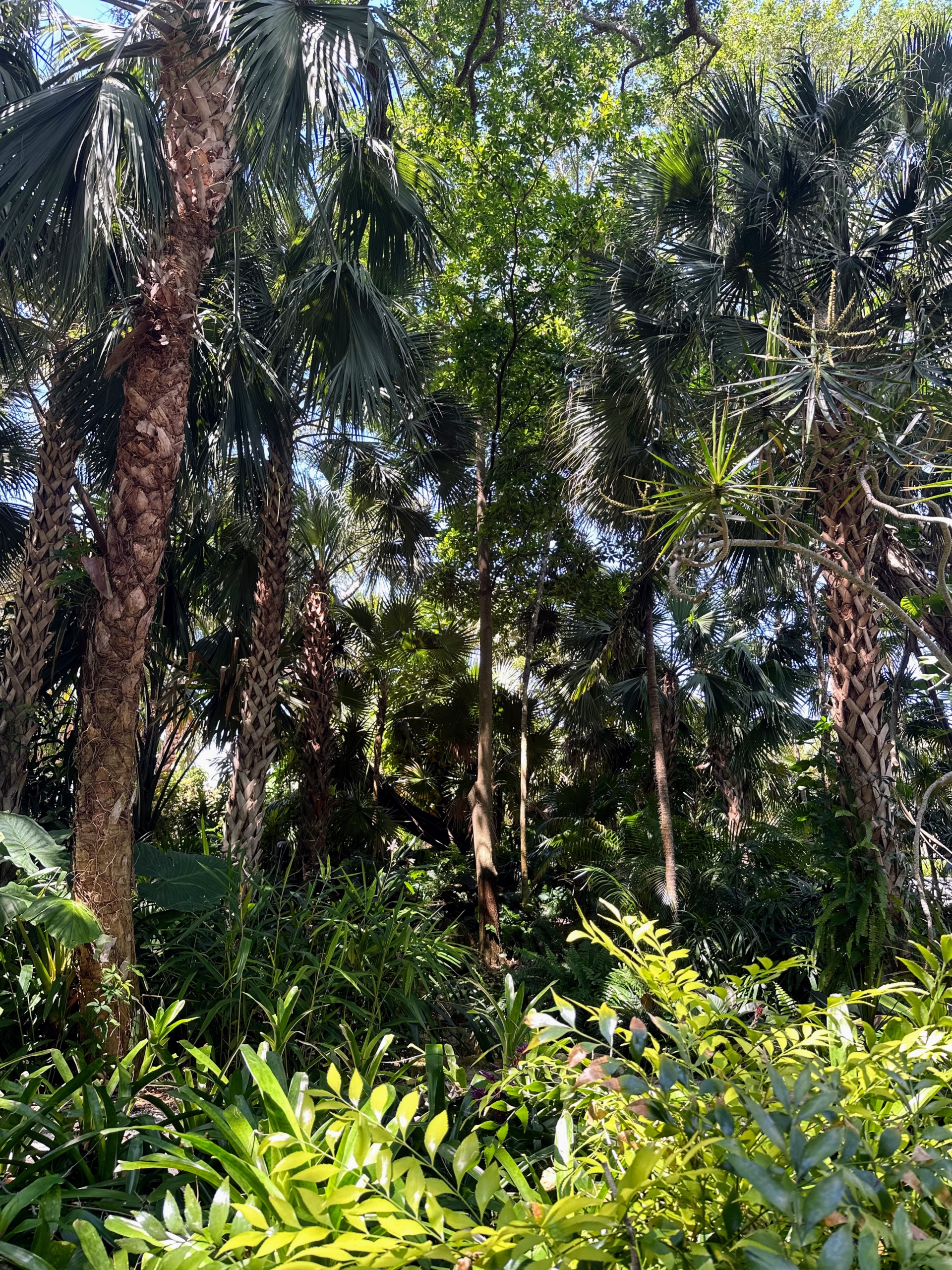
- Along with the artworks, the Gardens also keep more than 250 rare palm species of cycads and unusual tropicals – it is recognized as one of the largest public collections in Florida.
-
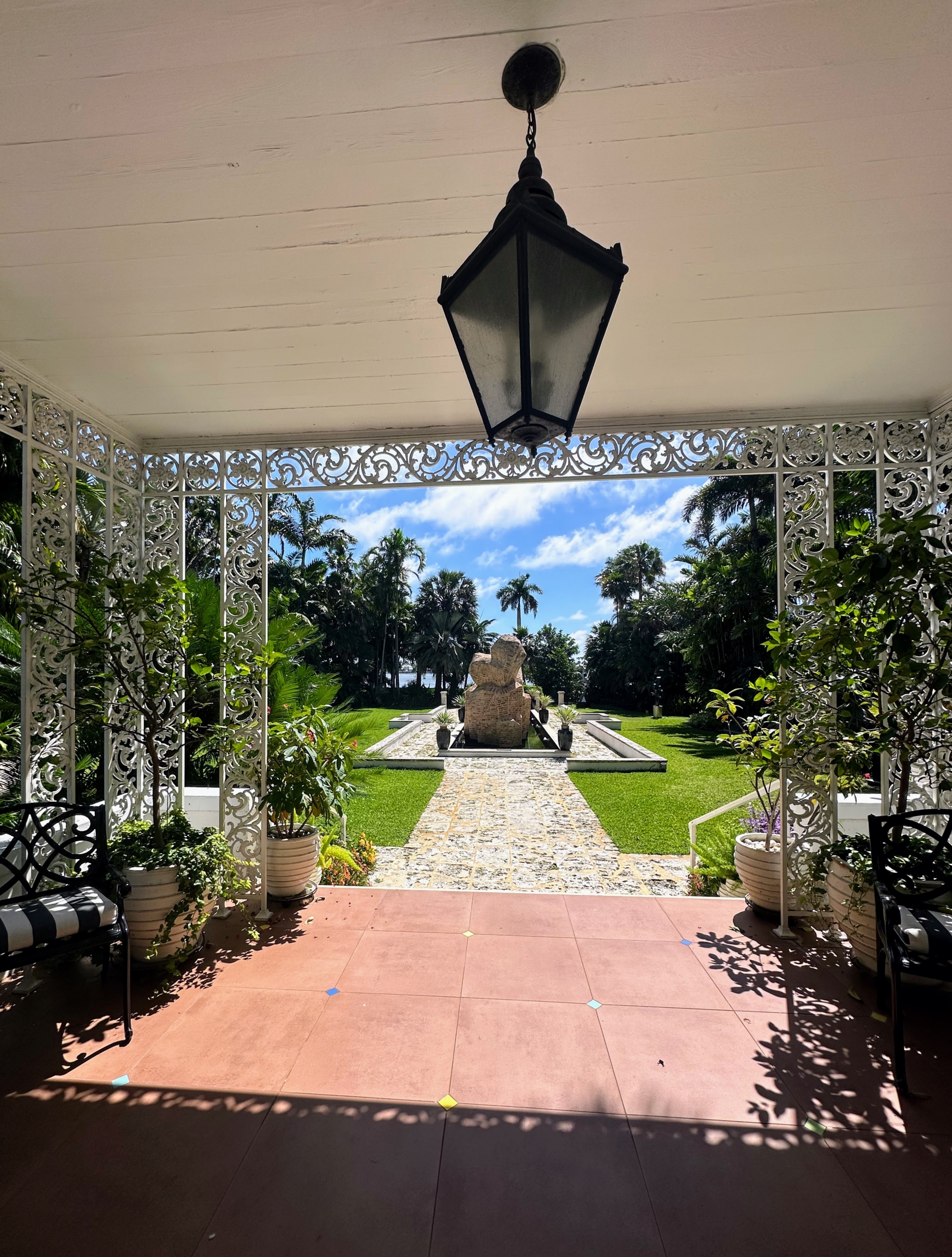
- This is the back porch overlooking “Untitled Horizontal Sculpture,” 1979.
-
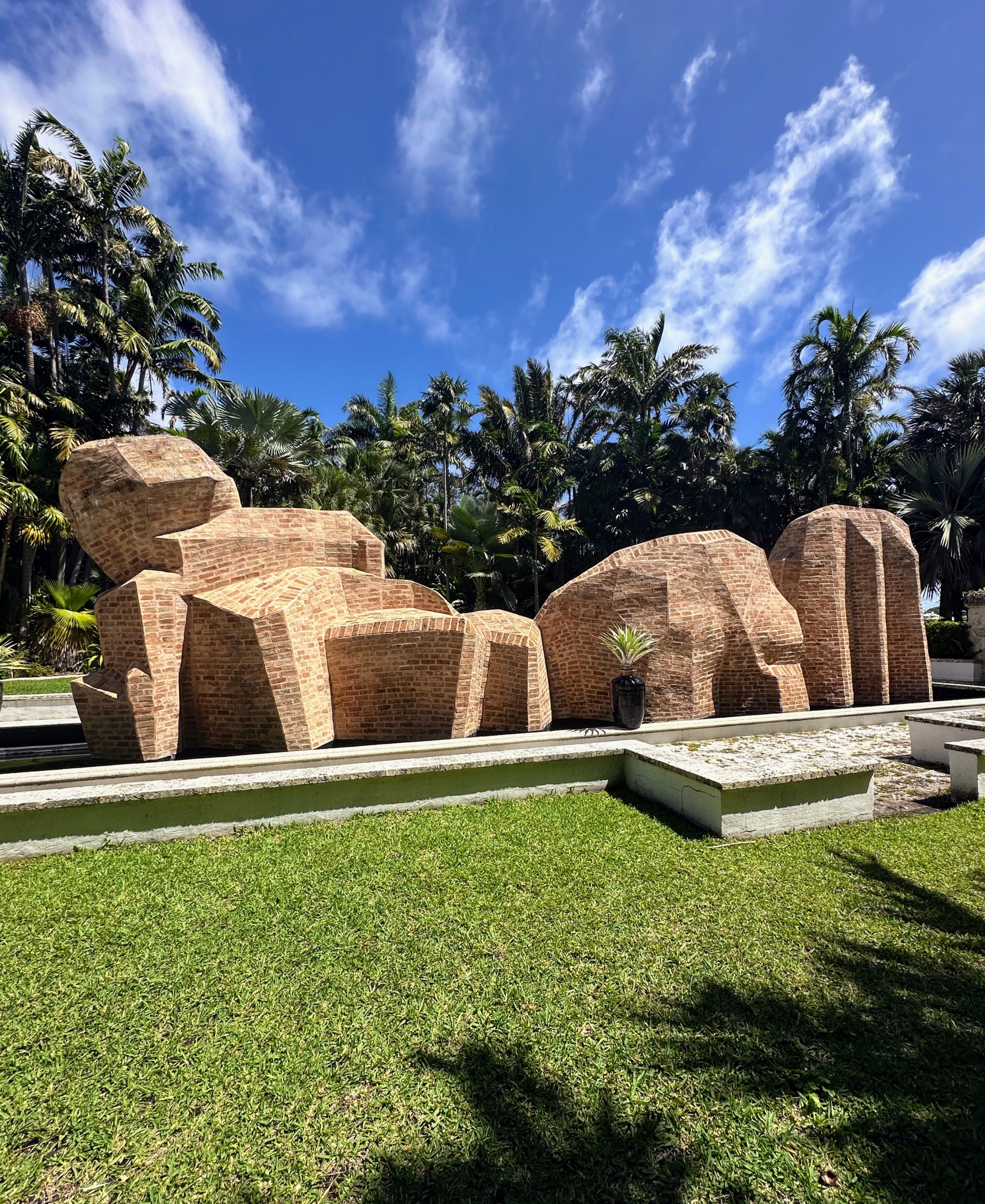
- Here is a closer look at “Untitled Horizontal Sculpture, 1979.” It is one of nine of her monumental sculptures here. This was the last sculpture whose construction was overseen by Ann. Its silhouette was inspired by the Himalaya Mountains, which Ann loved to visit during her trips to India and Nepal. This installation is made of Mexican brick and has a total length of 48-feet.
-
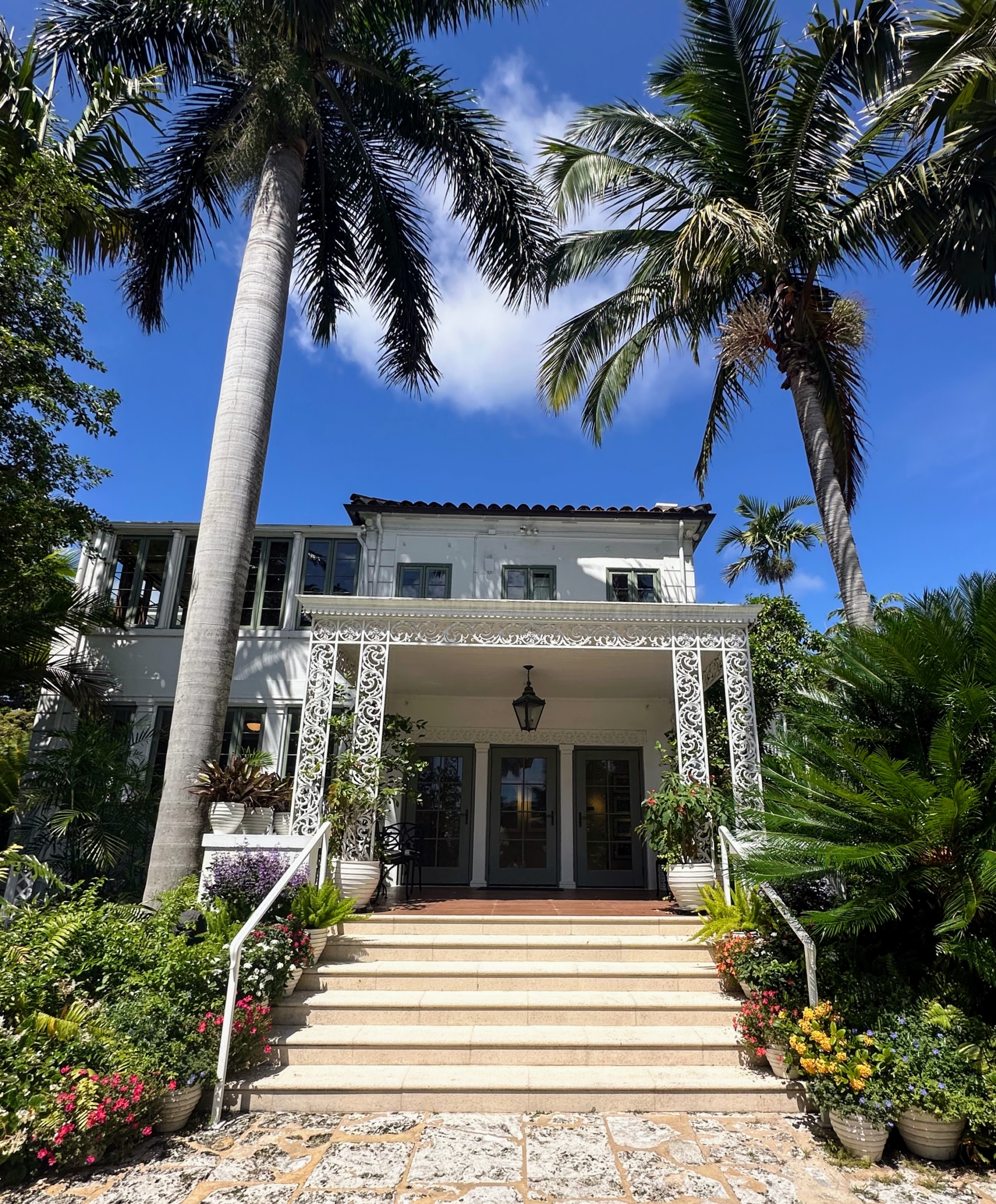
- Here is the entrance to the art gallery from the gardens.
-
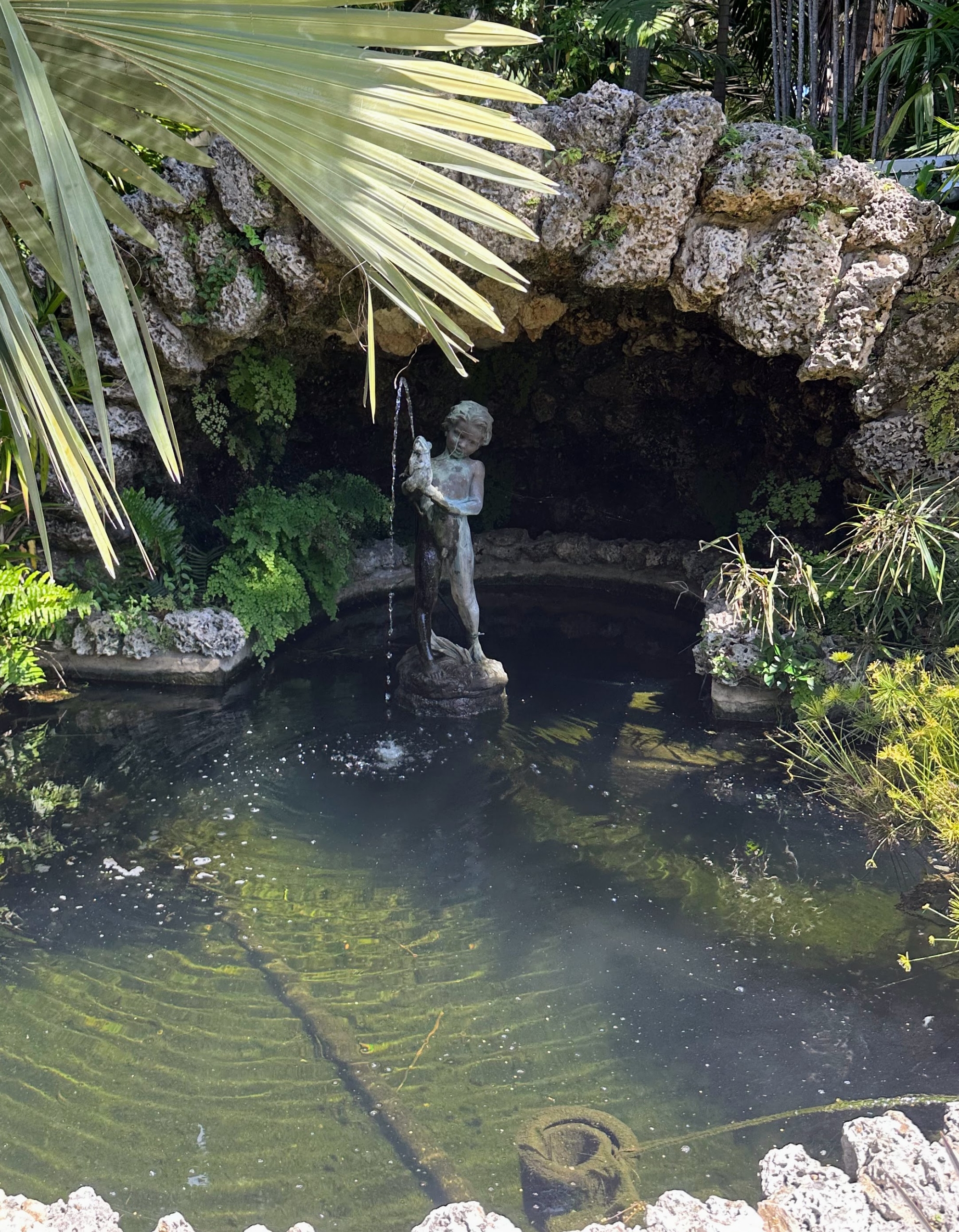
- A small fountain under the shade of one of the many palms.
-
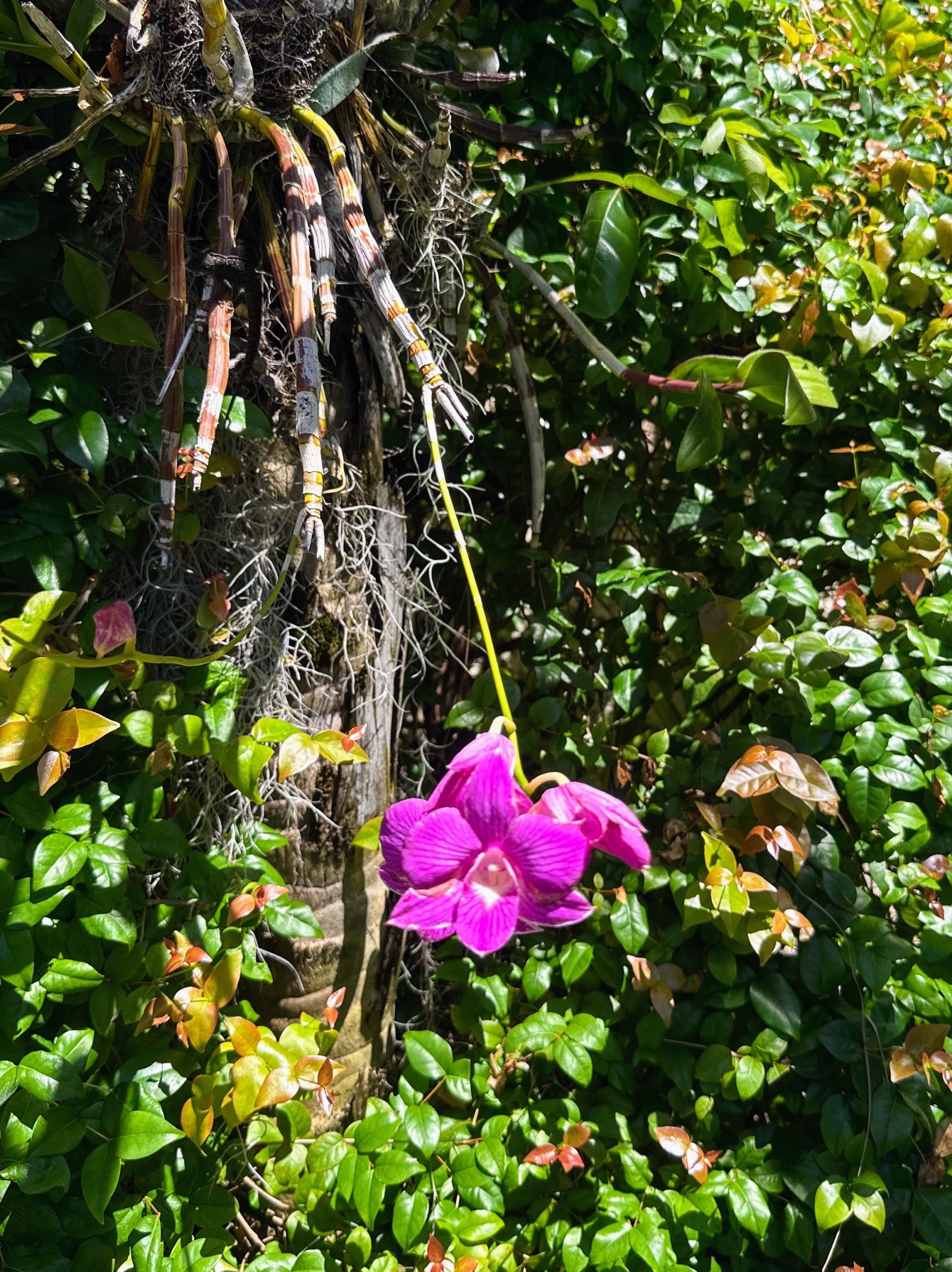
- And a single bloom calling out to the living nature of this sanctuary. The gardens themselves are not ornamental- they are foundational. Layered with palms, cycads, orchids, and dense tropical foliage, the landscape acts as a natural frame.
-
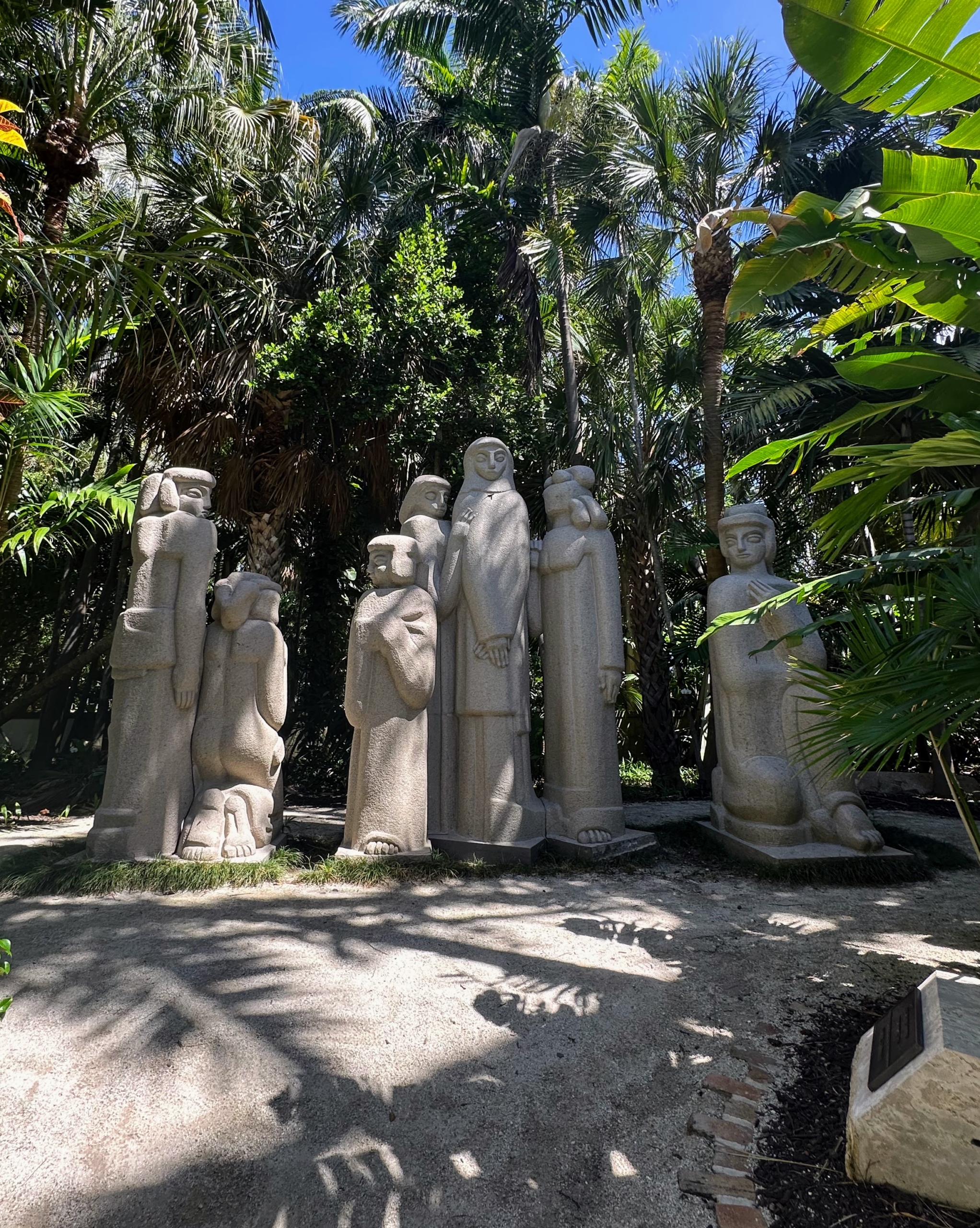
- This art work is called “Seven Beings,” 1965, and is made of pink Norwegian granite. This installation was inspired by the sandstone formations Ann saw in Bryce Canyon National Park in Utah. It is 15 feet tall and 21 feet long.
-
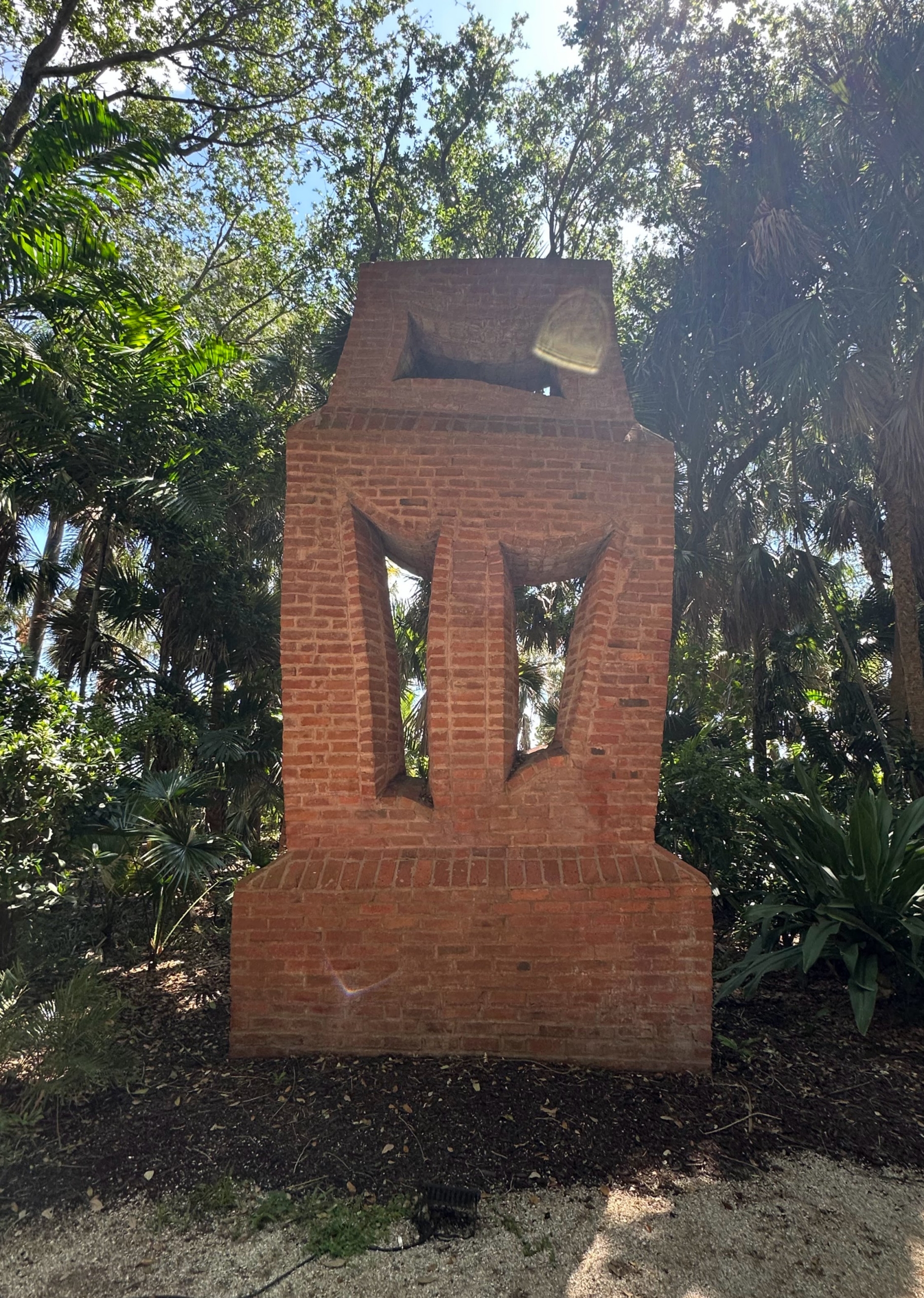
- Ann’s sculptures, which she built in the gardens over a period of 15 years, are meant to be discovered “by surprise”. This is called “Gateway 4” and stands 24 feet tall. This sculpture’s apertures seem similar to the characters of the Sanskrit alphabet, known as the “mother of all languages.”
-
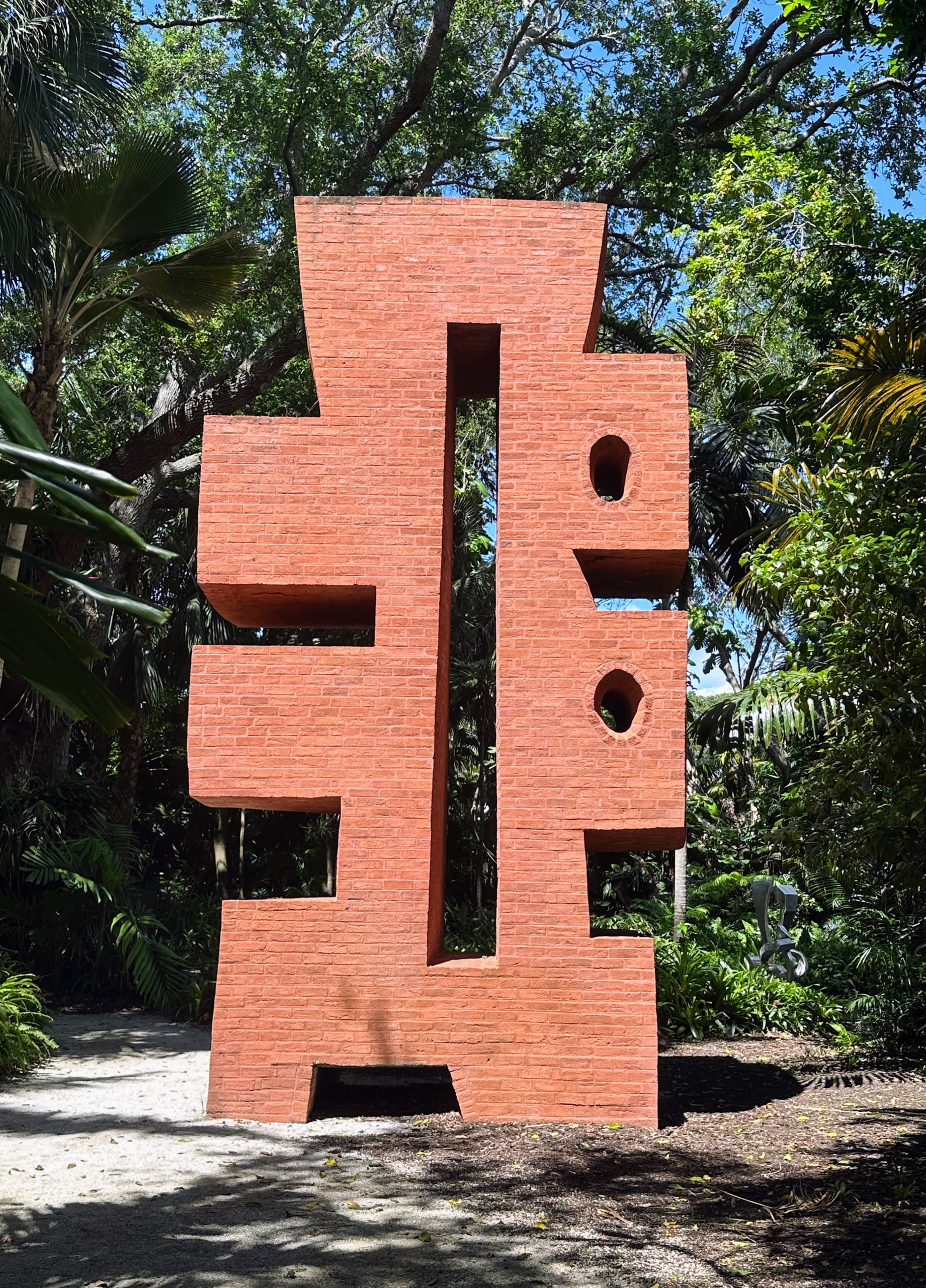
- “Gateway 5,” 1977 is also handmade from North Carolina Brick. This massive tower recalls 20th-century architectural masterpieces such as Frank Lloyd Wright’s “Fallingwater” (1936-1939), in southwestern Pennsylvania.
-
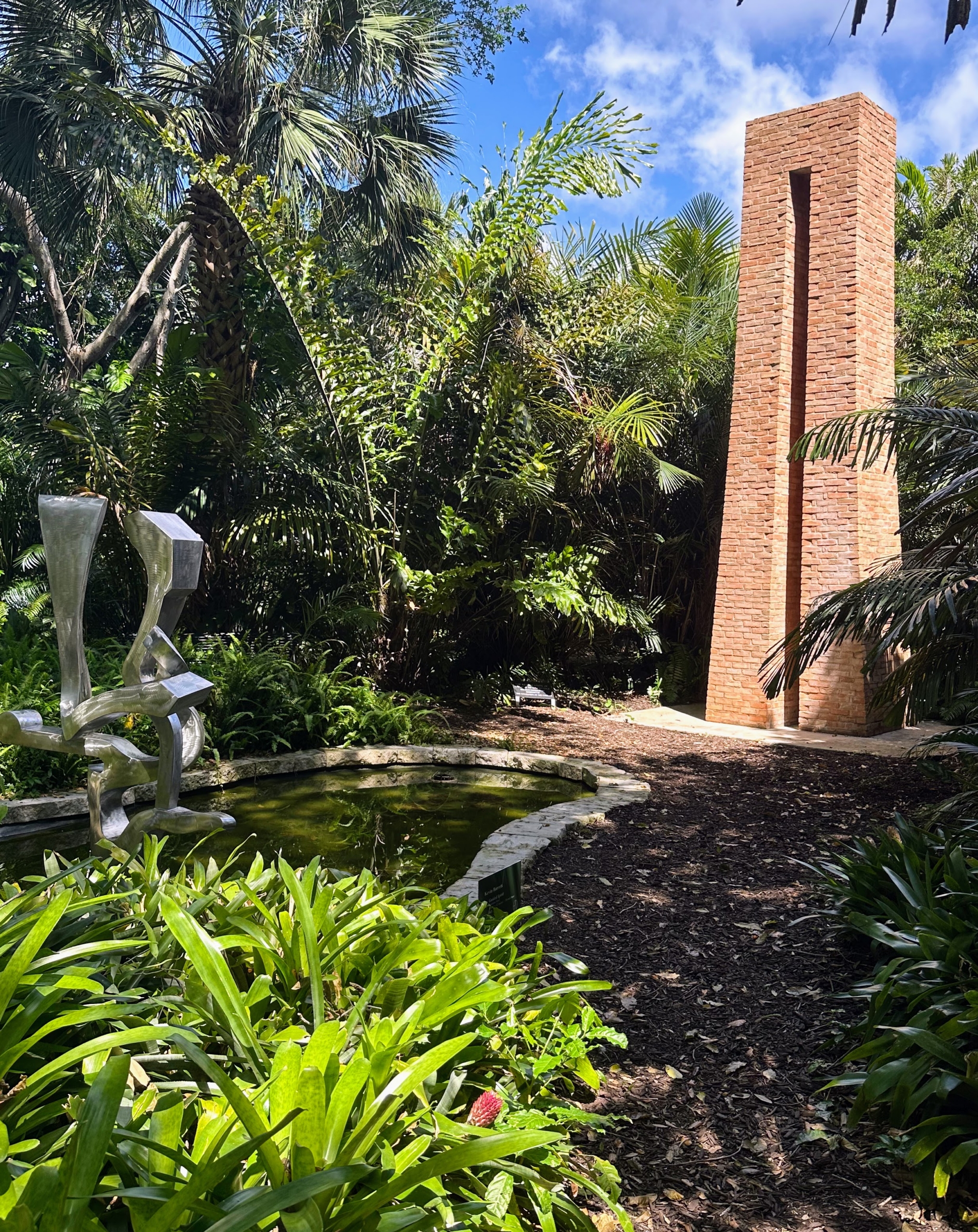
- “Gateway to Knowledge,” 1983-84 is made from Boston brick and has a height of 30 feet. This is a posthumously built replica of a sculpture commissioned from Ann Norton in 1980 by the Massachusetts Bay Transit Authority and the Cambridge Arts Council near Harvard Square.
-
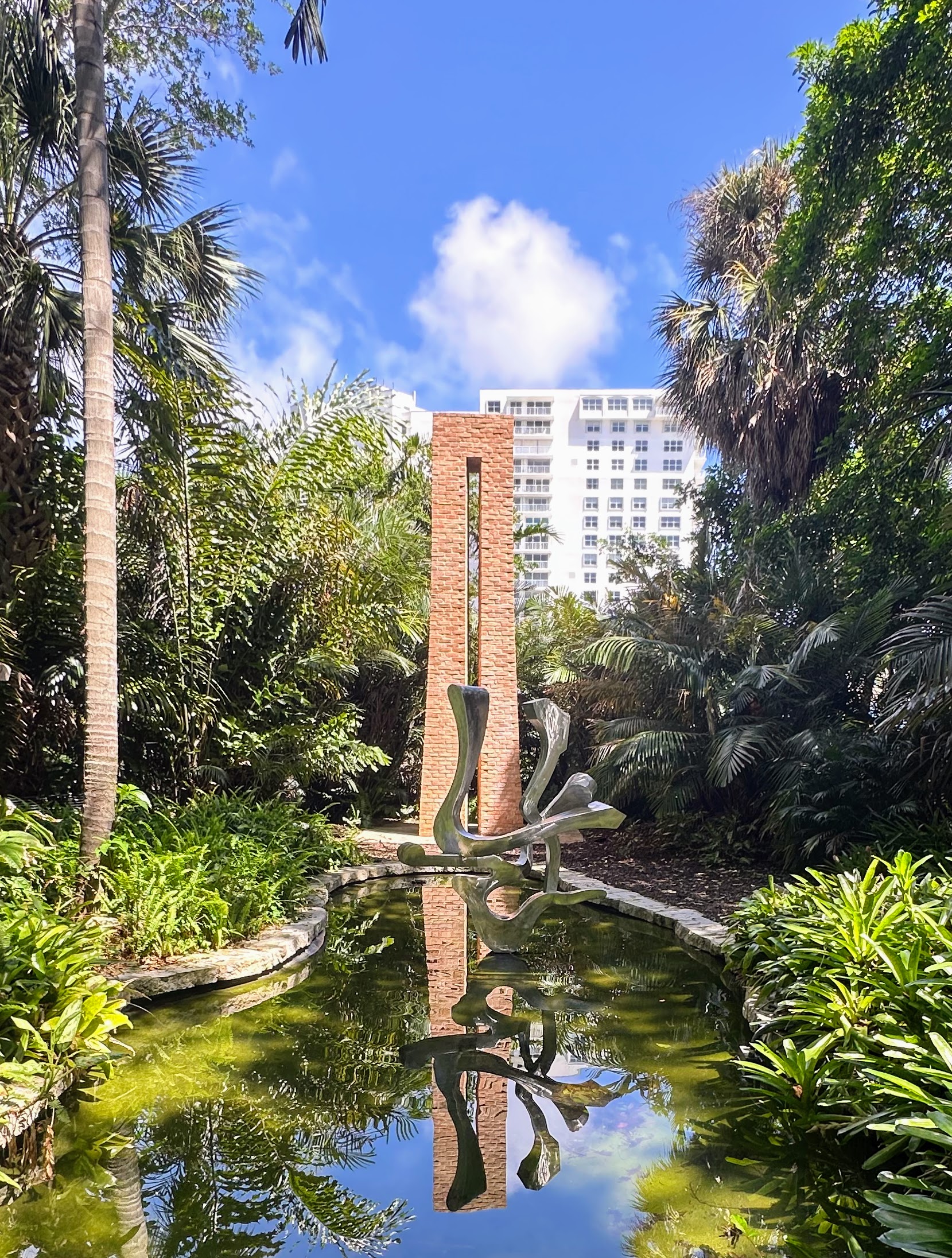
- The juxtaposition of the sculpture, the fauna and the water body creates a moment of pause and reflection. In the Florida sun, these structures transform throughout the day: shadows sharpen, edges soften, and what feels solid begins to breathe.
-
- The Gardens, at the request of Ann Norton, were designed by world-renowned botanist Sir Peter Smithers as a rare palm garden, to represent her commitment to conservation and the preservation of a quiet retreat. It is a rare gift to experience the union of this powerful art and the naturalness of the landscape.
-
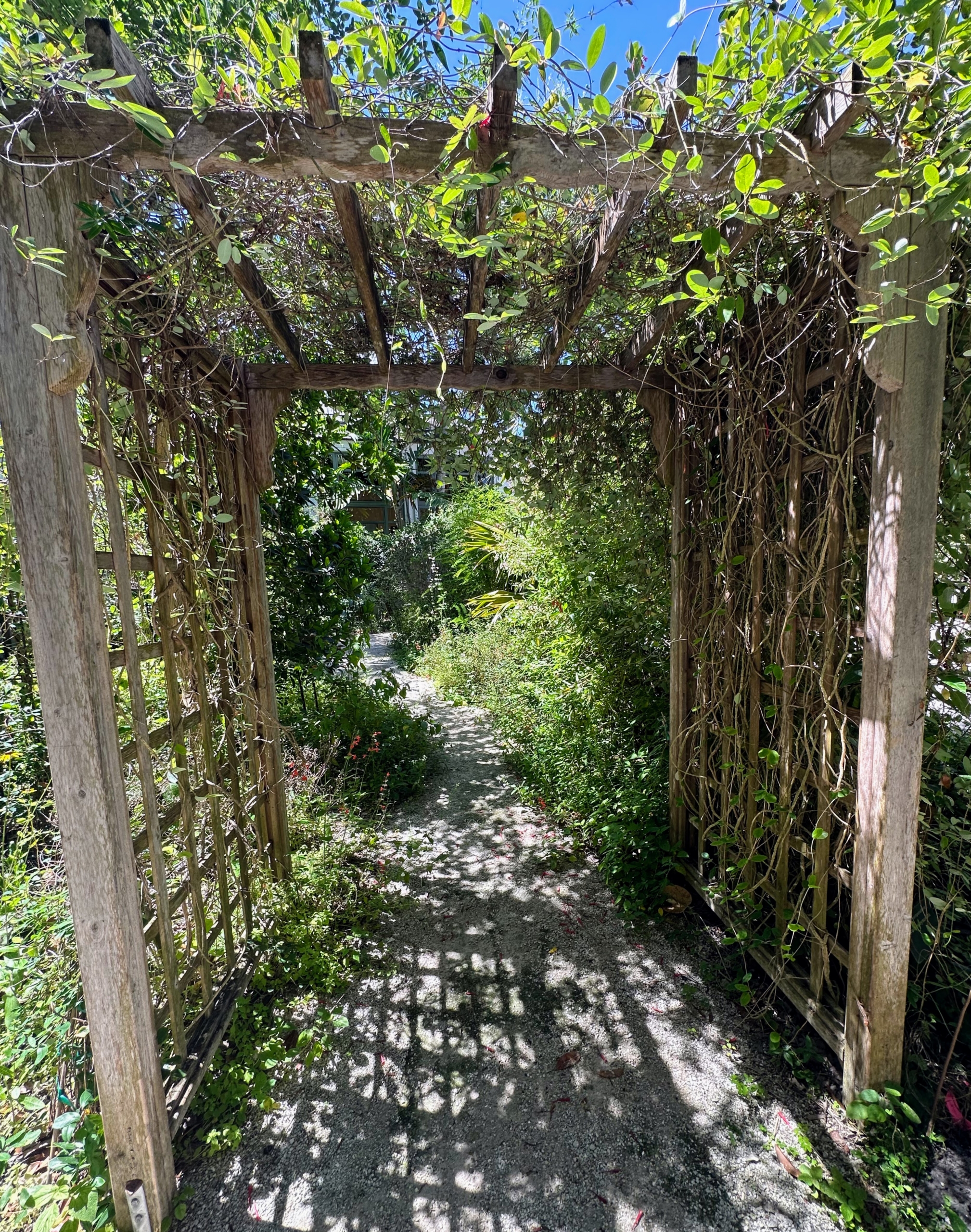
- The Ann Norton Pollinator Garden is a haven that protects and supports a wide variety of birds, pollinators, beneficial insects and butterflies by providing food, water and shelter in a chemical-free space all year long.
-
- Here I am after entering the Pollinator Garden. @dipalipatwa

-
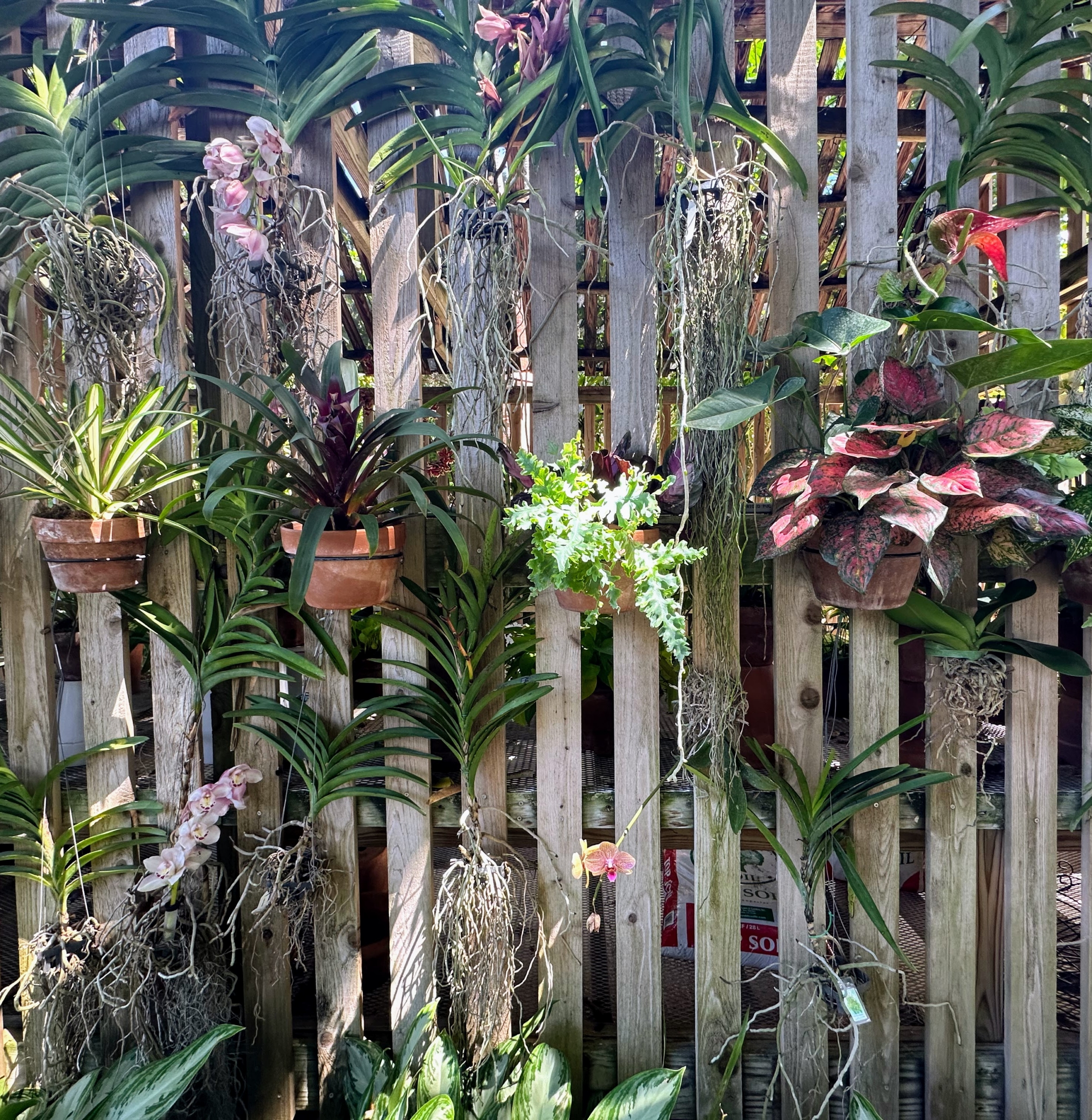
- There were many plants within the garden to attract pollinators – both in the ground and potted along the fence.
-
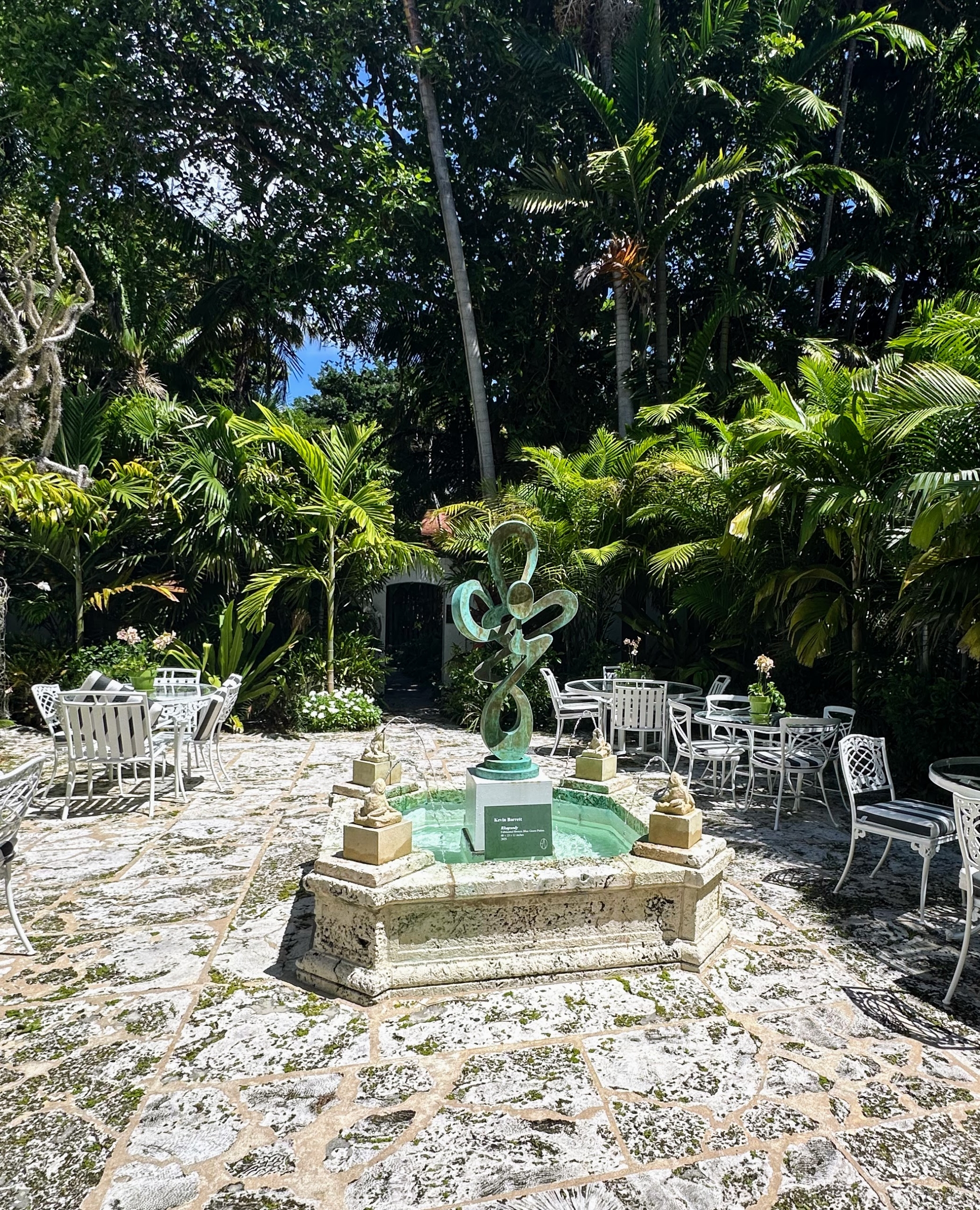
- This very quiet courtyard allows guests to take a moment and just be.
-
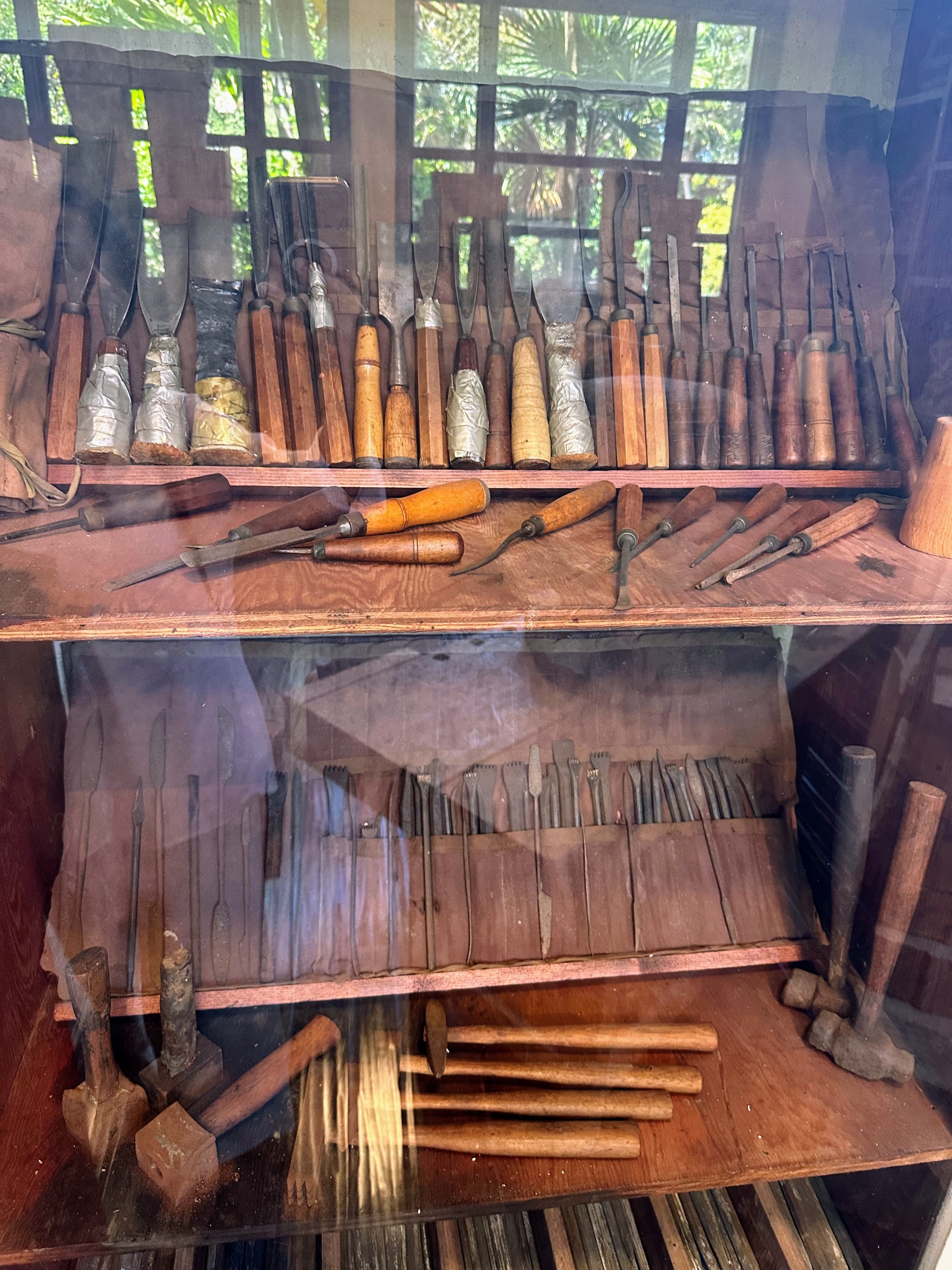
- Ann drew from the time she was five-years old and received her first sculpting tool at age eight. The studio contains many of Ann’s chisels, hammers, and other tools, including some of those given to her as a child by her Aunt Rose.
-
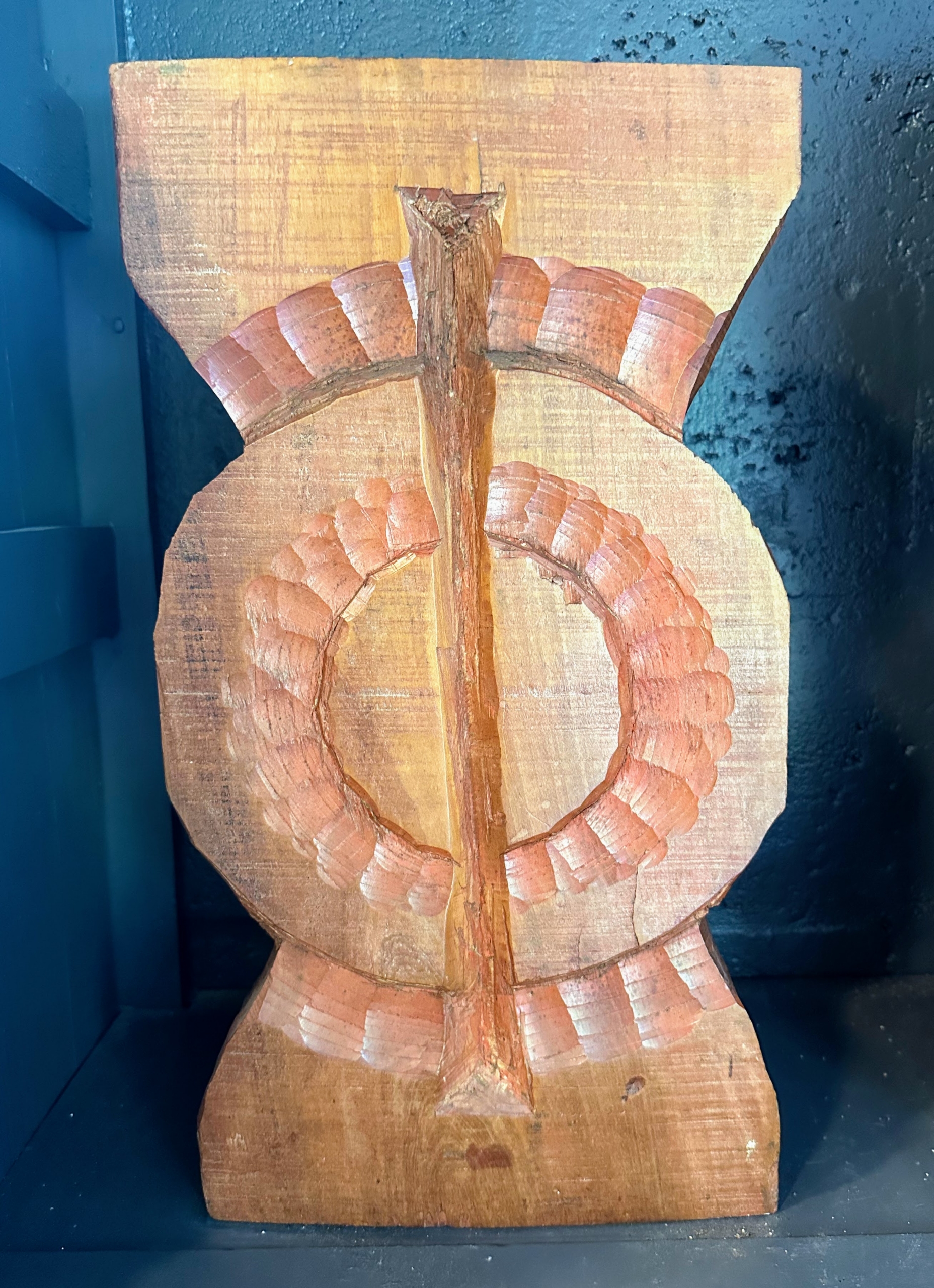
- Ann Norton’s wooden sculptures are characterized by their monolithic, vertical forms and their deep connection to the natural world.
-
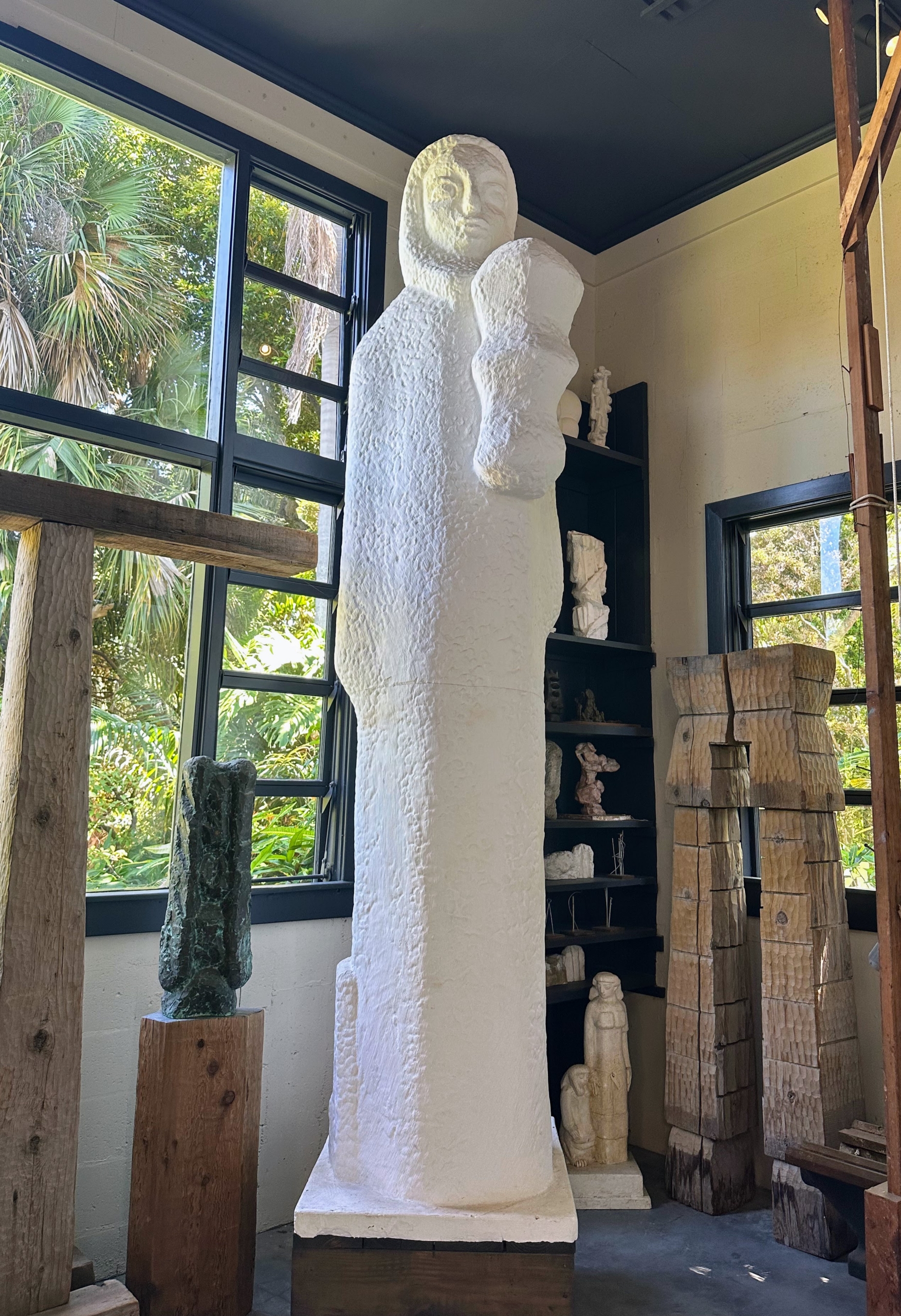
- Created over four decades, Ann Norton’s works in bronze, stone and wood inhabit the studio like a forest alluring the visitor to explore and feel her artistic spirit. Guests are greeted by larger than life models, armatures, and studies that evolved into her monumental works in granite and brick found throughout the gardens. This striking white sculpture of a mother and child stands quietly, embodying both strength and tenderness.
-
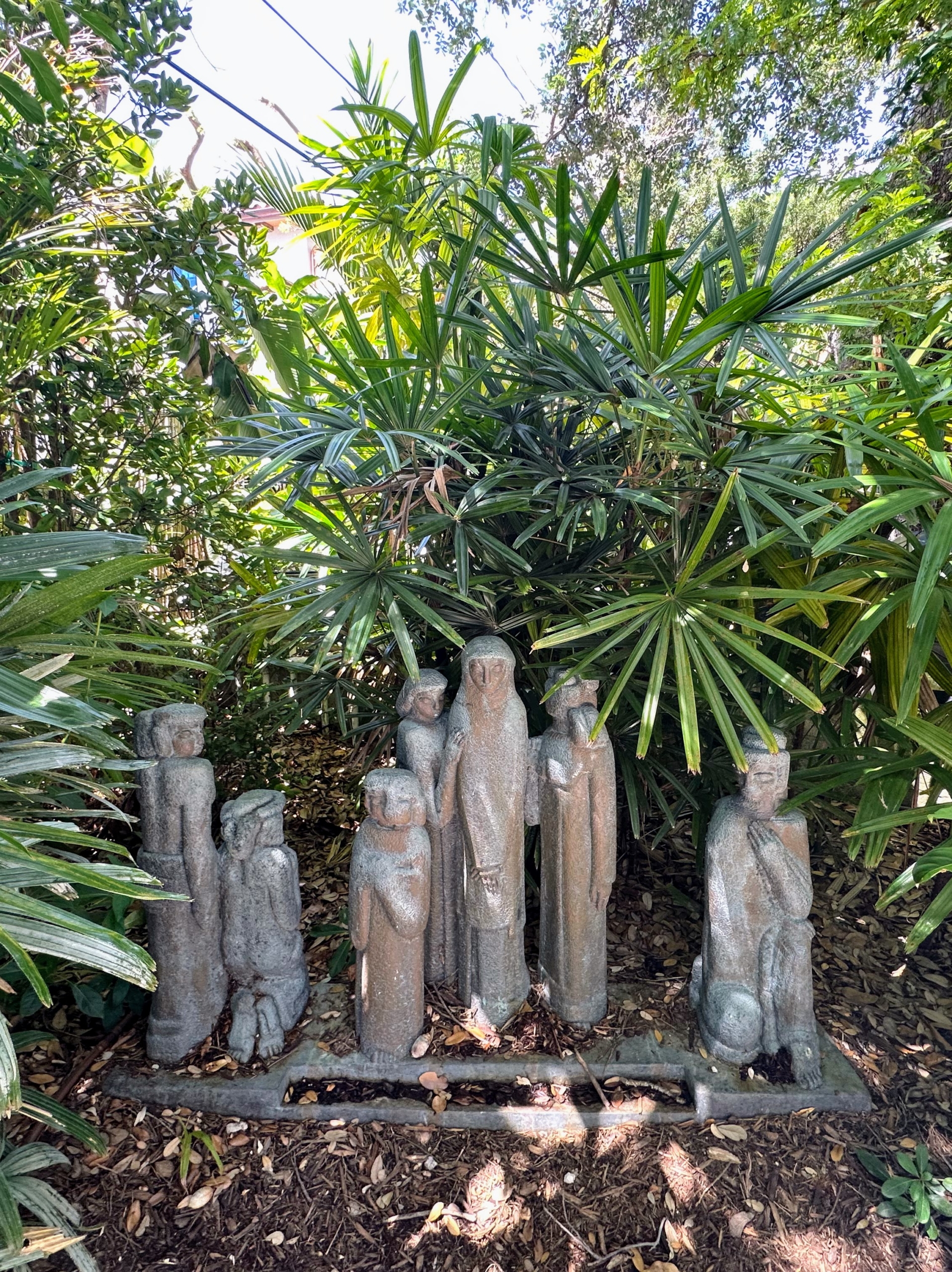
- This smaller grouping of stone sculptures is a plaster study for Ann Norton’s larger monumental work, “Seven Beings,” (1965).
-
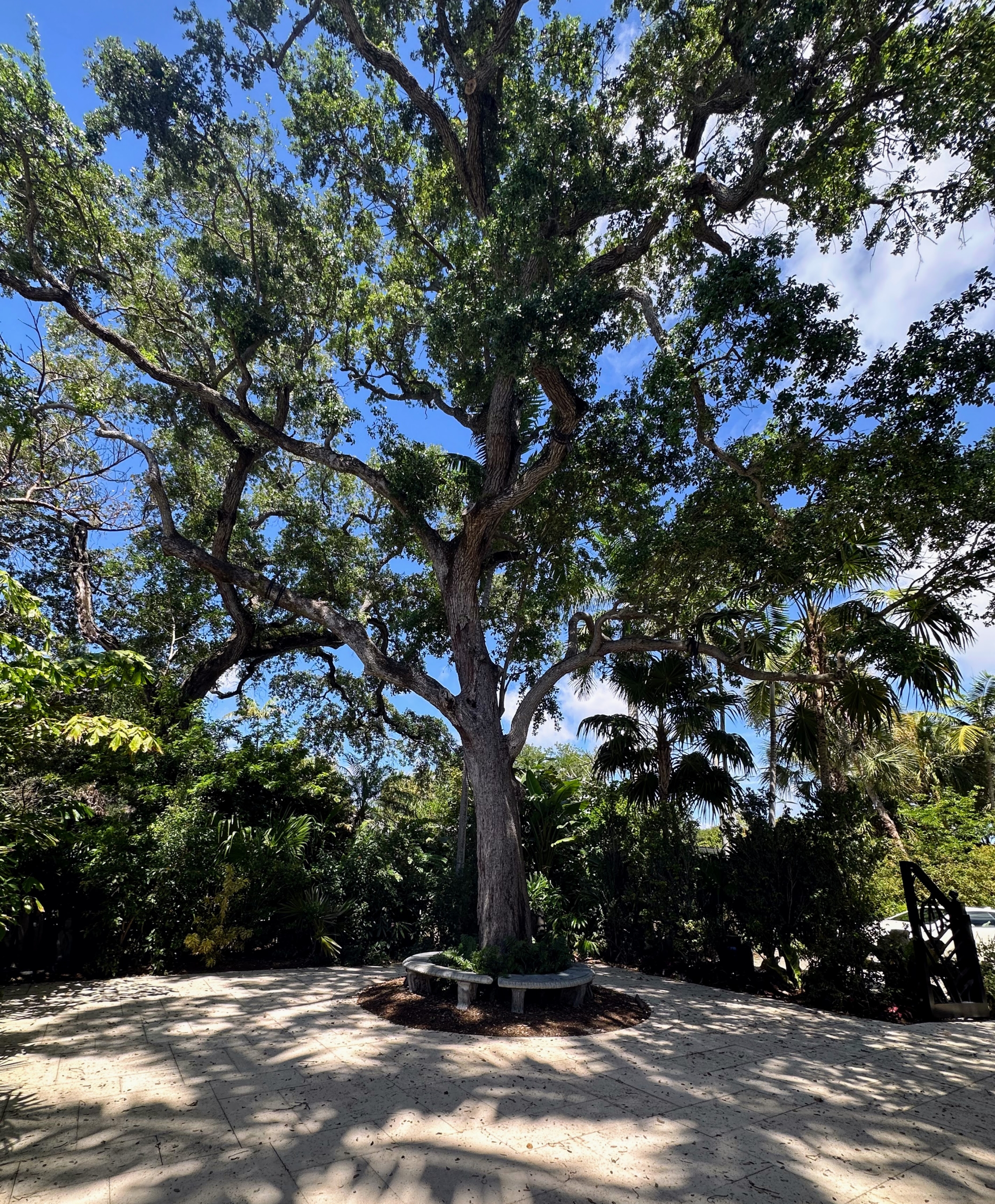
- Within the two-acre property, there are many places to meditate and enjoy the quiet scenery, such as this courtyard. Ann transformed her home into a working environment where art could evolve alongside nature. The Studio and Gardens are open to the public and have inspired thousands of visitors – nature lovers, art enthusiasts, environmentalists, families and students. Visit if you can.
 Martha Pins


 Martha Tweets

