
Keeping My Gardens Well Watered with Gilmour
The next few days are expected to bring record heat with temperatures reaching up to 100-degrees Fahrenheit. In this weather, it takes a lot of close monitoring to stay on top of watering tasks here at my farm.
During these warm months, I use a number of hoses and sprinklers to keep the many trees, shrubs, and plants well irrigated. One of my favorite sources is Gilmour, a company that’s been manufacturing watering equipment since 1949. I use several of their products at my home in Bedford and at Skylands in Maine. They're easy to use, well-designed, and long-lasting.
Enjoy these photos and watering tips.
-

- During the driest, warmest days of summer, we have to do lots of watering. Many ask if I use automatic irrigation systems. In general, I do not. Fortunately, I have several deep wells so many hoses can be manually placed, used, and monitored at any given time.
-
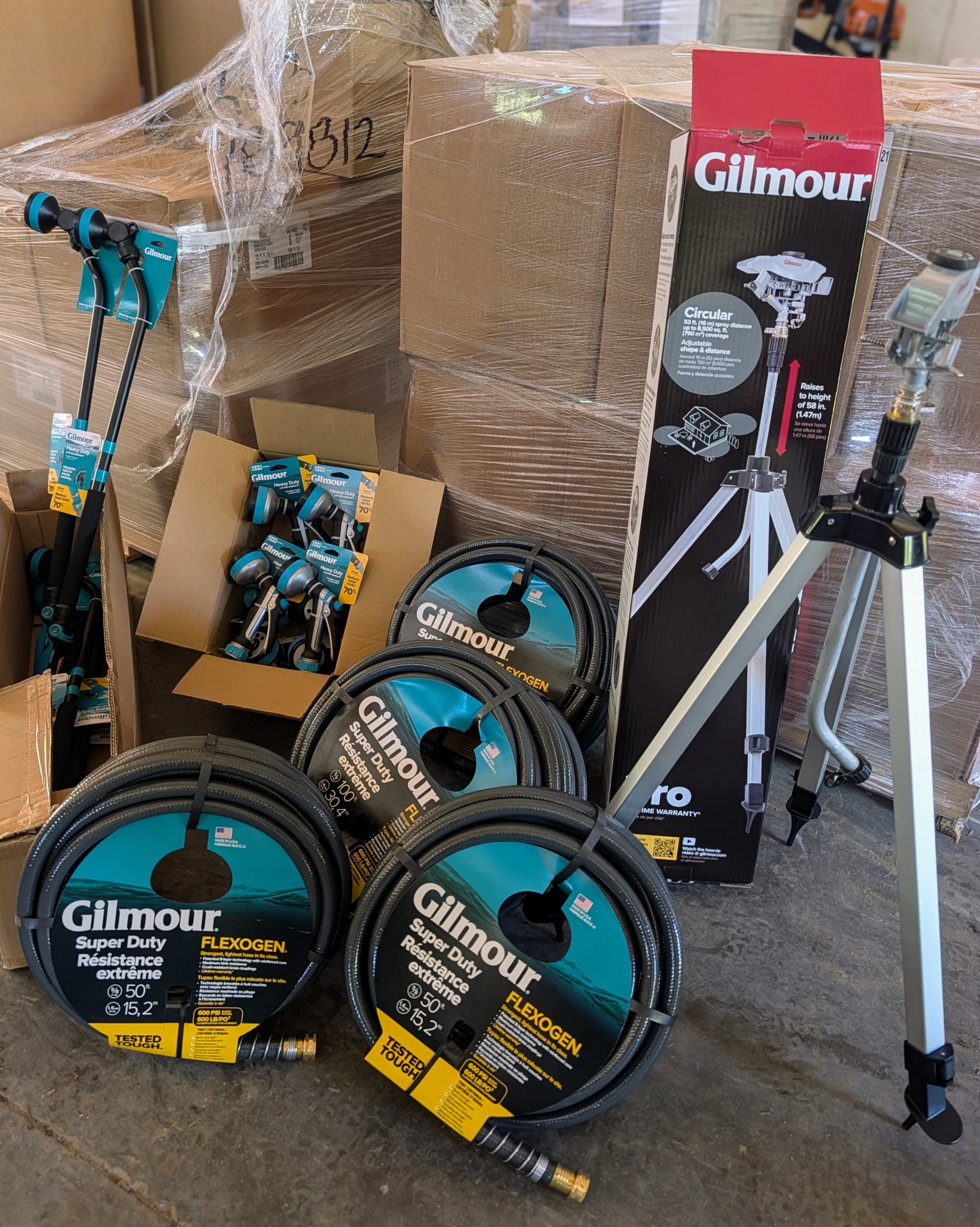
- Gilmour has an excellent collection of gardening supplies. I have been using Gilmour products for years. The hoses are always put to great use in the gardens and wherever thorough watering is needed.
-
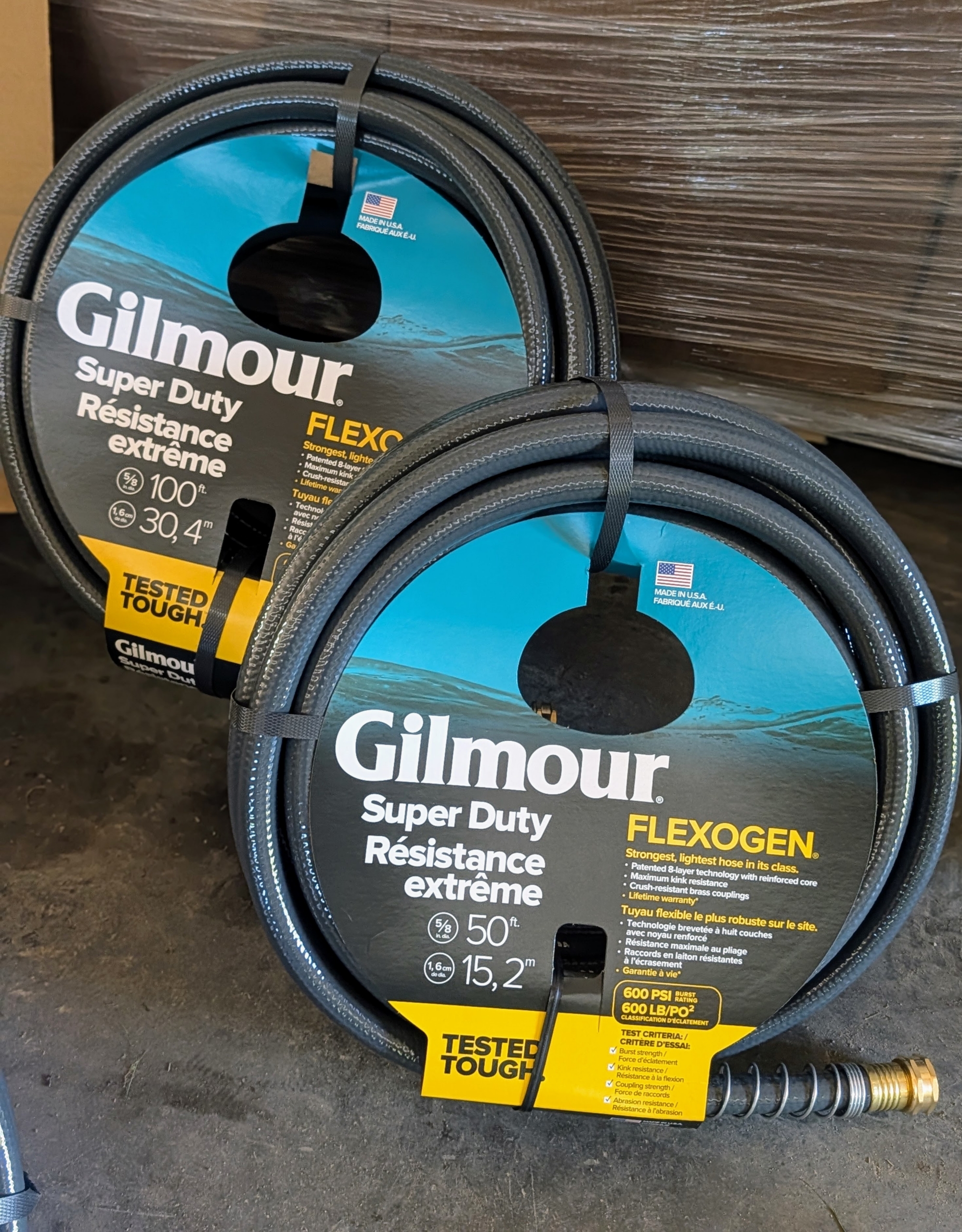
- These hoses are excellent. They curve without kinking, connect without leaking, and are easy to store.
-
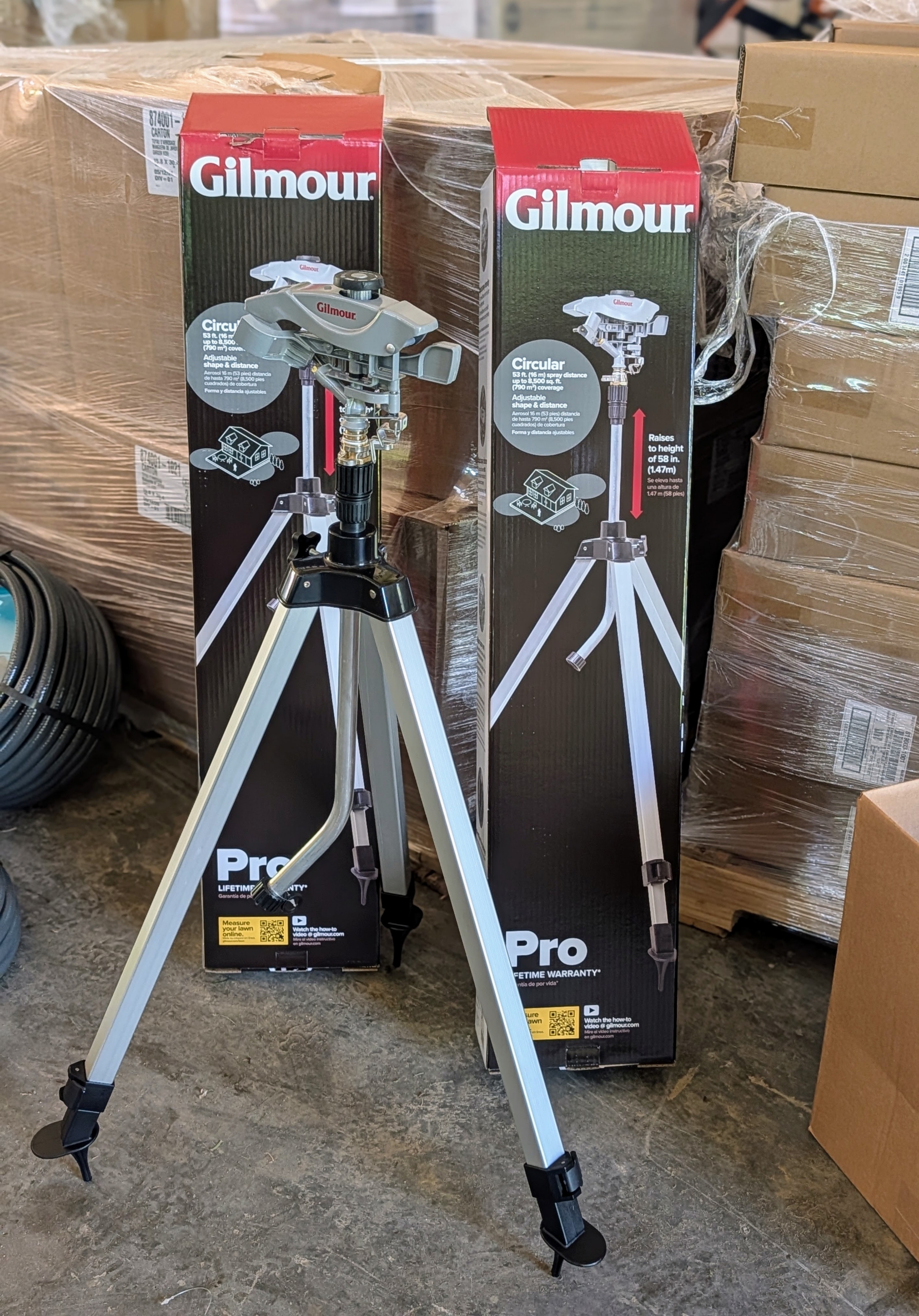
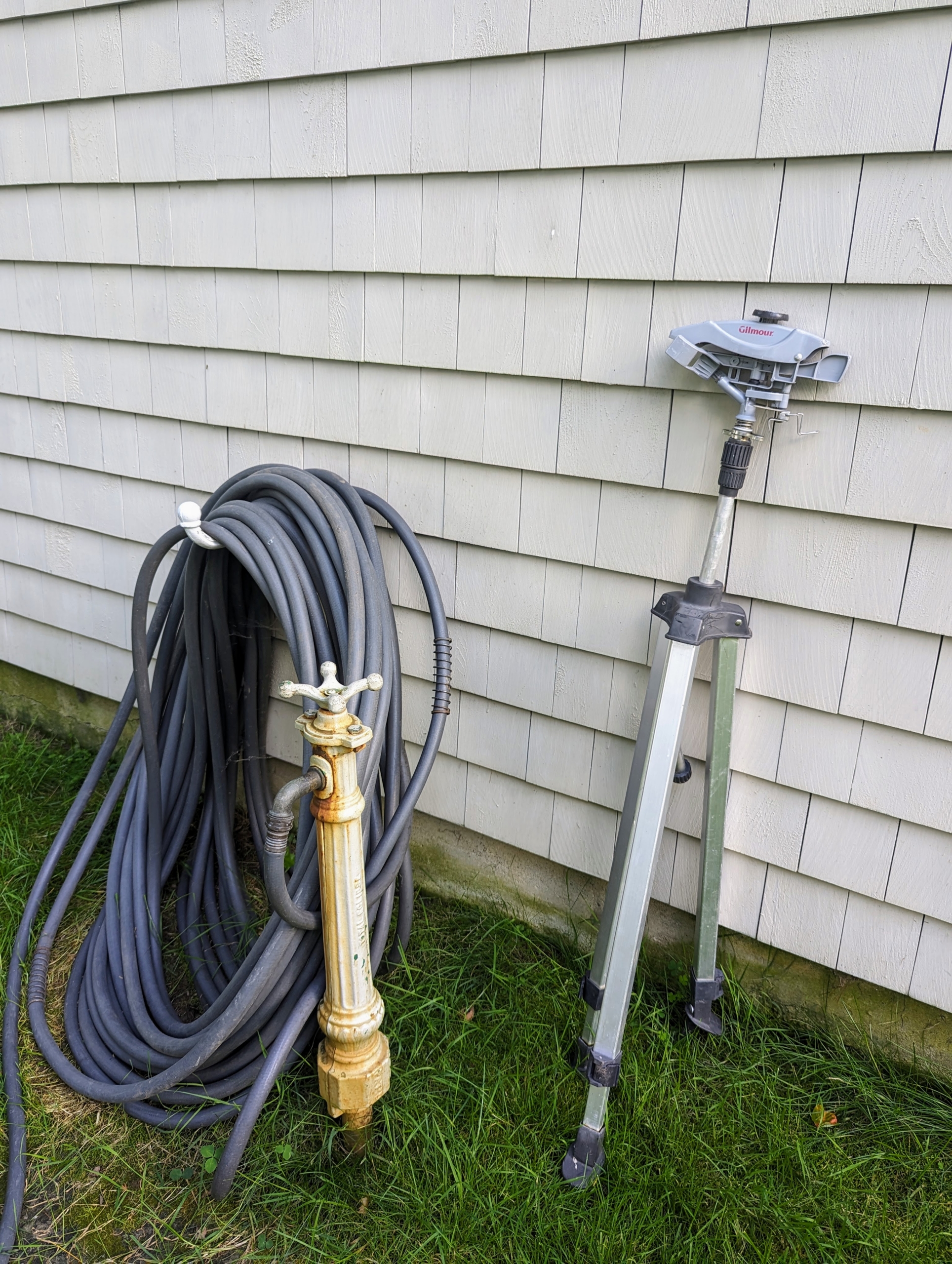
- I also use these Gilmour Pro Telescoping Sprinklers. Each one is heavy duty, adjustable and offers a 53 foot range with 8500 square feet of coverage.
-
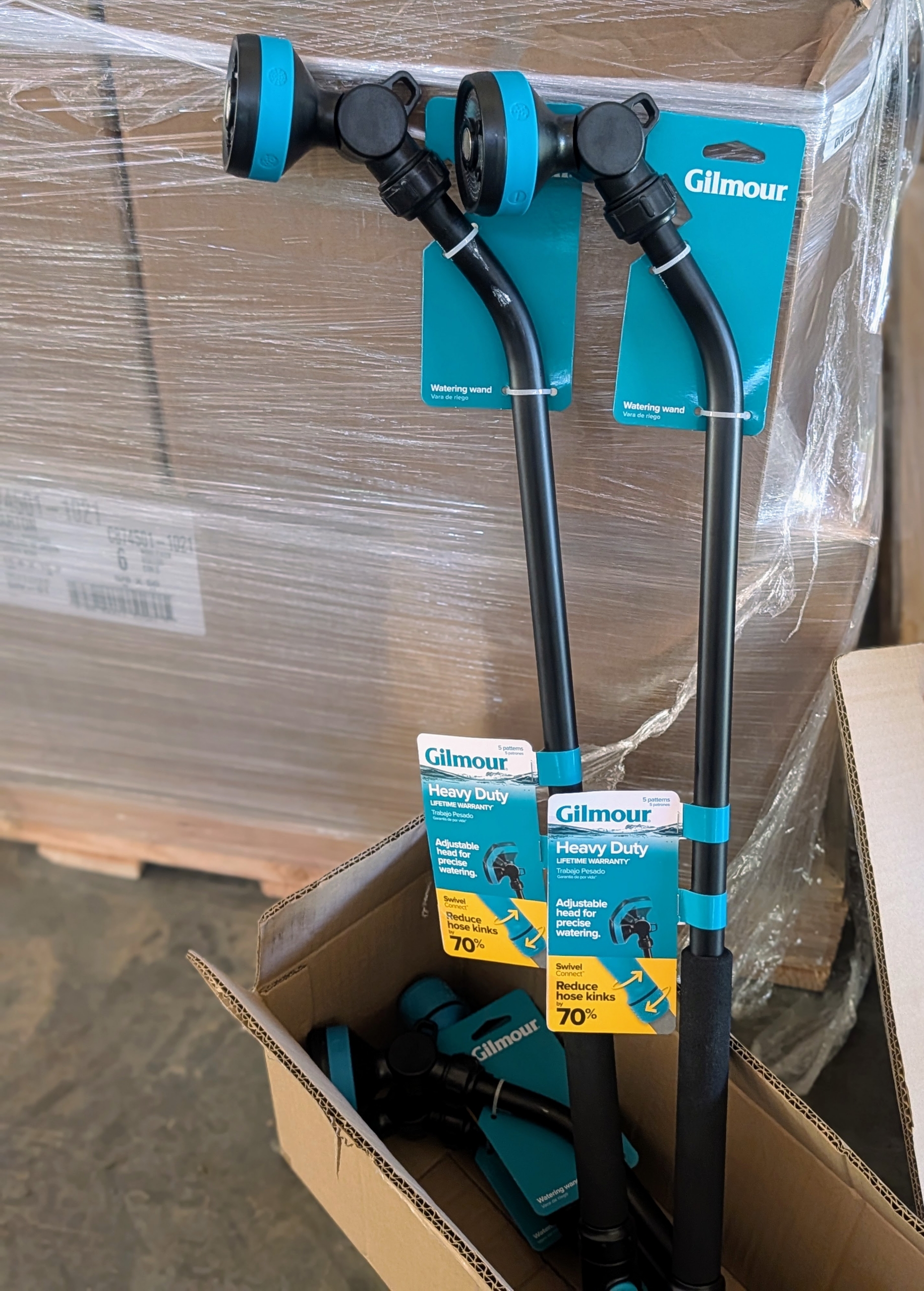
- This is the Gilmour Heavy Duty Swivel Connect Watering Wand. It has an all-in-one thumb control for easy, secure handling and comes with five spray patterns.
-
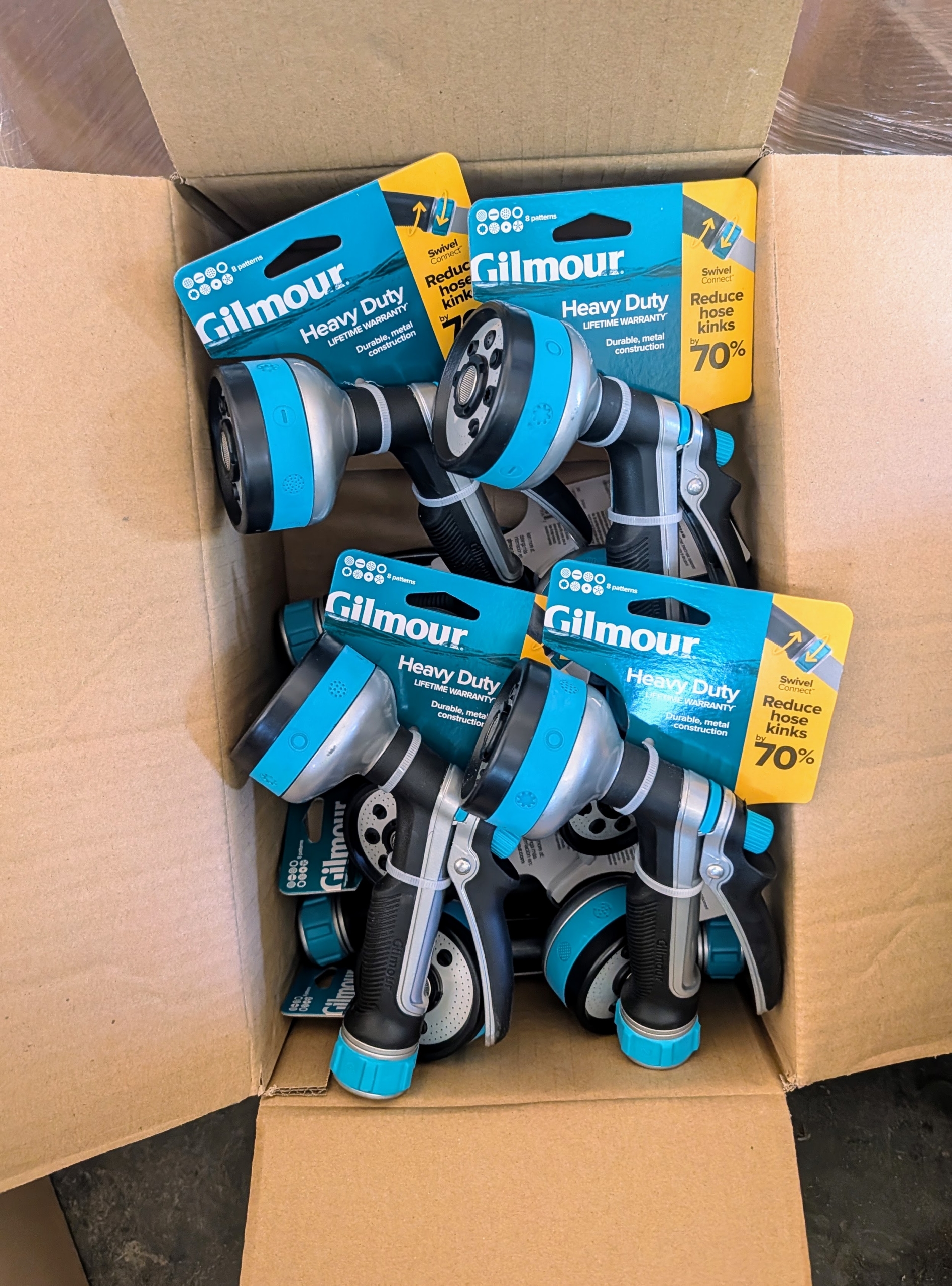
- And the Gilmour nozzles are helpful when watering smaller, individual pots or when rinsing other tools and equipment.
-
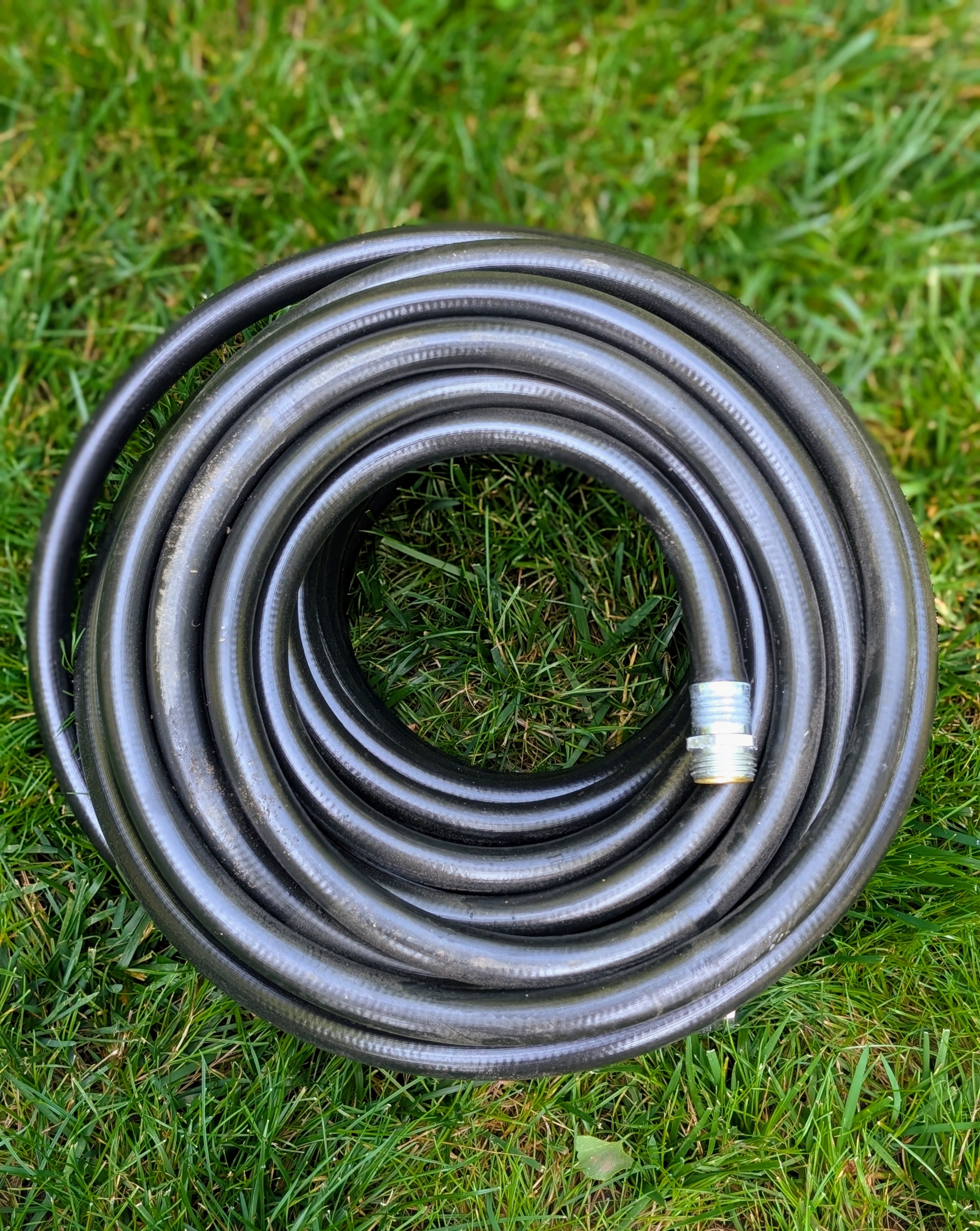
- The Gilmour 50-foot and 100-foot Flexogen hoses are heavy-duty eight-ply garden hoses with a polished surface that resists abrasions, stains, and mildew. I have these hoses all over the farm. When first using, it’s helpful to unroll the entire hose first so it is straight and then let it warm slightly in the sun – this will make it easier to roll back. I like that the hoses are gray – they coordinate well with the color on all the buildings and outdoor furniture.
-
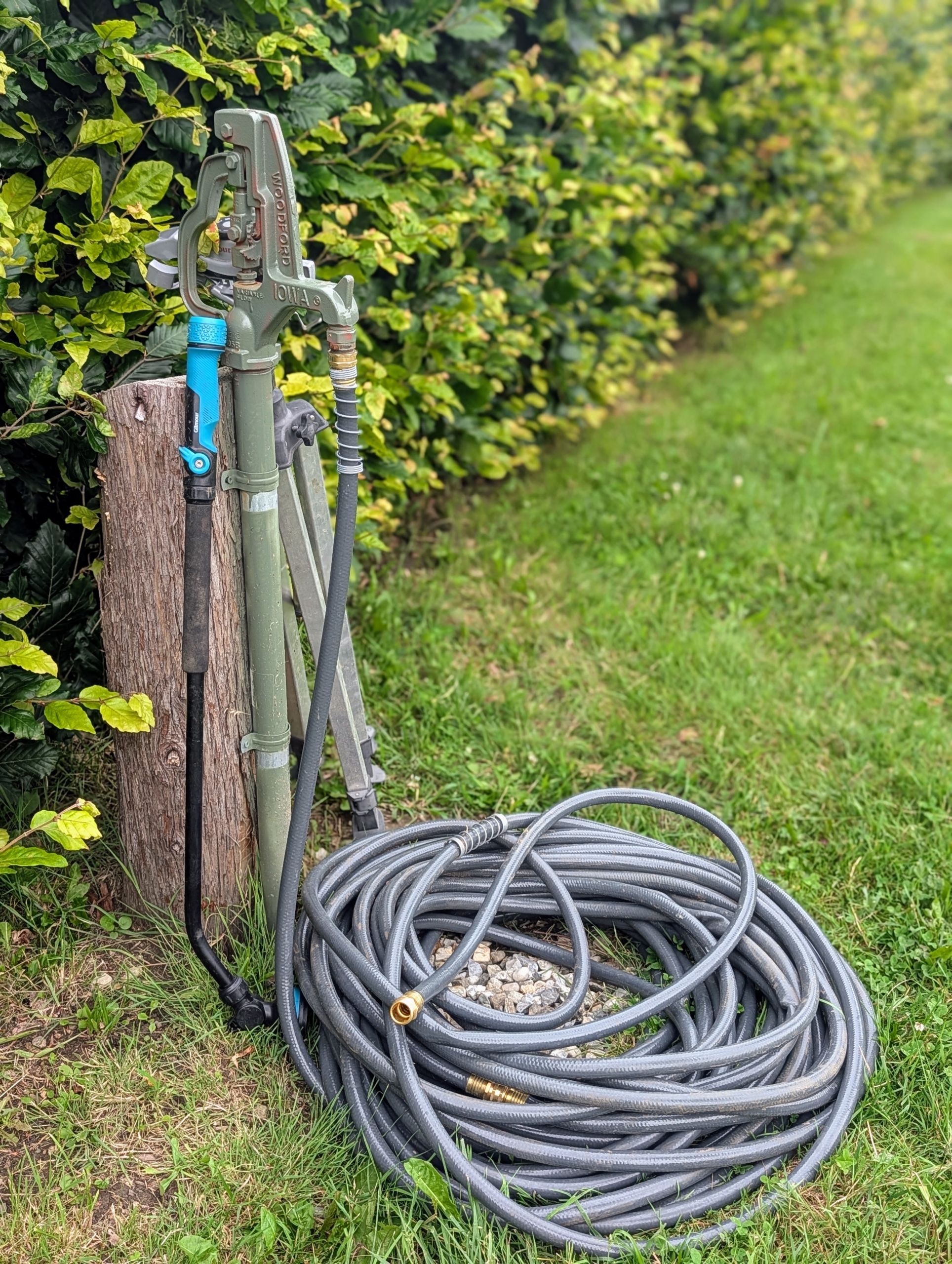
- I keep the sprinklers near the hoses, so they’re always readily available. I also keep a wand or nozzle nearby.
-
- Here’s one set up outside my gym building.
-
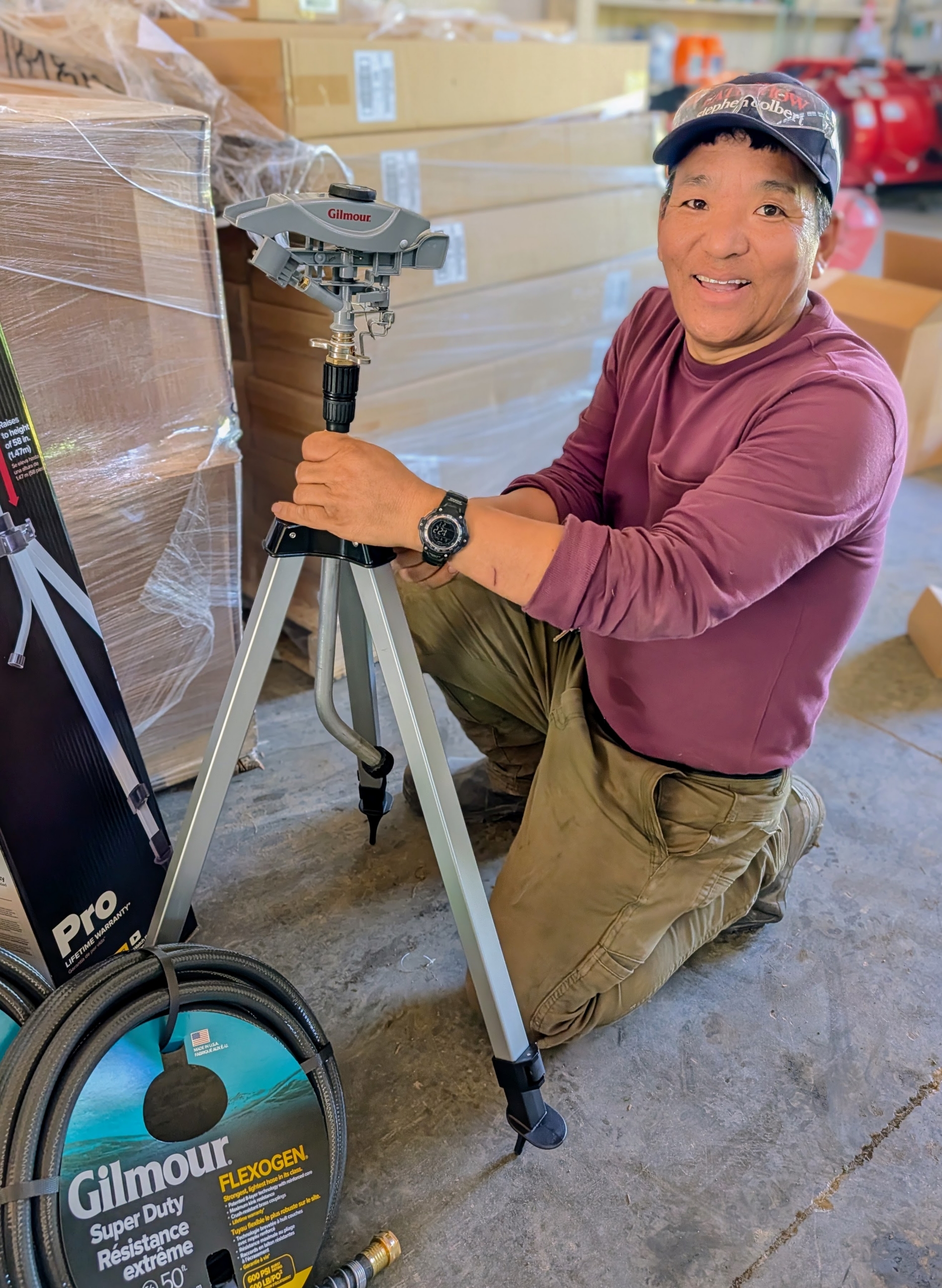
- Here’s Phurba ready to set up a telescoping sprinkler. On hot, humid days, one or two members of the crew manage all the watering. This way, everything can be monitored and timed appropriately.
-
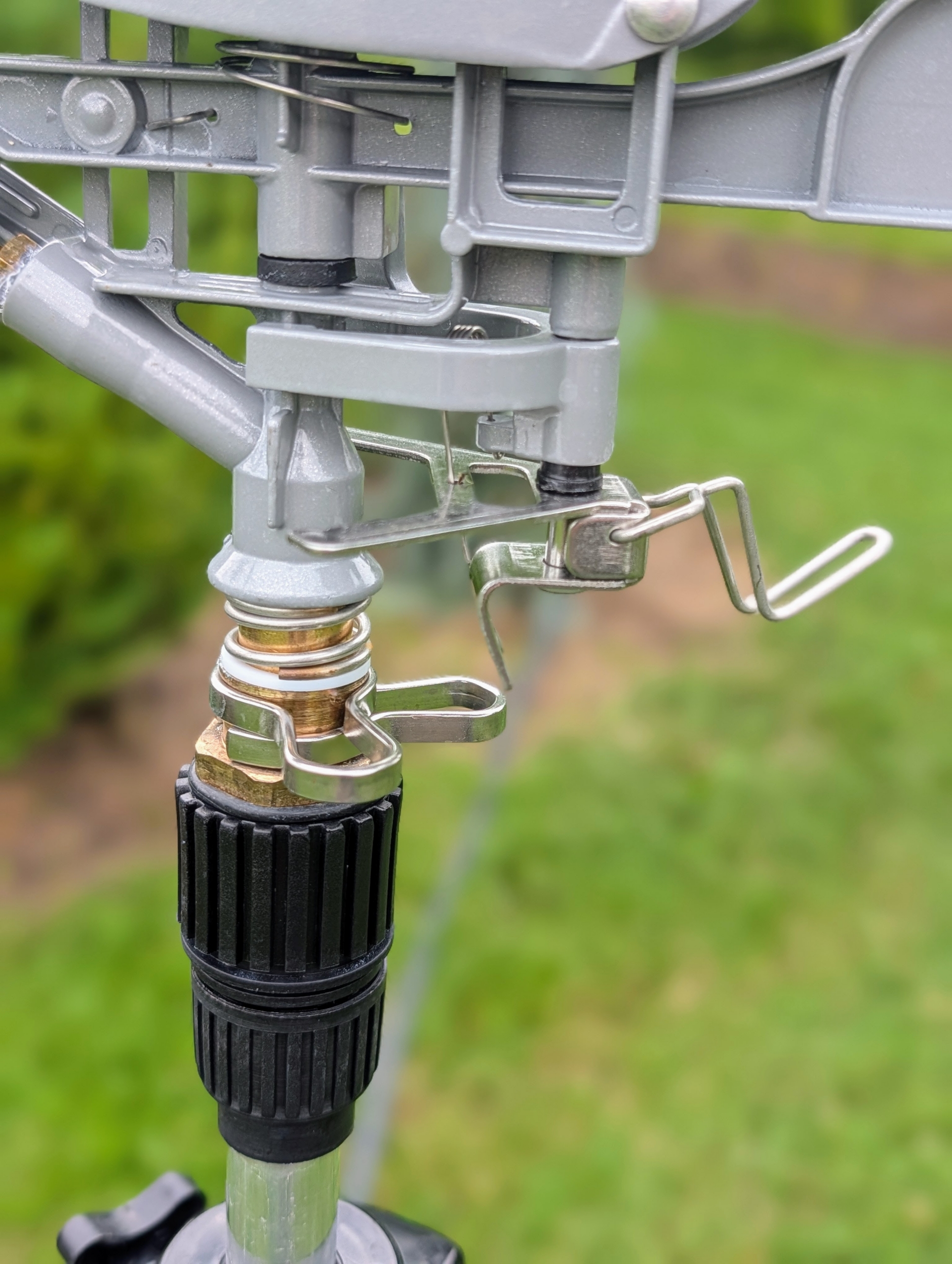
- The collar of the tripod sprinklers can be adjusted for partial to full circle coverage.
-
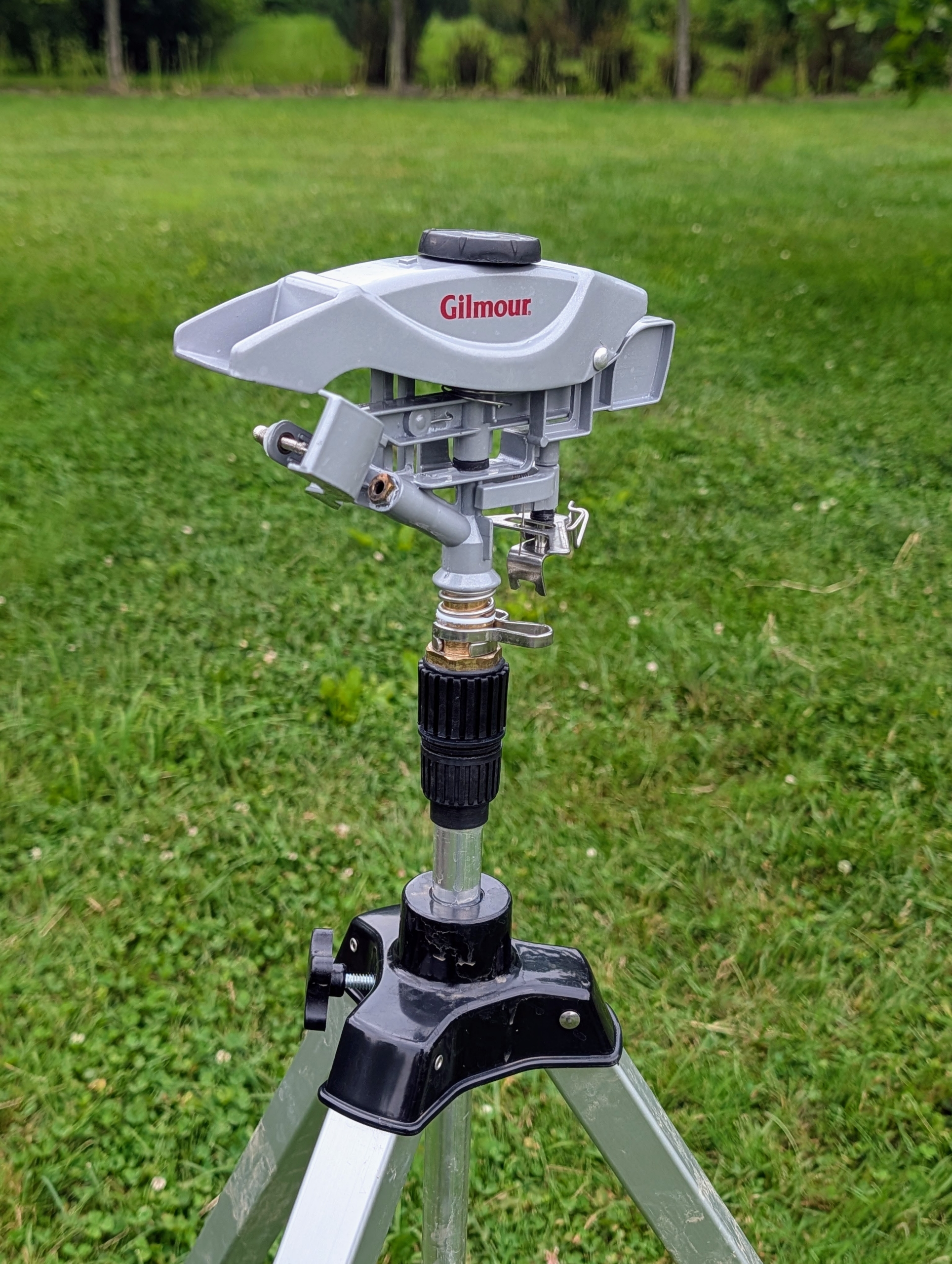
- The pin diffuser allows for a customized spray from powerful jet to gentle mist. I teach every person on my crew how to properly use these sprinklers to get the best coverage for the gardens.
-
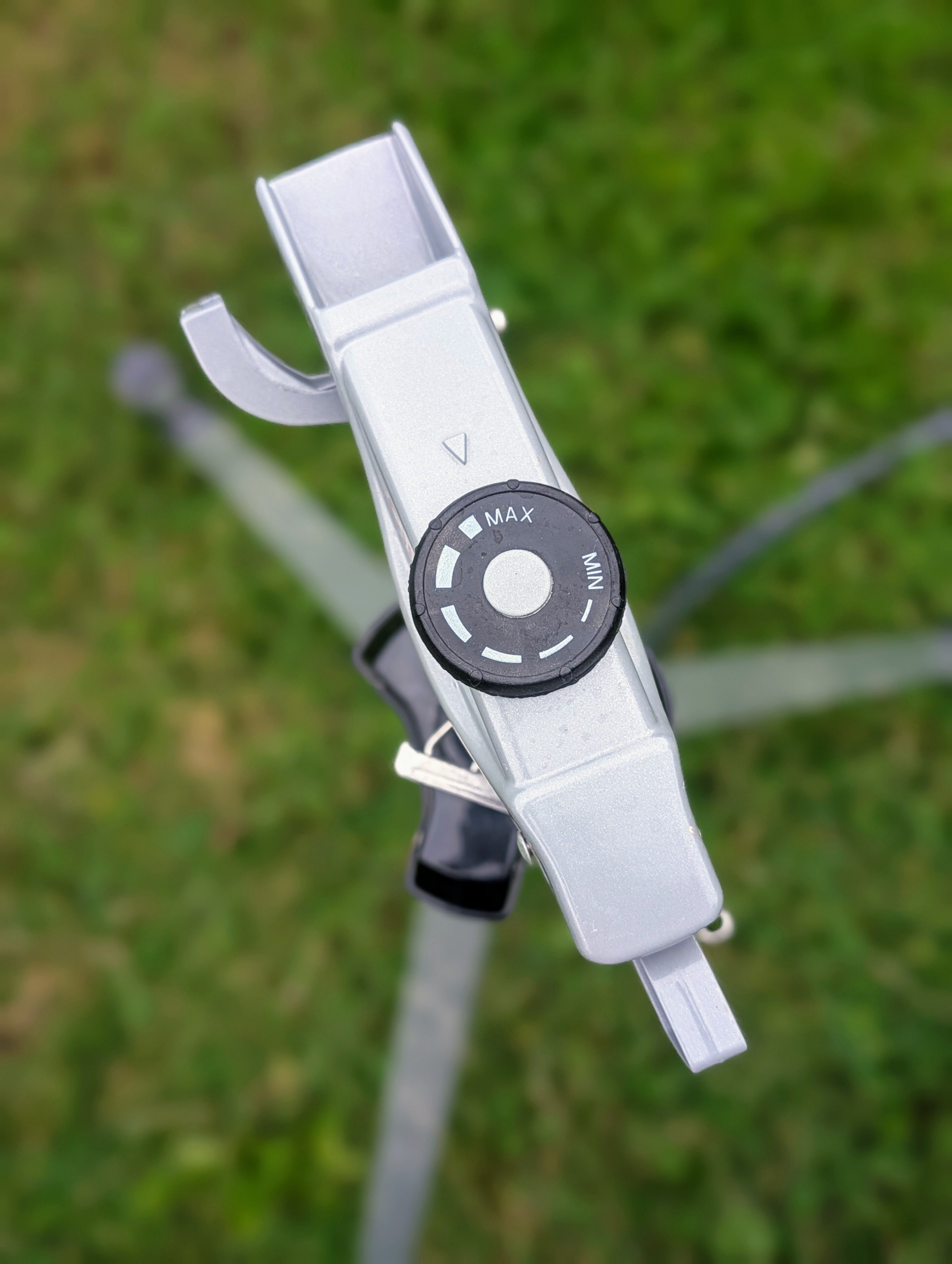
- The round dial on top makes it easy to set the direction and length of the spray.
-
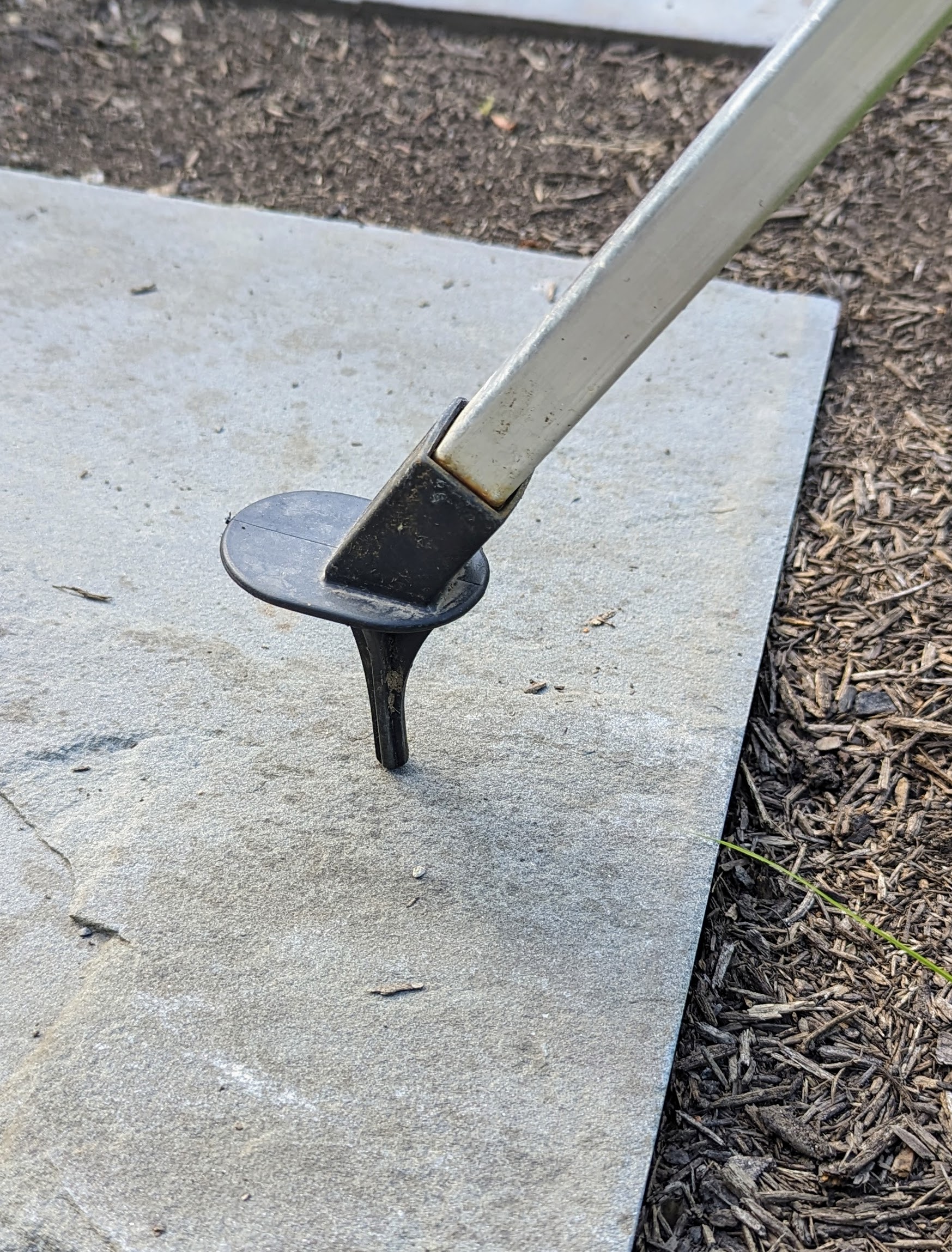
- Here, one can see one of three spiked feet of the tripod sprinkler which provide lots of stability on varied surfaces.
-
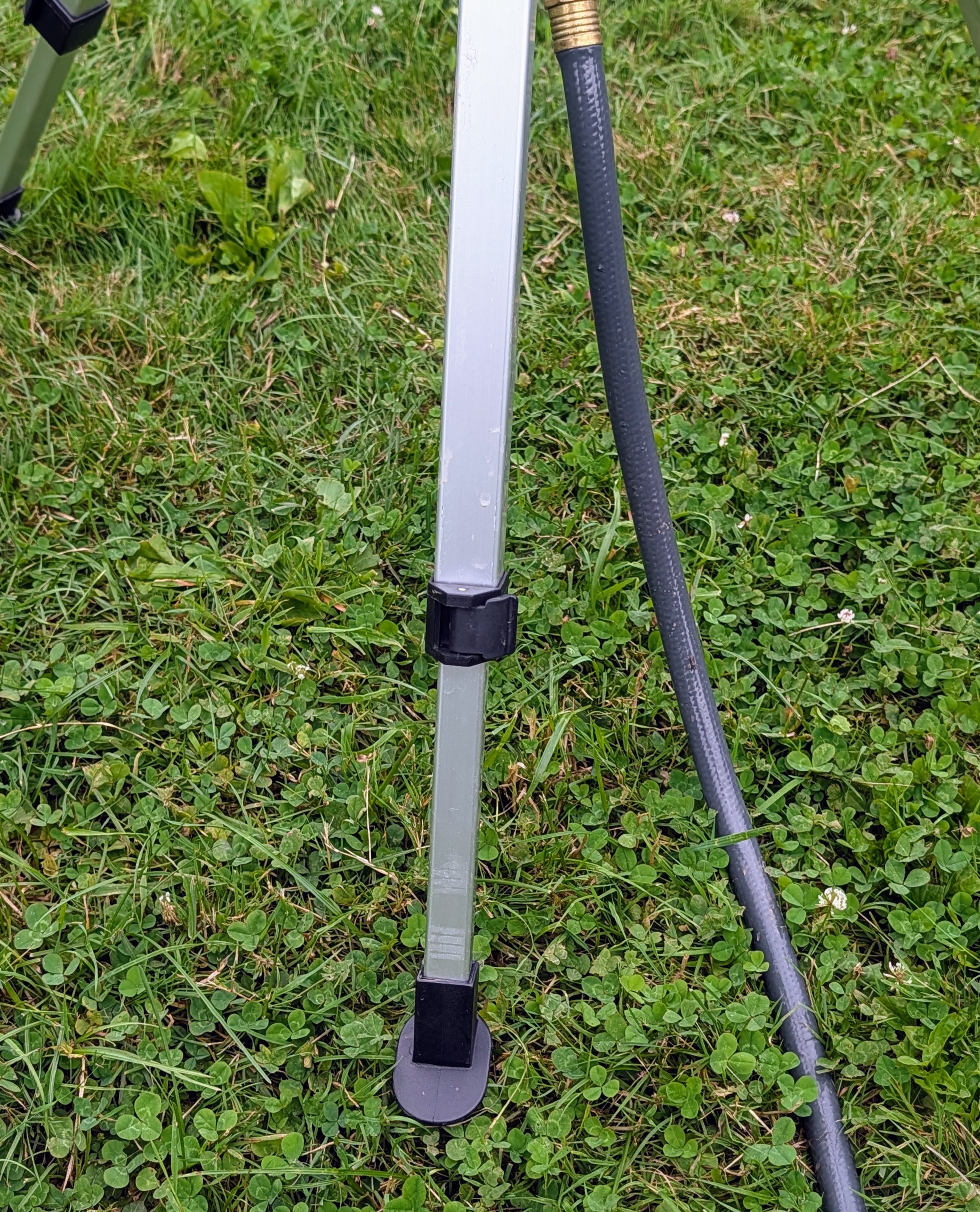
- Each of the legs is also adjustable for low and high spray.
-
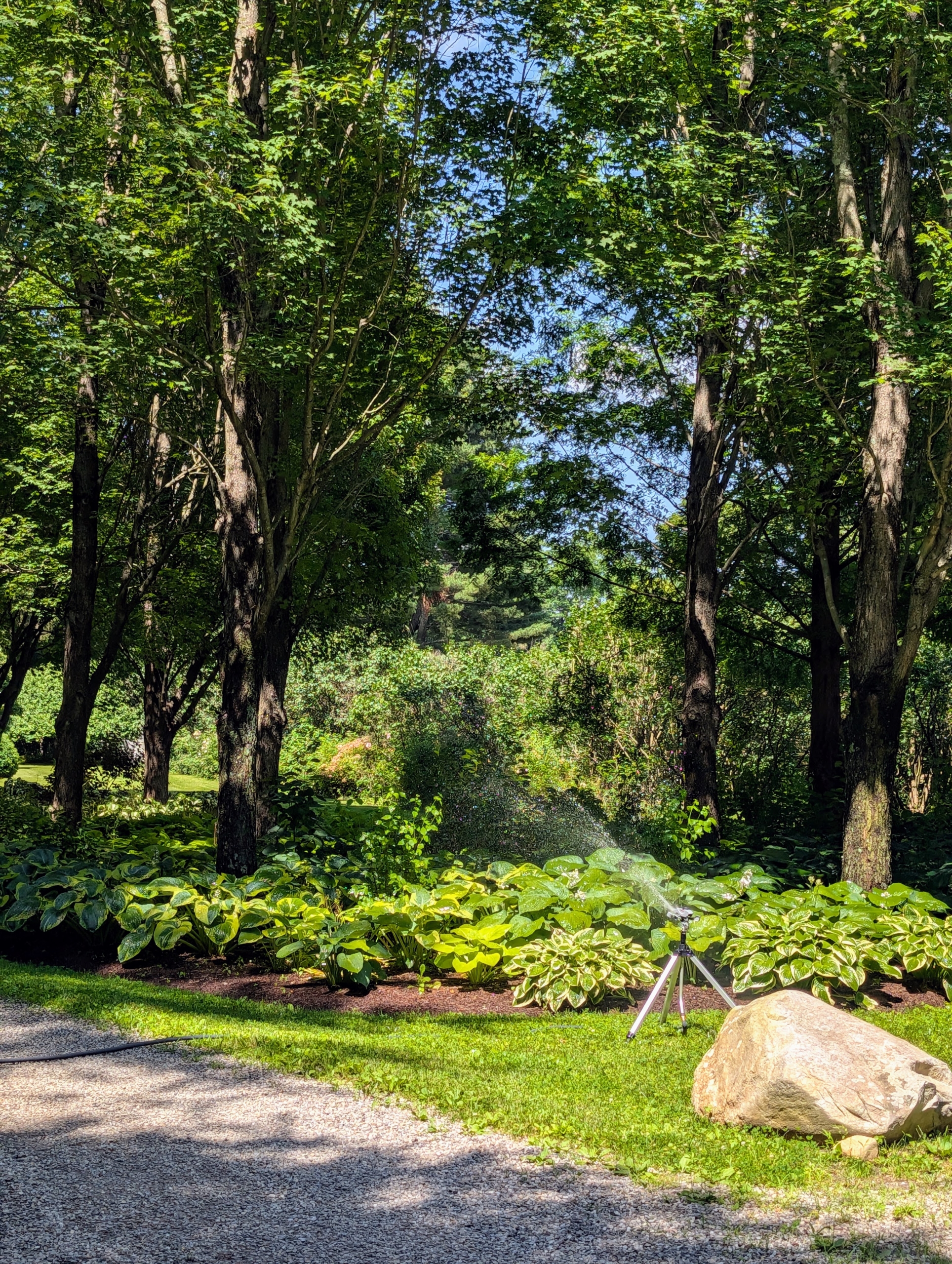
- Mornings are the best times to water – when water pressure is high, evaporation is low, and the soil can absorb the water before the sun heats up the ground. This garden is behind my Tenant Guest House. It is lush, green, and thoroughly watered.
-
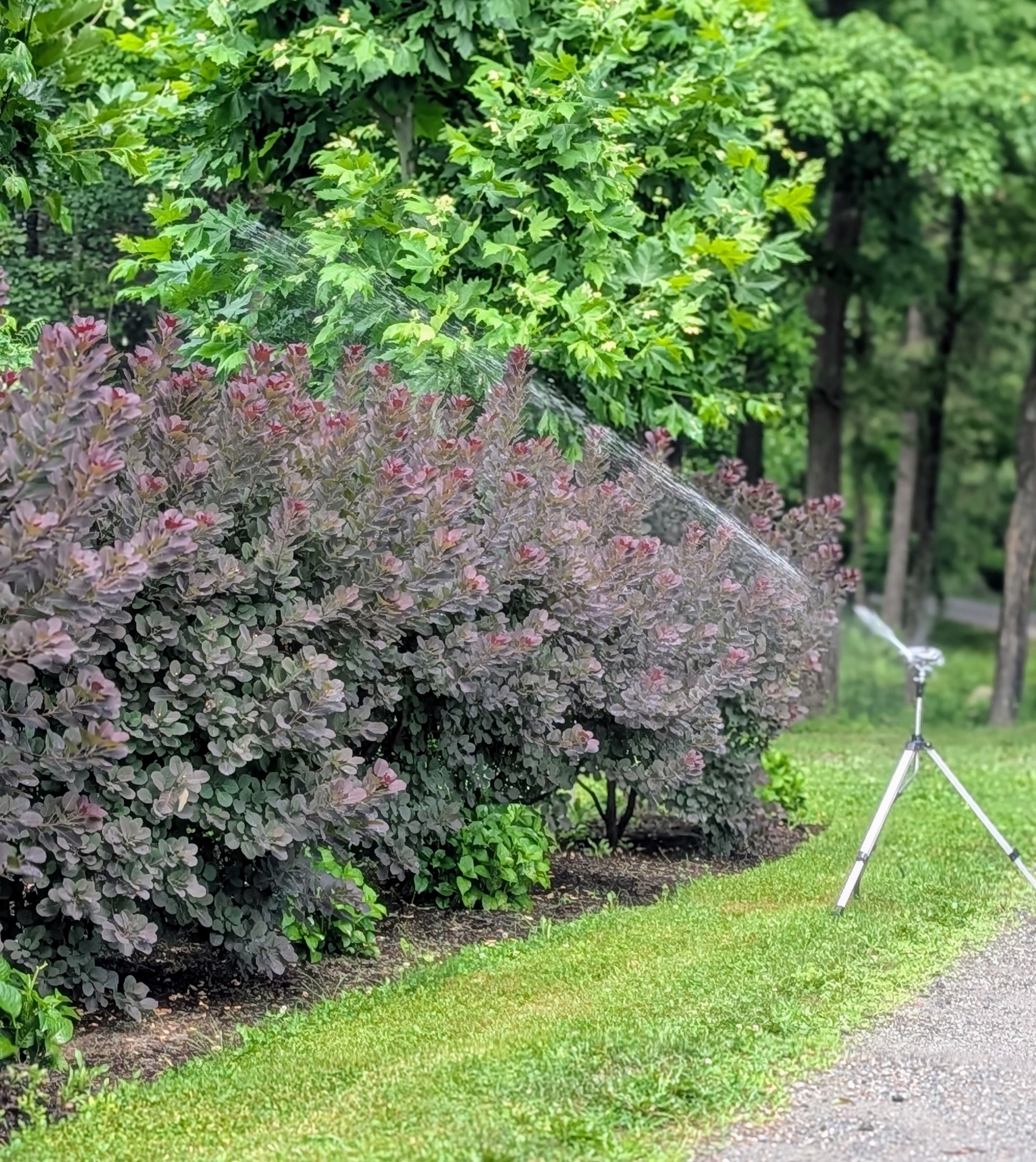
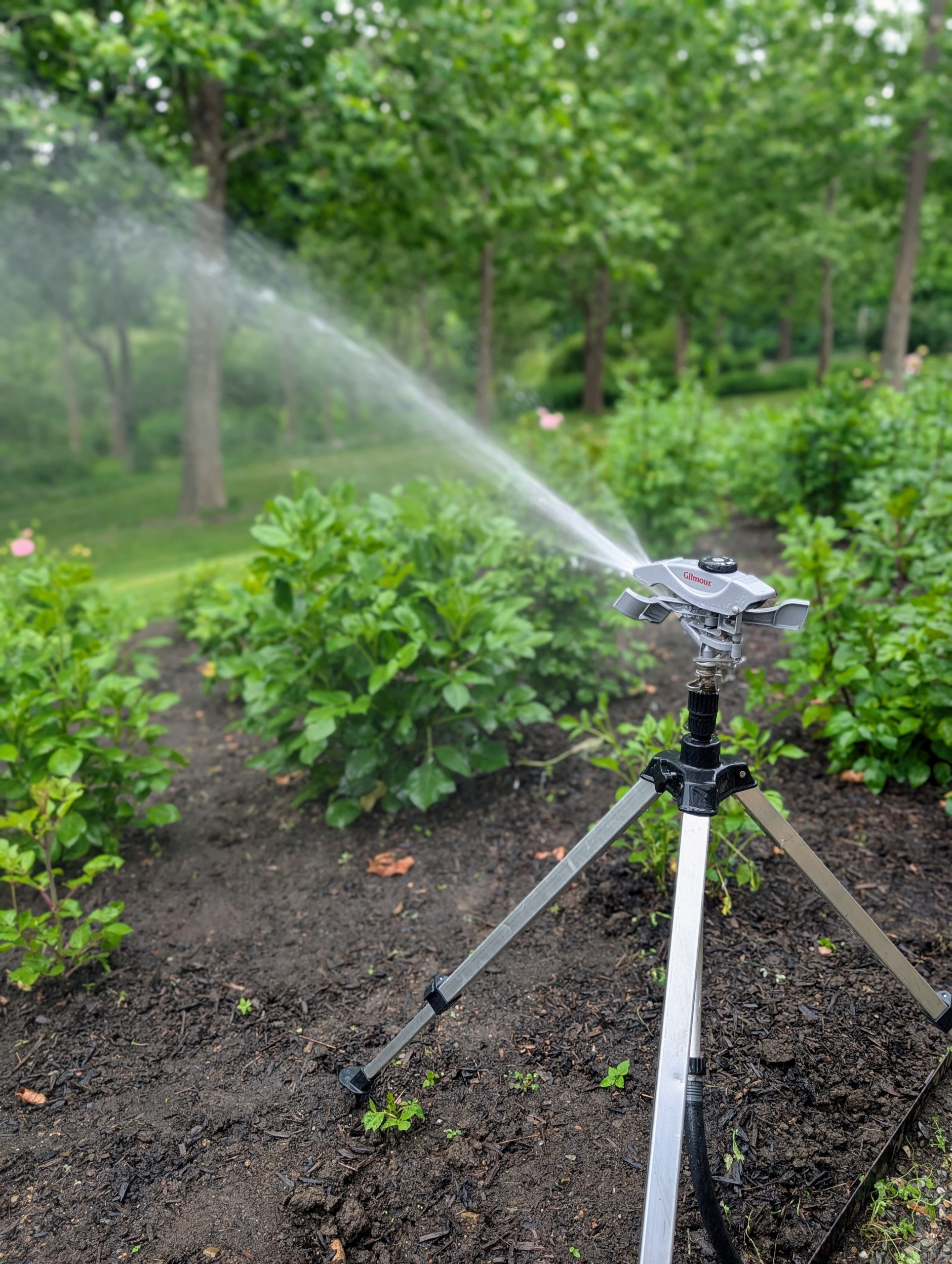
- The height, distance, and spray patterns of the tripod sprinklers can be adjusted to suit so many garden needs. This one is watering my Cotinus, also known as smoke bushes, in the allée.
-
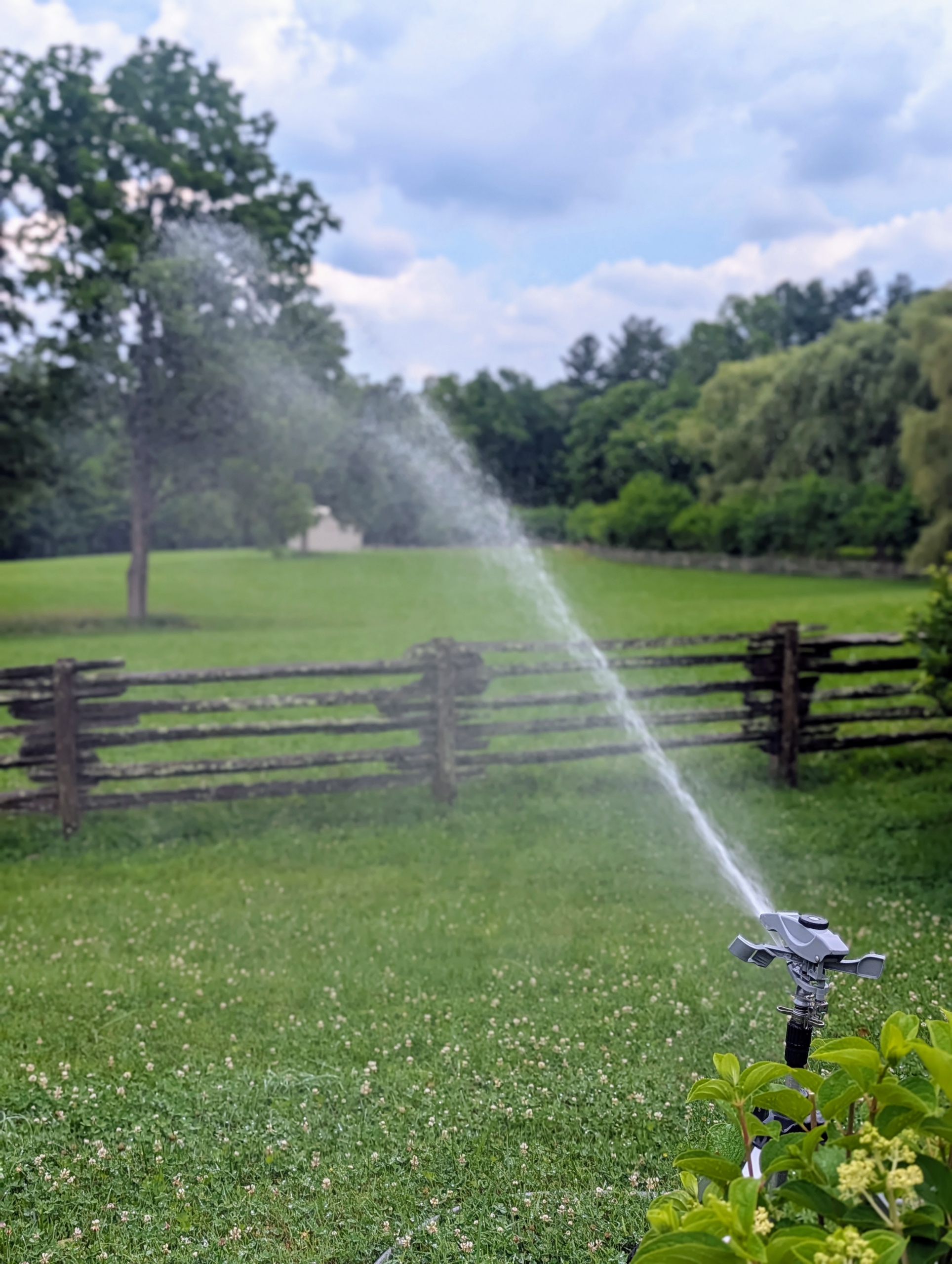
- Well-established trees with strong, deep root systems will be more drought tolerant.
-
- To avoid dry spots, sprinkler heads should be positioned so they overlap slightly in their coverage areas. During the summer, a good watering is done to a depth of about six to eight inches if possible. An even, intermittent sprinkling is best for thorough, deep watering.
-
- Here’s one positioned in my dahlia bed. The adjustable tripod can reach a height of 58-inches and can water everything from above. And remember, once the watering in one area is done, it’s important to turn off the water at the source. Just turning off at the sprinkler puts a lot of pressure on the hoses and pipes.
-
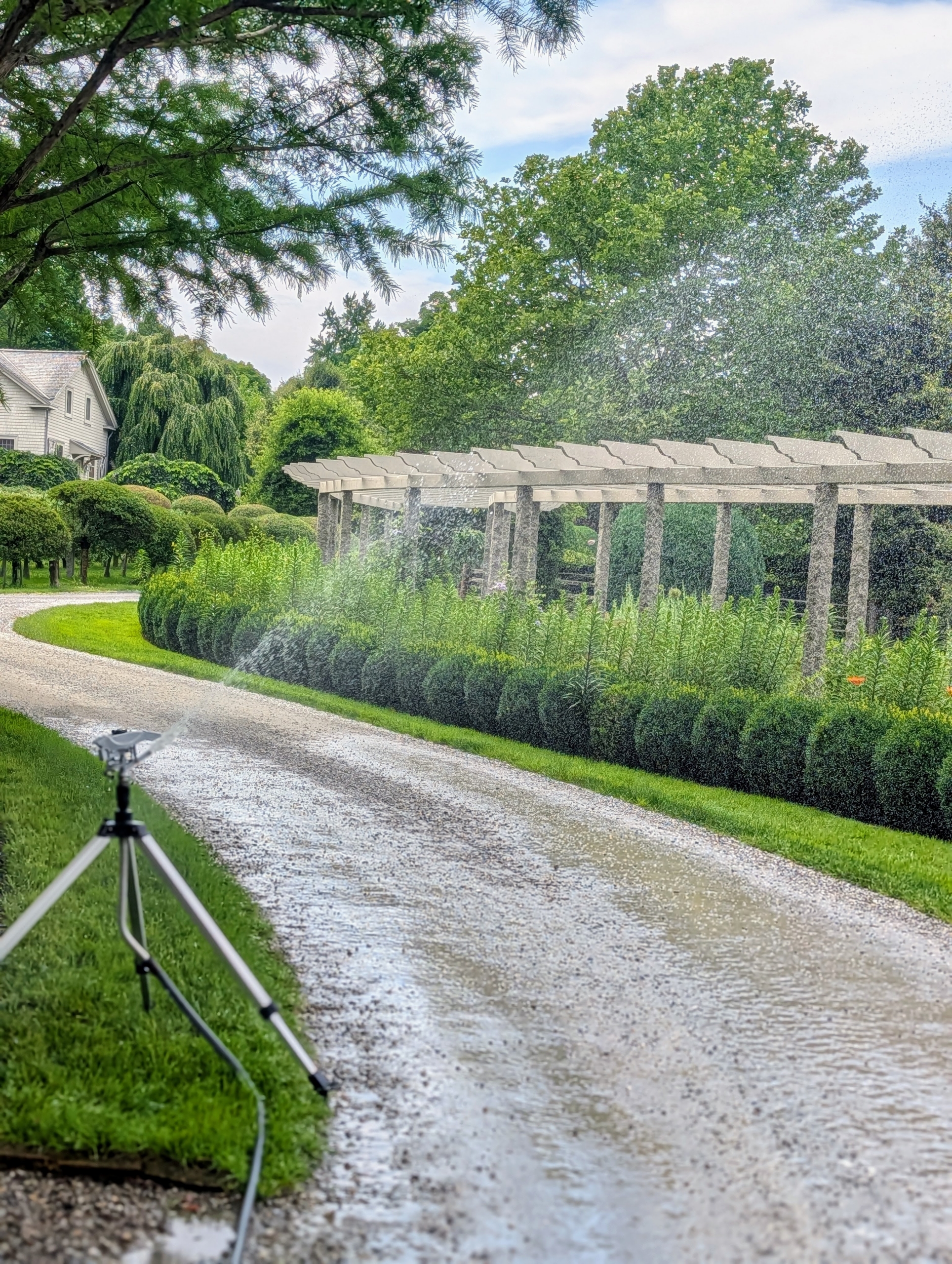
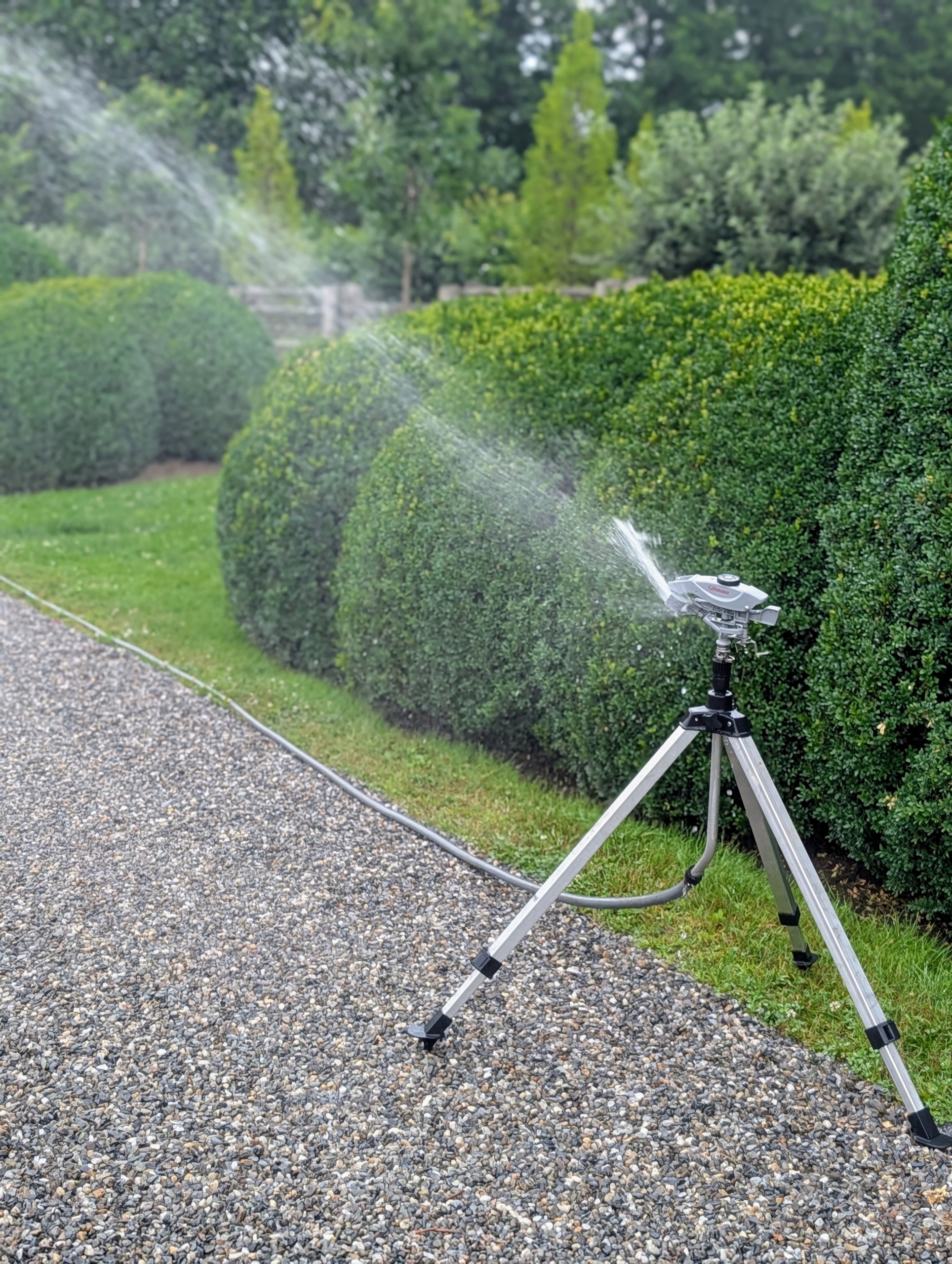
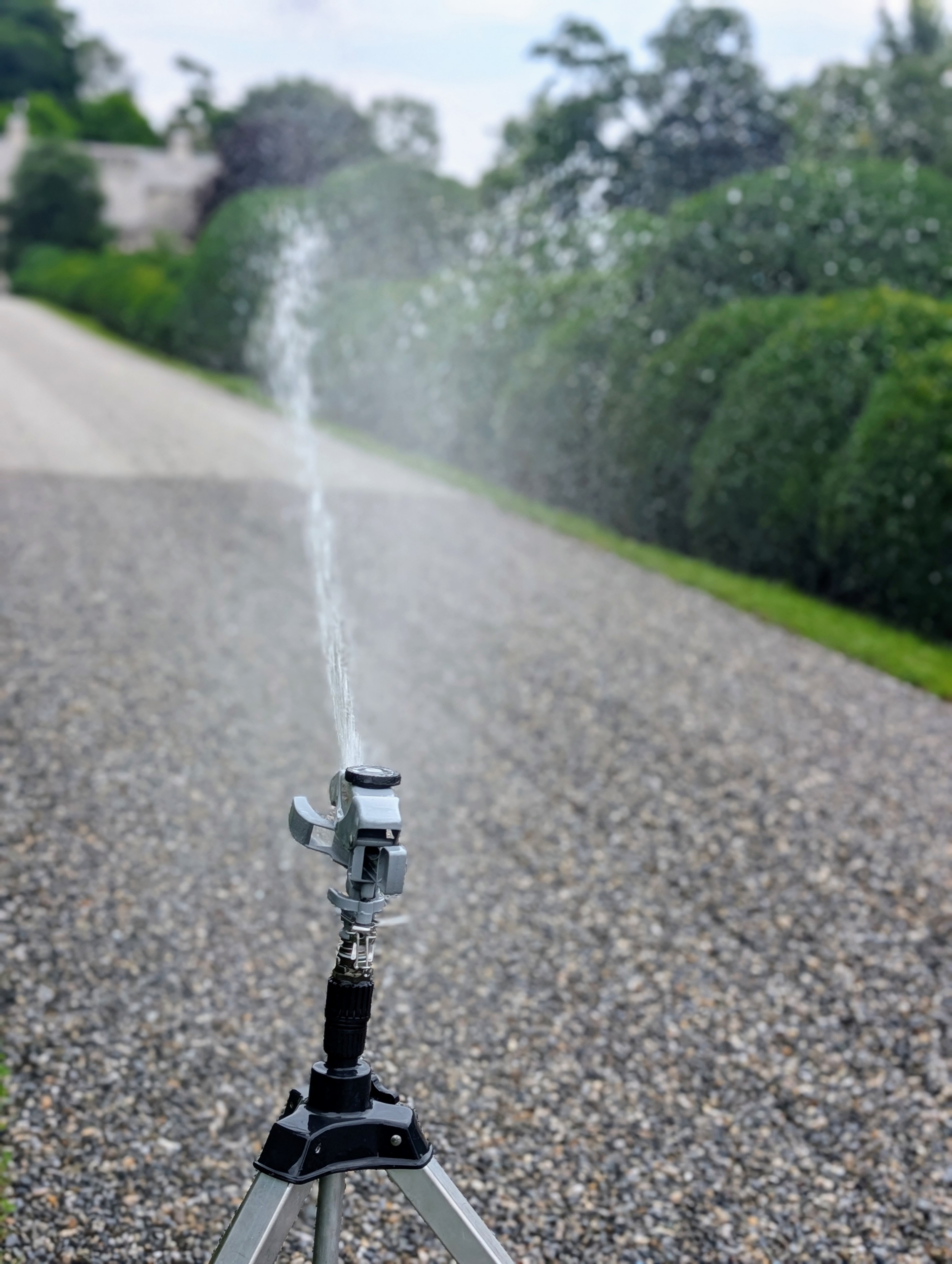
- Look how far the sprinkler can reach – and the spray is very consistent. This sprinkler is in my long Boxwood Allée.
-
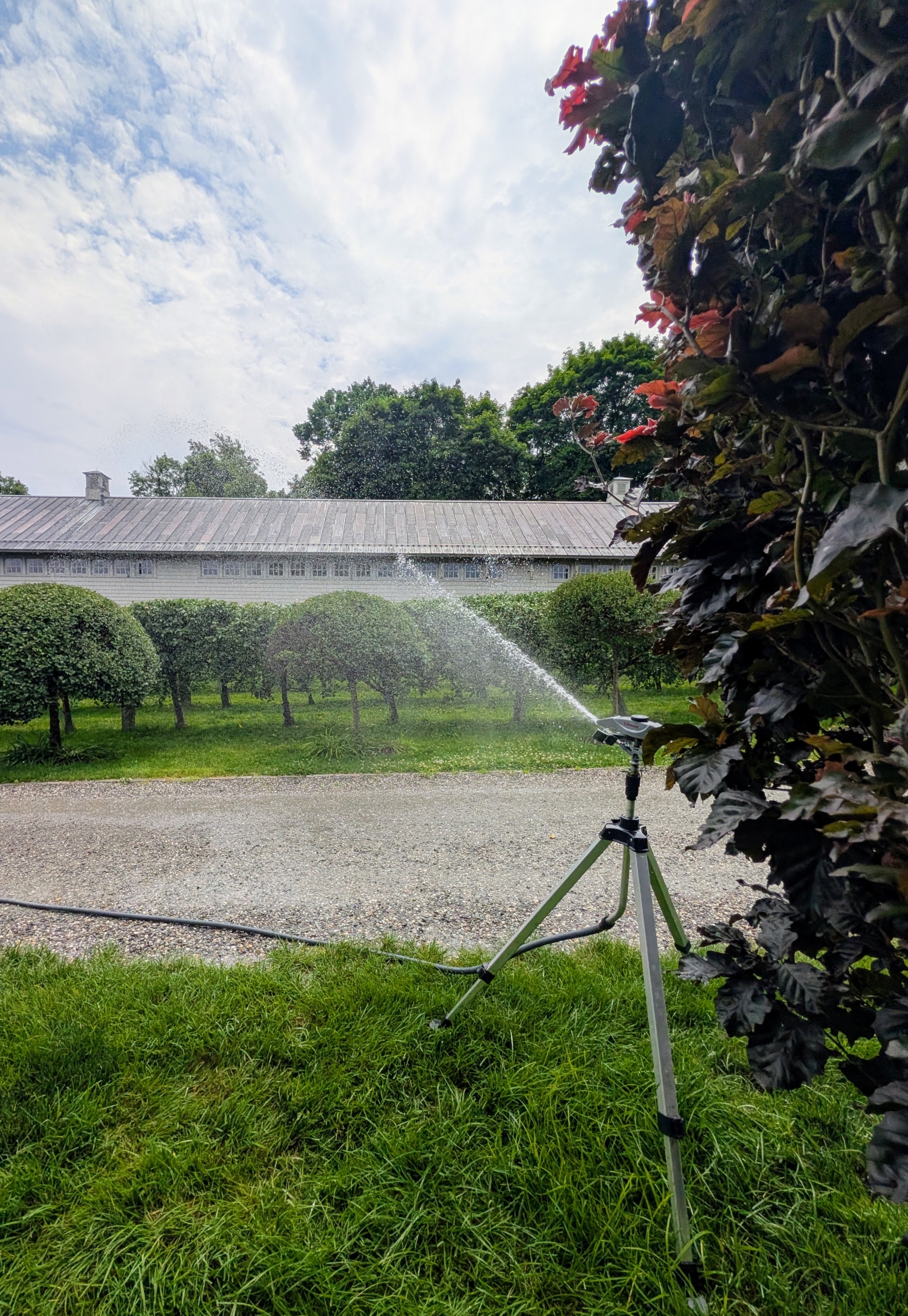
- Finally, try to occasionally observe sprinklers and nozzles in action, looking for clogged or leaking heads that may need minor maintenance. Take good care through this holiday weekend – keep yourself, your pets, and your gardens hydrated.
 Martha Pins


 Martha Tweets

