

Maximizing Productivity in My Garden
Gardeners, think ahead - you can start more seeds indoors now to extend the harvest window.
Here at my farm, I always try to maximize the productivity of the gardens. This week my head gardener, Ryan McCallister, started seeds of Brussels sprouts, broccoli, cauliflower, cabbage, and romanesco - all considered brassicas, or cole crops, a genus of plants in the mustard family whose members are informally referred to as cruciferous vegetables. The seeds will remain in the greenhouse until they’re mature enough to be moved outdoors to my vegetable garden, starting a whole new delicious crop of produce.
Here are some photos, enjoy.
-

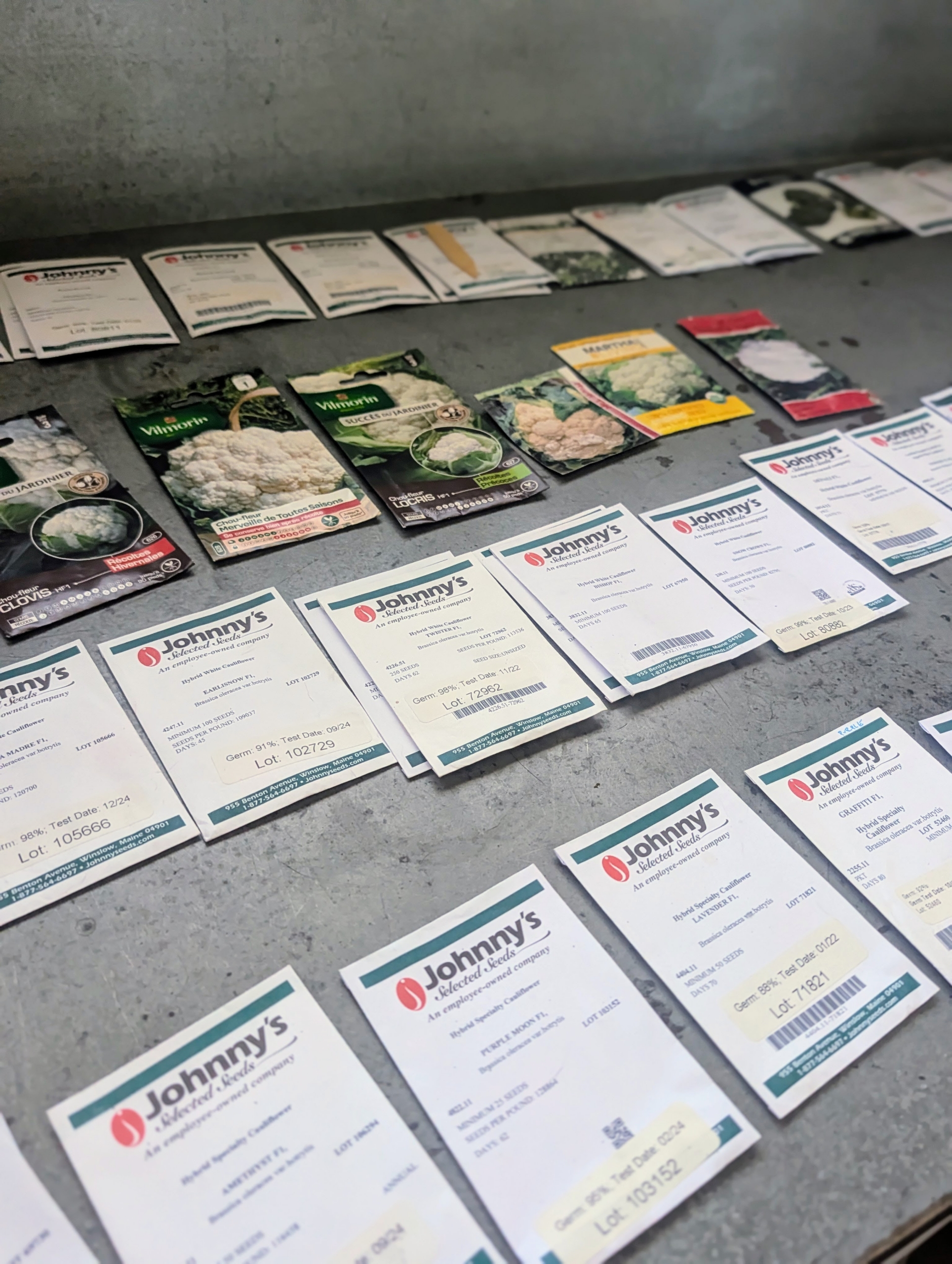
- Ryan takes out the seeds for those vegetables he wants to plant. Many of my seeds are from Johnny’s Selected Seeds in central Maine – a company I’ve been using for quite some time. Johnny’s Selected Seeds is a privately held, employee-owned organic seed producer that offers hundreds of varieties of organic vegetable, herb, flower, fruit and farm seeds that are known to be strong, dependable growers. Ryan looks at the various types, the growing needs, and hardiness of the plants and decides what will work best in the garden.
-
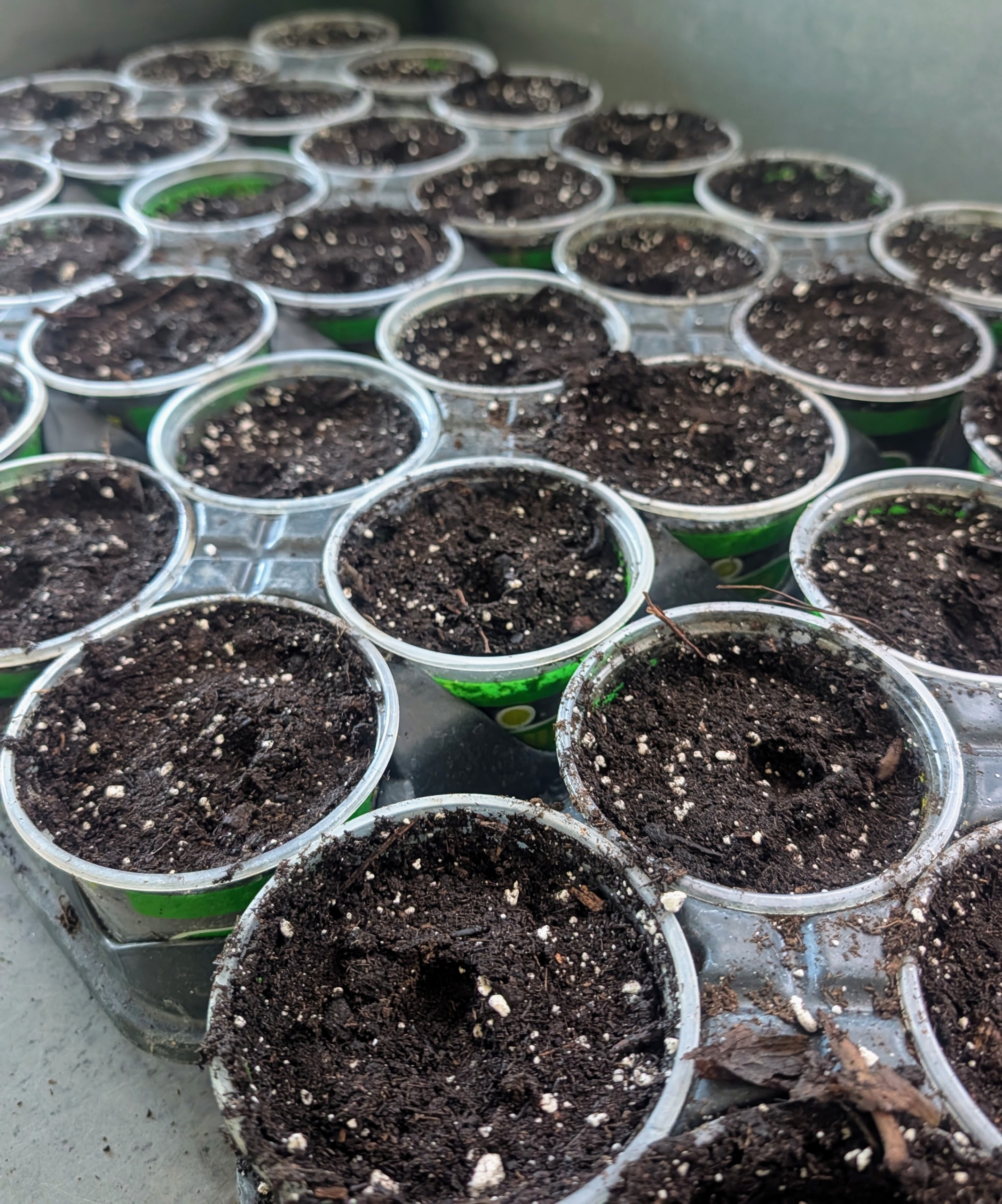
- Ryan already prepared the containers for seeding. One can use smaller seed starting trays, but these pots will also work very nicely. Here, Using his finger, Ryan makes quarter-inch deep furrows in the middle of each pot. It’s best to use a pre-made seed starting mix that contains the proper amounts of vermiculite, perlite and peat moss. I use Miracle-Gro Seed Starting Potting Mix.
-
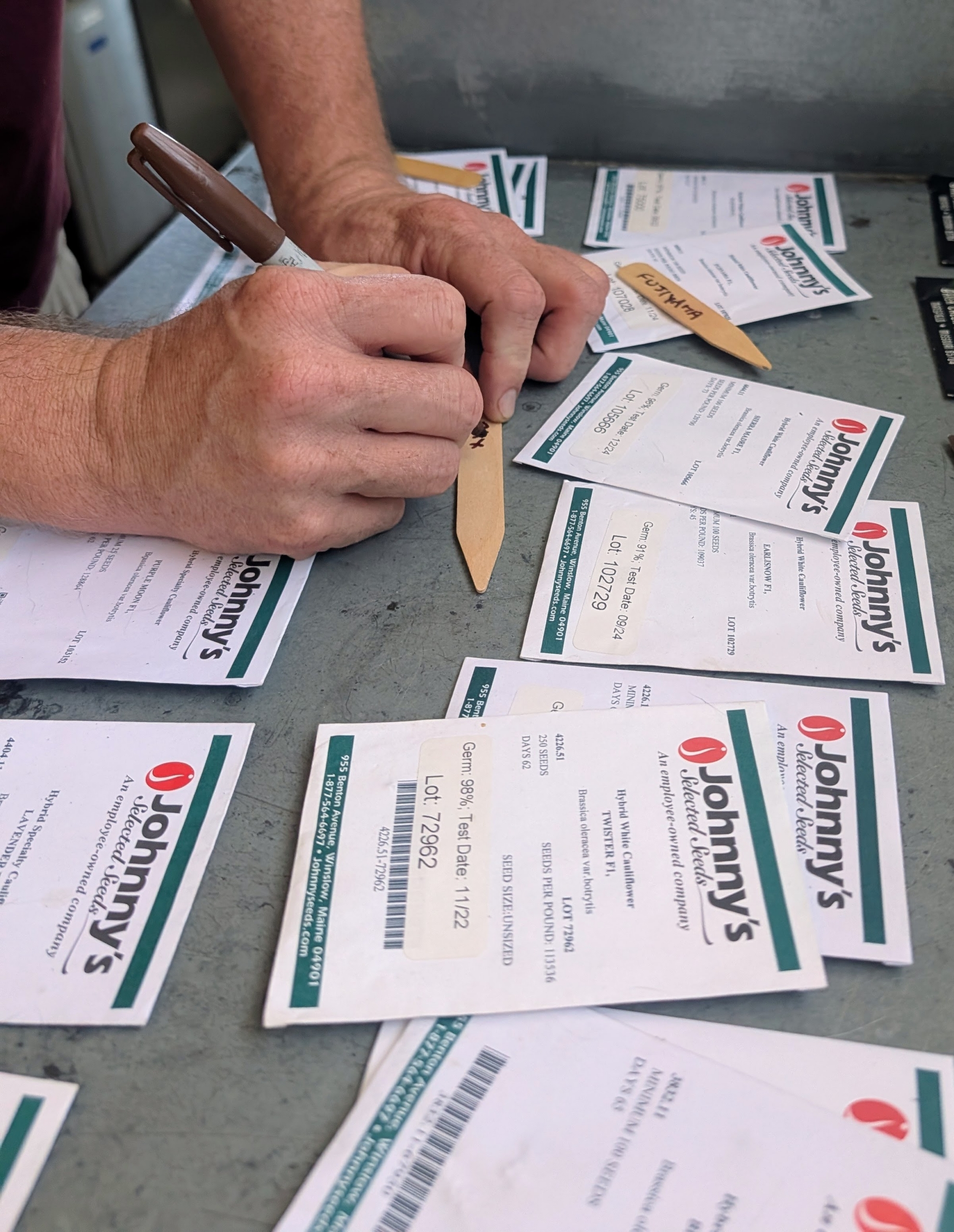
- Ryan writes the vegetable and variety on wooden markers. This helps to keep track of the varieties as they grow.
-
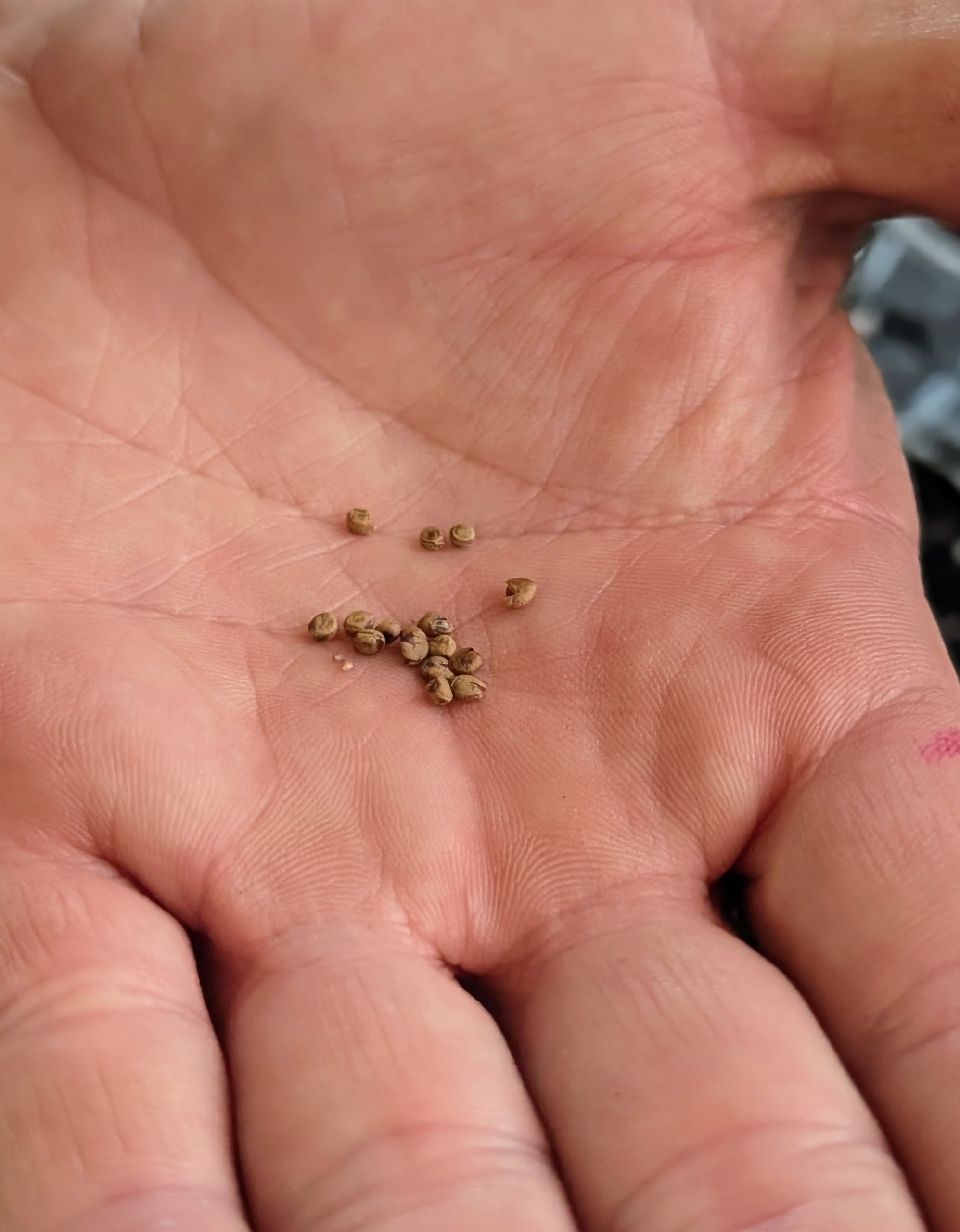
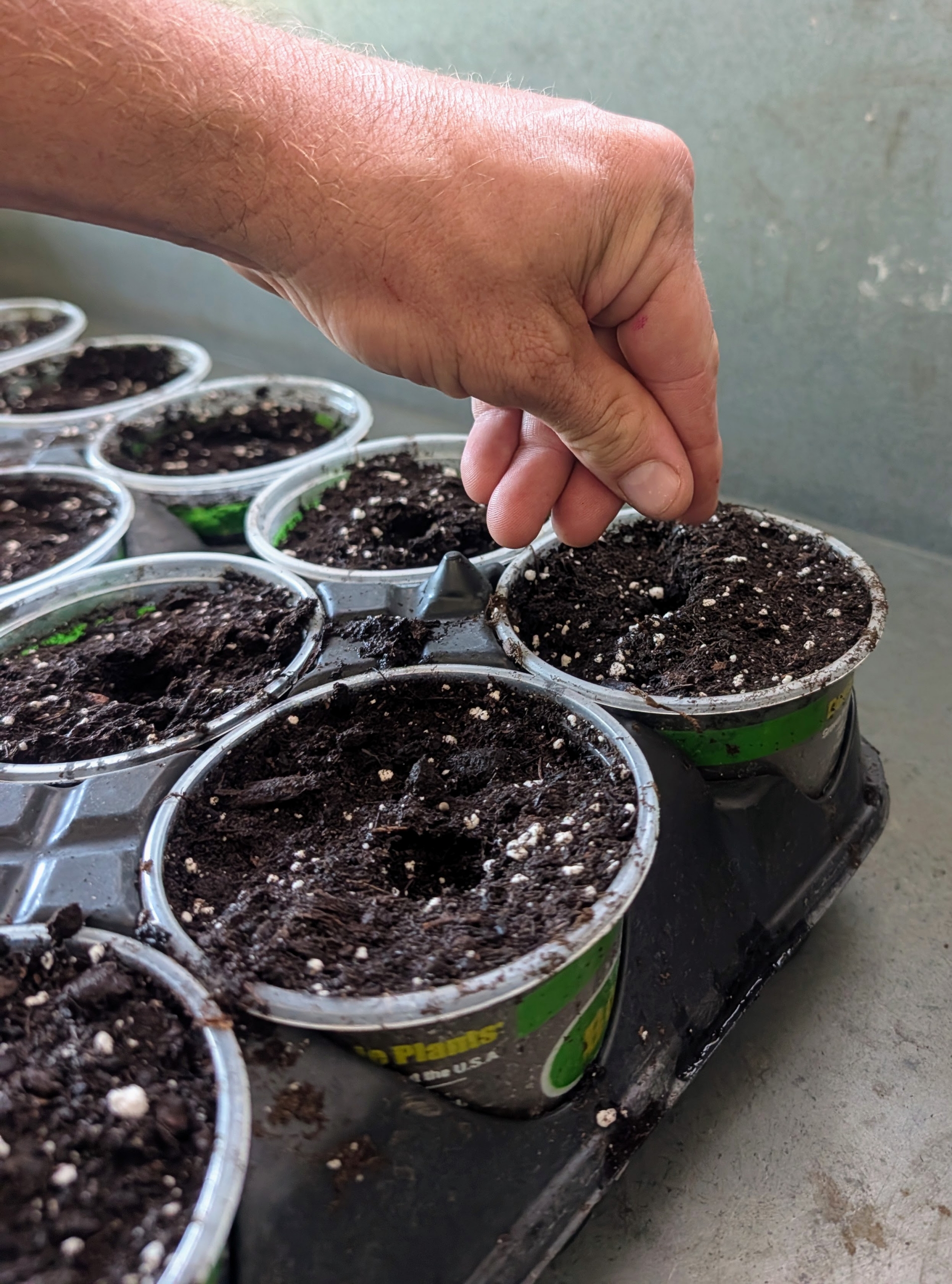
- Brassica seeds are very small, so be sure to take time dropping them into the soil-filled containers. It’s also a good idea to keep a record of when seeds are sown, when they germinate, and when they are transplanted. These observations will help organize a schedule for the following year.
-
- Ryan carefully drops a few seeds into each pot.
-
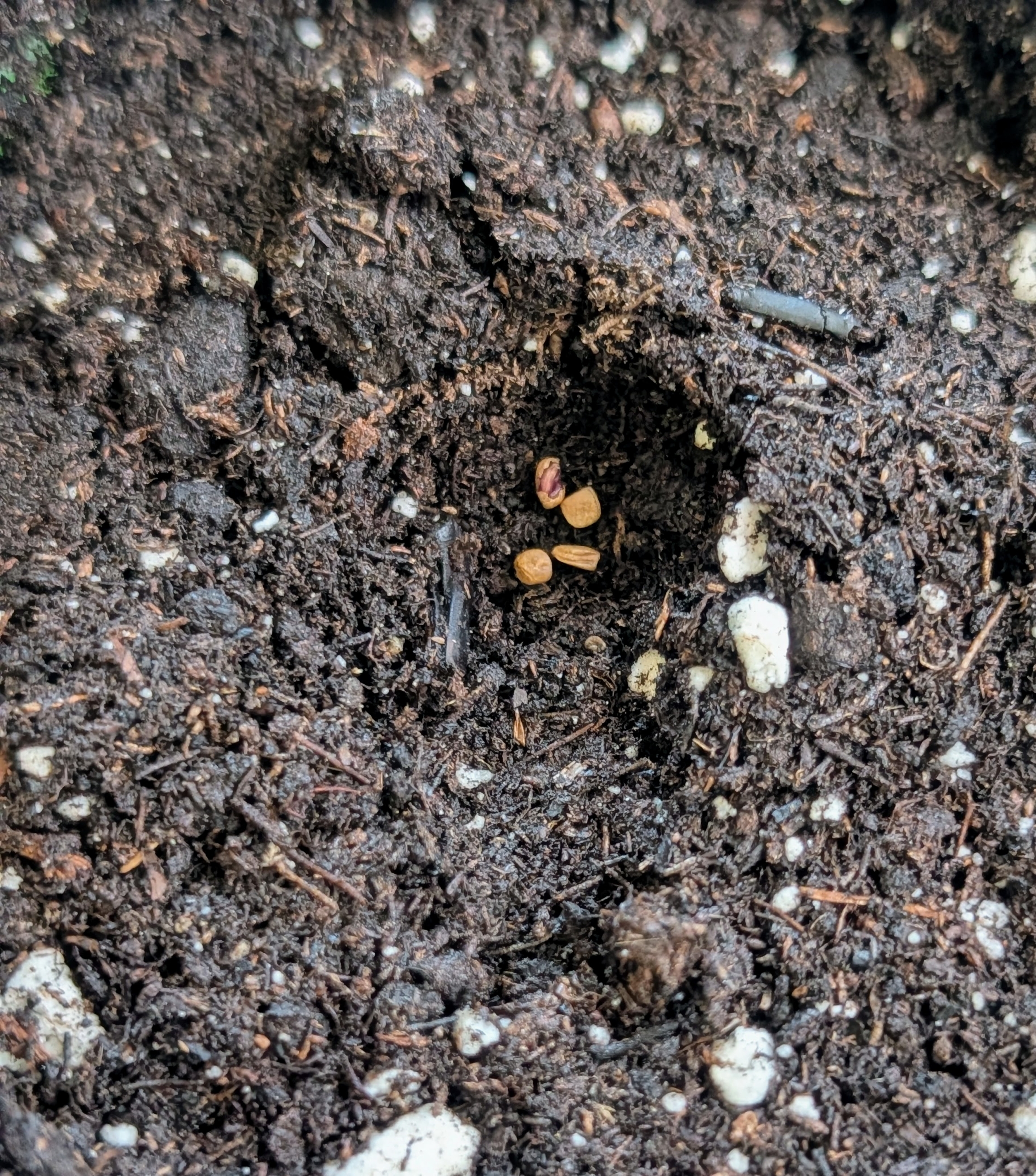
- These seeds will be selectively thinned in a few weeks. The process eliminates the weaker sprout and prevents overcrowding, so seedlings don’t have any competition for soil nutrients or room to mature.
-
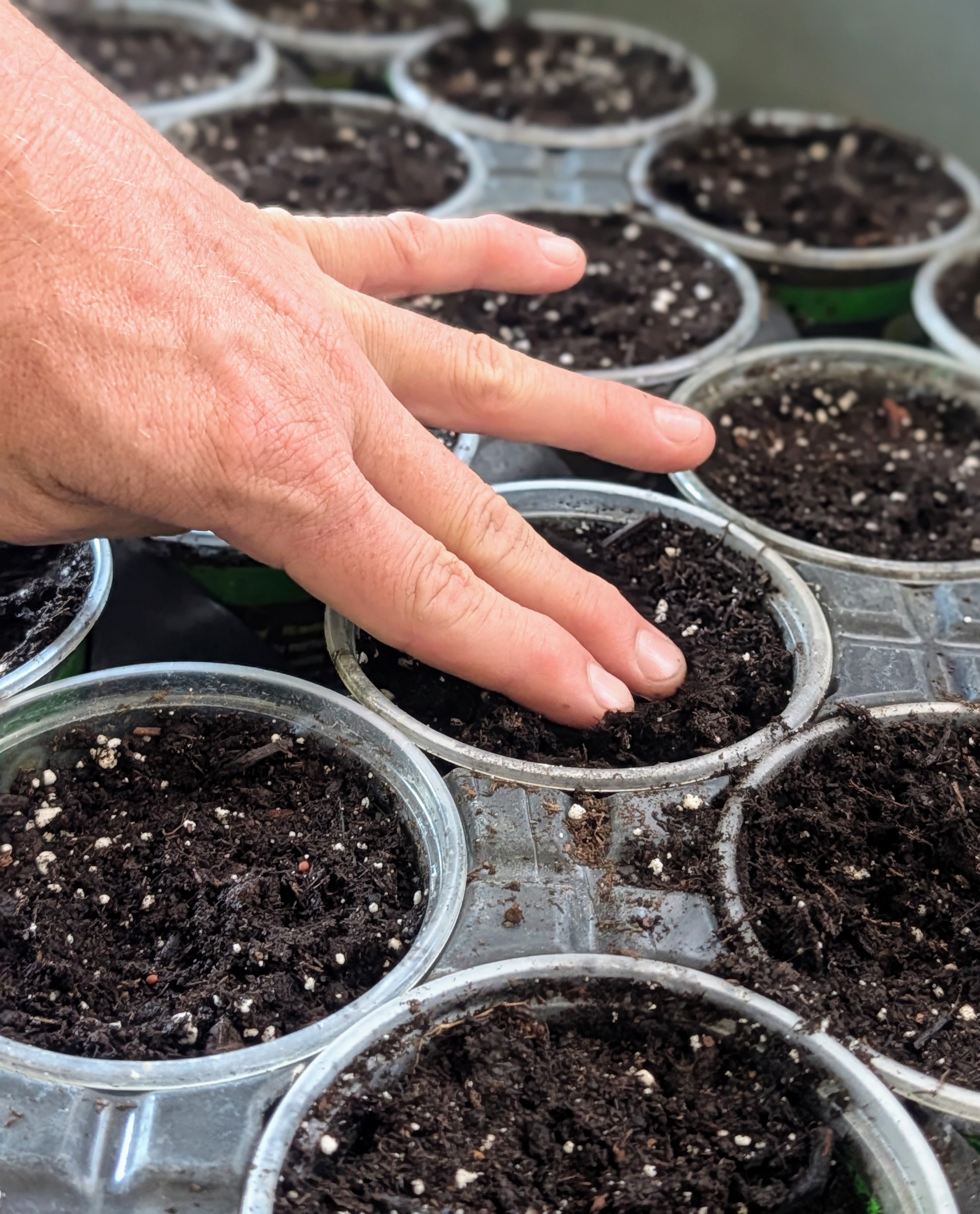
- Ryan covers the seeds and fills the holes back in with the soil mix.
-
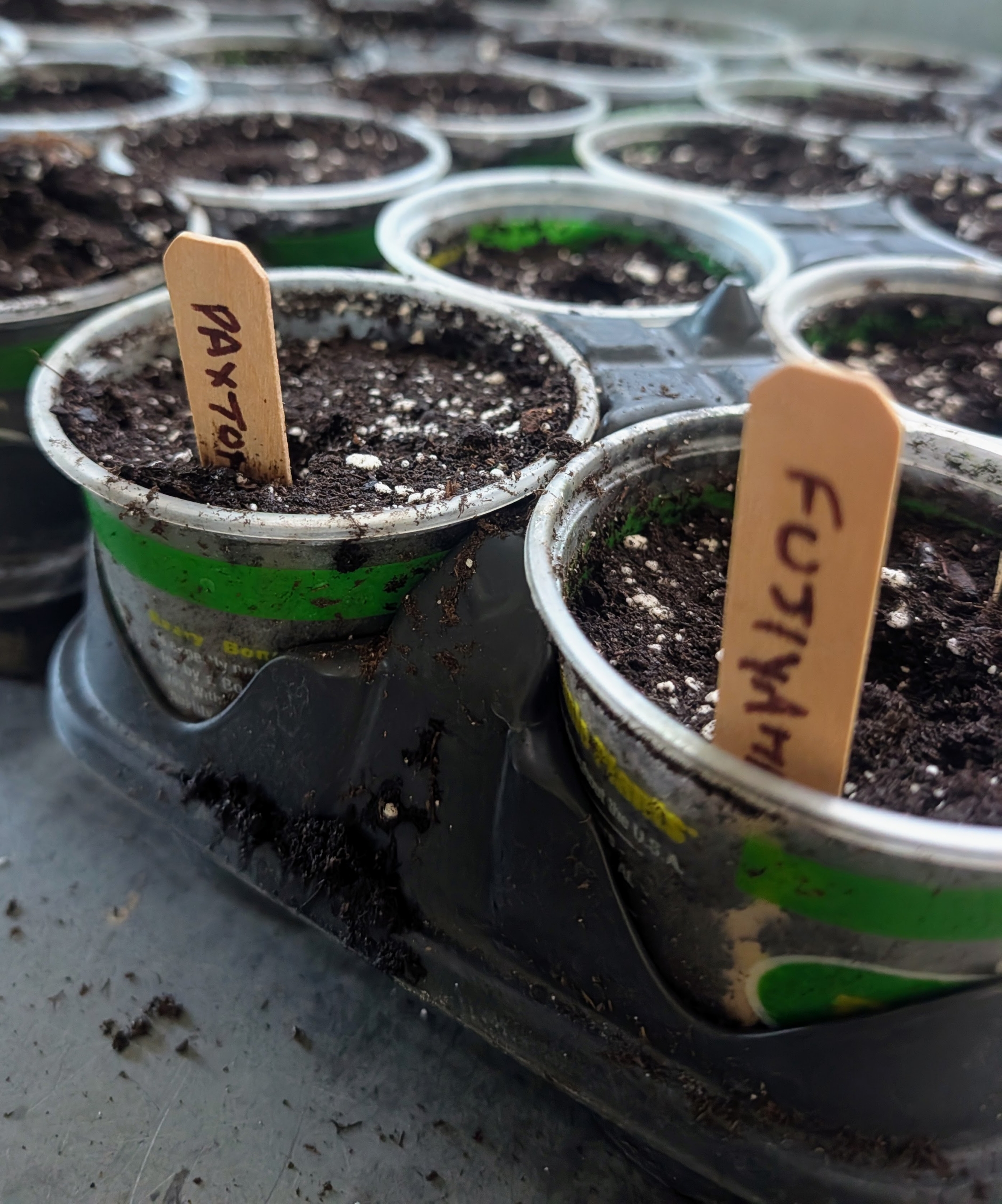
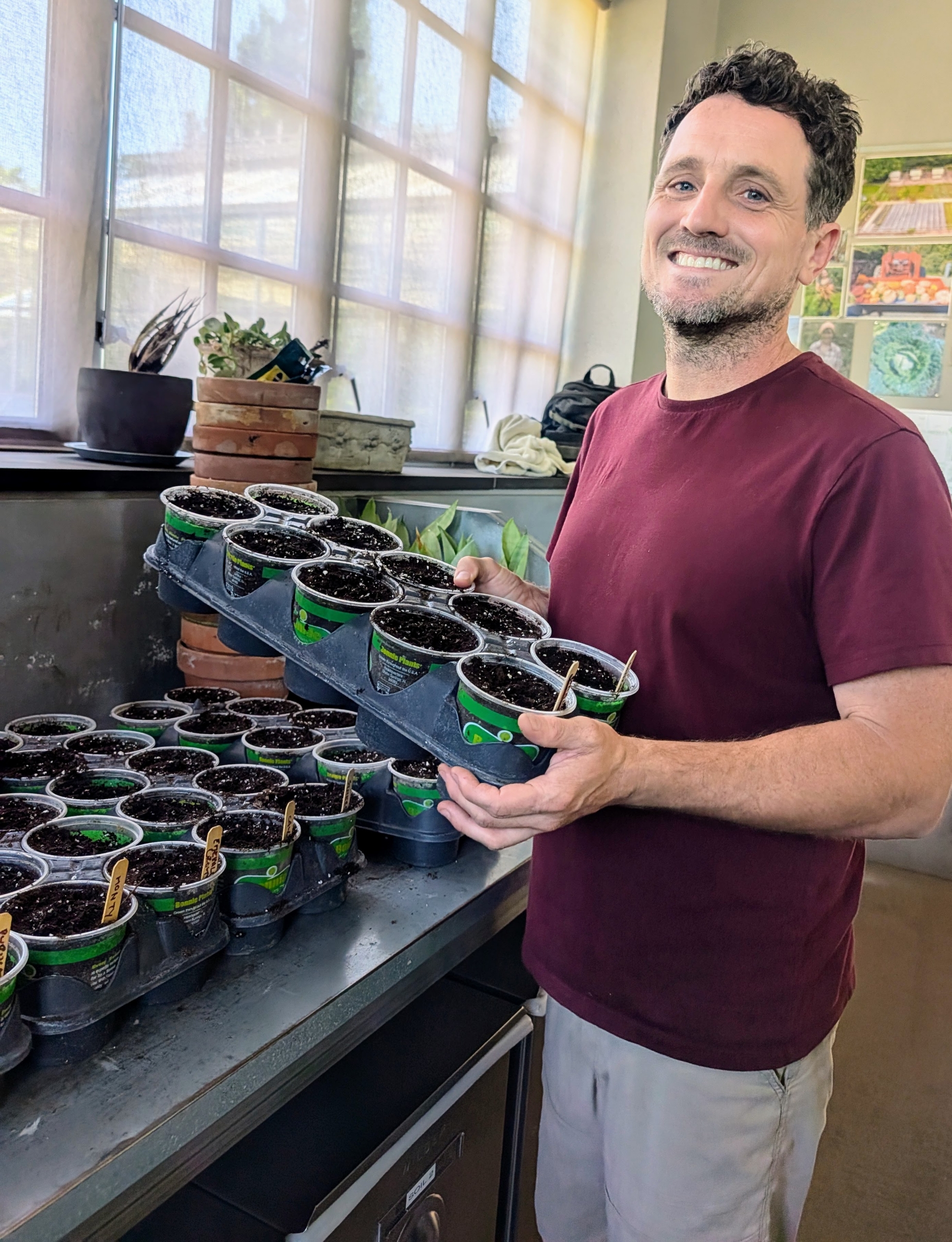
- Once all the pots of one type are filled, Ryan places a marker into the end pot, so it is clear what variety is growing in the row.
-
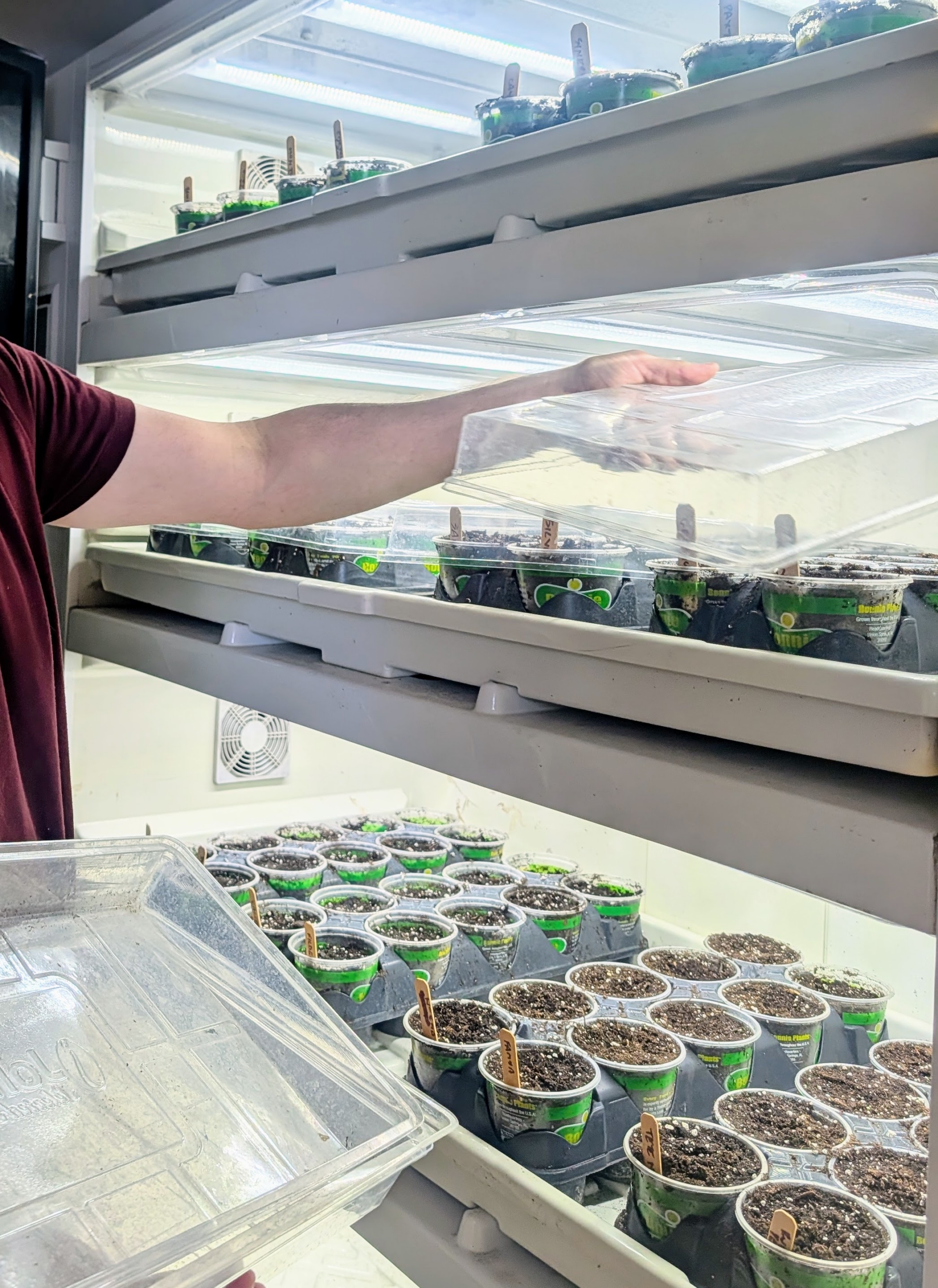
- Ryan then transports the pots to an Urban Cultivator growing system, which has water, temperature and humidity all set up in a refrigerator like unit.
-
- He covers the pots with plastic humidity domes until germination begins. These seedlings will remain in the greenhouse for another four to six weeks until they are ready to be separated and transplanted into the ground. We’ll be harvesting from the garden through the next season. Following one crop with another to maximize a garden’s yield is called succession planting.
-
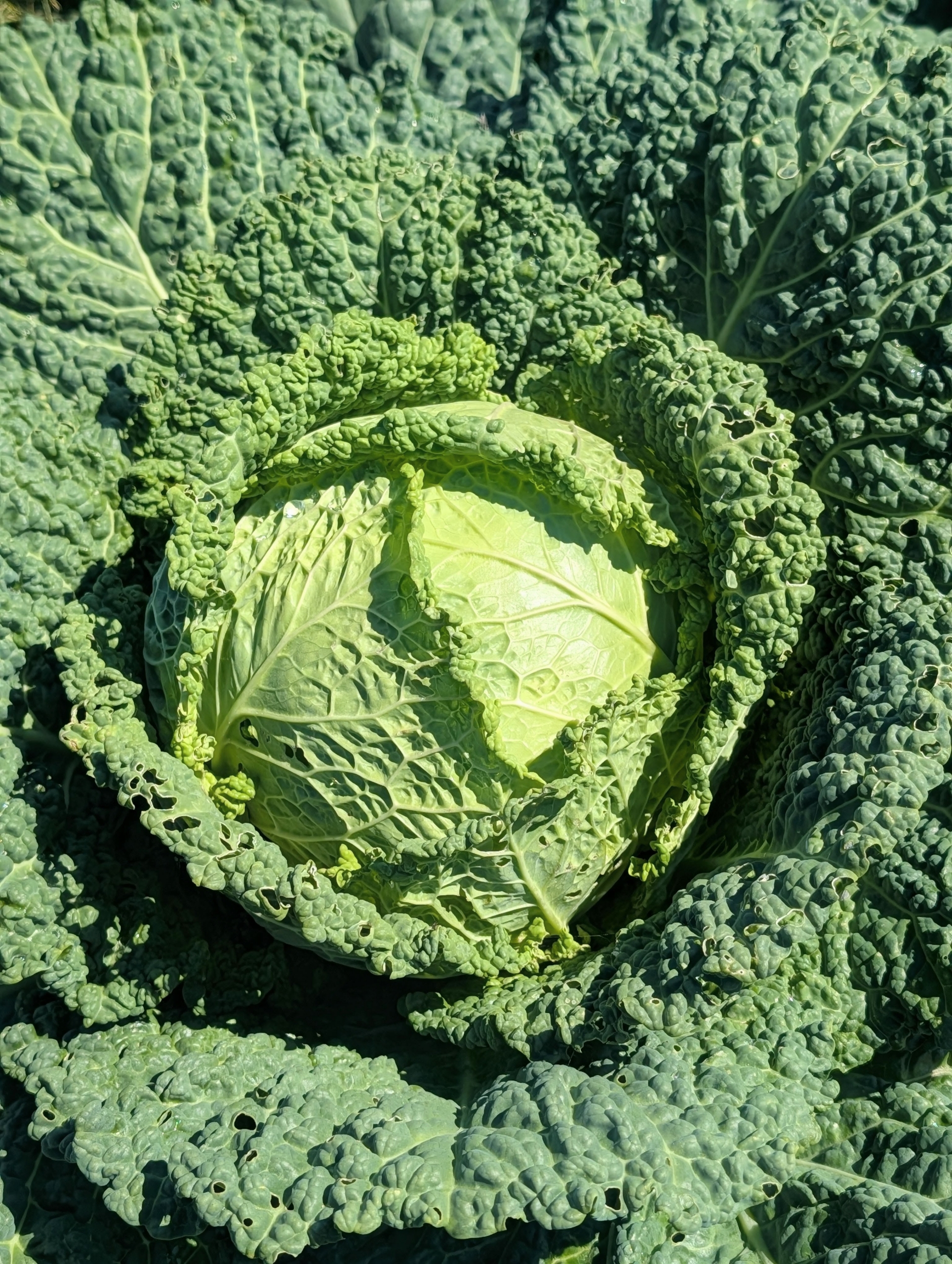
- Meanwhile, other brassicas are ready to pick. This is one of my cabbages. I grow Savoy, red, and green. Savoy cabbage leaves are ruffled and a bit yellowish in color. It has crinkled, emerald green leaves, and a mildly nutty and sweet flavor.
-
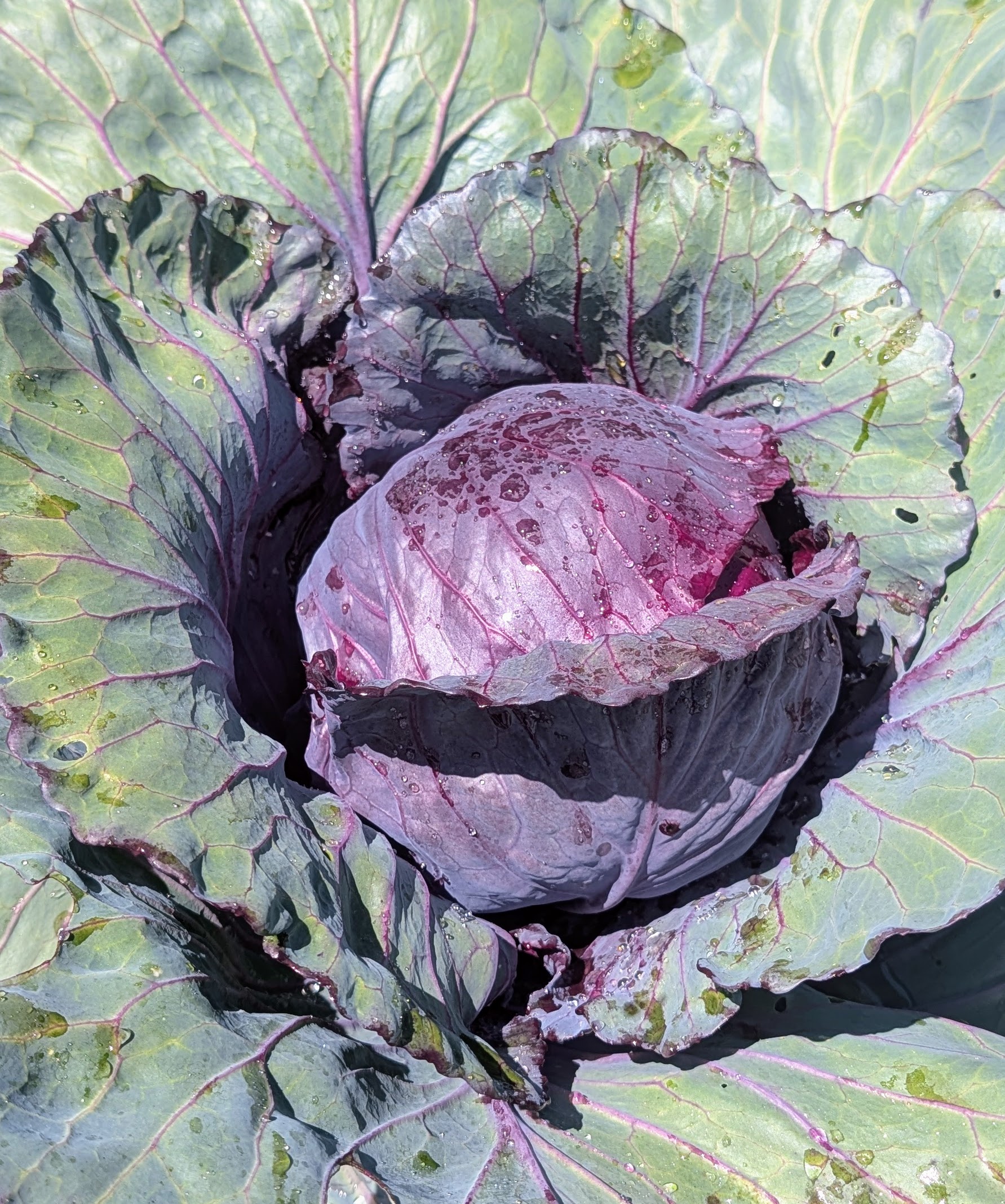
- Red, or purple, cabbage is often used raw for salads and coleslaw.
-
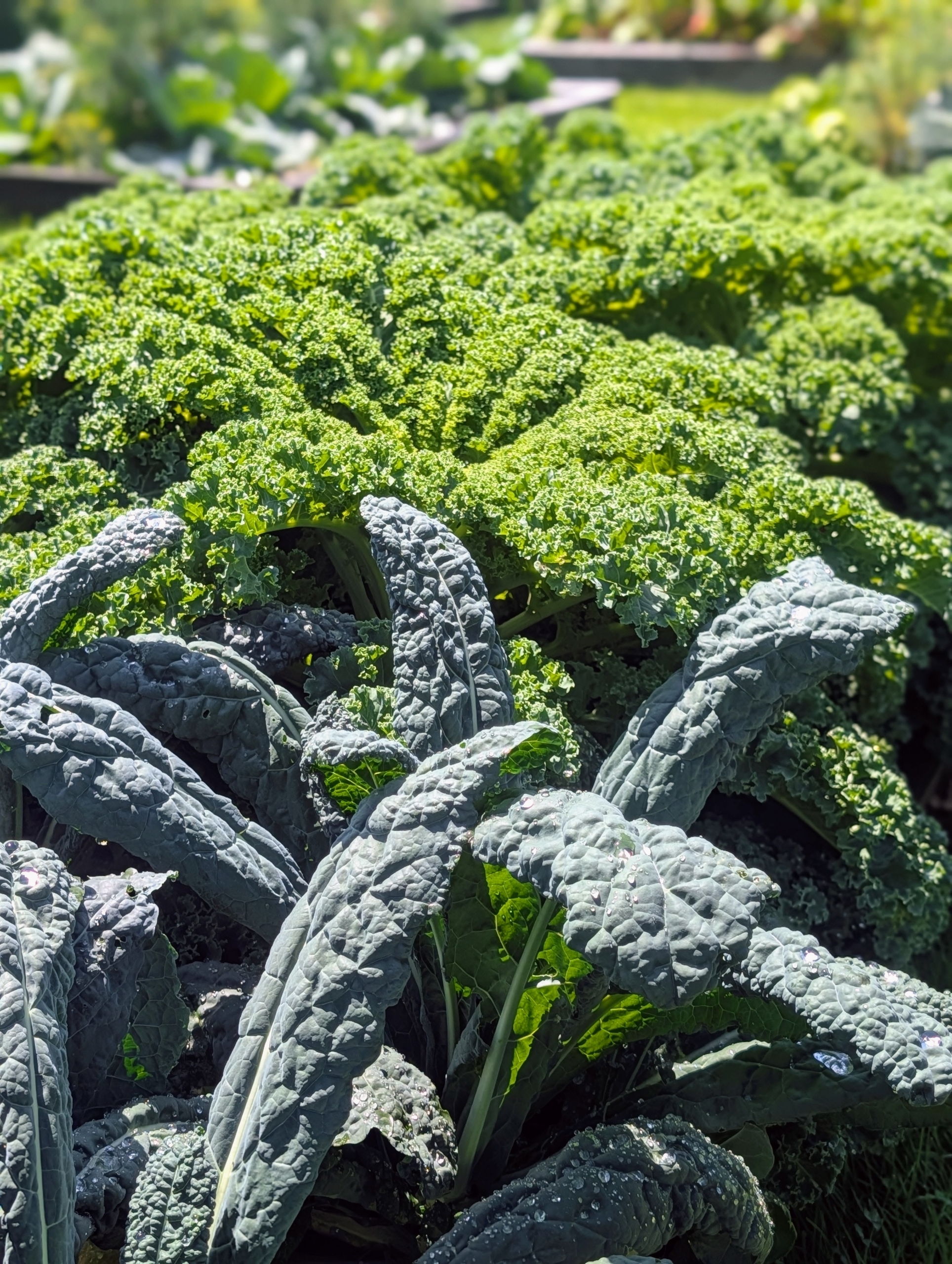
- Look how beautiful this crop of kale is. Kale or leaf cabbage is a group of vegetable cultivars within the plant species Brassica oleracea. They have purple or green leaves, in which the central leaves do not form a head.
-
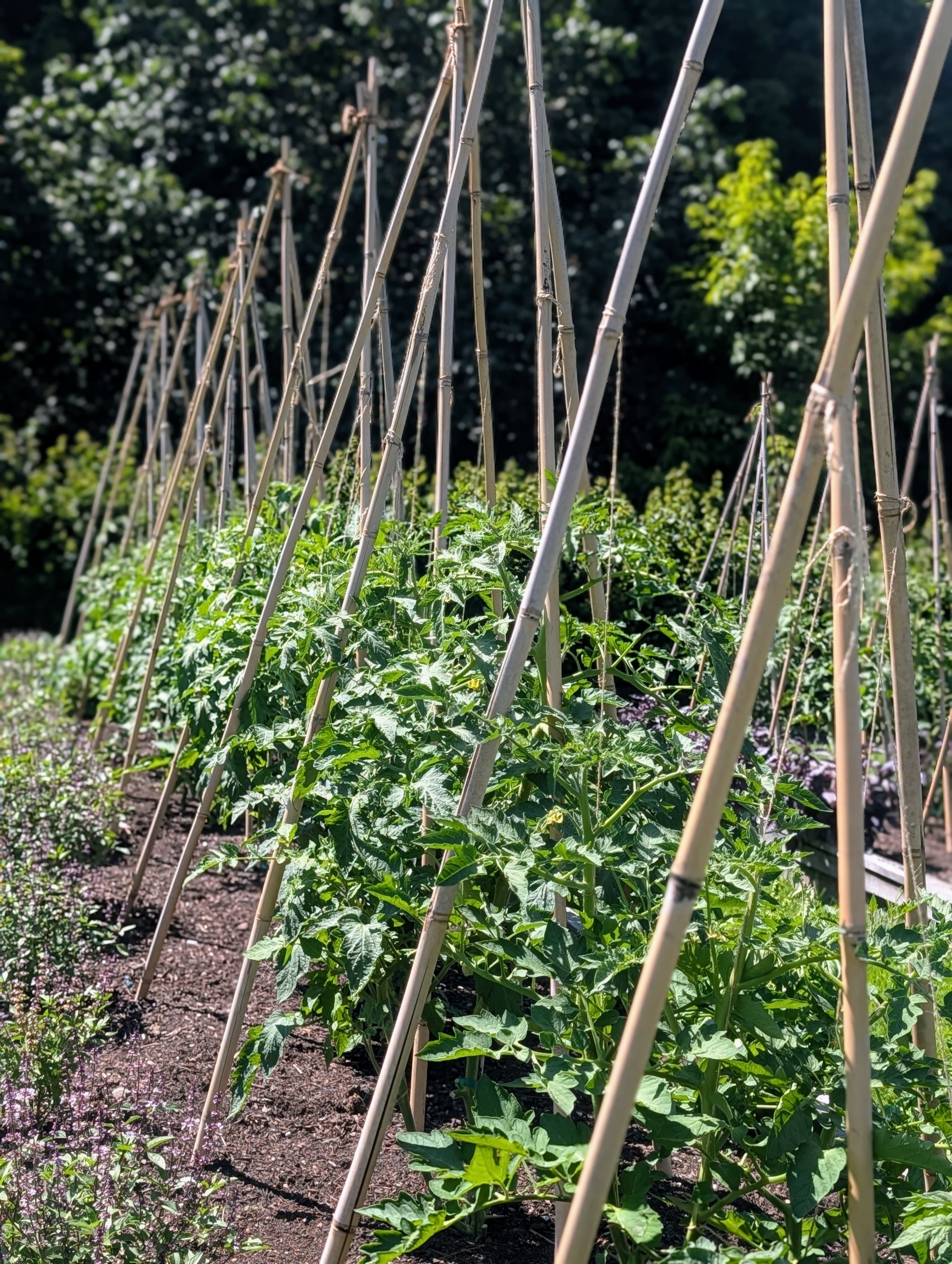
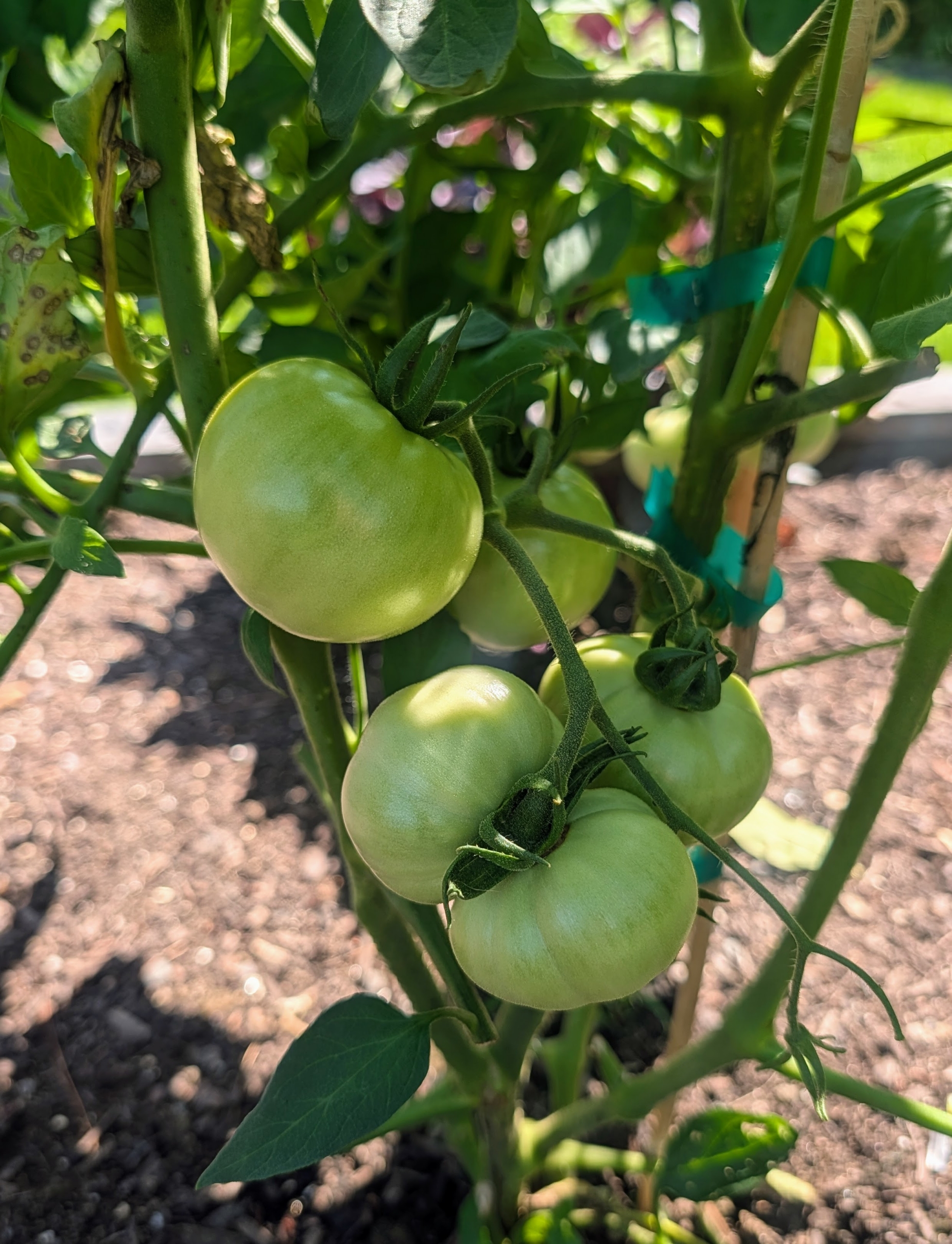
- I use bamboo stakes to support the vining tomato plants. The plants are growing so fast.
-
- Jute twine is used to keep the vines up and the tomatoes off the ground.
-
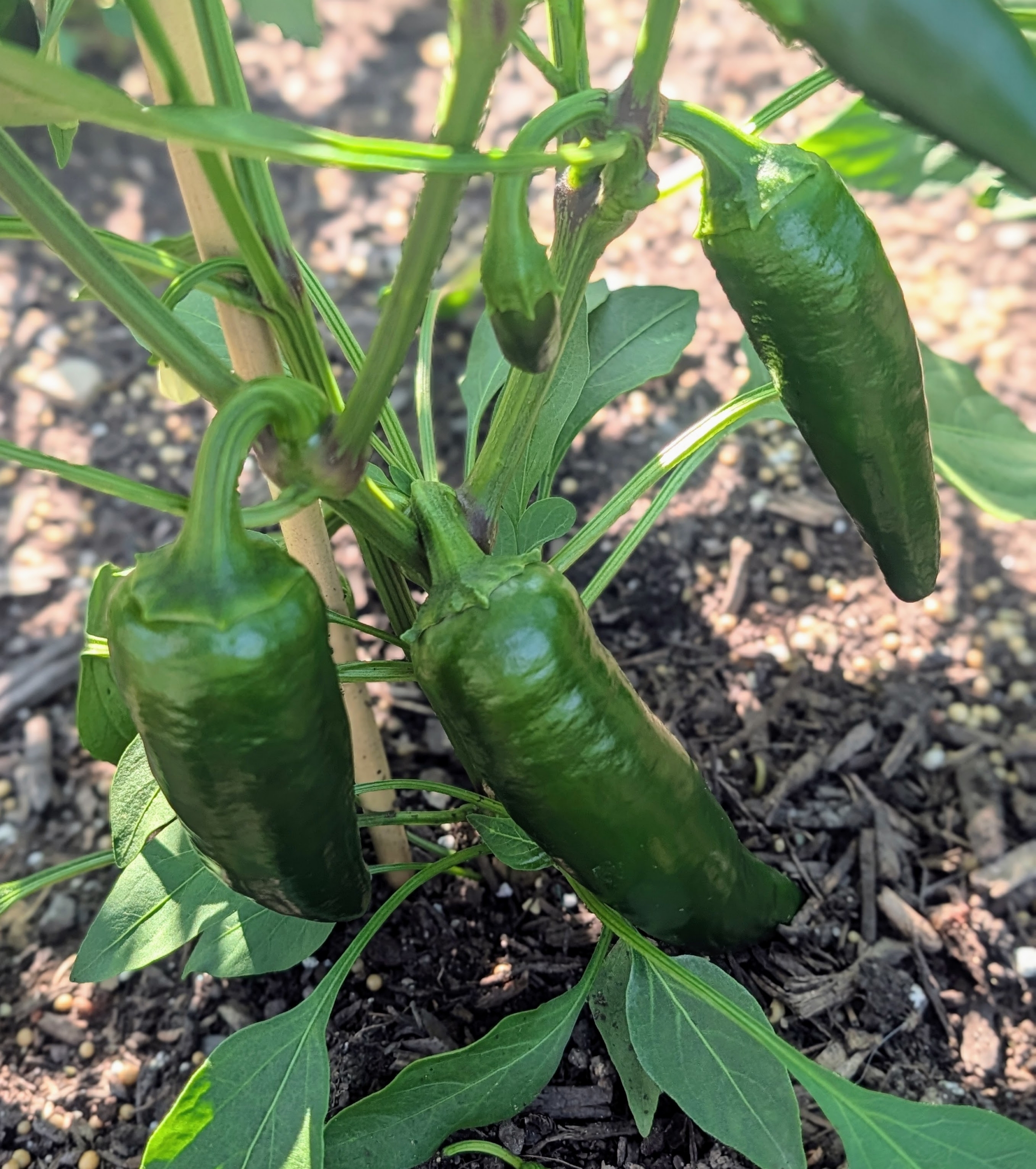
- I grow both hot and sweet peppers. If growing both, be careful when picking – keep the hot ones separated from the sweet, so there is no surprise in the kitchen.
-
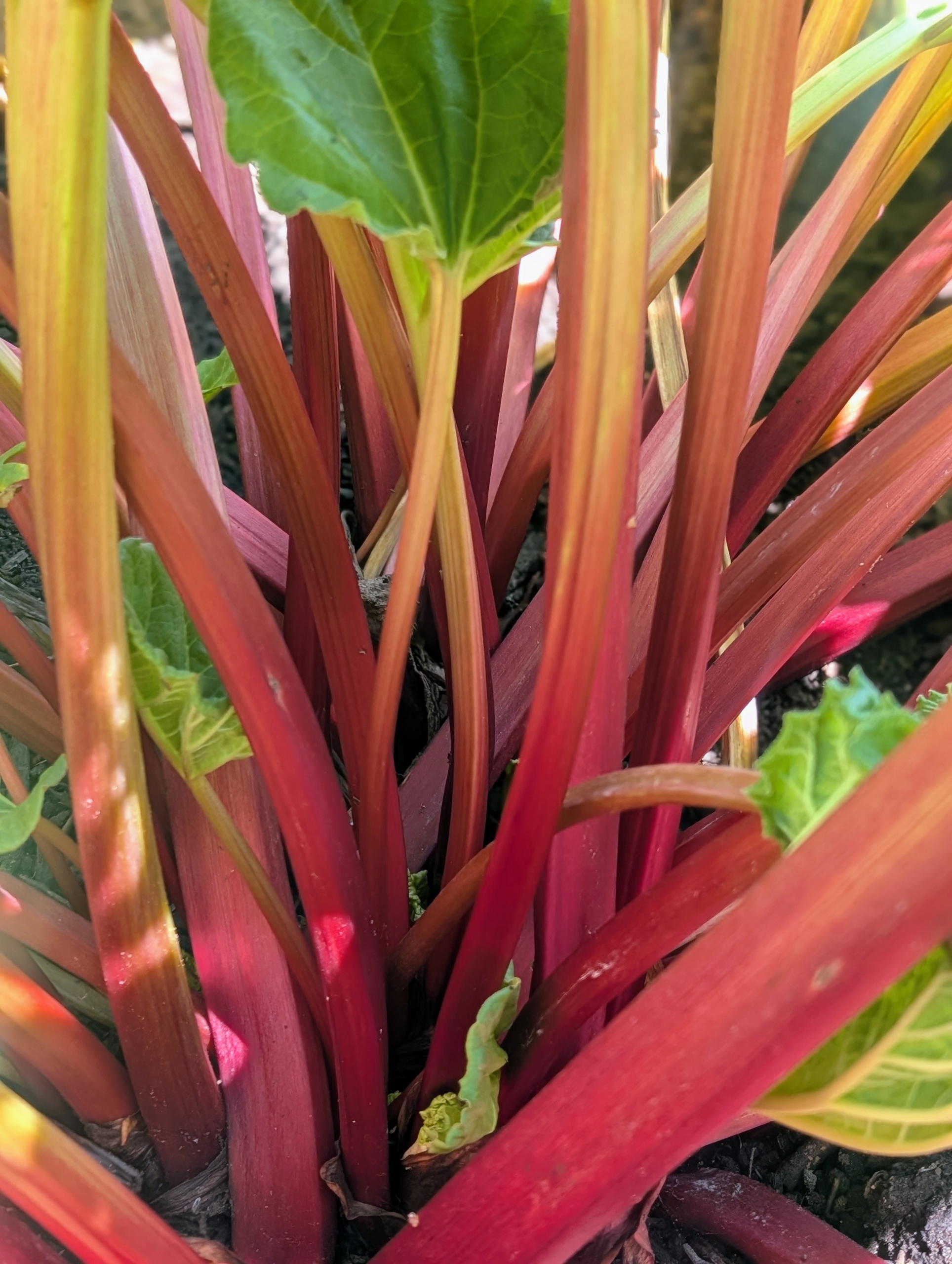
- Here are the colorful stalks of my rhubarb. The leaves are toxic because they contain high levels of oxalic acid, but the fleshy stalks of rhubarb can be cooked and used to make a variety of delicious pies, tarts, cakes, cobblers, crisps, and pavlovas.
-
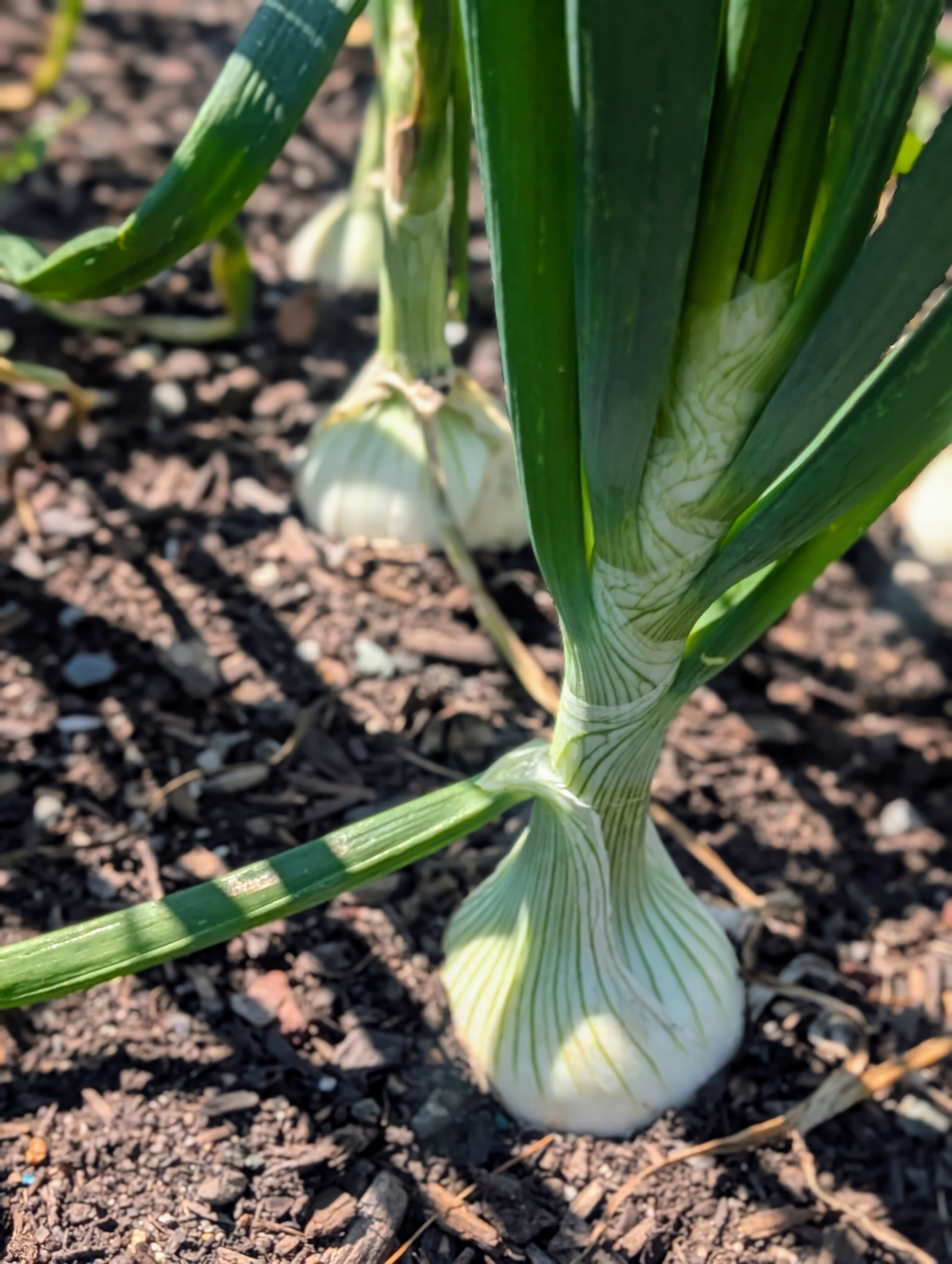
- And what a difference a few weeks make – my onions have really grown and will be ready to harvest soon. I plant a lot of white, yellow and red onions. Onions are harvested later in the summer when the underground bulbs are mature and flavorful.
-
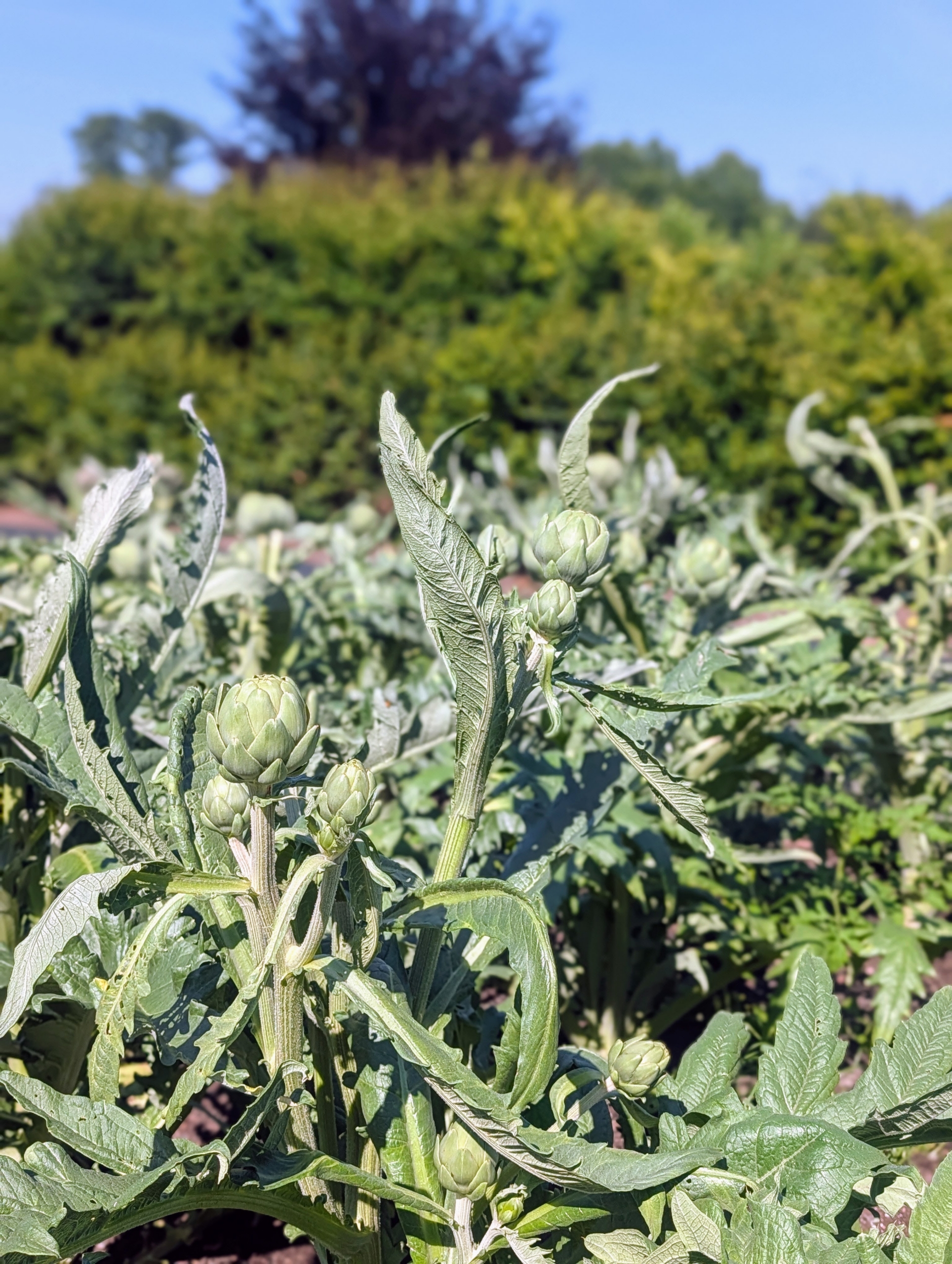
- Globe artichokes, Cynara scolymus, are popular in both Europe and the United States. Artichokes are actually the flower buds, which emerge from the center of the plants. I have so many!
-
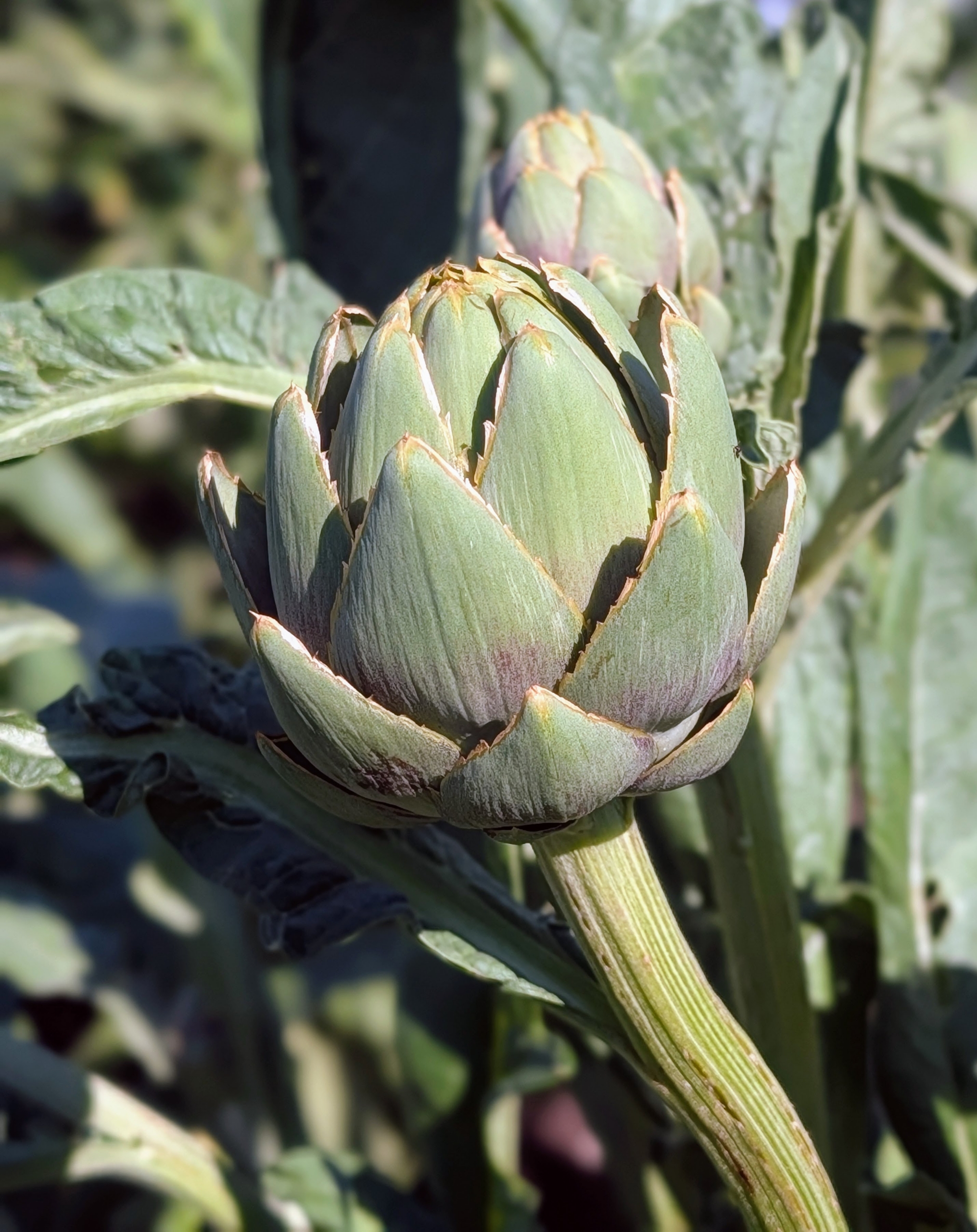
- Buds are generally harvested once they reach full size, just before the bracts begin to spread open. I like to harvest them when they are still small.
-
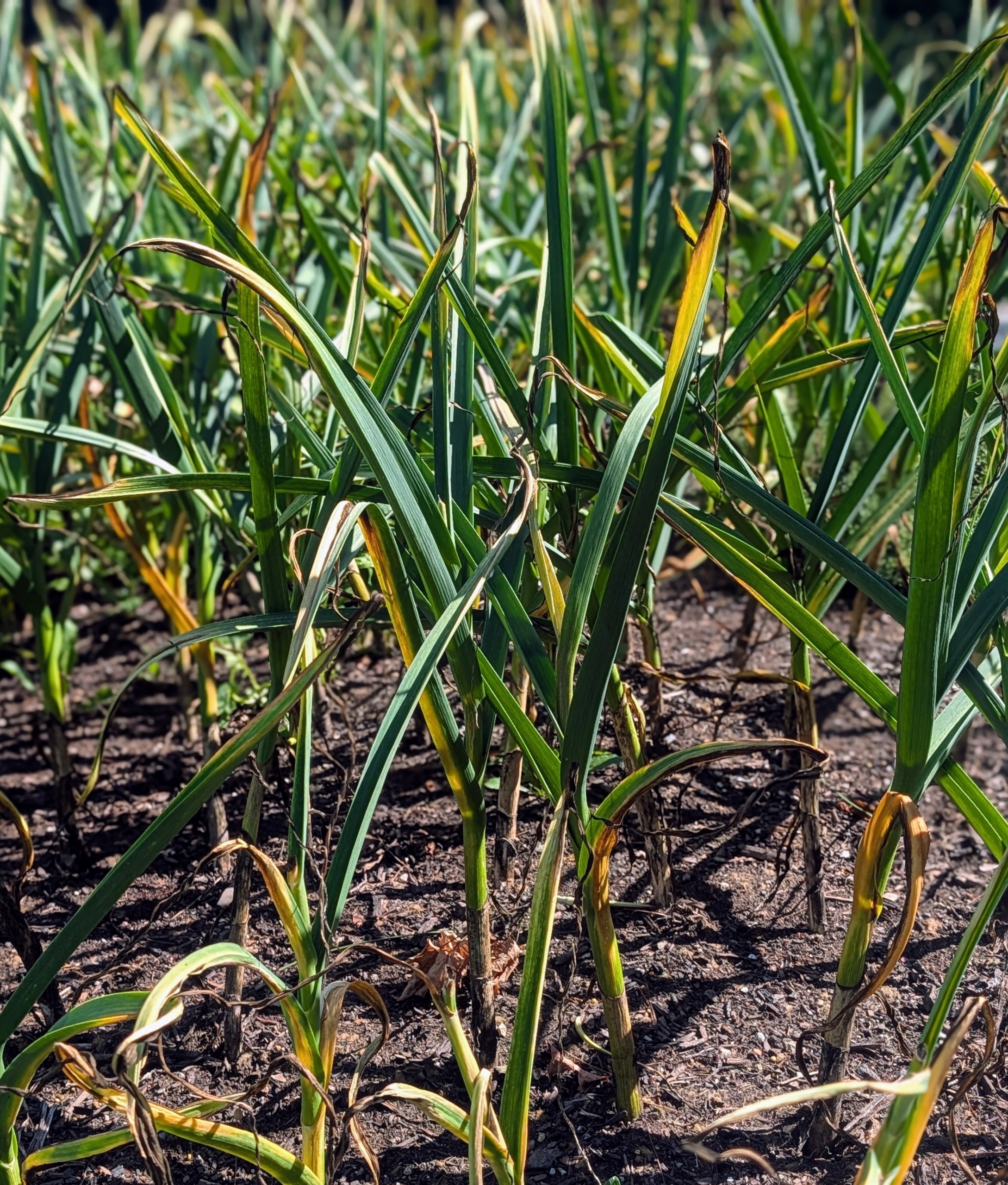
- The garlic will also be harvested soon. We’ve had lots of rain recently, so we’re waiting for some hot dry weather. The real indicator is the plant itself – when the bottom leaves have turned brown, and the top leaves are still green.
-
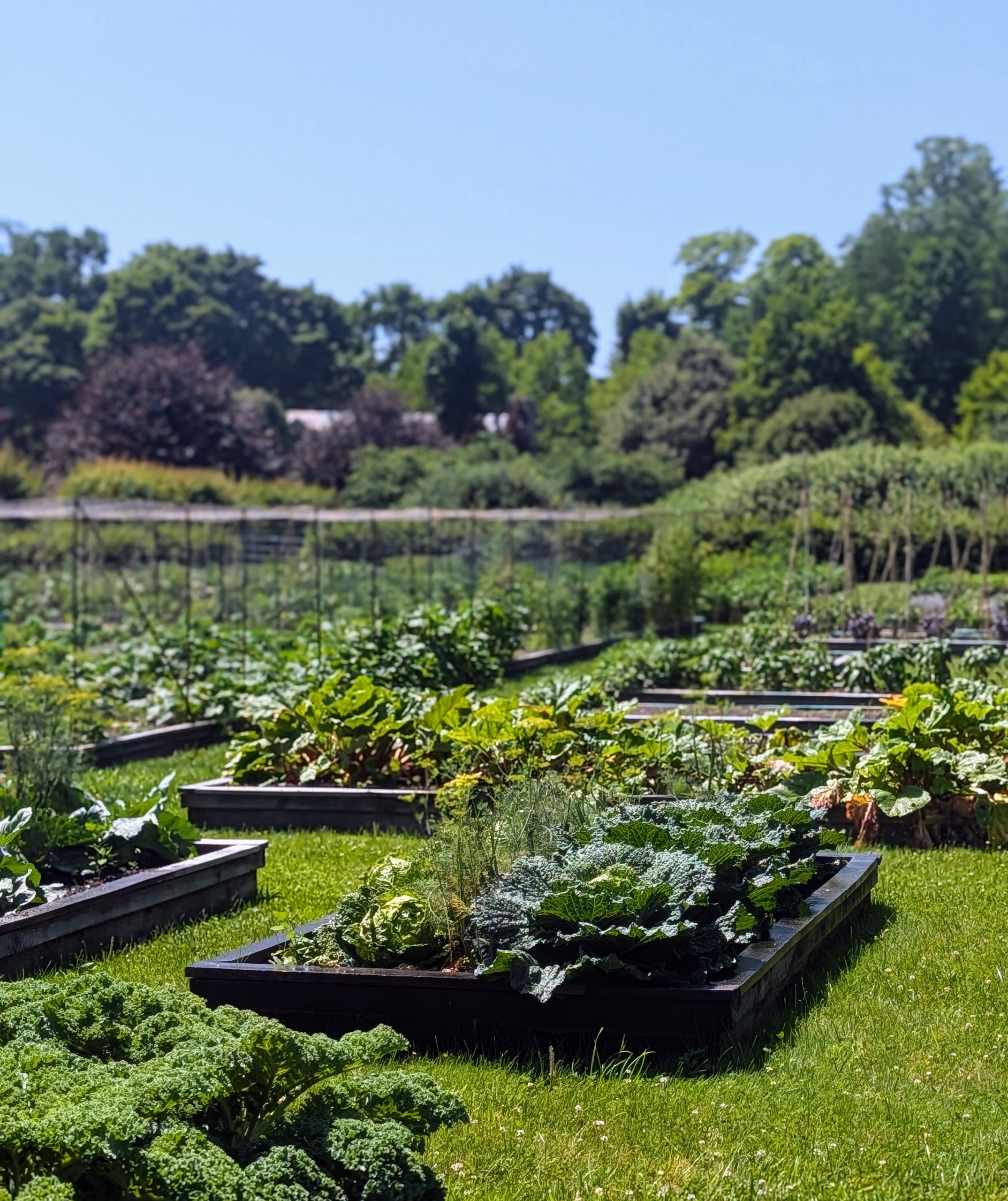
- Early July brings long days and steady warmth, helping everything to mature so well. I hope all your gardens are looking great this season!
 Martha Pins


 Martha Tweets

