

What Fruits Are Growing at My Farm?
It's looking like a strong year for fruits here at my farm - the trees and bushes are full!
Fresh fruit is one of nature's most delicious products. This season, we've already picked many raspberries, strawberries, and currants, but all the others - the blueberries, peaches, apricots, plums, apples, and pears are developing so nicely. I have an orchard full of more than 200 different fruit trees. I also have fruits growing on espaliers and in tree groves - those I've established, and those that are original to the farm. It's always exciting to see how they grow and then eat them fresh after picking.
Here's what's growing now. Enjoy these photos.
-

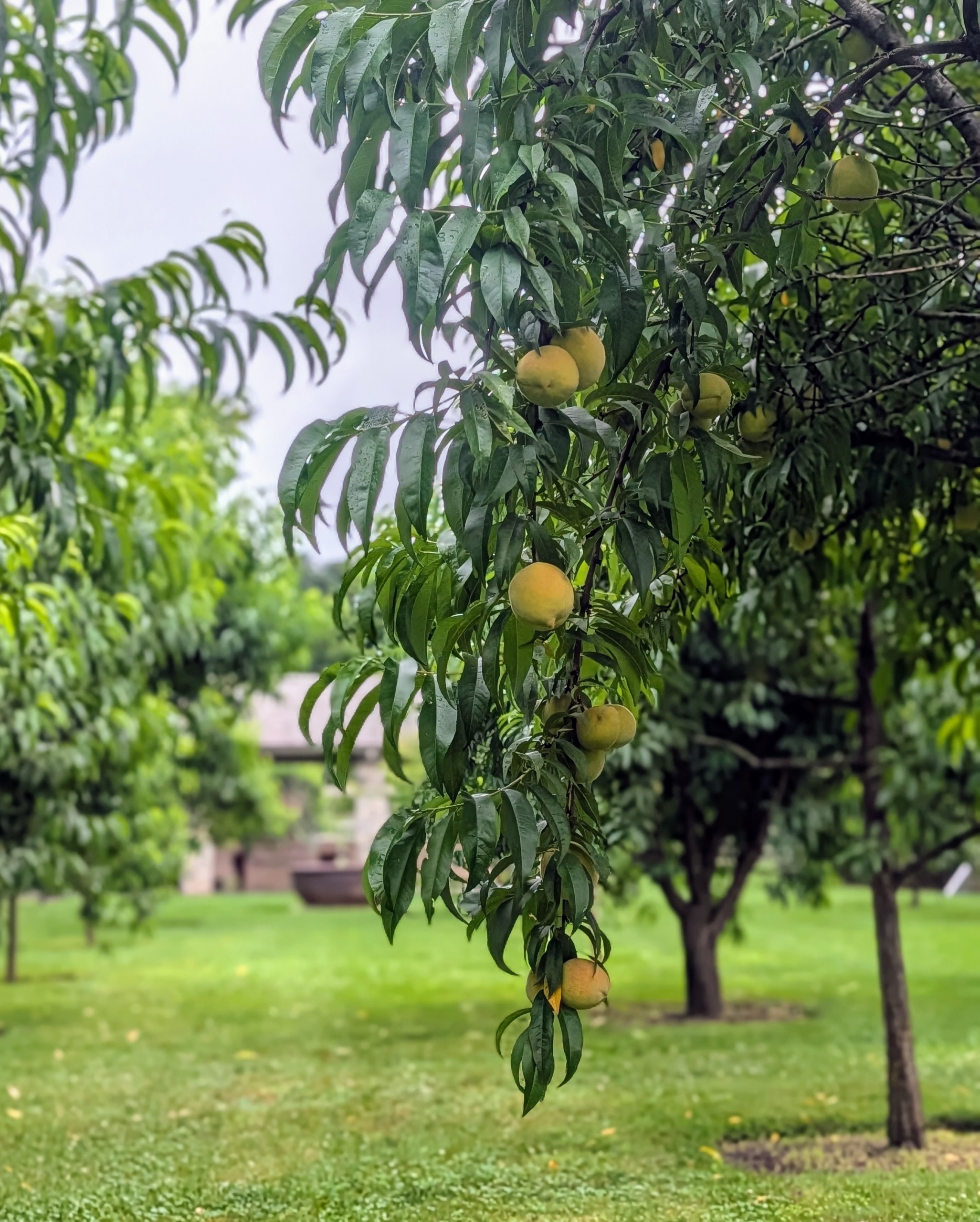
- Walking into my orchard these days, one cannot miss all the beautiful peaches on my trees. Every one is filled with developing fruit.
-
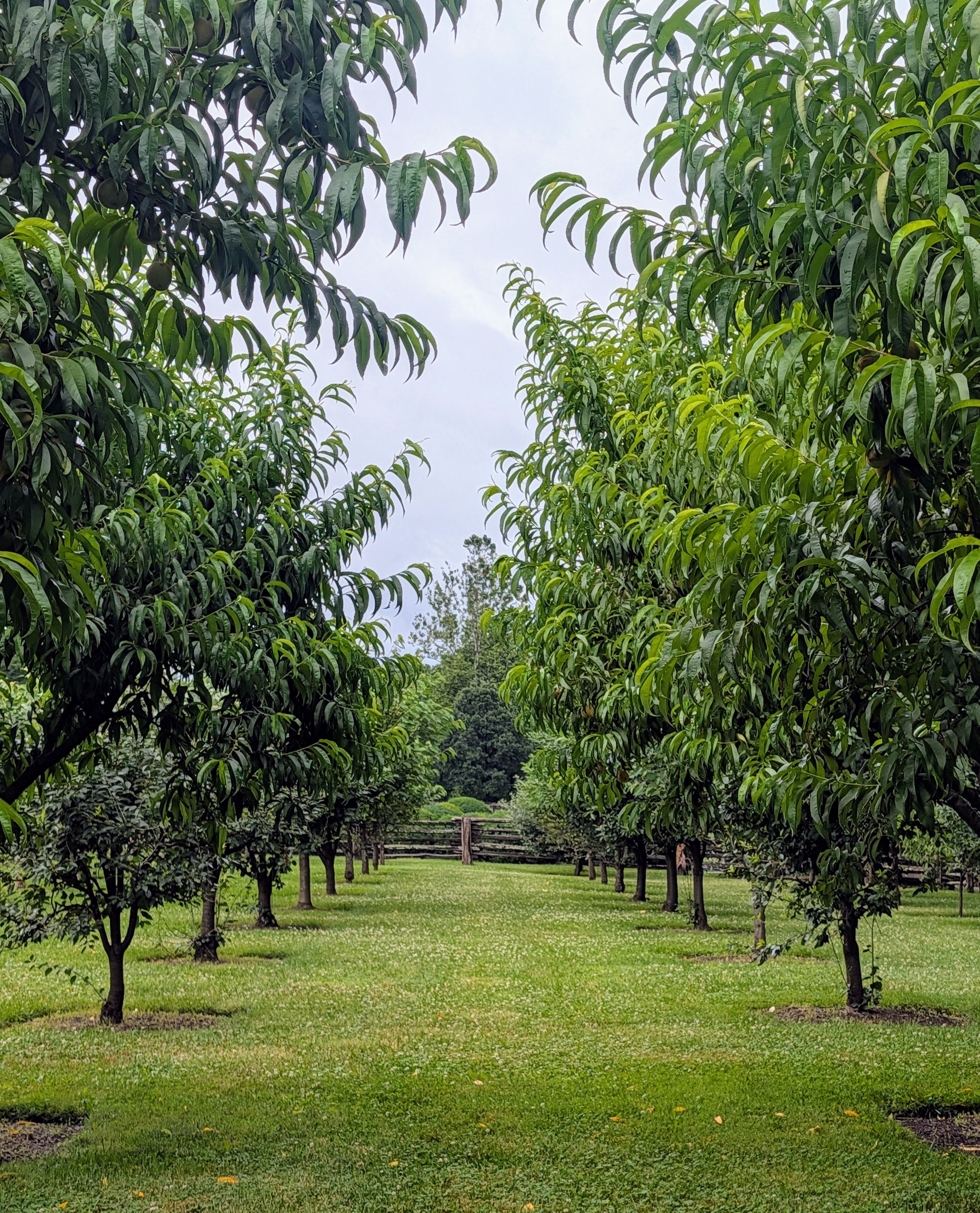
- This orchard surrounds three sides of my pool. Many of the trees here were bare-root cuttings I nurtured in pots before planting. Now, they are much taller and so lush. When choosing to grow fruit stock, it is important to select those that are best for your area’s climate and soil.
-
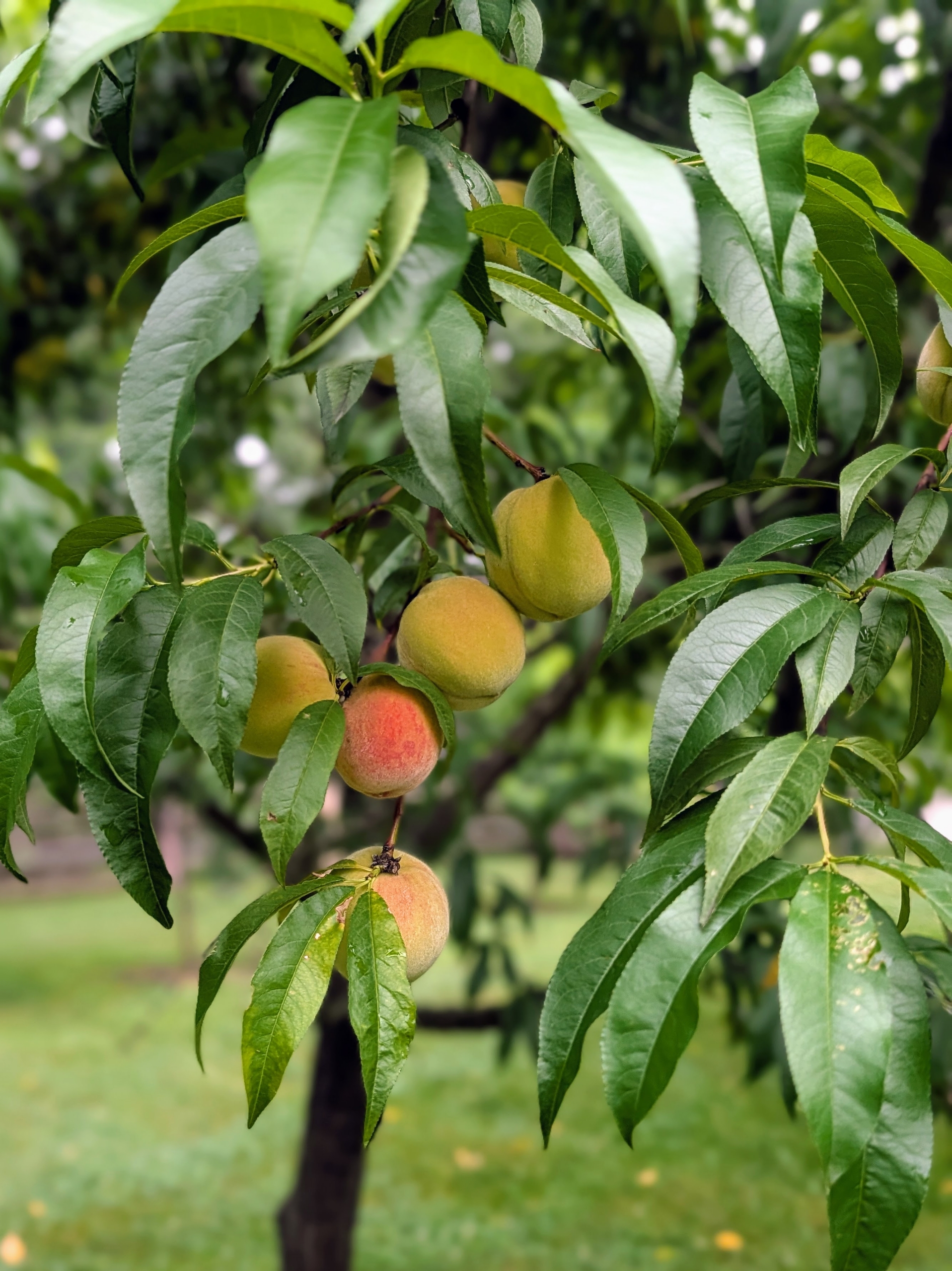
- Here are more peaches. Peaches get their pinkish hue from anthocyanins, a class of water‑soluble pigments. When the peaches ripen, the chlorophyll, which gives them the green color, breaks down showing the anthocyanins. The amount and type of anthocyanins present determine how deep and vivid the pink or red blush will be.
-
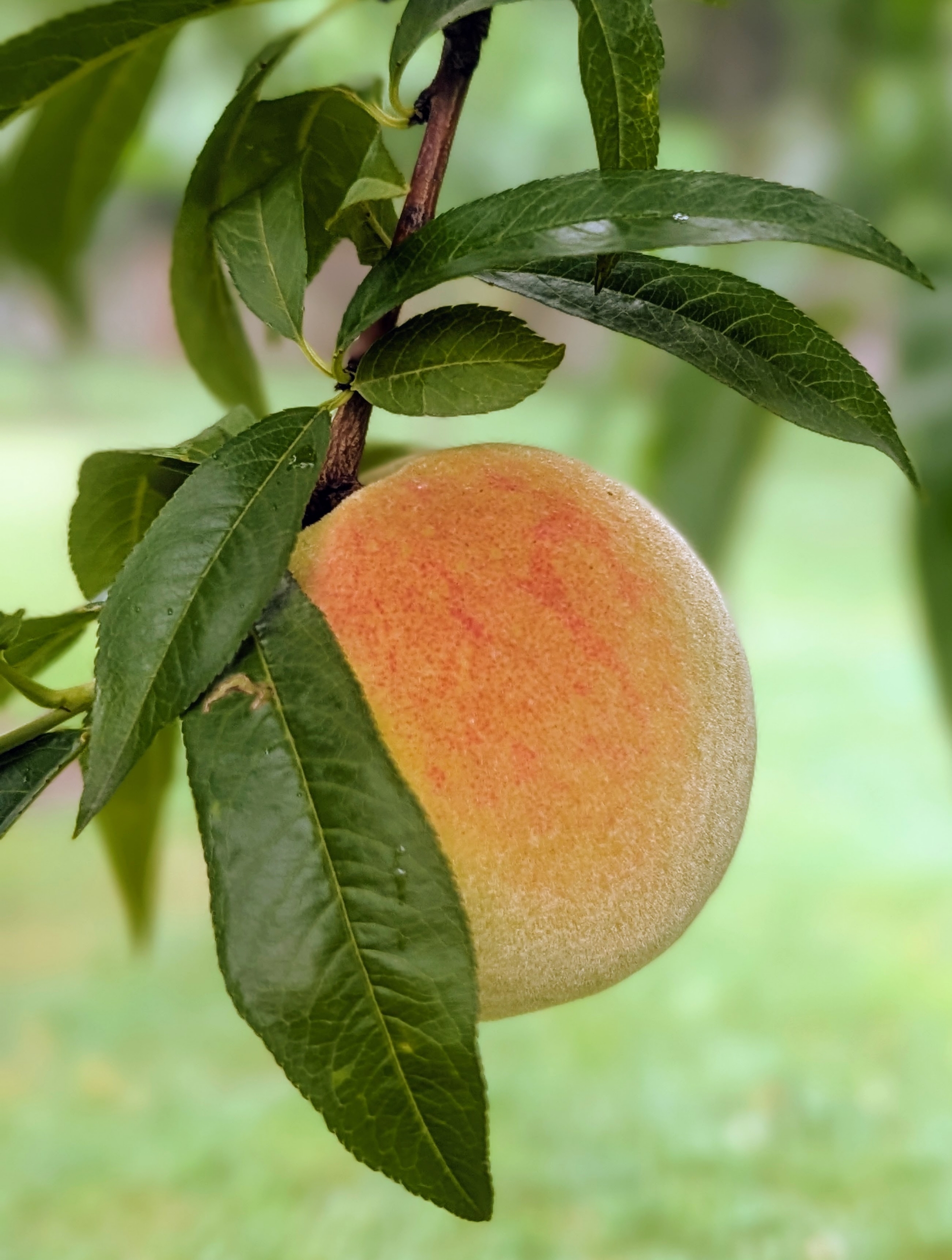
- Look how beautiful this fruit is. Some of the peach varieties include ‘Garnet Beauty’, ‘Lars Anderson’, ‘Polly’, ‘Red Haven’, and ‘Reliance’.
-
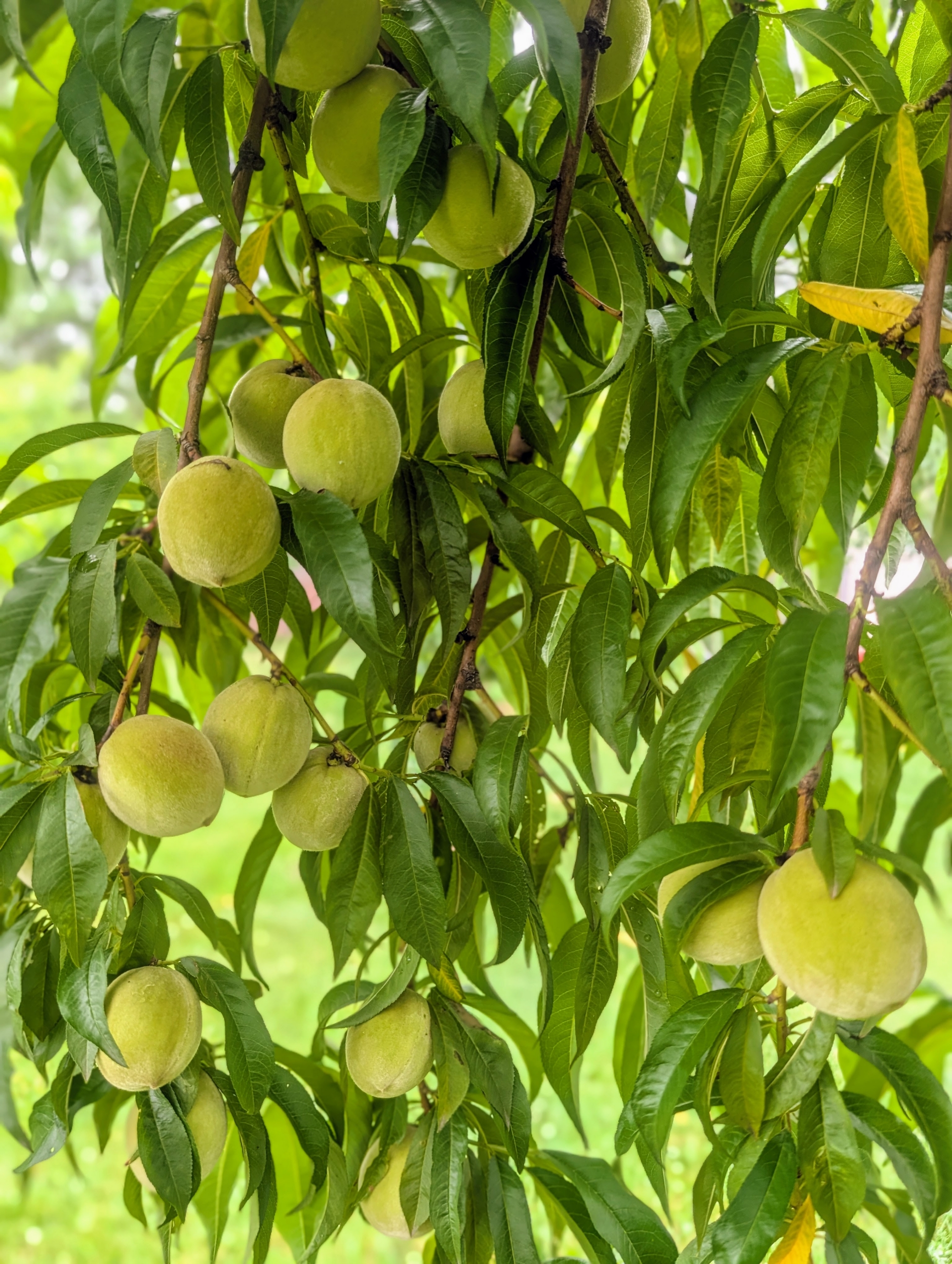
- They won’t be ready for some weeks, but they’re all thriving. Peaches love an area where they can soak up the sunshine throughout the whole day. Everyone at the farm waits eagerly for peach harvest time.
-
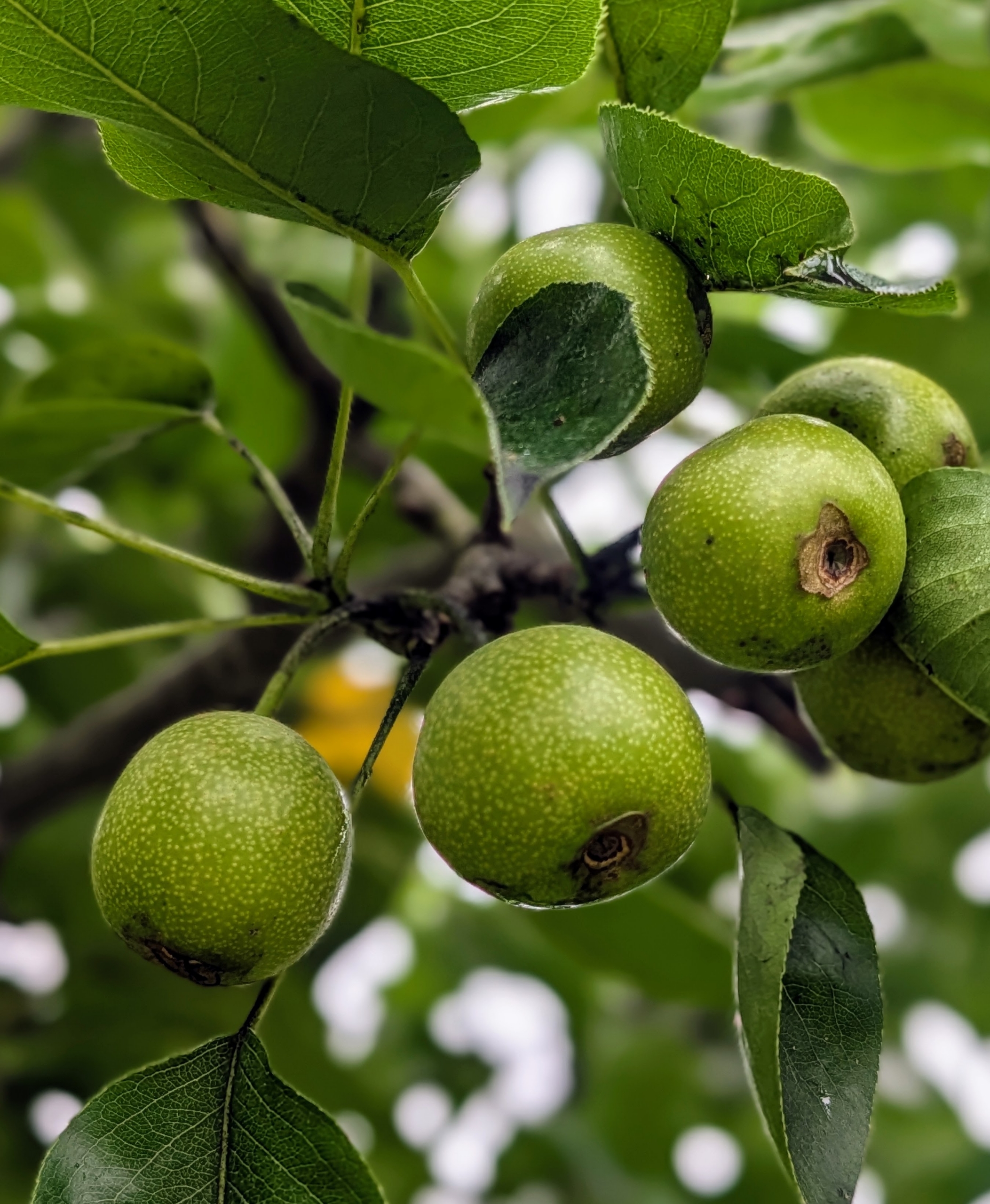
- I also planted many types of Asian pear, Pyrus pyrifolia, which is native to East Asia. These trees include Hosui, Niitaka, Shinko, and Shinseiko. Asian pears have a high water content and a crisp, grainy texture, which is very different from the European varieties.
-
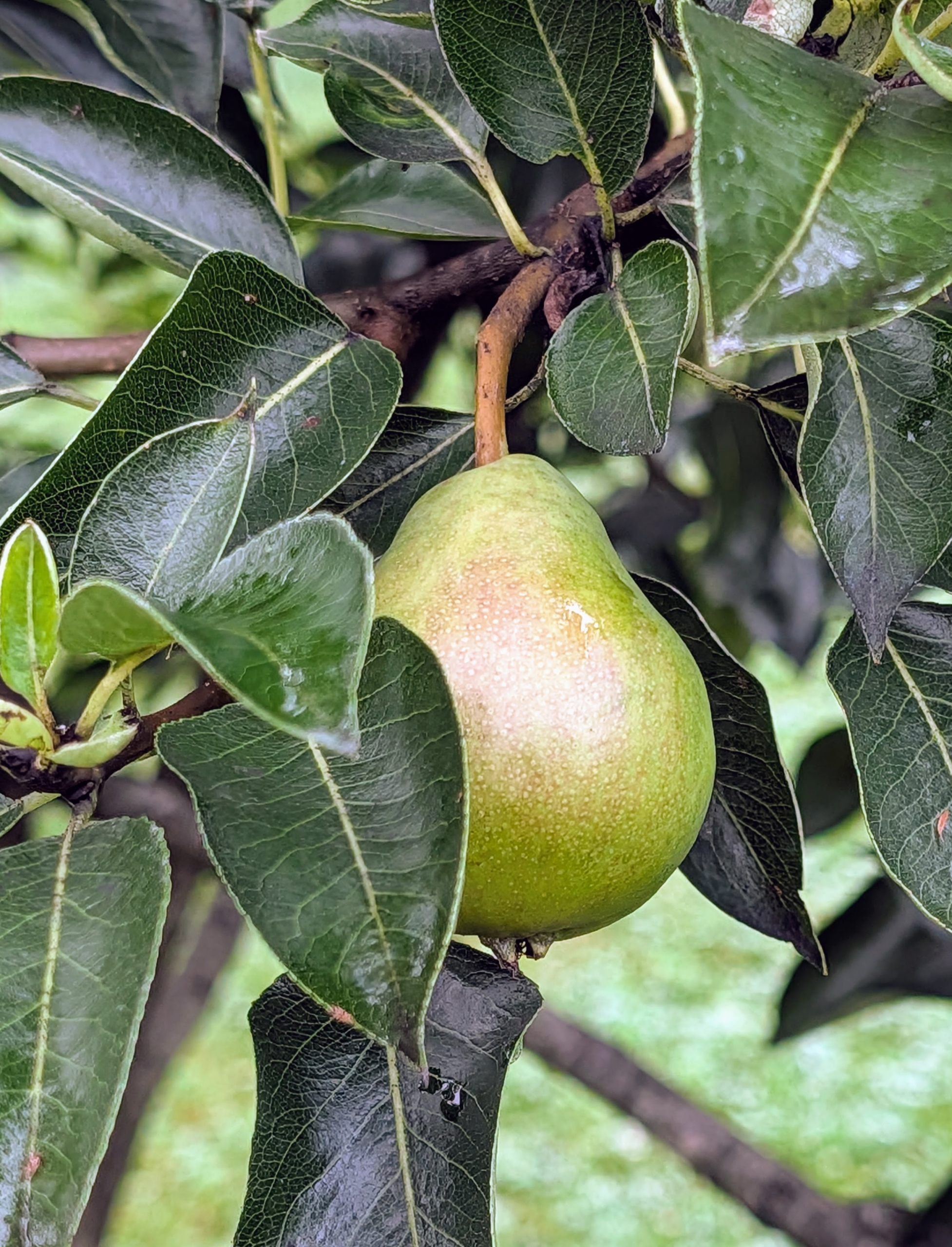
- Some of the other pears in the orchard are ‘Bosc,’ ‘Bartlett’, ‘Columbia’, ‘D’Amalis’, ‘Ginnybrook’, ‘McLaughlin’, ‘Nova’, ‘Patten’, ‘Seckel’, ‘Stacyville’, and ‘Washington State’.
-
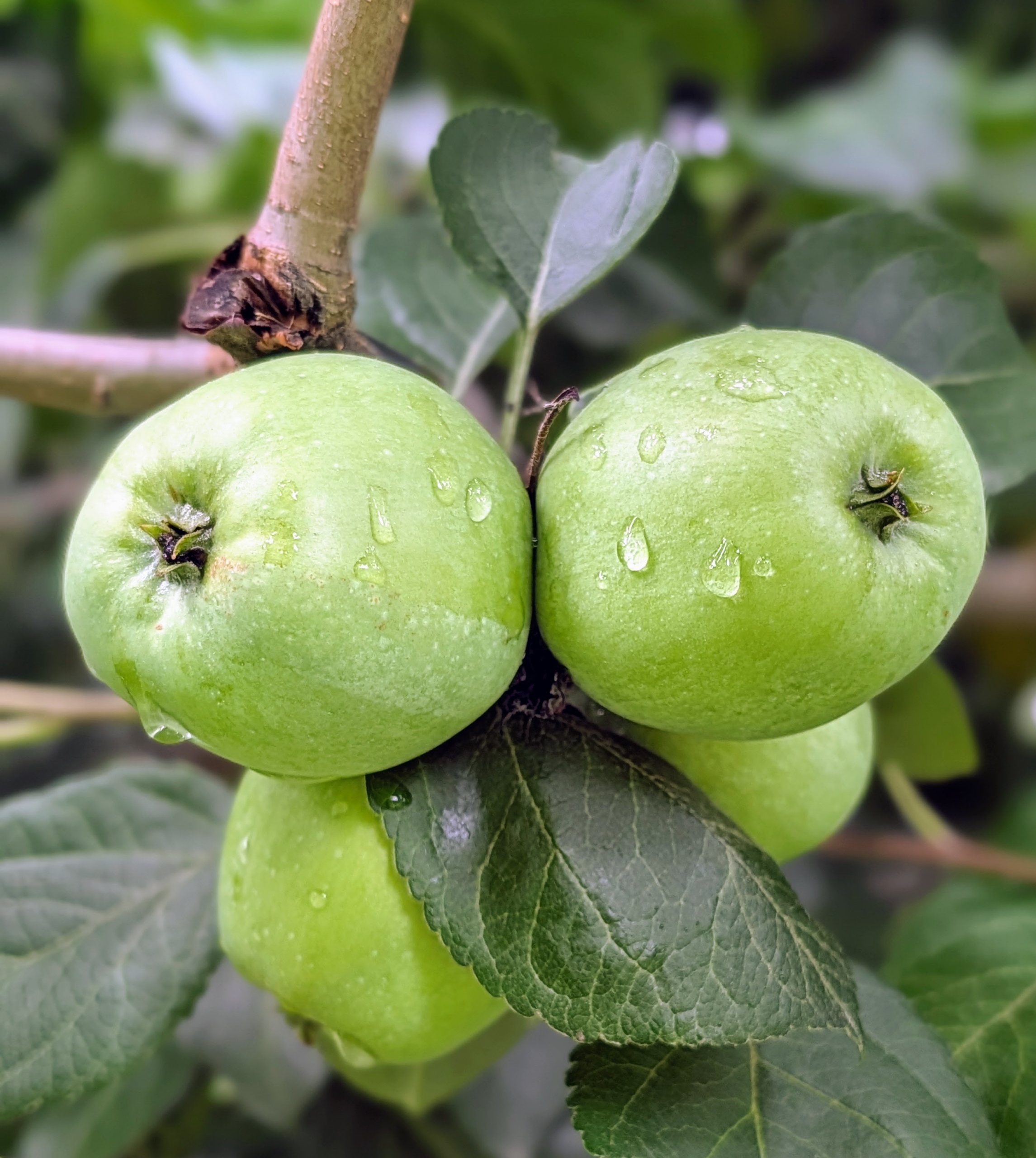
- And don’t forget the apples – I have an entire section of the orchard dedicated to delicious, sweet apples. When selecting a place to plant an apple tree, choose a north- or east-facing slope. These orchard apple trees include: ‘Baldwin’, ‘Black Oxford’, ‘Cortland’, ‘Cox’s Orange Pippin’, ‘Esopus Spitzenburg’, ‘Fuji’, ‘Golden Russet’, ‘Grimes Golden’, ‘Honeycrisp’, ‘Liberty’, ‘Redfield’, ‘Roxbury Russet’ ‘Windham Russet’, and more.
-
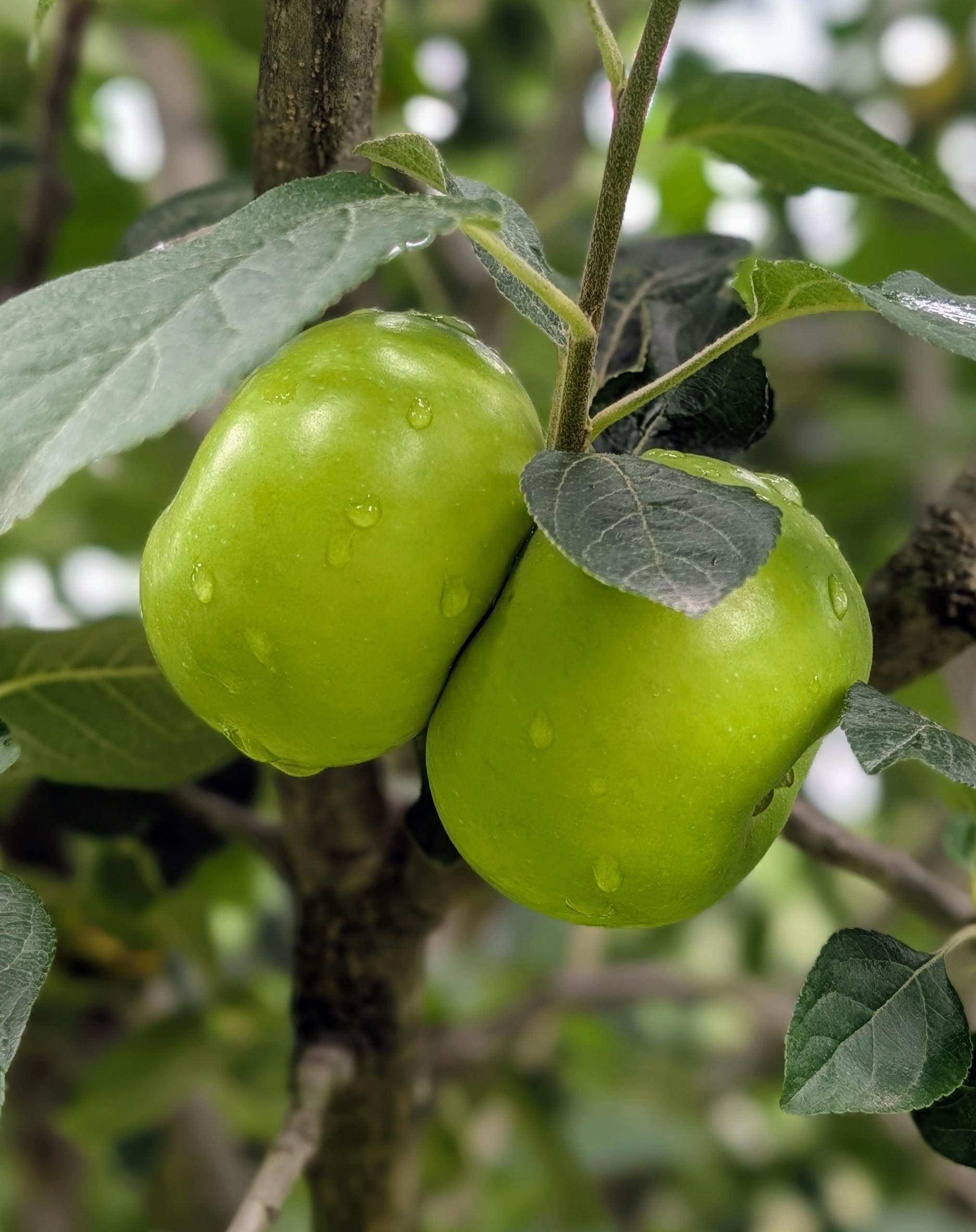
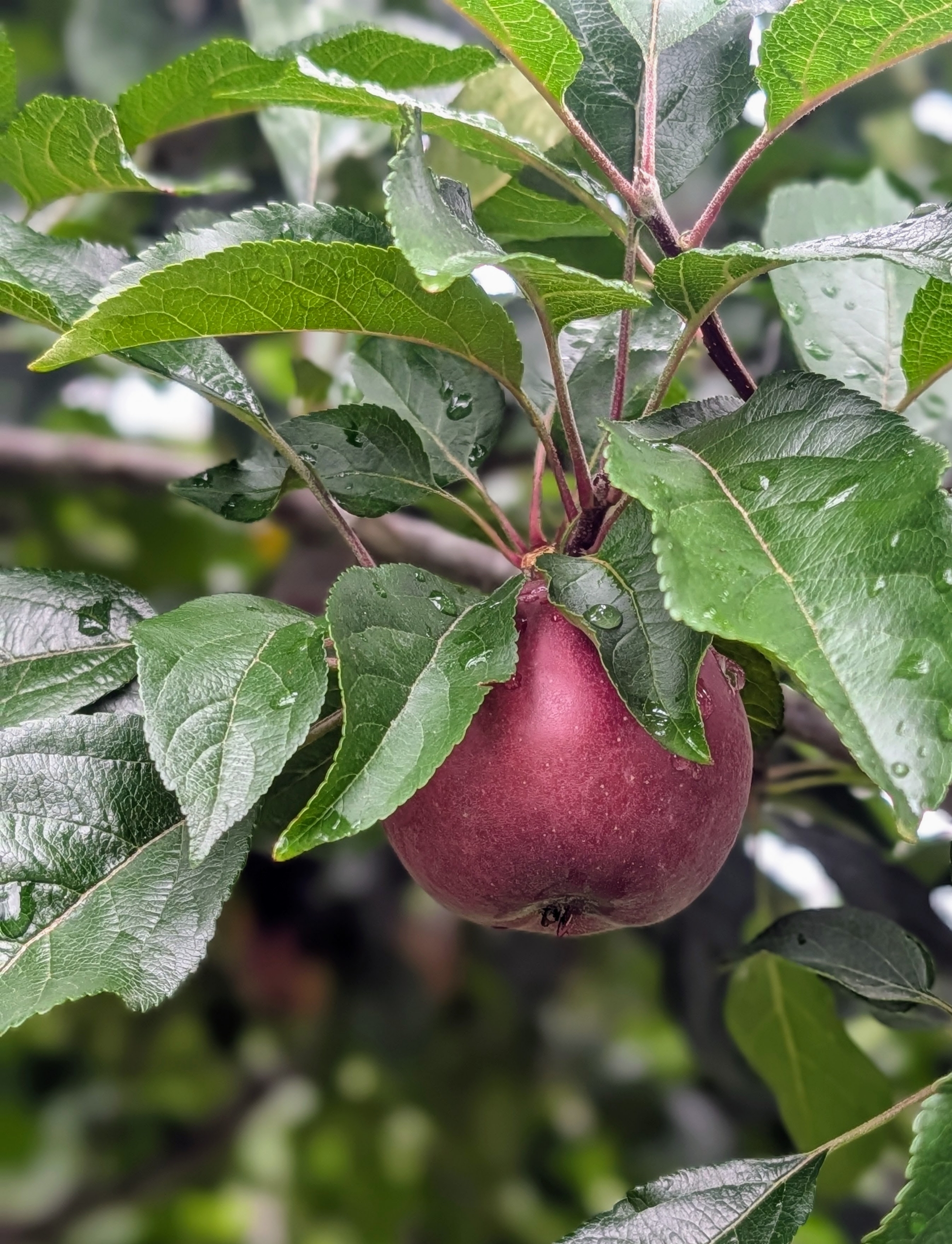
- But my apples are not just in the orchard. I grow hundreds of apple trees – some that were here when I acquired the property and others I planted soon after moving here.
-
- Many ask what I do with all the apples. It’s become a family tradition to have my granddaughter, Jude, come up with friends for a weekend in autumn to manually press as many apples as possible, making quarts and quarts of cider. It’s so delicious.
-
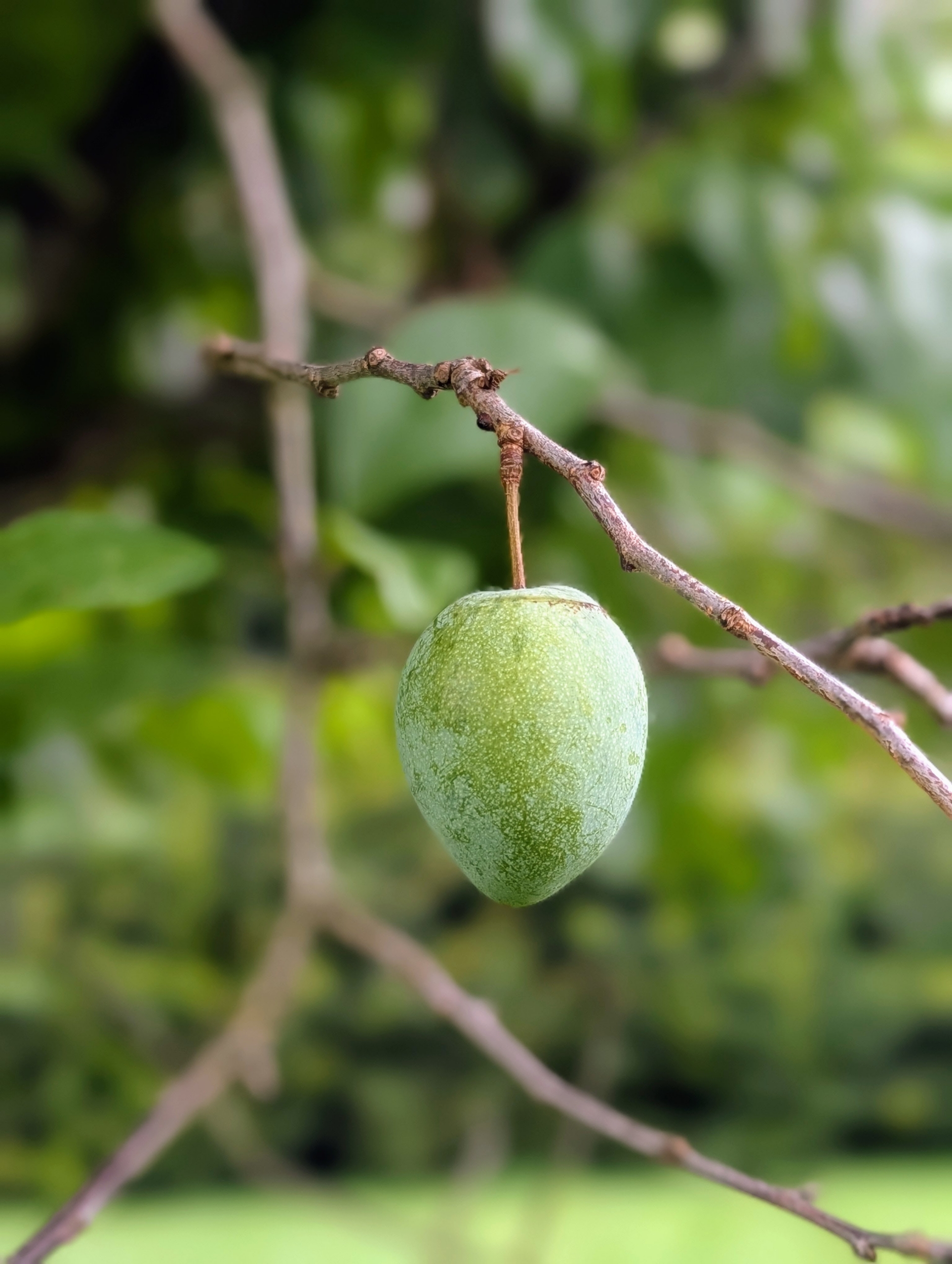
- This is a plum. My plum varieties include ‘Green Gage’, ‘Mount Royal’, ‘NY9’, and ‘Stanley’. I also grow various plum hybrids, such as ‘Black Ice’, ‘Grenville’, ‘Kaga’, ‘Pipestone’, ‘Toka’, and ‘Waneta’.
-
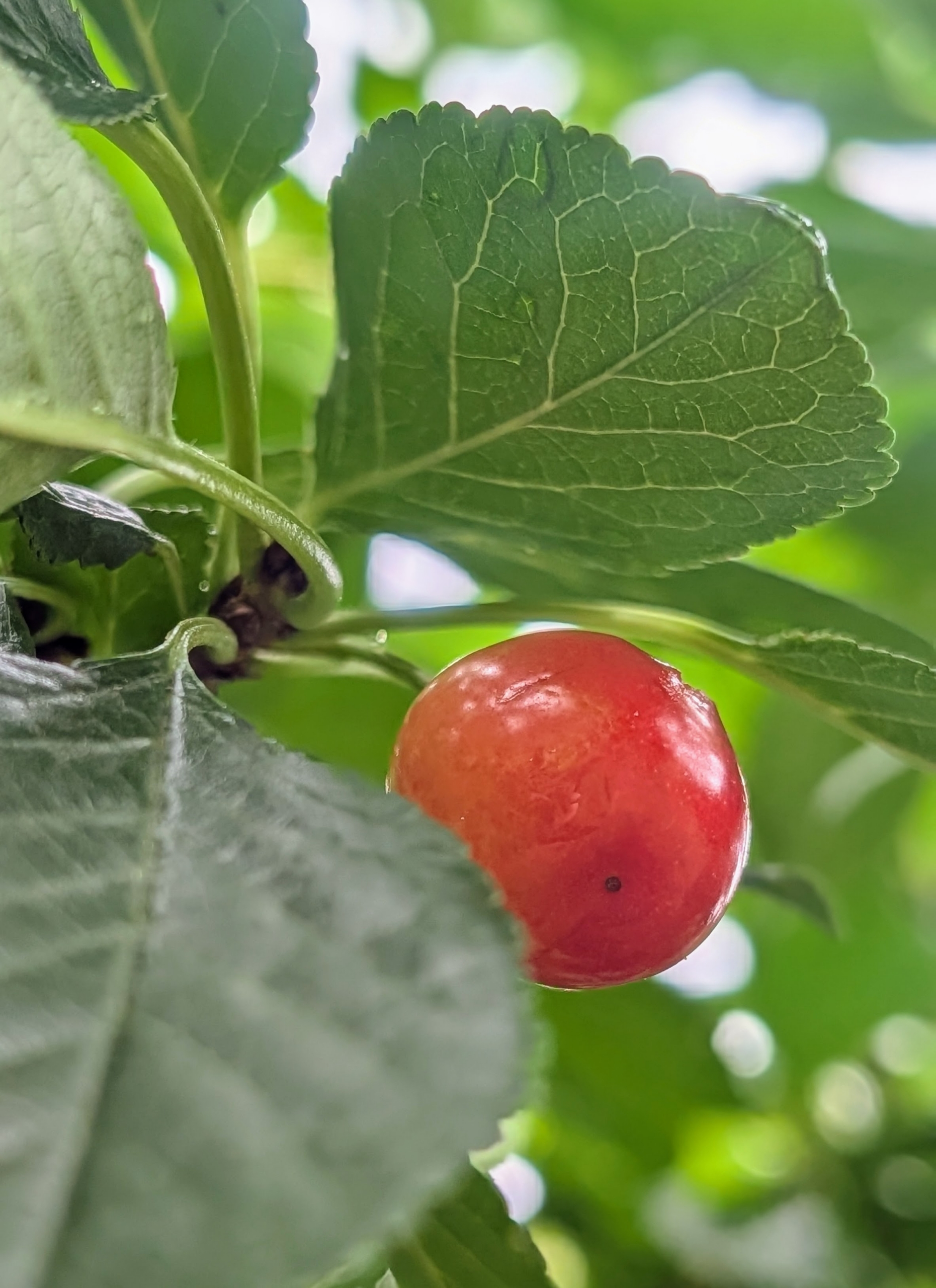
- I also grow sour cherries in the orchard and elsewhere, and I’ve seen lots of them growing beautifully; however, the squirrels like them too, and often get them first.
-
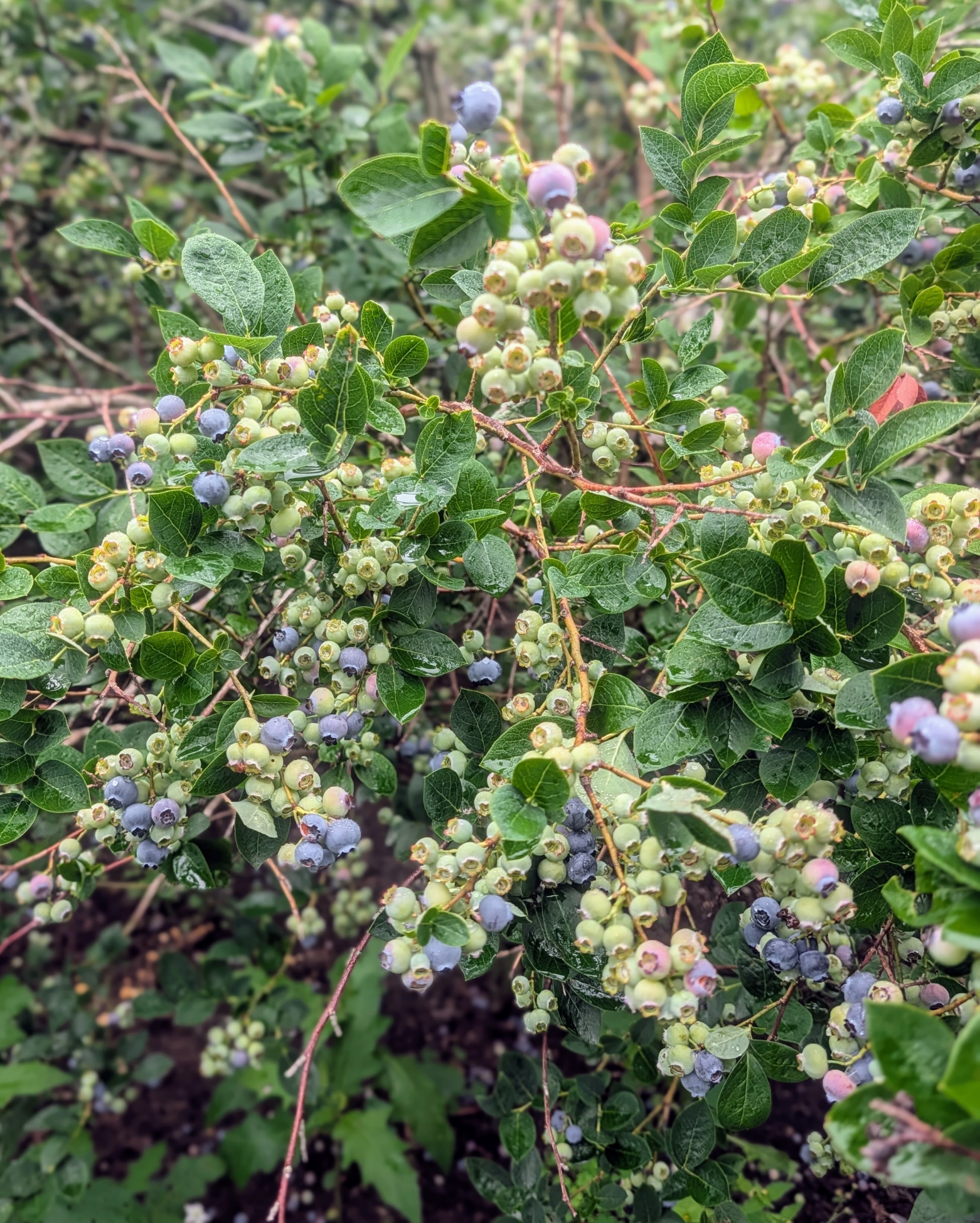
- Across the carriage road on one side is my very productive blueberry patch. I always have many, many blueberries. These will be ready to pick very soon.
-
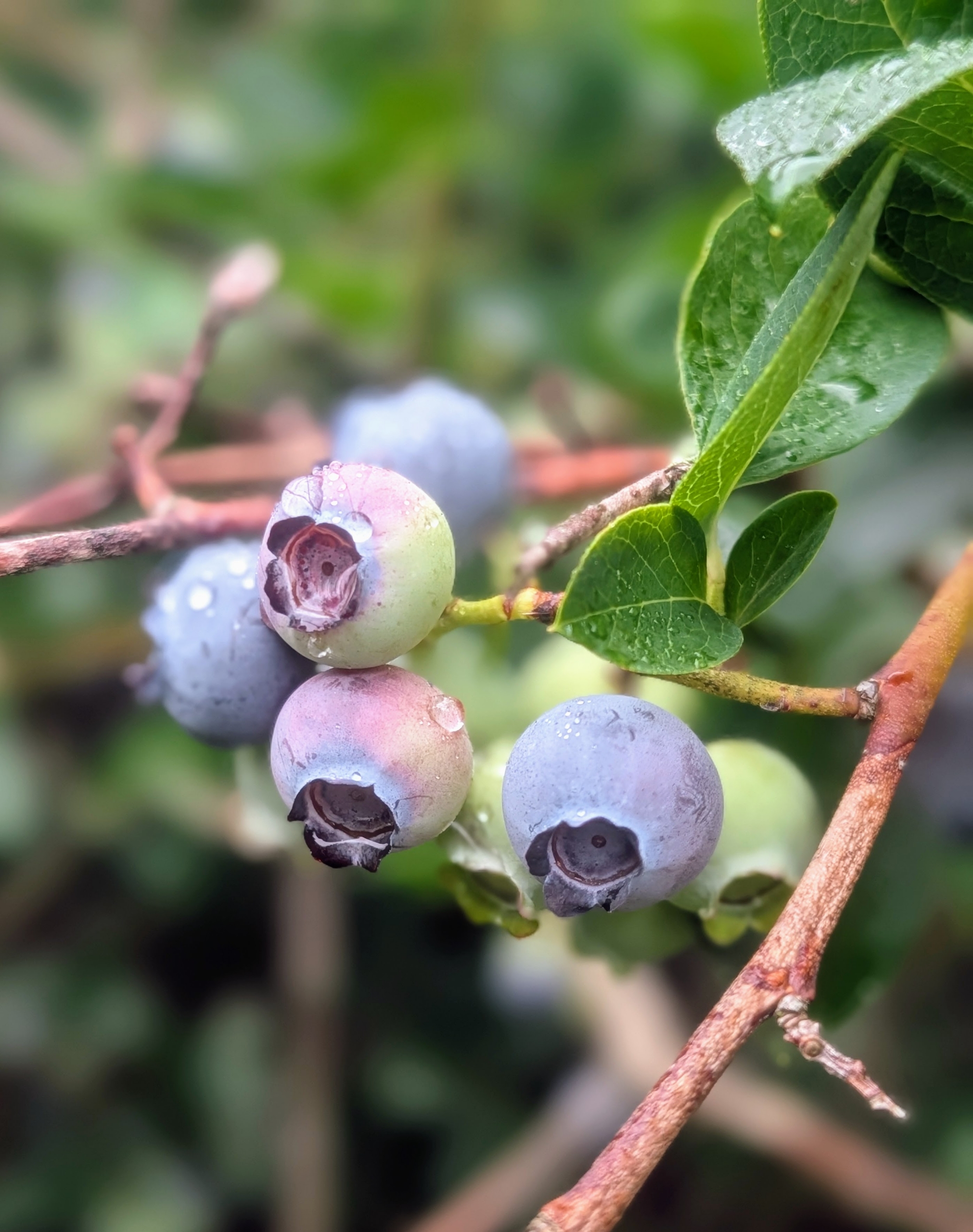
- Plump, juicy, and sweet, with vibrant colors from red to the deepest purple-black. I love to use blueberries for jams, jellies, and pies, but they’re also wonderful with cereal, in pancakes and cobblers, and of course, in handfuls on their own. I grow ‘Bluegold’, ‘Chandler’, ‘Darrow’, ‘Jersey’, ‘Patriot,’ and others.
-
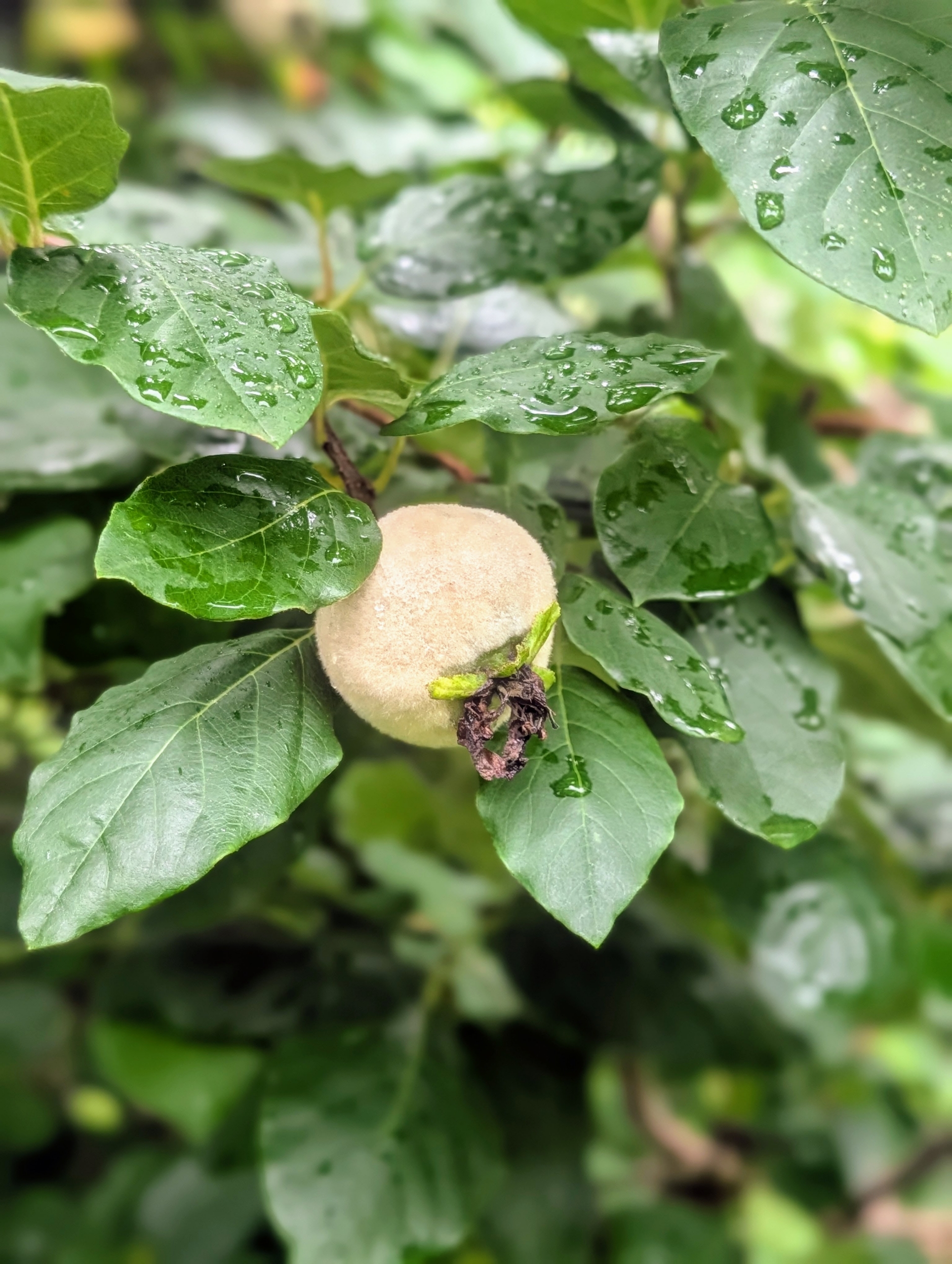
- Quince is a fall fruit that grows like apples and pears, but with an unusually irregular shape and often gray fuzz. These fruits turn a golden yellow when ready to pick in fall.
-
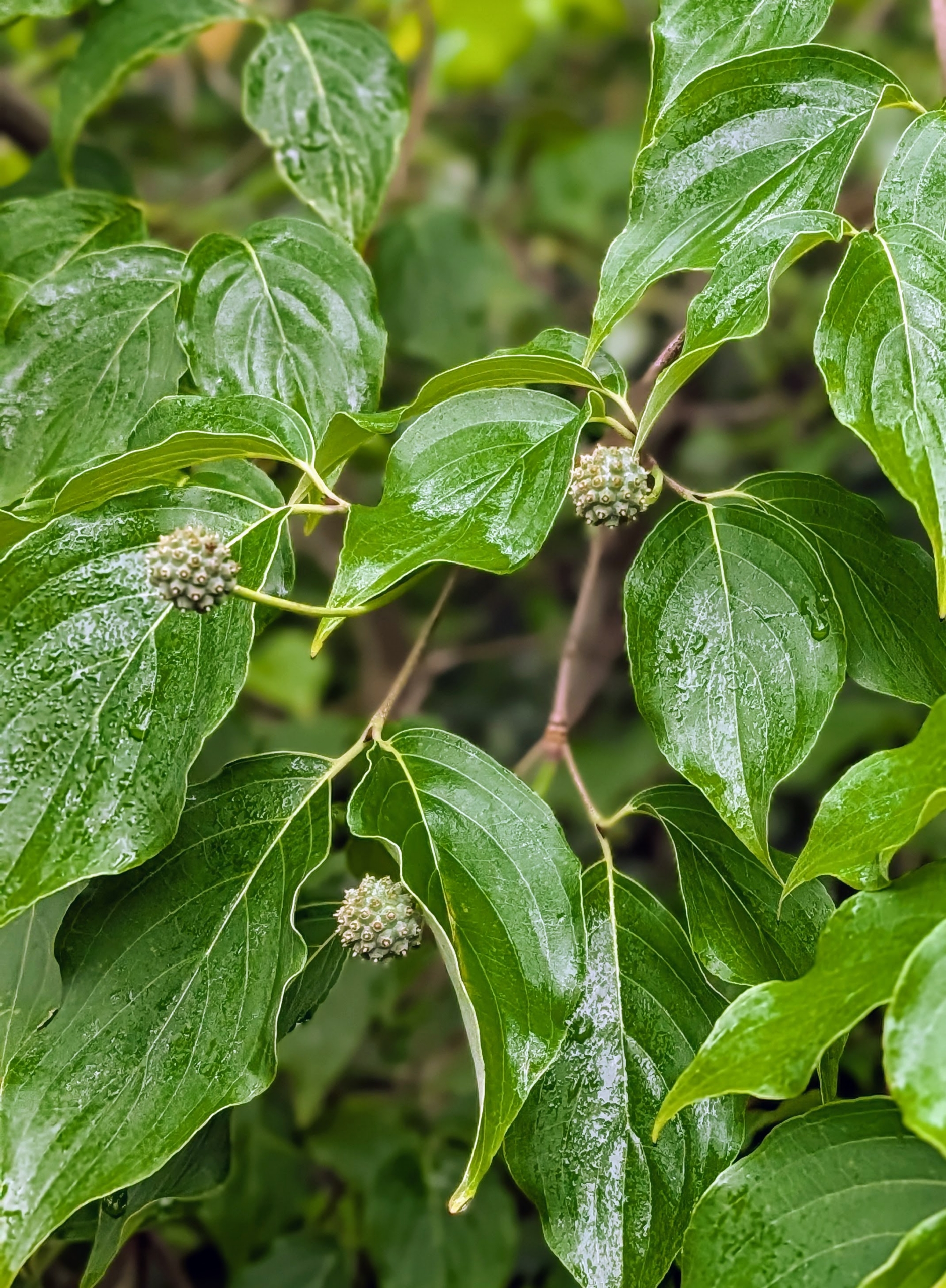
- Just along the carriage road surrounding my back hayfield, I have a stand of Kousa dogwood trees that produce an abundance of fruit. The soft, custard-like pulp inside the fruit is edible and loved by some of my outdoor grounds crew.
-
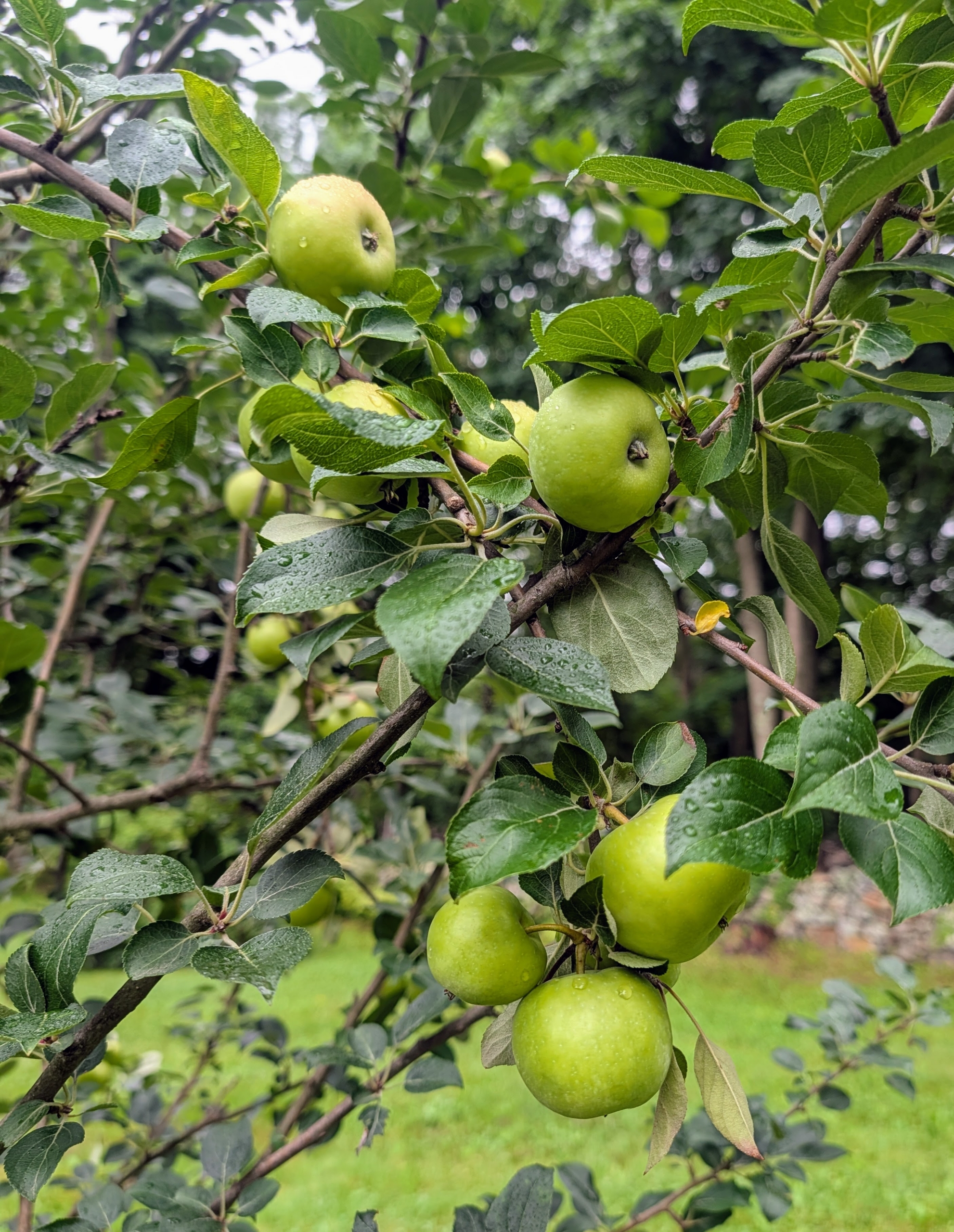
- There are more apples filling the trees in another part of the farm. This tree was here when I acquired the property.
-
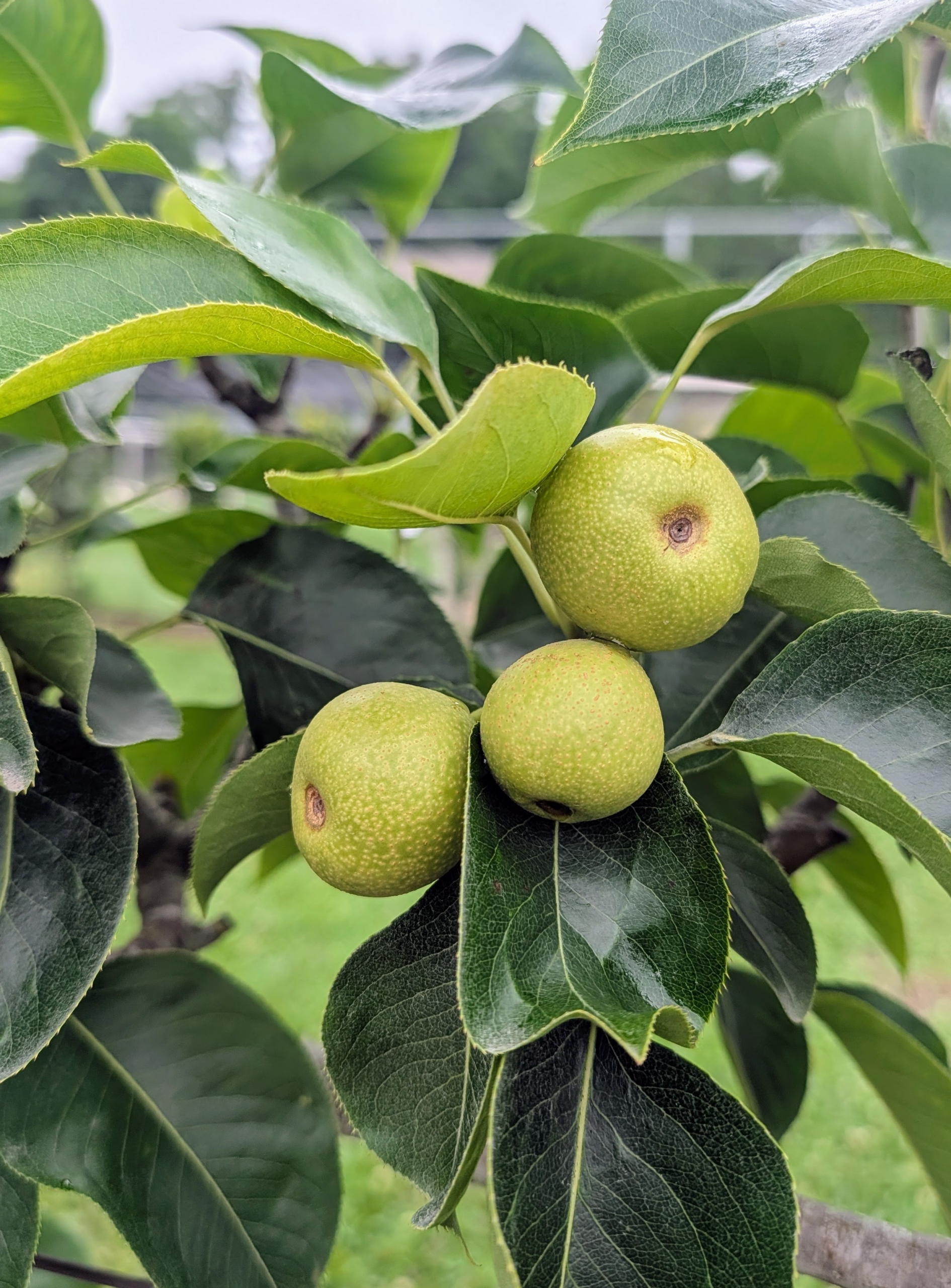
- Outside my stable in front of the peafowl and goose pens, I have this espalier of pear trees. Espalier refers to an ancient technique, resulting in trees that grow flat, either against a wall, or along a wire-strung framework. Many kinds of trees respond beautifully to the espalier treatment, but fruit trees, like apple and pear, were some of the earliest examples. And, because necessary sunlight reaches every piece of fruit that these trees bear, espalier pruning remains standard procedure at commercial orchards in France. I planted six ‘Shinseiki’ and four ‘Nijisseiki’ pear trees.
-
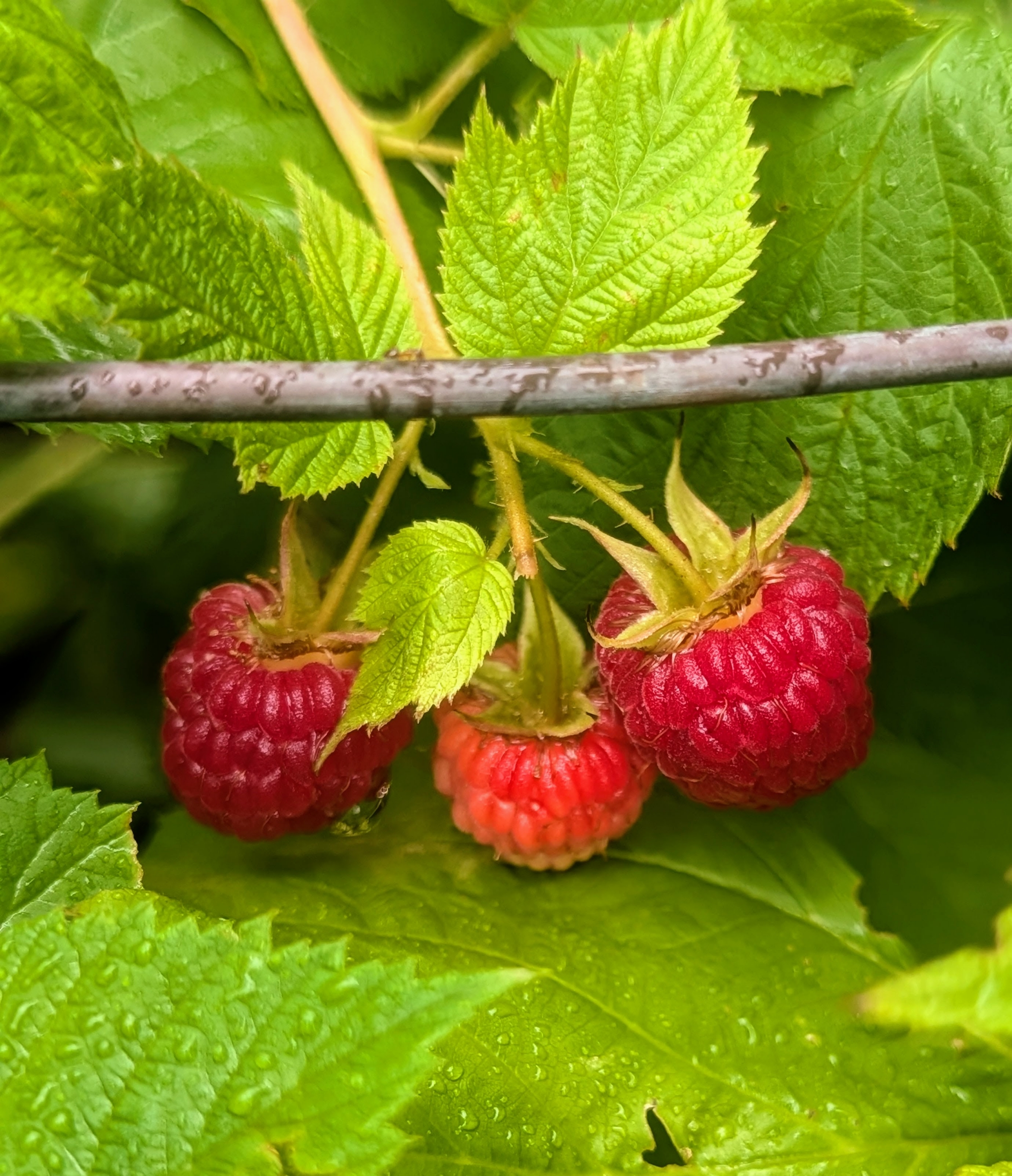
- In my berry patch behind the main greenhouse, I have lots of raspberry bushes. We start picking the black and red raspberries in late June and continue picking until they’re gone. Summer-bearing raspberry bushes produce one crop each season that lasts about one month.
-
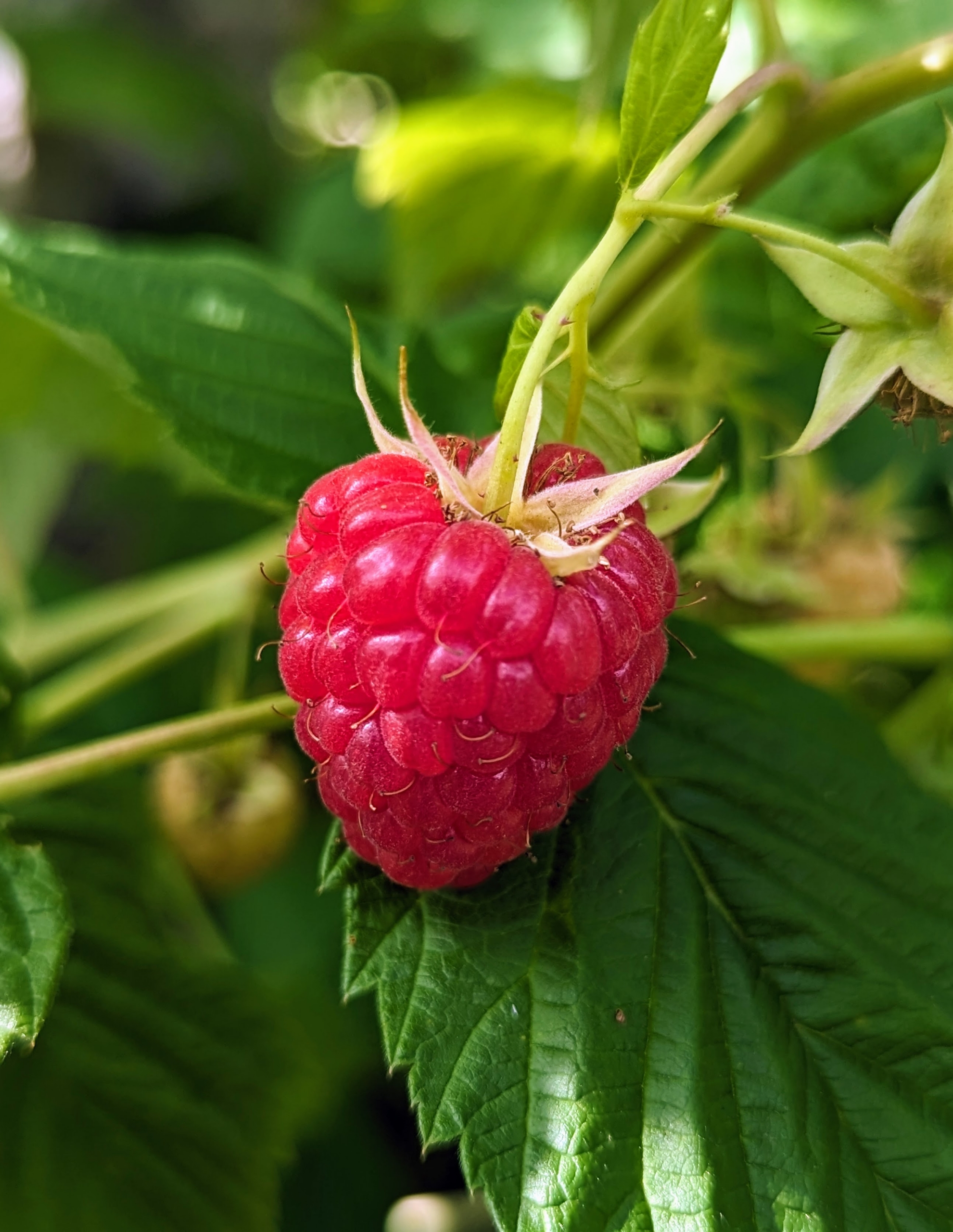
- These must be picked and handled very carefully as they are very delicate. They should also be checked for insects – they love them.
-
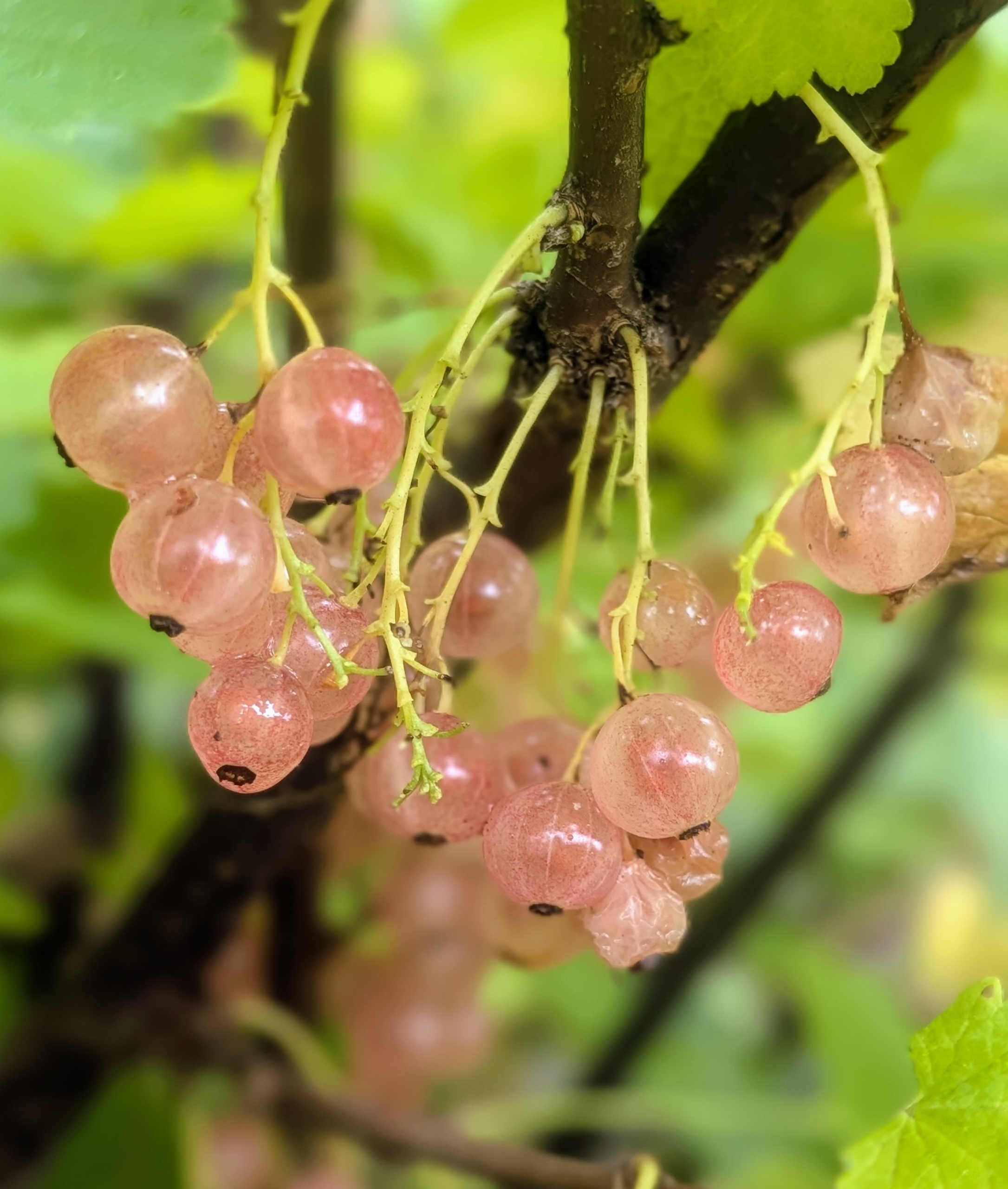
- Not far are the currants, in translucent white, dark purple, and bright ruby red.
-
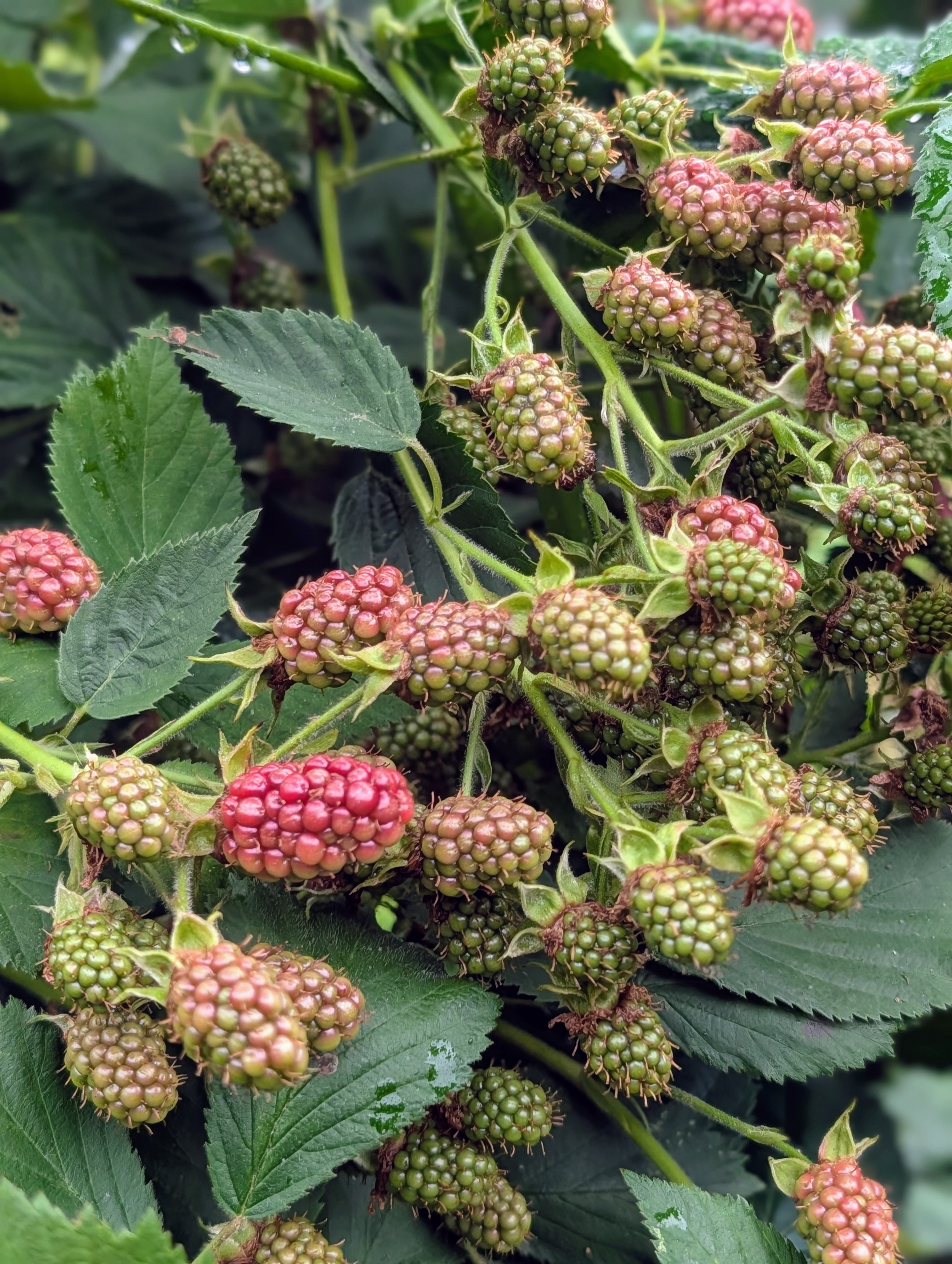
- And just look at some of my European blackberries. I’ll enjoy so many this season. No plants give sweeter returns than fruiting trees and shrubs. Aside from all the vegetables I grow, I’m so pleased with the many fruits here at my farm.
 Martha Pins


 Martha Tweets

