

Maintaining My New Rose Garden
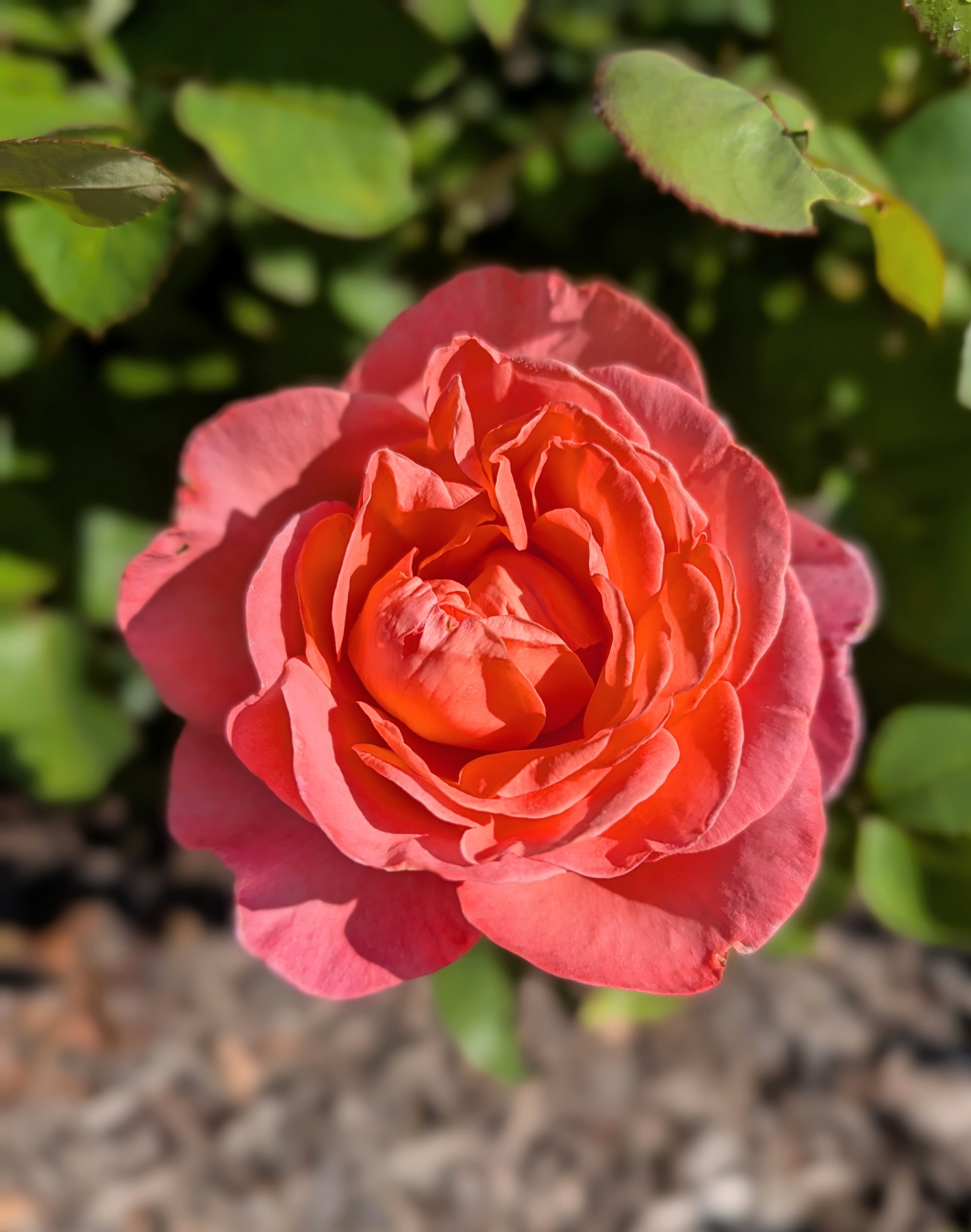
Aside from their beauty and intoxicating fragrance, roses have the wonderful ability to continue blooming throughout the summer.
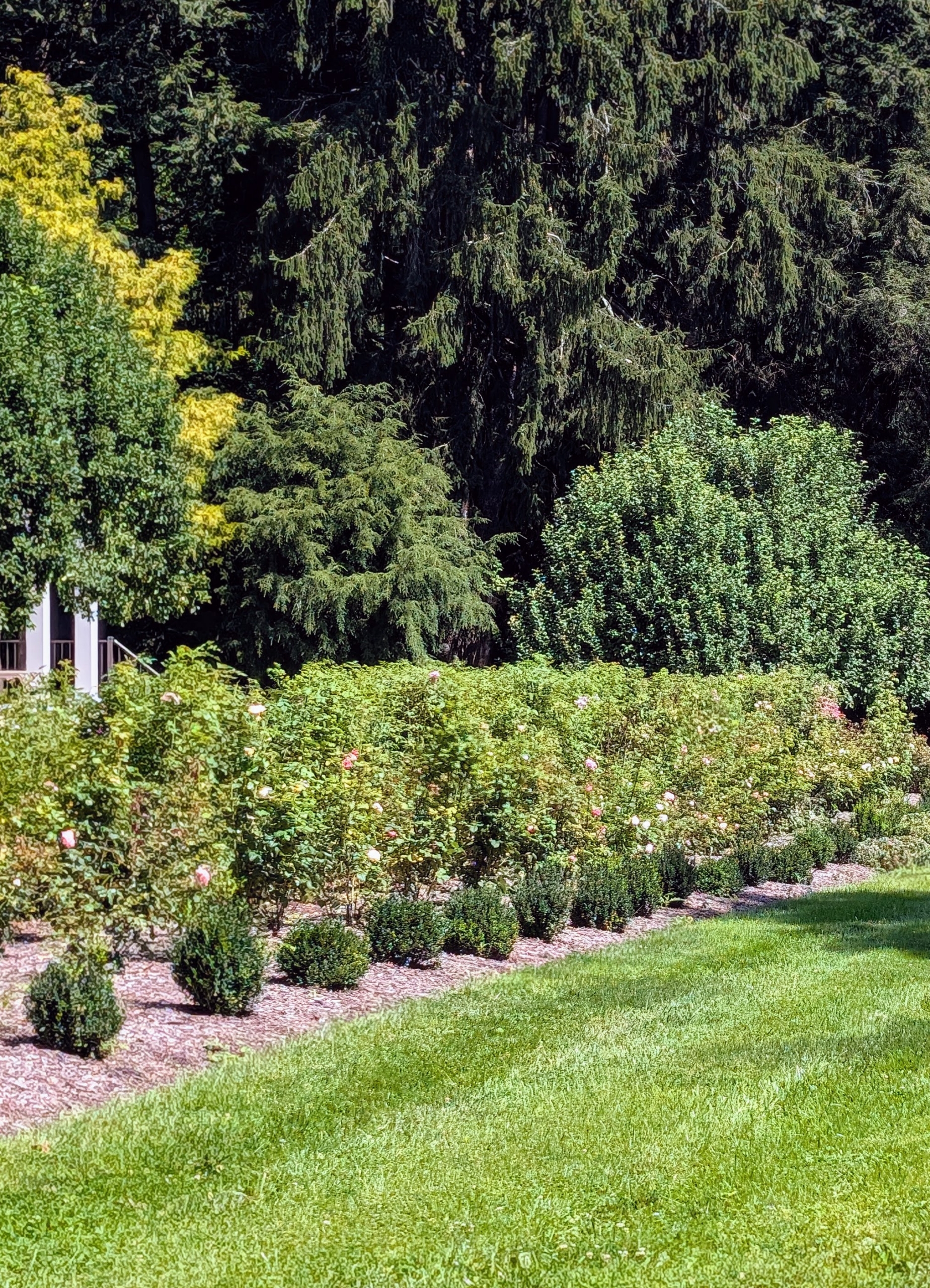
I've adored roses for more than 30 years and have grown them in many different places here at my farm. Earlier this year, I designed my biggest rose garden yet - behind my chicken coops. The bed was previously planted with gorgeous lilacs as well as roses, but it was in need of an overhaul to revitalize the space and add some new young plants. I planted more than 140 new roses to add to the existing rose bushes. The roses bloomed this season, and were recently pruned and groomed.
Enjoy these photos.
-

- In order to grow beautiful, healthy roses, they must get an abundance of sunshine. This garden bed is perfect. My roses also get nutrient rich soil, lots of food, and regular maintenance through the year.
-
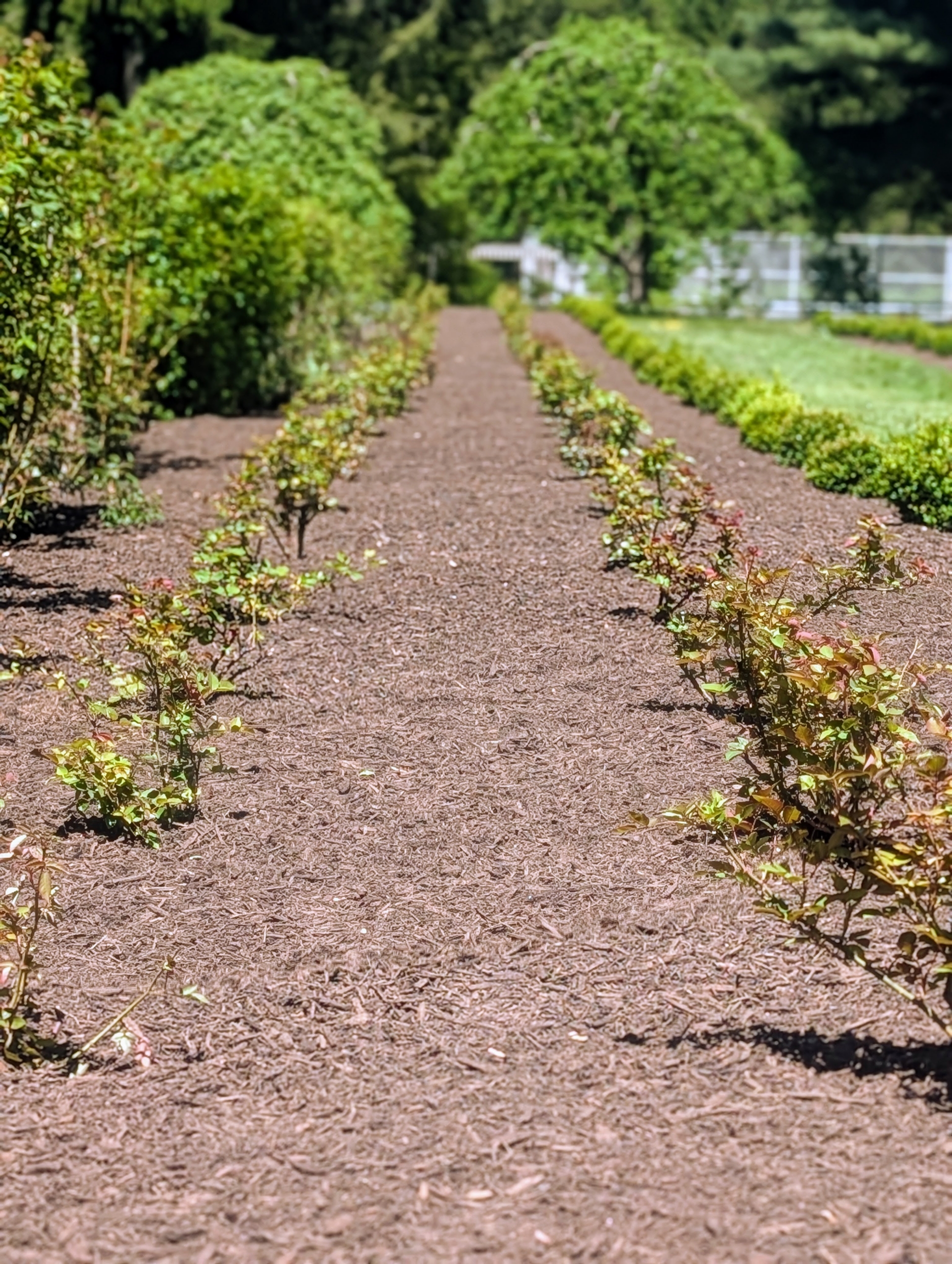
- Last spring, I completely transformed this garden. All the old lilacs were pulled out and new, young, vibrant roses were planted. Here is one side shortly after planting was complete. Among the varieties recently planted here – Parfuma® Earth Angel™ ‘KORgeowim,’ Bolero™ ‘Meidelweis,’ Raspberry Cupcake™ ‘KORcarmsis,’ Parfuma® Bliss ‘KORmarzau,’ Michelangelo™ ‘Meitelov,’ Sunbelt® Savannah,™ Romantica® Moonlight ‘Meikaquinz,’ Princesse Charlene de Monaco® ‘Meidysouk,’ Dee-Lish® ‘Meiclusif,’ and Top Cream™ ‘Meiroguste.’
-
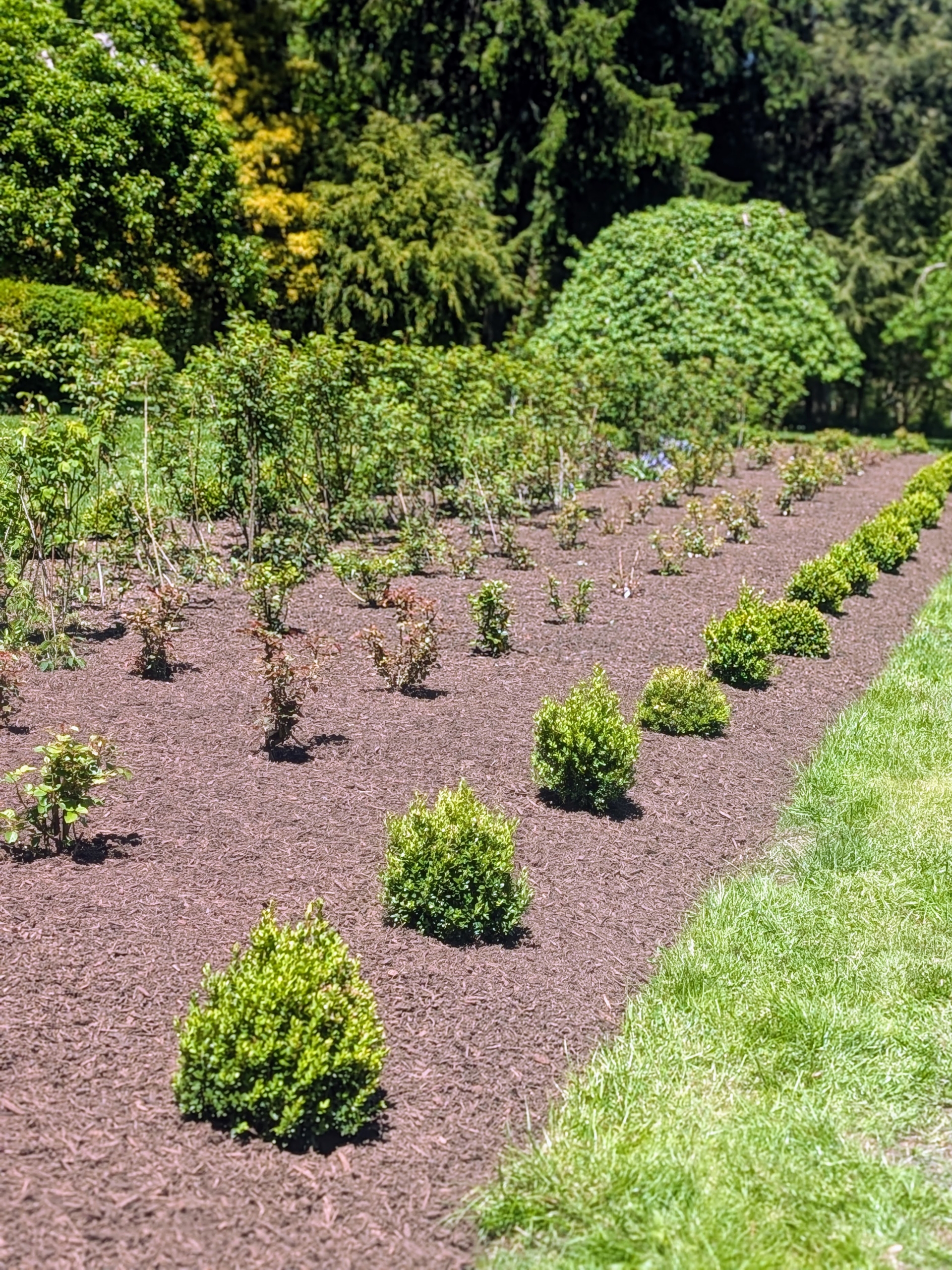
- The two beds are surrounded by young boxwood.
-
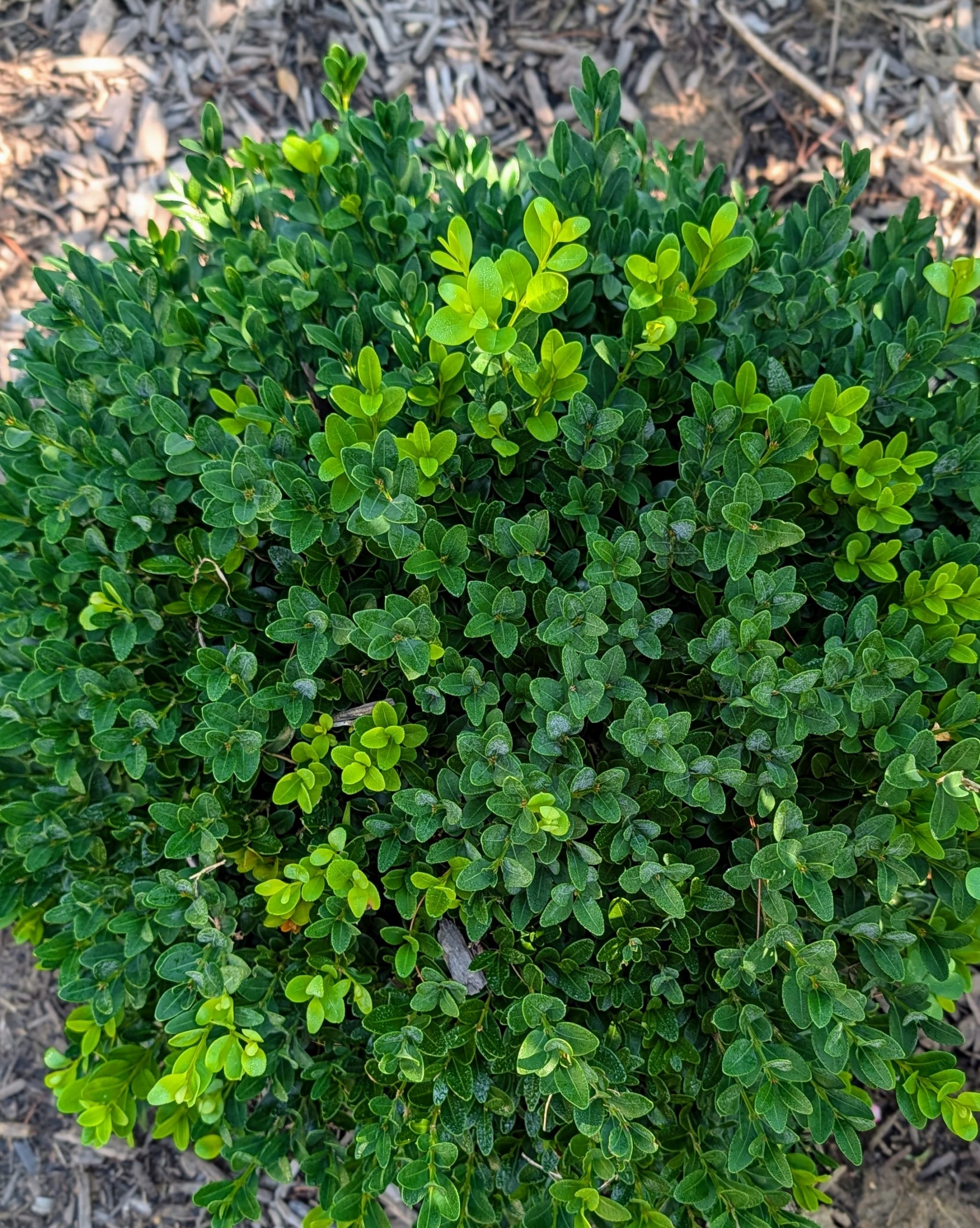
- These boxwood shrubs were nurtured from cuttings right here at the farm. Eventually, they will grow into a nice formal hedge.
-
- In just a couple of months, both the roses and the boxwood have grown so nicely.
-
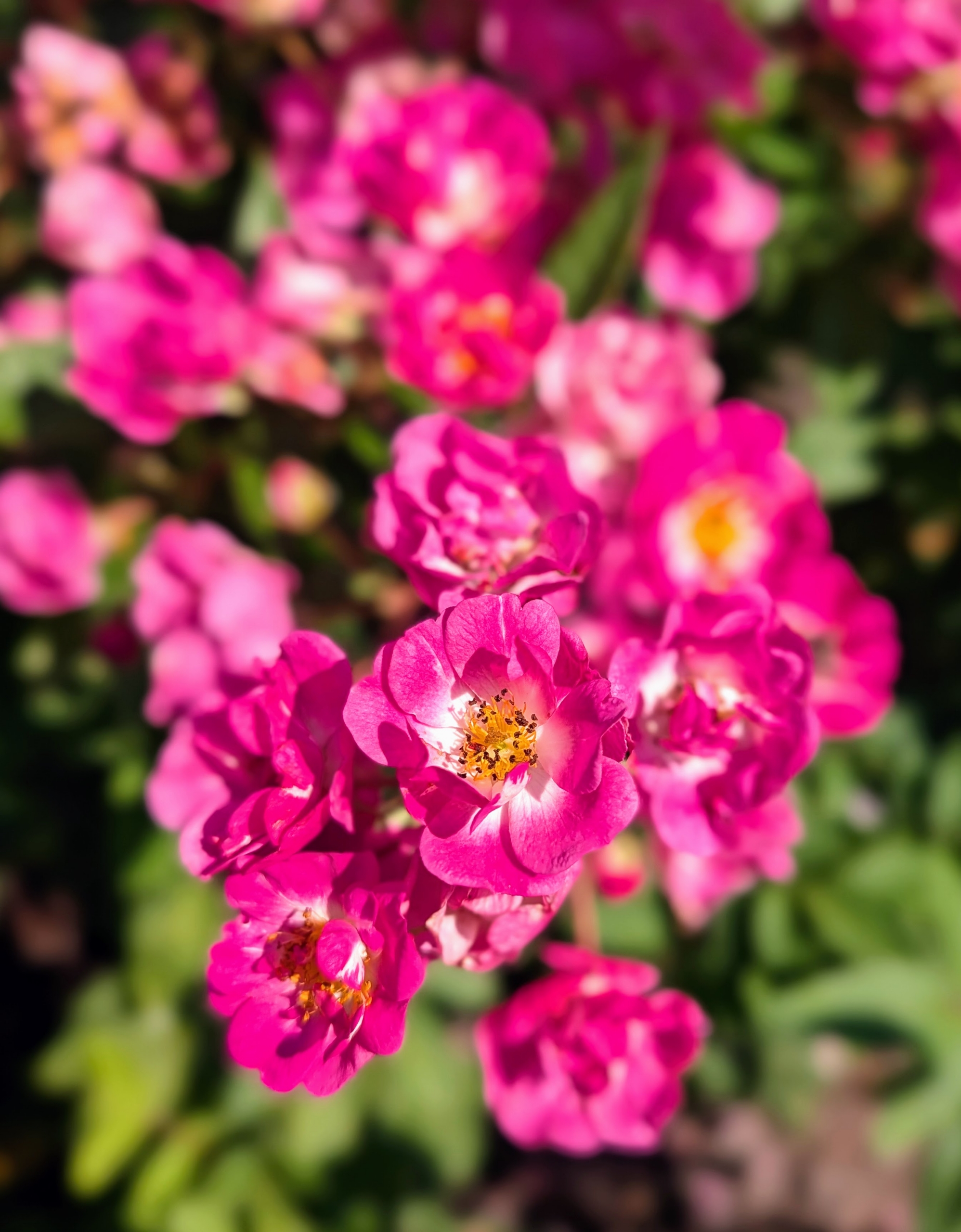
- Some of the existing roses were transplanted years ago from the gardens at Lily Pond, my former home in East Hampton, New York.
-
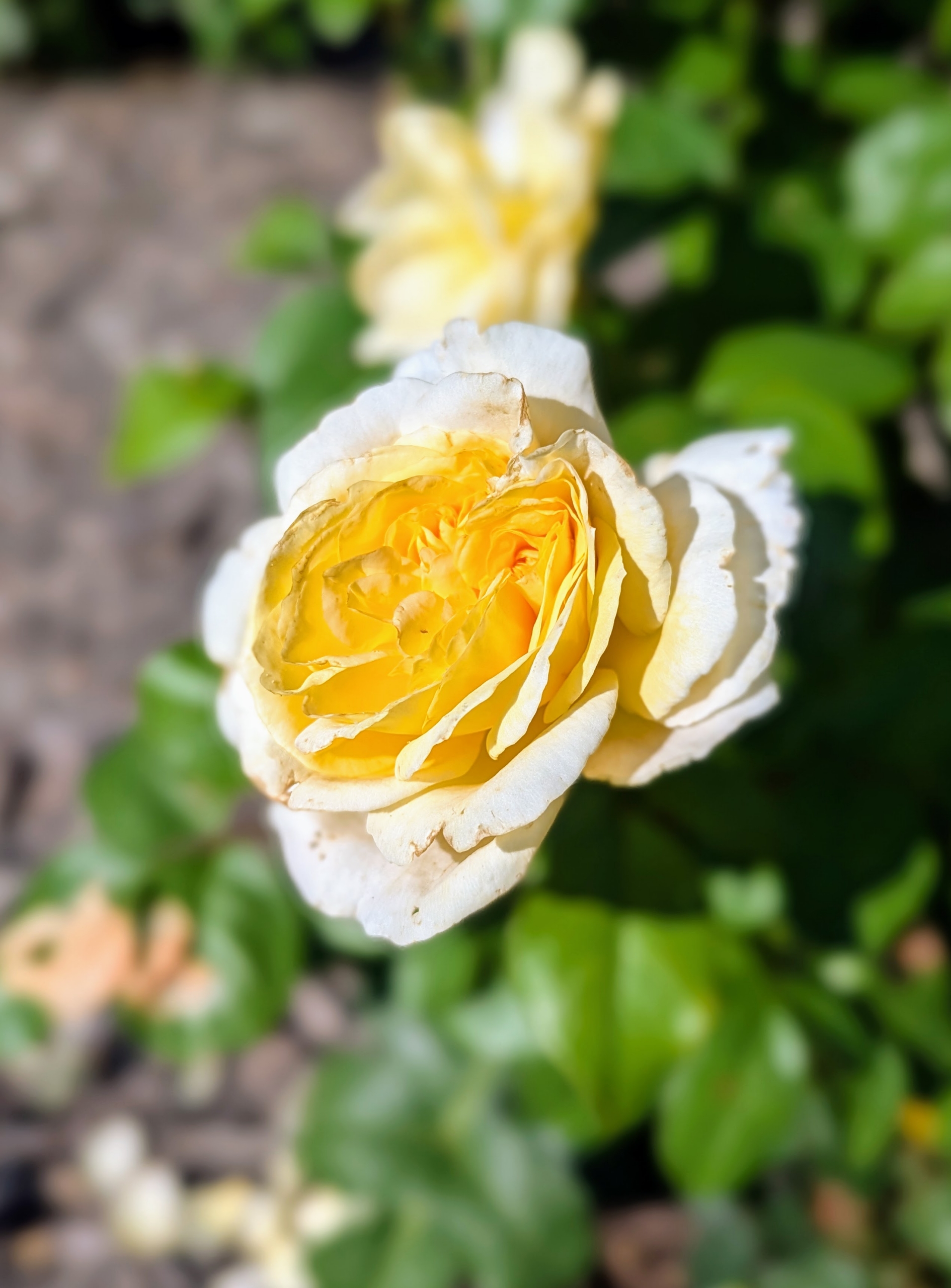
- A rose is a woody perennial flowering plant of the genus Rosa, in the family Rosaceae. There are more than a hundred species and thousands of named cultivars.
-
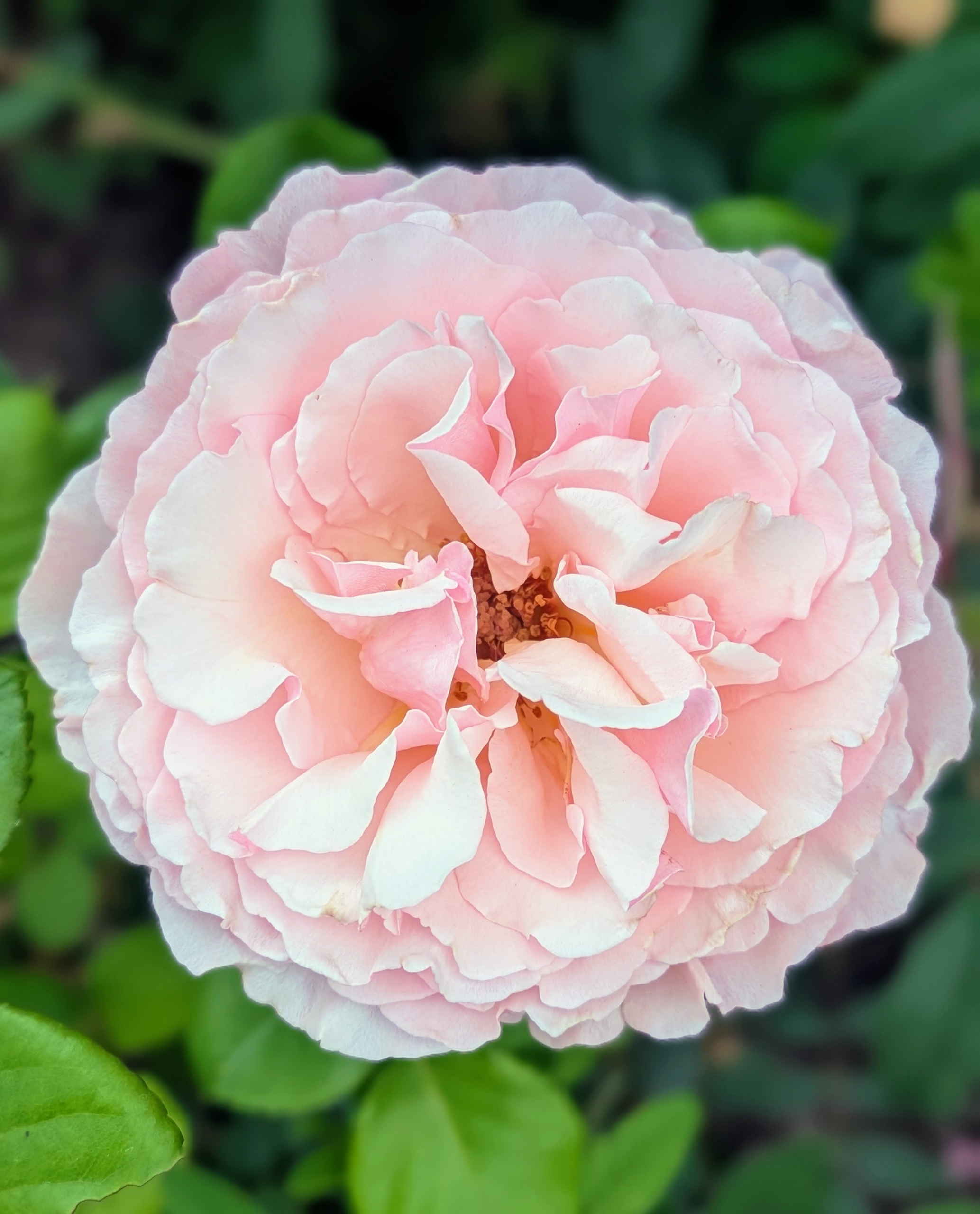
- I always knew I wanted many different roses in all sorts of petal formations. Double blooms consist of 16 to 25 overlapping petals in three or more rows.
-
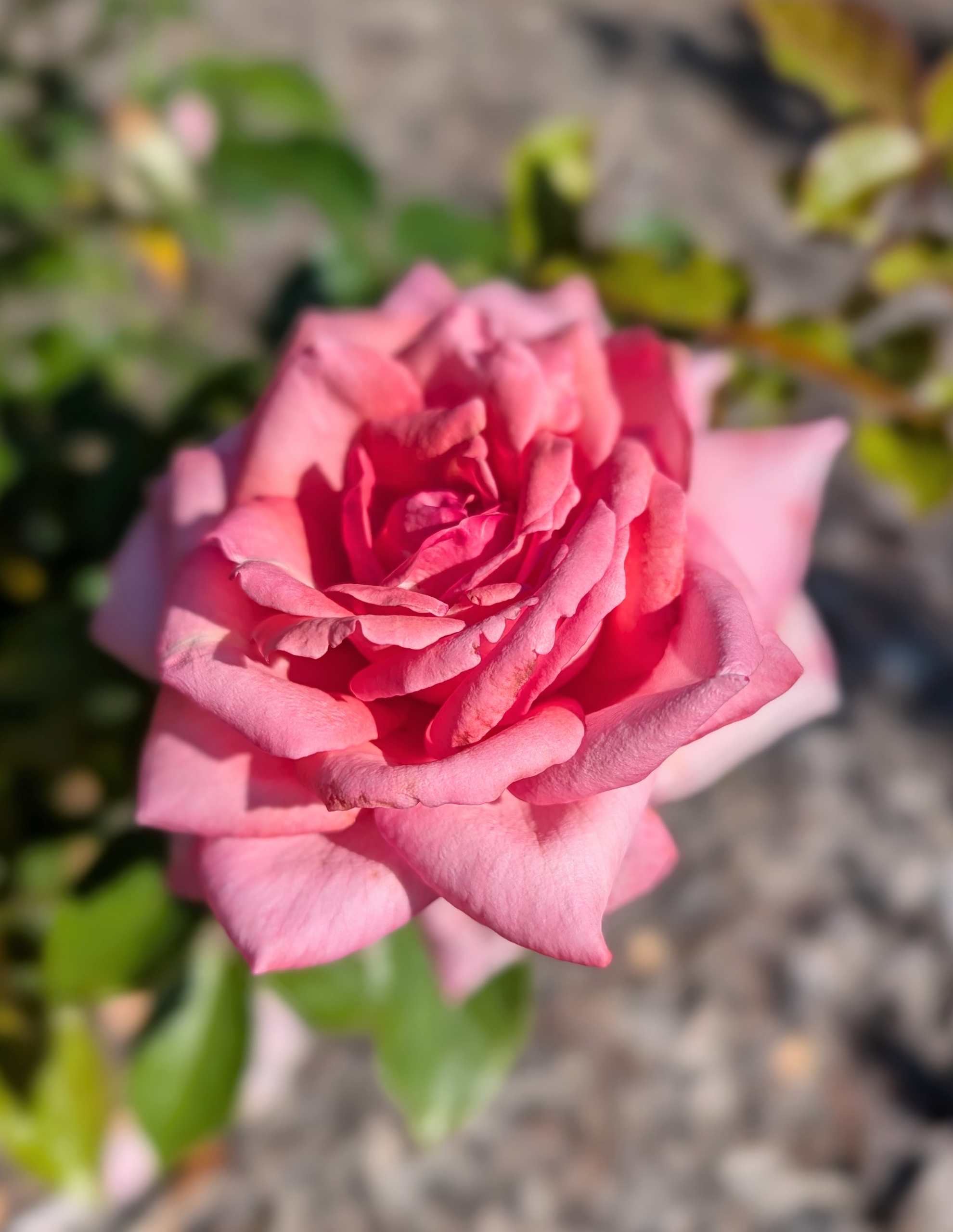
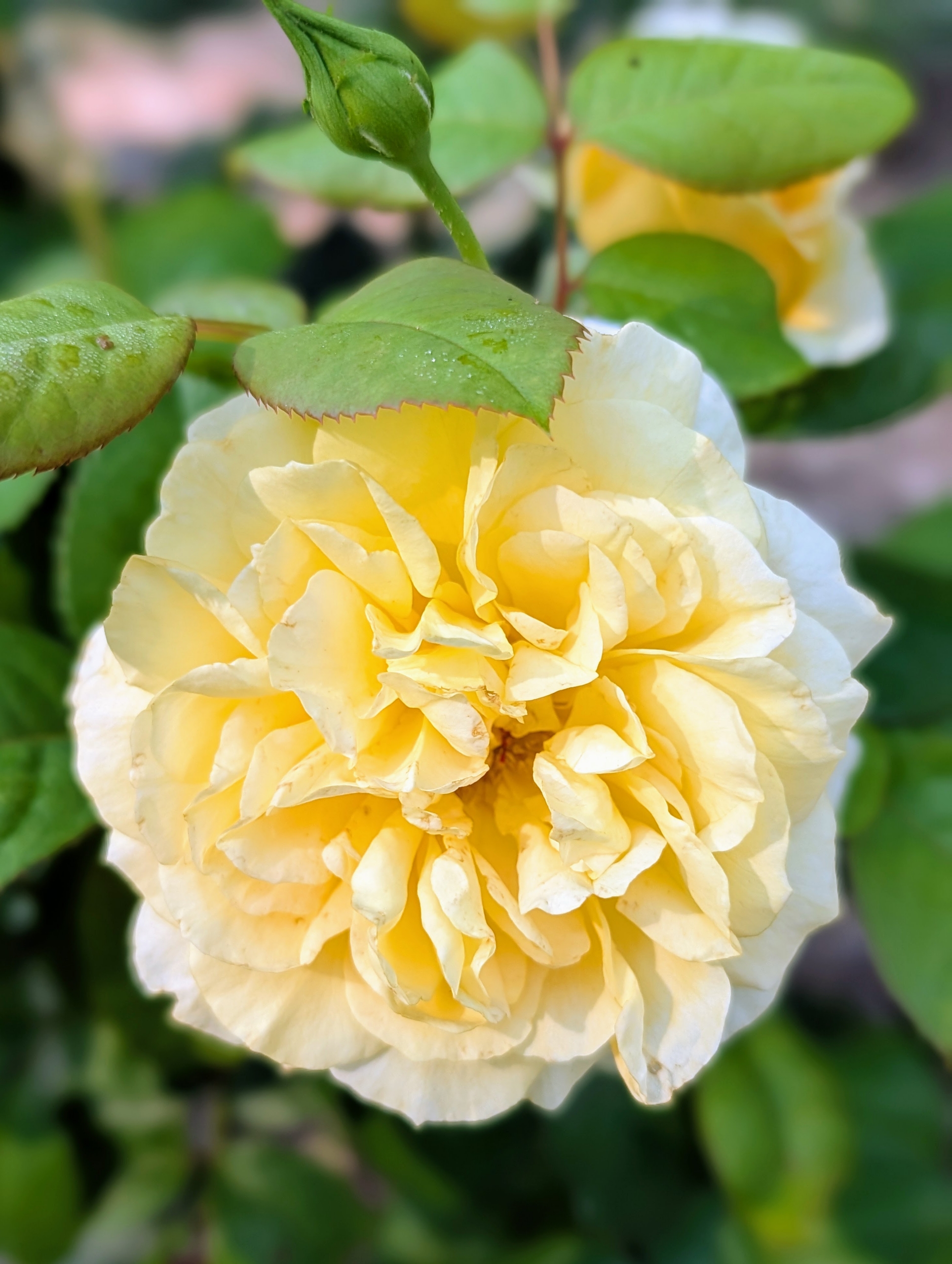
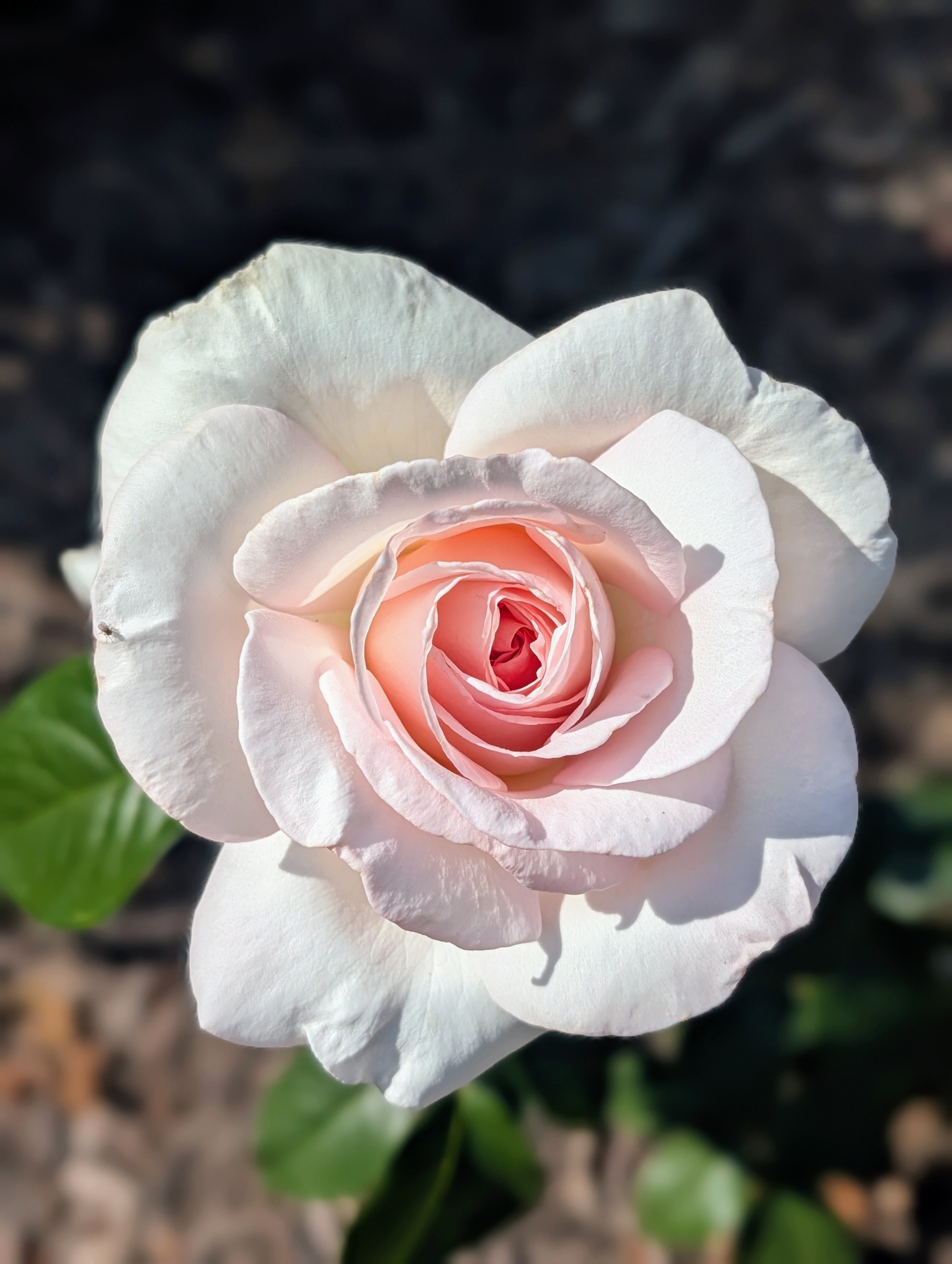
- Roses come in many different colors, such as pink, peach, white, red, magenta, yellow, copper, vermilion, purple, and apricot.
-
- Rose plants range in size from compact, miniature roses to climbers that can reach several feet in height.
-
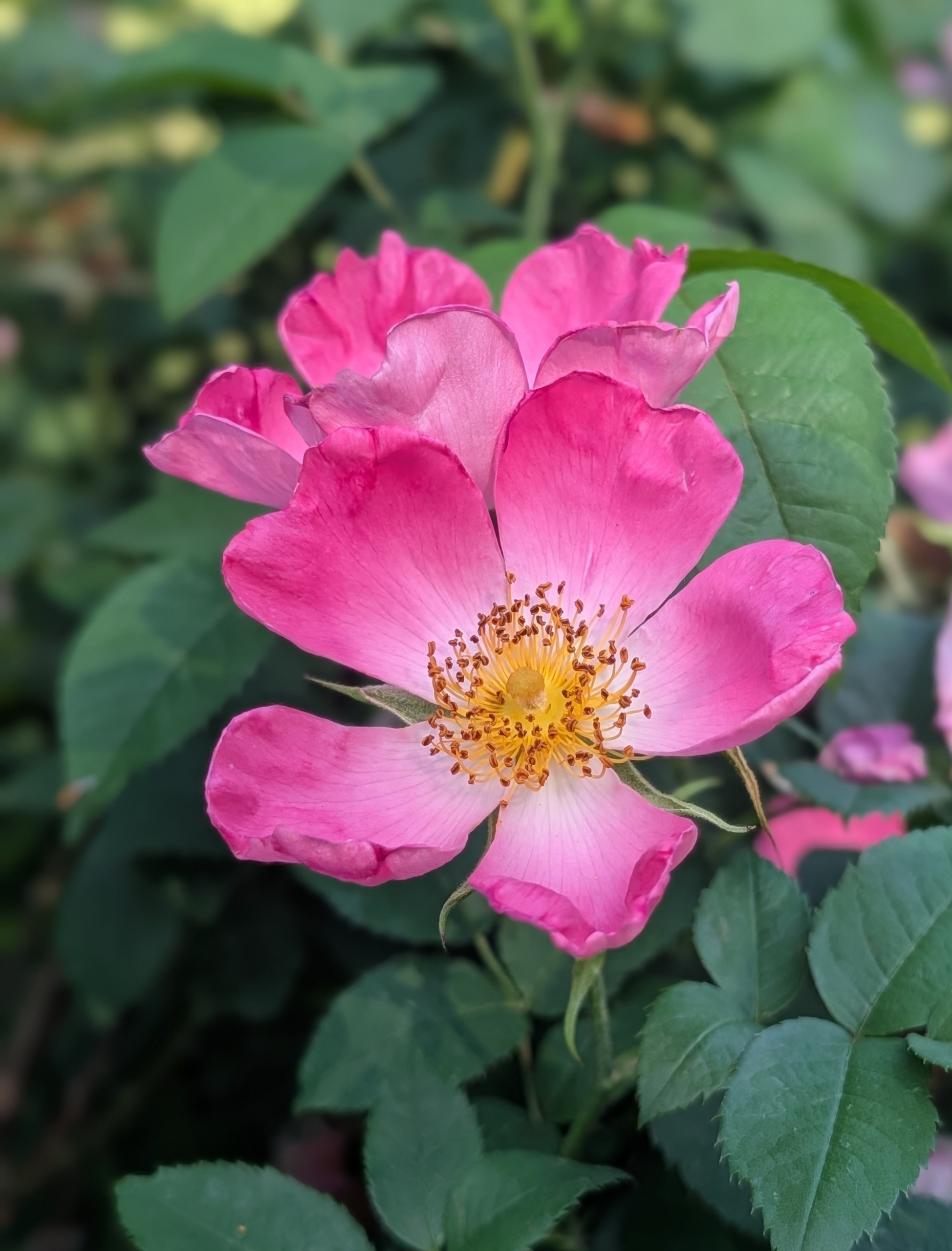
- Many roses are loved by bees, depending on the variety, bloom structure, and how much nectar and pollen they produce. Open, single or semi-double blooms that expose the pollen-rich stamens are some of their favorites.
-
- When watering, give roses the equivalent of one-inch of rainfall per week during the growing season. Water at the soil level to avoid getting the foliage wet. Wet leaves encourage diseases such as black spot and powdery mildew.
-
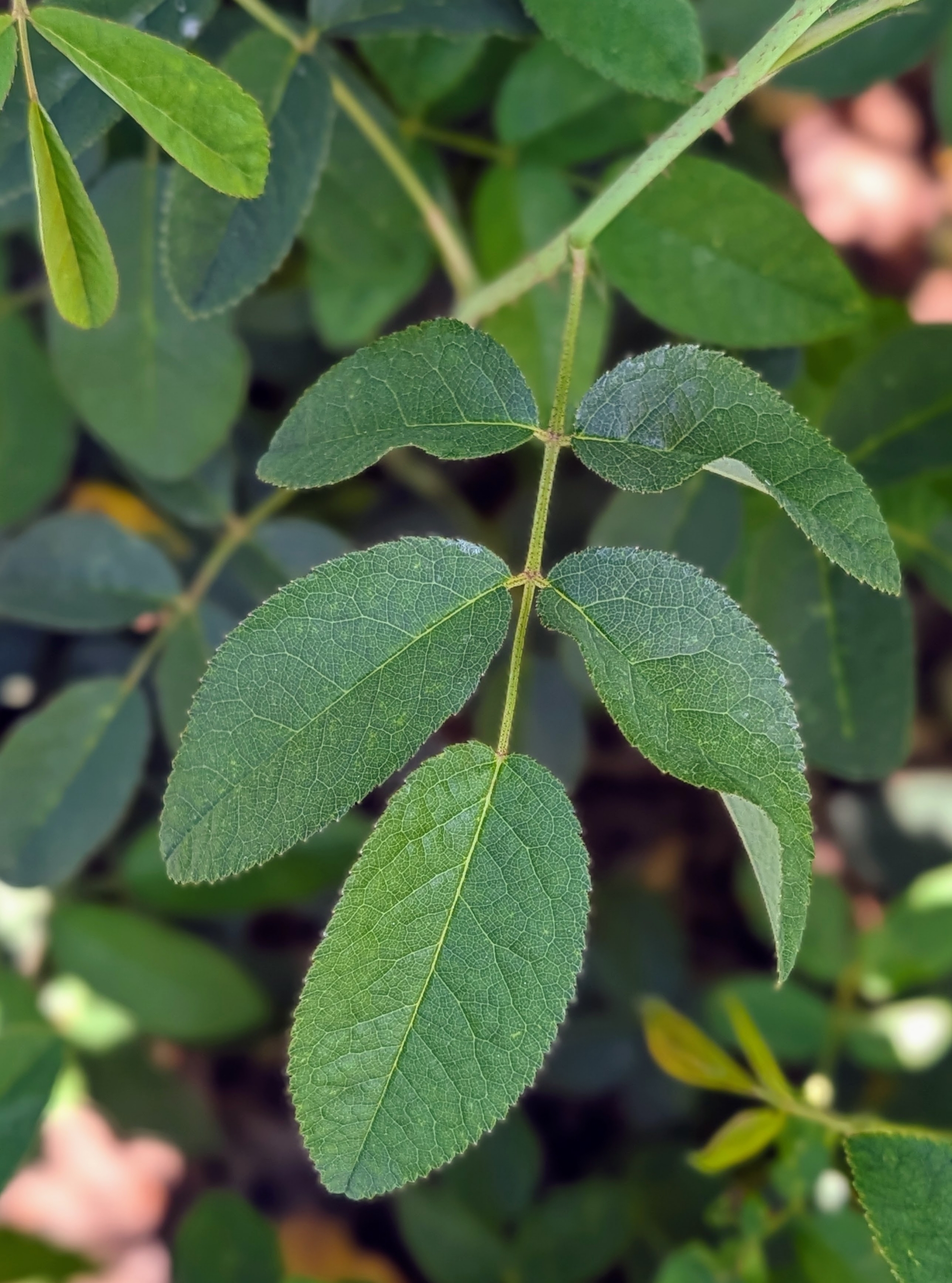
- Rose leaves are borne alternately on the stem. In most species, they are about two to five inches long, pinnate, with at least three leaflets and basal stipules. The leaflets also usually have a serrated margin.
-
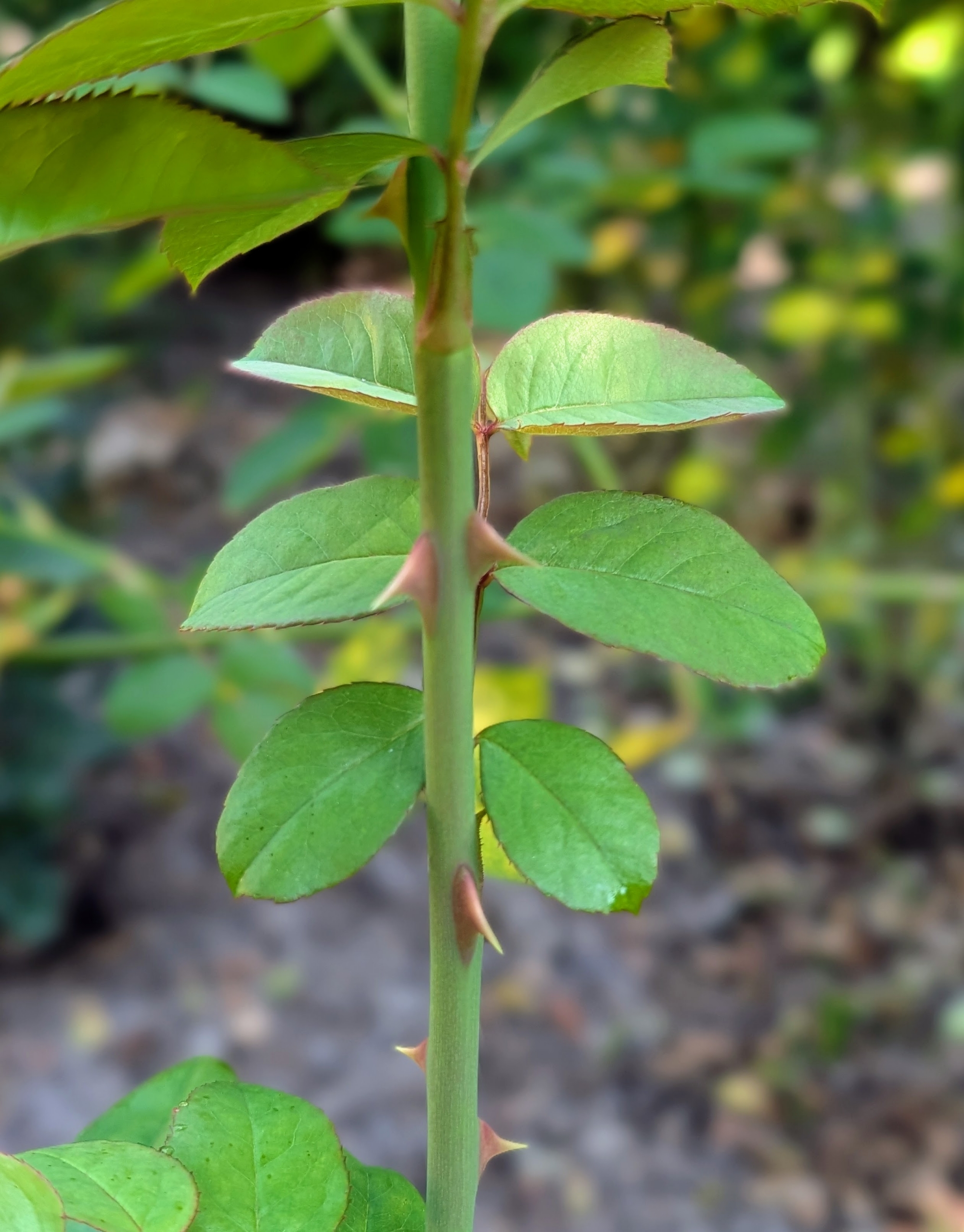
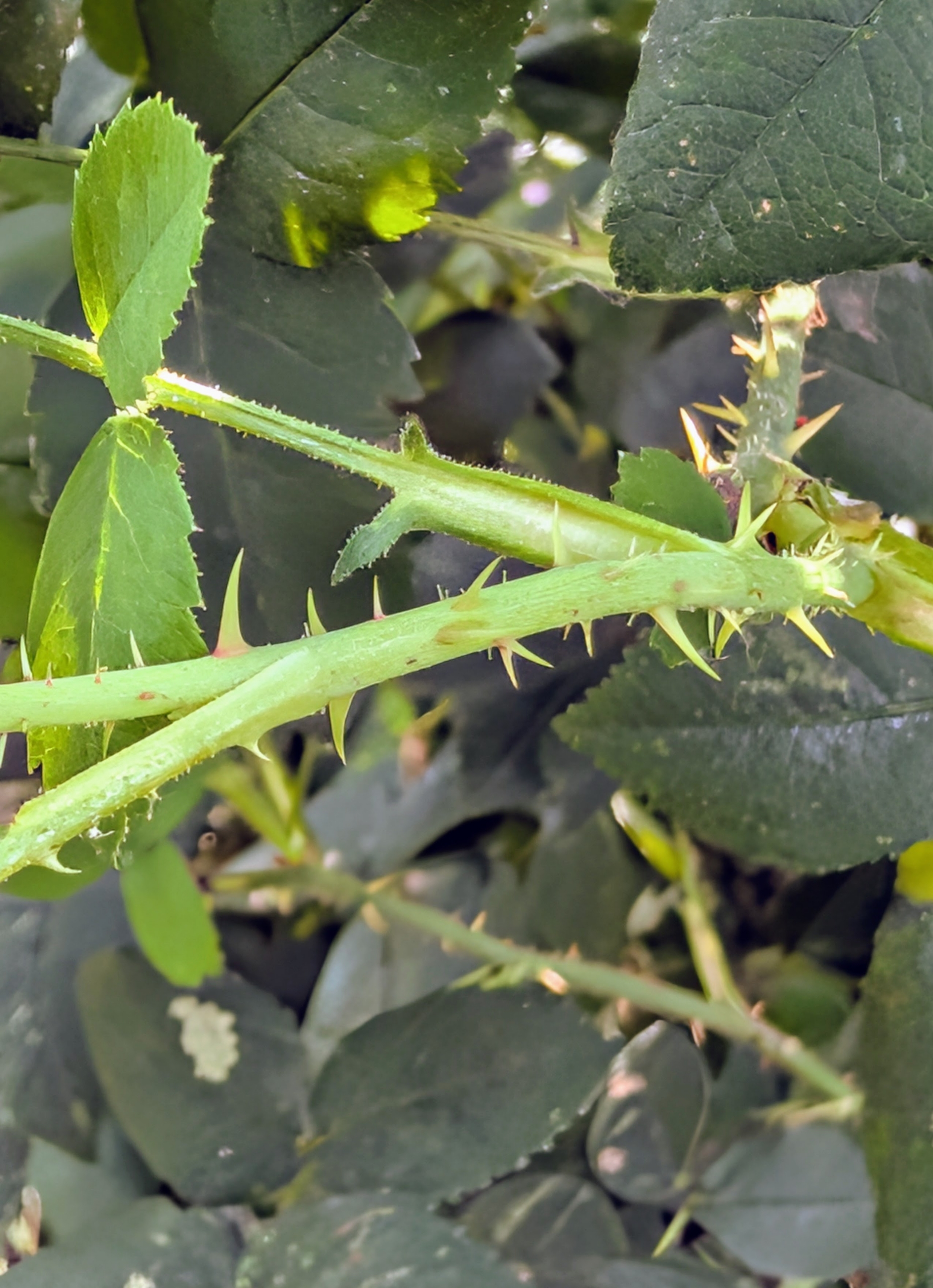
- And remember, rose stems are often armed with sharp prickles, not thorns. A prickle can be easily broken off the plant because it is really a feature of the outer layers rather than part of the wood, like a thorn.
-
- And depending on the variety, some can have more prickles than others.
-
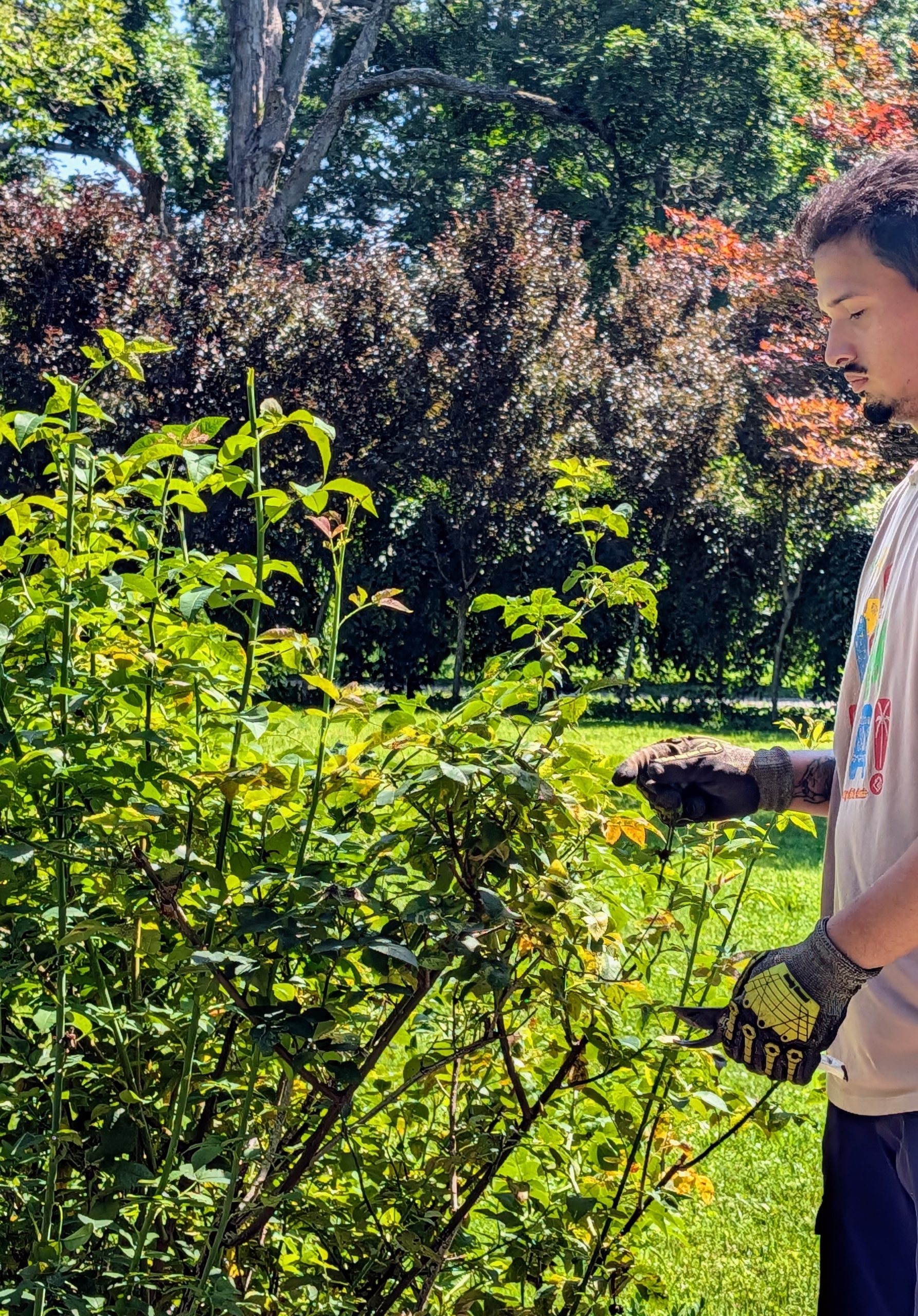
- There are different pruning strategies for different times of the year, but overall the goals are the same – to keep the plants looking fresh and open, promote new growth and re-flowering, and to improve the overall health of the plant.
-
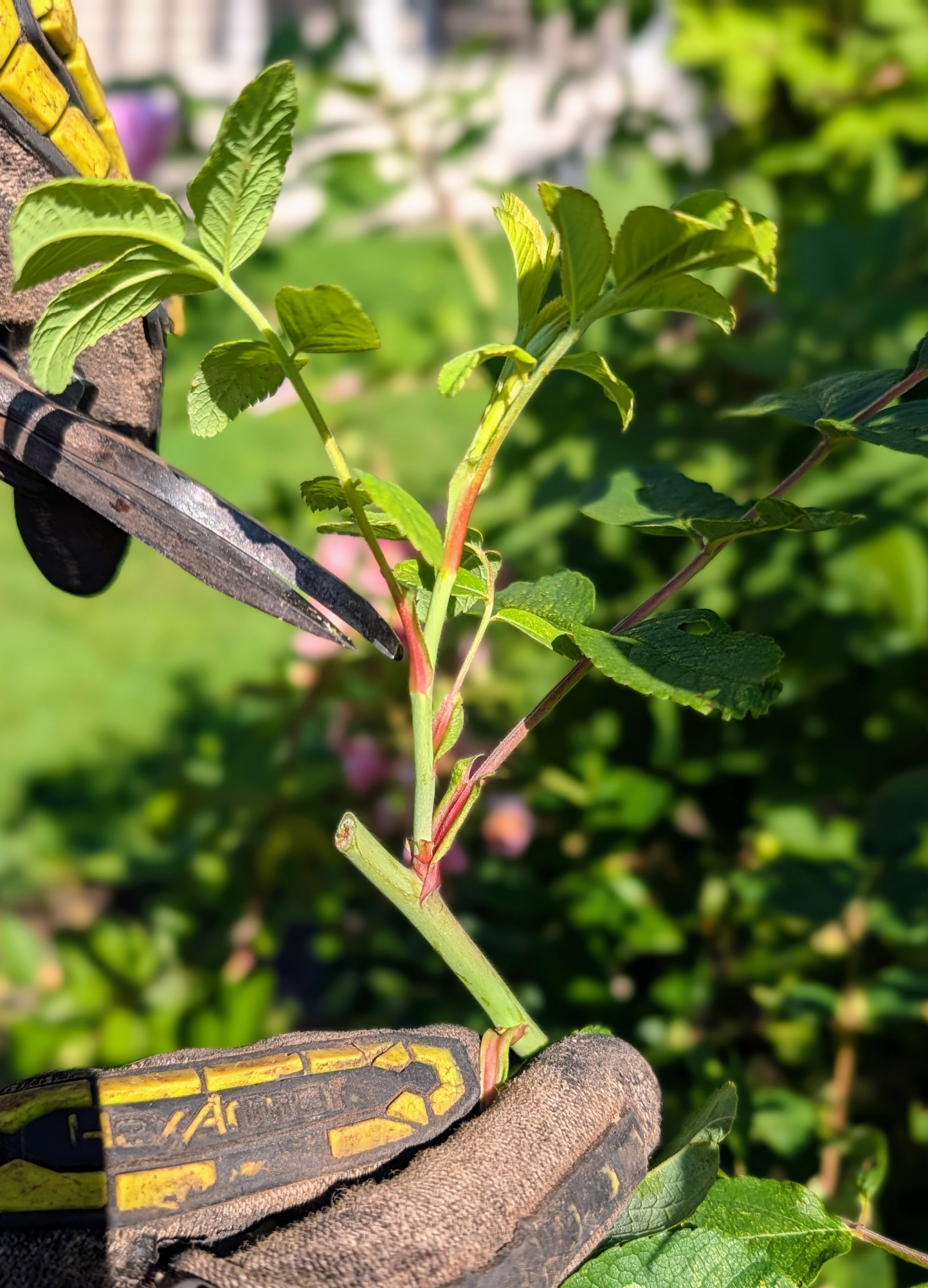
- Deadheading is one of the easiest forms of pruning – as blooms fade, cut off below the spent blossoms and above the first set of full, healthy leaves. Make any cut at a 45-degree angle just above an outward-facing bud. This angle helps water run off the stem while encouraging strong, outward growth.
-
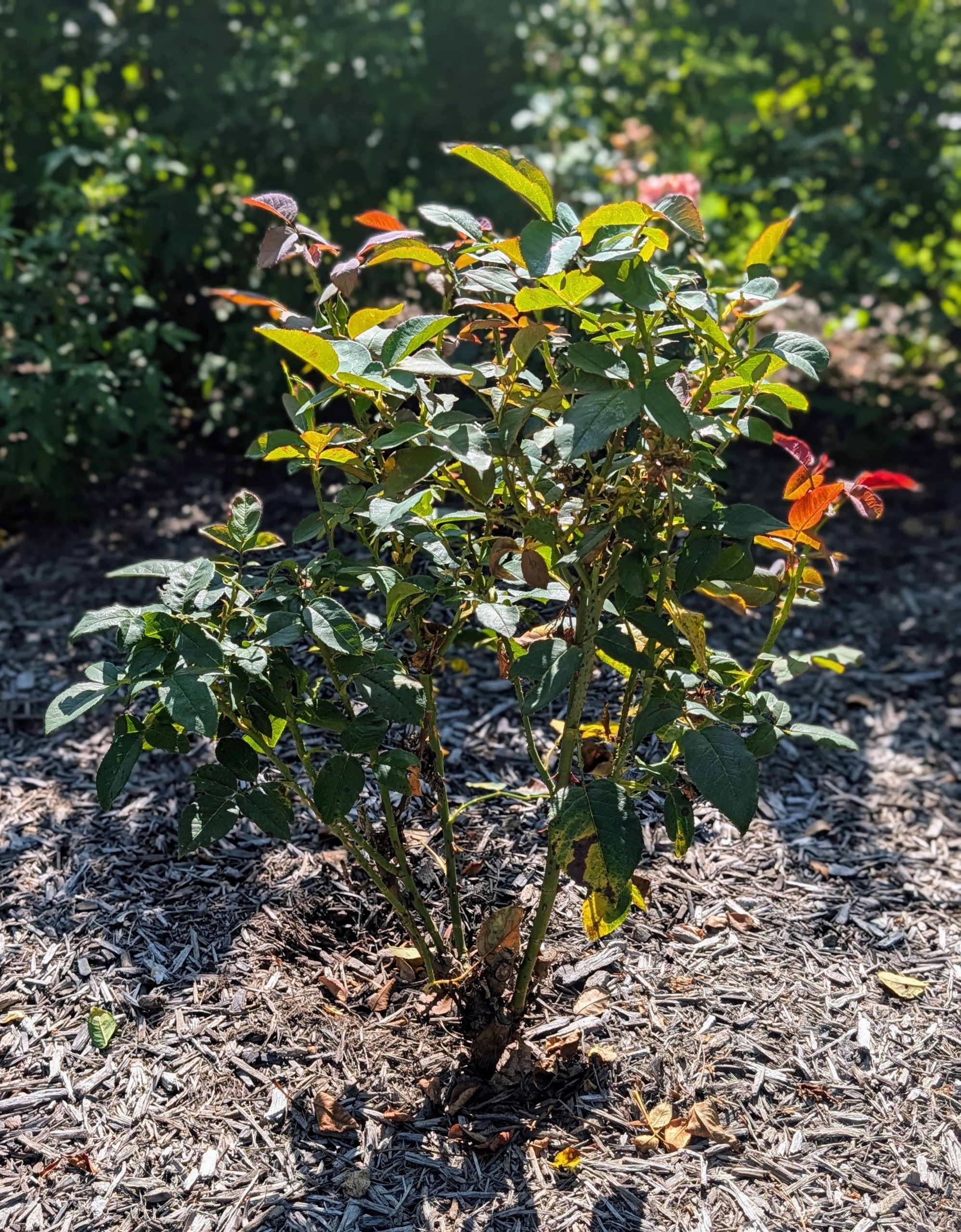
- New leaves are similar in shape to older foliage, even if slightly redder or thinner. The red/purple tint is normal and comes from anthocyanins, which protect tender tissue from getting any sun damage.
-
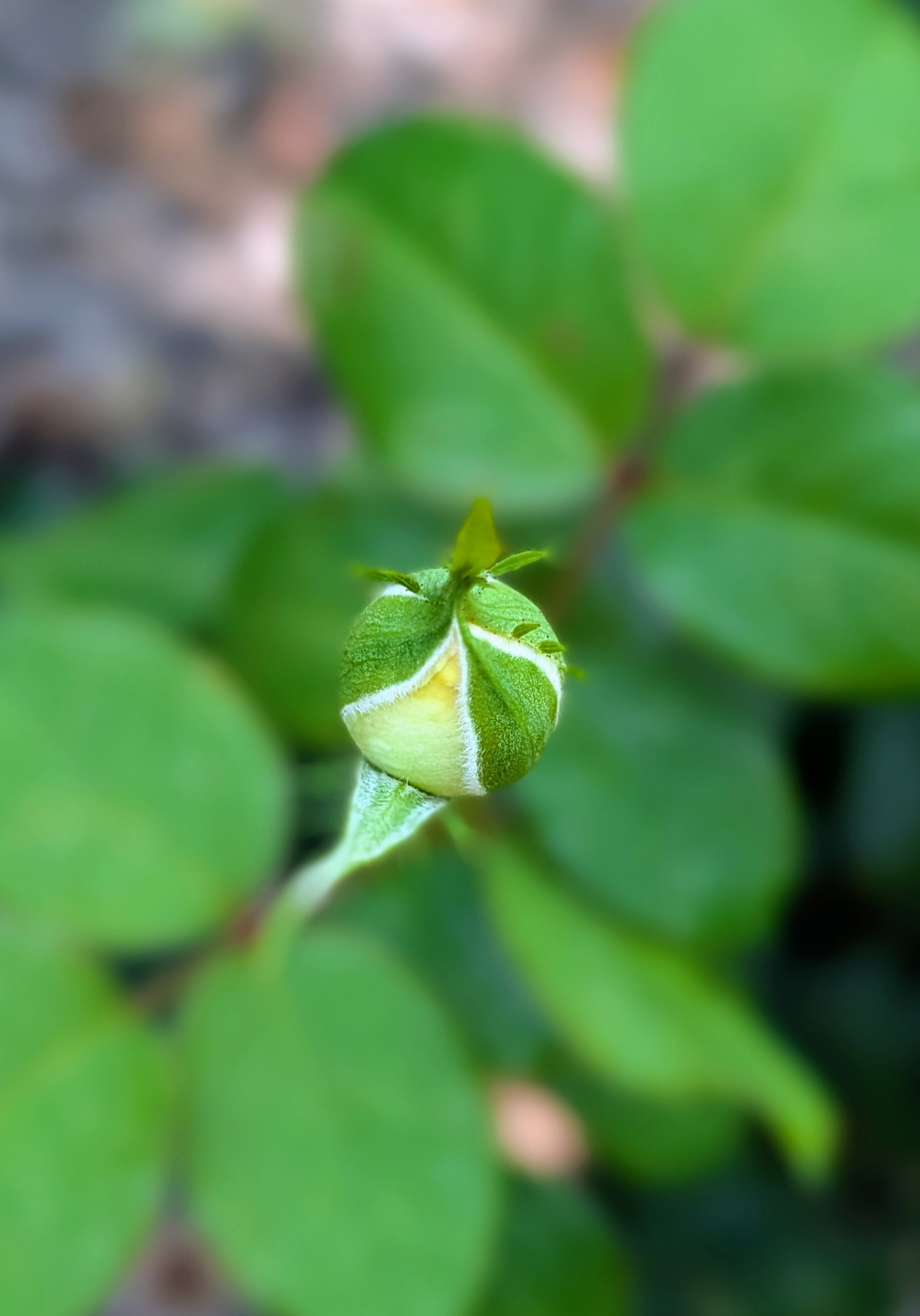
- Depending on the variety, climate, and care they receive, roses can bloom from late spring through autumn. Here’s the bud of a new flower just waiting to open.
-
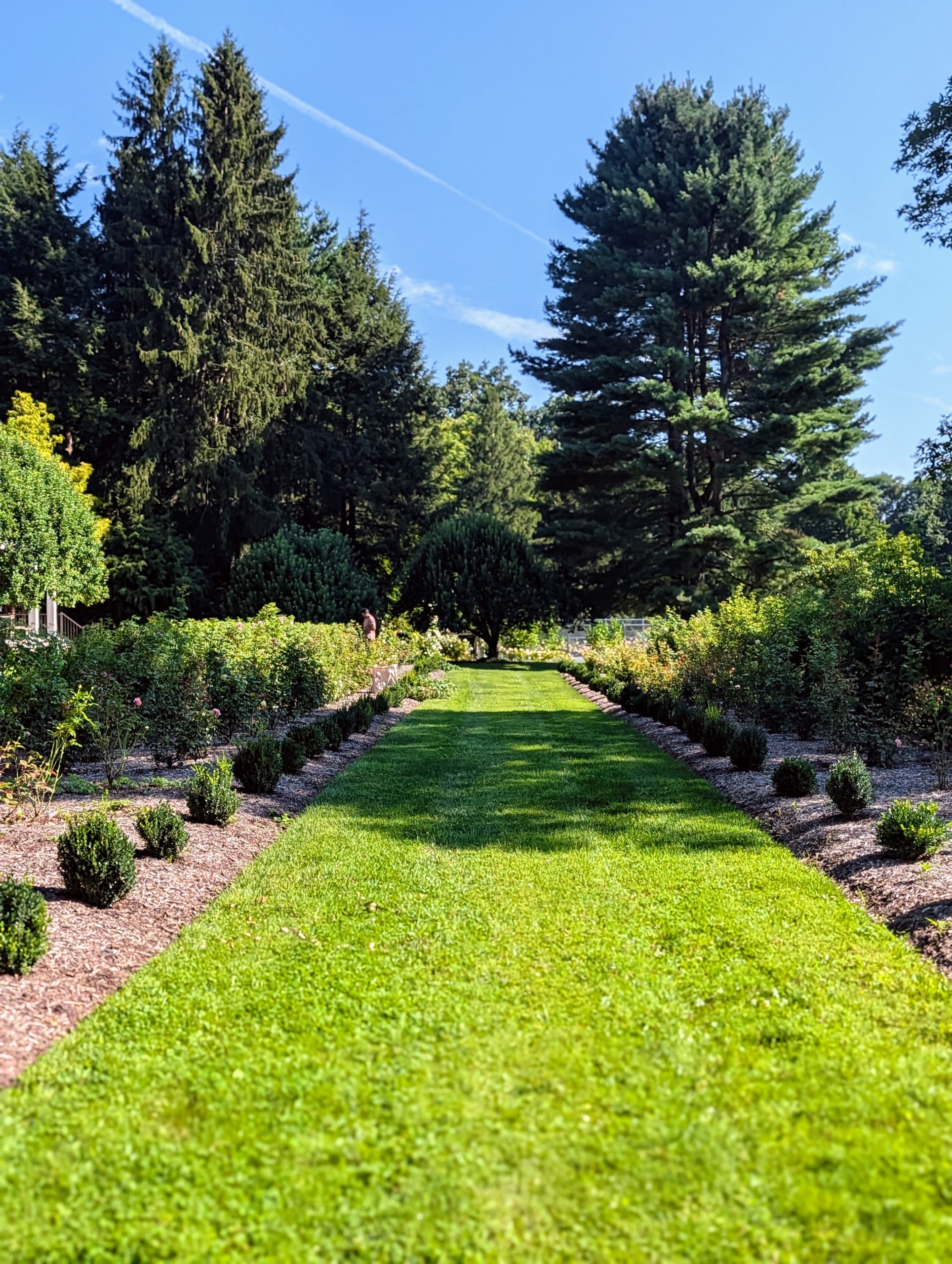
- And always use nutrient-rich compost, composted manure, and other organic and natural fertilizers. I am a voracious feeder of all my plants. Good, thoughtful maintenance in the garden will always be well worth the effort.
 Martha Pins


 Martha Tweets

