

My Living Maze
My three acre living maze is planted.
In 2022 I decided to create a maze of hedges, espaliers, and shrubs in the pasture across the carriage road from my Winter House terrace. A living maze is a puzzle of tall plantings - tall enough to prevent those walking through from seeing the paths ahead. The maze includes rows, openings, and various dead ends, but only one true route leading to the center. The course was planted according to a very detailed map I designed. It's been a very long four year process, but my living maze is finally complete, and yes --- it is definitely "a-maze-ing."
Here are some photos.
-

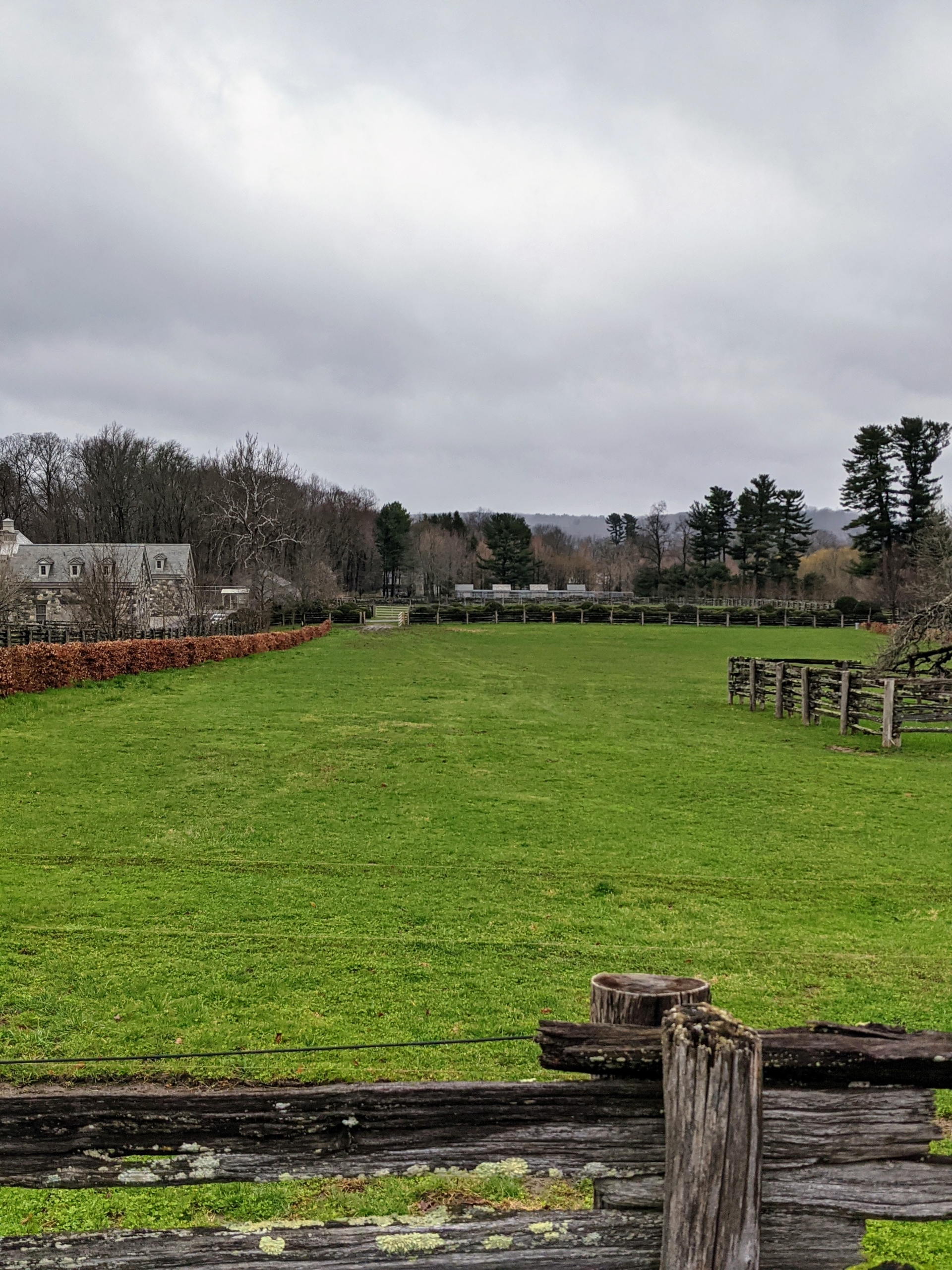
- The living maze was previously a large pasture that extended from my Winter House down to my Boxwood Allée and my stable complex on the left. It was a blank slate and I was ready to take on the challenge of building a botanical puzzle course. Mazes, as well as labyrinths, have been popular in European gardens and estates for centuries. And now there is one at Cantitoe Corners.
-
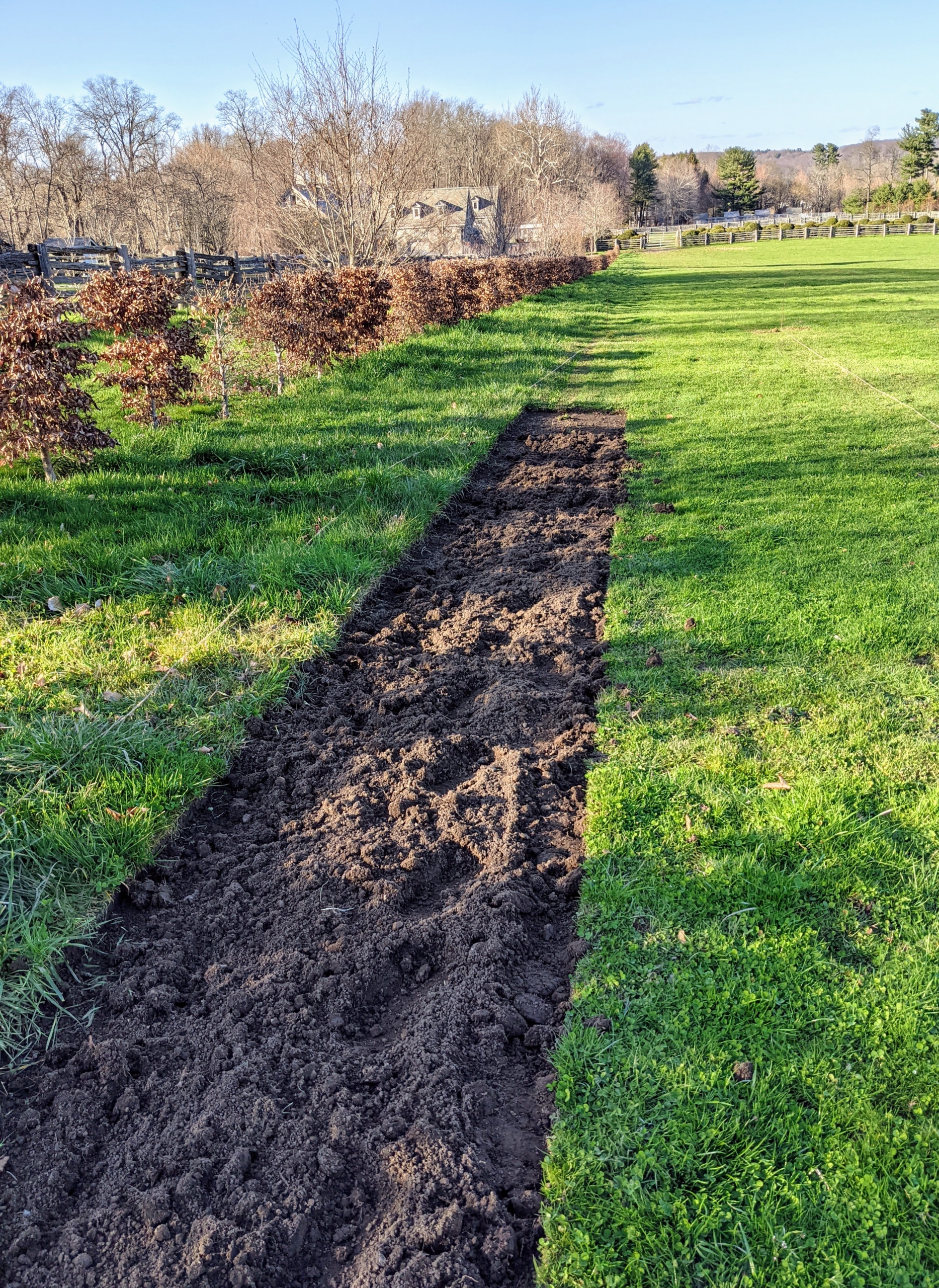
- From the very start, each row was carefully measured, cleared of sod and then planted.
-
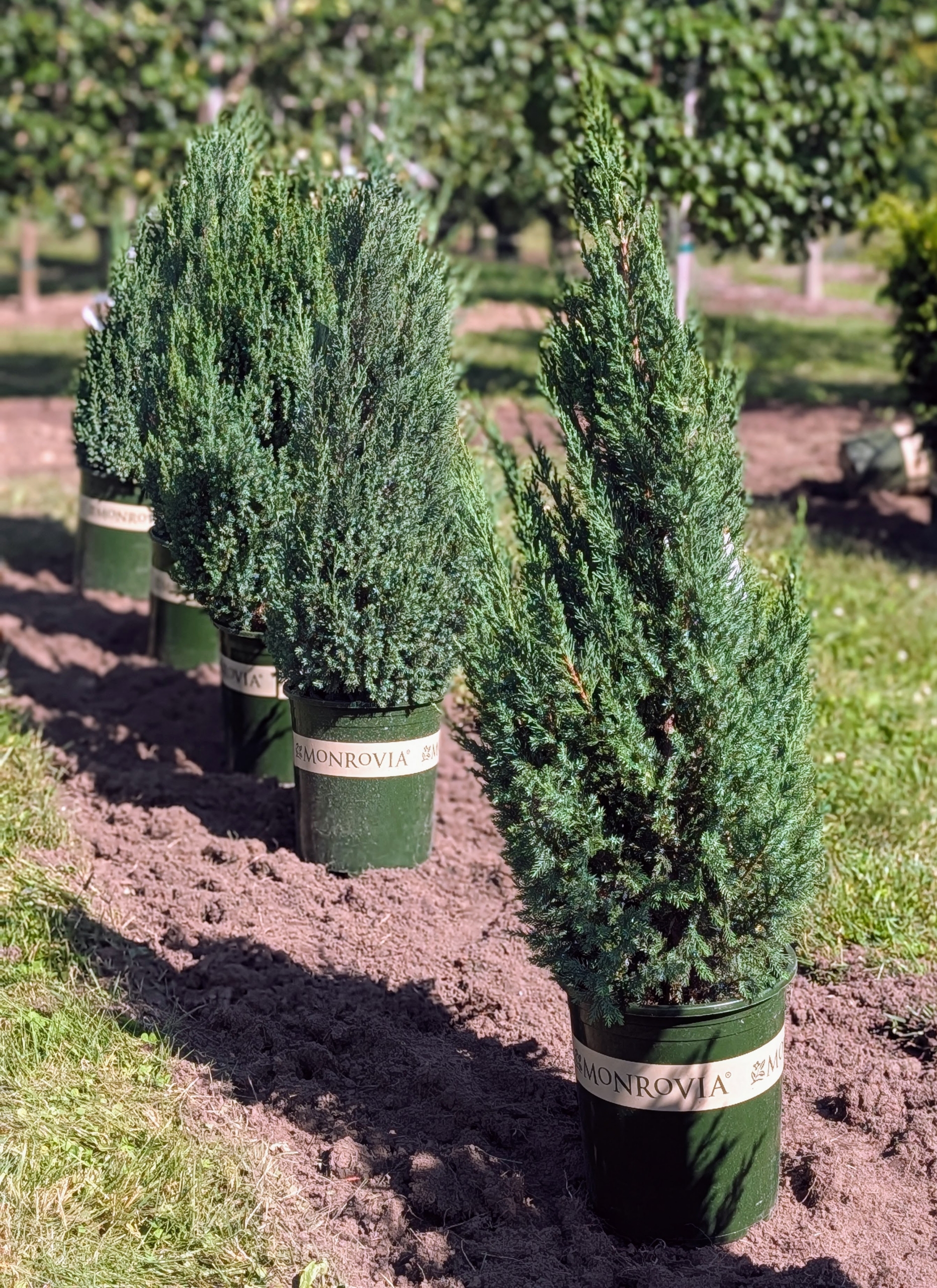
- Monrovia, a wholesale plant nursery specializing in shrubs, perennials, annuals, ferns, grasses, and conifers with several nursery locations across the country, helped me to finish the maze. Their plant collection is exceptional – please look out for Monrovia whenever shopping for plants.
-
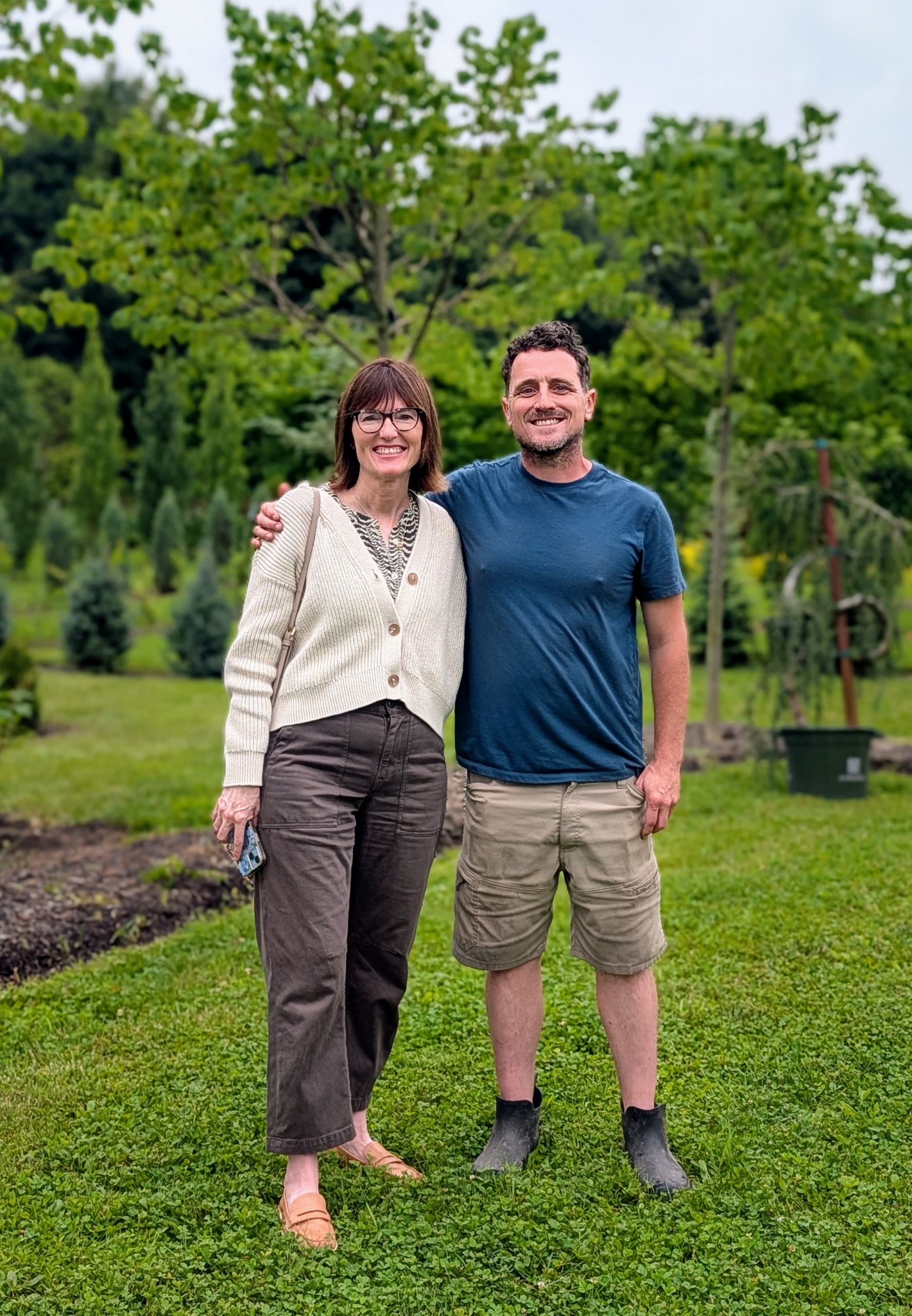
- Monrovia Chief Marketing Officer, Katie Tamony, came to the farm on the last day of planting. Here she is with my head gardener, Ryan McCallister.
-
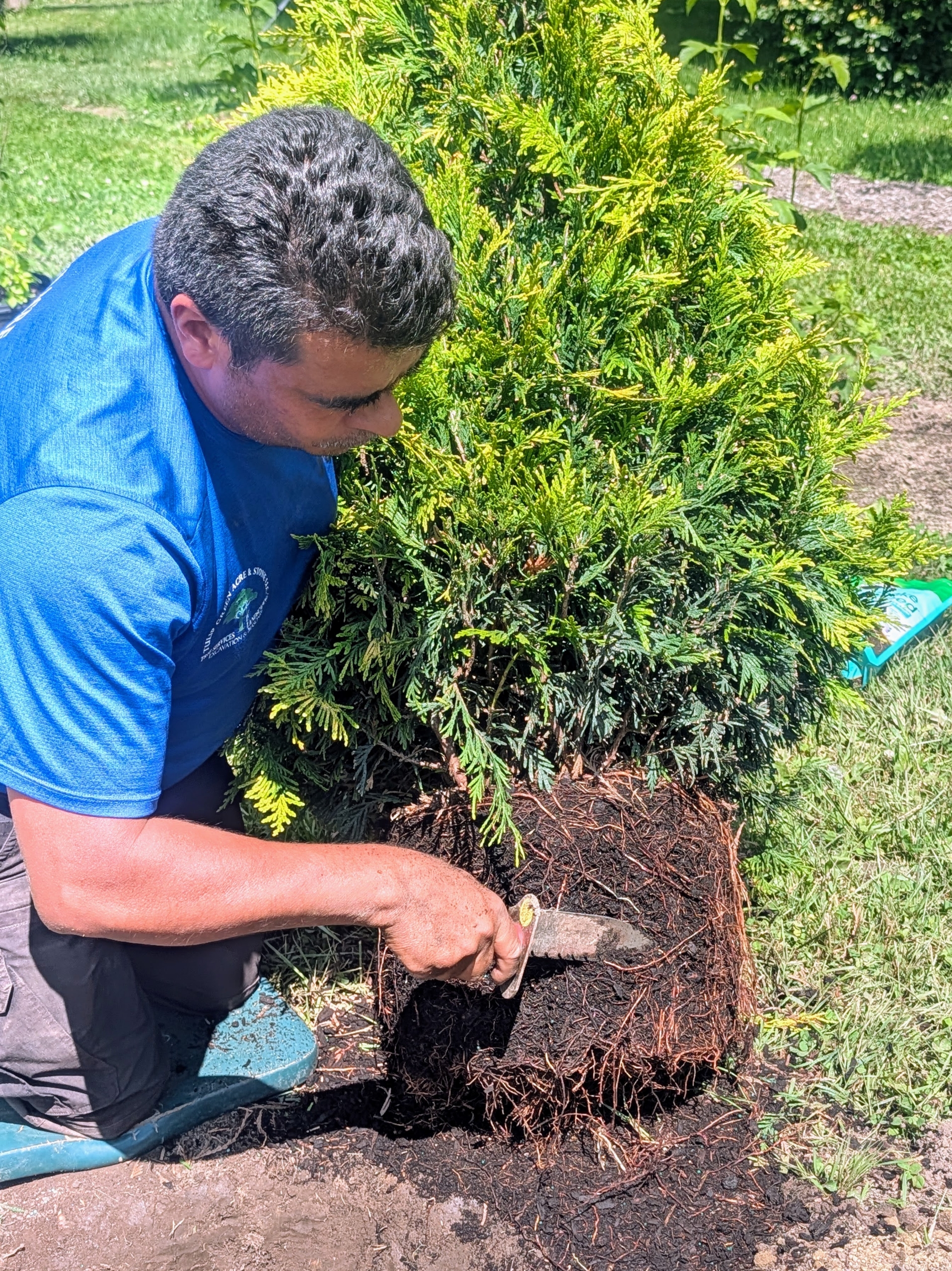
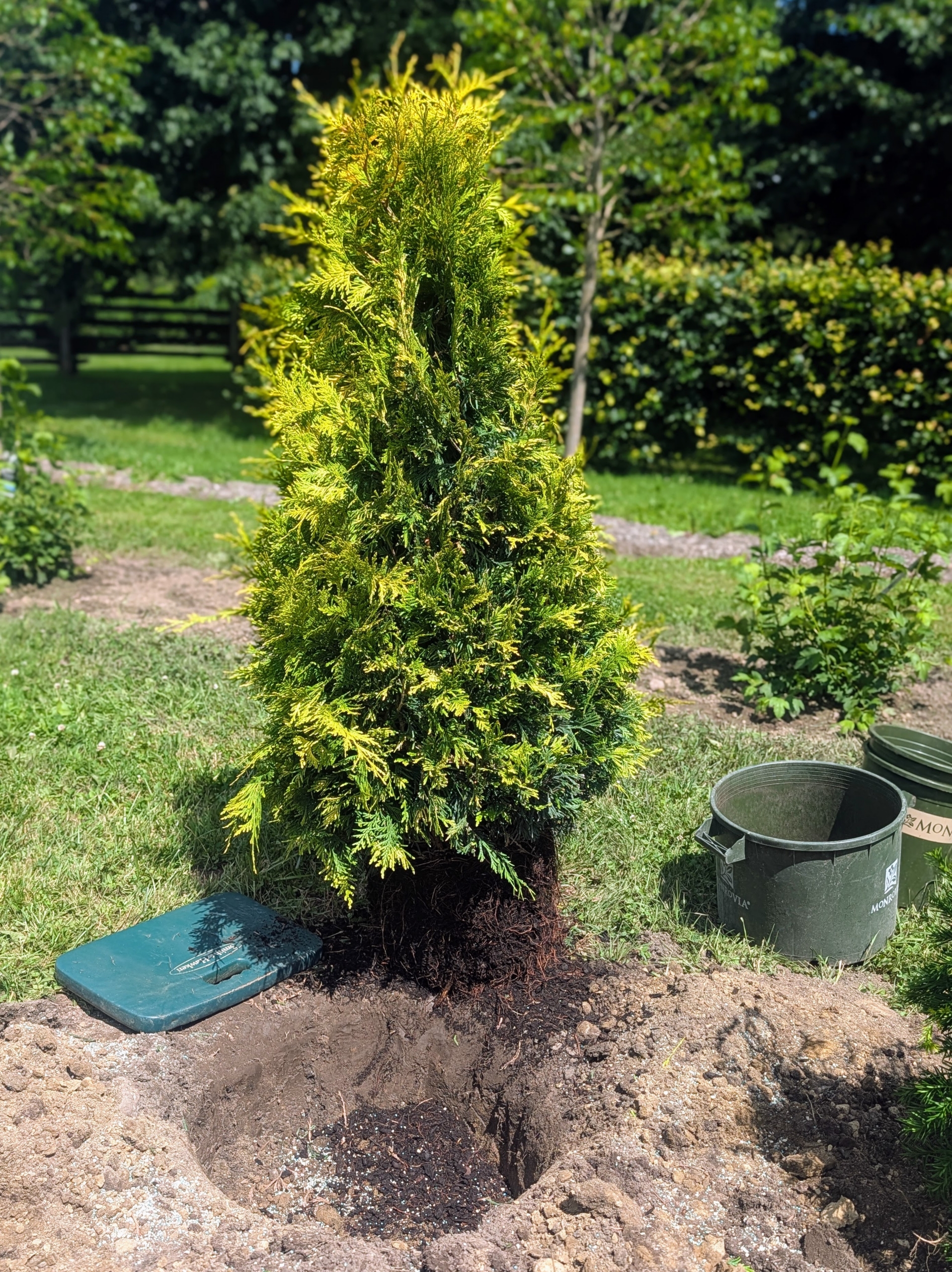
- The planting process is the same for every specimen. Plants are selected based on their type, growth at maturity, soil and lighting needs. As each plant is removed from its pot, its root ball is scarified to stimulate root growth.
-
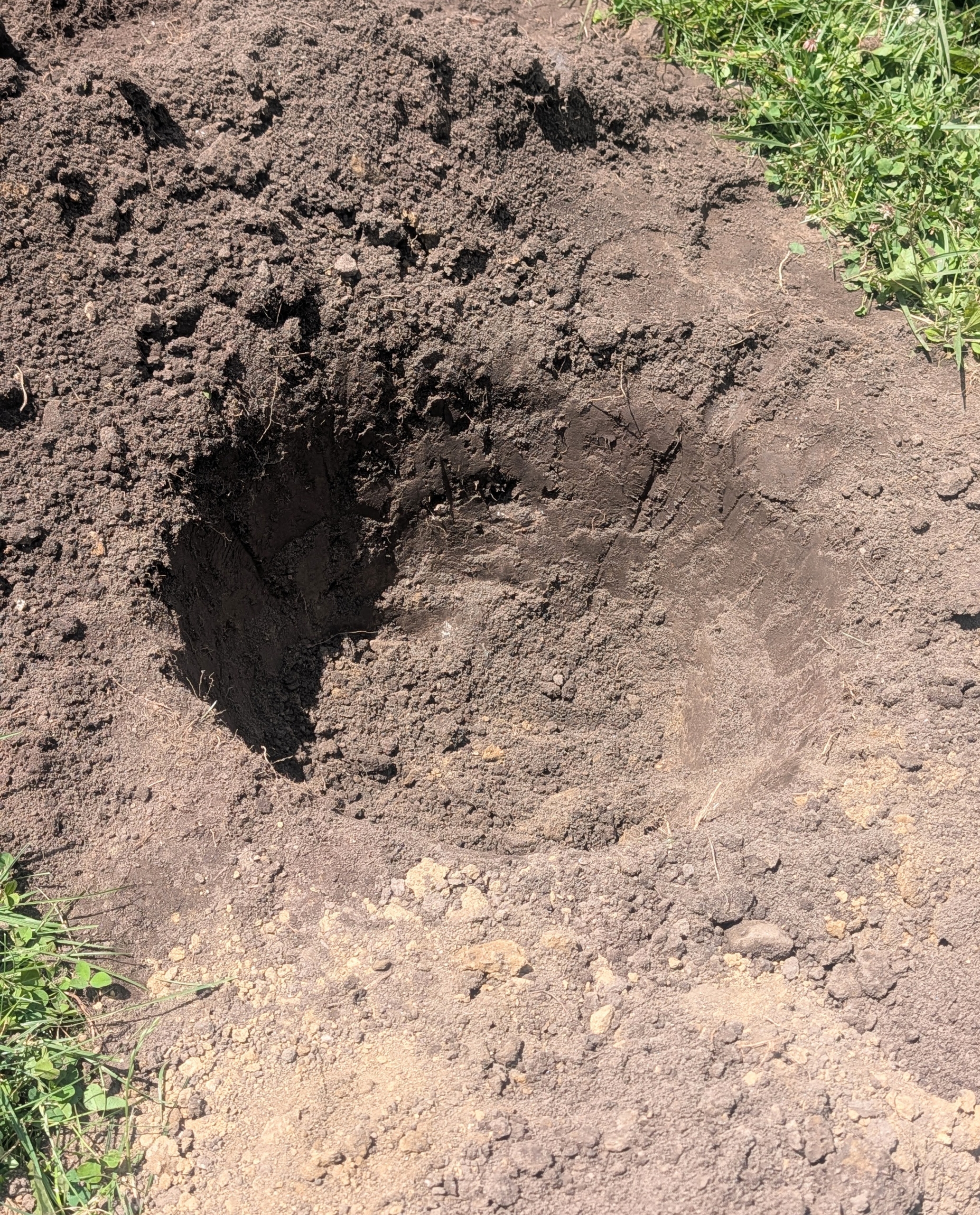
- Each hole is dug precisely. The rule of thumb is to dig a hole that is two to three times wider than the root ball, but only as deep as the height of the root ball.
-
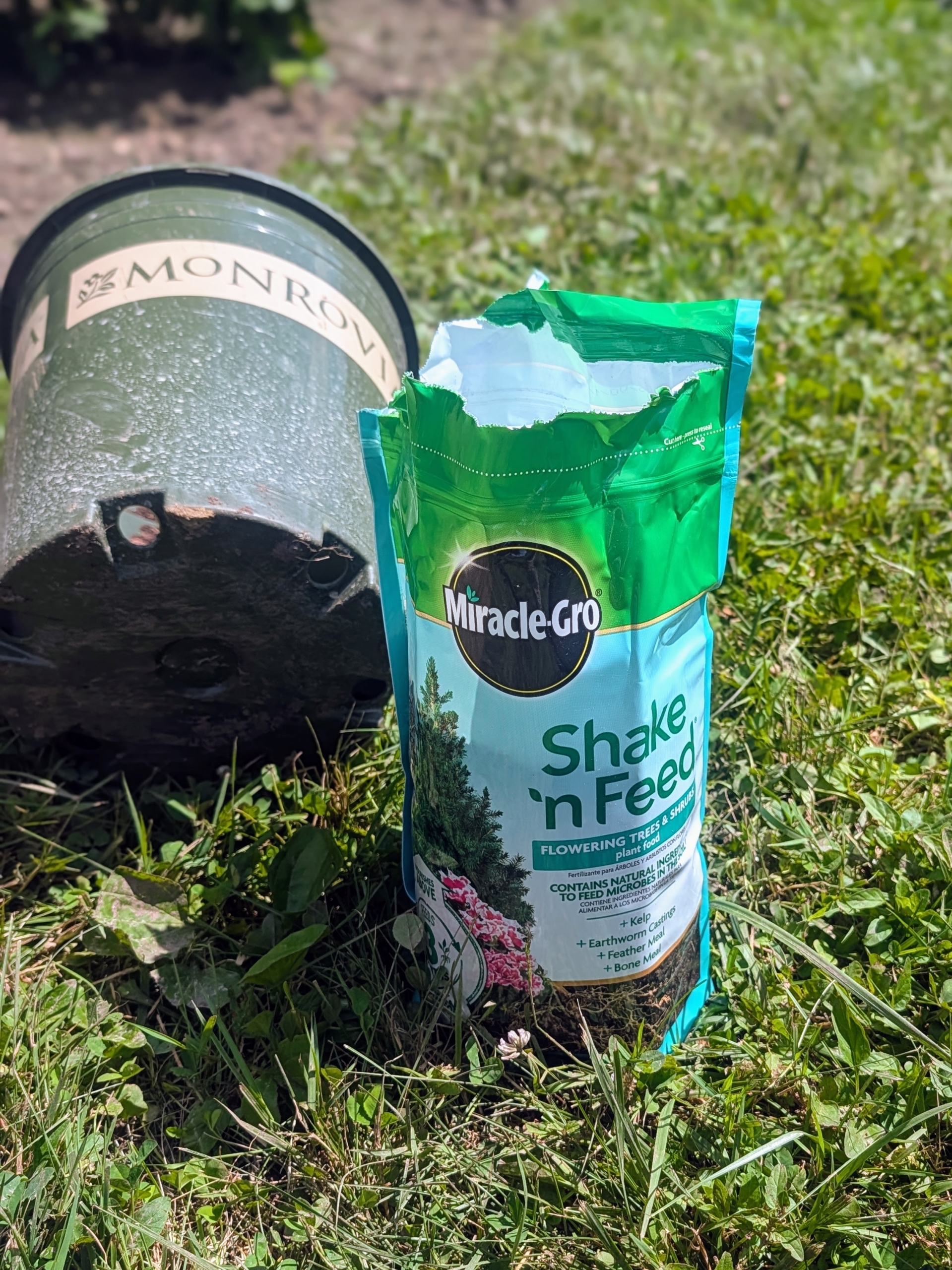
- Generous handfuls of fertilizer are dropped into the hole and on the surrounding soil. Always use food that promotes faster establishment, deeper roots, and good soil structure such as Miracle-Gro Shake’n Feed Flowering Trees & Shrubs plant food.
-
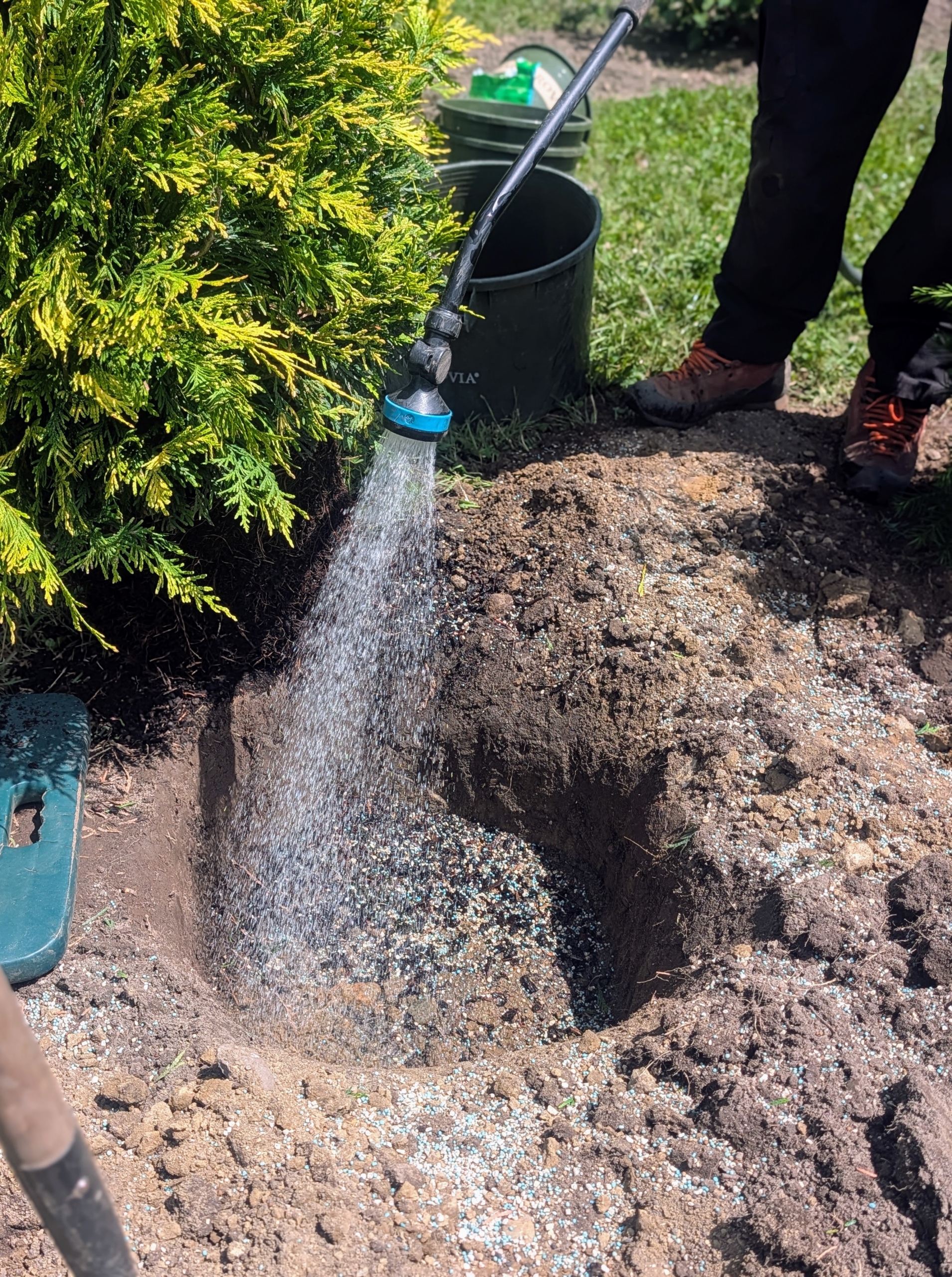
- Especially when the weather is warm, I instruct my team to fill the holes first with water to give the plants a strong start, improve root establishment, reduce transplant shock, and increase survival chances.
-
- Before planting in the ground, each specimen is positioned so its best side faces the footpath.
-
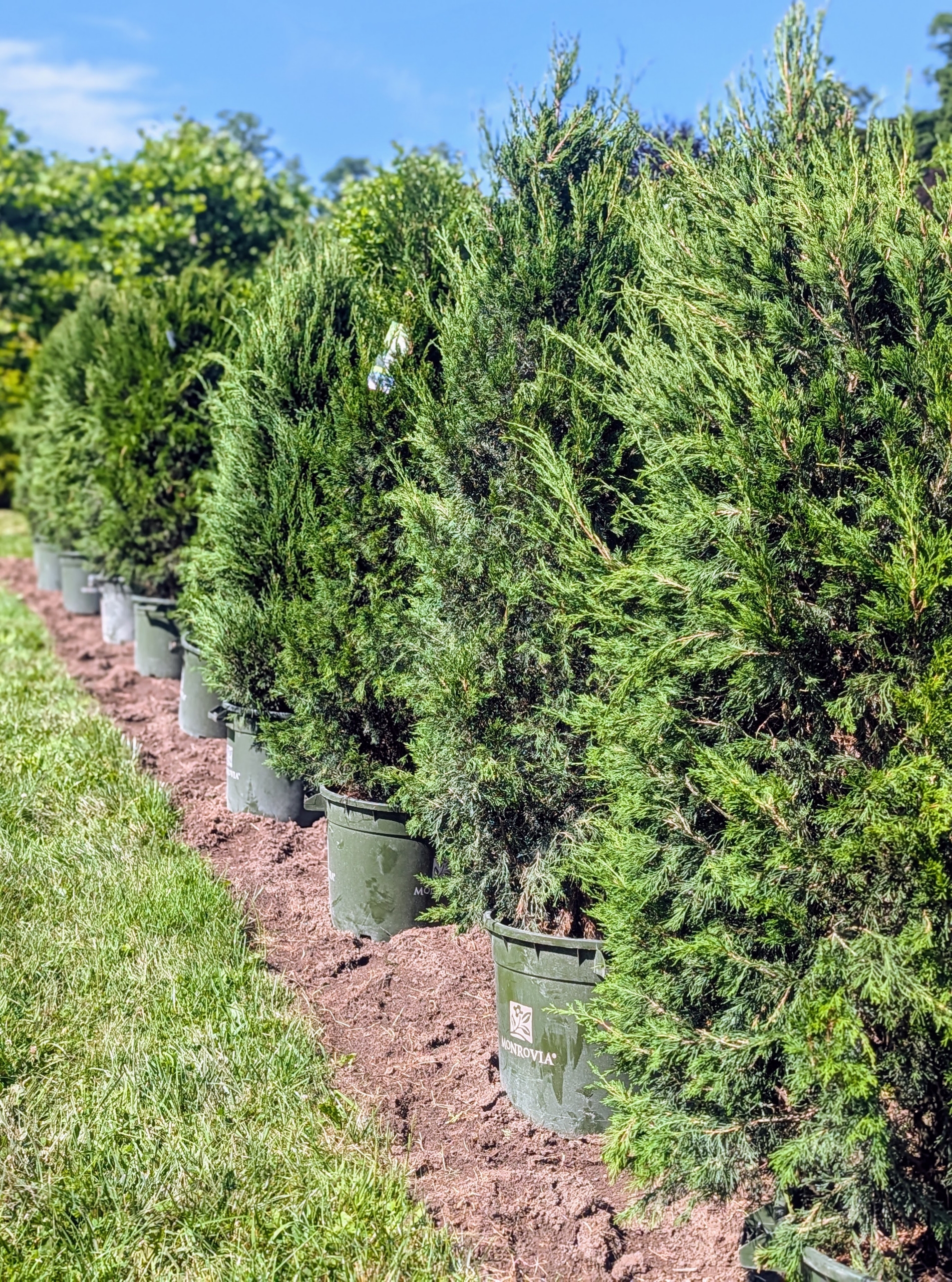
- On this last day of maze planting, the crew planted several different evergreens. This is Spartan Juniper, Juniperus chinensis ‘Spartan’ – a handsome, fast growing evergreen that forms a densely branched column that is naturally symmetrical, pyramidal, and rarely needs pruning.
-
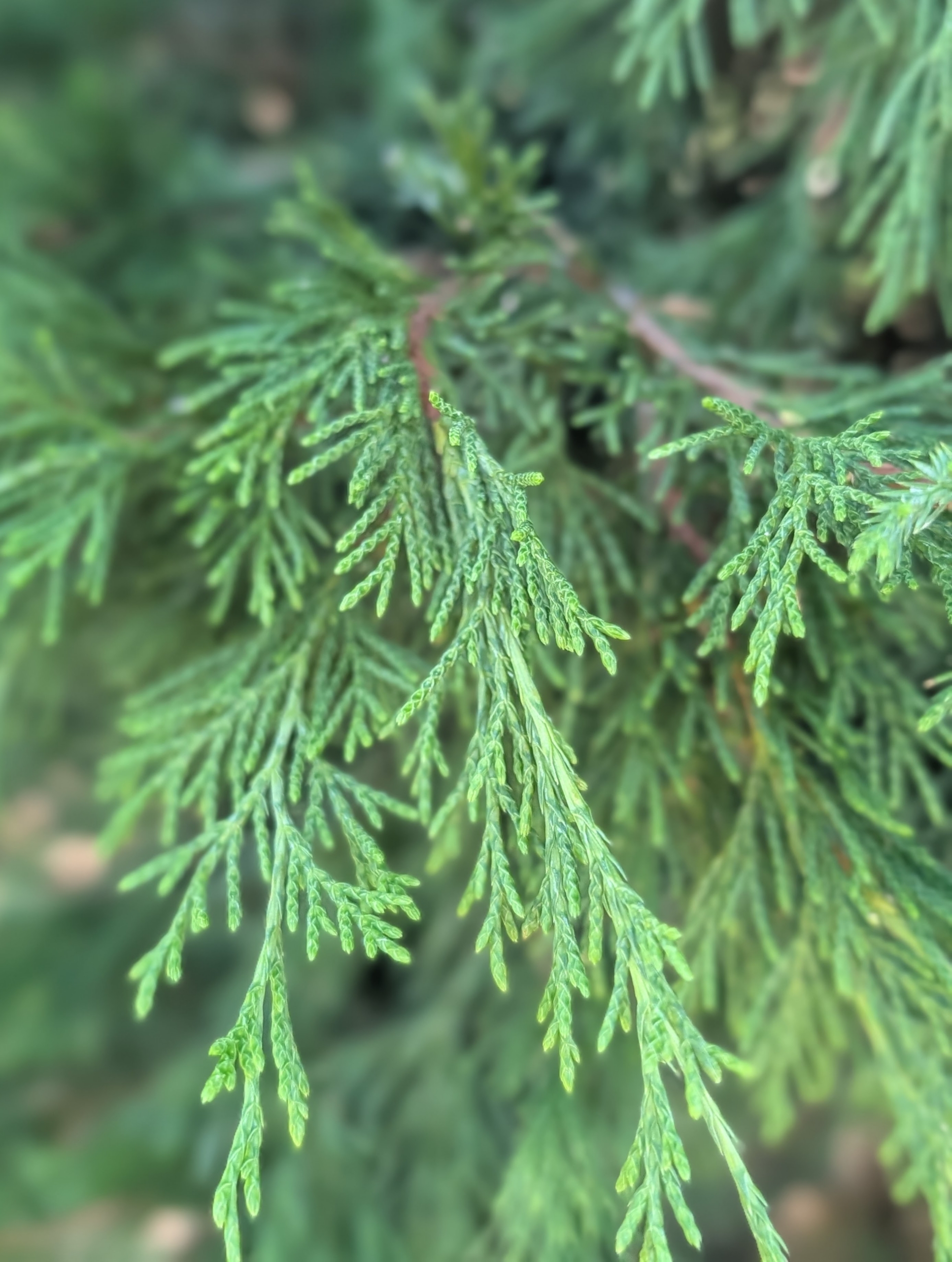
- It features dark green, scale-like foliage that remains vibrant year-round.
-
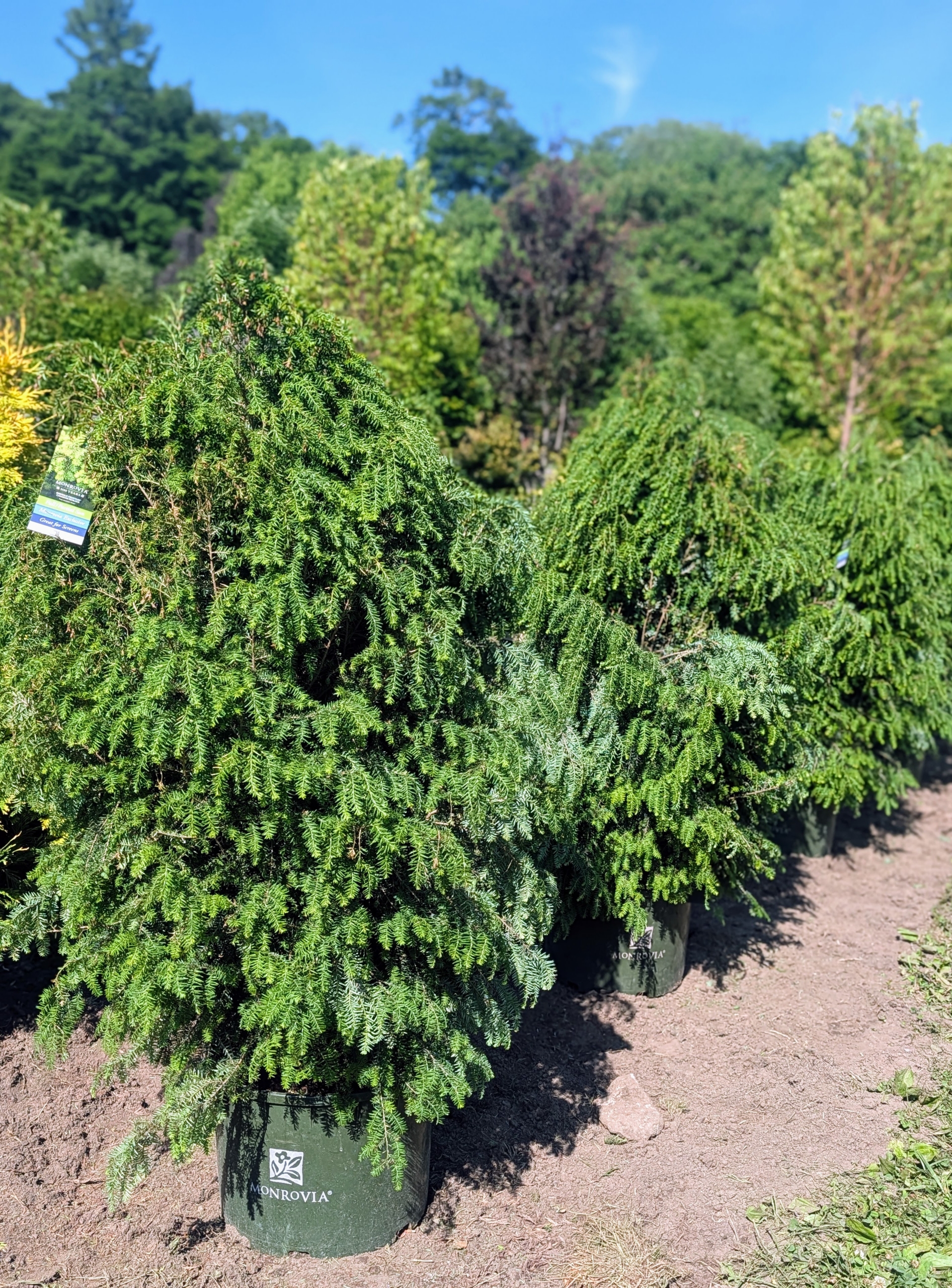
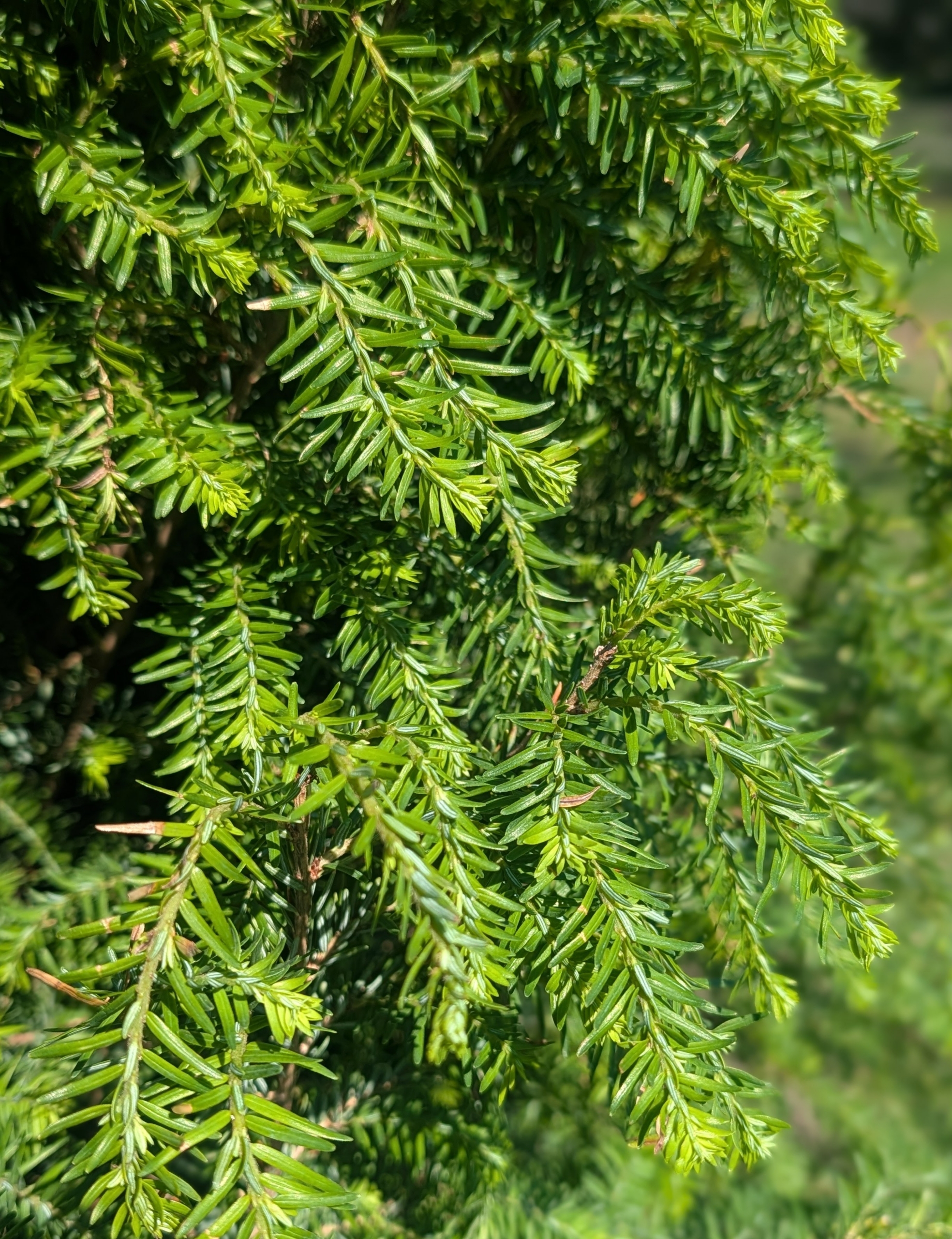
- Emerald Fountain® Canadian Hemlock, Tsuga canadensis ‘Monler,’ is an excellent low-maintenance hedge tree. It is also densely branched and bushy, and retains dark green foliage color throughout winter.
-
- Its needles are flat with two white bands on the underside giving it a lacy look.
-
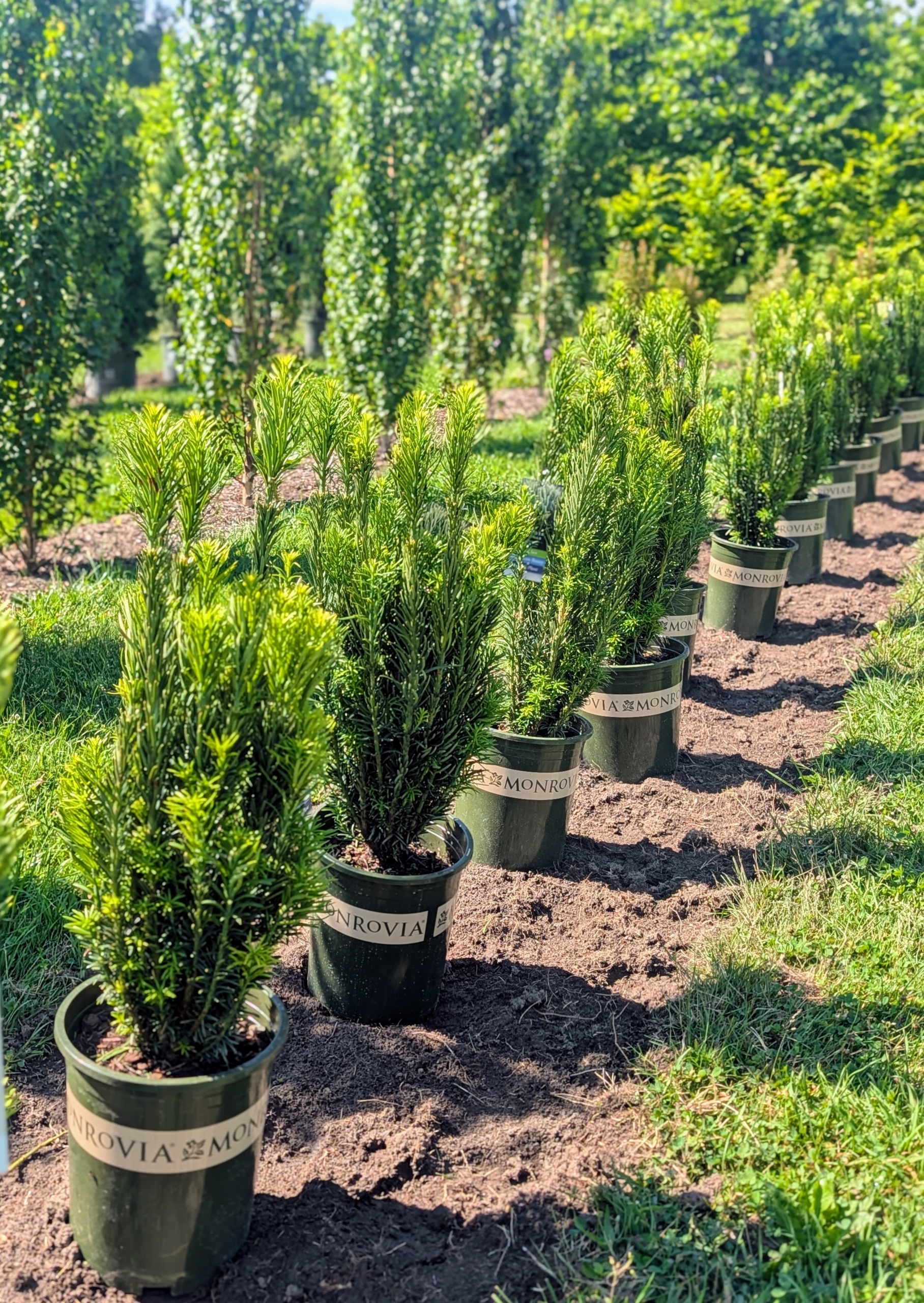
- This row shows Upright Japanese Plum Yews, Cephalotaxus harringtonia ‘Fastigiata.’ These have a carefree, vertical growth habit. The foliage is finely textured, shiny, dark green, and deer resistant.
-
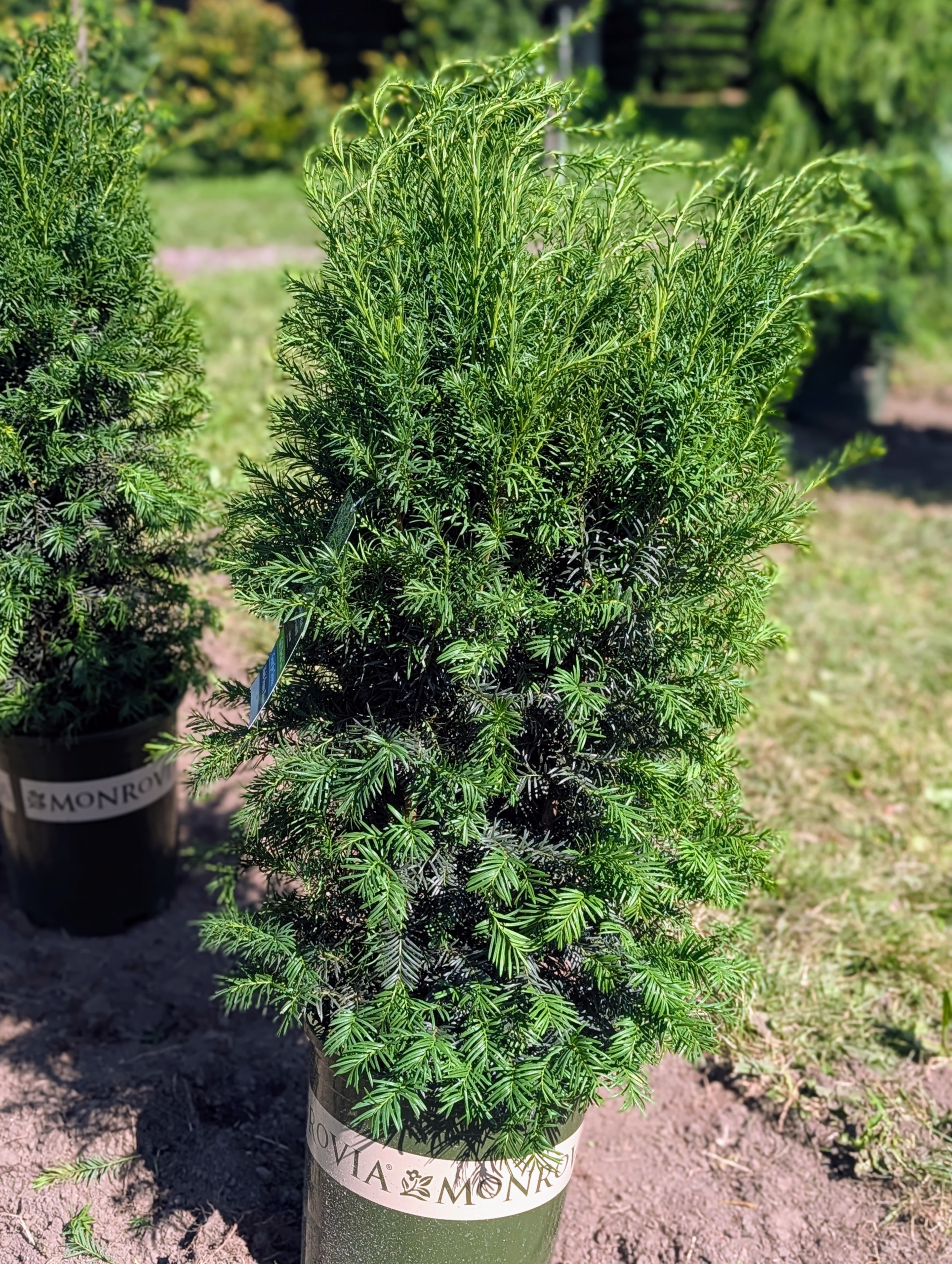
- Eddie Yew, Taxus x media ‘H.M. Eddie,’ is an excellent choice evergreen shrub for tall hedges and privacy screens. It has long, upright-growing branches with dense, dark green foliage.
-
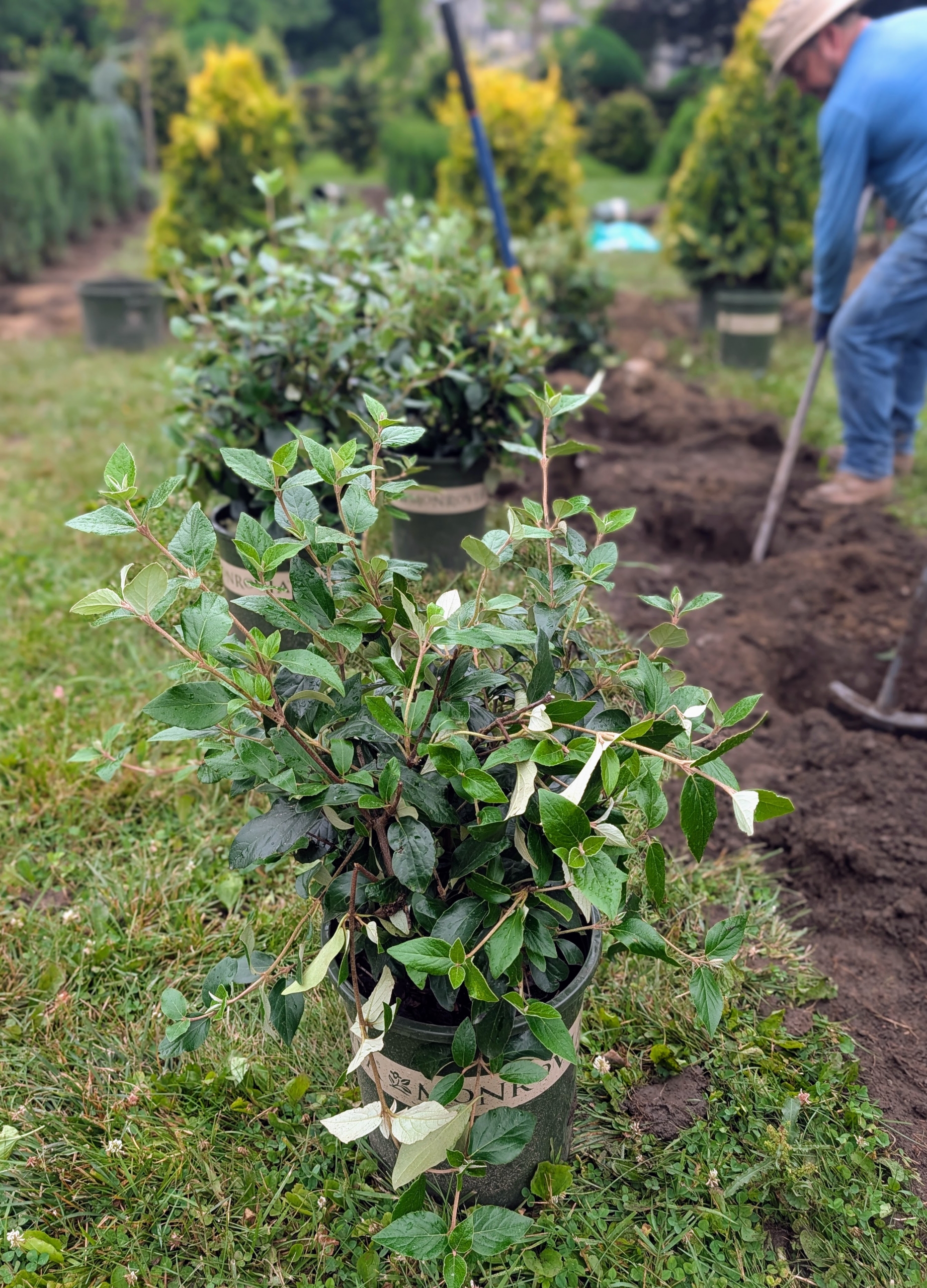
- I also included several different viburnum varieties in the maze. This one is Burkwood Viburnum, Viburnum x burkwoodii, which has clusters of pinkish white spring flowers with a spicy-sweet fragrance and beautiful, lustrous, dark green foliage.
-
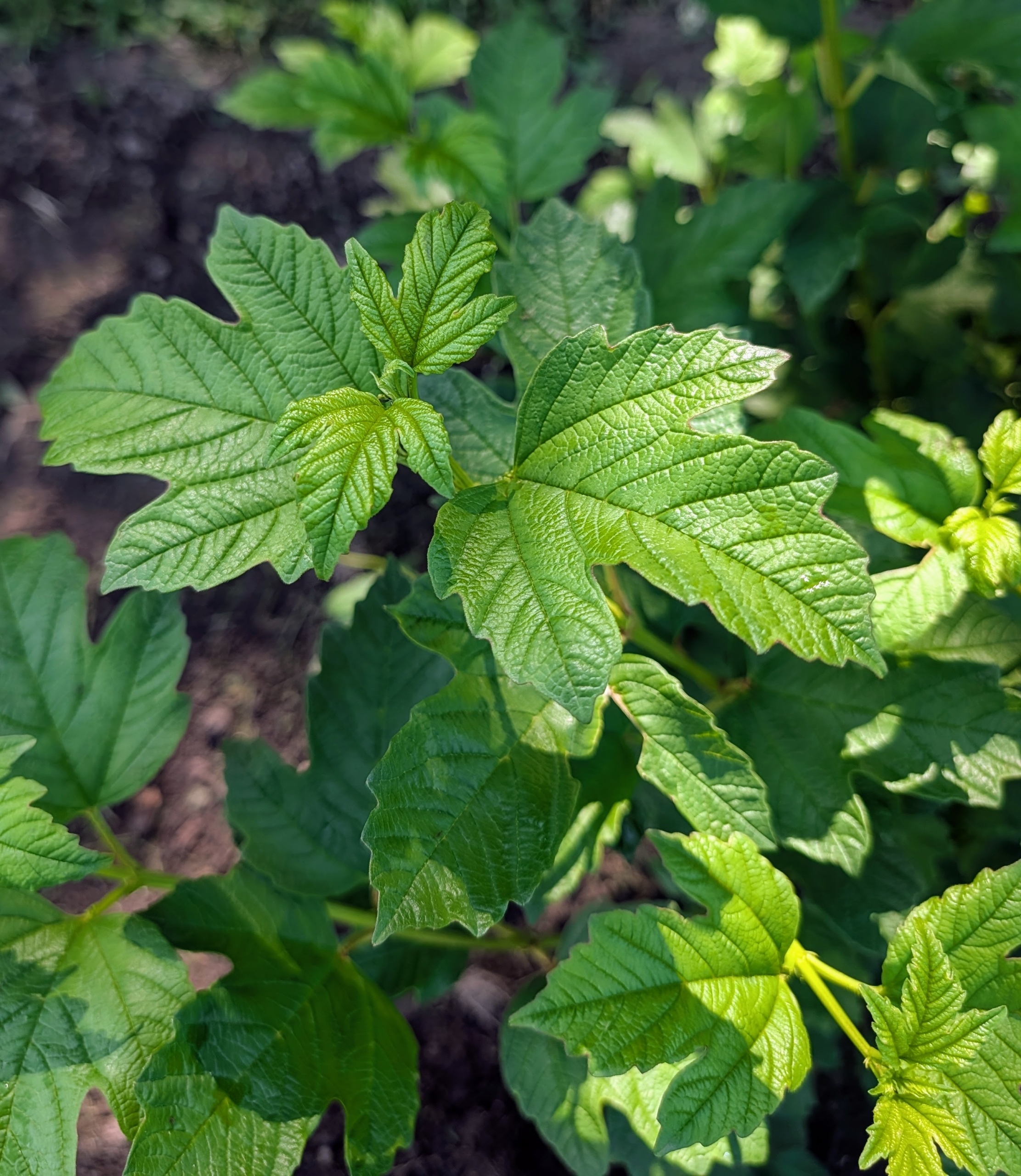
- These are the leaves of Eastern Snowball, Viburnum opulus ‘Sterile.’ On this plant, masses of large, pure white, snowball-like flower clusters give a showy display in spring.
-
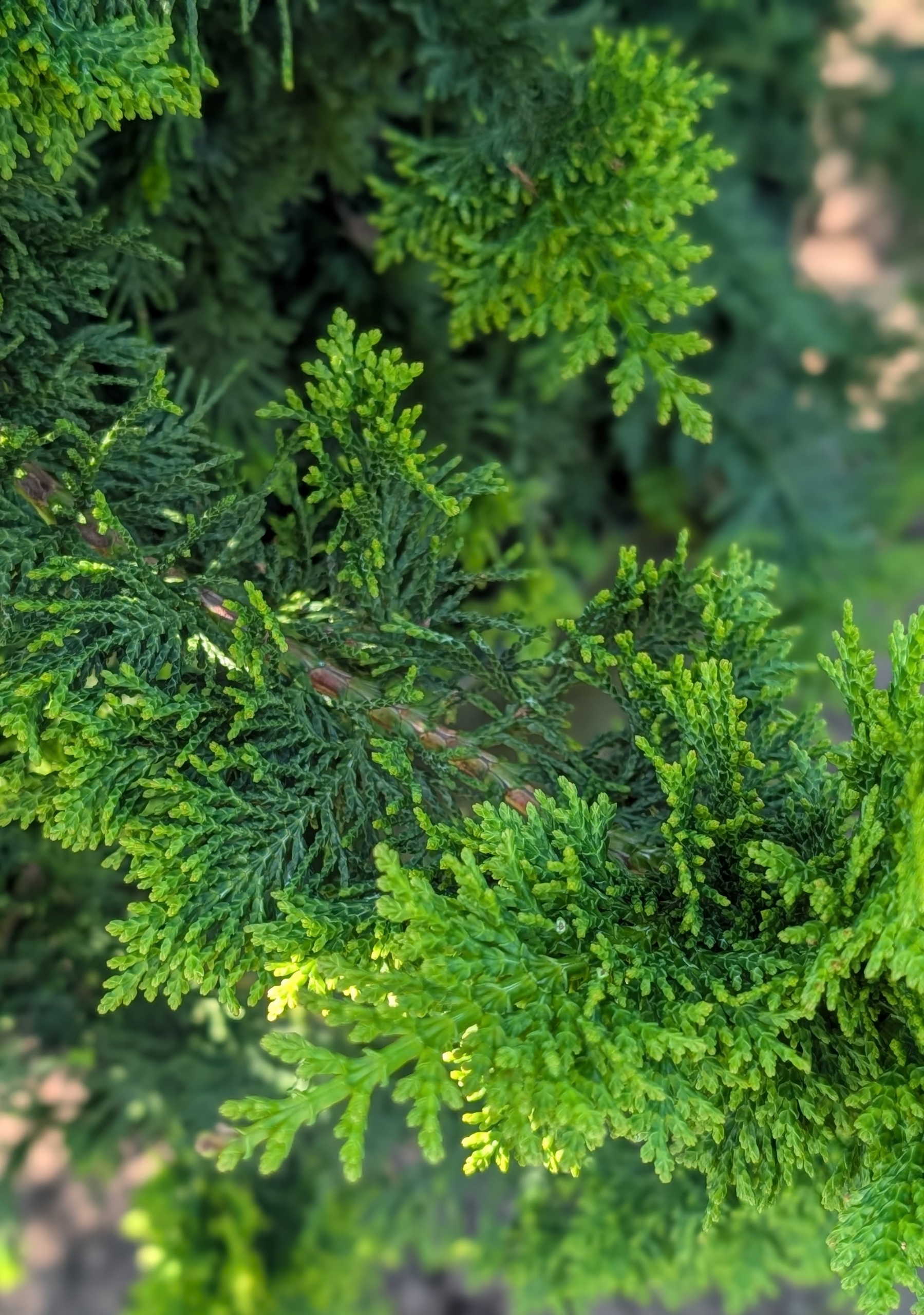
- And this is Jade Waves® Fernspray False Cypress, Chamaecyparis obtusa ‘MonYur.’ It features sprays of fern-like green foliage that takes on a bronze hue in winter.
-
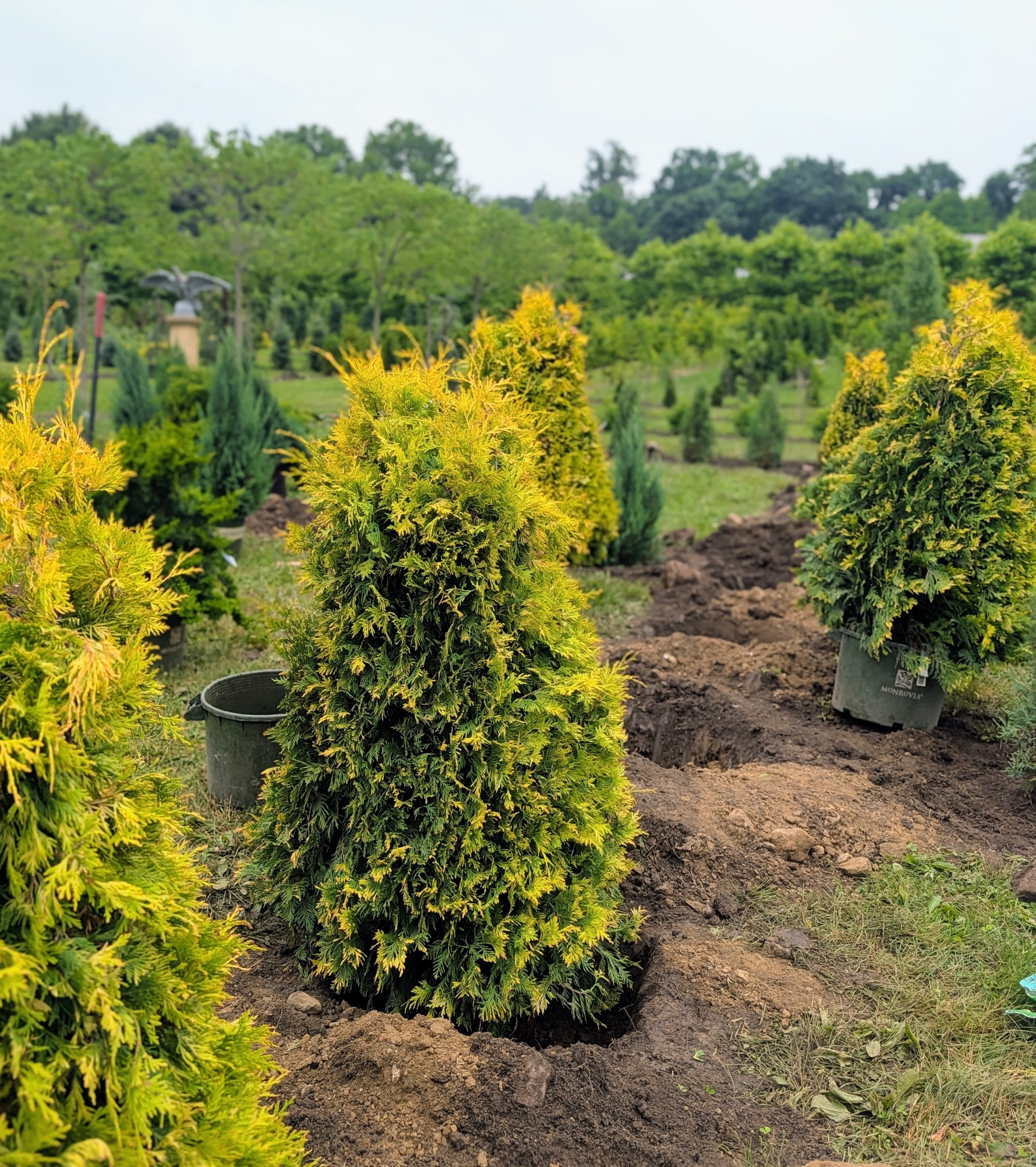
- It was a race to the finish, just one day before a large party I am hosting for 225 guests to celebrate the country’s semiquincentennial, or the Quarter Millennium, the 250th anniversary of the United States Declaration of Independence. I’ll share more of that event in an upcoming blog.
-
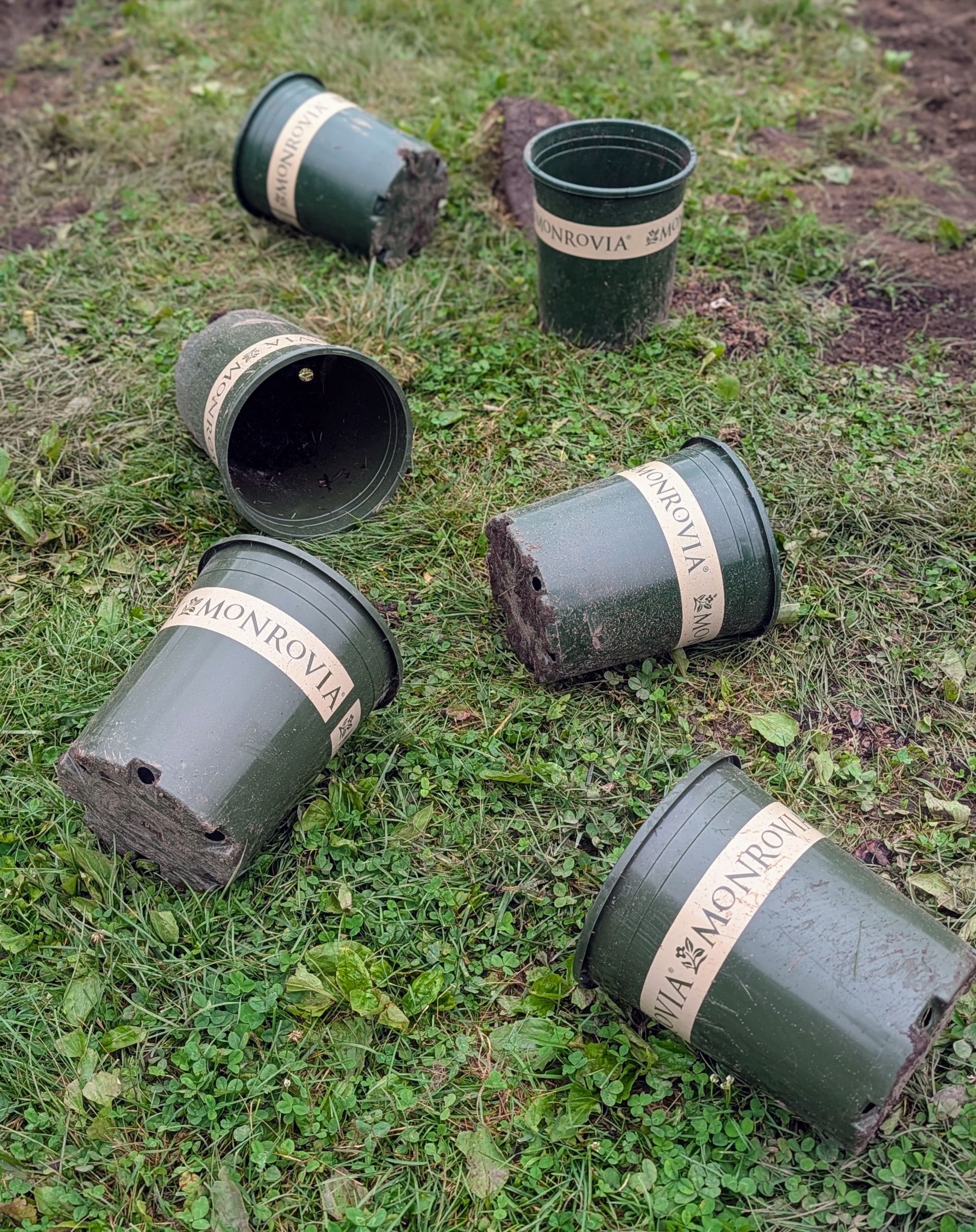
- By day’s end, everything was perfectly planted. Don’t forget to save the pots – they always come in handy.
-
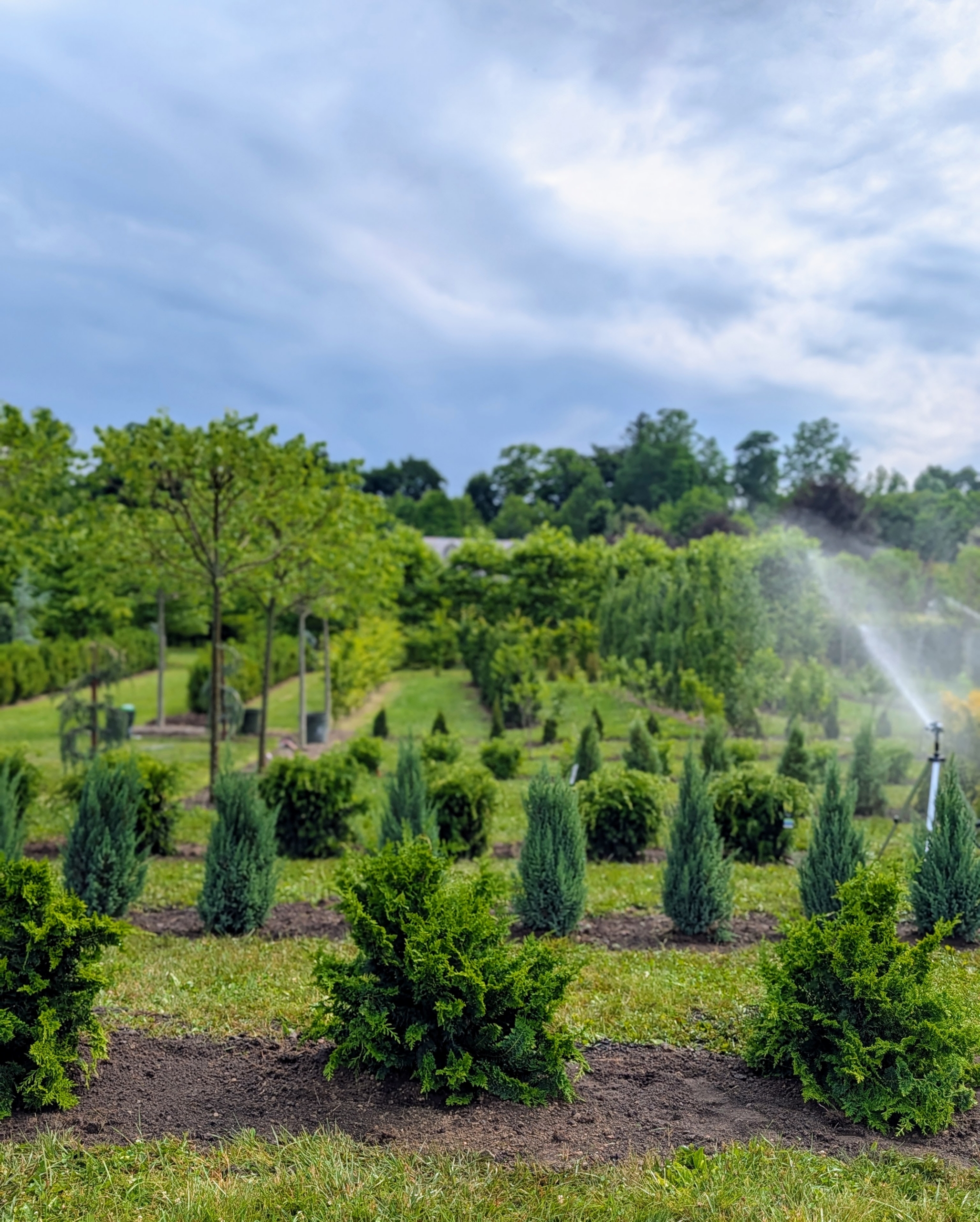
- After the last plant was put in the ground, sprinklers were turned on – water, water, water! These plants will mature so beautifully.
-
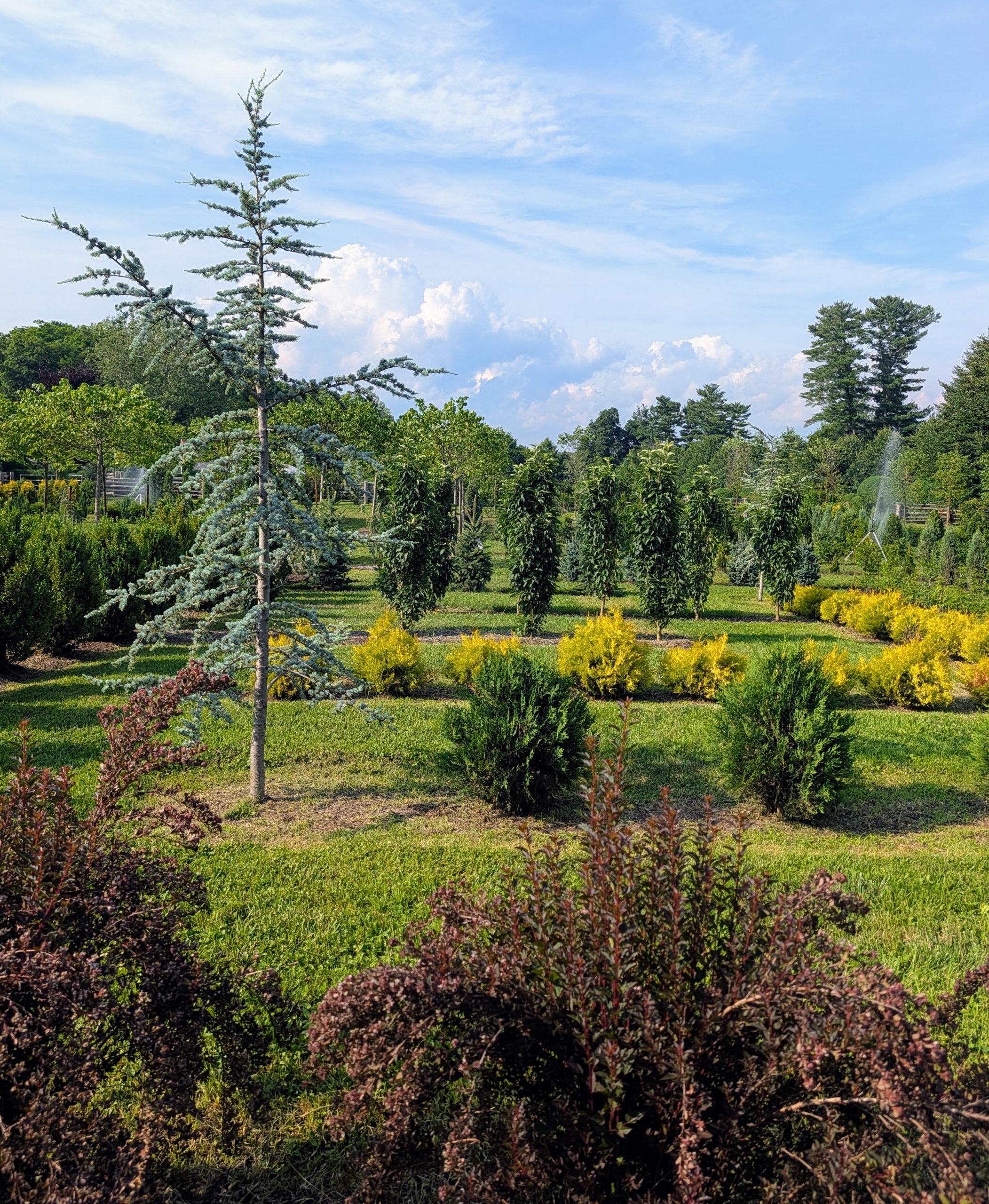
- I am so proud of how it came out. I designed the maze with different plantings to add texture and interest.
-
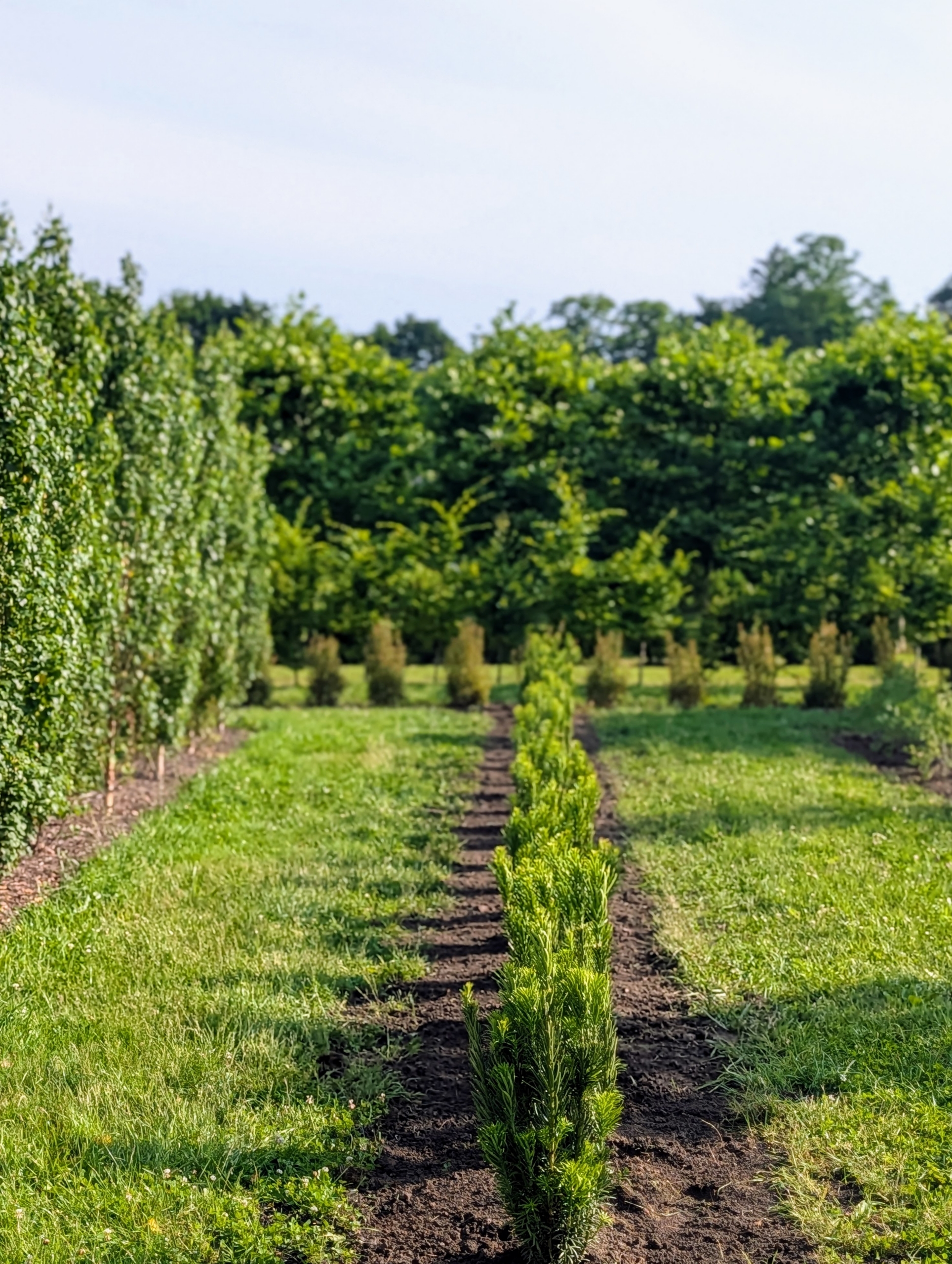
- The plants are spaced closely, so they become closed hedges in time.
-
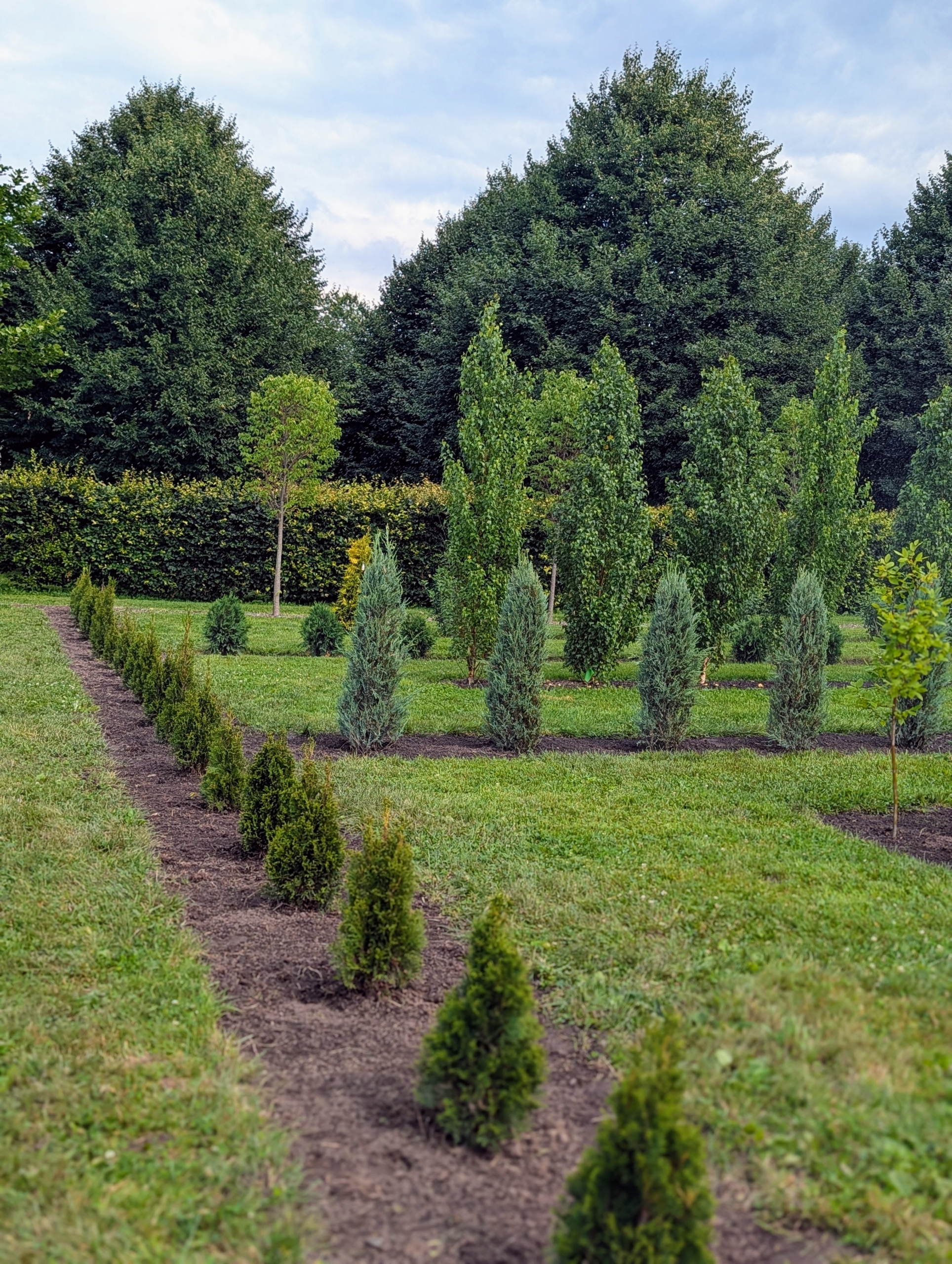
- Some plants are small now, but they will grow lush and tall, creating the fun, interesting, and puzzling walk for which they were intended.
-
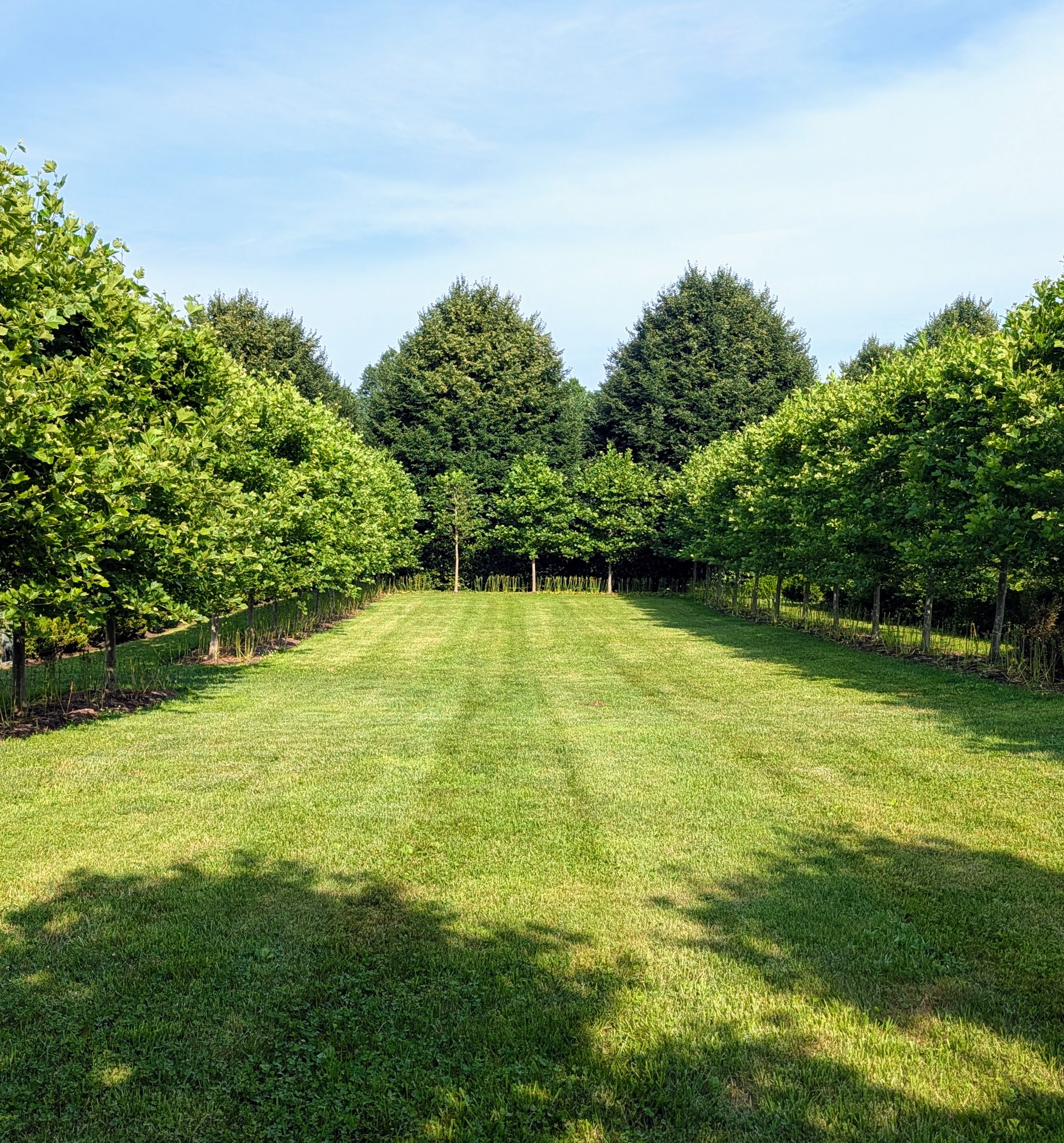
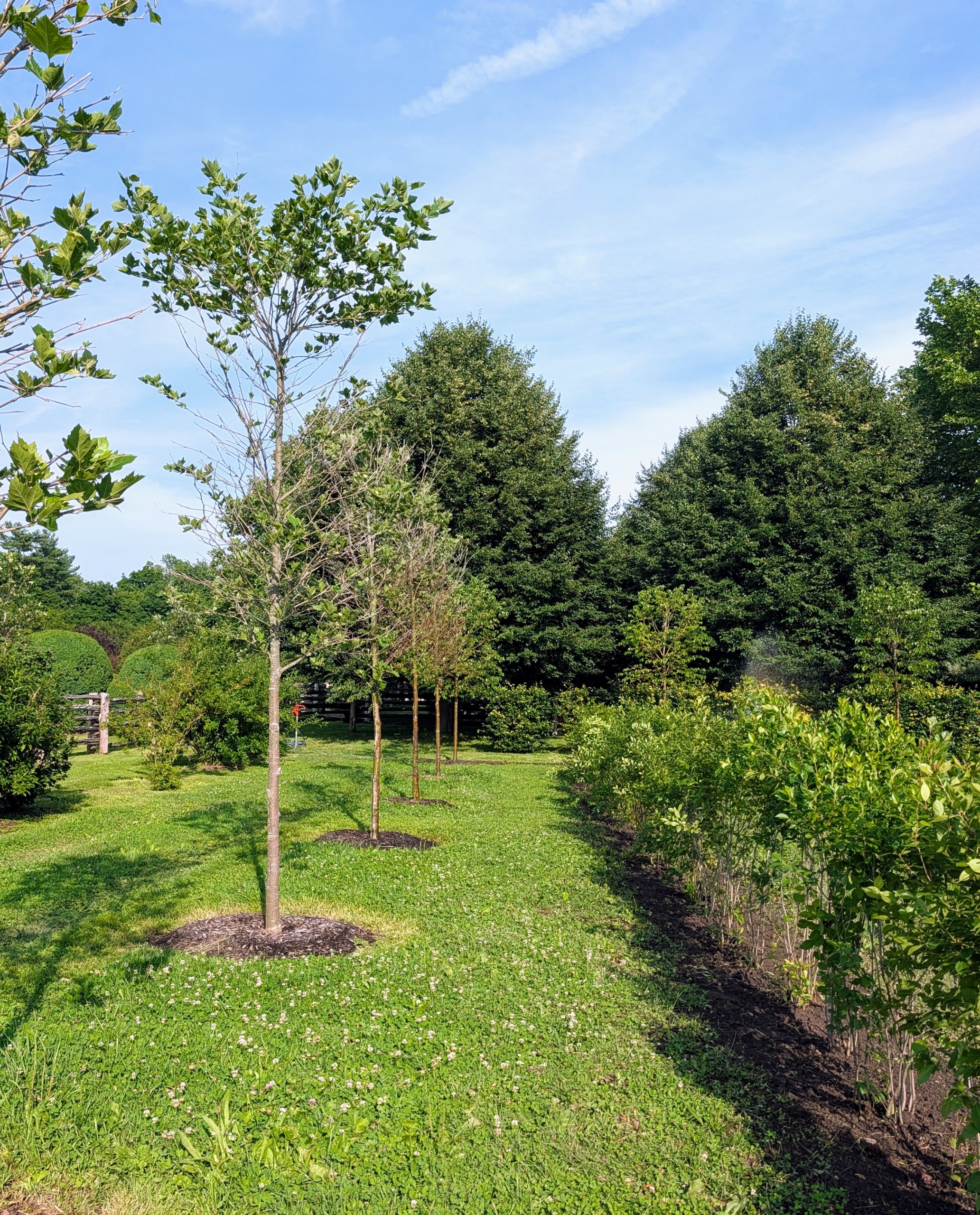
- In this space I added a selection of handsome London planetrees, Platanus acerifolia ‘Bloodgood,’ a relative of the mighty sycamore. These trees are large shade trees with broad open crowns. They were the perfect choice for the center of my maze, where they surround an open green space.
-
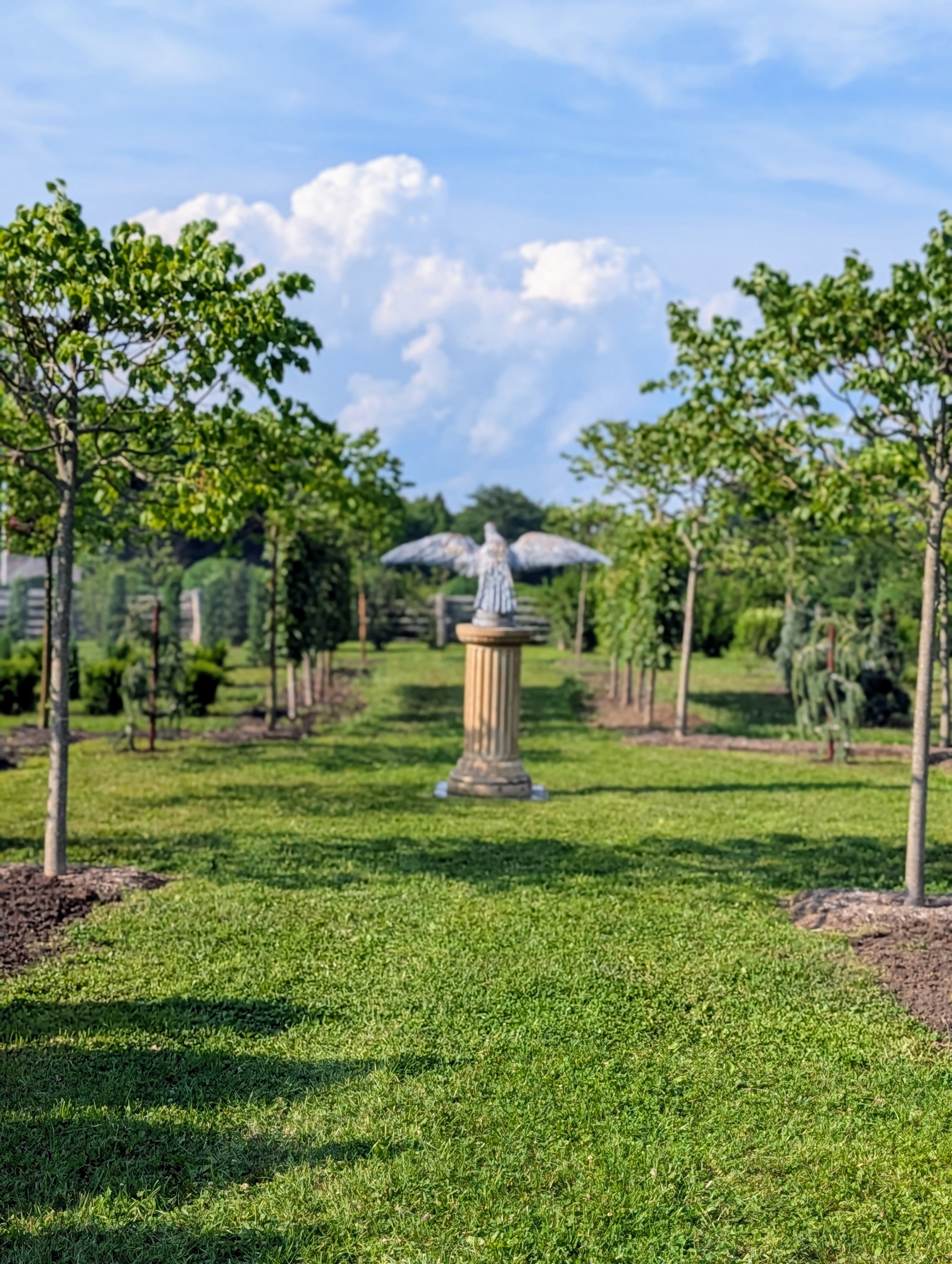
- And close to the north end of my maze is my giant eagle looking out toward the landscape beyond.
-
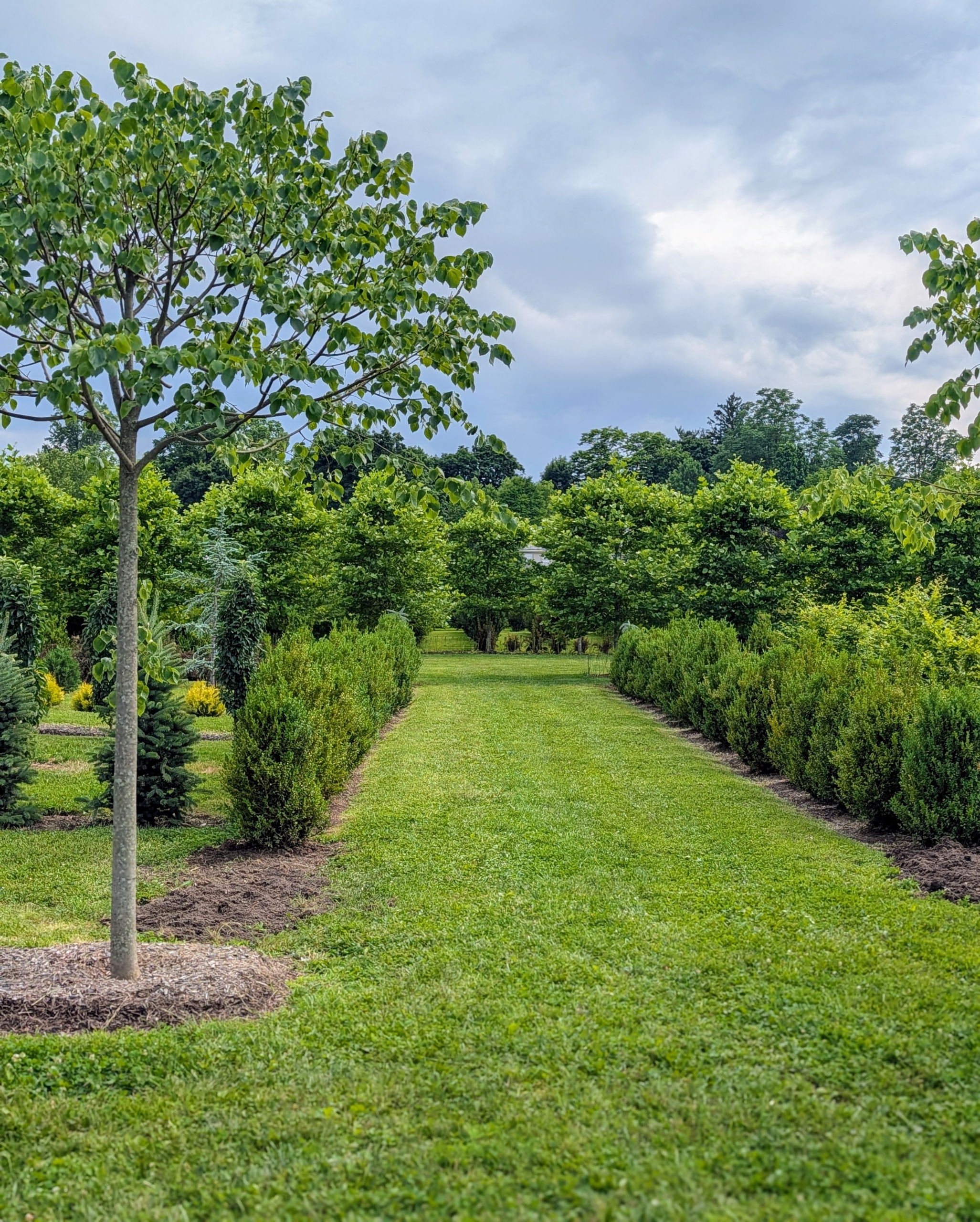
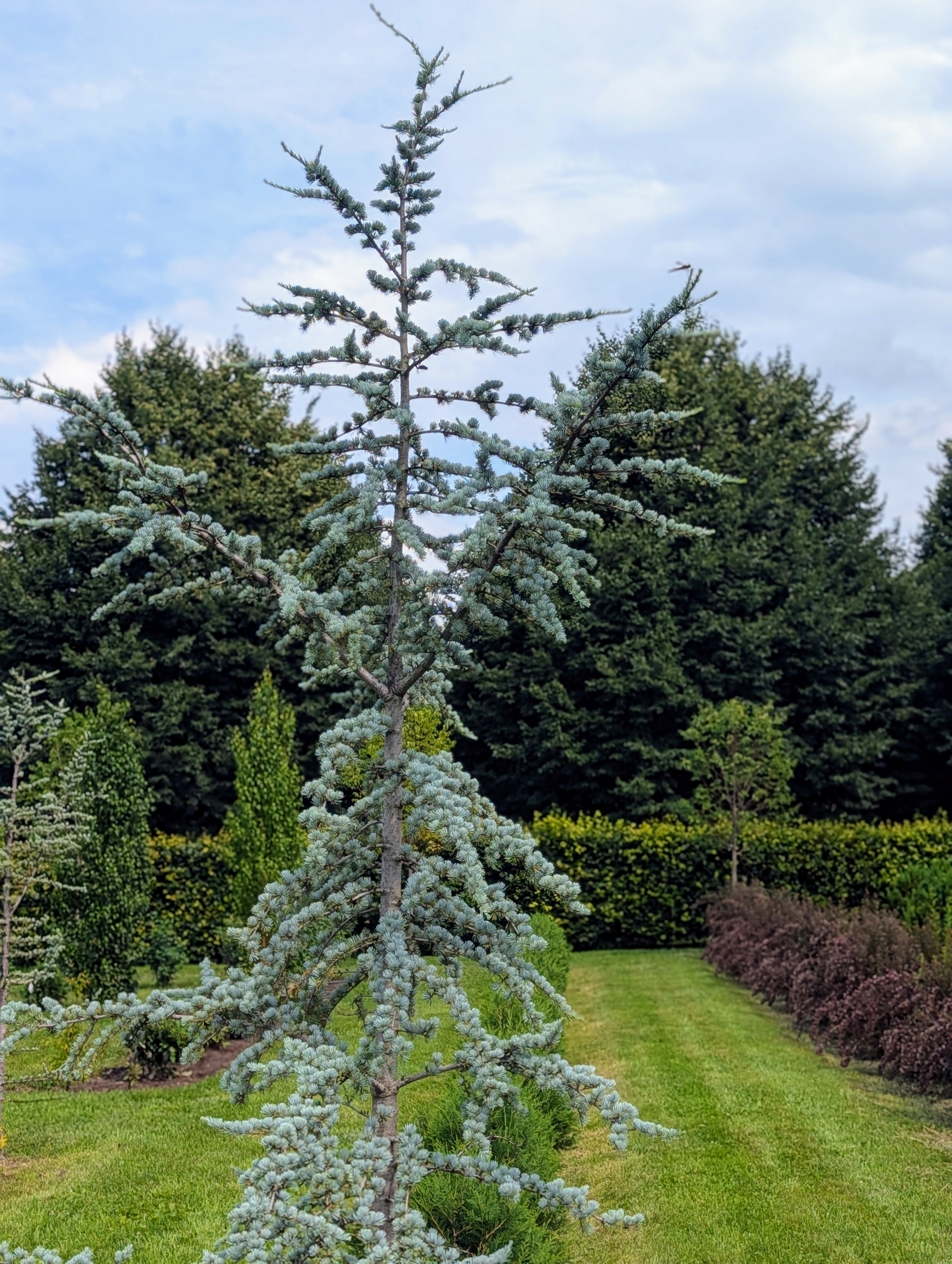
- At the end of certain rows, I placed anchoring specimen trees.
-
- These trees add even more interest – and great color variation.
-
- It’s taken four years of careful planning and planting and now I’m looking forward to watching all these plants mature and also confuse those who dare stroll through… after all, it is a maze.
 Martha Pins


 Martha Tweets

