

My Blooming Dahlias
Growing behind my vegetable greenhouse are rows of beautiful, colorful dahlias.
Dahlias begin blooming in abundance just as many other summer flowers are beginning to pass their peak, making them one of the garden’s great late-season performers. They continue to bloom right up until the first frost. I grow a variety of dahlias, ranging from petite blooms to enormous dinner-plate sized flowers, in an array of colors, shapes, and forms.
Here are some of the flowers blooming in the garden right now. Enjoy!
-

- Dahlias grow more blooms when they get at least six to eight hours of direct sunlight per day. My dahlia garden gets great sun behind my vegetable greenhouse. And because this spot is behind this large structure, it is also protected from strong winds.
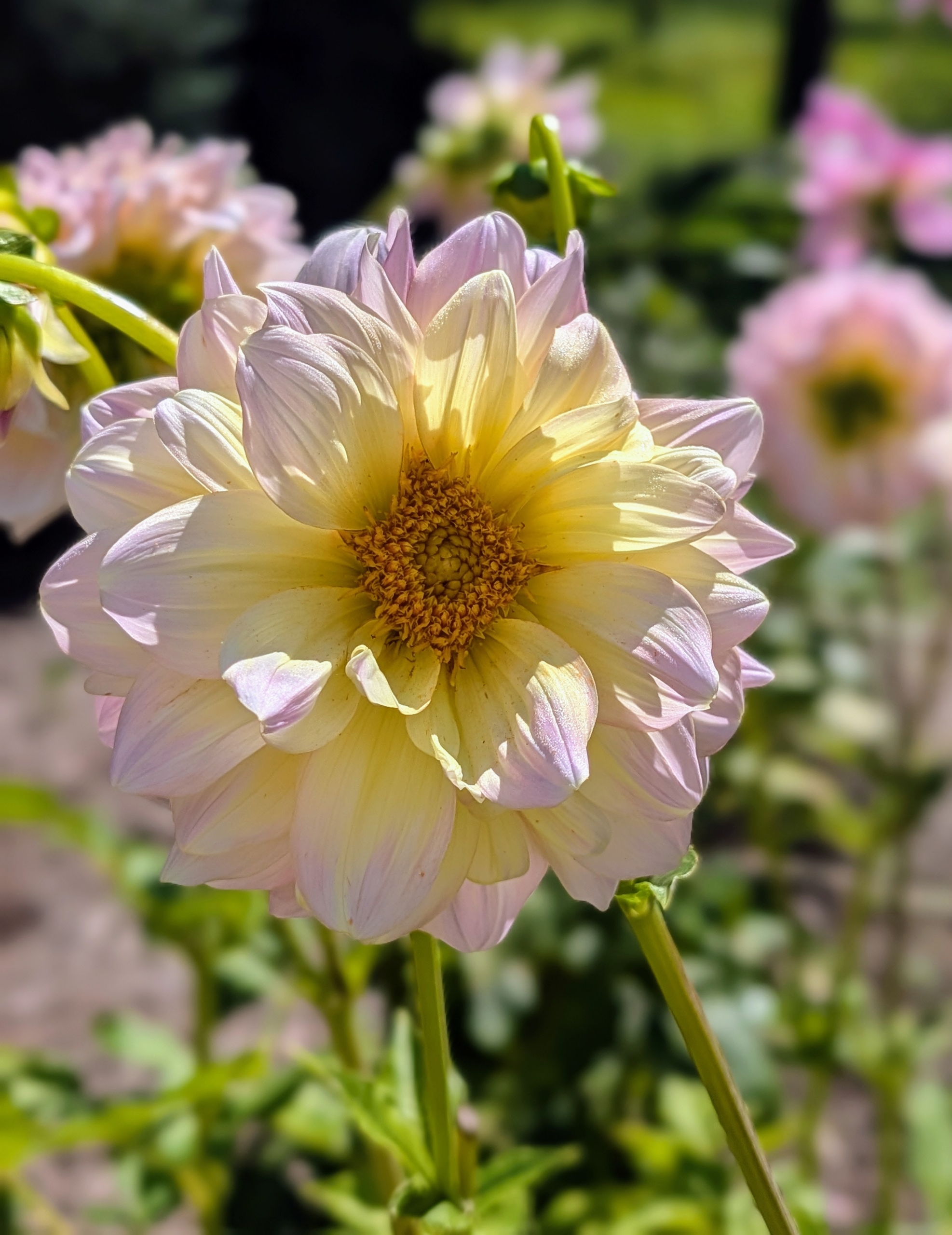
-
- There are about 42 species of dahlia, with hybrids commonly grown as garden plants. A member of the Asteraceae family of dicotyledonous plants, some of its relatives include the sunflower, daisy, chrysanthemum, and zinnia.
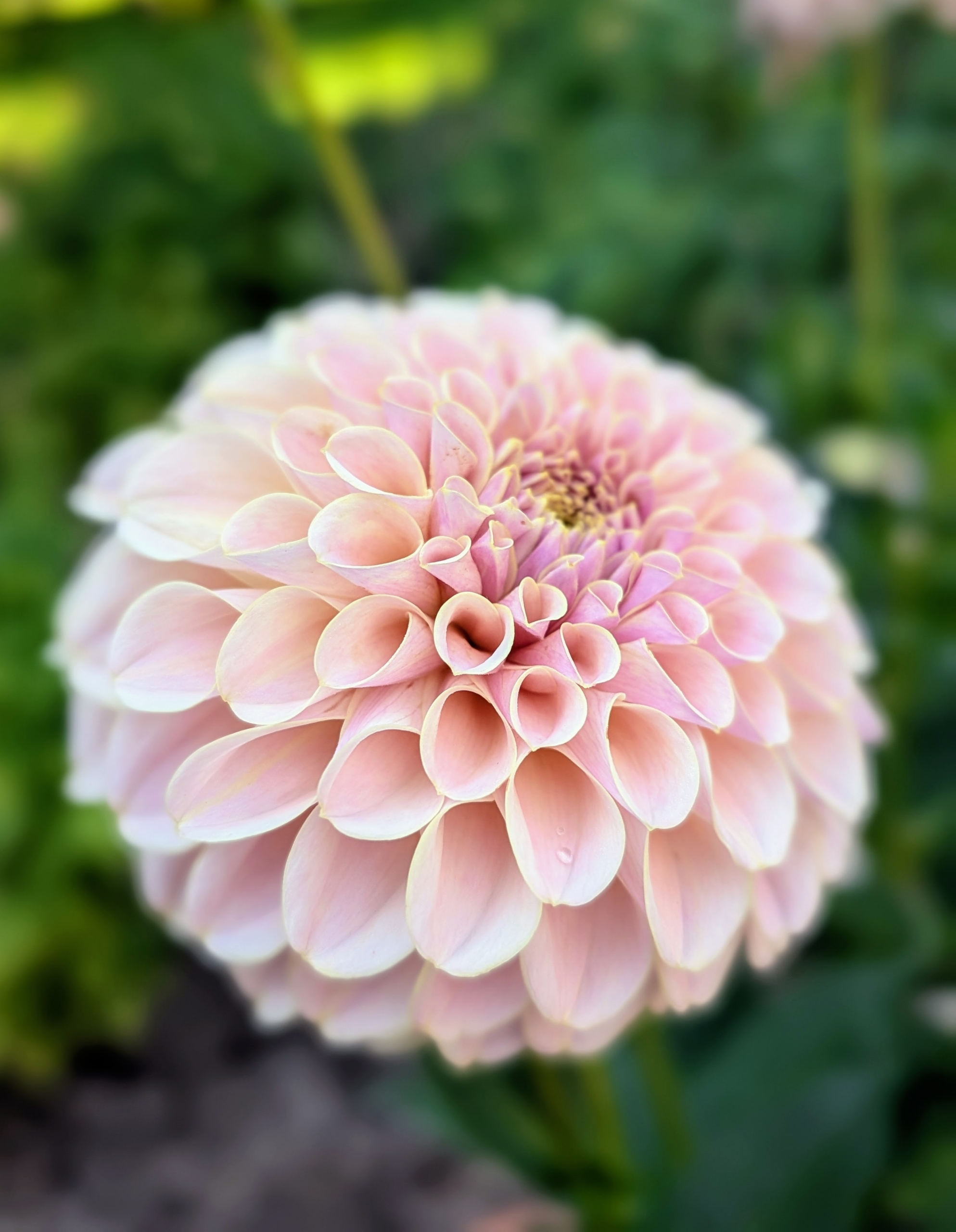
-
- Dahlias are named after 18th-century Swedish botanist Anders Dahl. He actually categorized dahlias as a vegetable because of their edible tubers. The tubers are said to taste like a mix between potatoes and radishes.
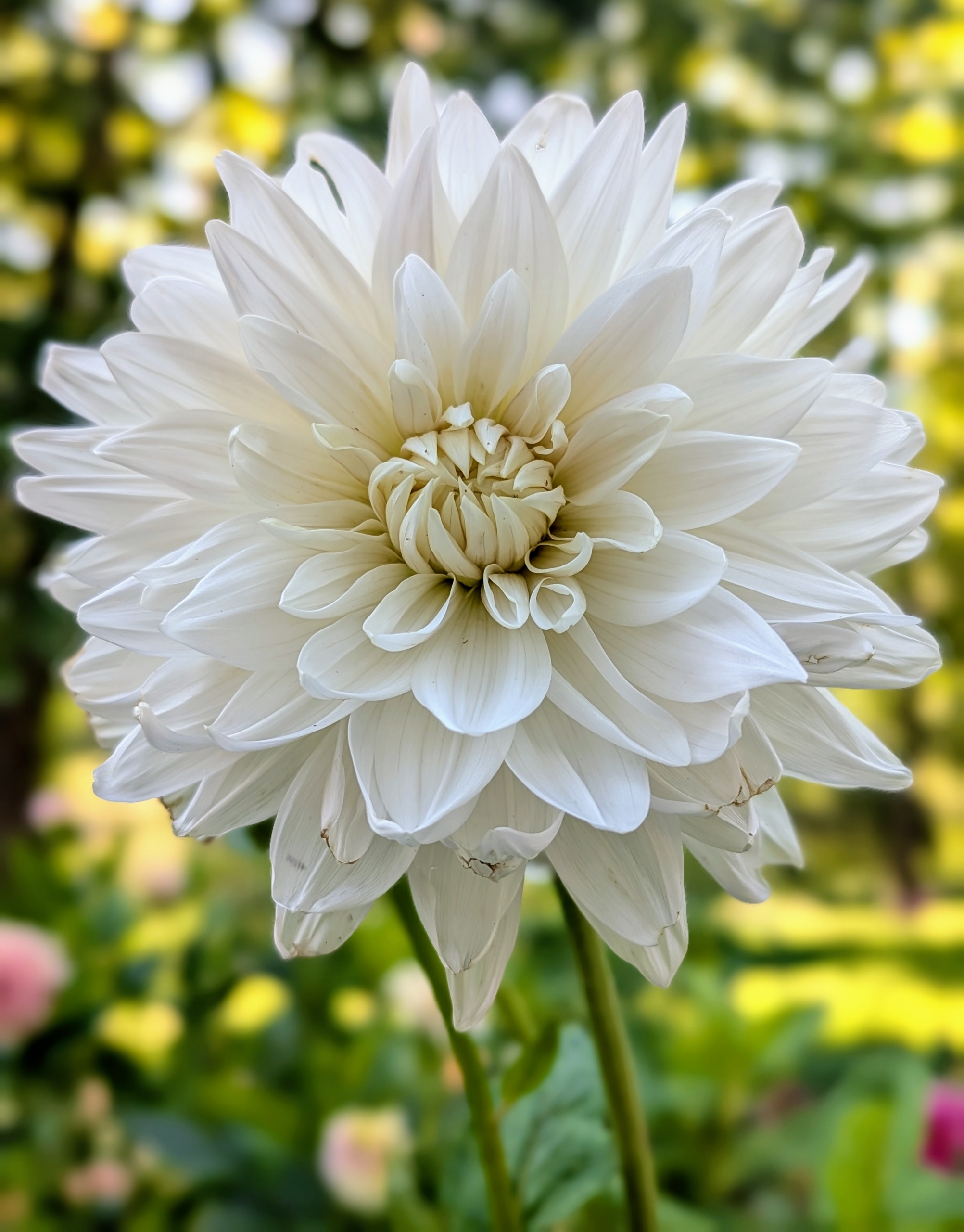
-
- The genus Dahlia is native to the high plains of Mexico. Some species can be found in Guatemala, Honduras, Nicaragua, El Salvador, and Costa Rica as well as parts of South America where it was introduced.
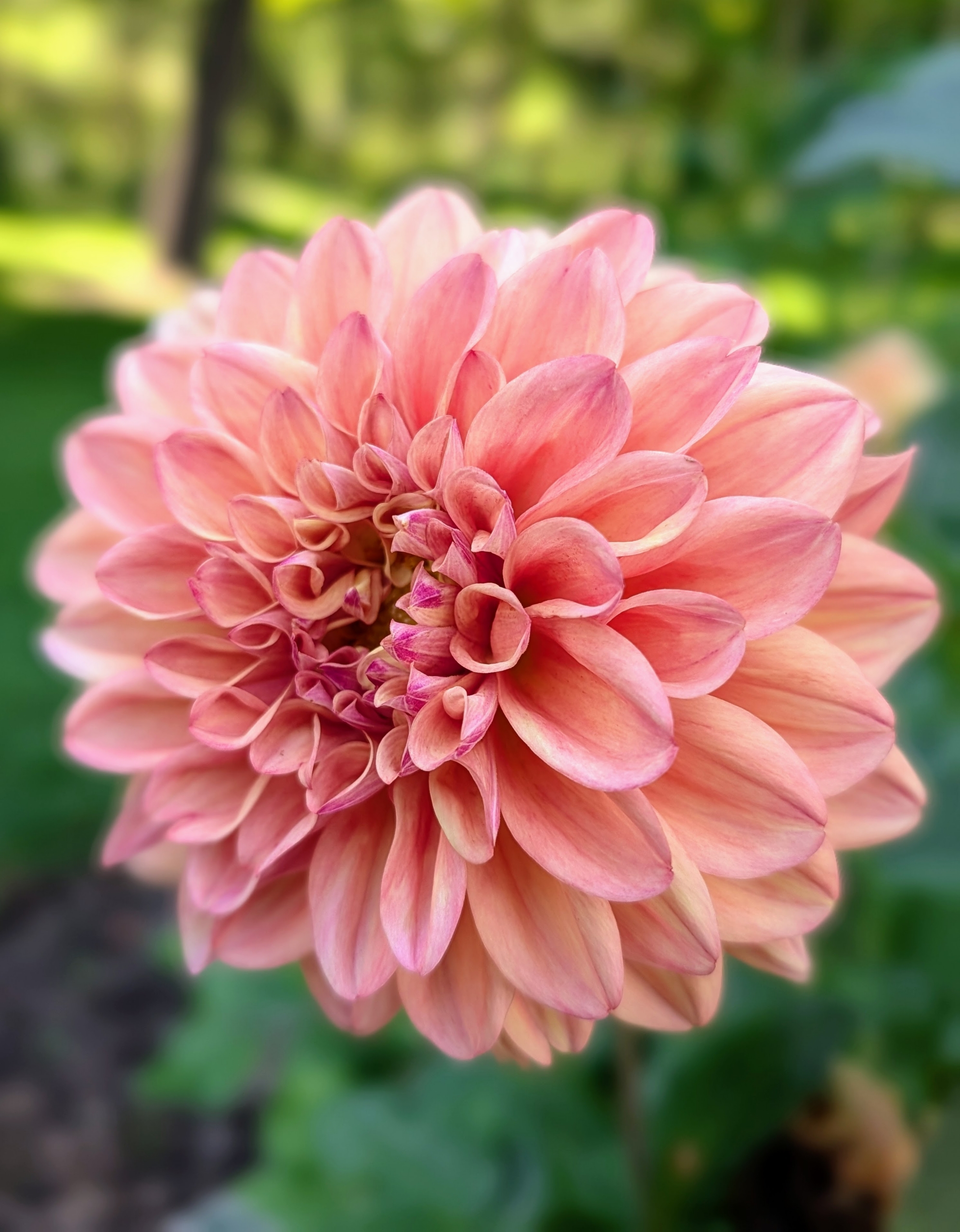
-
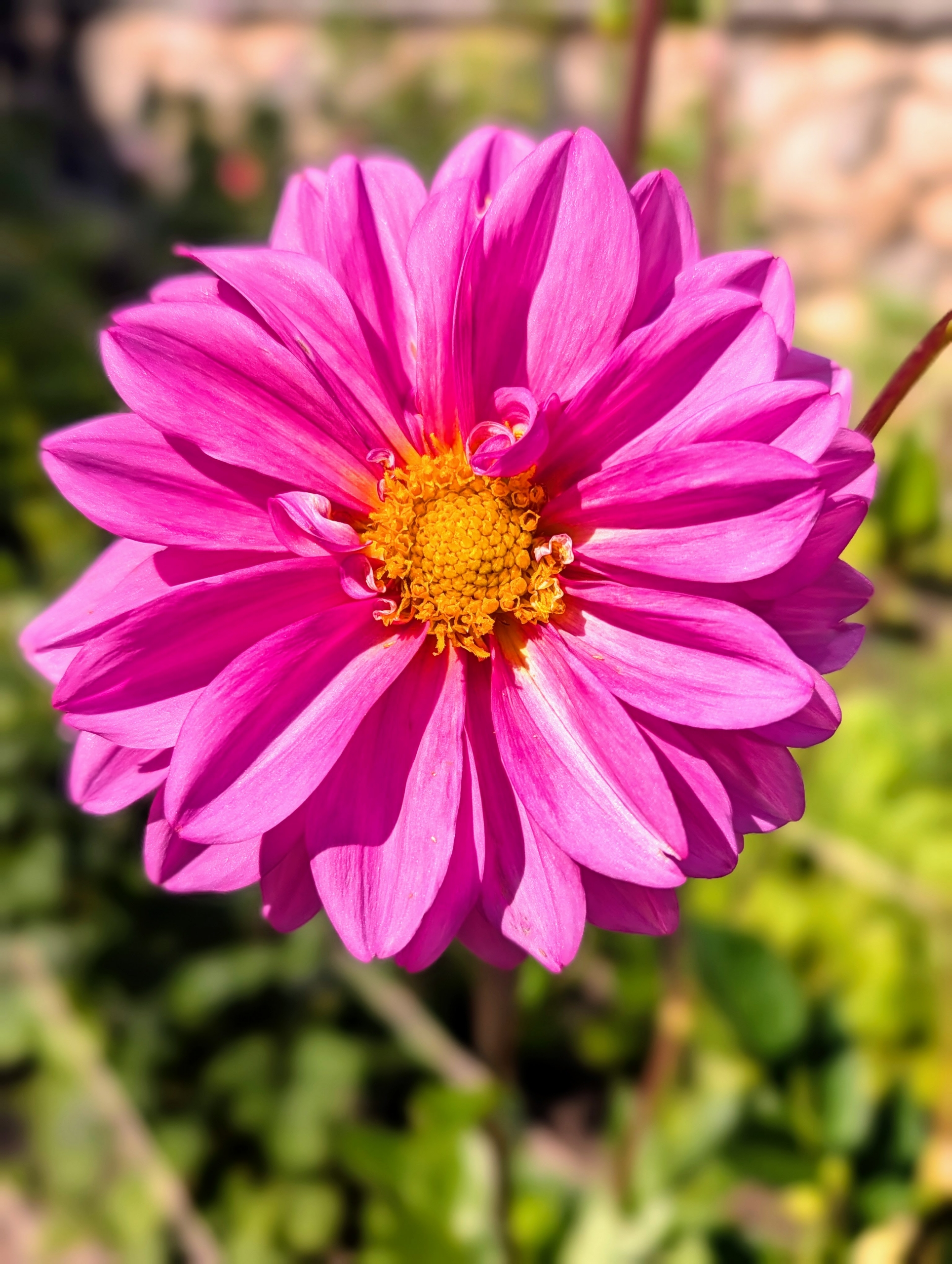
- The array of flower colors, sizes, and shapes is astounding. Dahlias come in shades of pink, red, yellow, orange, white, shades of purple, and various combinations of these colors – every color but true blue.
-
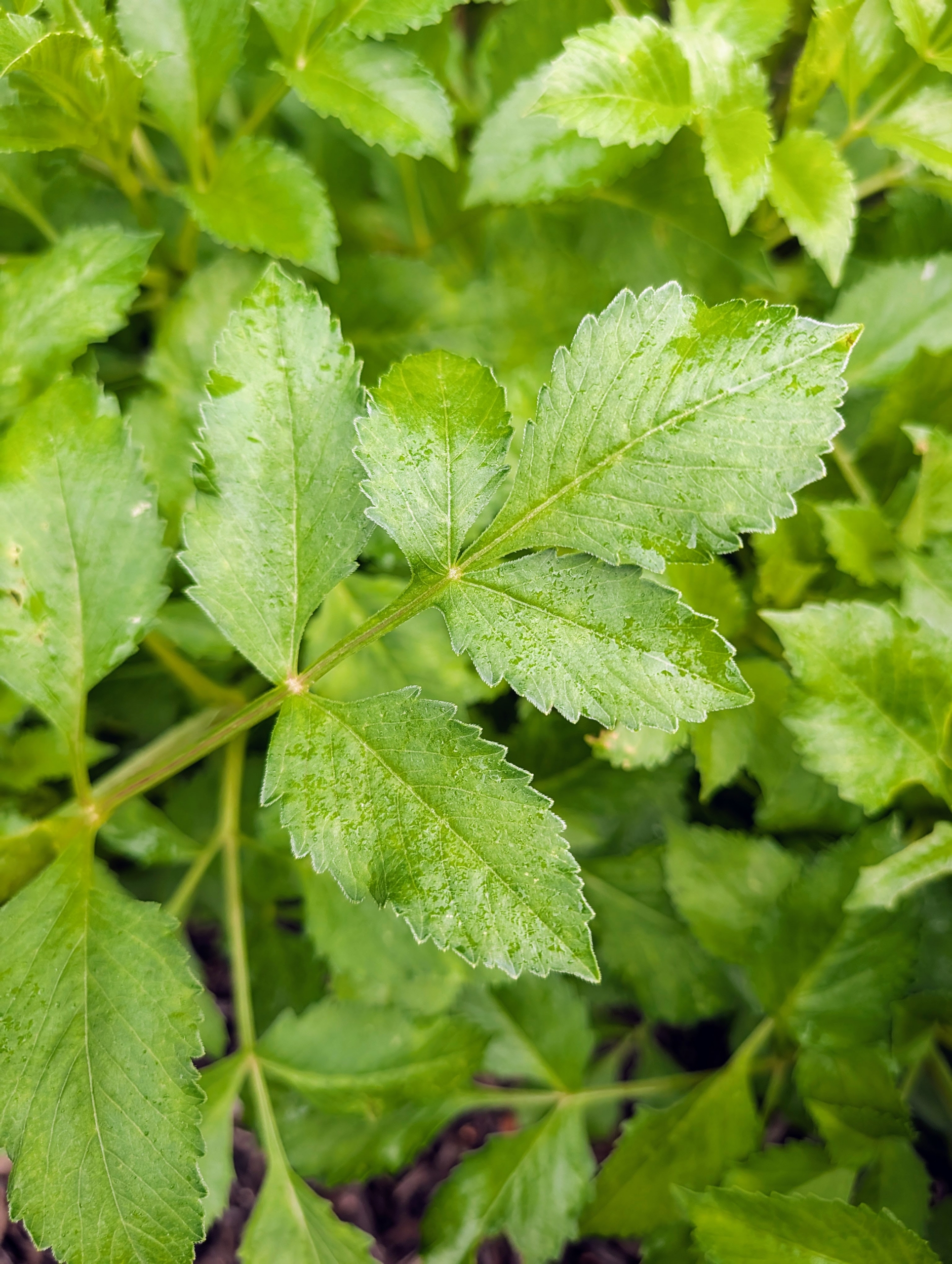
- Dahlia plant leaves grow opposite each other and are simple to pinnately compound with segments that are ovate to oblong to lanceolate in shape. The leaf margins may be lobed or dentate. Leaves may be green, reddish-purple, or purple-black depending on the variety.
-
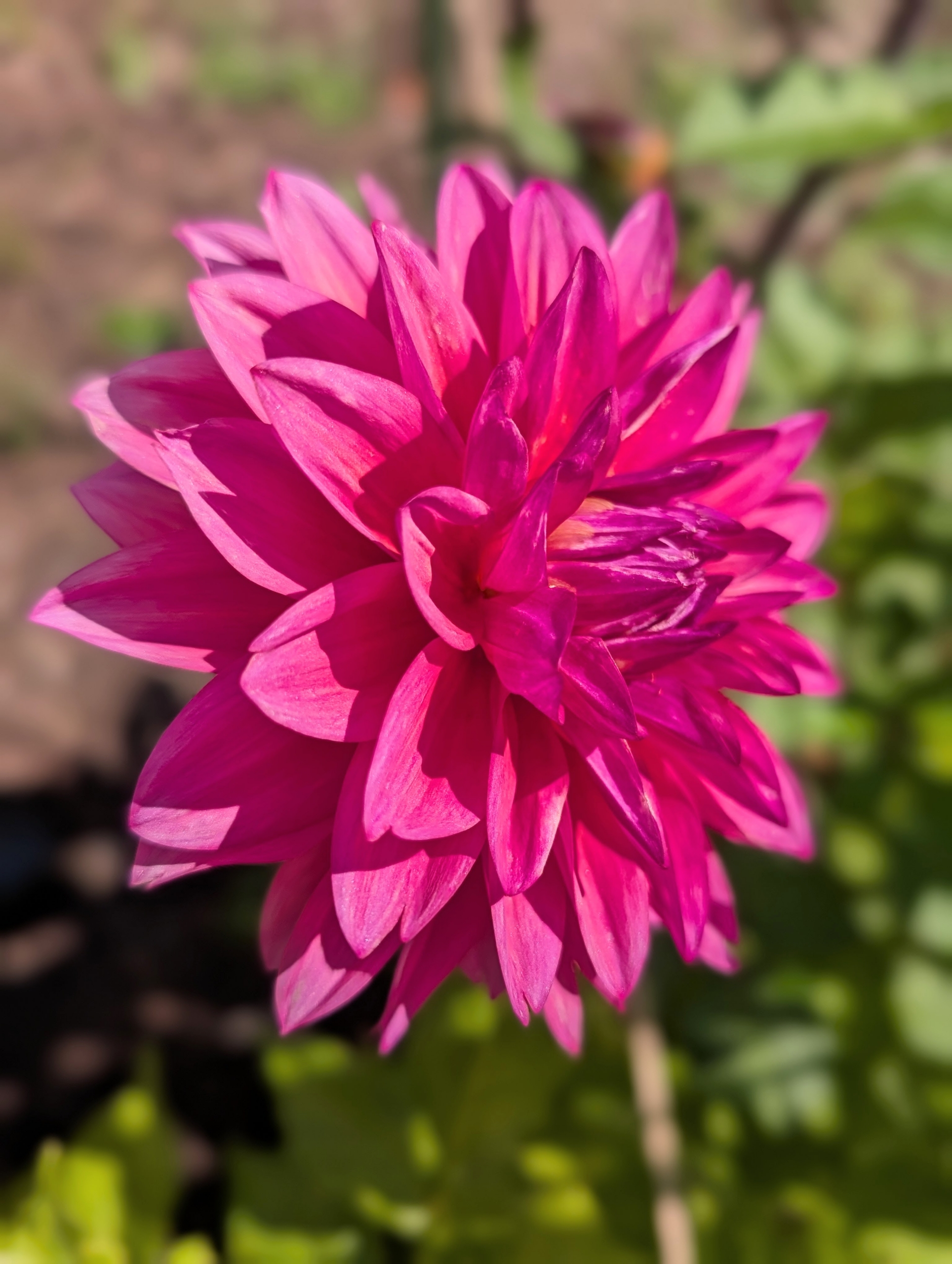
- Dahlias can also vary in height, leaf color, form, and shape. This is because dahlias are octoploids, meaning they have eight sets of homologous chromosomes, whereas most plants have only two.
-
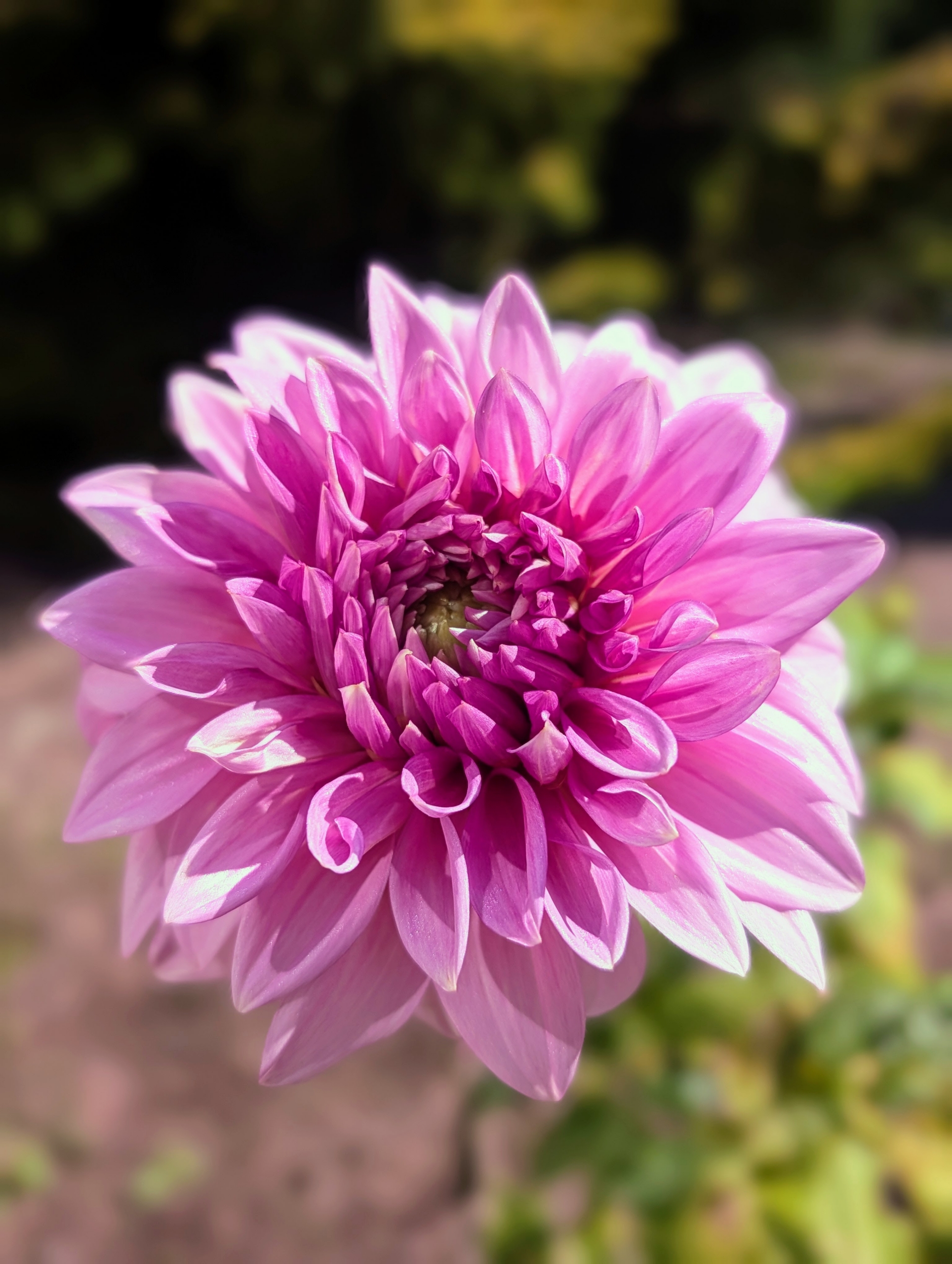
- Dahlias are classified according to flower shape and petal arrangement.
-
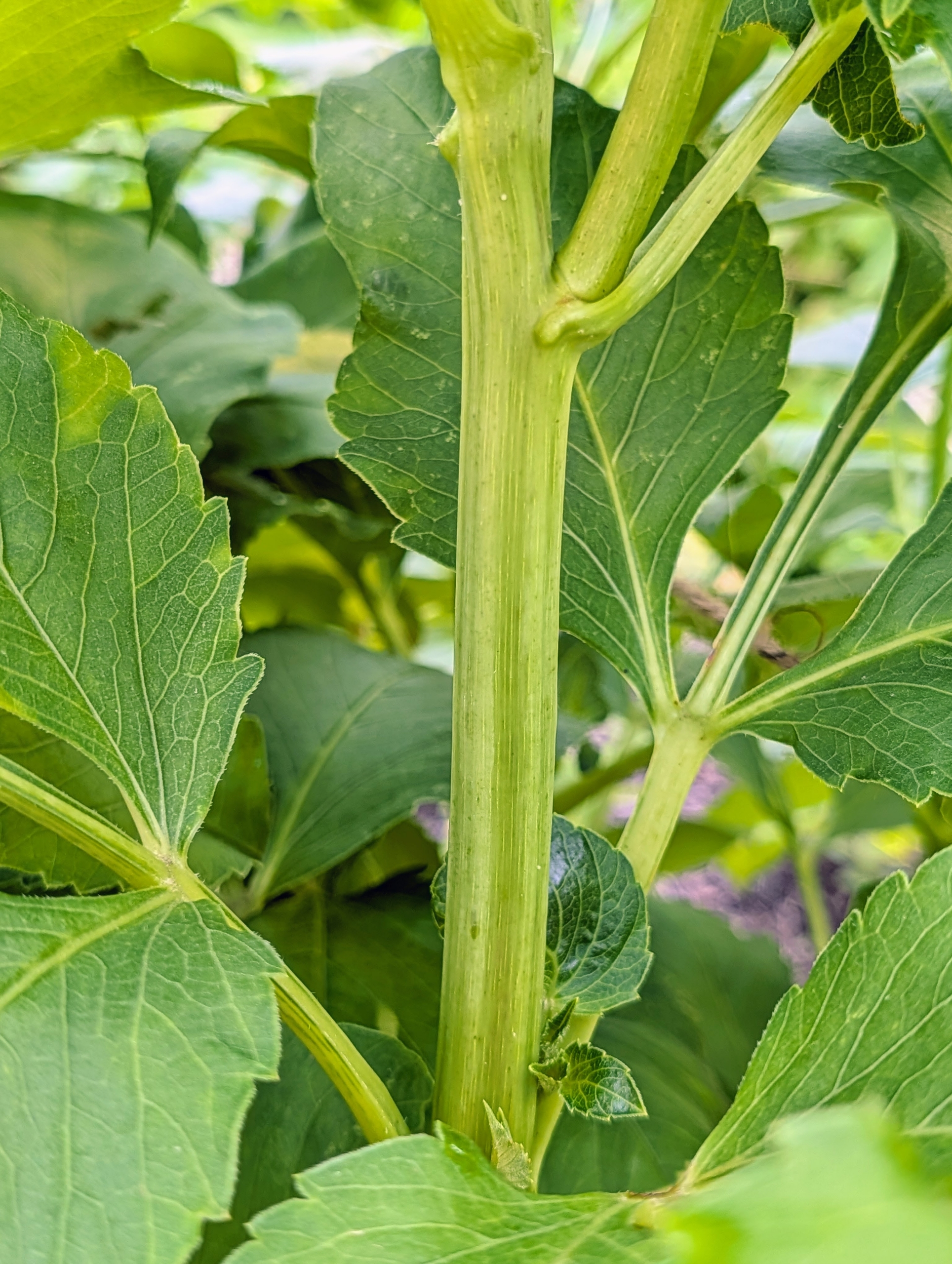
- The stems of a dahlia plant are also unique. They are hollow, which is why the Aztecs originally called them “water canes.” These stems are green and quite thick.
-
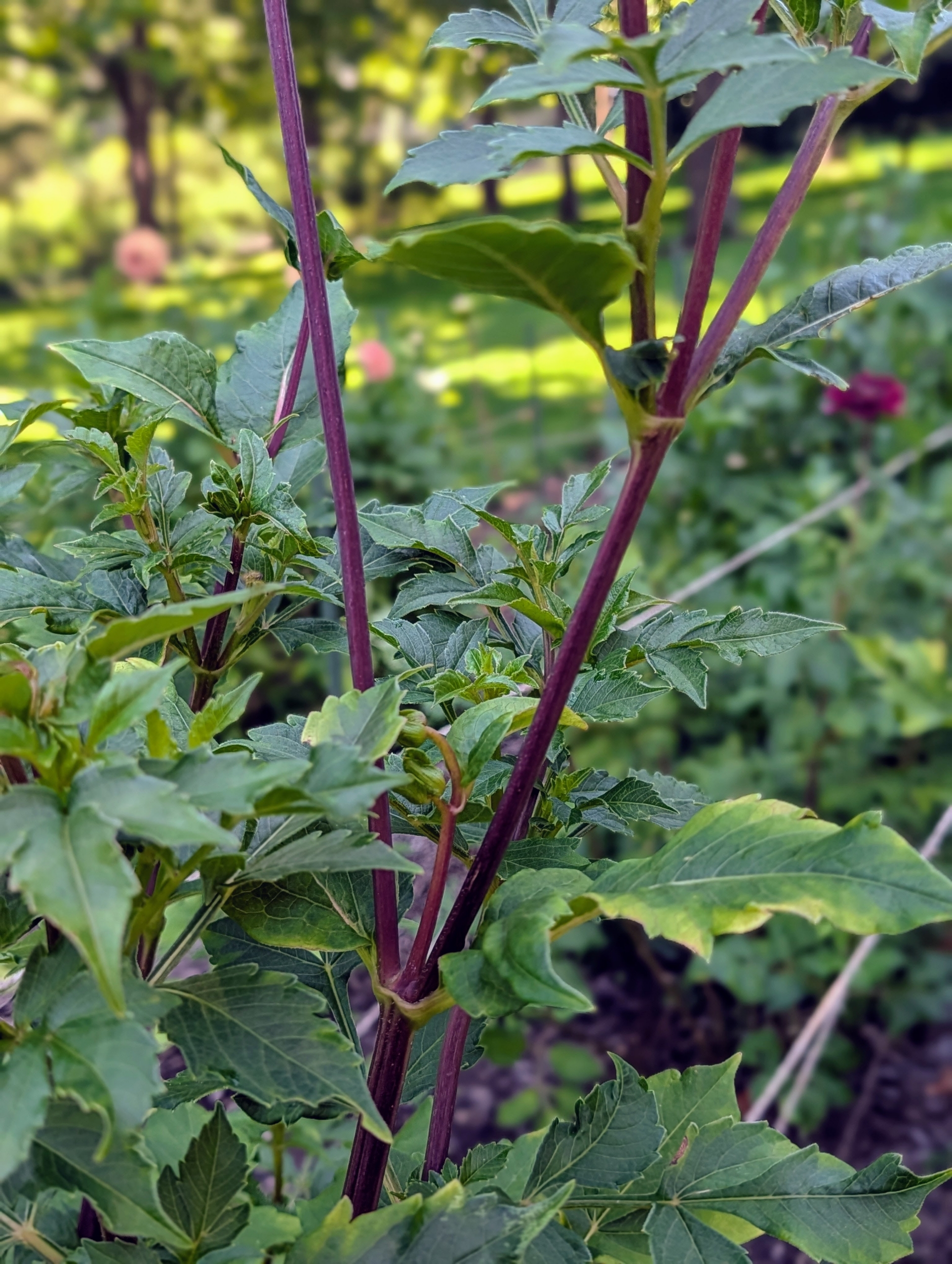
- There are other varieties bred for striking stem color which range from deep burgundy and mahogany to almost black.
-
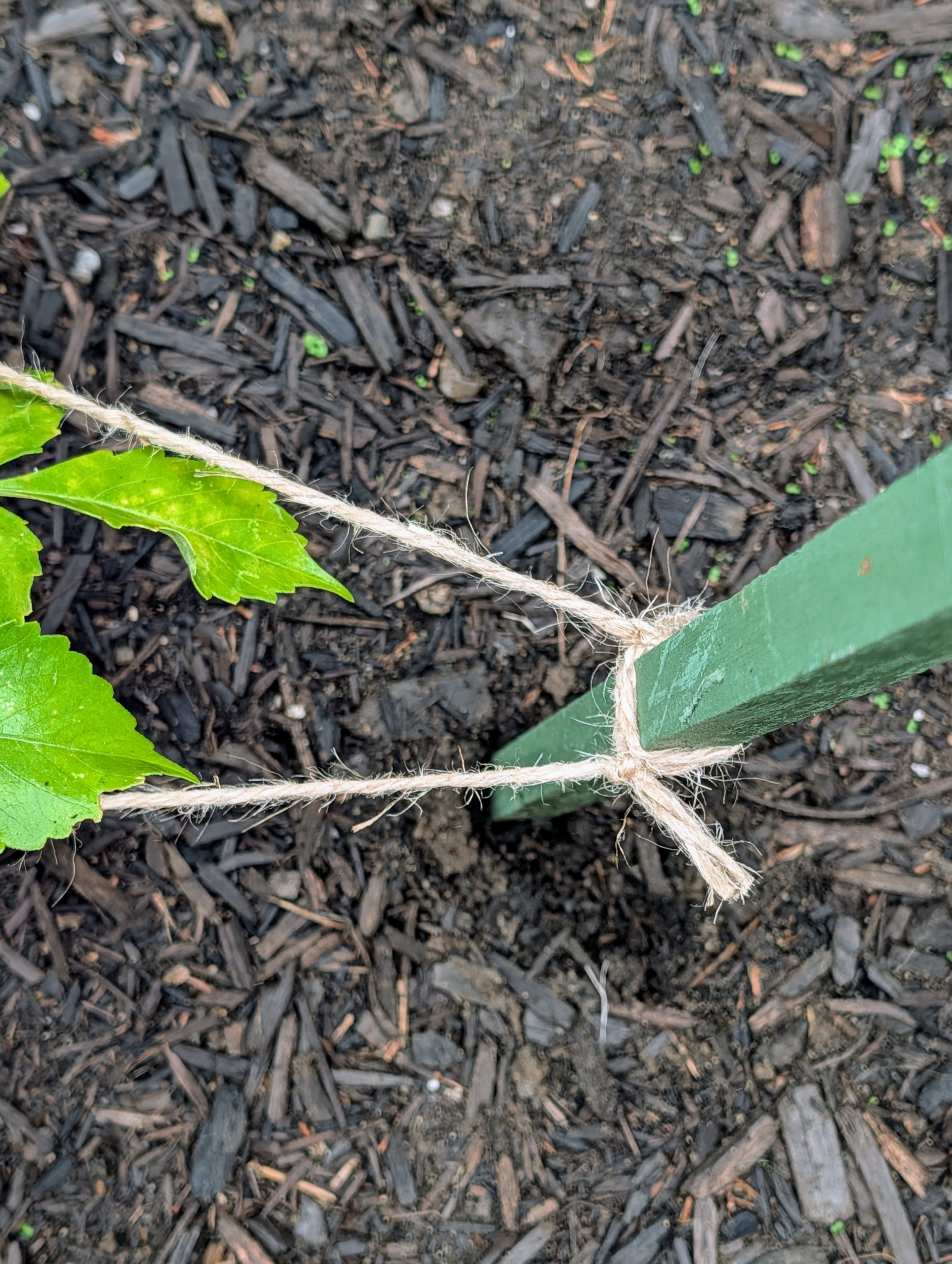
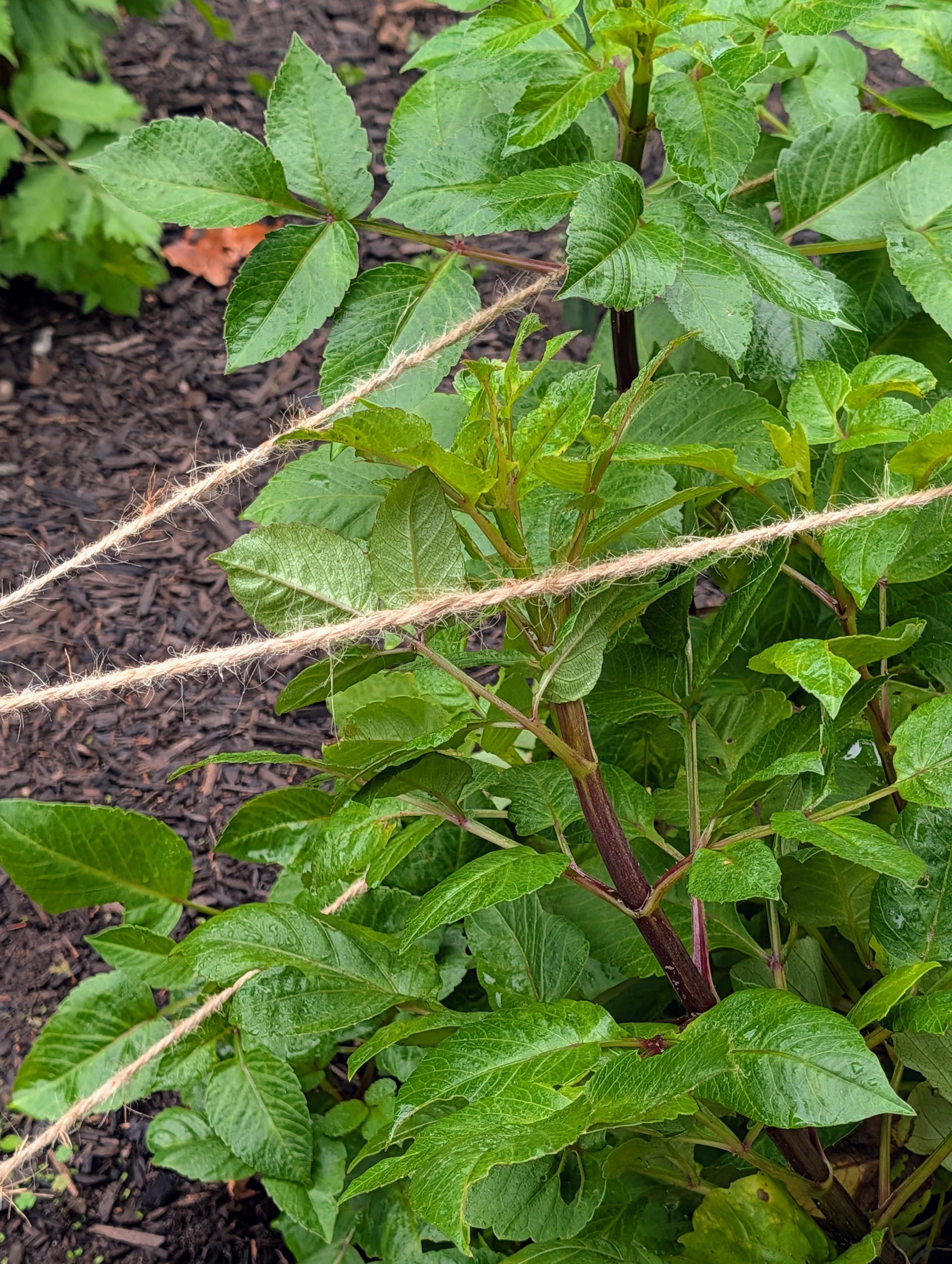
- As dahlias grow it’s important to provide tall, hollow, dahlia stems with good support to prevent them from flopping. My gardeners use support stakes and twine to keep my flowers upright.
-
- The twine is tied to the stake making a gap in between two strands for the plants.
-
- The majority of dahlia species do not produce scented flowers or cultivars, but they are brightly colored to attract pollinating insects.
-
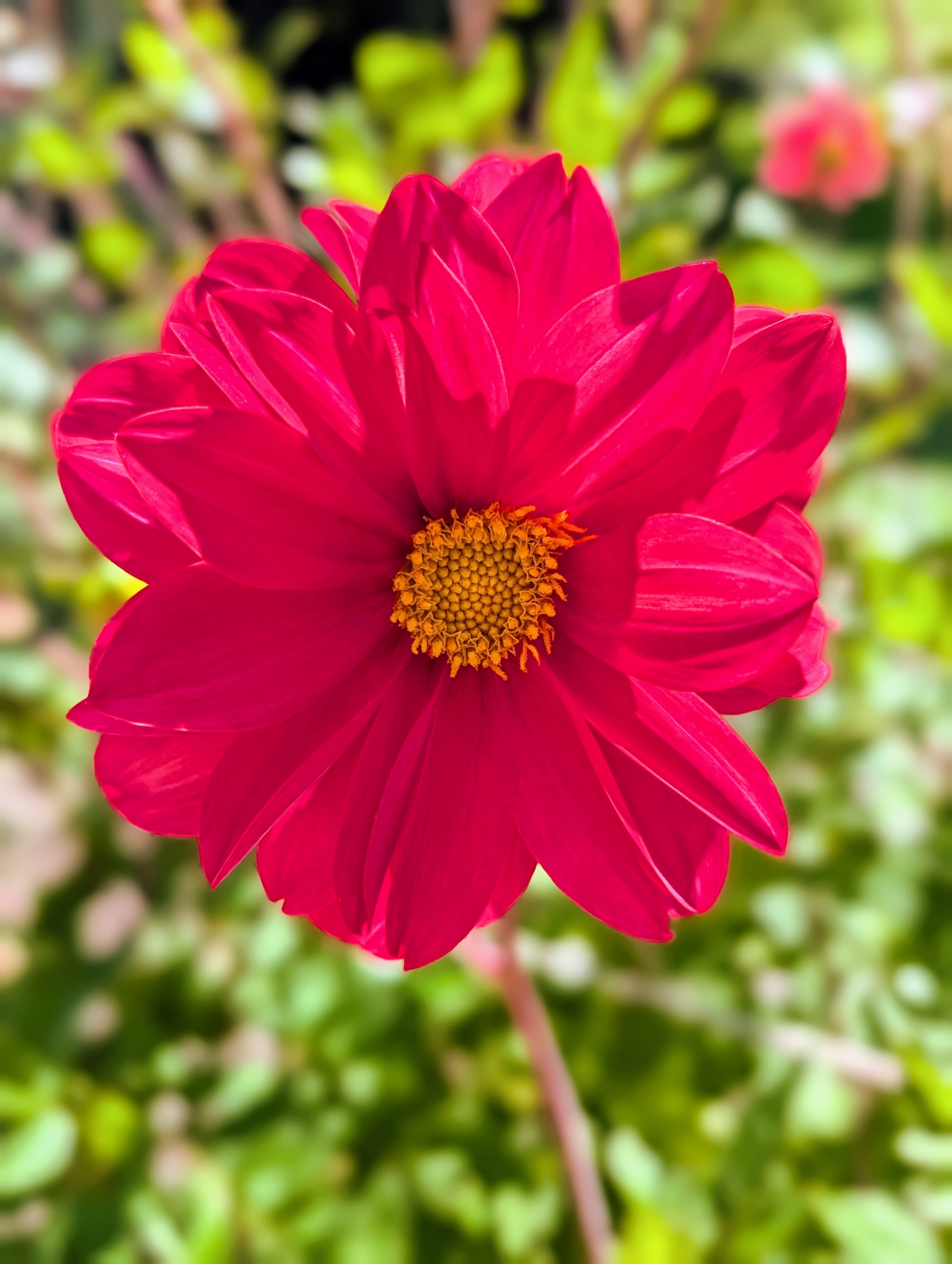
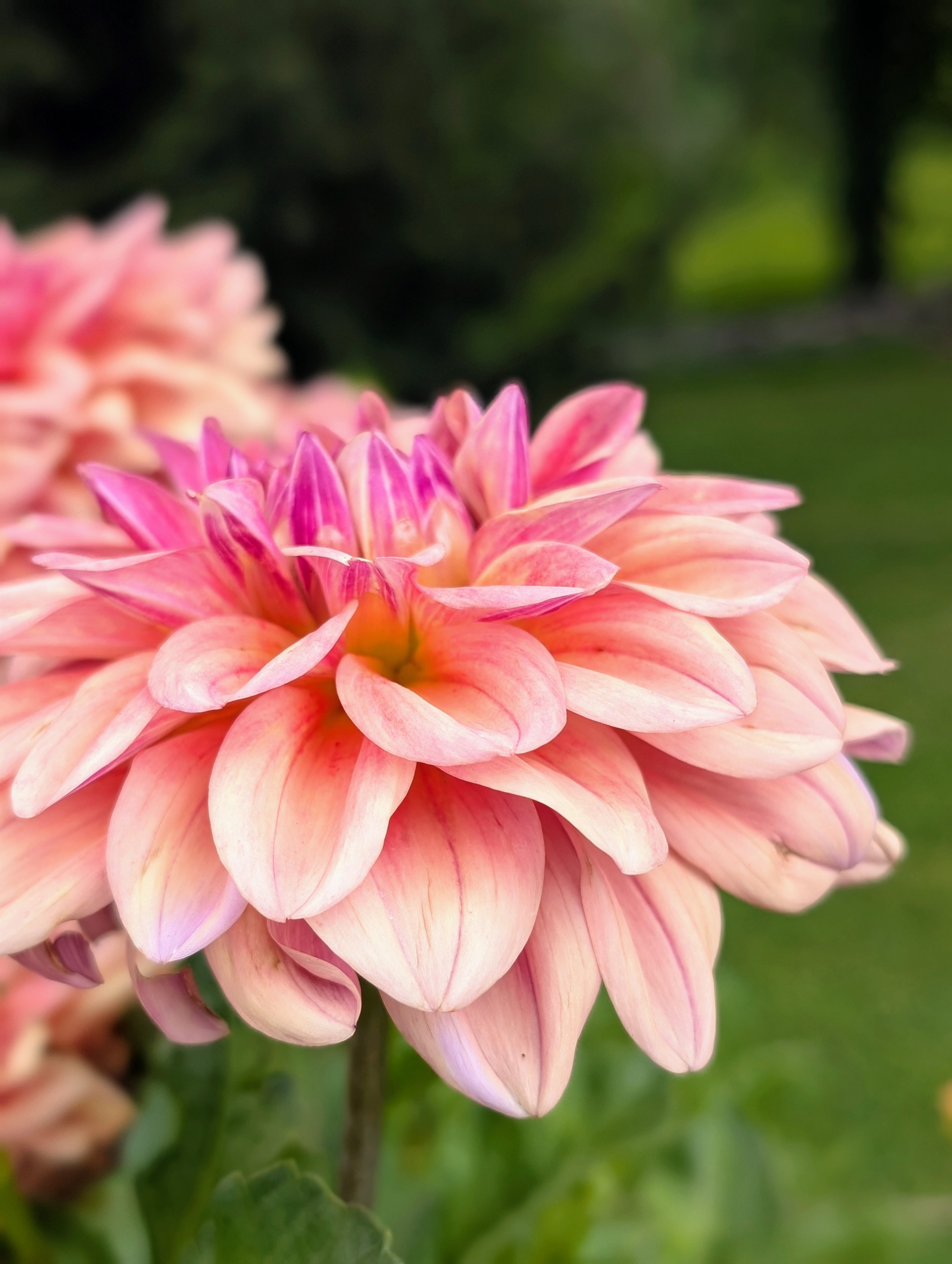
- They range from a charming single, daisy-like flower to the popular double varieties which can be two-inch-pompons to 12-inch dinner plate size.
-
- This bloom is the size of one’s palm.
-
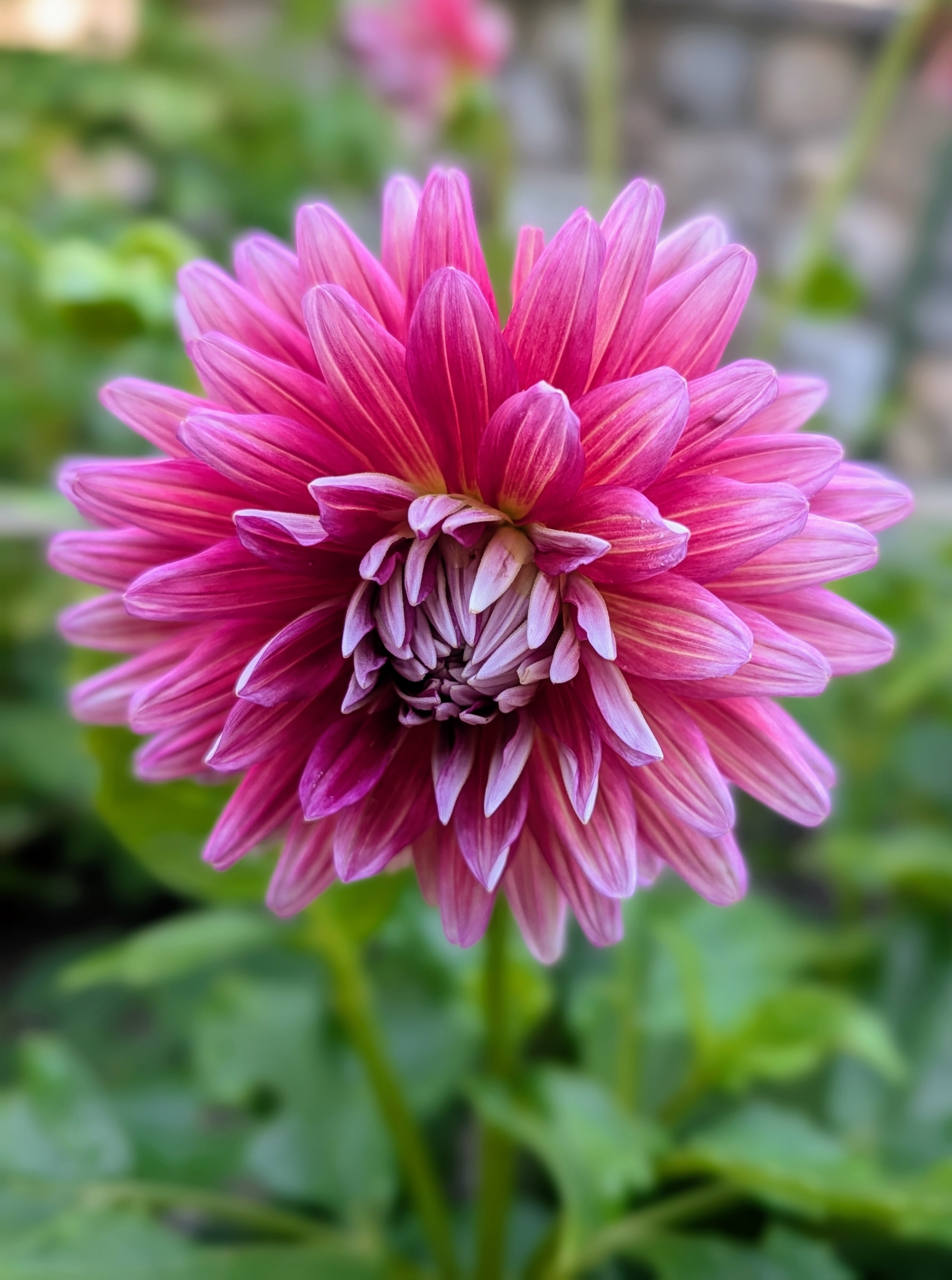
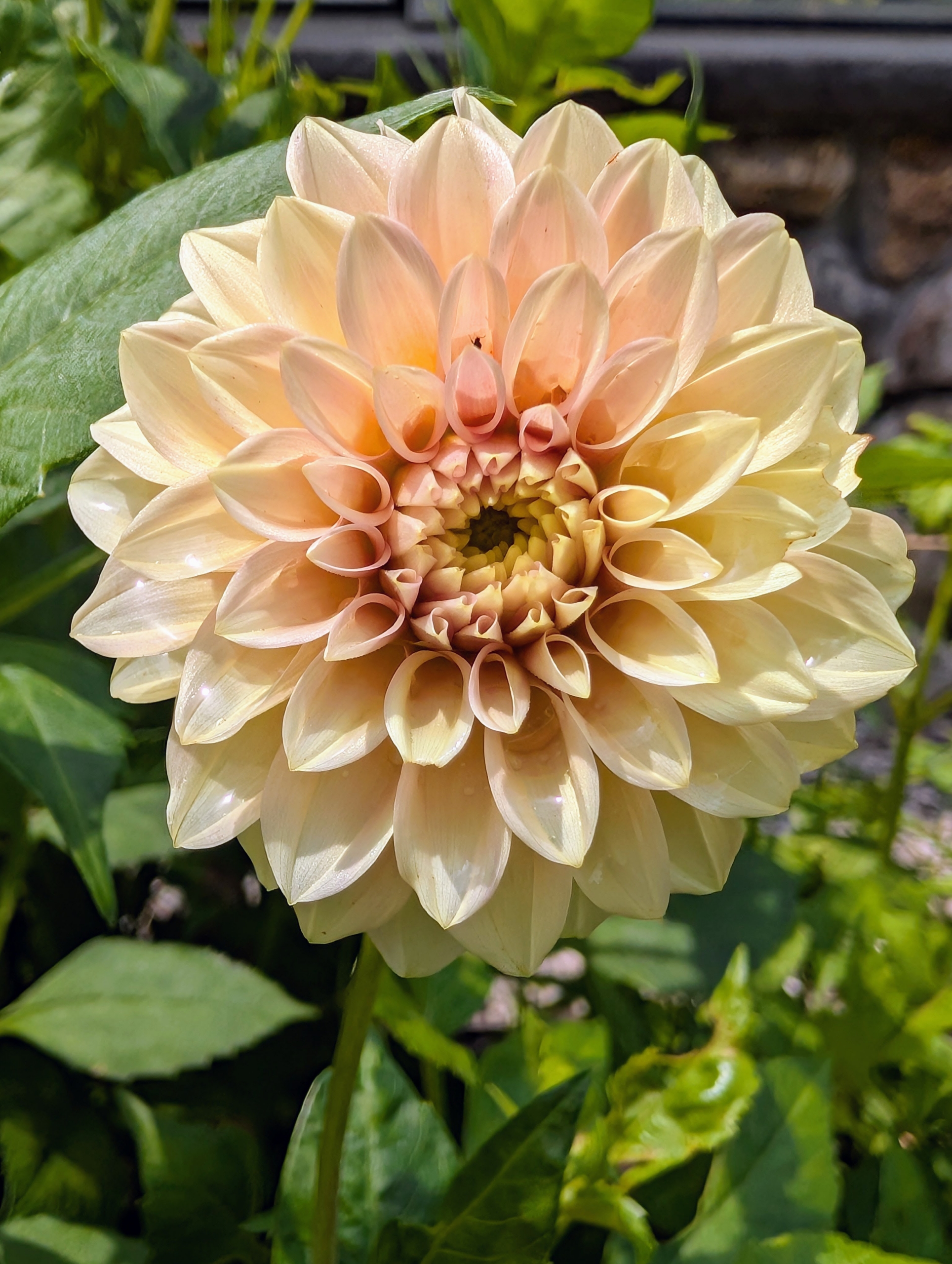
- Dahlias are divided into 10 groups: single, anemone, collarette, waterlily, decorative, fall, pompon, cactus, semi-cactus, and miscellaneous.
-
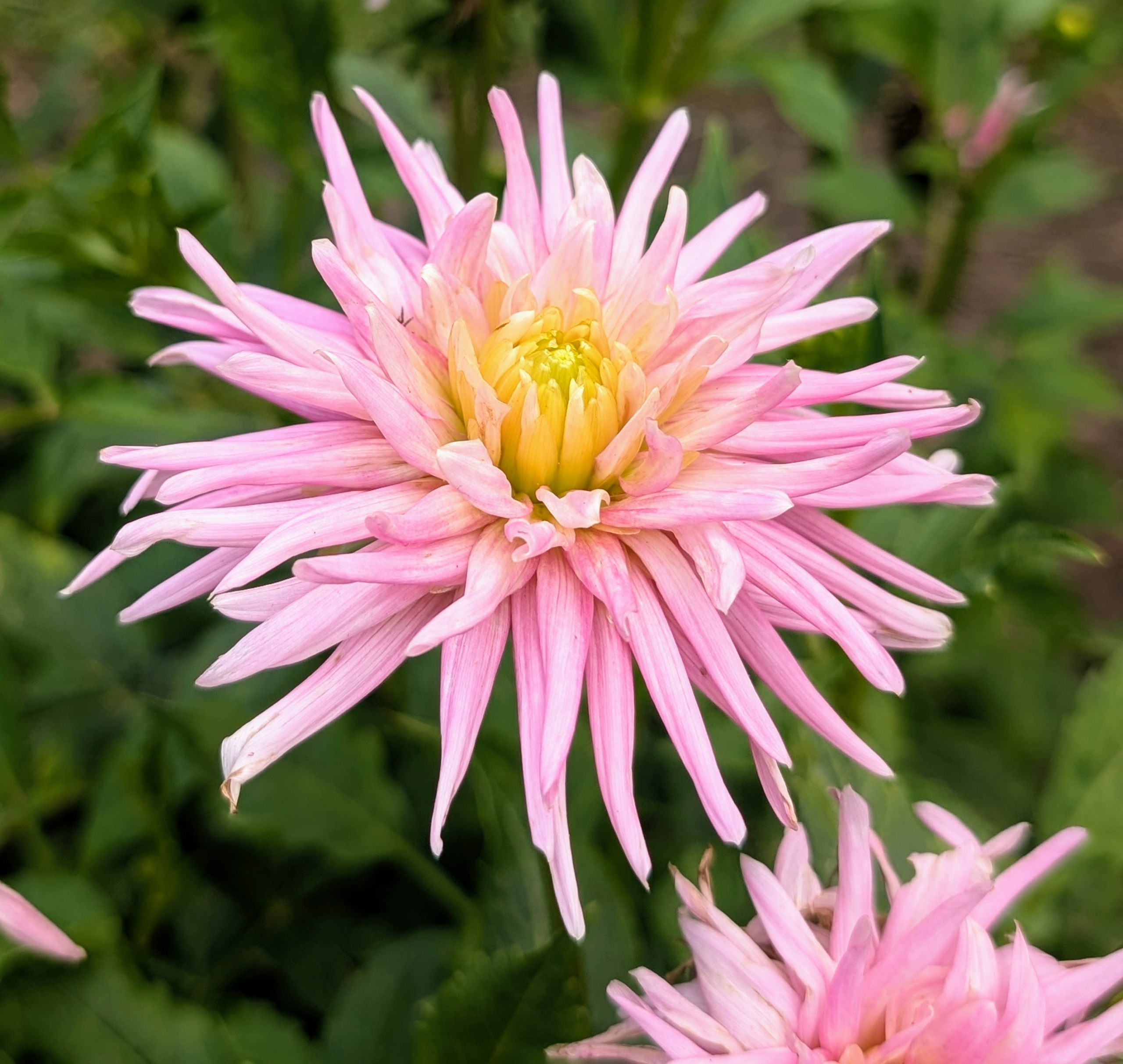
- This cactus variety is called ‘Park Princess’ with tightly rolled rich, vibrant pink petals. It is a prolific re-bloomer and an excellent cut flower.
-
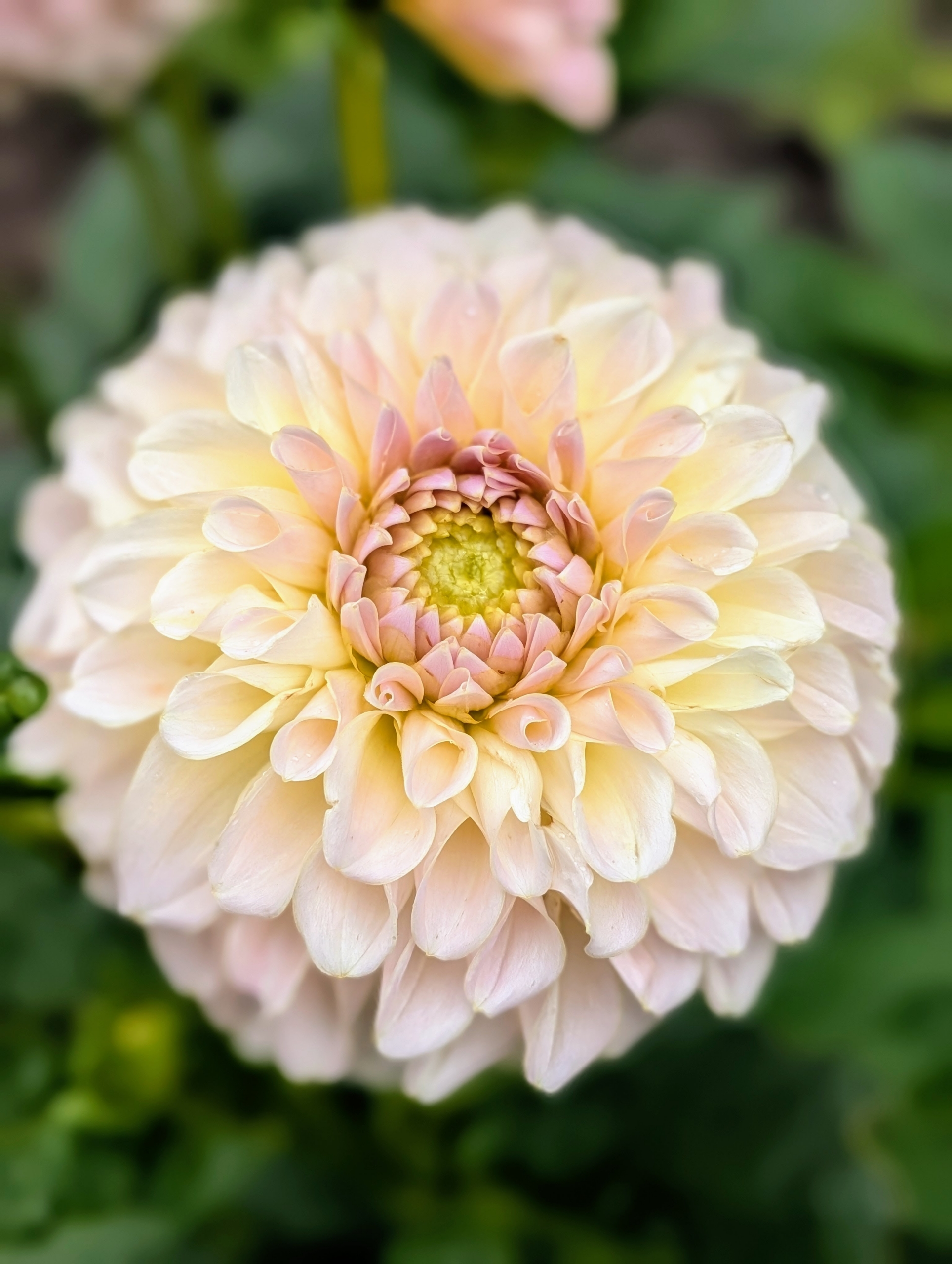
- Experiment with the blooms – dahlias look great arranged in different colors or as a bunch of the same variety. Harvesting flowers is good for the plants and encourages them to continue flowering month after month.
-
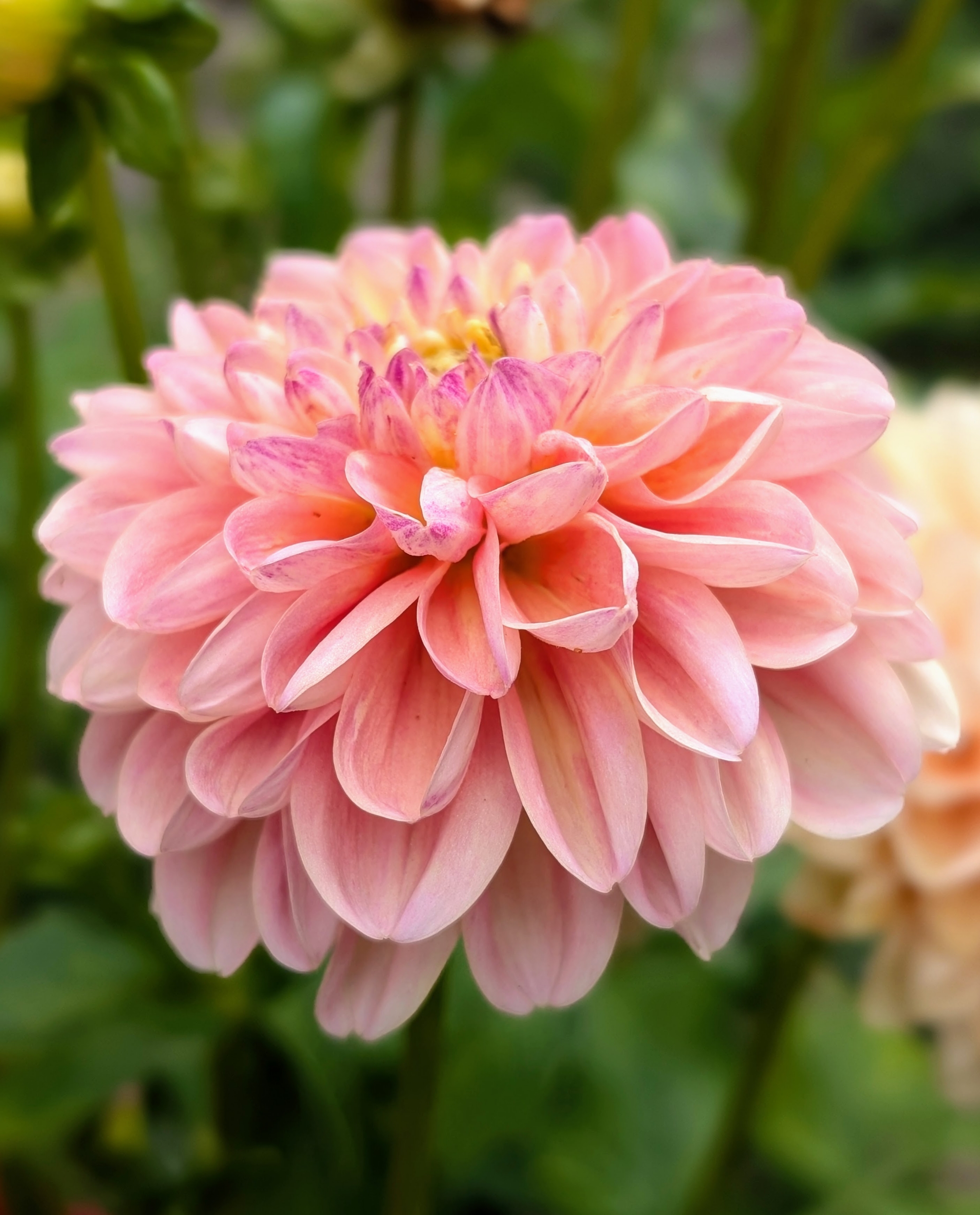
- And when arranging, always strip off all the leaves that would be below the water line in the vase. This is true for all flower arrangements, not just dahlias. When leaves stay underwater, they decay and release bacteria that shorten the vase life of the flowers. And change the water daily so they look fresh and last longer.
-
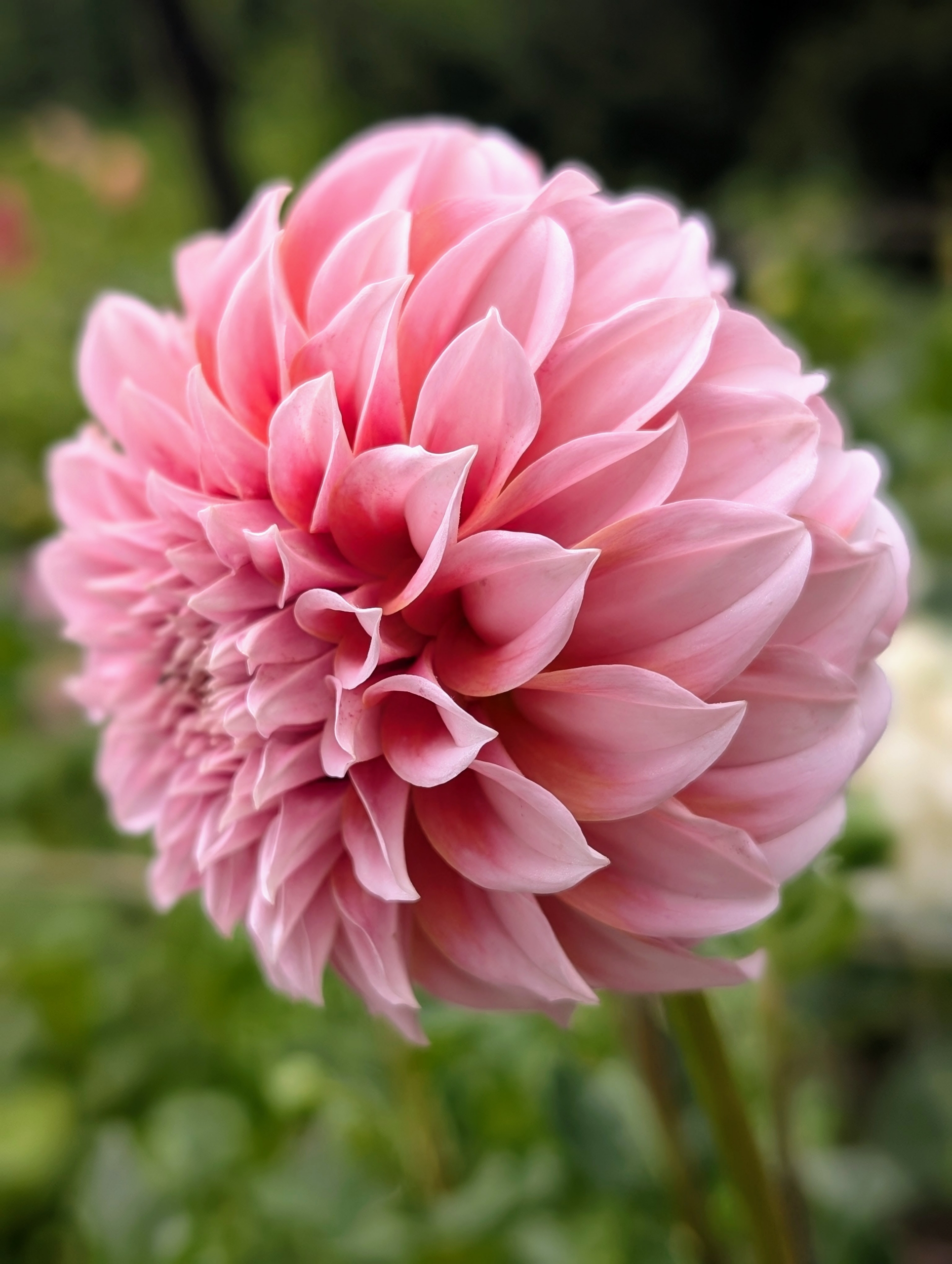
- With good sunlight, proper watering, and a little bit of luck, I’ll have gorgeous, colorful dahlias growing all the way until Halloween.
 Martha Pins


 Martha Tweets

