

Planting Ajuga Around My Pool
The gardens at my farm are always evolving. I’m constantly searching for beautiful and unusual plants to enrich the ever-changing beds.
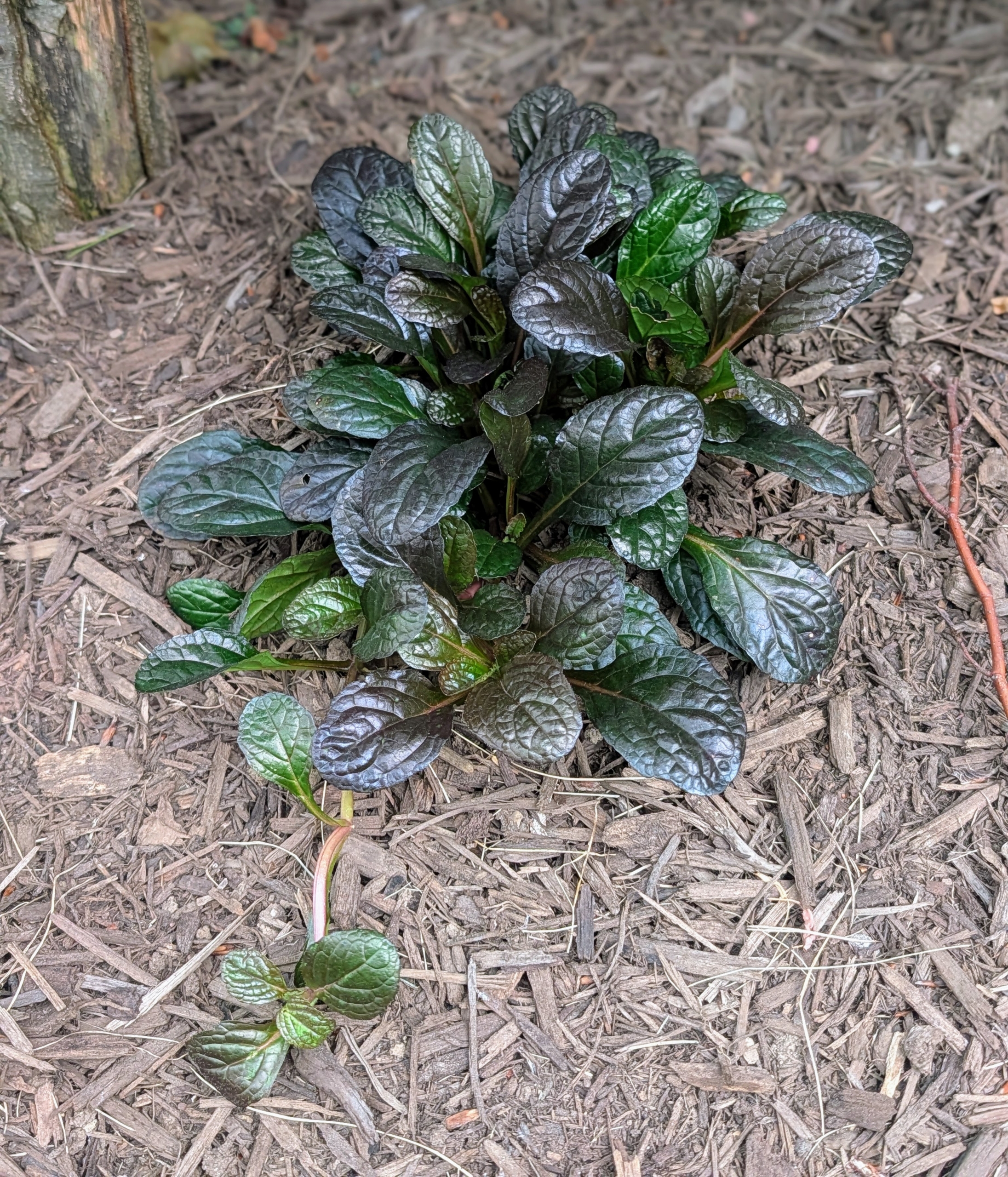
The area surrounding my pool is planted with a dramatic collection of burgundy and near-black foliage, creating depth, contrast, and year-round interest. Along the inside of the pool fence is a growing hedge of purple columnar beech trees, Fagus sylvatica ‘Dawyck Purple,’ prized for their elegant form and rich, deep-purple foliage. To continue the dark foliage palette, I’ve underplanted sections of the hedge with different varieties of Ajuga, including ‘Black Scallop’ and ‘Chocolate Chip,' and most recently Ajuga 'Bronze Beauty.'
Here are some photos.
-

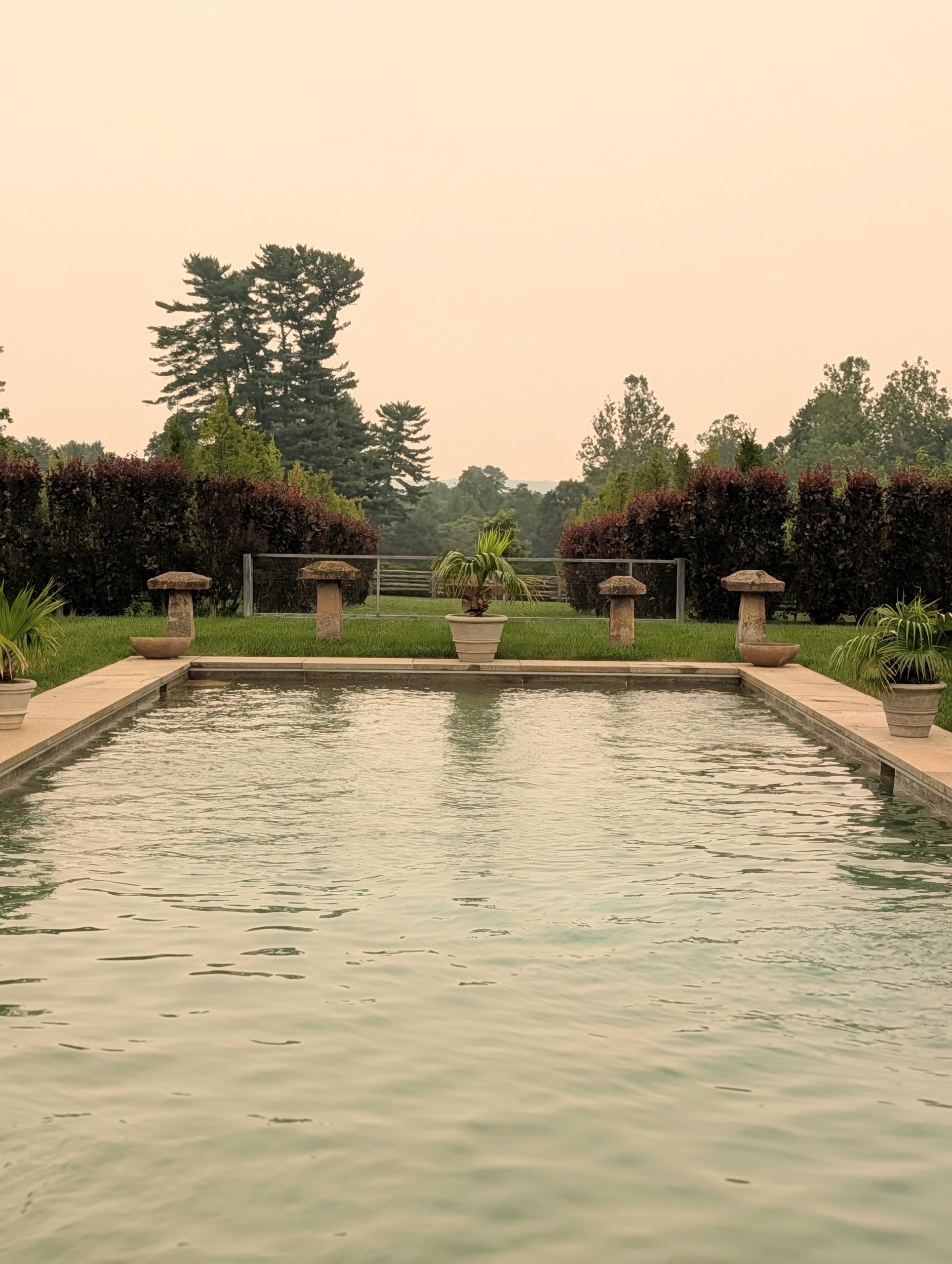
- The skies over large parts of the Midwest and Northeast are very hazy because of the drifting Canadian wildfire smoke. The skies above my pool look orange in color. Hopefully the air quality will clear soon.
-
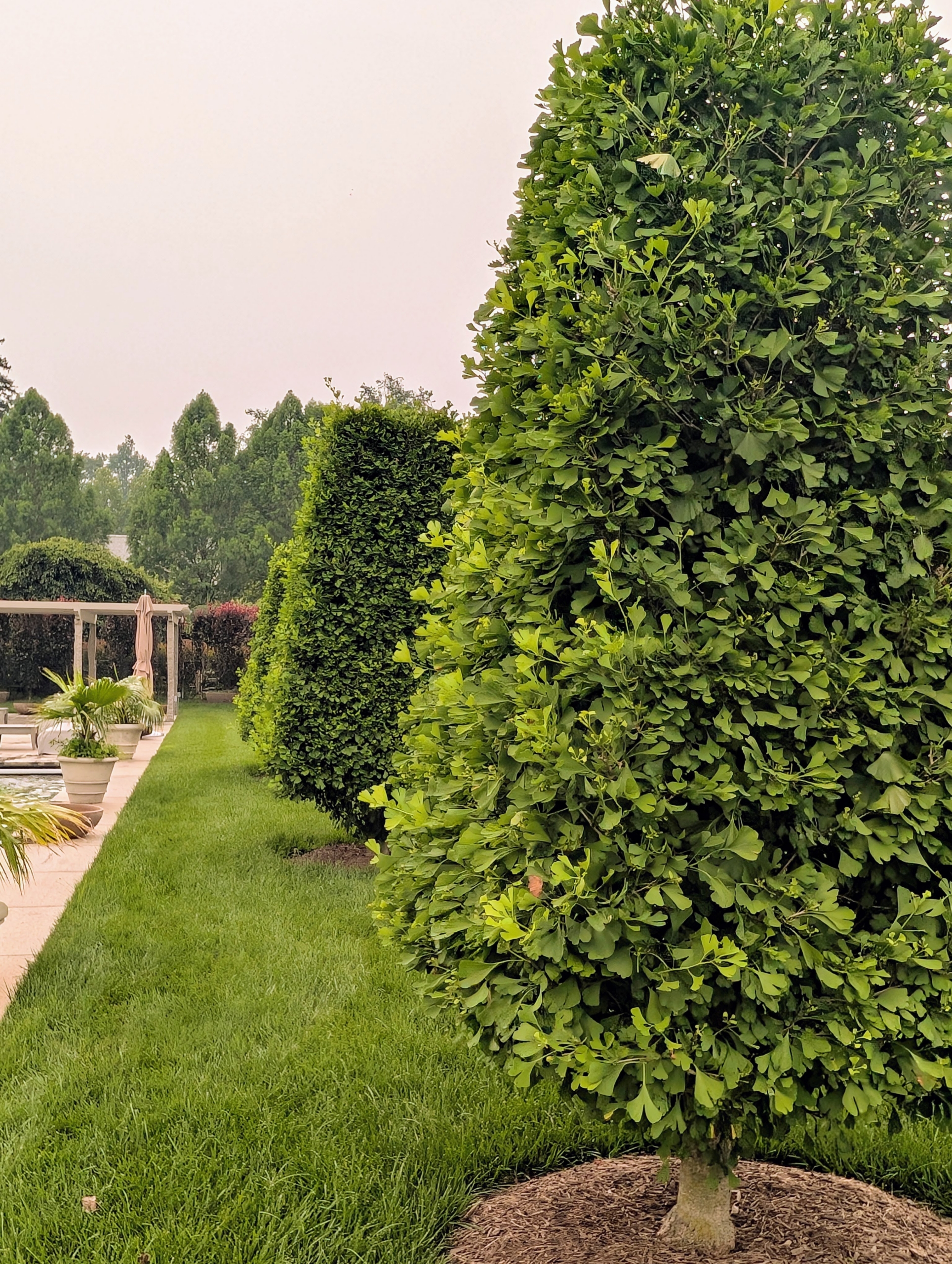
- A couple of years ago, I planted six Ginkgo biloba Goldspire™ Obelisk trees. They’re growing so nicely around my pool.
-
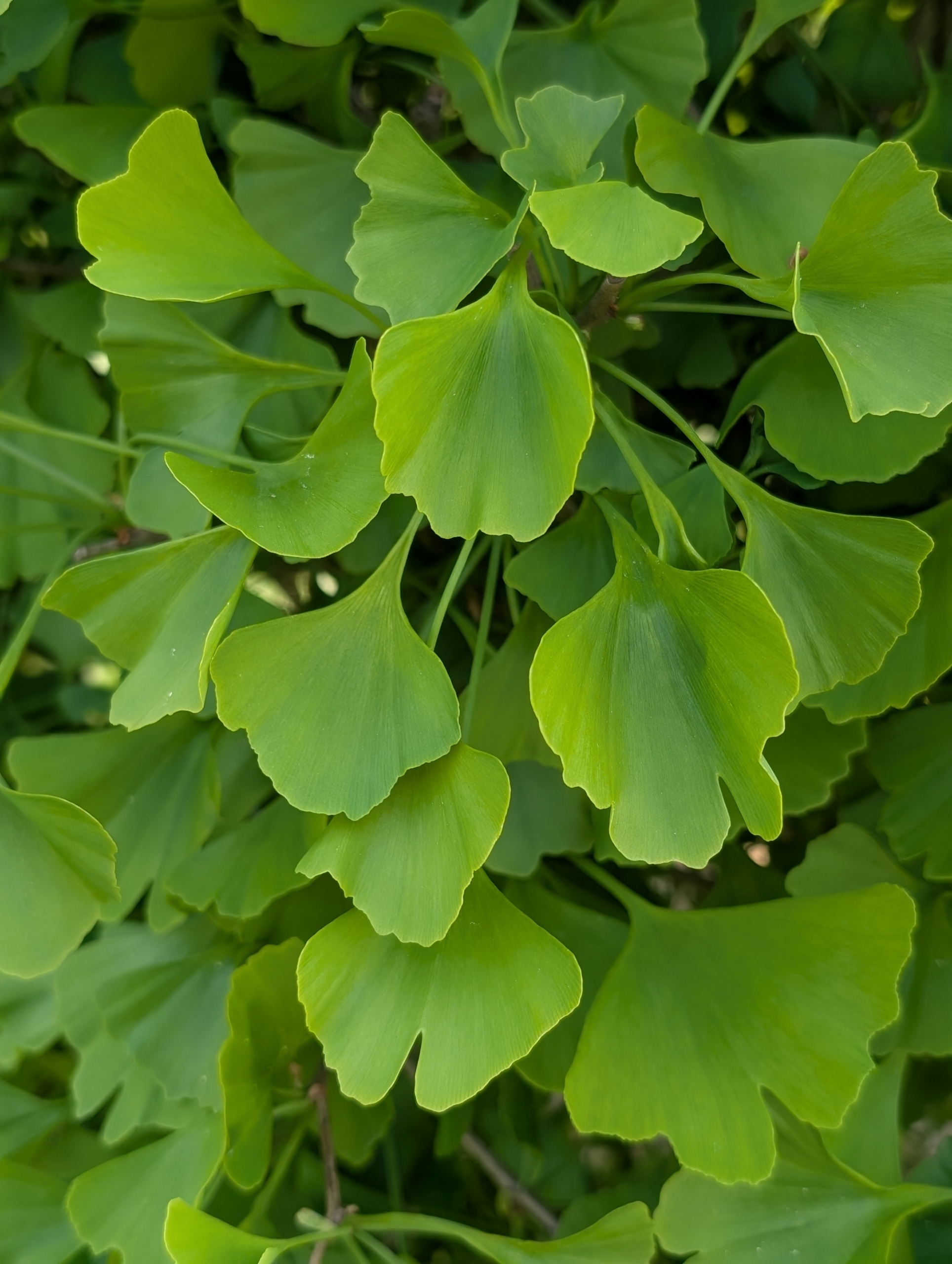
- New foliage on the Ginkgo Goldspire™ emerges a rich shade of green, fan-shaped, and slightly curled. It keeps its color through summer, then turns buttery shades of yellow and gold in autumn before dropping.
-
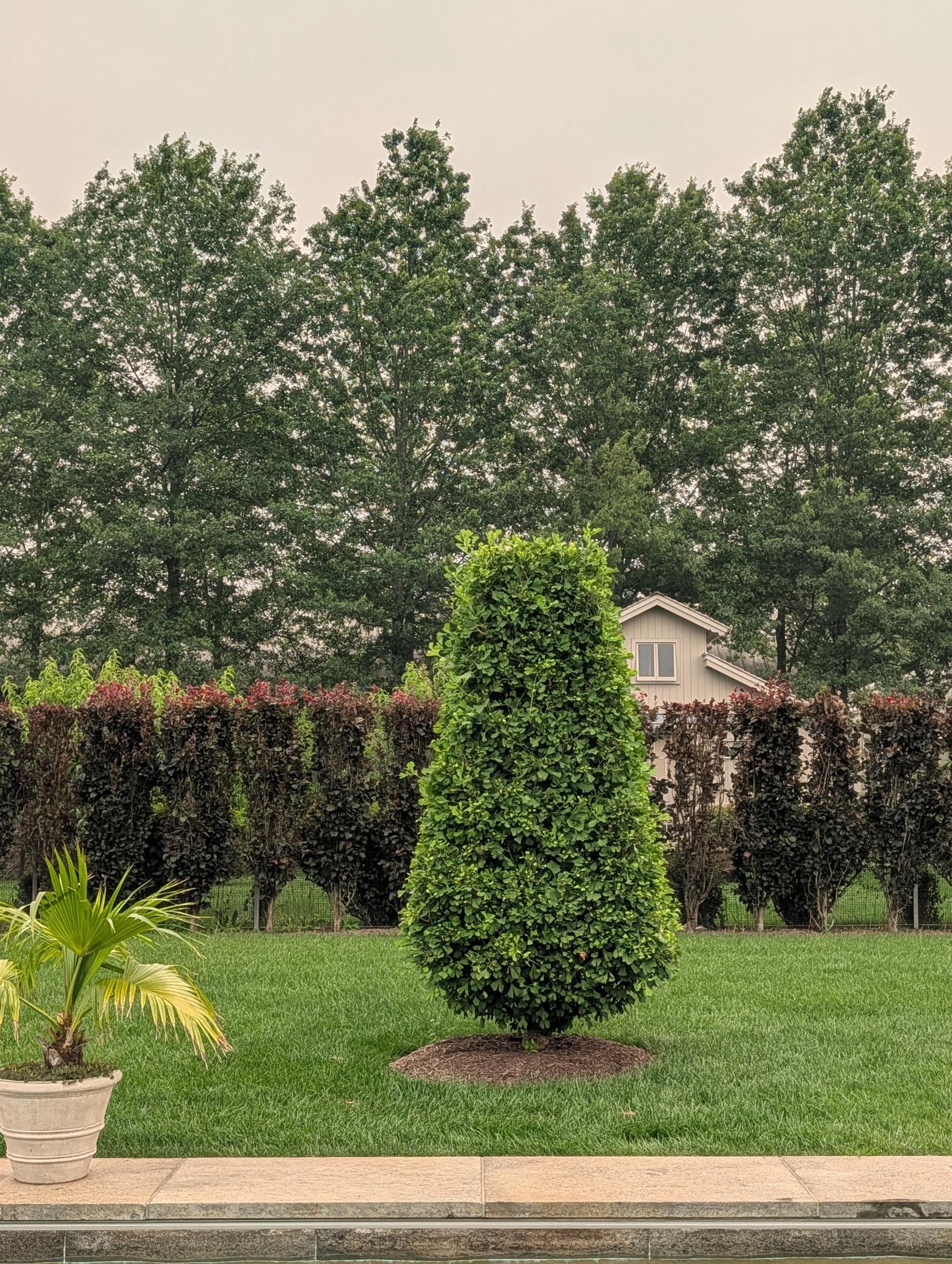
- The trees are interesting in shape, narrow and upright tower trees, which look so excellent on both sides of my pool. Behind, one can see the hedge of columnar beech trees, which contrast so well with the bold green ginkgo trees.
-
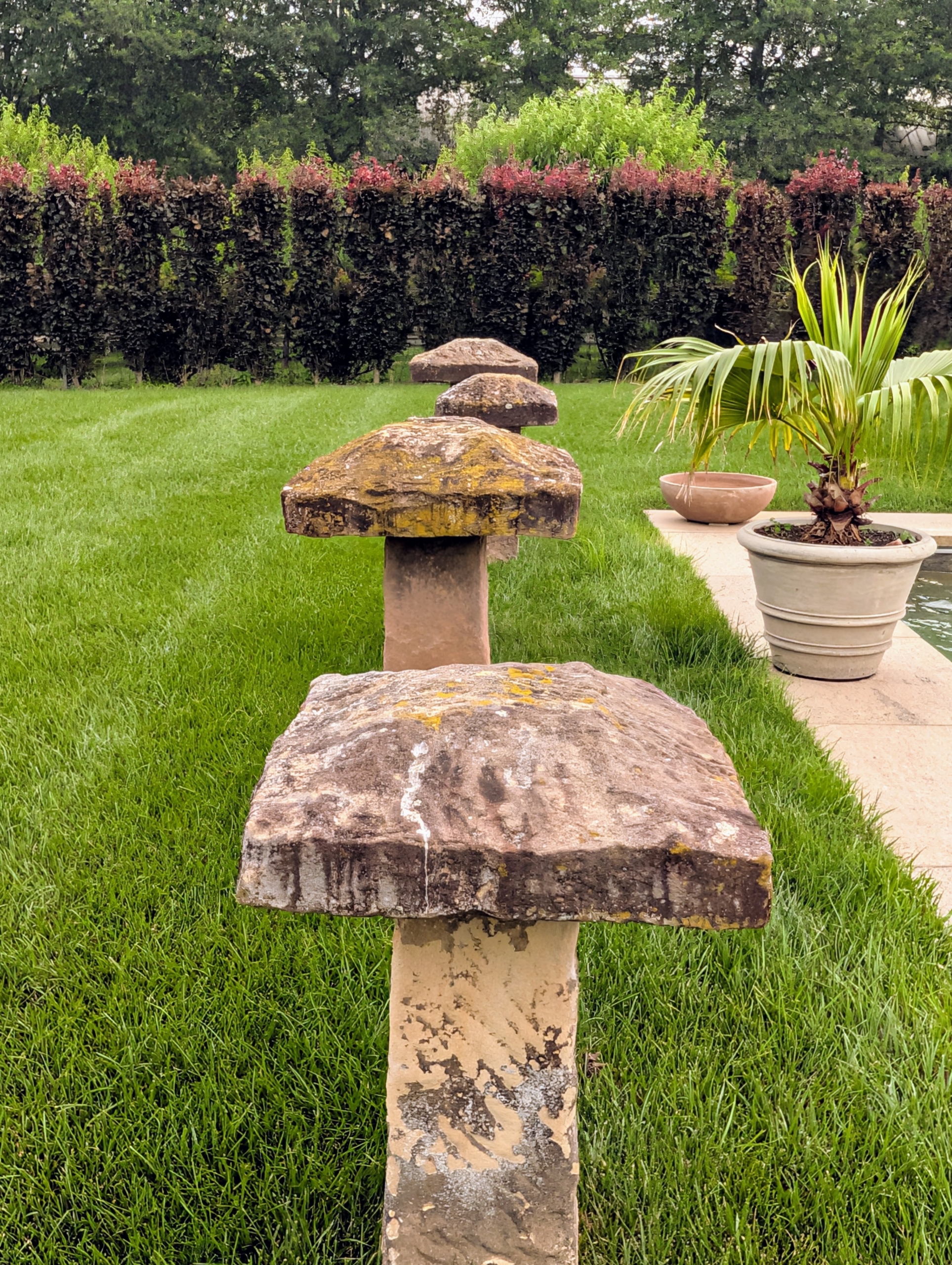
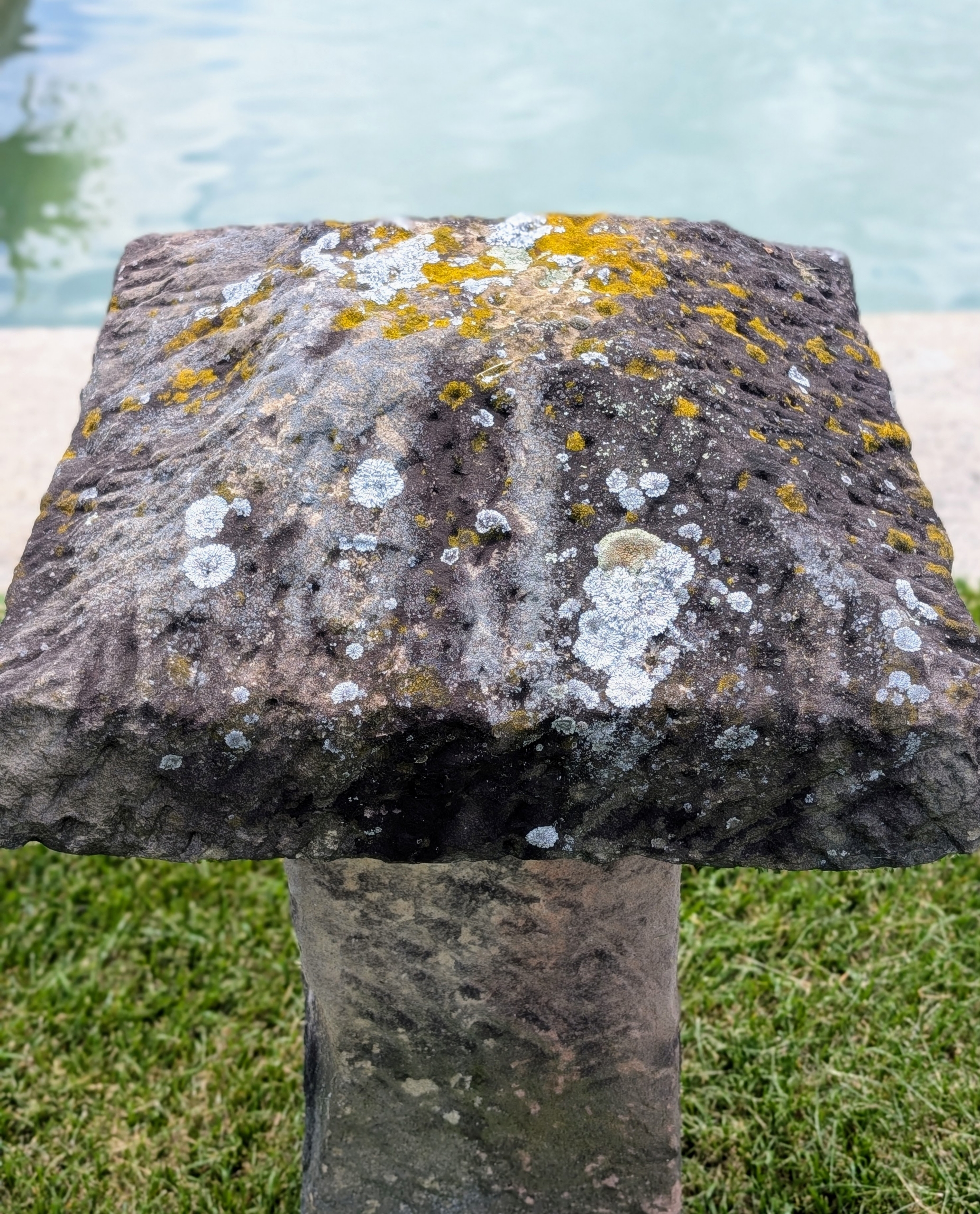
- At the north end of the pool, I have these five antique staddle stones. I bought the staddle stones in 2017 from the annual NYBG Garden Furniture & Antiques Fair. Staddle stones were originally used in the 17th and 18th centuries as support bases for granaries, hayricks, and game larders.
-
- They typically looked like giant stone mushrooms, but mine are square – a more rare and unique version.
-
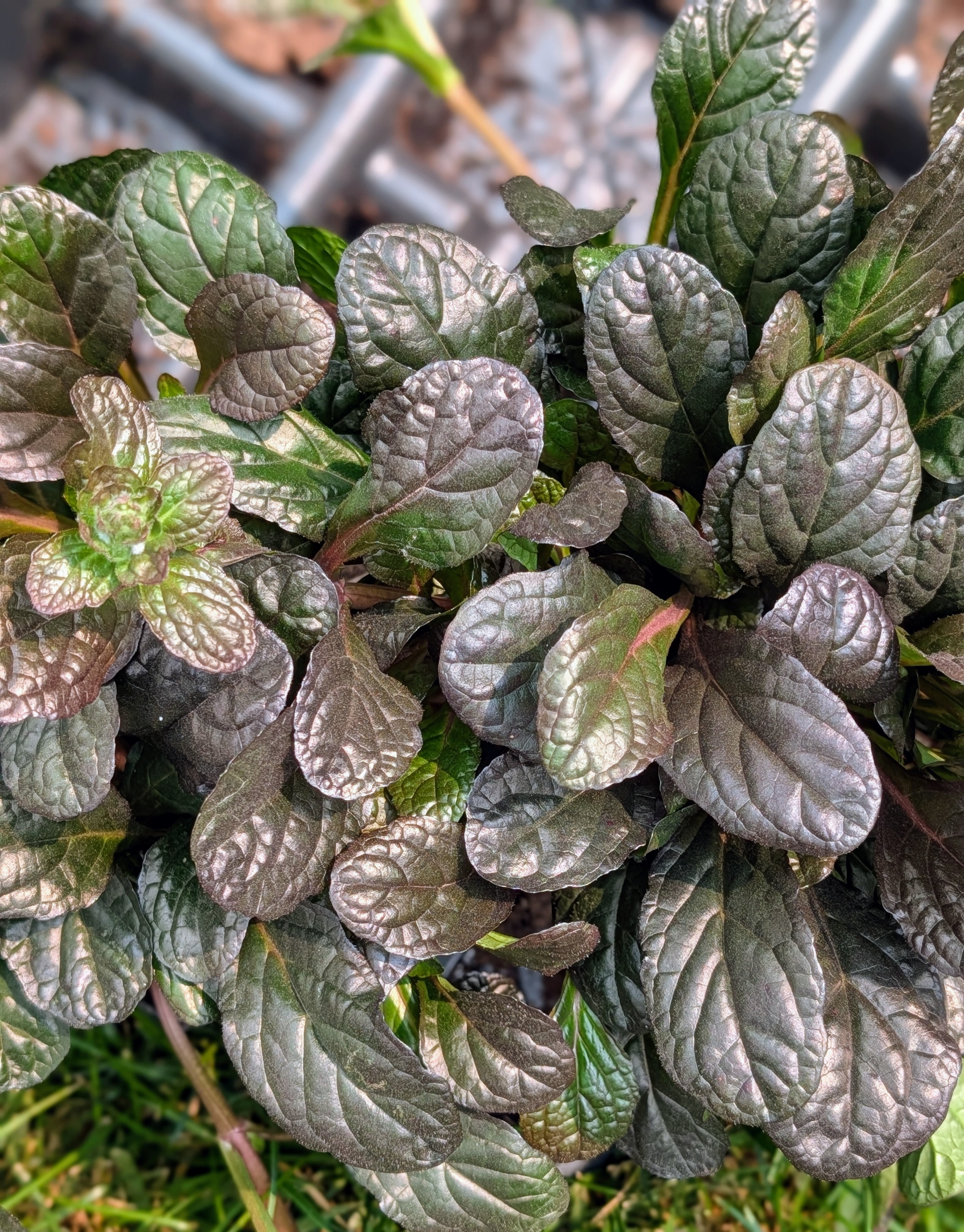
- Ajuga reptans ‘Bronze Beauty’ has glossy, bronze-purple foliage. It’s a semi-evergreen, fast-growing ground cover that grows to six inches tall.
-
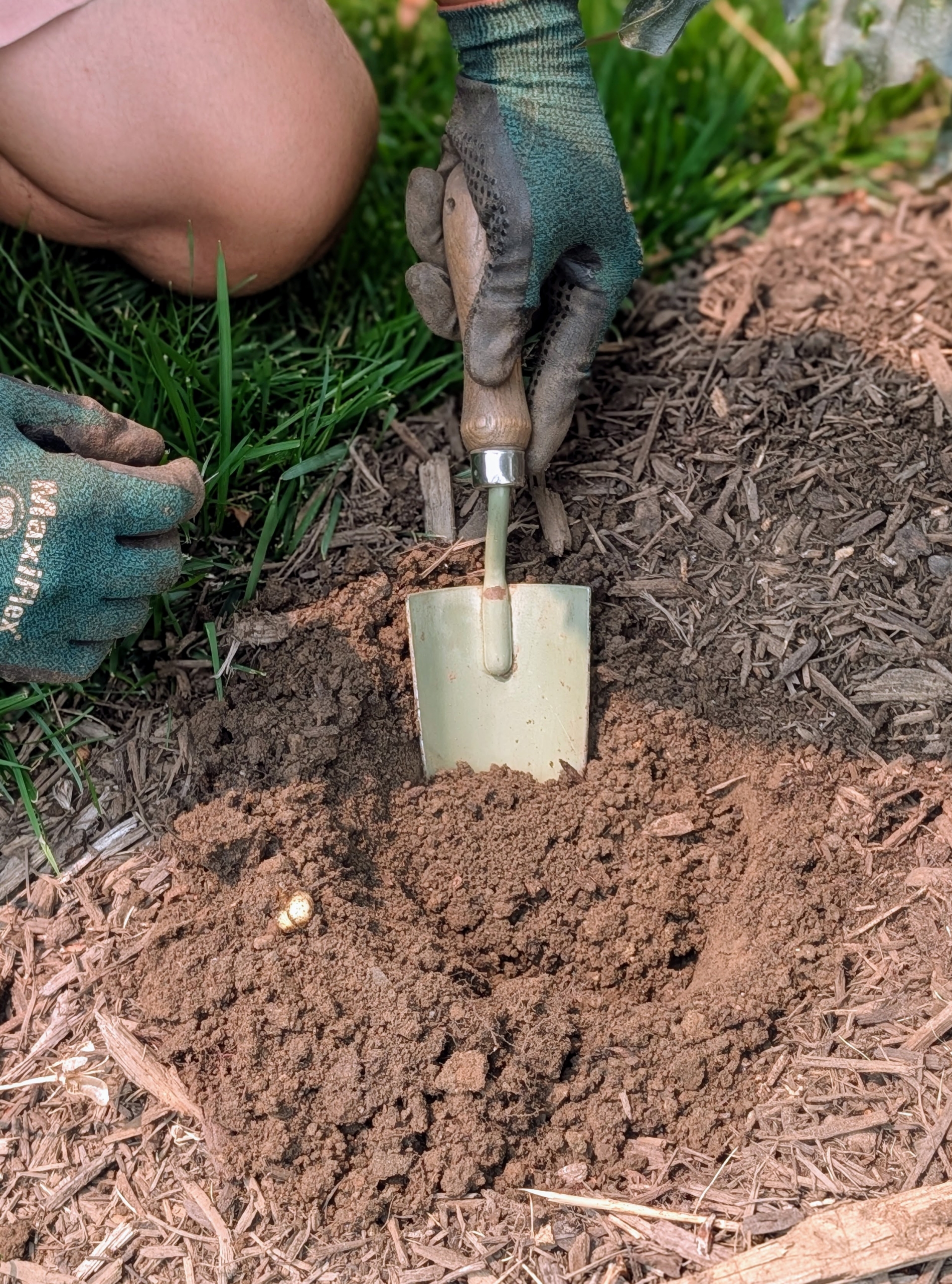
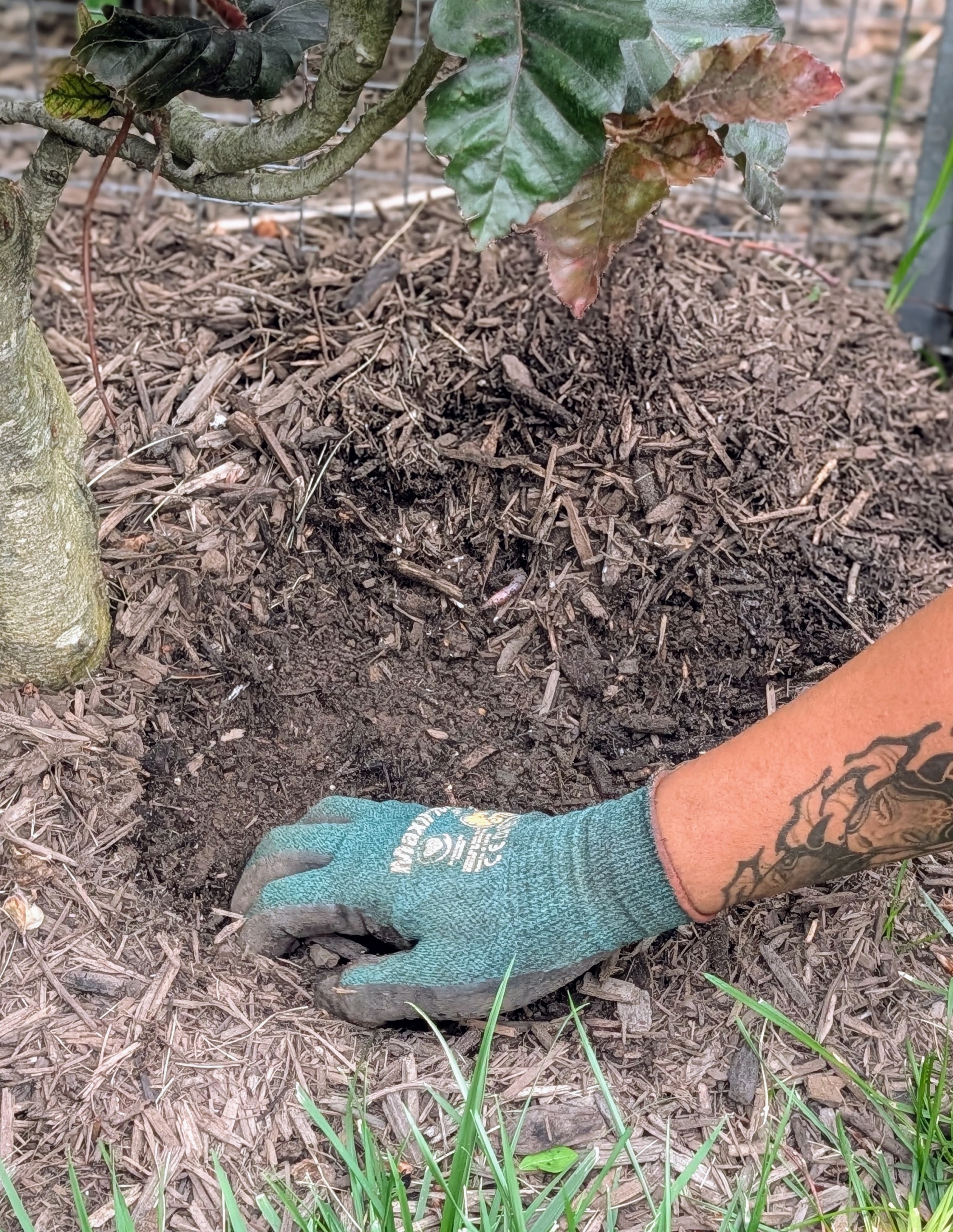
- Matthew starts by digging the hole at least twice the size of the plant’s root ball.
-
- He matches the hole depth to the root ball height and adjusts the hole slightly with his hands. It’s important not to bury the crown more than one inch below the soil surface. The soil was already fed earlier.
-
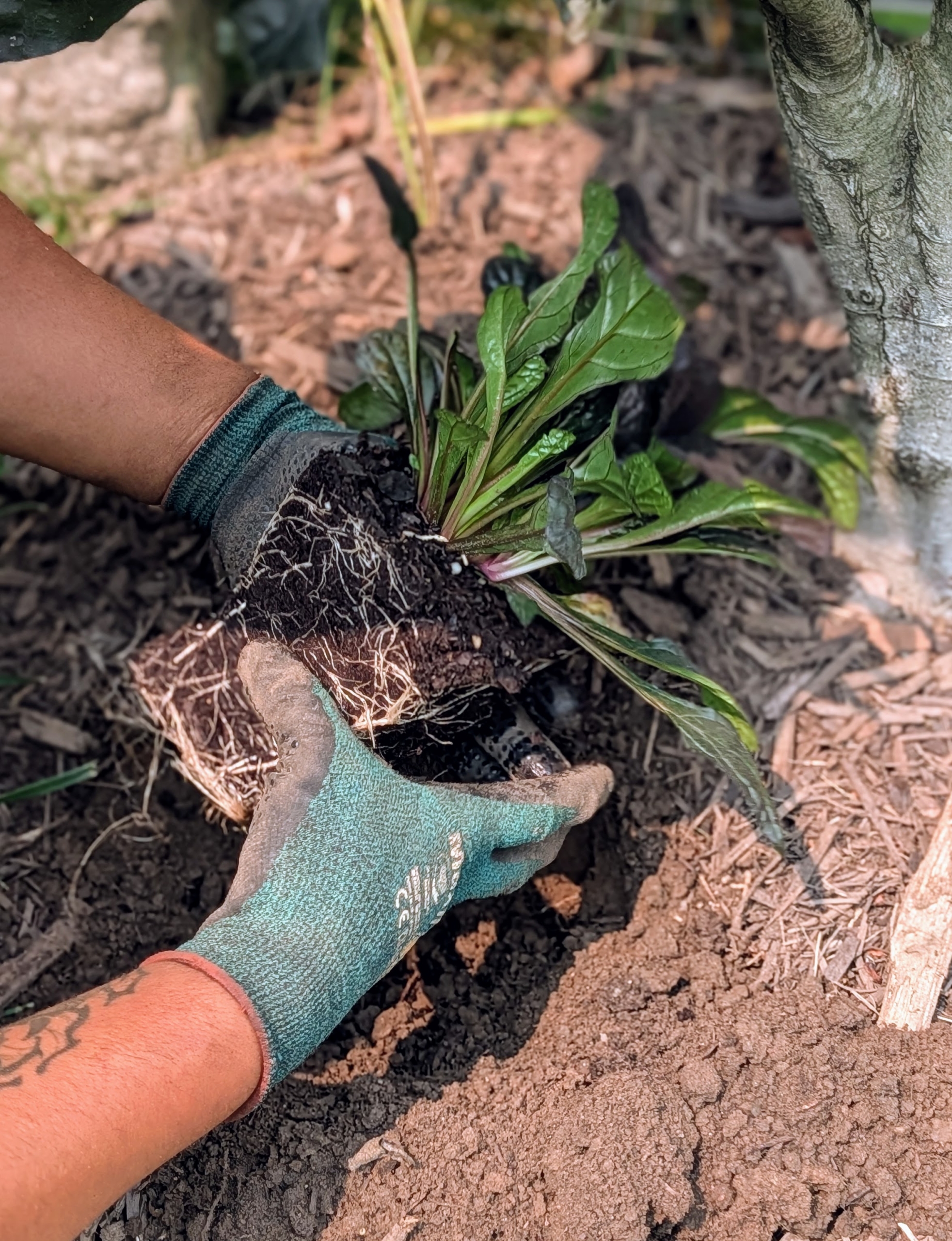
- After removing it from the plastic pot, Matthew teases the root ball just a bit to stimulate new growth.
-
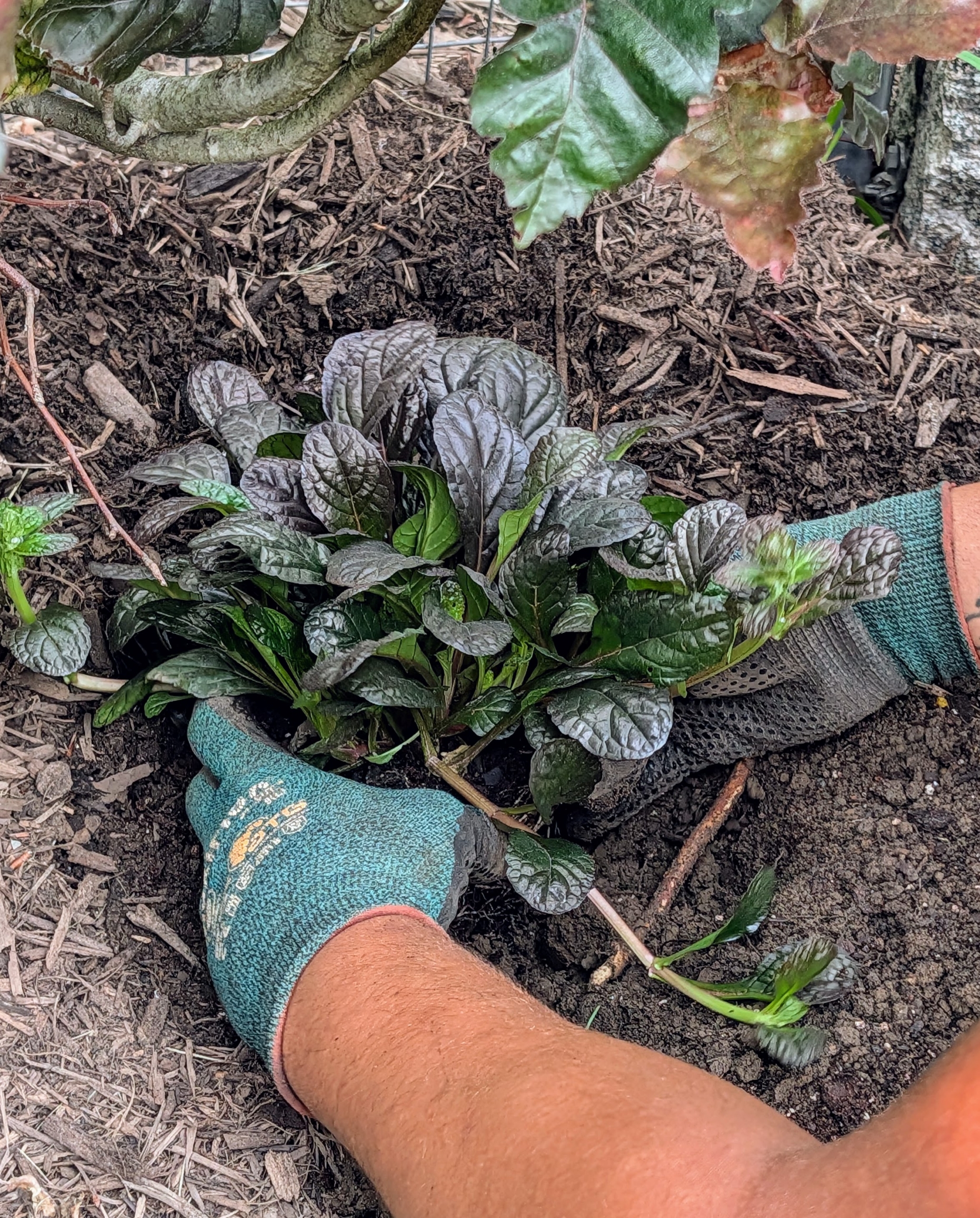
- And then he plants the Ajuga. Ajuga naturalizes easily, spreading by stolons, or horizontal stems that creep along the ground, so be sure to plant it appropriately.
-
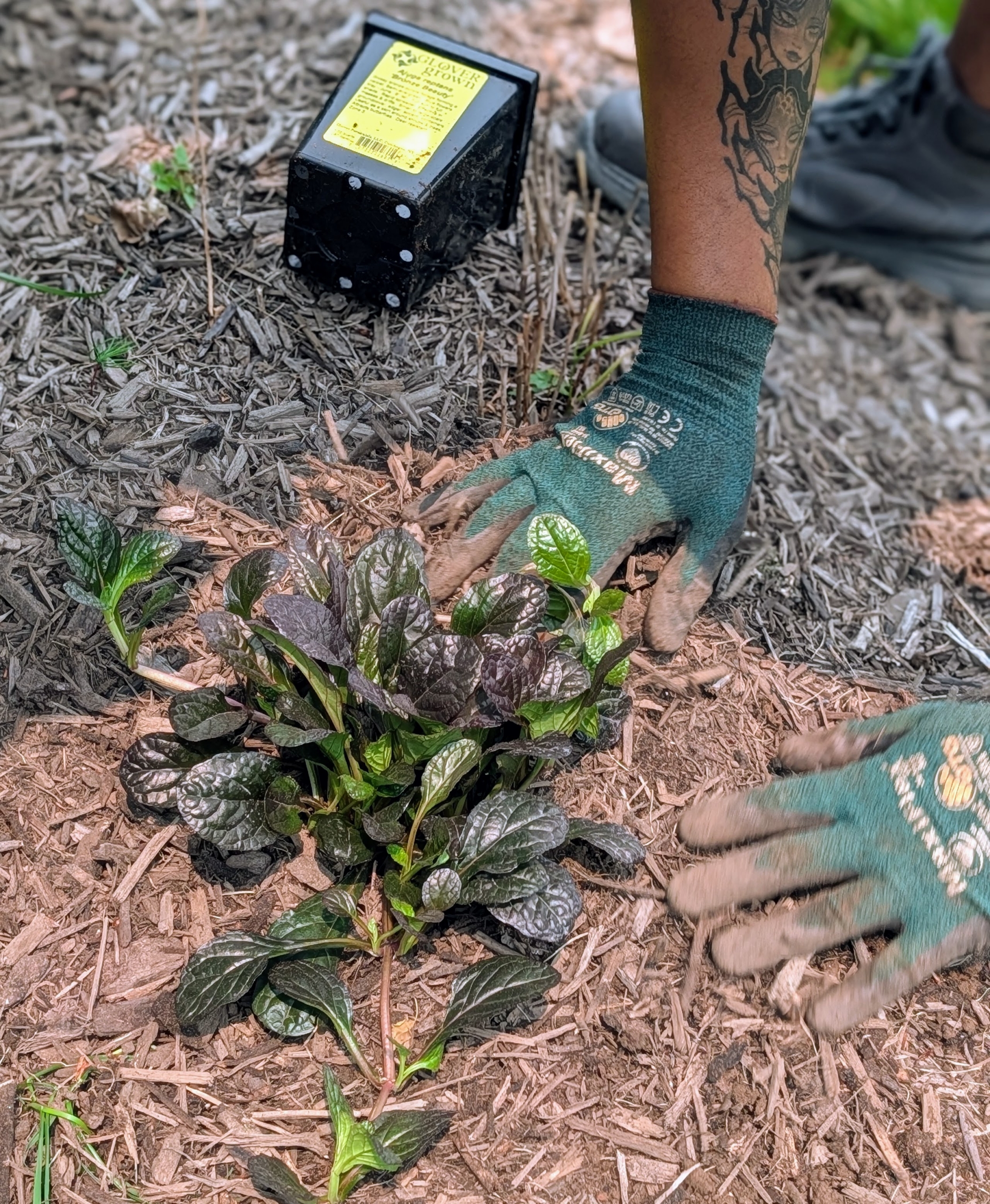
- Matthew tamps down gently to ensure good contact between the soil and the plant. If there is mulch in the bed, be sure to go beneath it to plant the Ajuga properly.
-
- What is so nice about adding Ajuga to the pool garden is they hold their leaf color and stay attractive almost all year-round.
-
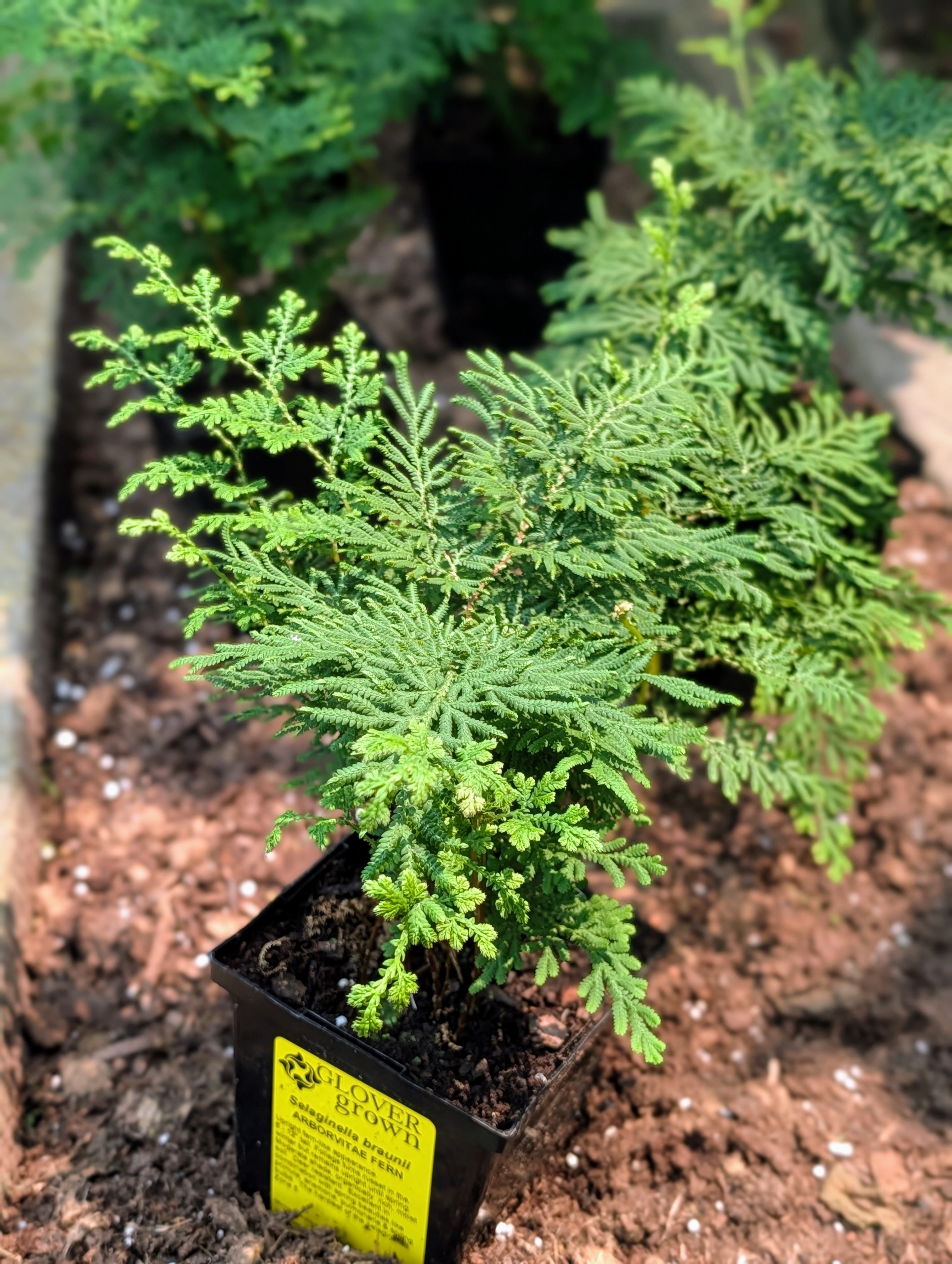
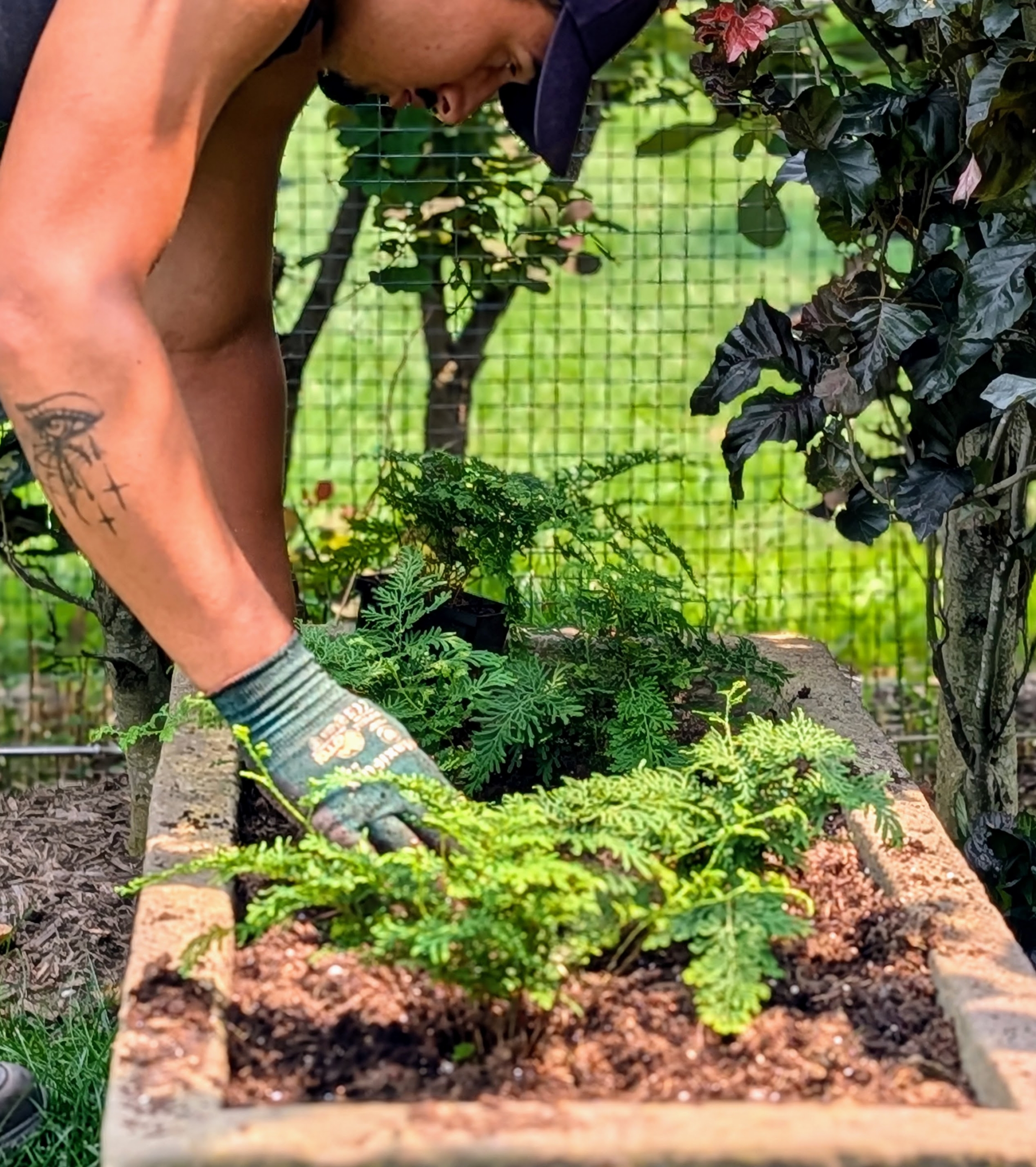
- Nearby, I decided to plant this Selanginella braunii, an arborvitae fern, in two of the stone troughs I have at the back of my pool area. This plant has an upright fern-like appearance and grows six to 12-inches tall. The foliage turns a russet brown in the winter and remains upright until spring.
-
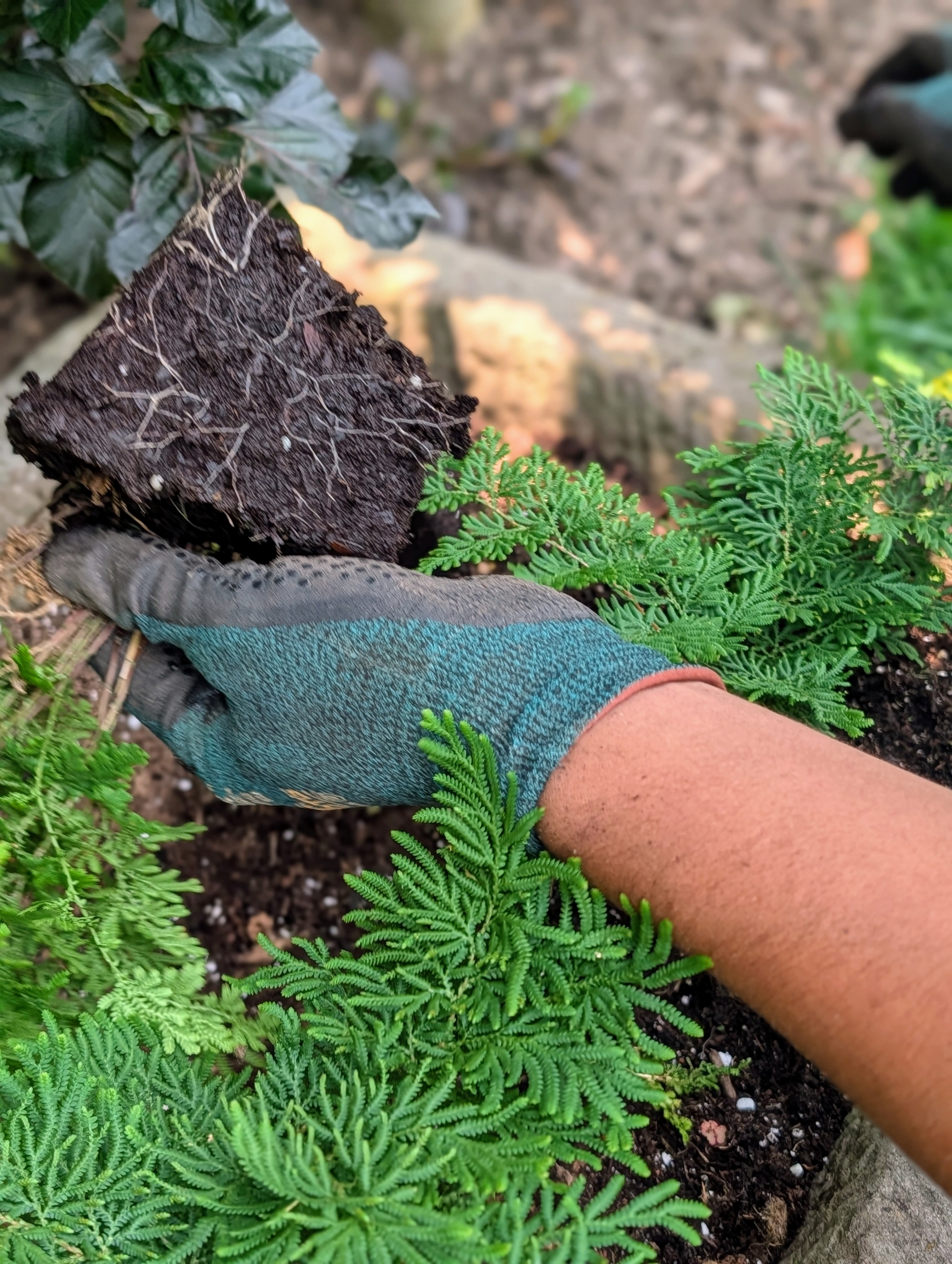
- Matthew does the same with these plants, teasing the root ball just a bit to encourage root growth – it is a process called scarifying.
-
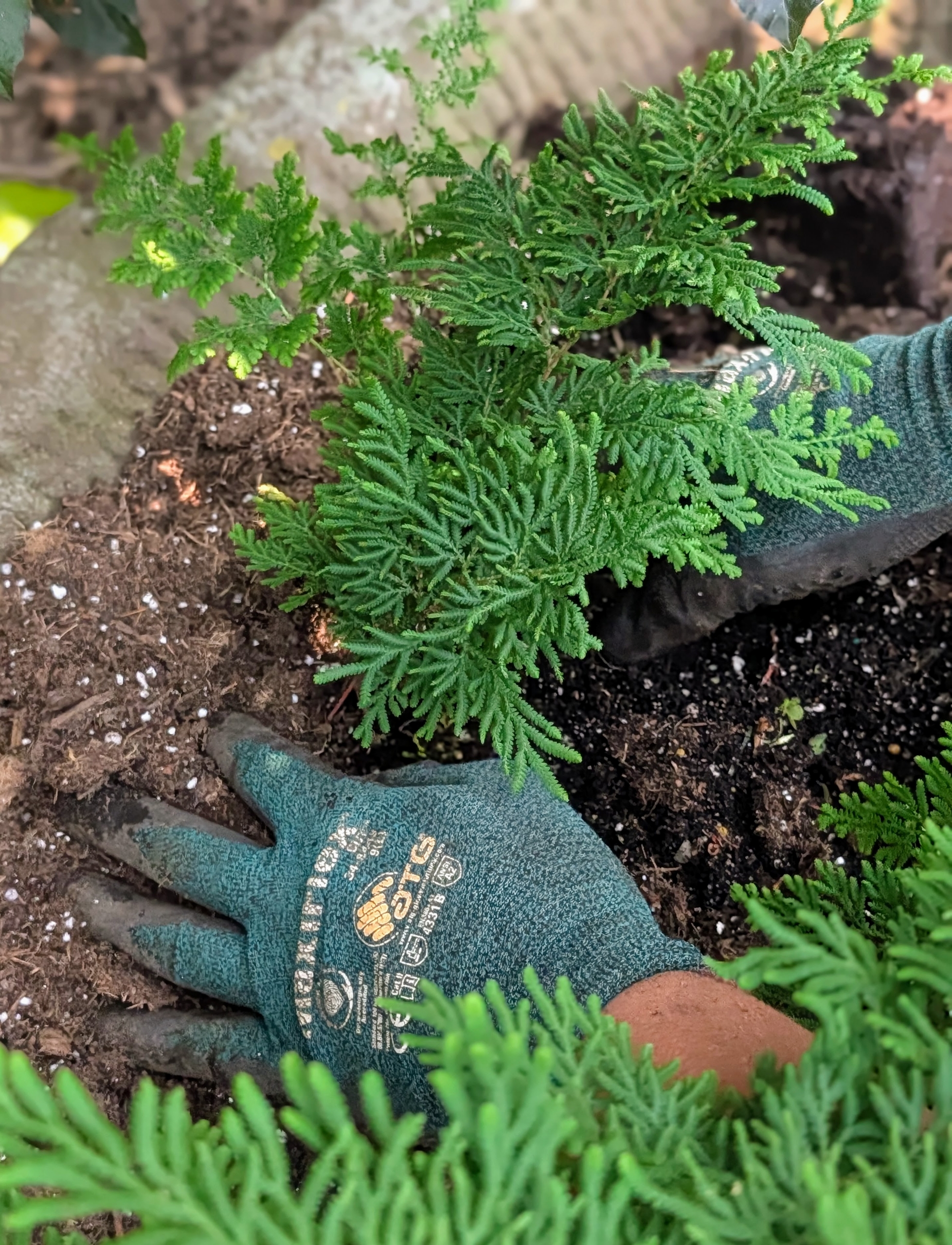
- Then he plants the Selaginella about 10 inches apart to make sure the plants can grow without overcrowding.
-
- Because it will get moderate shade in this location, these plants will thrive through the season.
-
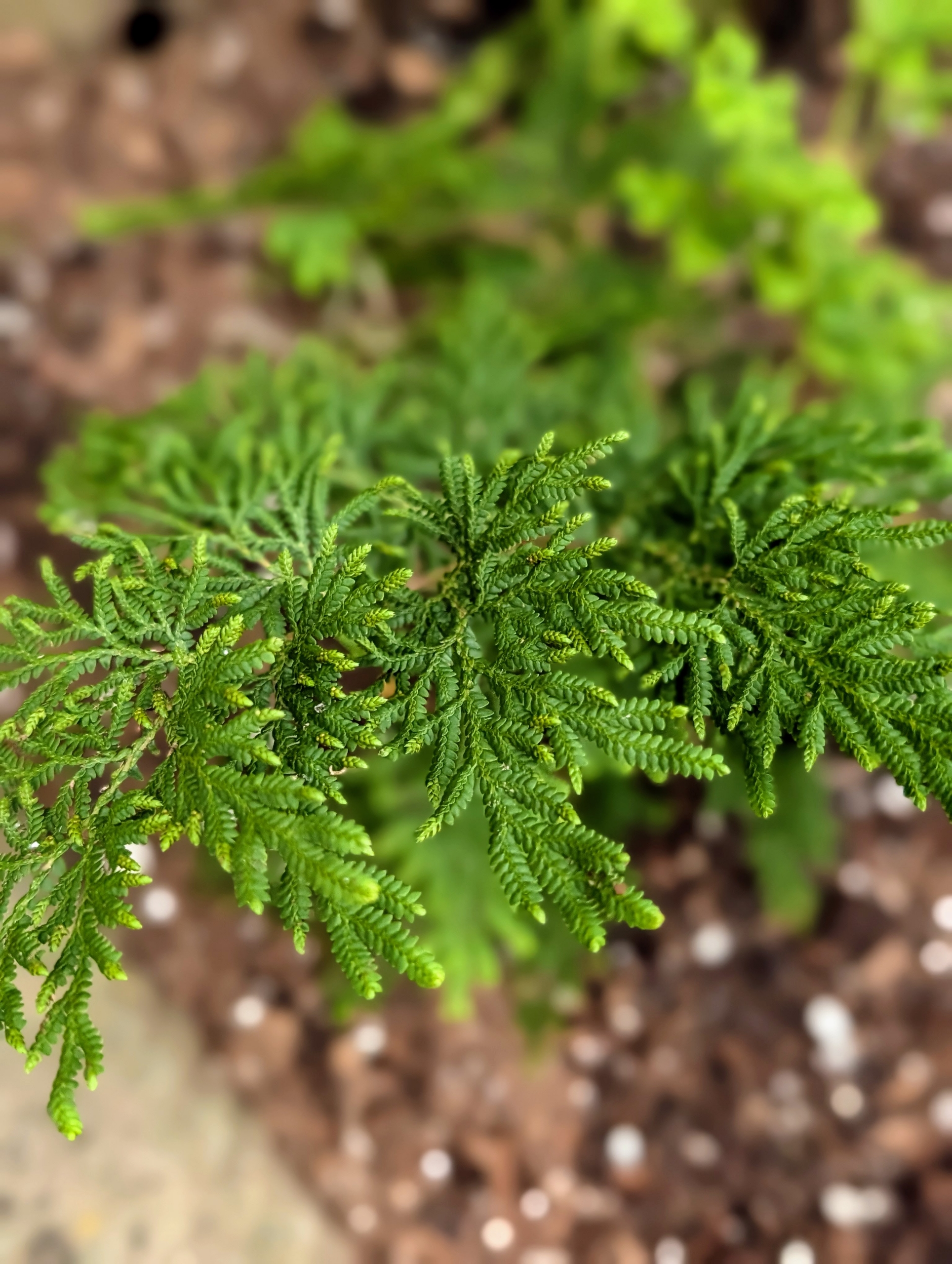
- Selaginella foliage is scale-like and fern‑like in texture, giving it a mossy appearance.
-
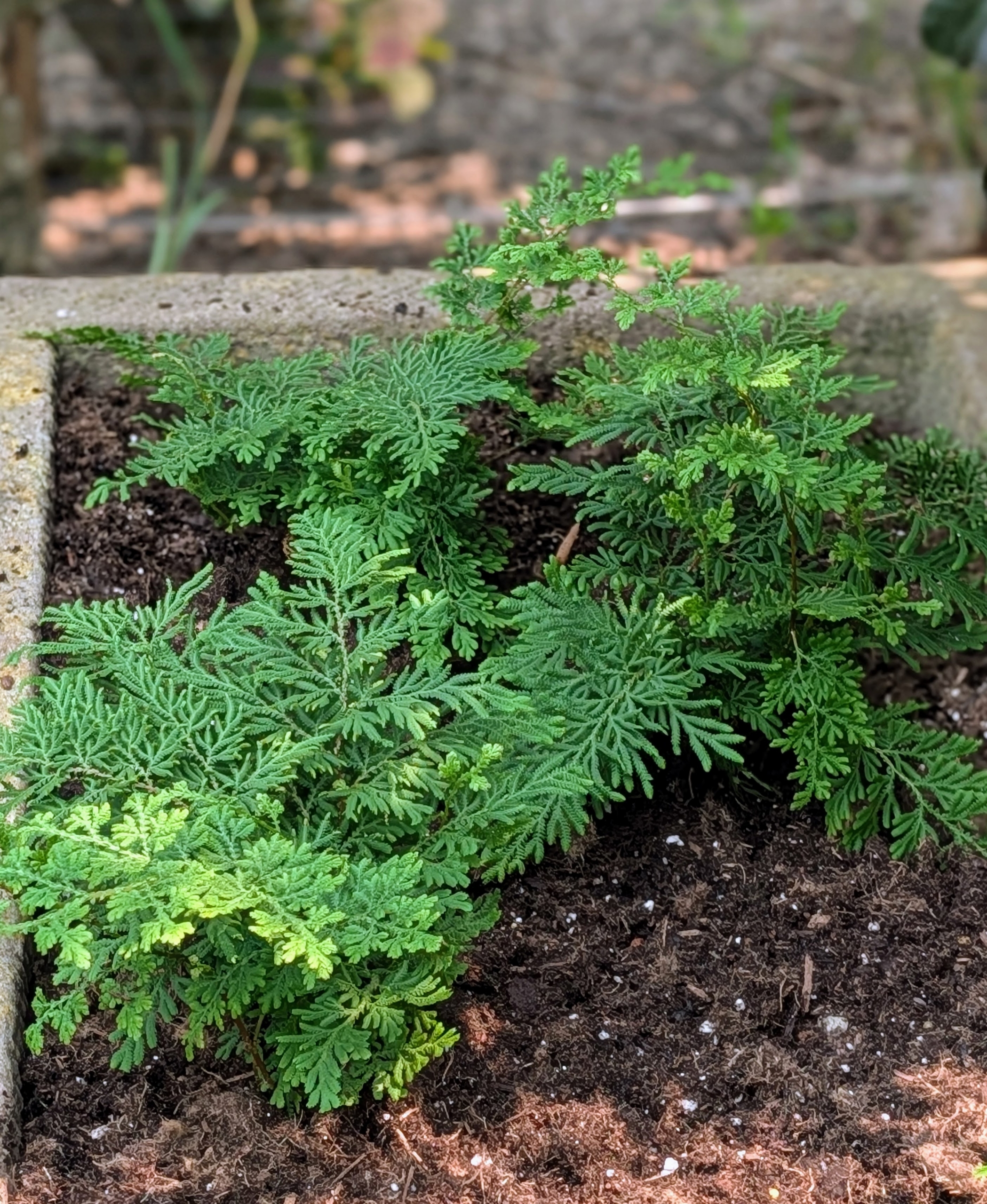
- This Selanginella ground cover will fill in this planter nicely, creep along the surface soil, and trail over the edge.
-
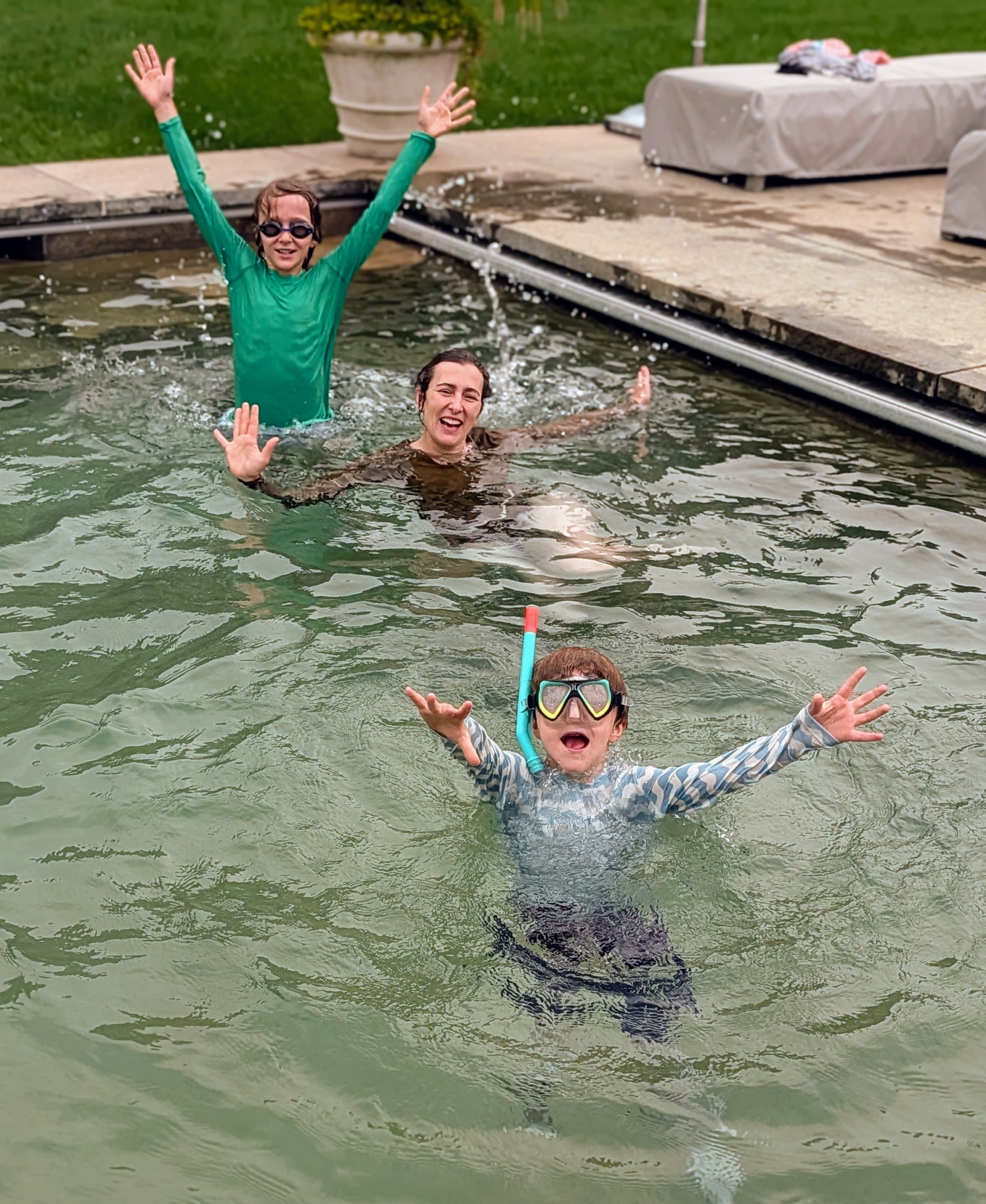
- And look who came for a short swim at the farm? It’s my beautiful niece, Sophie Herbert Slater, and her wonderful children – Silas and Felix. Hope your summer is filled with fun gardening projects and good times with family and friends.
 Martha Pins


 Martha Tweets

