In order to keep my farm and its gardens, allées, and groves as beautiful as possible, I pay lots of attention to the maintenance and care of all my trees and shrubs.
Smoke bushes, Cotinus, are among my favorite small trees - they have superlative color, appealing form, and look excellent in the gardens. Healthy, established smoke bushes are vigorous growers and can put up to three feet of new growth in a season. This week, many of these trees are being carefully pruned and groomed to keep them well-shaped and beautiful.
Enjoy these photos.
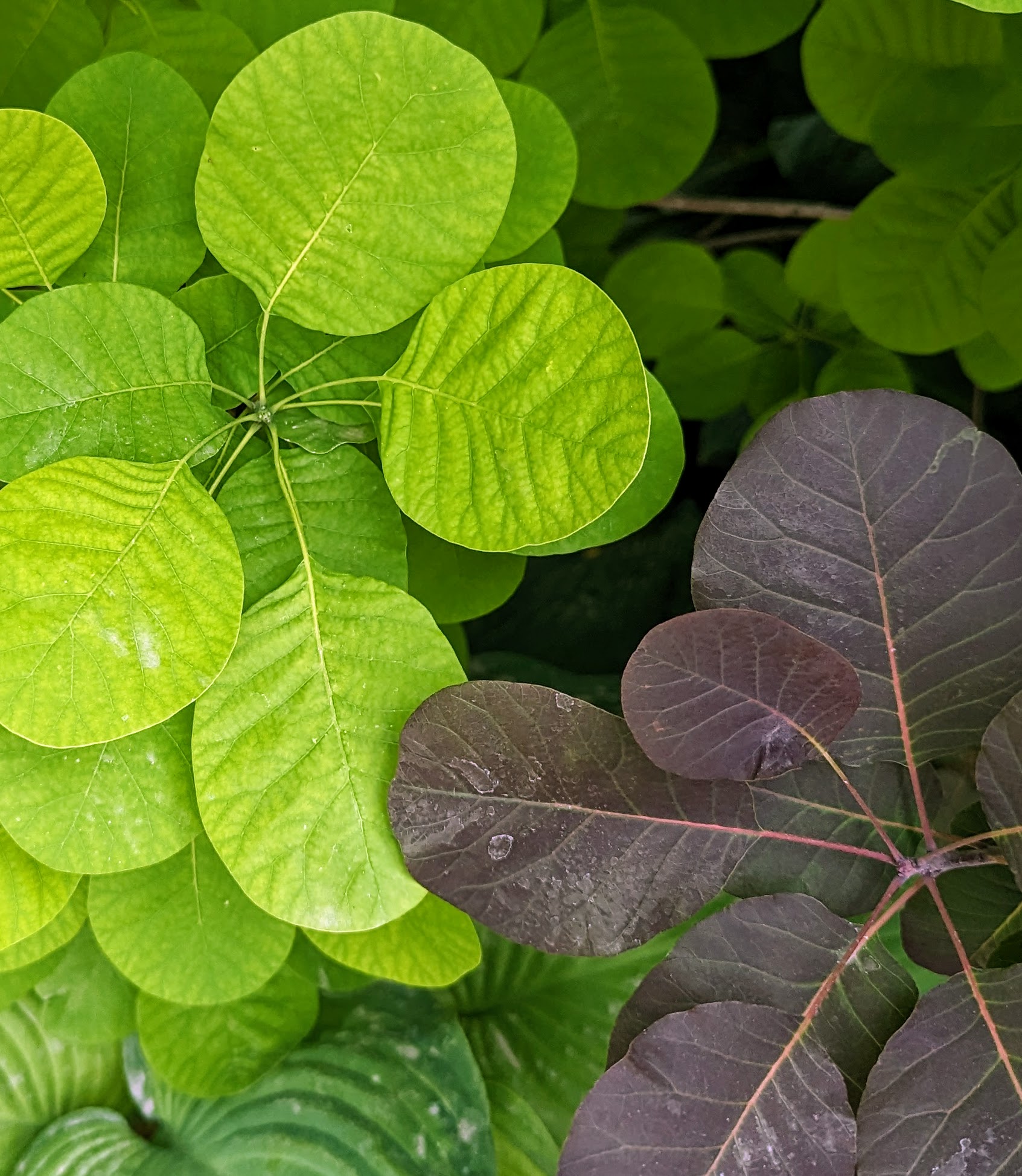
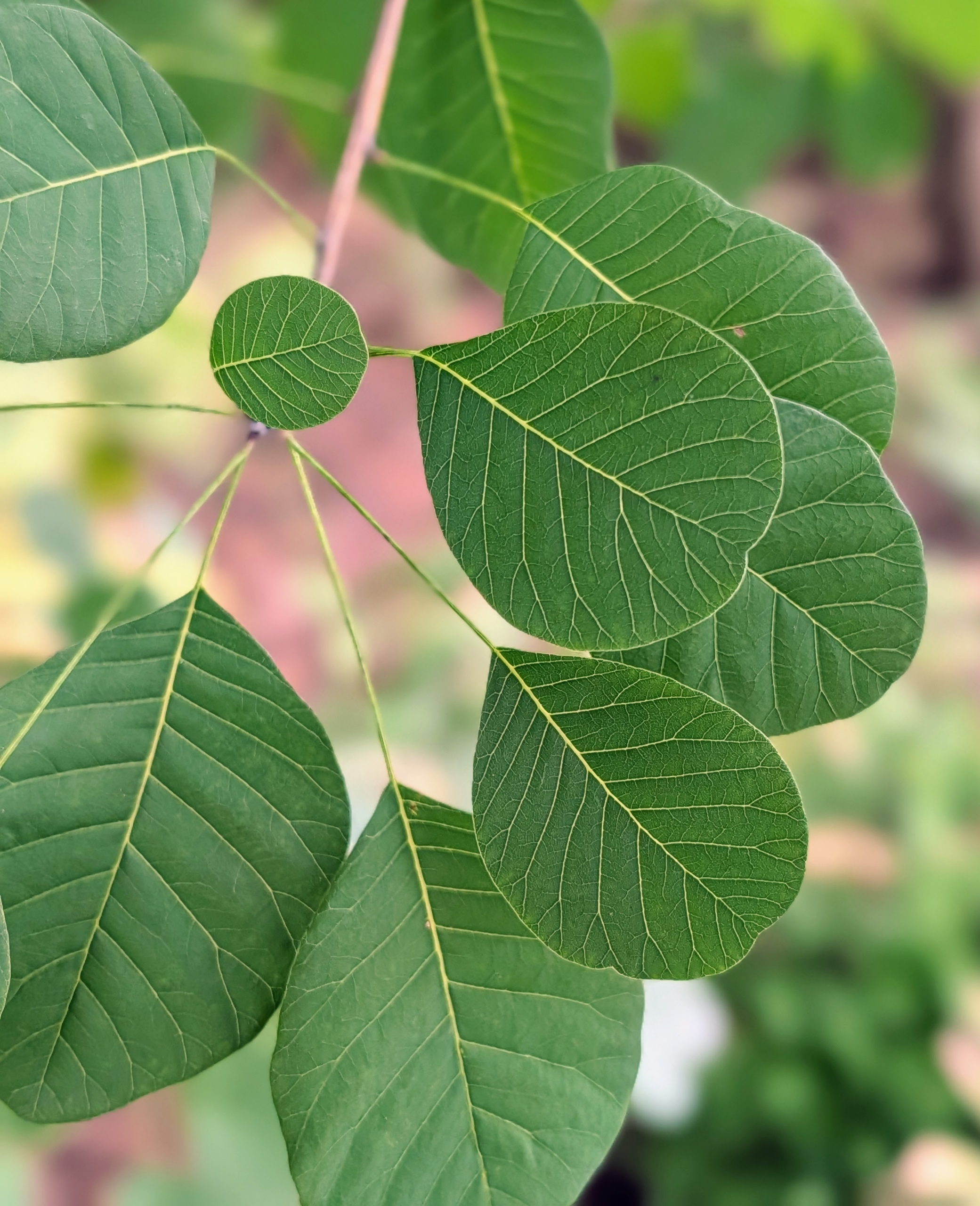
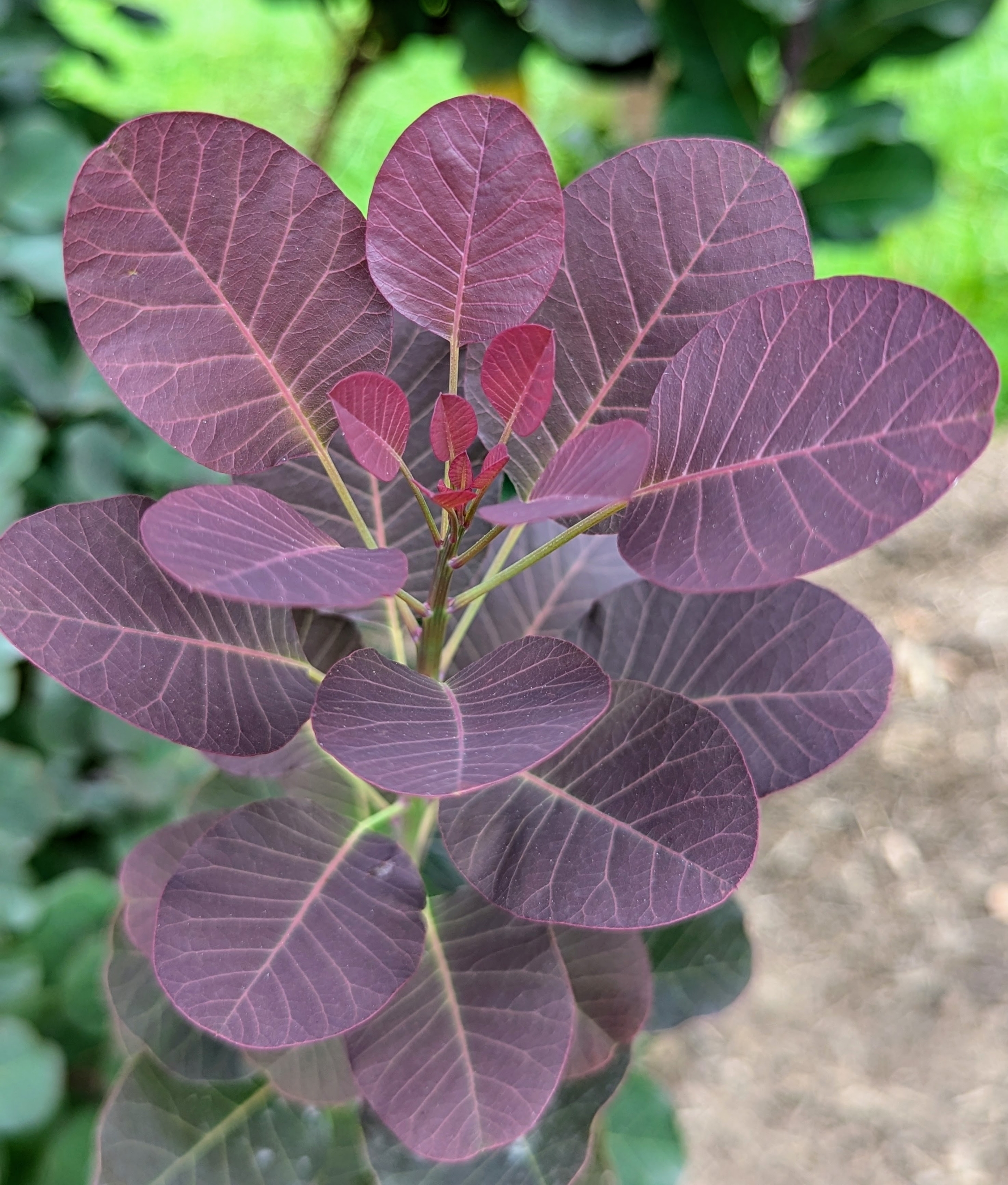
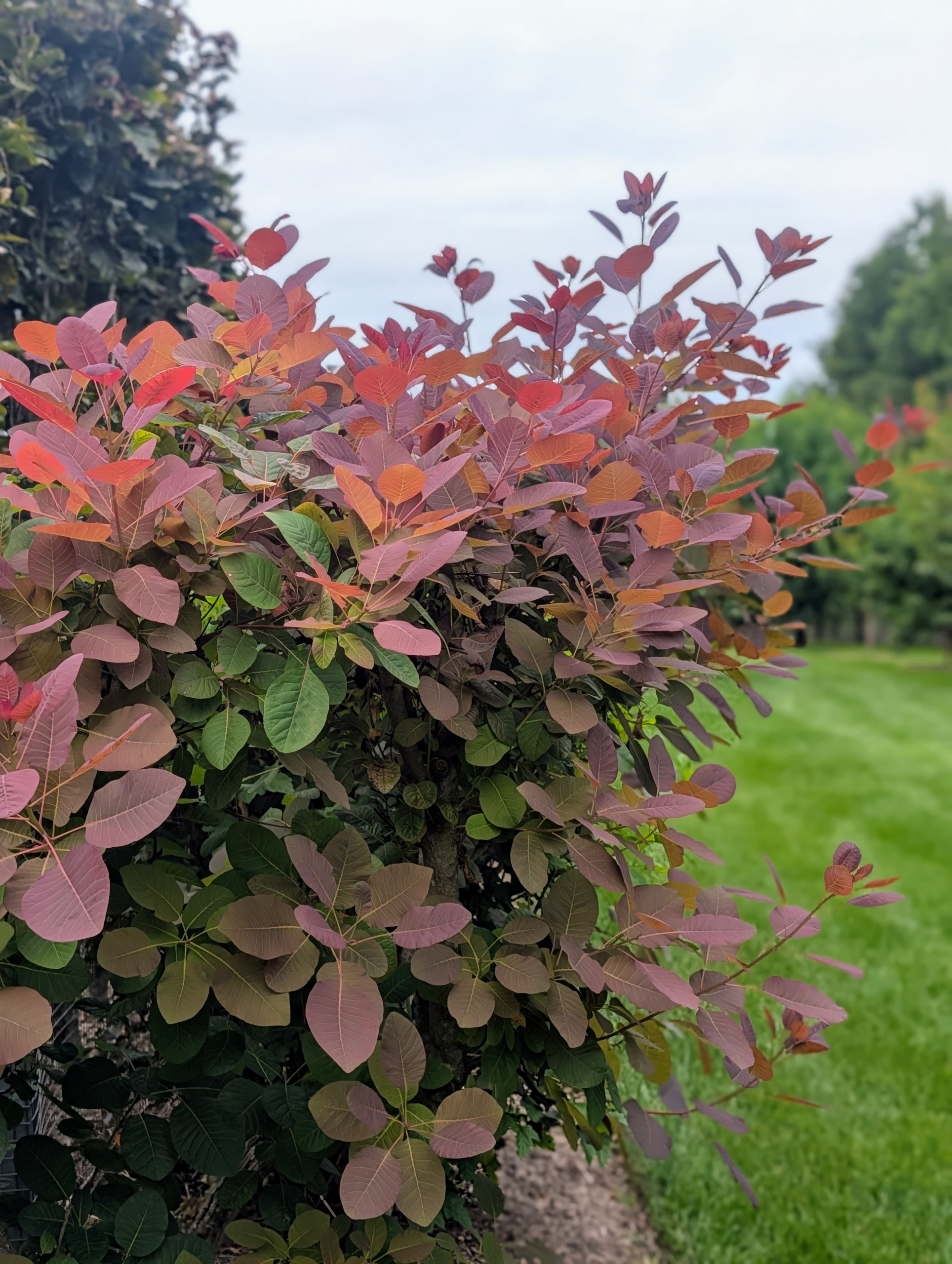
These are the very interesting leaves of the smoke bush, Cotinus. Depending on the variety, these leaves can range from bright greens and yellows to deep purples and reds.
The leaves are about one-and-a-half to three inches long and ovate, or oval like, in shape.
There is one leaf per node along the stem. The leaves are also deciduous, meaning they drop off in winter, or wither and persist on its branch.
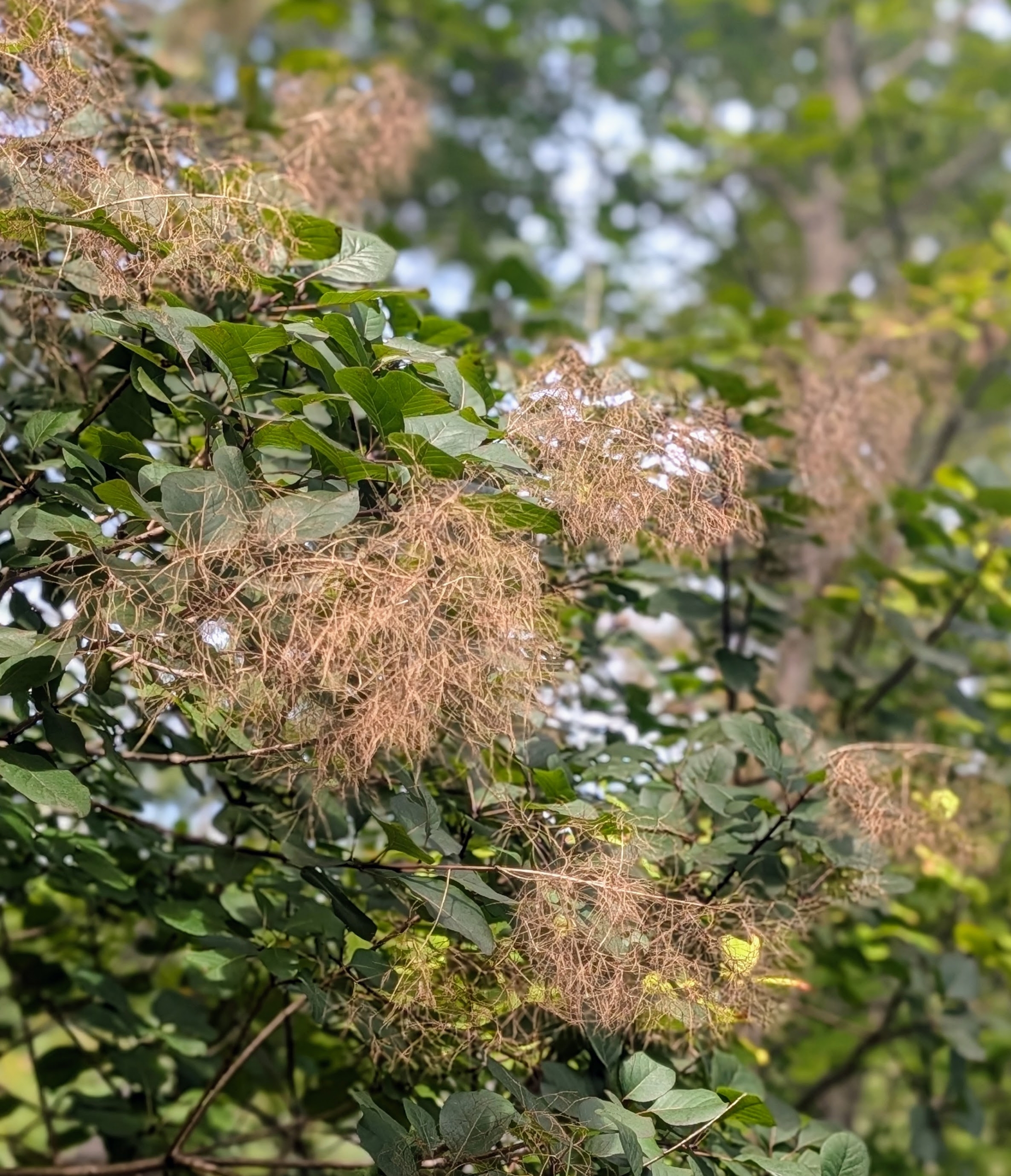
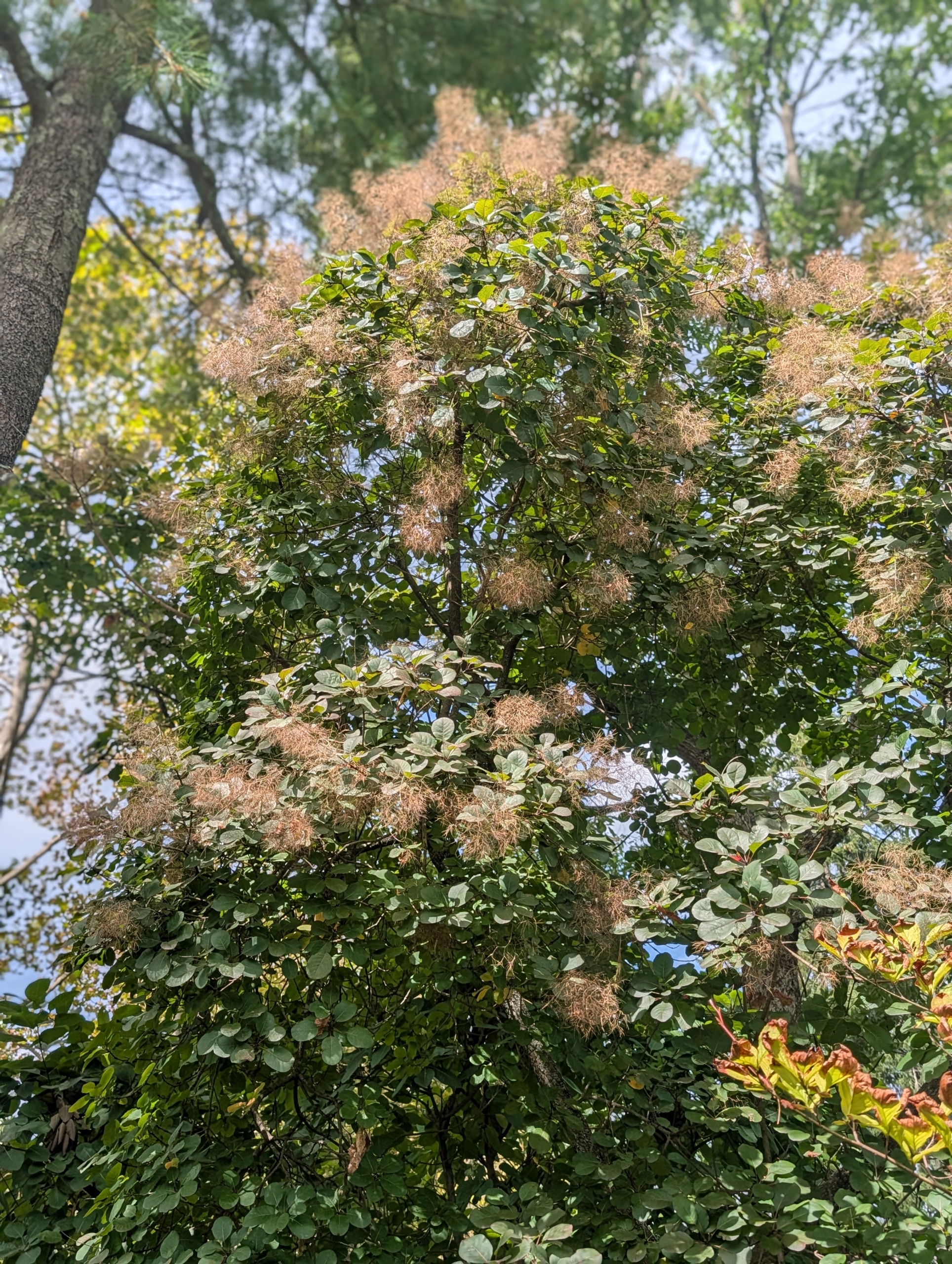
The name “smoke bush” comes from the billowy hairs attached to the flower clusters, turning a smoky pink to purplish-pink as the weeks progress.
This mature smoke bush is near the front of my home, where guests can see it. The fine, feathery clusters remain attractive for many weeks from now to fall.
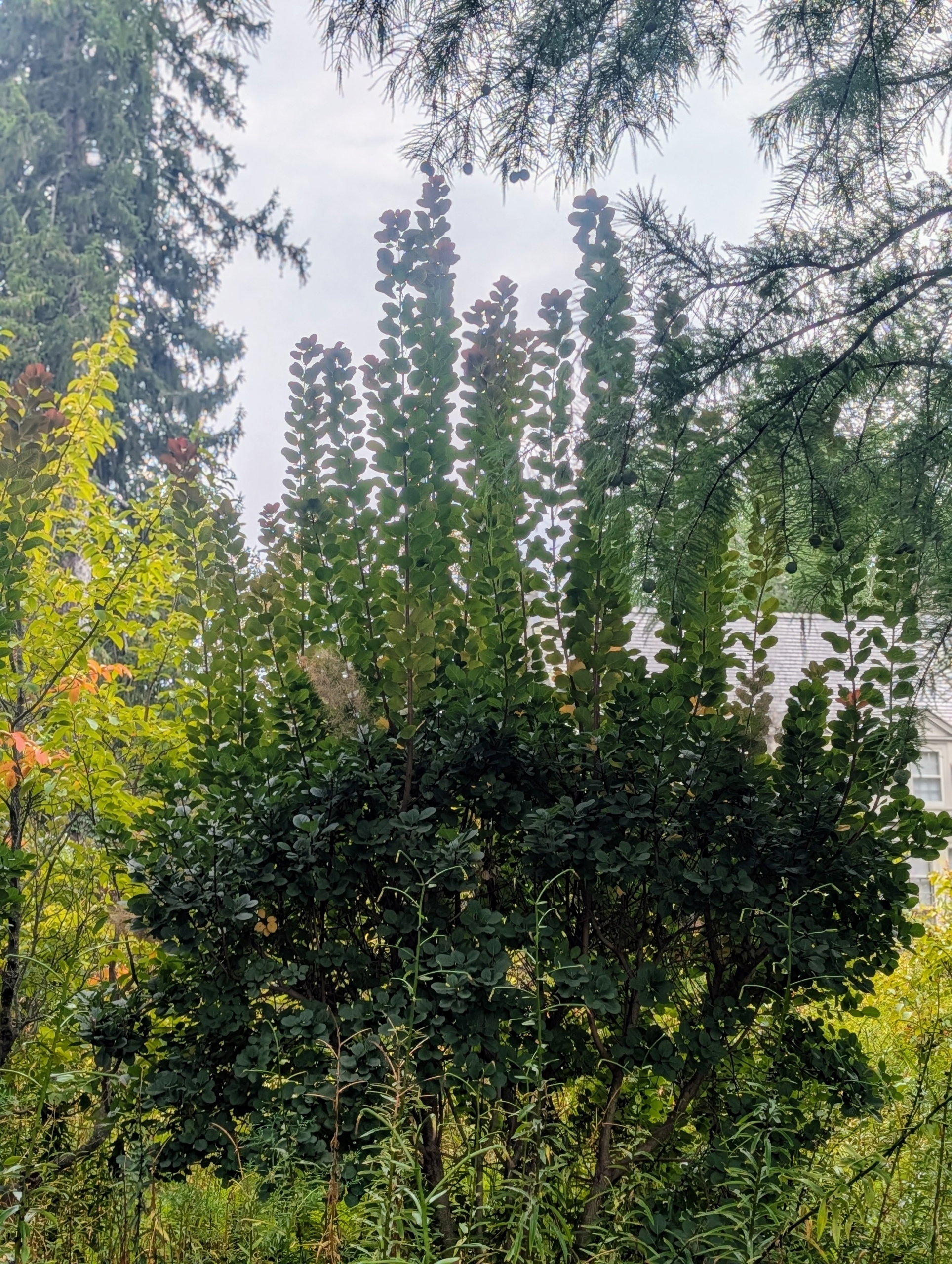
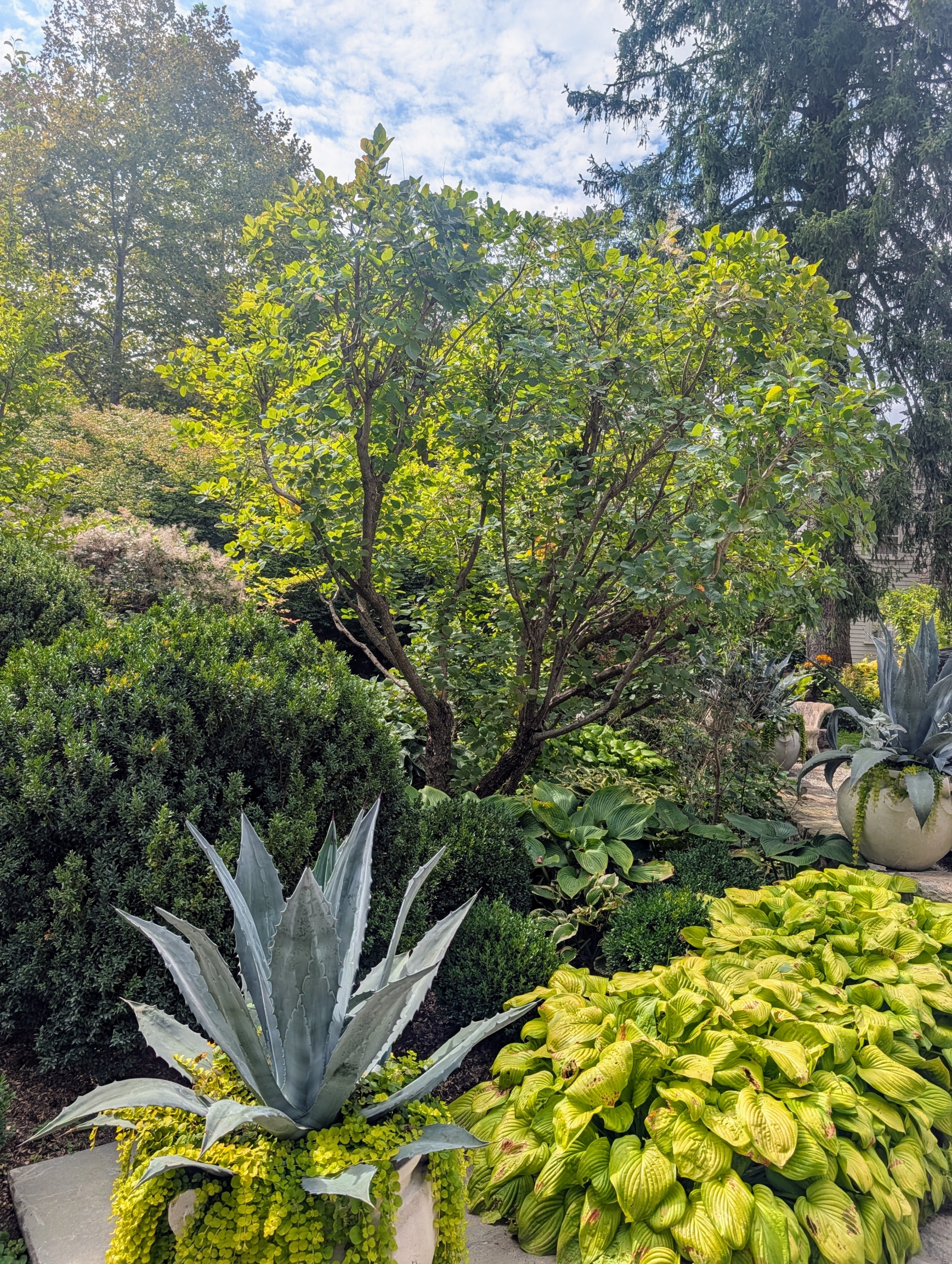
Cotinus prefer full sun and well-draining soil, but some varieties can tolerate dappled shade. We’ve also had a good amount of rain this year. Look how much this Cotinus has grown – it is one of several outside my Tenant House.
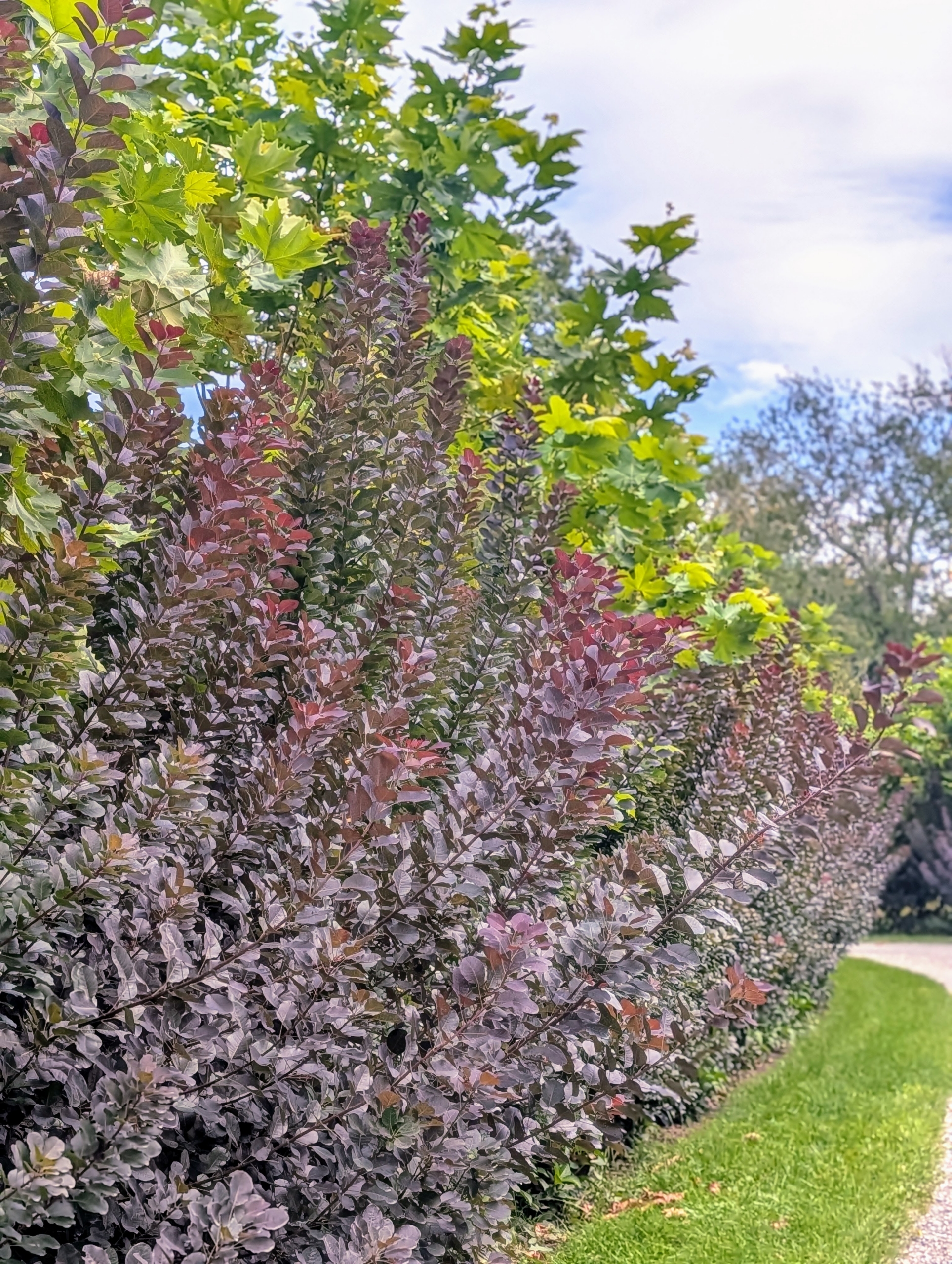
And these are some of the 100 royal purple smoke bushes I planted in the allée in my middle hay field. The London plane trees behind have also grown so much this year.
The smoke bushes around my pool have been pruned twice already this year. This is new growth just from the last several weeks.
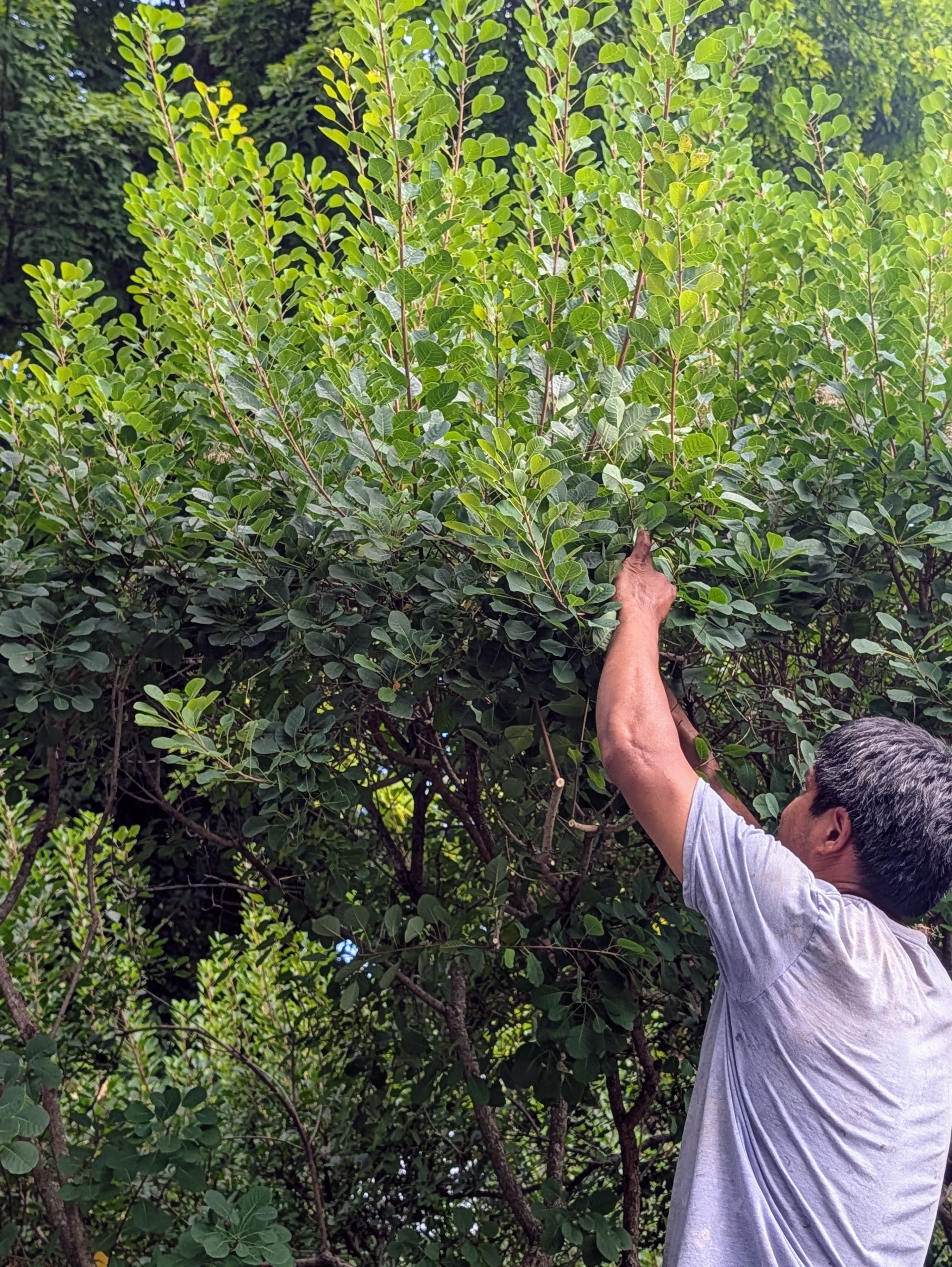
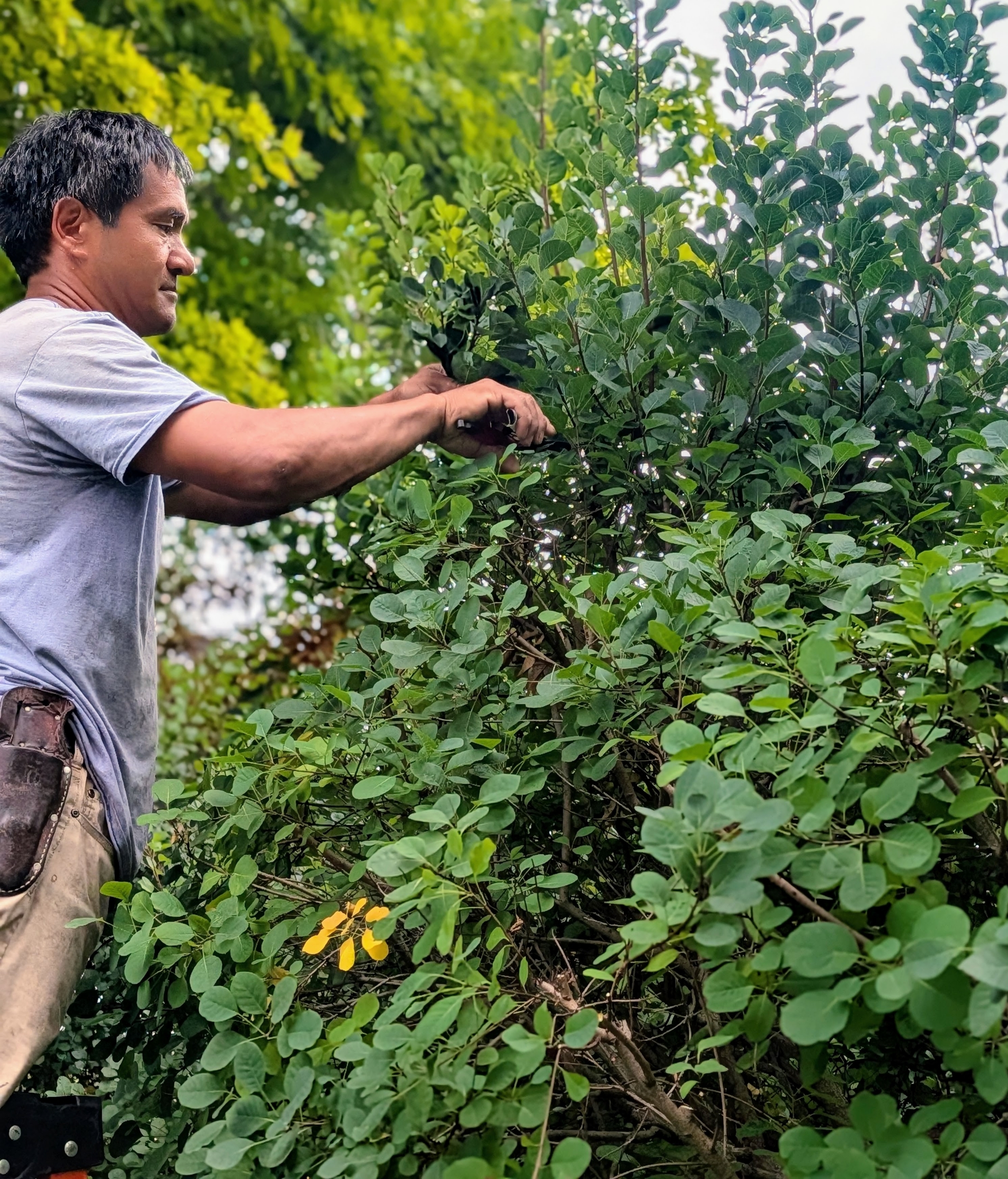
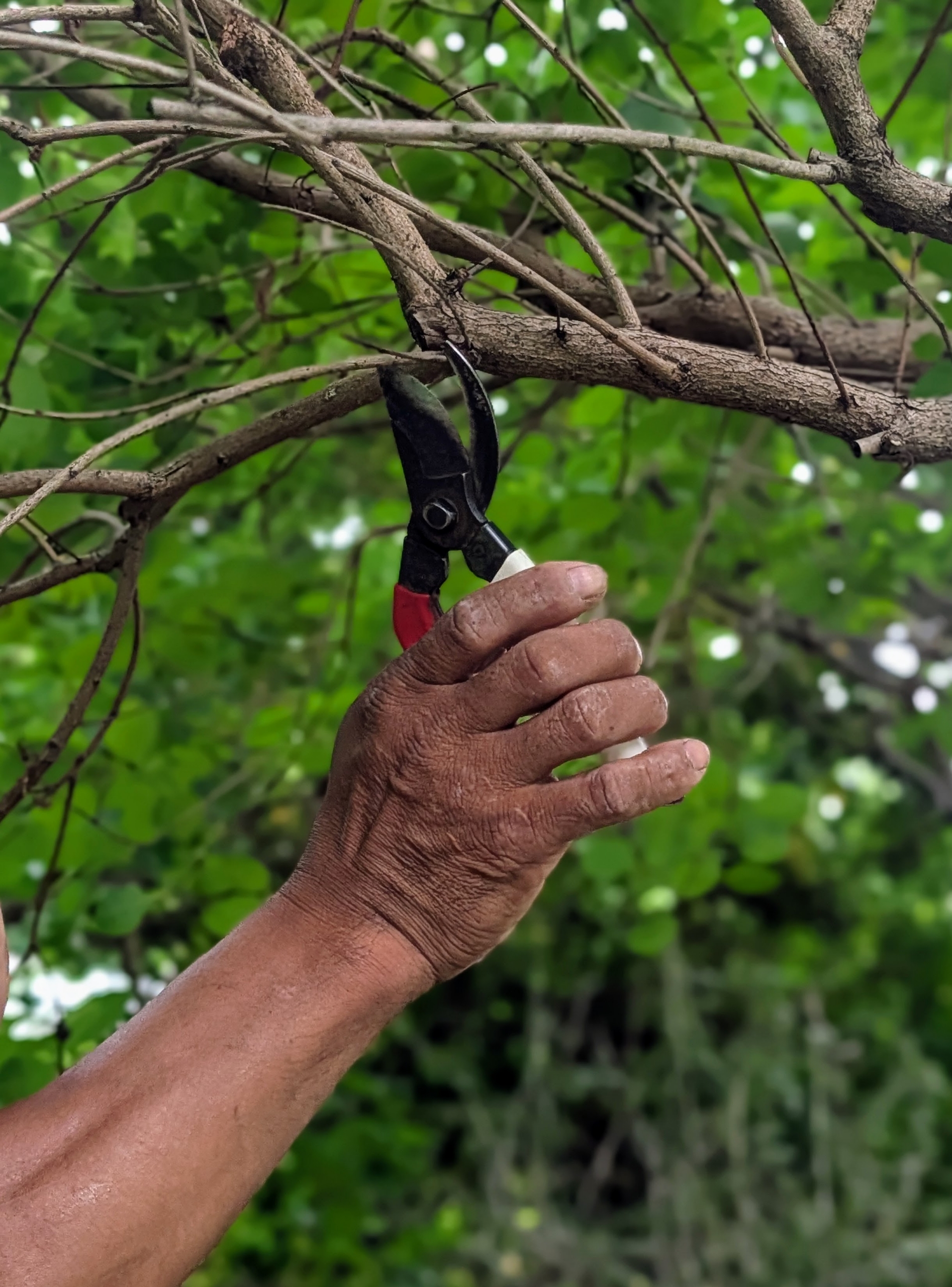
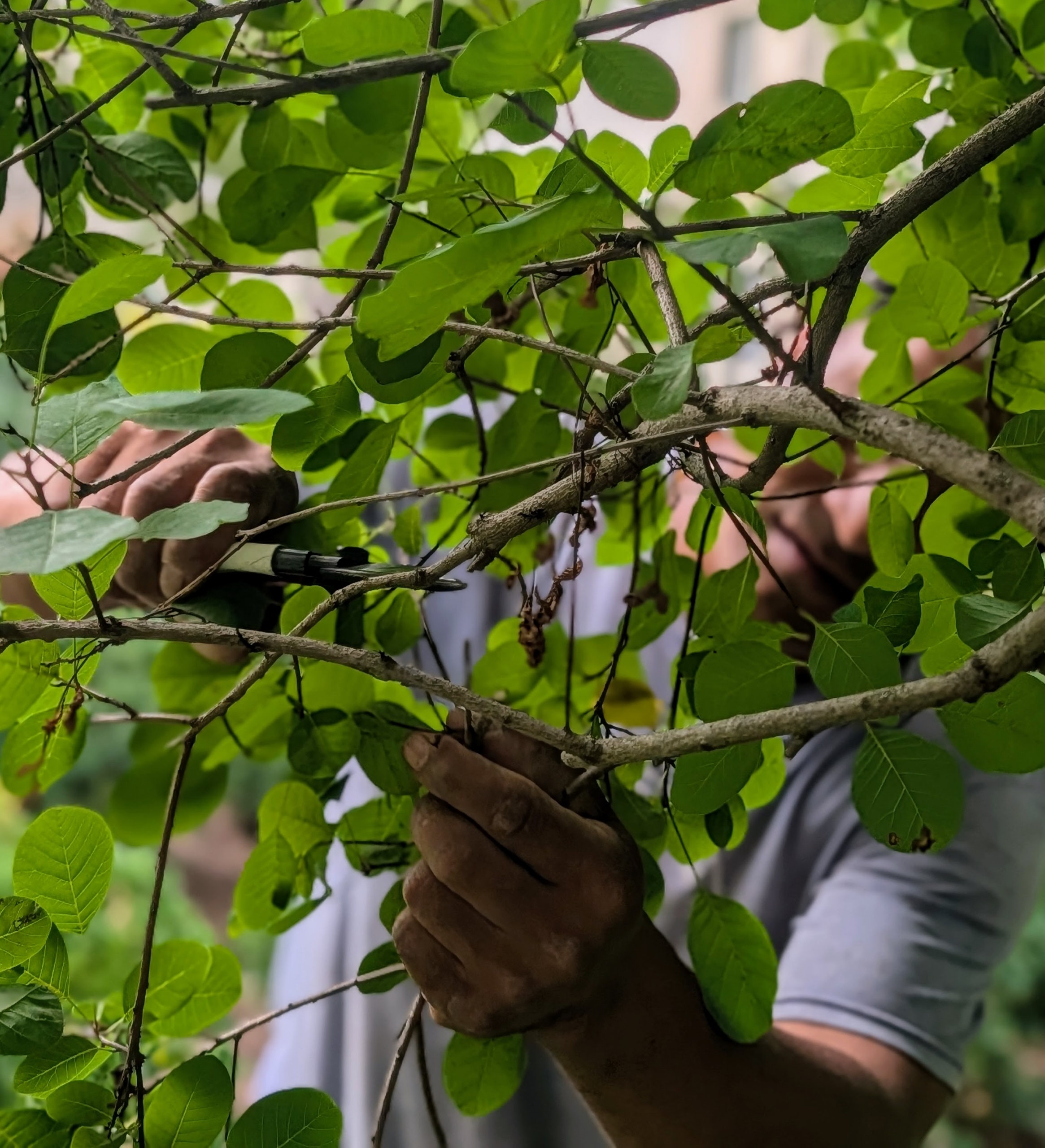
Pasang Sherpa is my resident tree pruner. He does a wonderful job overseeing the maintenance of all the trees here at my farm. I like as much of the pruning and grooming to be done by hand, so Pasang trims many branches with his pruners – one by one.
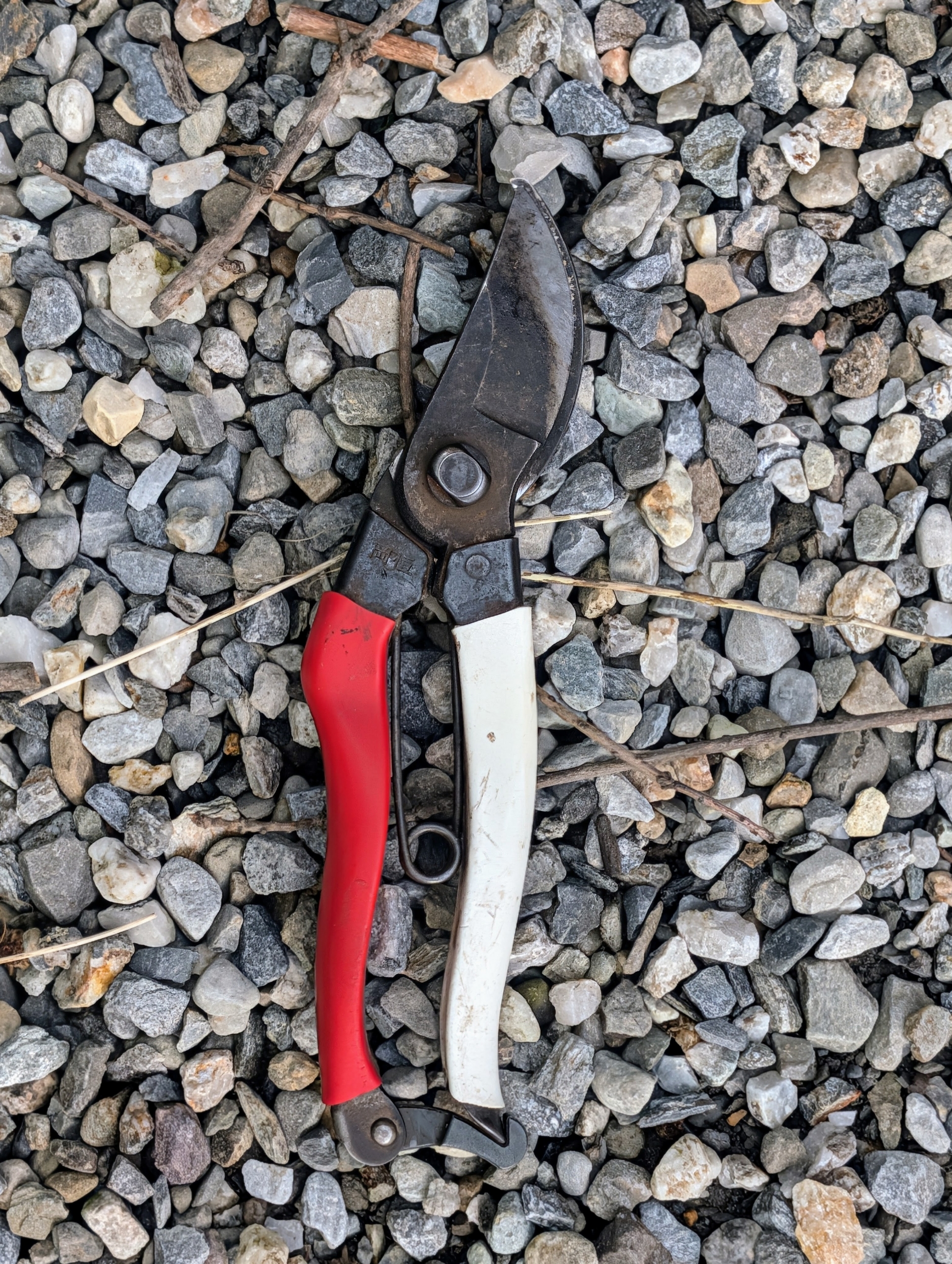
Pasang uses his Okatsune hand pruners. Pruning shears, hand pruners, or secateurs are a type of scissor used on plants. They are strong enough to prune hard branches of trees and shrubs, sometimes up to an inch thick. Everyone on the crew has a pair.
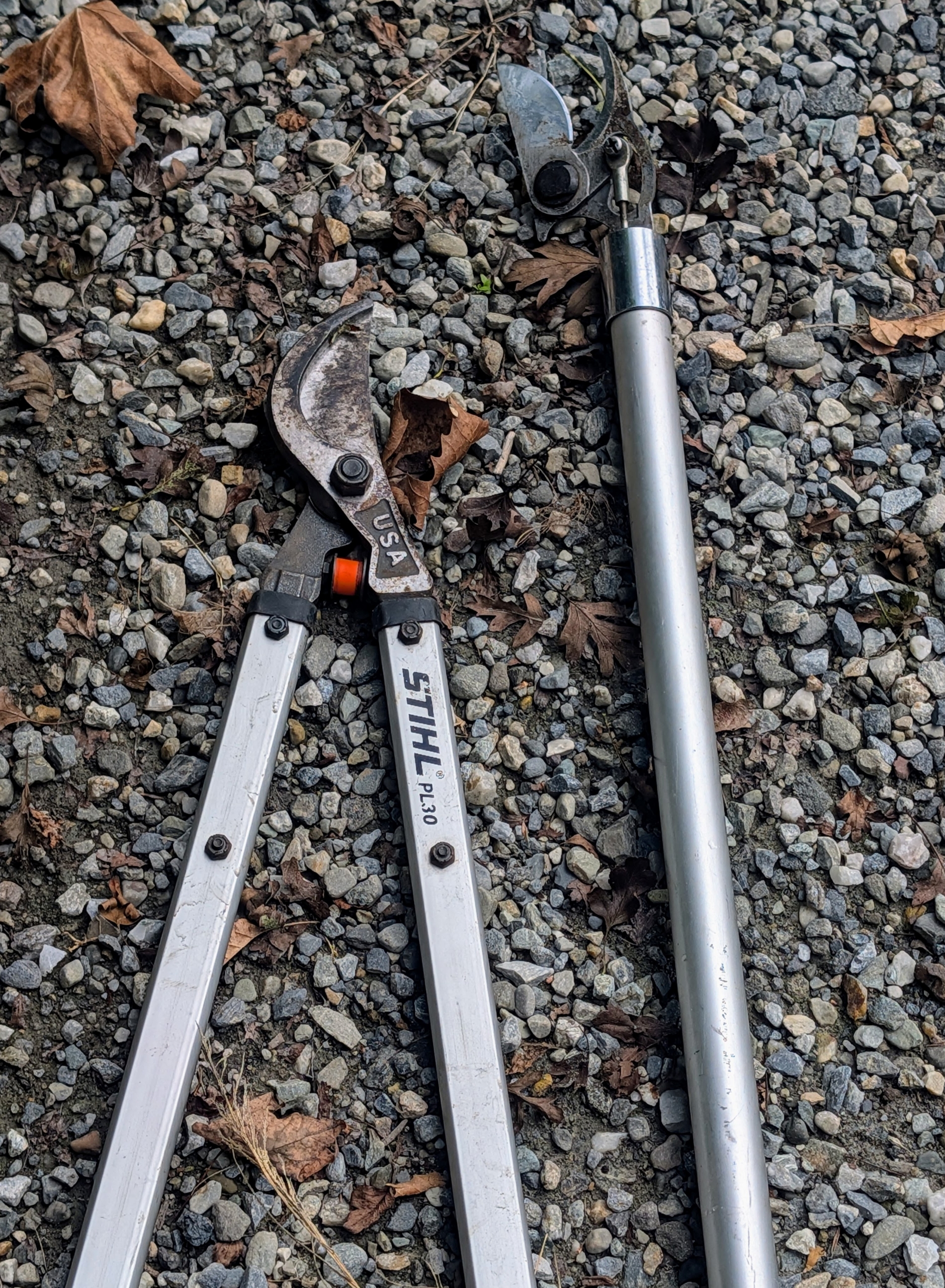
He also uses two STIHL tools – loppers and a long reach pruner.
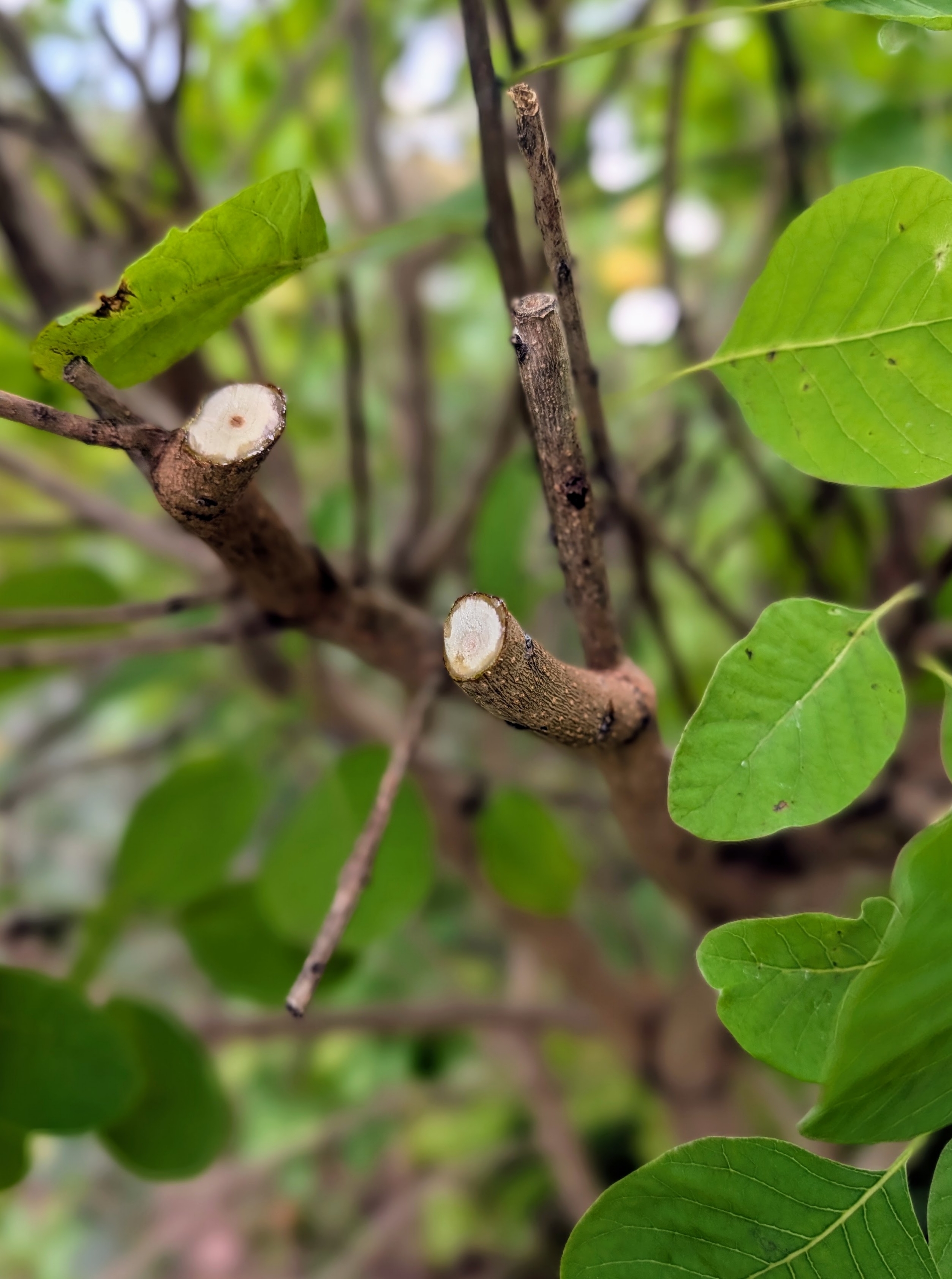
Pruning means to lop or cut off any superfluous branches or shoots for better-shape and better growth. These trees look fuller every year – in part because of the regular pruning.
Pasang cuts off any dead or crisscrossing branches first. The rule of thumb when pruning is to cut the dead, diseased, damaged, non-productive, structurally unsound, or otherwise unwanted plant material.
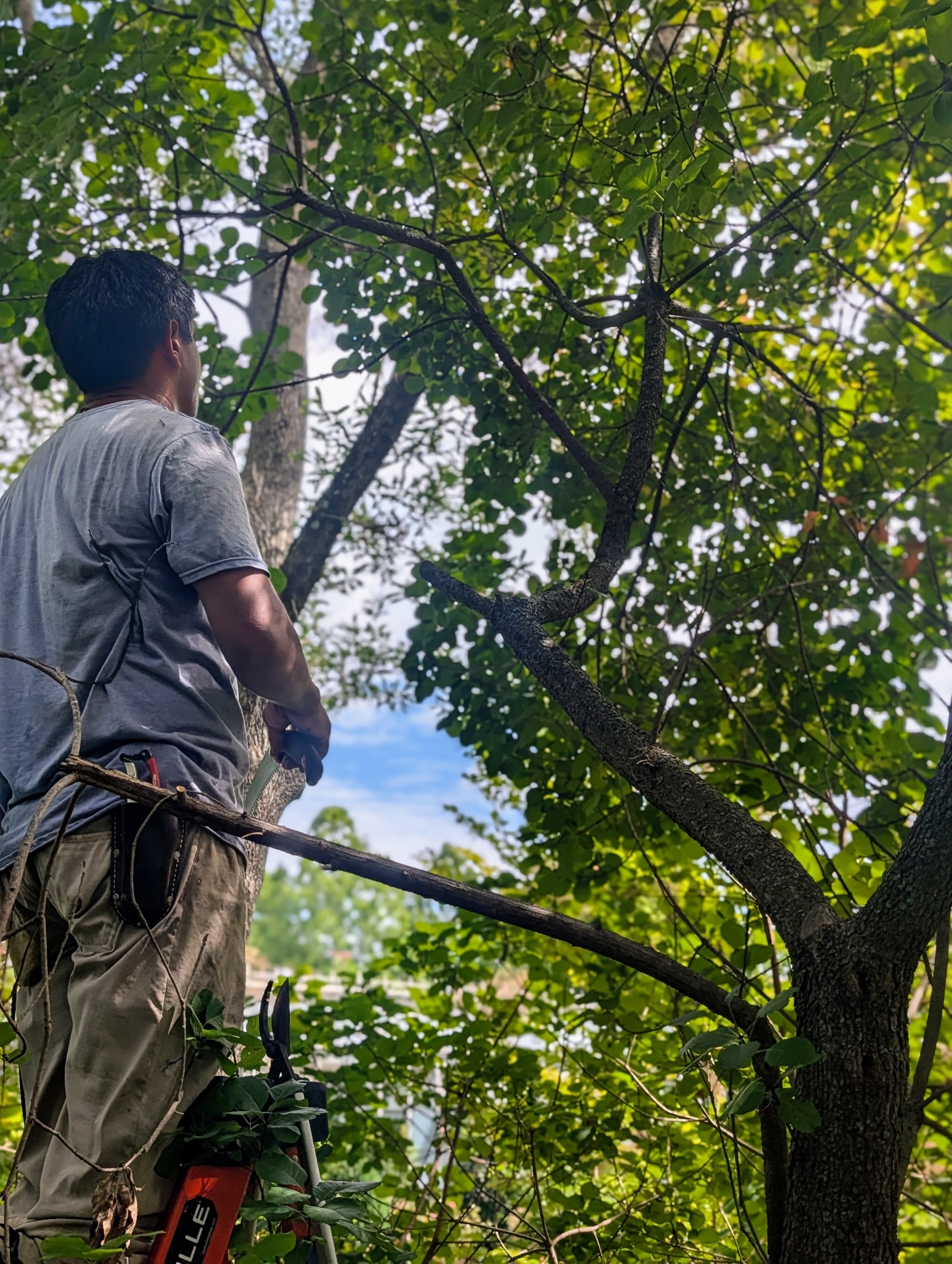
He goes under the tree to examine all the lower branches.
Dead branches, or those without any signs of new growth, are cut, so the energy is directed to the living branches.
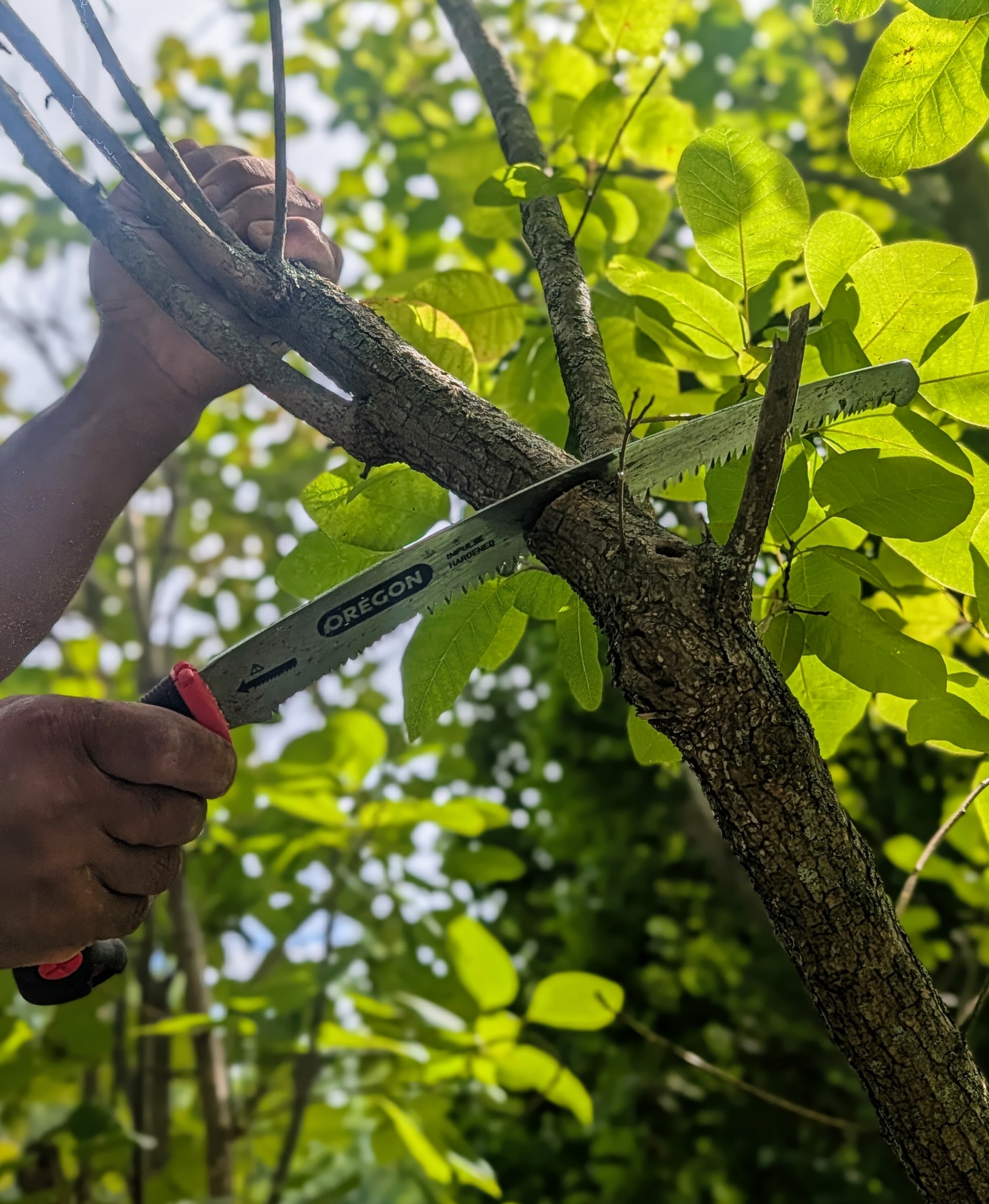
A bow saw, or pruning saw, cuts on both the fore stroke and back stroke and is designed for cutting thicker, older branches.
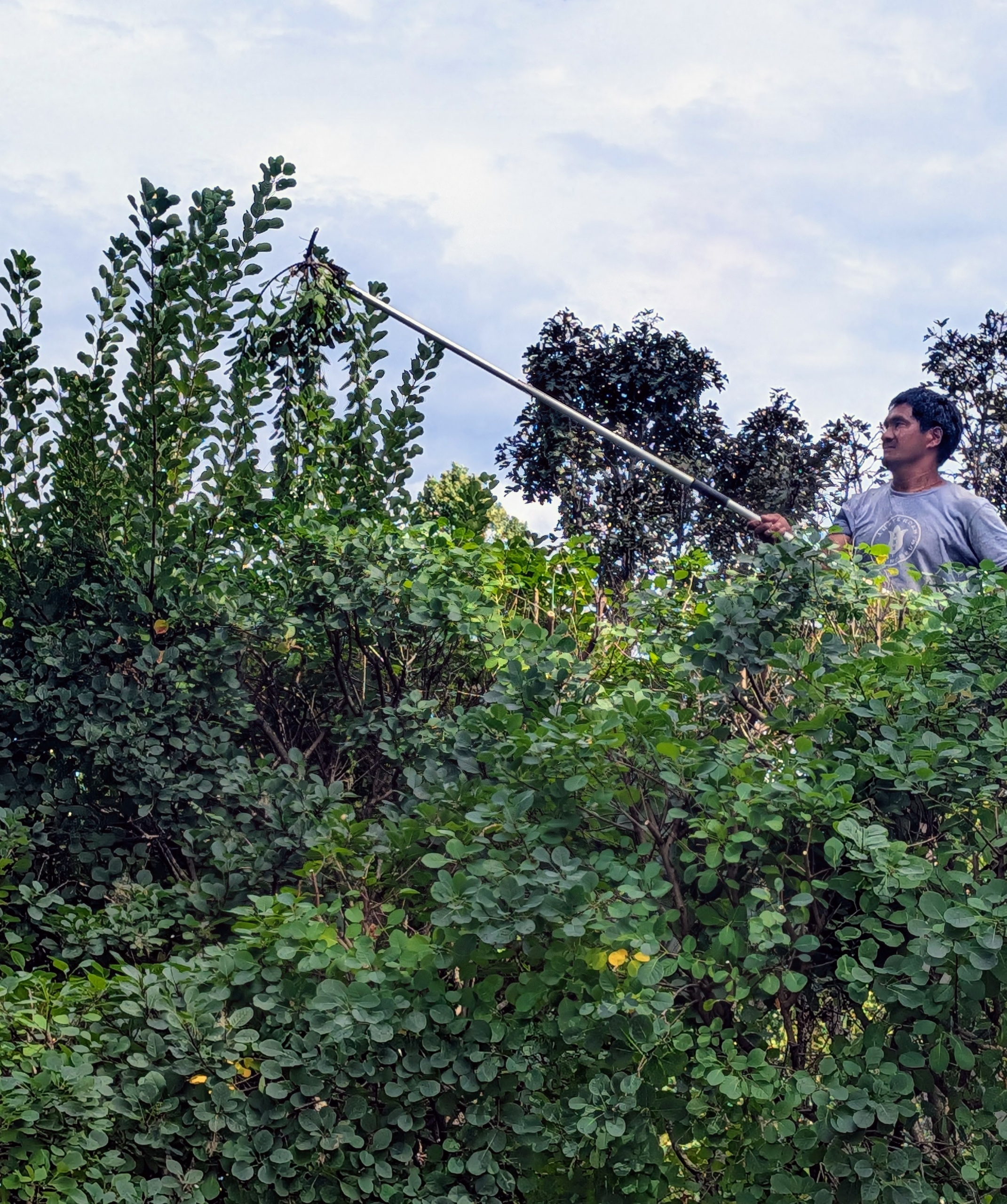
Here, a long handled pole pruner is used to remove harder to reach branches. Pasang takes these tall branches out to keep the tree’s full shape.
Pasang is a thoughtful pruner. He often looks at the tree to assess where he needs to cut. Any branches which interfere with the tree’s shape or create a dense framework should are removed.
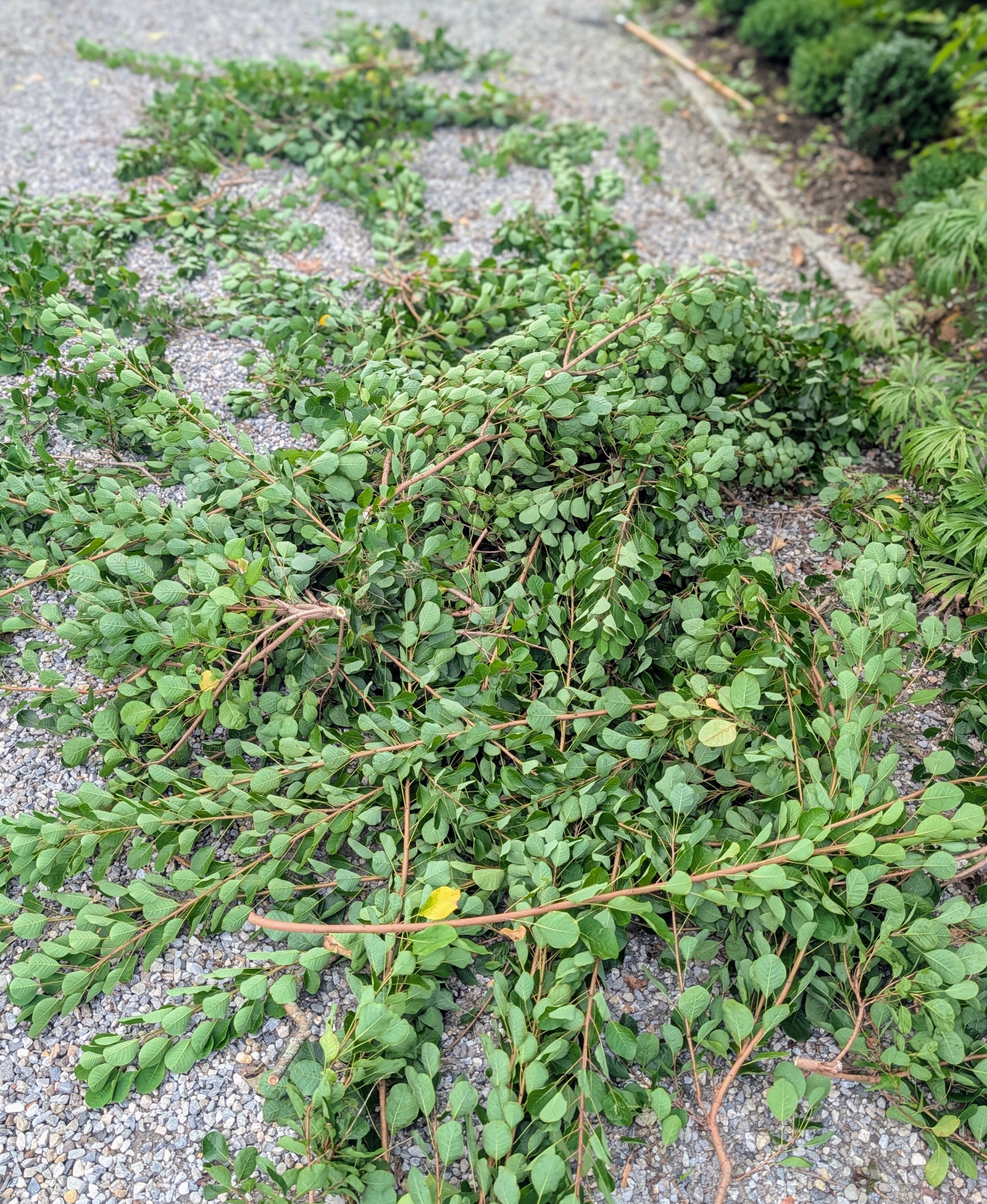
As the branches are cut, Pasang gathers them in one place, so they are easy to collect later and take to the compost yard.
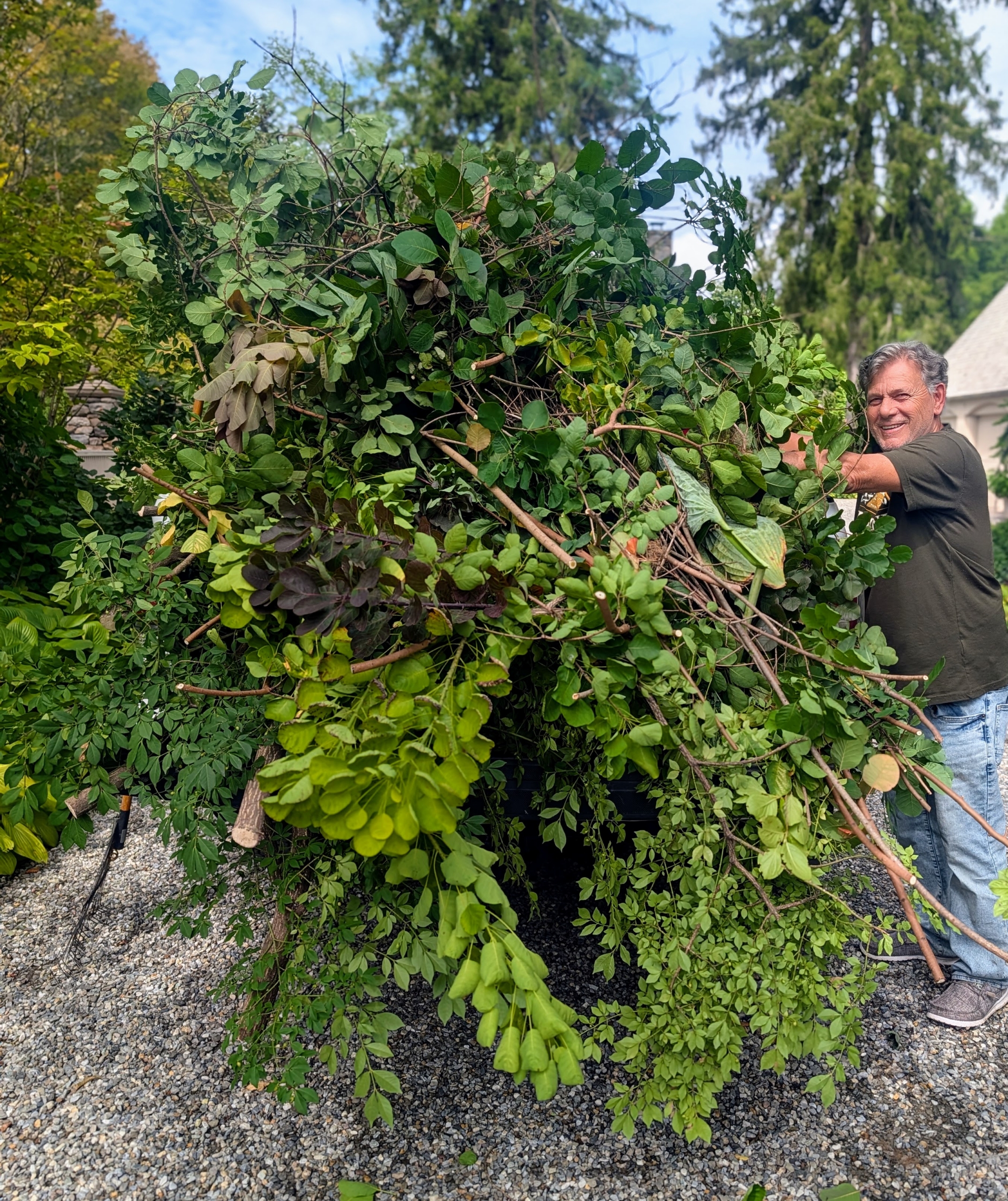
And then Fernando loads them up and takes them away.
Pruning is crucial in preserving trees, retaining their form, and encouraging healthy growth.
At my farm, one lesson I constantly emphasize to my gardeners and outdoor grounds crew is to "use the right tool for the right job." It makes all the difference, not only in efficiency but also in safety.
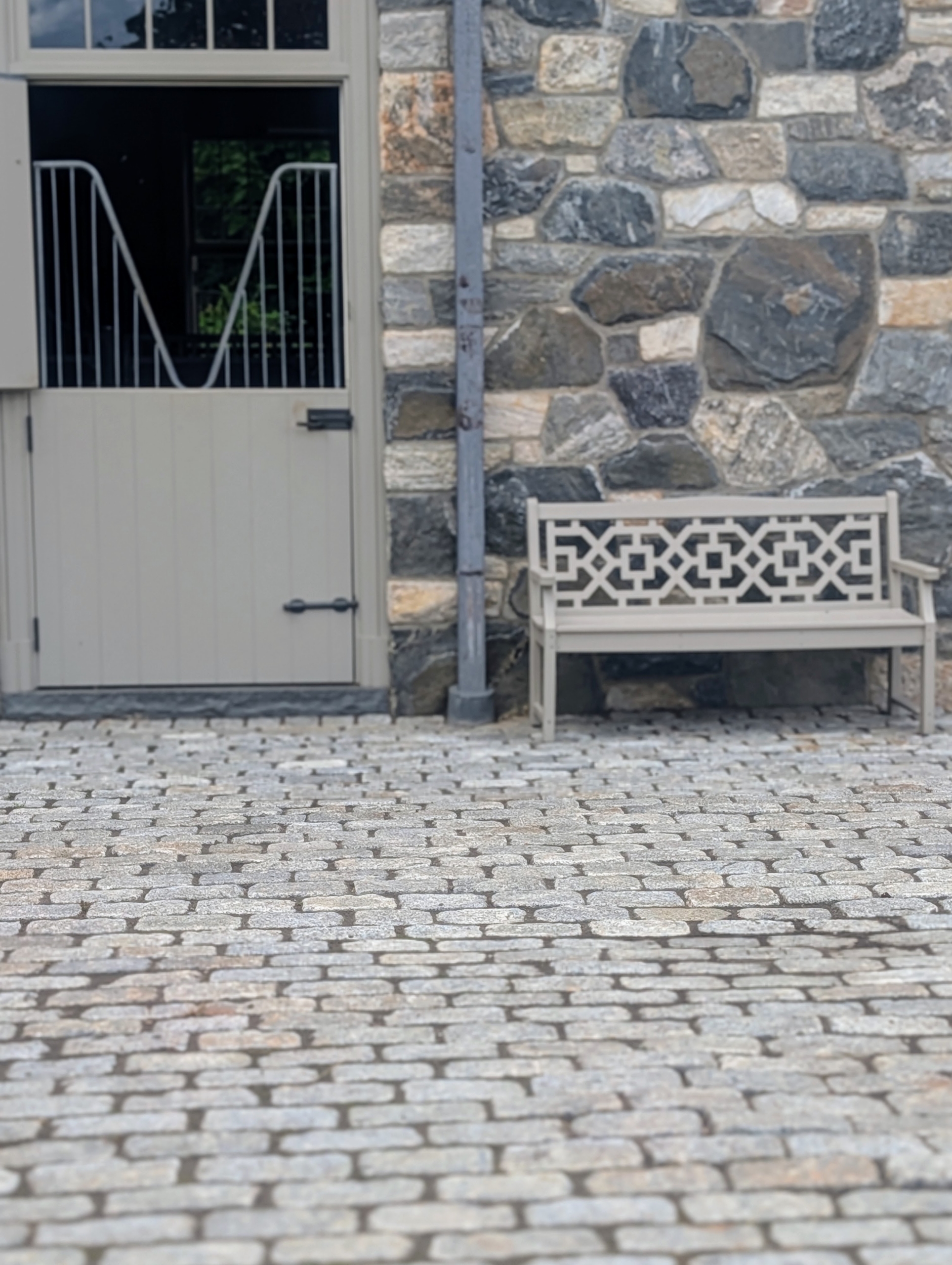
I've been a longtime user of STIHL products. STIHL offers an impressive range of tools, including professional-grade chainsaws, trimmers, blowers, pressure washers, brush cutters, and more. My newest piece of equipment is the STIHL KombiSystem, a versatile landscaping solution built around a powerful KombiMotor and a range of interchangeable attachments. The brush is ideal for cleaning the cobblestones around my stable courtyard.
Here are some photos, enjoy.
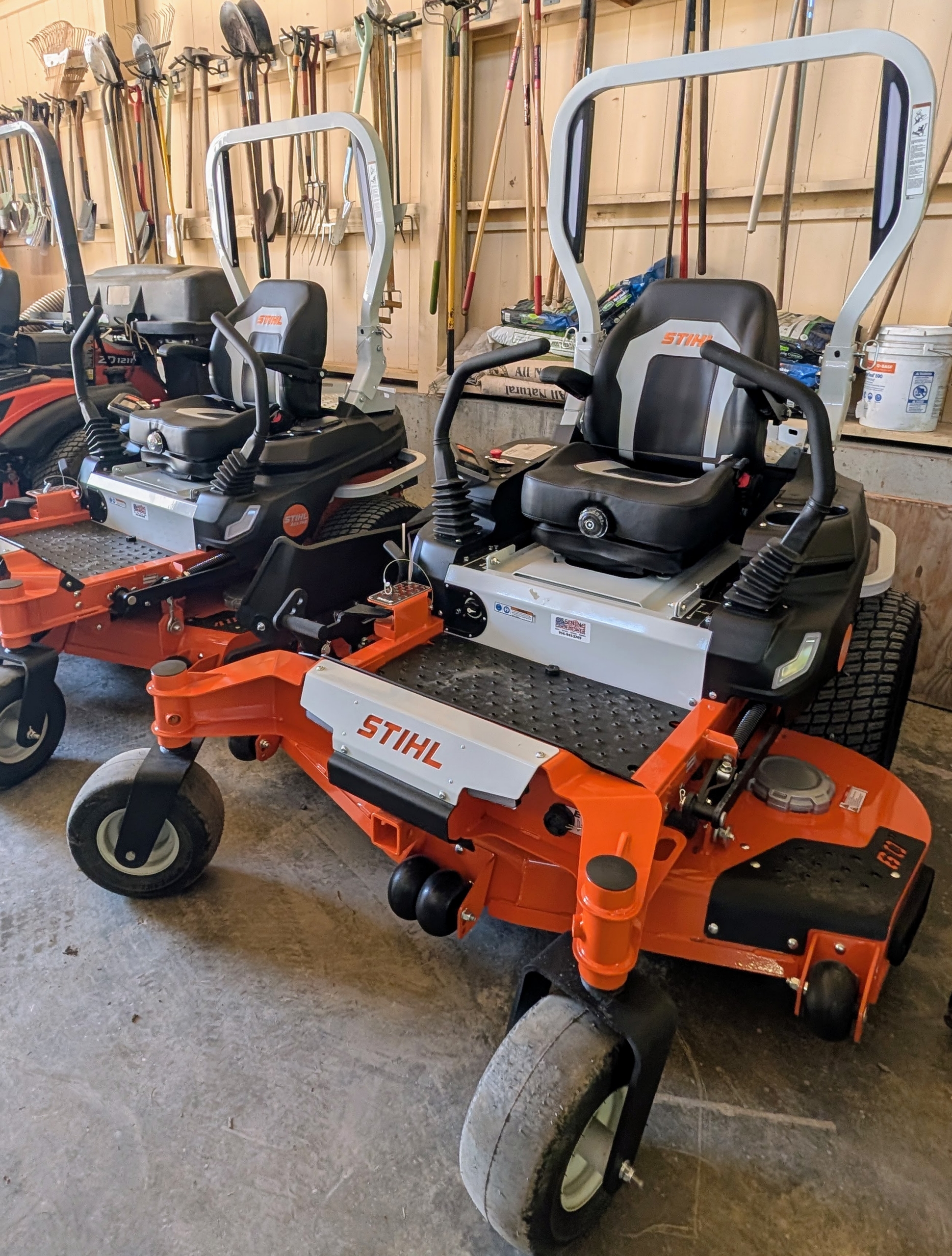
I store all the STIHL tools in my large Equipment Barn where they can be kept organized and ready-to-use.
This is a STIHL FS 361 C-EM Z 20-1/2 inch 37.7cc Gas Powered Brush Cutter with Spark Muffler for heavy duty cutting and thinning.
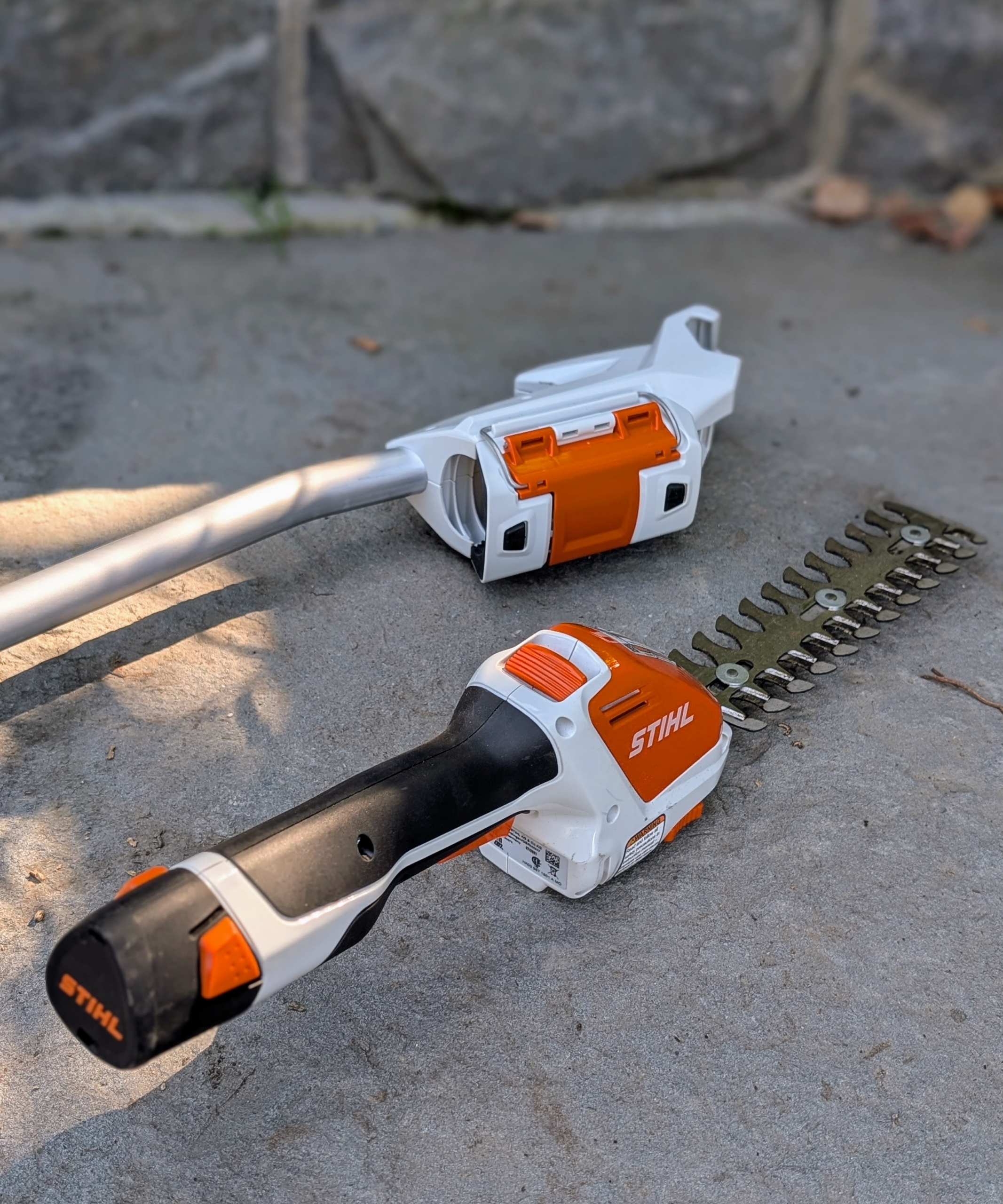
One of my favorite tools is the STIHL HSA 26 Battery-Powered Garden Shears. It is lightweight with a rubberized handle for a comfortable and secure grip. I use this tool all the time. It can also be used with the STIHL GTA 26 Extension Shaft for almost five feet more reach.
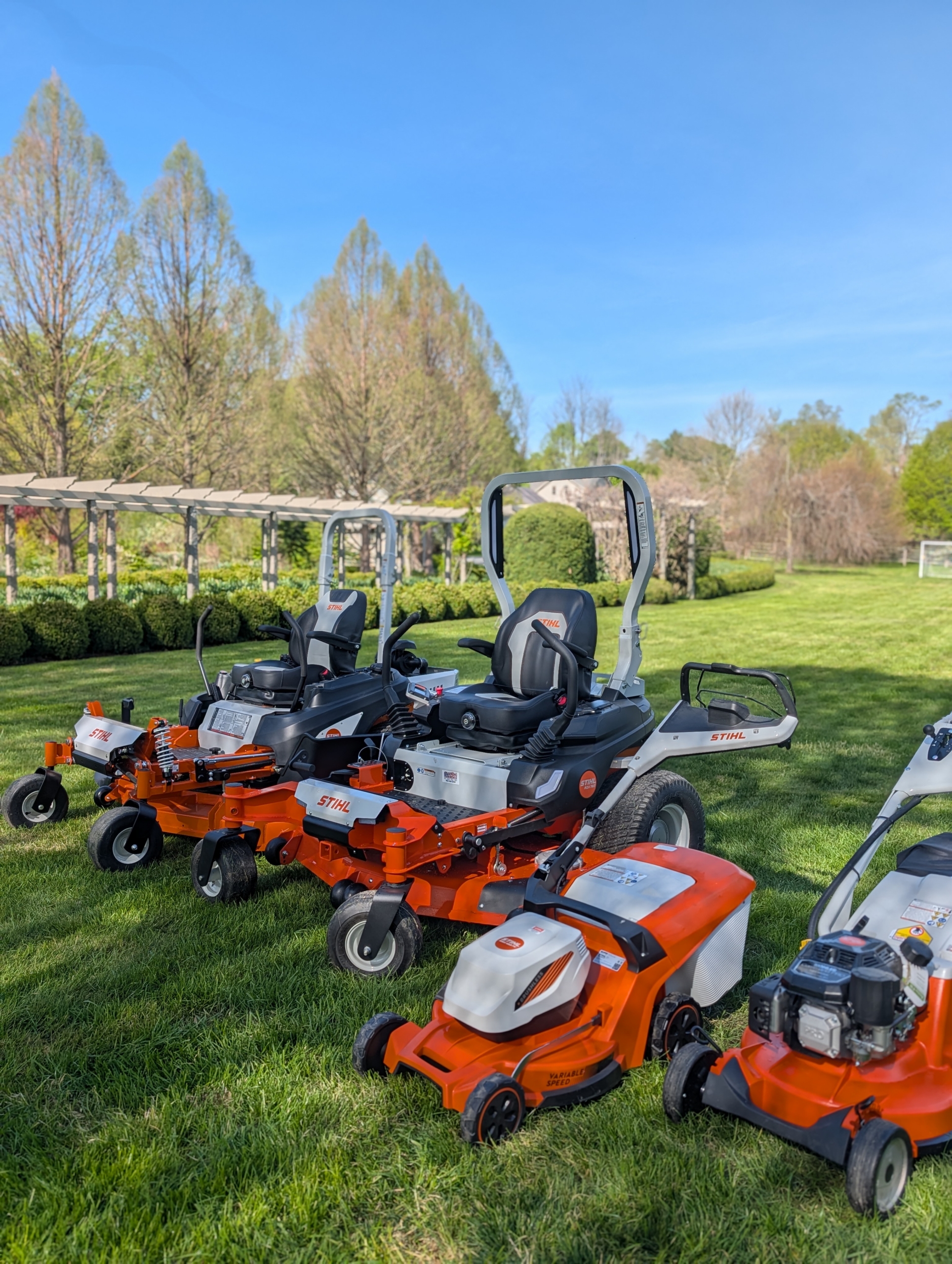
Last spring, I got a new fleet of STIHL mowers – both gas powered and battery operated. They’re great for using in large lawn spaces as well as any flat, narrow, tight areas around my home.
They are all kept safely in my Equipment Barn with all he other hand tools.
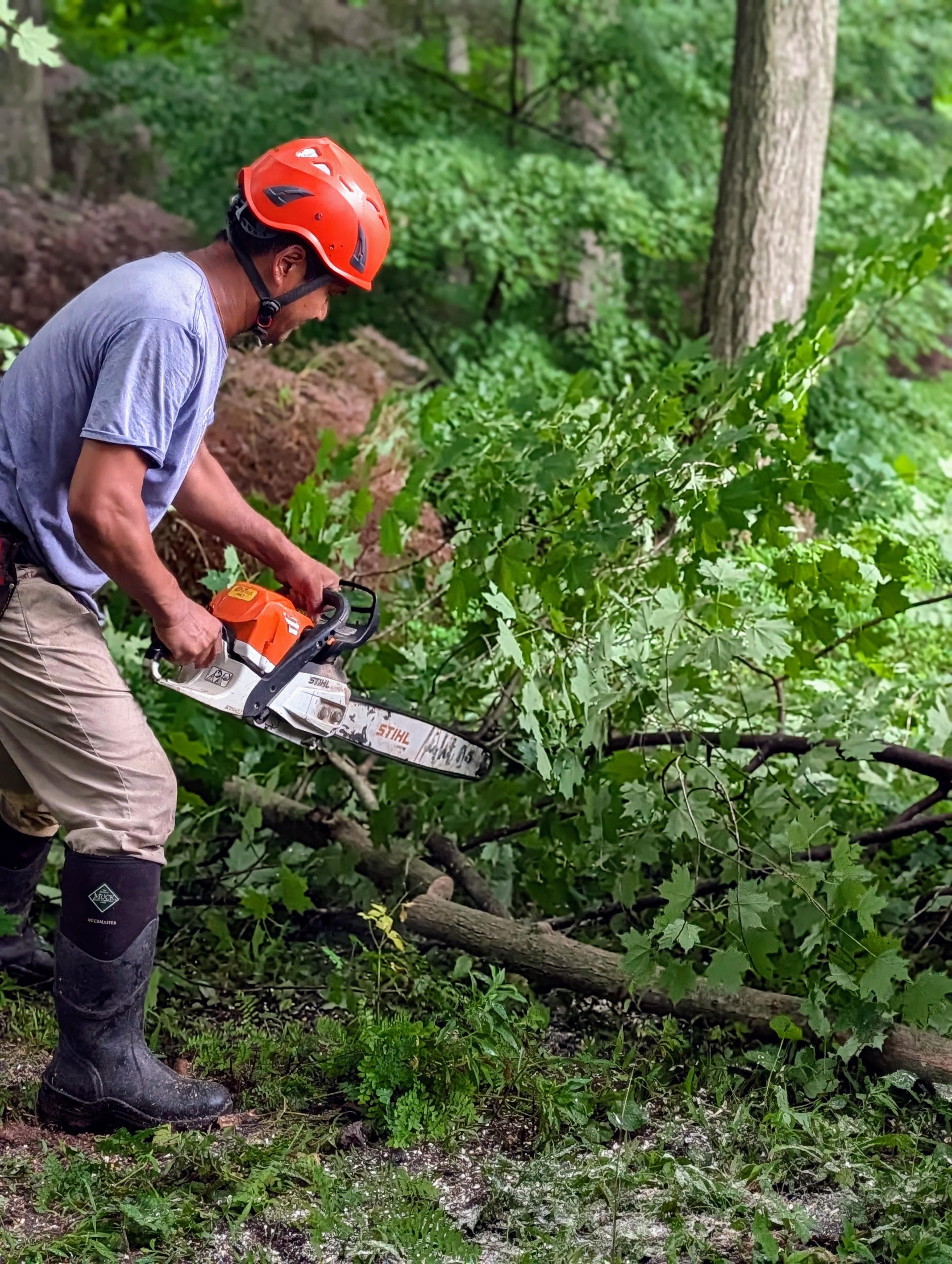
STIHL’s most well-known tool is the chainsaw. STIHL designed and built its first chain saw in 1926 and 100 years later, it is still one of its best pieces of equipment.
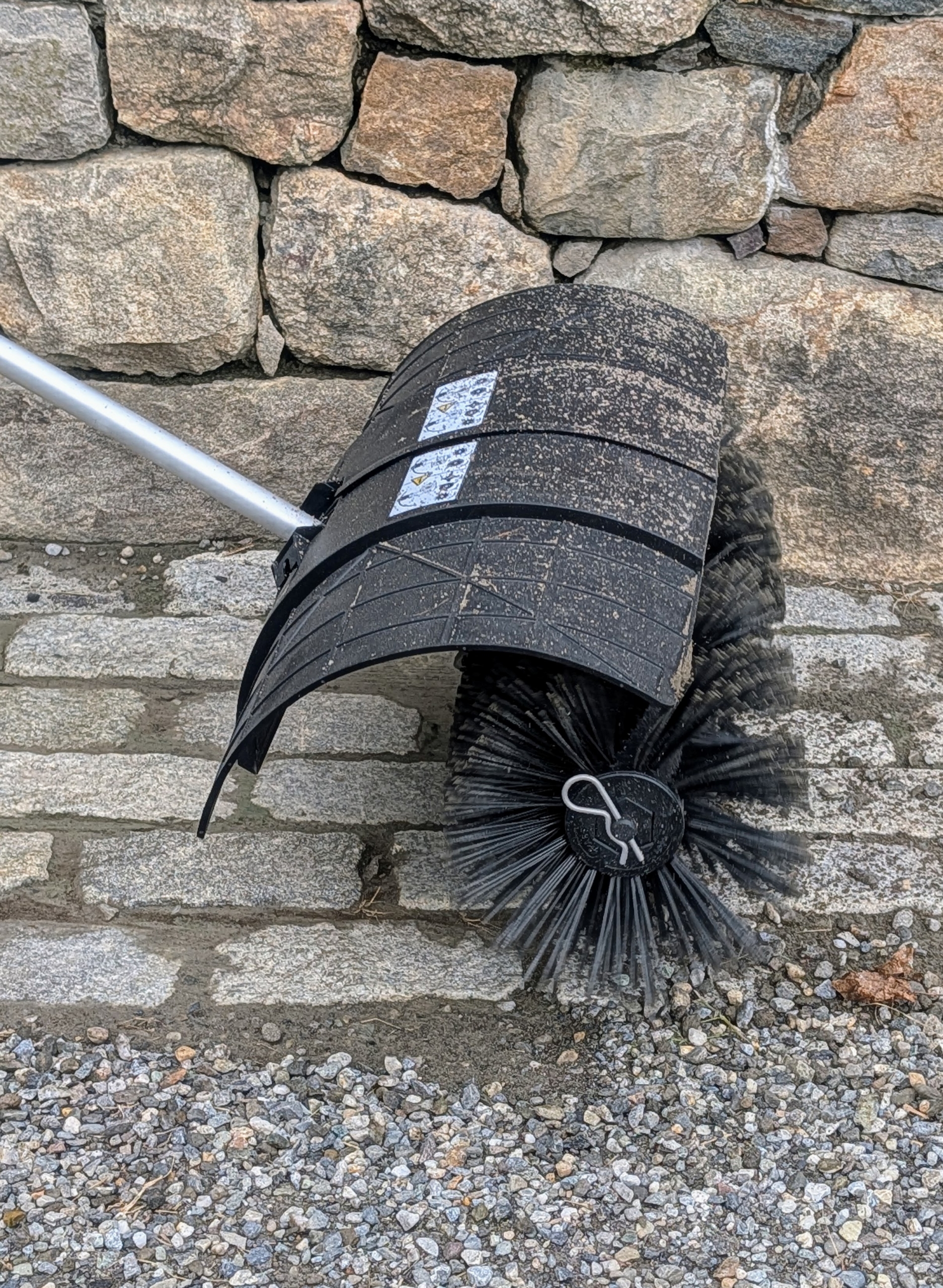
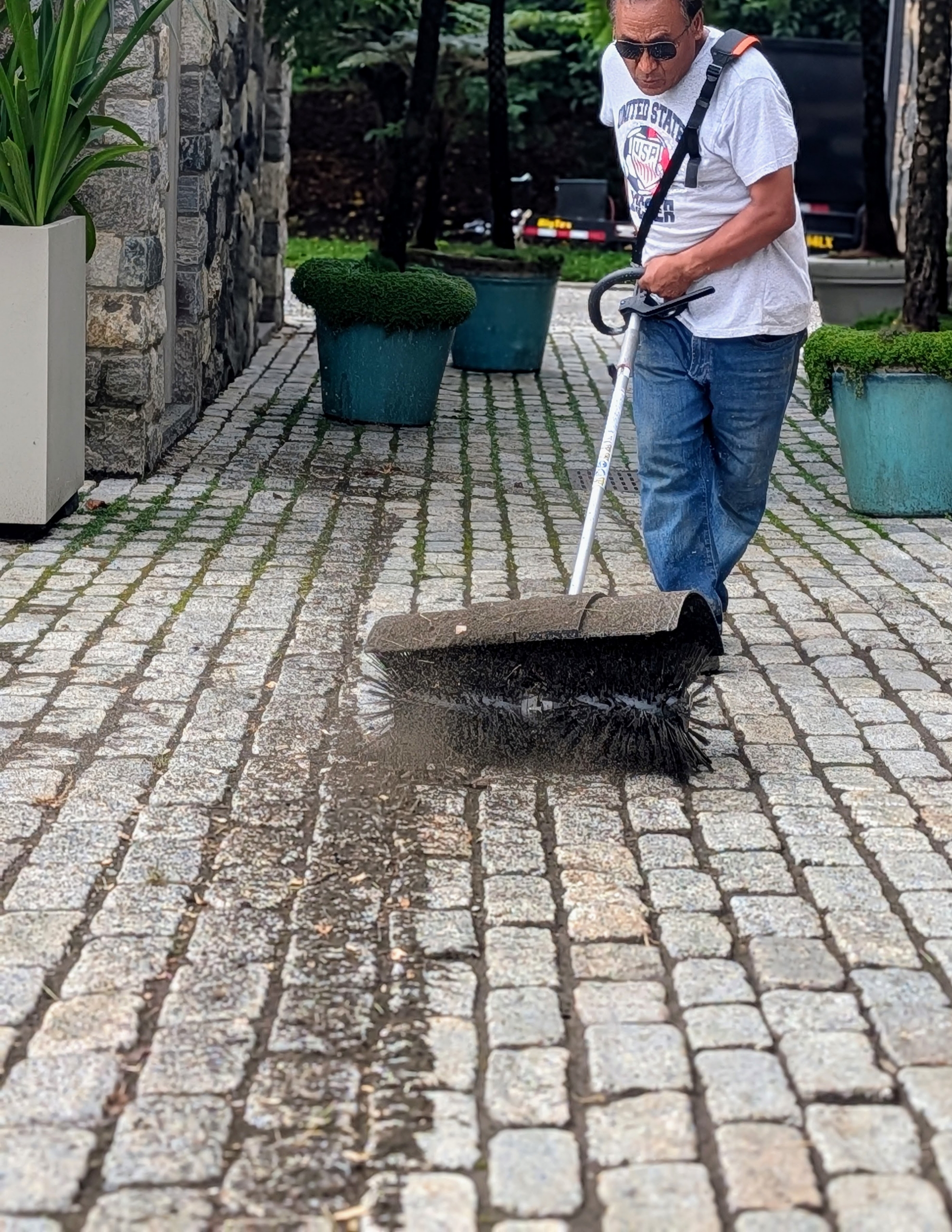
And this is my new KM 131 Gasoline KombiSystem with the STIHL Bristle Brush Attachment Head.
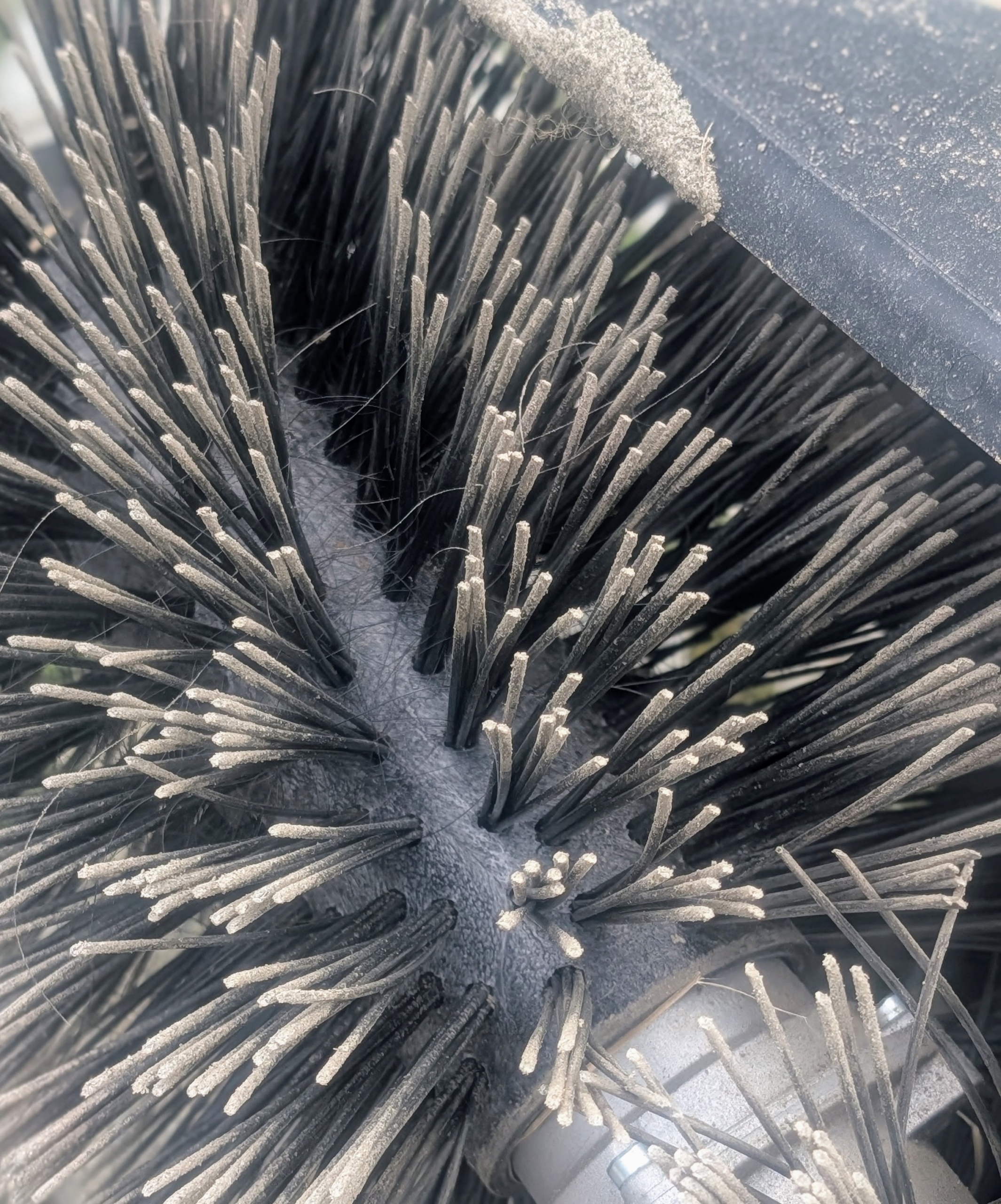
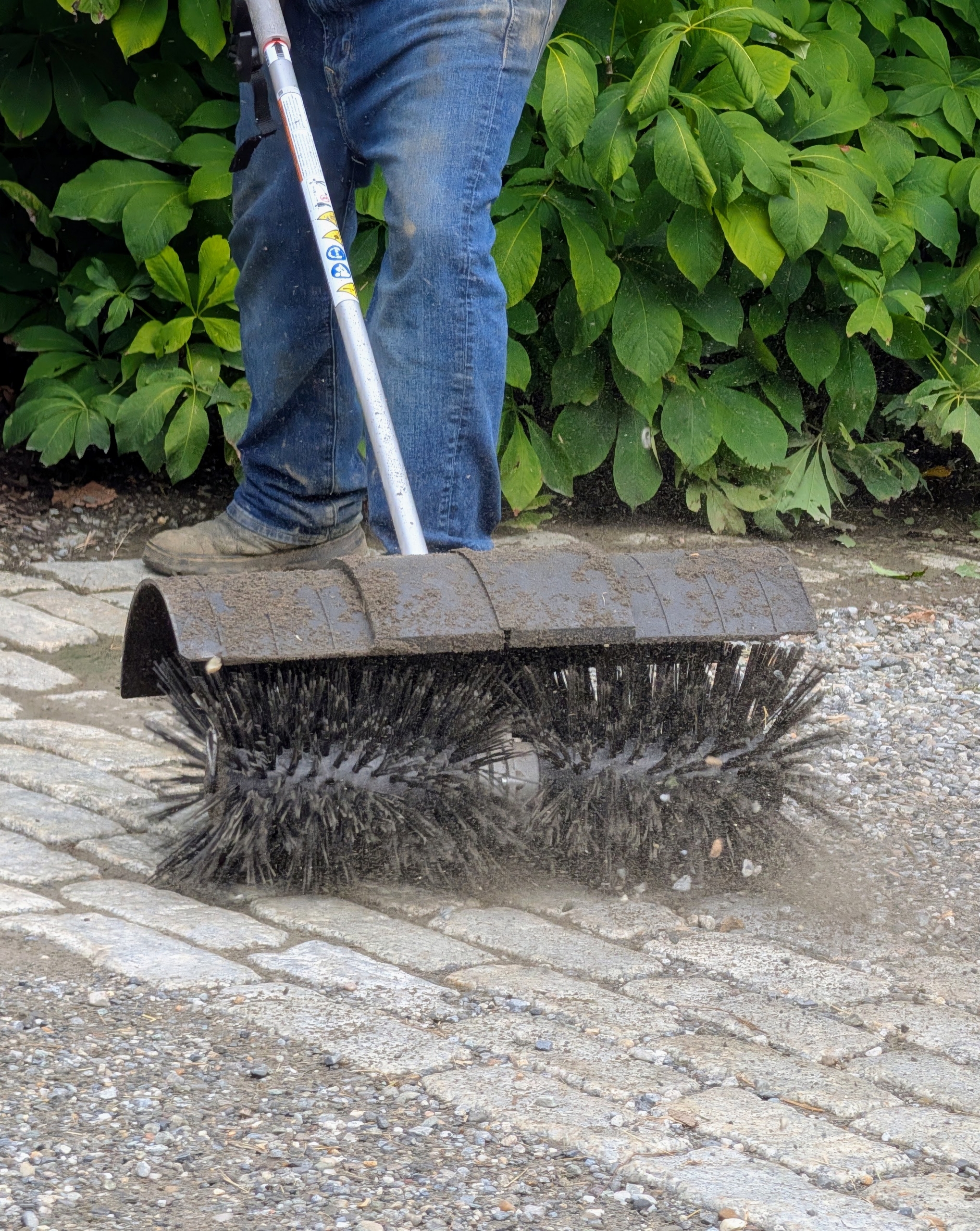
The brush head features durable nylon bristles and a wide sweeping surface that covers a two foot wide area as it moves.
The brush’s strong bristles are safe and usable on paved areas, walkways, driveways, uneven stone floors, and the cobblestones in my stable courtyard.
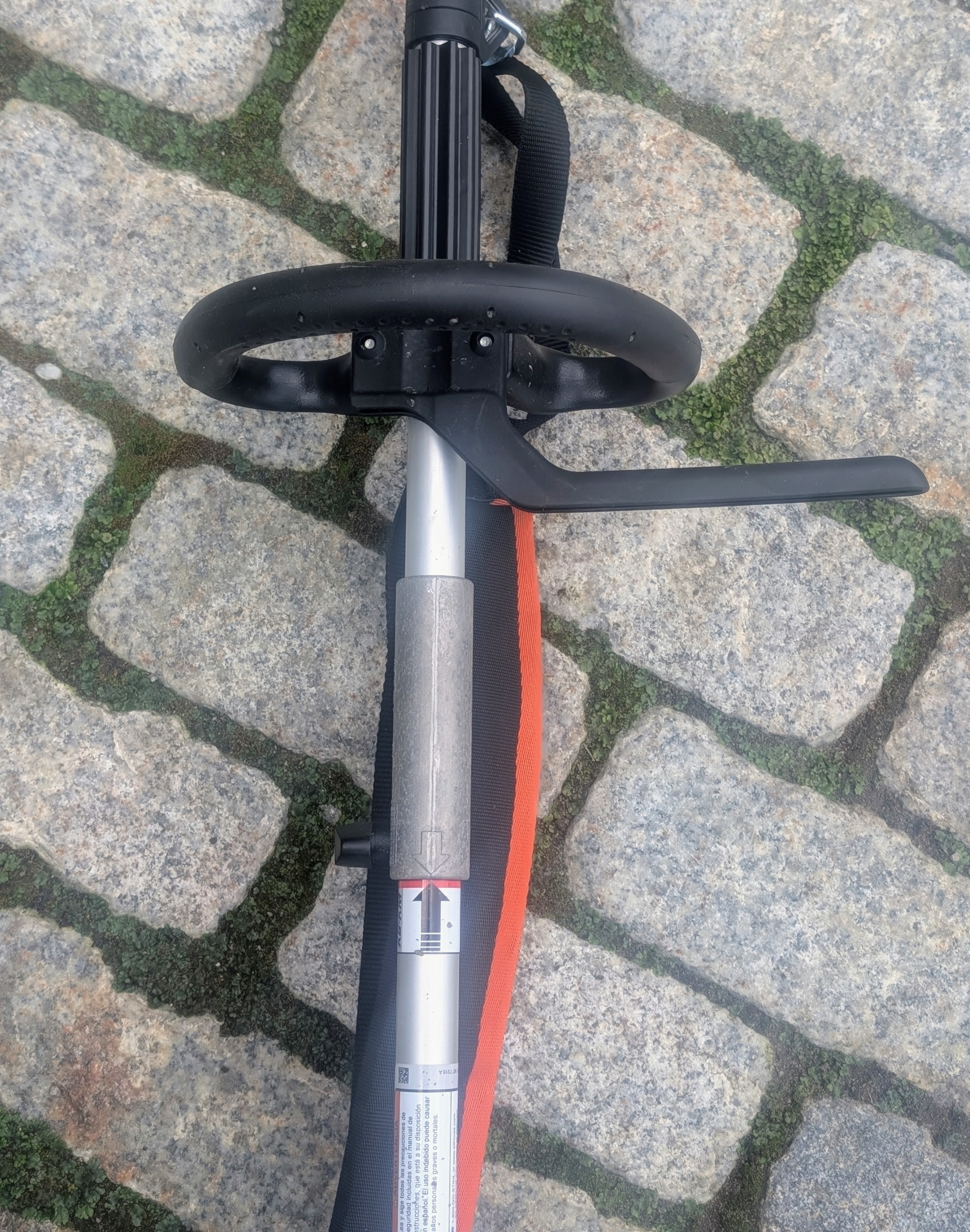
The unit is easy to carry and has a durable body strap for extra stability.
A loop handle provides comfort and control in tough spots.
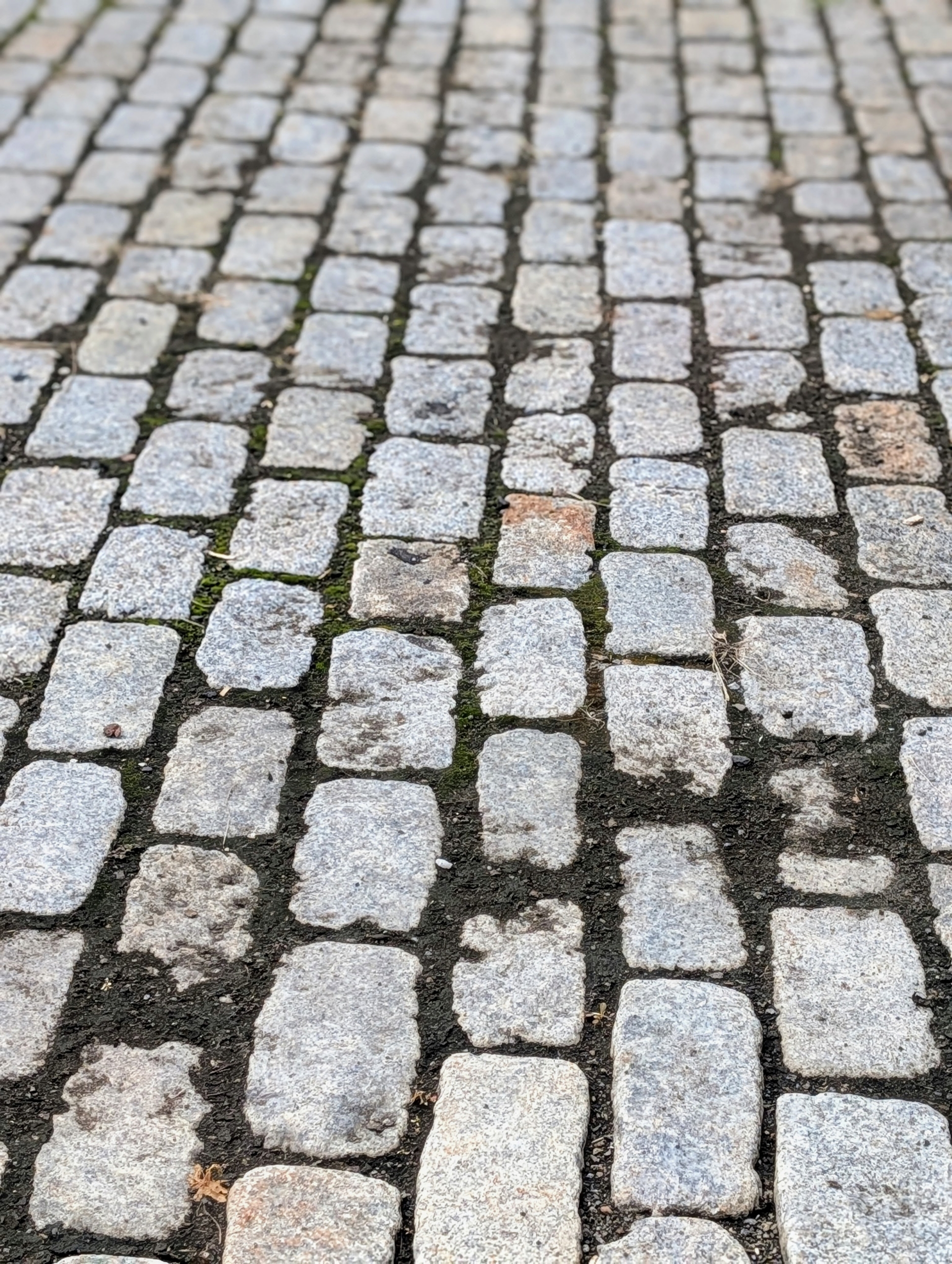
Pete put it to use right away. These cobblestones needed some regular cleaning to remove the dirt and grime that accumulates with use.
Pete goes from one end to the other in rows – the brush only removes the surface dirt and doesn’t disturb any of the mortar between the cobblestones.
Here’s a closer look at what debris is brushed out – mostly dirt from my horses when they return from their pastures.
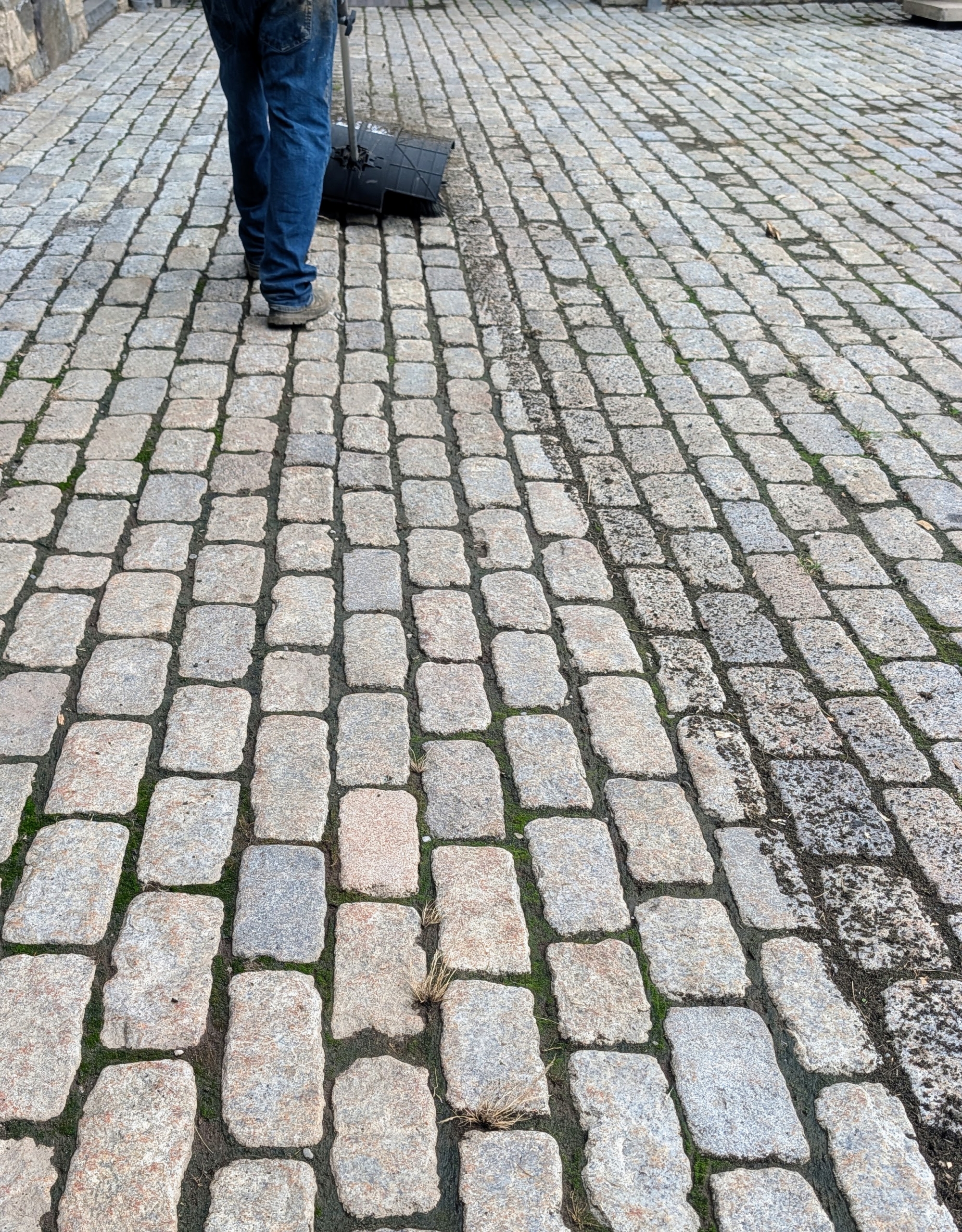
It looks great after just one pass.
Here, one can see which side is cleaned and which side still needs sweeping.
Pete also used it along the cobblestones near the carriage road of my linden tree allée.
The engine provides strong consistent power to loosen and remove the unwanted dirt.
Next, Pete uses the STIHL battery-powered blower around the building and ornamental planters where the brush cannot reach.
And uses the more powerful backpack blower to push the dirt completely off the courtyard. I’ve been using STIHL’s backpack blowers for years here at my farm.
The entire courtyard is done in less than an hour. Using the right tool for the right job definitely works.
Among the many pleasures of growing one's own flowers is being able to enjoy them both in the garden and in the home.
It's always so nice to walk through the gardens and see a multitude of beautiful, colorful blooms. I also enjoy bringing fresh, fragrant flowers indoors, where I can use them to decorate my kitchen, servery, and sitting room. Yesterday, my housekeeper Enma created several lovely arrangements using some of the gorgeous flowers still going strong - the celosias, the zinnias, the marigolds, and the dahlias.
Here are some photos, enjoy.
I grow many flowers every year, so they can be cut and used for photography shoots, videos, or for display. When cutting flowers from the garden, always think about the different colors, shapes, and textures that will look interesting and appealing when put together in a vase.
Fill the vase with cool water, but always leave a little room, so water doesn’t overflow. Vases need enough to keep stems submerged so they can draw water efficiently, without deteriorating.
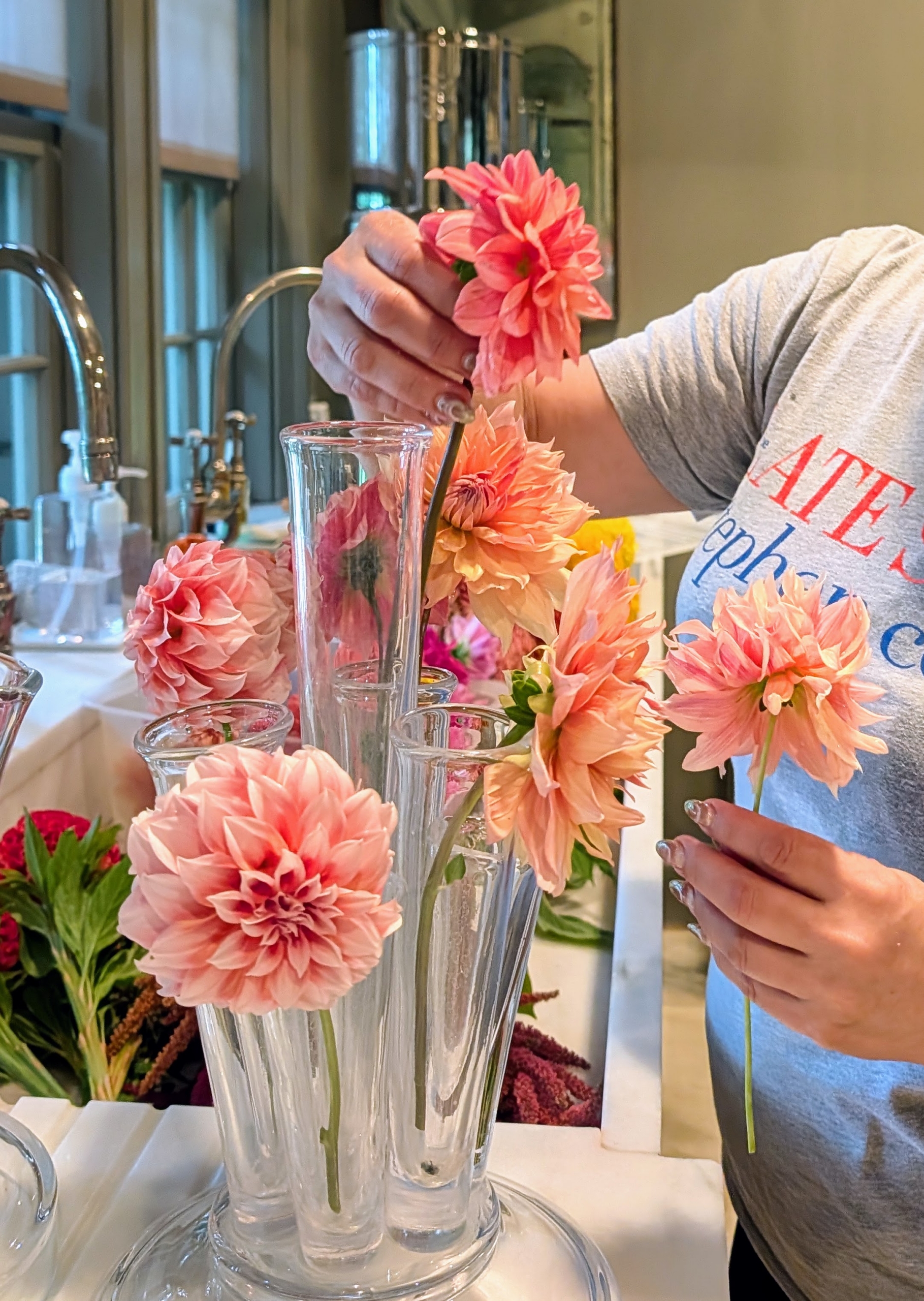
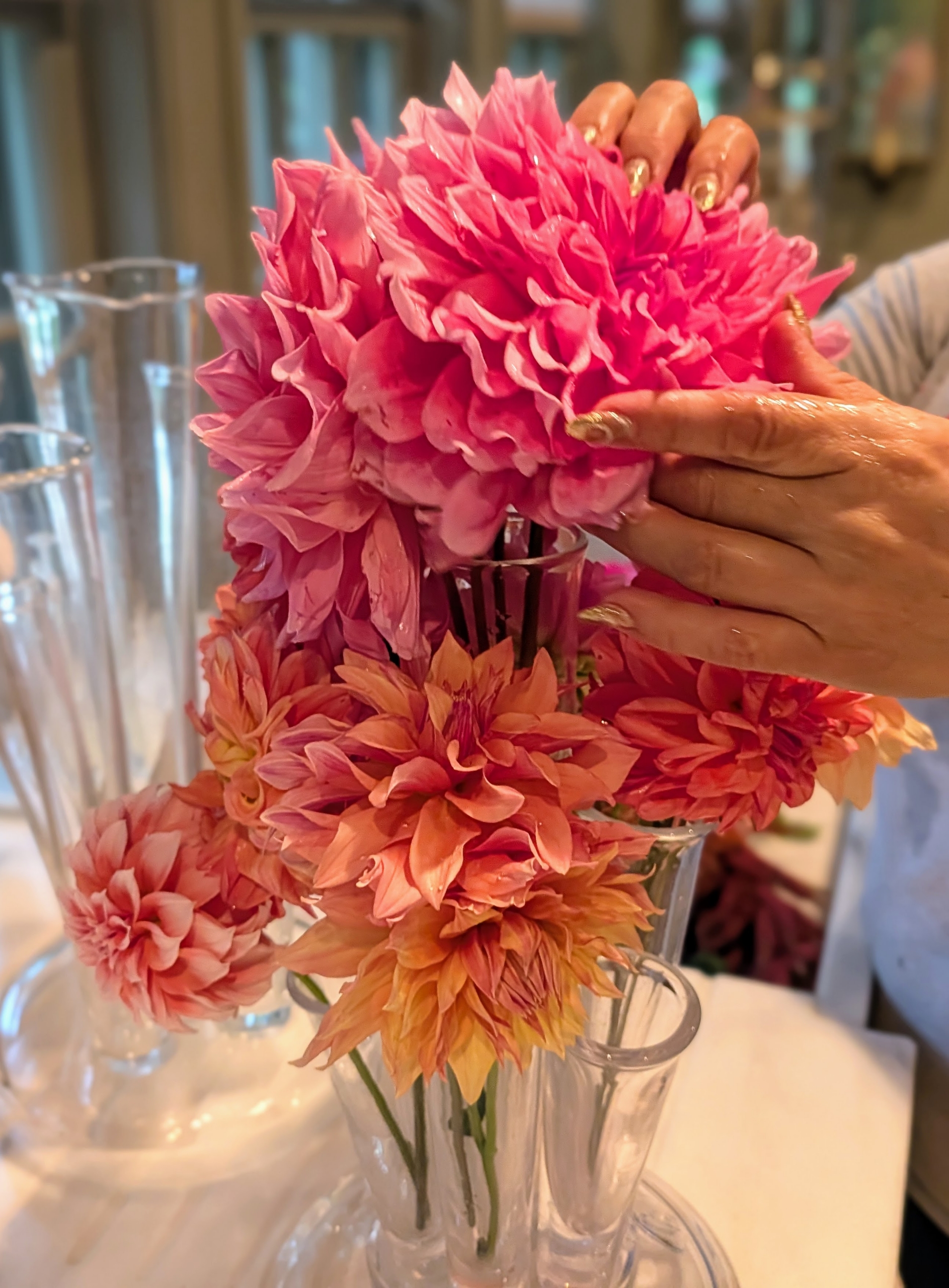
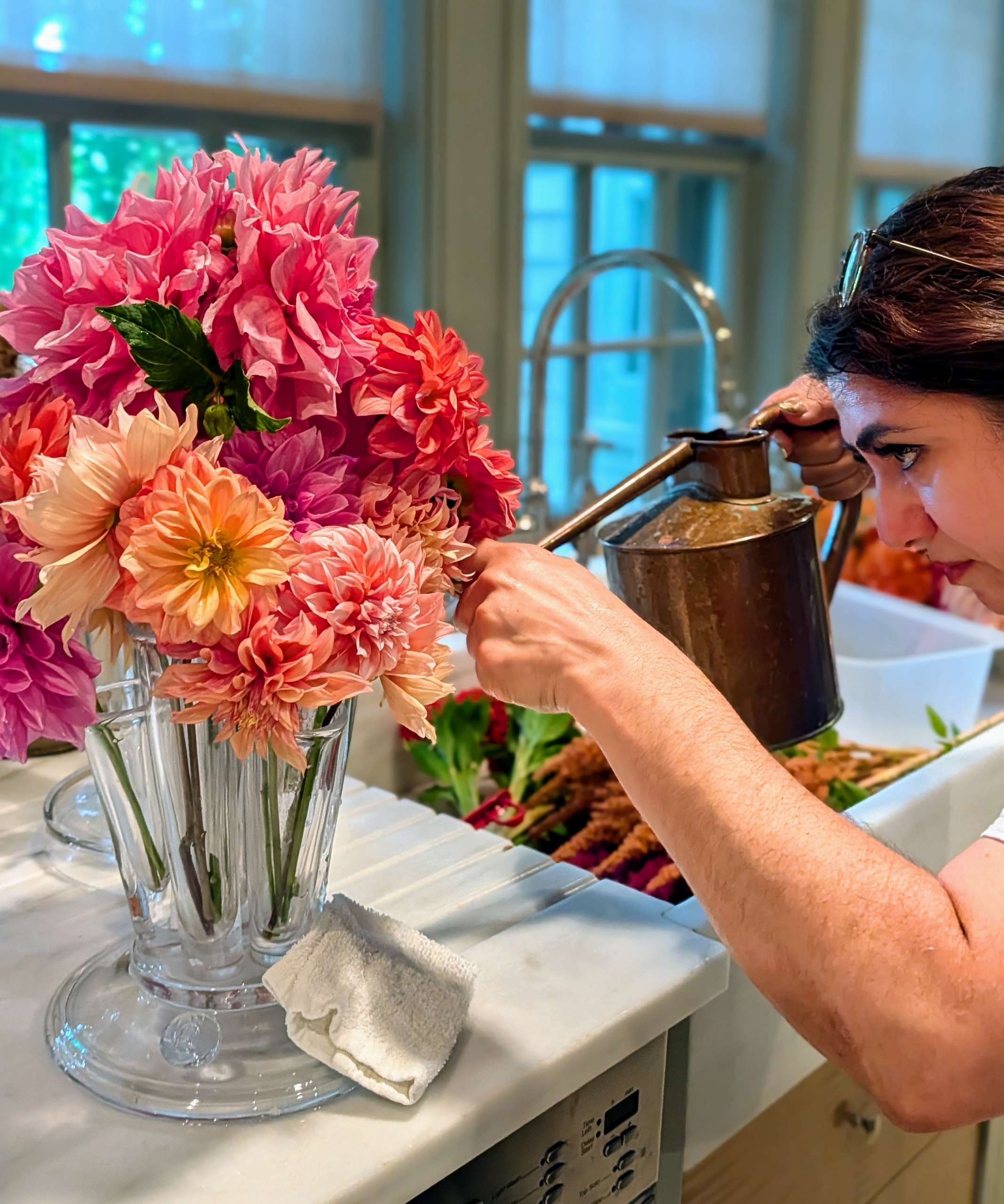
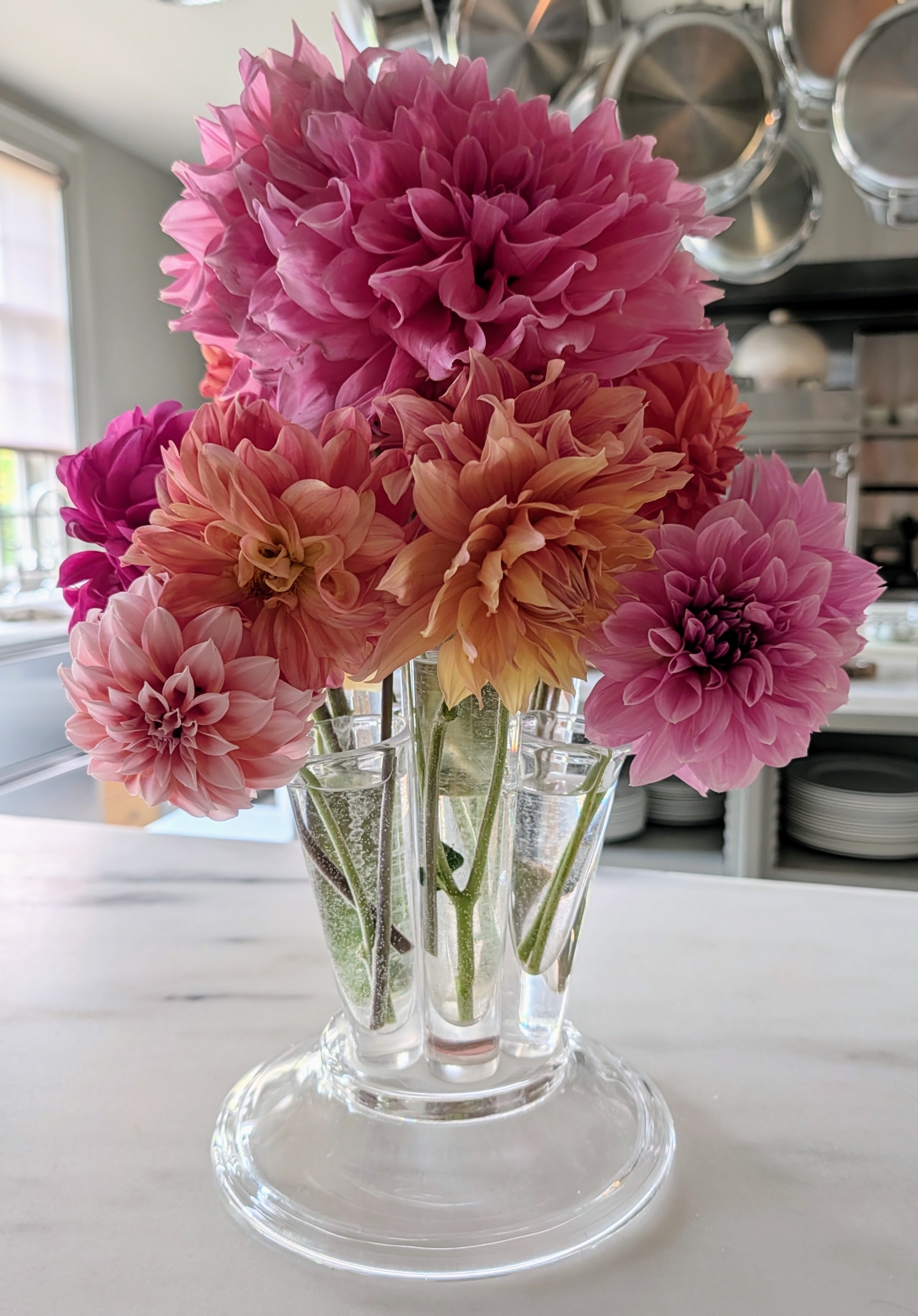
Enma starts with some dahlias. She picked various shades of pink for an arrangement in this five finger vase. Size up the stems next to the vase being used, so they can be cut appropriately.
Dahlias produce an abundance of blooms throughout early summer and again in late summer until the first freeze. I am able to enjoy many dahlia arrangements during the season.
At the top, a giant dahlia. To prevent wilting, cut only in the early morning or late afternoon. And only cut them after they open to mature size – dahlias will not open after cutting.
If needed, add more water. Invest in a good watering can for the flowers – one that allows for controlled use without damaging any of the fragile petals.
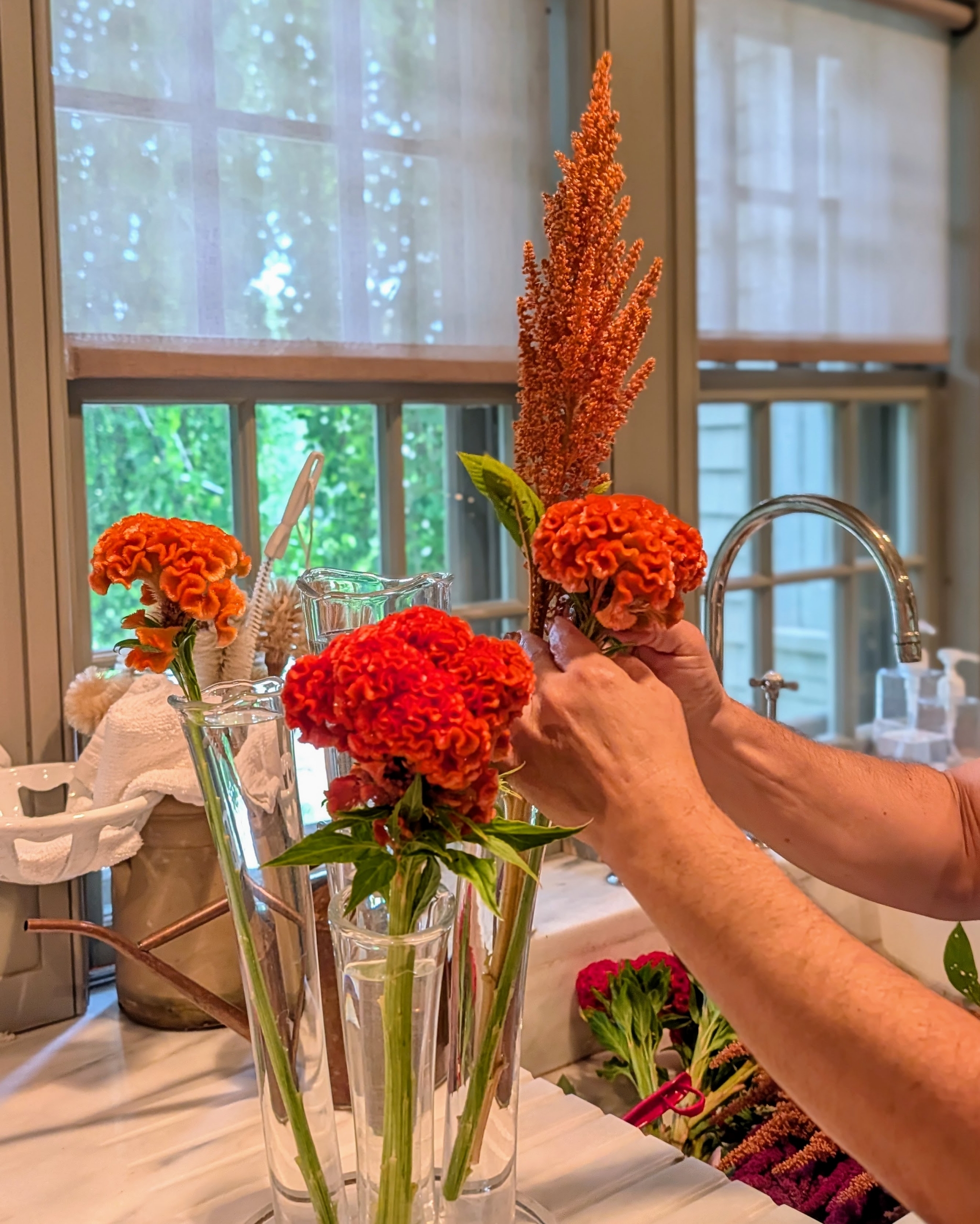
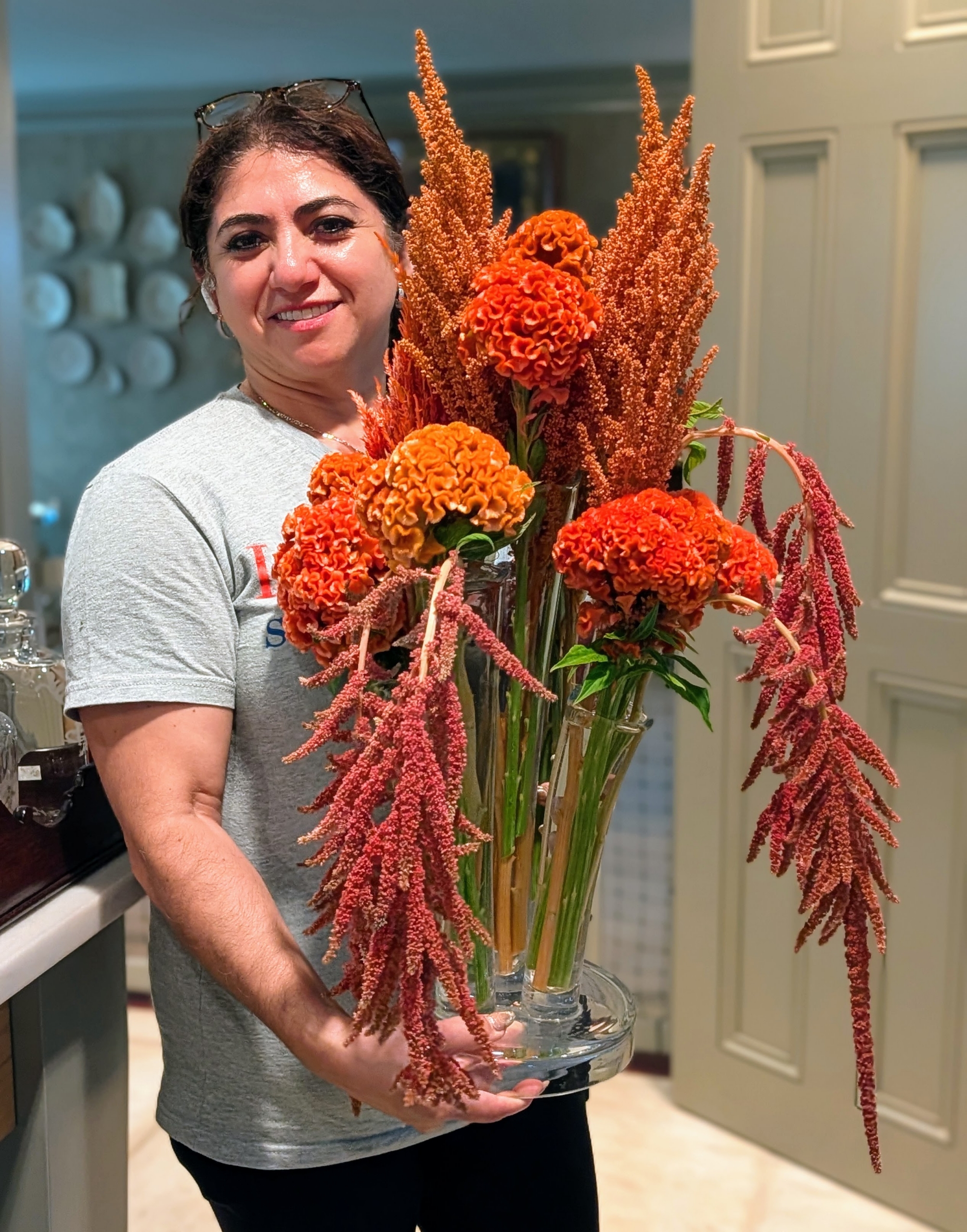
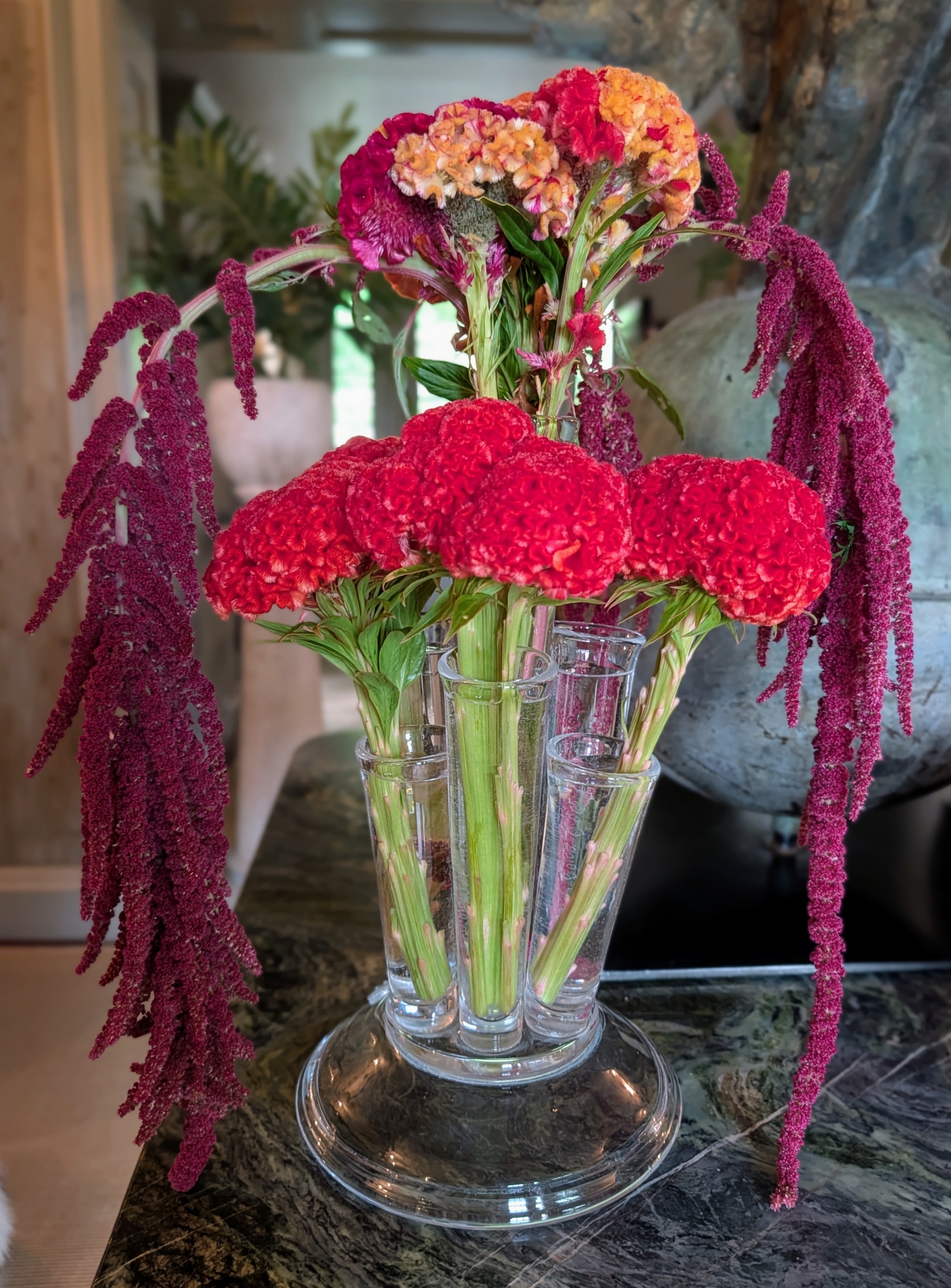
For this arrangement, Enma carefully selects a palette of bright orange celosias and coordinating amaranths. Whether you plant the plumed type with its striking upright spires or the crested type with its fascinating twisted form, celosia stands out in any room.
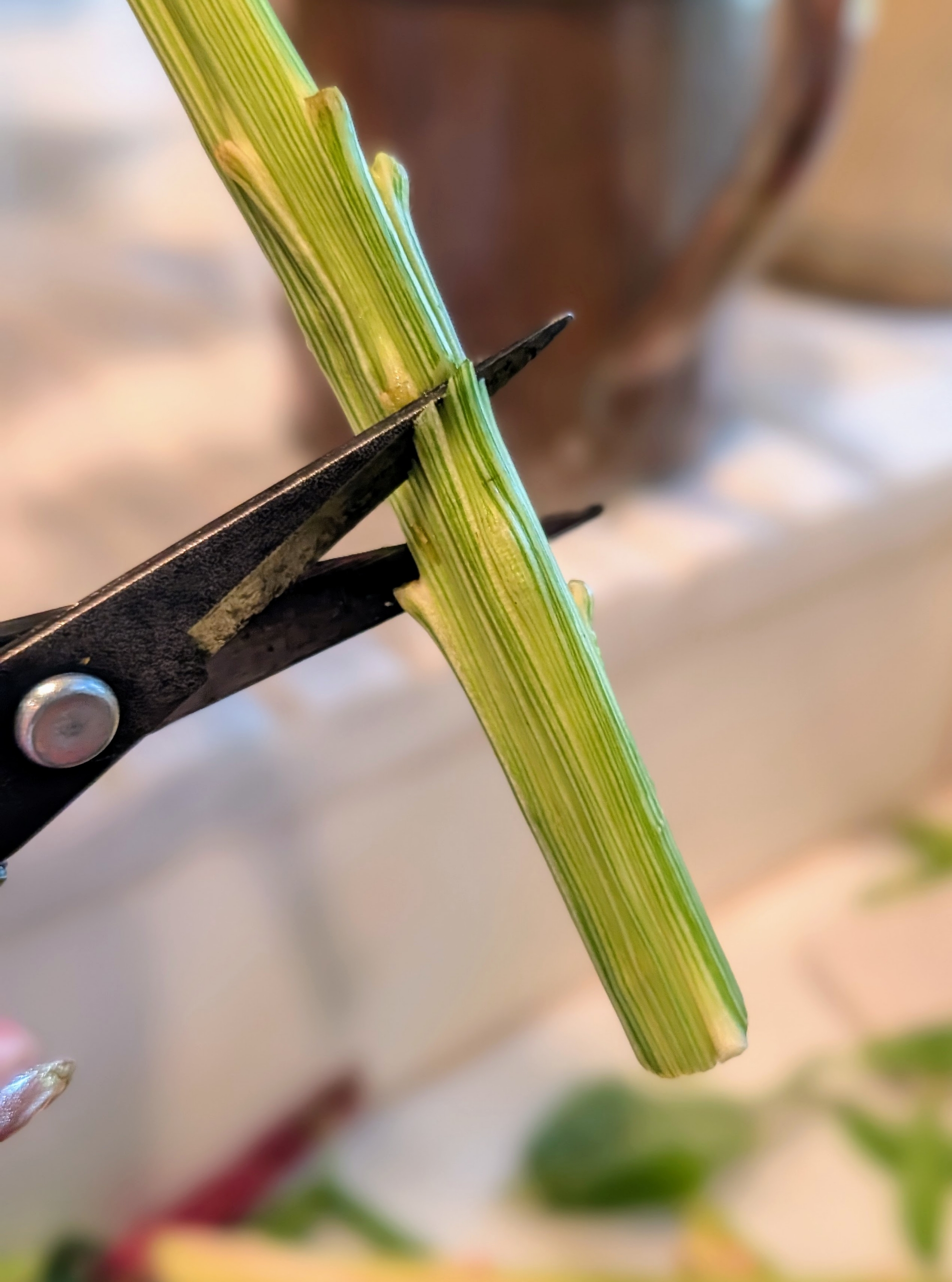
When cutting flower stems always cut at a 45-degree angle. Cutting the stems at this angle, rather than straight across, allows for greater surface area and increased water uptake.
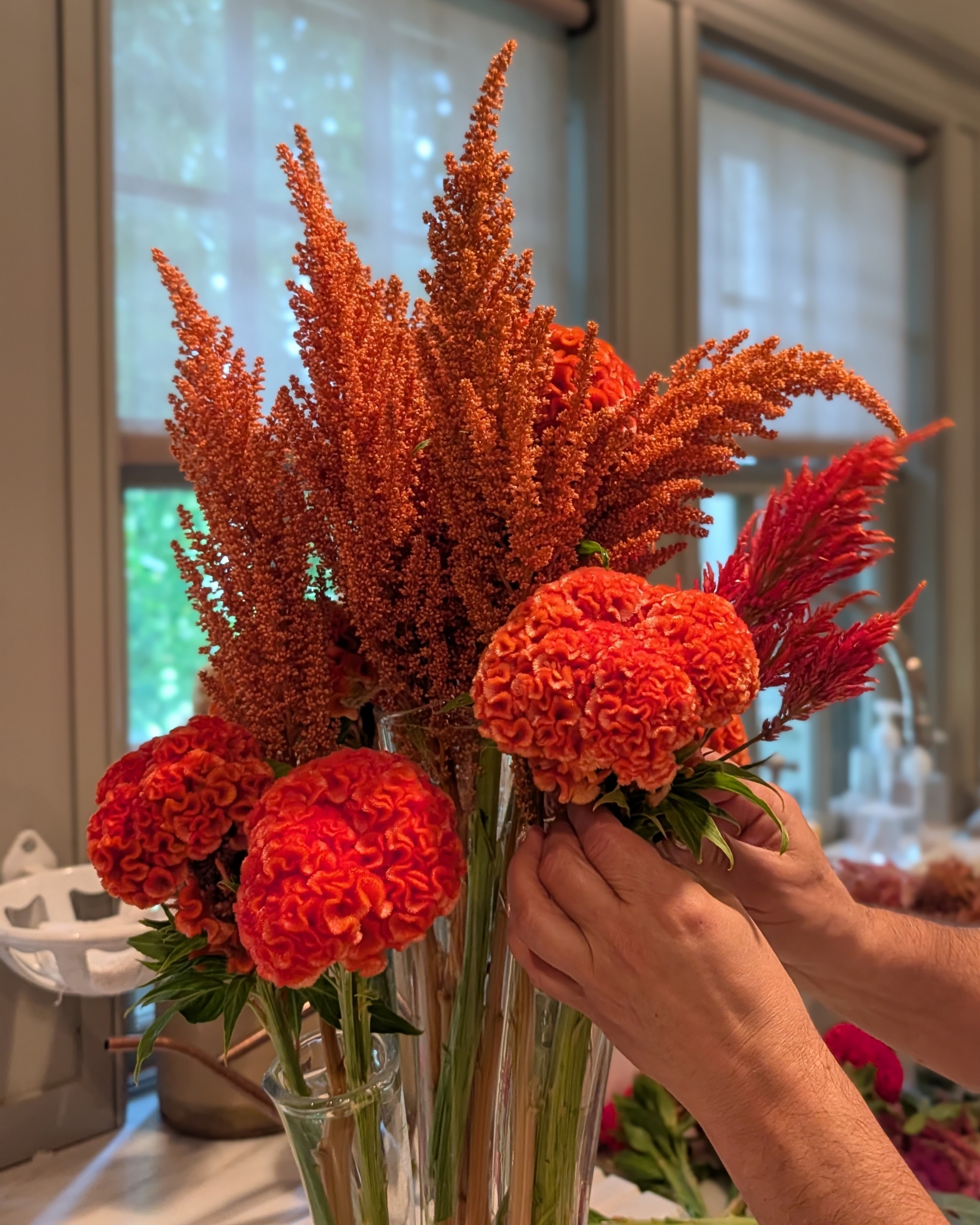
As she finishes, Enma makes sure to look a the entire arrangement, filling in any bare spots.
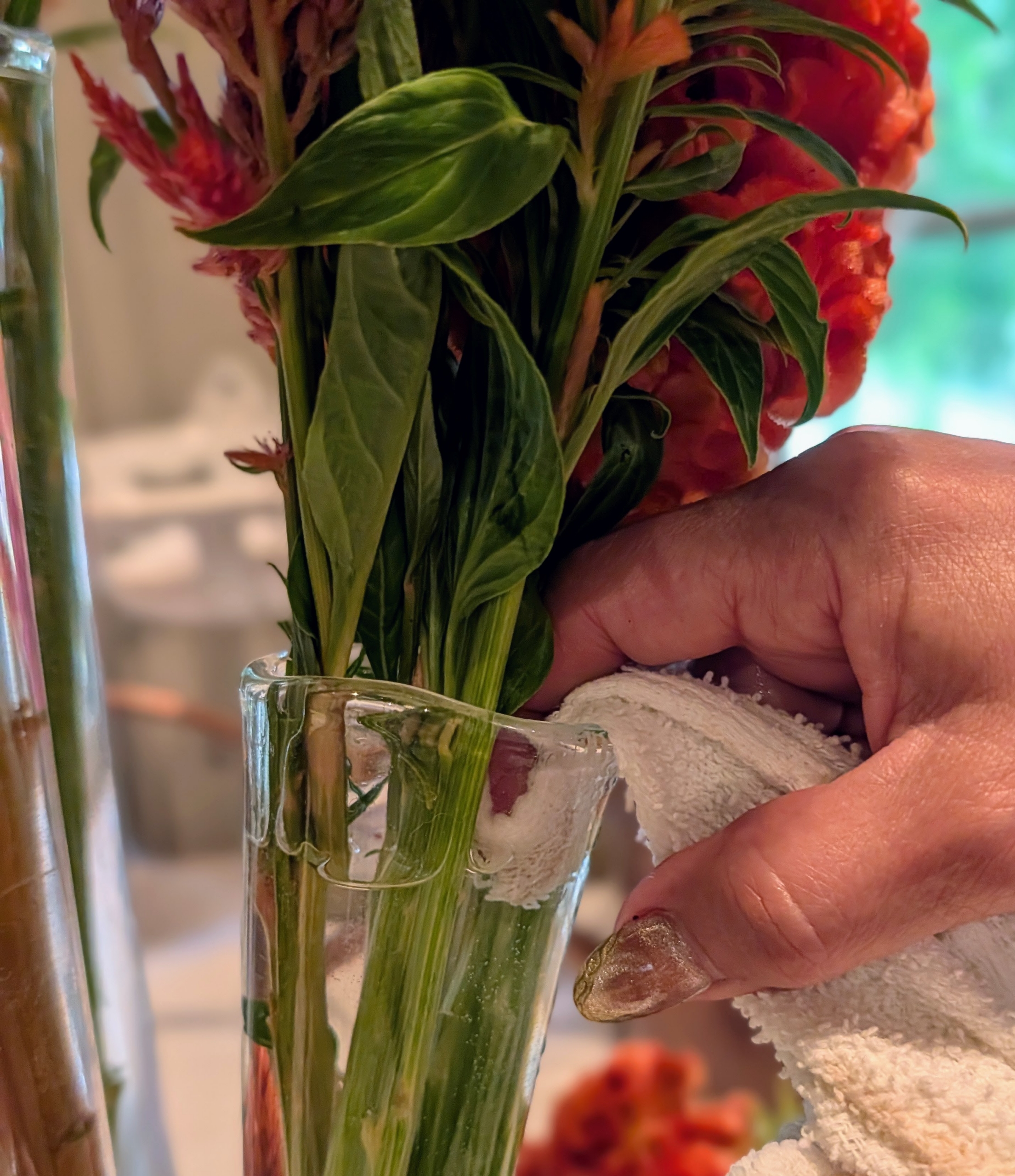
If some water needs to be removed, use a small towel inserted into the vase to absorb the excess fluid. This is a good tip especially when vases are already full with flowers.
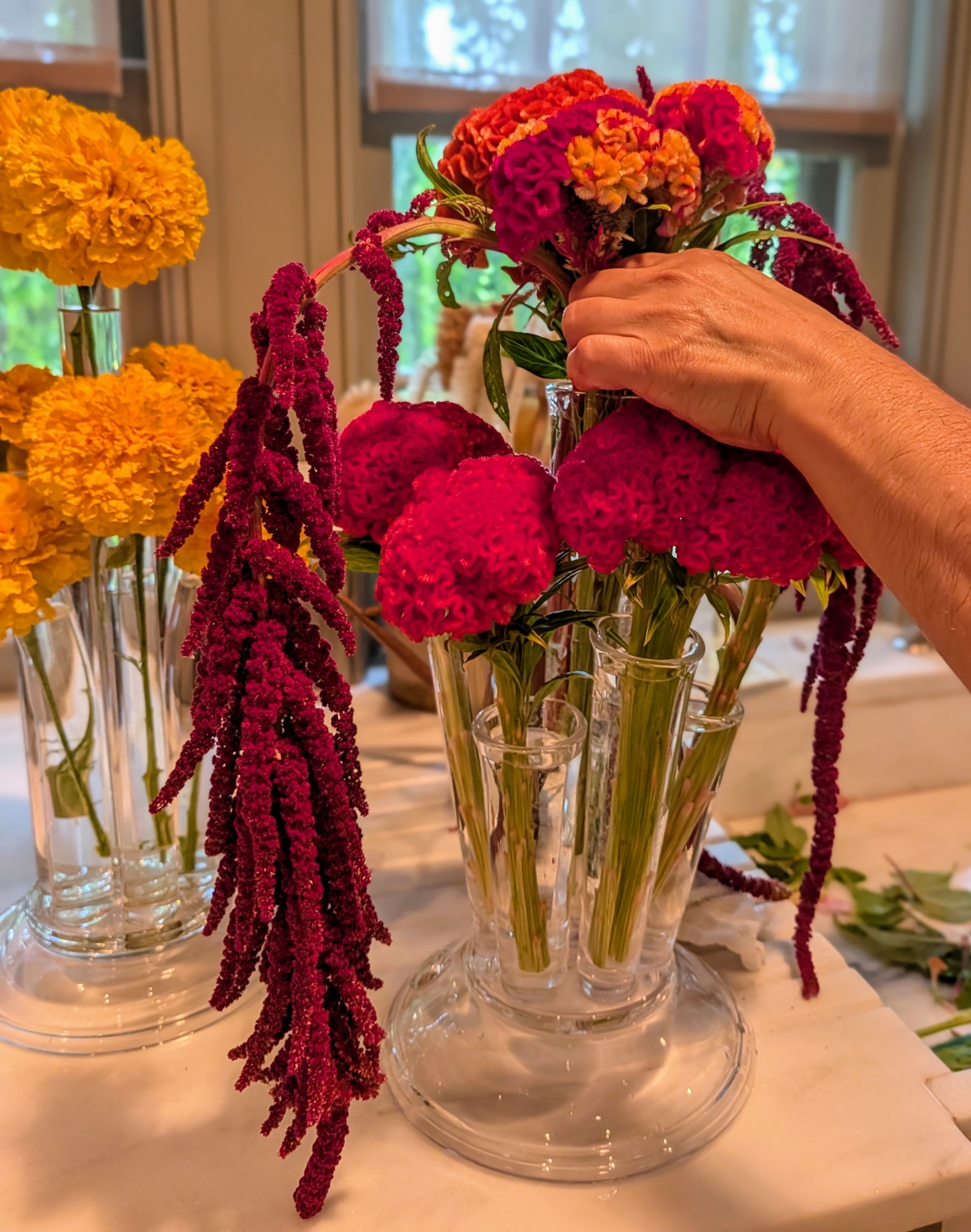
Enma also adds some trailing amaranths in a dark burgundy color to add a cascading effect.
Amaranth and celosia add dramatic texture, vibrant color, and interest to floral arrangements – nice job, Enma.
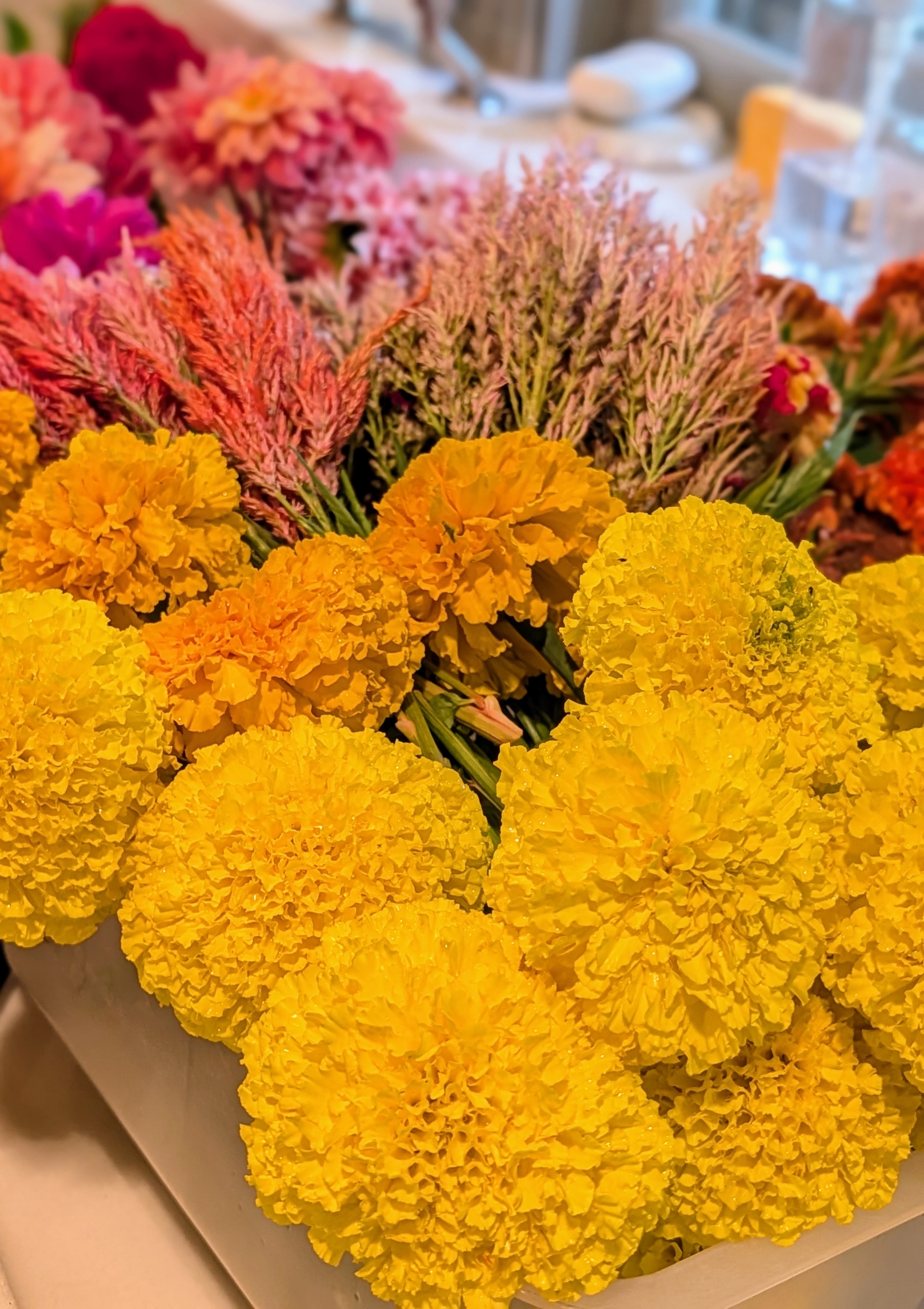
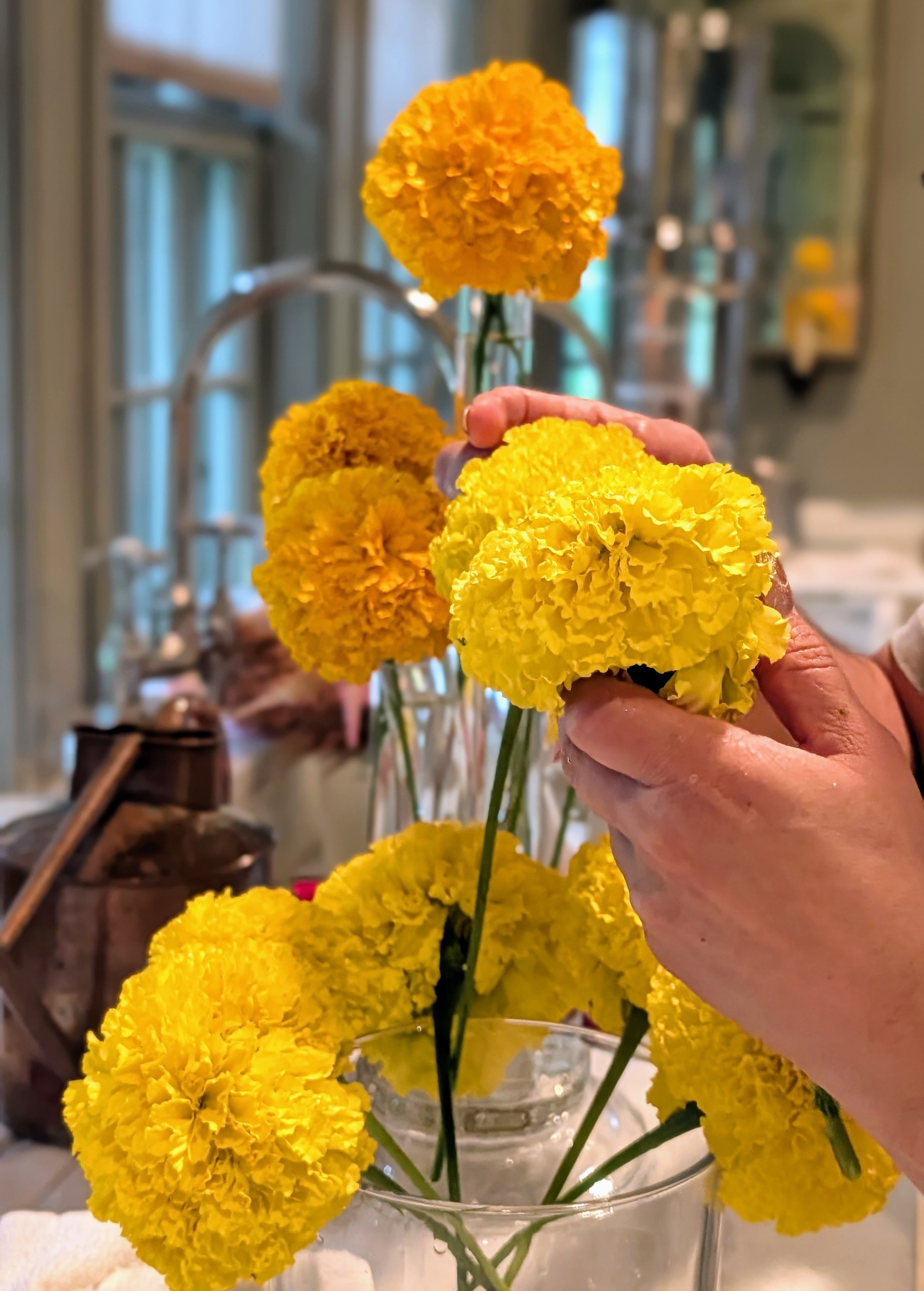
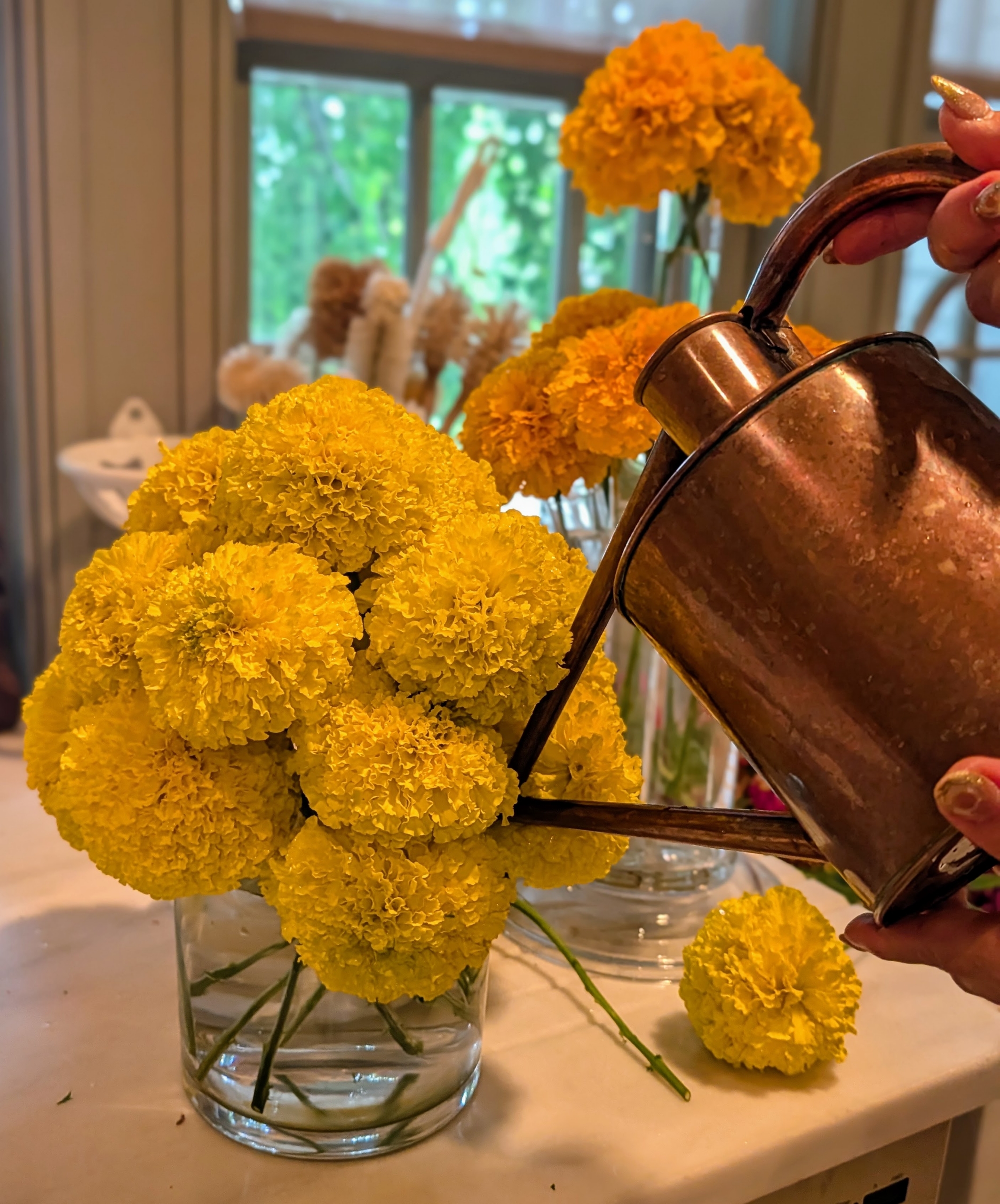
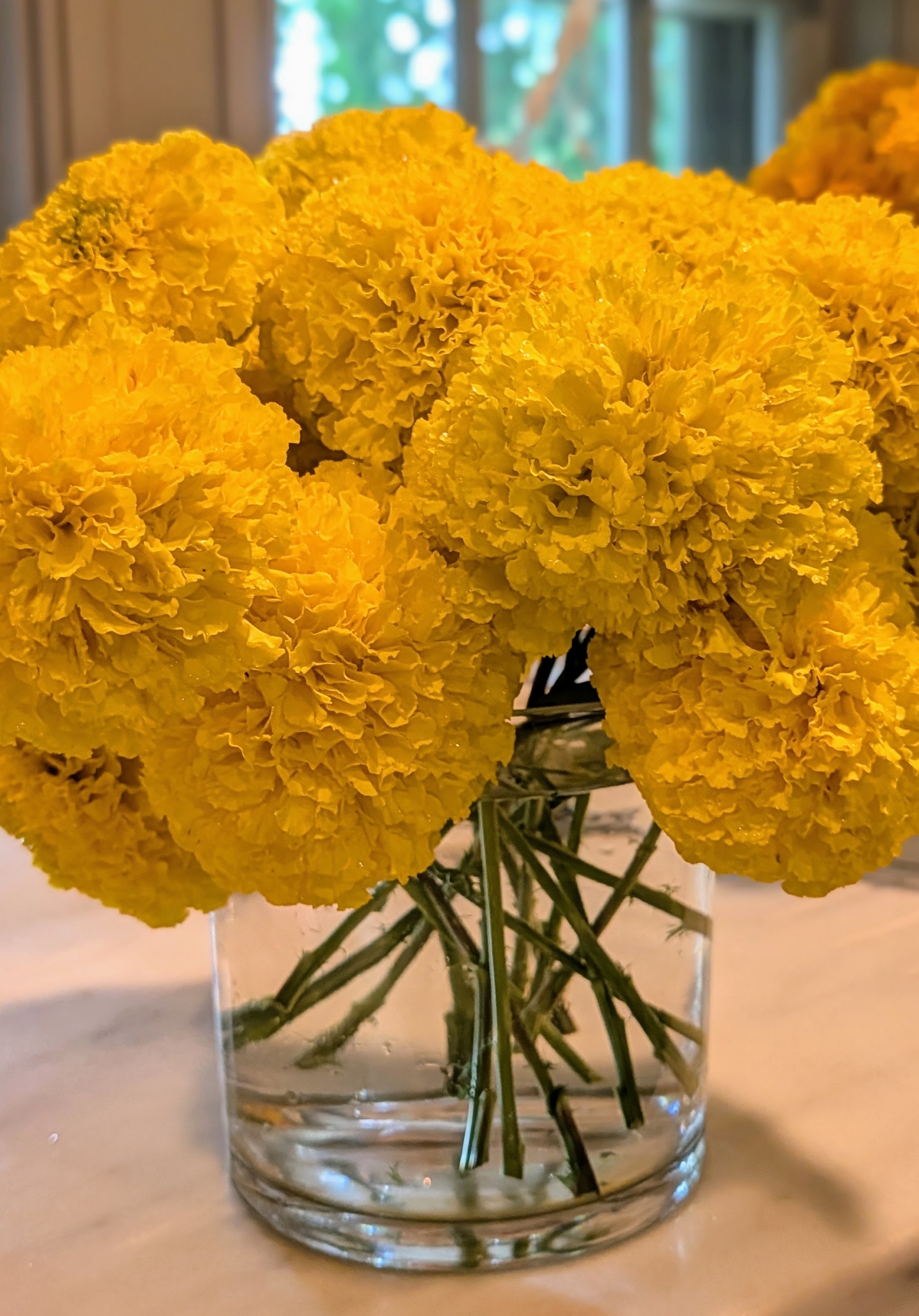
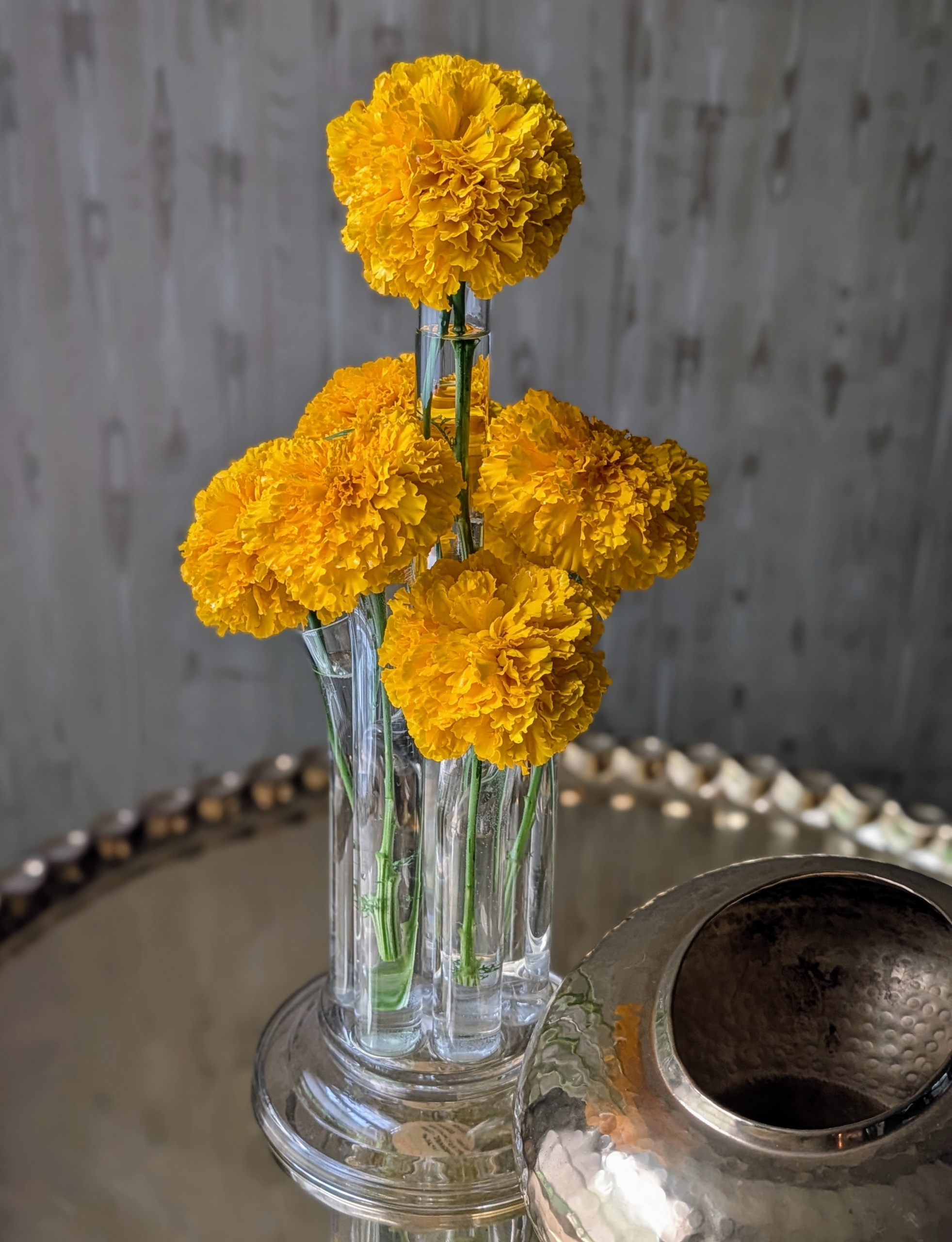
Enma loves these fragrant Aztec marigolds. Also known as American marigold or African marigold, Aztec marigold, Tagetes erecta, is a showy, easy-to-grow annual that blooms from summer to the first frost. The huge blooms appear on top of one to four-foot stems and come in shades of orange, yellow, bronze, and creamy white.
Here she is adding water to the vase – she chose a wide mouth cylindrical vase that could accommodate a large number of yellow flowers.
Remember to remove any leaves that would otherwise end up below the water line. Leaves and flowers that sit below the water line can rot.
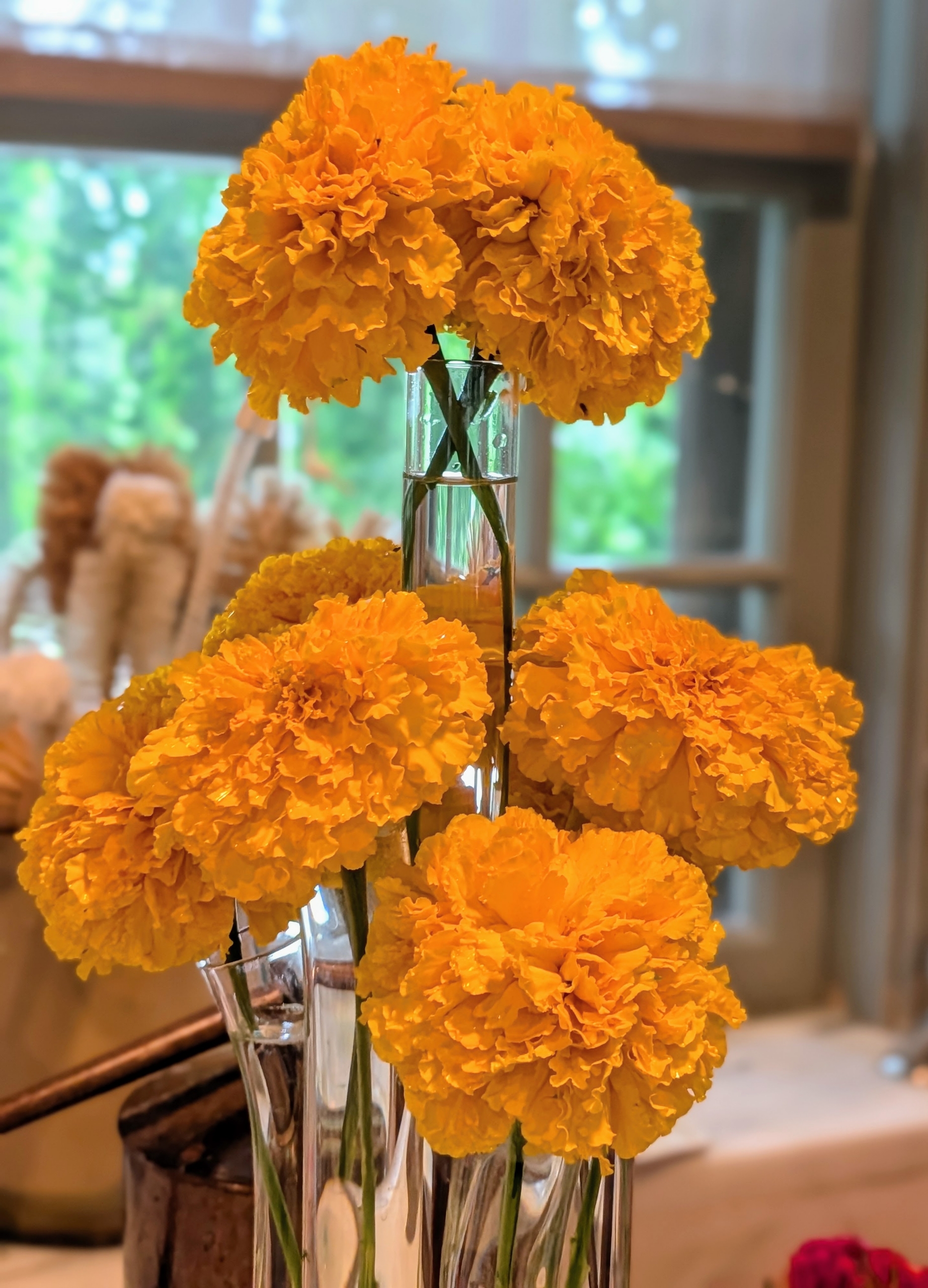
Enma uses gold colored flowers in this finger vase. Monochromatic arrangements are beautiful on their own. They look clean, refined, and striking.
The colorful dahlias are on my kitchen counter, the hub of my home, where I often have meetings – everyone admires them as soon as they see them.
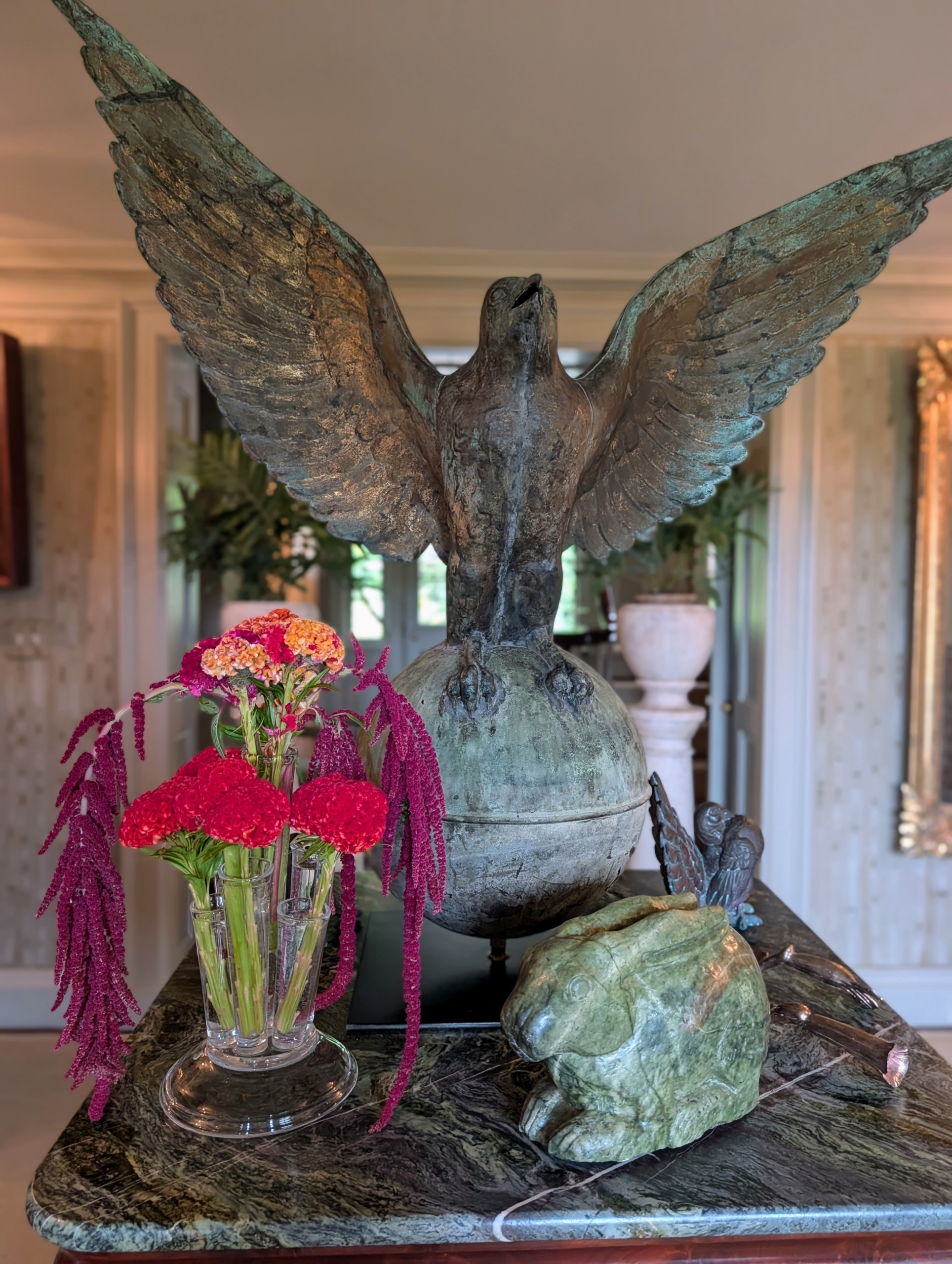
This arrangement was placed in my foyer.
It looks striking under the wing of my giant falcon.
Here is one of the marigold arrangements in my sitting room – so cheerful to see every morning when I come downstairs.
And on another table in this room, the gold marigolds. I hope this weekend, you can get yourself some cut flowers and bring a little bit of summer indoors.















 Martha Pins


 Martha Tweets

