

Inside My Vegetable Greenhouse
It's always so great to start off the new year growing healthy, delicious, organic greens.
Now that it's winter, attention is turned toward planting and maintaining my vegetable greenhouse, so I am never without fresh produce. I already have lots of wonderful vegetables thriving inside. Yesterday, my head gardener, Ryan McCallister, also transplanted young cucumbers and tomatoes started from seed.
Here are some photos, enjoy.
-

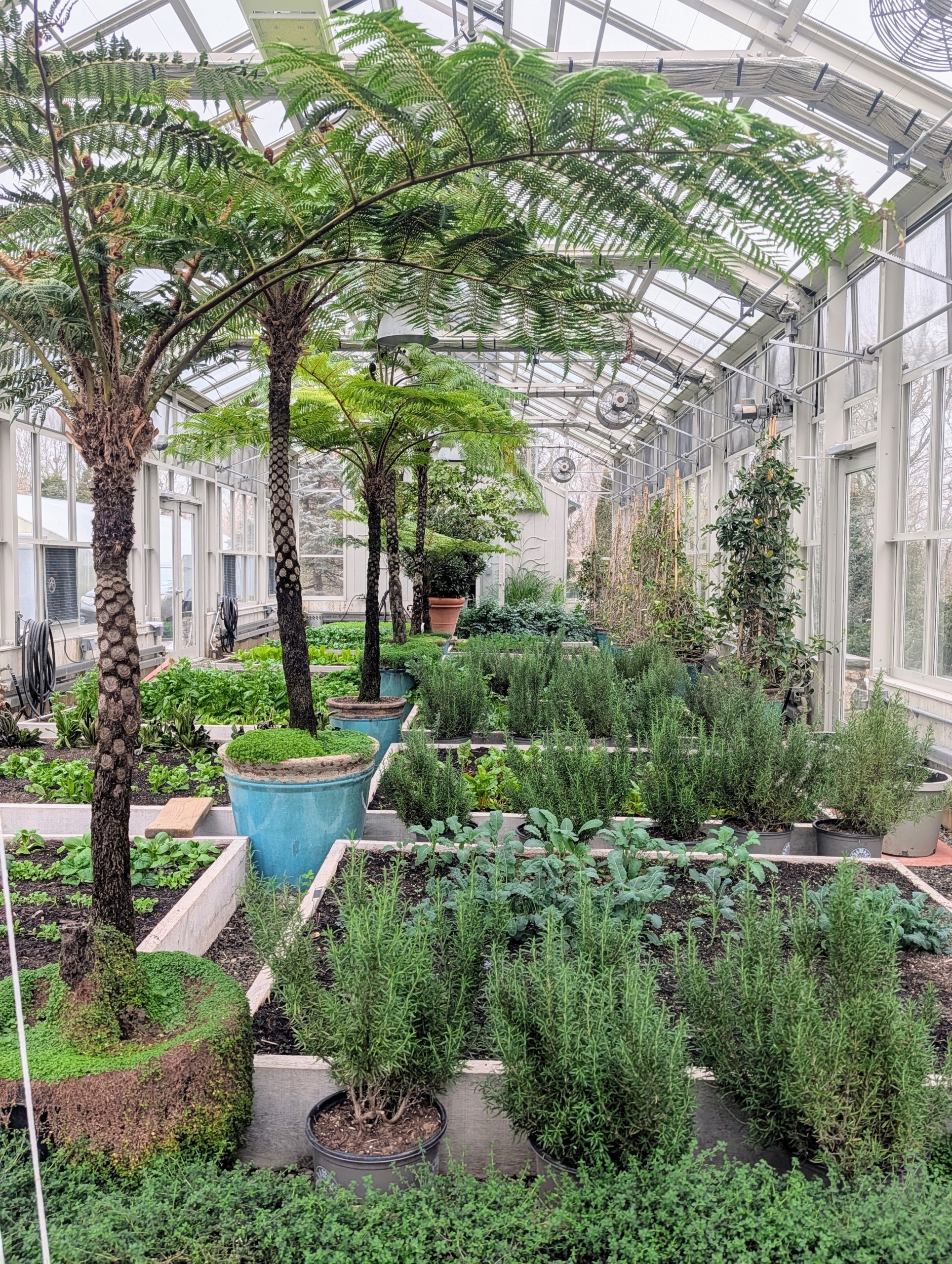
- This large structure has 16 raised flower beds. Some beds were just seeded. Some include plants that have just germinated and are in the beginning stages of growth. And some beds have young, but already established plants.
-
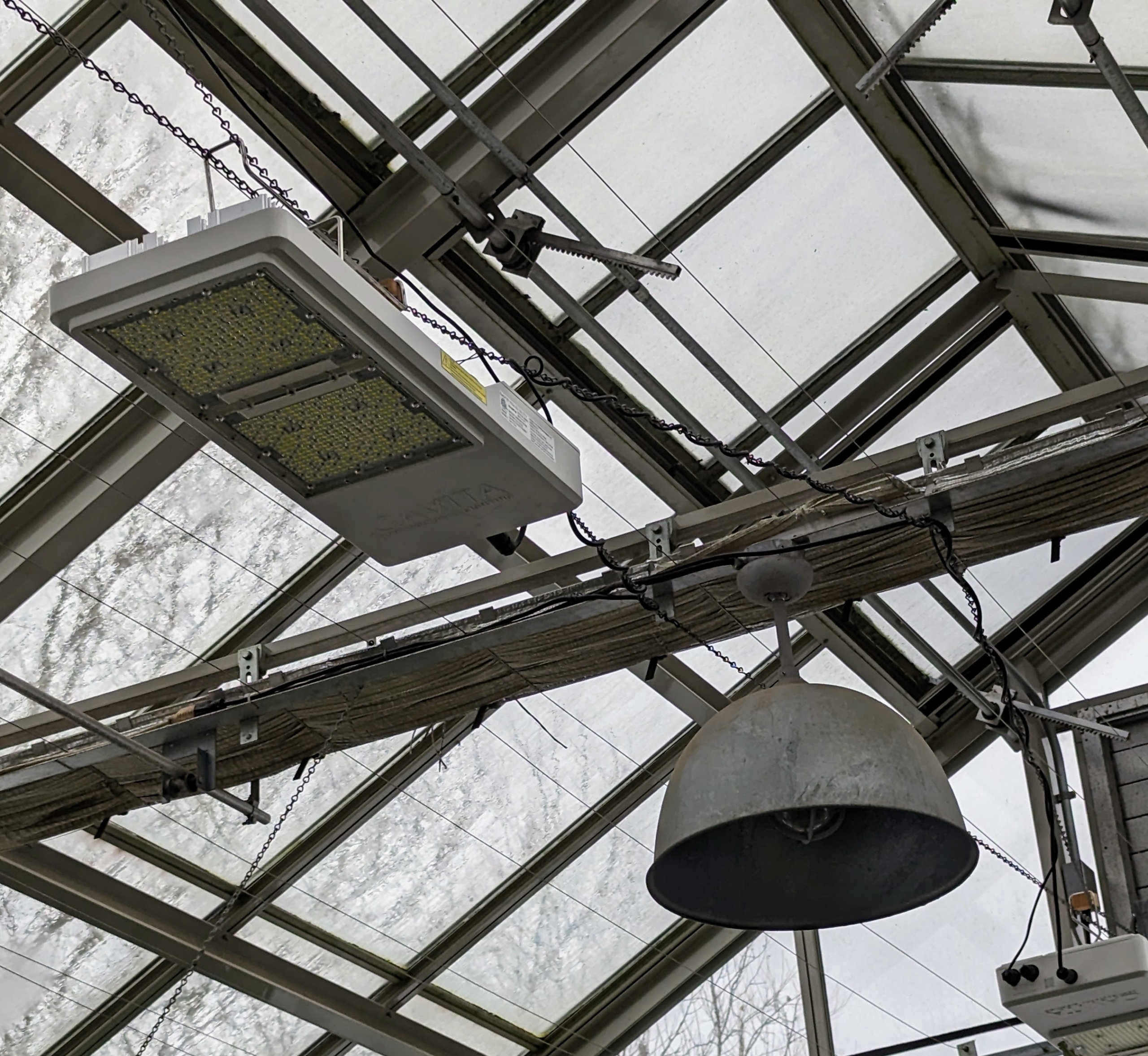
- This structure uses minimal artificial heat, where many cold hardy crops, such as root vegetables and brassicas, can be grown and harvested through the winter months. I also installed grow lights specially designed to substitute natural sunlight, stimulating photosynthesis, and provide the right color spectrum for thriving plants.
-
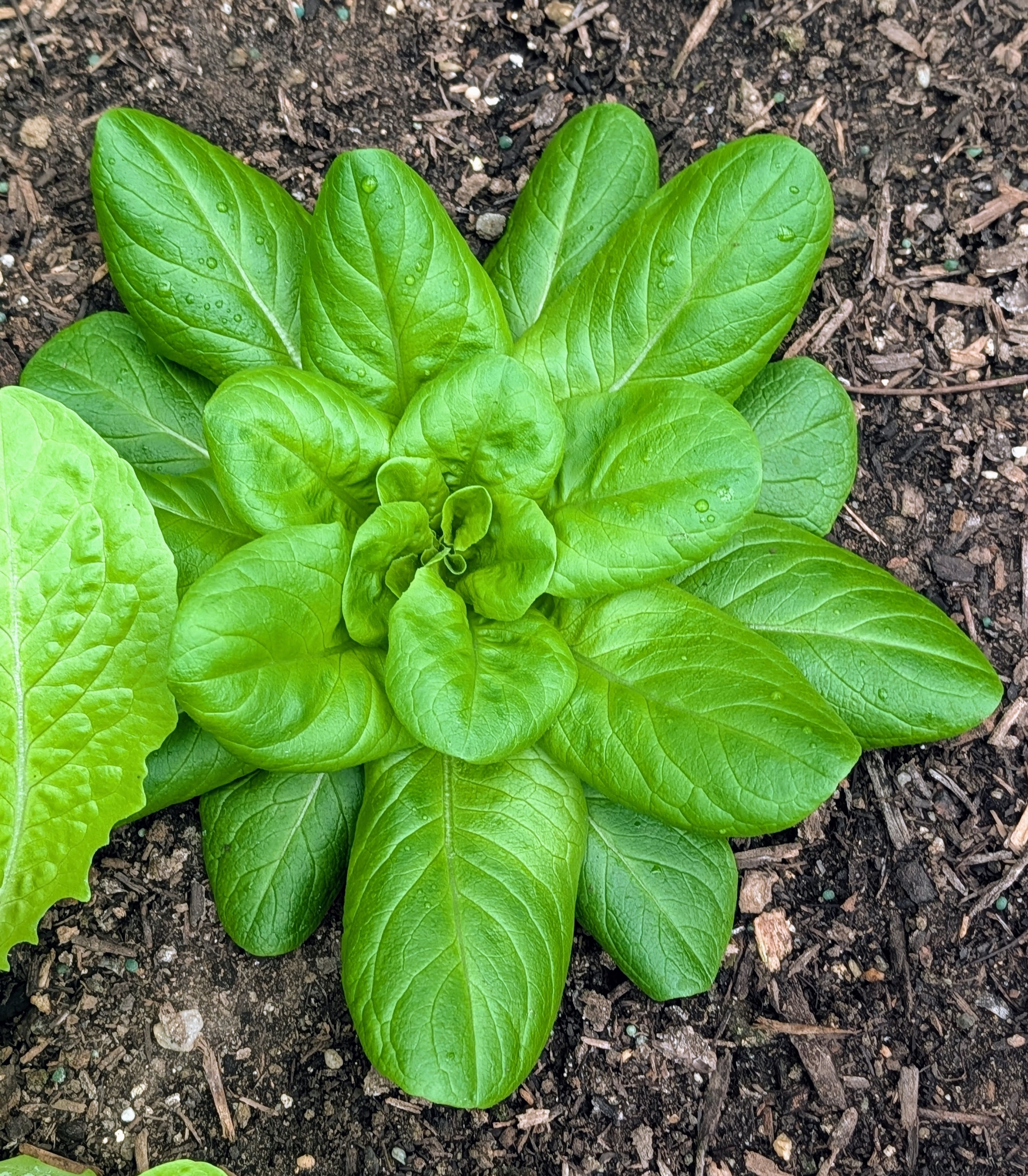
- Ryan and I make sure to plant in succession, so there is always something growing. Lettuce always grows so well in this greenhouse. It’s a real treat to have lettuce like this all year long. I always grow lots of varieties of lettuce, so I can share them with my daughter and her children.
-
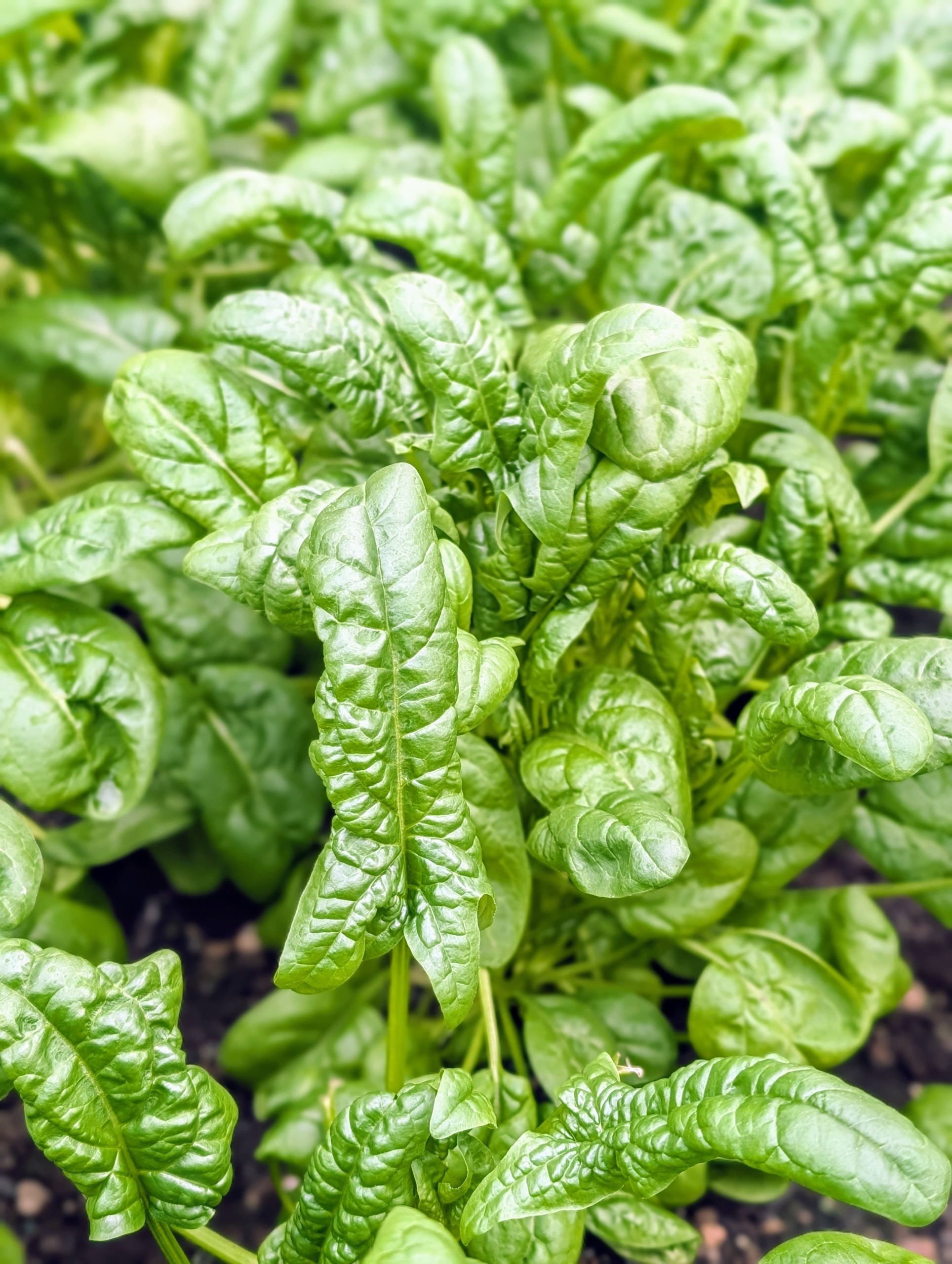
- I use spinach for my daily green juice. Spinach is an excellent source of vitamin K, vitamin A, vitamin C, folate, and a good source of manganese, magnesium, iron and vitamin B2.
-
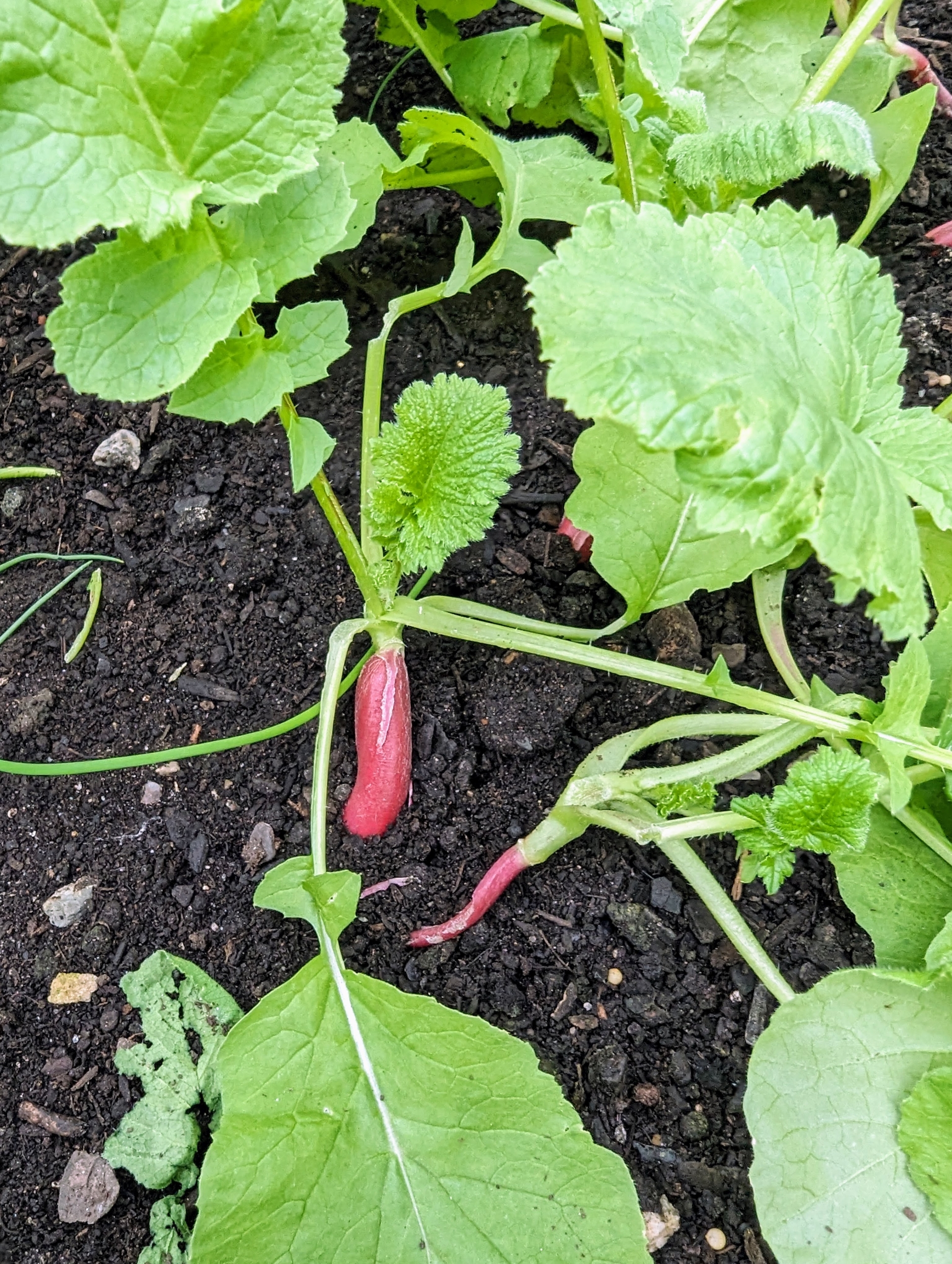
- The radish is an edible root vegetable of the Brassicaceae family. Radishes are grown and consumed throughout the world, and mostly eaten raw as a crunchy salad vegetable.
-
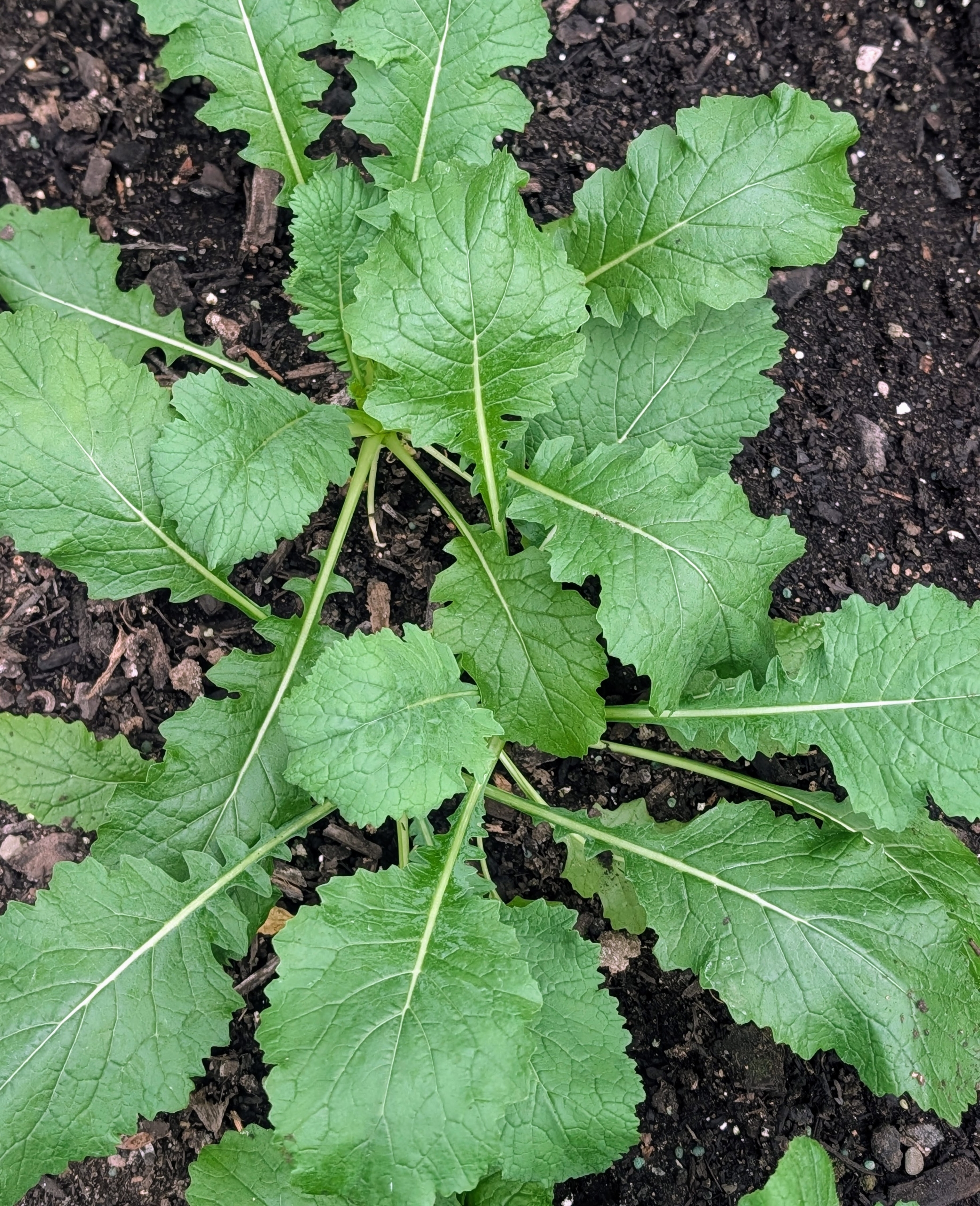
- These are the leaves of turnips. The vegetables are not ready yet, but when harvesting, I always gently remove the surrounding earth first to see if the vegetables are big enough. If not, I push the soil back into place. Turnips are smooth flat, round and white vegetables that mature early and are best harvested young – when they are up to two inches in diameter. The flavor is sweet and fruity, and the texture is crisp and tender.
-
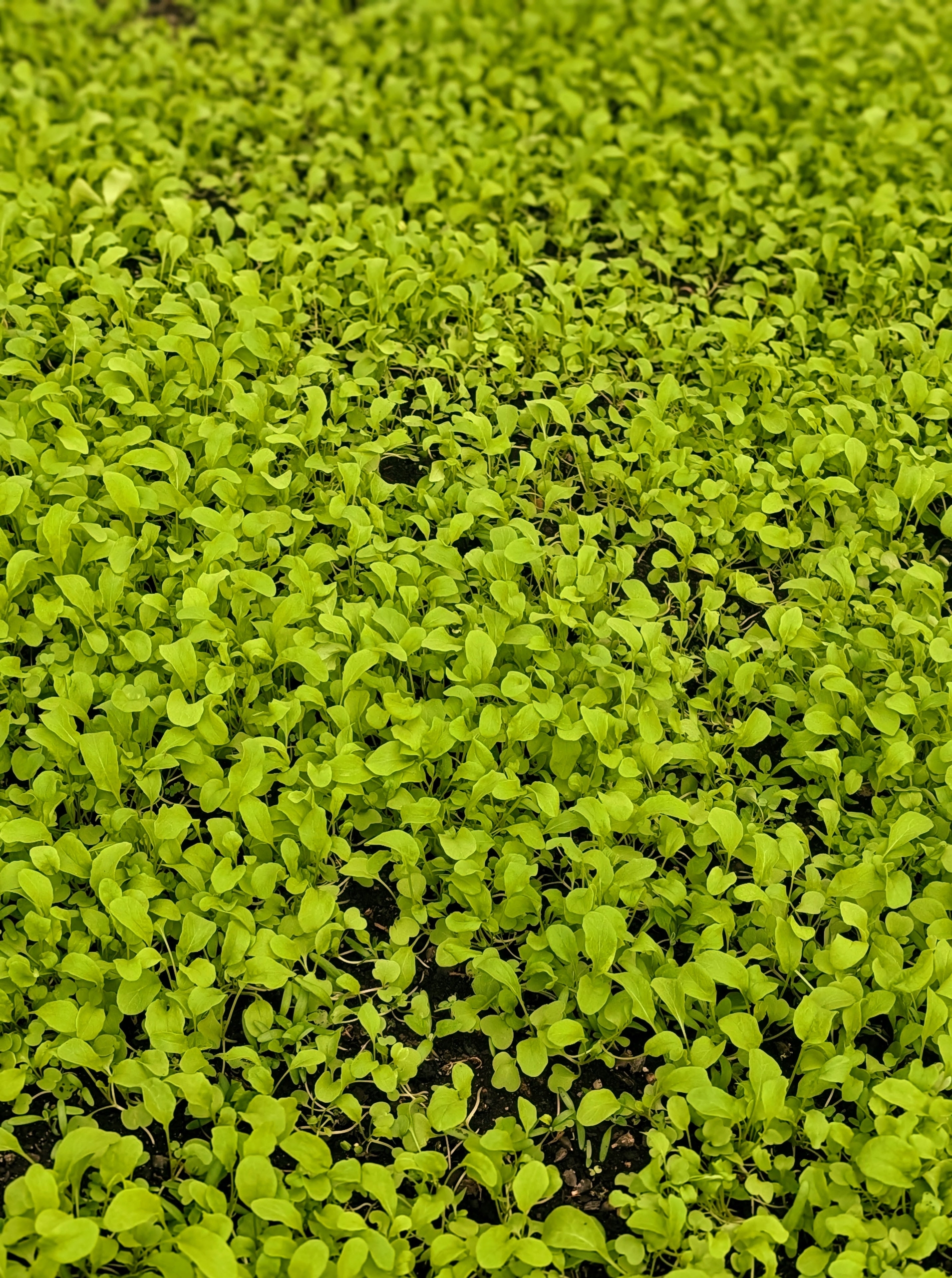
- This is my bed of arugula, directly planted from seed a couple of weeks ago. Arugula leaves, also known as rocket or roquette, are tender and bite-sized with a tangy flavor.
-
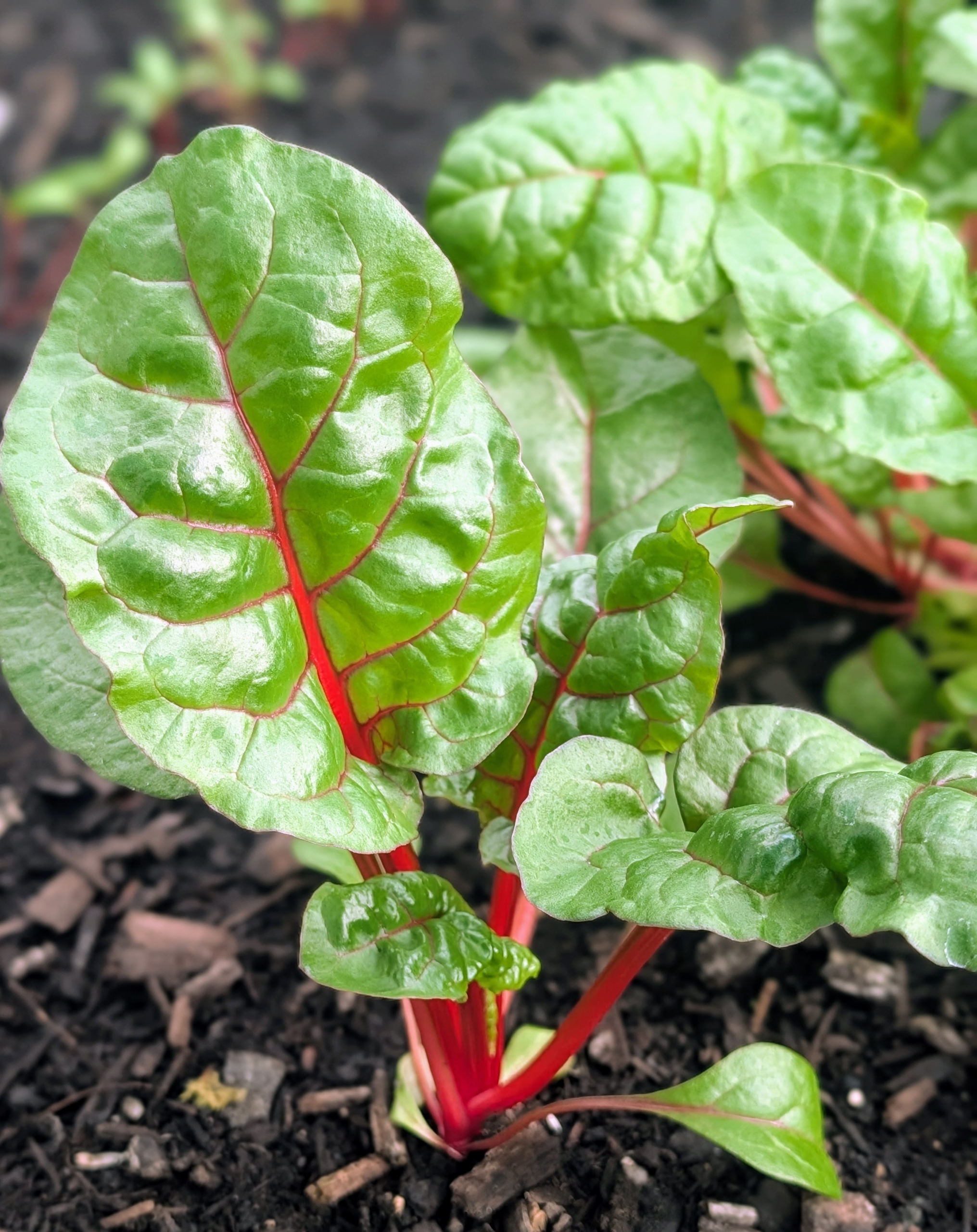
- One cannot miss the Swiss chard. They are so vibrant with stems of rose, gold, orange, and white. Chard has very nutritious leaves making it a popular addition to healthful diets.
-
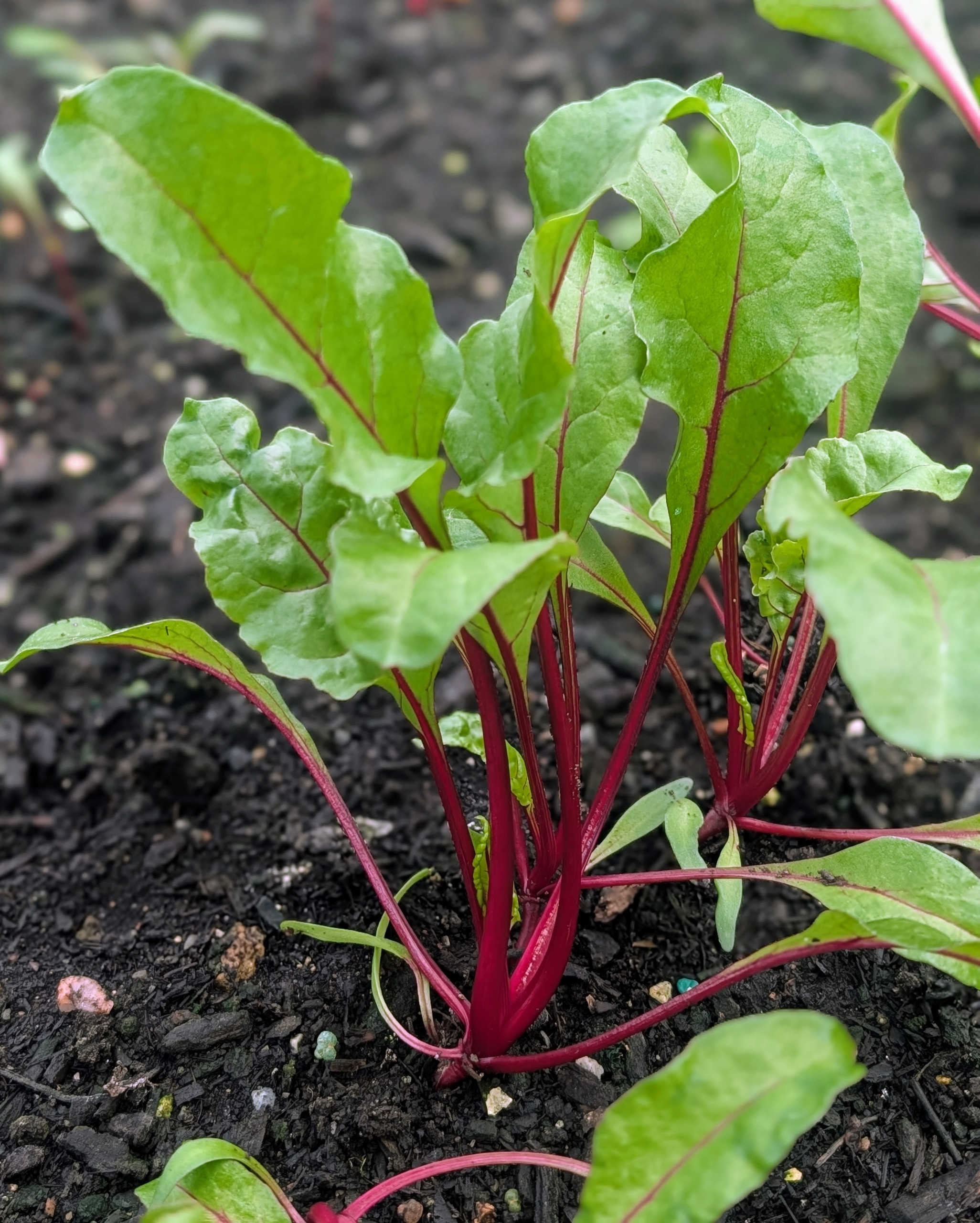
- Beets are sweet and tender – and one of the healthiest foods. Beets contain a unique source of phytonutrients called betalains, which provide antioxidant, anti-inflammatory and detoxification support.
-
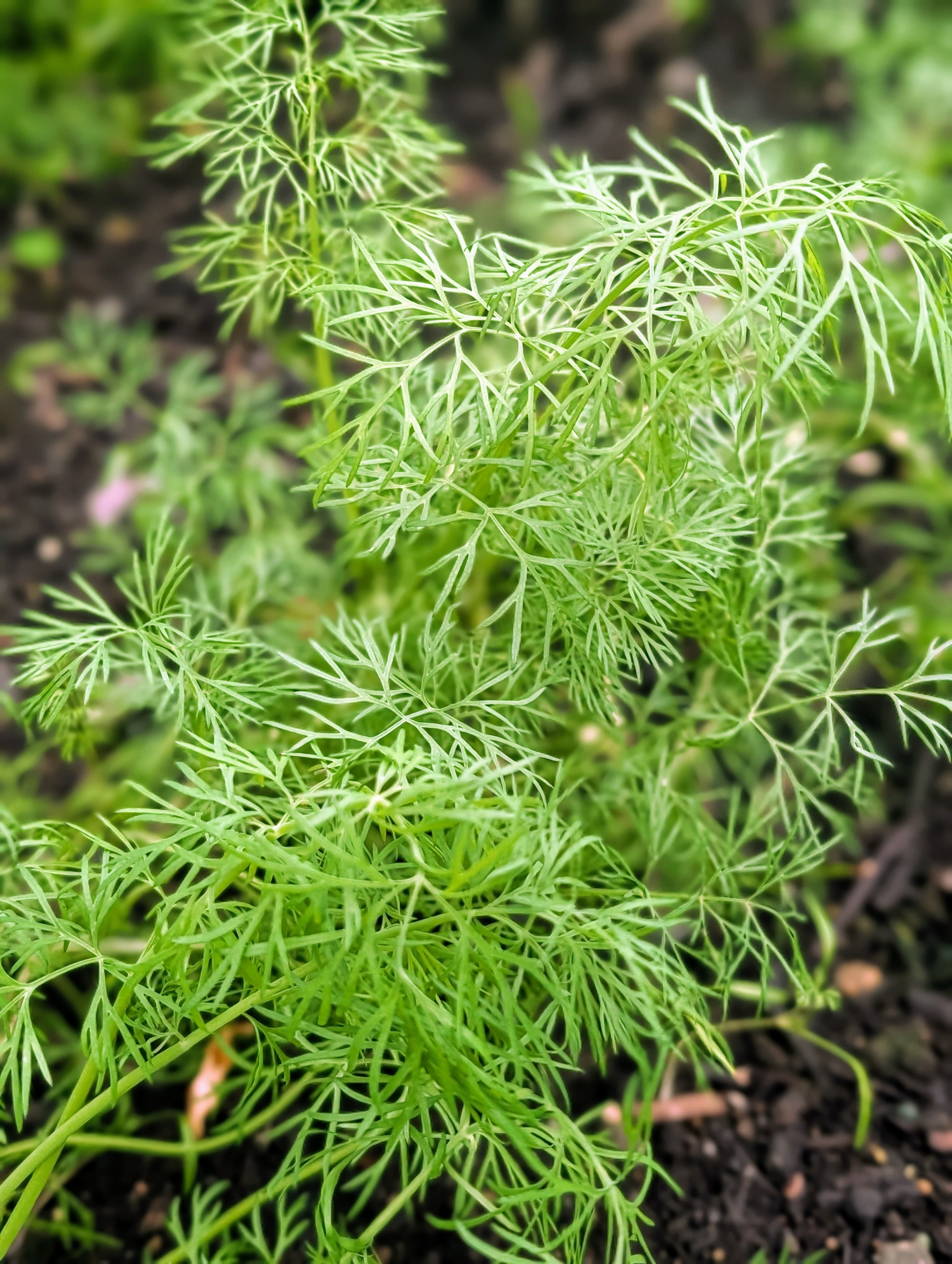
- And do you like dill, the herb grown for its aromatic leaves and seeds which are often used to add flavor to various dishes? It has a distinct anise-like taste and can be used fresh or dried.
-
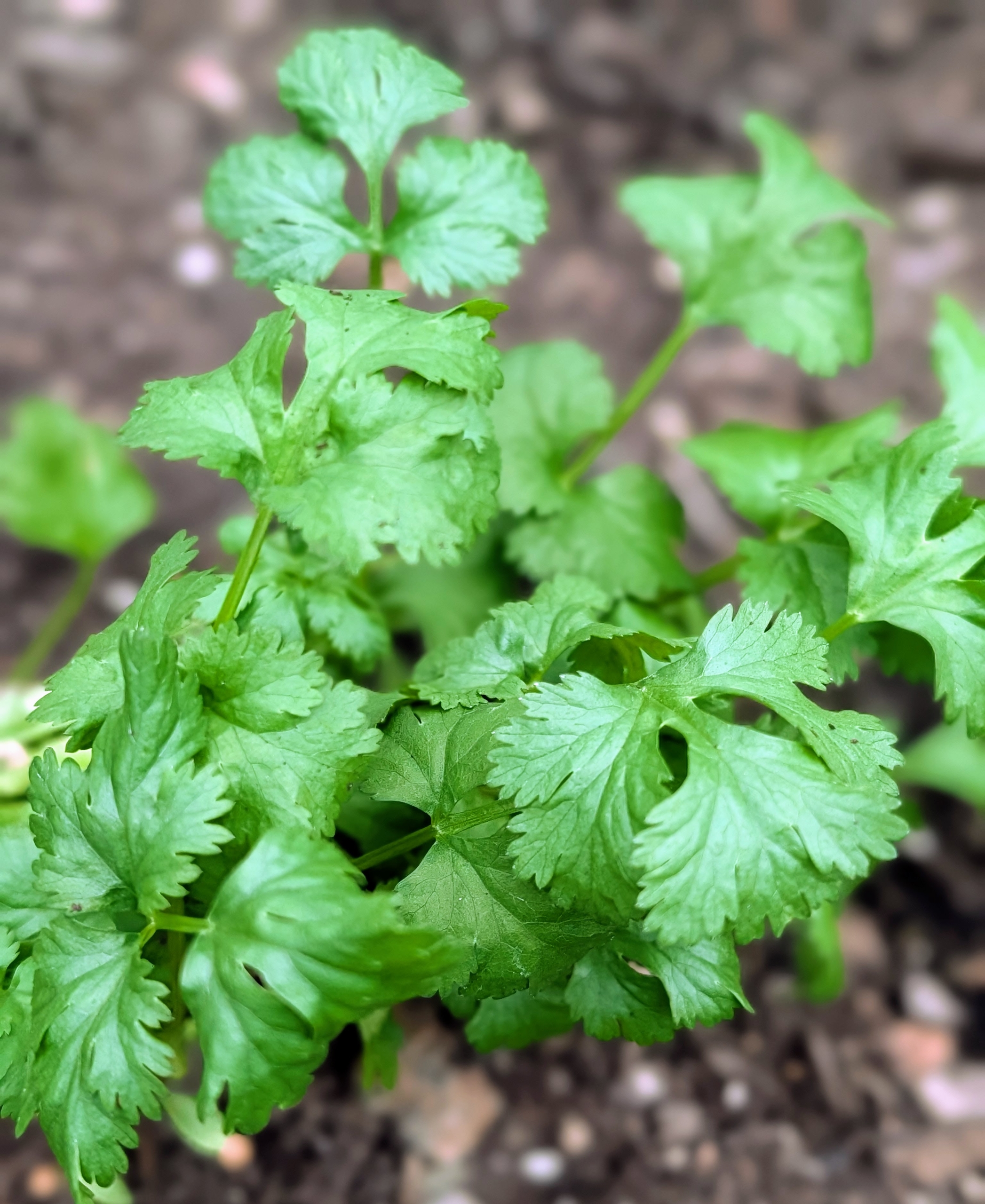
- I also have a bed of young cilantro, Coriandrum sativum, growing nicely. Cilantro is also known commonly as coriander or Chinese parsley. Coriander is actually the dried seed of cilantro. Cilantro is a popular micro-green garnish that complements meat, fish, poultry, noodle dishes, and soups. Everyone here at the farm loves the cilantro, but some don’t. Do you know… some even say it tastes like soap? For those, the issue is genetic. These people have a variation in a group of olfactory-receptor genes that allows them to strongly perceive the soapy-flavored aldehydes in cilantro leaves. Among those who strongly dislike cilantro – the late Chef Julia Child.
-
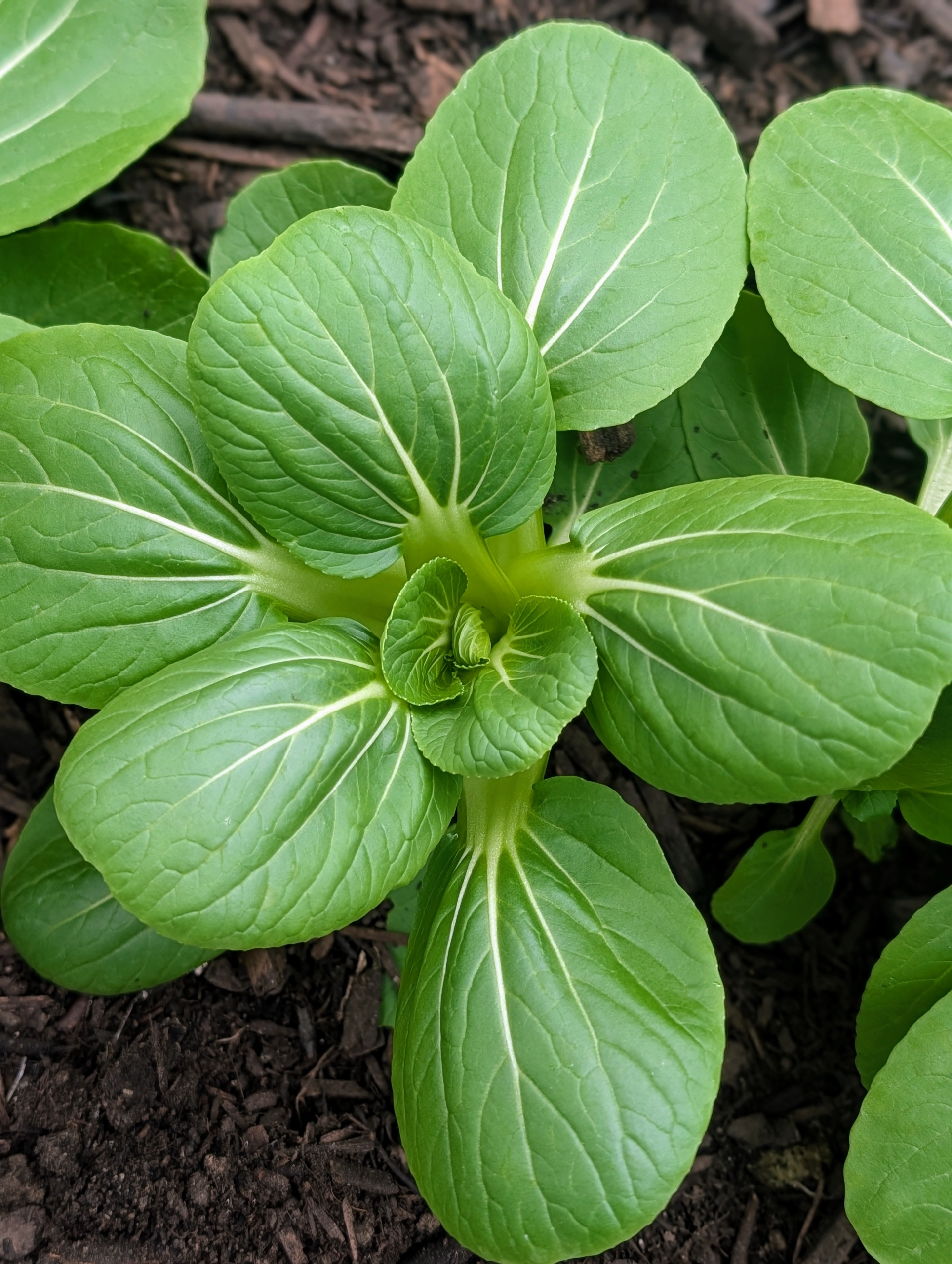
- I also grow bok choi, a type of Chinese cabbage and widely used in Asian cuisines.
-
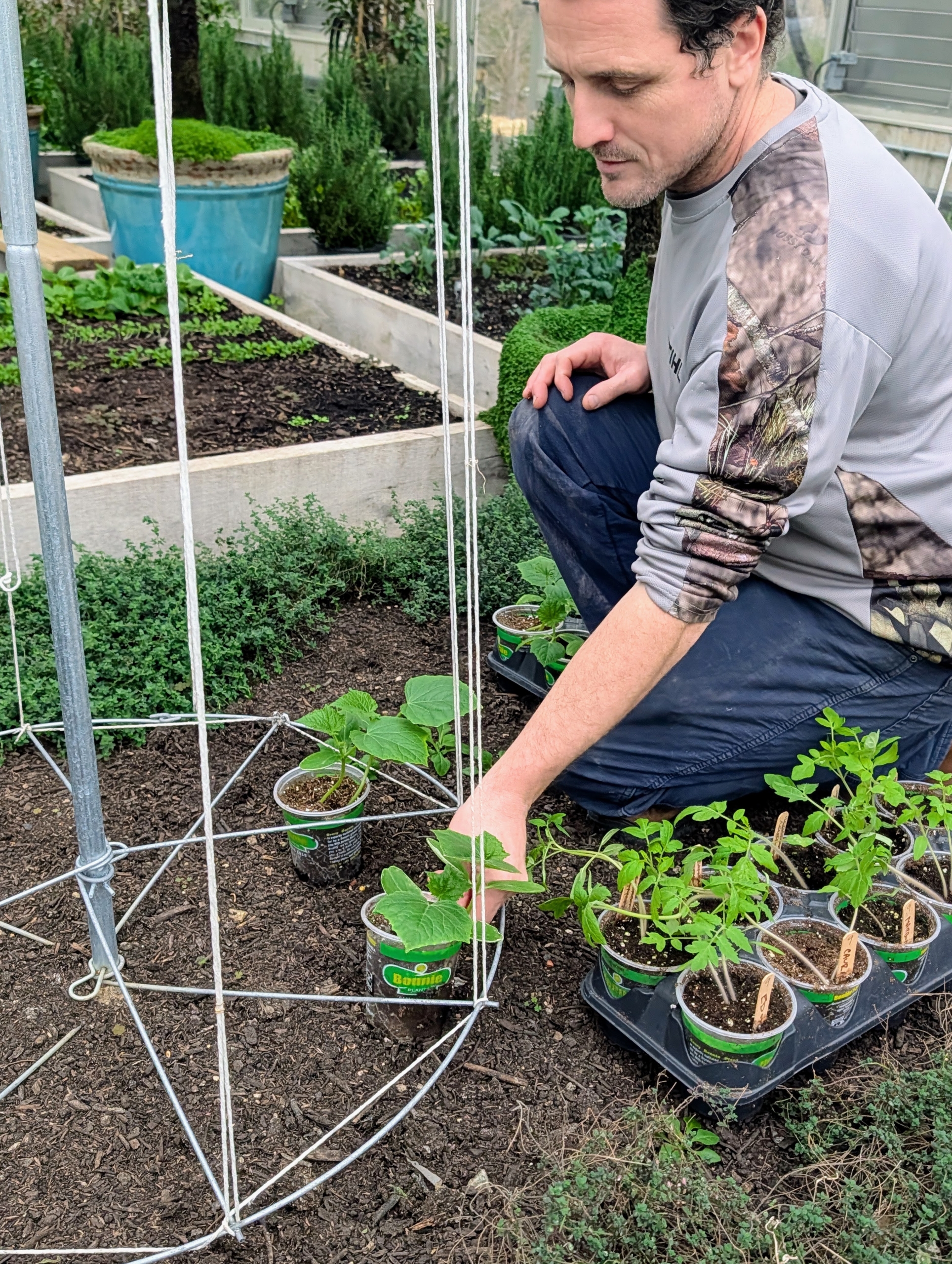
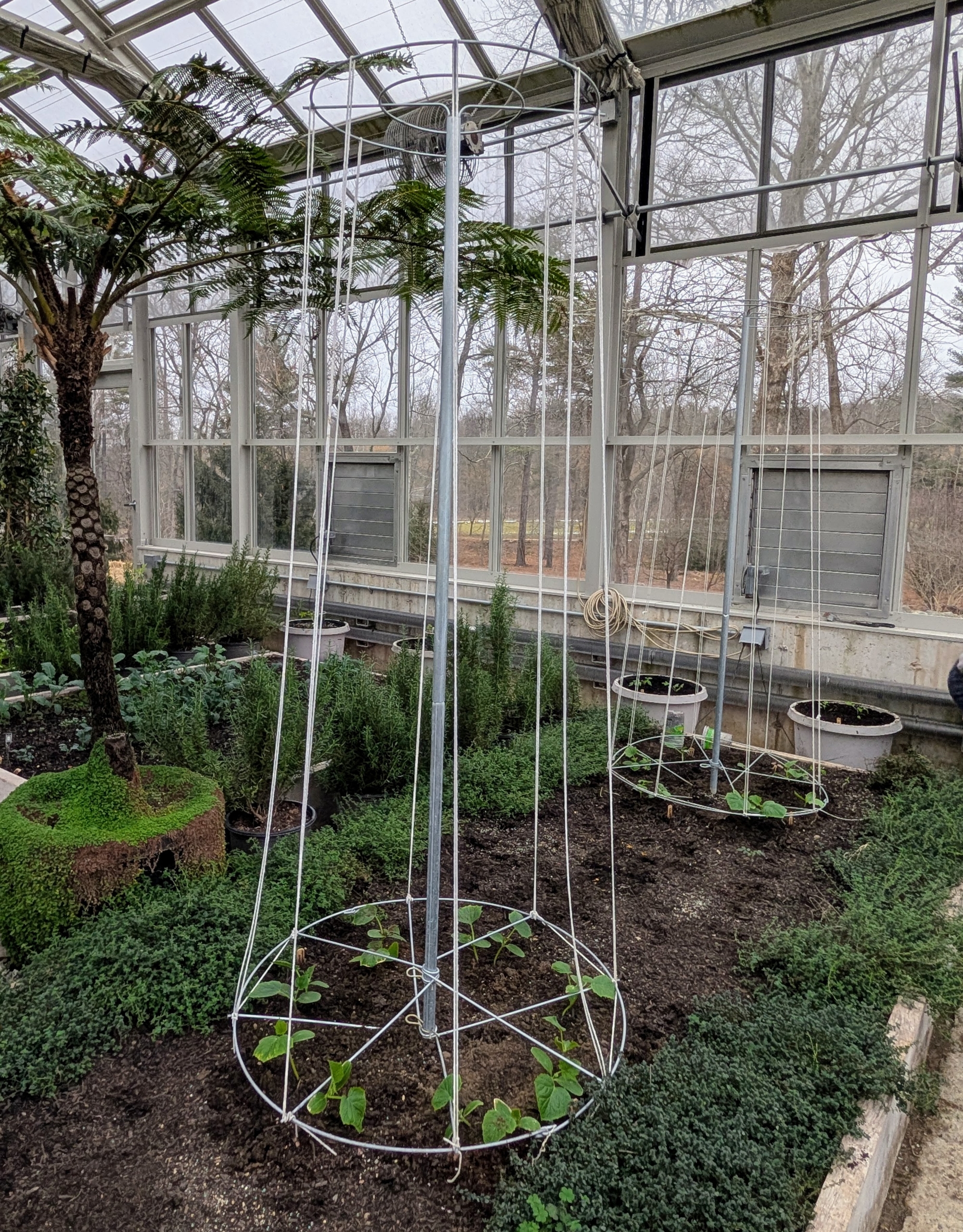
- At one end of greenhouse, I set up bean towers from Johnny’s Selected Seeds. These can also support the growing vines of cucumbers.
-
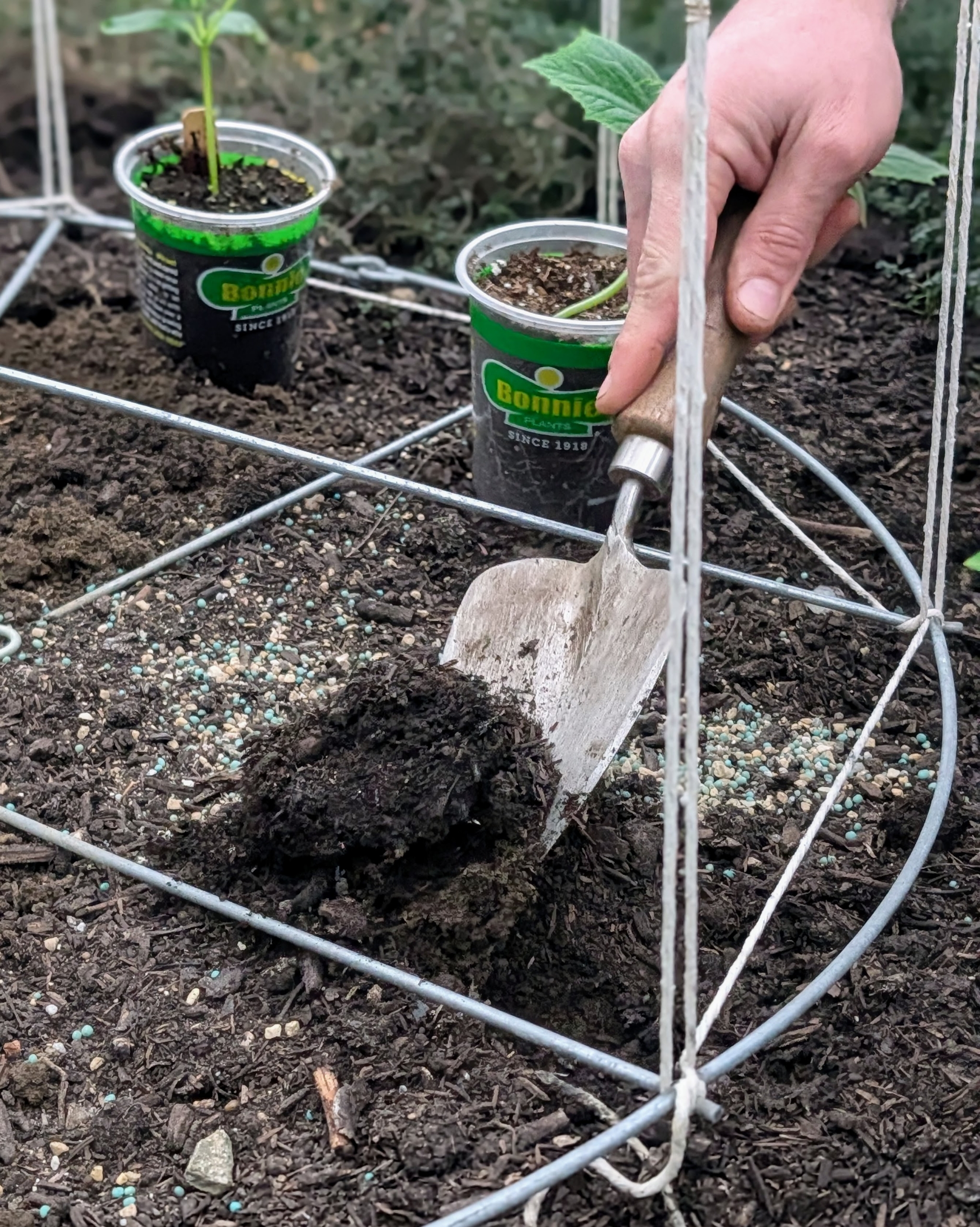
- After the soil is fertilized, Ryan digs the holes close to corners where developing vines can find the vertical strings stretched from top to bottom.
-
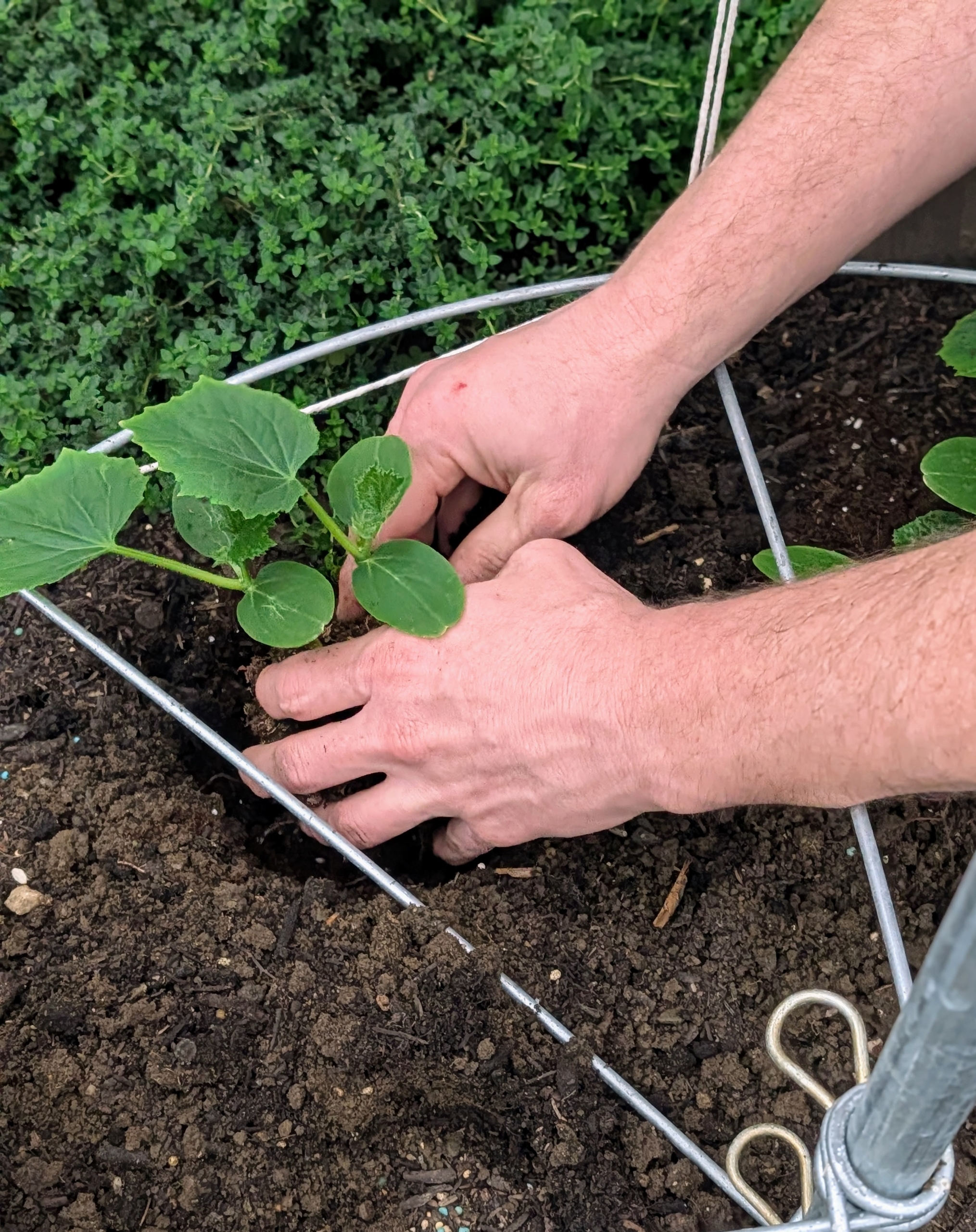
- Ryan places one plant per section.
-
- We used these 60-inch towers last year and they worked wonderfully.
-
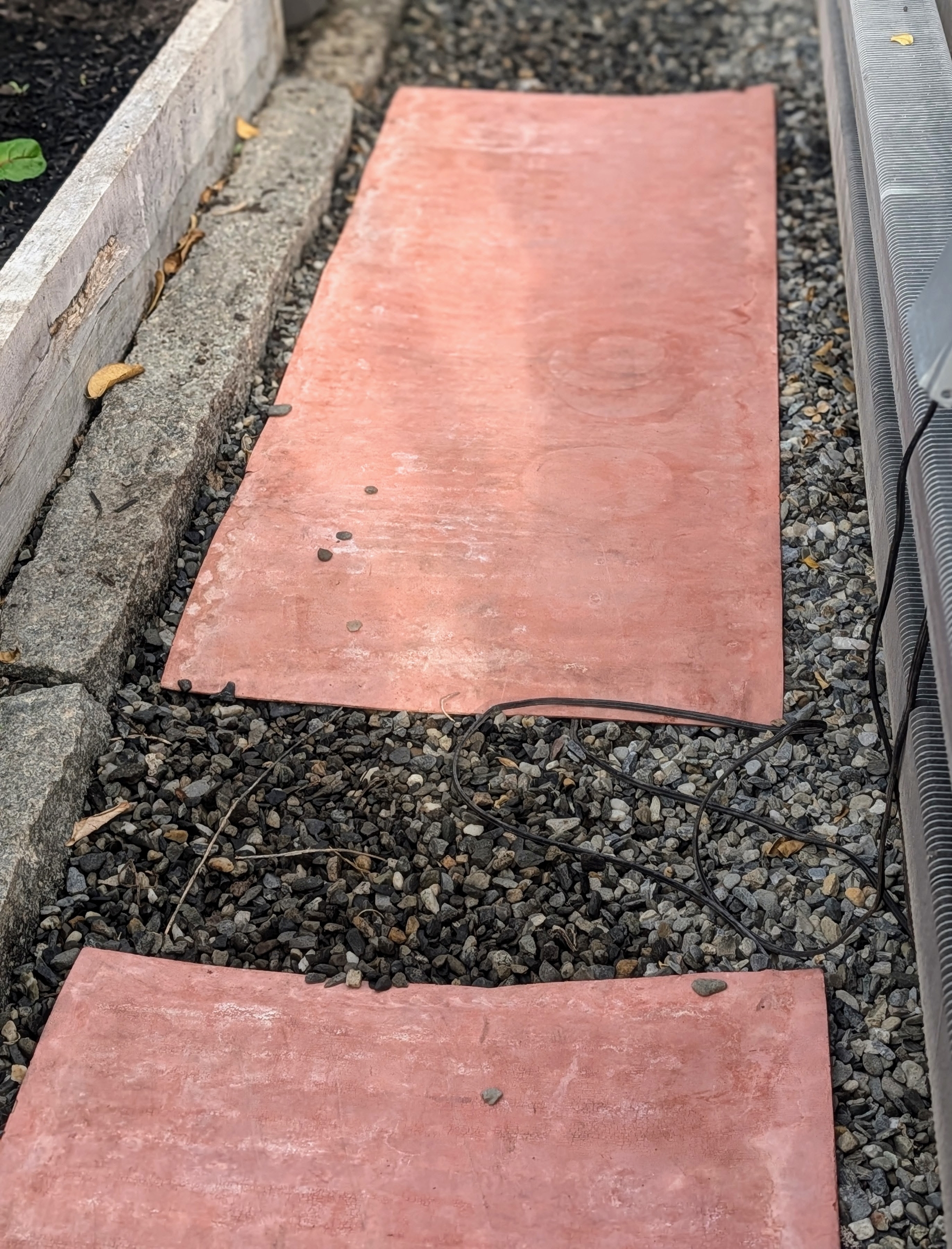
- Here, Ryan places heat mats down on the gravel floor for the tomato pots.
-
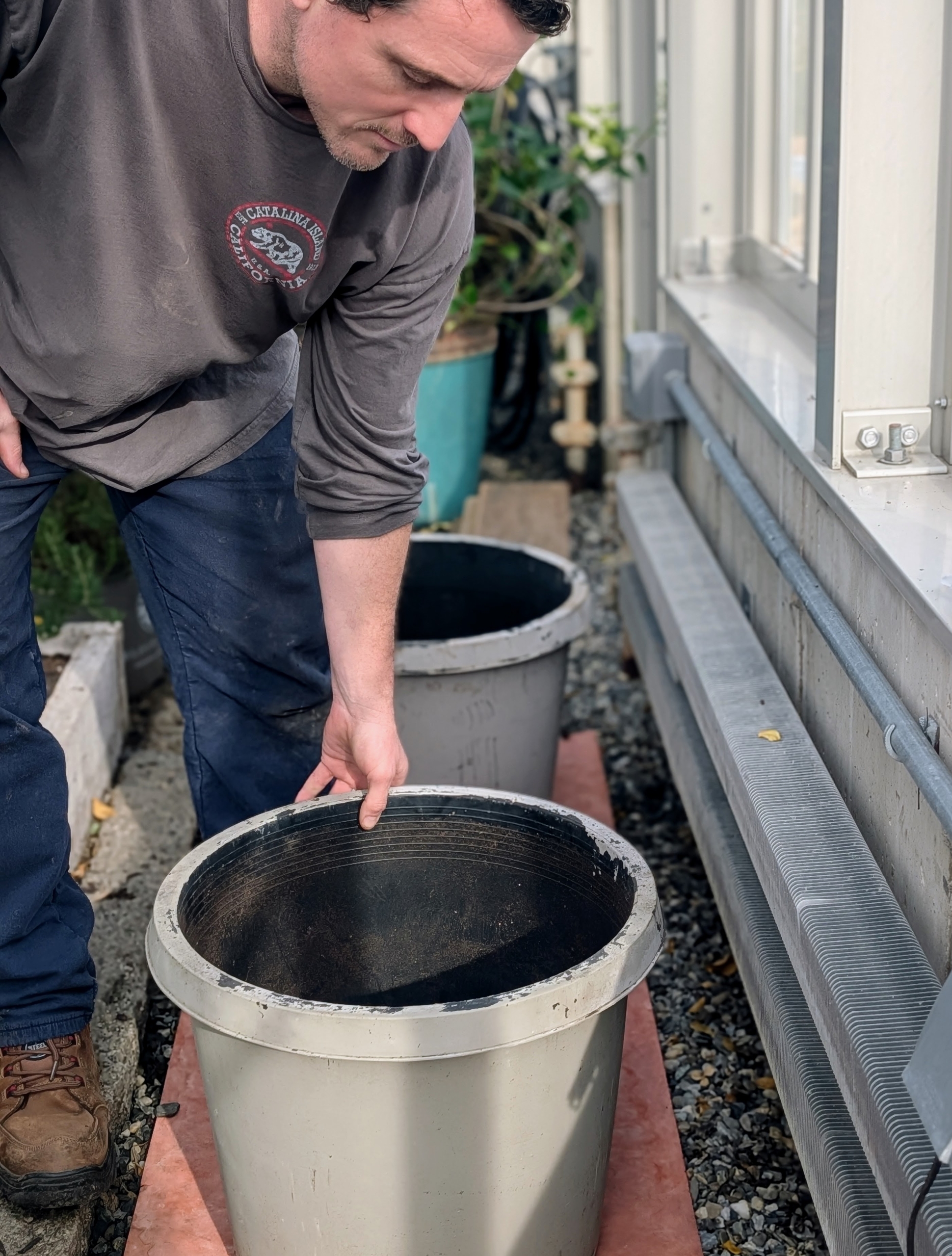
- As an experiment, Ryan will keep potted tomatoes on top of the heat mats to keep them a bit warmer through the season. Let’s see how they do.
-
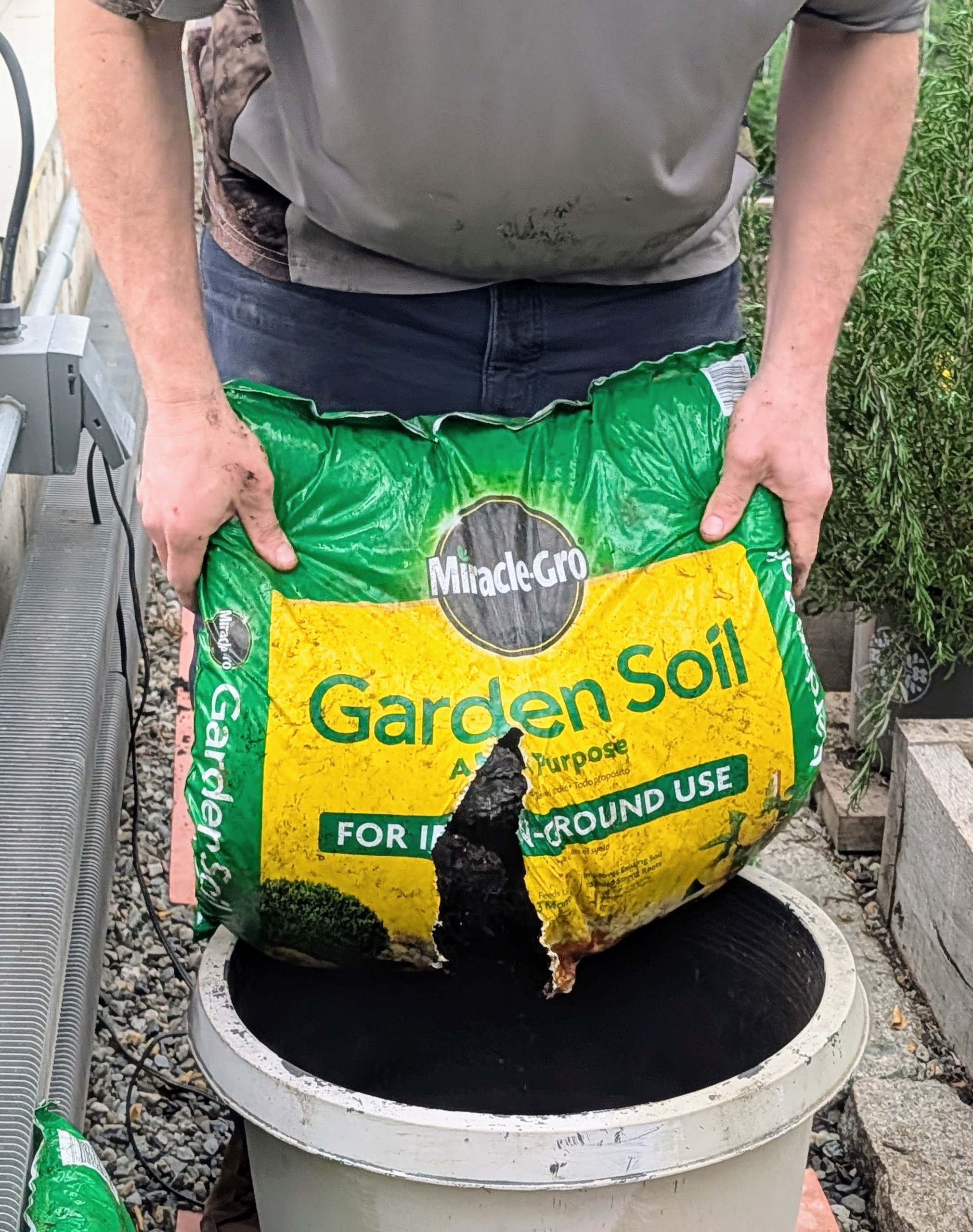
- He fills the pots with Miracle-Gro All Purpose Garden Soil.
-
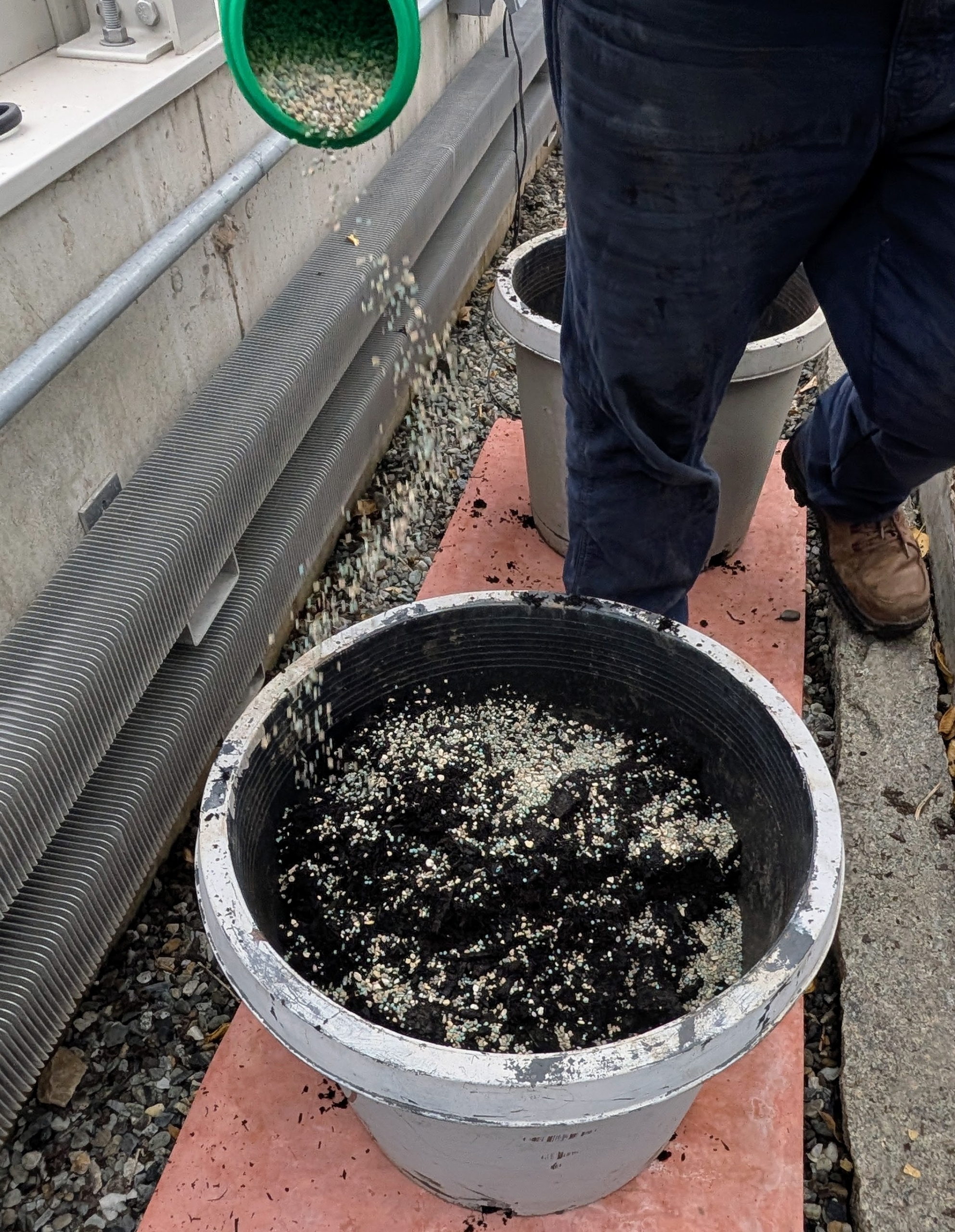
- And then tops them with Miracle-Gro Shake ‘n Feed specifically for tomatoes and other growing vegetables.
-
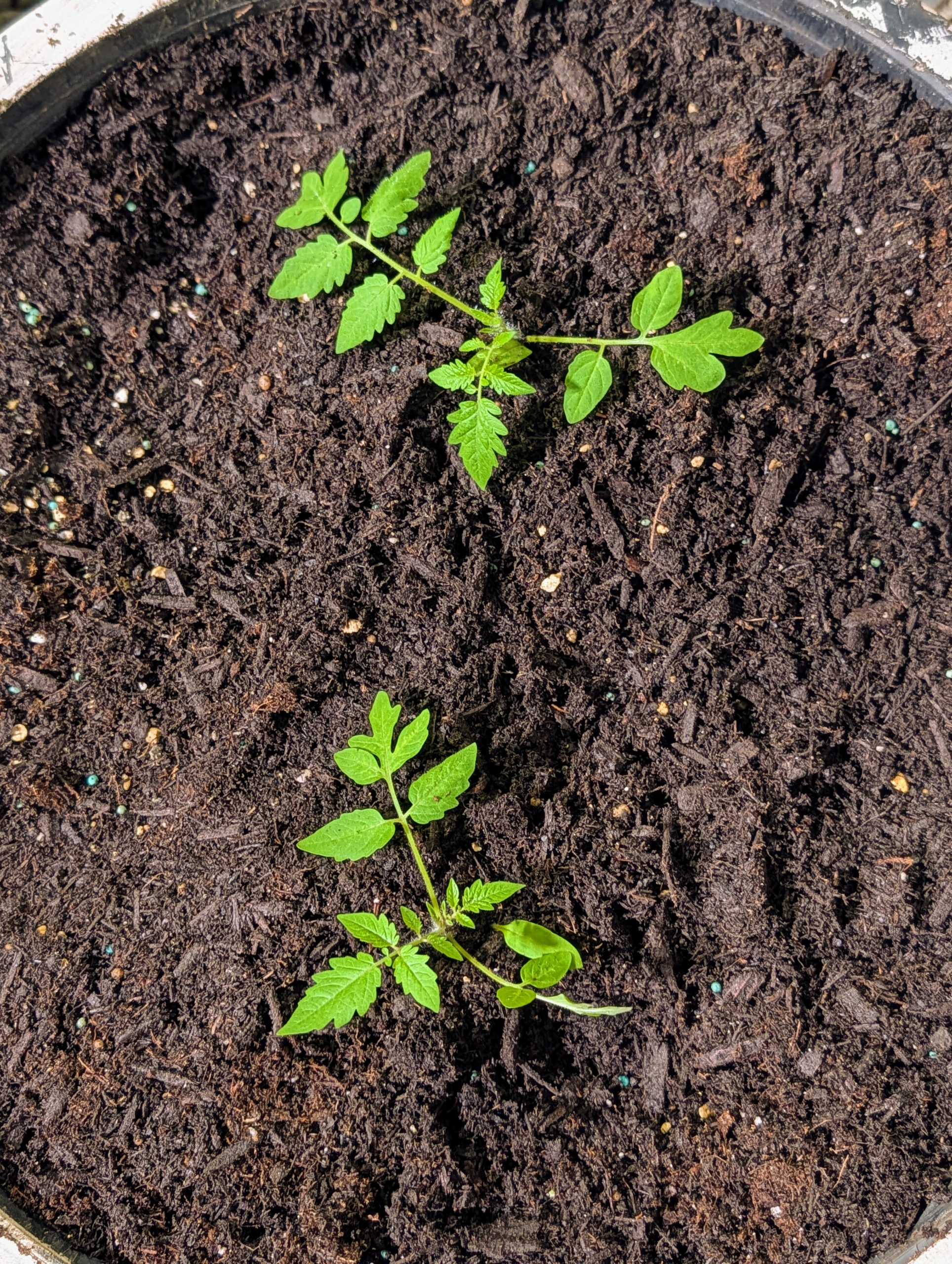
- He plants two per pot and will monitor to see which plants grow stronger. As they develop, he will remove those that seem weak and unproductive.
-
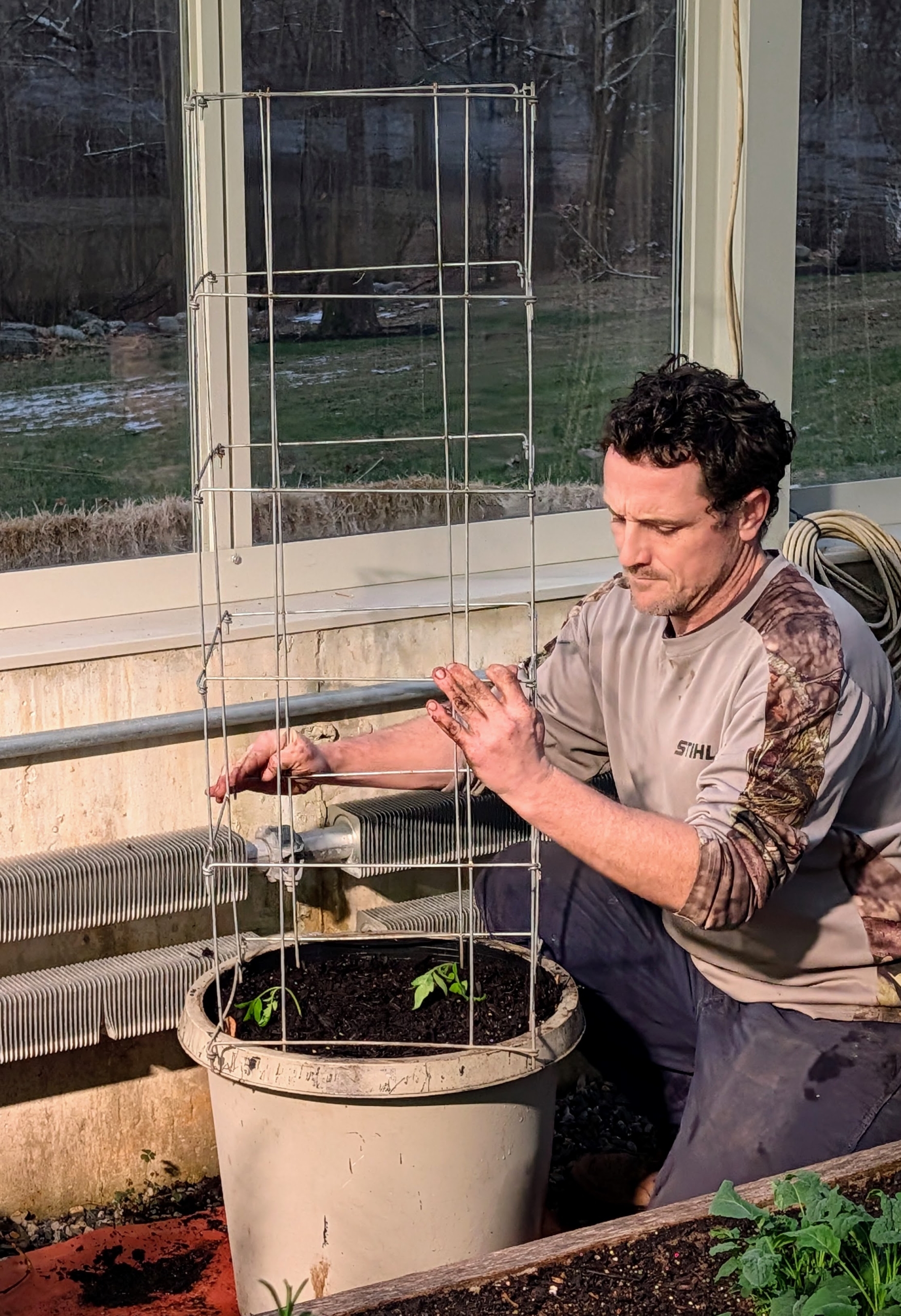
- Finally, he secures a 48-inch tomato cage, also from Johnny’s Selected Seeds, on top of each container.
-
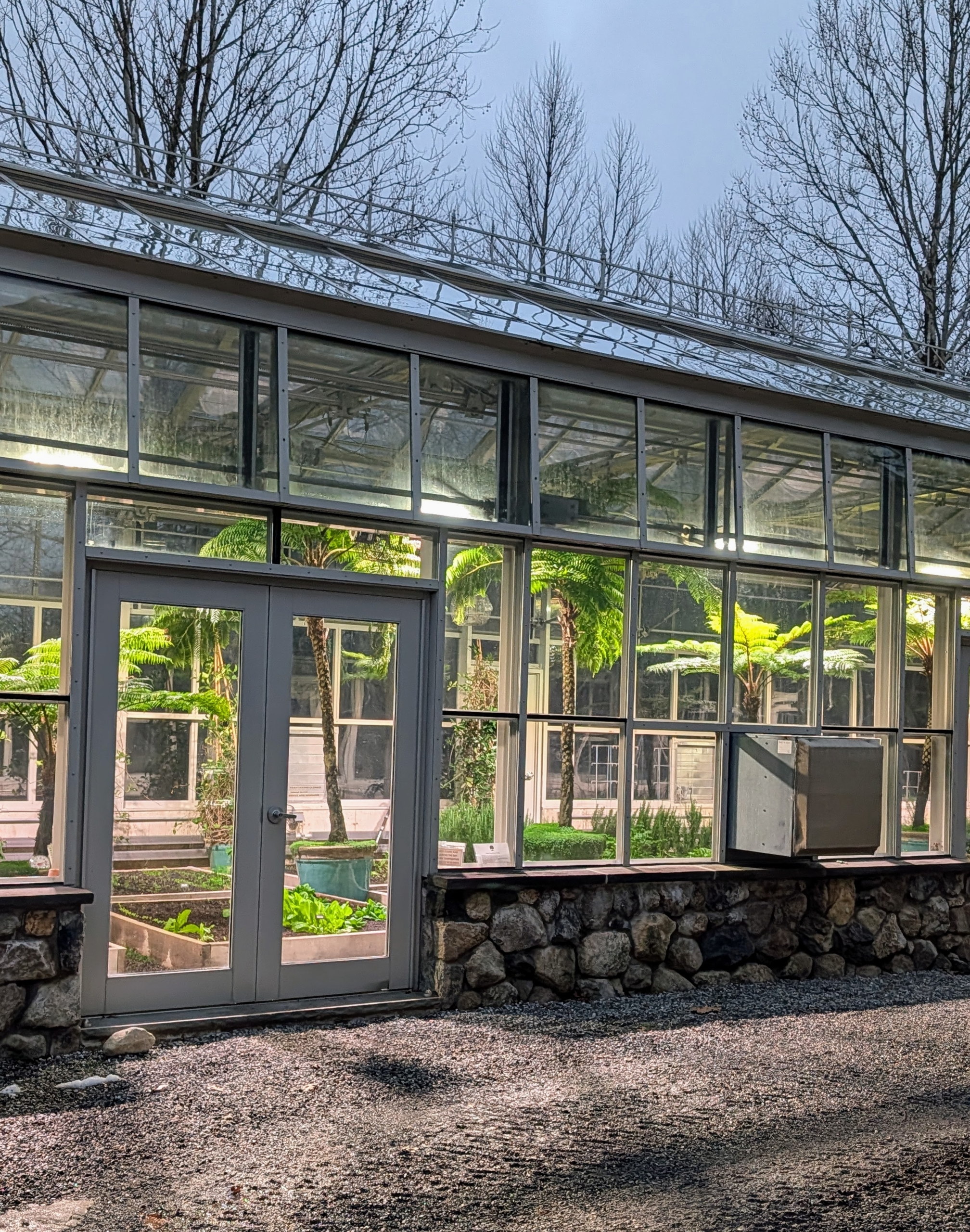
- At 4pm exactly, all the grow lights turn on as scheduled. I am so pleased with my vegetable greenhouse and how productive it is every year. I am looking forward to a season filled with bountiful harvests.
 Martha Pins


 Martha Tweets

