

Winter Fog Over My Farm
Foggy mornings are common in the fall and winter, especially here at my farm.
Fog is made up of tiny water droplets or ice crystals. When the air close to the ground is cooled to the same temperature as the dew point, the water vapor condenses into tiny droplets suspended in the atmosphere. Last week, just days before this blizzard of 2026, we had a day of fog which seemed to get heavier as the day progressed.
Here are some photos, enjoy.
-

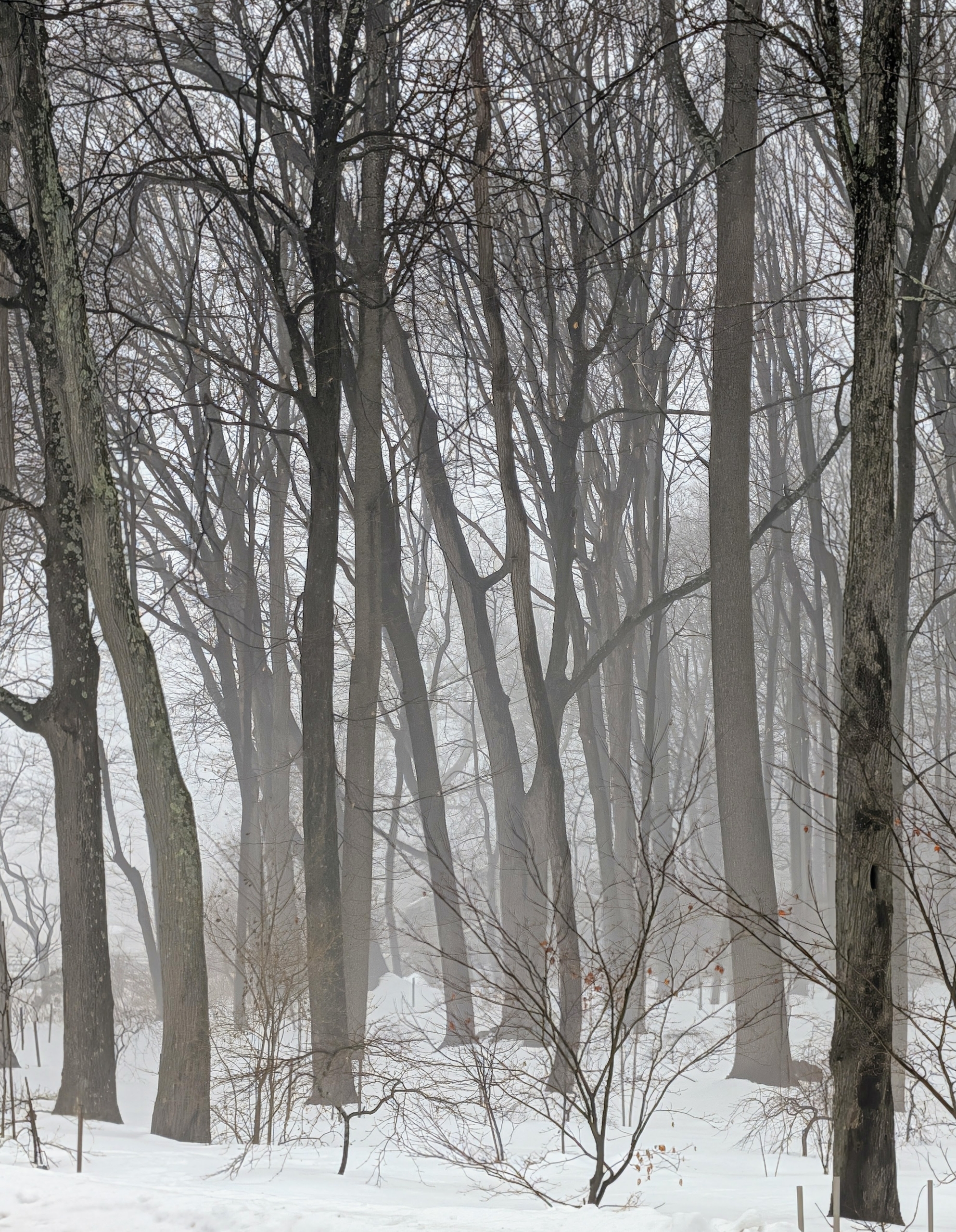
- The weather here in the Northeast has been very inconsistent. This year we’ve had bitter cold temperatures, mild, pleasant temperatures, rain, snow, sleet – all leaving a lot of vapor and moisture in the air. By the end of last week, the vapor condensed into water droplets and formed fog covering the farm.
-
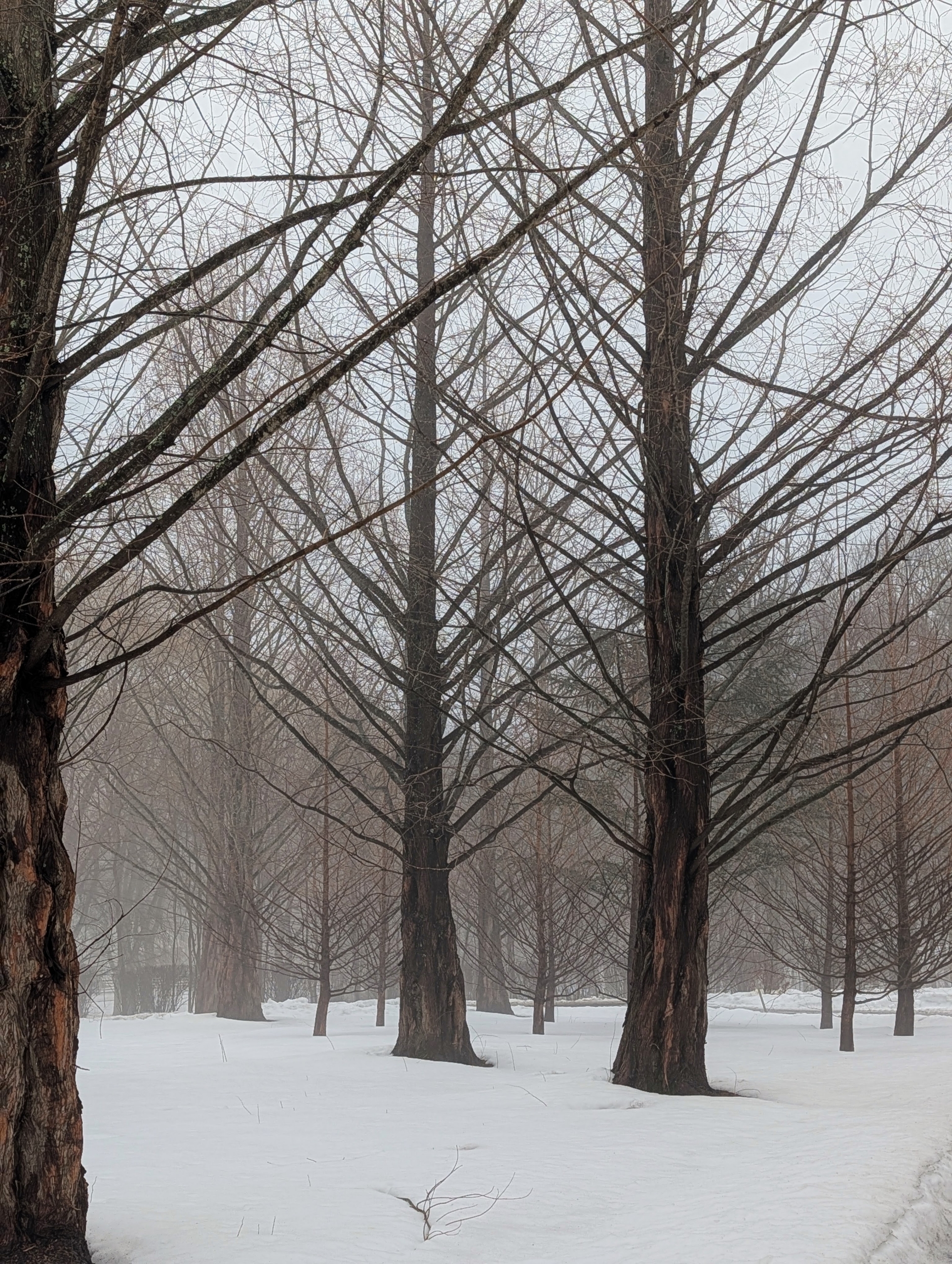
- Fog can form in two ways: either by cooling the air to its dew point or by evaporation and mixing. This happens often when the earth radiates heat at night or in the early morning.
-
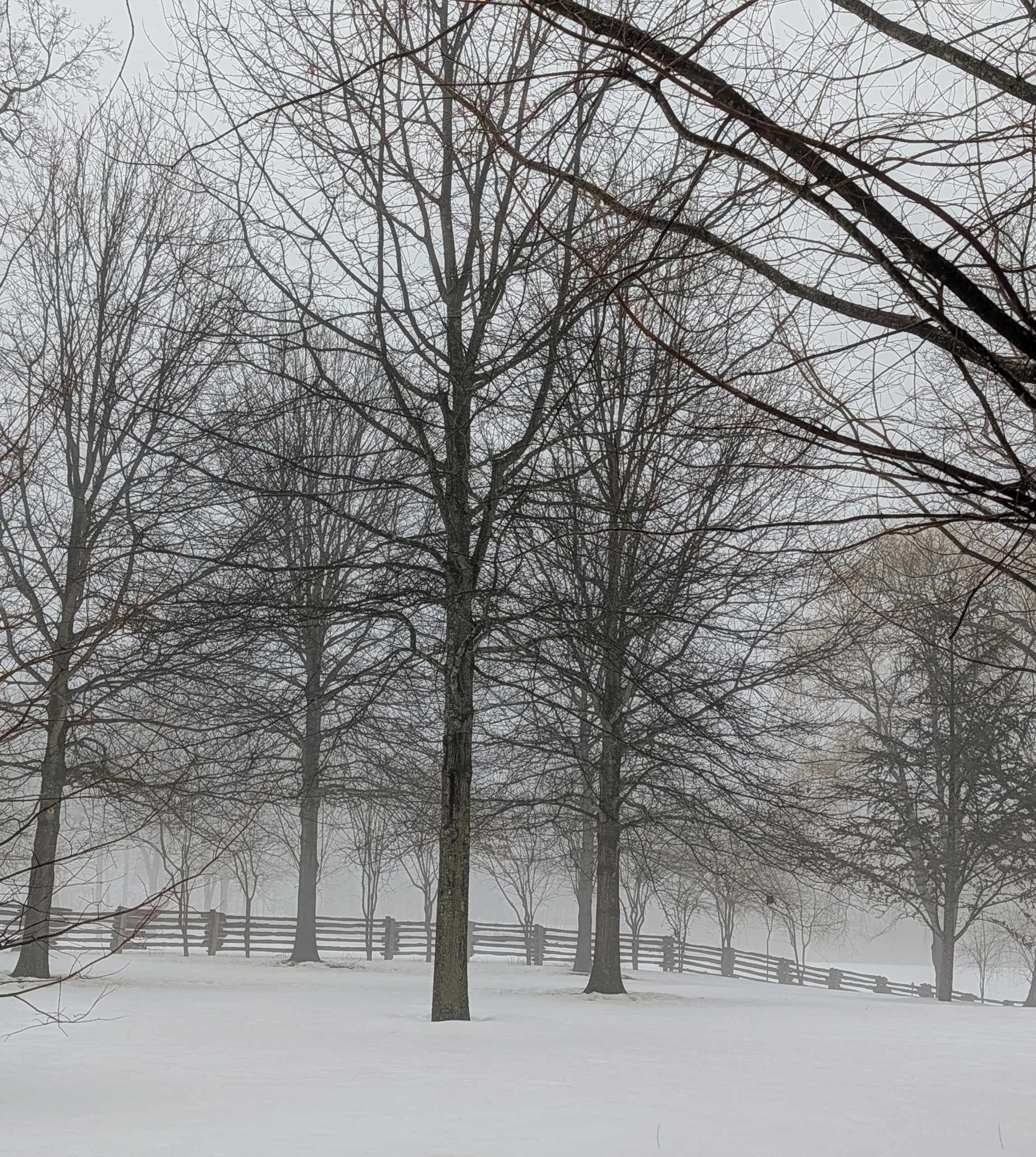
- This view is just outside my large “run-in” pasture. Beyond the fence is a giant open field where all my horses can be turned out – hard to see through the fog.
-
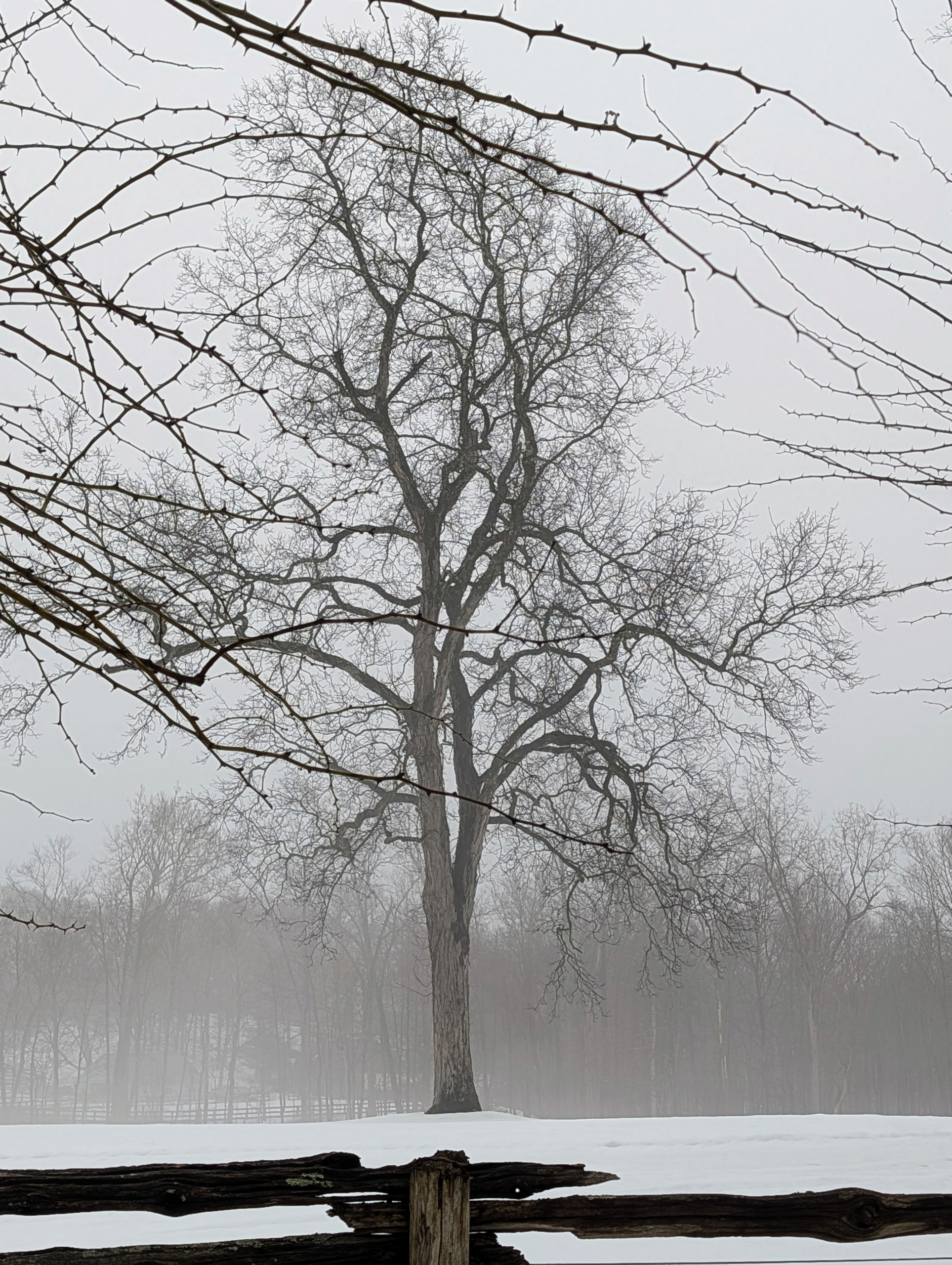
- This day was also very cloudy – one can see the outline of this tree, completely bare of leaves. This tree is in the same pasture, Clouds and fog form in similar ways, but clouds can form at many different altitudes while fog only forms near the ground.
-
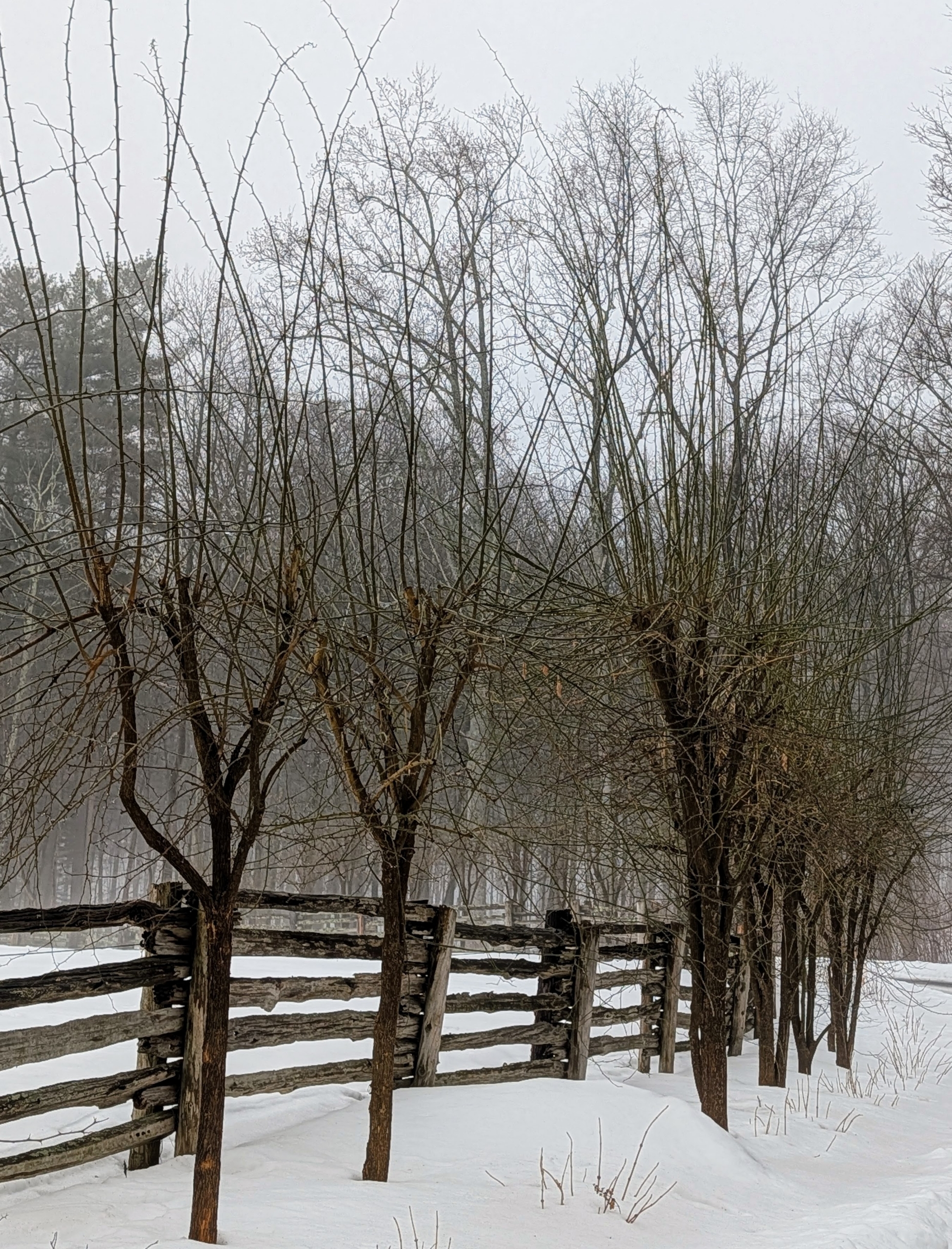
- These trees are Osage orange trees, Maclura pomifera. They have very sharp, straight spines along the branches. Before the invention of barbed wire in the 1800s, thousands of miles of hedge were constructed by planting young Osage Orange trees closely together. The goal was to grow them “horse high, bull strong and hog tight.” Farmers wanted them to be tall enough that a horse would not jump it, stout enough that a bull would not push it, and woven so tightly that a hog could not find its way through.
-
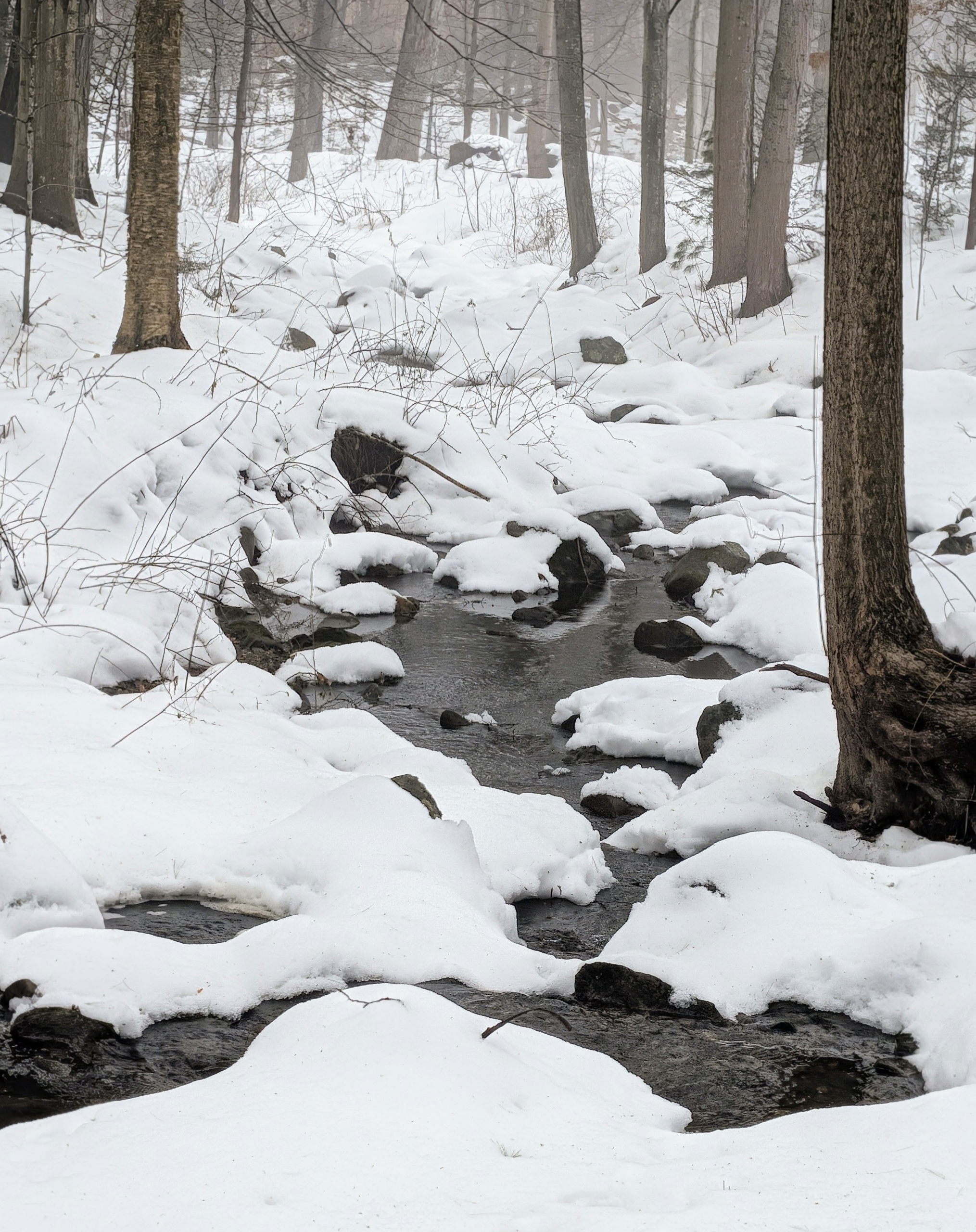
- The brooks and streams are full. They appear black against the white snow from the last big storm.
-
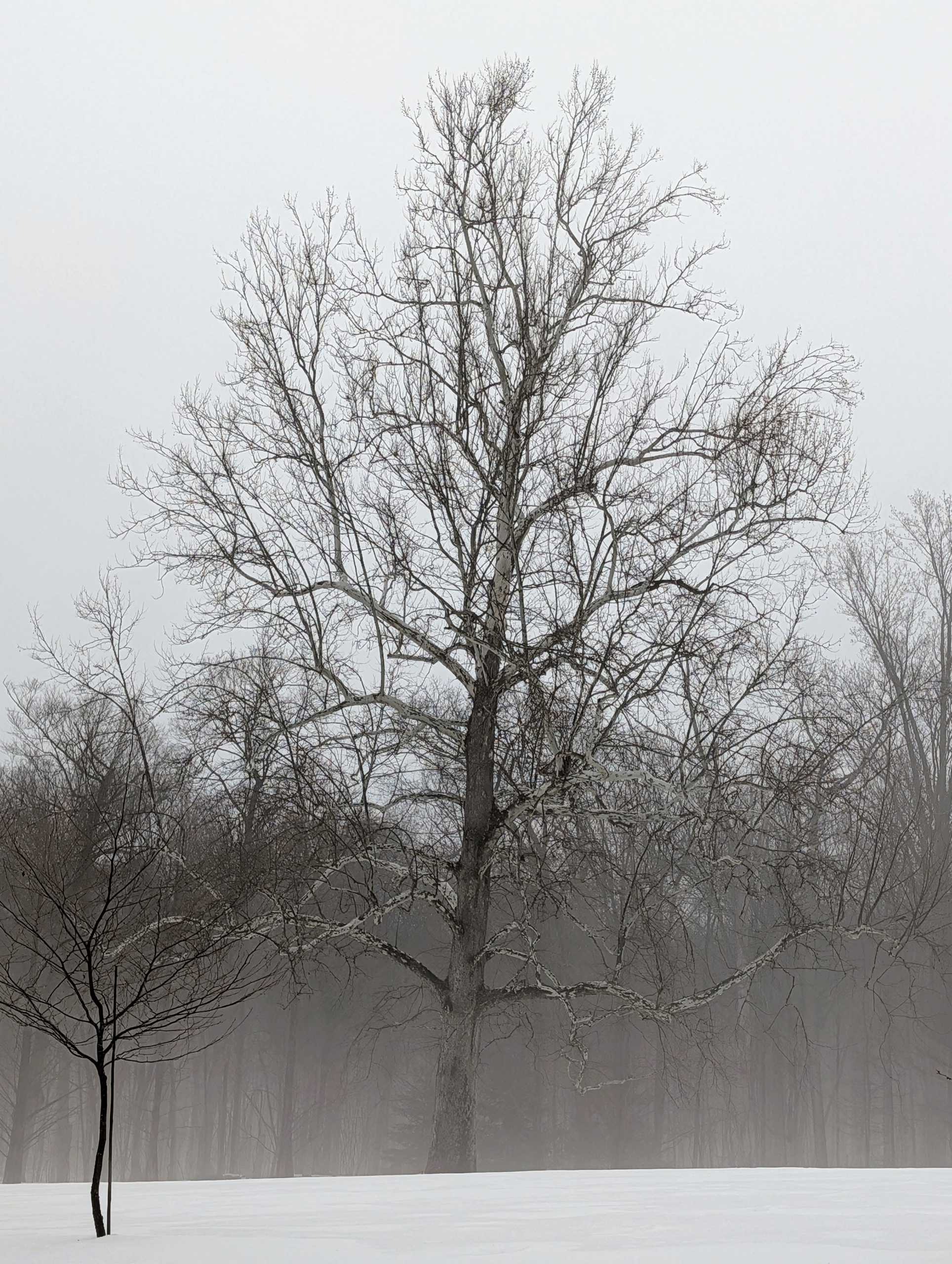
- Do you know this tree? It is the giant sycamore located in my back hay field. It is the symbol of my farm.
-
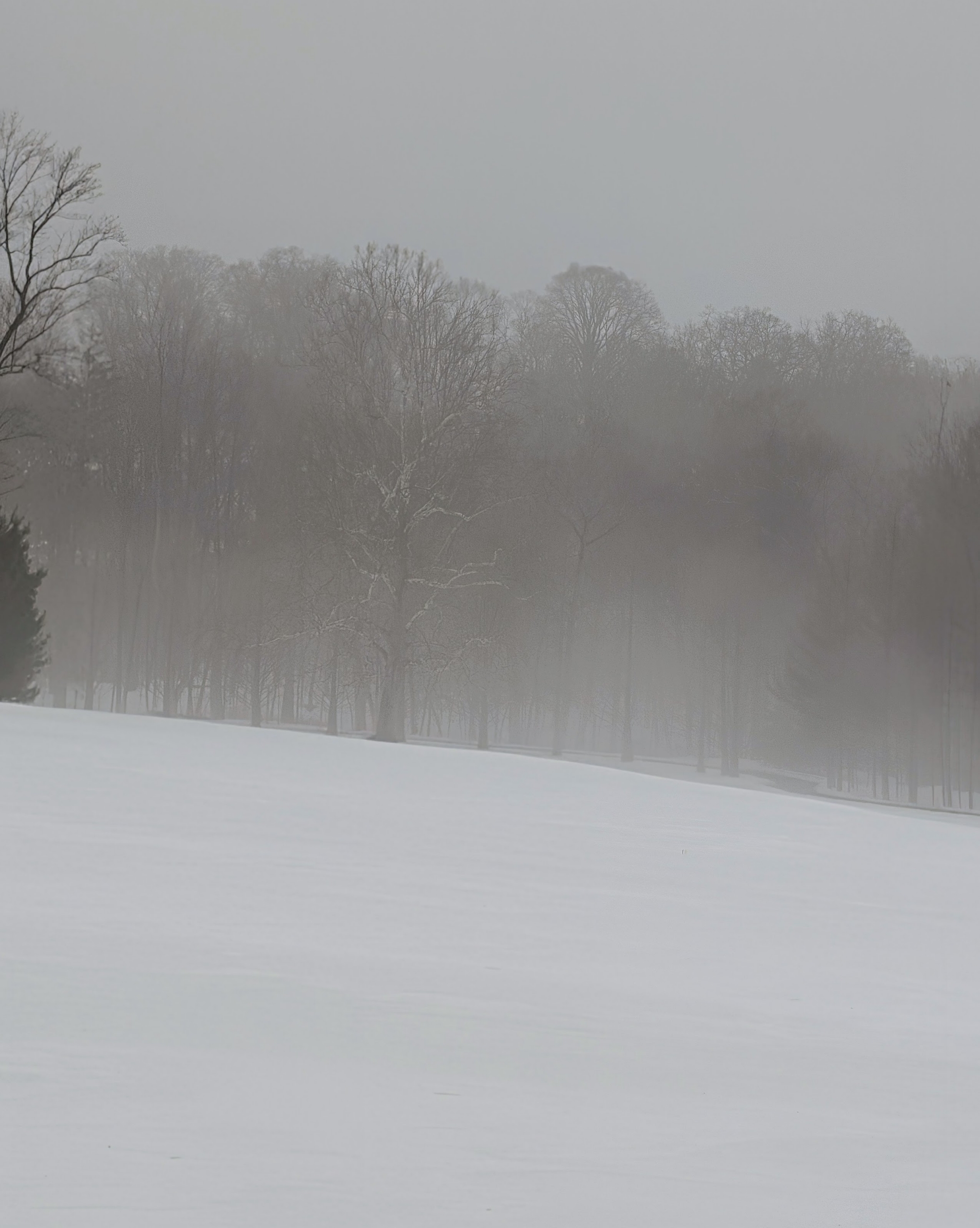
- The same sycamore is also in this photo – can you see it in the distance? Don’t confuse fog and mist. Fog is denser than mist. This means fog contains more water molecules in the same amount of space. Fog cuts visibility down to six-tenths of a mile while mist can reduce visibility to about one to 1.2 miles.
-
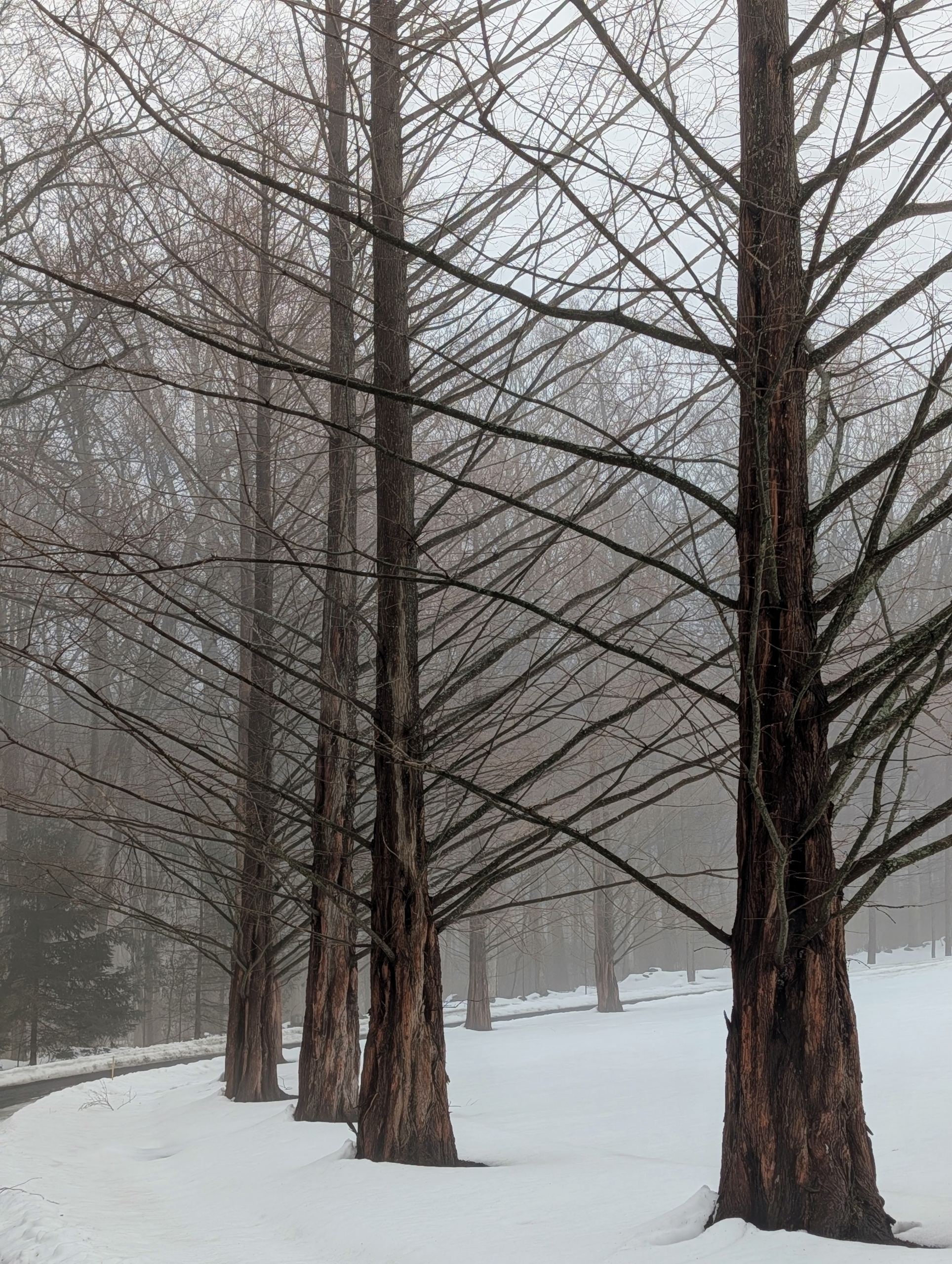
- Along the carriage road at the back of my upper hayfield, I planted a grove of dawn redwoods, Metasequoia. They look quite mysterious surrounded by fog.
-
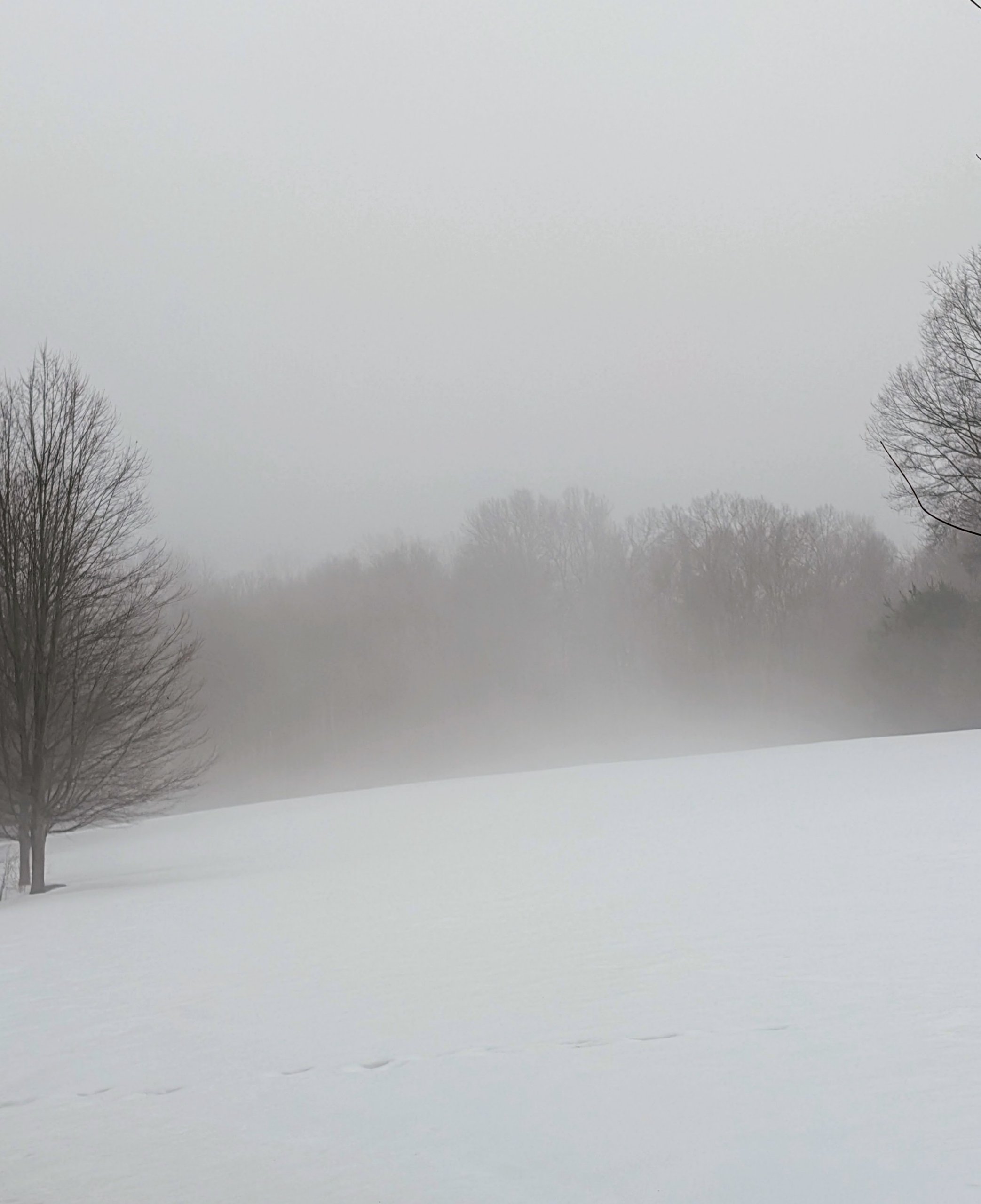
- This hayfield is one of three I use for making hay. It’s completely covered in snow now, but in summer, it is filled with beautiful, nutritious hay for my horses.
-
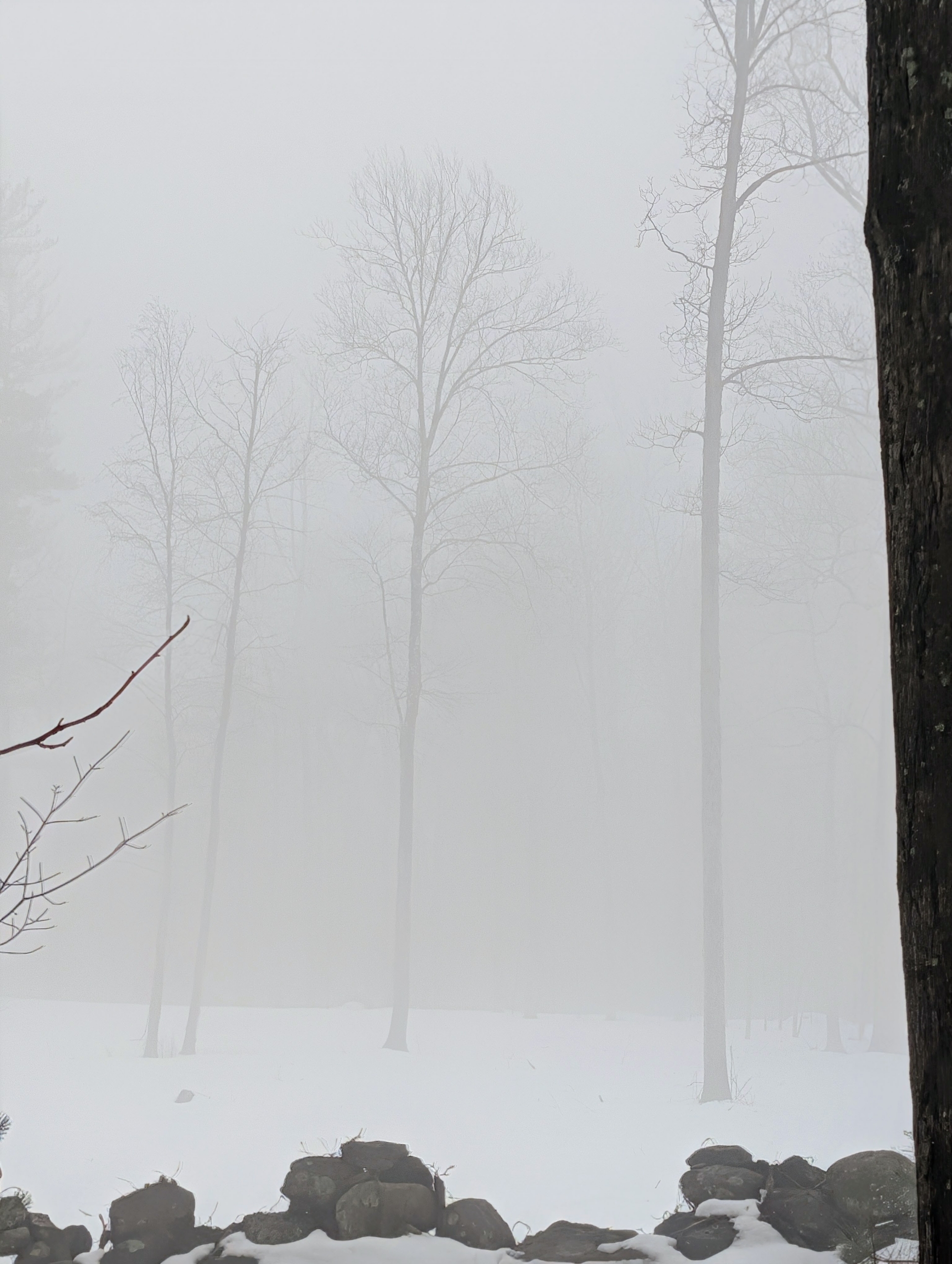
- This photo shows the thick fog through another part of the woodland. Do you know the foggiest place in the world? It is Grand Banks, off the island of Newfoundland, Canada. The cold Labrador current from the north and the warm Gulf Stream current from the east create just the right conditions for thick fog to form almost every day of the year.
-
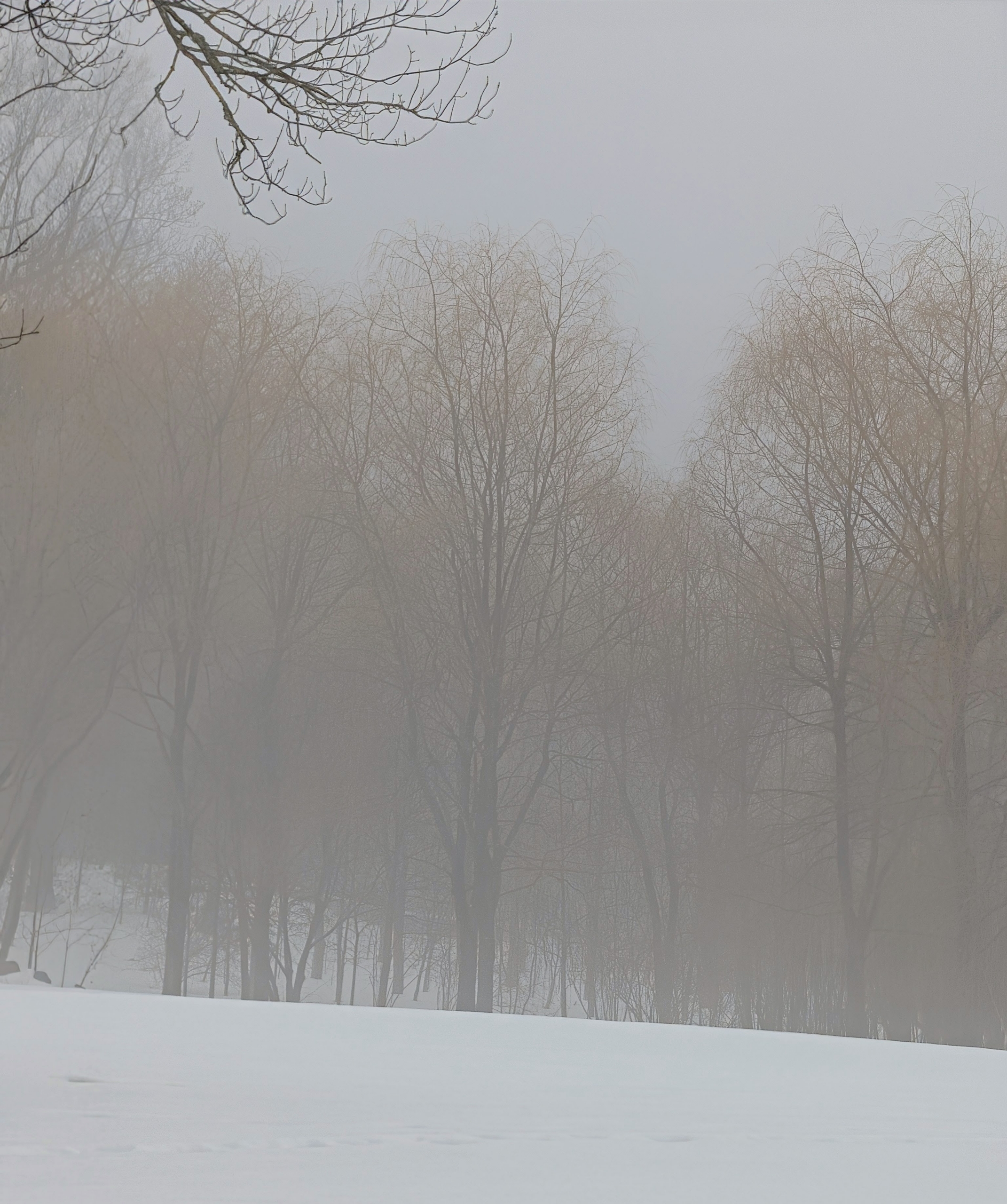
- The thicker the fog, the longer it takes to dissipate. This fog lasted several hours along with rain showers. This view shows my golden weeping willows.
-
- And this is a look into another horse paddock with an allée of lindens across the way.
-
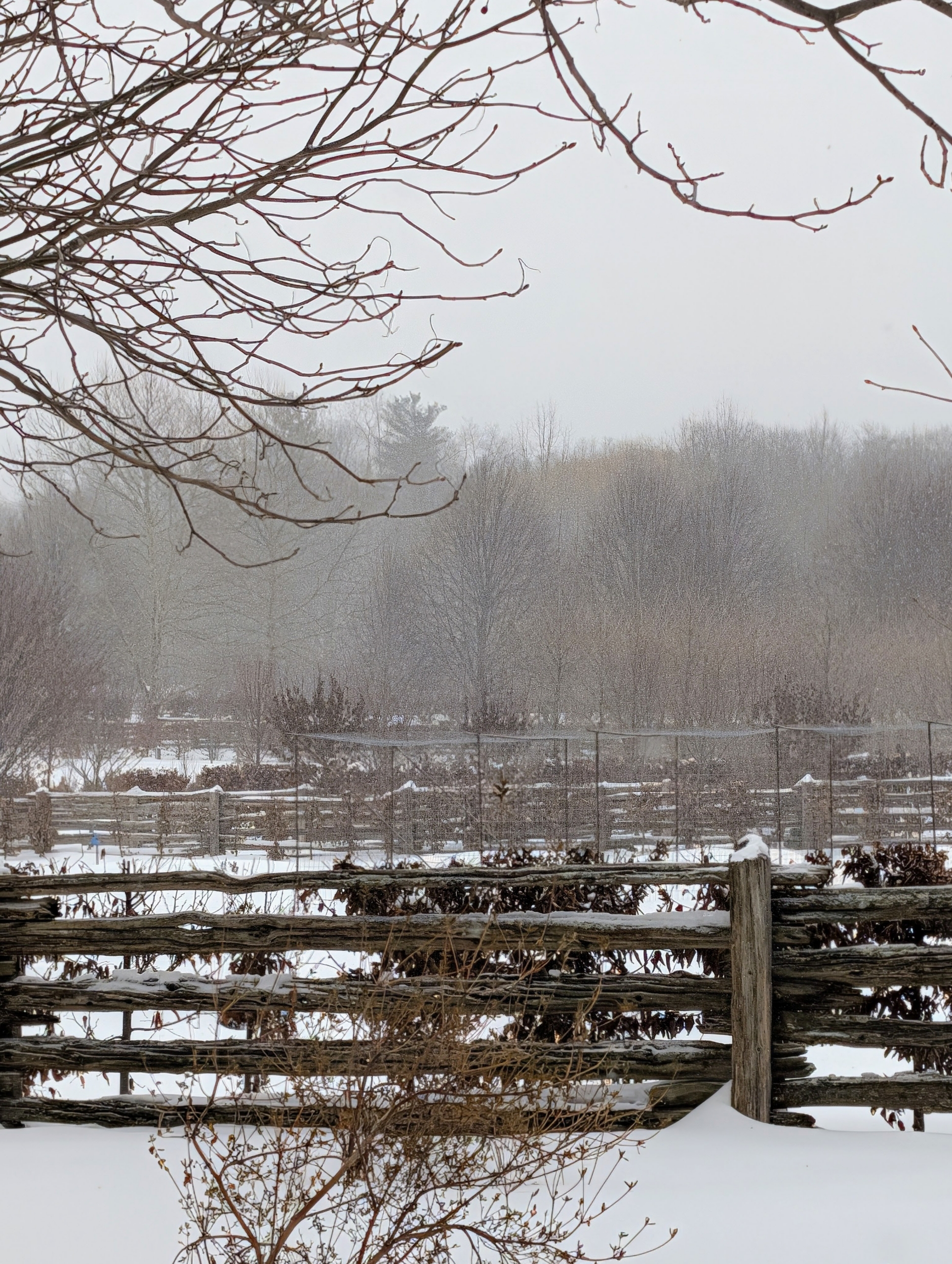
- This is the fog over the trees in my middle field. Another interesting story involving fog includes President George Washington. During the Battle of Long Island on August 27, 1776, George Washington and his troops were fighting a losing battle against the British. When a thick fog descended on the area, Washington took the opportunity to withdraw thousands of his troops into Manhattan. After the fog lifted, the British descended on the American positions, only to find they had left. The Americans’ miraculous retreat saved their lives.
-
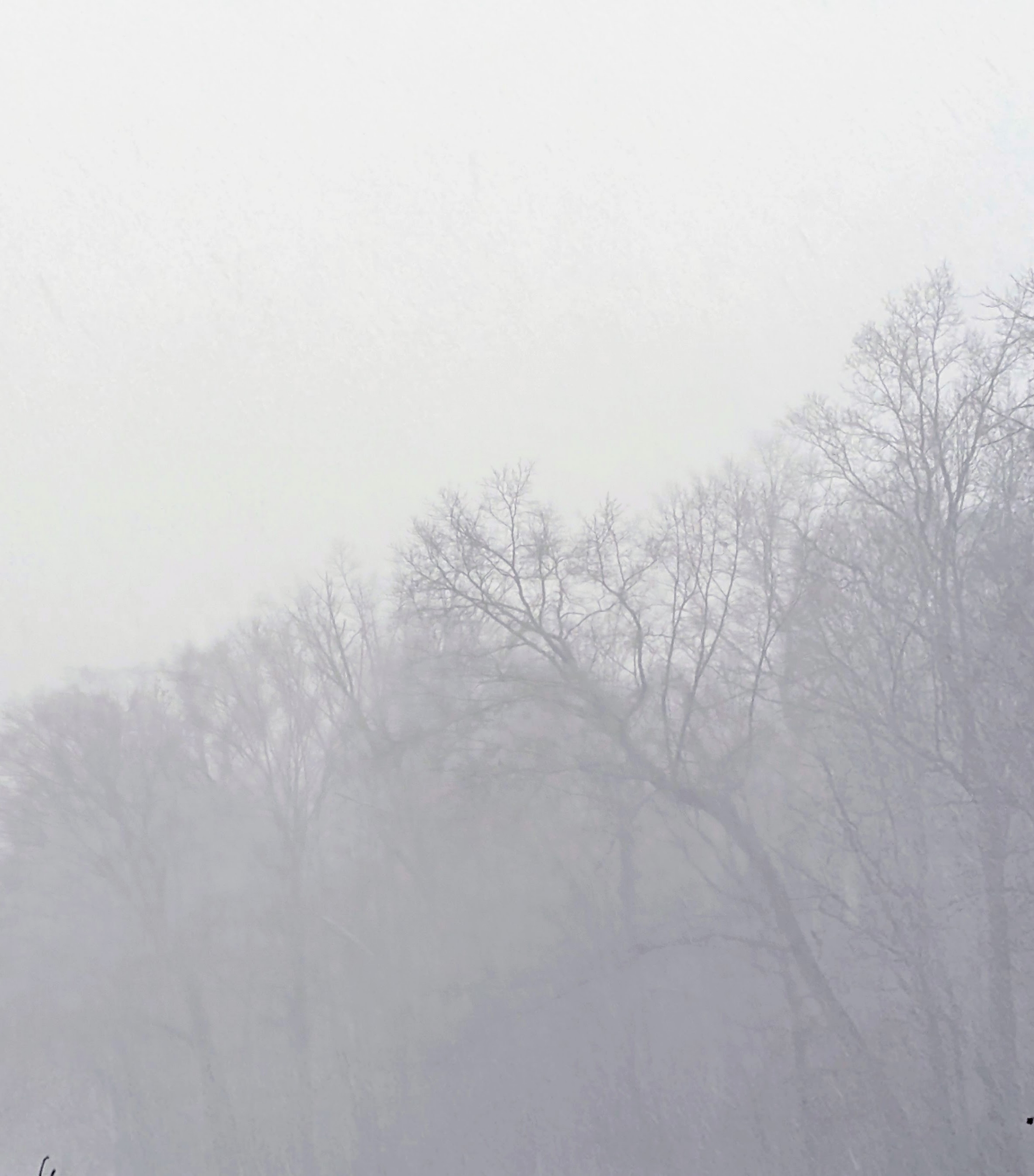
- On these foggy, winter days, everything seems to take on various gray tones.
-
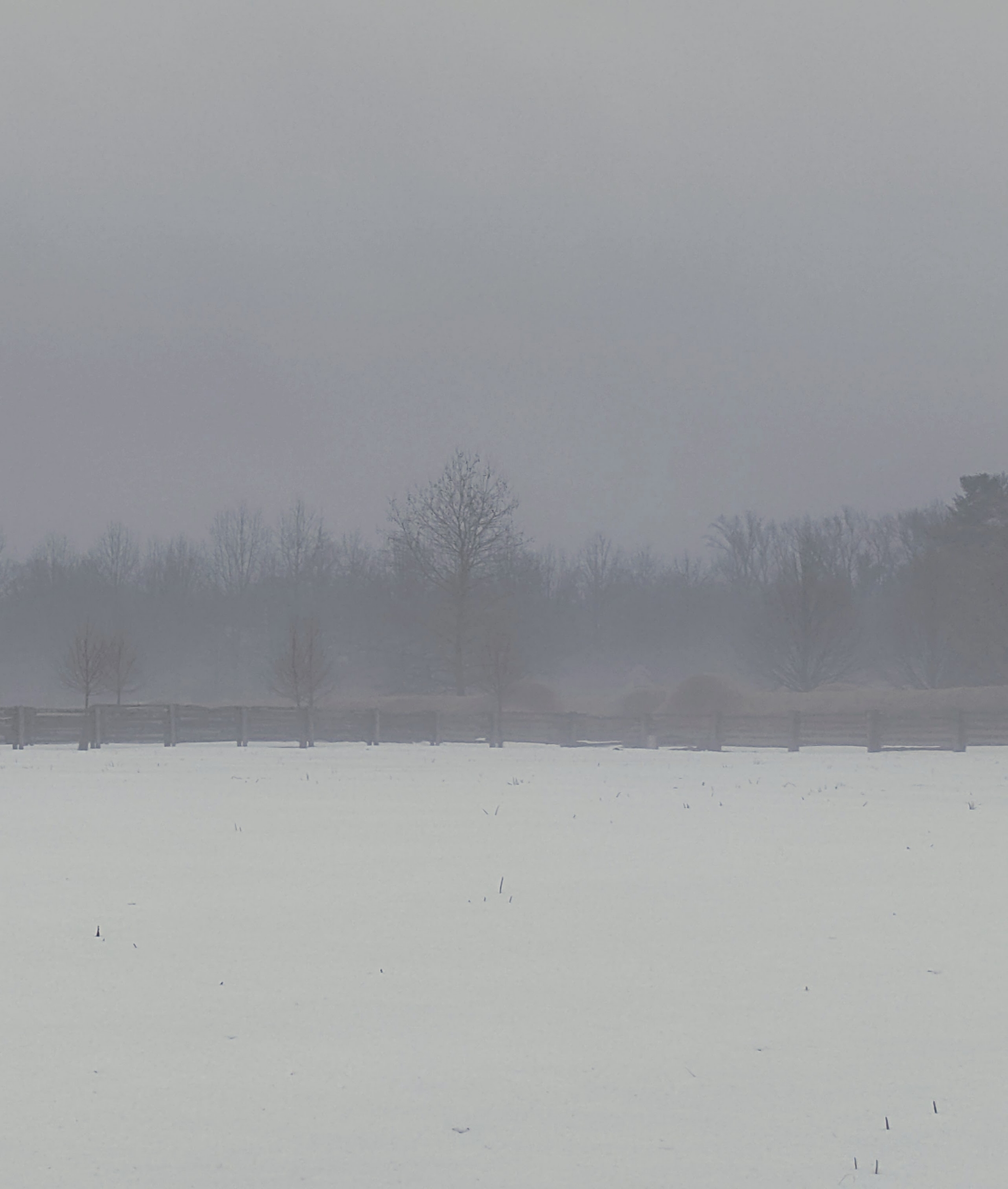
- Looking down between the paddocks are the tall, majestic eastern white pines on the right.
-
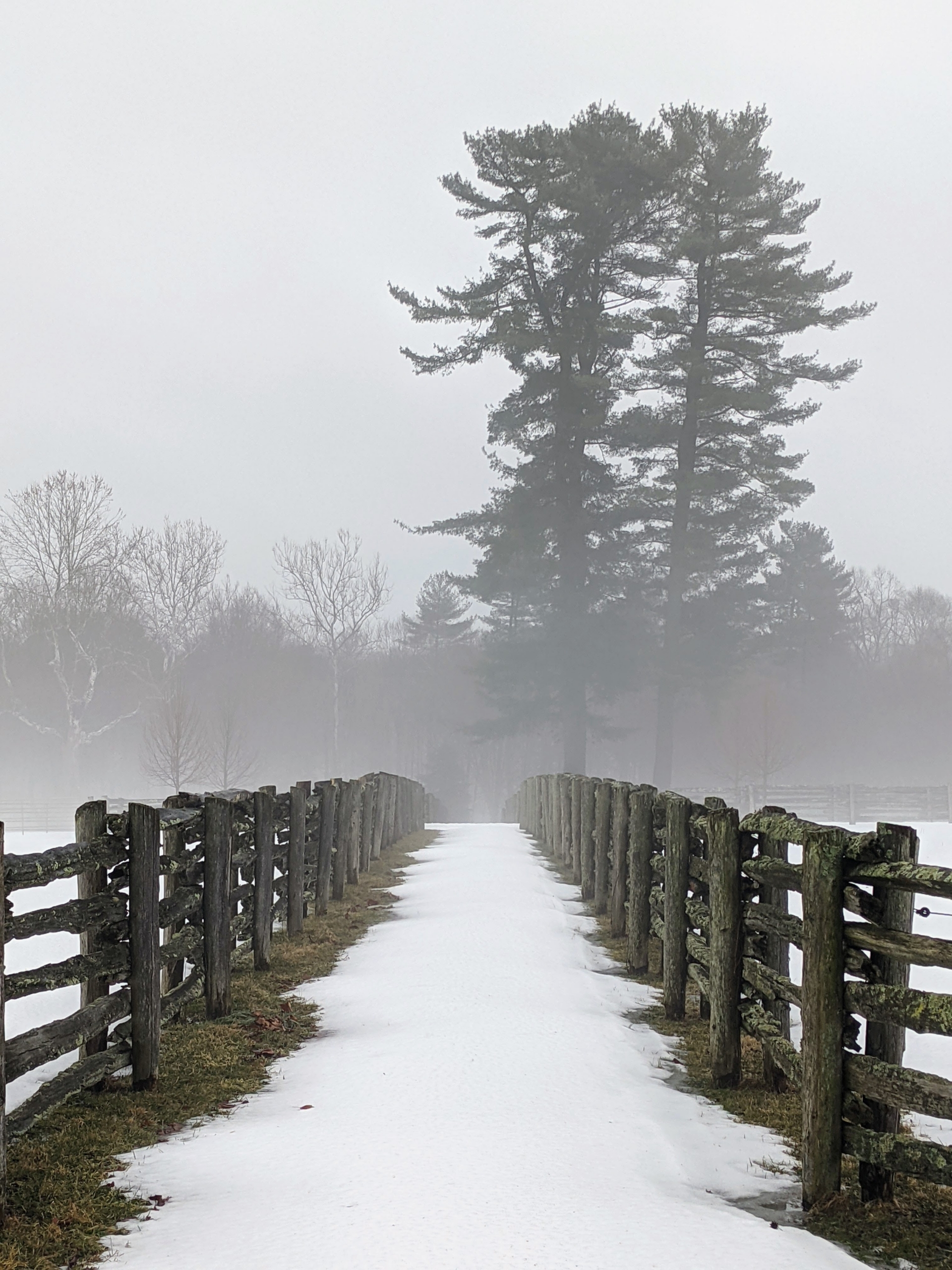
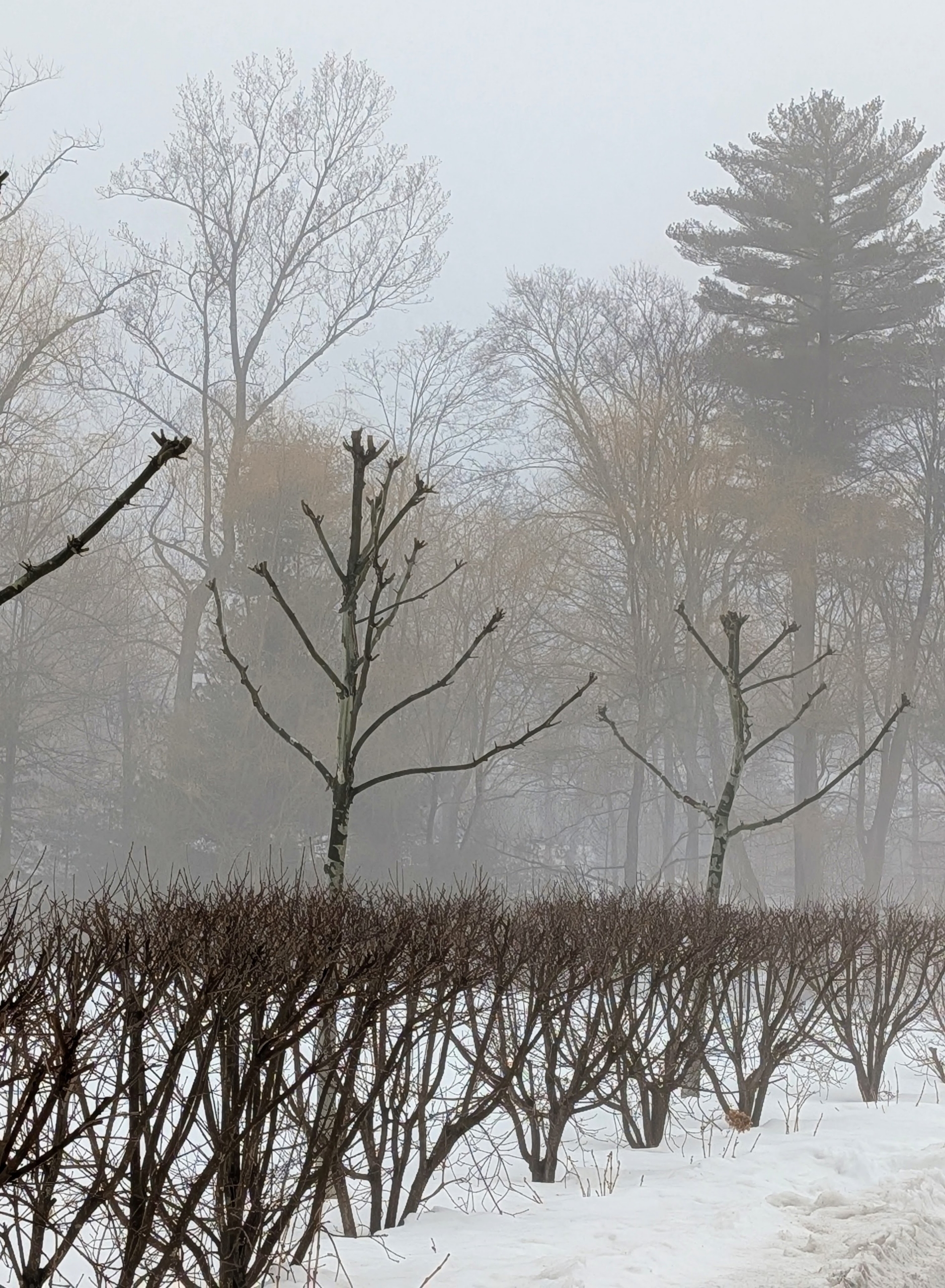
- This is a view down the allée of London planes and smoke bushes. The taller London planes were pruned a couple months ago. For these trees, I am using a pollarding style of pruning, which is a very severe method that involves cutting the branches back either to the trunk, or even all the way down to the top of the trunk to promote the growth of club-headed stems and dense new foliage and branches.
-
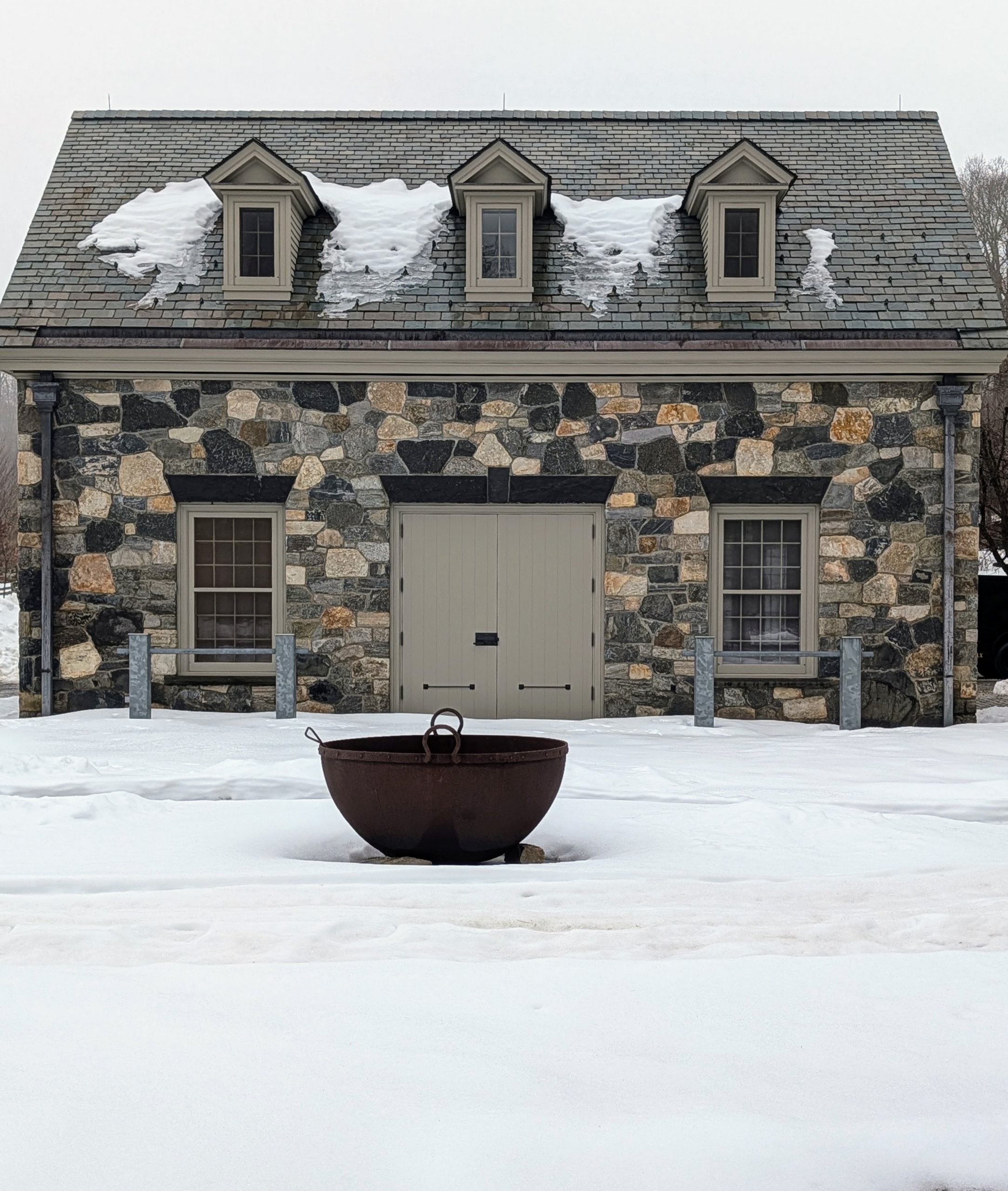
- And this is my stable complex courtyard – still covered in snow from the last big storm. Today, everyone in the area is waking up to at least another foot of white along with strong winds and whiteout conditions. It’s an erratic weather season – be careful and stay safe.
 Martha Pins


 Martha Tweets

