

Blooming Hellebores Around My Farm
The hellebores always put on a great floral show this time of year.
Hellebores come in such an artful array of colors, markings and formations, it’s hard not to love these fascinating perennials. Sometimes known as Lenten rose or Christmas rose, these plants are long-lived, easy-to-grow and thrive in shady locations. I’ve had hellebores in my gardens for many years, and I find it so rewarding to have blooms that start in March and continue through spring until the end of May - hellebores are must-haves for any gardener's collection.
Here are some photos of the hellebores blooming at my farm now, enjoy.
-

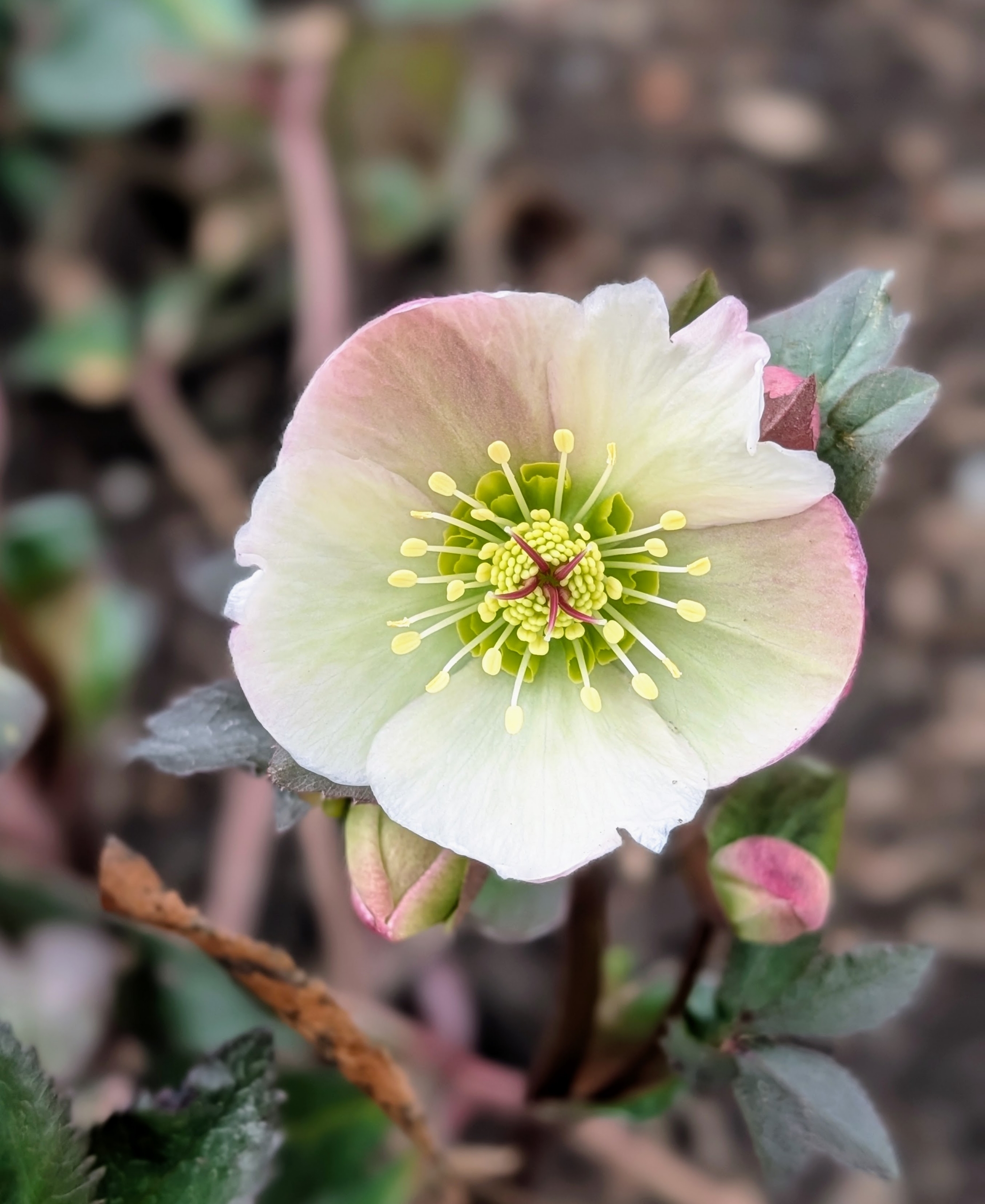
- Hellebores are among the earliest perennial flowers to bloom. They are members of the Eurasian genus Helleborus – about 20 species of evergreen perennial flowering plants in the family Ranunculaceae. They blossom during late winter and early spring for up to three months.
-
- Hellebores are widely popular because they are easy-to-grow and are able to resist frost. It is common to plant them on slopes or in raised beds in order to see their flowers, which tend to nod.
-
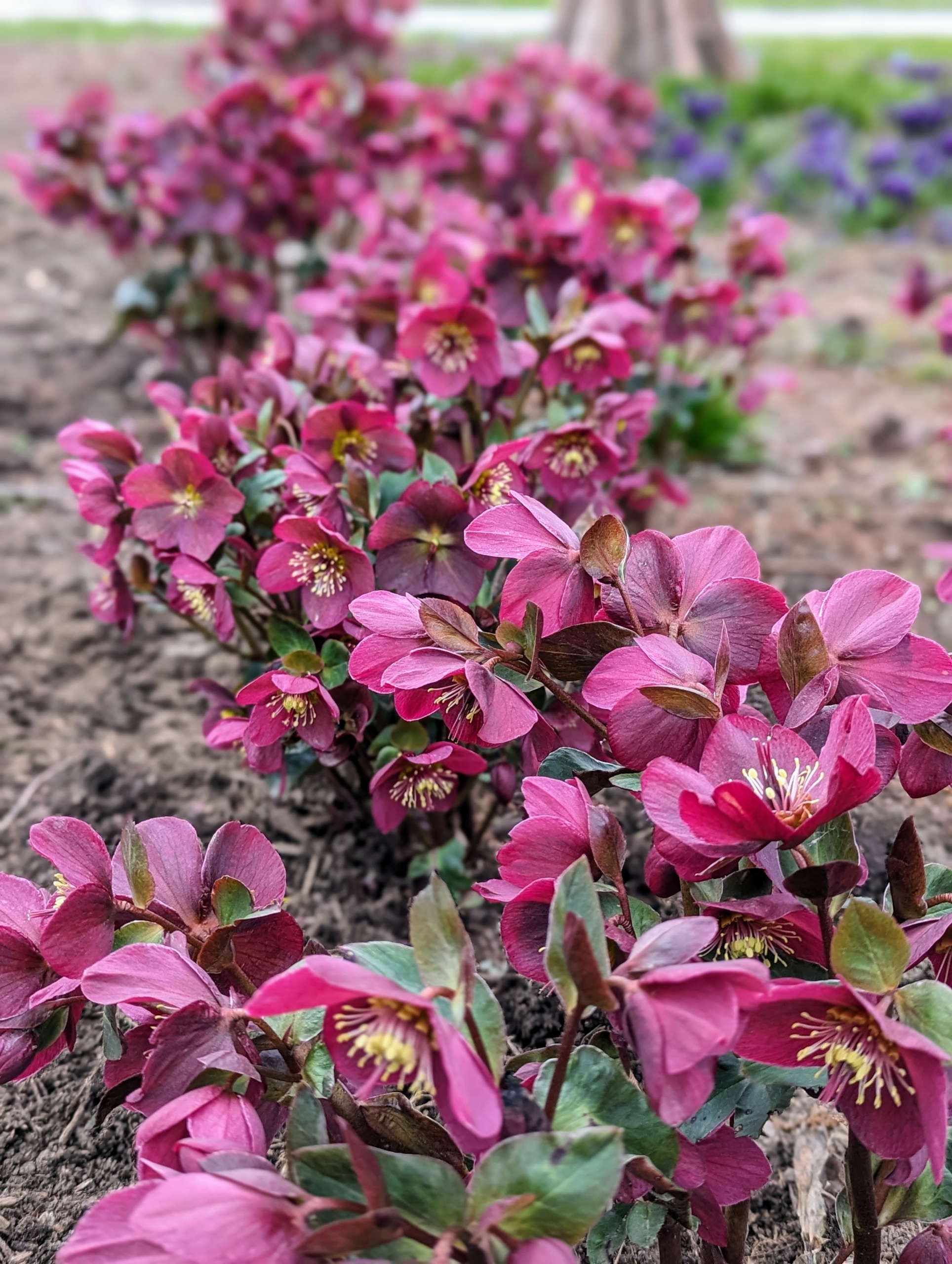
- I have many hellebores planted around my farm – under allées, in the gardens across from my pergola, and in various beds near my Winter House. Hellebores prefer partial to full shade during the warmer months but require more sunlight in winter.
-
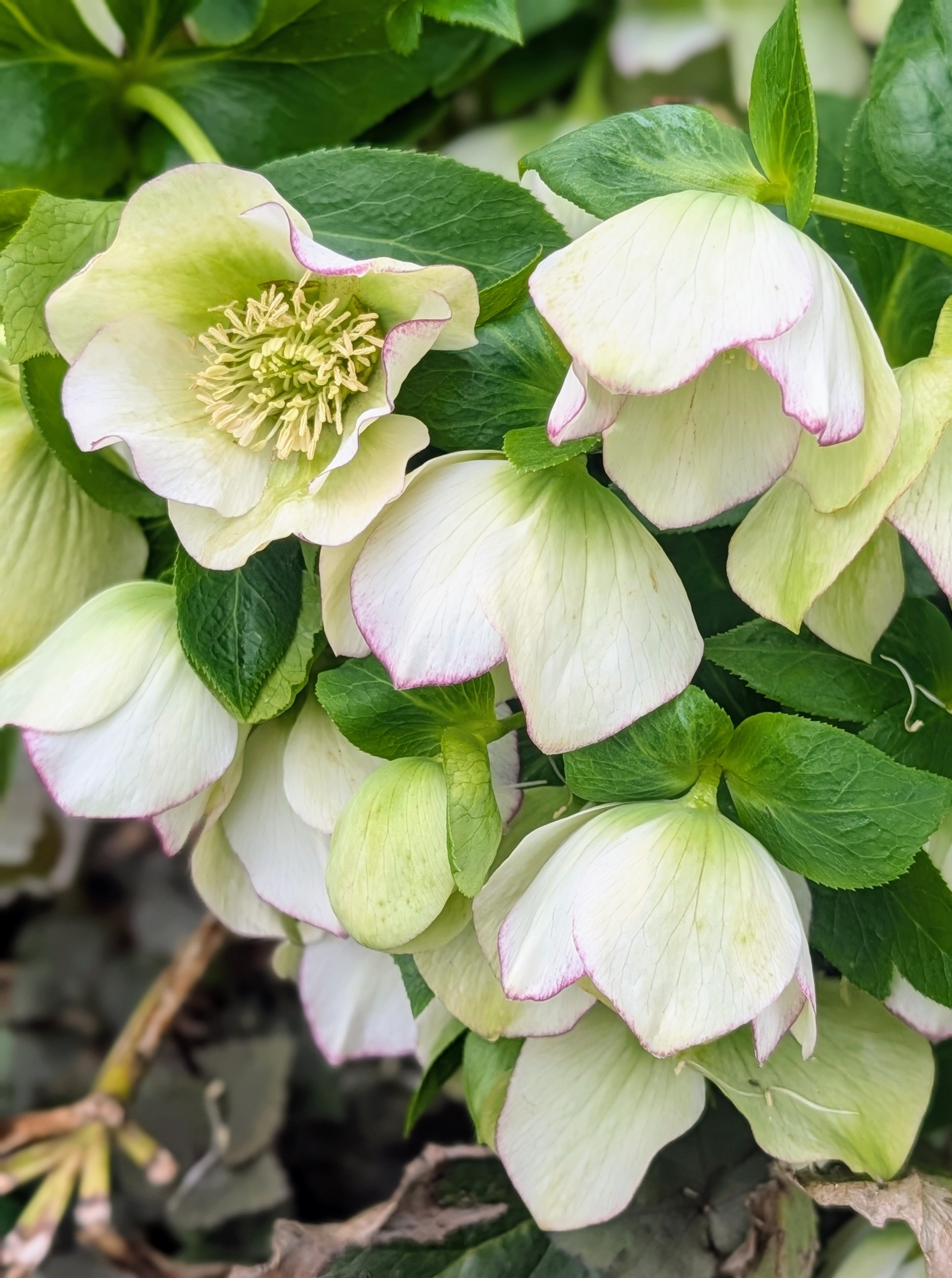
- Some of the varieties planted in the shaded gardens across from my pergola include Helleborus hybrid ‘Lenten Rose,’ Helleborus ‘Rio Carnivale,’ Helleborus ‘Frostkiss Anna’s Red and ‘Frostkiss Molly’s White,’ Helleborus ‘Frostkiss Pippa’s Purple,’ and Helleborus ‘Pink Frost,’
-
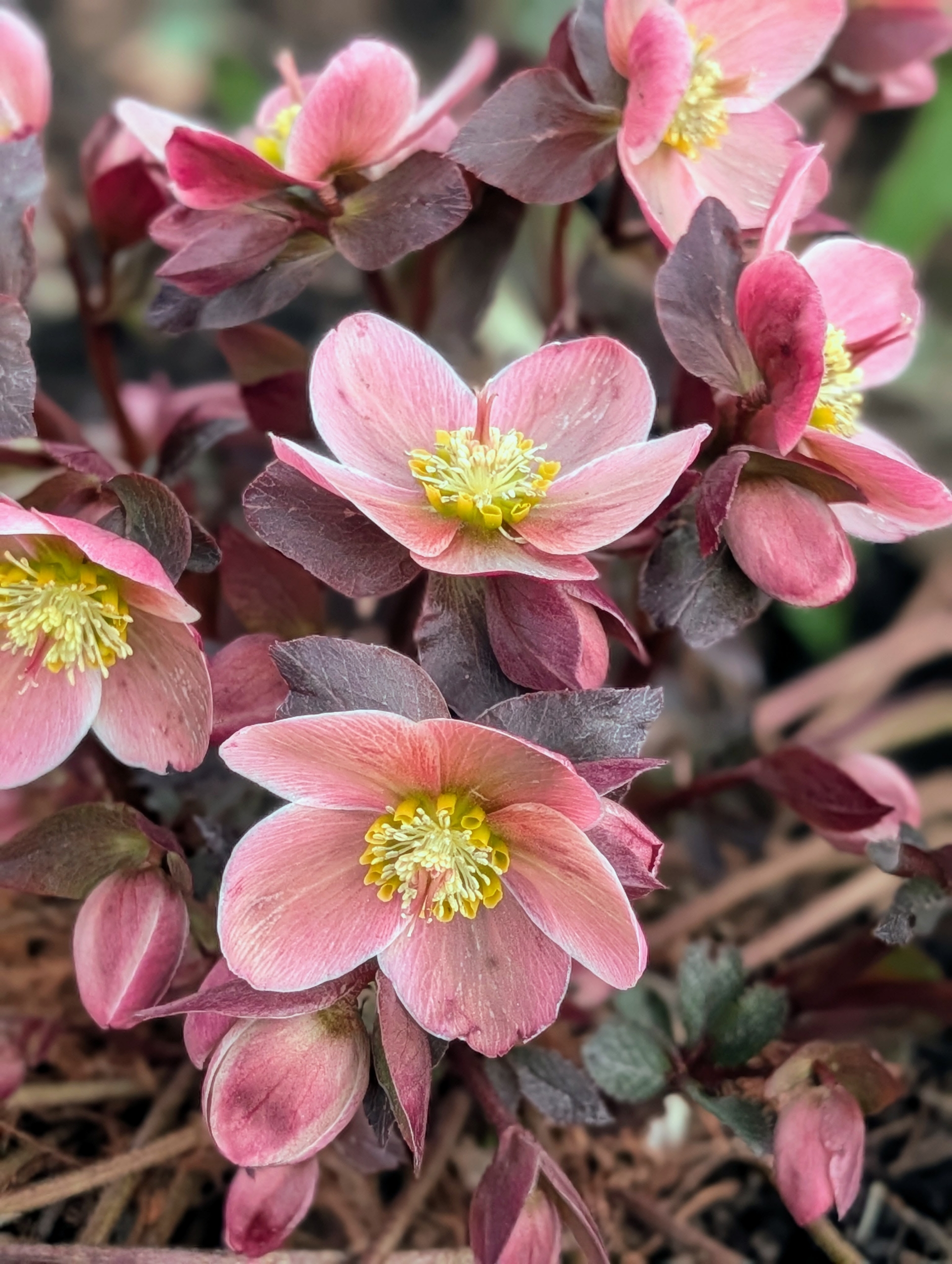
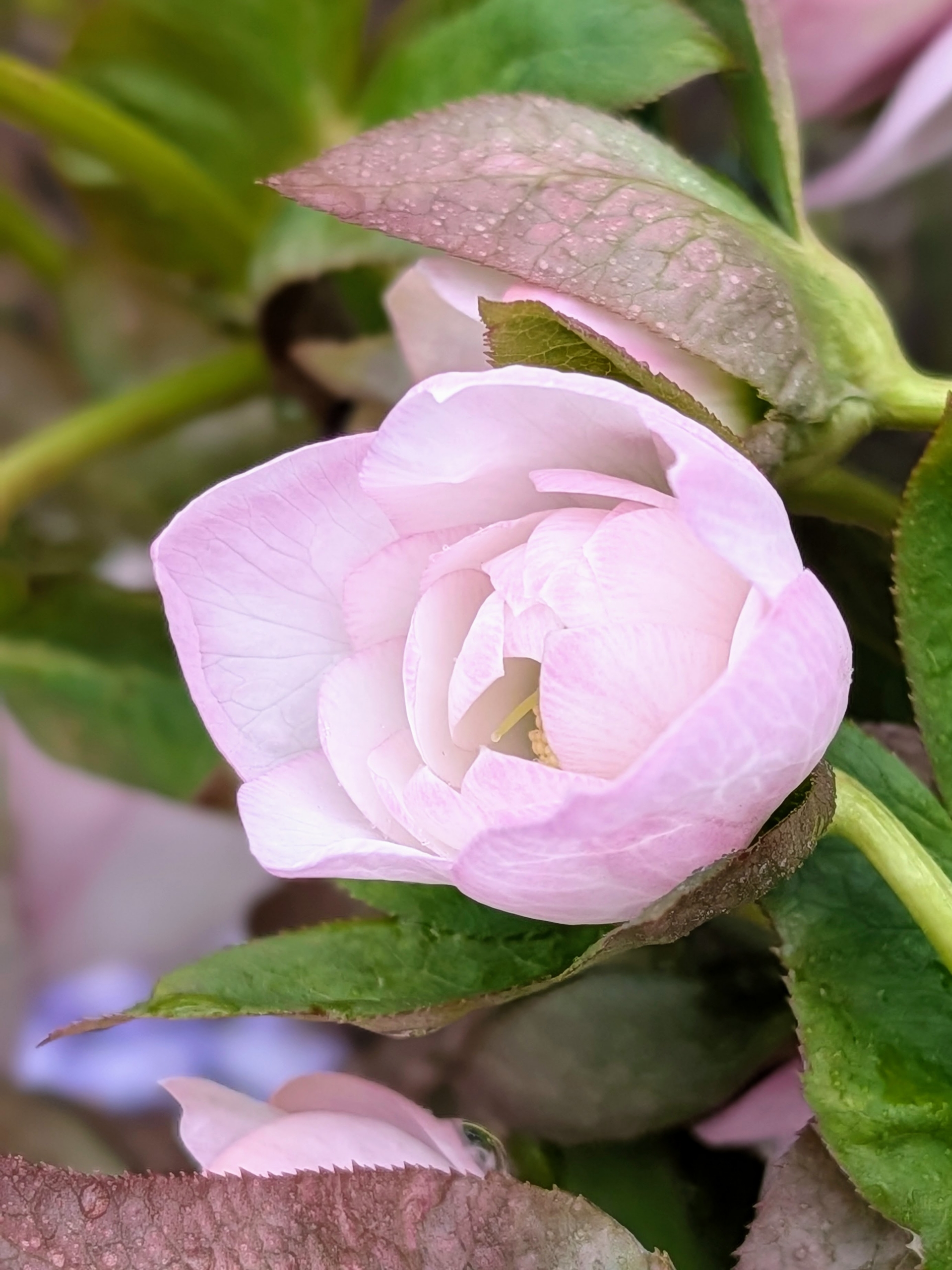
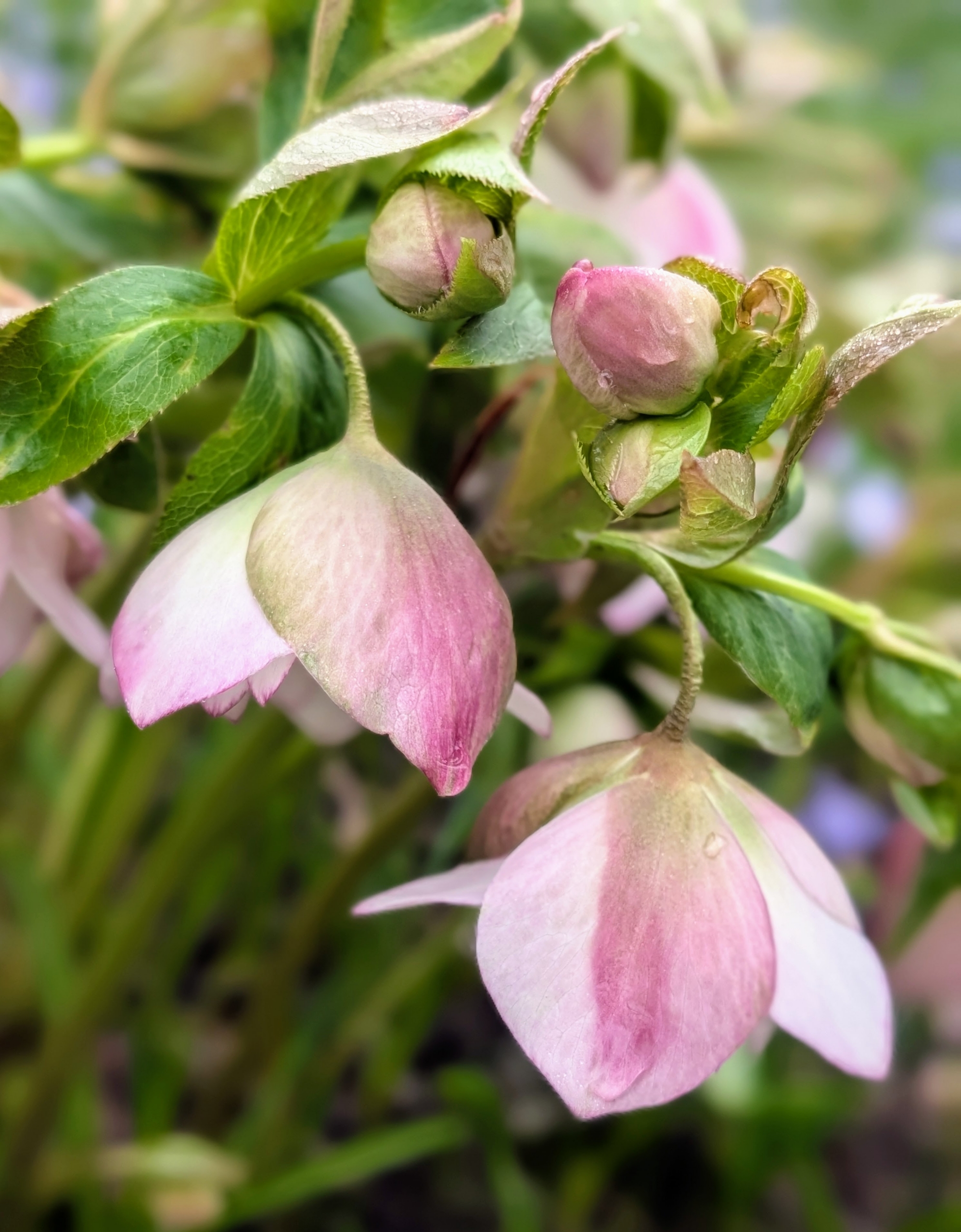
- Hellebores get their common name, Lenten rose, from the rose-like flowers that appear in and around the Christian observance of Lent. They look so similar to roses when opening.
-
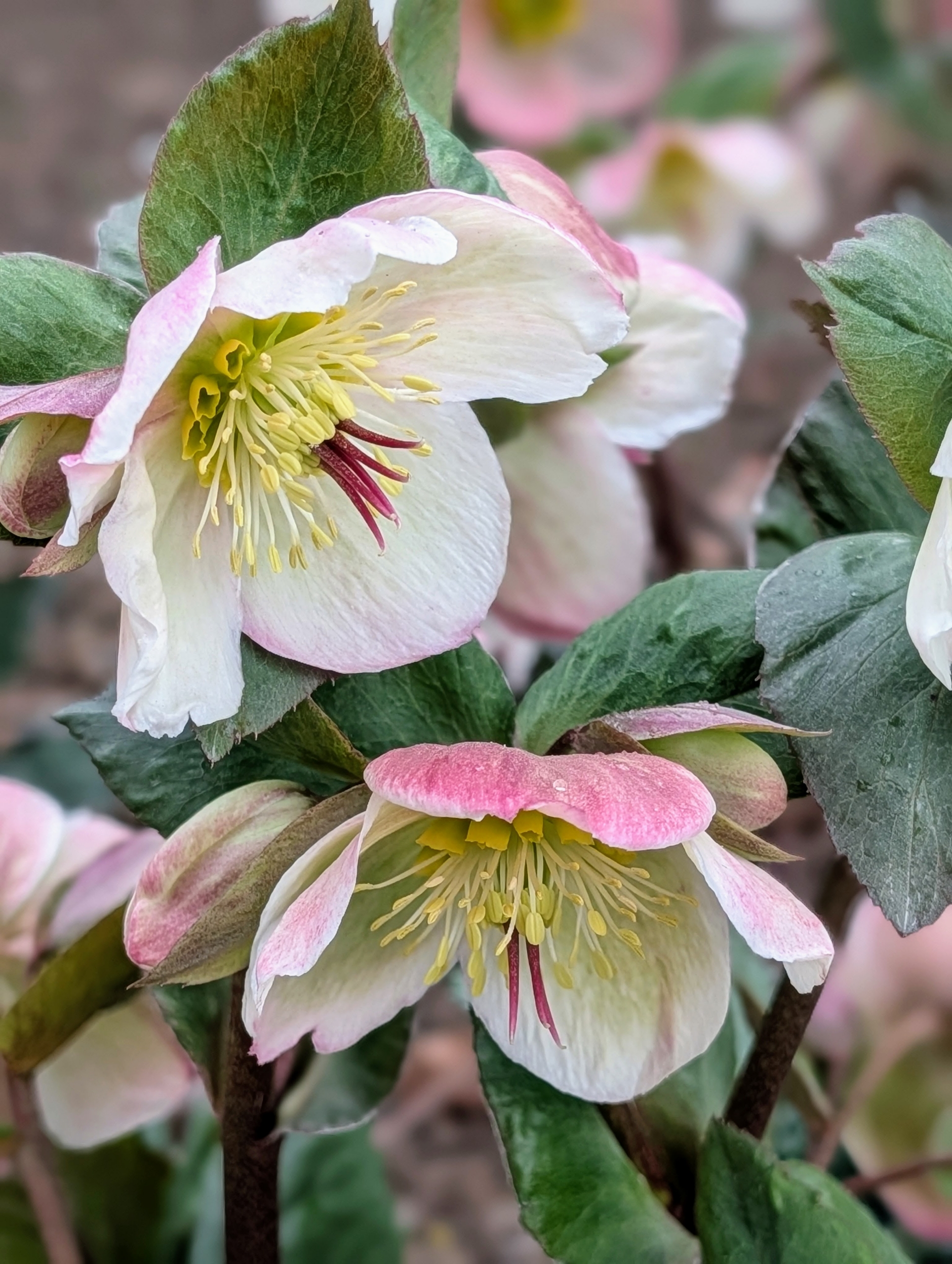
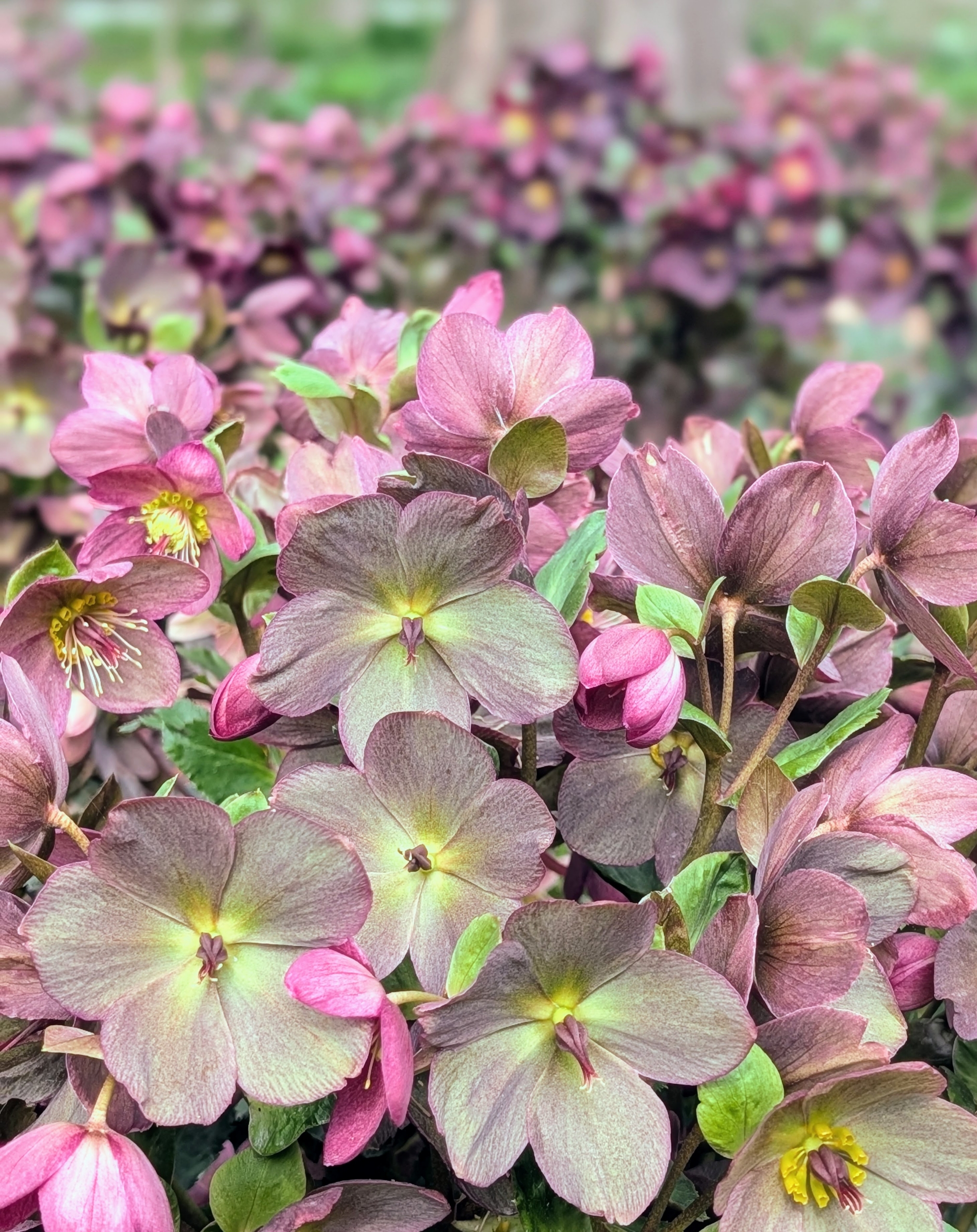
- What’s most impressive is their bowl-shaped blooms.
-
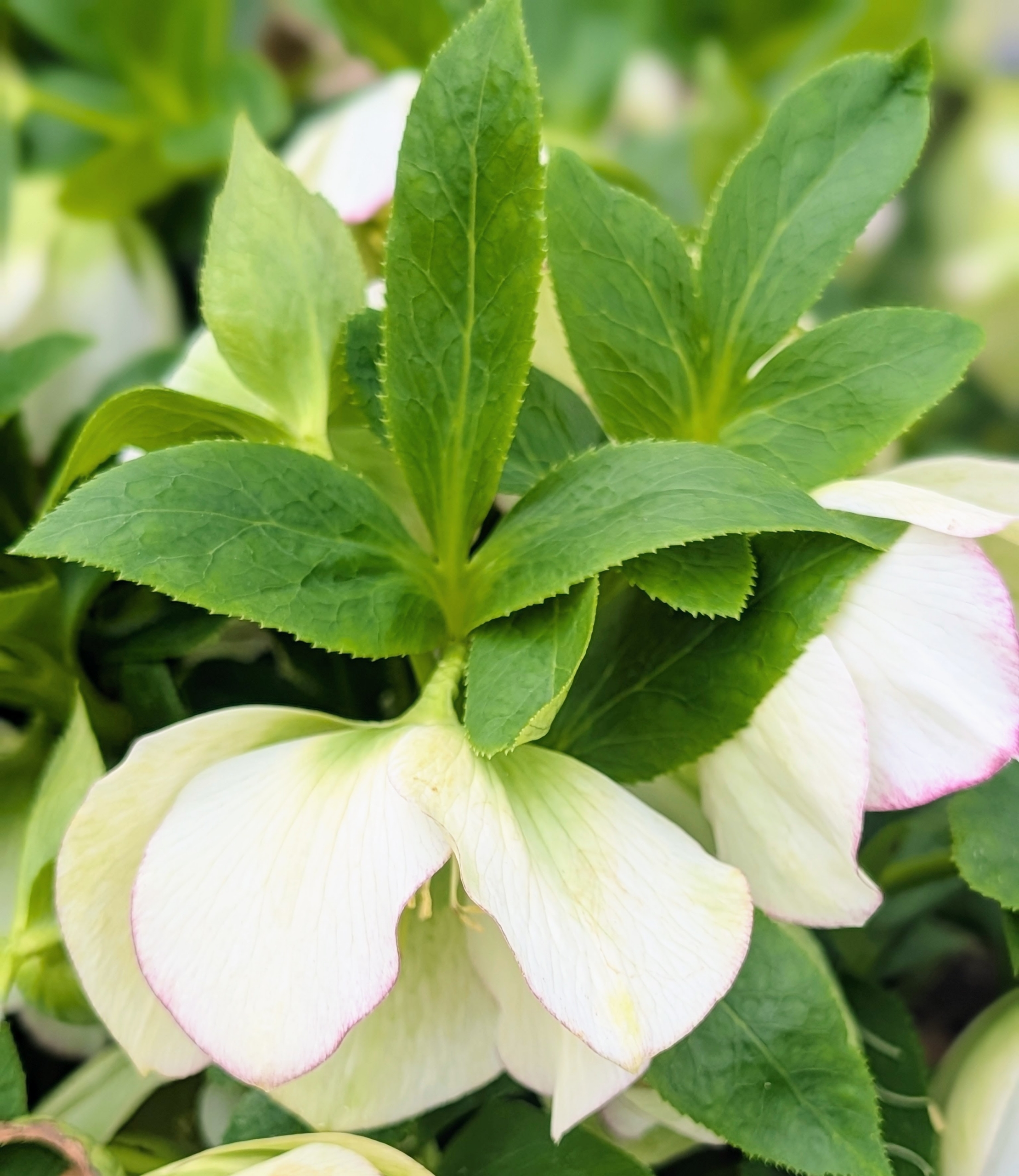
- The bright green foliage looks very dramatic against the colors of their flowers. Hellebore foliage is thick, evergreen, and forms a low clump with leaves that are lobed, palm-like and serrated.
-
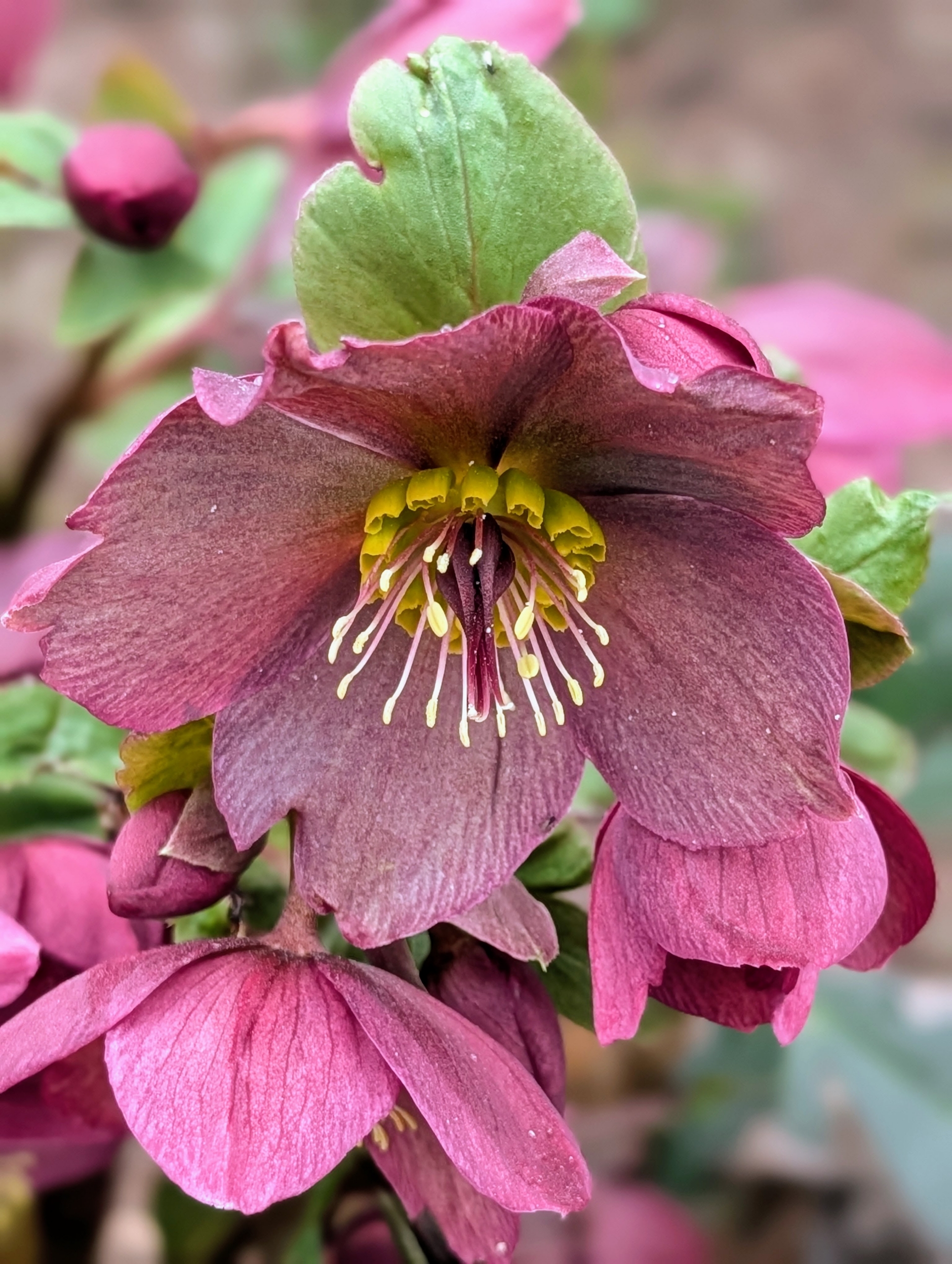
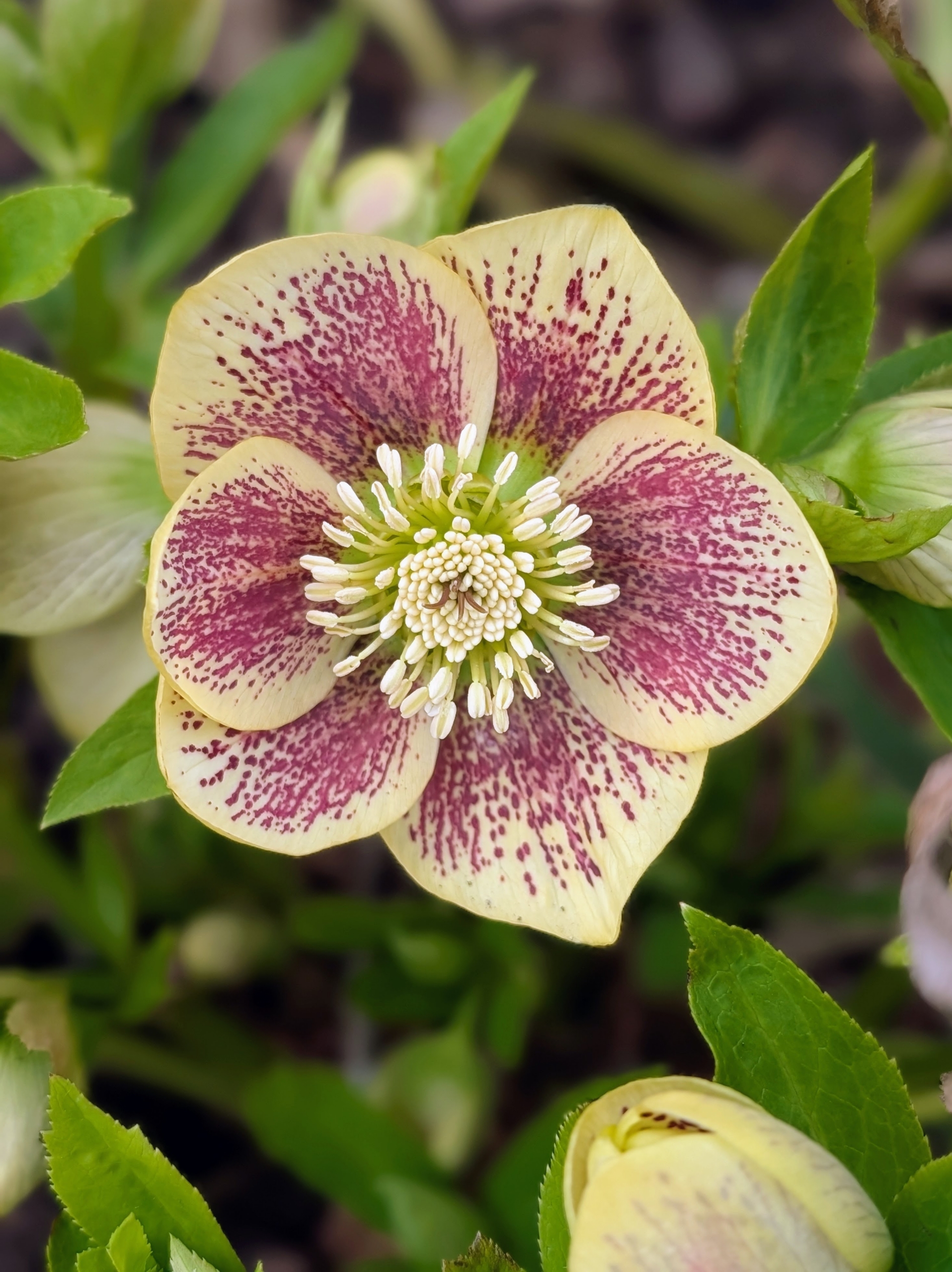
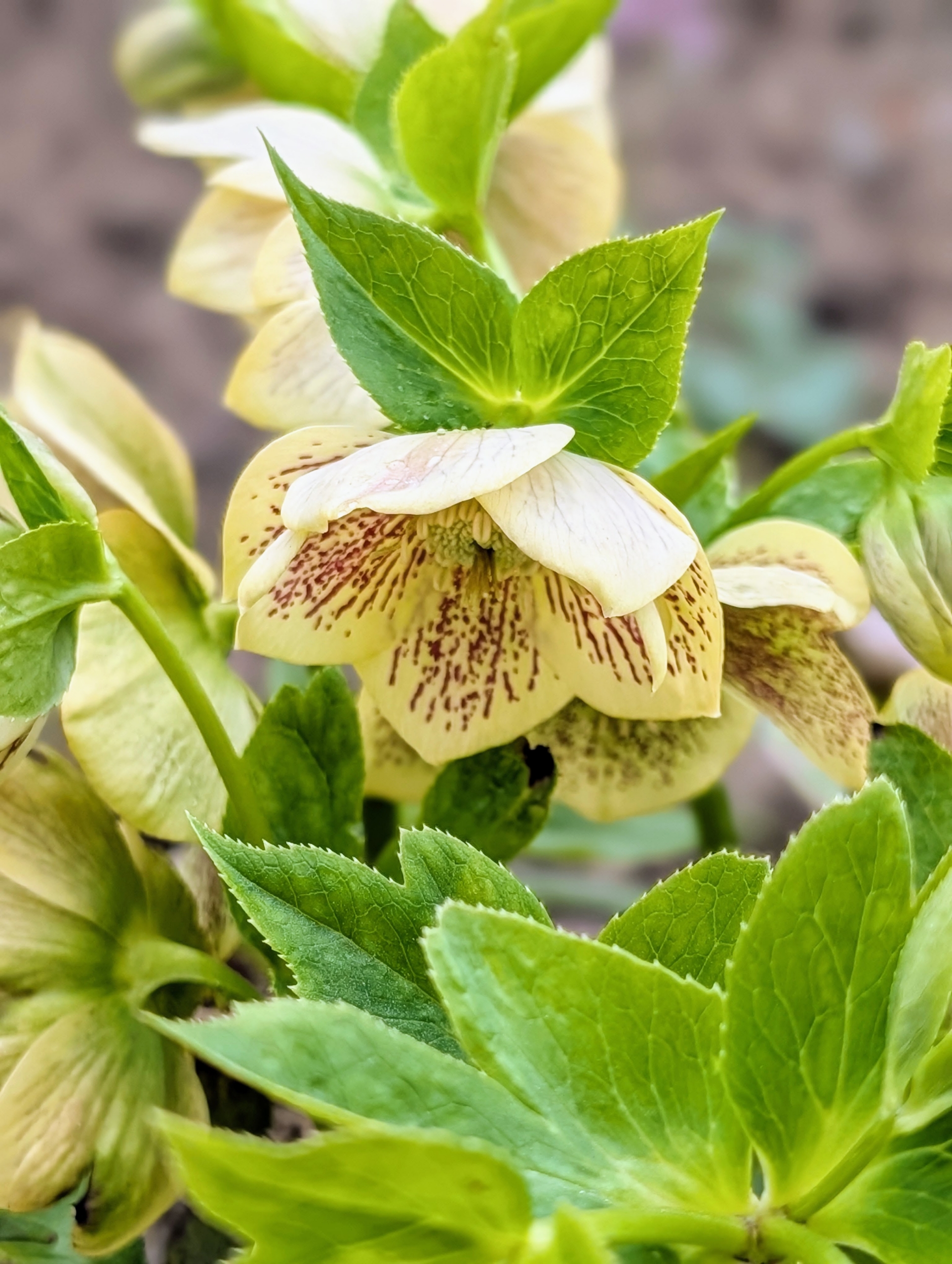
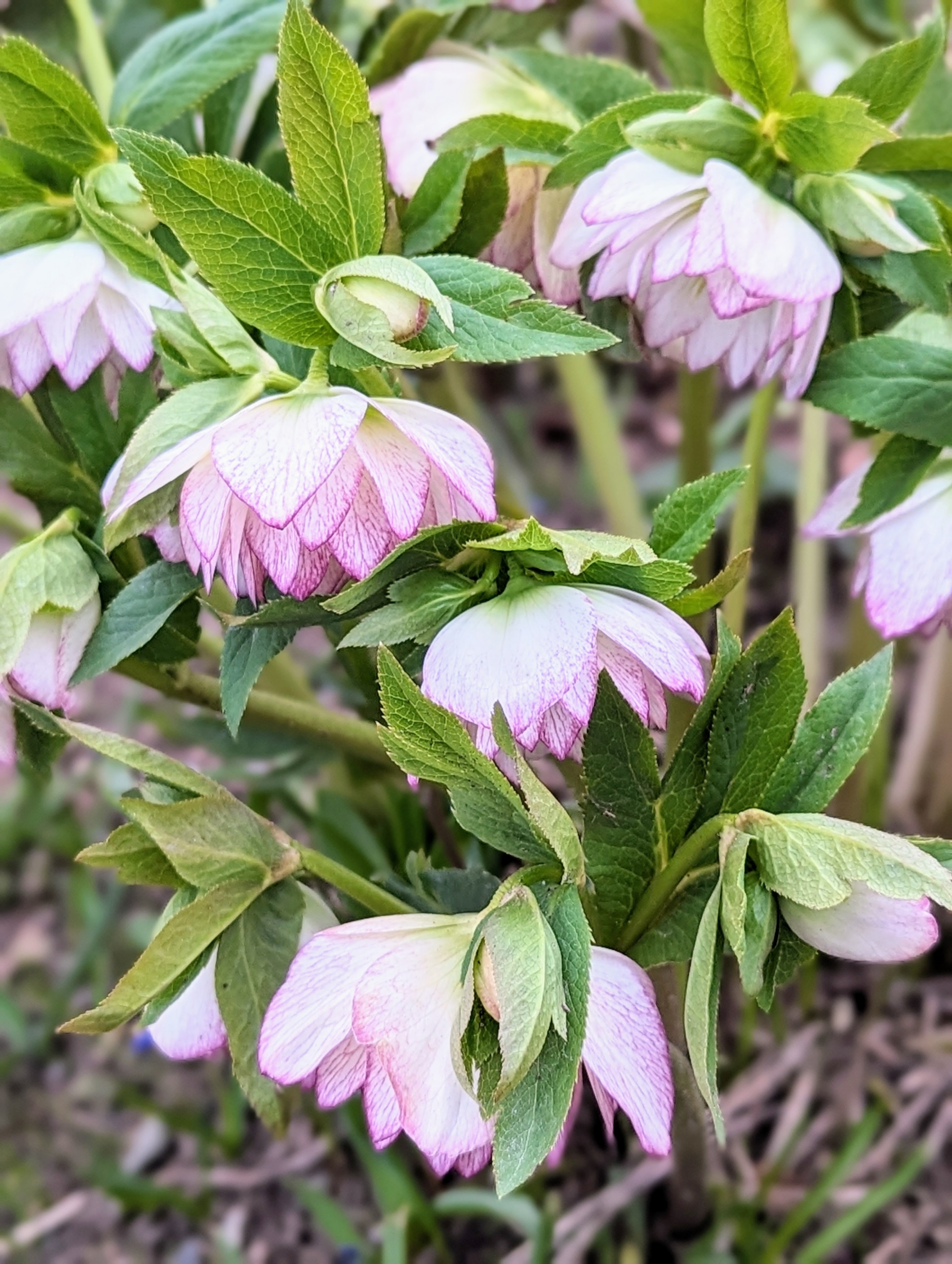
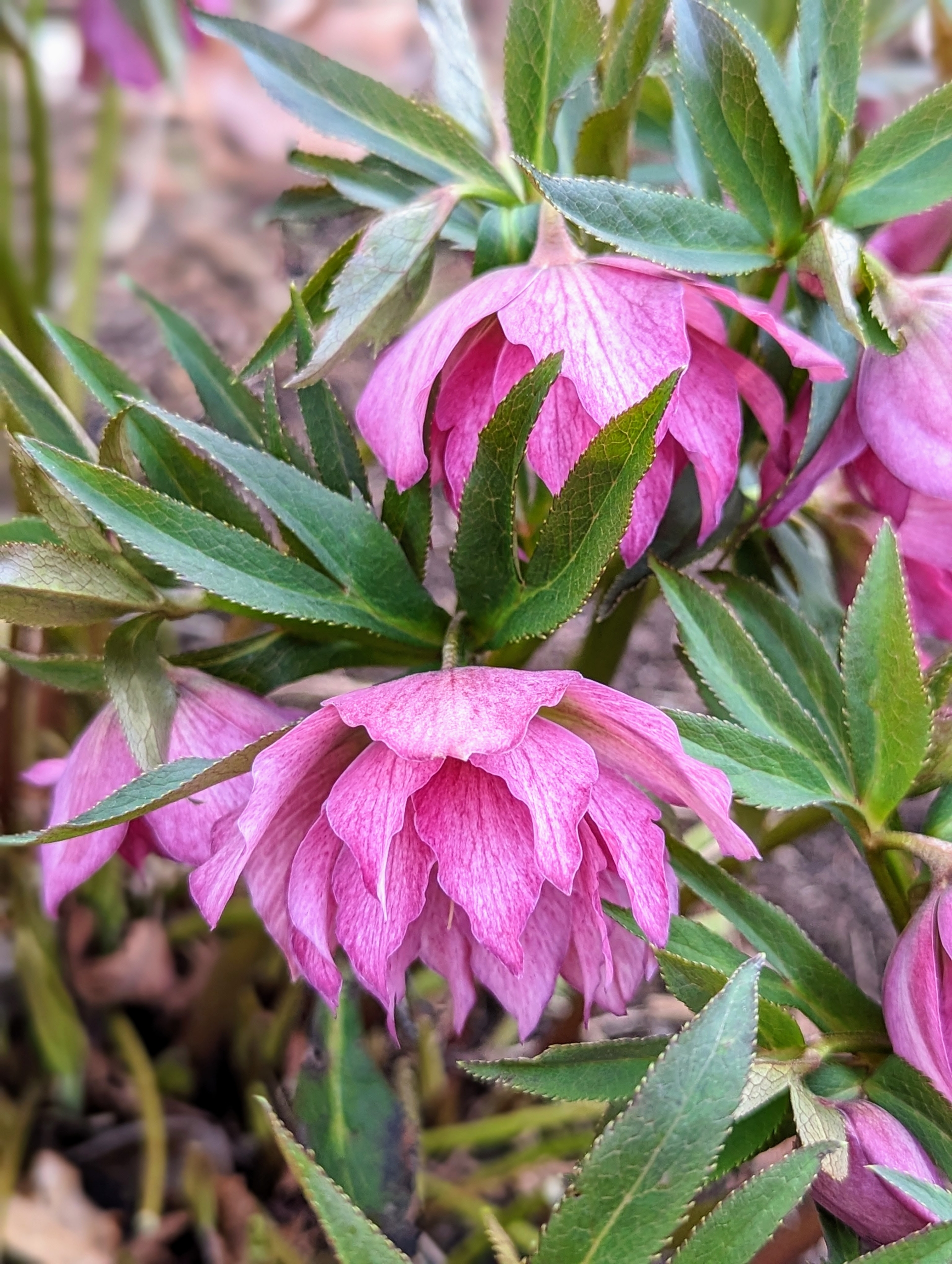
- The flowers come in a wide range of colors including shades of maroon, apricot, yellow, green, metallic blue, slate, dusky pink, and white, with or without picotee, spots, and freckles.
-
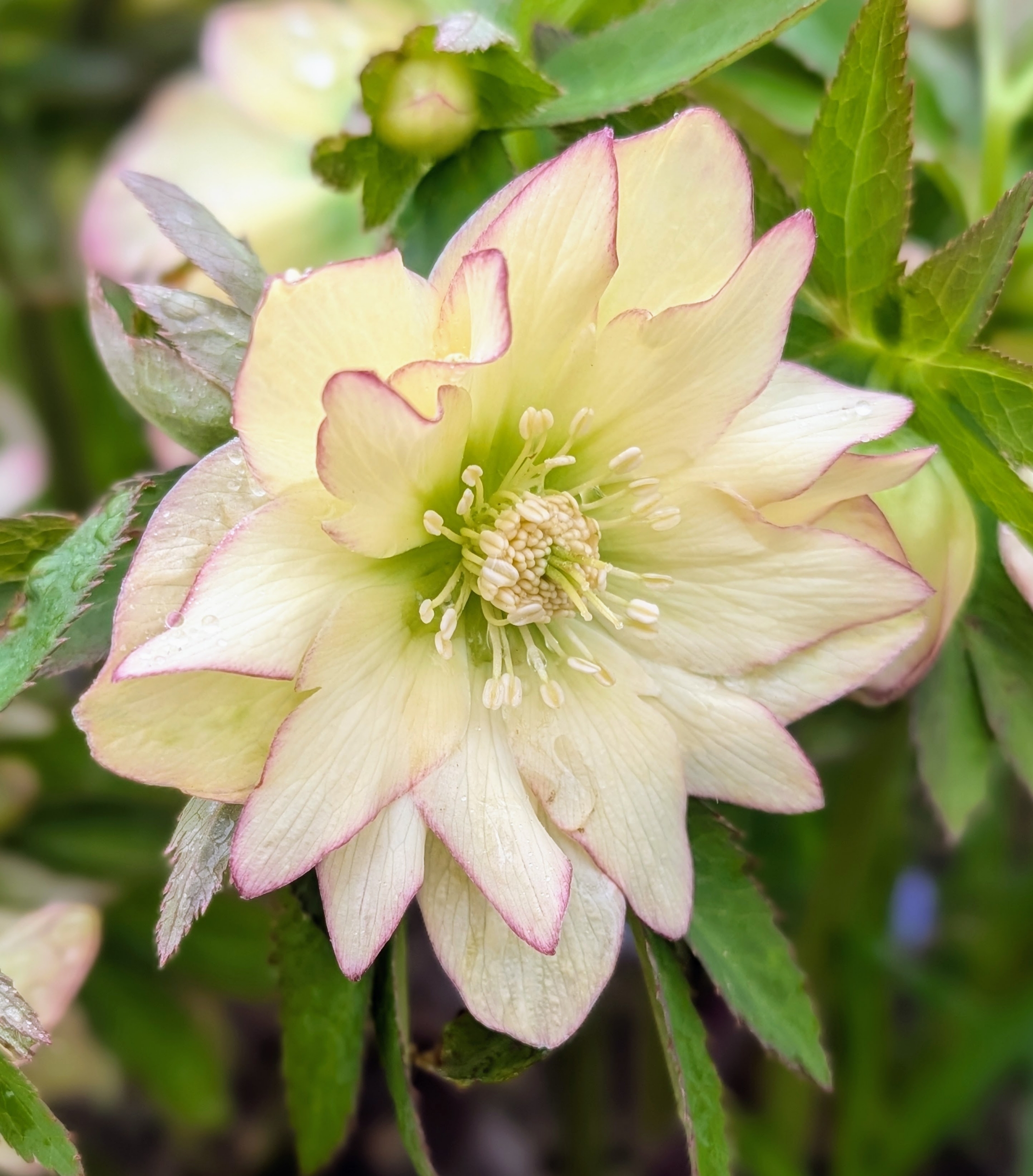
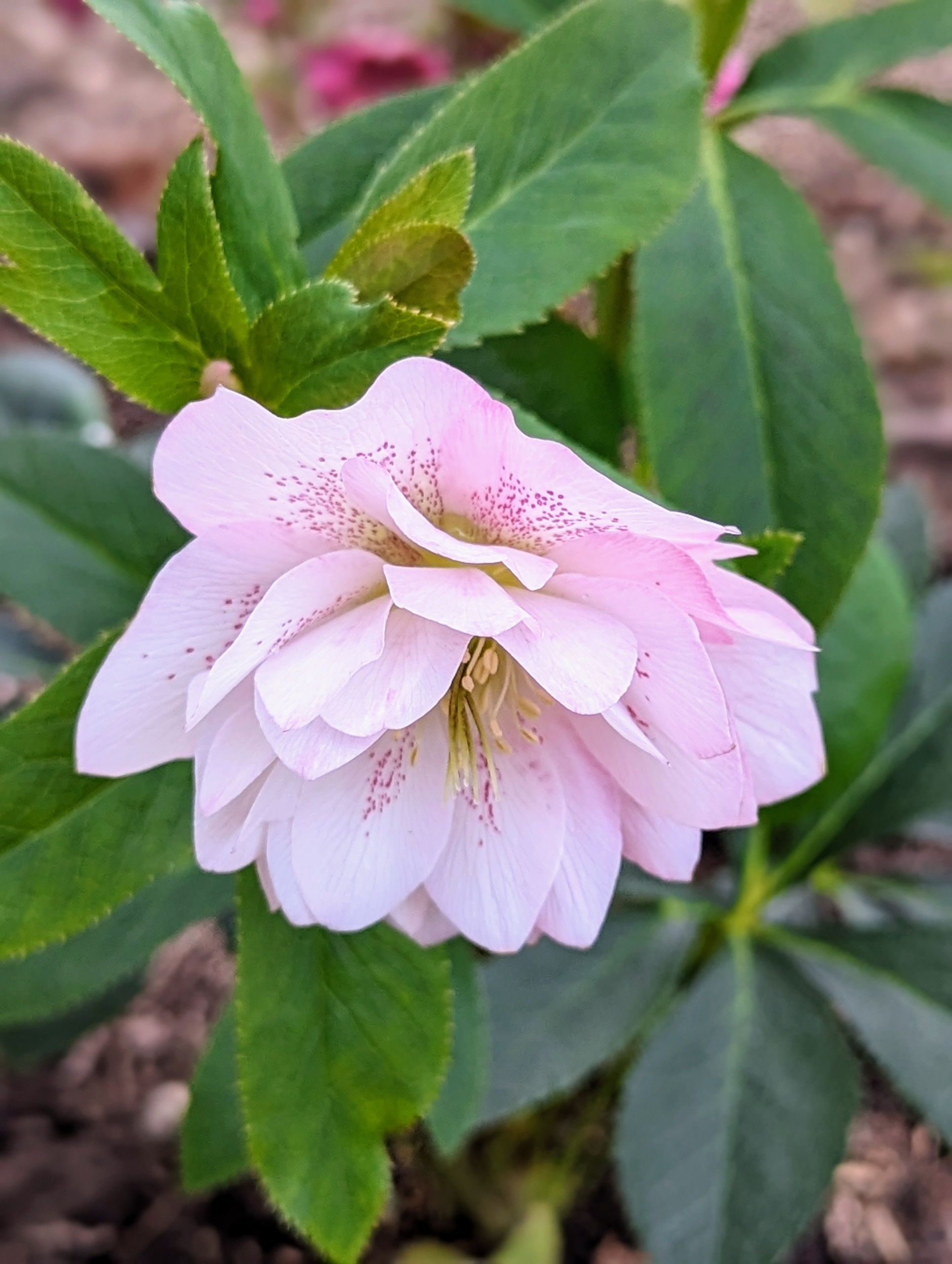
- They also come in a variety of flower forms – single, semi-double, fully double, and anemone.
-
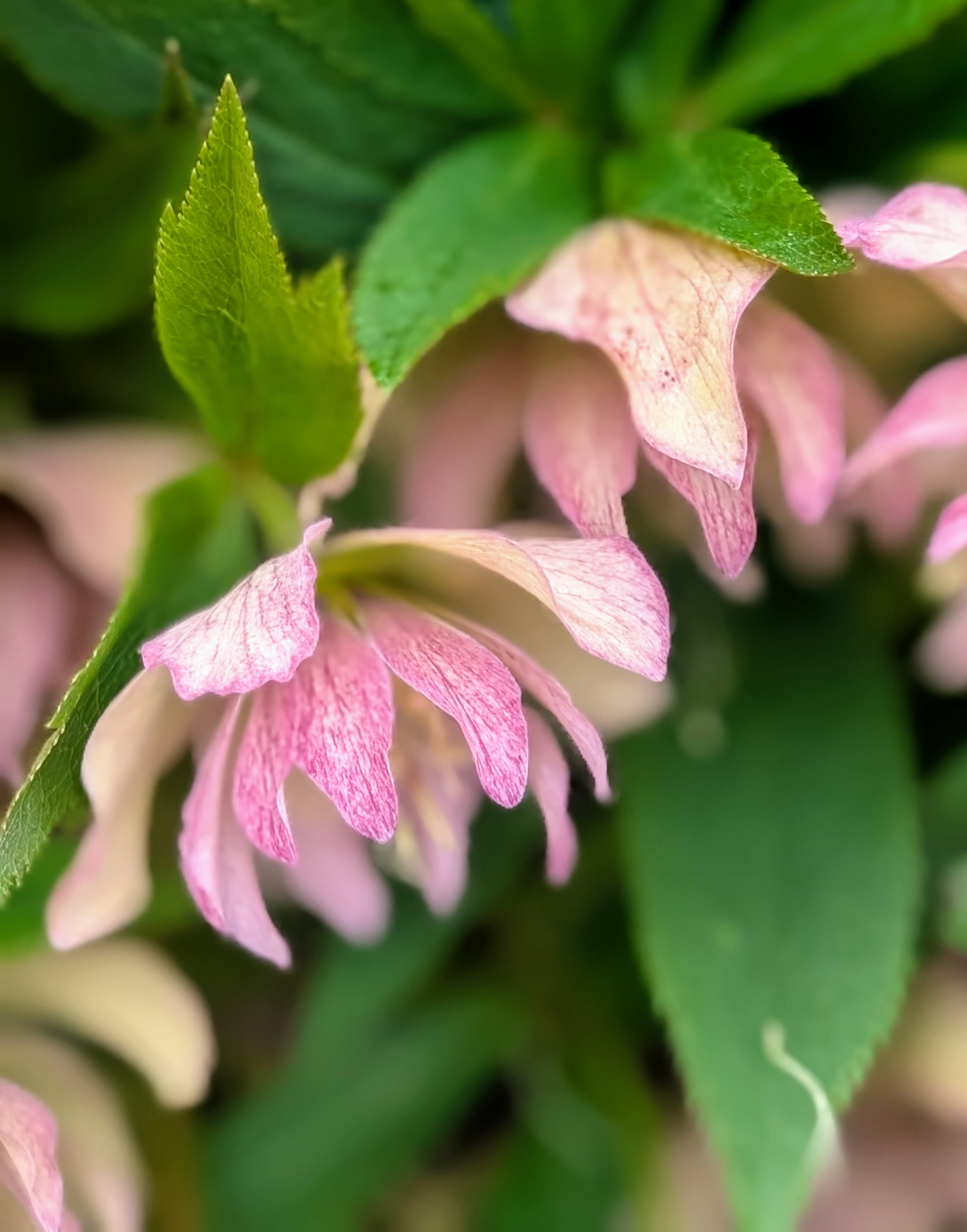
- Unlike the blooms of most other flowering plants, hellebore flowers do not consist of petals, but of sepals, which serve to protect the flower.
-
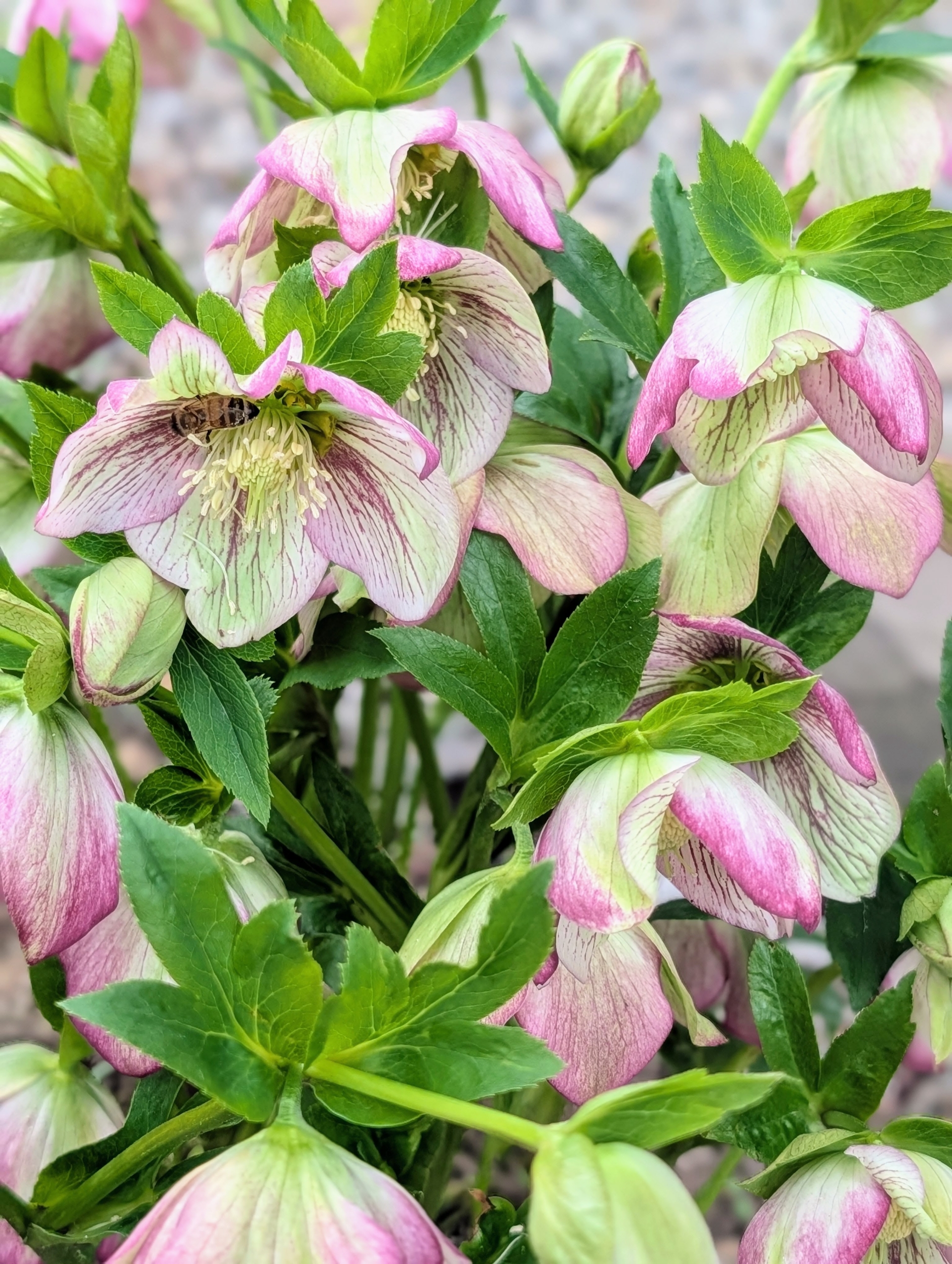
- The sepals surround a ring of small, cup-like nectaries which are actually petals modified to hold nectar. The sepals and veins on this hellebore are deeply colored to invite pollinators.
-
- Hellebores are well-loved by bees and provide lots of good nectar and pollen.
-
- They do best underneath deciduous trees where they are shaded by foliage in summer, but are exposed to full sun after the trees have dropped their leaves in fall.
-
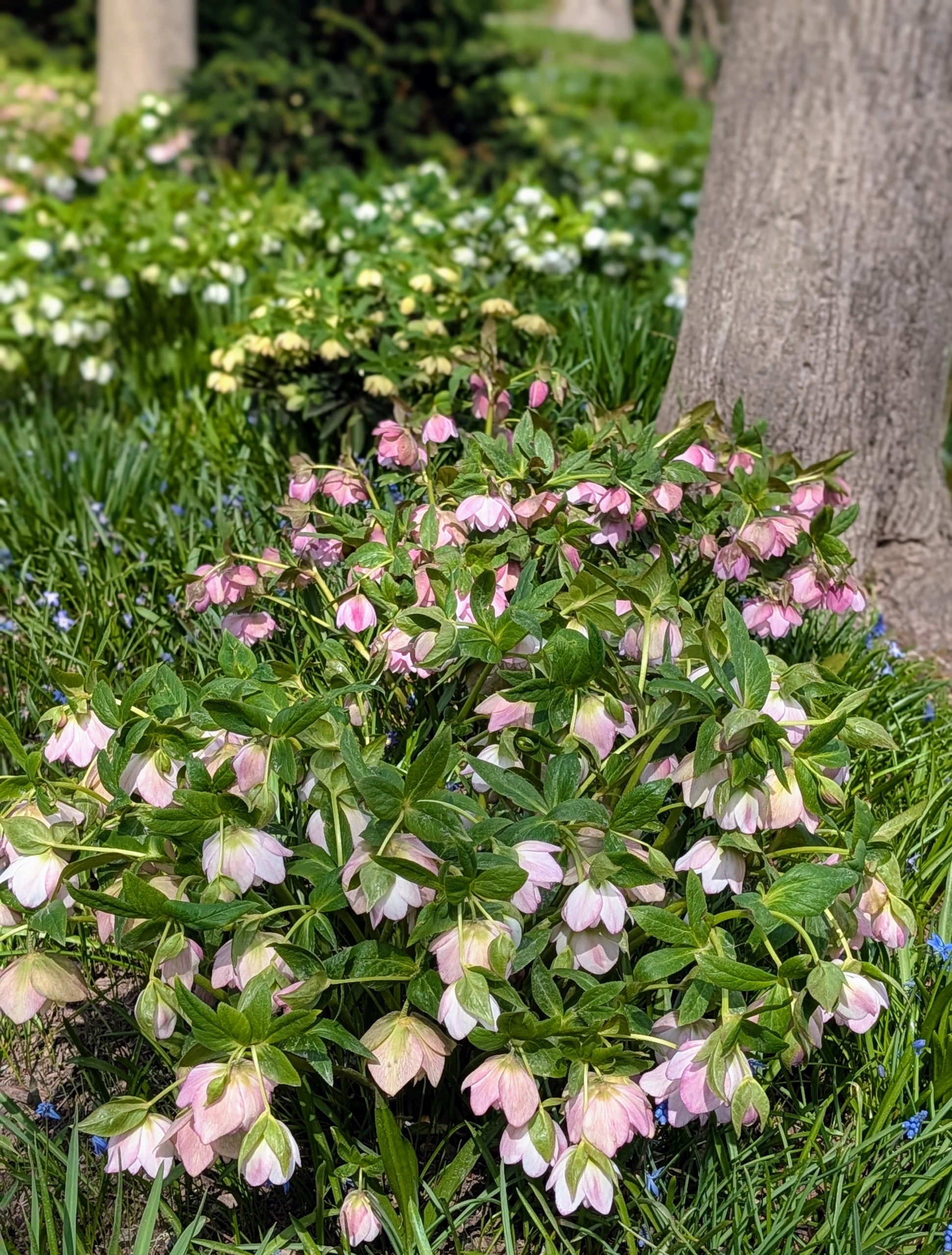
- Hellebores grow in dense clumps that are easy to maintain. Here are groups in shades of pink and white. When planting, Hellebores should be planted about two-feet apart to accommodate spreading.
-
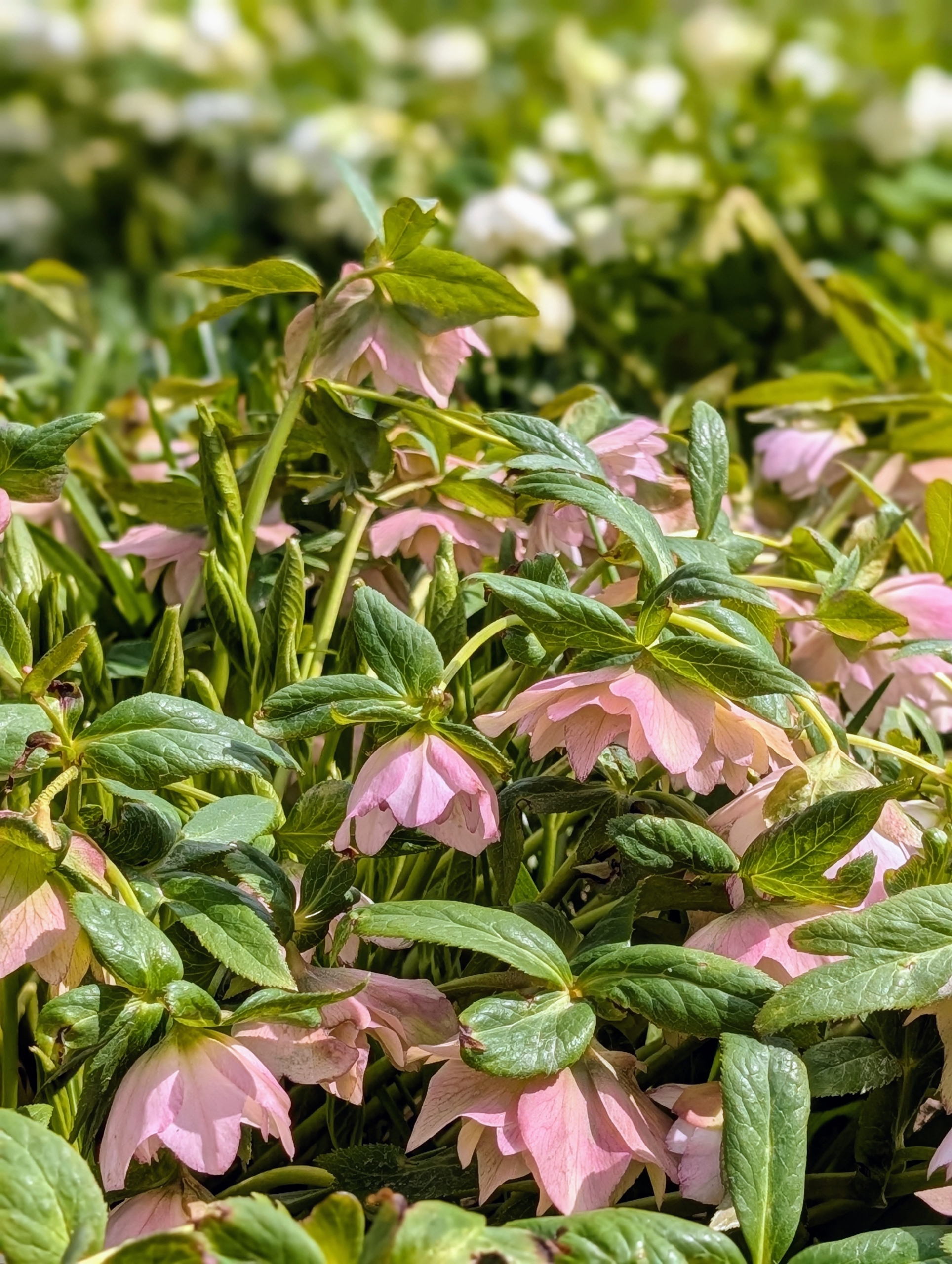
- These hellebores have created a nice, lush ground cover that fills in the garden and helps to suppress weeds.
-
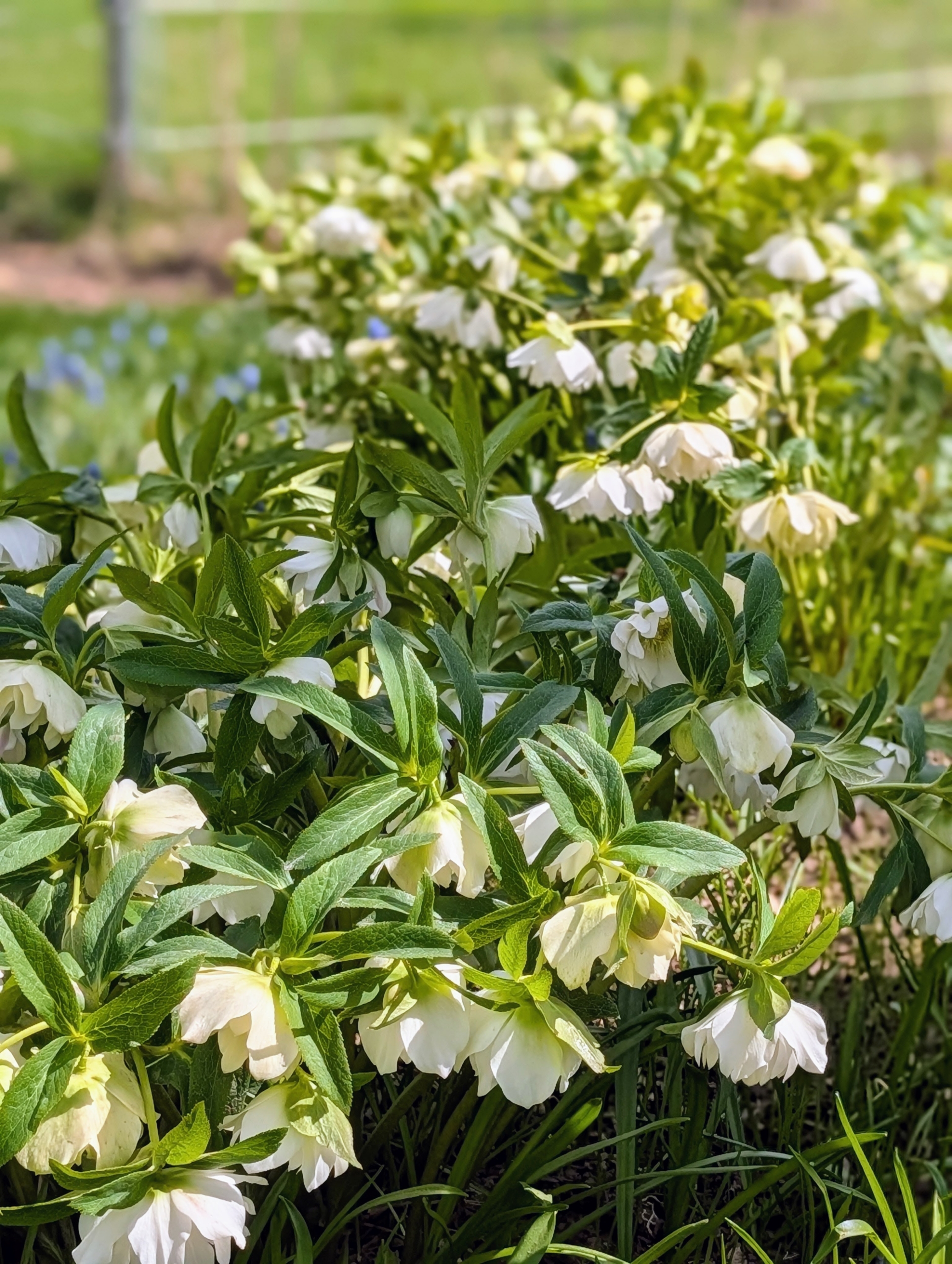
- Hellebores can reach up to 36-inches in height and width, so be sure to position hellebores in protected areas away from winter winds.
-
- They are considered slow-growing plants that can take up to 18-months to reach mature size.
-
- After the first year, when the plant is well-established, hellebores are very resistant and require little upkeep.
-
- They like to be watered deeply enough to saturate the root zone but then not watered again until the soil feels dry to the touch. These plants are drought tolerant but quite sensitive to soggy soil.
-
- While beautiful to look at, all parts of the hellebore are toxic and should not be ingested.
-
- Given the right conditions, hellebores will spread nicely and look beautiful through the early season. If you’re out shopping for spring plants, consider the hellebore – you’ll love them in your garden.
 Martha Pins


 Martha Tweets

