
Starting Onions for the Next Growing Season
This time every year my head gardener, Ryan McCallister, starts the vegetable seeds indoors in preparation for the coming growing season. Among the first - the onions.
Starting onions from seed isn’t difficult. They can be planted closely together in seed starting trays and because they are shallow-rooted, they can be pulled apart easily when ready for transplanting outdoors. Many of our trays, supplies, and seeds are from Johnny’s Selected Seeds - I've been using Johnny's for years. Once planted, the onion seeds remain in the greenhouse until they’re moved to my vegetable garden. By mid-summer, I'll have bounties of beautiful, flavorful, fat onions to enjoy and share.
Enjoy these photos.
-

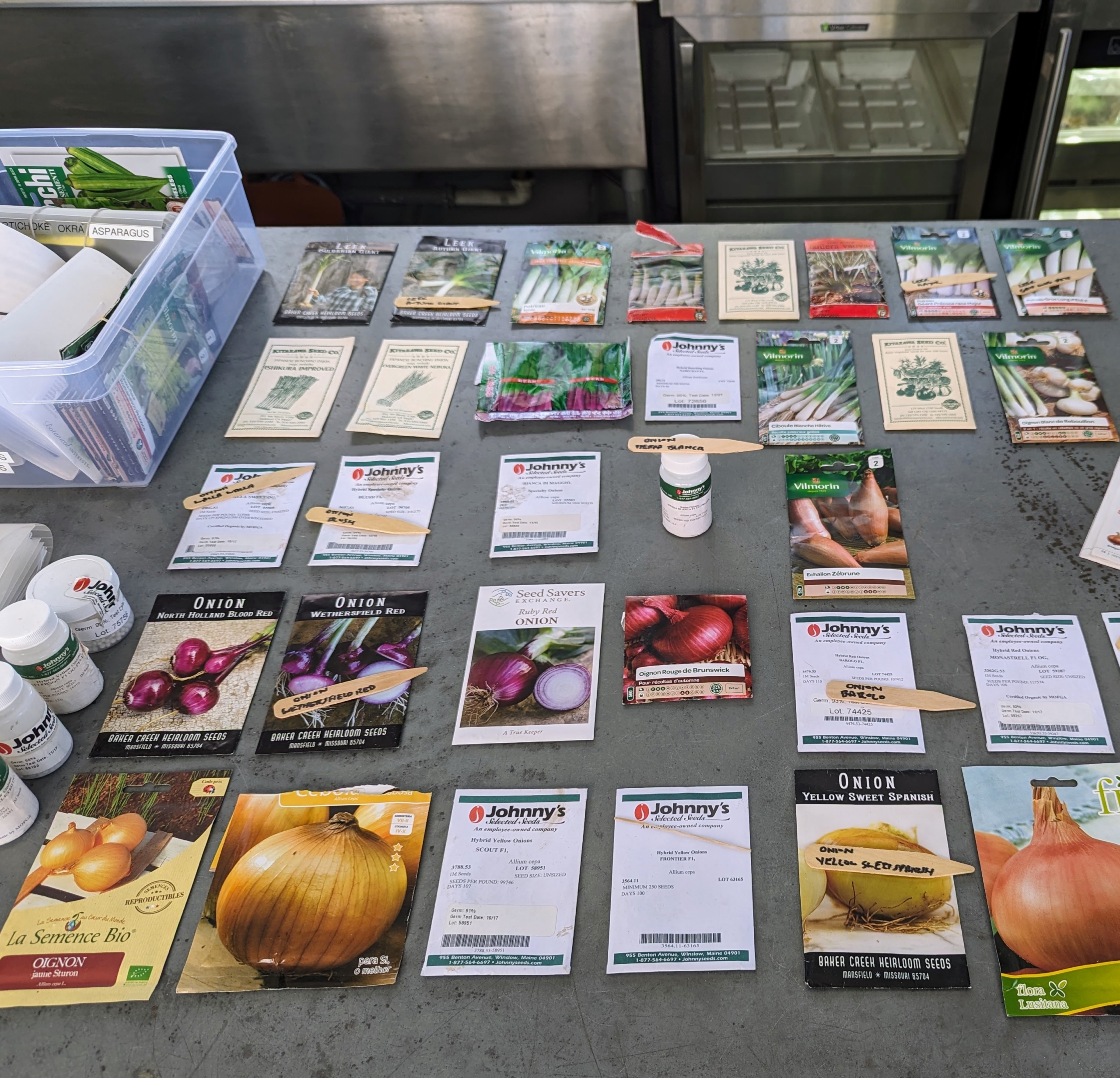
- It’s not unusual to see all kinds of seed packets on my head house tables this time of year. It’s important to start vegetable seeds early, so they are ready in time to plant outdoors once the weather is right.
-
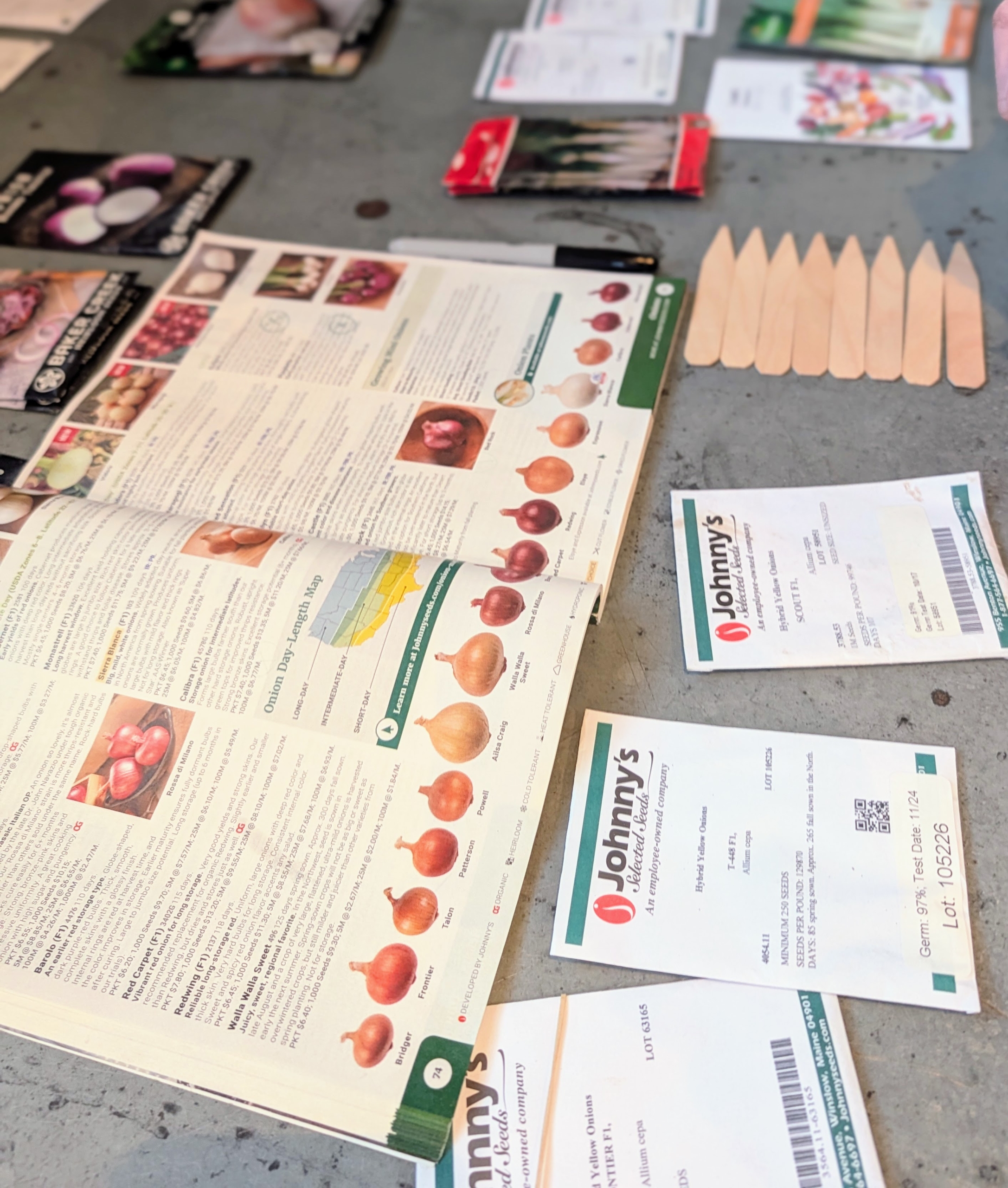
- Johnny’s Selected Seeds catalog provides detailed seed variety information to help in choosing the best seeds for one’s garden.
-
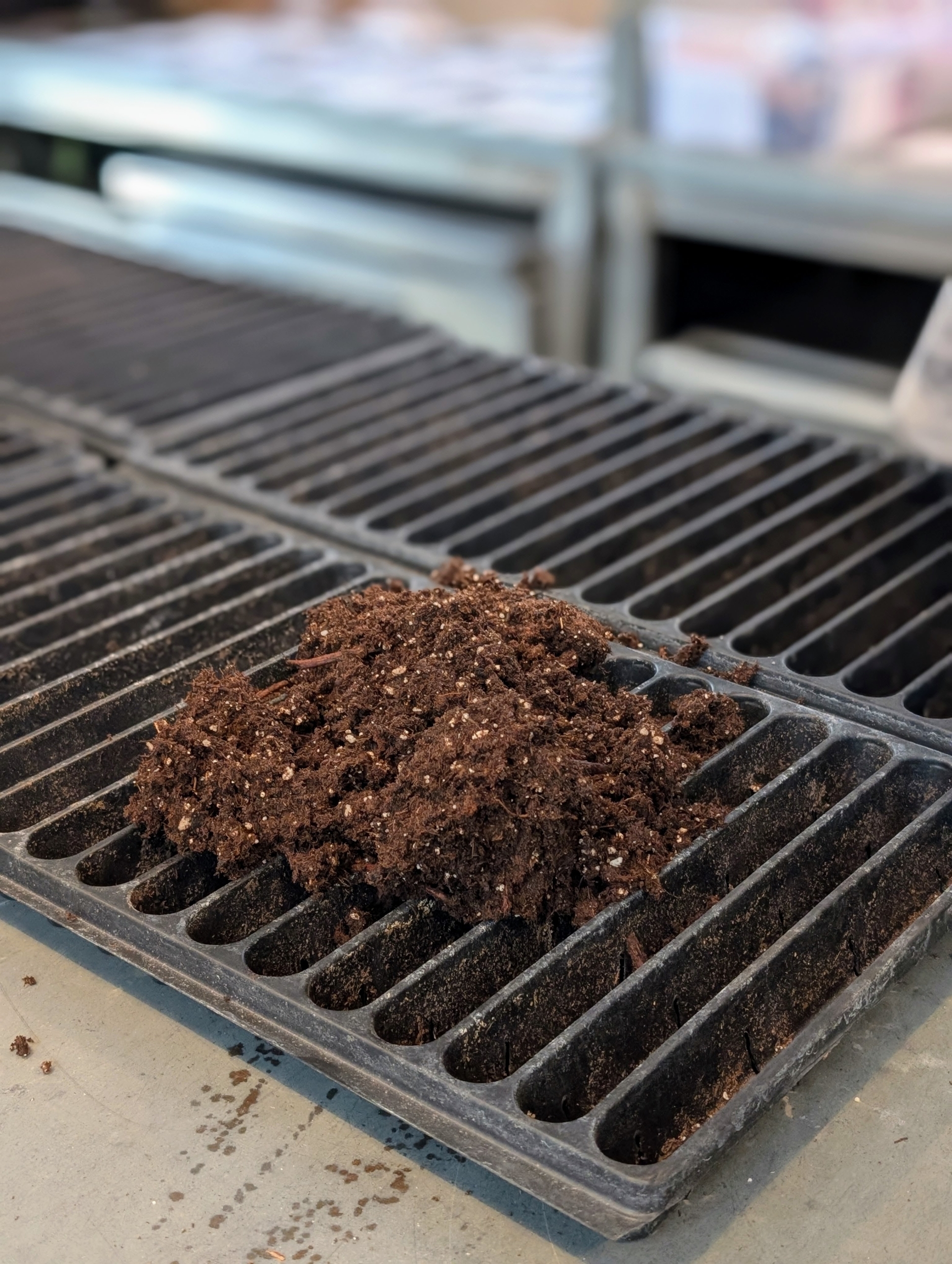
- Seed starting trays come in all different sizes and depths. I use trays with shallow compartments for planting onion seeds. These are 20-row seed flats from Johnny’s Selected Seeds. They keep varieties separate and make the removal of seedlings easy for transplanting to larger celled trays or pots later.
-
- Because I use a lot of onions for cooking and for sharing with my family, I plant many trays of onion seeds. My head gardener, Ryan McCallister, fills the seed starting tray with an appropriate mix.
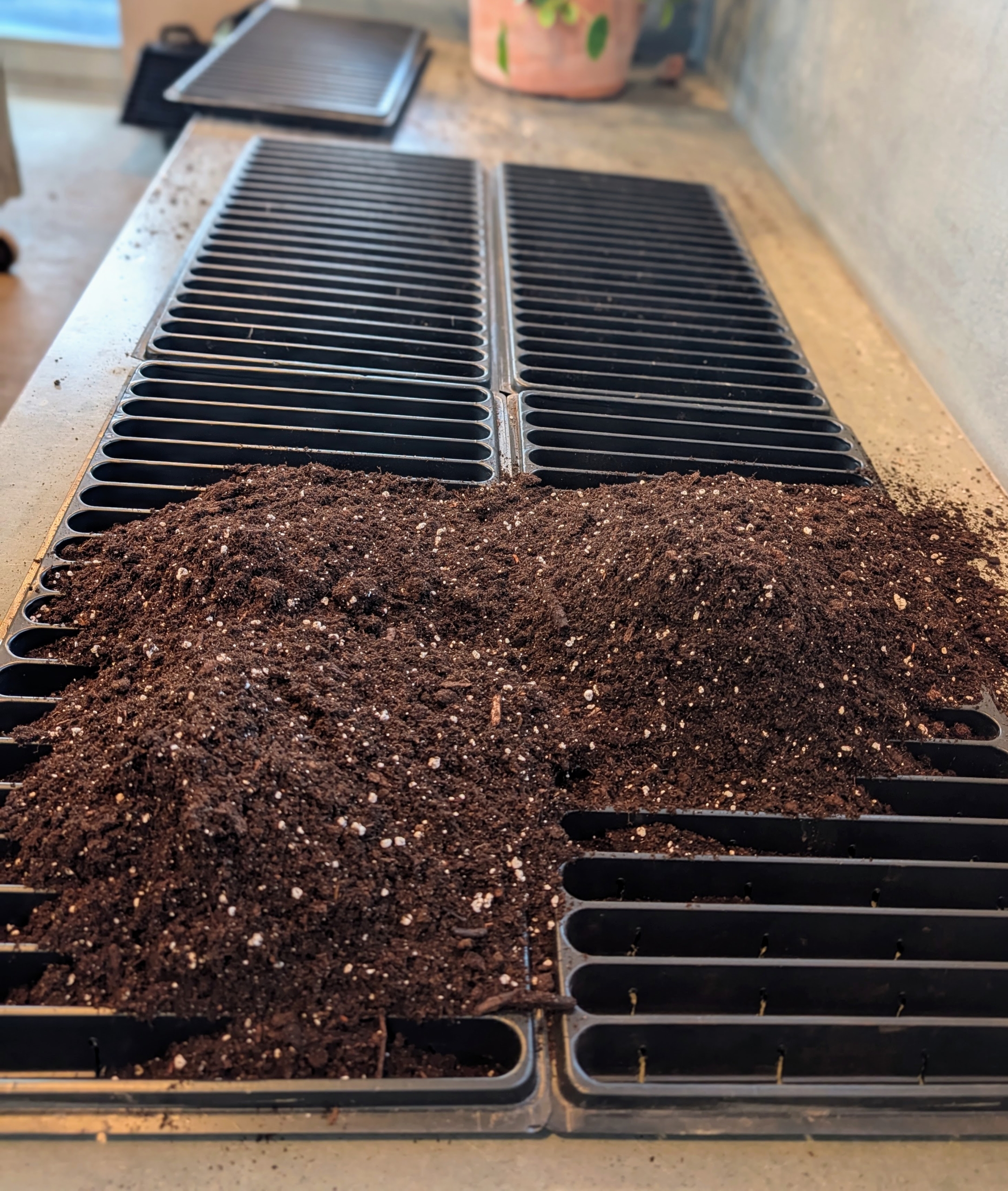
-
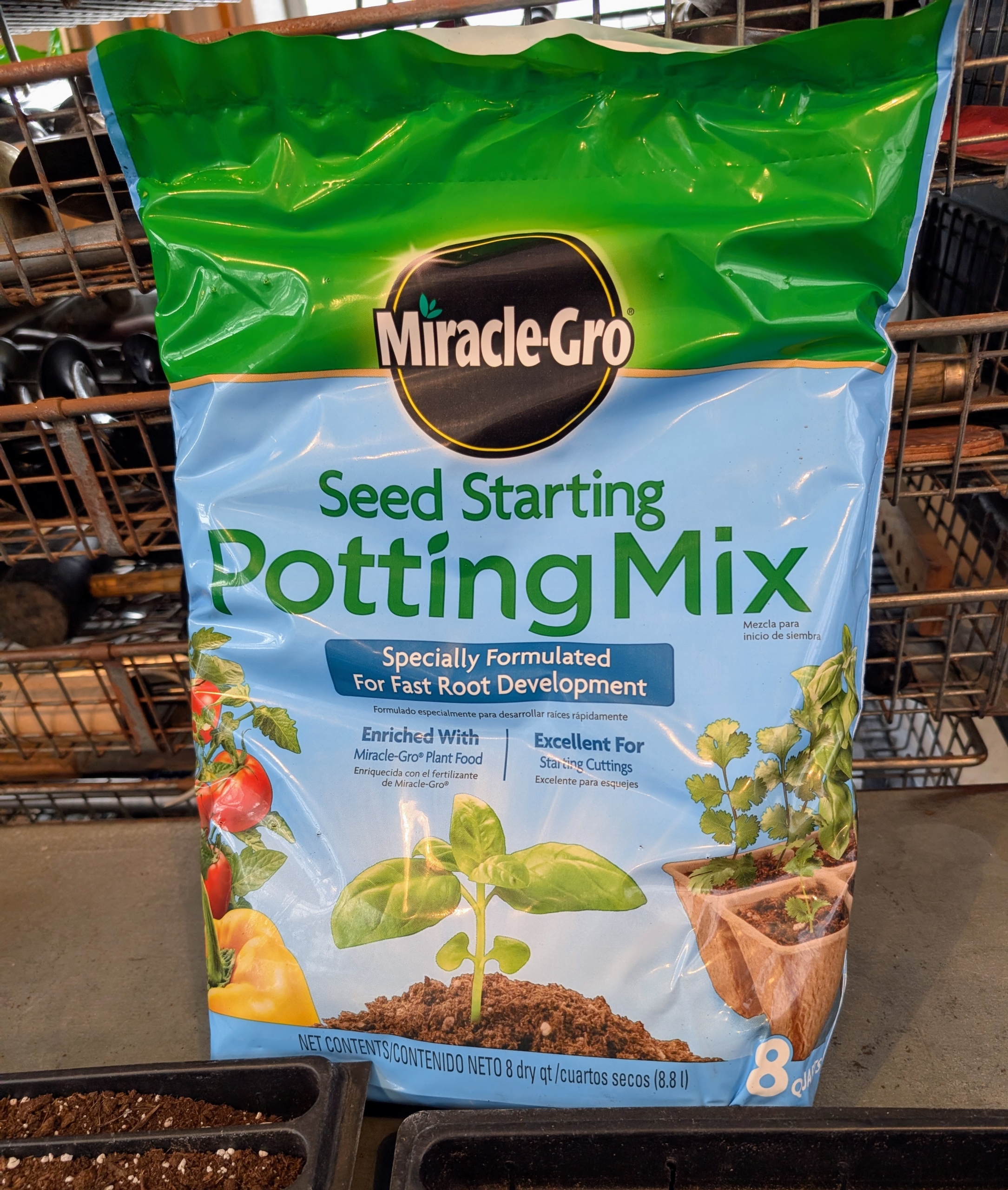
- It’s best to use a pre-made seed starting mix that contains the proper amounts of vermiculite, perlite and peat moss. Seed starting mixes are available at garden supply stores. I use Miracle-Gro Seed Starting Potting Mix.
-
- The soil should be level with the top of the tray. Ryan fills several trays first and works in a production line process.
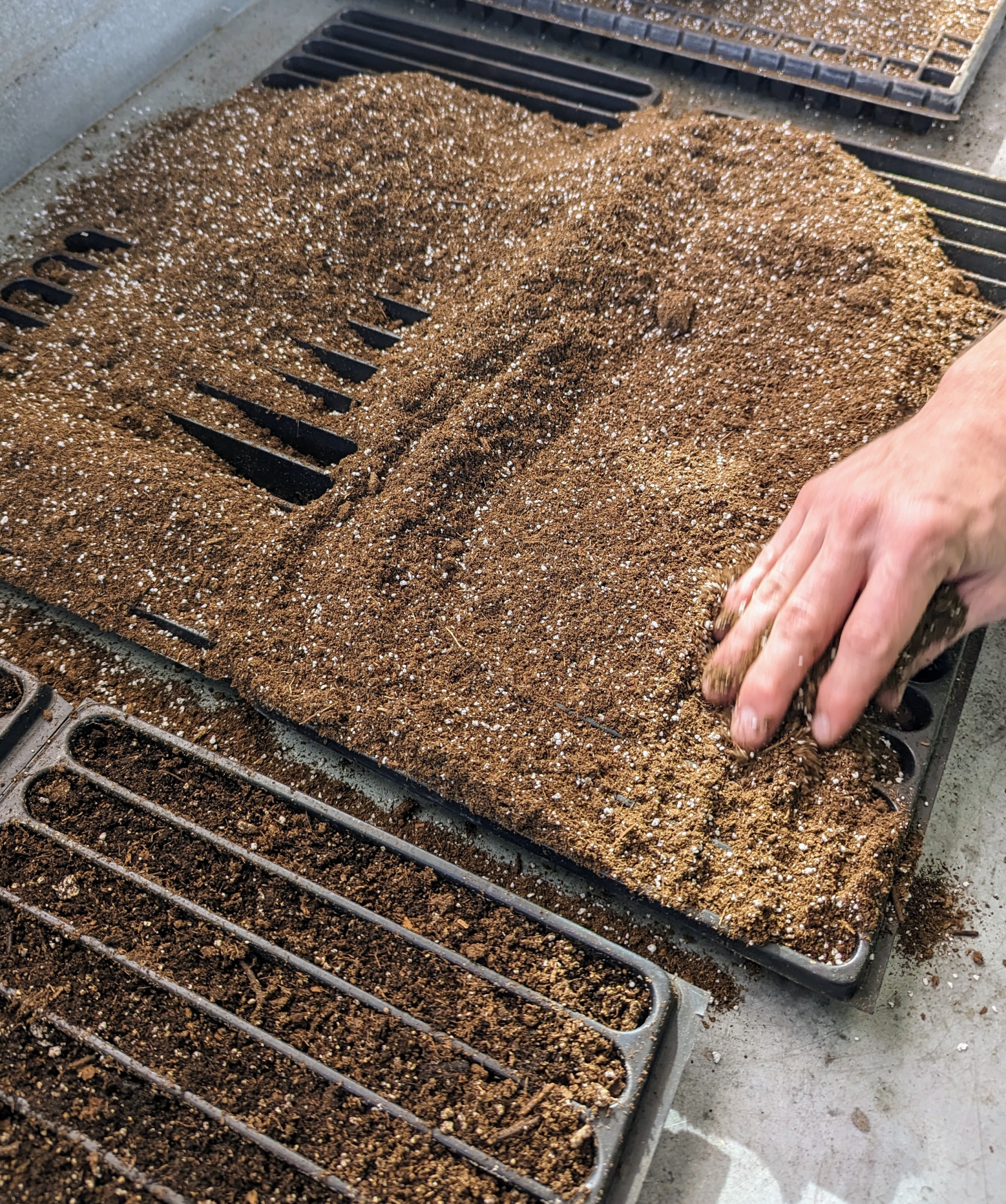
-
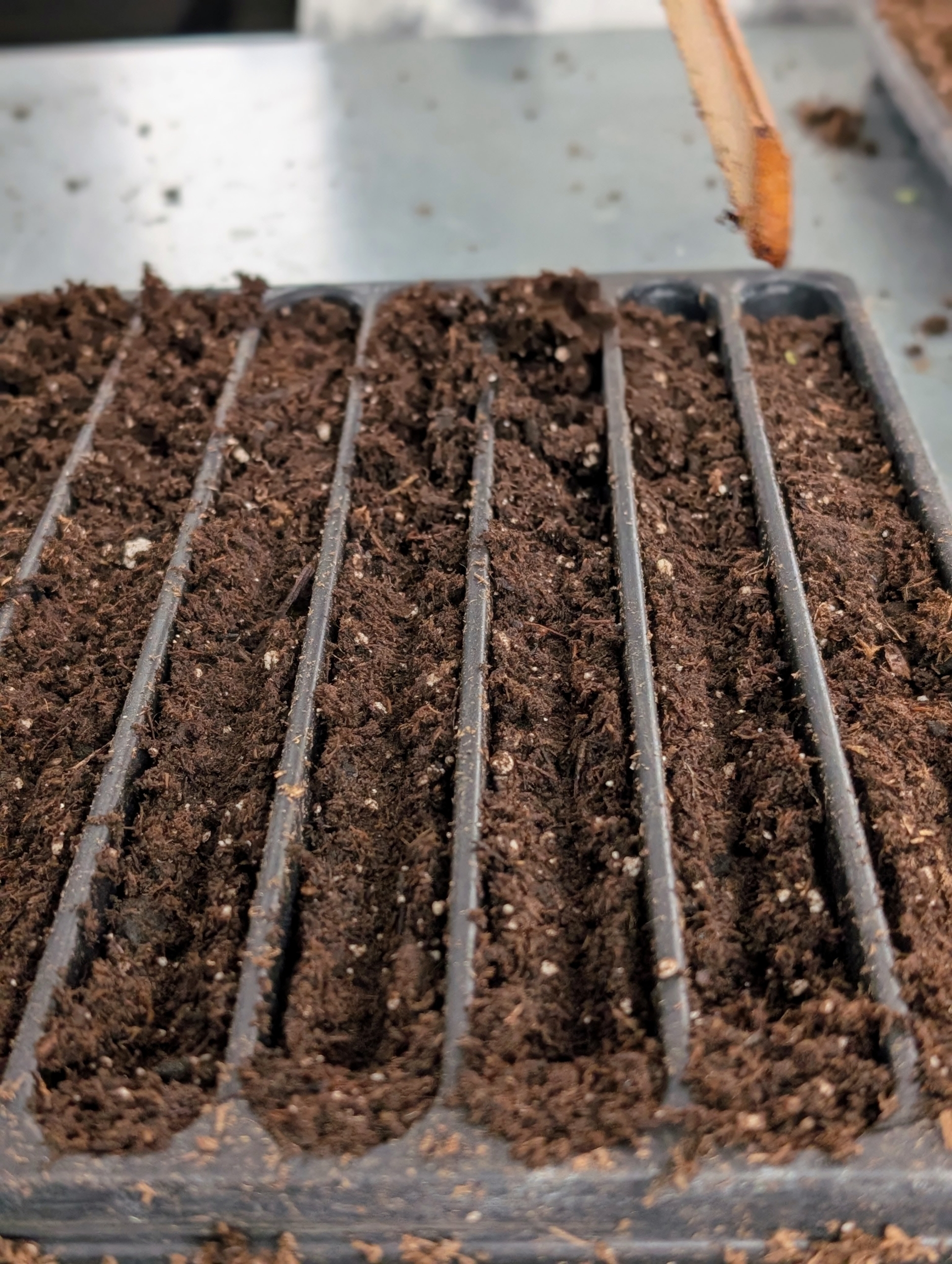
- Ryan uses the edge of a wooden ruler to make quarter-inch deep furrows.
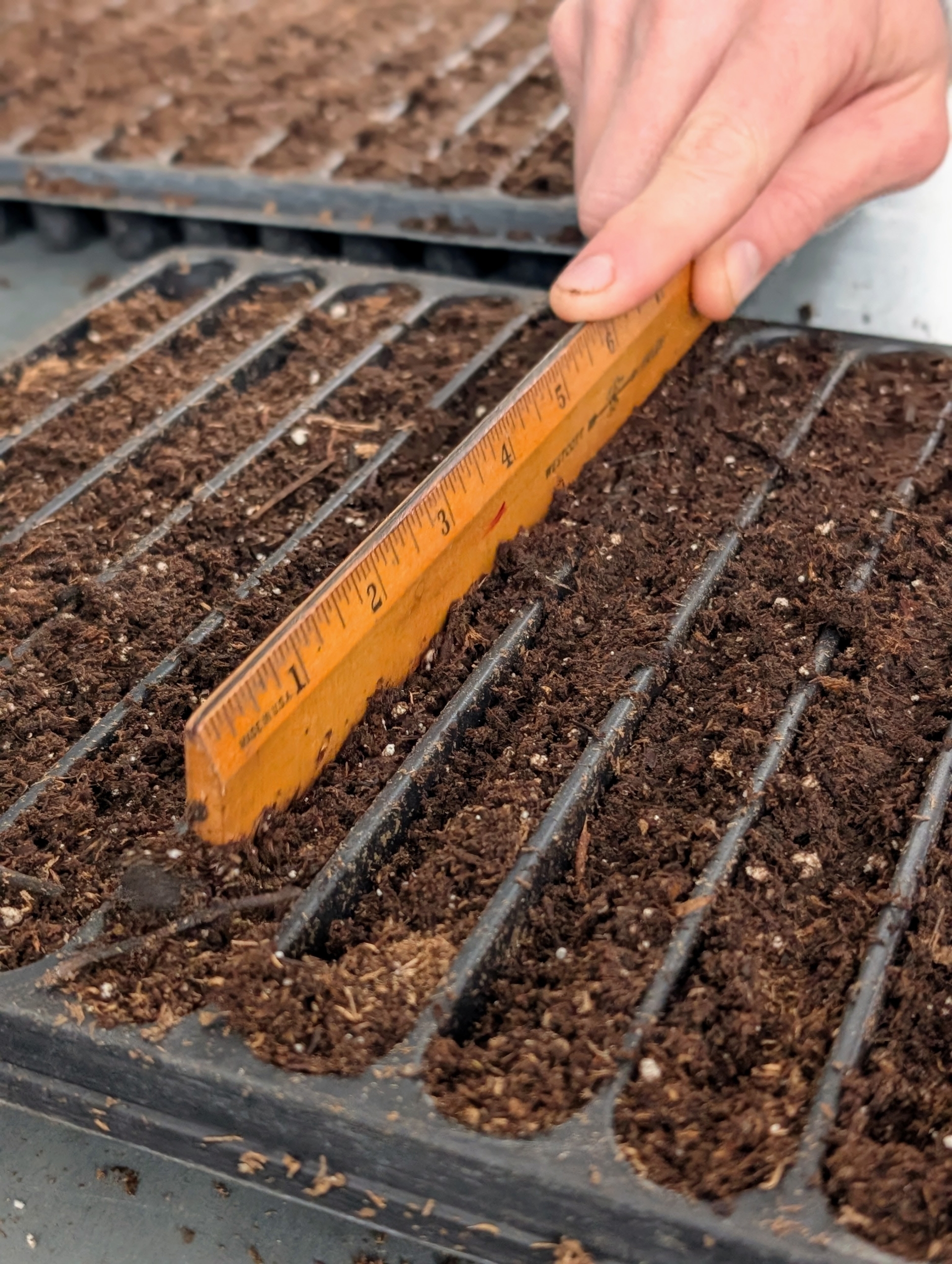
-
- Here, one can see the indentations in each cell.
-
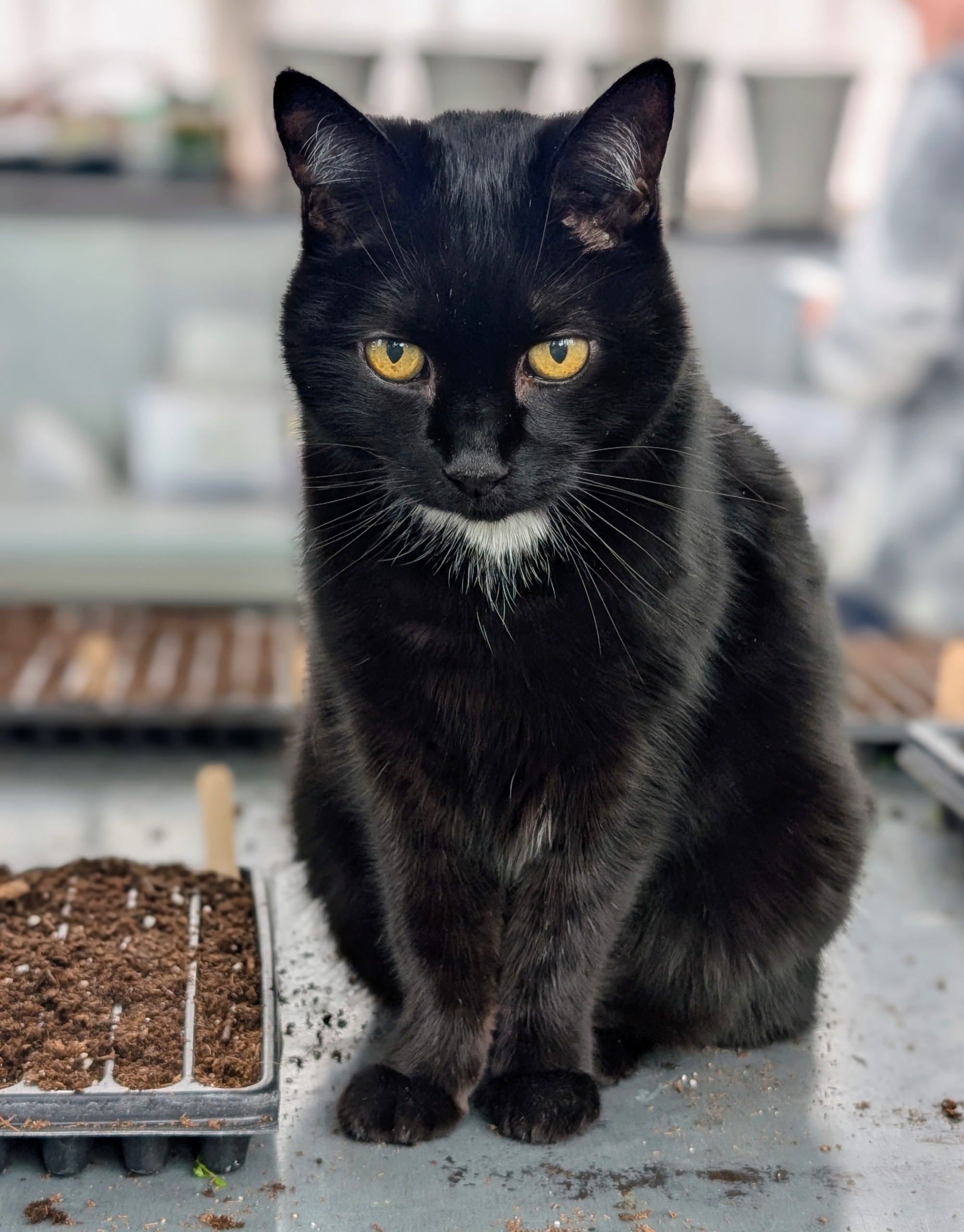
- Blackie sits nearby and watches Ryan working.
-
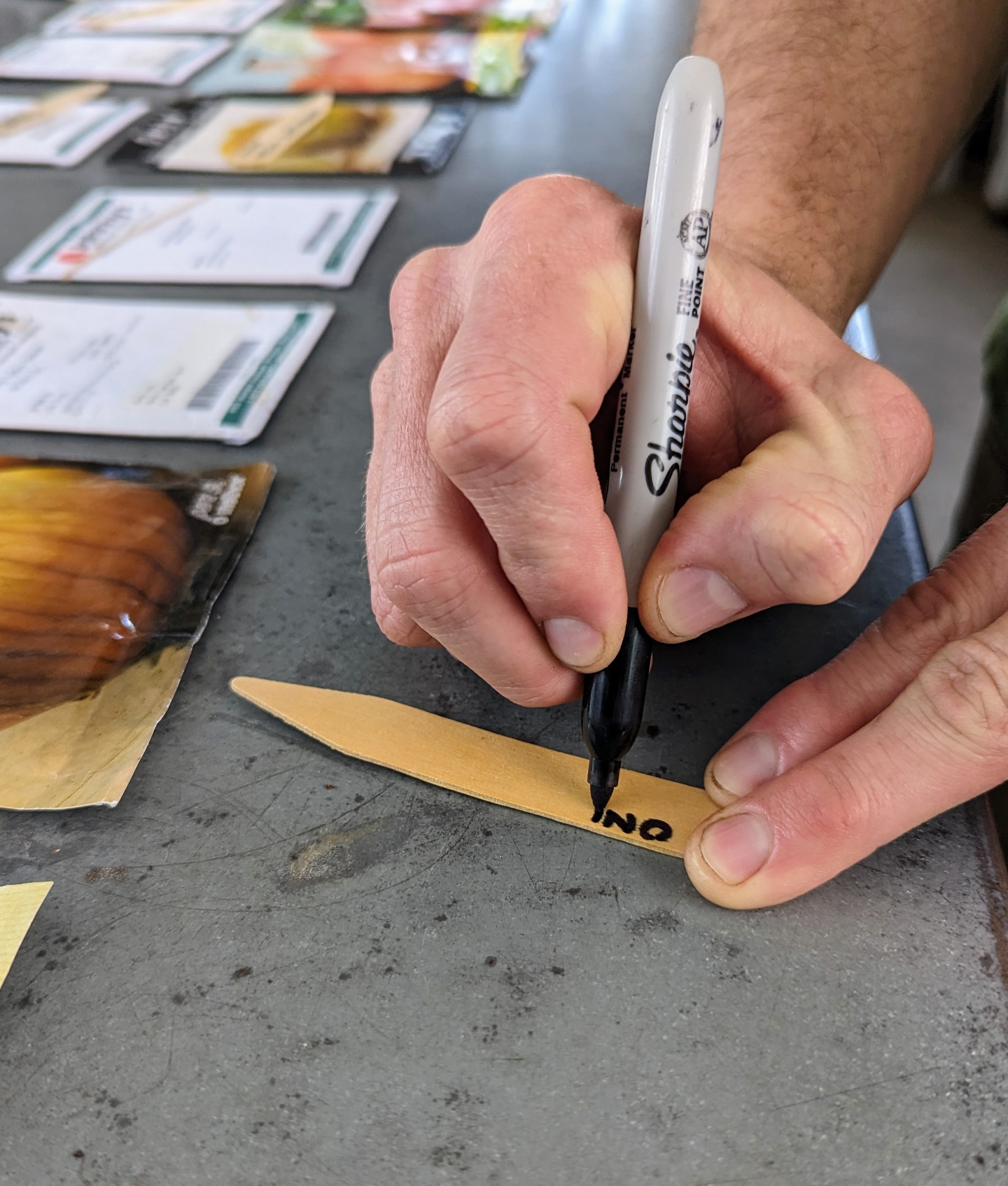
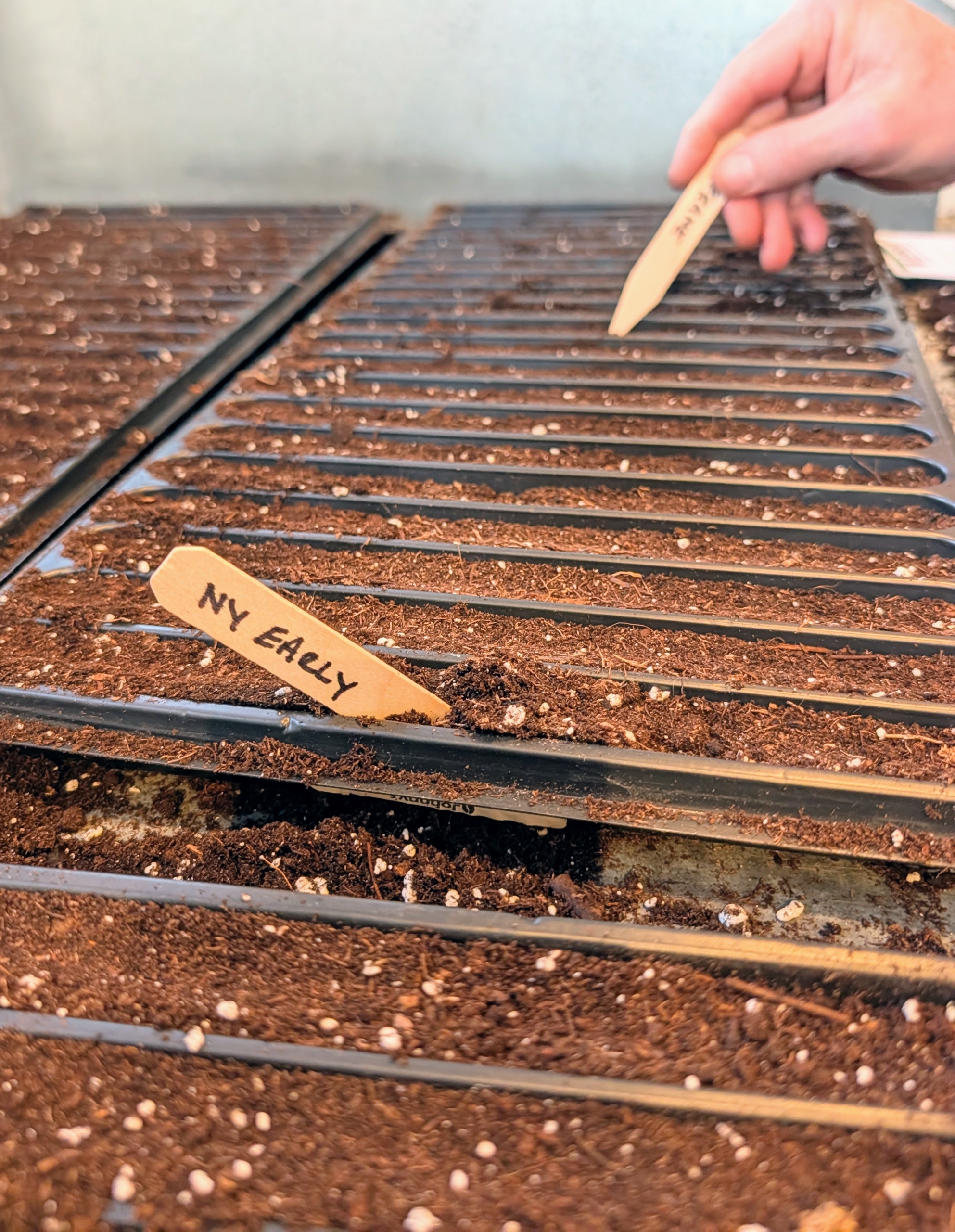
- On one side of the marker Ryan writes the vegetable variety so we can keep track of what grows well and what doesn’t.
-
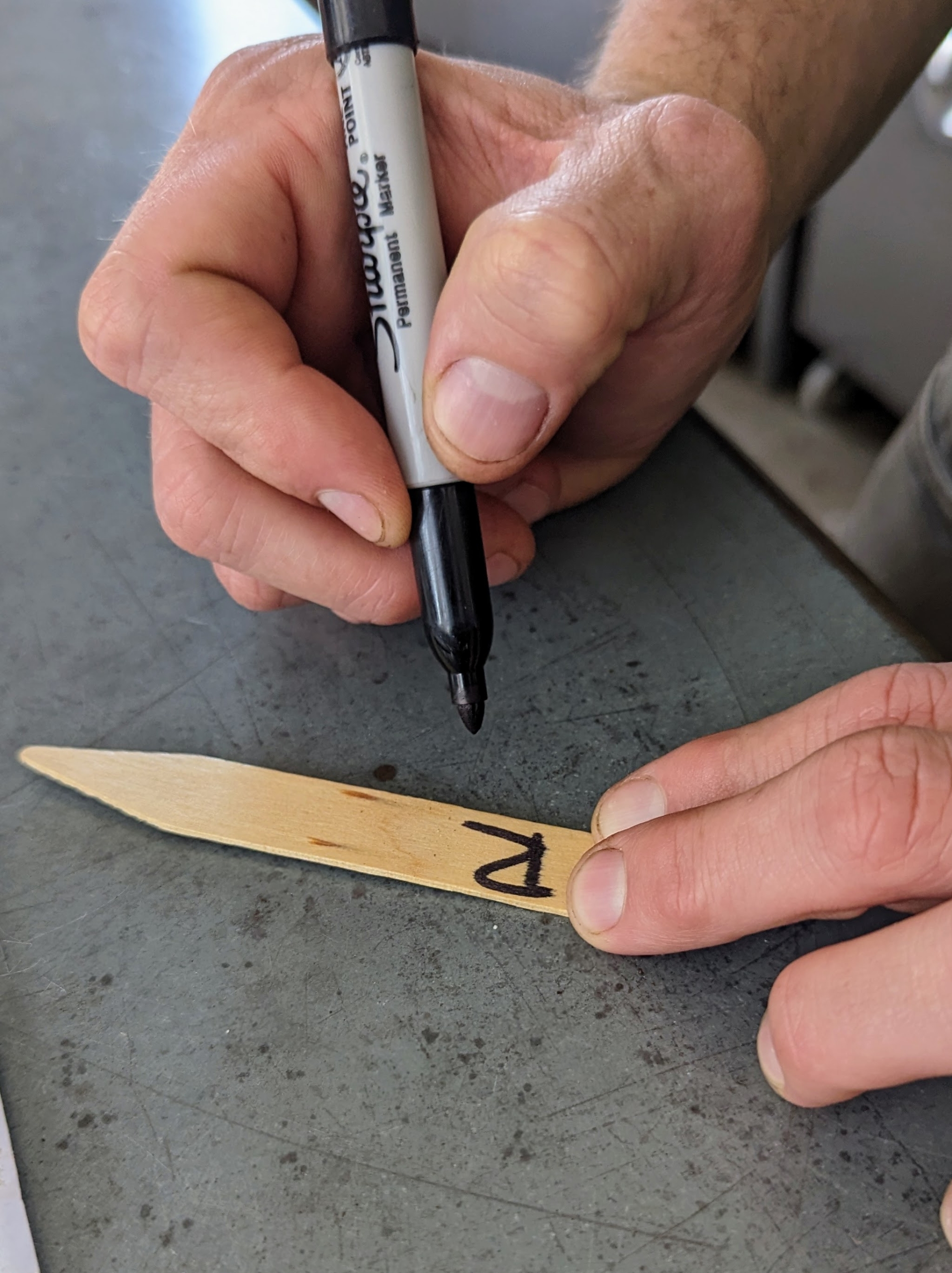
- On the other side, Ryan indicates what color this particular onion variety is – R for red, W for white, and Y for yellow.
-
- Ryan places a marker into one of the cells, so it is clear what variety is growing in what tray.
-
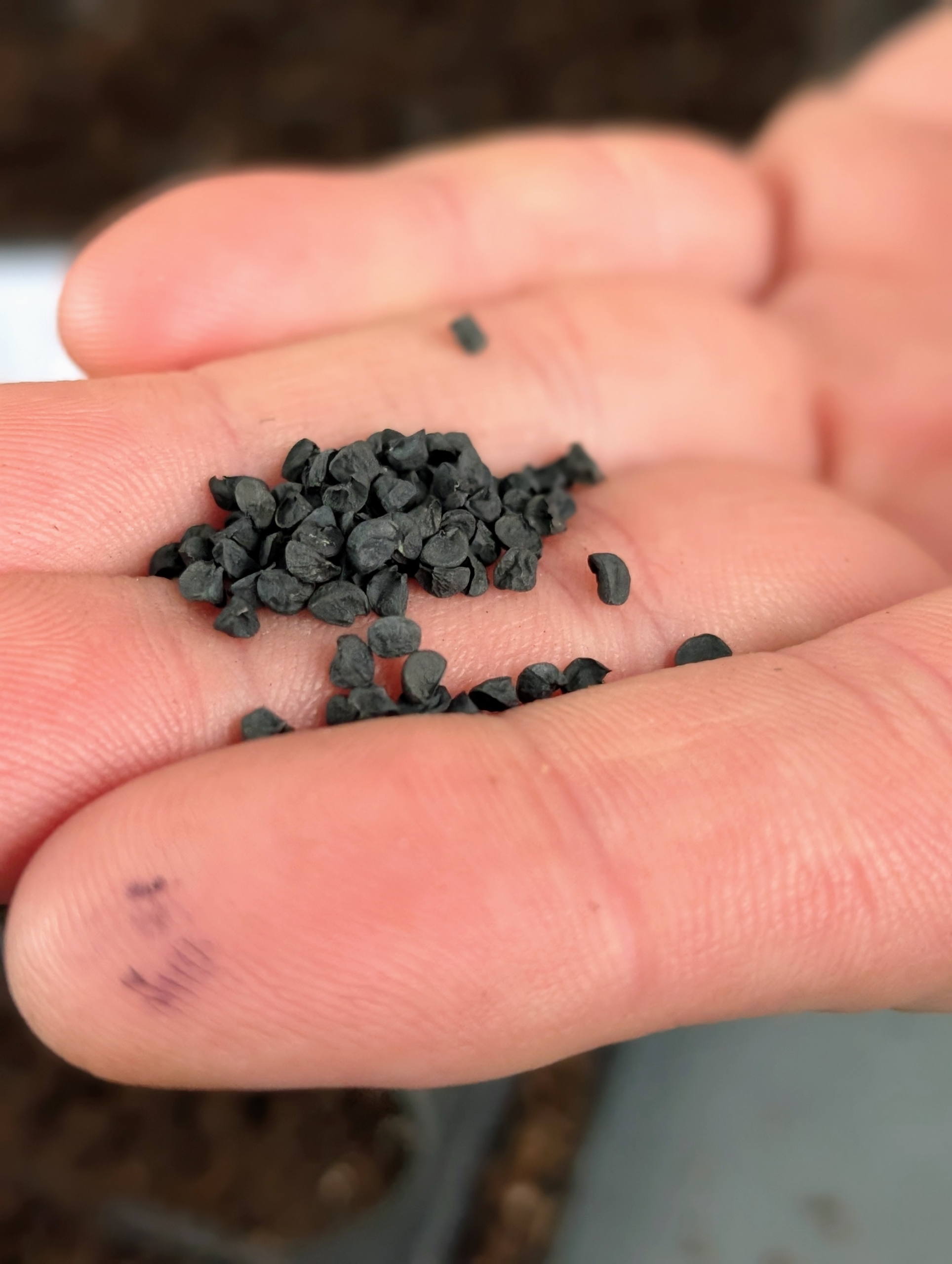
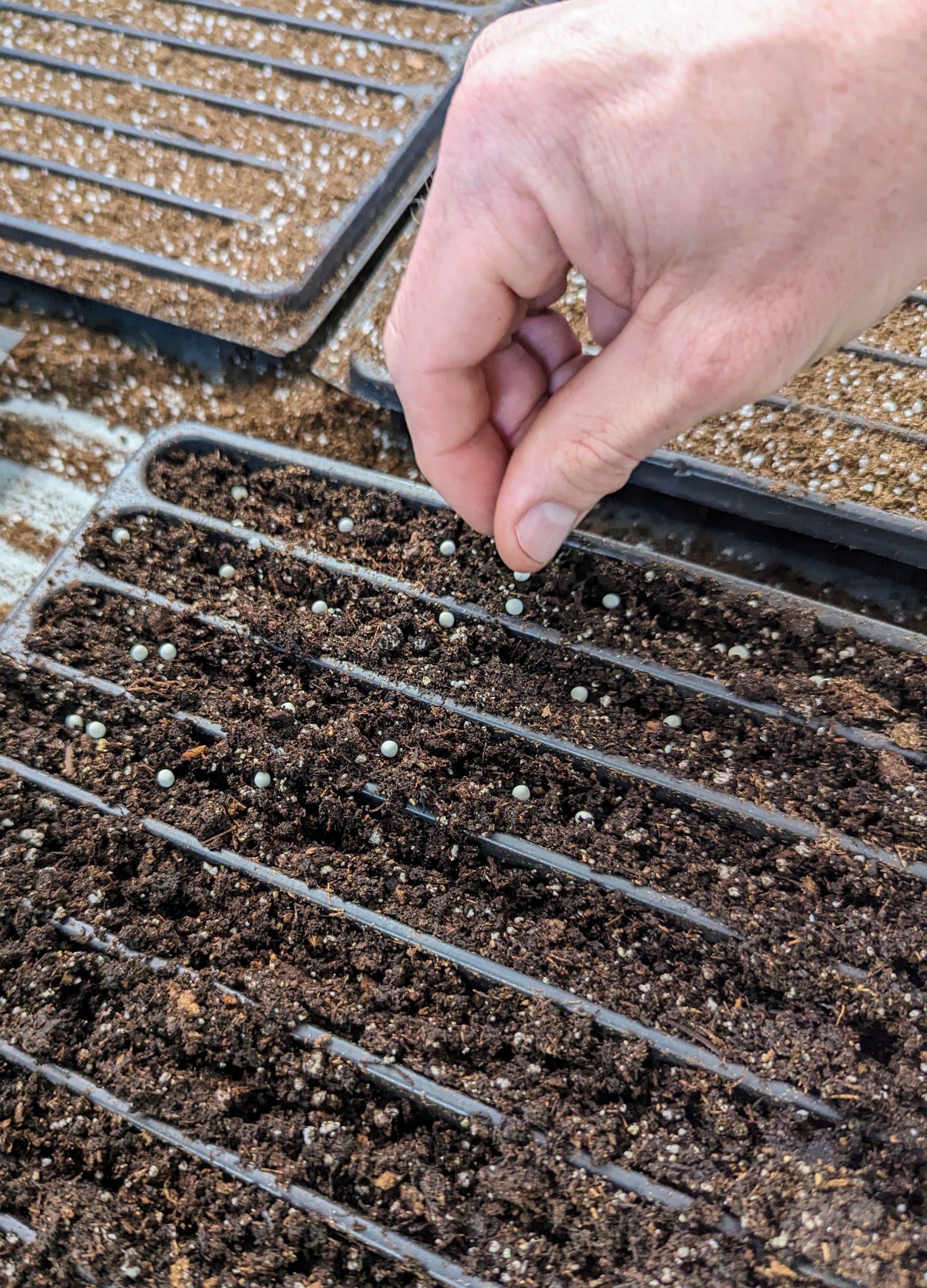
- Onion seeds are very small, so be sure to take time dropping them into the tray cells.
-
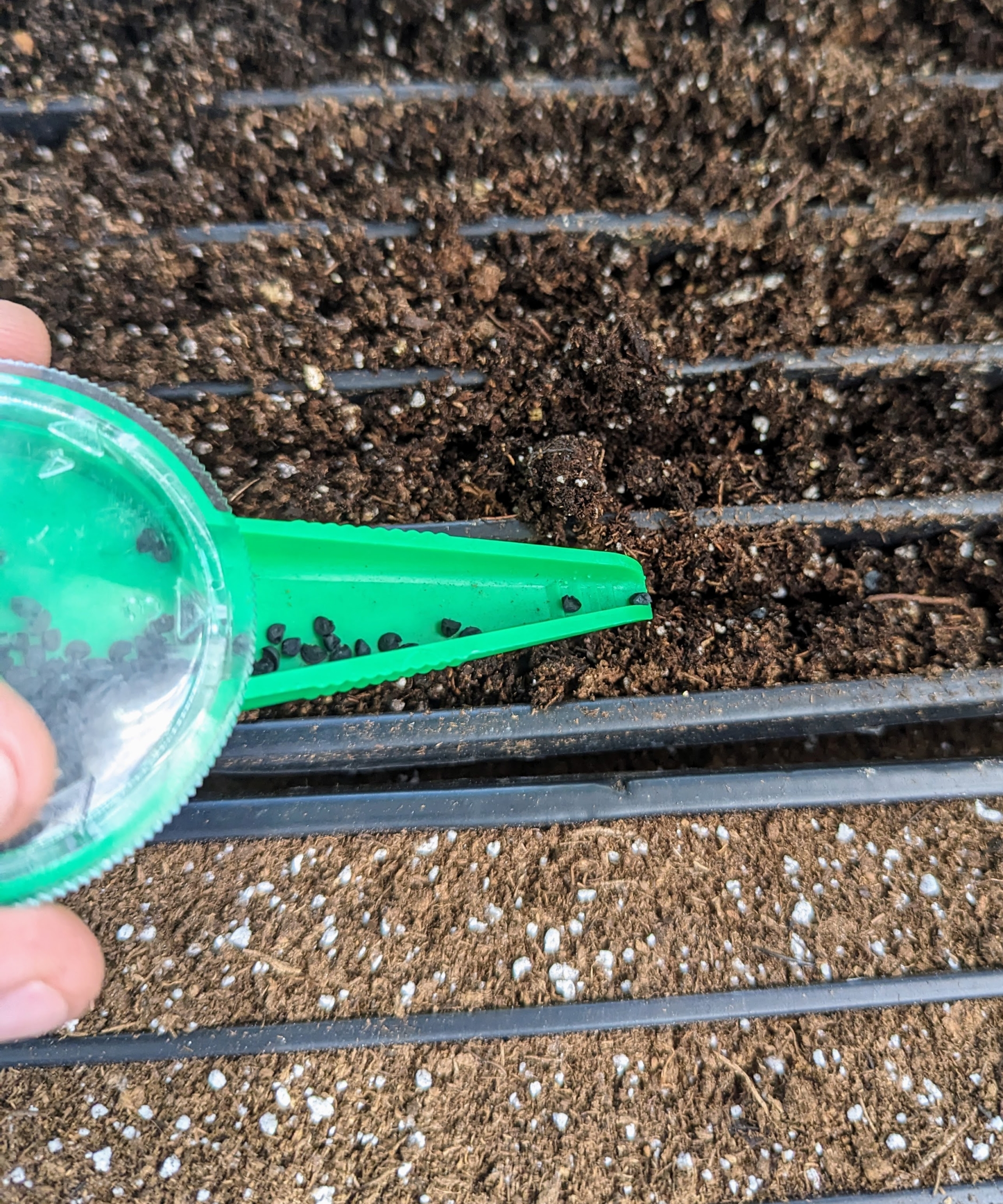
- Johnny’s Selected Seeds offers a Hand Seed Sower to help drop the seeds into the trays.
-
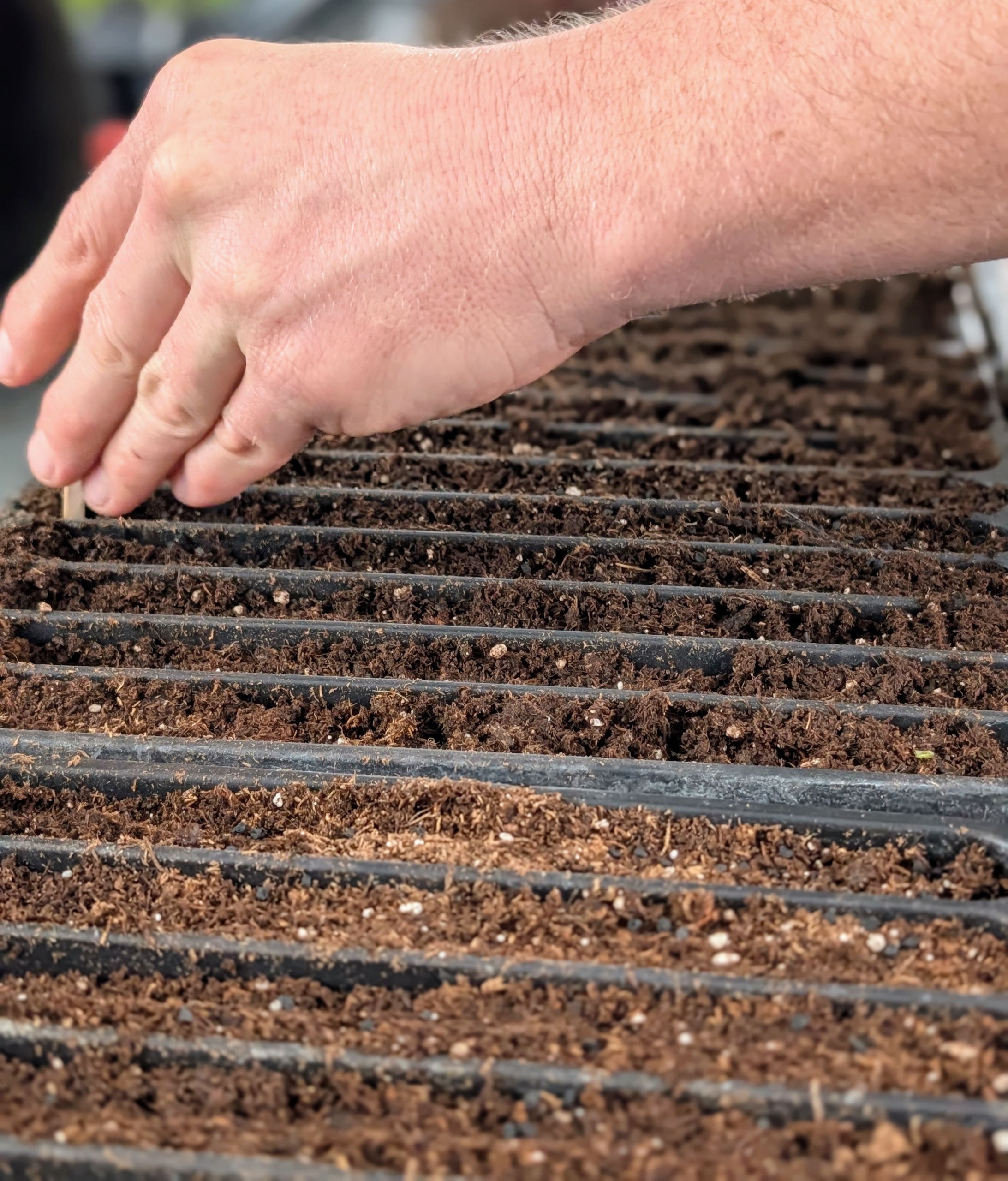
- But one can also do this by hand – slowly and carefully, so they are evenly distributed along the rows.
-
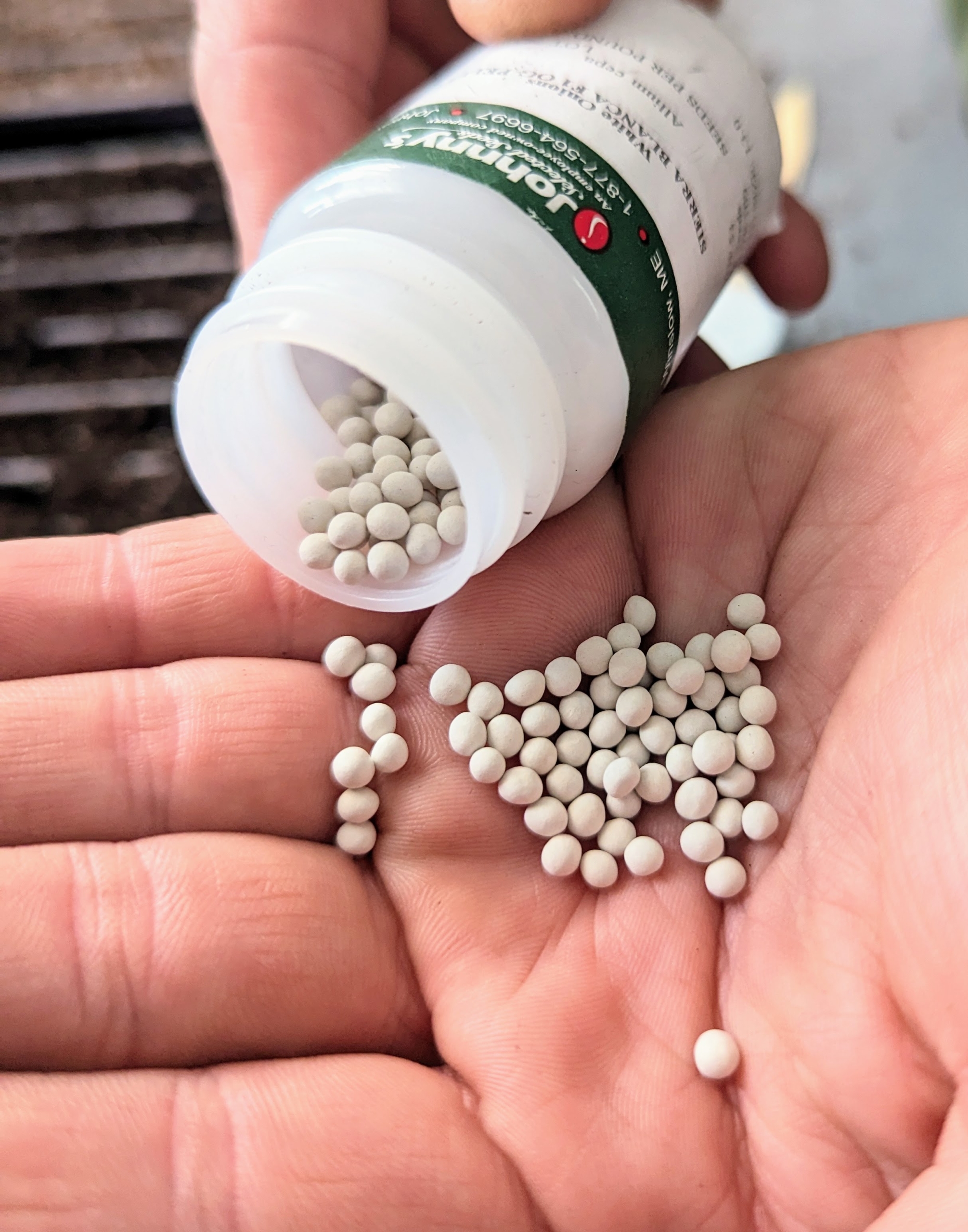
- The pellet coating on these seeds helps in seeing, handling, and sowing.
-
- These are easier to drop by hand. The sprouts will be selectively thinned in a few weeks. This process eliminates the weaker sprouts and prevents overcrowding, so seedlings don’t have any competition for soil nutrients or room to mature.
-
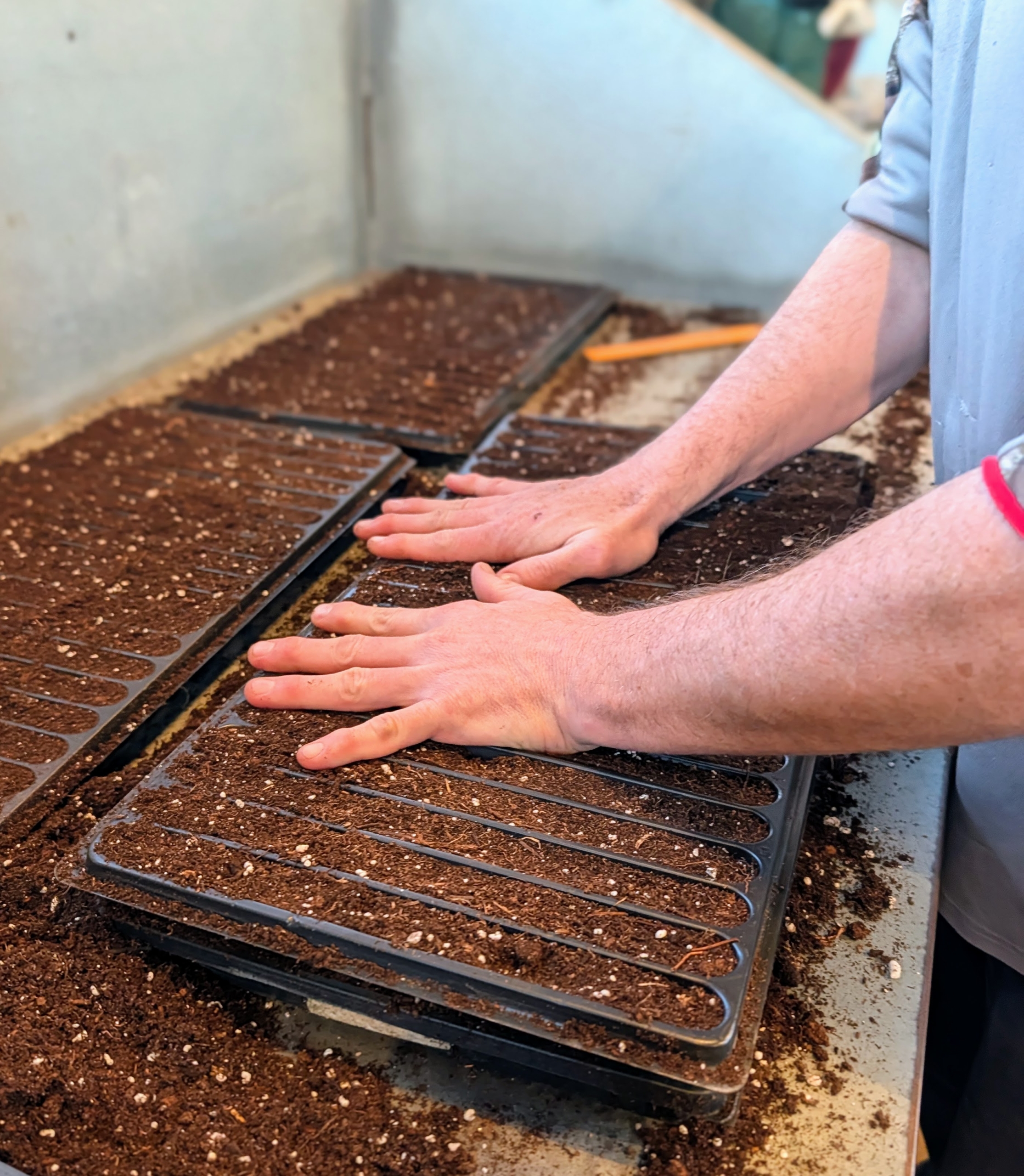
- Ryan also adds another thin layer of soil mix to this tray and tamps down lightly.
-
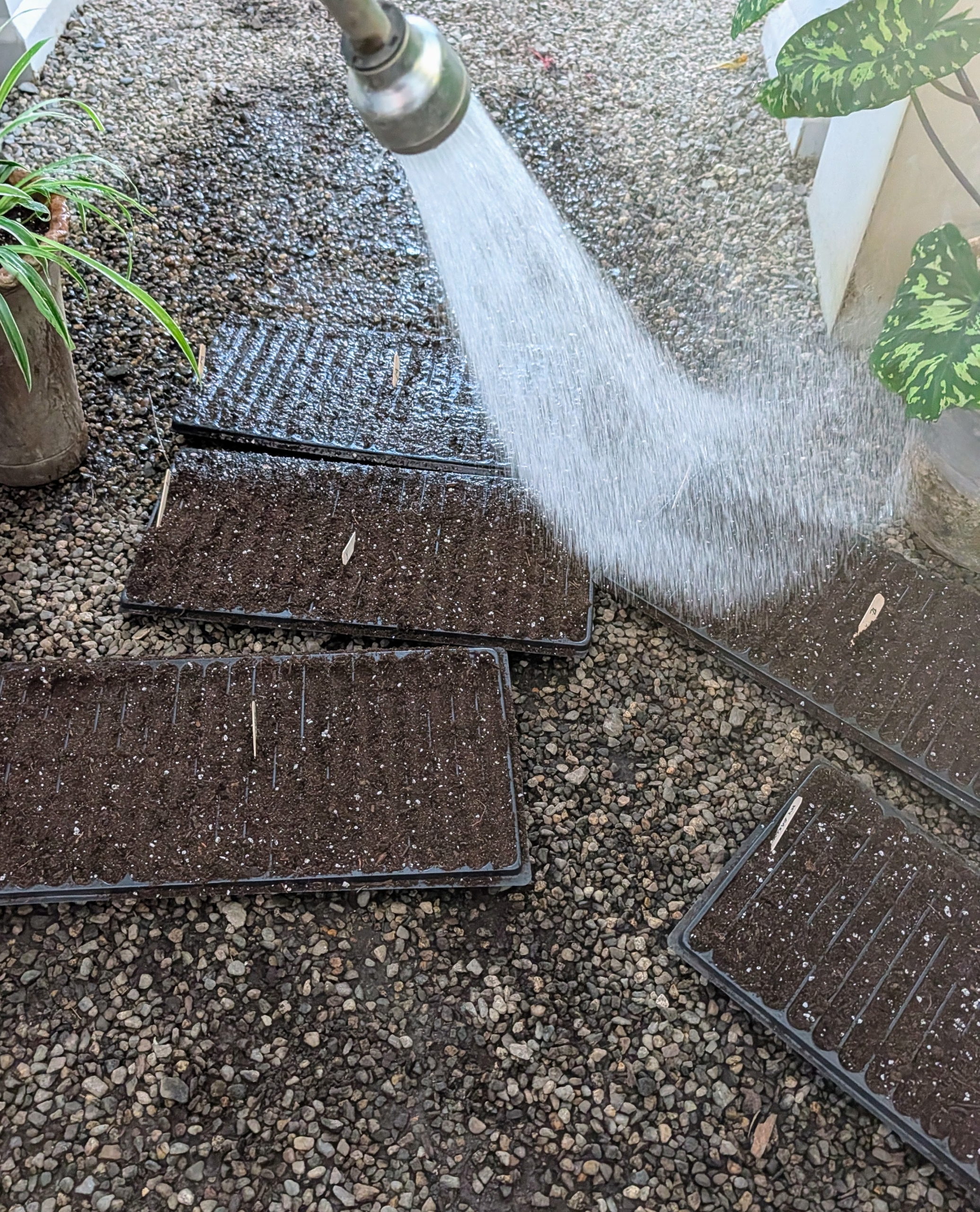
- The trays are watered thoroughly next door in the greenhouse.
-
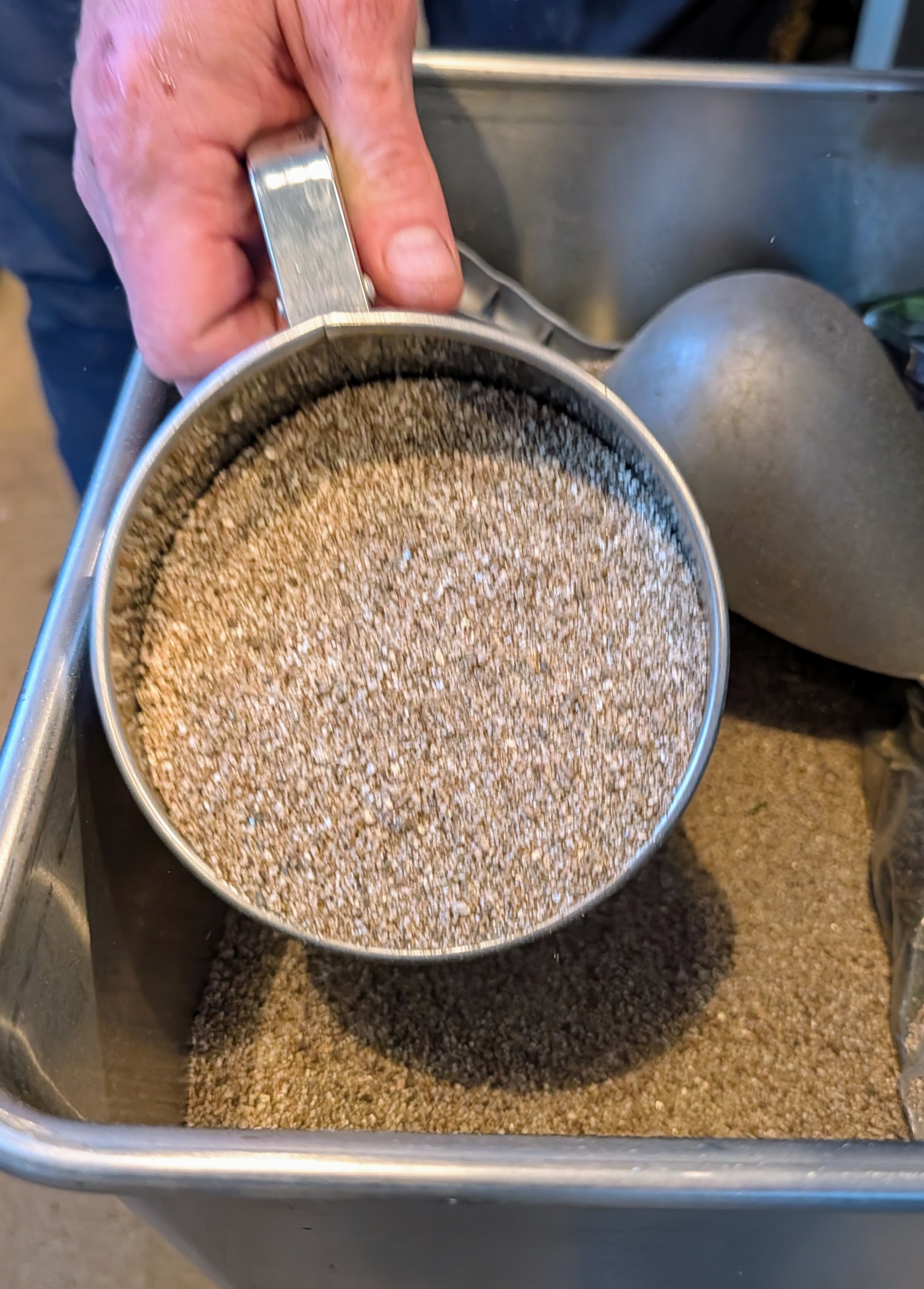
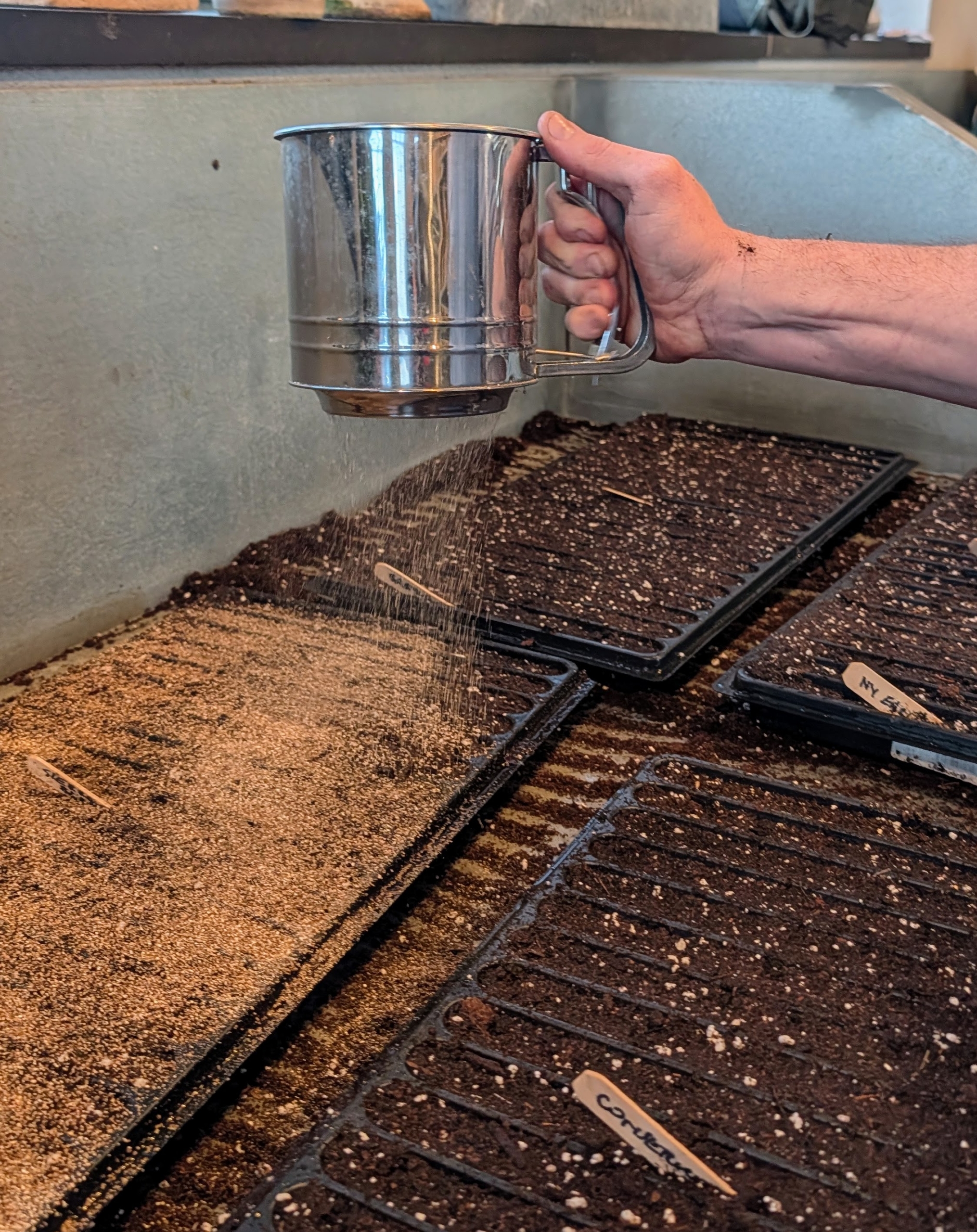
- And then Ryan uses a kitchen flour sifter to drop a thin layer of fine vermiculite on the seeds. Vermiculite is a lightweight mineral that holds water, but prevents water logging.
-
- Vermiculate will also aid germination, protecting the seeds and creating idea conditions for sprouting.
-
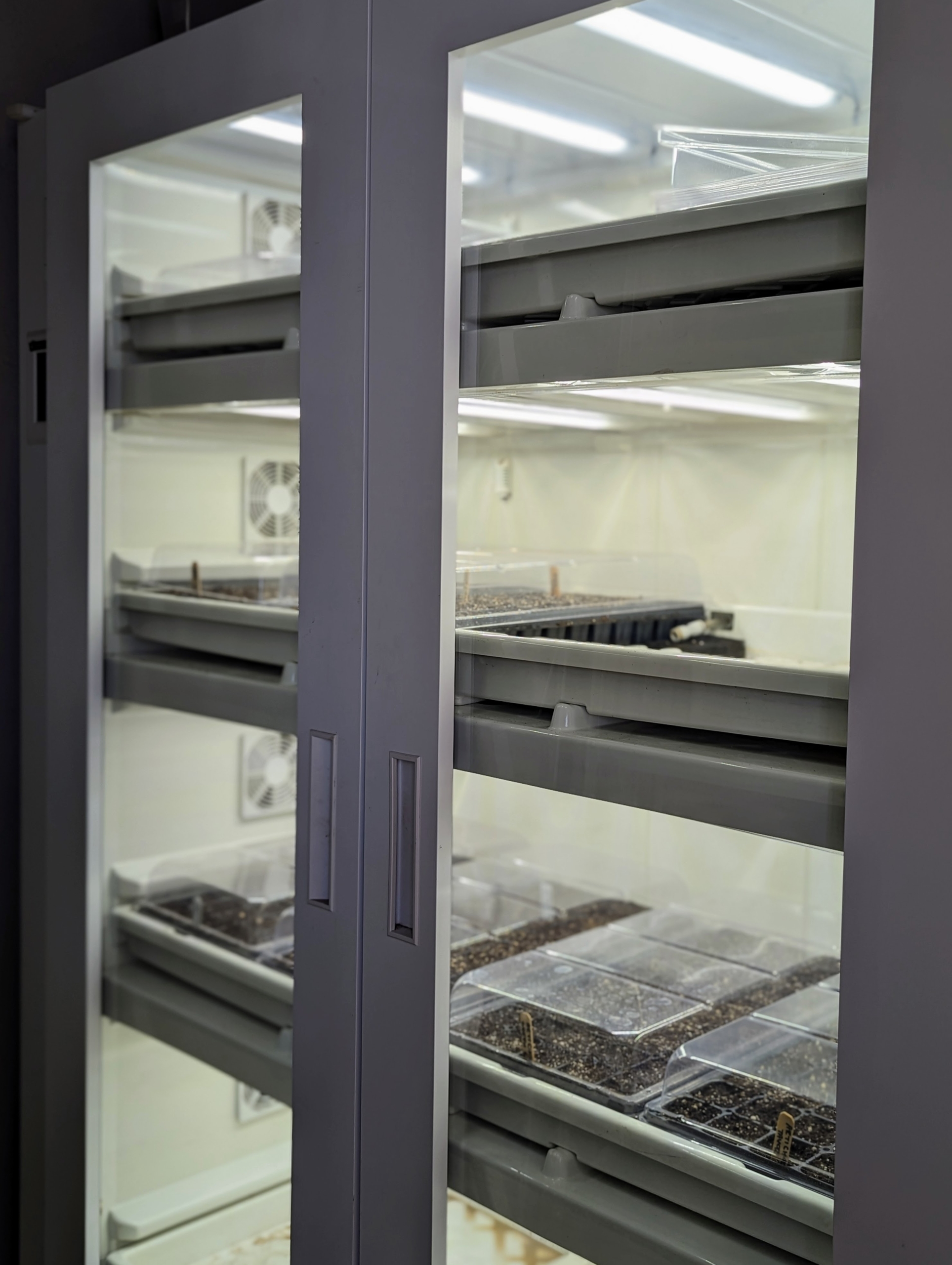
- Once the seed trays are done he places them into our trusted commercial size Urban Cultivator growing system – it has water, temperature and humidity all set-up in the refrigerator like unit. Seeds are usually started about two months before the last frost. We will be planting seeds well into March. Follow along to see what other vegetables are started from seed right here in my greenhouse. I hope these blogs help remind you what you can do to get ready for the next gardening season.
 Martha Pins


 Martha Tweets

