

Colorful Tulips in My Garden
So much is growing and blooming around my farm, including the showy, bright-colored tulips!
Tulips, which come in a variety of shapes and sizes, are perennial plants that open up each spring. They're grown for their graceful leaves and bright, cheery blooms. Some are traditional and cup-shaped, some have fringed petals, others have pointed ones, and some are full of fanciful ruffles. Some varieties even carry a soft, subtle scent. Many of my tulips are from Colorblends Wholesale Flowerbulbs in Bridgeport, Connecticut and The Flower Hat, a floral design studio and farm in Bozeman, Montana.
Here are some photos, enjoy.
-

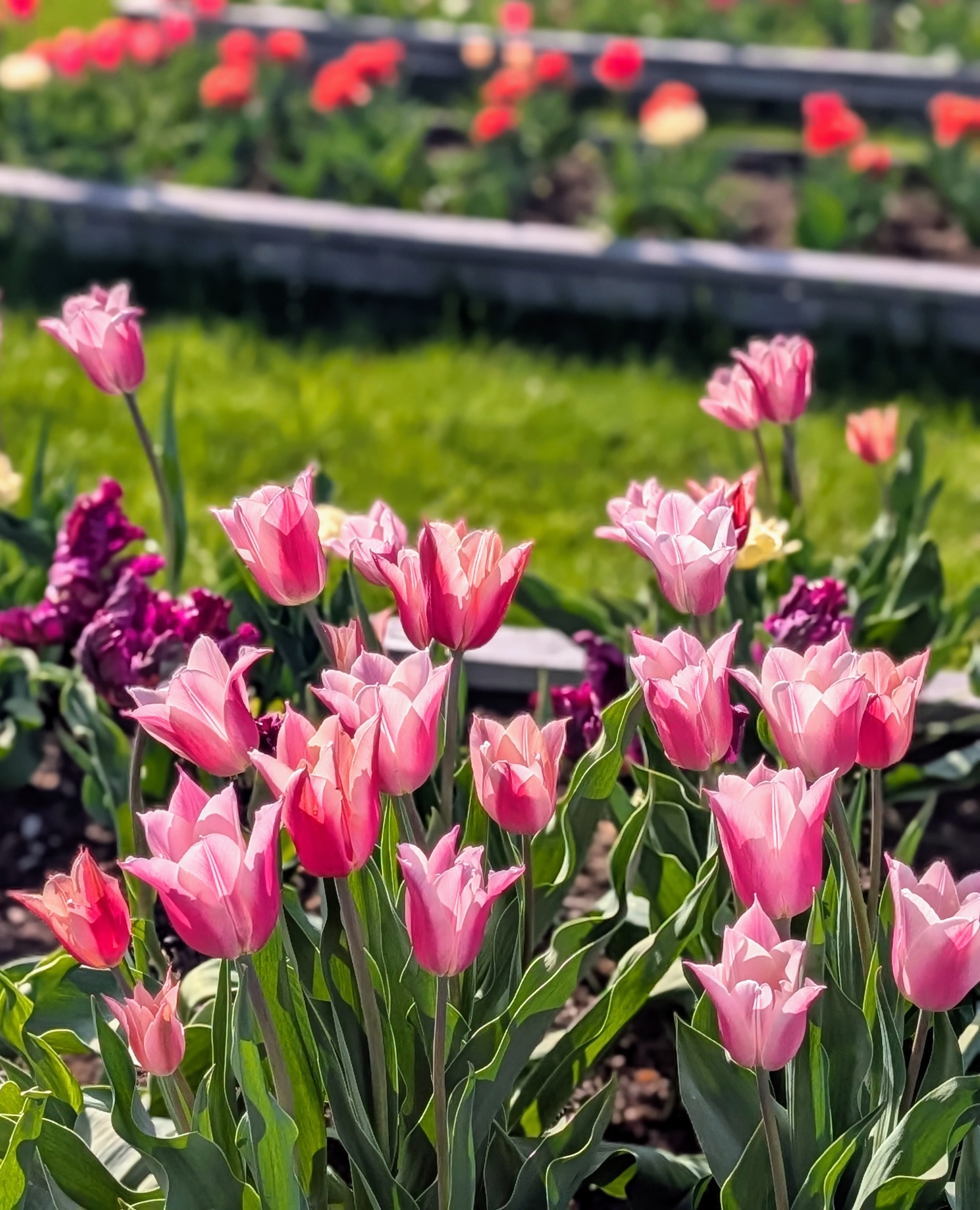
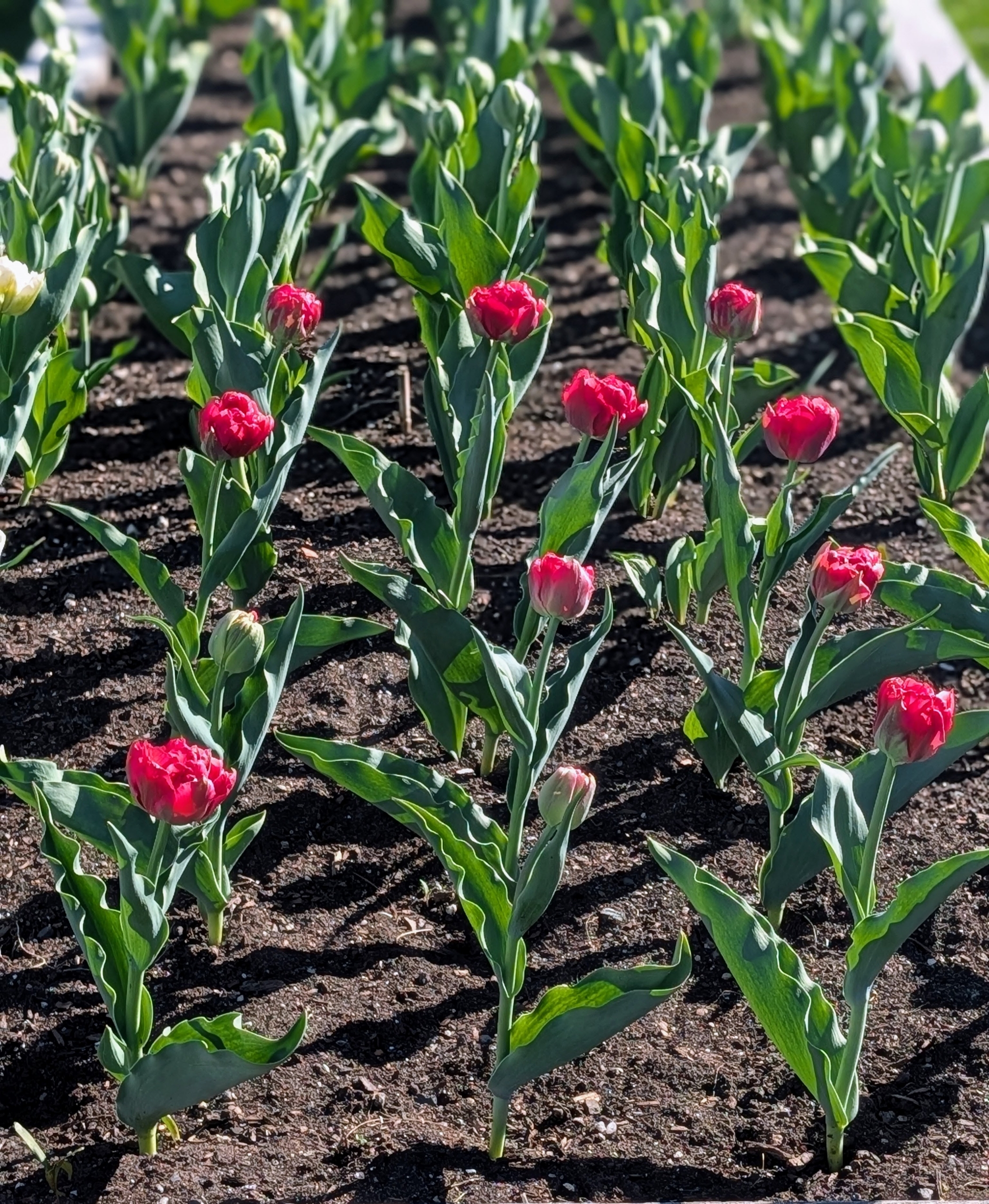
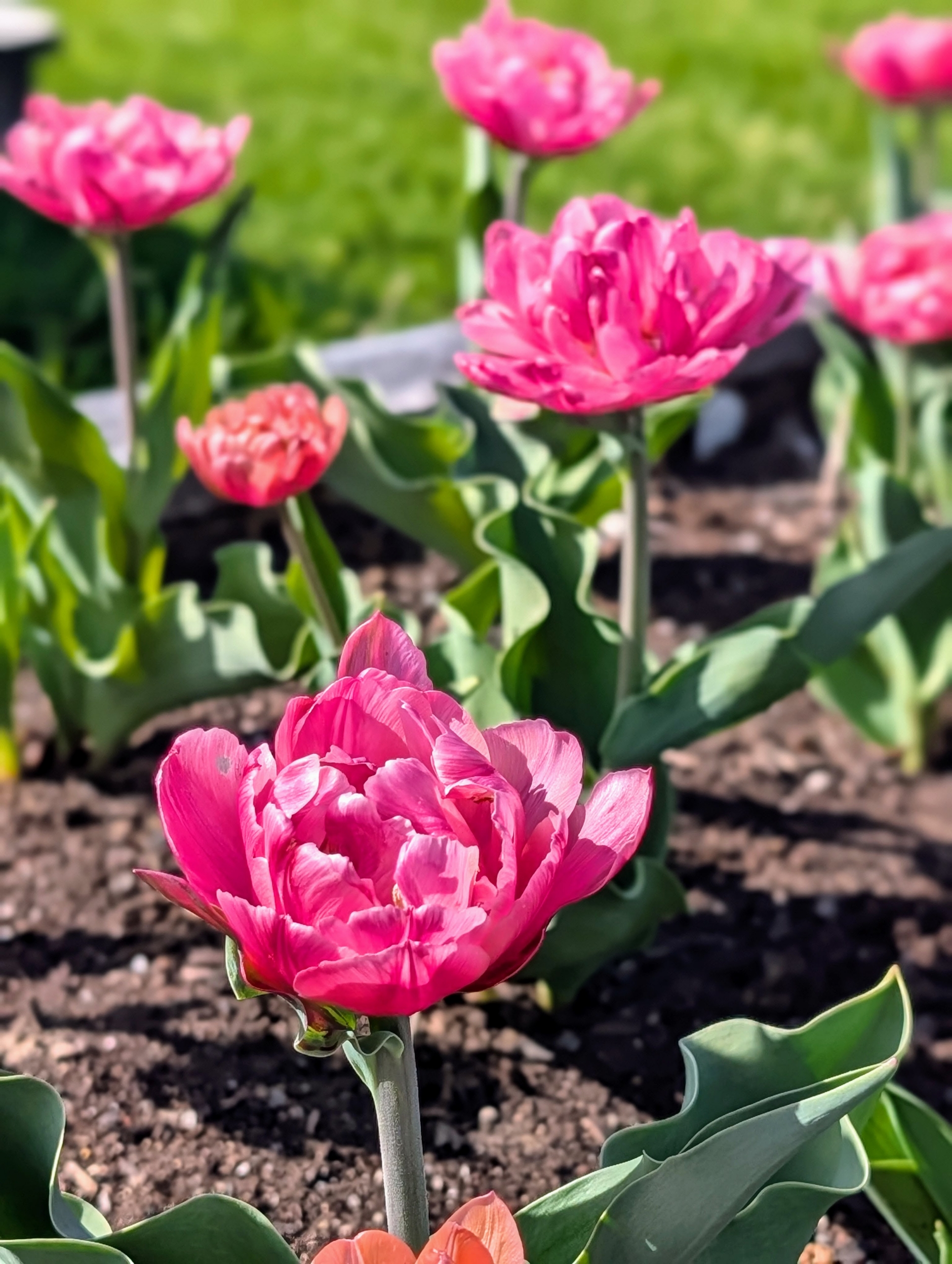
- It’s so exciting to see the swaths of color in the garden beds after a gray, dreary, cold winter. Look at these bright pink tulips.
-
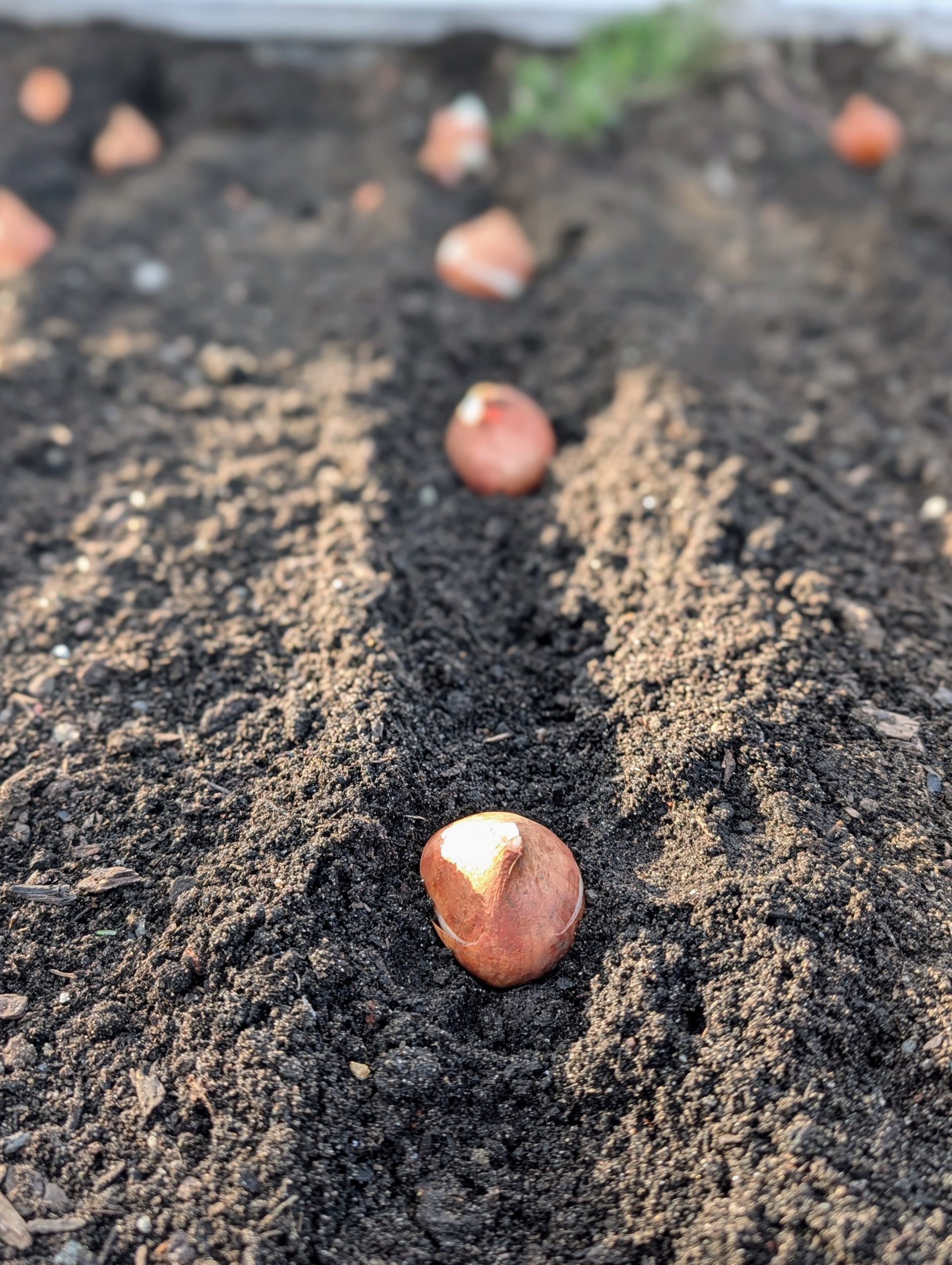
- Last year, just before Thanksgiving, we planted all of our tulip bulbs in a handful of raised beds in the vegetable garden. These look so healthy. Any kind of bulb should be firm and free of soft spots or visible rot.
-
- All tulips are planted in the fall and bloom in the spring. They grow best in zones 3 to 8 where they can get eight to 12 weeks of cold temperatures while under the soil.

-
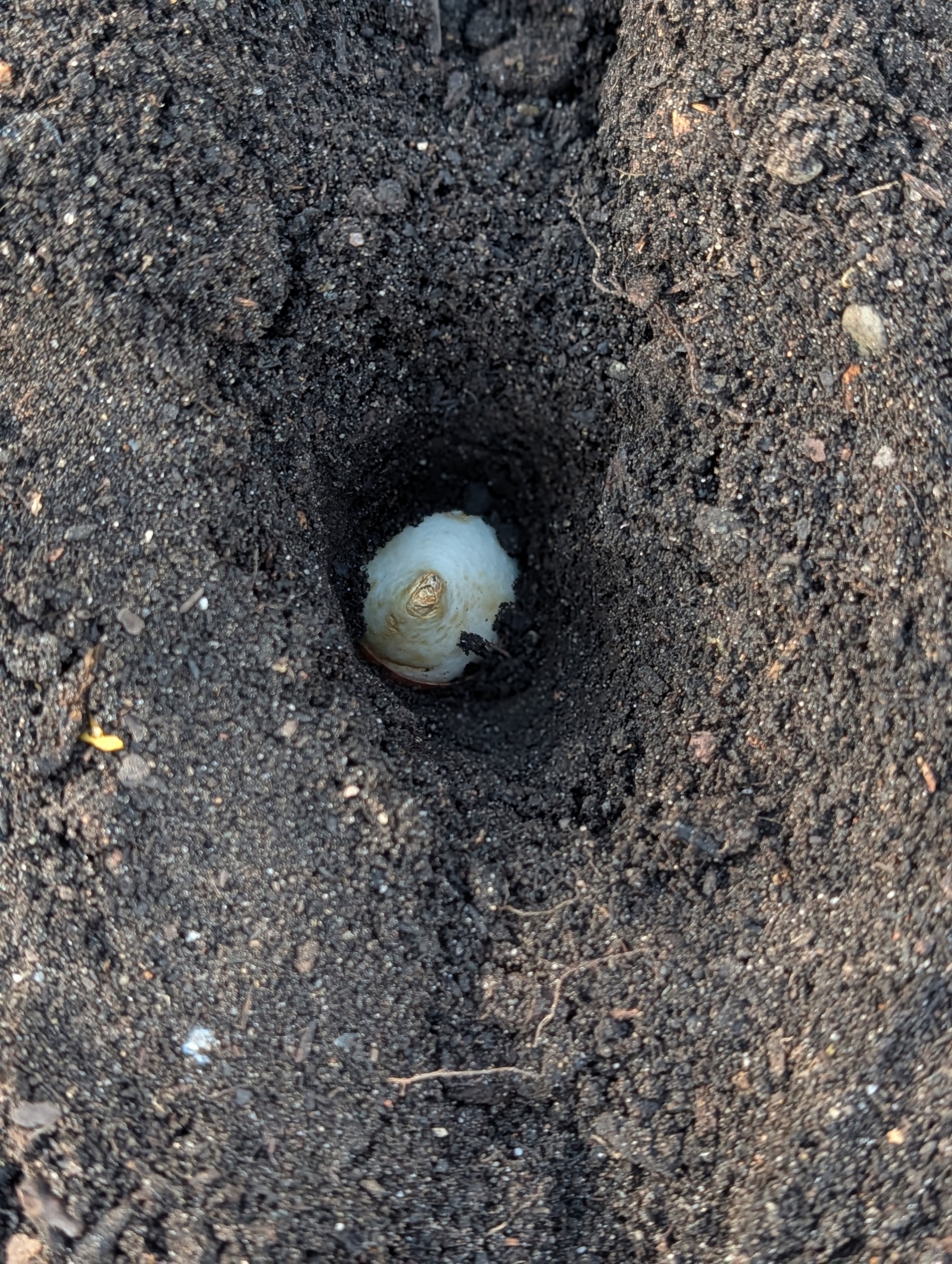
- Each bulb is placed with the pointed end faced up. This is important for all bulbs. If the pointed end is not obvious, look for the flat side of the bulb, which is the bottom.
-
- The beds were raked carefully so as not to disturb any bulb placements. Finally, they were left to nature for the duration of winter.

-
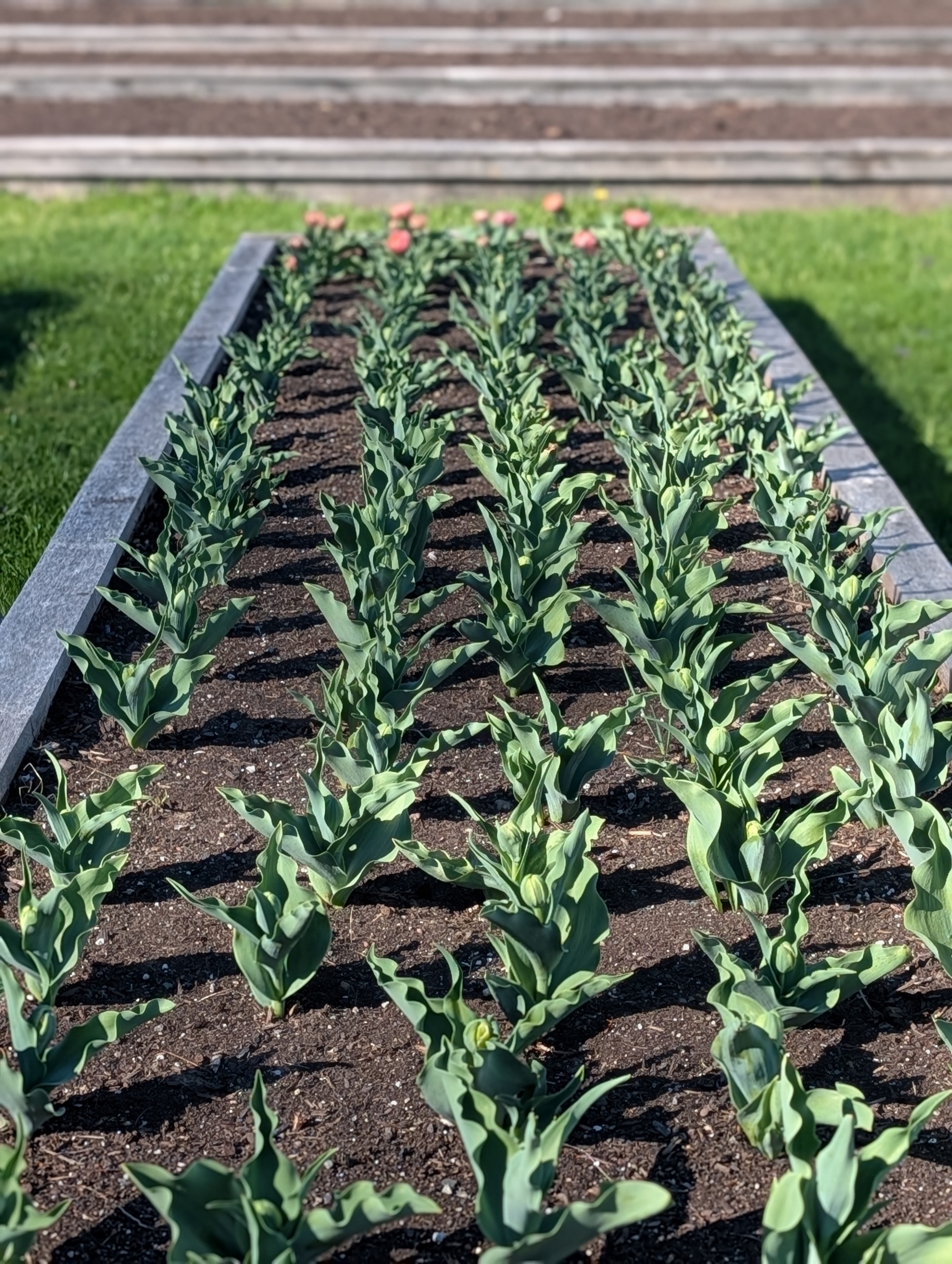
- Then by mid-April, the foliage starts to emerge. The broad, strappy leaves of tulips have a waxy coating that gives them a blue-green color. There are usually two to six leaves per plant.
-
- And soon after come the blooms. Tulips have a fascinating history. Although closely associated with Holland, tulips were first cultivated in Turkey. The name tulip is believed to be derived from the Turkish word for turbans, “tulbend,” because of their resemblance.
-
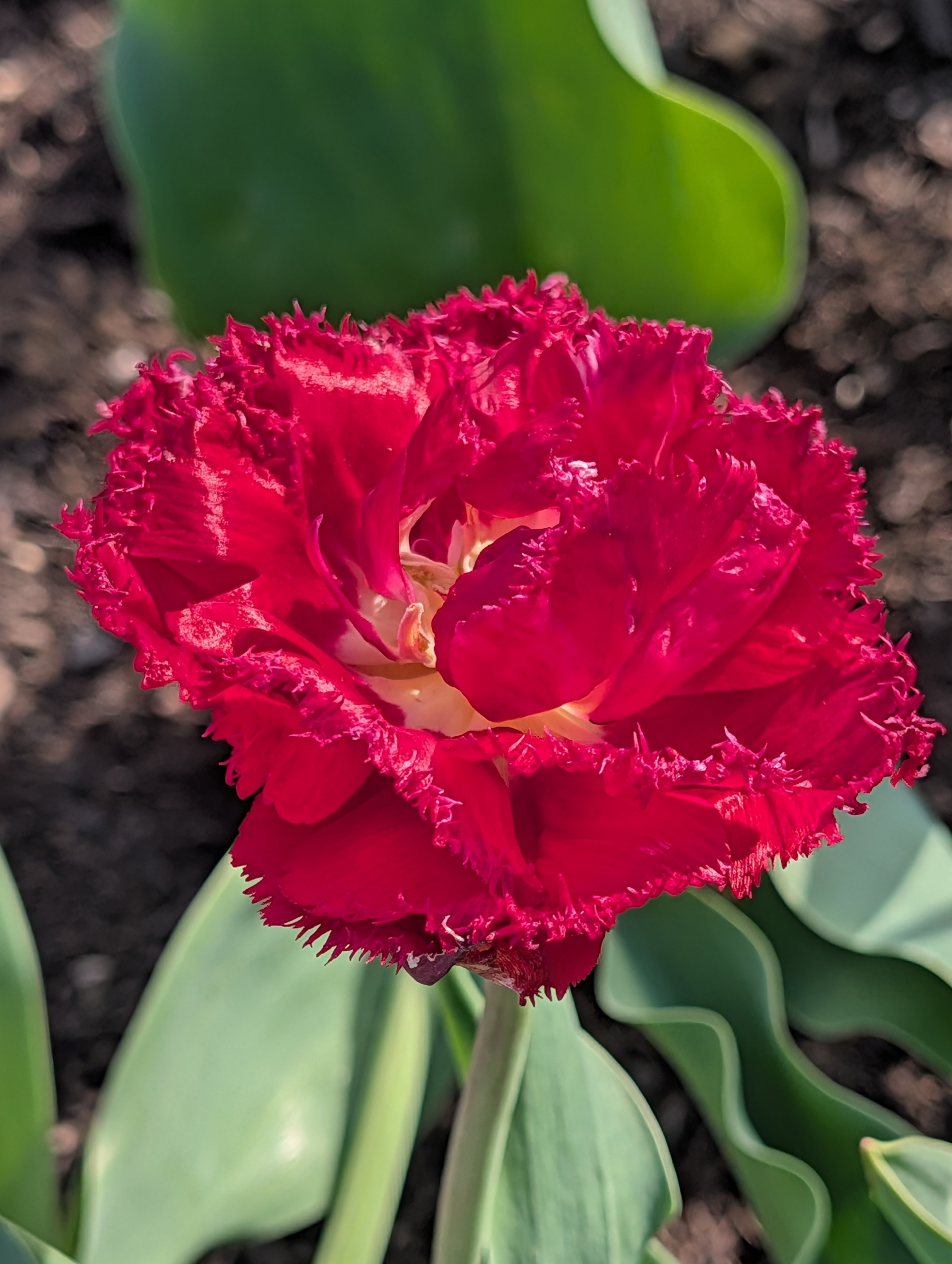
- Tulips are perennial, spring-blooming plants. They are grown for their graceful leaves and bright and cheery flowers.
-
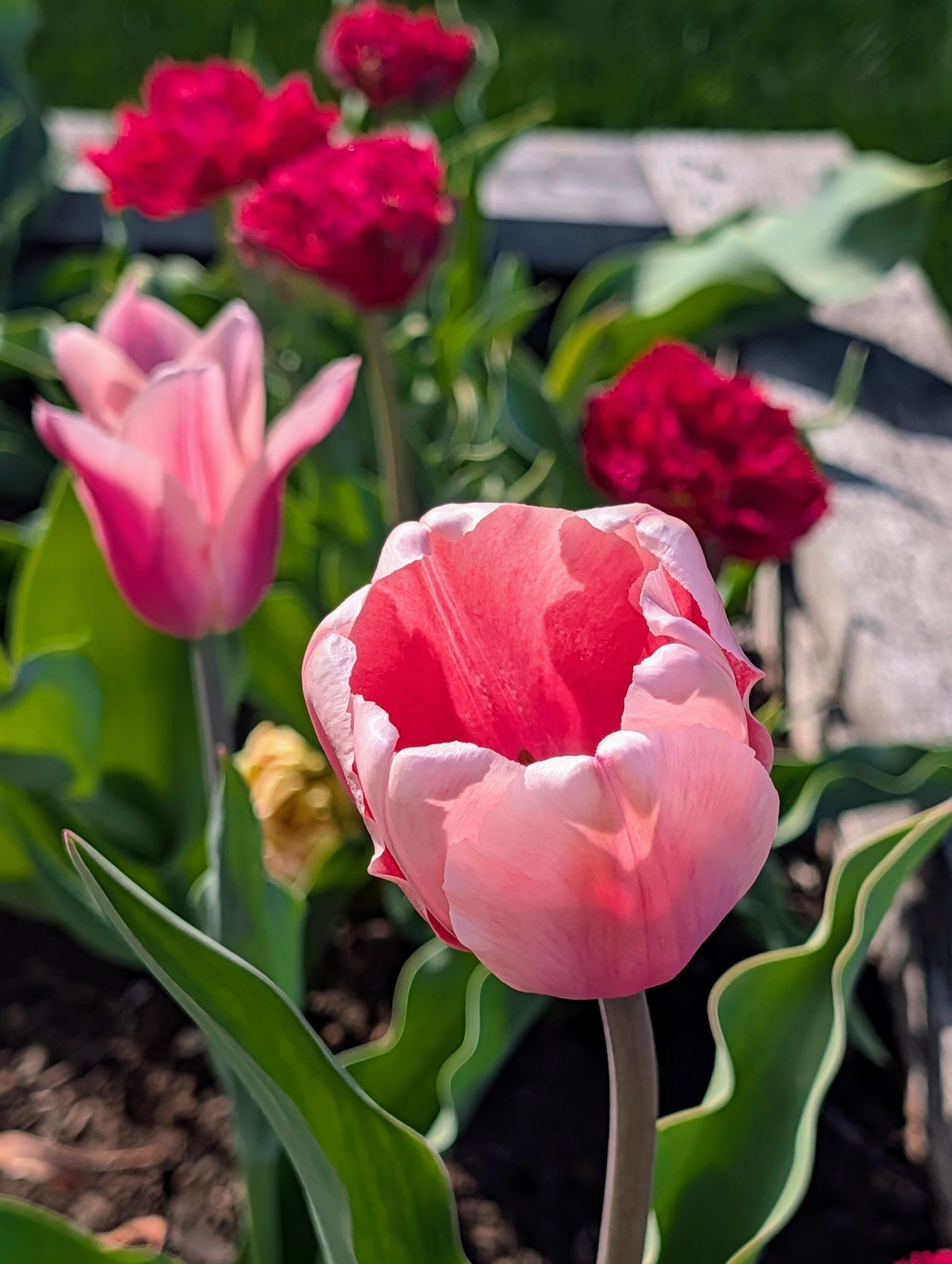
- Tulips hold many different meanings around the world. In Western societies, they represent love. In Persian and Turkish traditions, tulips signify spring and renewal. Dutch cultures associate tulips with wealth and prosperity.
-
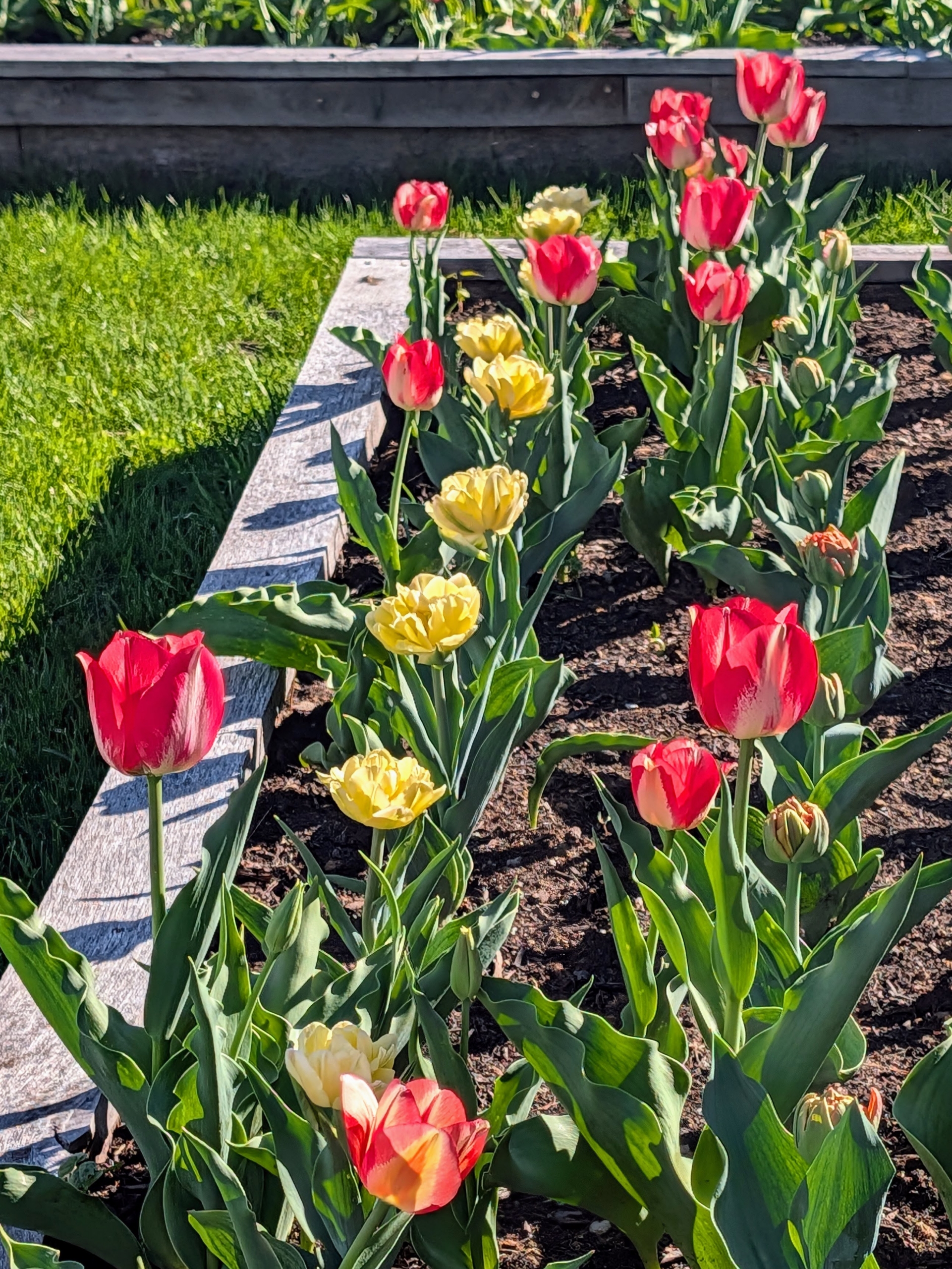
- They gained popularity in Europe in the 17th century, peaking in 1636 to 1637.
-
- And yes, Tulip Mania was real! It was a period during the Dutch Golden Age when prices for some tulip bulbs reached extraordinarily high levels. It started around 1634 and then dramatically collapsed in February 1637.
-
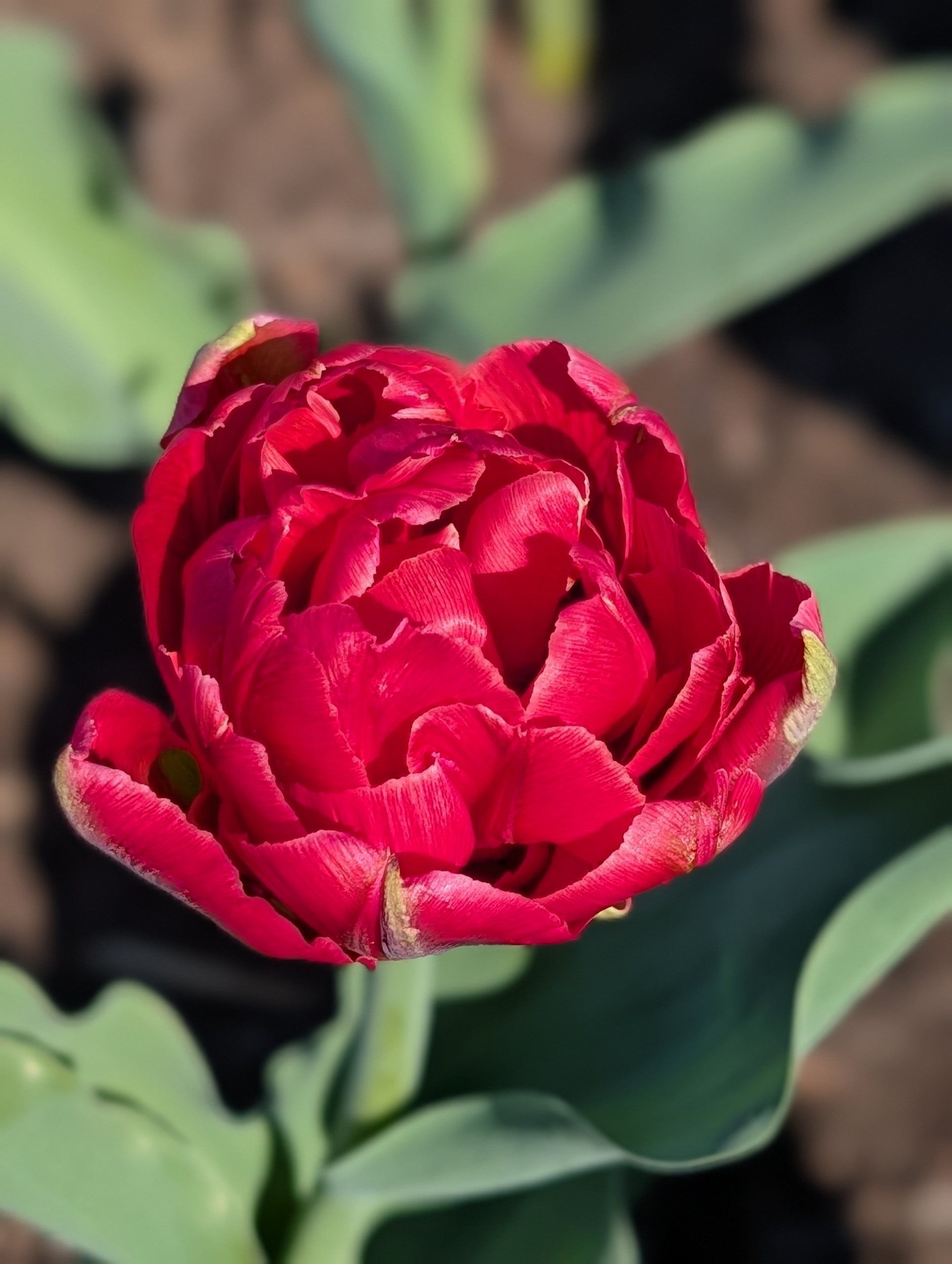
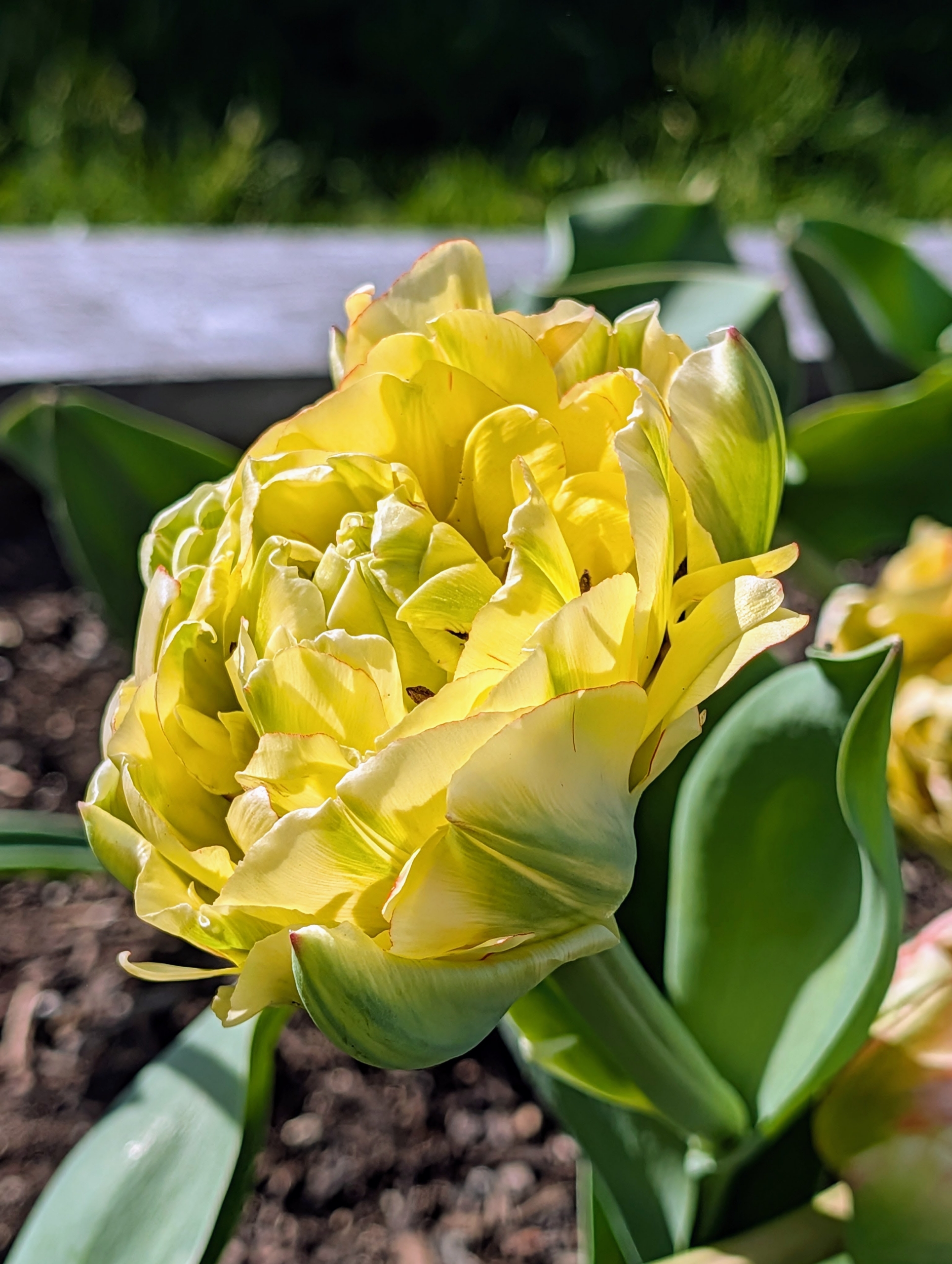
- Tulips have been hybridized in just about every color except blue. Most tulips have one flower per stem, but there are some multi-flowered varieties.
-
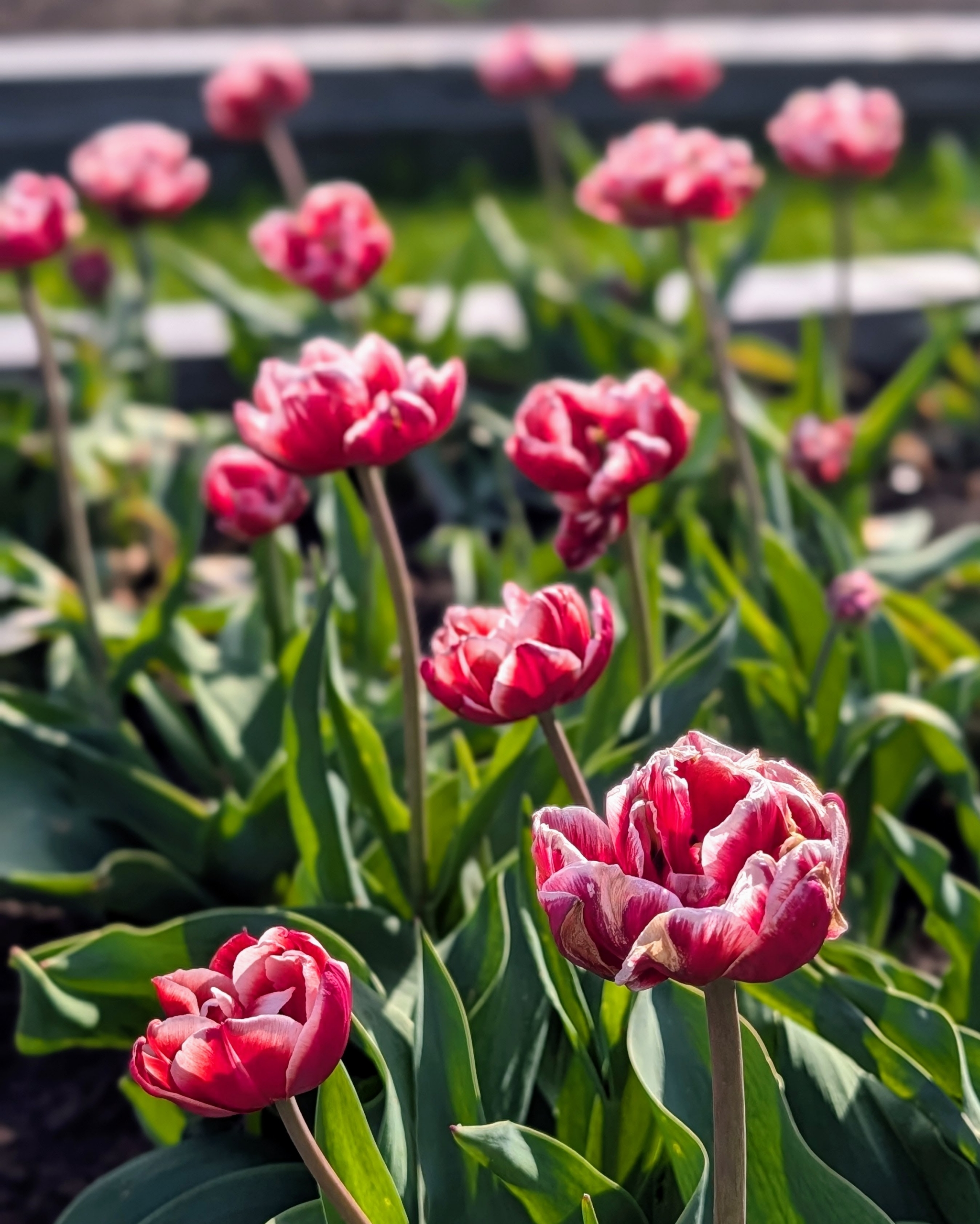
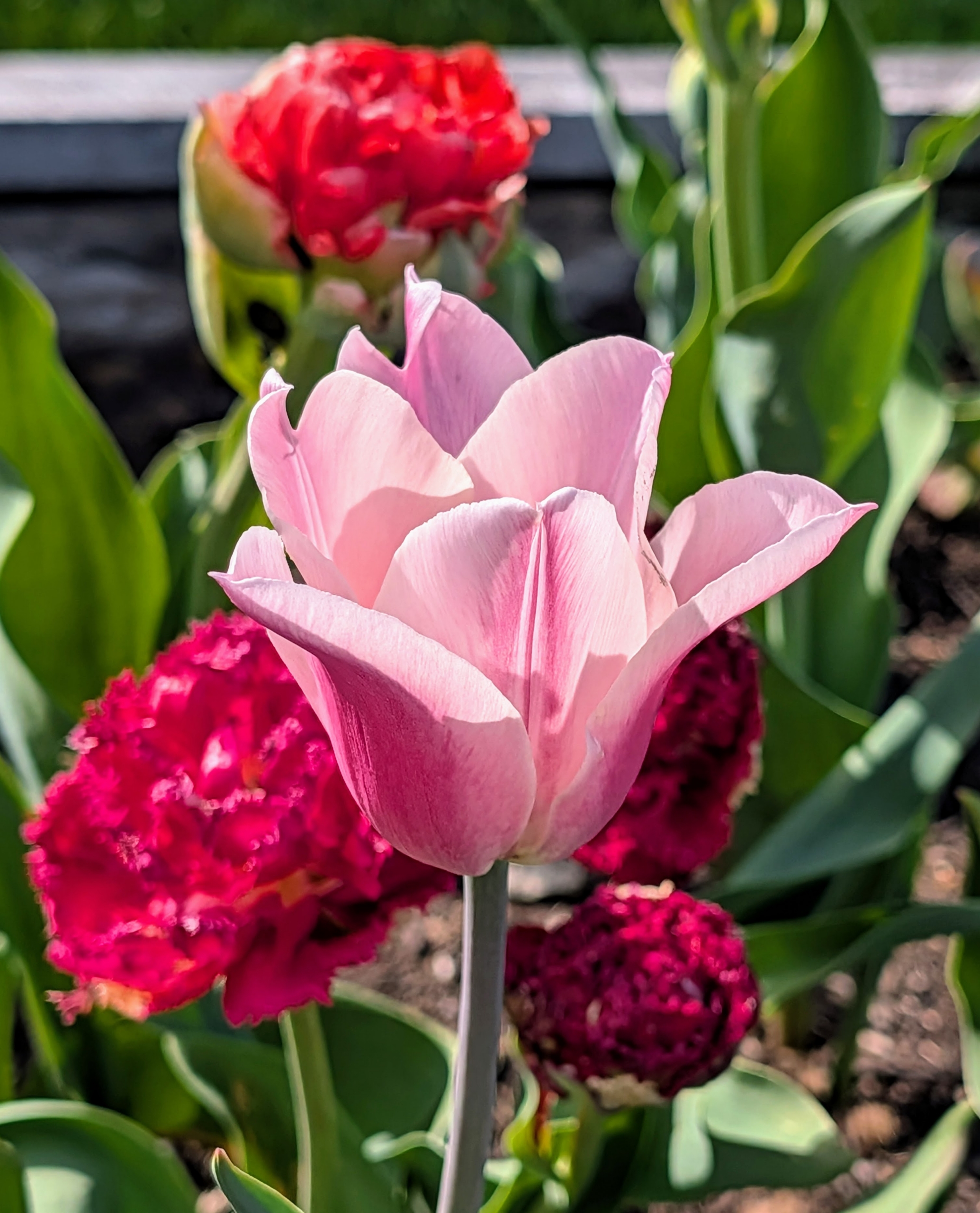
- Tulip ‘Sanne’ has impressive, elegantly tapered flowers that open deep rose-pink and creamy-pink edges. As it matures, it turns lilac-pink with pink-ivory edges.
-
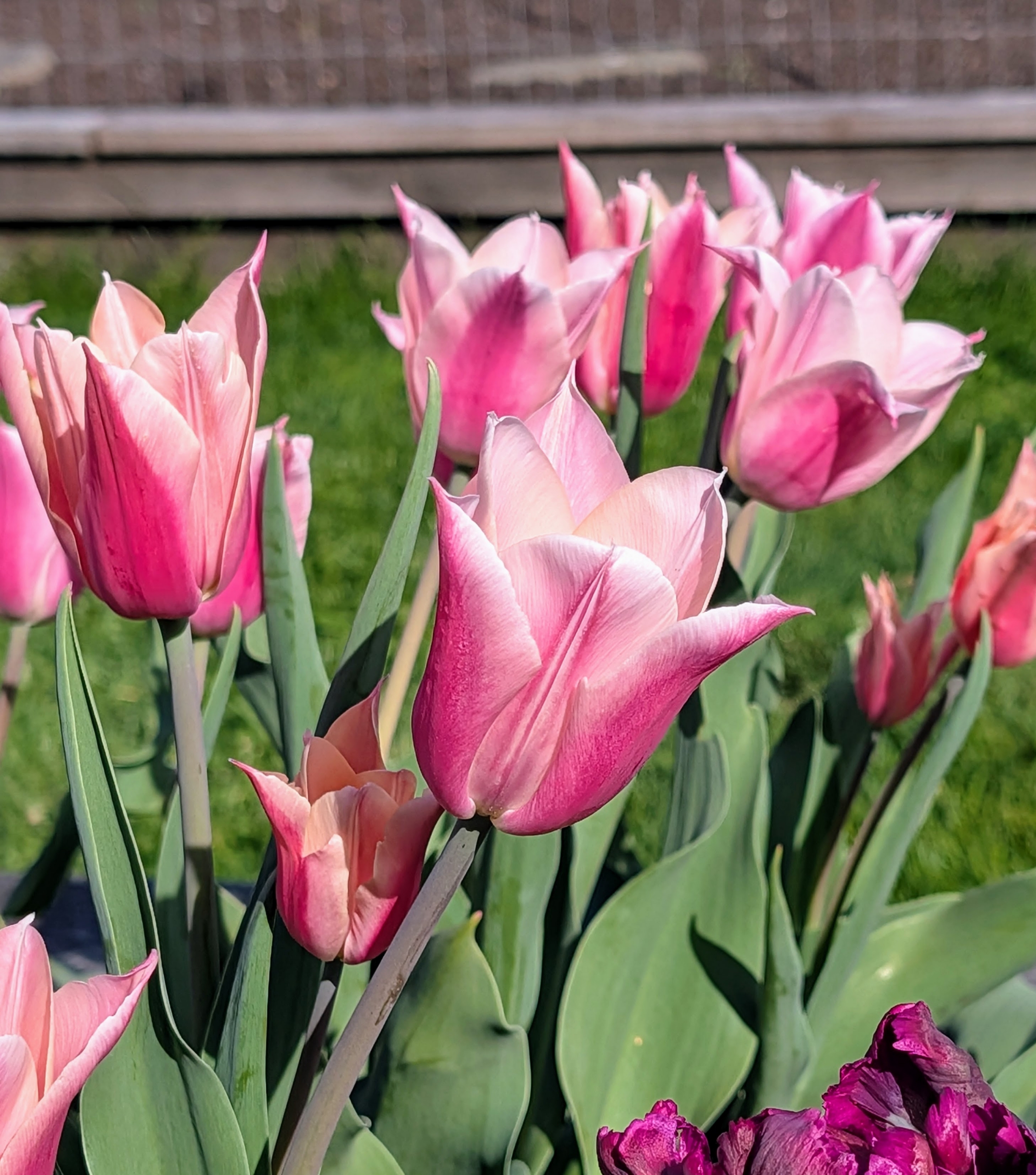
- ‘Rosy Diamond’ has double blooms in shades of rose-pink splashed with tones of magenta.
-
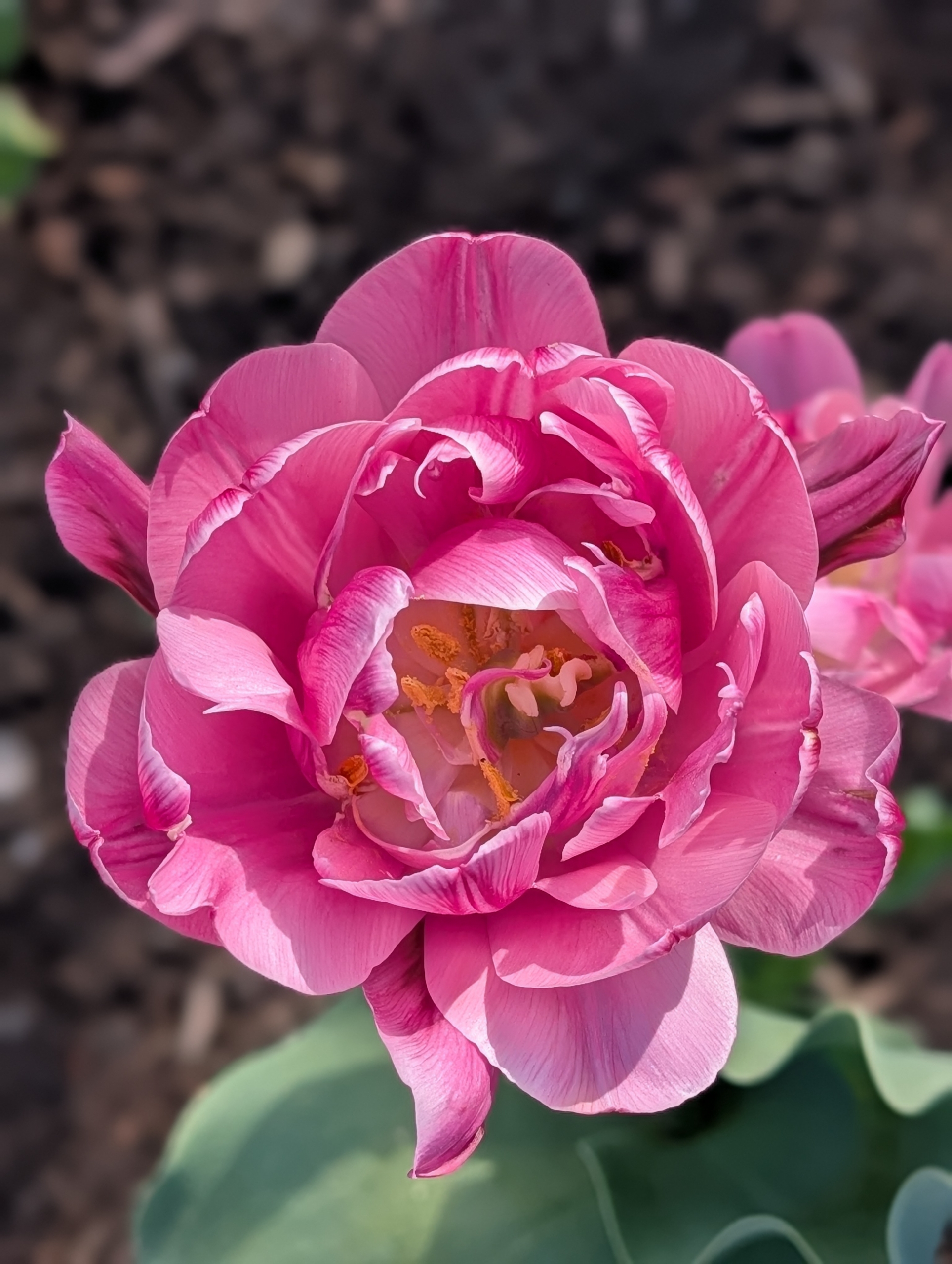
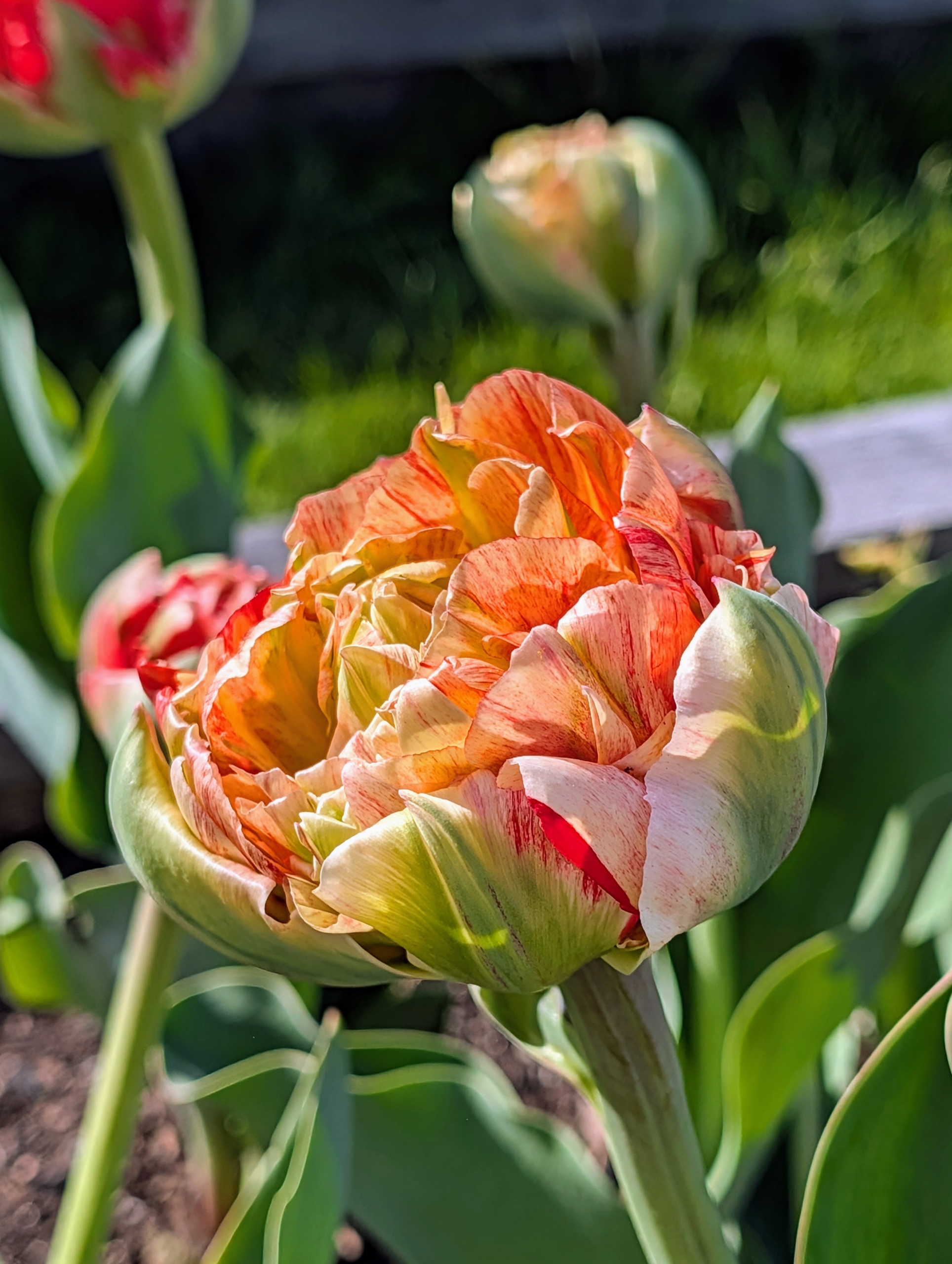
- ‘Verona Sunrise’ shows off a blend of apricot, blush, and buttery yellow that deepens as the bloom matures.
-
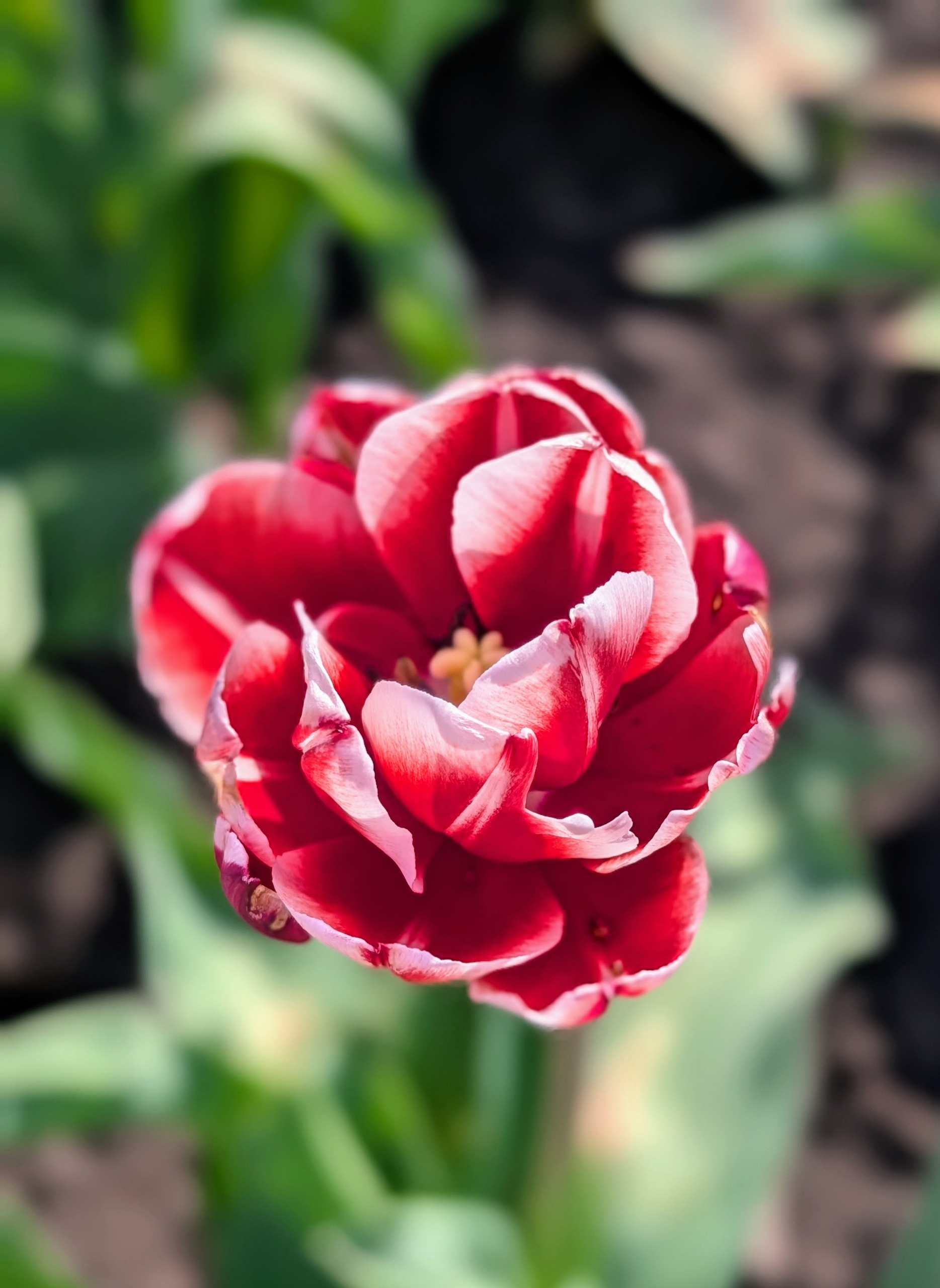
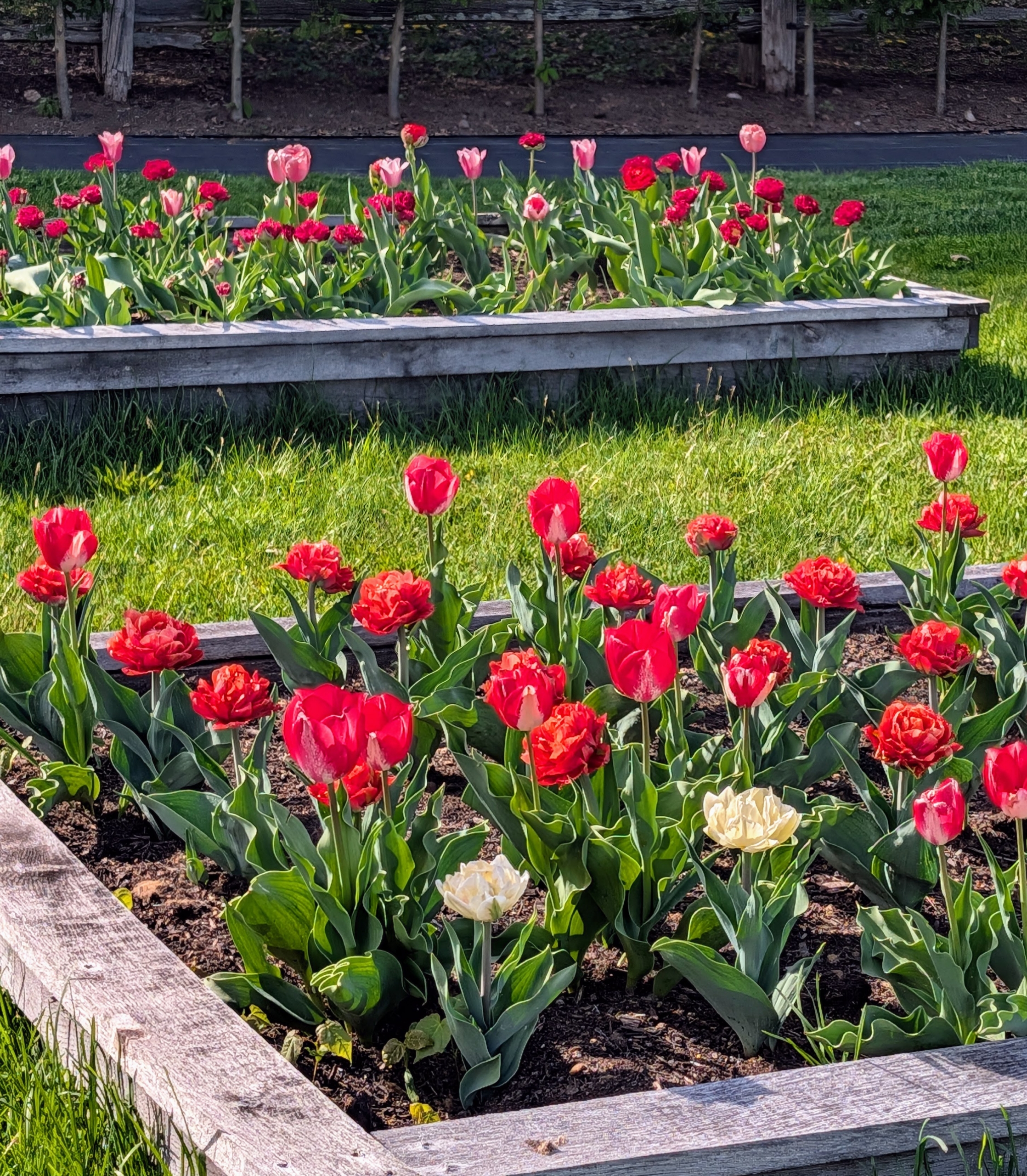
- This red tulip is accented with white edges.
-
- Tulips need well-drained soil. Sandy soil amended with some organic matter is perfect. They also prefer a slightly acidic soil pH of 6.0 to 6.5. I am fortunate to have such great soil here at the farm. In these beds I use Miracle-Gro Organic Raised Bed & Garden Soil.
-
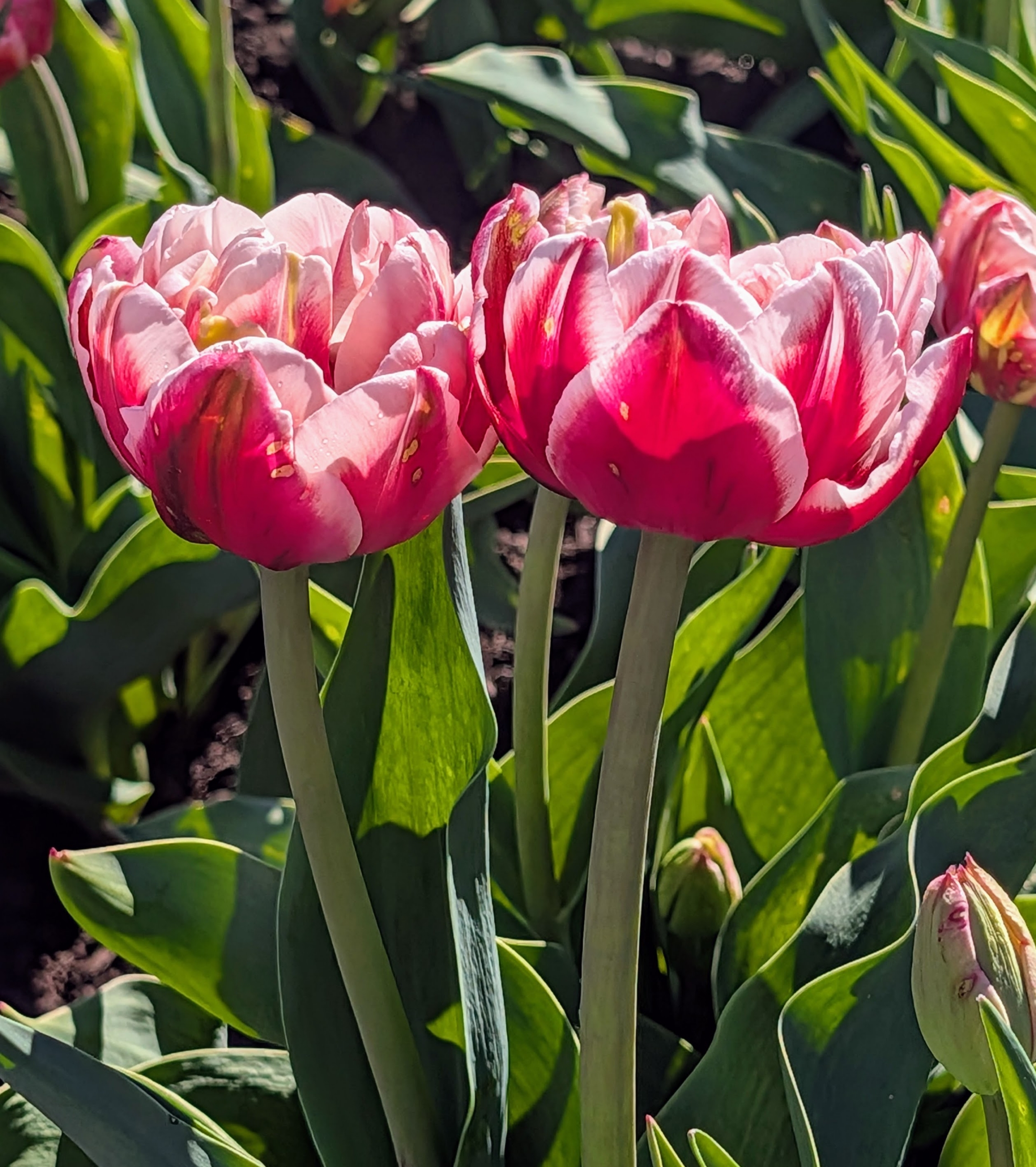
- There are currently more than 3000 registered tulip varieties, which are divided into at least 15-groups, mostly based on the flower type, size, and blooming period.
-
- Tulips require full sun for the best display, which means at least six-hours of bright, direct sunlight per day.
-
- And do you know… tulips continue to grow after they are cut? Tulips grow about an extra inch after cutting and bend toward the light. Kept well-watered and away from heat, tulips can last about a week.
-
- Most tulip plants range between six to 24-inches tall. Taller ones should be shielded from any winds, so they don’t topple over.
-
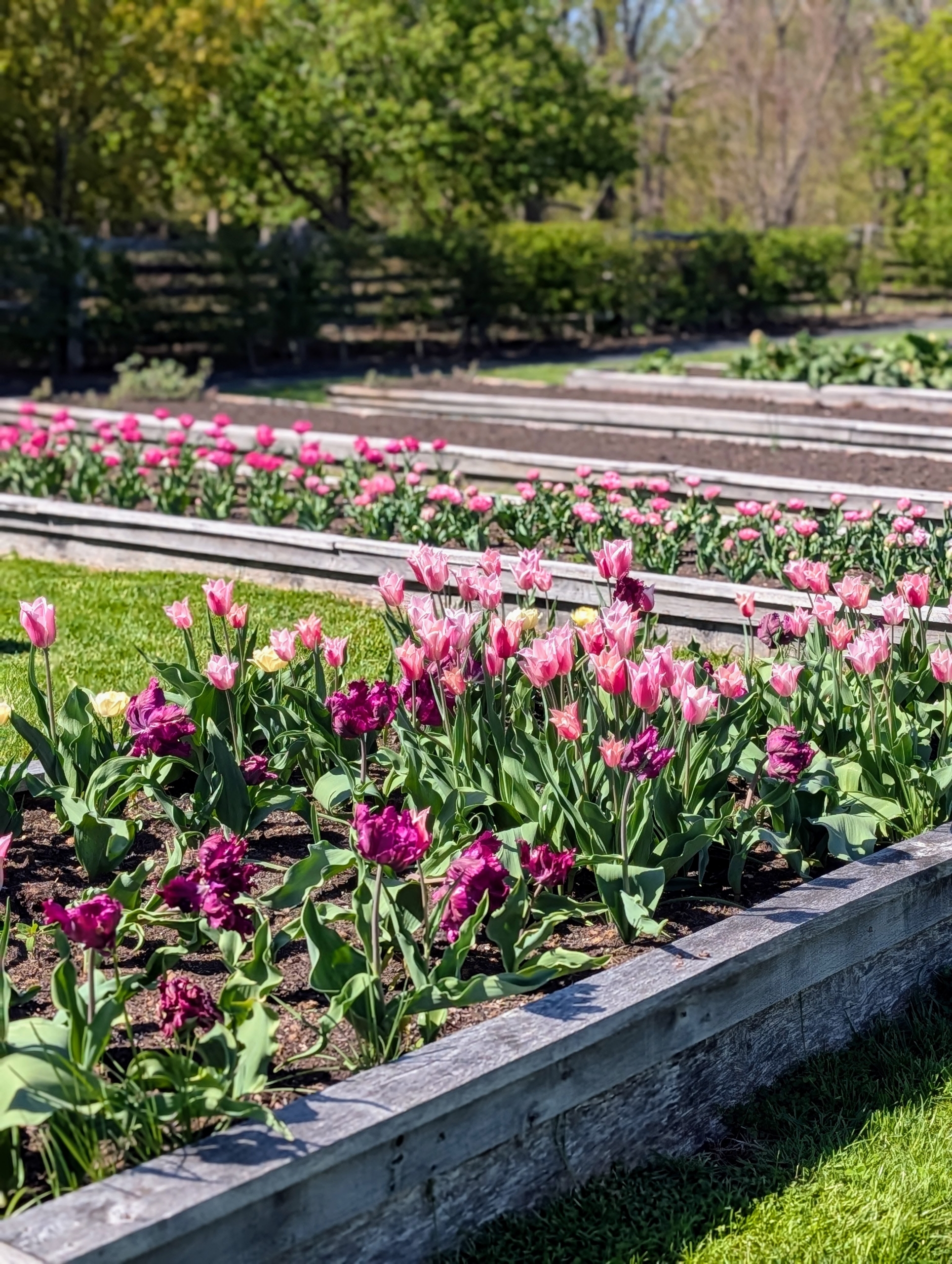
- Tulips are stunning when planted en masse. By planting varieties with different bloom times, one can have tulips blooming from early to late spring.
 Martha Pins


 Martha Tweets

