

Planting Peas in My Garden
All of us here at my farm are thinking about the spring gardens. In fact, the season’s first peas are already in the ground.
Peas thrive in cool weather, and young plants can even tolerate light frosts. It’s important to plant peas as soon as possible in spring in order to get a full harvest before hot summer temperatures arrive. Yesterday, my head gardener, Ryan McCallister, planted several varieties of shelling peas and edible pods along two sides of a fenced bed in the vegetable garden.
Here are some photos, enjoy.
-

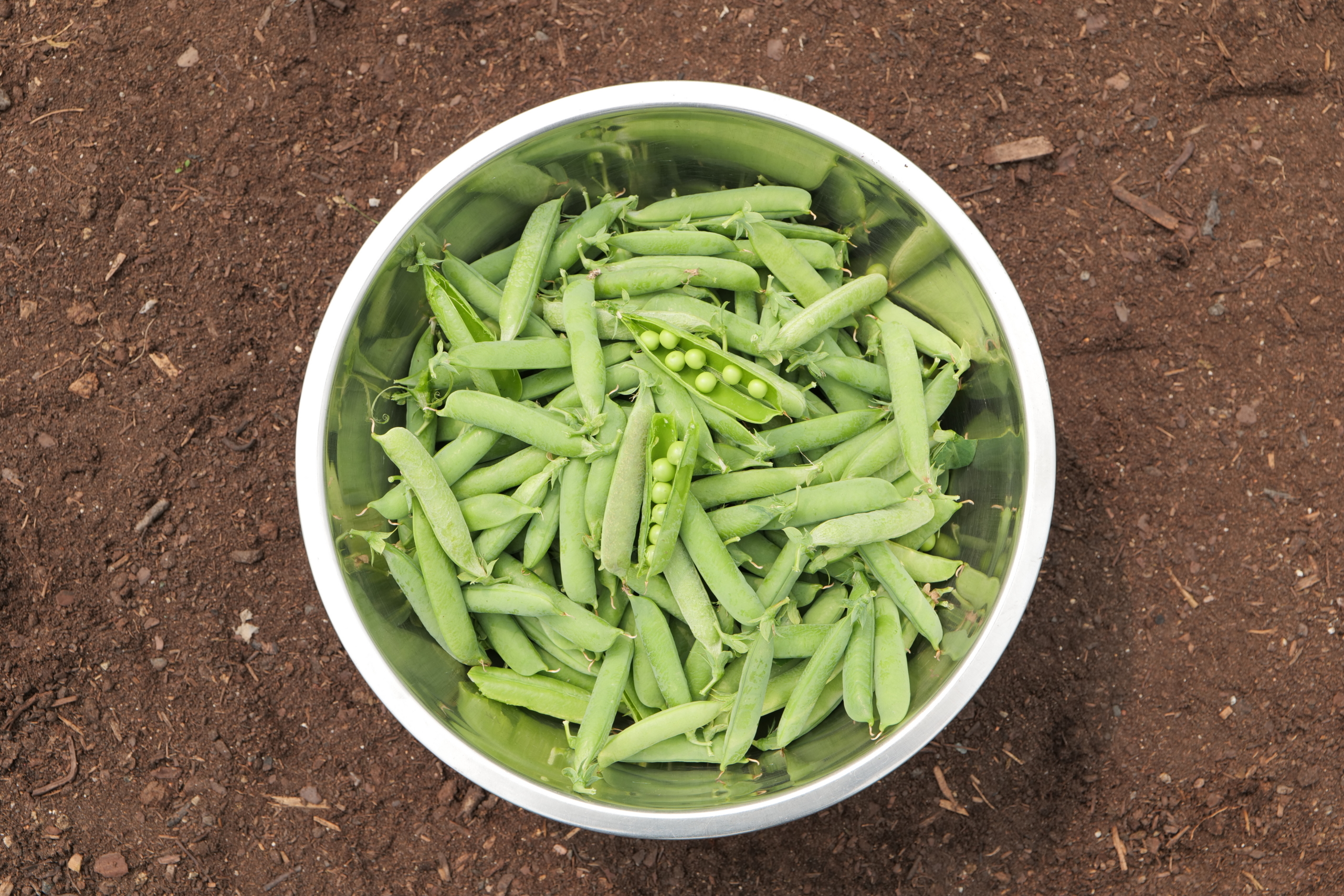
- Snow, snap, and shelling peas are all members of the legume family. Snow peas are also known as Chinese pea pods. They are flat with very small peas inside, and the whole pod is edible. Snap peas are a cross between snow peas and shelling peas – the whole pod is eaten and has a crunchy texture and very sweet flavor. Shelling peas are also sometimes called garden peas, sweet peas or English peas. The pods are firm and rounded, and the round peas inside need to be removed, or shelled, before eating. The peas are sweet and may be eaten raw or cooked.
-
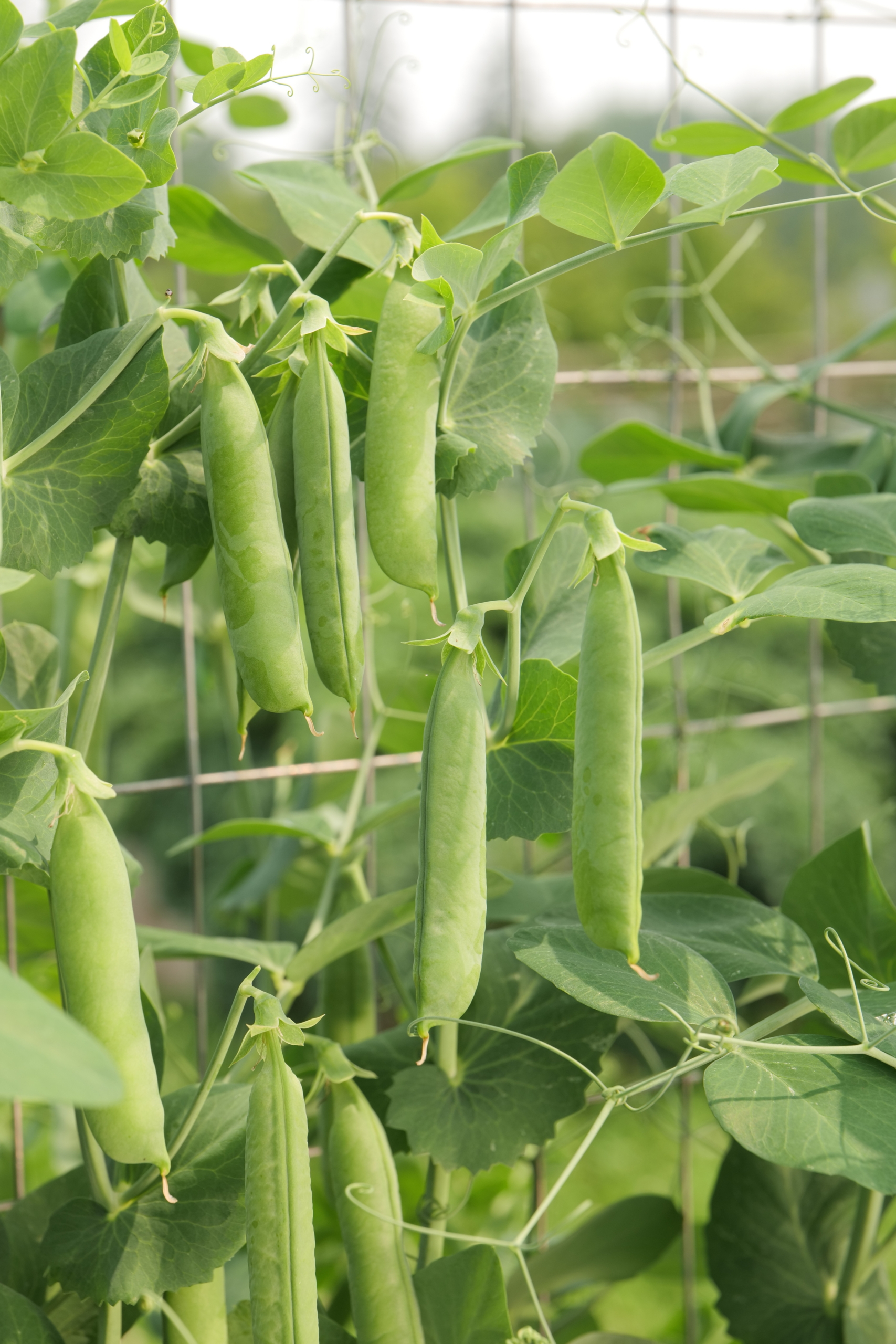
- Peas grow vertically and hang from tendrils latched on trellis structures. I have always grown peas in my garden.
-
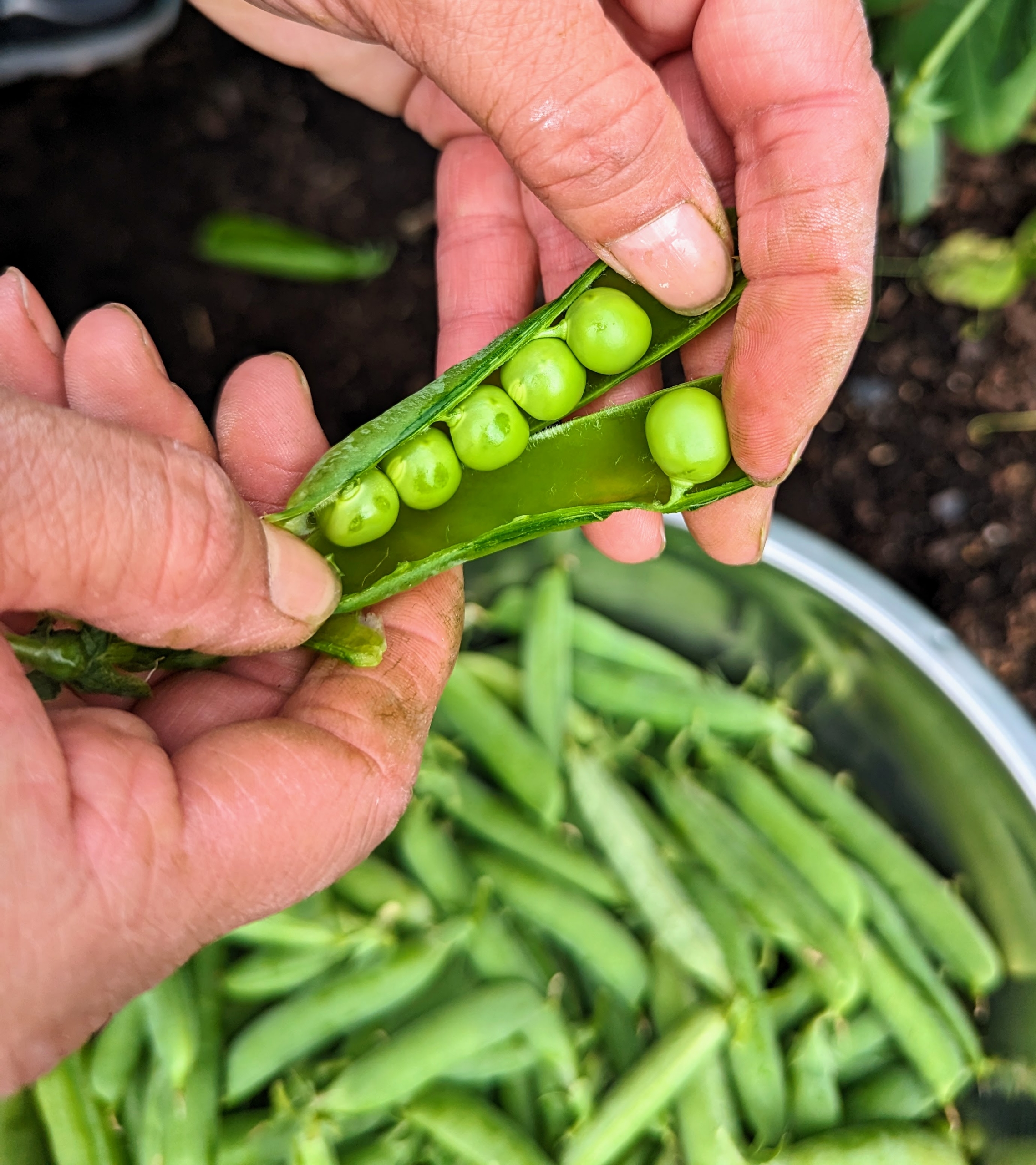
- These are shelling peas. The pods can range in size from four to 15-centimeters long and about one-and-a-half to two-and-a-half centimeters wide. Each pod contains between two and 10-peas.
-
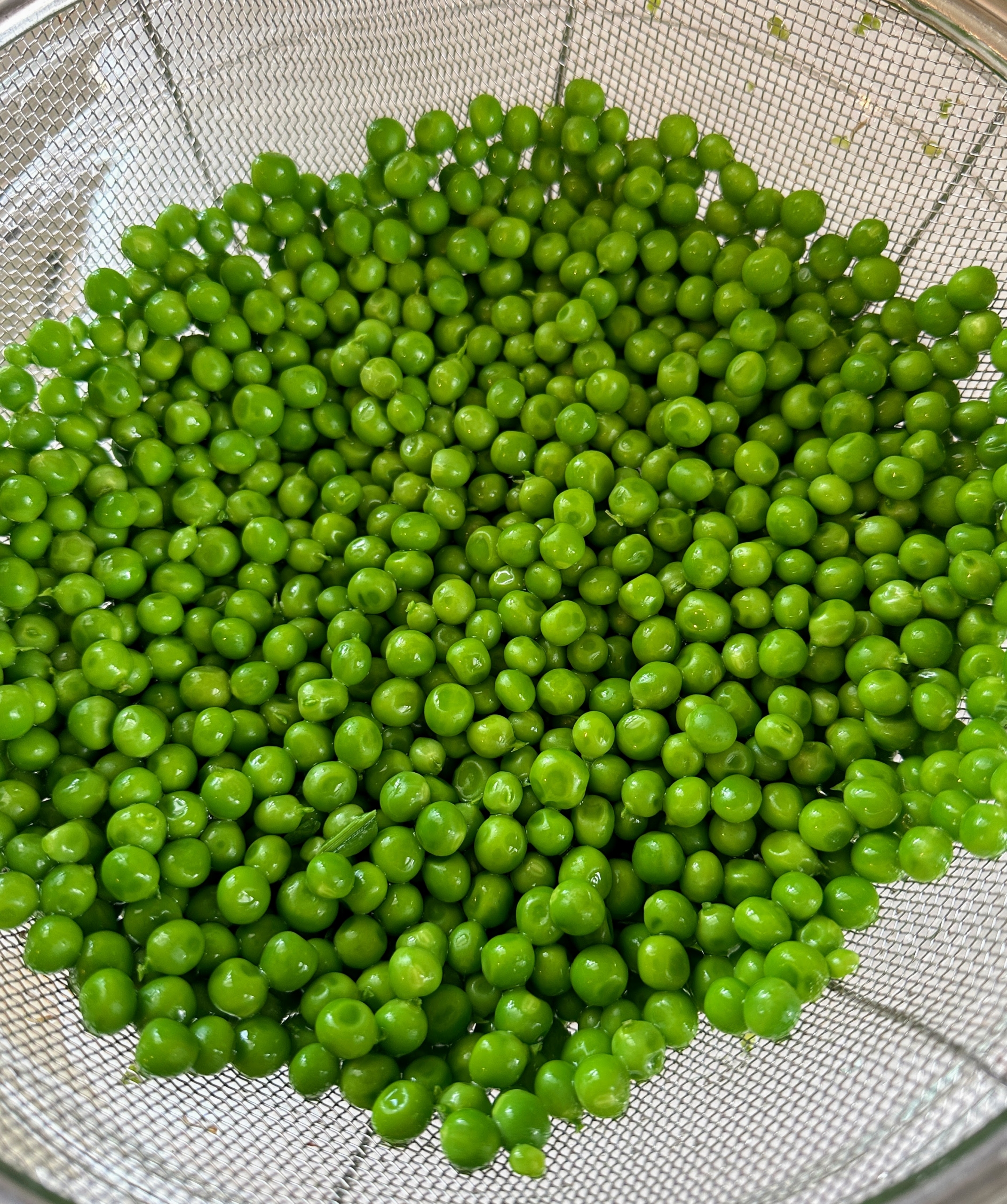
- Peas are packed with nutrition – high in protein and fiber.
-
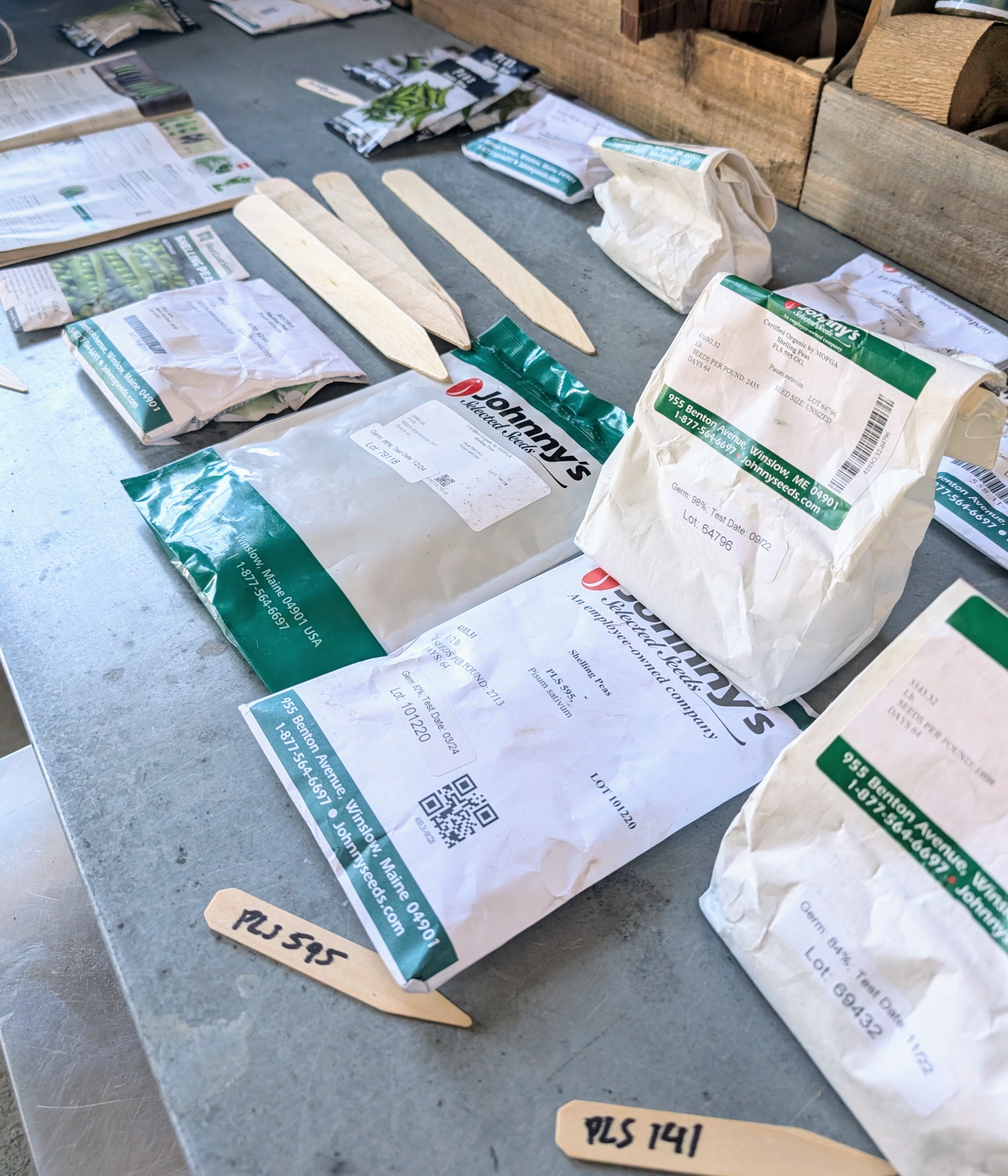
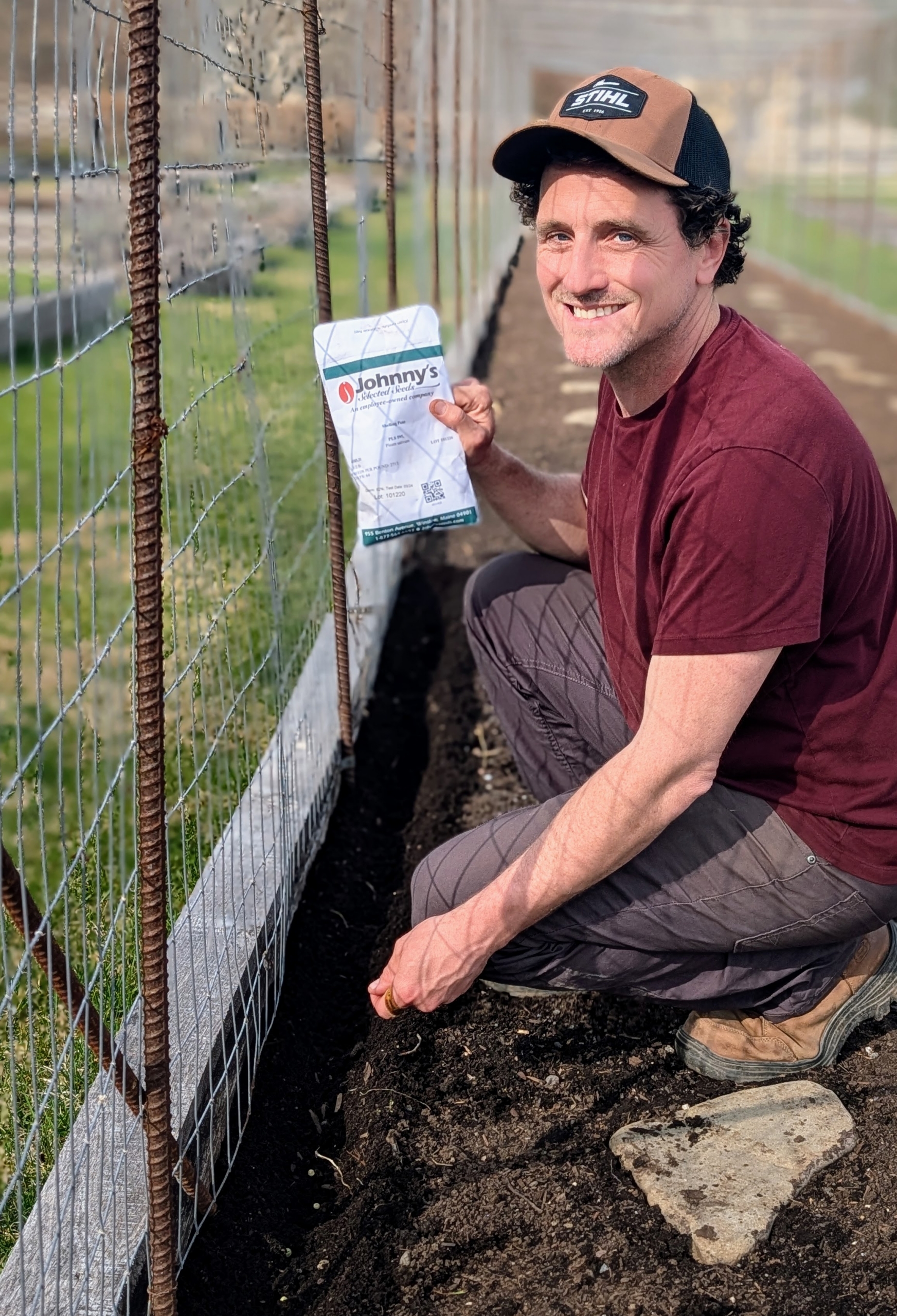
- This season’s peas are from Johnny’s Selected Seeds, a source I have used for many years. Johnny’s Selected seeds is a privately held, employee-owned organic seed producer in Maine. Johnny’s offers hundreds of varieties of organic vegetable, herb, flower, fruit and farm seeds, along with all sorts of gardening supplies and accessories.
-
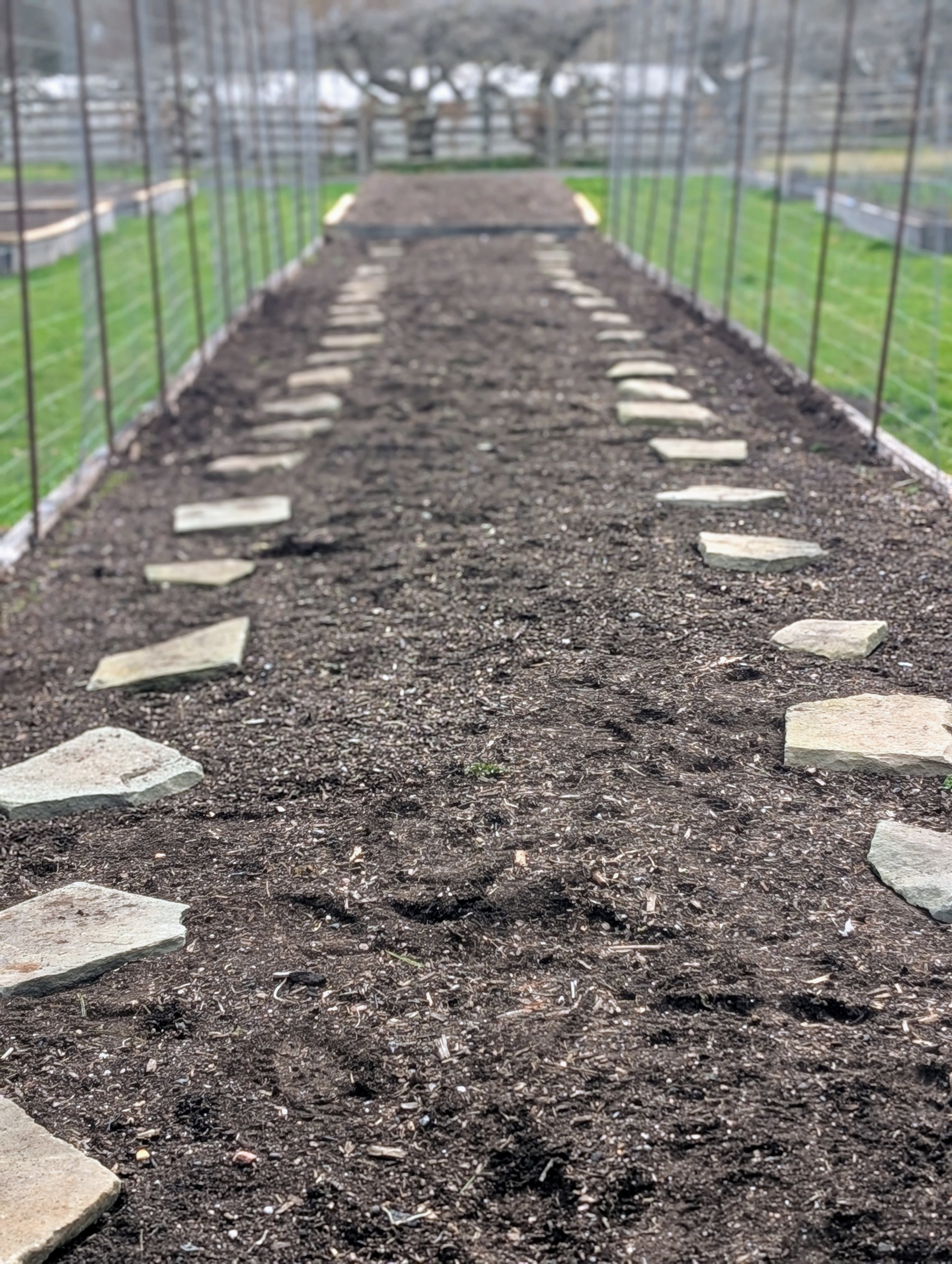
- Out in my vegetable garden, the large center bed is already prepared for planting peas – it’s been raked and fed. I always plant them in this bed so the pea vines can climb up the trellis fencing.
-
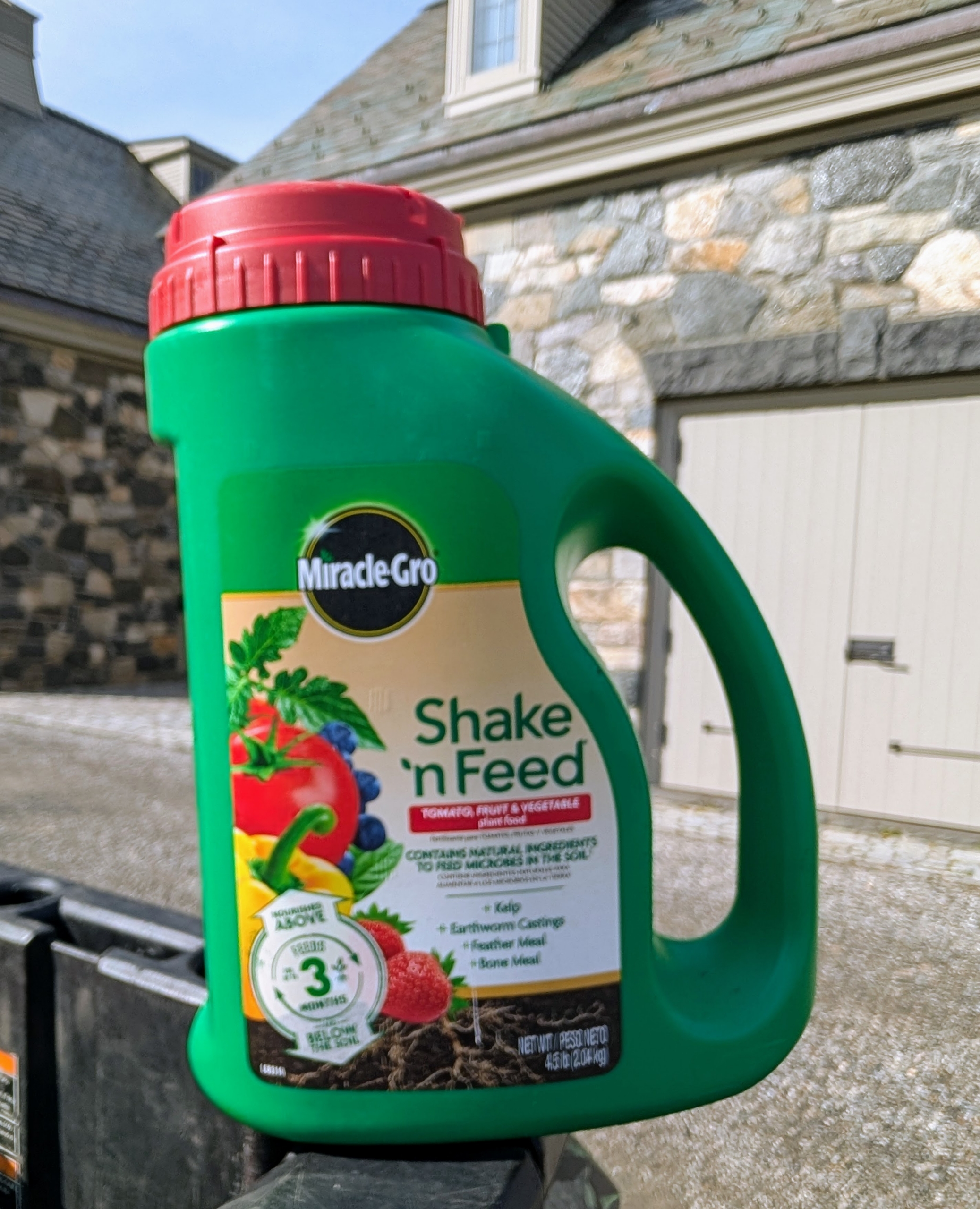
- The soil is fed with Miracle-Gro Shake ‘n Feed Tomato, Fruit & Vegetable Plant Food.
-
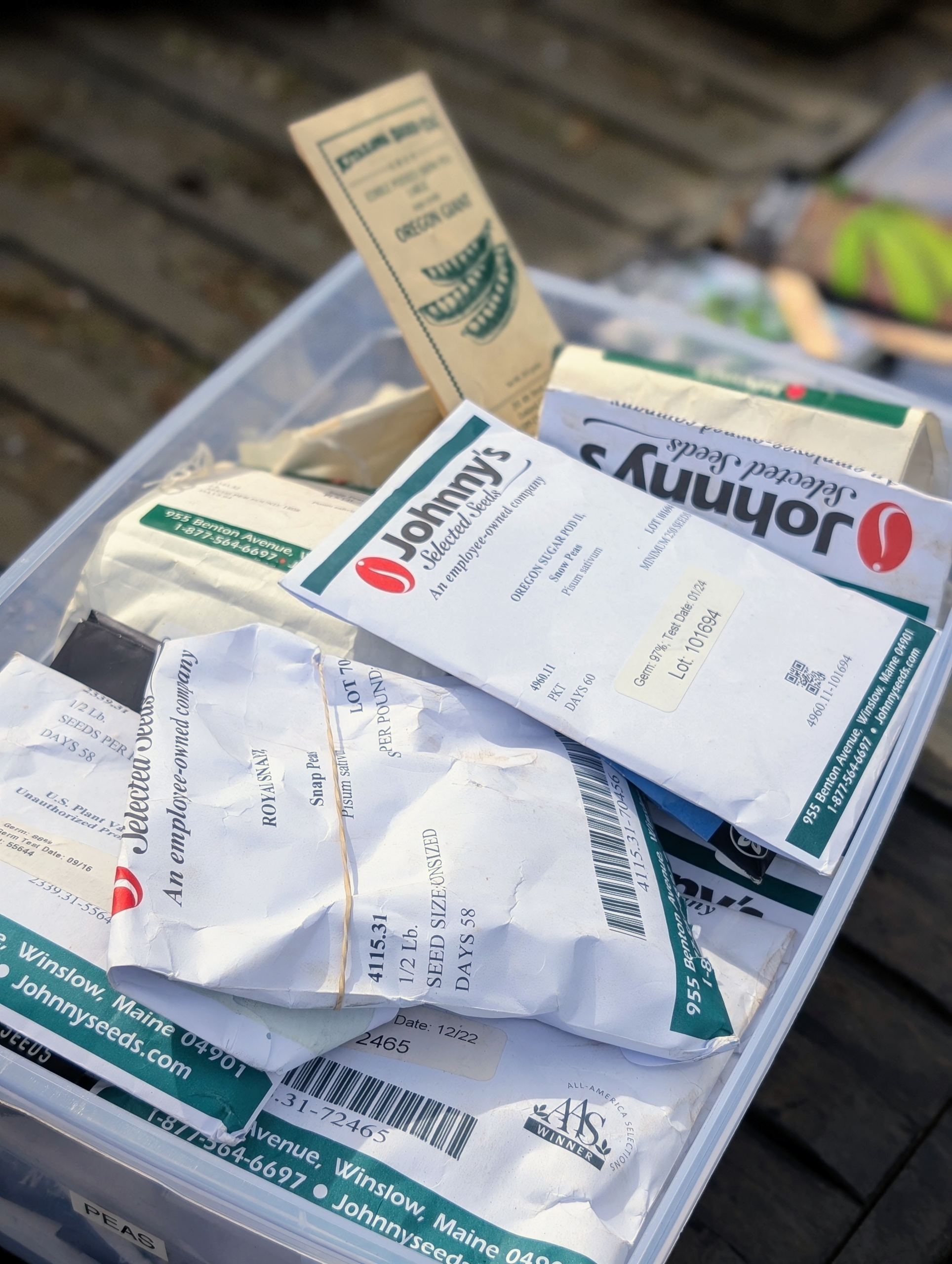
- Ryan selects those varieties that have done well here in my garden.
-
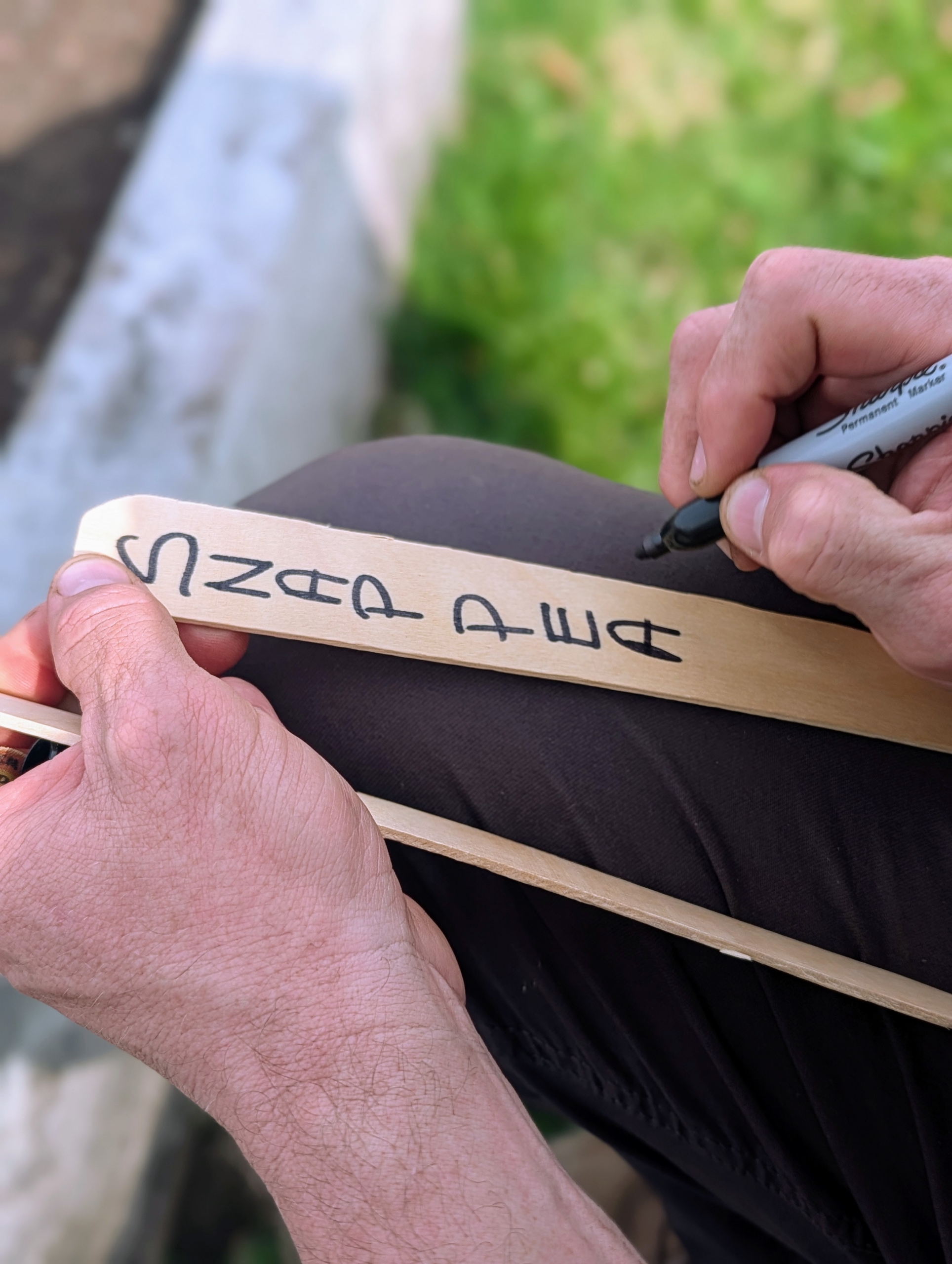
- He writes out the type of peas on large wooden markers – also available through Johnny’s Selected Seeds. Variety names will be on smaller wooden markers.
-
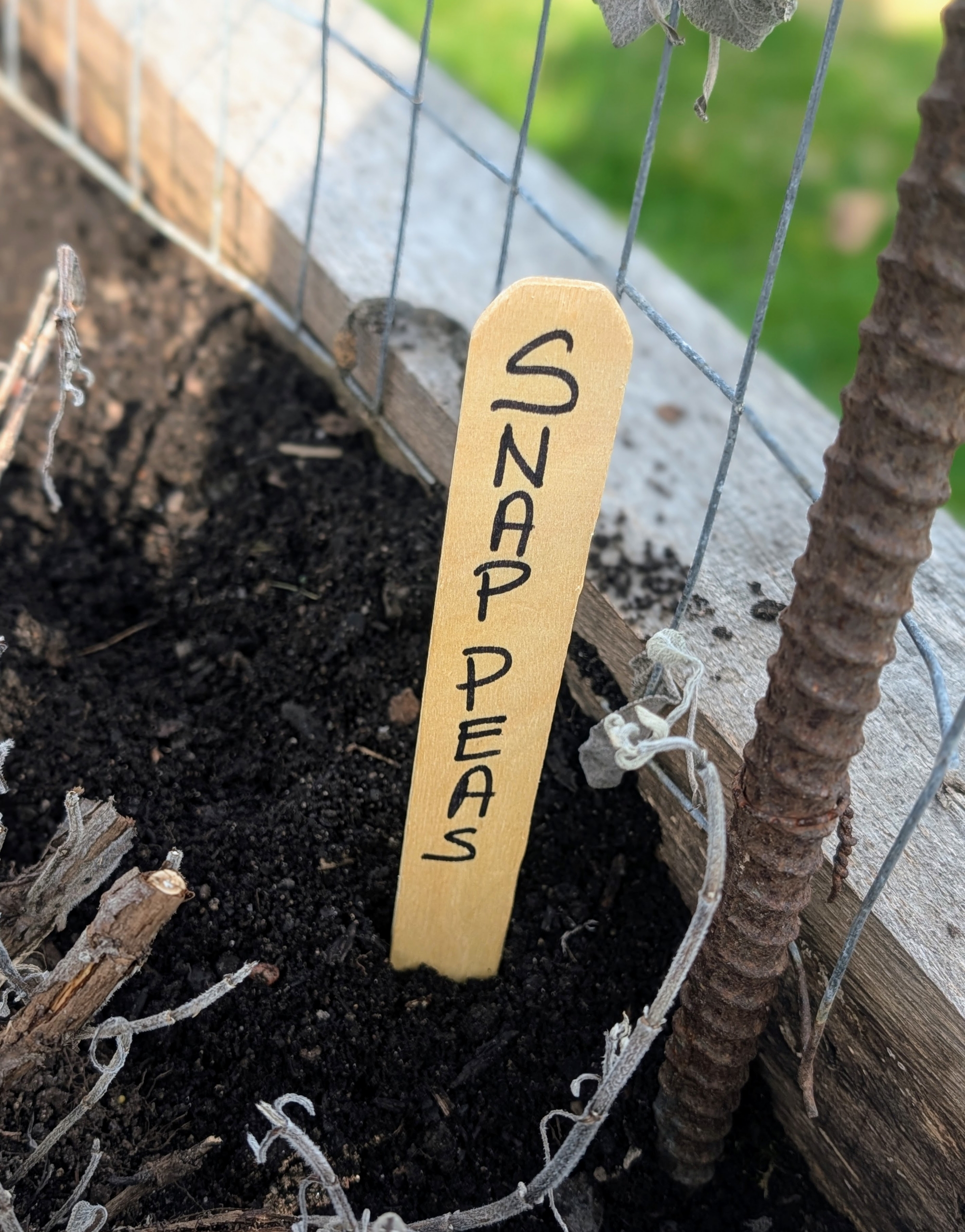
- The markers are placed at the edge of the bed – one side for snap, the other for shelling.
-
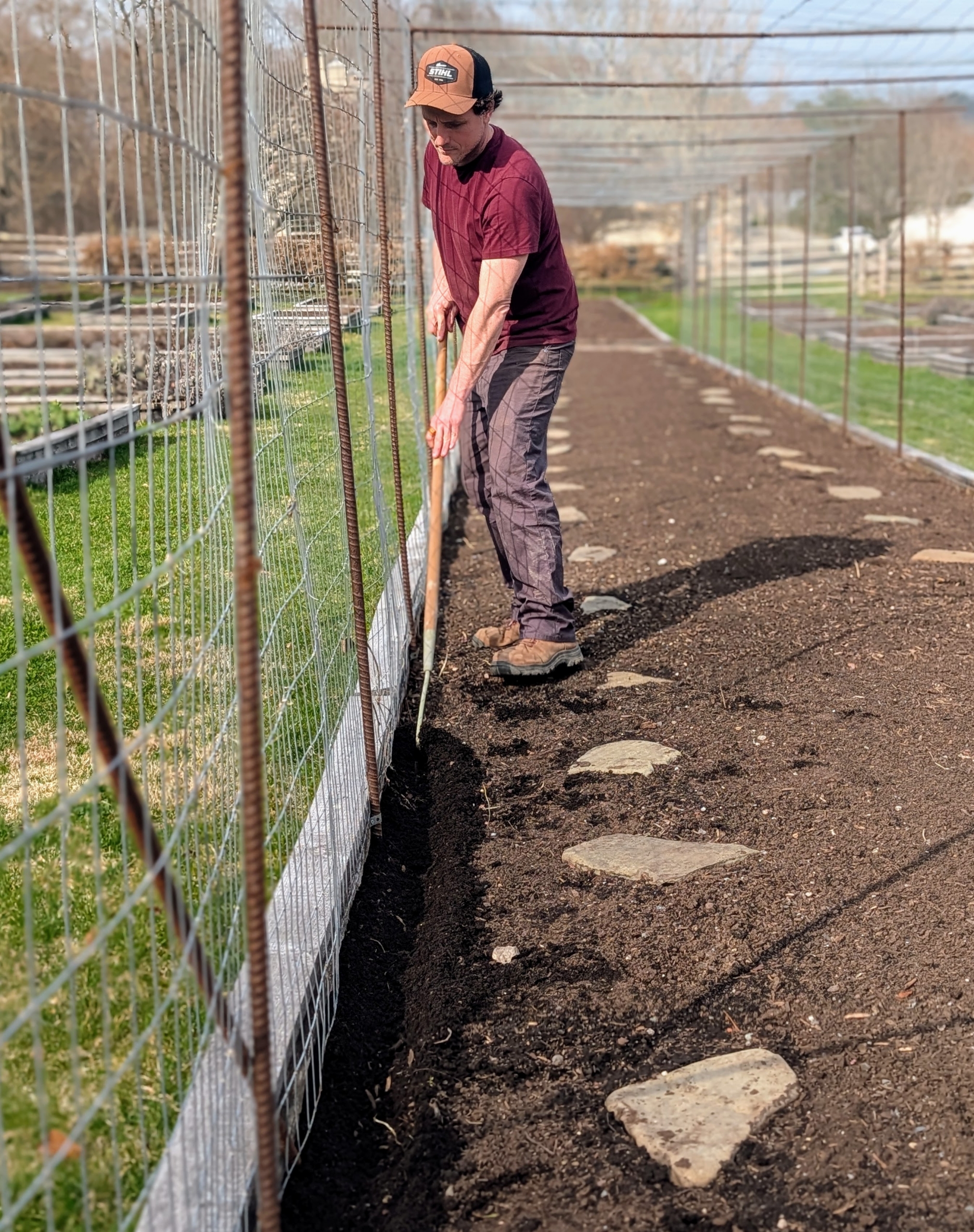
- Ryan starts by digging a shallow furrow in the soil using a hoe. The furrows don’t have to be deep – two inches will work nicely.
-
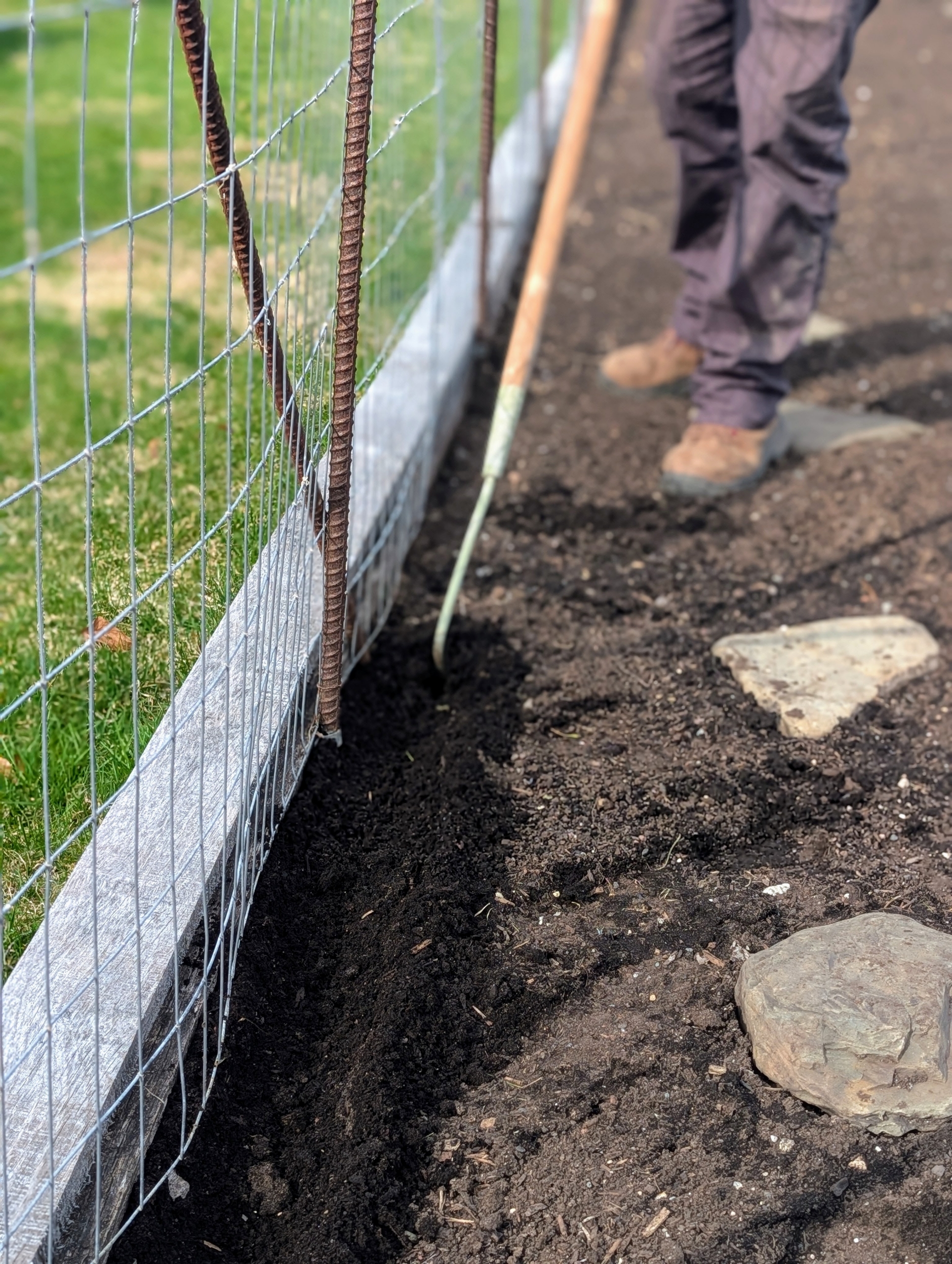
- Peas do much better when given some kind of support such as a fence or a trellis. Since the furrow is up against this fence, the pea vines should find the supportive wire very easily.
-
- These peas are planted in a sunny location in well-draining soil from Miracle-Gro.
-
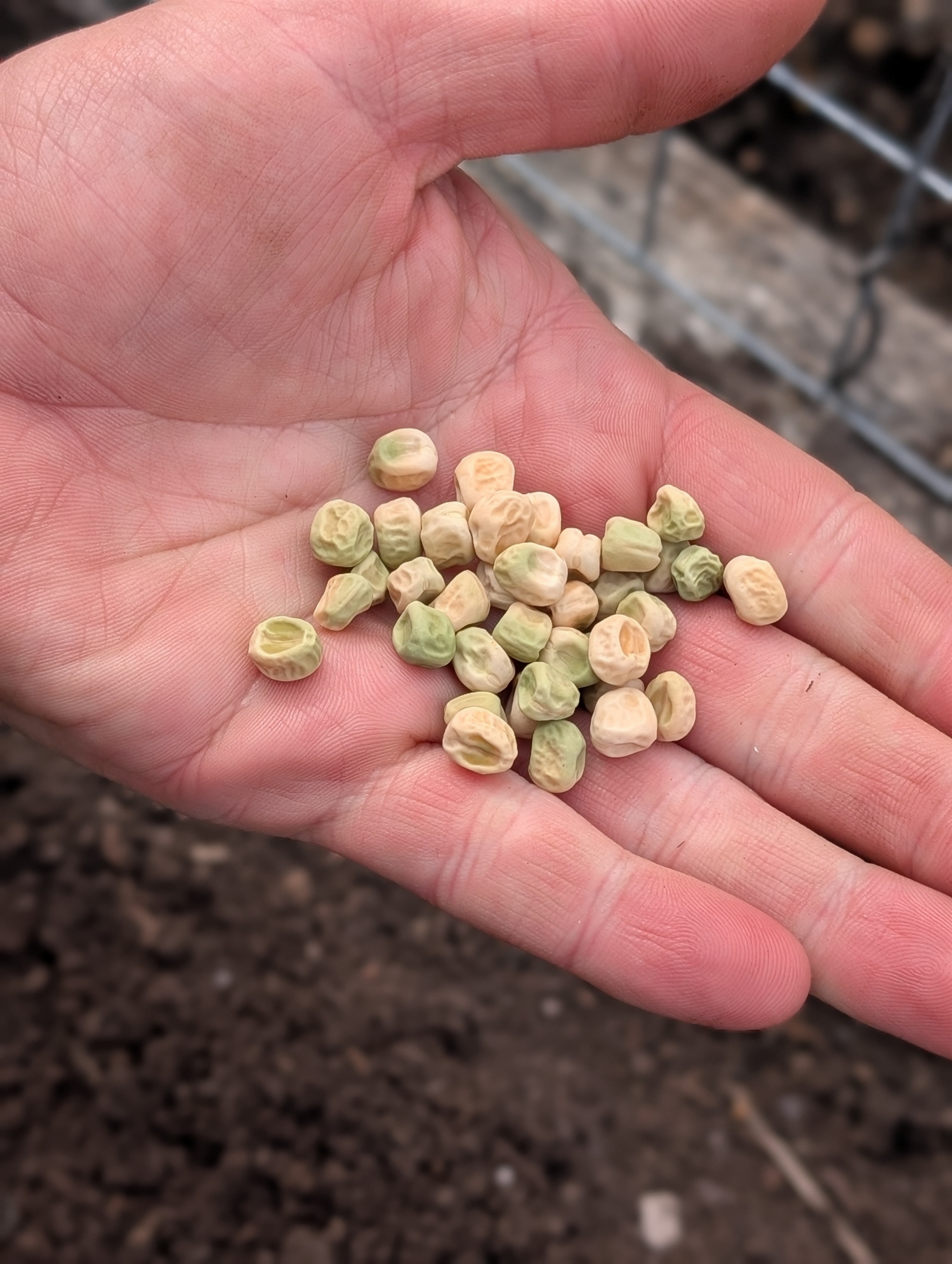
- The pea seeds are hard, wrinkled, and inedible.
-
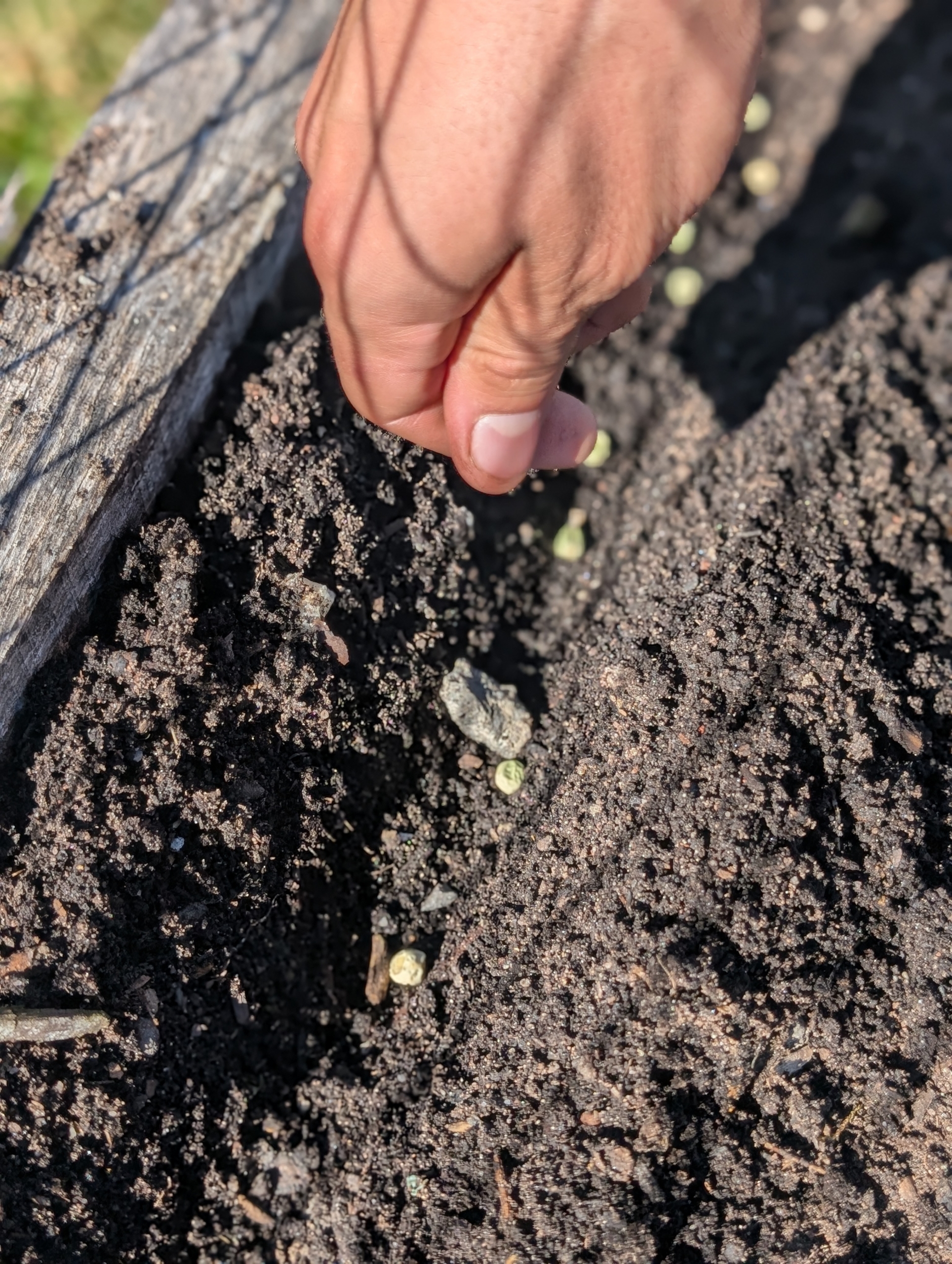
- Ryan drops the seeds into the furrow about one to two-inches apart.
-
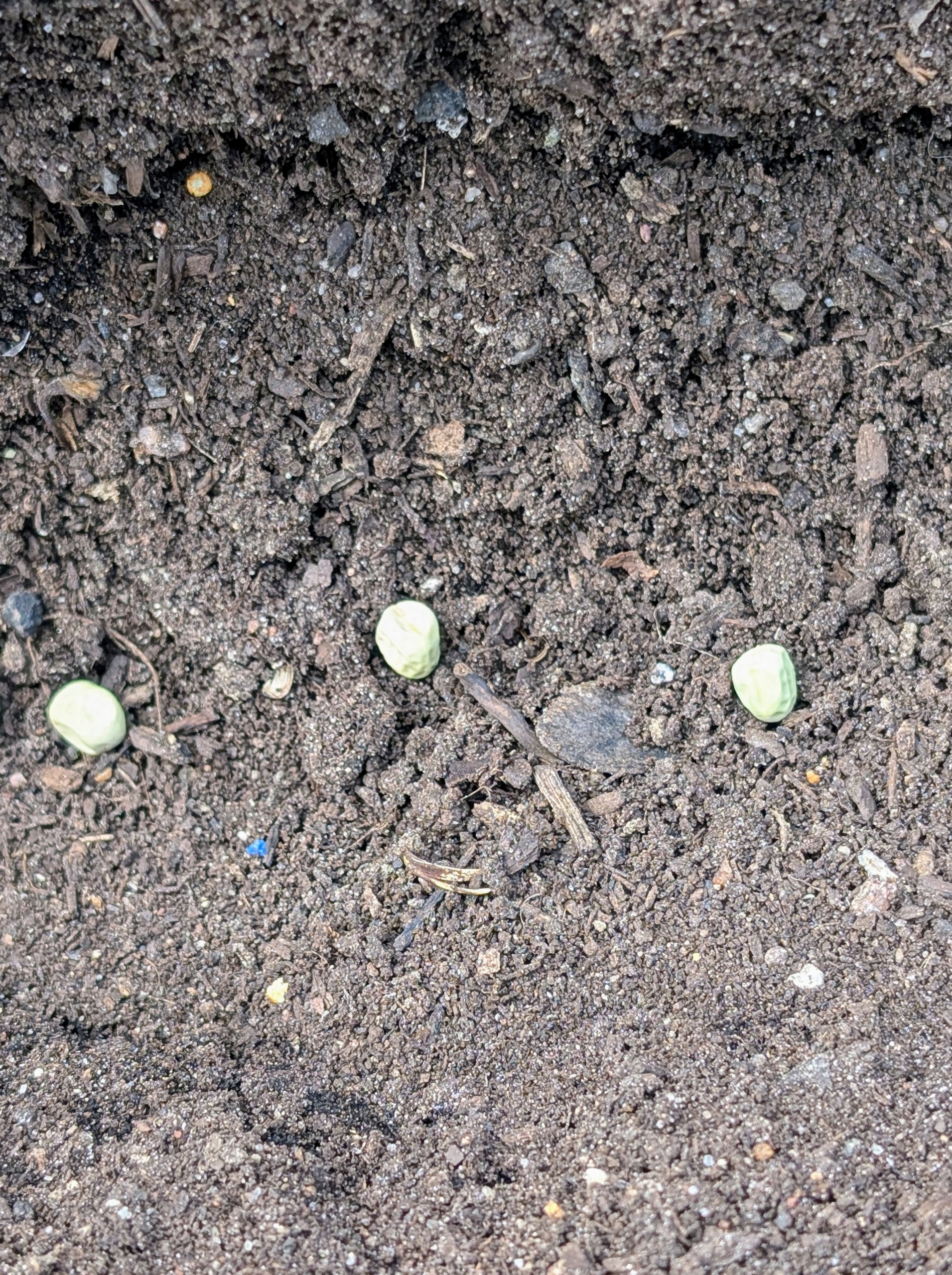
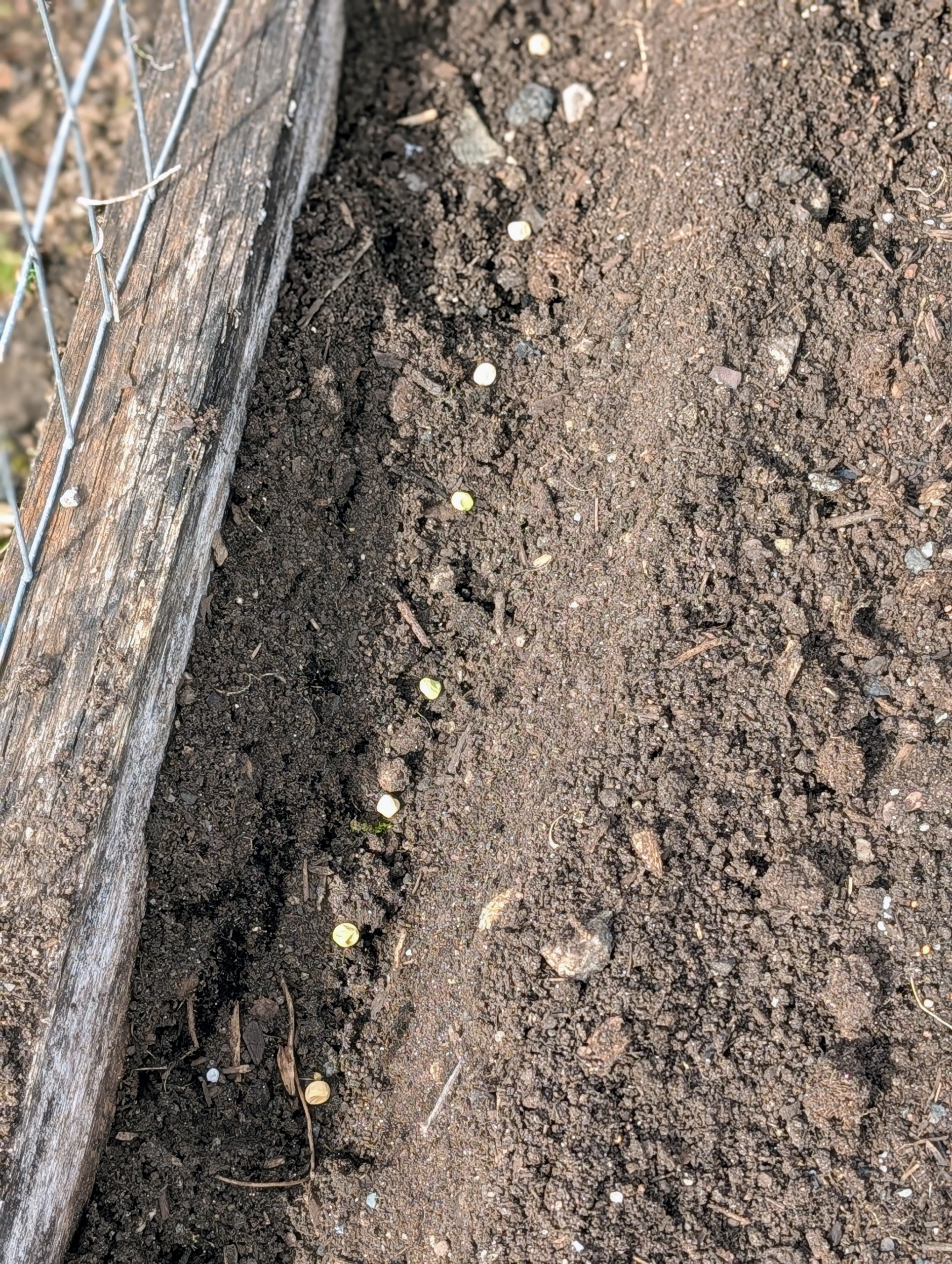
- Here, one can see the seeds well-placed in the furrow. Sow pea seeds four to six weeks before the last spring frost, when soil temperatures reach 45-degrees Fahrenheit.
-
- A single pea plant can produce between 50 and 200 peas, depending on the variety and care.
-
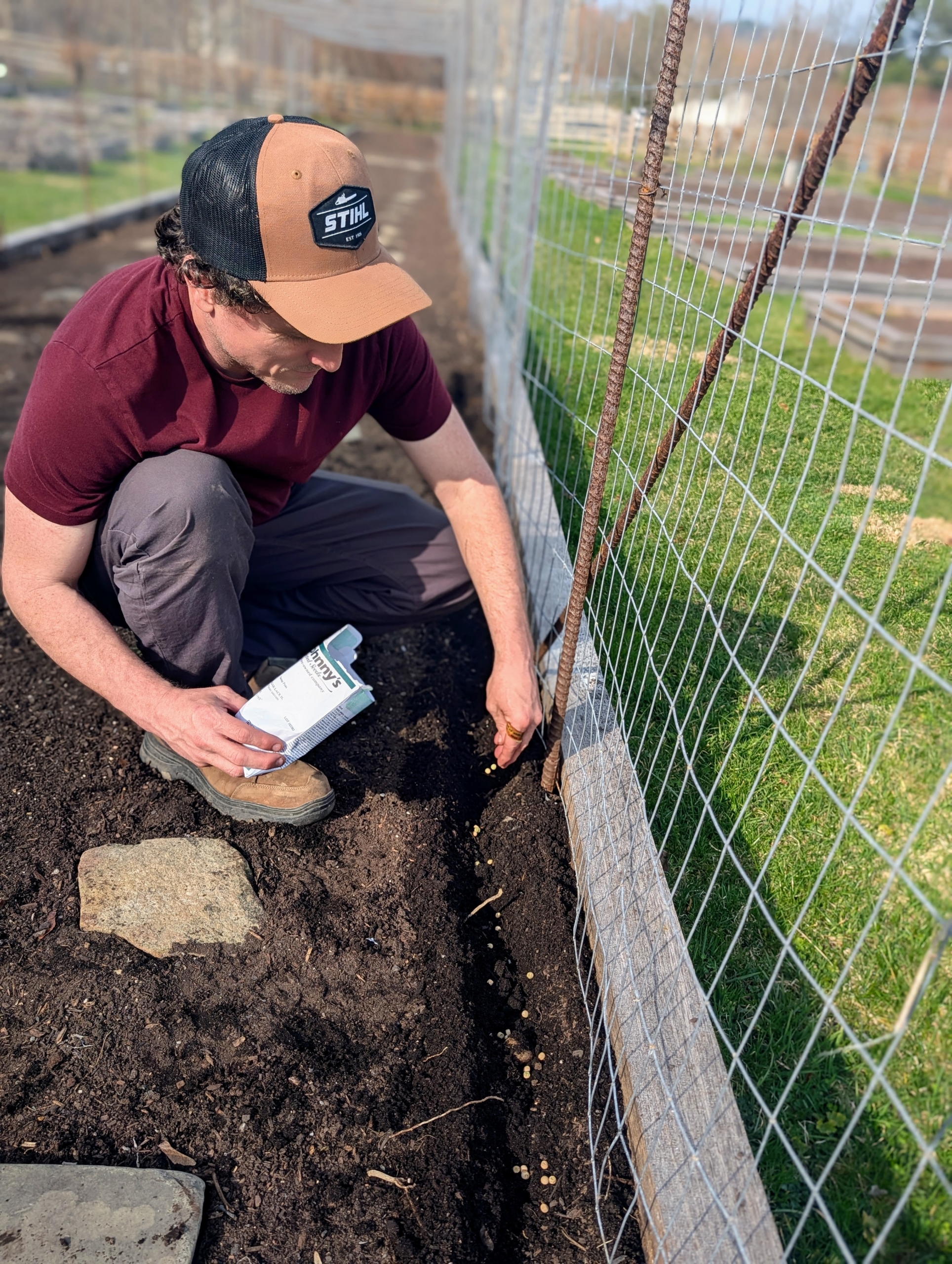
- Ryan carefully drops the snap peas into the furrow on the opposite side of the fence, so it’s clear which peas are which when harvested.
-
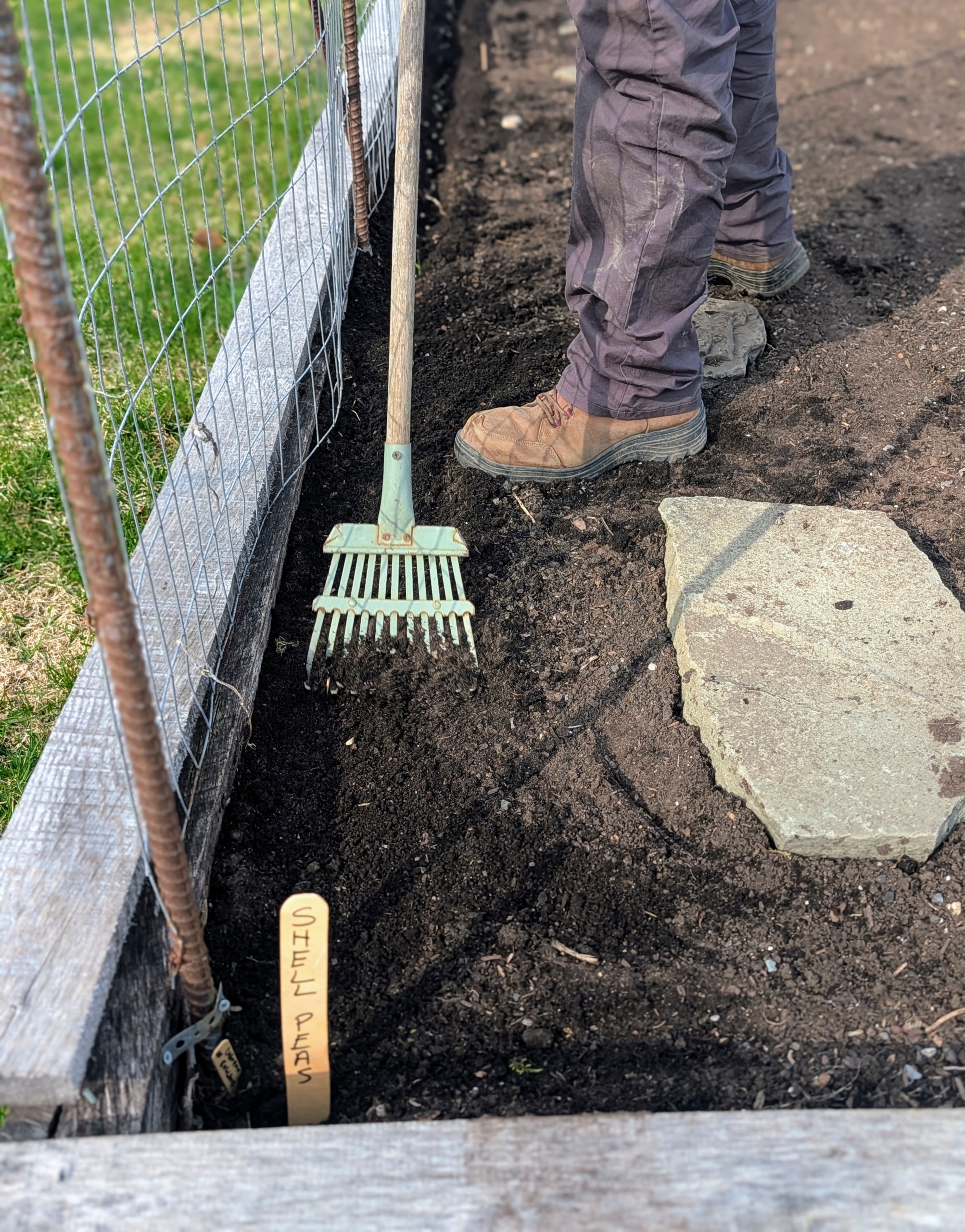
- Once all the seeds are in the ground, Ryan uses the back of a soft rake to cover them.
-
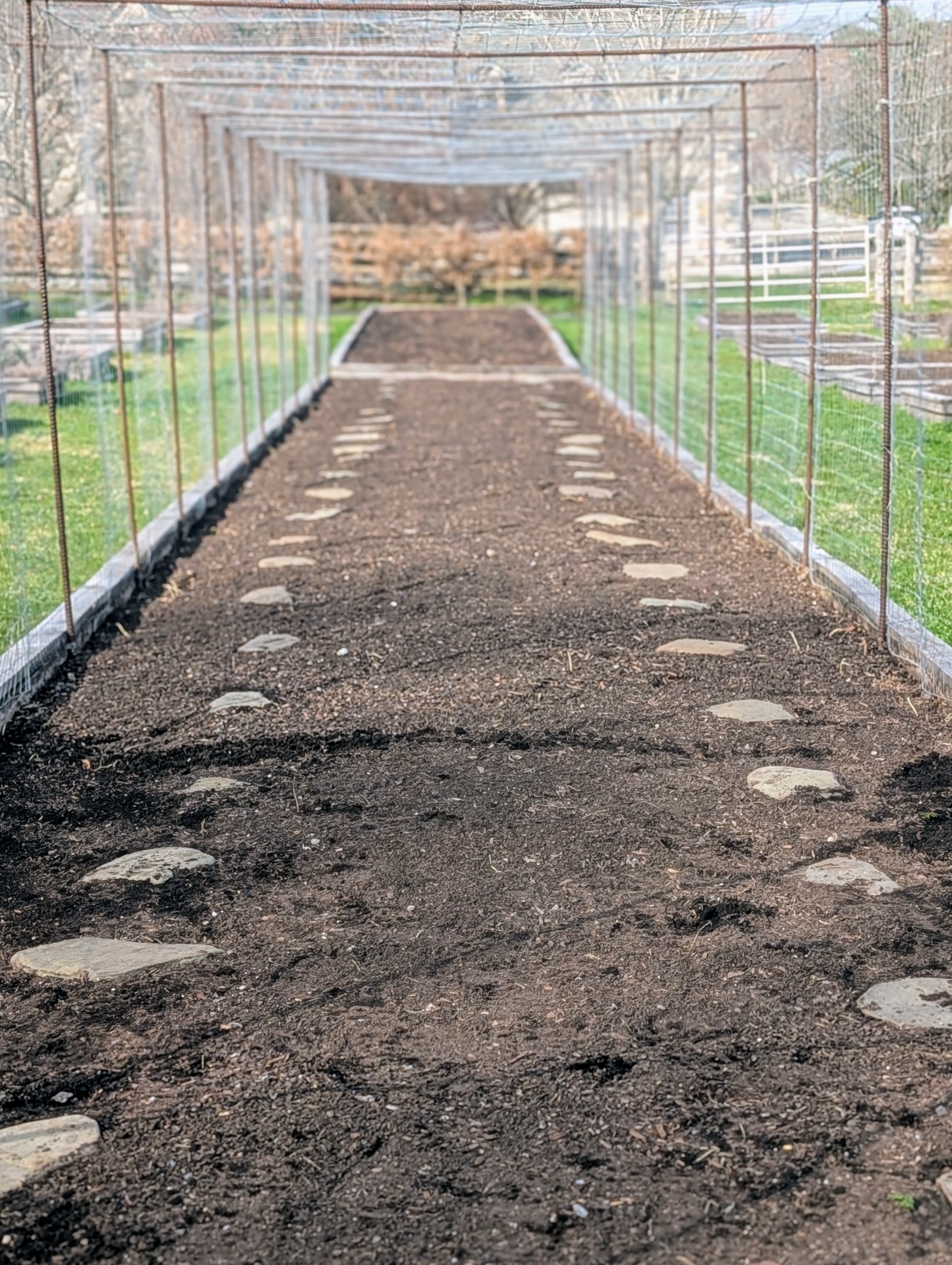
- The peas will be watered deeply once a week and should be ready to pick around mid-June to early July. Happy gardening!
 Martha Pins


 Martha Tweets

