

A Spring Garden Tour Around My Farm
Spring is always a wonderful time for a garden tour.
Every now and then, I agree to open my gardens for a small number of private walking tours. Yesterday was the first one of the season. It was for two winners of a charity auction run by the Seattle, Washington based nonprofit FareStart. The guided walk took them through various gardens, groves, and allées. They learned a bit about the history of my farm, the many changes I've made over the years, and about the plants and trees they saw along the way.
Here are some photos, enjoy.
-

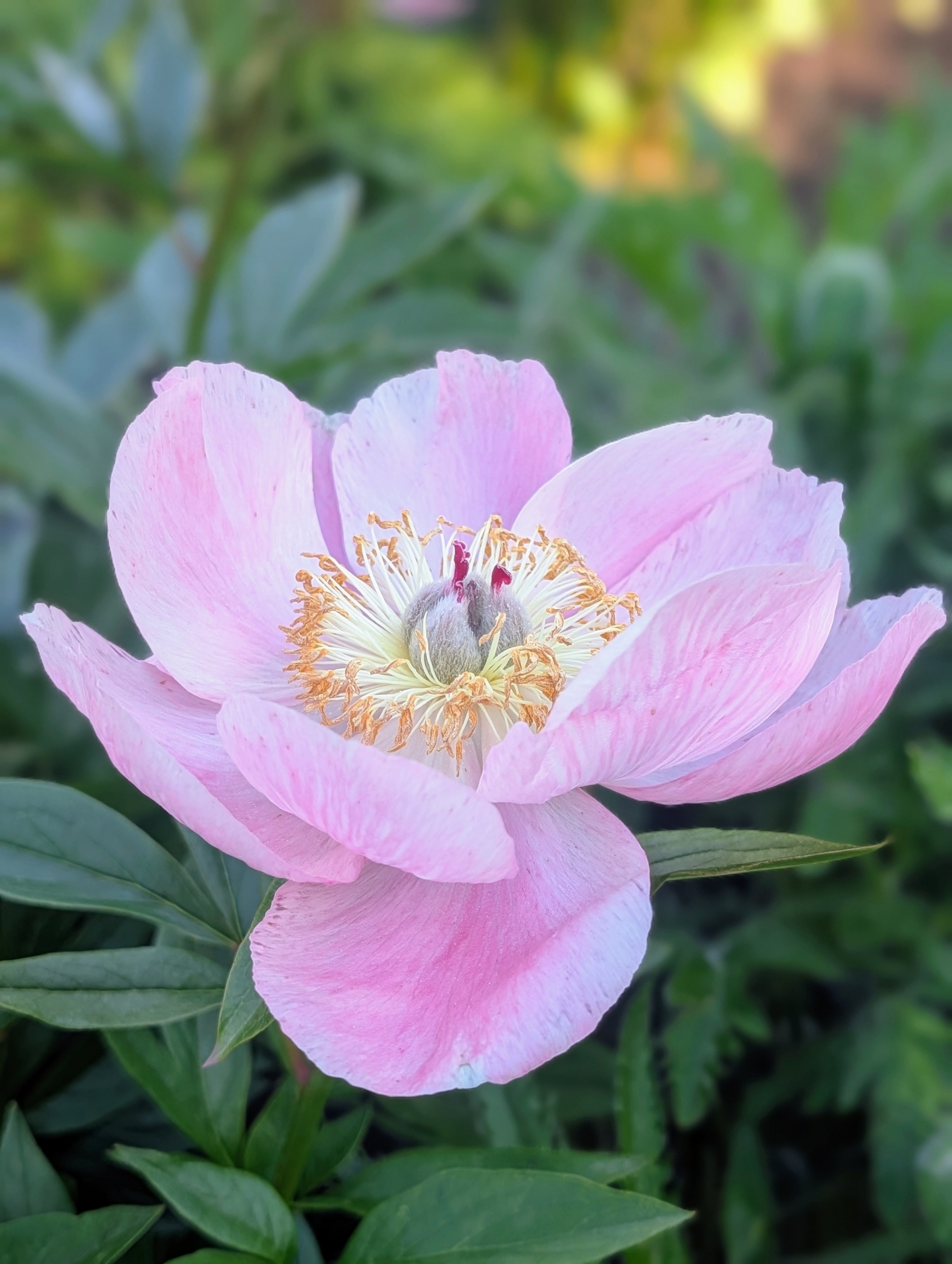
- Every group experiences a different tour when they visit the farm depending on what is blooming at the time. It’s extra special when the peonies are in flower.
-
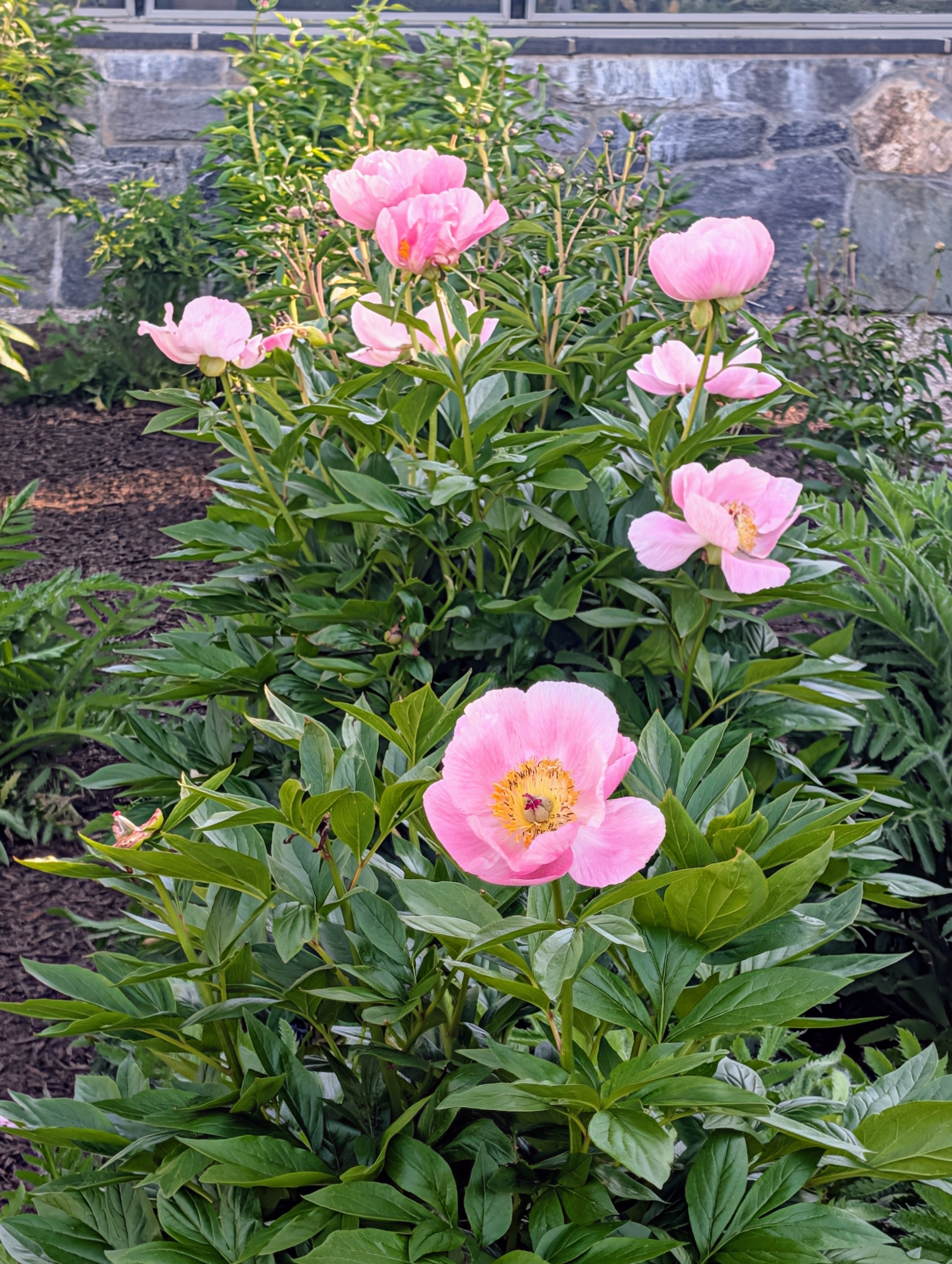
- These peonies are behind my main greenhouse where the guided walk began. My peonies are just starting to bloom around the farm.
-
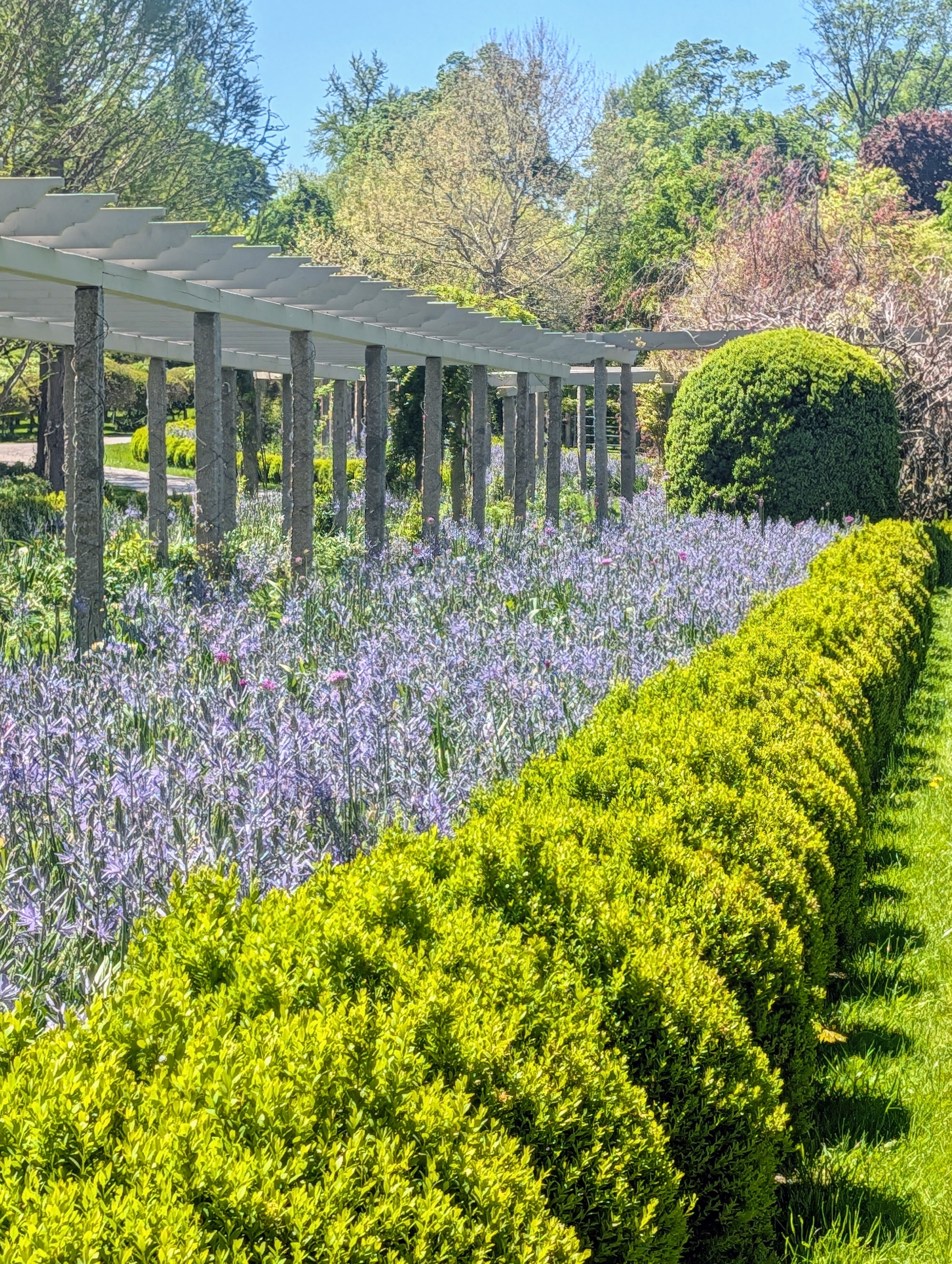
- The pergola garden is also hard to miss with all its beauty.
-
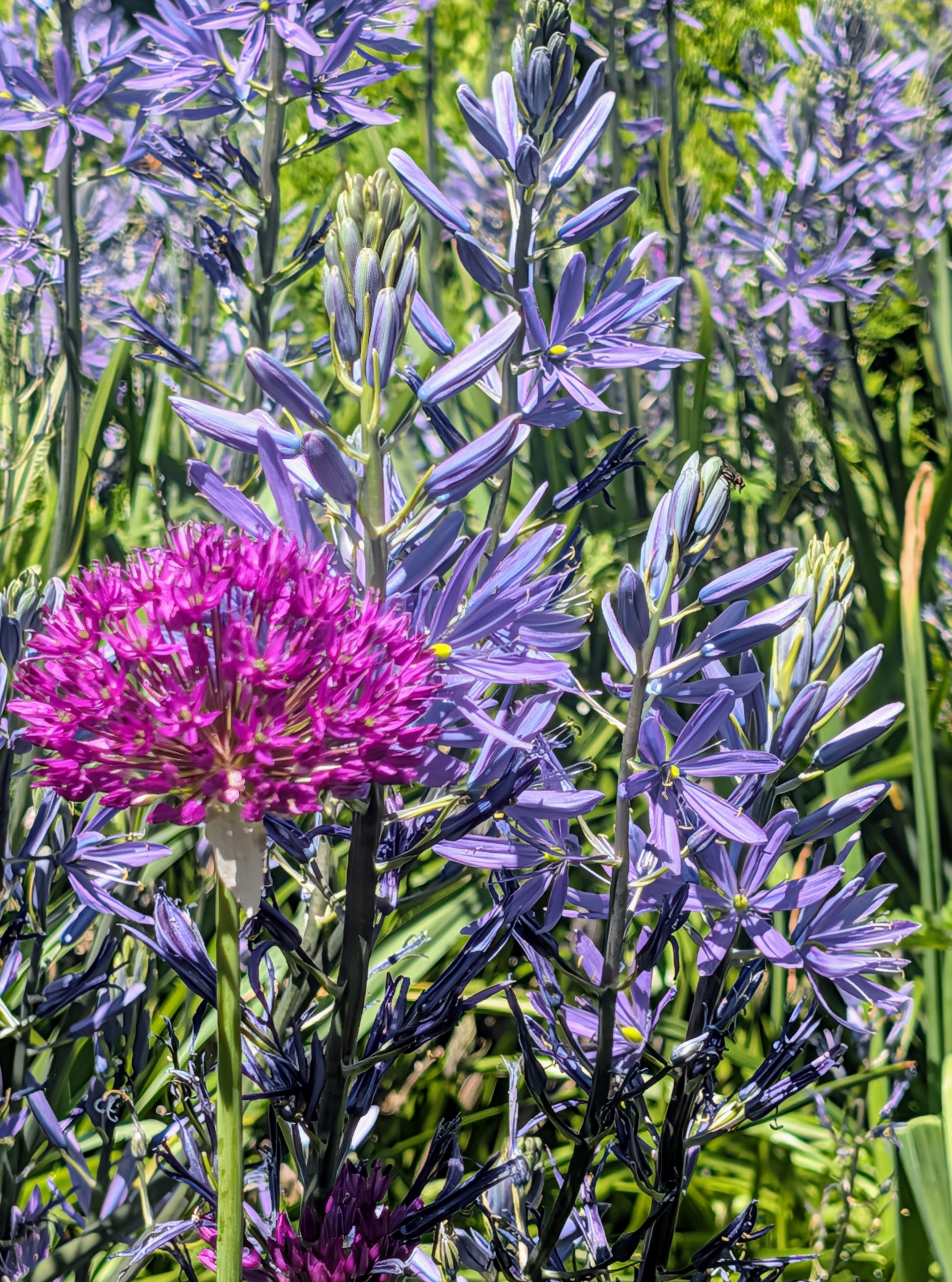
- The blue Camassia and purple alliums are prominent right now. Allium species are herbaceous perennials with flowers produced on scapes. They grow from solitary or clustered bulbs. Camassia is a North American native perennial bulb with tall, star-shaped flowers that thrive in moist, sunny environments.
-
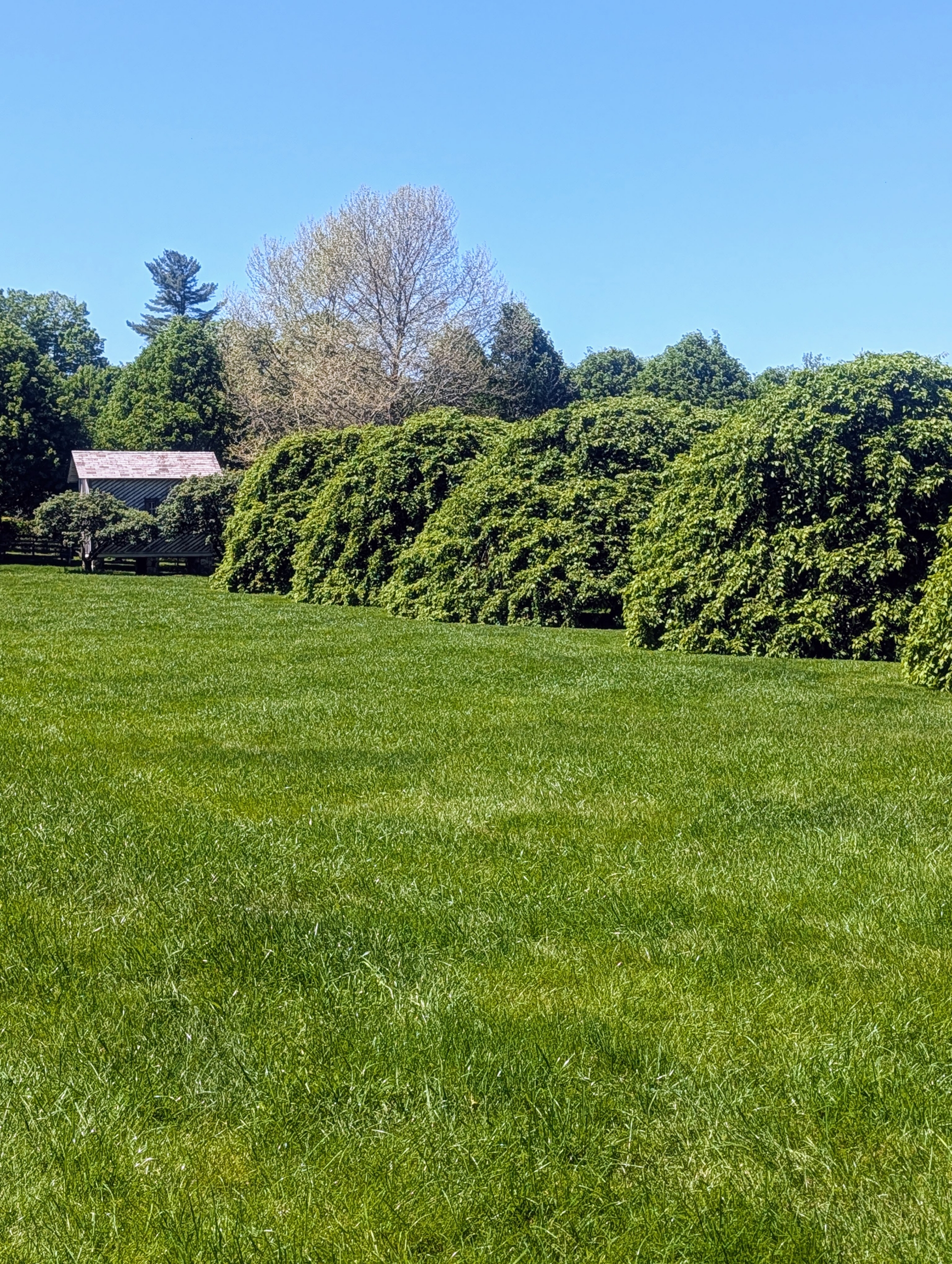
- Nearby is my Soccer Field, which is adjacent to the pergola. It is looking so lush and green. On one side are six rare weeping hornbeams, Carpinus betulus Pendula. And in the distance is the old corn crib, which is original to the property.
-
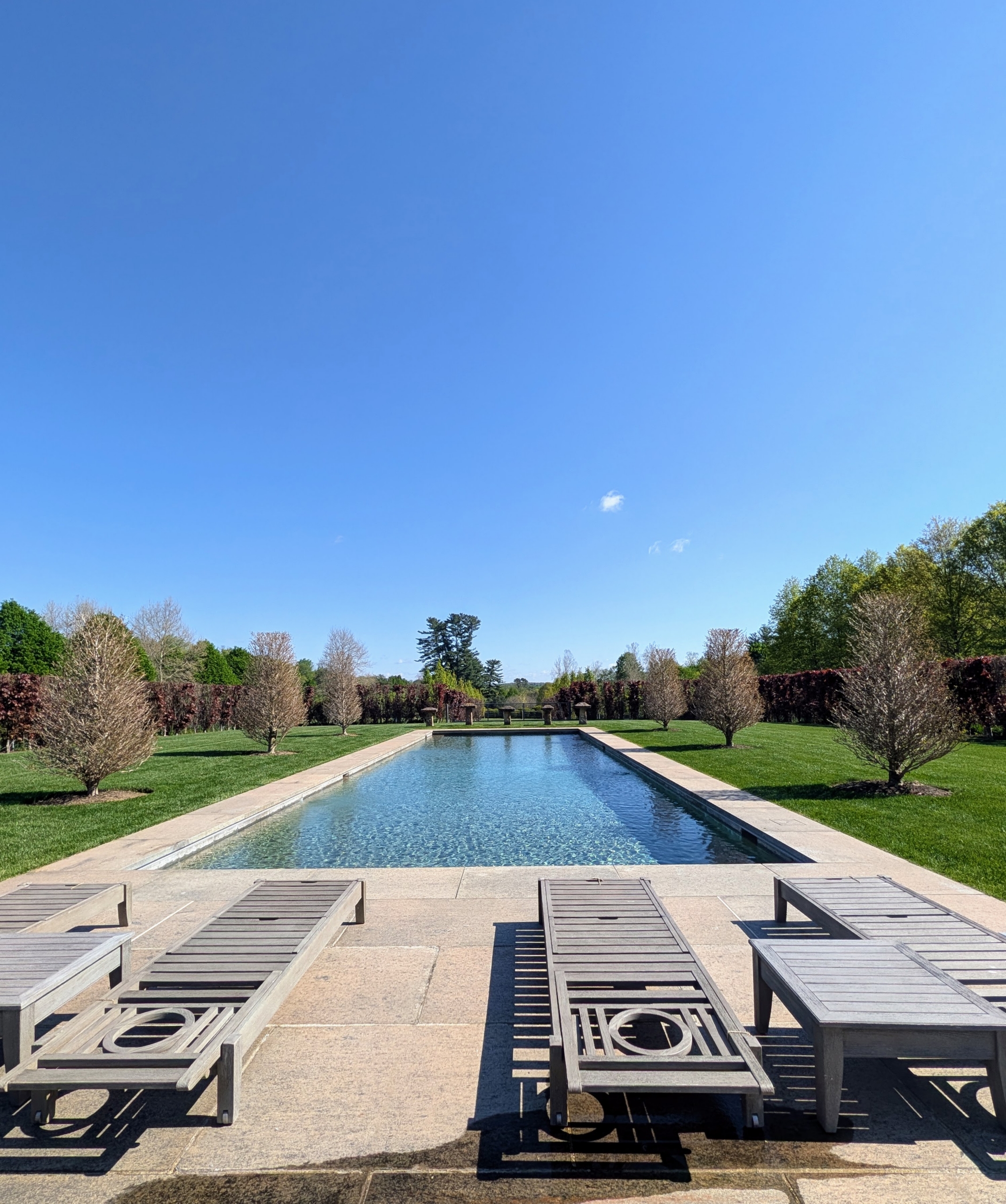
- The tour also viewed my pool – now open and ready for warm season swimming. The six Ginkgo biloba Goldspire™ Obelisk trees are just starting to leaf out now.
-
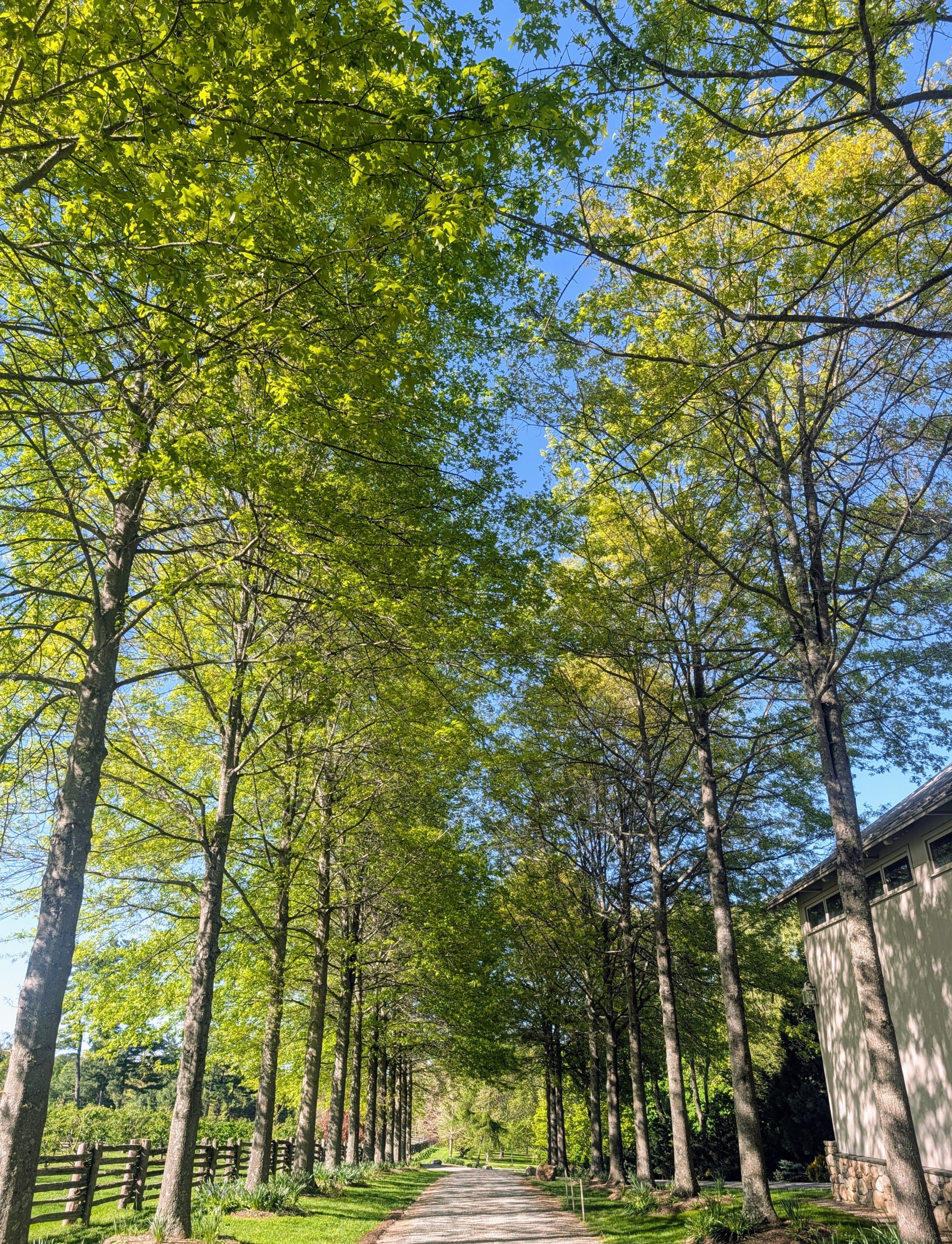
- The tour then walkd down my Pin Oak Allée. A recognizable trait of the pin oak is that its lower branches hang down. It also has horizontal middle branches and upright upper branches forming a most interesting growth habit.
-
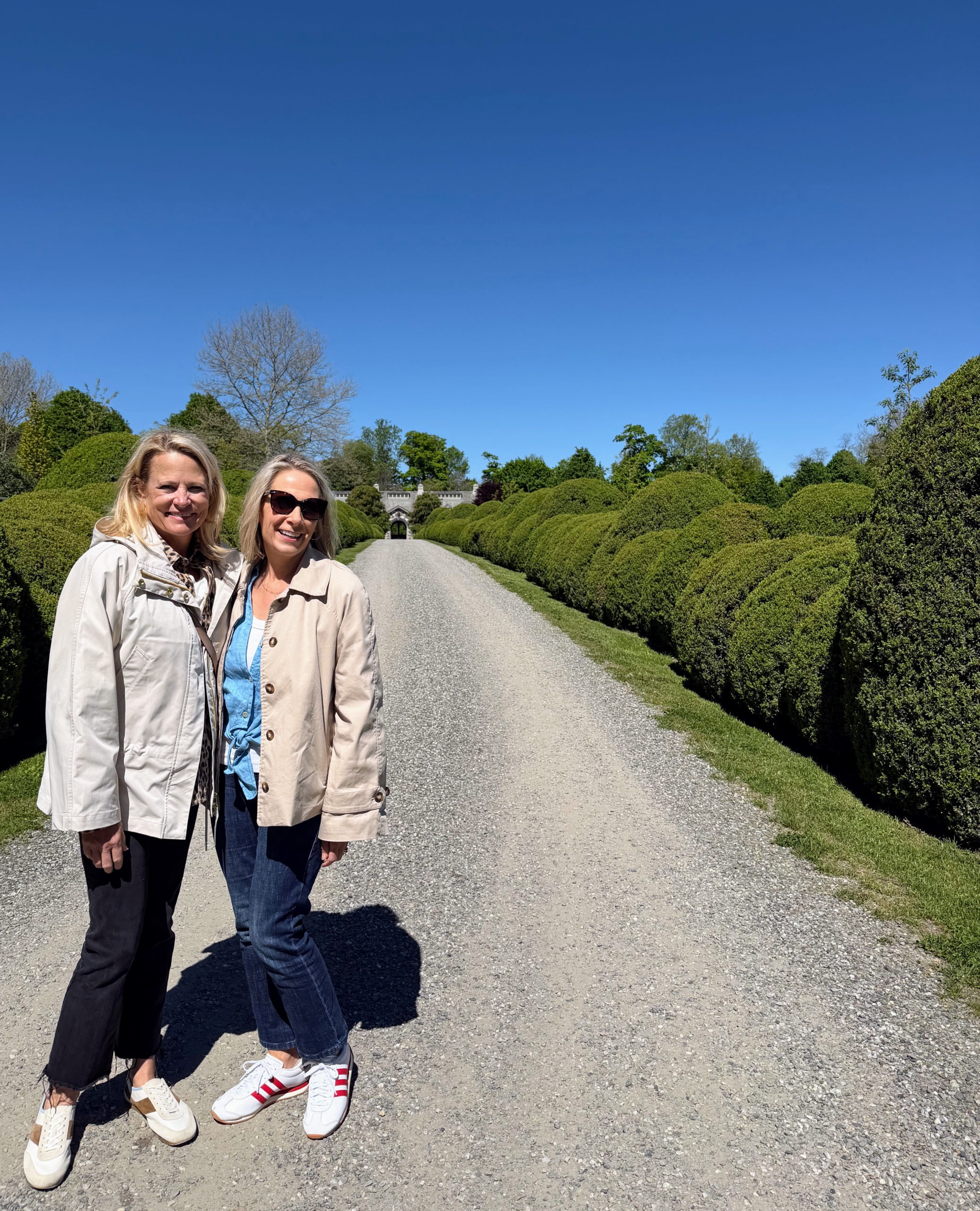
- Susan Maki and Julie Hart are both avid gardeners and work at Squak Mt. Nursery in Issaquah, Washington. They admired so many of the gardens and asked such wonderful questions. It was interesting to hear what plants and trees do well in their area of the country. Here they are at one end of my long Boxwood Allée.
-
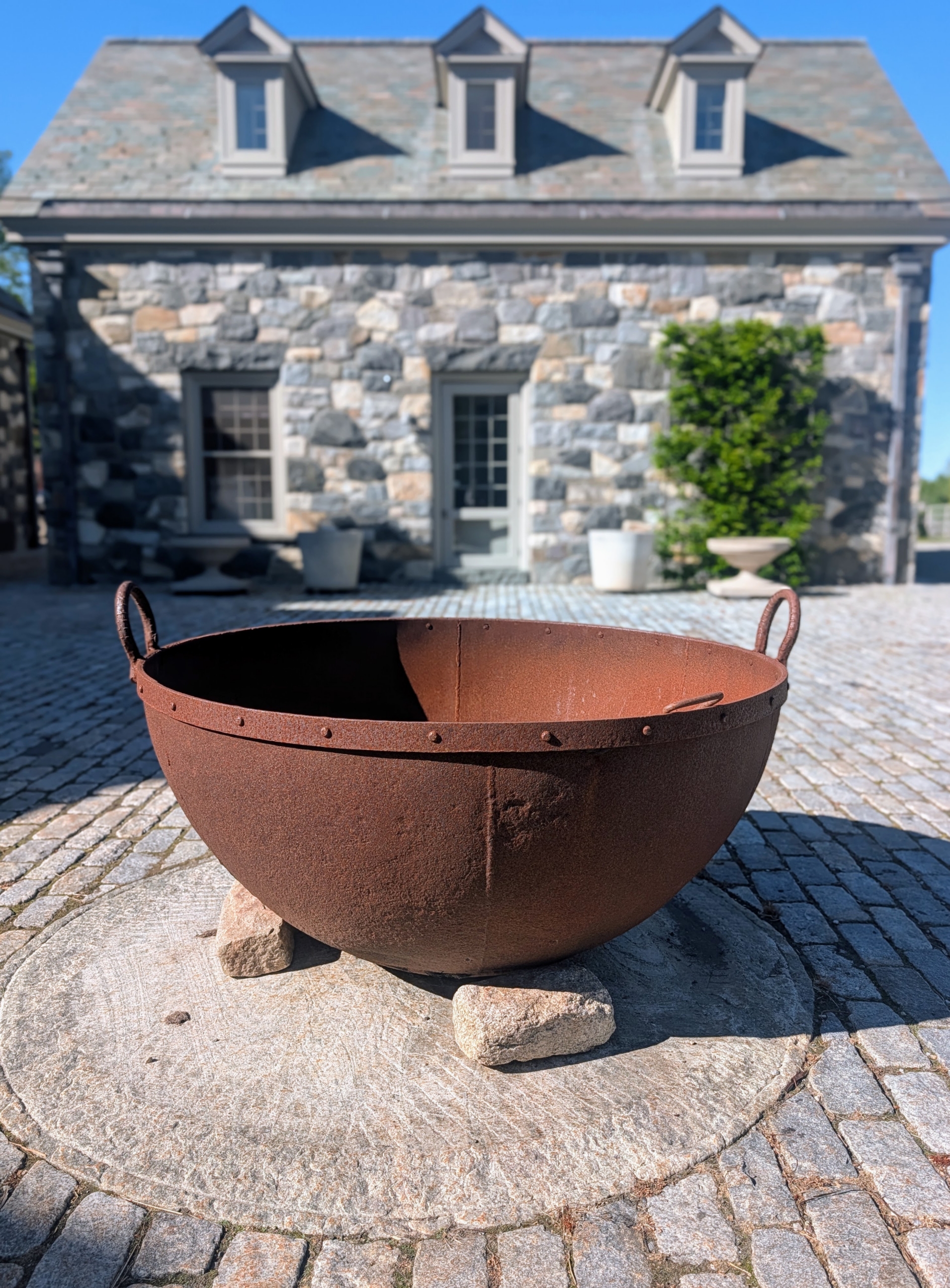
- Susan and Julie learned about the giant sugar pots I have around the farm. I use them as fire pits and as coolers when I entertain, but originally sugar kettles like this were used on 19th century Louisiana plantations for the production of sugar. Sugar cane was placed in the large, spherical vessels and cooked down to make syrup. Because they could withstand such high heat, they were also used for cooking.
-
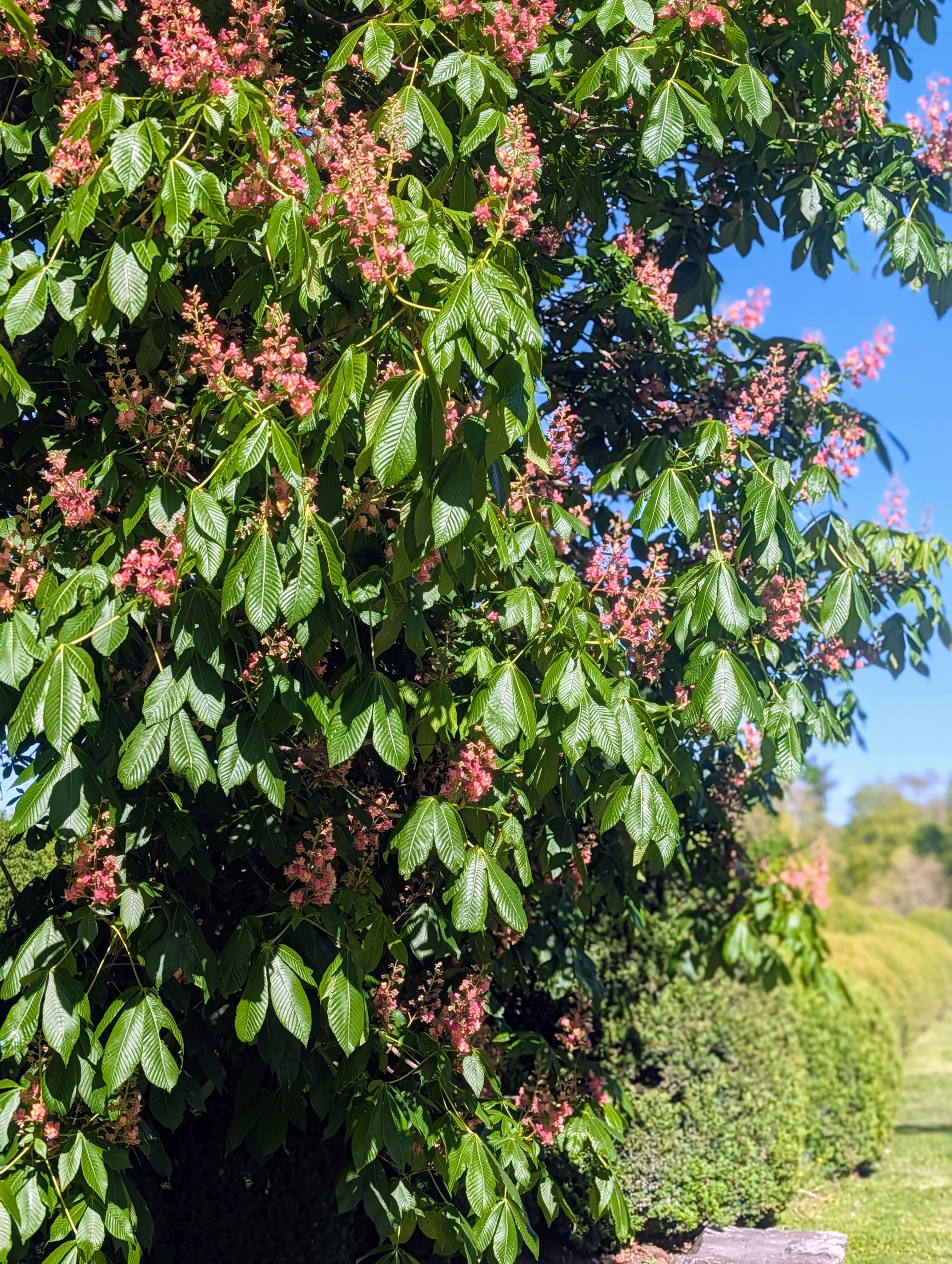
- The horse chestnut trees at the stable end of my Boxwood Allée always grab everyone’s attention. Aesculus hippocastanum is a large deciduous tree also known as conker tree. All the horse chestnuts are blooming right now.
-
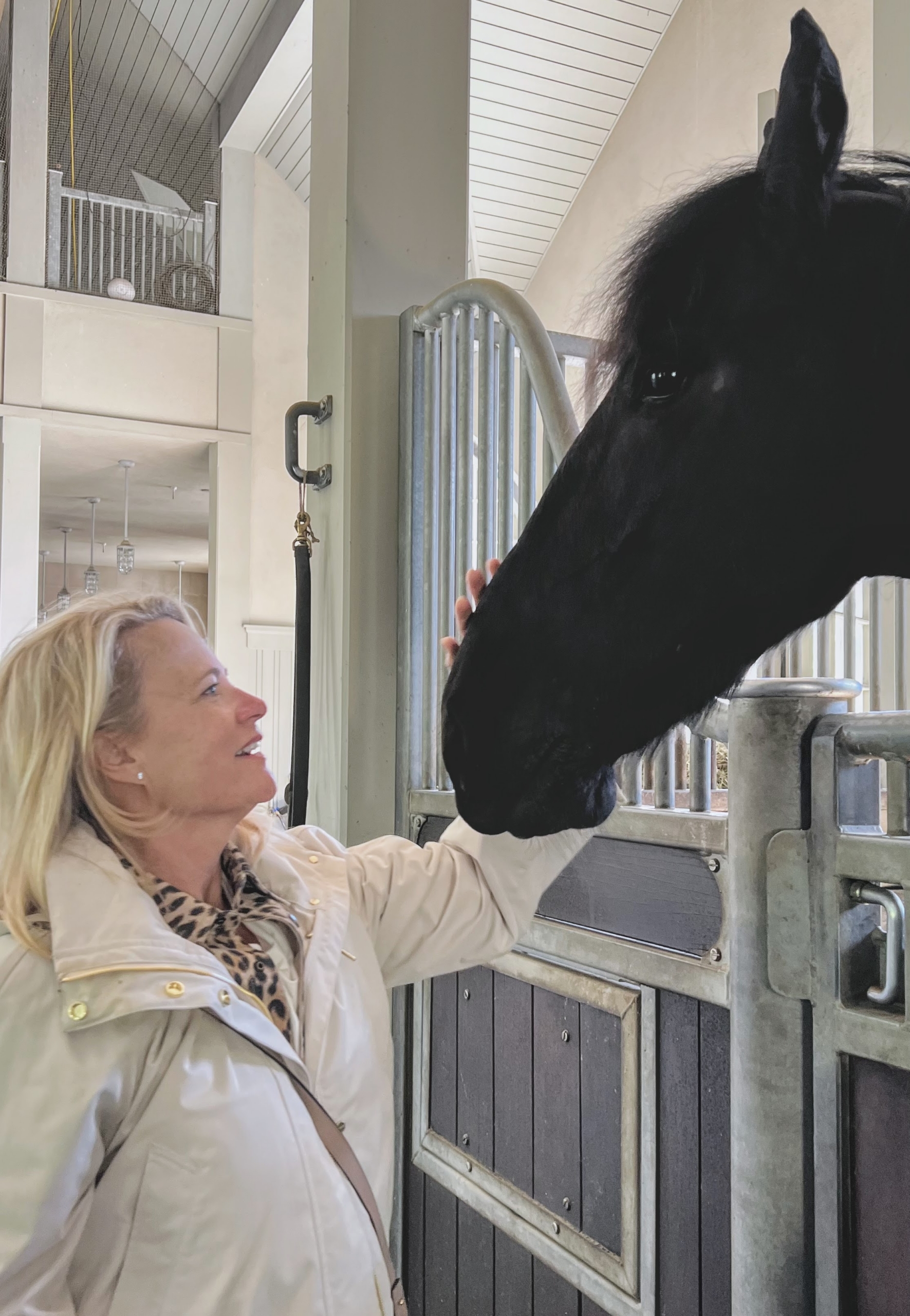
- Anyone who visits my farm always saves a little time to see my handsome, well-mannered horses. Susan stopped to greet young Ulysses, one of two horses I rescued last year.
-
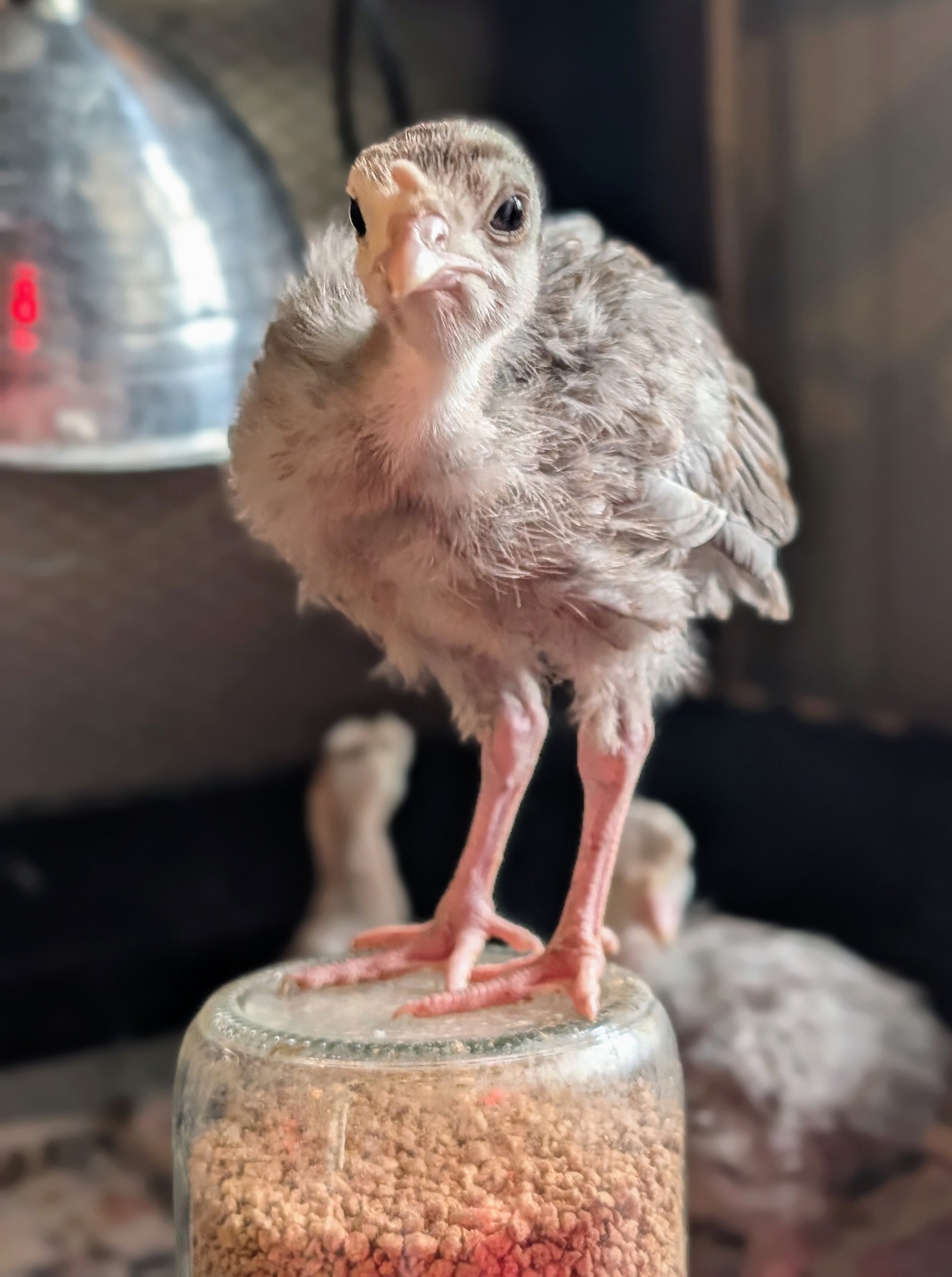
- In the stable chick nursery – lots of baby turkeys and chickens. This poult is already learning to perch – it is standing on one of its glass feeders.
-
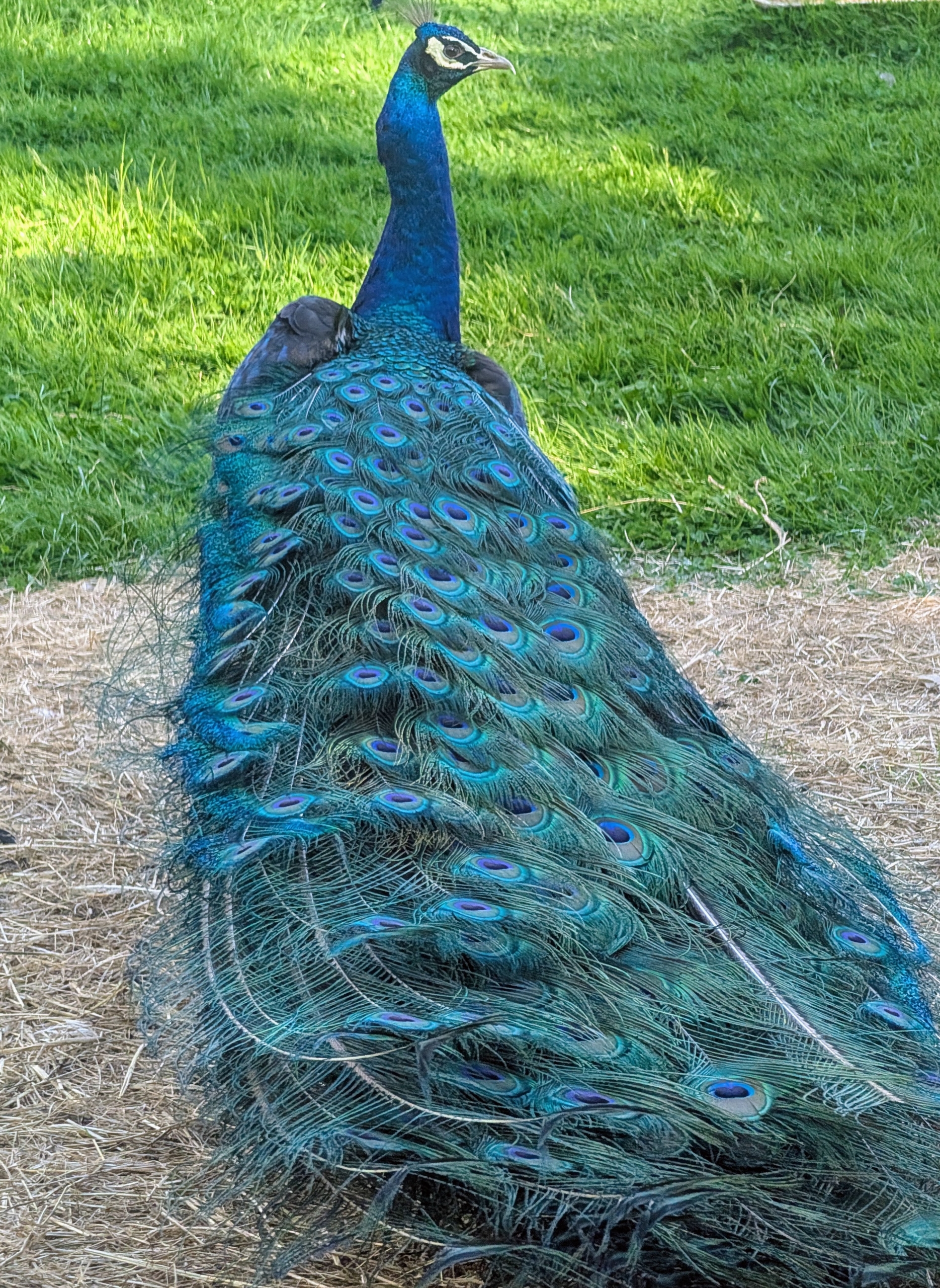
- Next, a stop to see the peafowl. While it is breeding season for the peacocks and peahens, none of the males were interested in fanning their tail feathers…
-
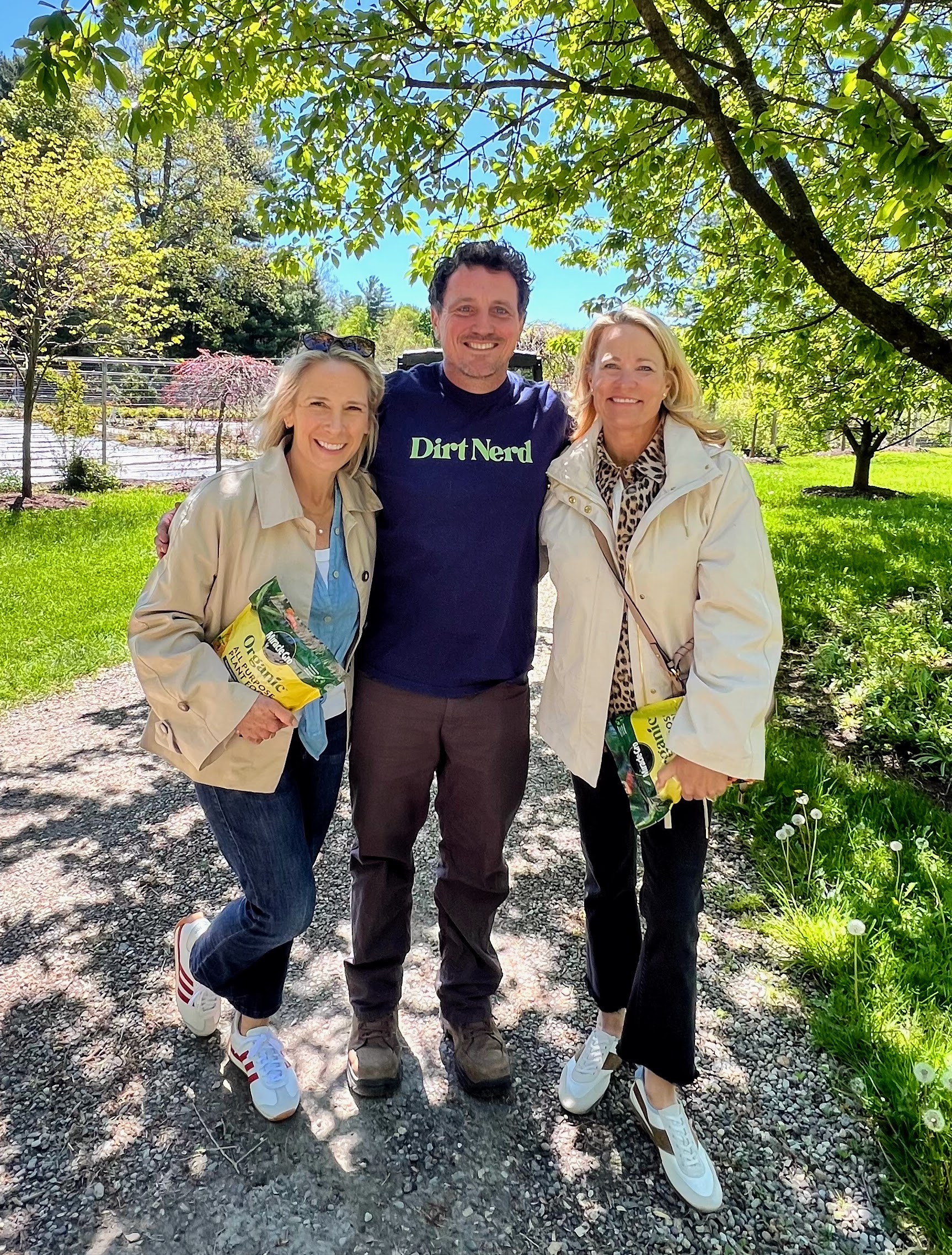
- My head gardener, Ryan McCallister, answered many of their gardening questions – in particular, how I care for all my roses here at the farm.
-
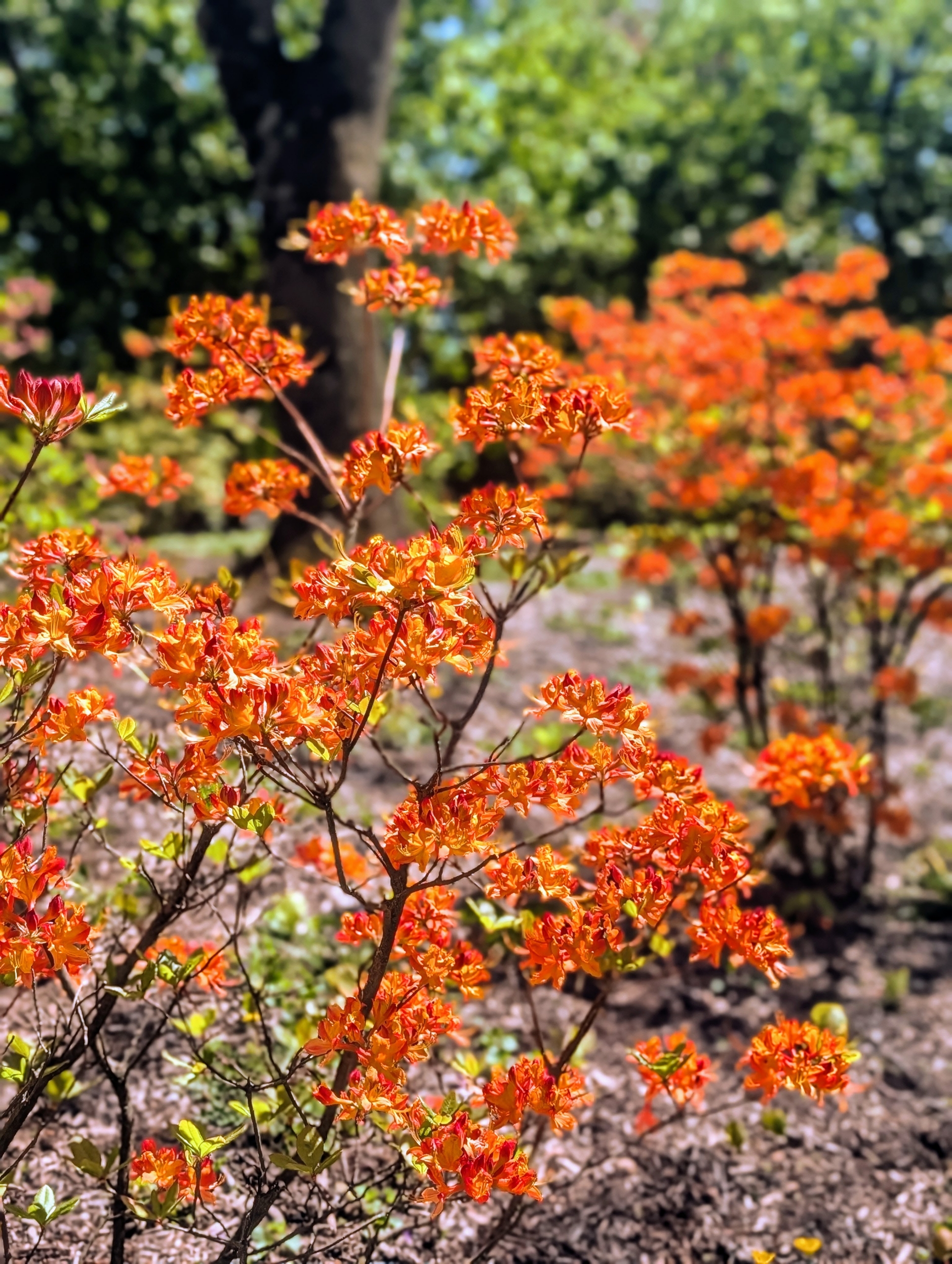
- Then it was a walk through the azalea grove. The smaller, younger azaleas, which I’ve planted in the last few years are bursting with color. Some azaleas bloom as early as March, but most bloom in April and May with blossoms lasting several weeks.
-
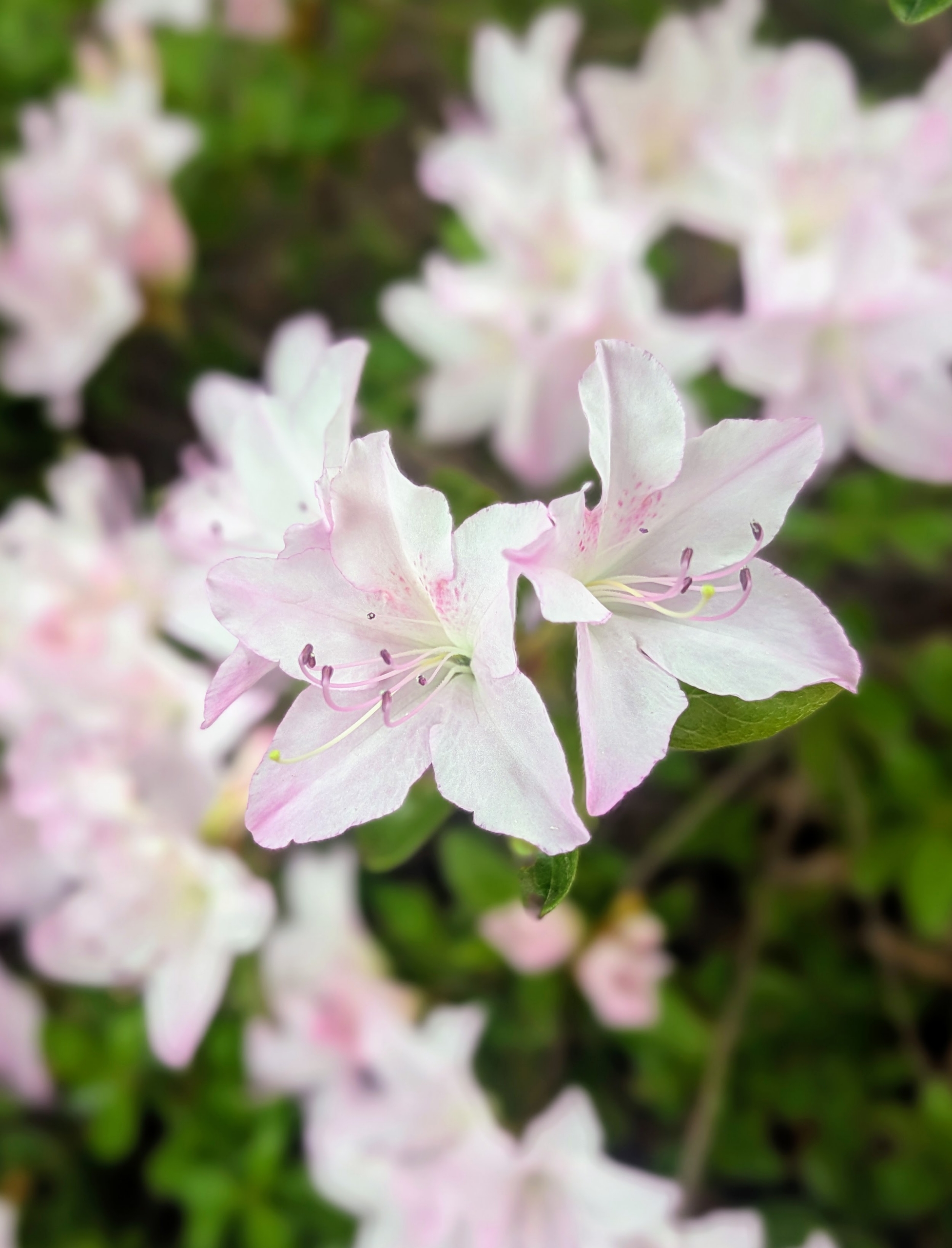
- Azalea petal shapes range from narrow to triangular to overlapping rounded petals. They can also be flat, wavy, or ruffled. Susan and Julie loved these light pink flowers.
-
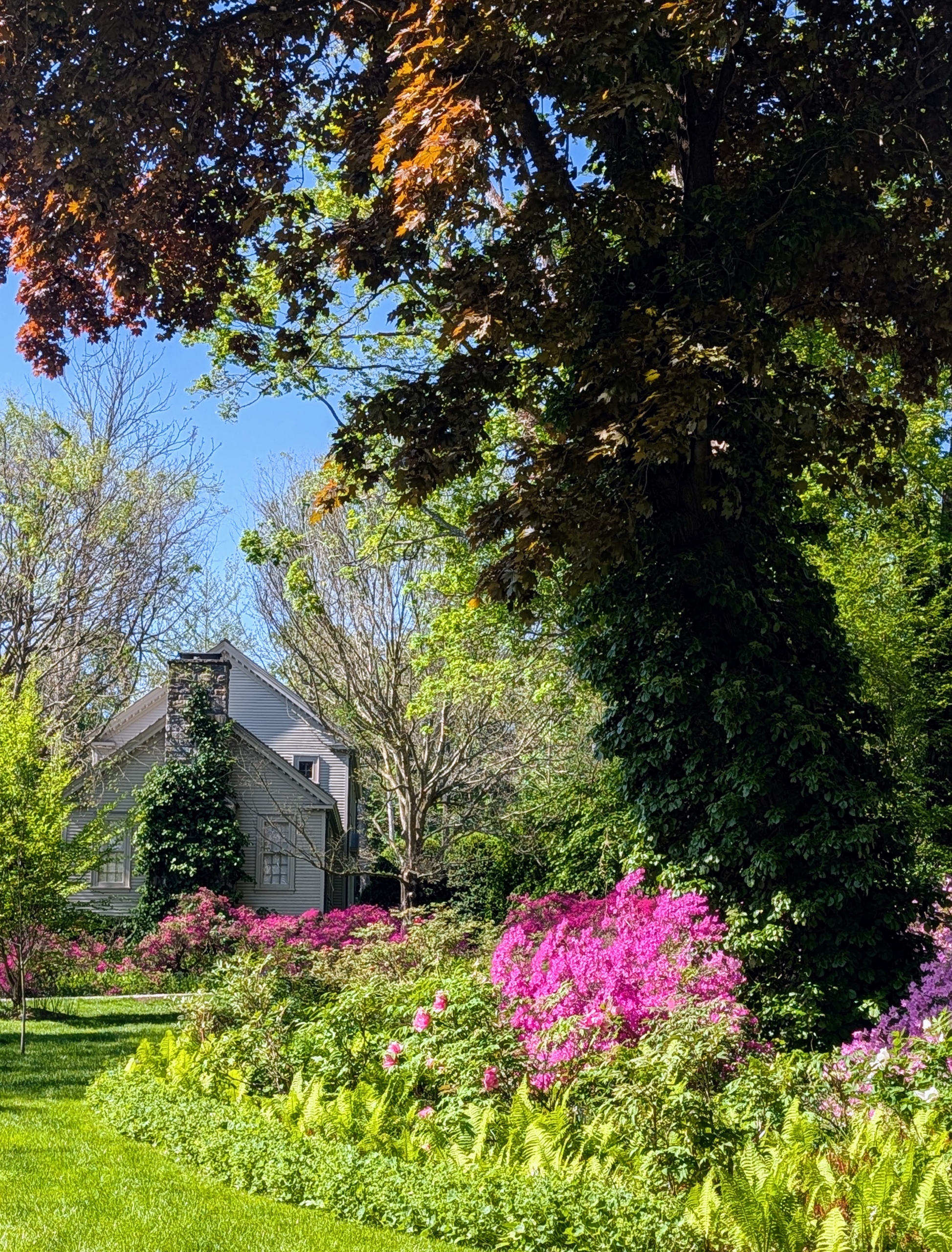
- Some of the most beautiful growth this time of year is outside my Summer house. Susan and Julie saw my long tree peony border planted in a semi-shade of giant maples. Many of the specimens were transplanted from my Turkey Hill garden in Westport, Connecticut and continue to thrive here at my New York farm.
-
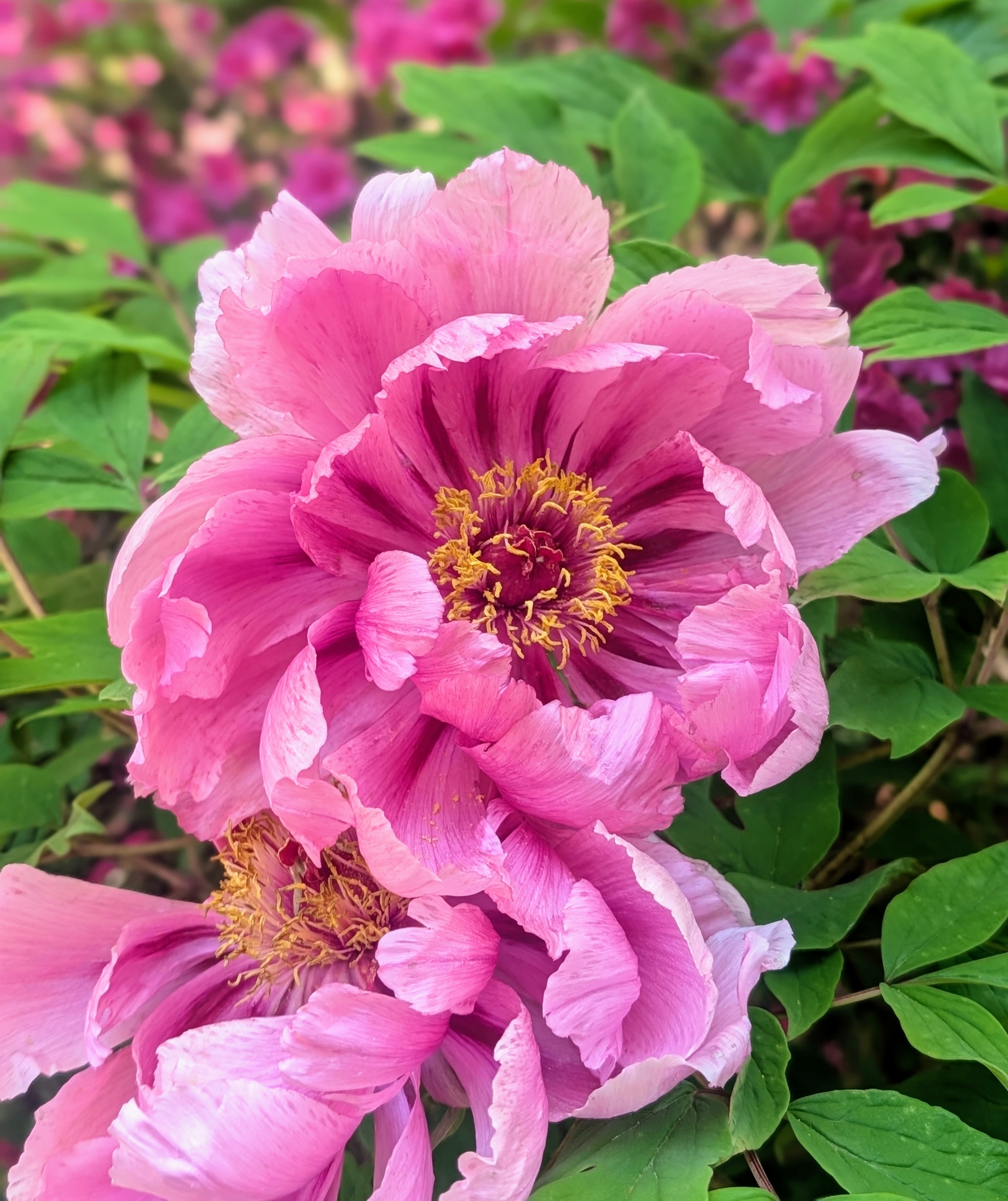
- There are very few plants that can compete with a tree peony in full bloom. The pink varieties are more fragrant than others. This one has slightly ruffled petals with a yellow gold center. Tree peonies come in colors that include all ranges of white, yellow, pink, magenta, and dark maroon.
-
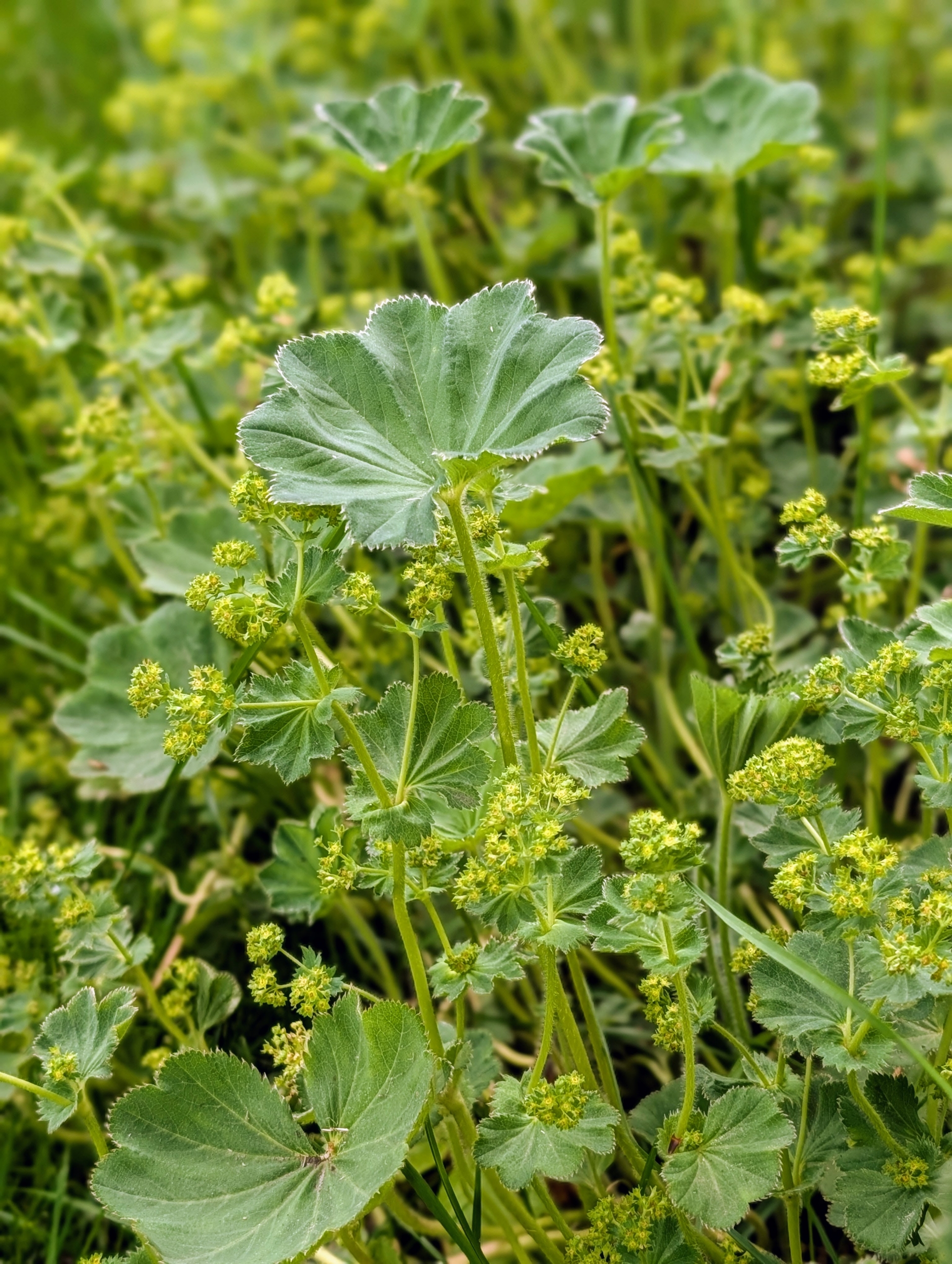
- Julie admired the Lady’s Mantle bordering the garden. Lady’s mantle, Alchemilla mollis, is a clumping perennial which typically forms a basal foliage mound of long-stalked, circular, scallop-edged, toothed, pleated, soft-hairy, light green leaves. The pale chartreuse flowers blend softly with the green foliage.
-
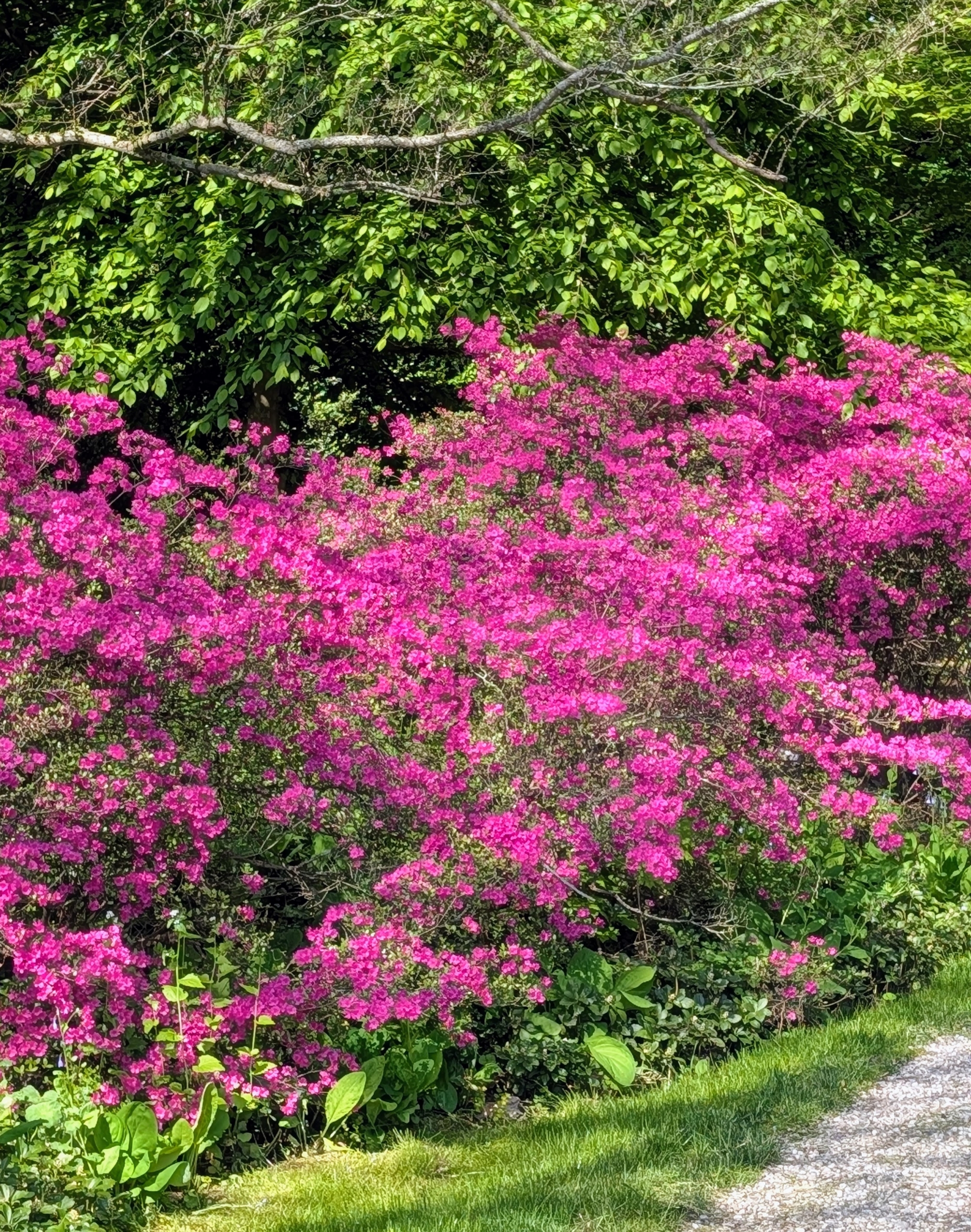
- Across the carriage road are my old pink azaleas that are flowering with gorgeous deep pink color. My azalea collection starts in a lightly wooded area where they get lots of filtered sunlight throughout the day. When I extended the garden down the carriage road, I planted more than 400-azaleas, and continue to add more every year.
-
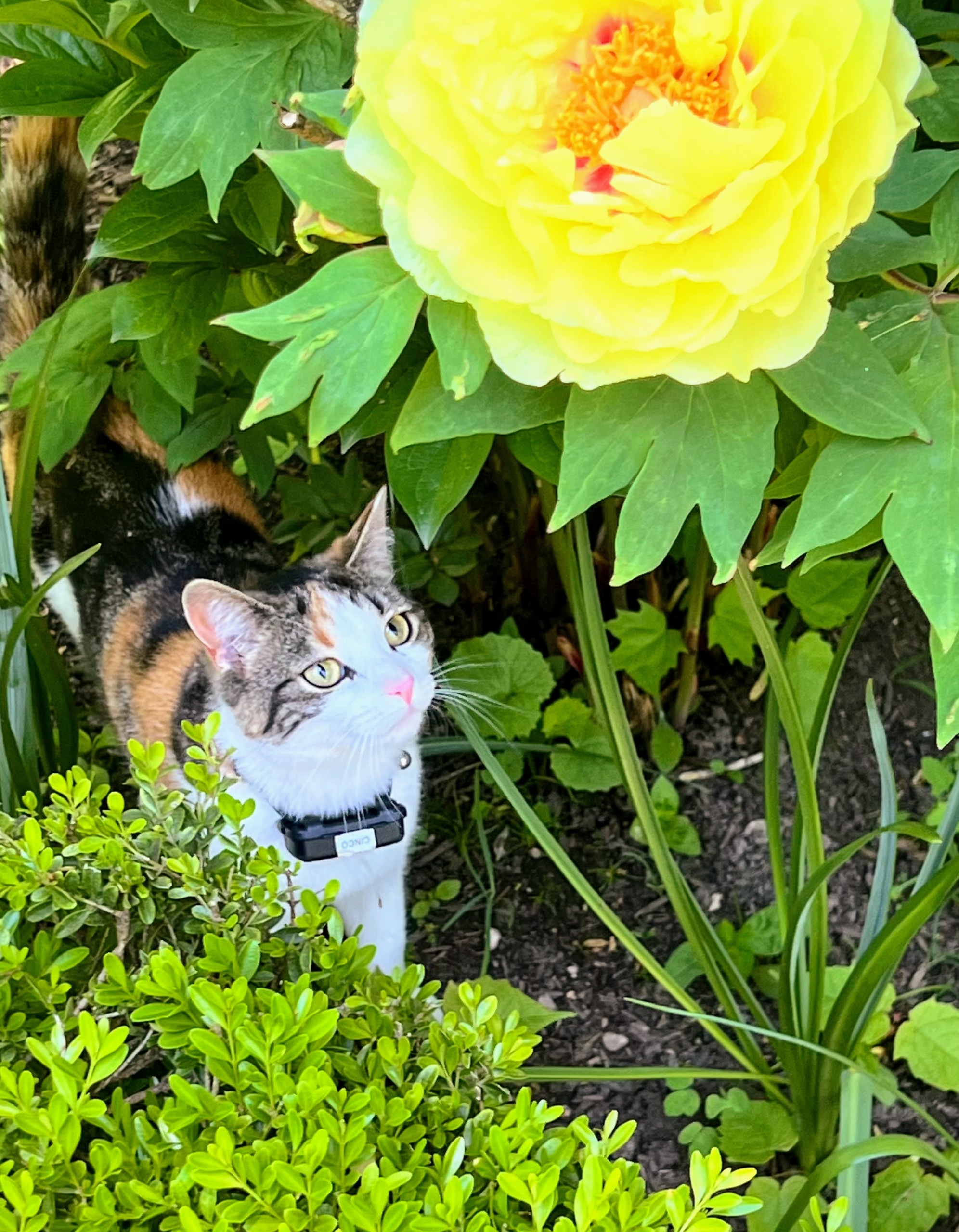
- Cinco is one of my two stable cats – she followed the tour all the way up to the Summer House sunken garden.
-
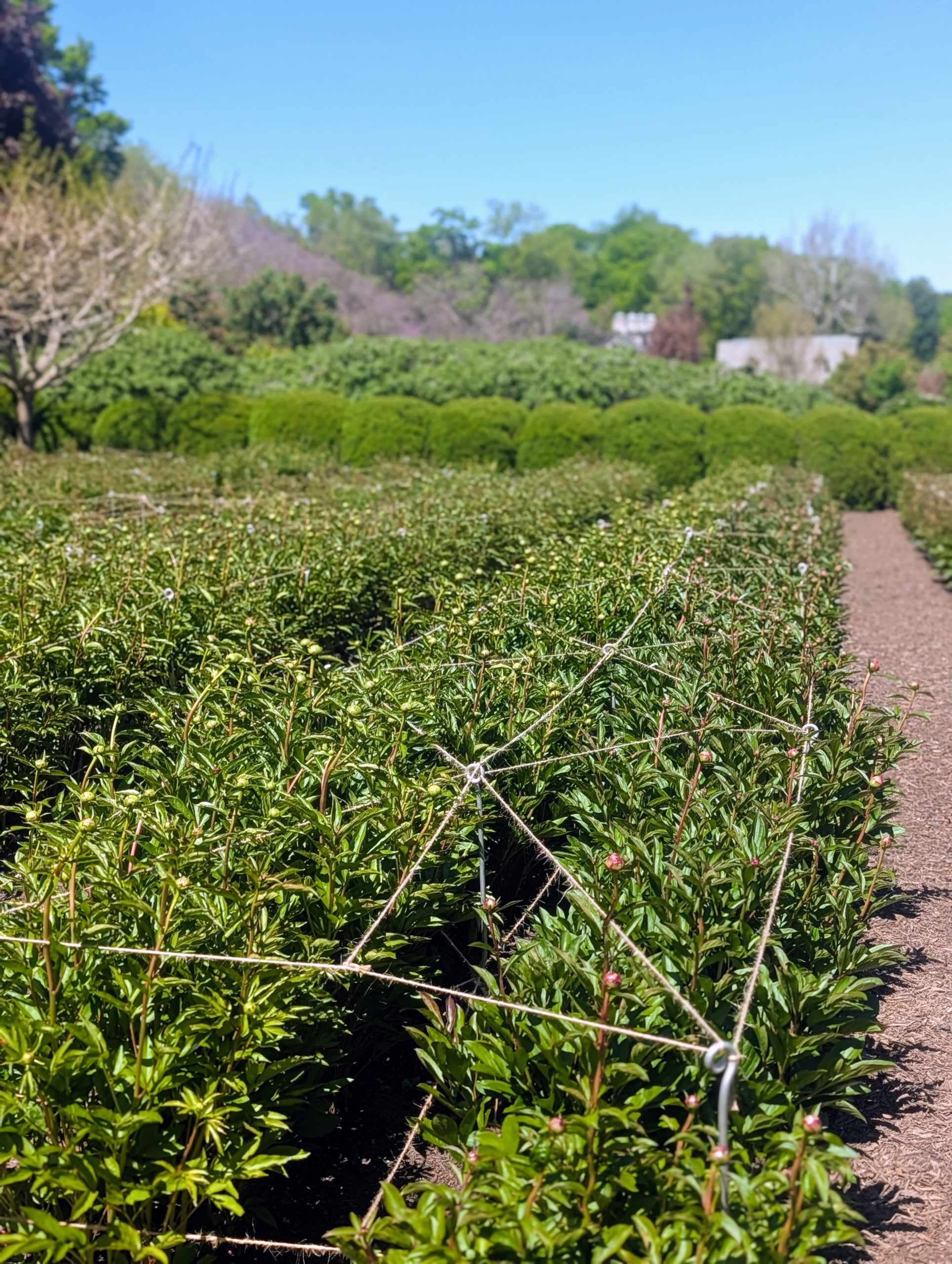
- My herbaceous peony bed is just coming to life with the bold green foliage and all the many buds waiting to open. My herbaceous peony collection includes 11-double rows of peonies, and 22 different varieties of peony plants – two varieties in each row. Susan and Julie studied the grid pattered staking in hopes of doing something similar with their peonies back home.
-
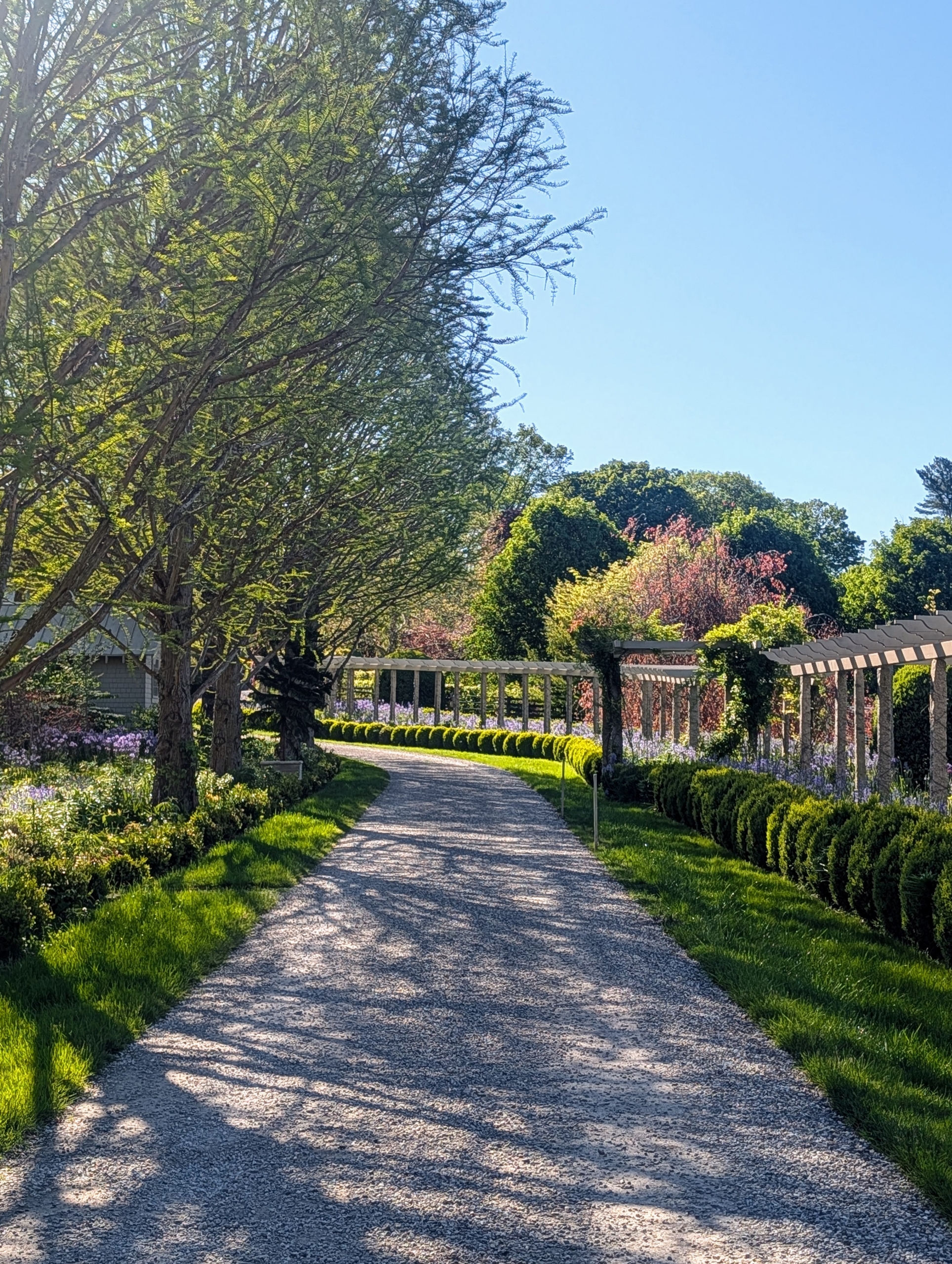
- As the two finished the tour, they admired my stand of bald cypress trees along this carriage road. Taxodium distichum is a deciduous conifer. Though it’s native to swampy areas, the bald cypress is also able to withstand dry, sunny weather and is hardy in USDA climate zones 5 through 10. The day was perfect for a tour of the gardens – sunny, mild, and so pleasant. Thanks for visiting my Cantitoe Corners Farm, Susan and Julie.
 Martha Pins


 Martha Tweets

