

Planting in the Pinetum
Planting a pineutum, an arboretum of pine trees and other conifers, provides shelter and nesting sites for small birds, and continuous, year-round interest and greenery in the landscape.
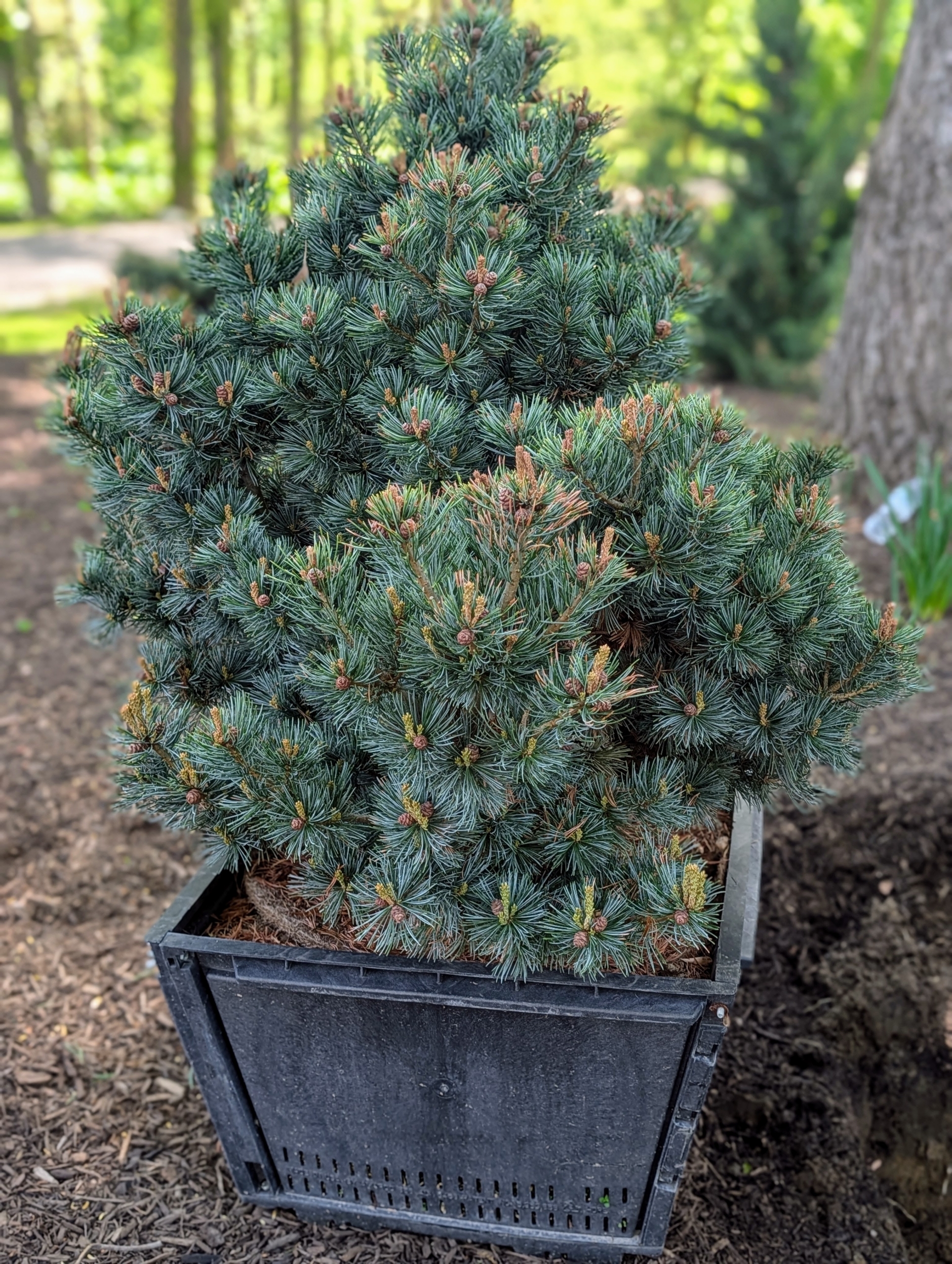
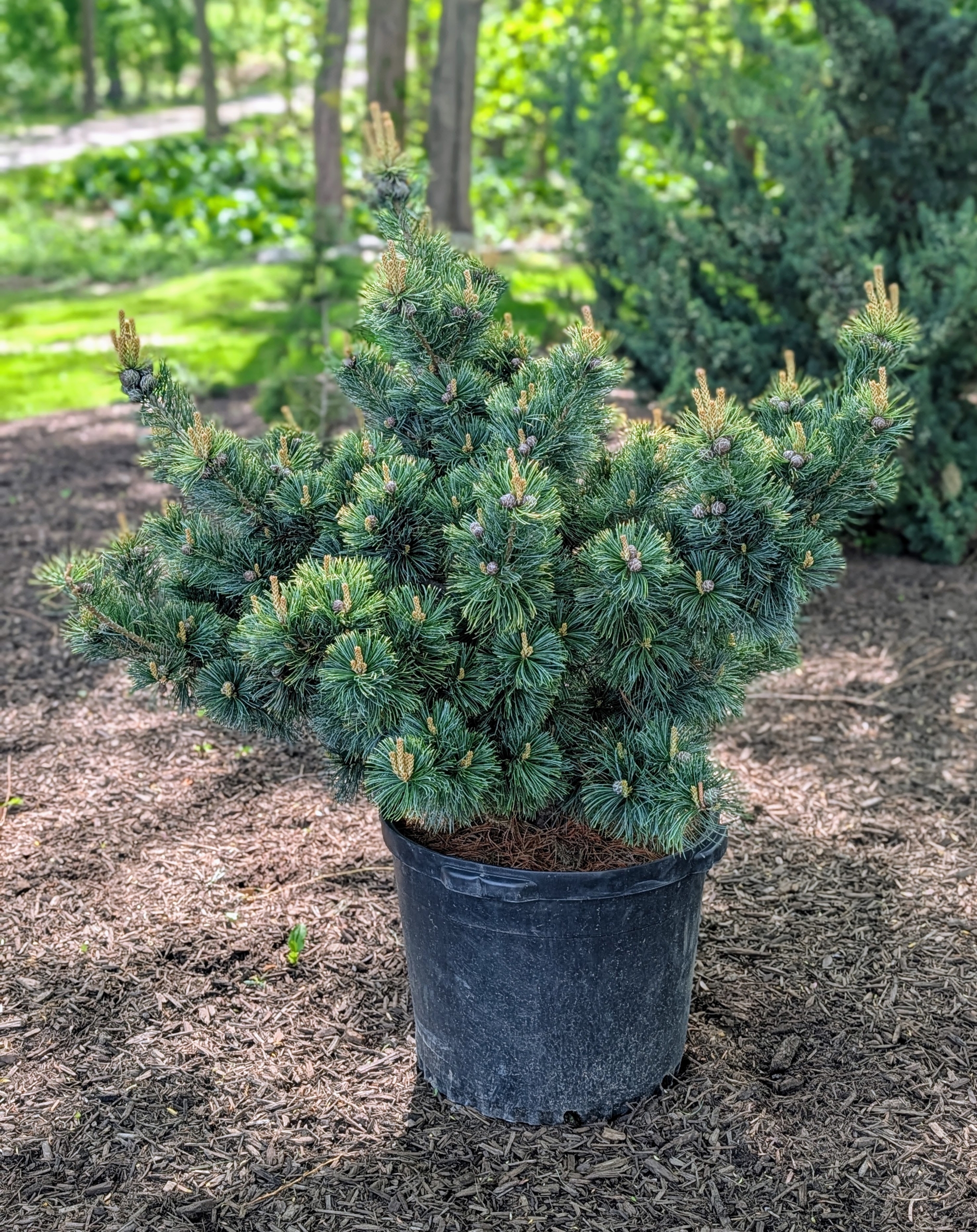
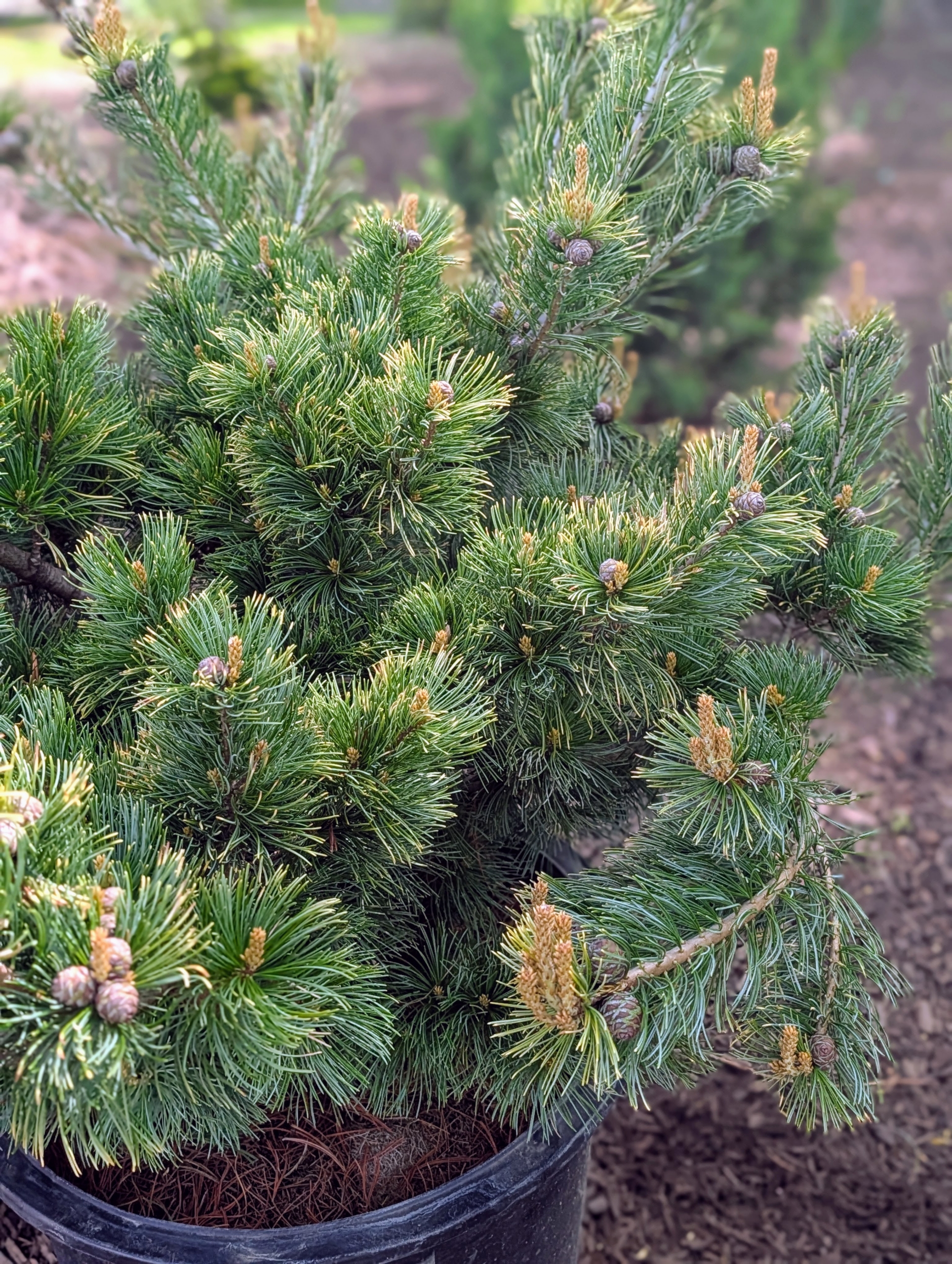
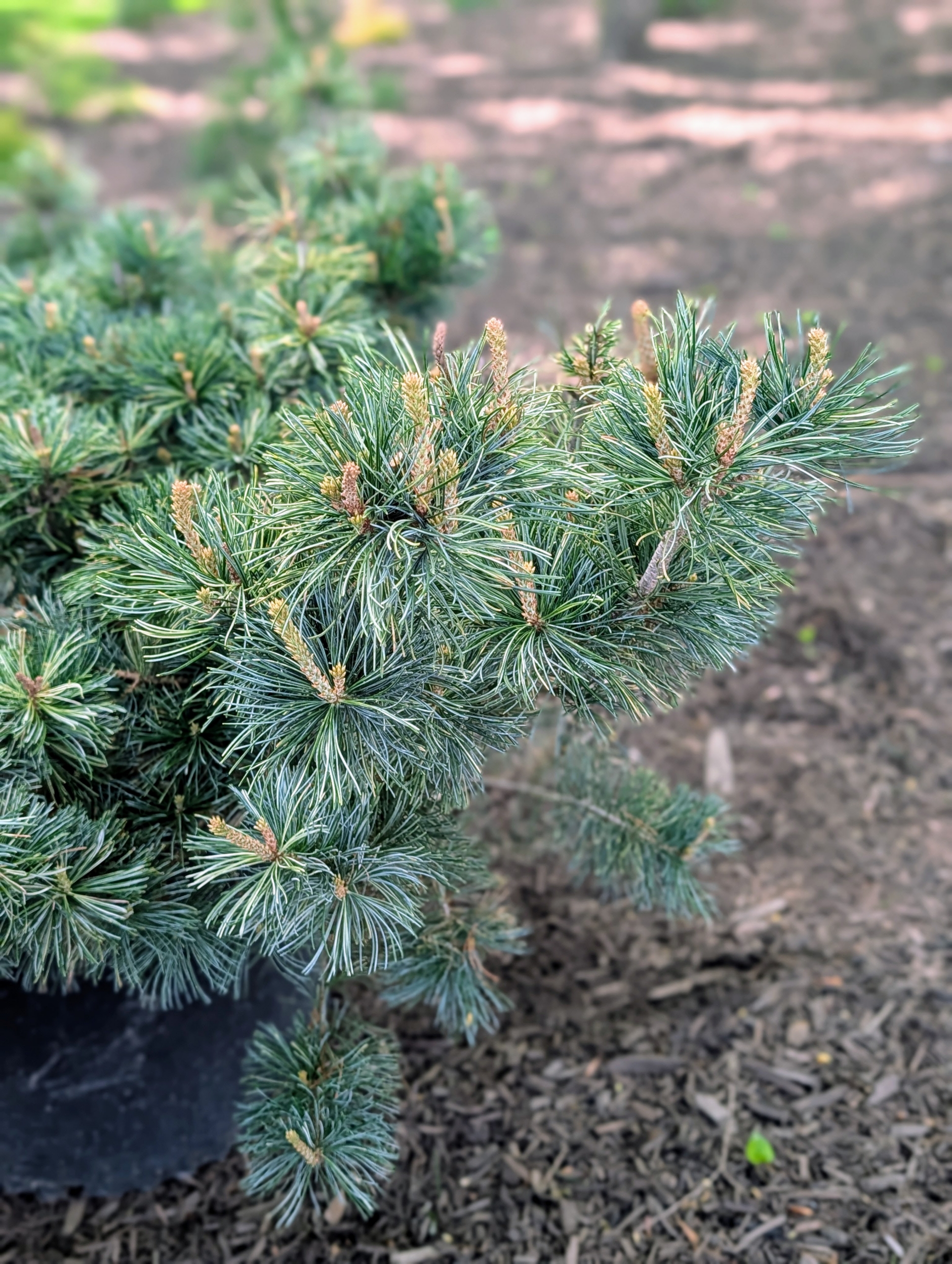
I started my pineutum about 20 years ago, and every year I try to add a few more specimens like pines, junipers, spruces, cypresses, etc. in a variety of sizes and forms. Yesterday, my outdoor grounds crew planted a handful of pines, including Japanese varieties Pinus parviflora 'Tanima no yuki' and Pinus parviflora 'Bergman.'
Enjoy these photos.
-

- Whenever I am home and have time, I enjoy visiting my favorite nurseries to see what’s in stock and what interesting specimens I can bring home. Among my go-to sources is Hardscrabble Farms, a wholesale dealer that specializes in native species, ornamental conifers, and perennials in Westchester County, New York.
-
- Once I get them home, I take them to where they will be planted right away. When developing a garden, it’s a good idea to plant a little at a time, so one knows what grows well and what doesn’t – it takes careful planning and patience.
-
- Because pines are evergreens, they provide year-round shade and shelter. Their dense, needle-covered branches also act as effective windbreaks in the garden, reducing wind chill in winter and blocking the hot summer sun.
-
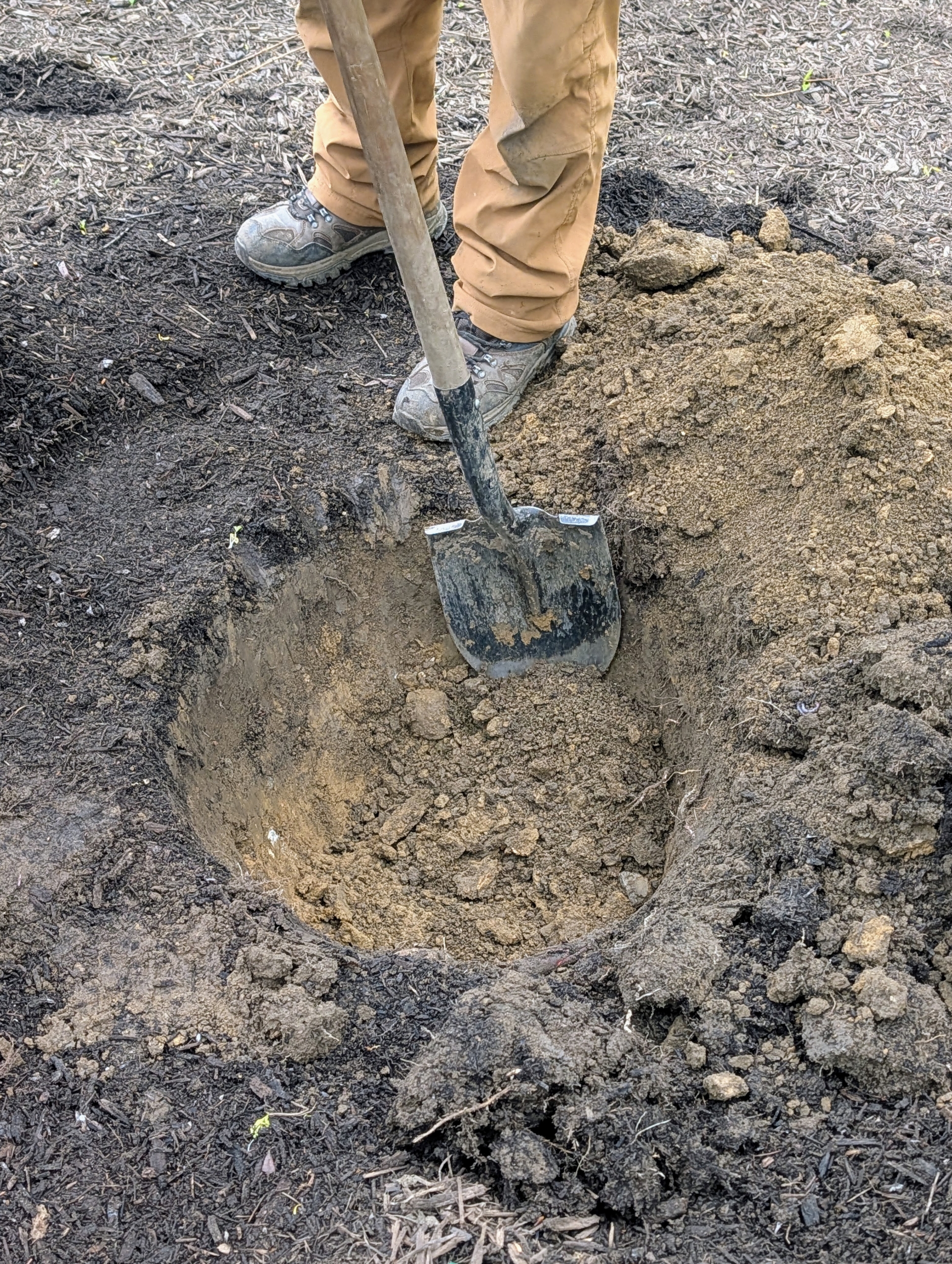
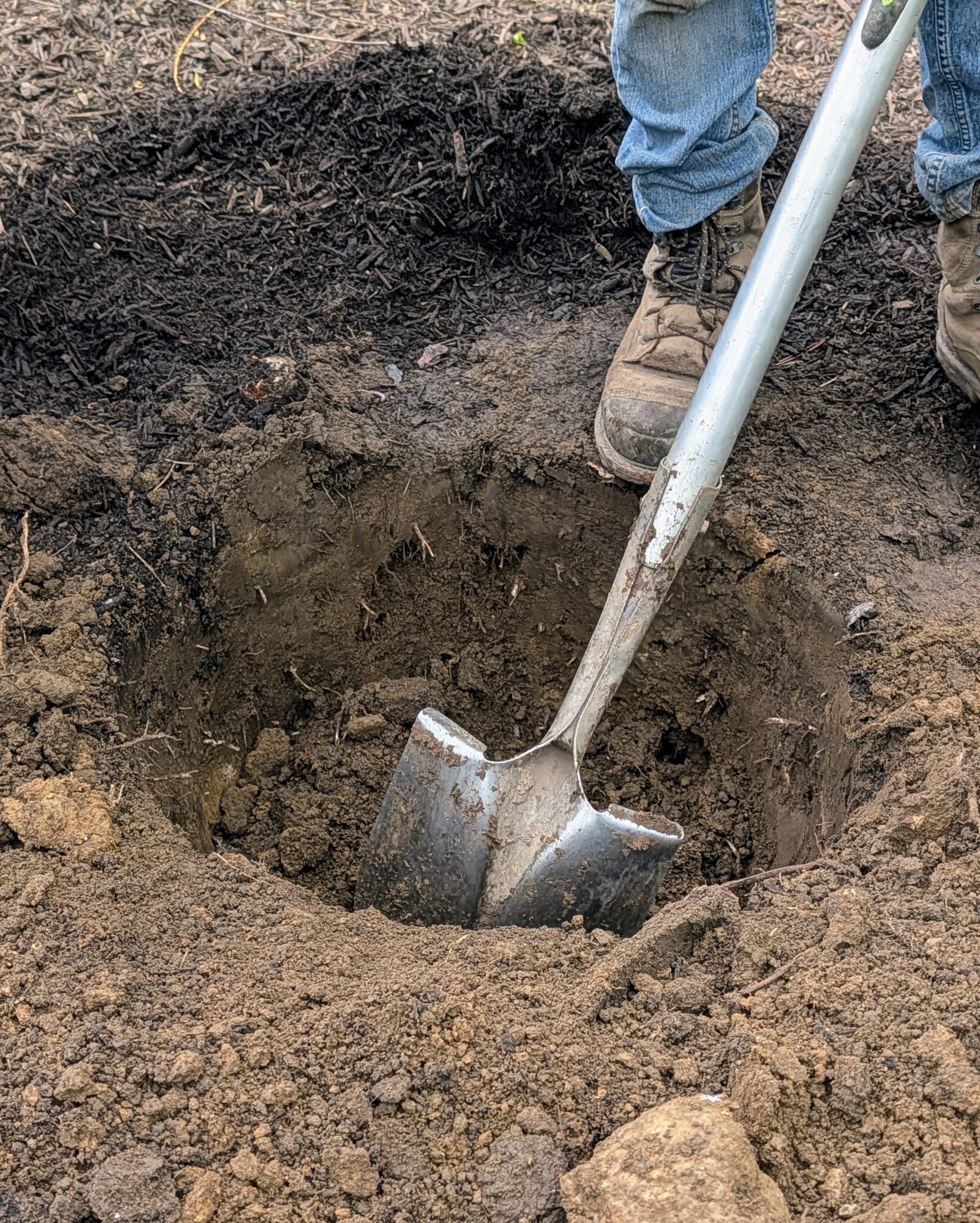
- Phurba starts by digging the hole at least twice the size of the plant.
-
- He also makes sure the plant will sit at the proper depth. Any tree or shrub should be planted “bare to the flare,” meaning do not bury above its flare, where the first main roots attach to the trunk. The roots need oxygen to grow. By placing the root flare at or slightly above ground level when planting gives the specimen the best chance for survival and growth.
-
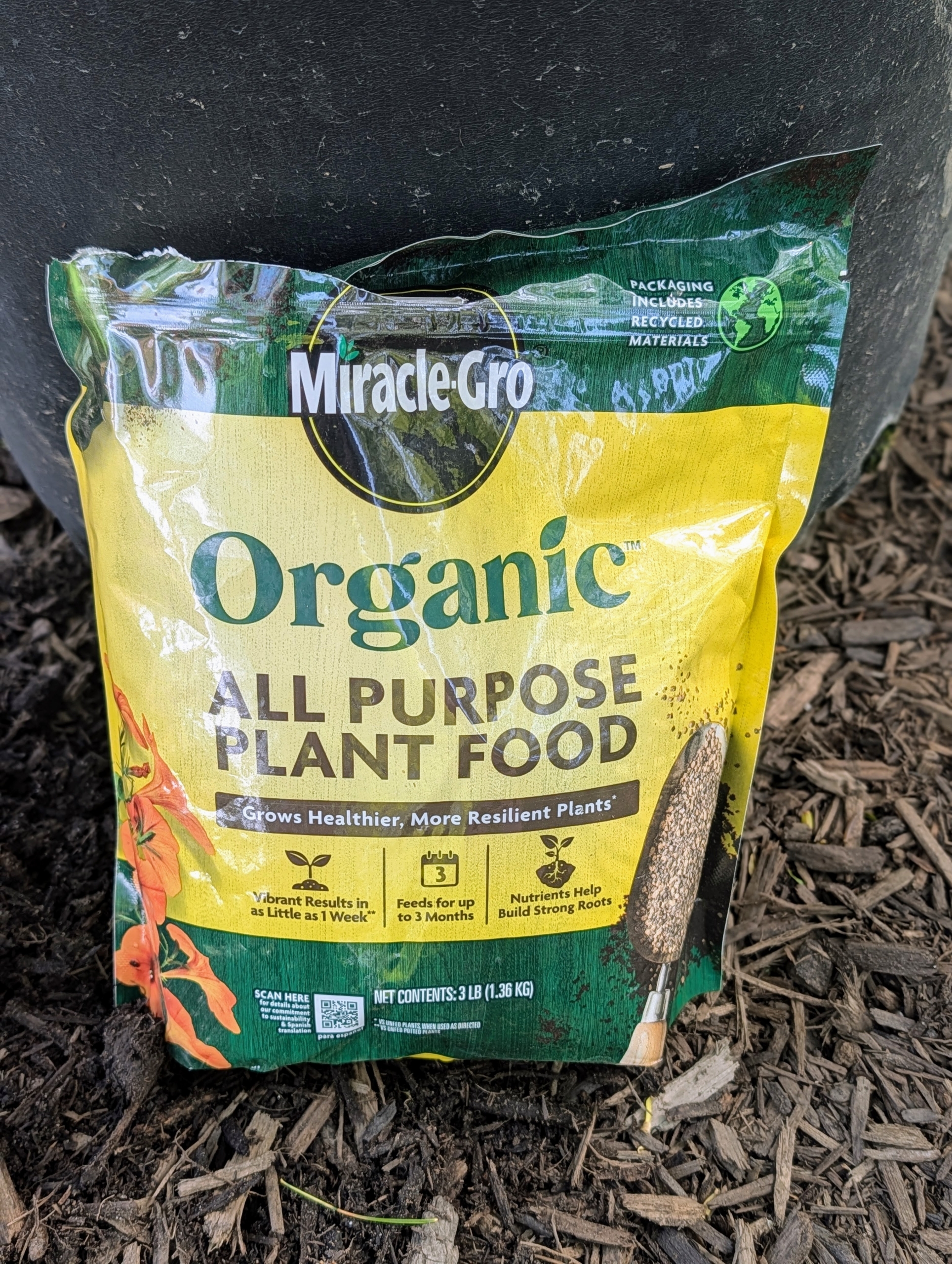
- And always remember to sprinkle generous amounts of food. I use Miracle-Gro Organic All Purpose Plant Food. It’s good for both outdoor container and in-ground plants and feeds for up to three-months.
-
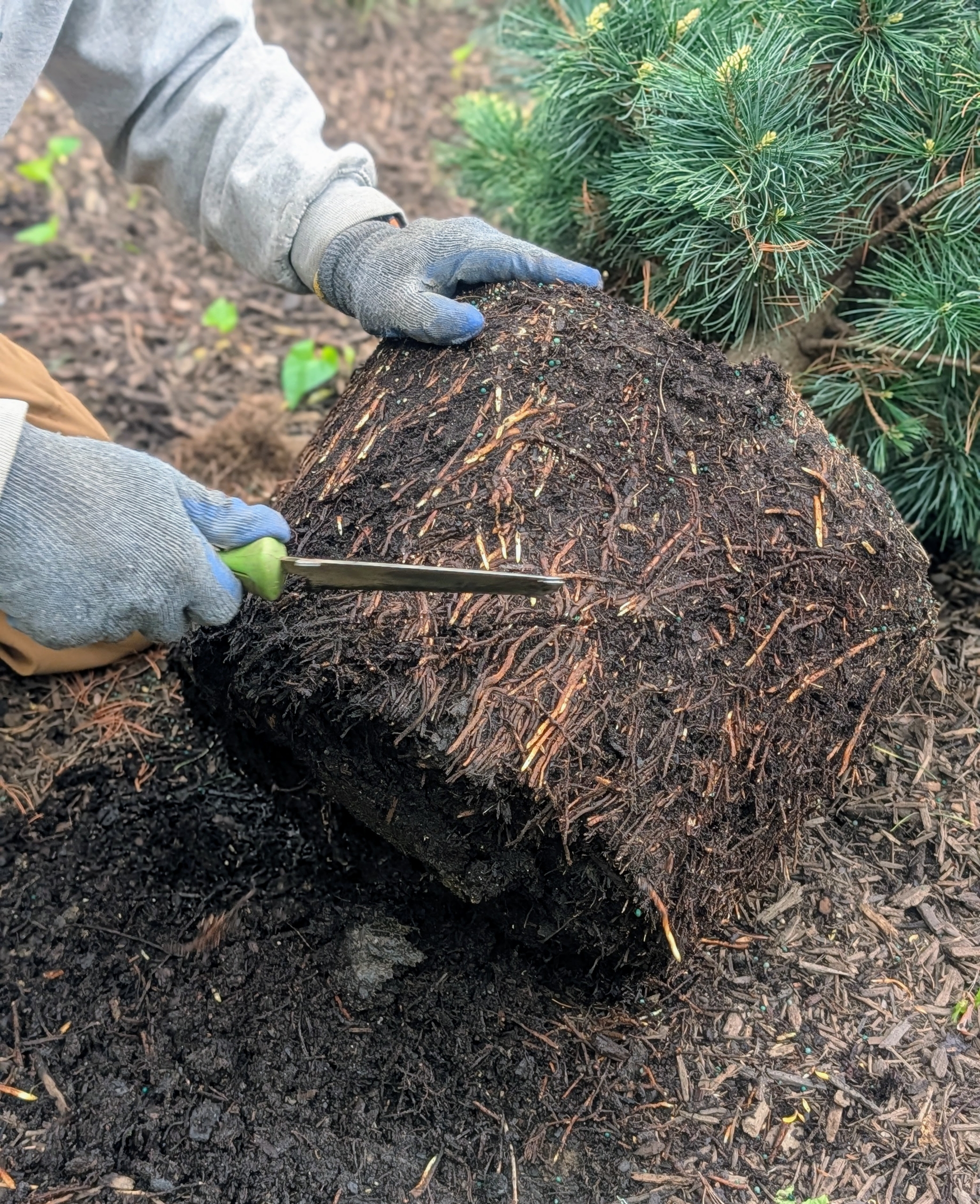
- Using a hori hori Japanese knife, Phurba scarifies the root ball, meaning he makes intentional cuts along the side to stimulate growth. I do this with all new plants before they are placed in the ground.
-
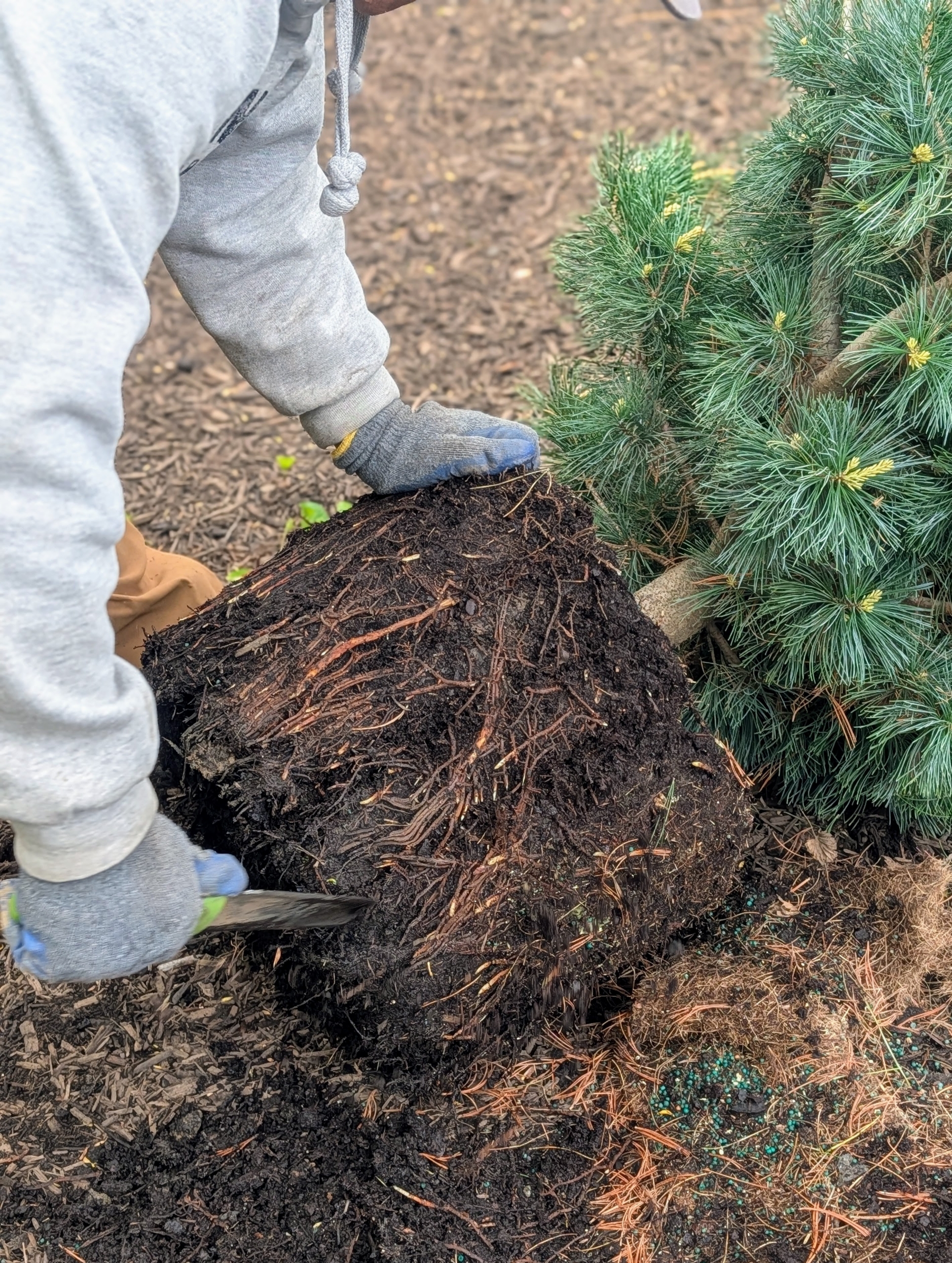
- He also teases the roots on the bottom. Scarifying the root ball also helps with nutrient absorption by loosening the roots and allowing them to expand into the new soil.
-
- Next, Phurba places the pine into the hole and checks that it is straight. Step away and see how it looks before backfilling.
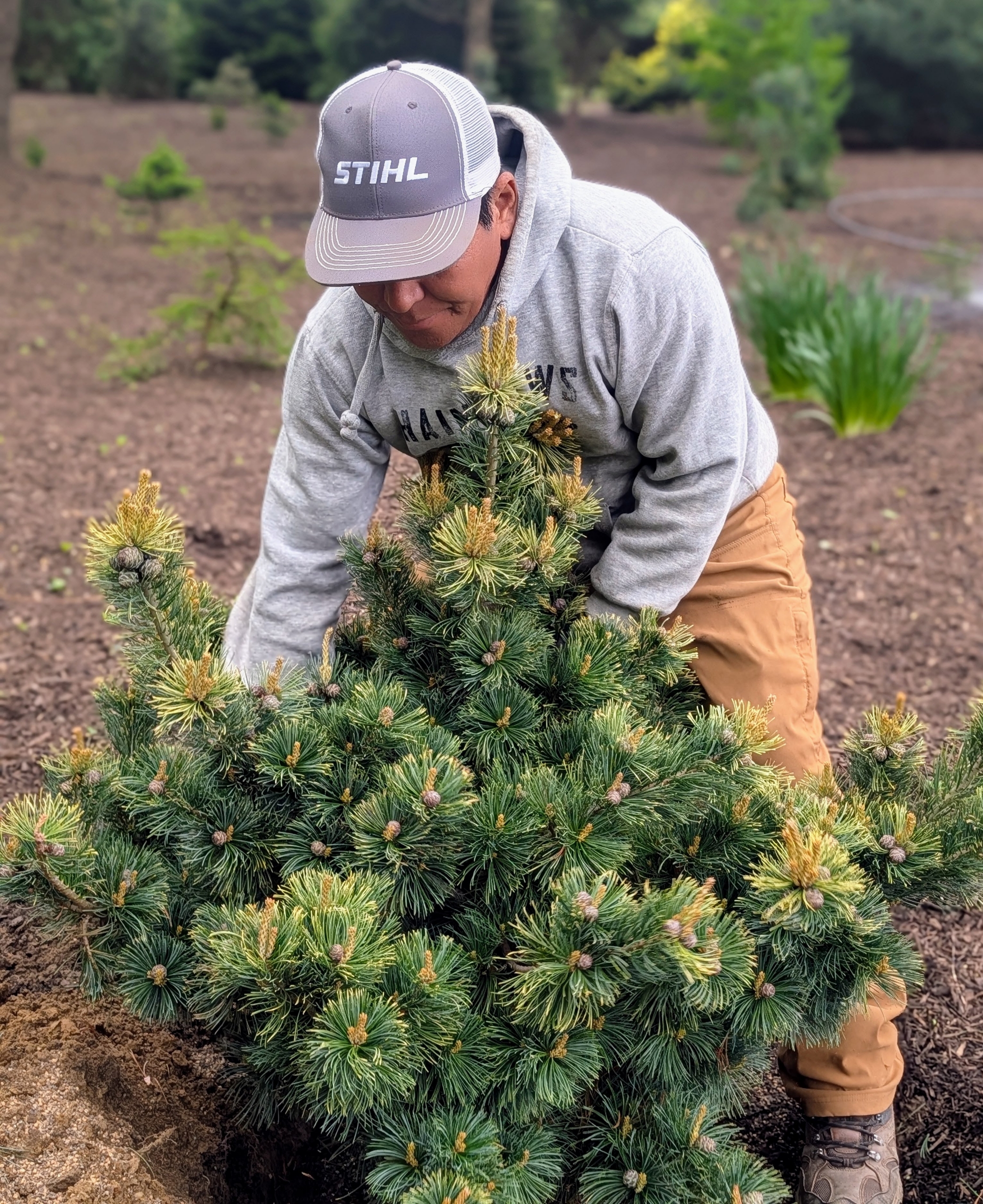
-
- Phurba positions it so its best side is facing the carriage road – this is what will be seen so take time to place it perfectly.
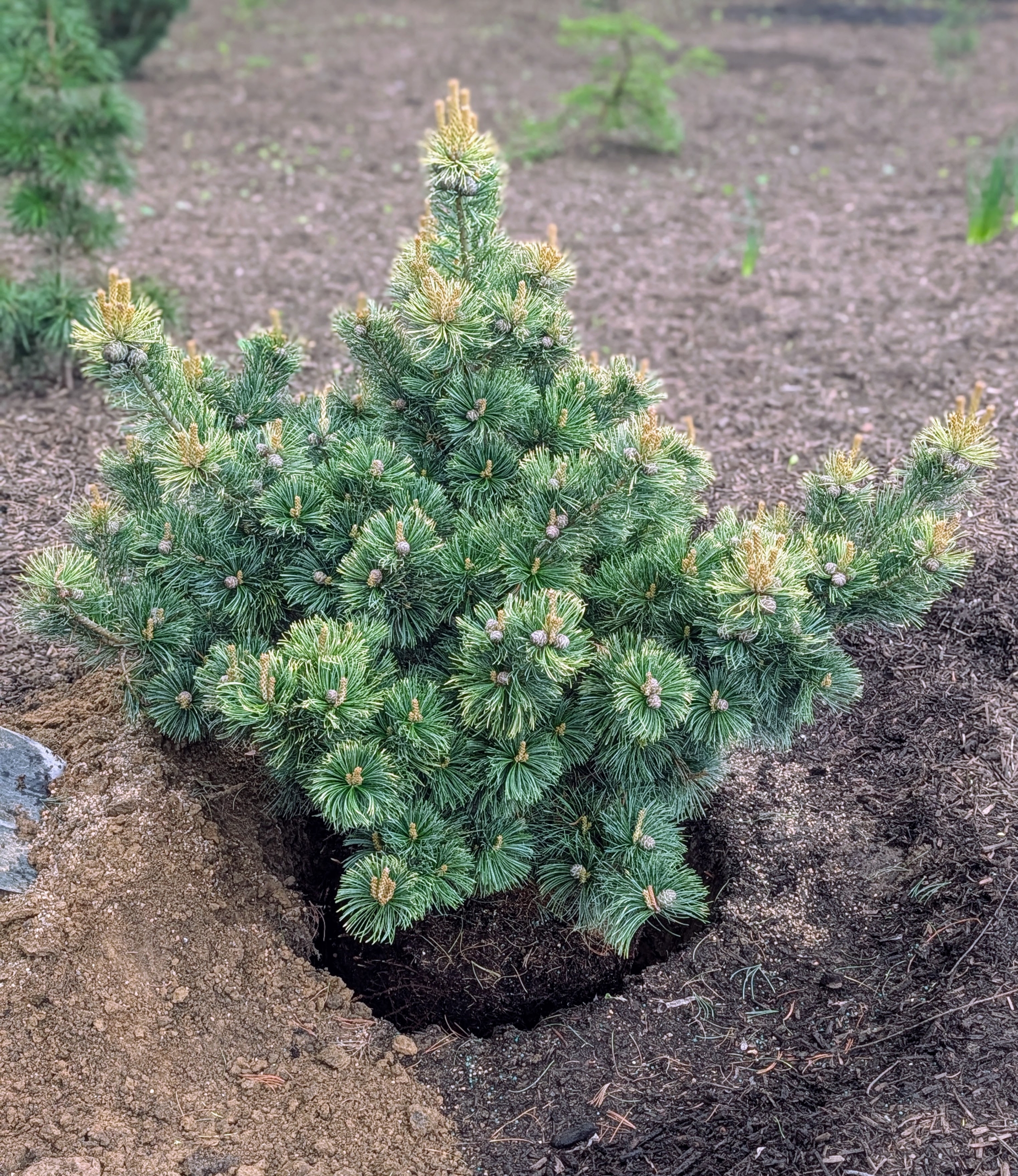
-
- Finally, Phurba backfills.
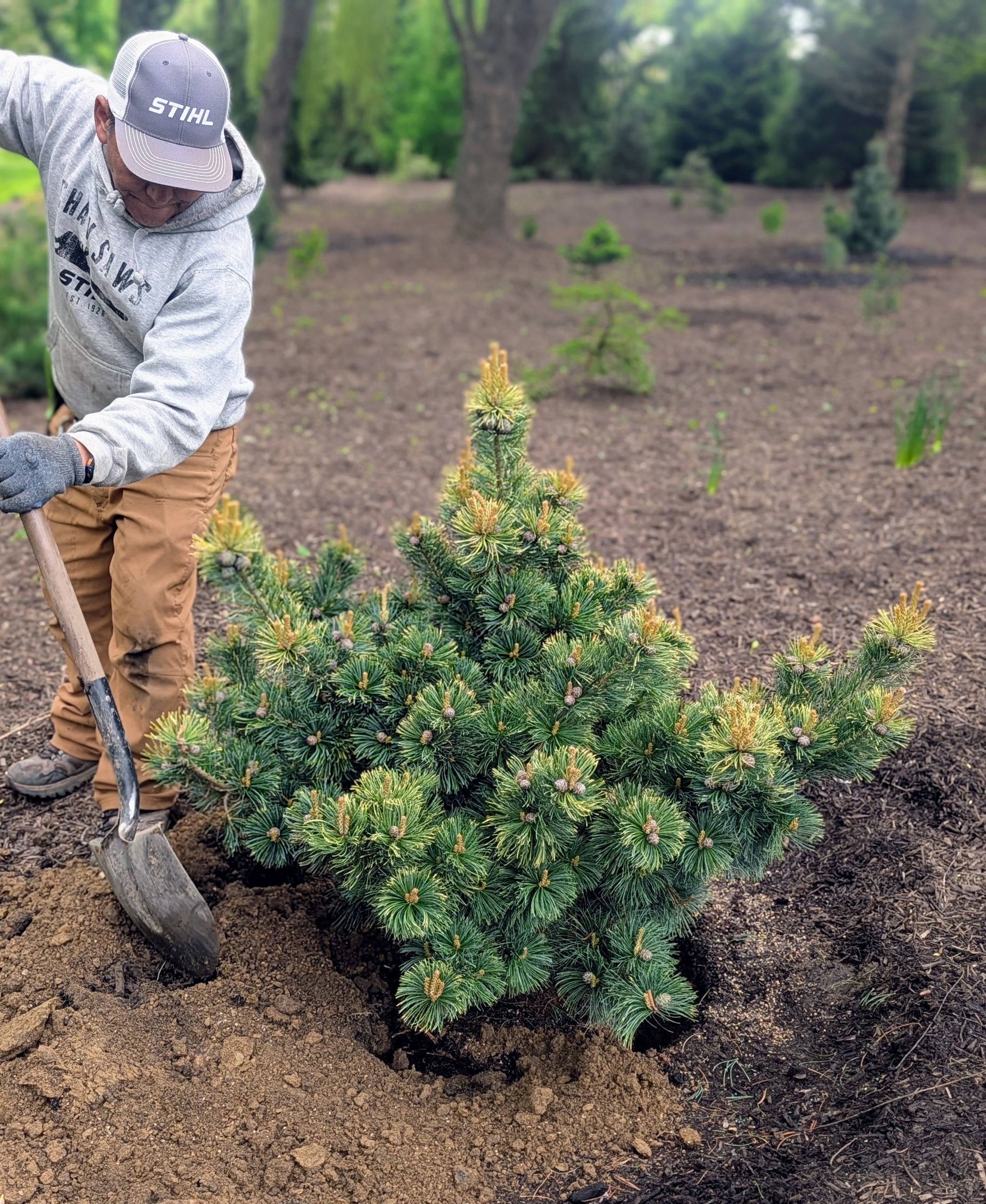
-
- Phurba uses the other side of the shovel to tamp down on the soil to establish good contact between the root ball and the soil.
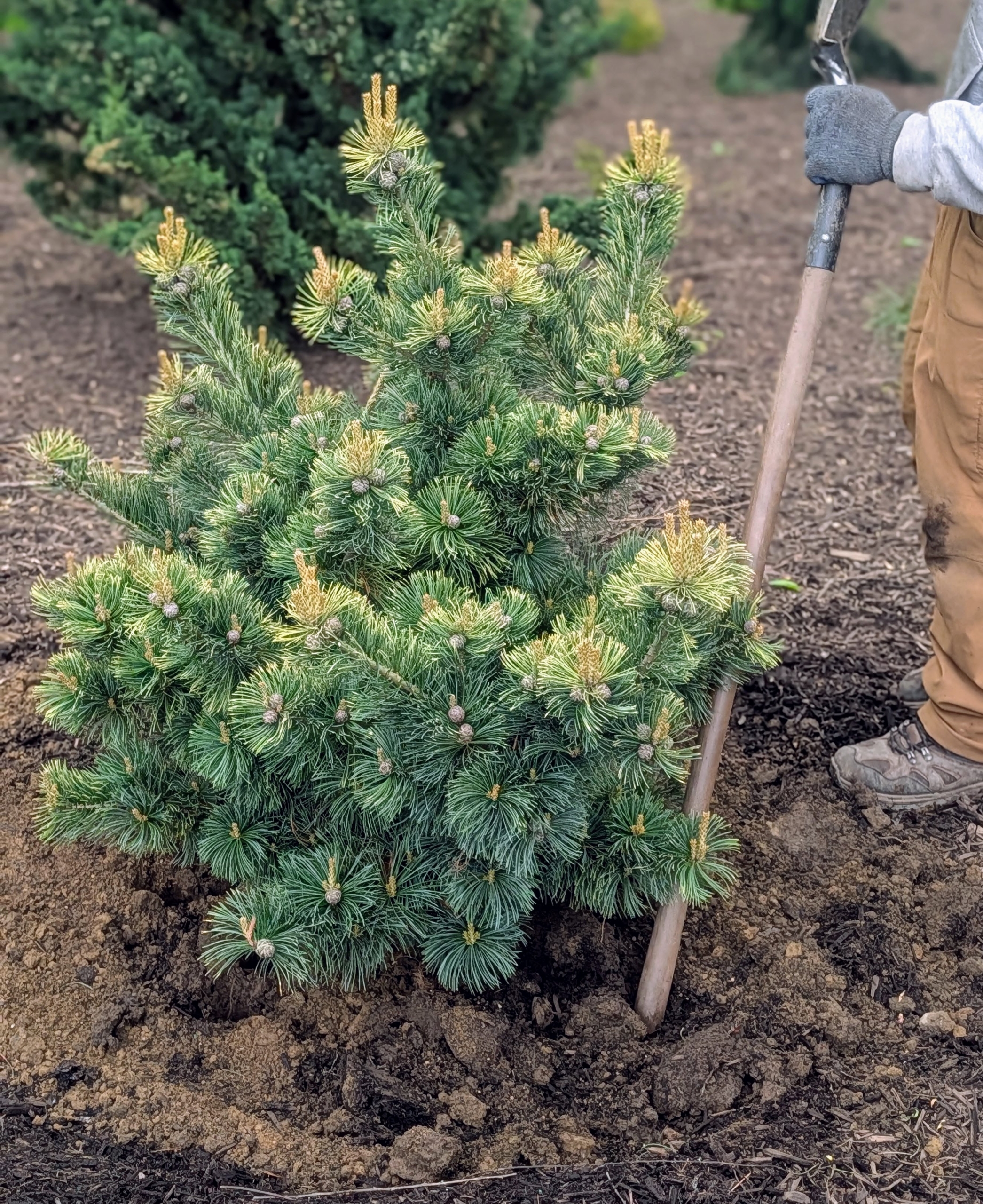
-
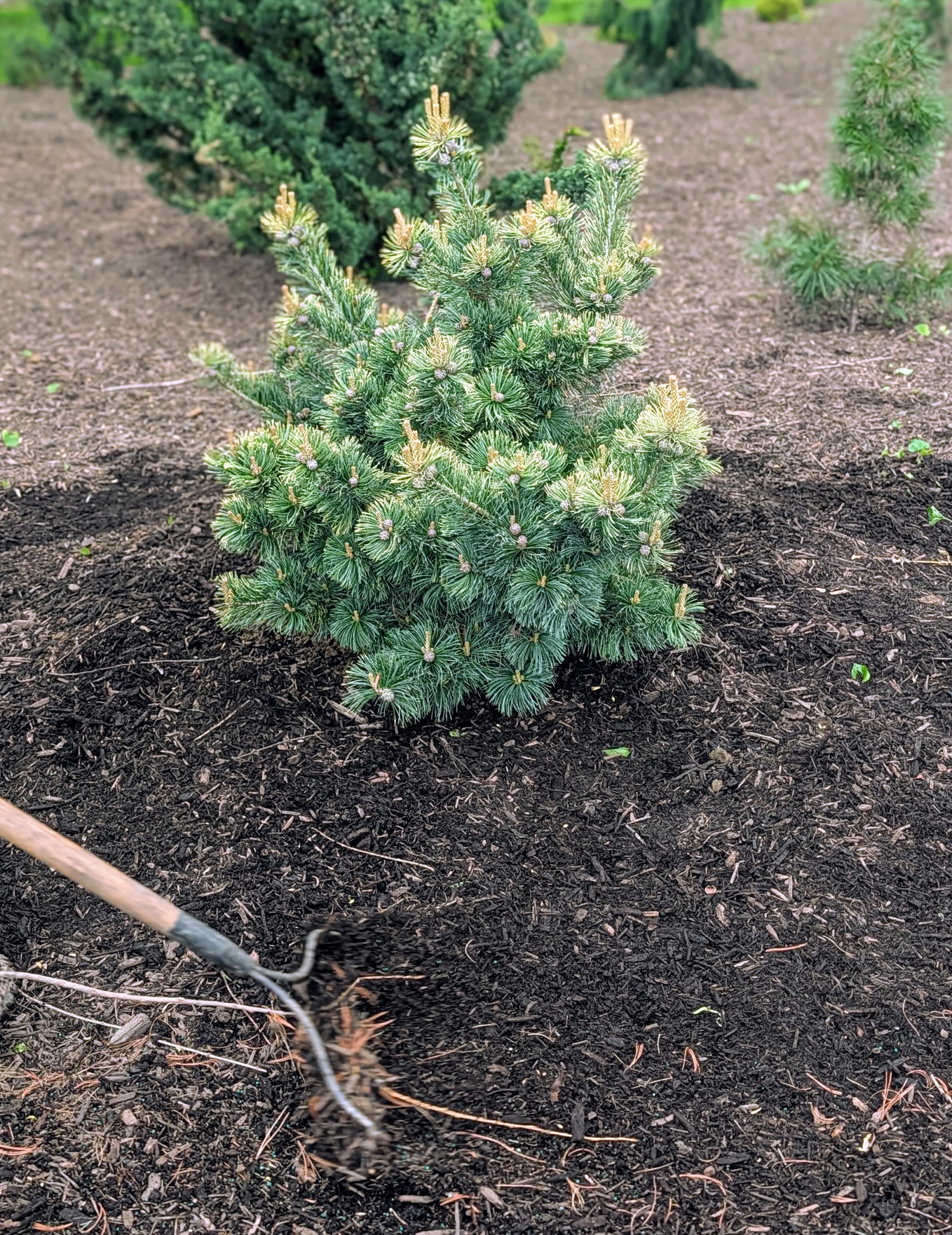
- And then rakes the area, so it is neat and tidy.
-
- It will thrive in this area under the partial shade of my weeping willows.
-
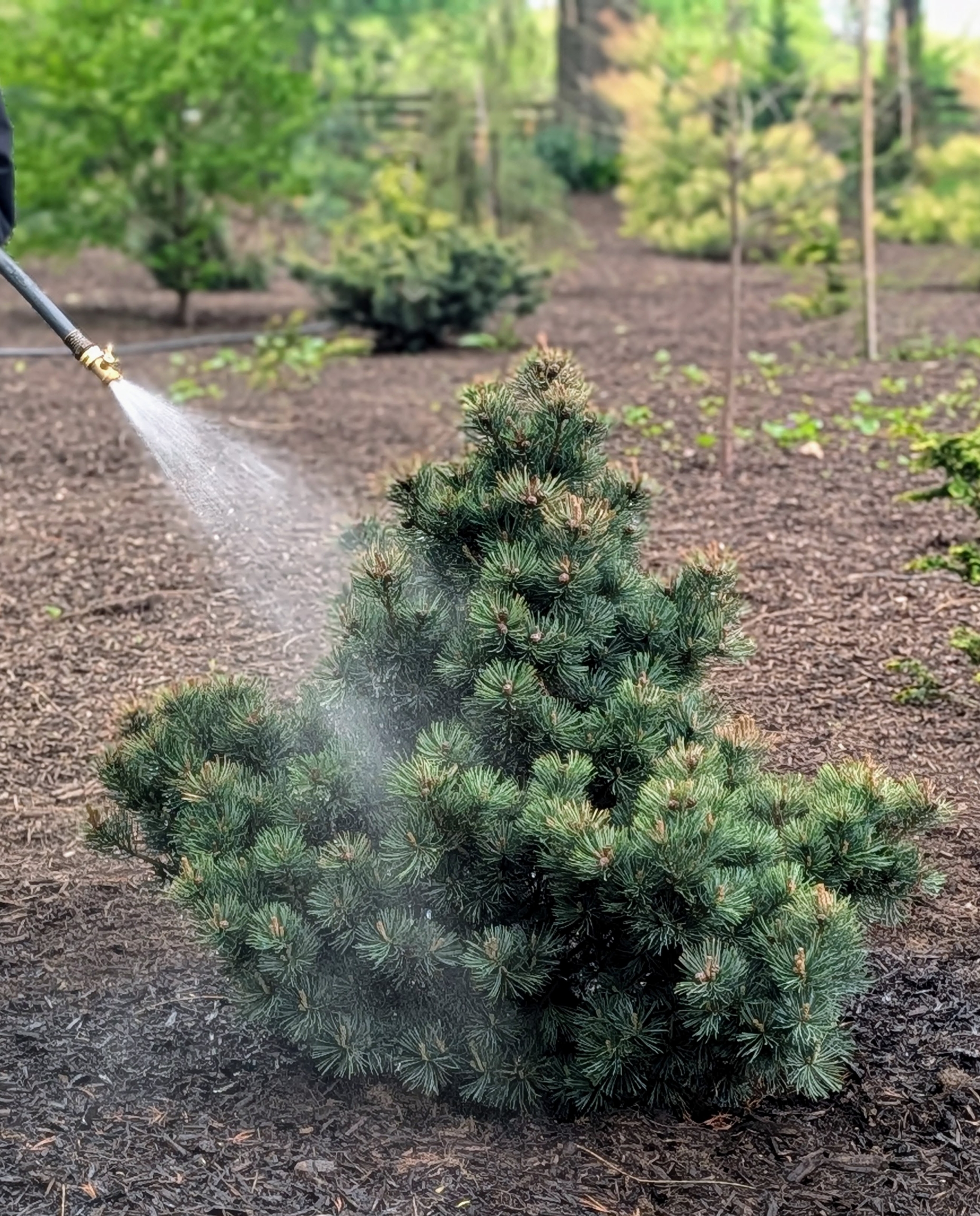
- Each new planting gets a good watering – about 10-seconds. It had also rained the night before, so the soil was already wet.
-
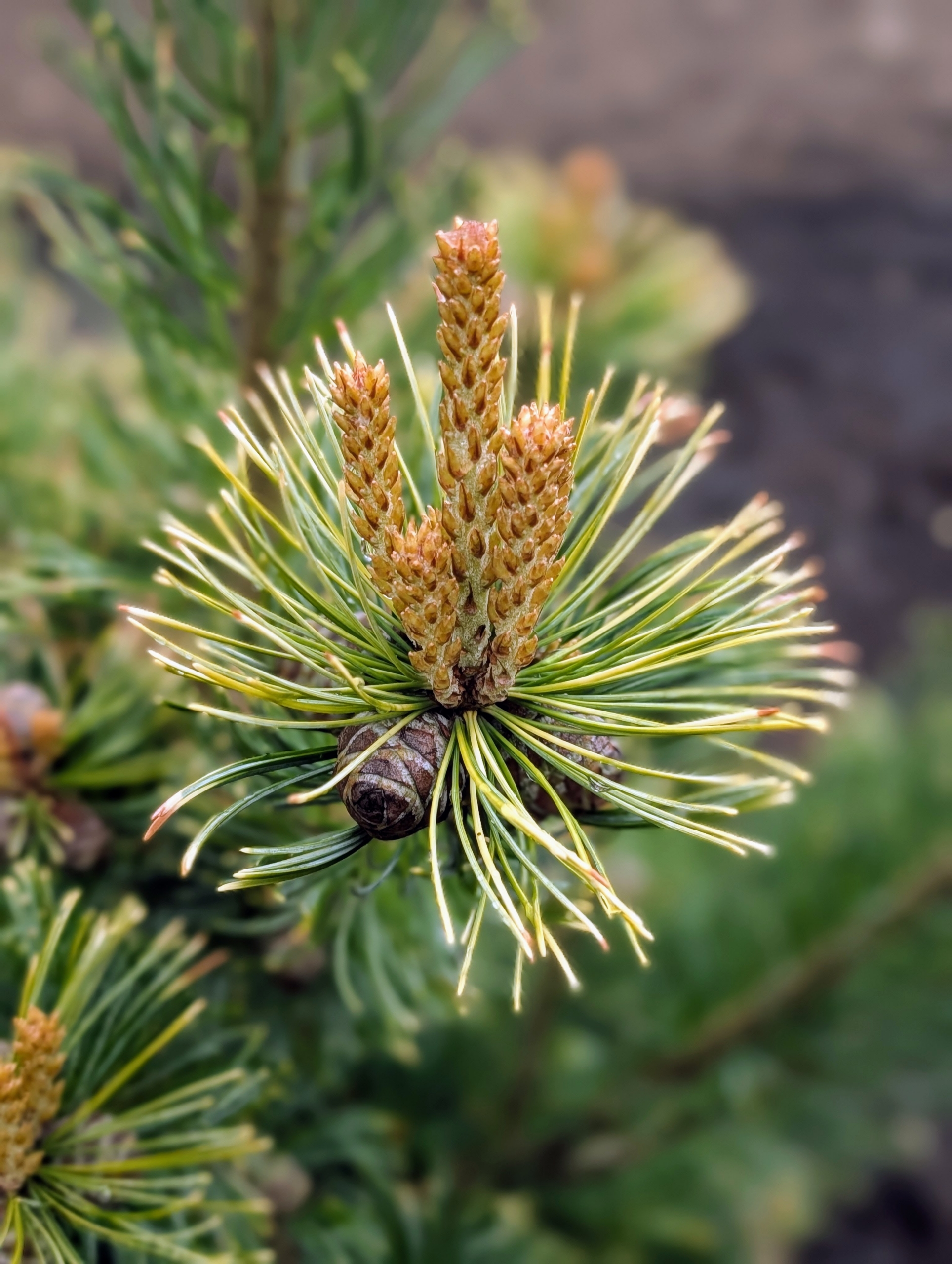
- Pine trees provide shelter for birds, squirrels, and other small wildlife. The cones are also a nutritious food source for many animals.
-
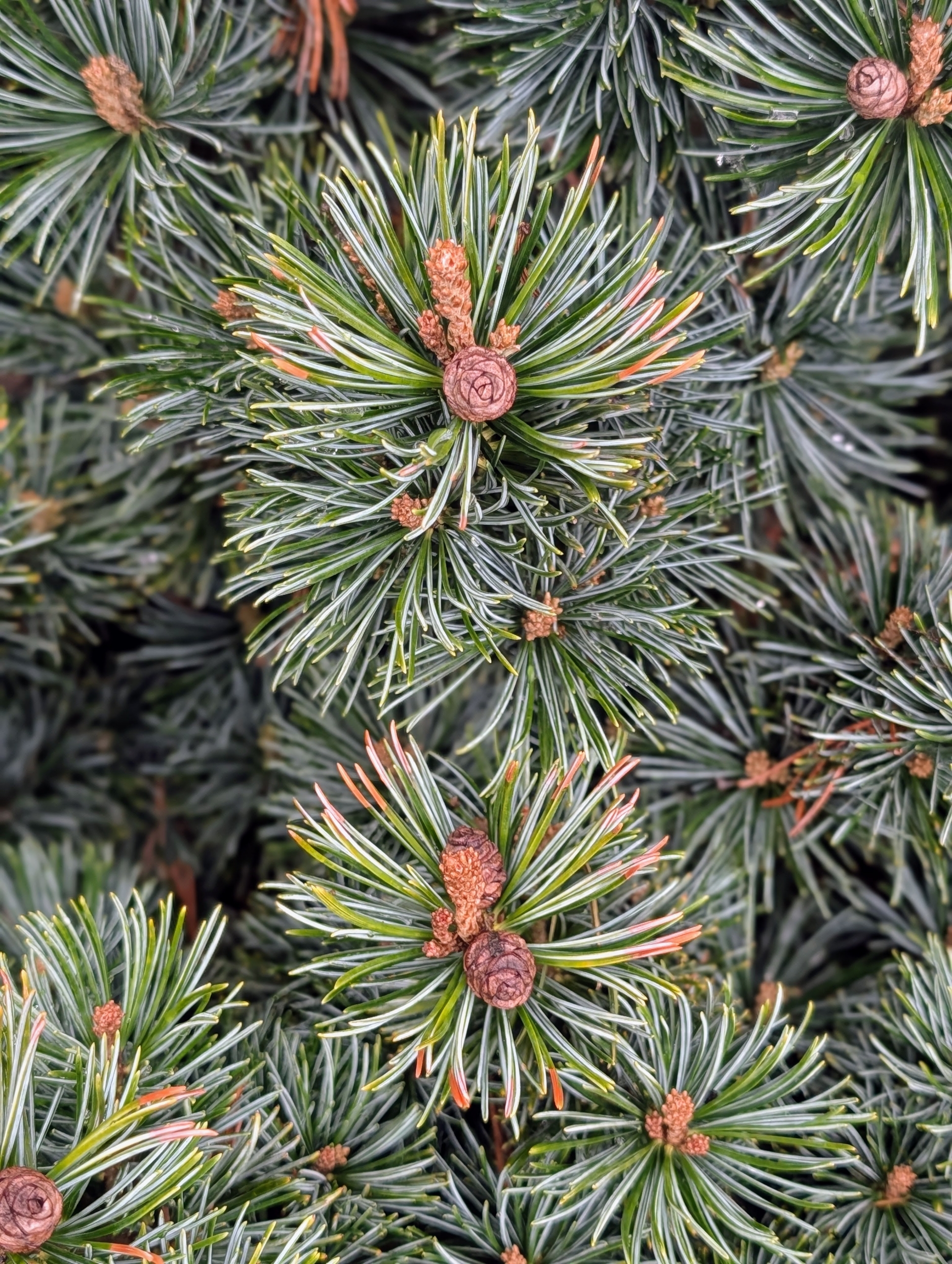
- Pine needles always grow in clusters. The amount varies by species, but most often there are about three to five needles per bundle. These needles are the evergreen leaves of the tree.
-
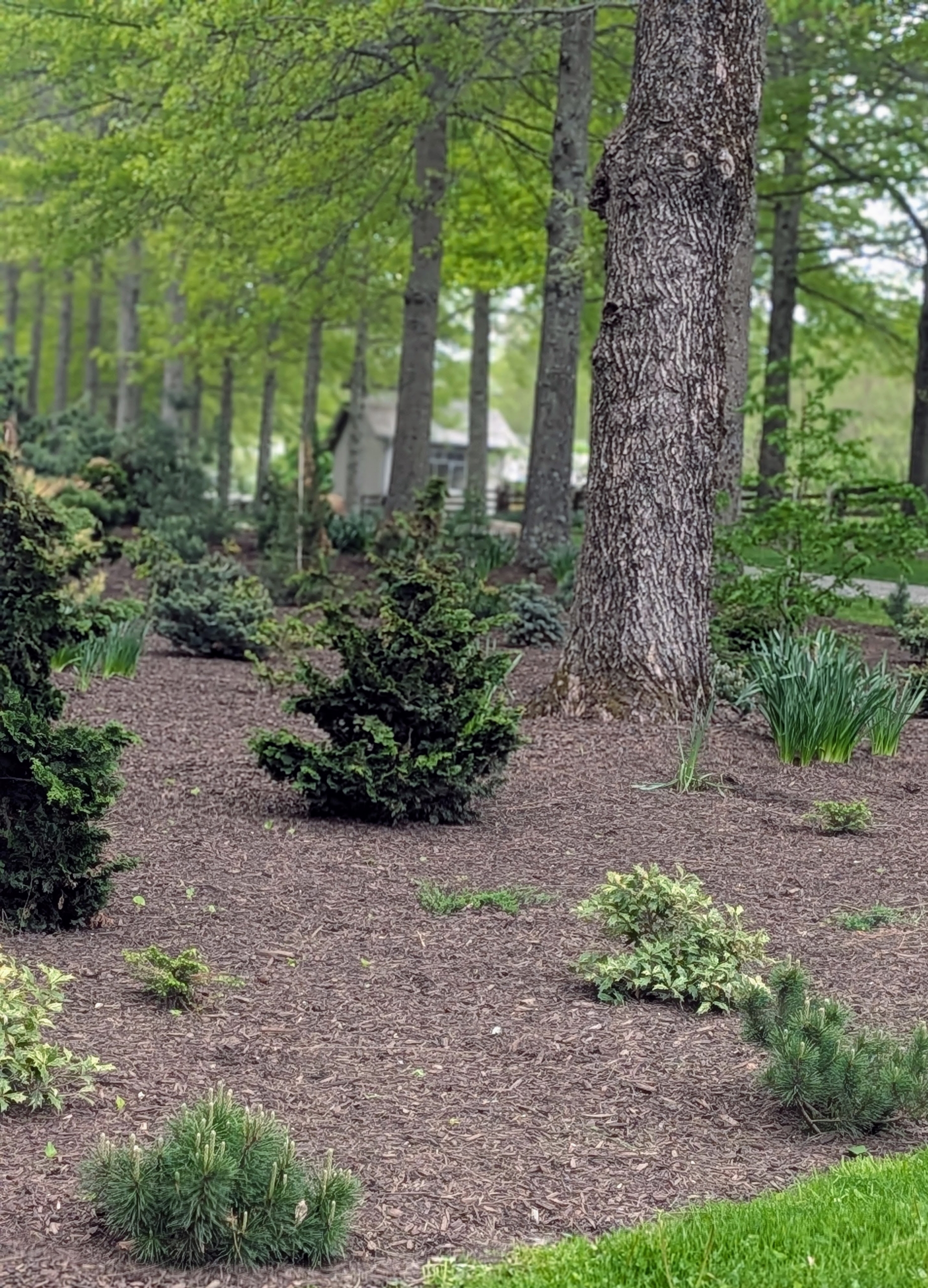
- As a serious and passionate gardener, I am always looking for ways to add more beauty and texture to all my garden beds. This area is really filling in so nicely.
-
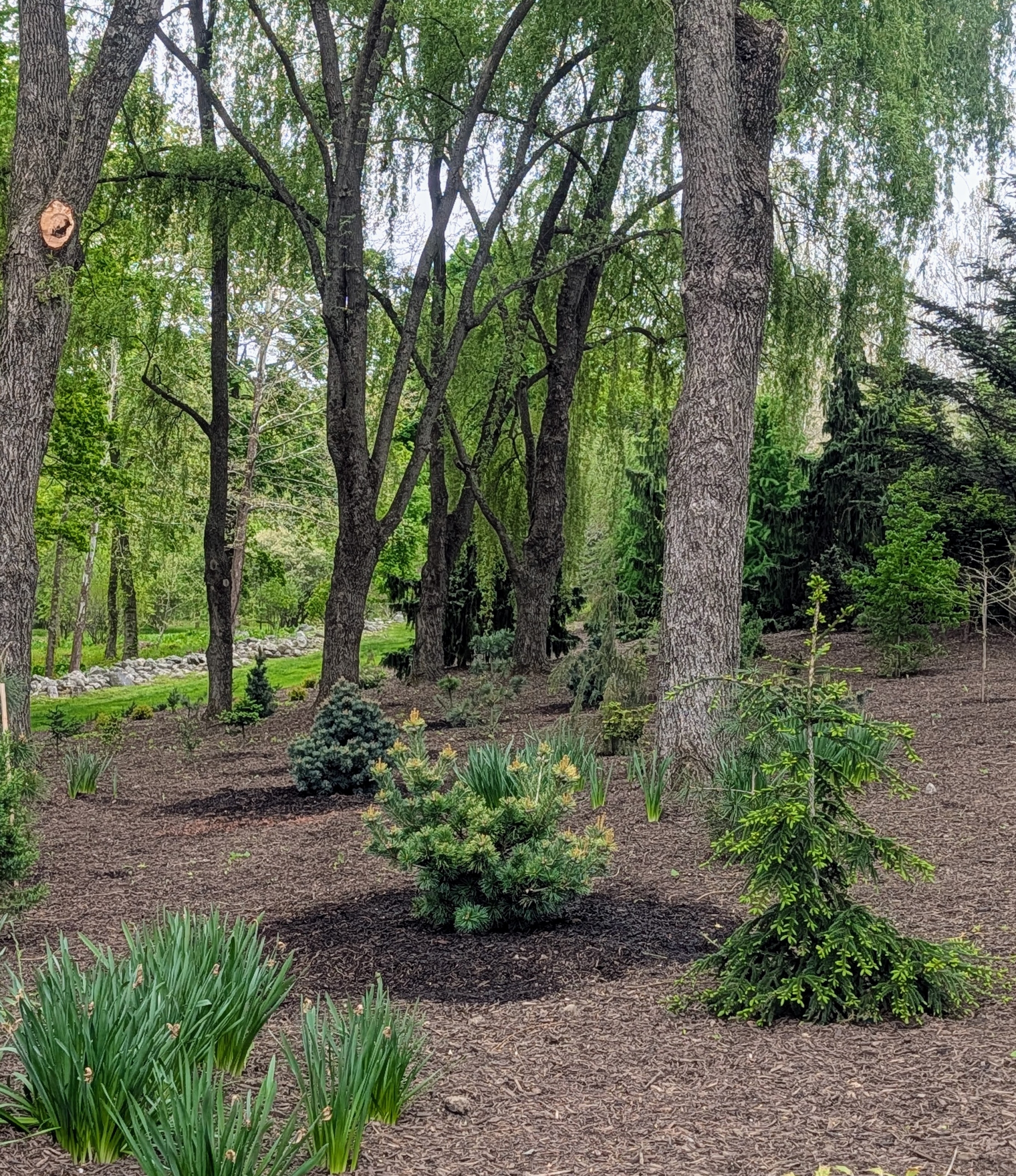
- Everything grows well because of the excellent soil which I amend often with nutrient rich compost, made here at the farm, and organic fertilizer.
-
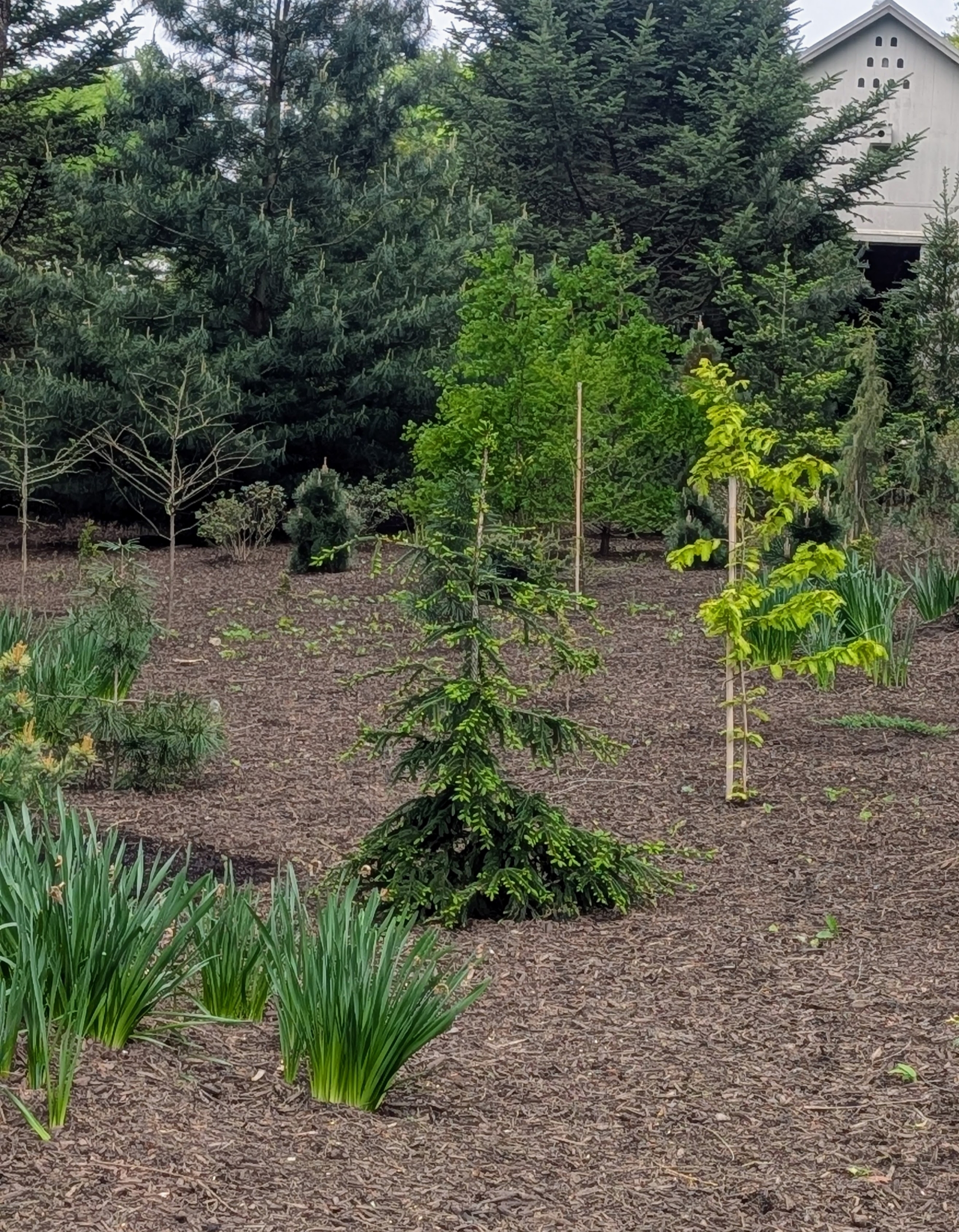
- Many of these plants are young and small now, but they already provide such wonderful textures, color contrasts, and interesting growing habits to this space.
 Martha Pins


 Martha Tweets

