
A Dental Check-Up for My Friesian Rescues
A well-maintained stable program includes good dental care to keep horses healthy and able to eat properly.
My horses receive regular visits from my longtime equine dentist, Brian Stuart. Unlike human teeth, a horse’s teeth continue to grow and naturally wear, so its bite is constantly changing. Regular dental examinations are important to identify sharp edges or misaligned molars that could make eating uncomfortable. The process of correcting these problems is called floating - filing or rasping an equine’s teeth so that chewing surfaces are smooth and properly contoured. While power floating has become increasingly popular, I prefer the more traditional, all-natural approach of hand filing. Yesterday, Brian came to my stable to examine four-year-old Ulysses and 11-year-old Stewart, the bonded pair of Friesians I adopted last year.
Here are some photos, enjoy.
-

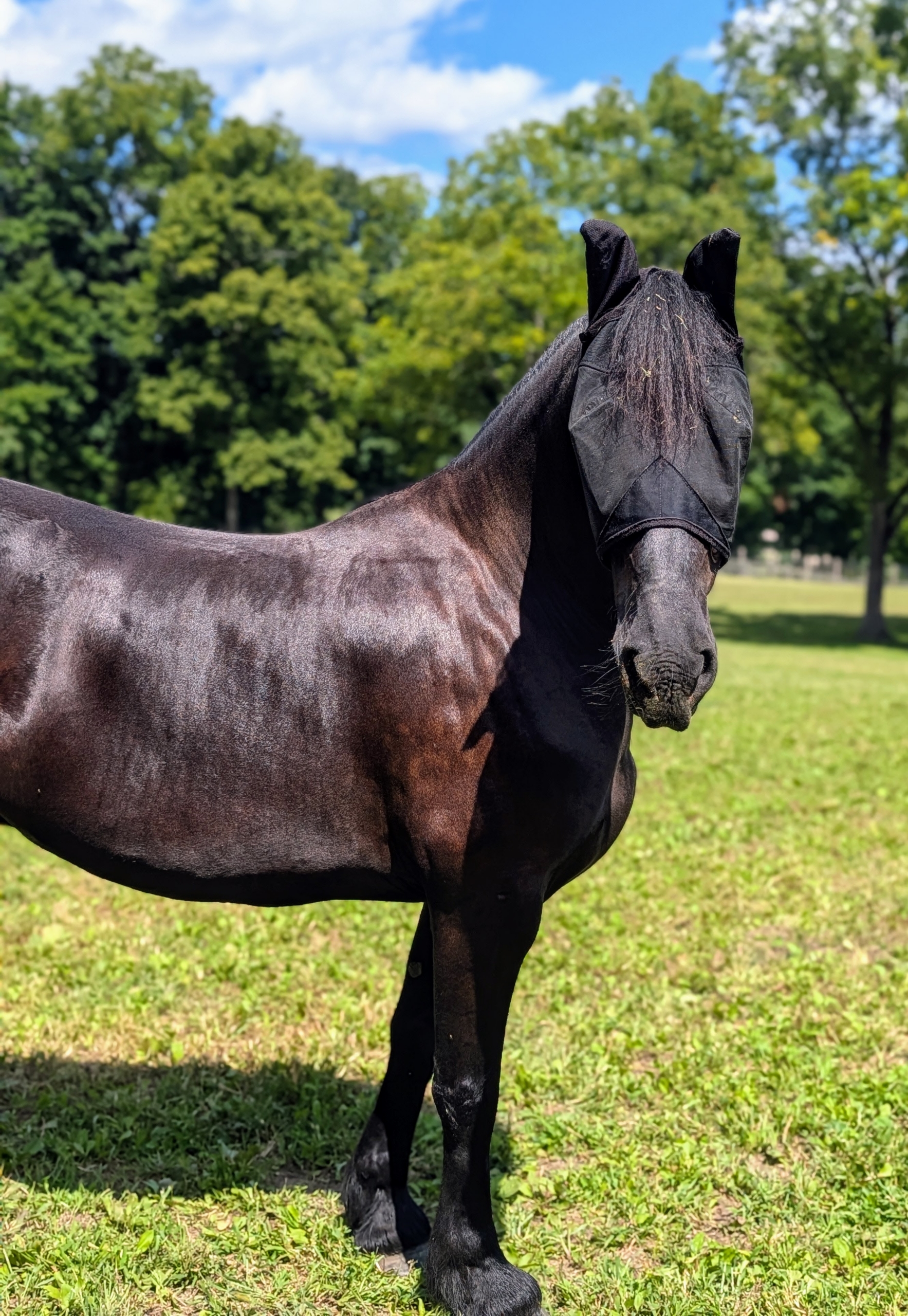
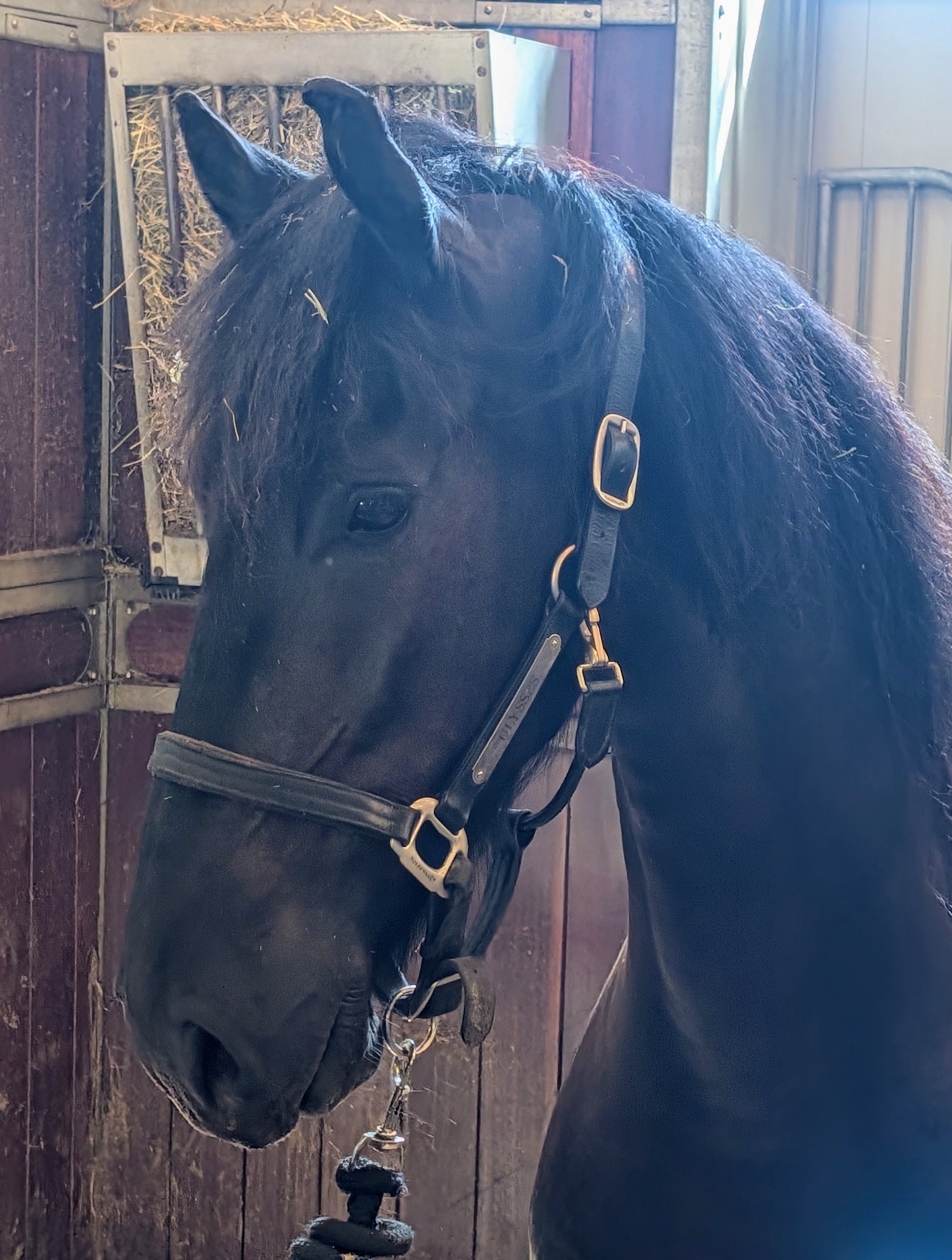
- This is Ulysses, one of two Frisians I last added to my herd. He and Stewart came from The Dorset Equine Rescue in Vermont. It’s wonderful to see them accustomed to their new surroundings and enjoying the company of my other horses.
-
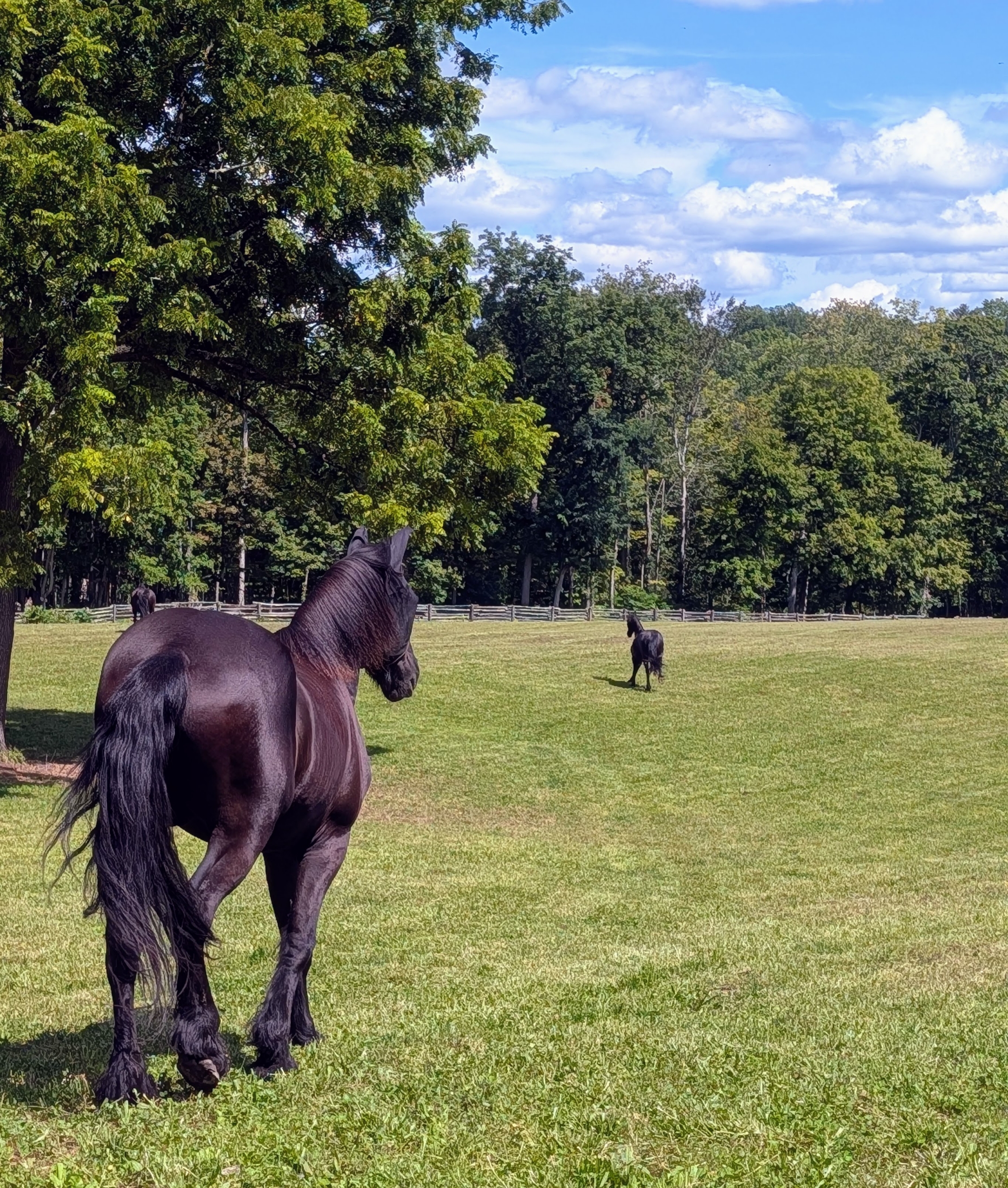
- Ulysses and Stewart are two of the five Friesians in my stable. They join my donkeys and my Fell pony. This is what I call the “run-in” pasture. It is the largest of my fenced in paddocks and has a sizable shelter where the horses can gather for shade or food, etc.
-
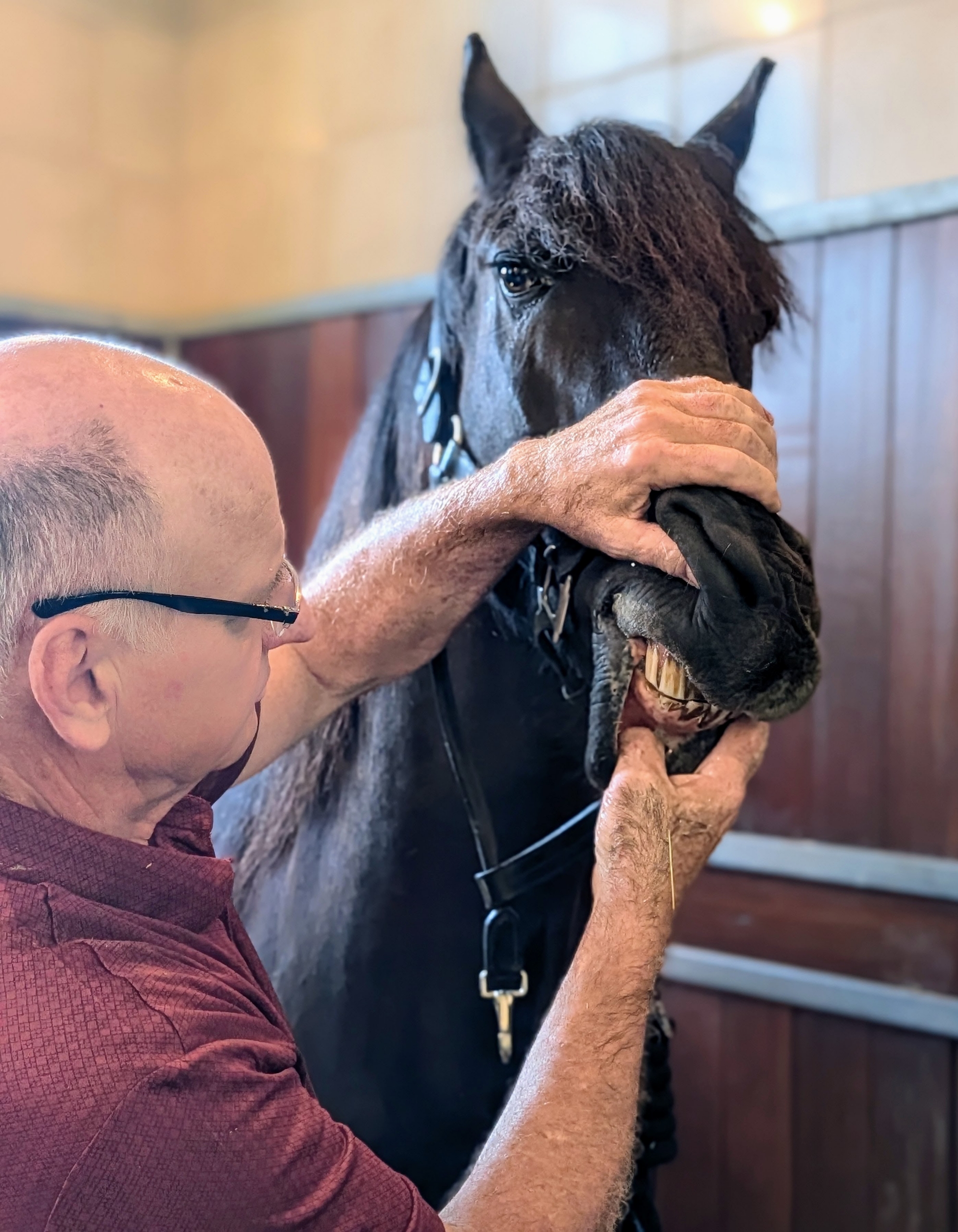
- Back in the stable, Brian checks out Stewart’s teeth. Brian says his molars are in good condition, but will have to watch the front to make sure they remain well aligned.
-
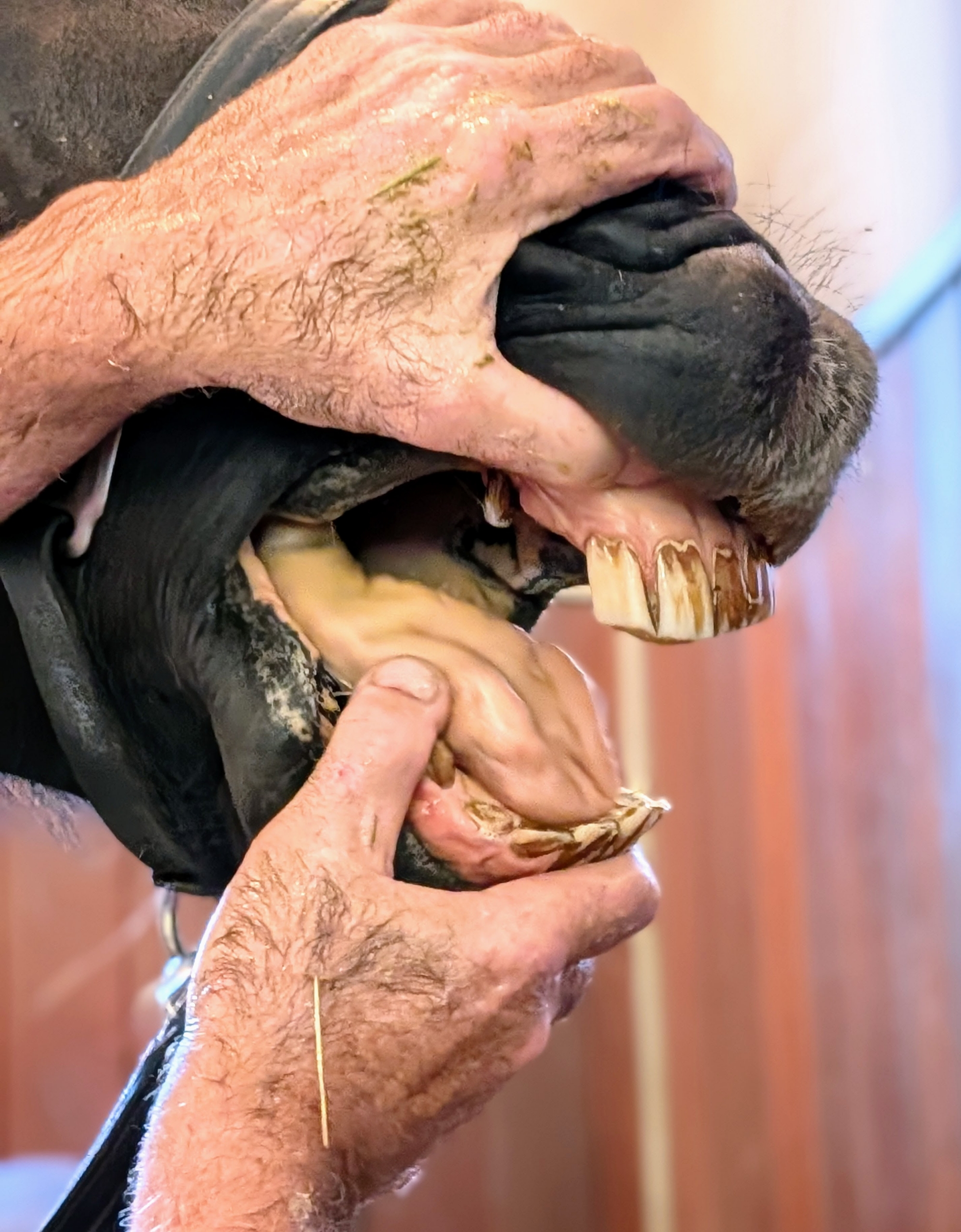
- Unlike human teeth, which are covered in a hard, smooth enamel layer, horse teeth are coated in cementum, a softer and more porous material making them more prone to staining from food, soil, and minerals. This is why horse teeth can look dull or discolored even without visible decay.
-
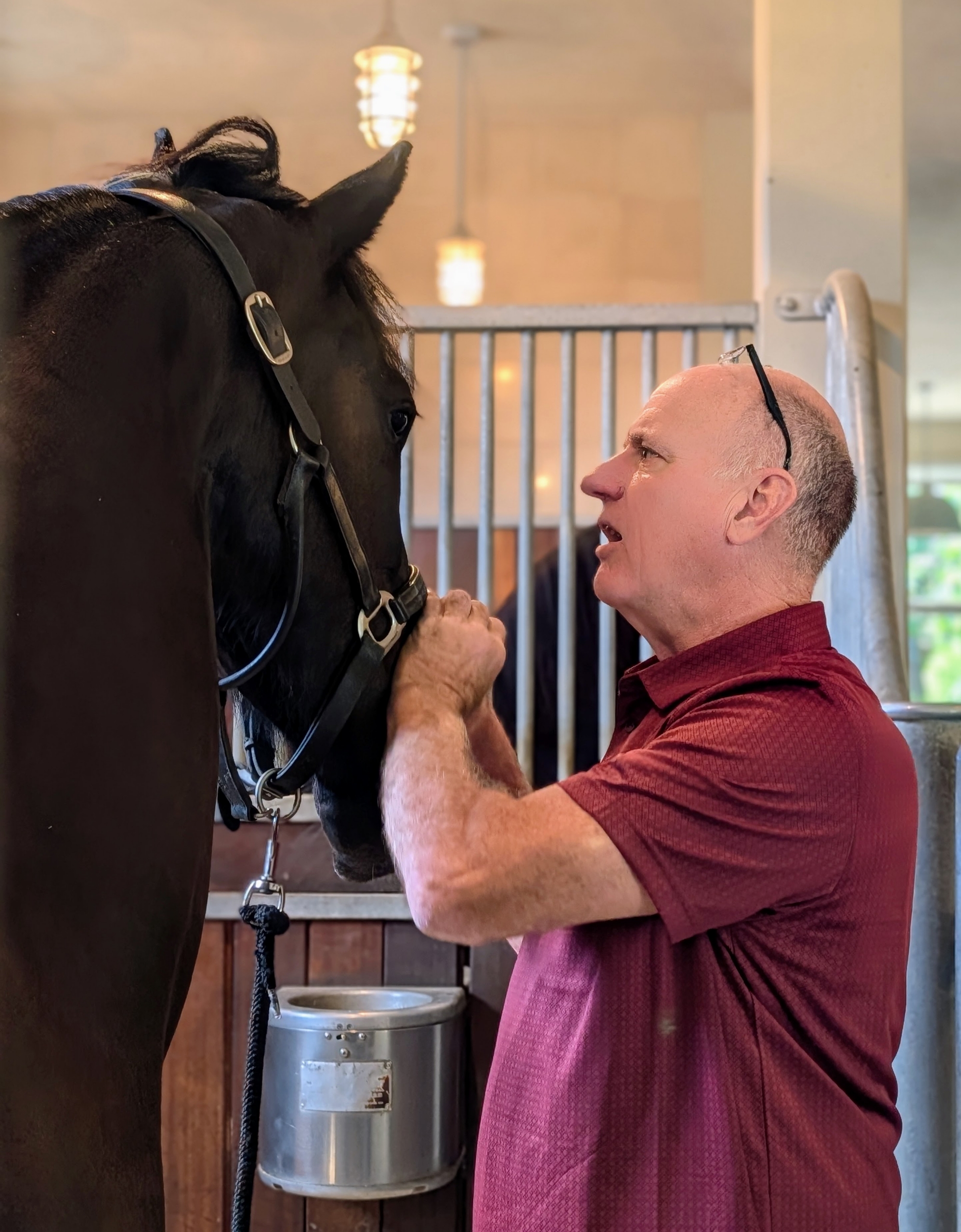
- Next, Brian visits Ulysses, the younger horse. Brian has been practicing for more than 35-years. He always works in the horse stalls where they are most relaxed.
-
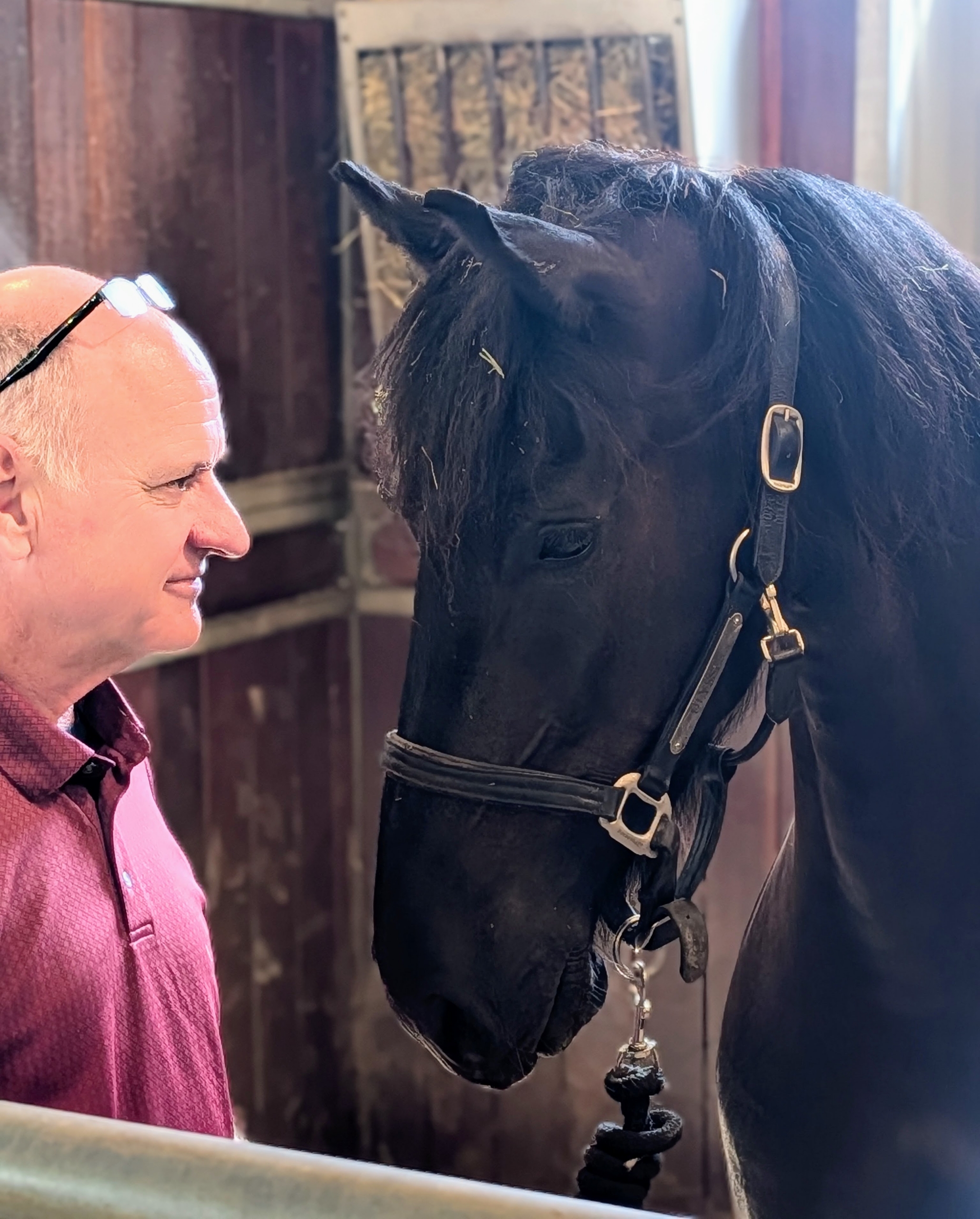
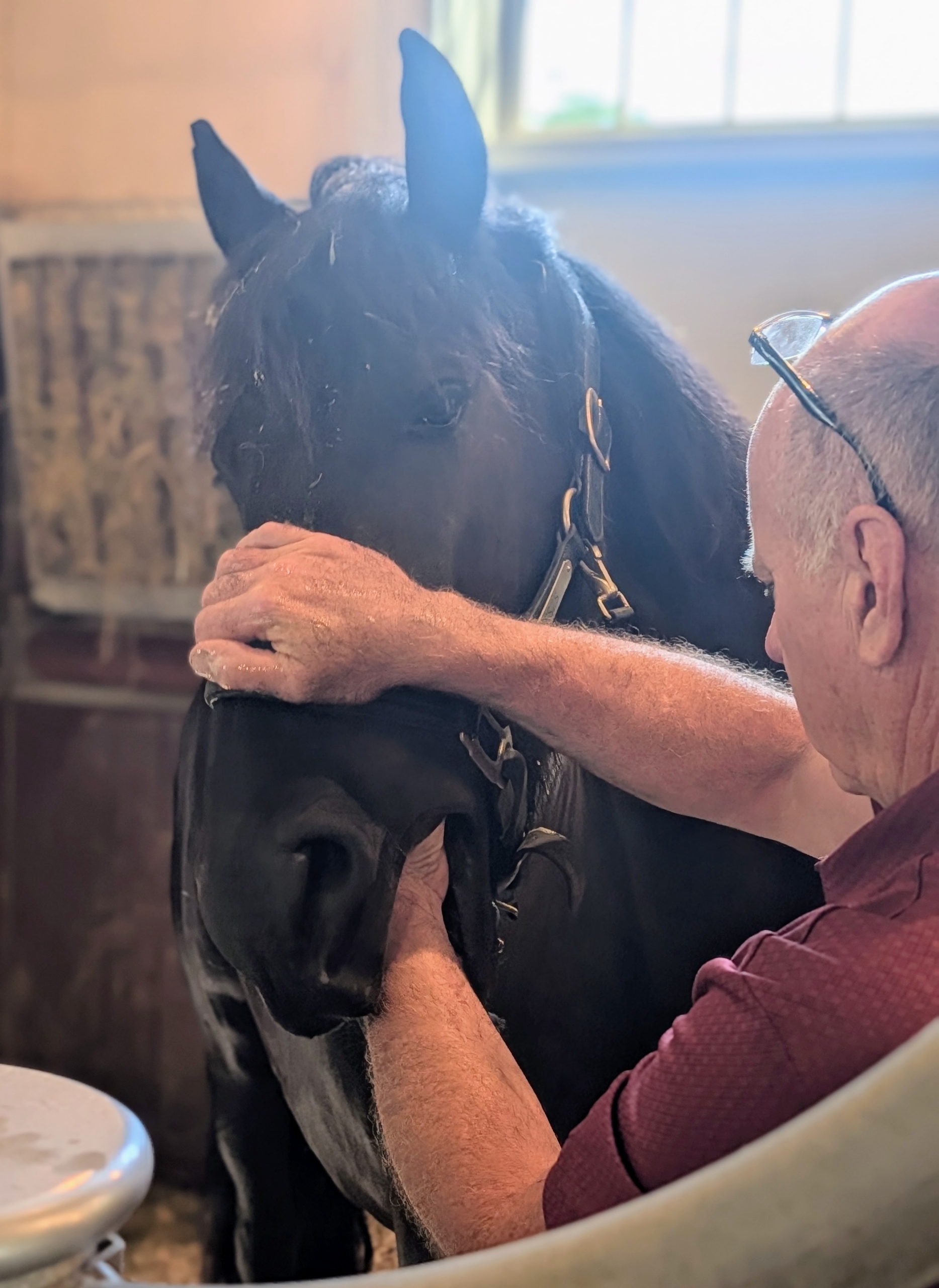
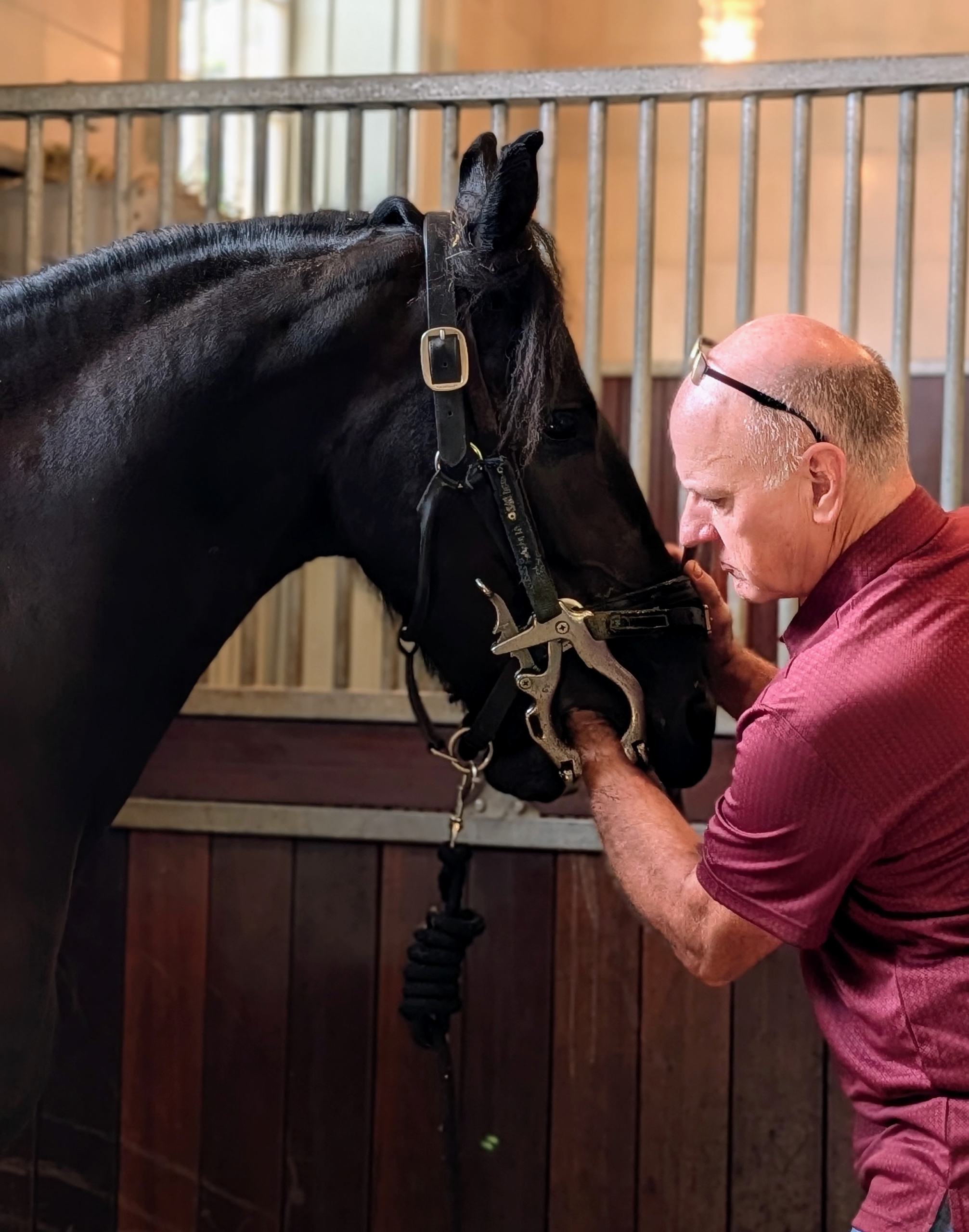
- The key to working with horses is to gain their trust, which in turn helps them calm down. Brian spends a few minutes just talking to Ulysses before he begins working.
-
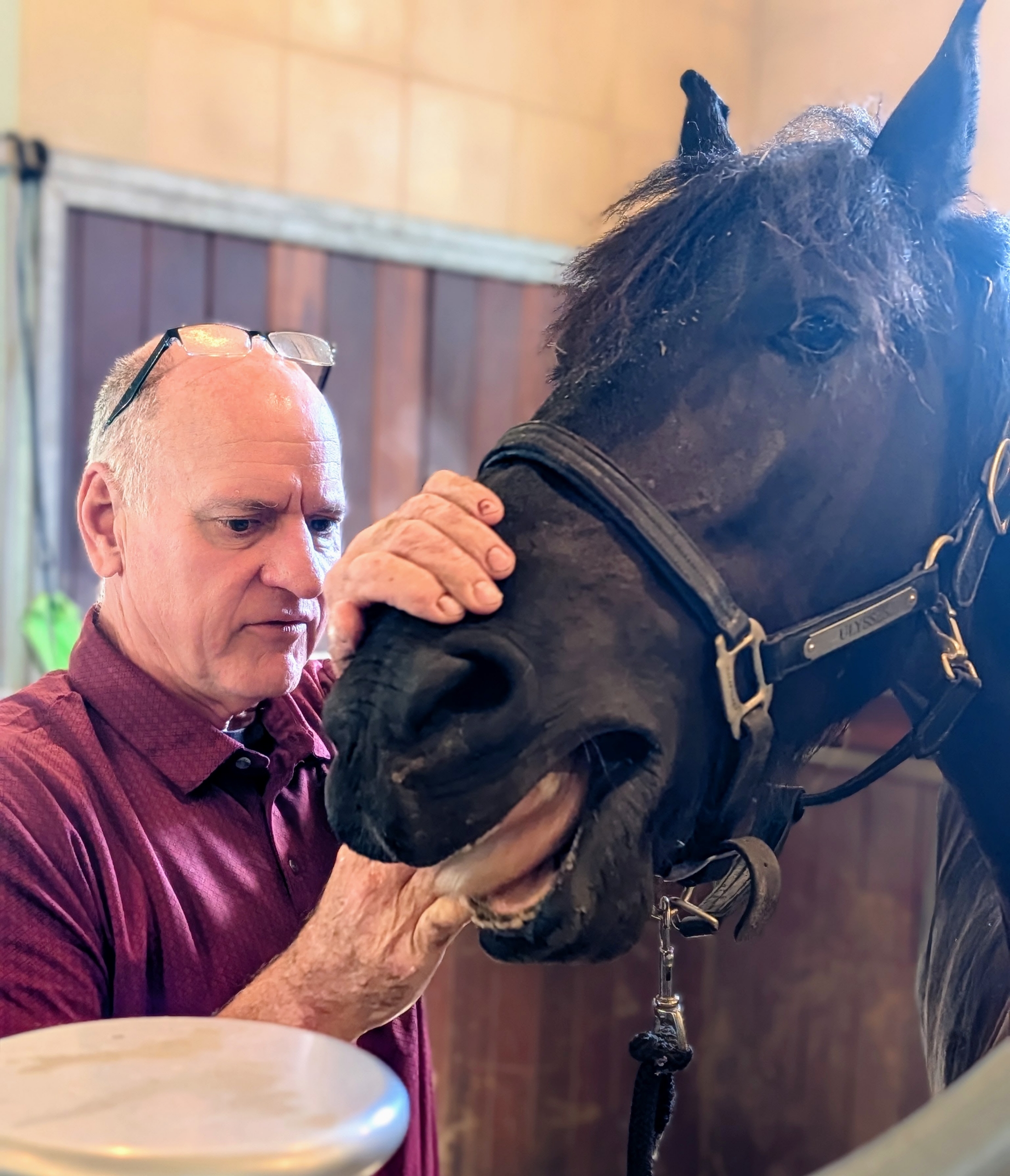
- He starts by checking the front teeth.
-
- Much of Brian’s work is done through feel. He feels for any abnormalities in the mouth. Horses have 42 teeth in all. Of those, 24 are molars and premolars that are constantly growing and being worn away.
-
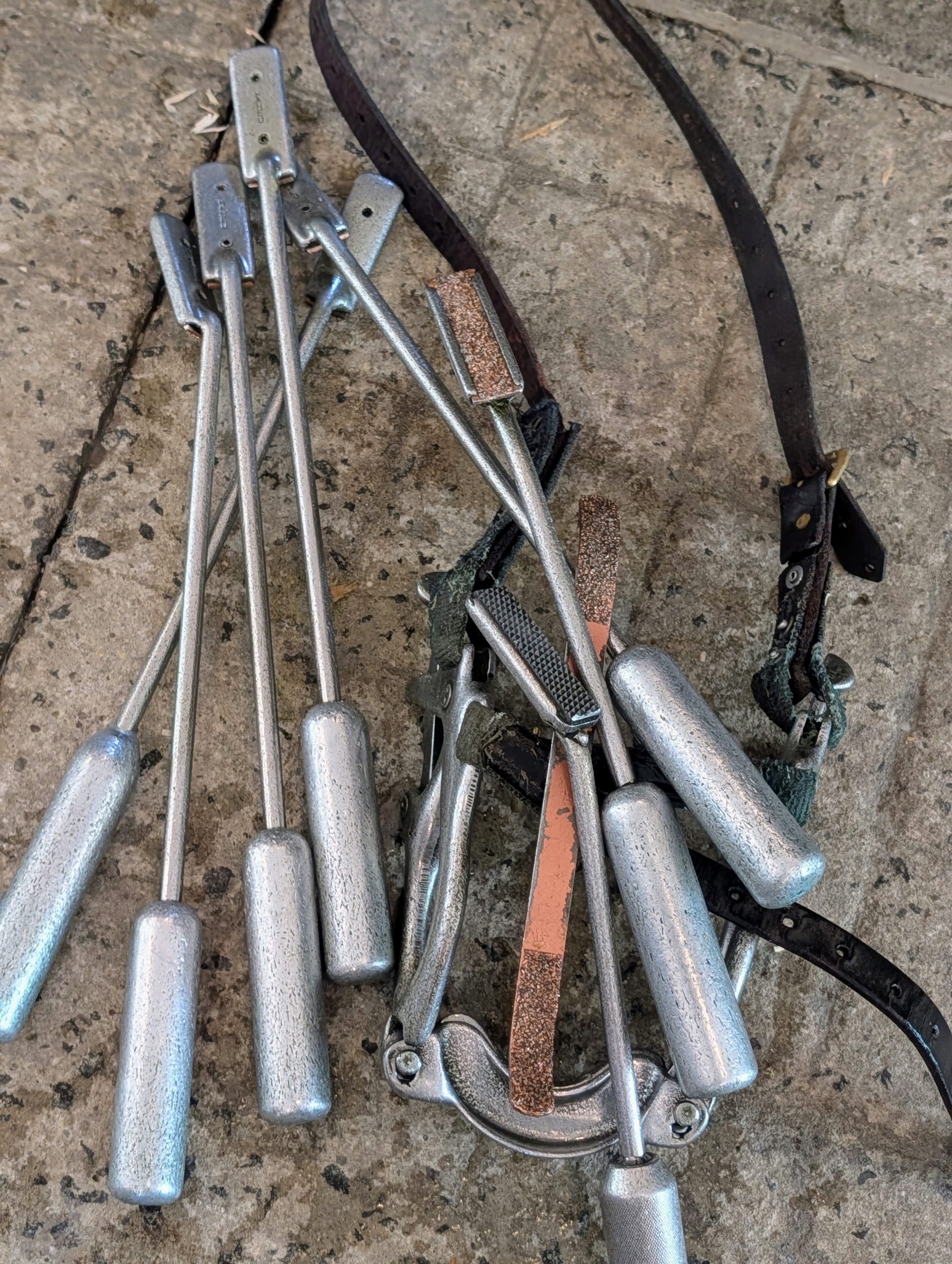
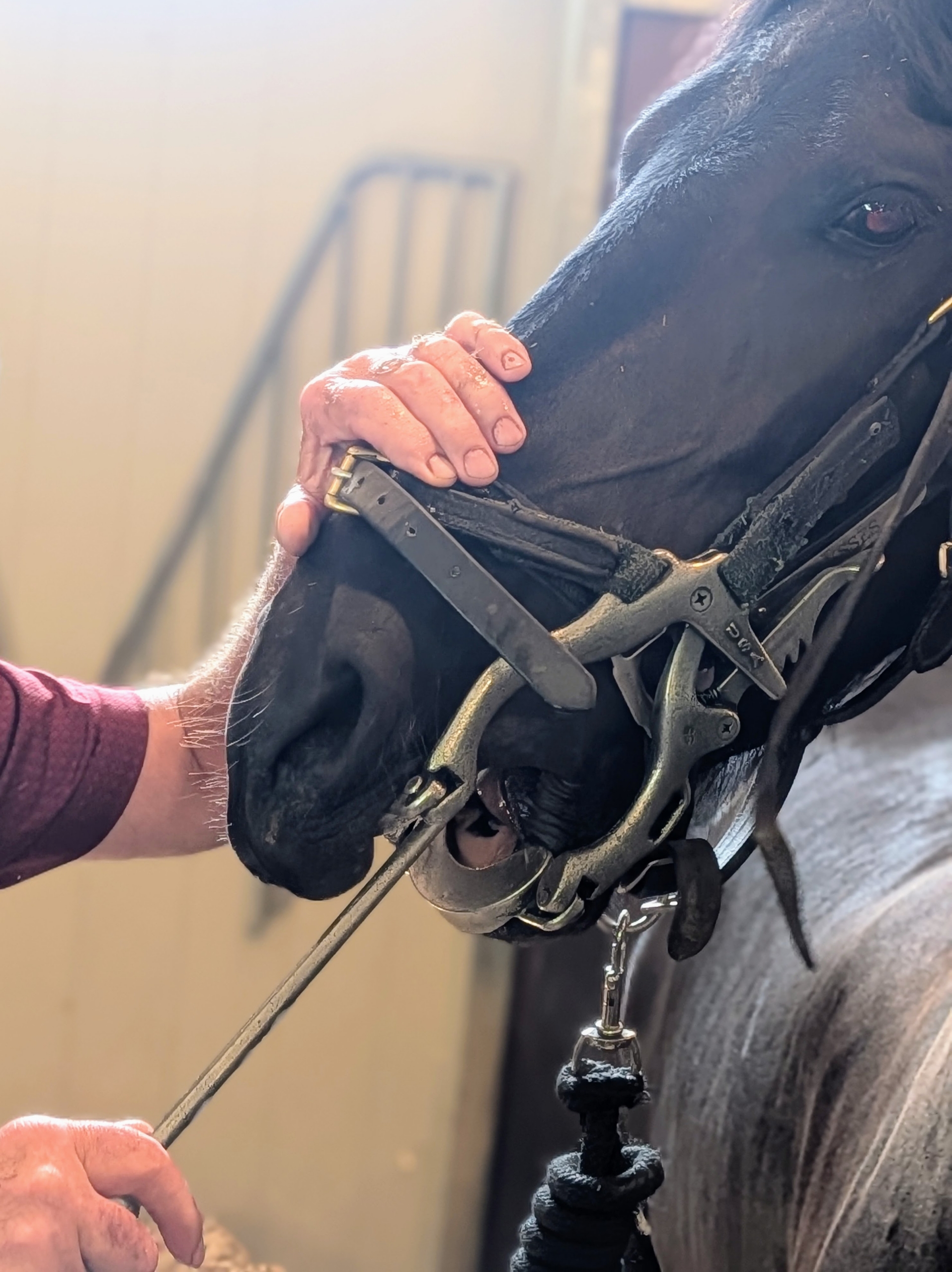
- These are Brian’s tools of the trade. They are called floats. Floats are about 21-inches long. The long handles allow Brian to get to the back molars.
-
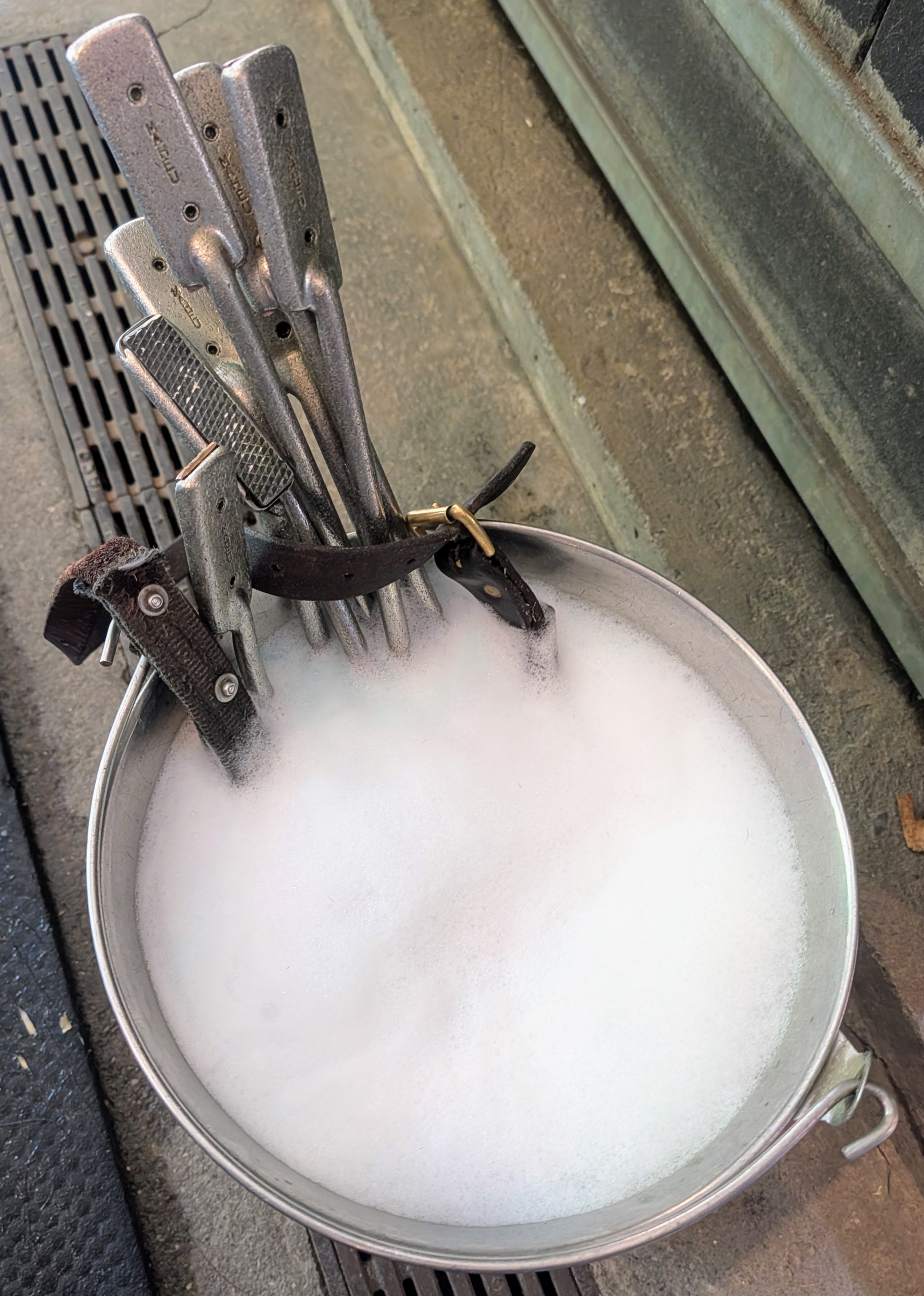
- Brian soaks them in a Chlorhexidine solution, an antimicrobial disinfectant.
-
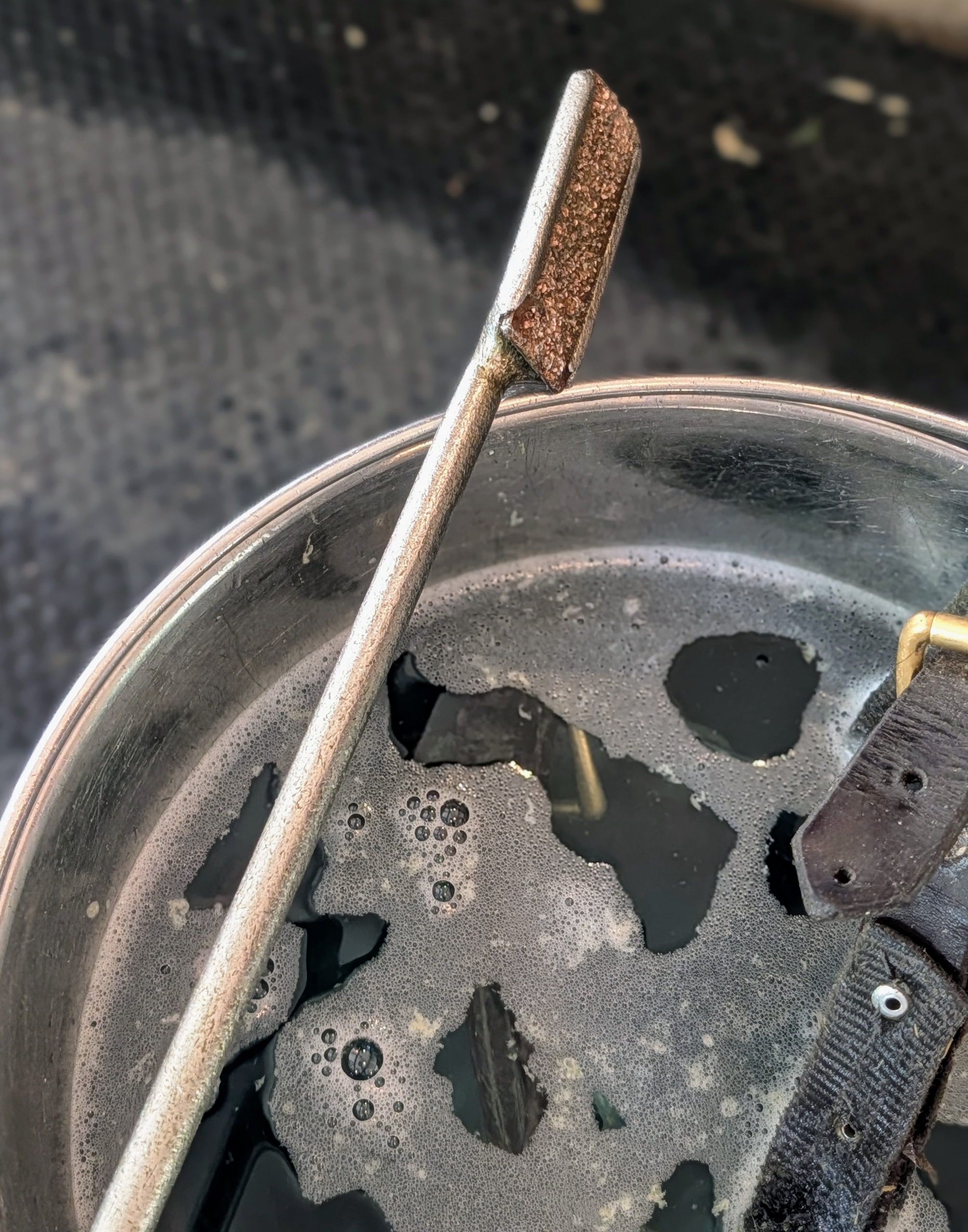
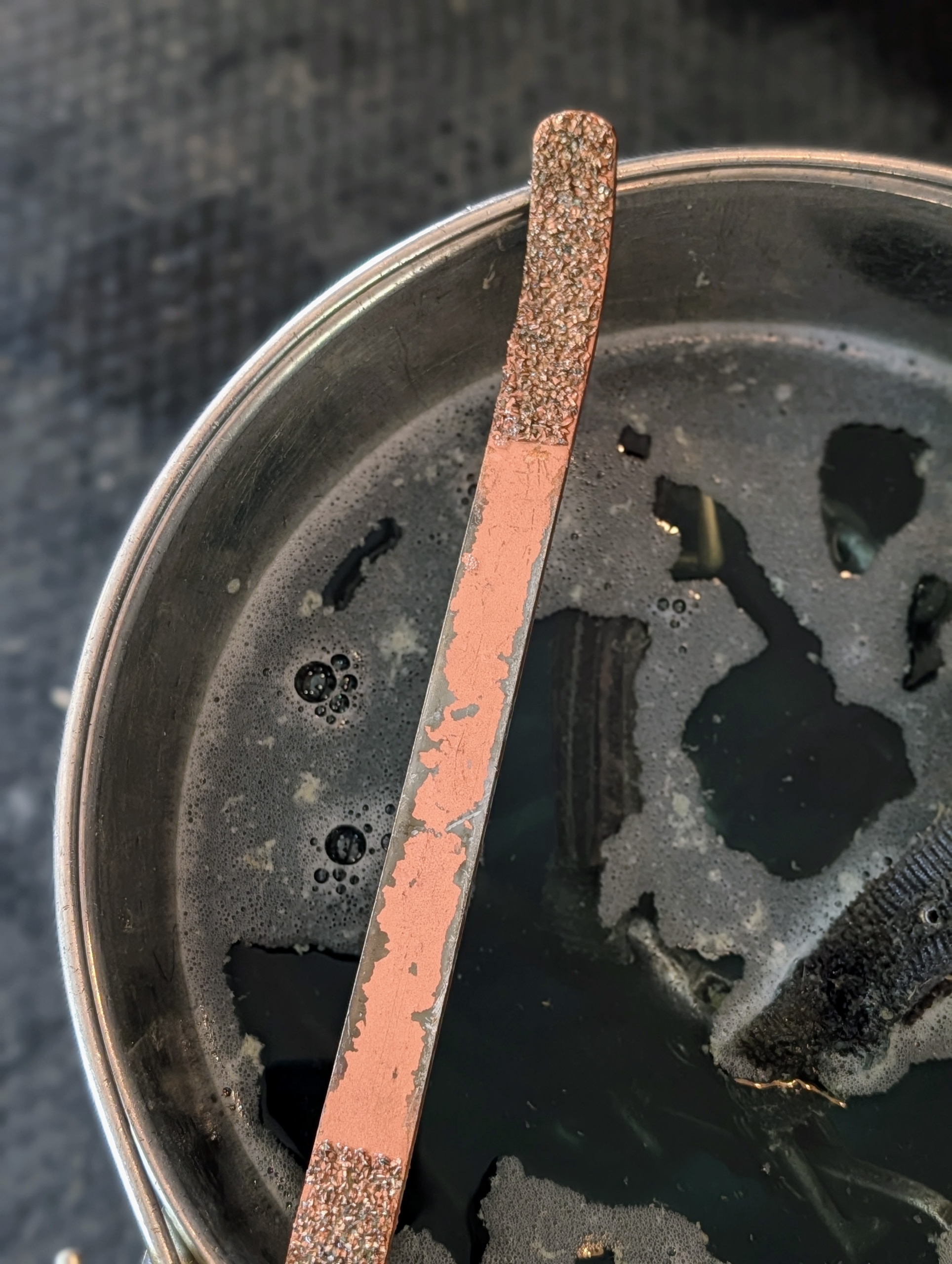
- Each float is fitted with a sharp tungsten carbide blade made of chips that are bonded to the base. This is what files each tooth during the floating process. Brian has 10-floats in his bucket. The floats also come in varying angles for use on different teeth.
-
- This is an “s” file, a two-sided file used for finishing areas and for polishing the front of the molars section where the horse’s bit sits.
-
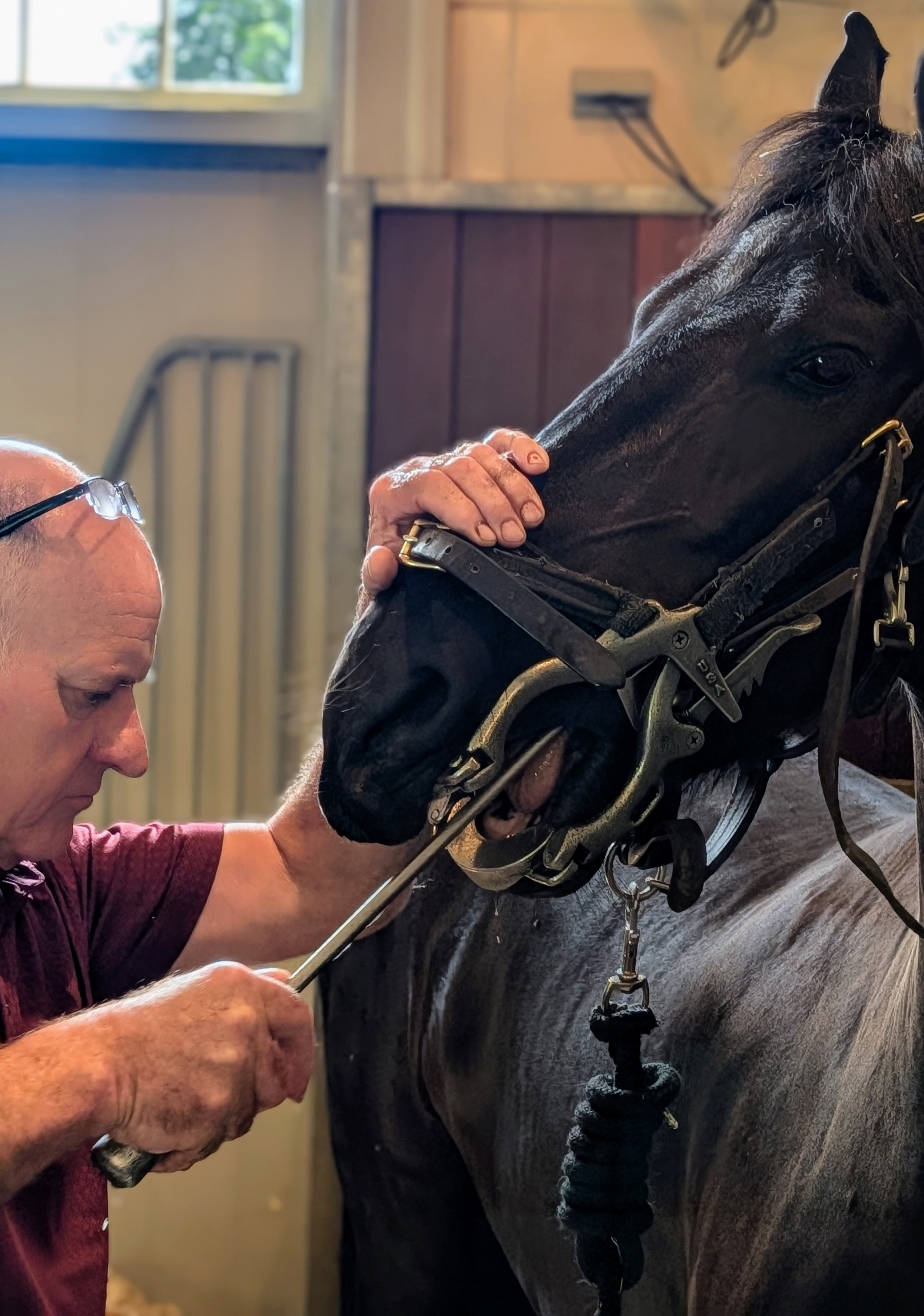
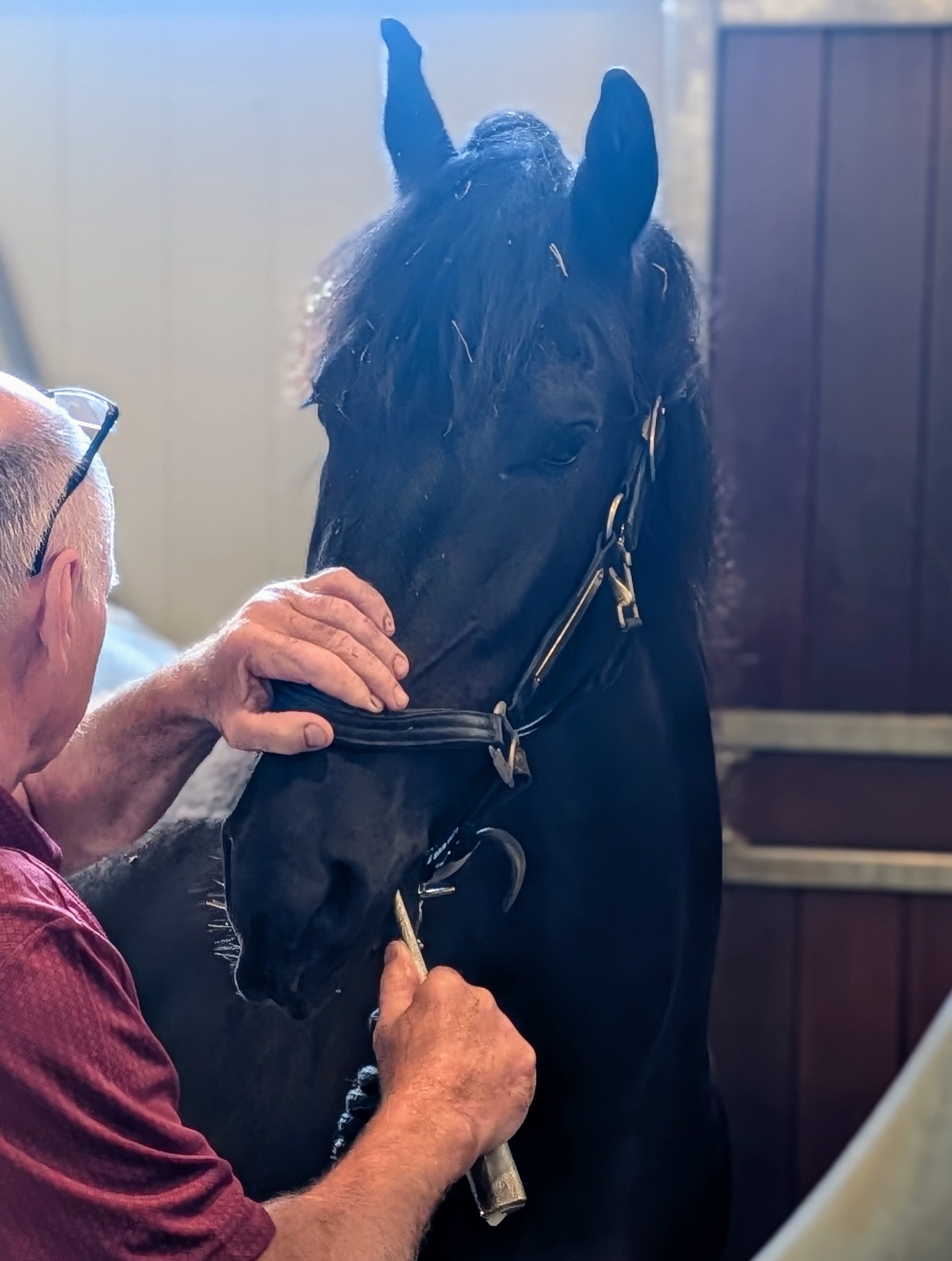
- Brian uses a float to file any uneven or high edges of the front molars. The process of teeth floating and occlusion adjustment are not painful, but the sound of the rasp may need some getting used to, especially for a horse that is new to dental care.
-
- For a young horse like Ulysses, he’s doing quite well.
-
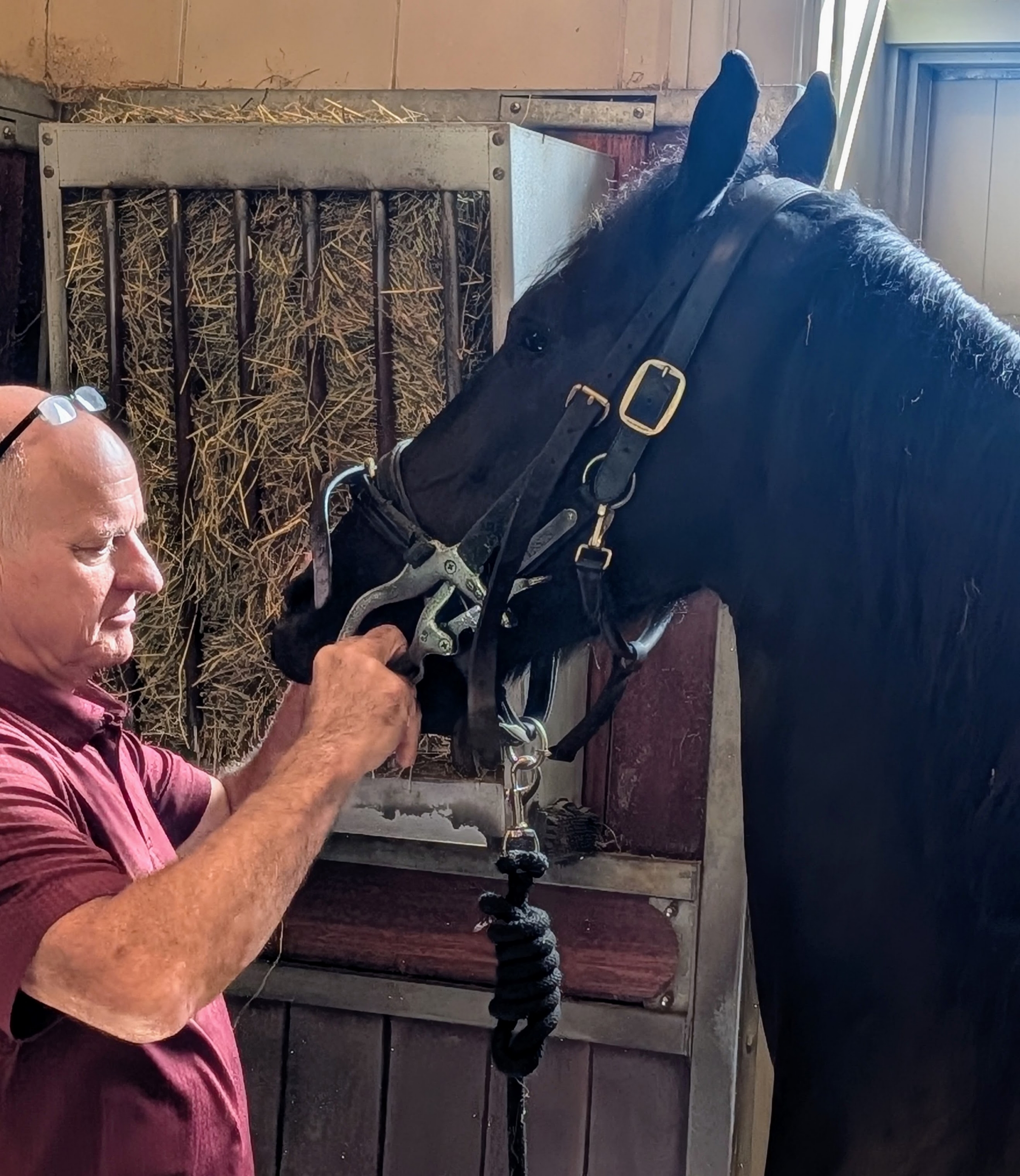
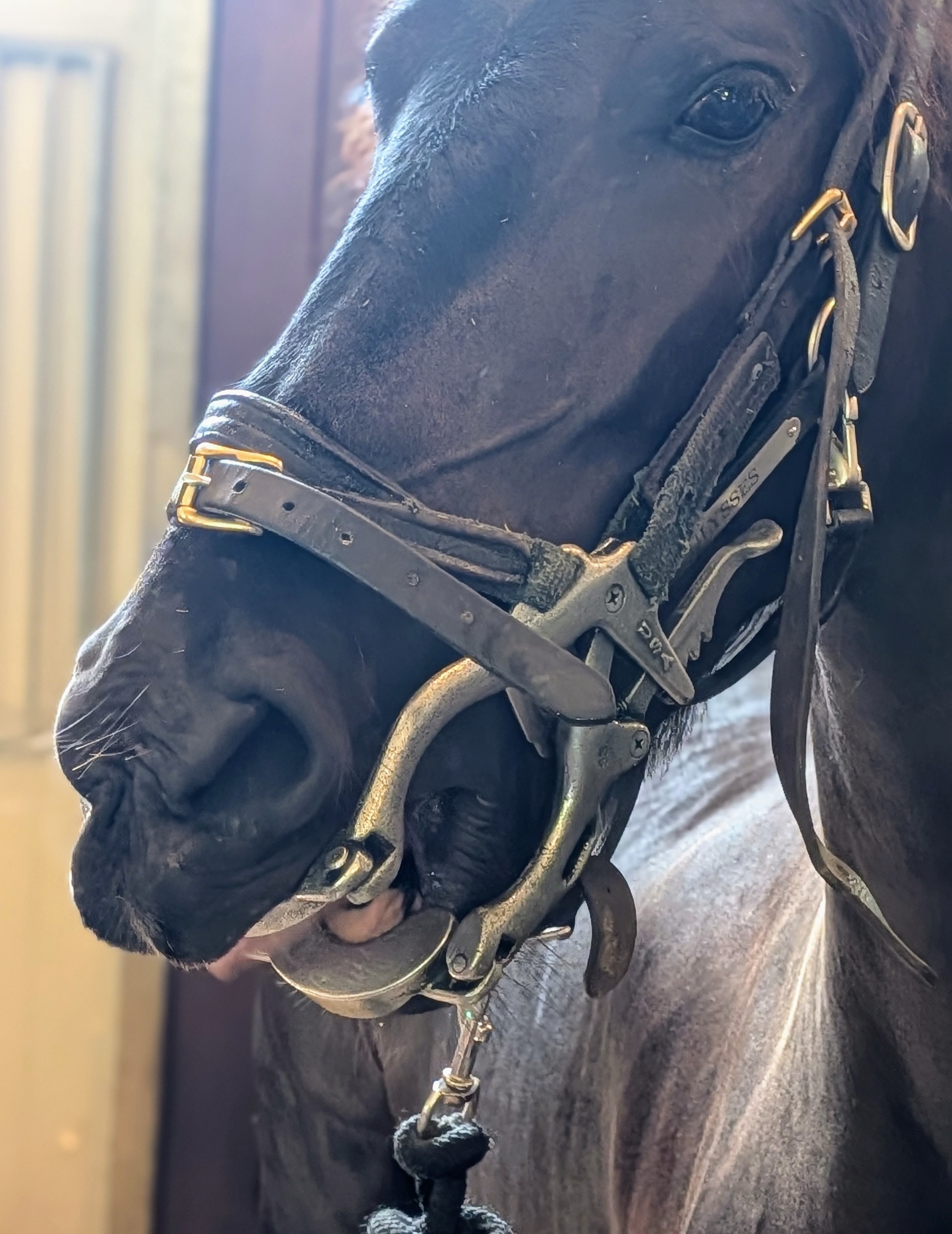
- Next, Brian places what is called a McPherson full mouth speculum on Ulysses.
-
- The speculum keeps the horse’s mouth open during the floating process.
-
- Now he is able to float the back molars easily.
-
- Brian stops every so often to feel and reassess the tooth being floated. Afterward, Brian does some finishing touches with the “s” file. Brian also continues to speak softly to keep the horse relaxed.
-
- In most cases, the horse feels the changes right away – he should be much more comfortable now.
-
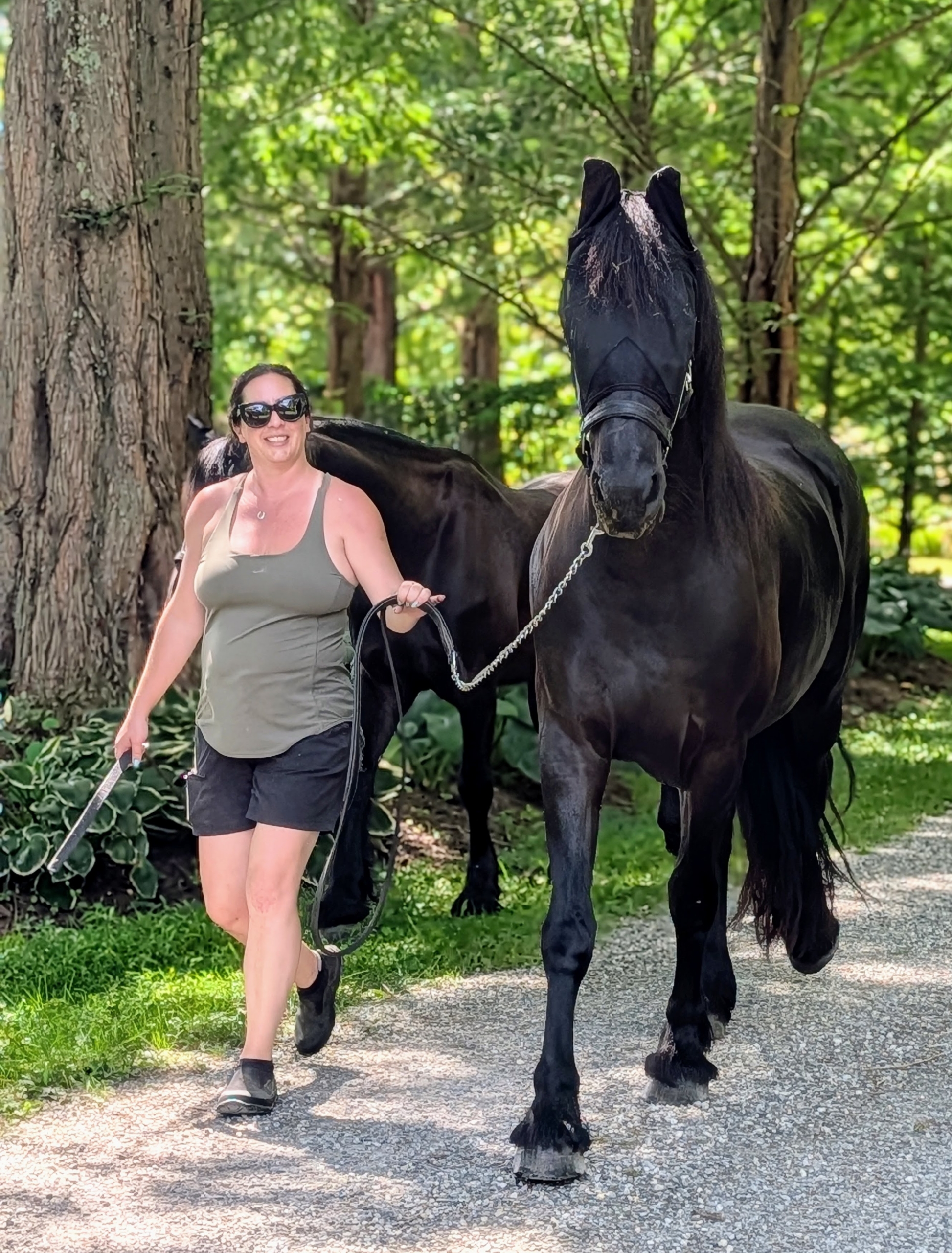
- After their dental appointments, Helen walks them to their pasture, where they are turned out to run and enjoy the mild summer weather. It’s always comforting to know the horses, my pony, and the donkeys are well-cared for, happy and healthy here at my farm.
 Martha Pins


 Martha Tweets

