
My Colorful Hydrangeas
Are the hydrangeas blooming where you are? Here at my farm, the hydrangeas are just starting to put on quite a show with more blooms showing up every day.
Over the last couple of years, I've planted many hydrangeas. I added hydrangeas to a border along the carriage road to my chickens. I have hydrangeas growing around my tennis court, outside my goose and peafowl pens, along the fence of my run-in pasture, behind my main greenhouse, in my living maze, and beneath the London plane and Cotinus trees in the middle field. Last autumn, I also surrounded part of my half-acre vegetable garden with hydrangeas. Hydrangeas are popular ornamental plants grown for their large flower heads, which are excellent in cut arrangements and for drying. And, depending on the species, variety, and one's local climate, hydrangeas can bloom from mid-spring through early fall.
Here are some photos, enjoy.
-

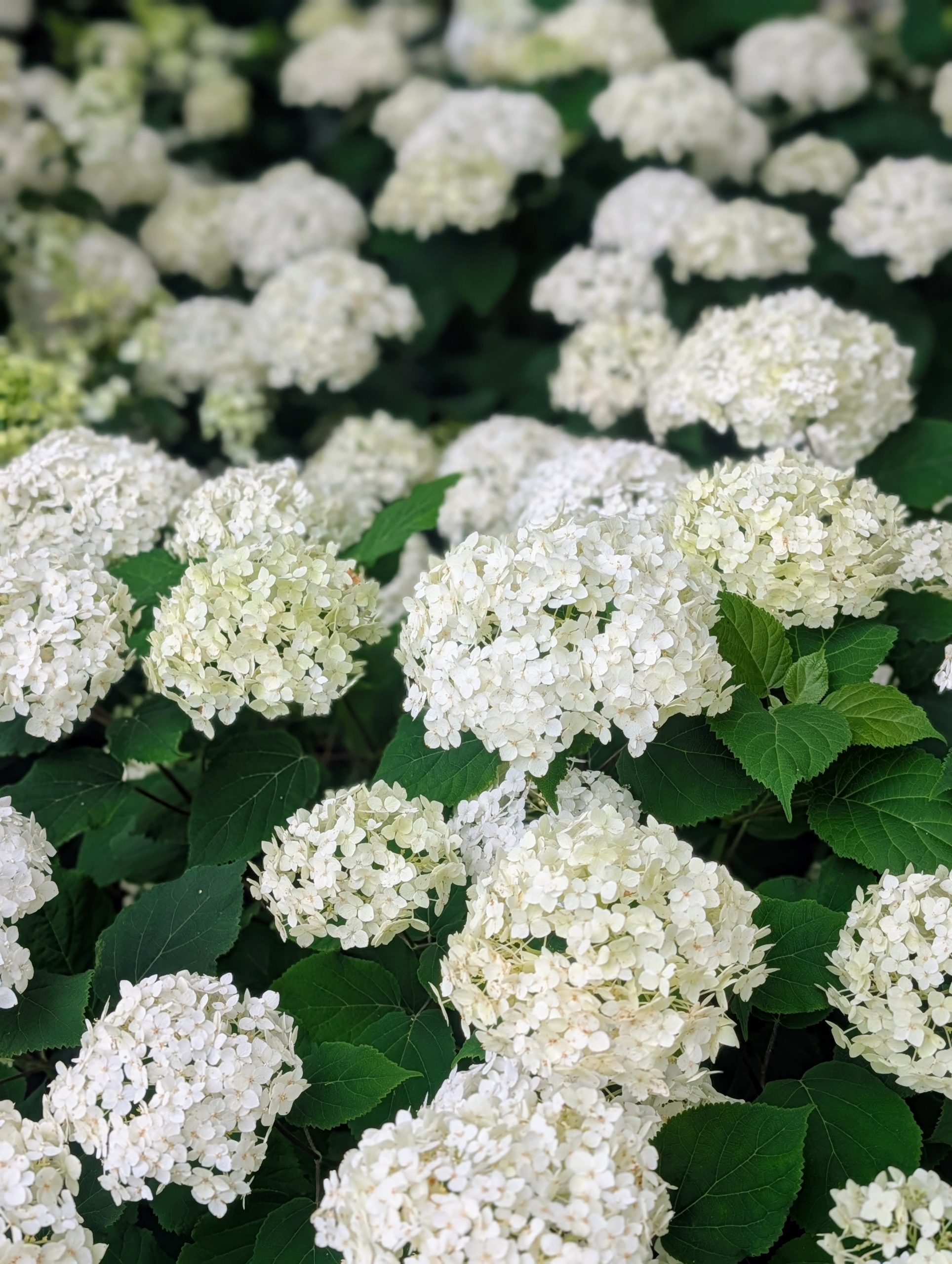
- I have long grown hydrangeas. Hydrangeas are one of the most popular ornamental garden plants because of their large spherical bloom heads that come in varying shades of pink, purple, blue, and white.
-
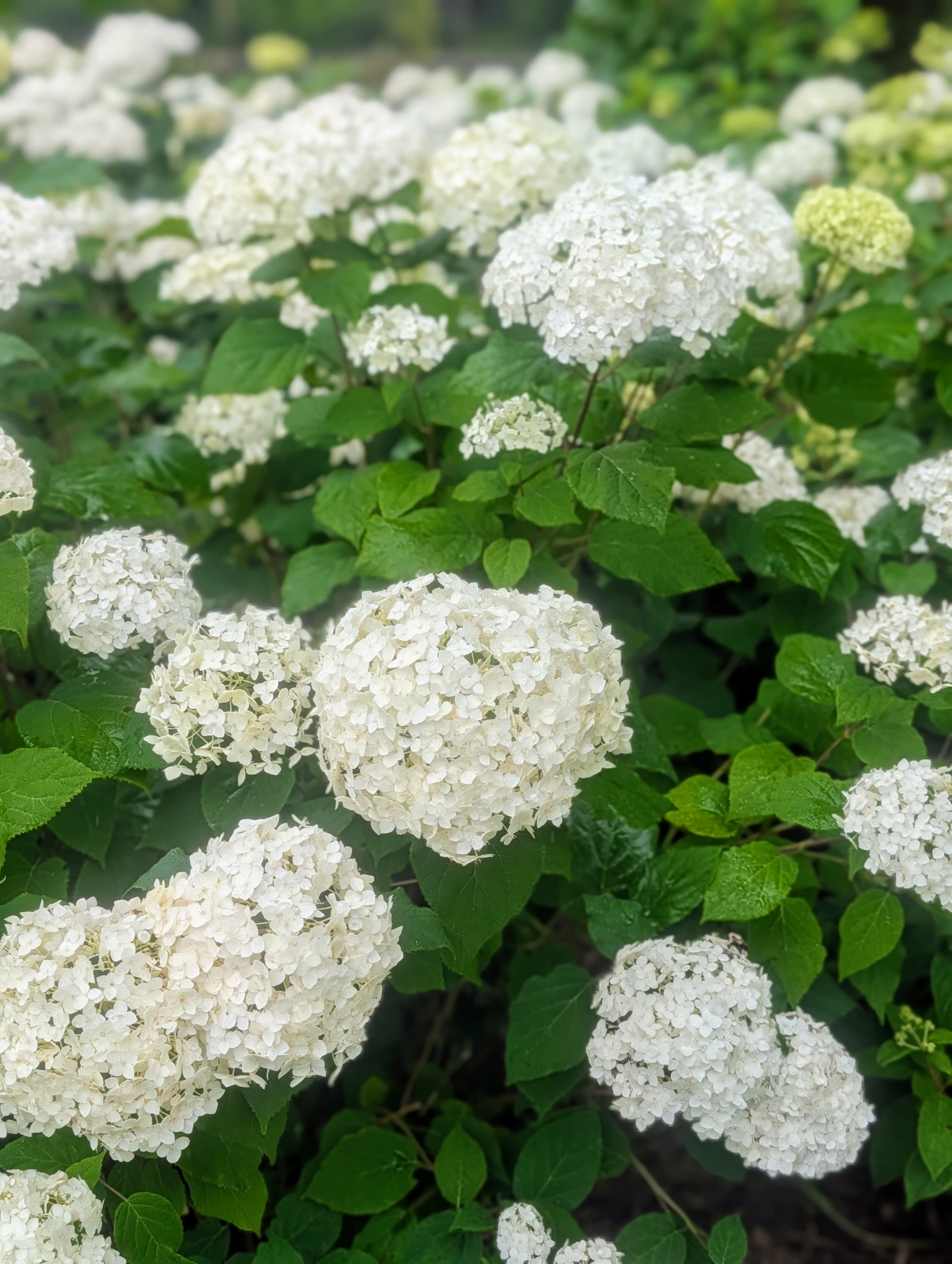
- I transferred about 30 hydrangea plants from my former East Hampton gardens to my farm years ago and have added many more ever since. The name hydrangea originates from two Greek words – “hydro” meaning “water” and “angeion” meaning “vessel” or “container.” Together, the rough translation is “water vessel” which refers to their exceptional thirst for water.
-
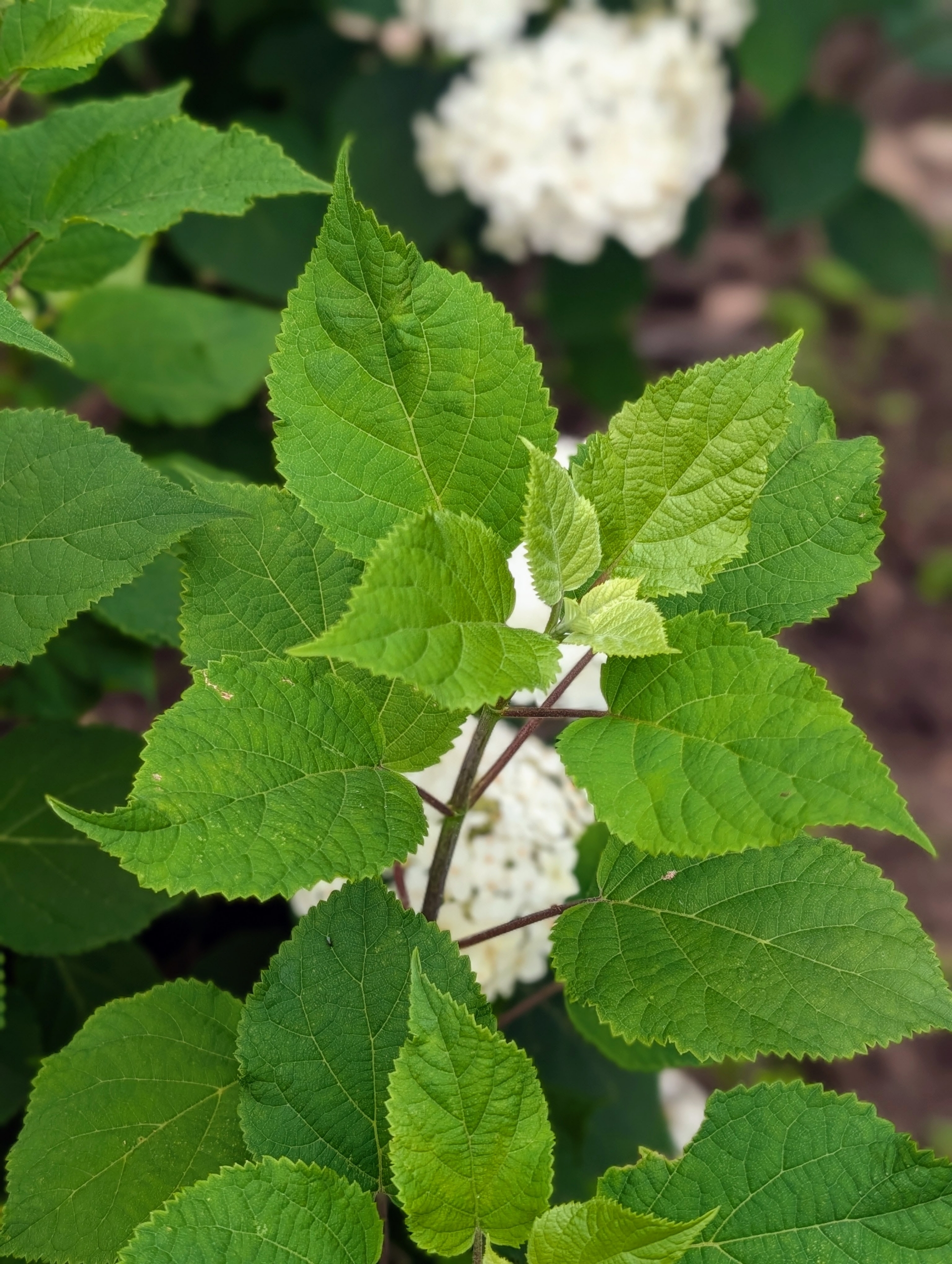
- In general, leaves are relatively thick and crisp, shiny, and often heart-shaped. They range in size from four to six inches long by three to five inches wide.
-
- Hydrangea is a genus of at least 70-species of flowering plants native to southern and eastern Asia and the Americas. By far the greatest species diversity is in eastern Asia, notably China, Japan, and Korea.
-
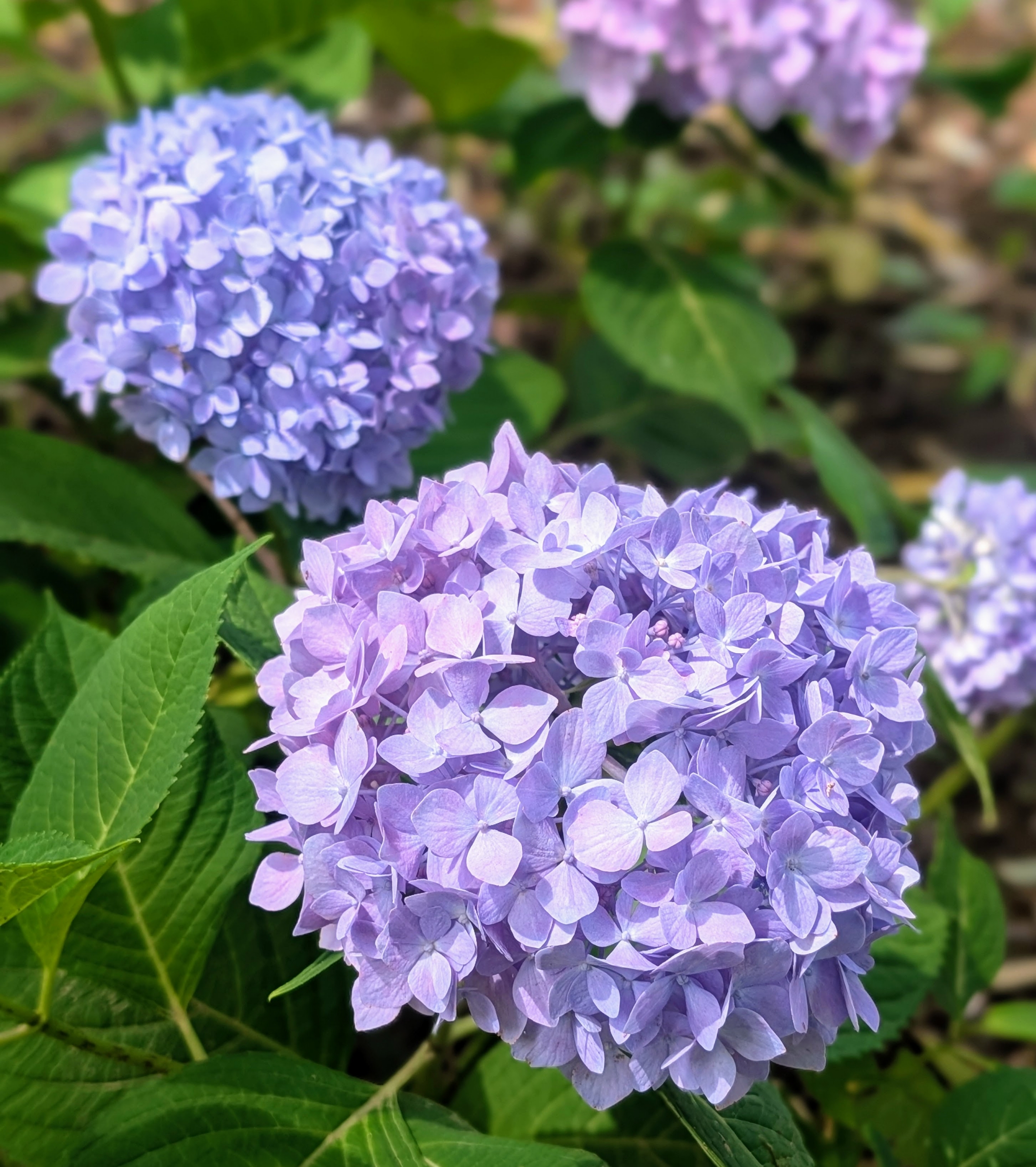
- Hydrangeas are long-lived, and extremely vigorous specimens that offer lavish and varied blooms. They thrive best in partial shade with four to six hours of direct sunlight daily.
-
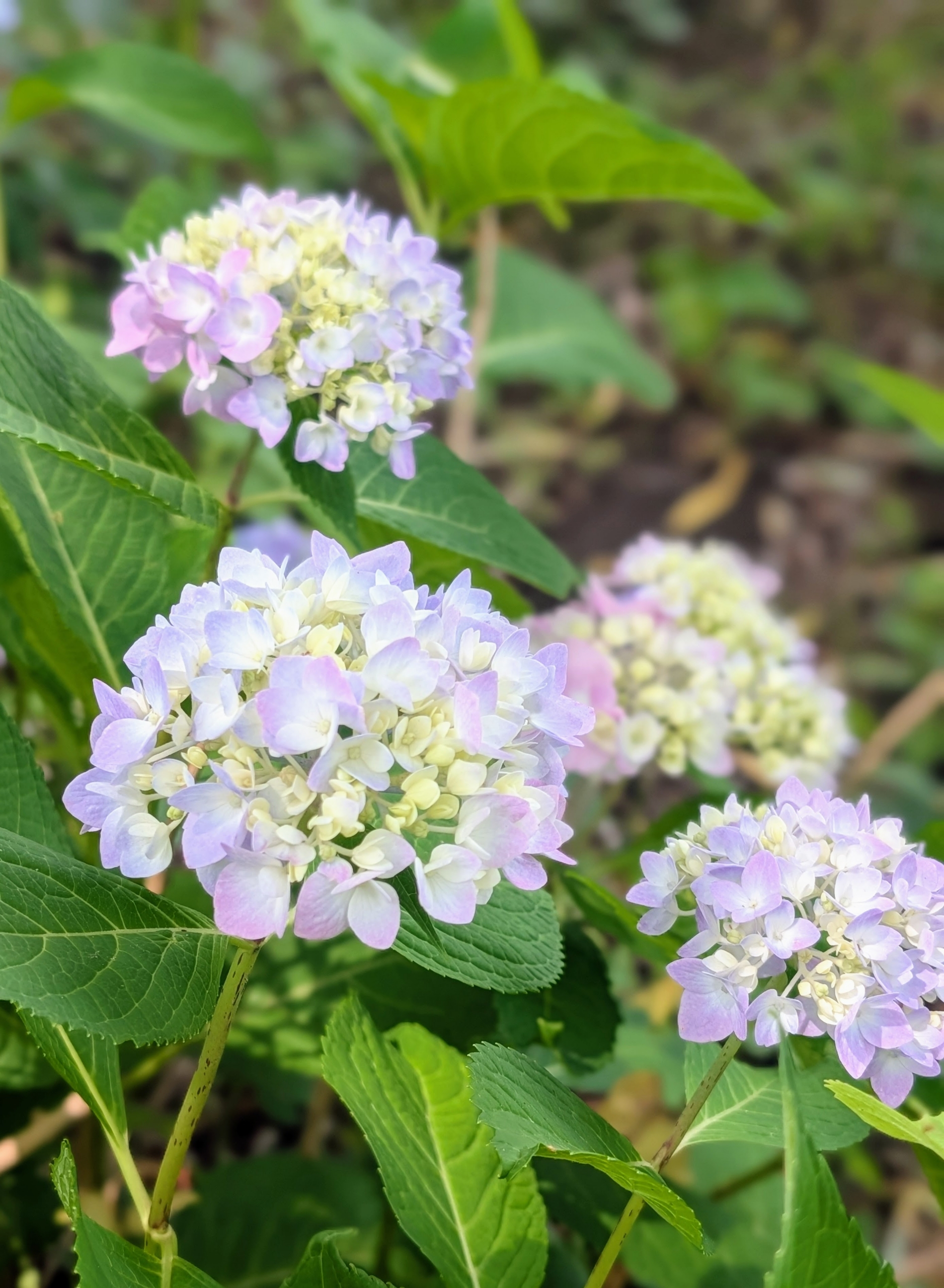
- Many of my latest hydrangeas come from the First Editions and Endless Summer Collections by Bailey Nurseries. I also have some from Star Roses and Plants.
-
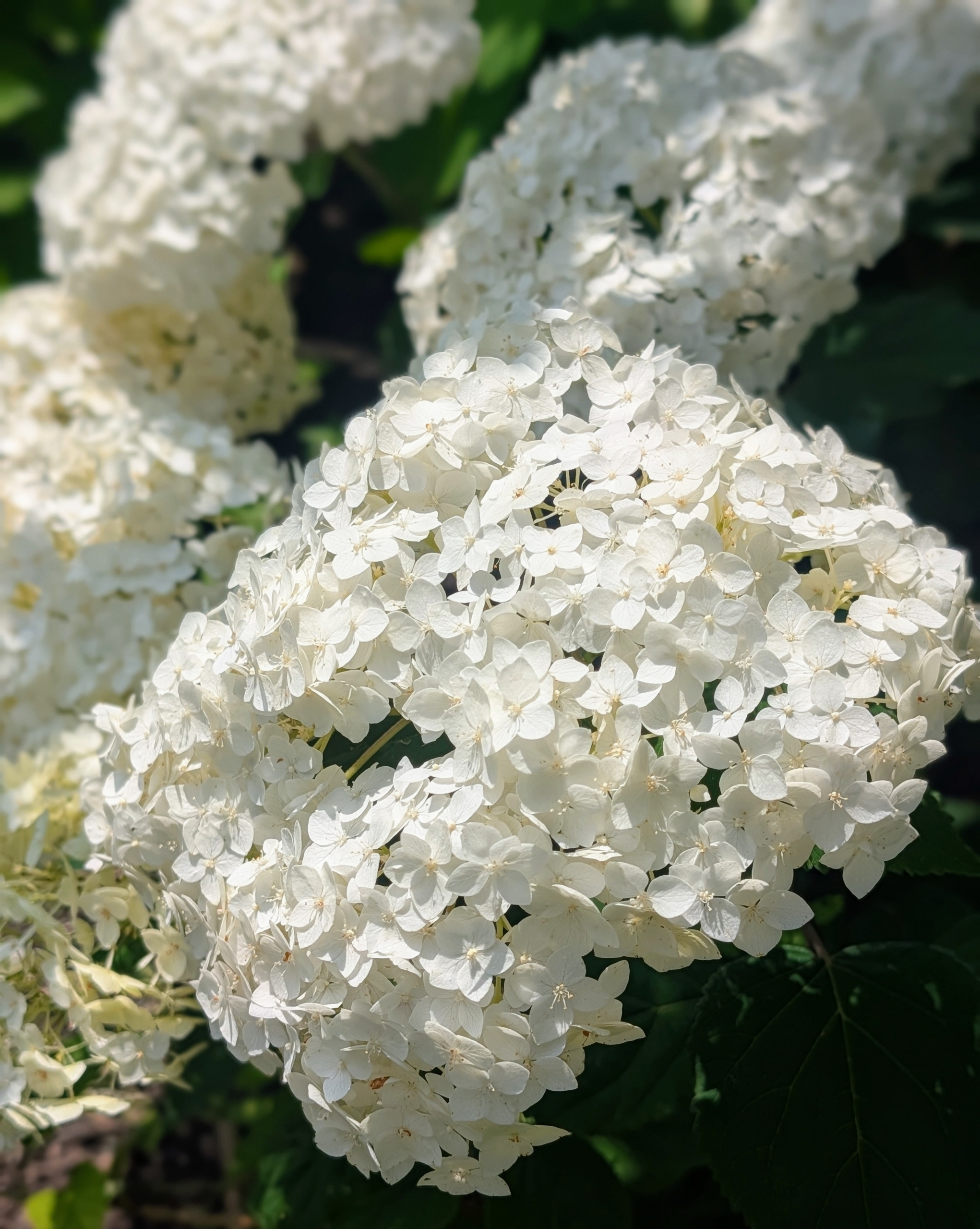
- Mopheads are the most popular flower style of hydrangea.
-
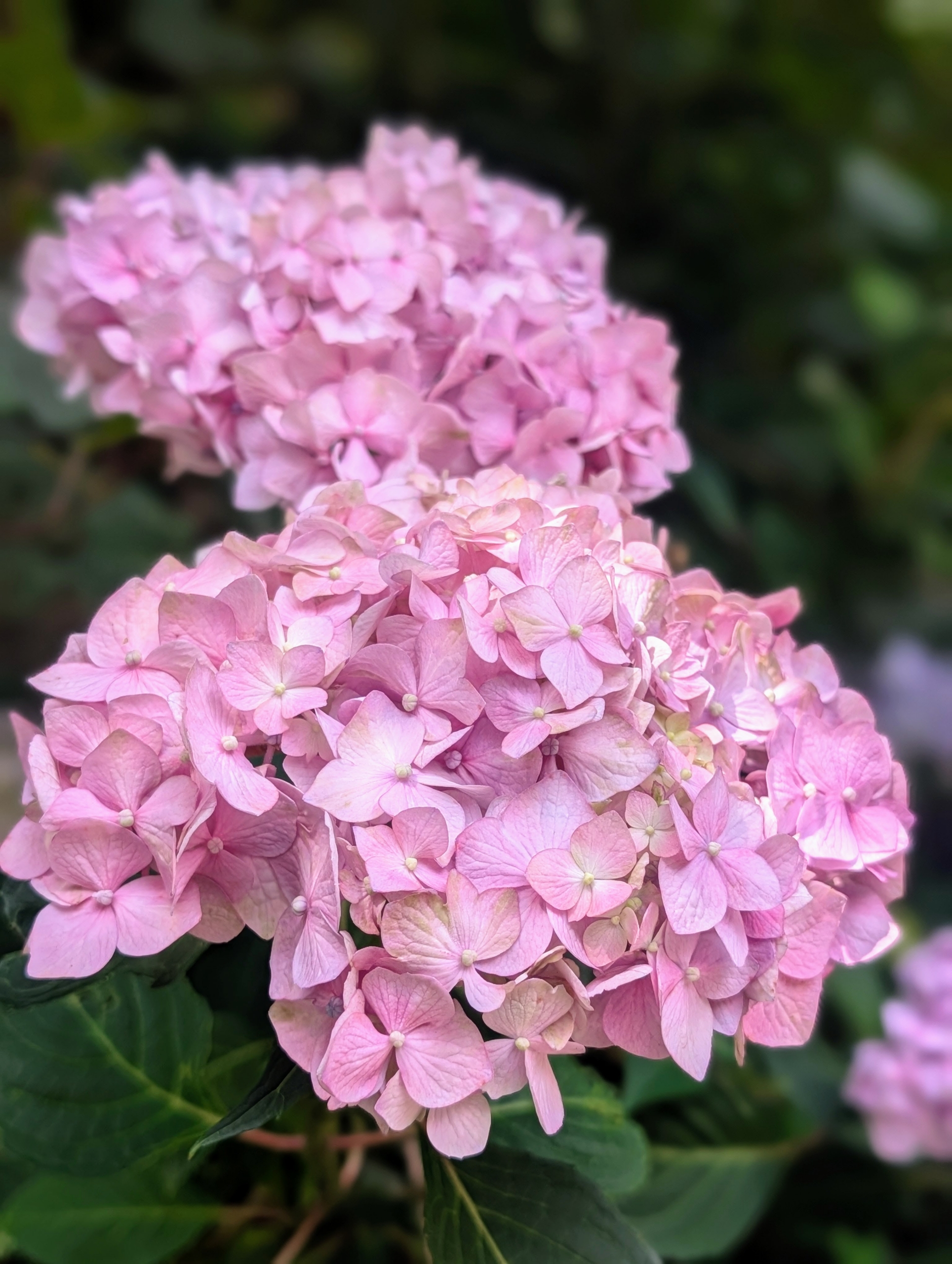
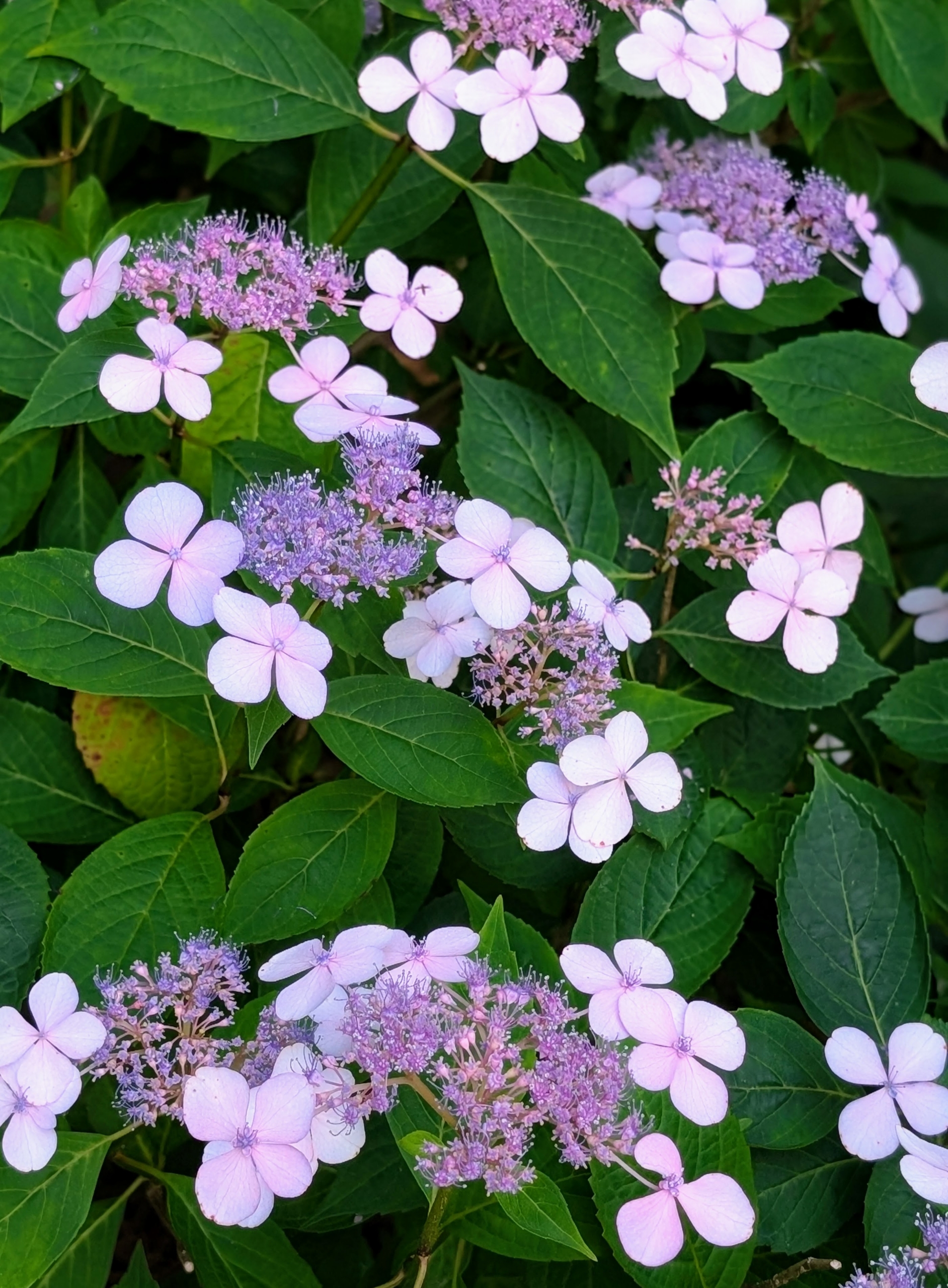
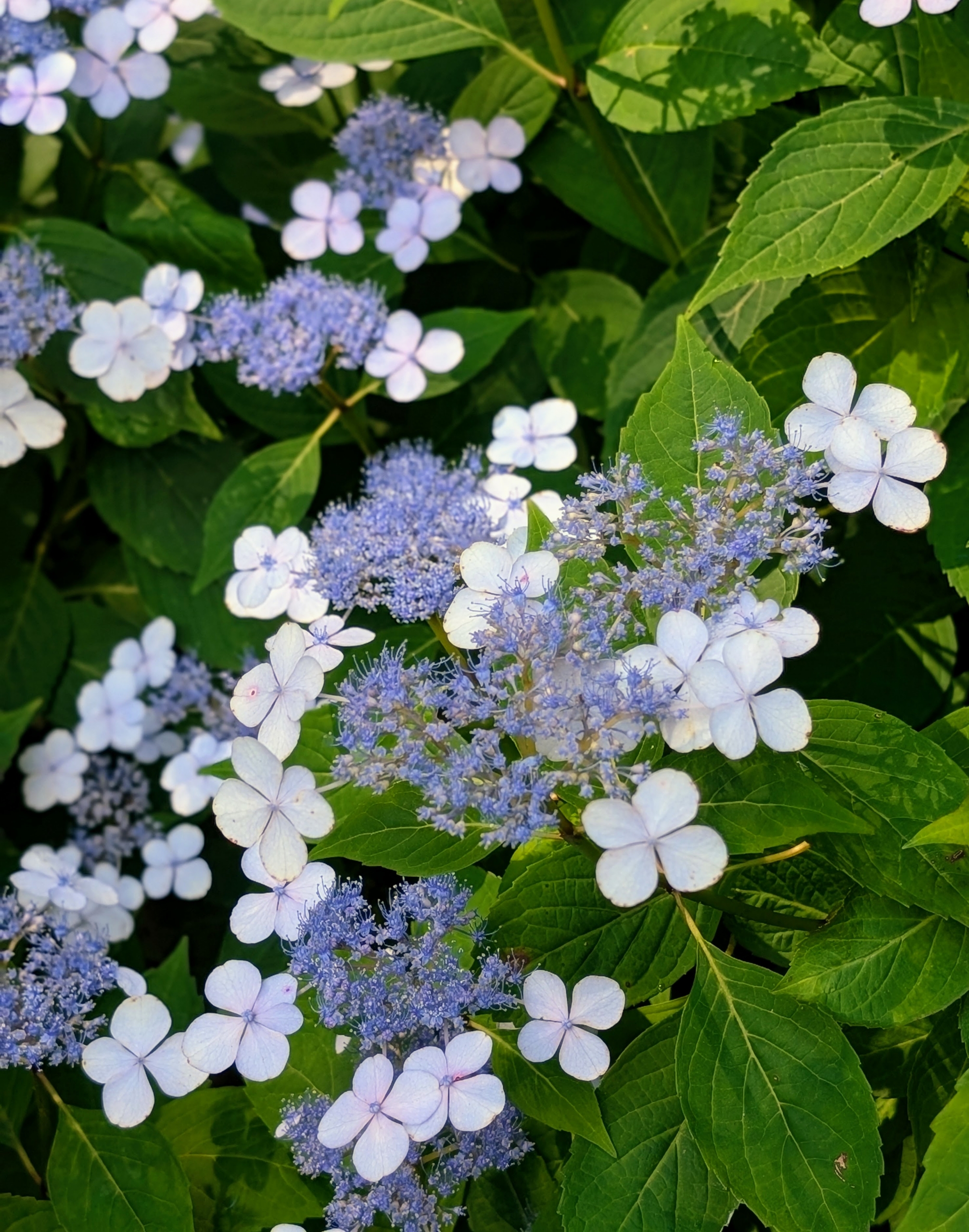
- In addition to the mopheads, there are also hydrangeas that bloom in lovely lacecaps.
-
- The lacecap is very similar to the mophead, but instead of growing round clusters of showy blossoms, this hydrangea grows flowers that resemble flat caps with frilly edges.
-
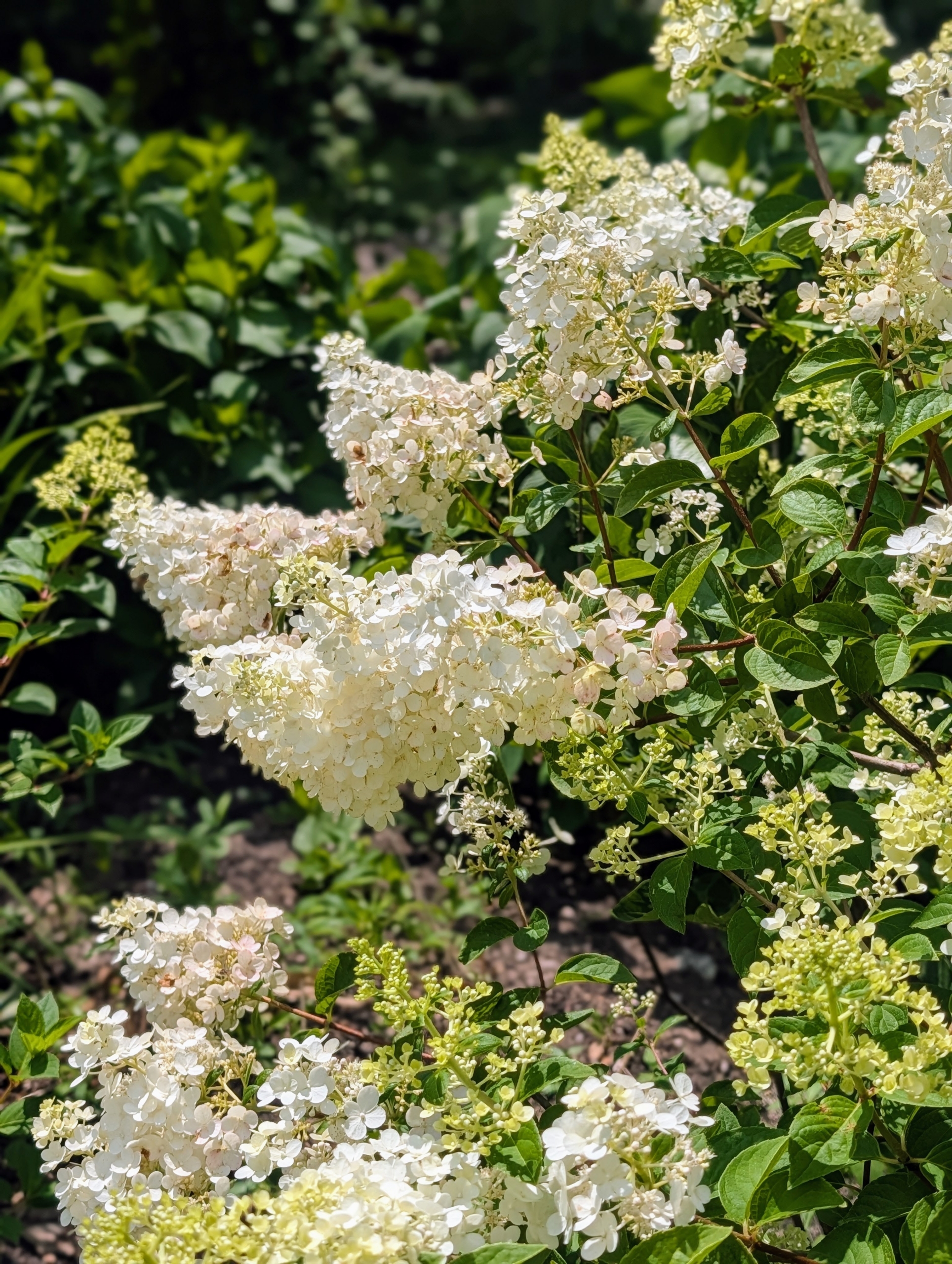
- Panicle hydrangeas are known for their more cone shaped flower heads.
-
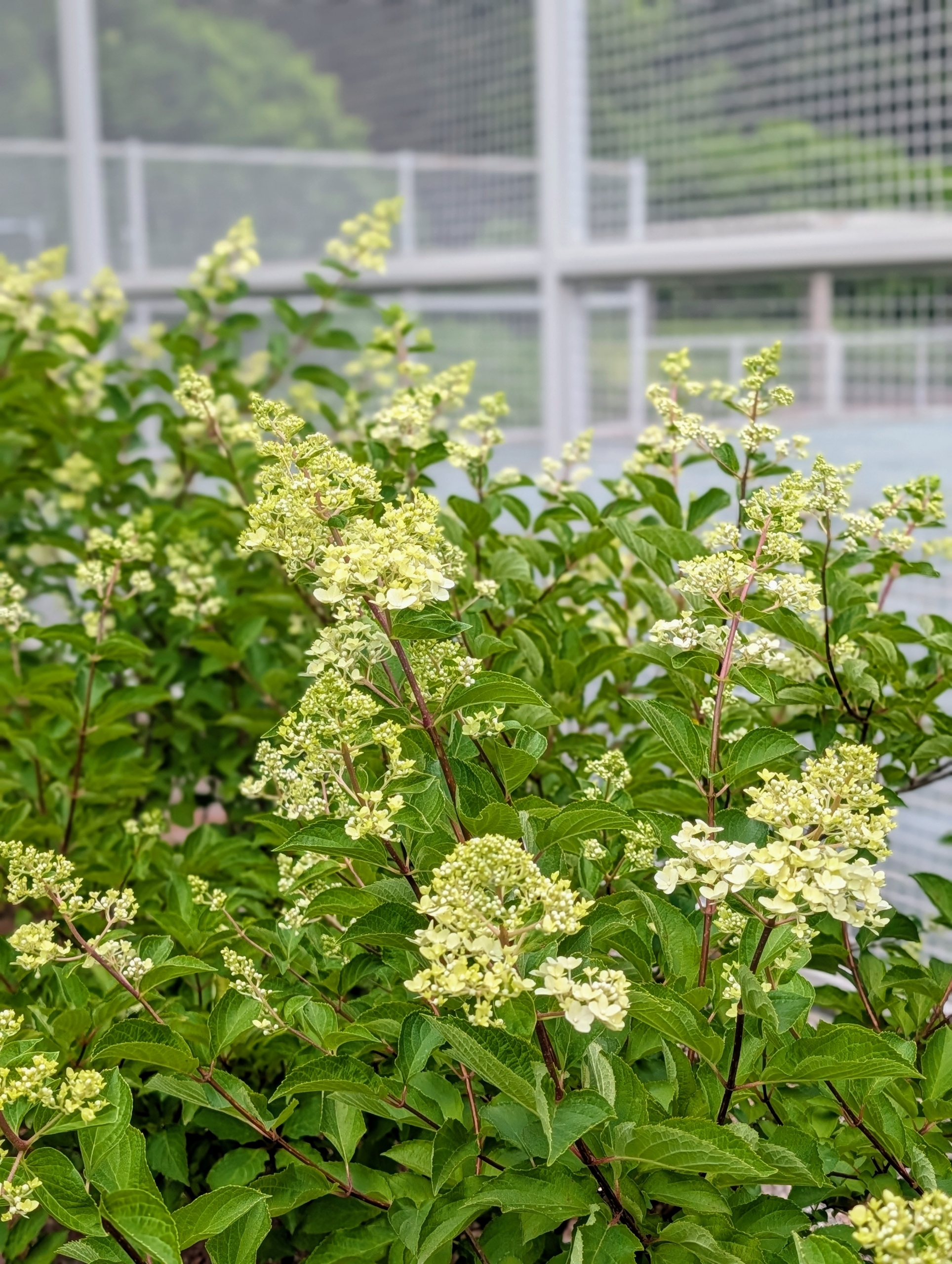
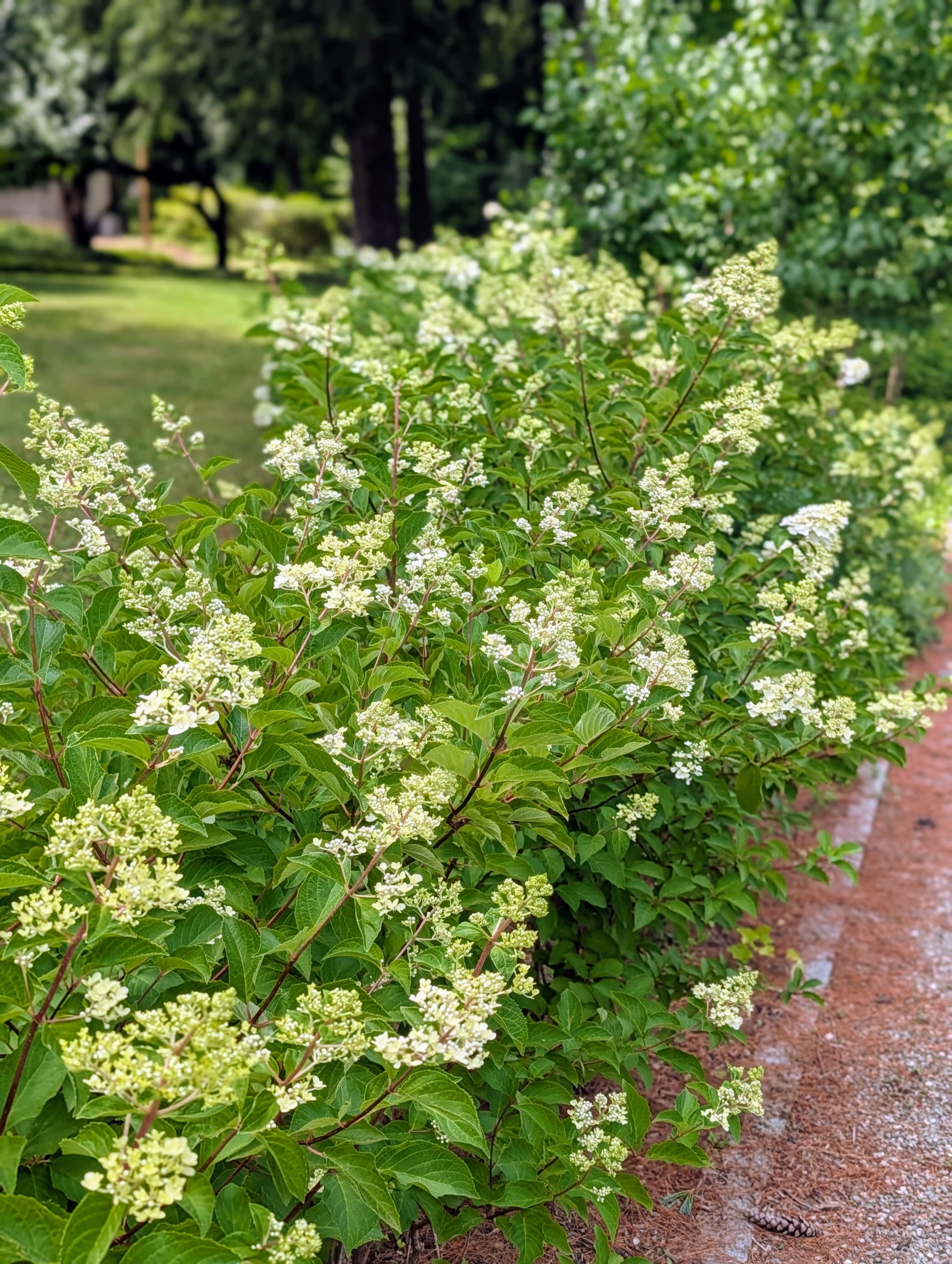
- Around my tennis court, I have a combination of white and pink blooming shrubs.
-
- They include a selection of First Editions Diamond Rouge hydrangeas, Hydrangea paniculata ‘Rendia’ – small, bushy, deciduous shrub that produces large, rounded flower heads that change color over the season – creamy white in summer, changing to pink, and then wine red in fall.
-
- All these hydrangeas thrive here and have grown so much since I planted them two years ago.
-
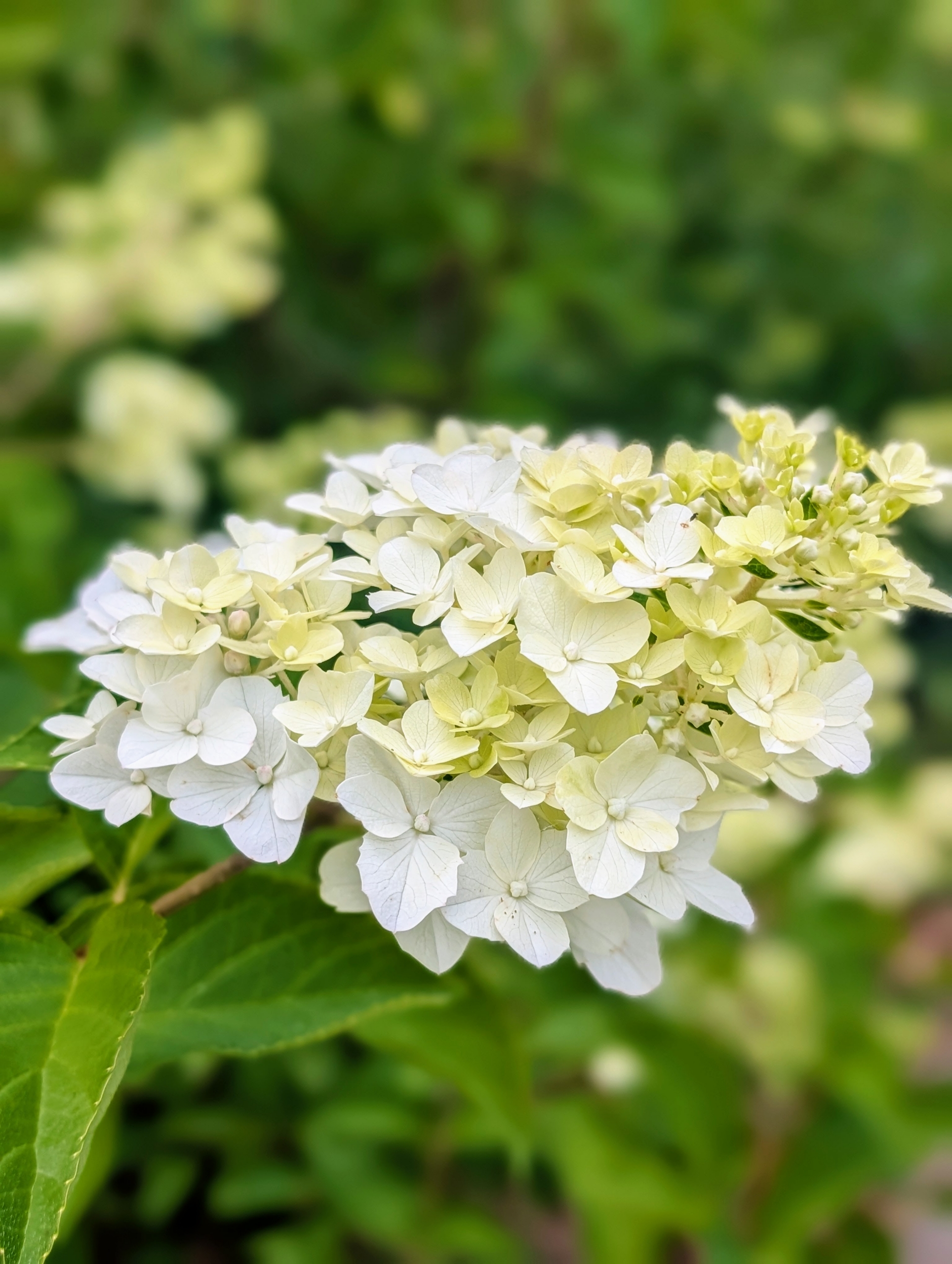
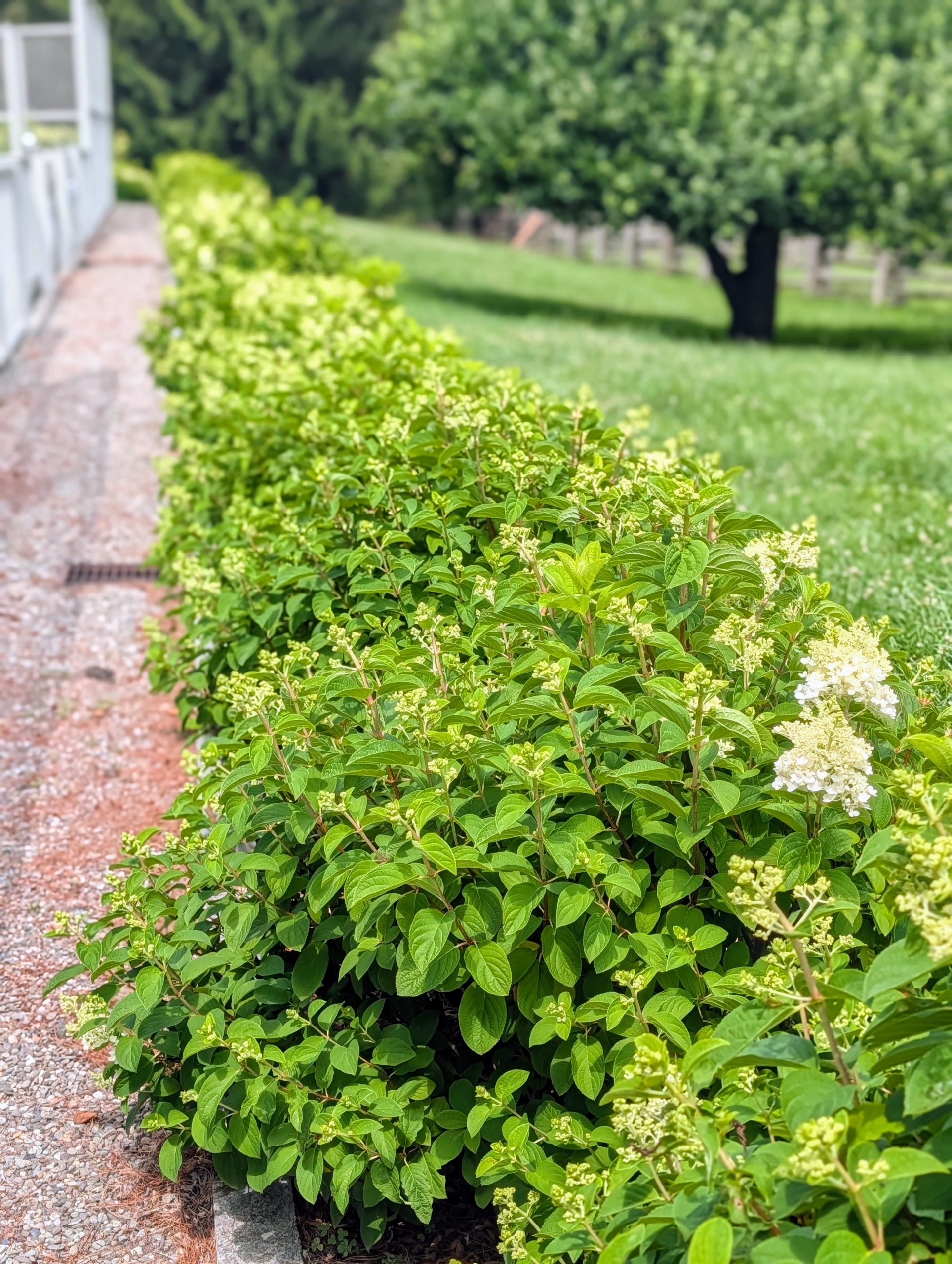
- These plants are Little Hottie® Panicle Hydrangeas from First Editions. They’re compact, mid-sized white hydrangeas – perfect for this side of the court.
-
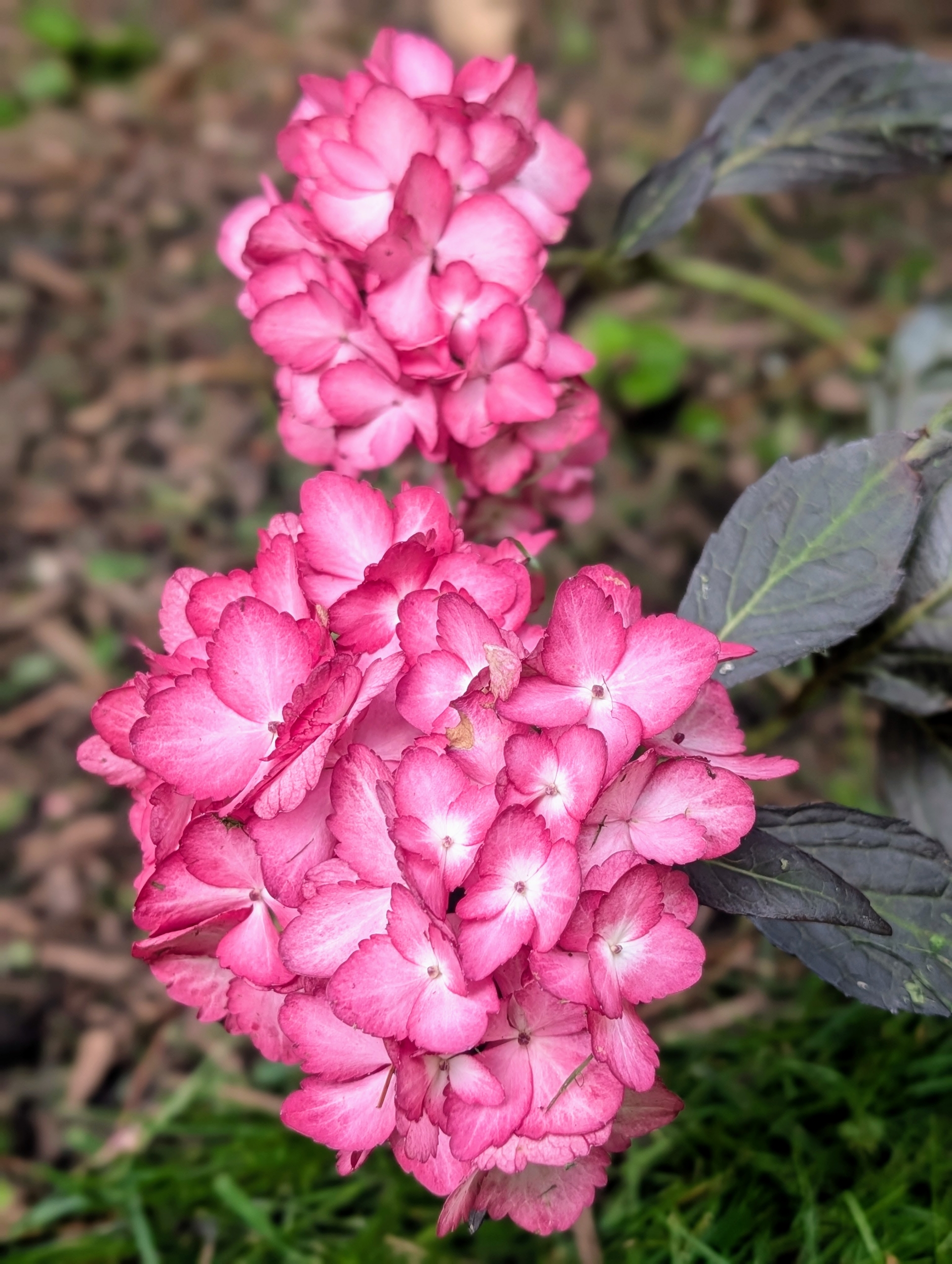
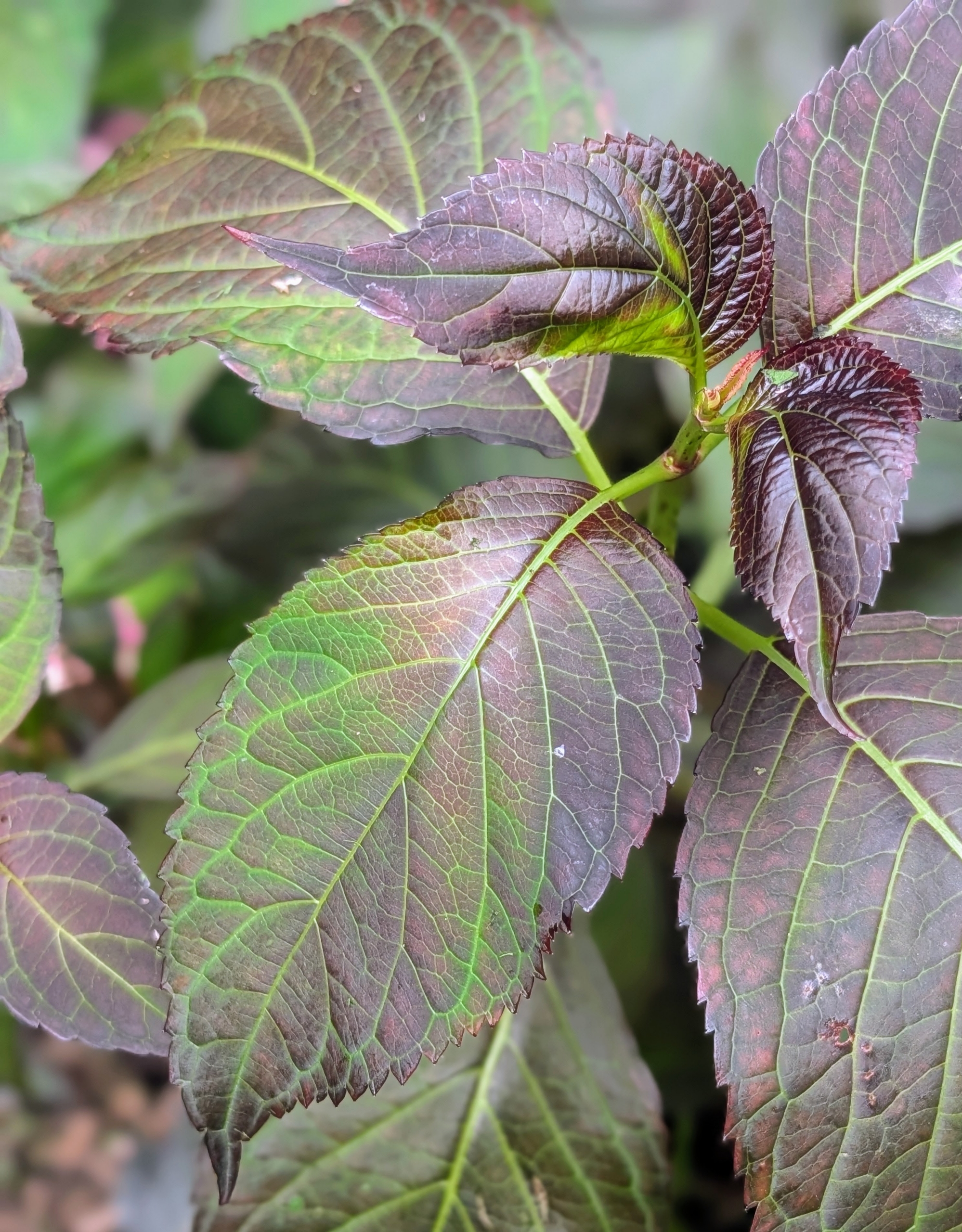
- This is Hydrangea ‘Eclipse®,’ a dark bigleaf hydrangea from First Editions. Its blooms are bold cranberry or amethyst depending on the soil ph. I planted these along the carriage road heading toward my Japanese Maple Woodland.
-
- The foliage is bold dark purple to green to almost black.
-
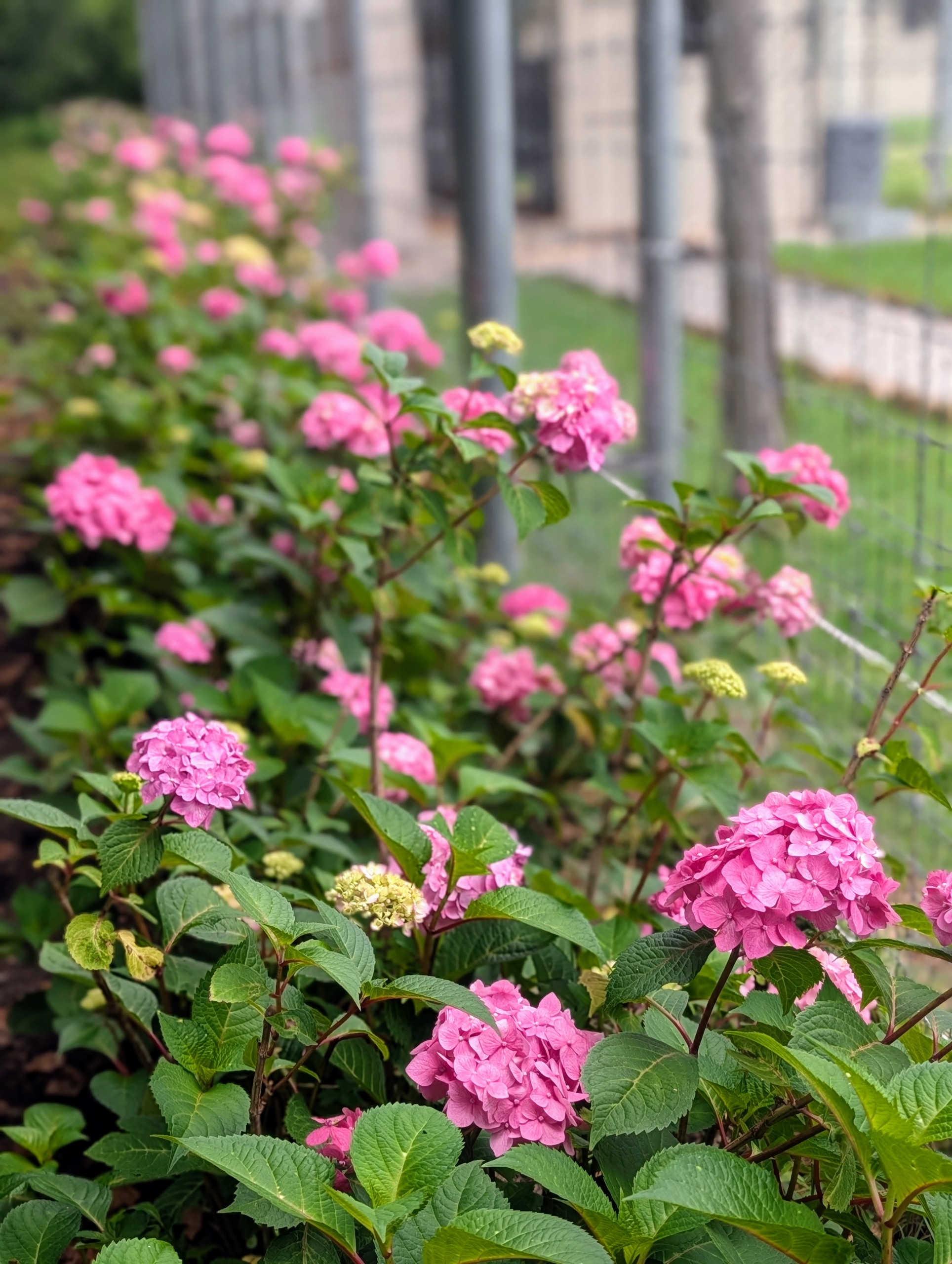
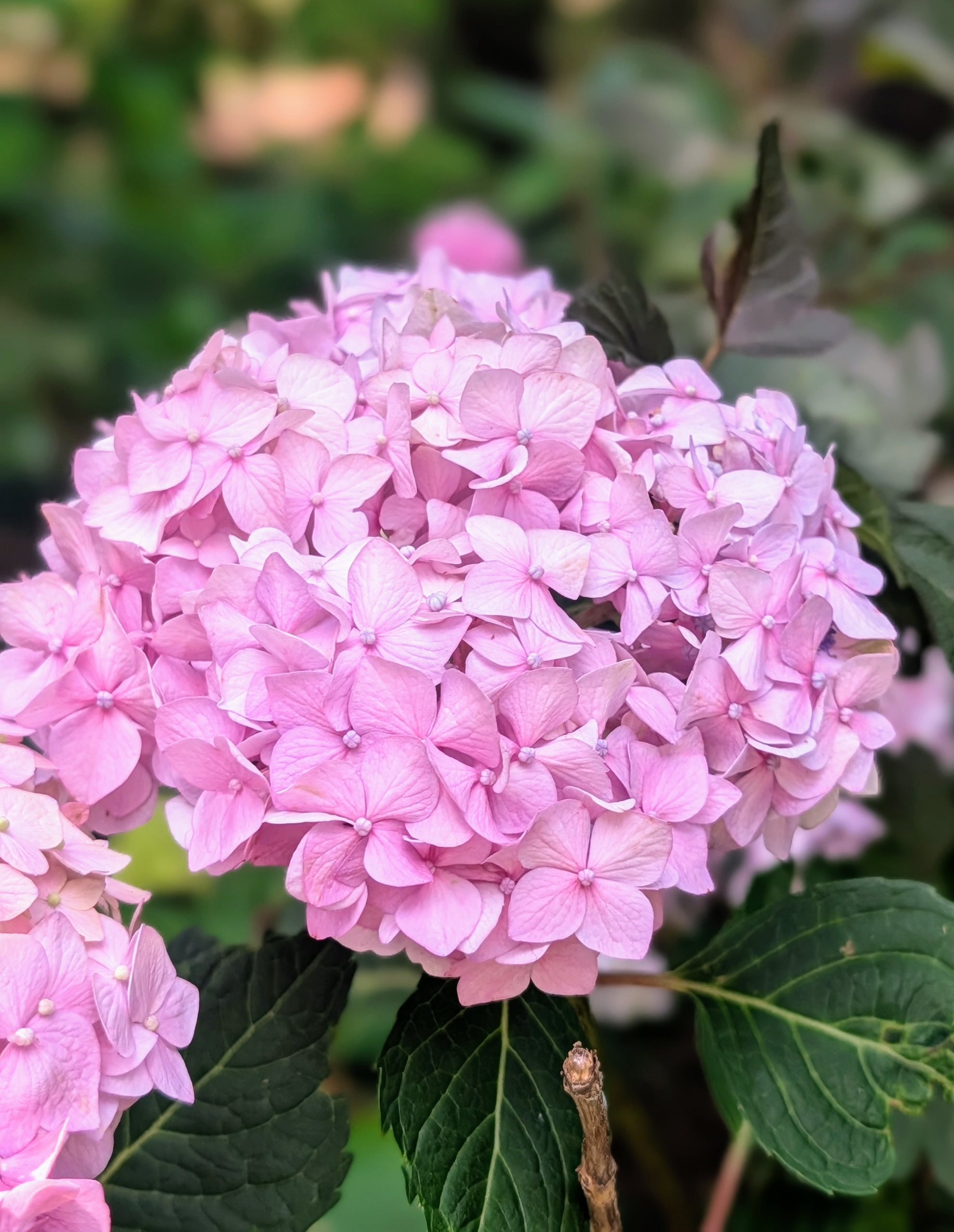
- I decided to put these BloomStruck® Bigleaf Hydrangeas outside the peafowl and goose enclosure. These mophead blooms measure three to five inches across. They bloom in rose-pink or violet blue, depending on pH of the soil. Some have become more pink this year because of the lime added to my compost.
-
- It’s always important to do research before planting. Make sure to consider the plant’s mature size and light needs when selecting a space. And remember, perennials grow slowly the first year, faster the second year, and then usually reach full size in the third year.
-
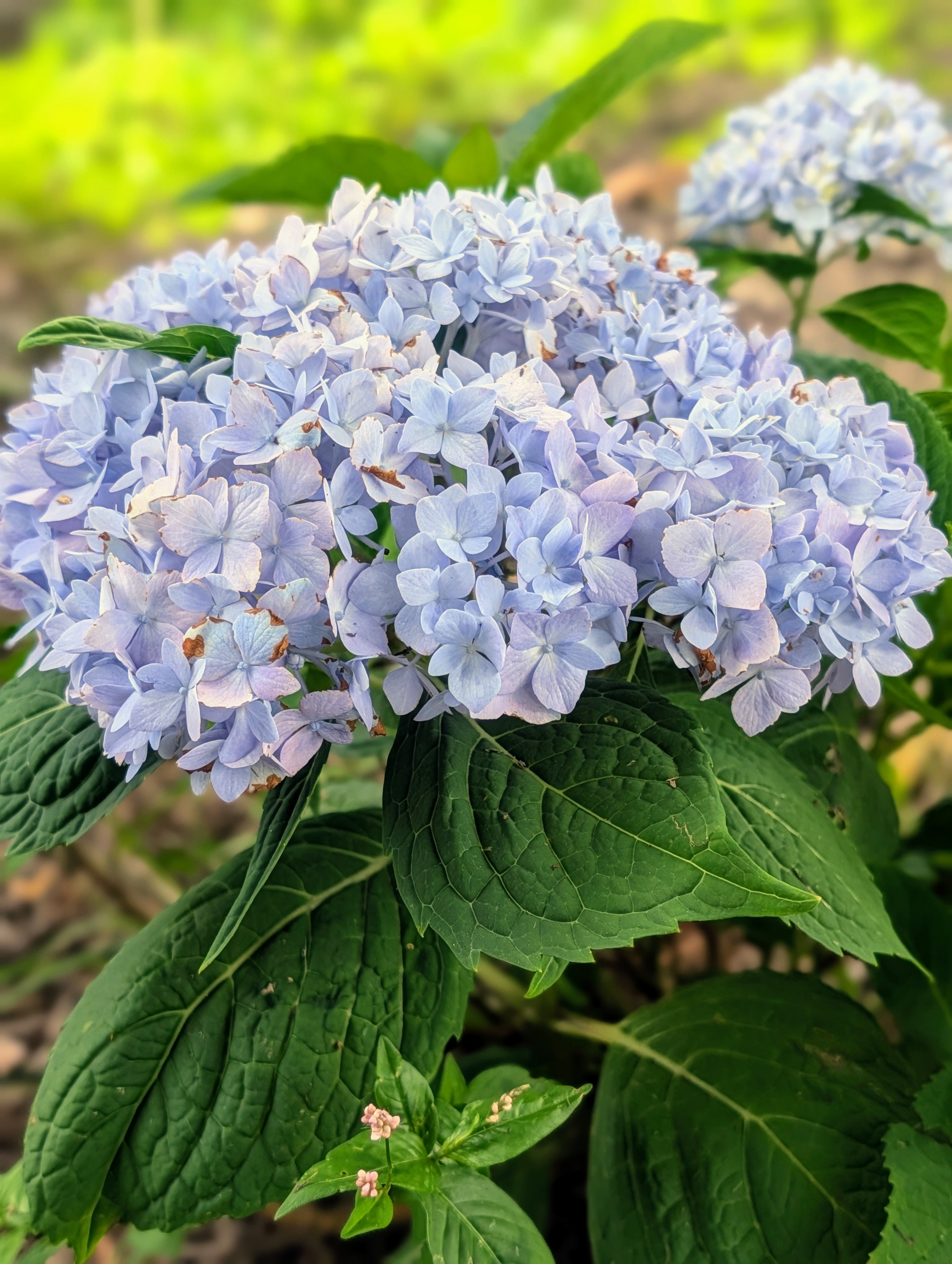
- The Endless Summer Original Hydrangea is a popular, cold-hardy shrub known for its vibrant blooms that can also change color based on soil pH. A selection of these is across from the bird pen.
-
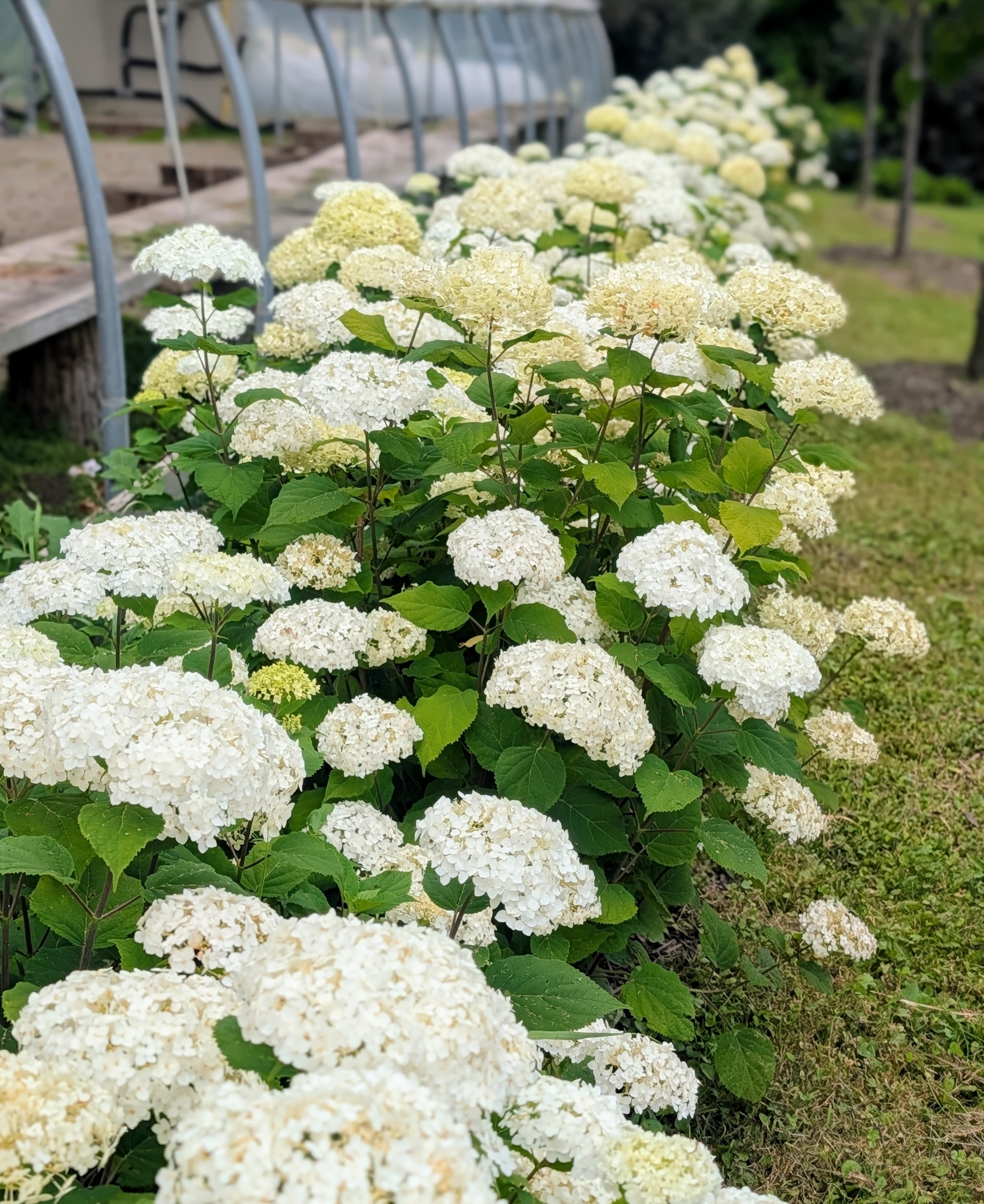
- On the side outside my tropical hoop house, I planted FlowerFull hydrangeas also from First Editions. These stand out with bold white blooms and sturdy upright stems.
-
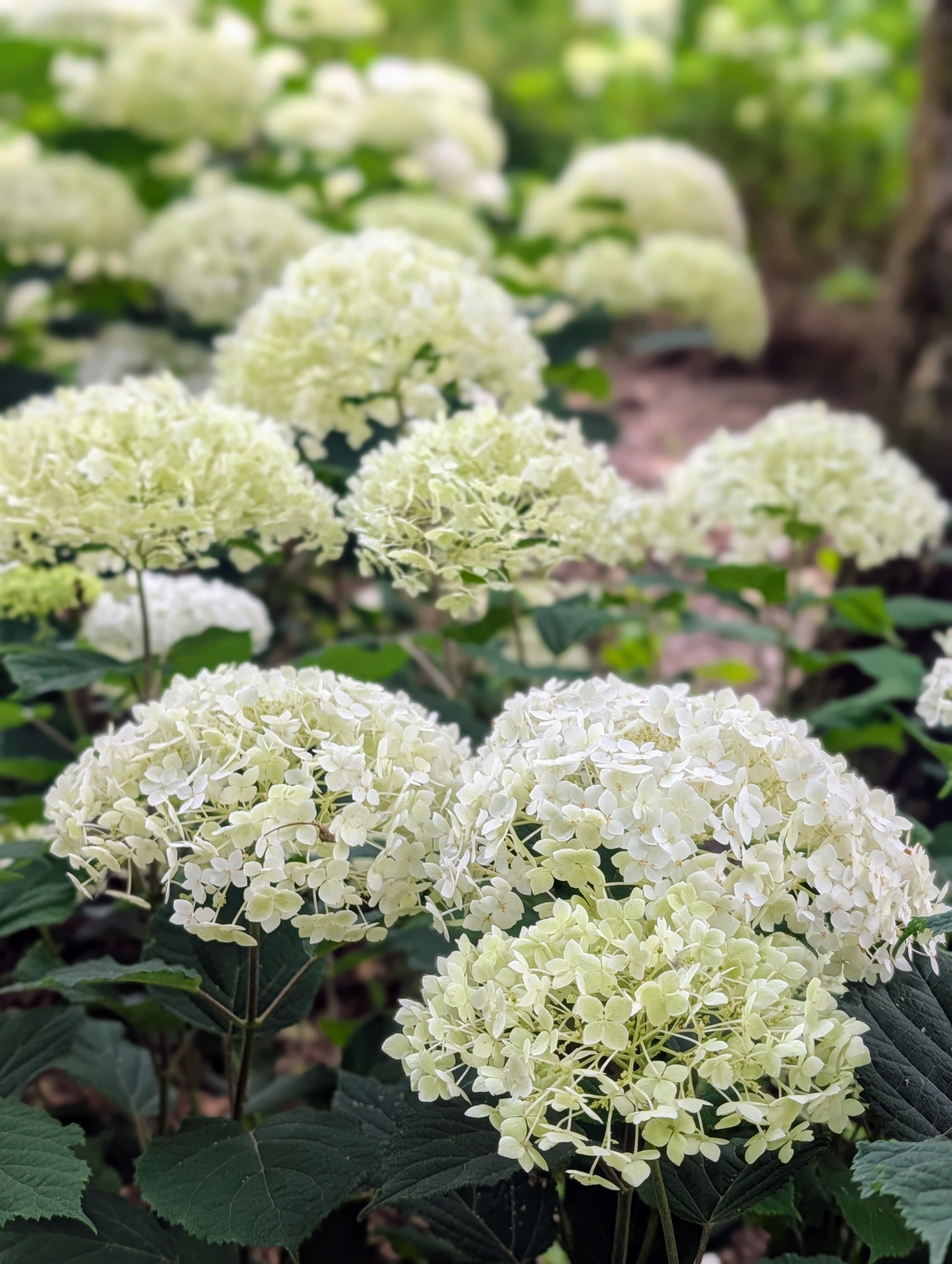
- Under optimal conditions, hydrangeas can bloom from spring to fall for about 10 to 12 weeks. And even with the recent uncomfortable high heat and humidity here, these flowers are doing excellently.
-
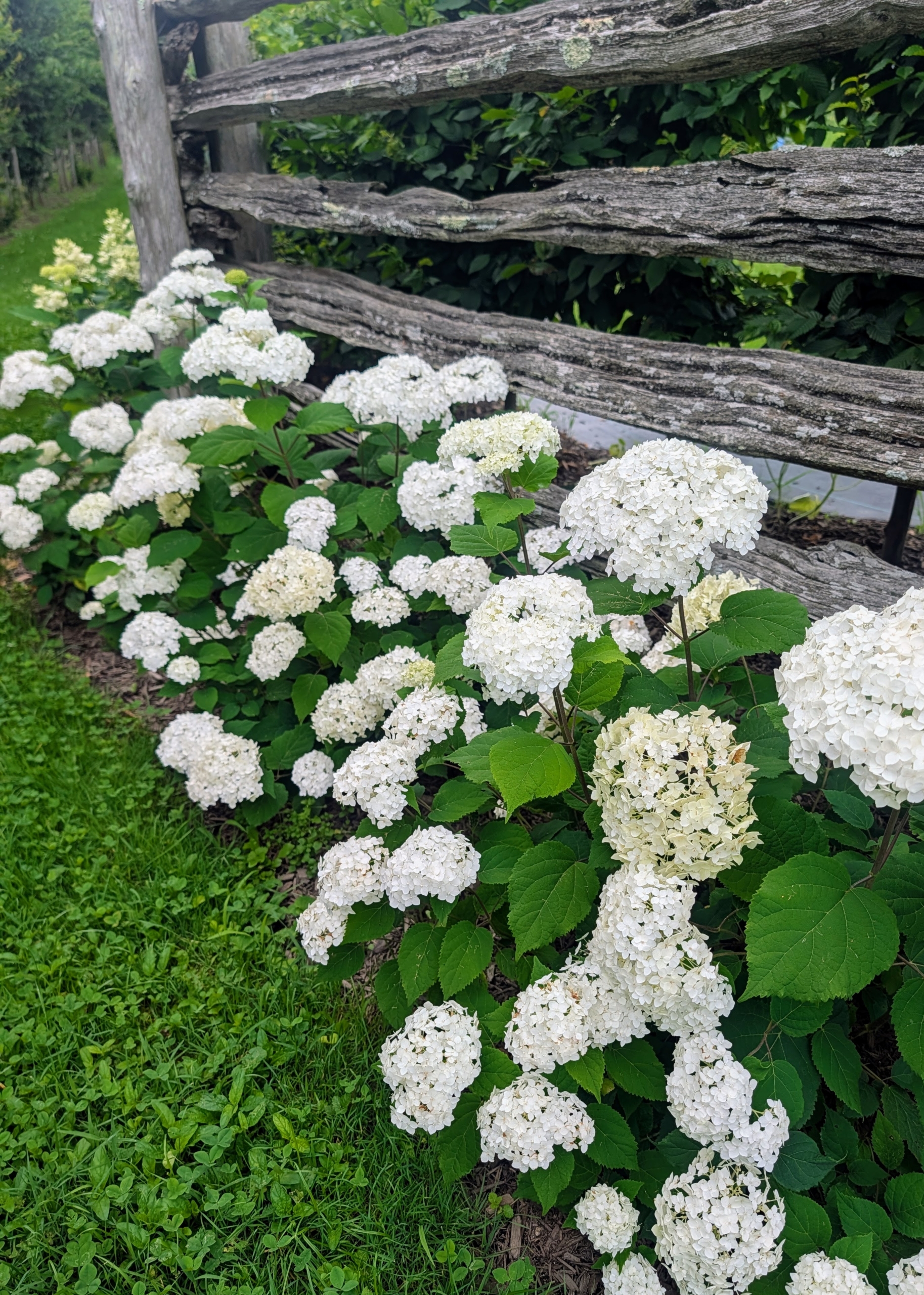
- And these Little Hottie® hydrangeas are planted outside my vegetable garden. Take time to admire the hydrangeas where you live – their beauty, versatility, and cheerful colors make them standouts in any landscape.
 Martha Pins


 Martha Tweets

