

Pruning and Grooming My Pergola Boxwood
Late summer remains one of the busiest times on my farm. My gardeners and outdoor grounds crew are hard at work keeping up with the season's abundant growth.
I’m especially fond of boxwood, Buxus, and have hundreds of these handsome evergreen shrubs across the property. I take great care in maintaining them year-round. They are fed and mulched regularly. In winter, they are wrapped in protective burlap, and by late summer many are ready for careful pruning and grooming. Most recently, Phurba Sherpa meticulously trimmed the boxwood bordering both sides of my clematis pergola.
Enjoy these photos.
-

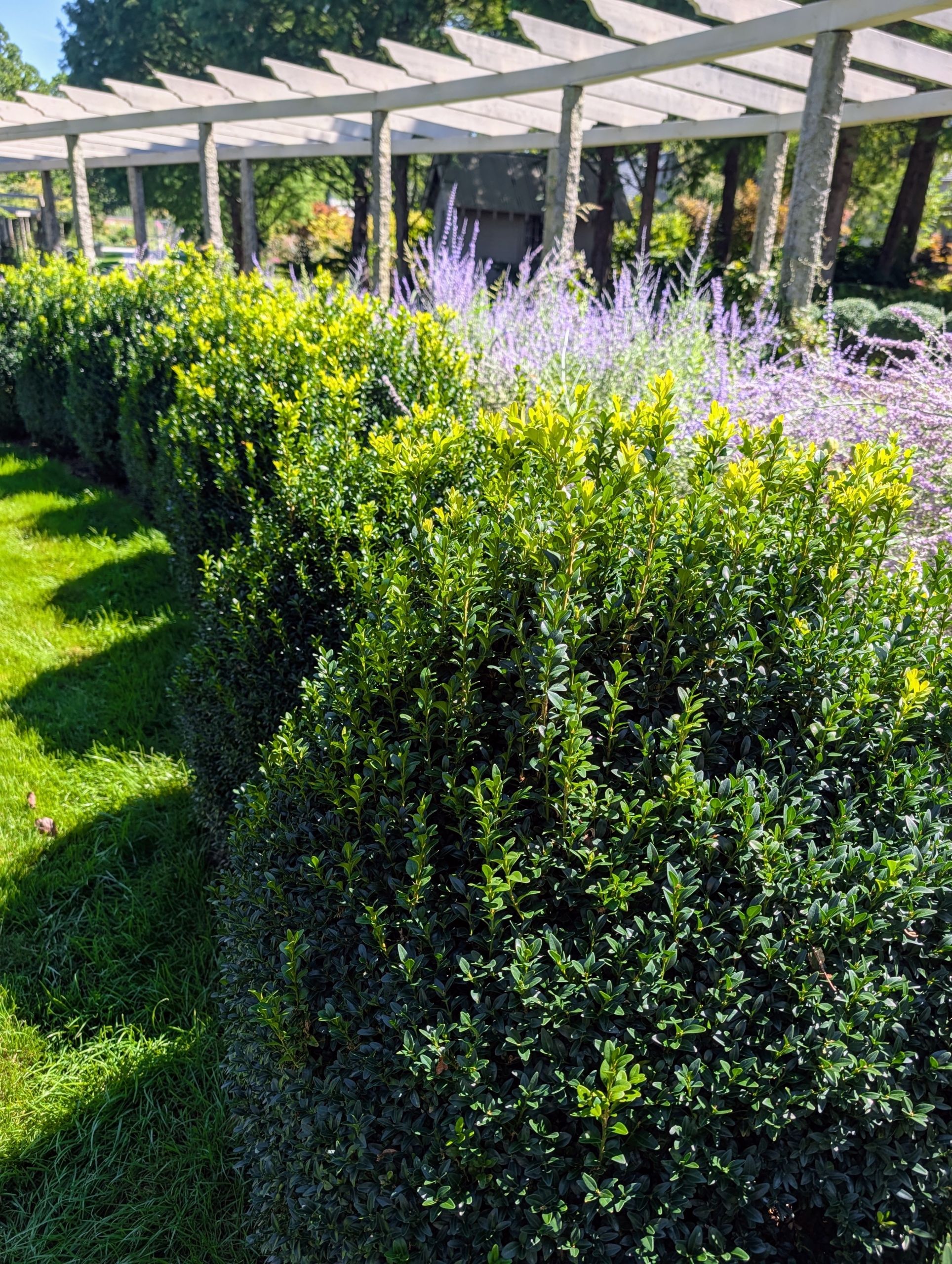
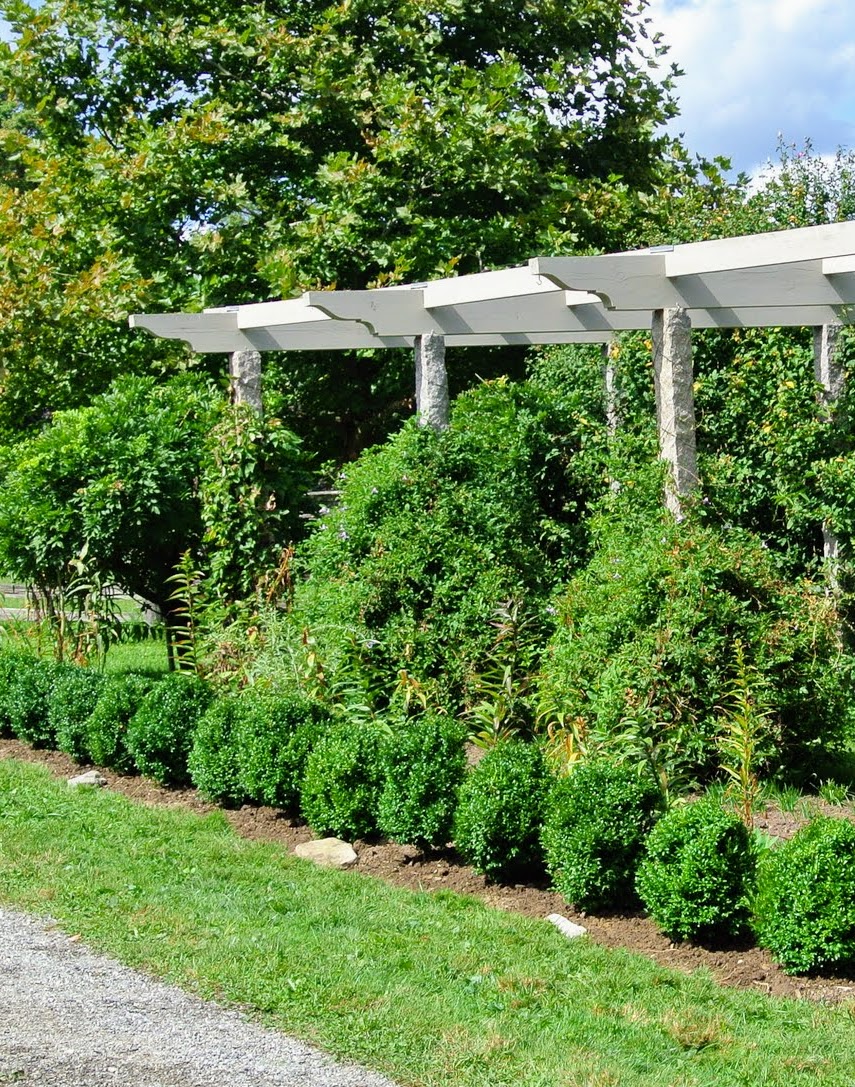
- These boxwood shrubs along both sides of my winding pergola were grown from small seedlings and nurtured right here at the farm. There are more than 300 boxwood shrubs planted here.
-
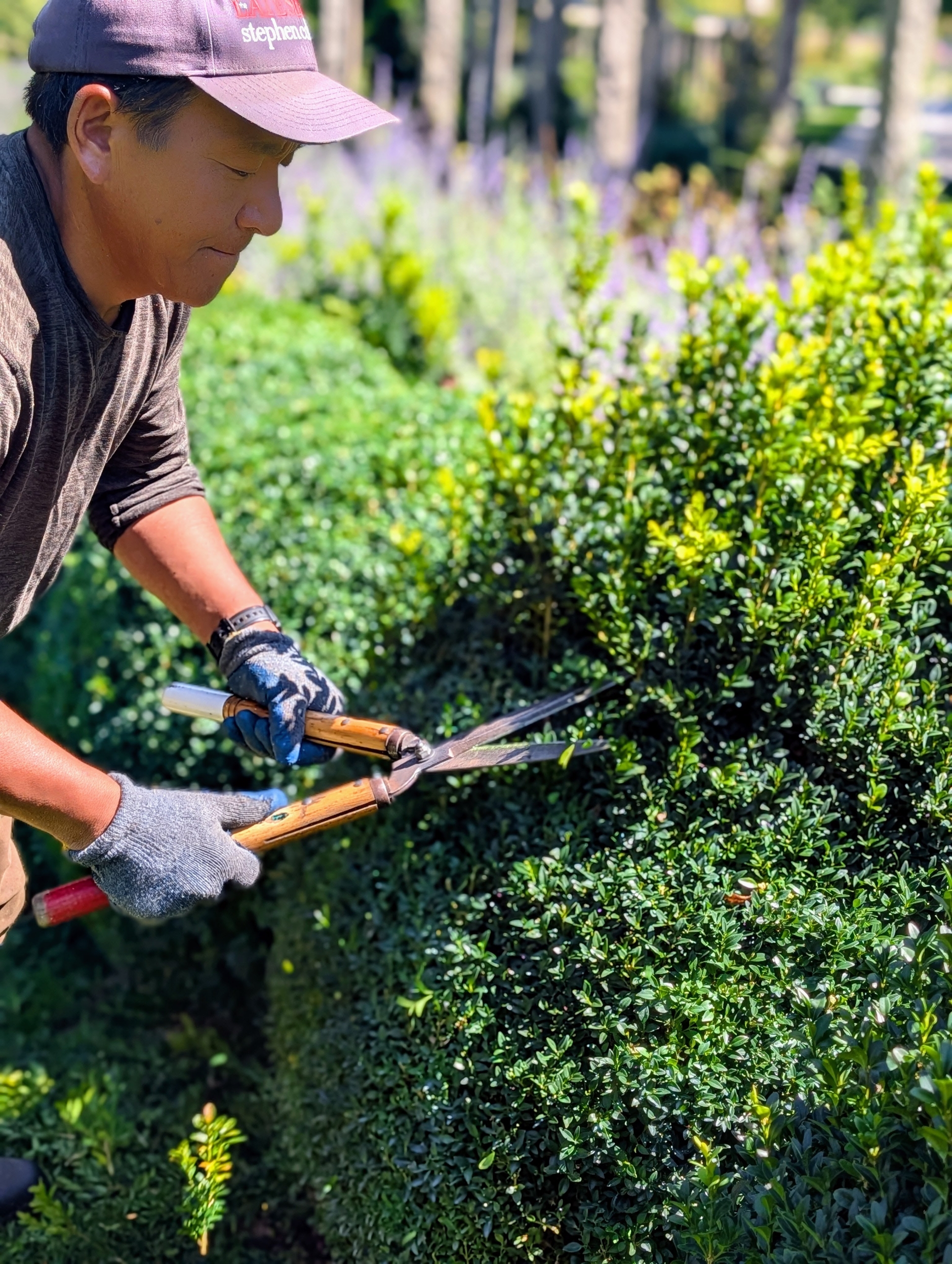
- Phurba Sherpa is my resident boxwood pruning expert. He has been with me for many years – in fact, he helped plant these boxwood shrubs nine years ago.
-
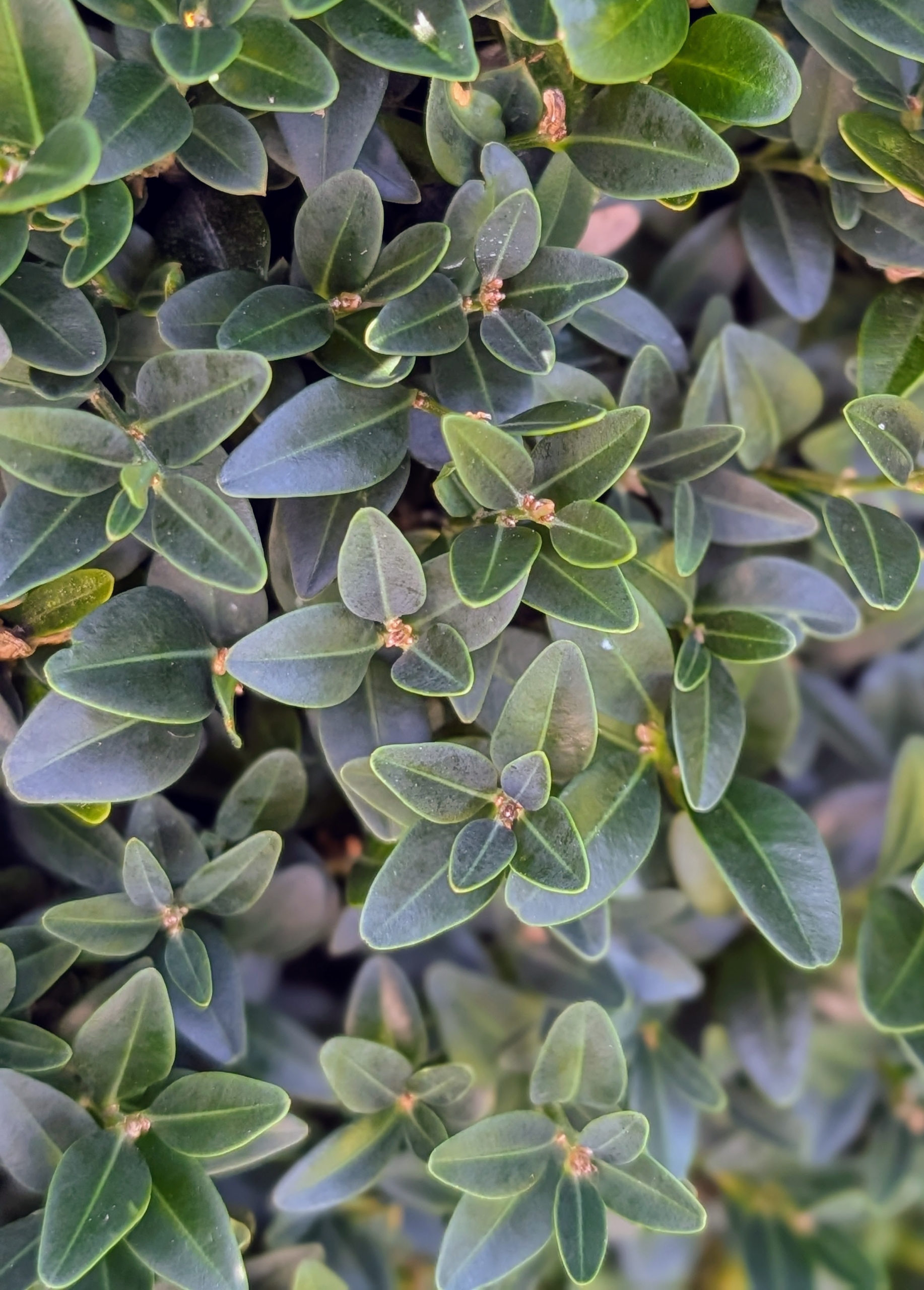
- Buxus is a genus of about 70 species in the family Buxaceae. They are native to western and southern Europe, southwest, southern and eastern Asia, Africa, Madagascar, northernmost South America, Central America, Mexico, and the Caribbean. The leaves on boxwood branches are arranged opposite from each other, making pairs.
-
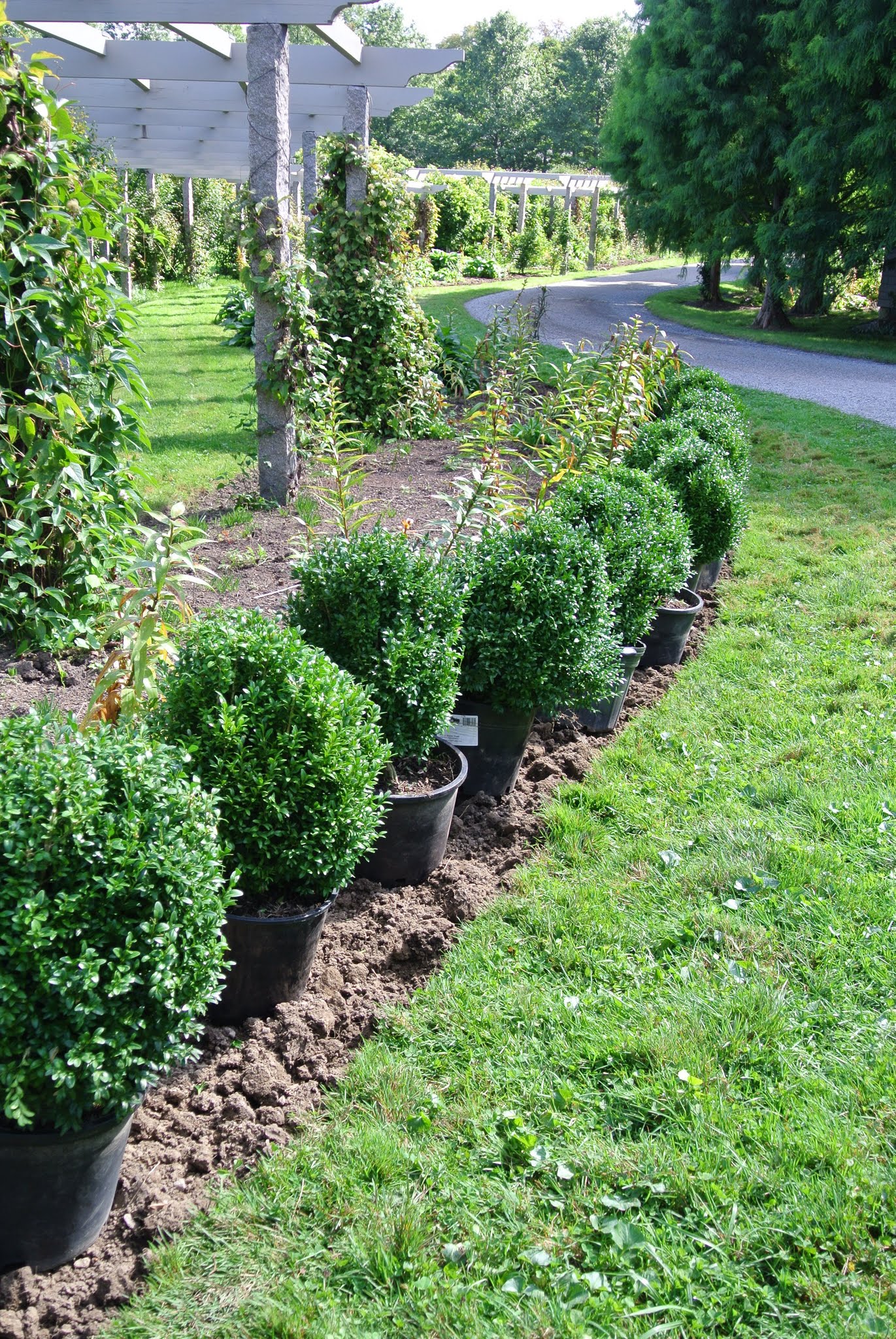
- In September 2017, this pergola went through a big transformation. I decided this area would be great if planted with a row of boxwood on both sides. Every boxwood was positioned perfectly, two and a half-feet apart from the next.
-
- At the time, these shrubs were only about a foot tall, but every one in excellent condition. Boxwood can grow in full sun and partial shade.
-
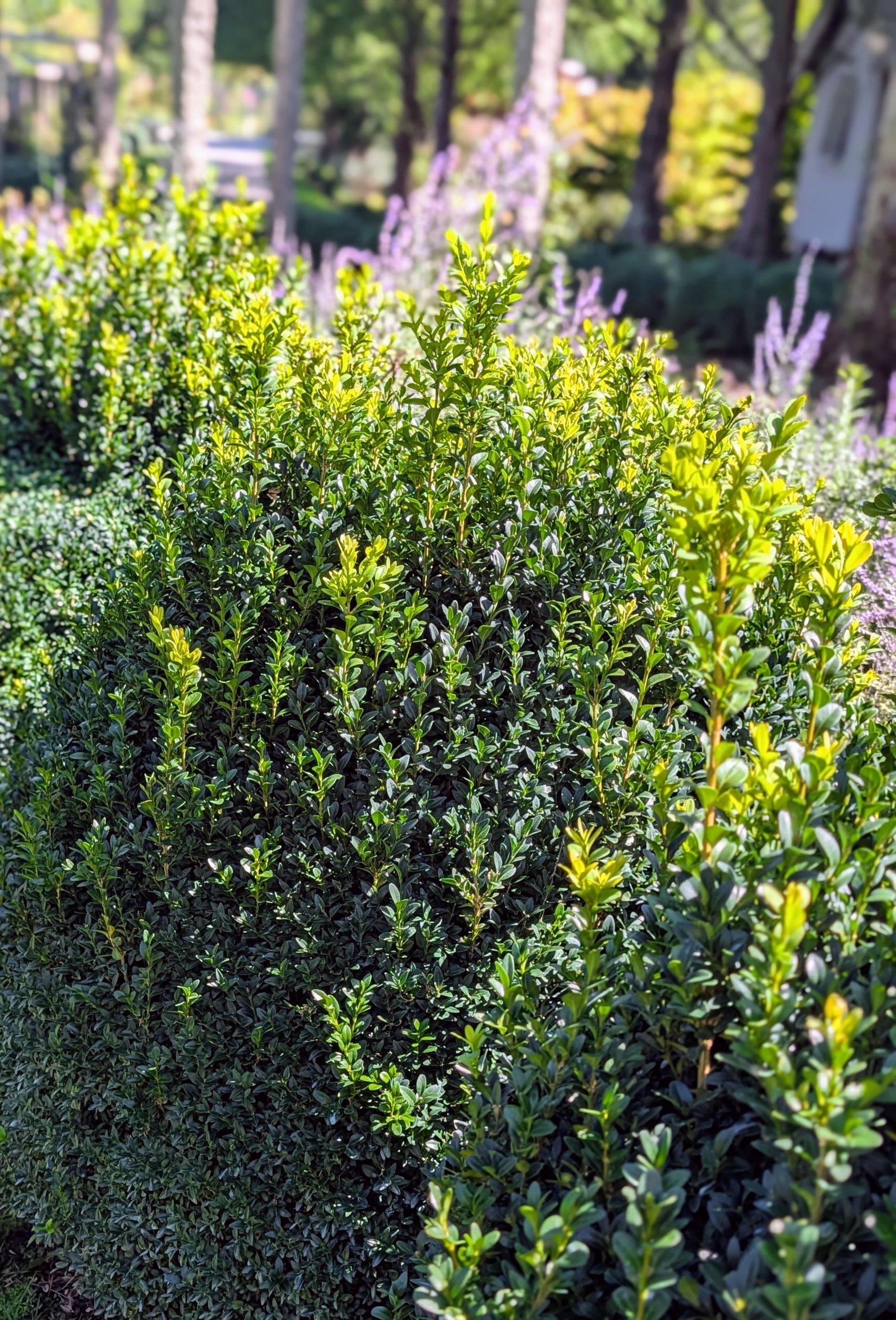
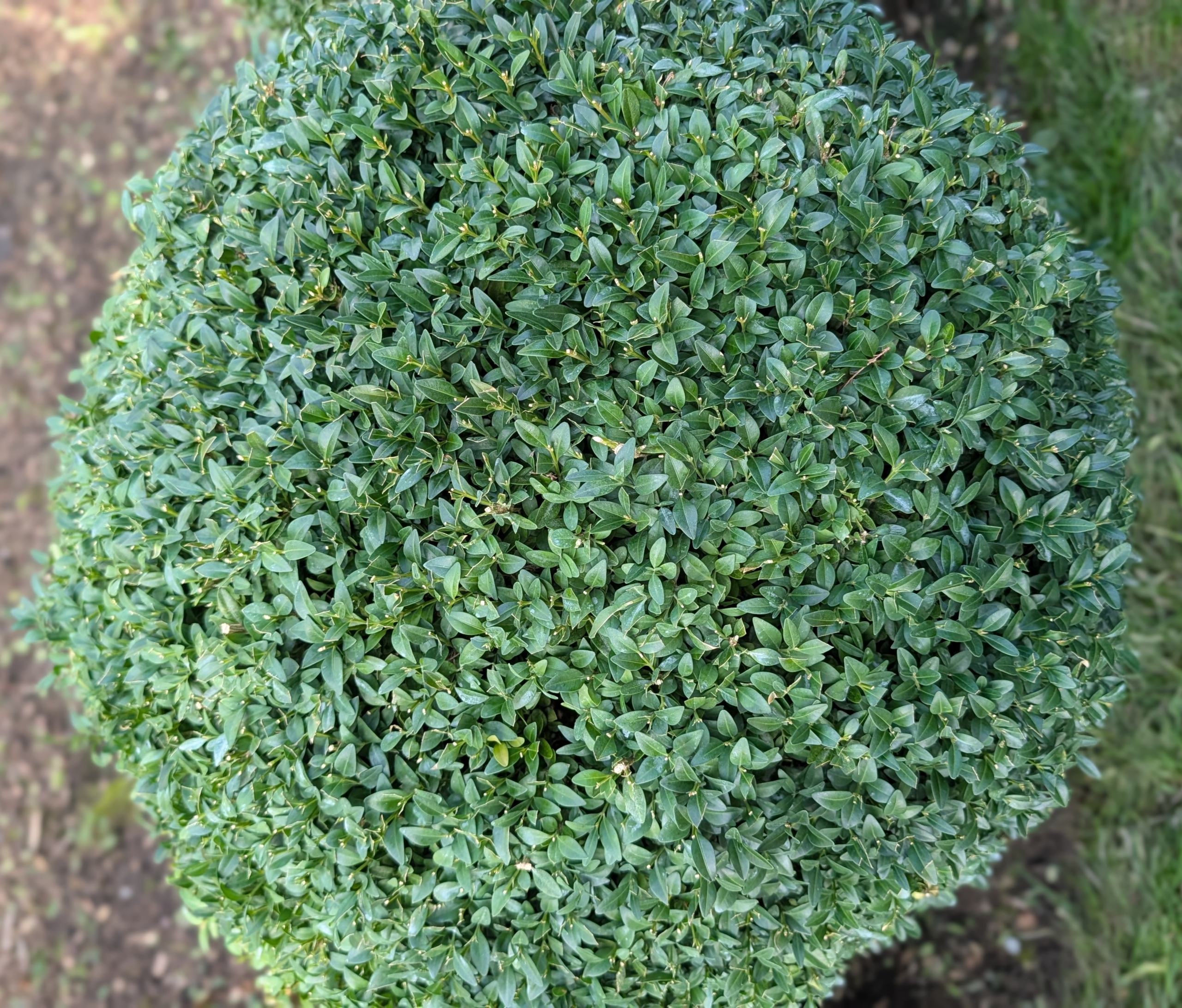
- Today, they’re thriving. Here, one can see the newest growth. The growth rate depends on the variety; however, for most varieties the growth rate is three to six inches per year. These needed a thorough grooming.
-
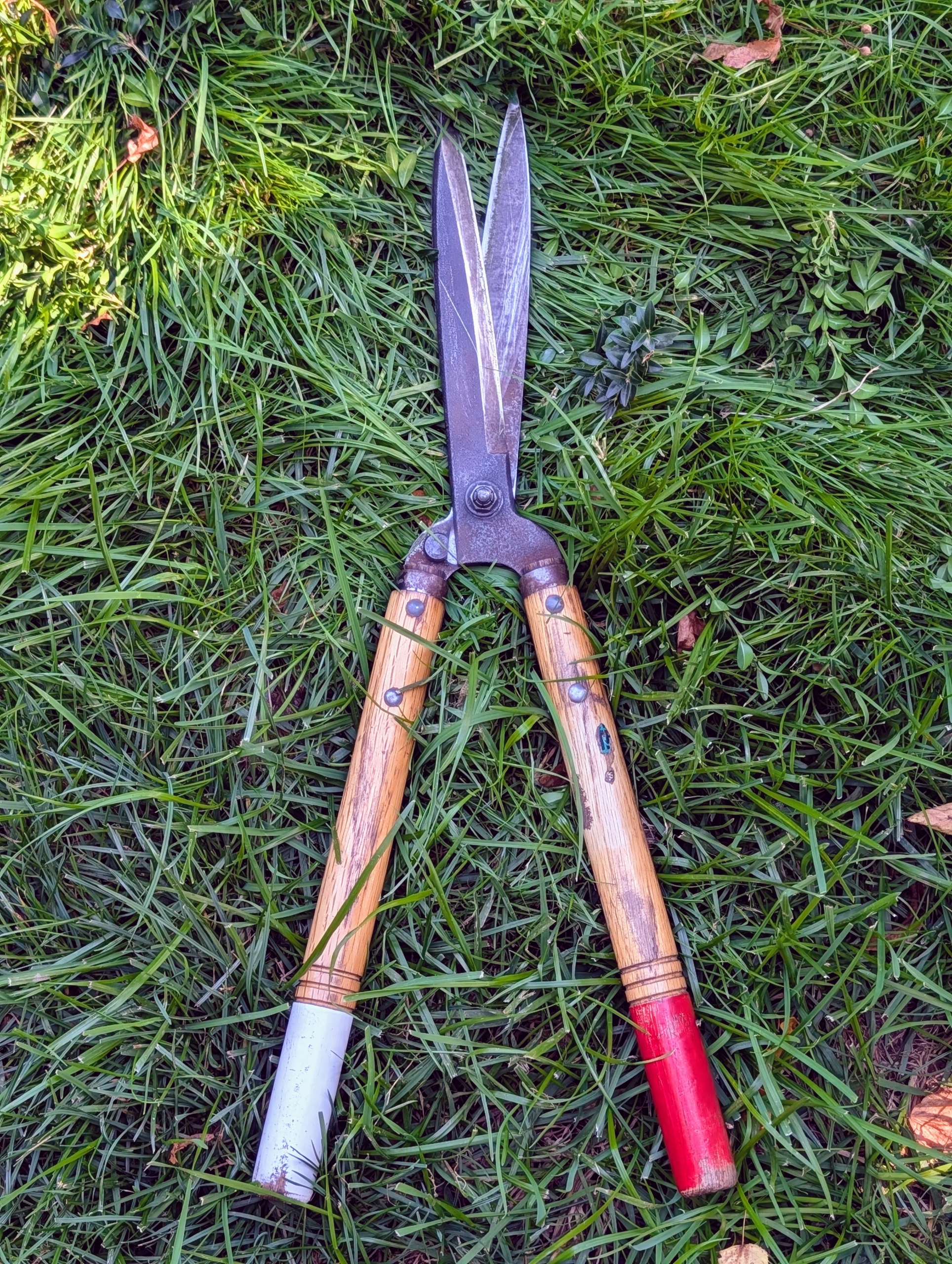
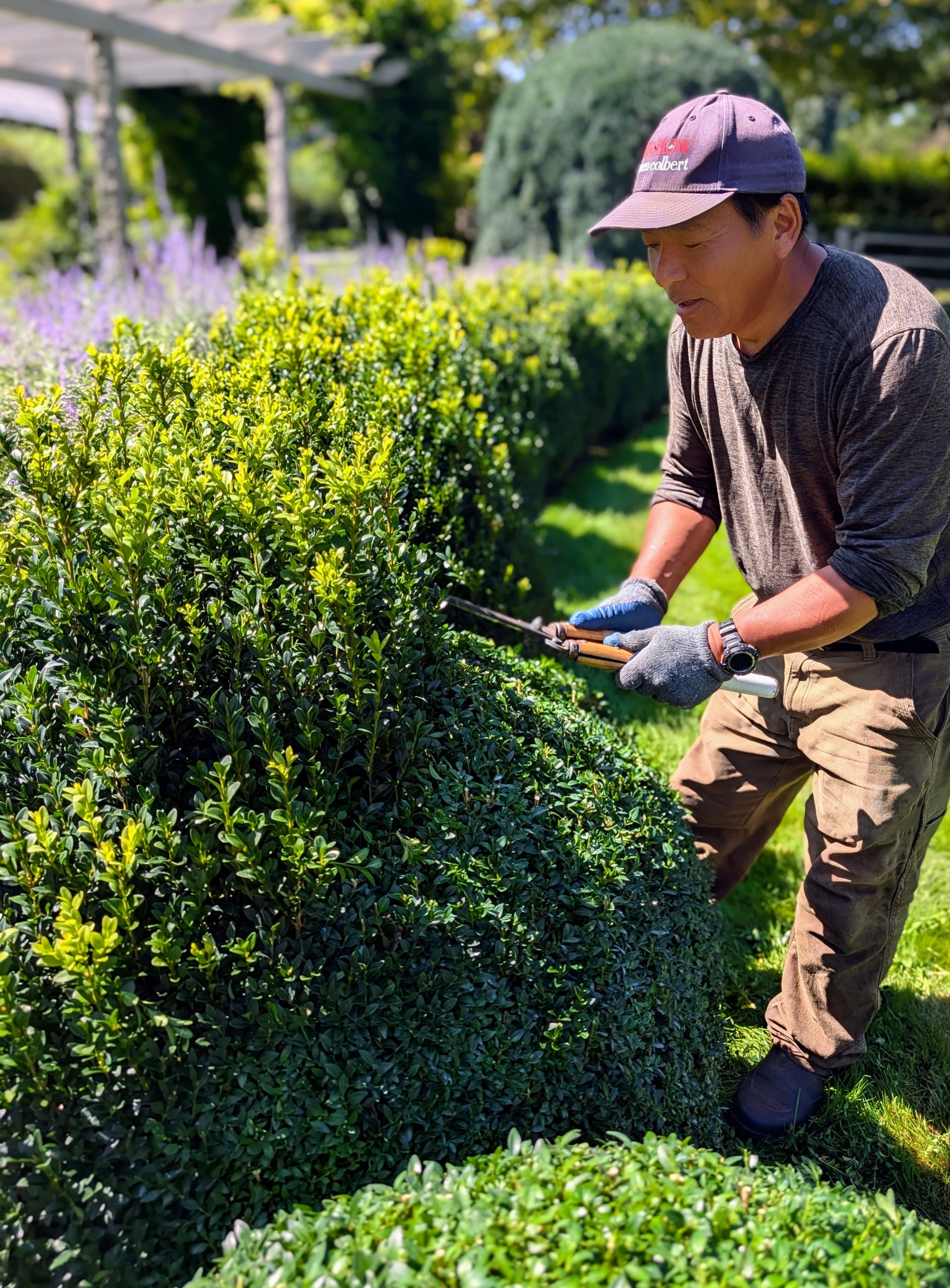
- Phurba uses Japanese shears to groom the boxwood shrubs. I prefer hand held tools – it’s a slower process, but they make cleaner, neater, more detailed cuts compared to powered versions.
-
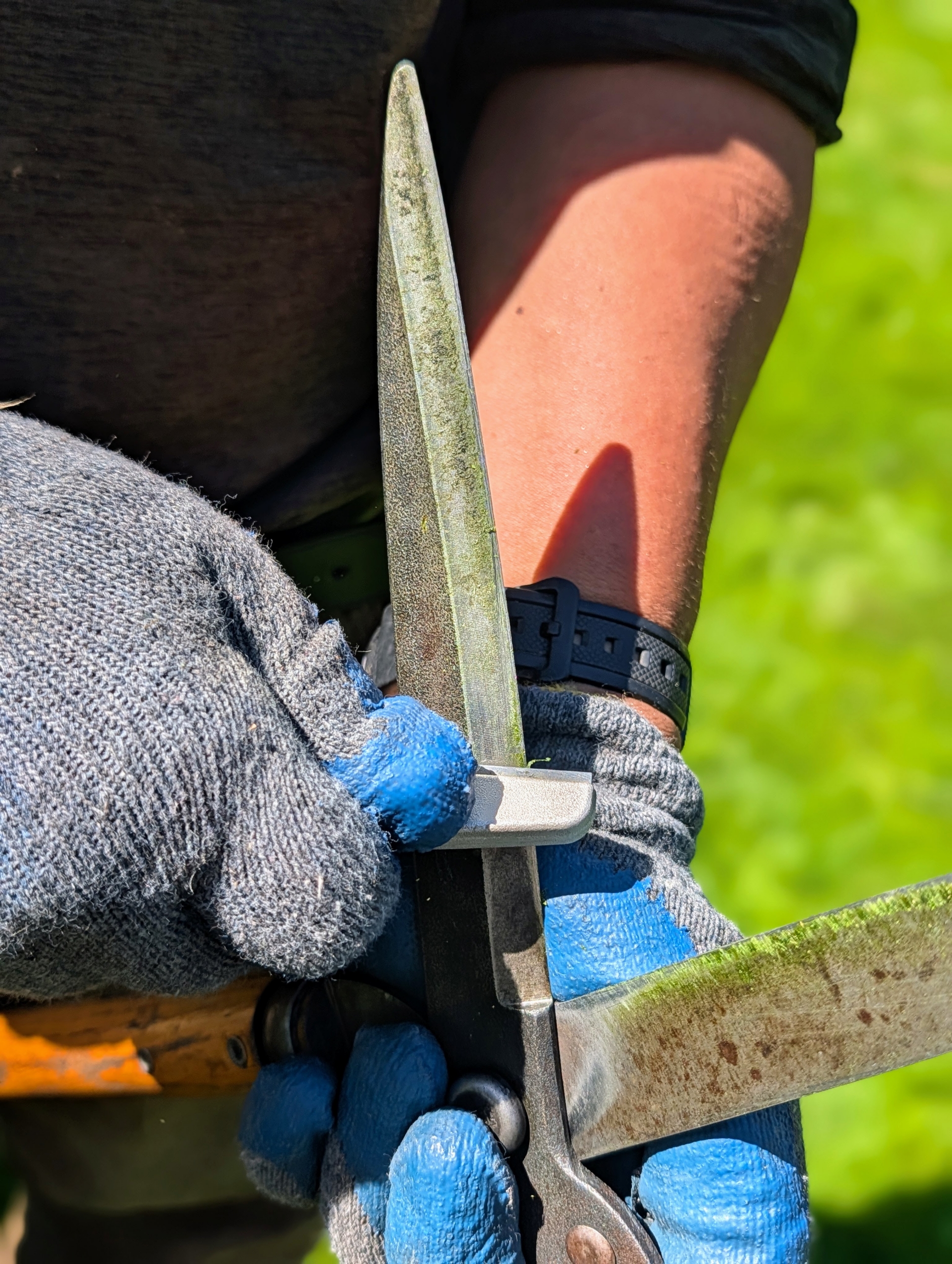
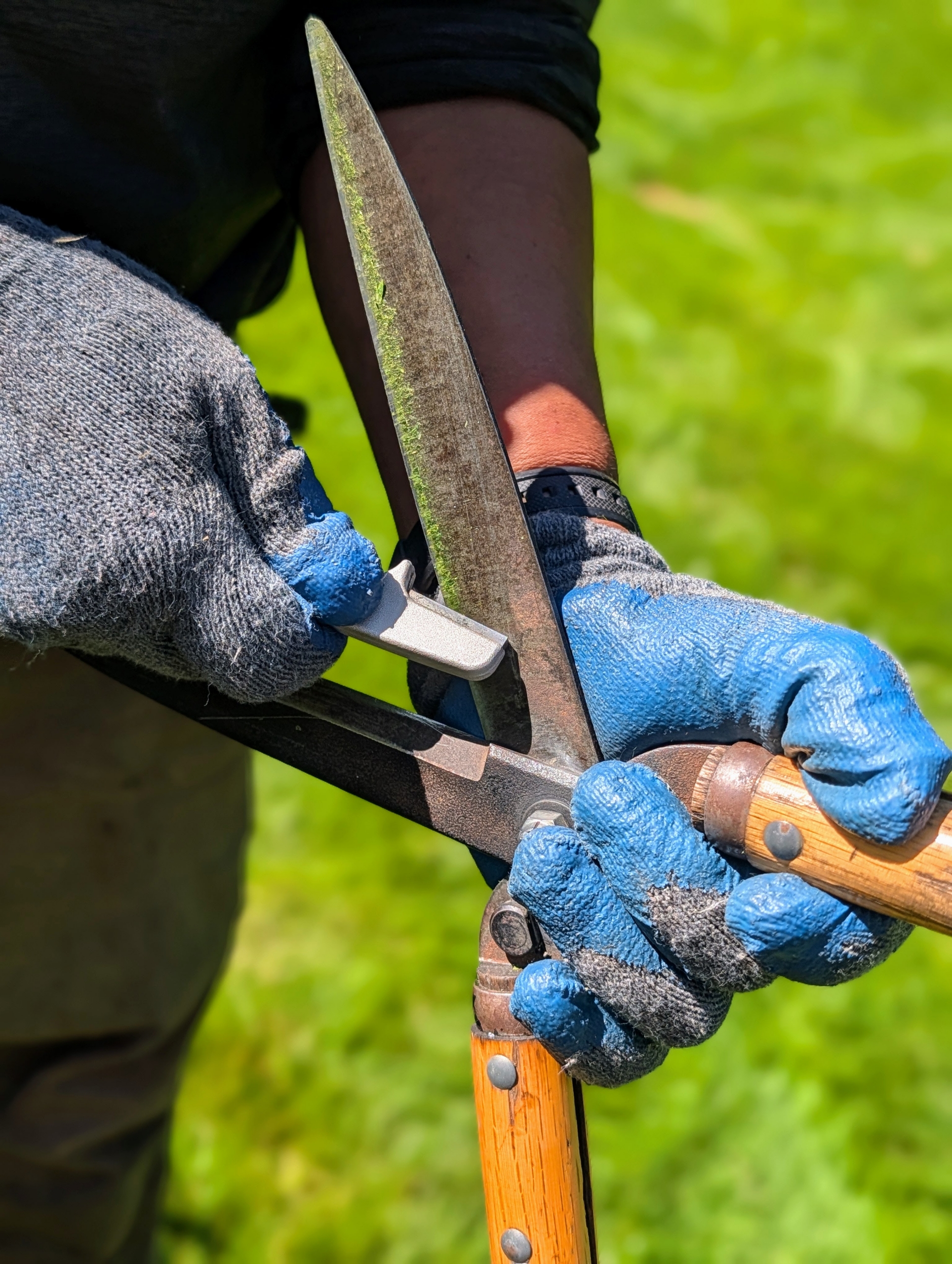
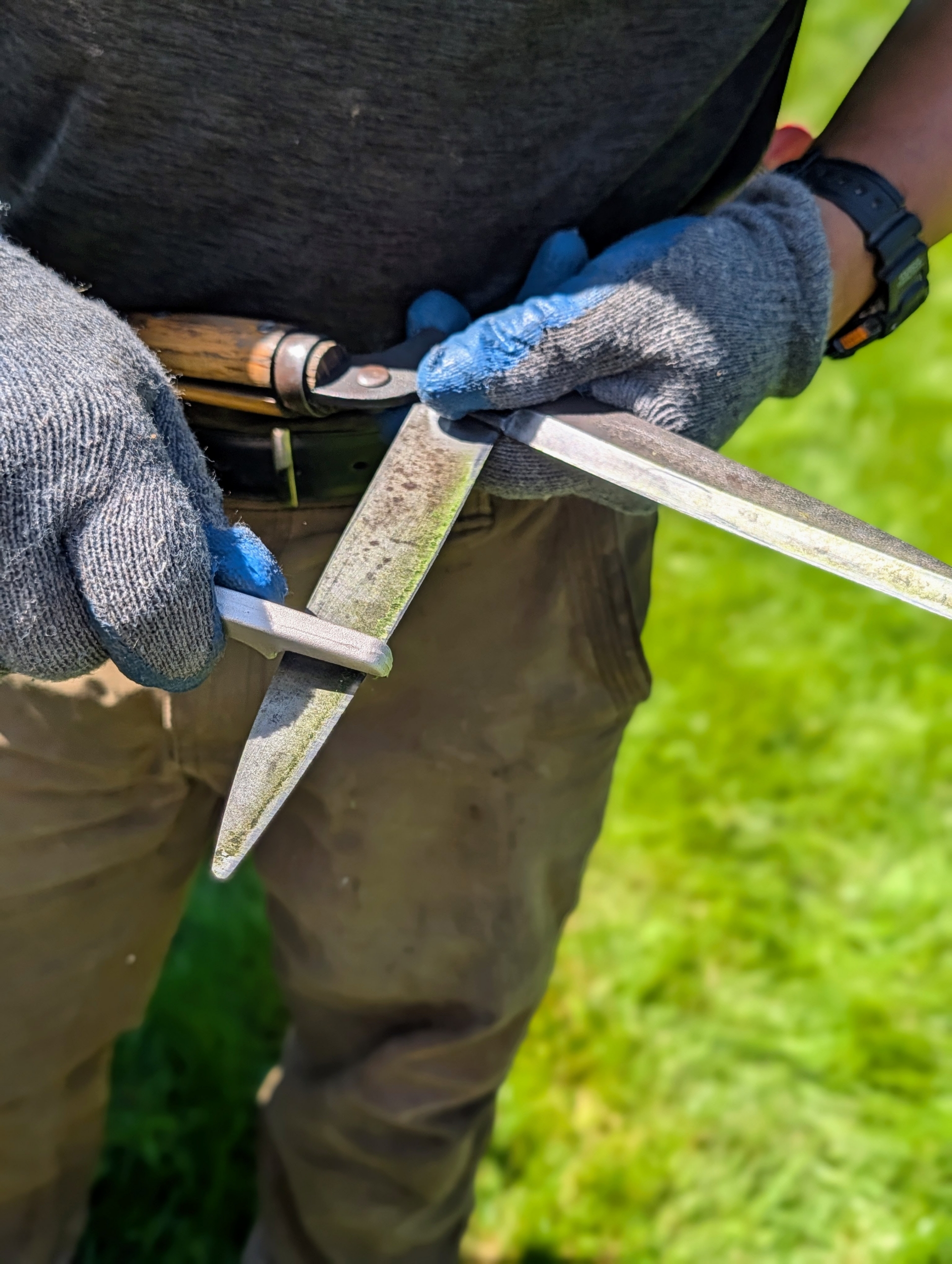
- In order to do the jobs best, it is important to keep the shears as sharp as can be. Phurba carries a sharpener with him, so it’s easy to maintain the blades while working. He holds the shear blade firmly and places an even and gentle pressure drawing the sharpener along the blade from hilt to tip.
-
- He also removes any debris that may have gotten stuck on the blades. Doing this is important to ensure the cuts are clean.
-
- He does the same to both sides of each blade.
-
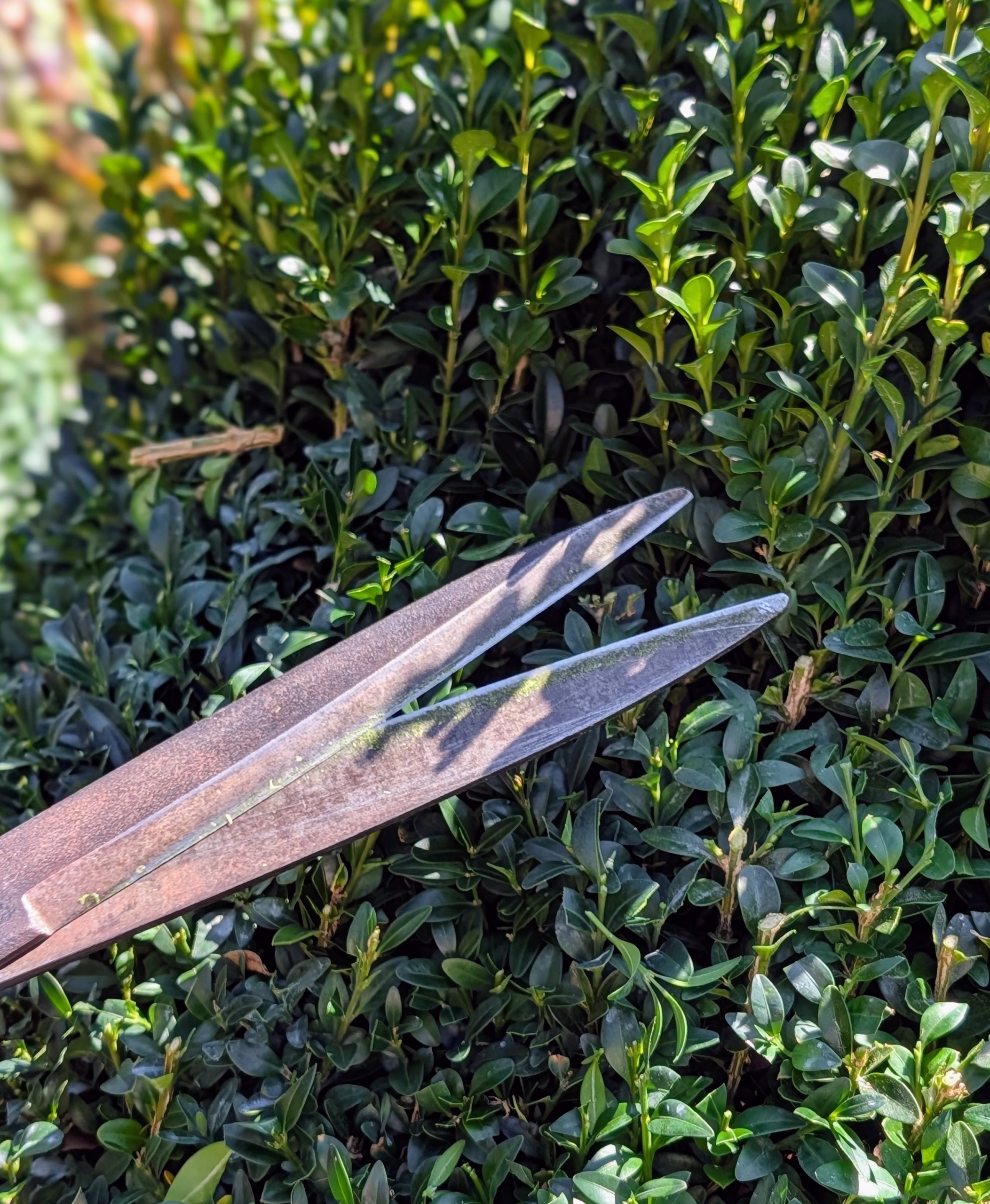
- And then continues trimming, knowing well that the shears will cut quickly and efficiently.
-
- Everyone on my crew uses Japanese Okatsune shears specially made for trimming hedges. These shears are user friendly, and come in a range of sizes.
-
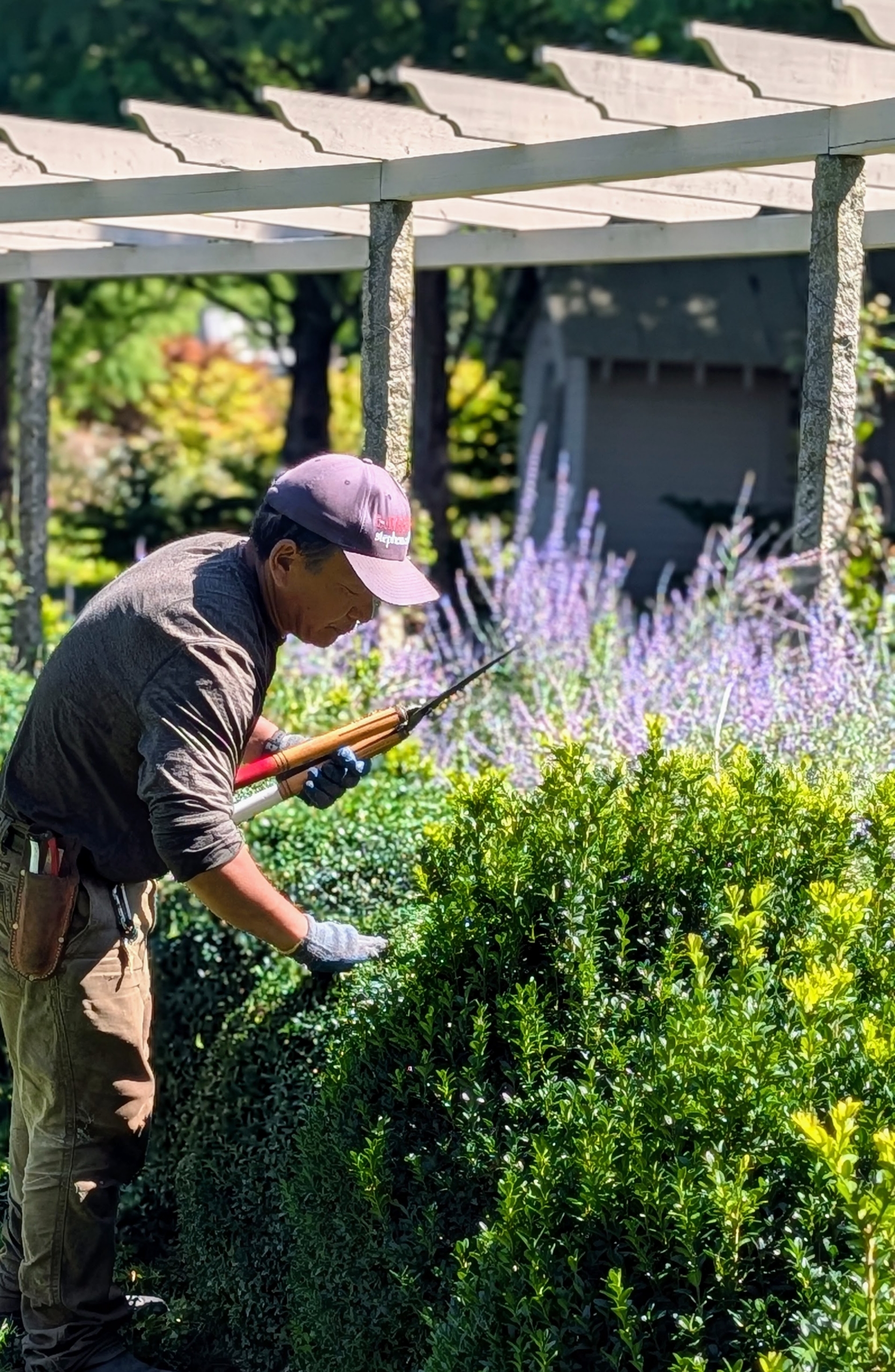
- Every so often, Phurba stops to assess his work. I instructed him to shape the shrubs as round as possible.
-
- Here, one sees what he has done and what he has left to do!
-
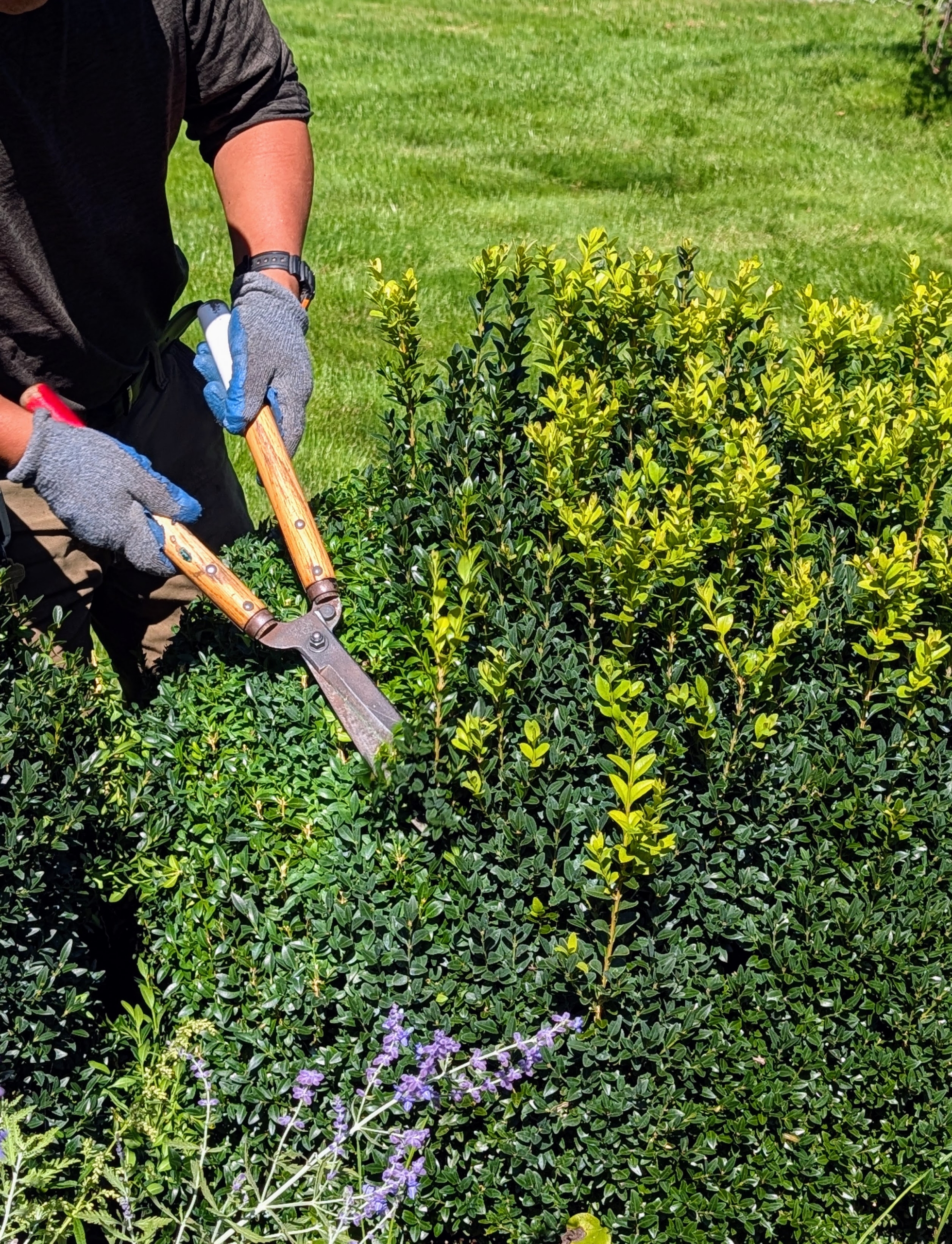
- To groom the sides, Phurba holds the shears with his hands midway down the handles. This allows for the best control.
-
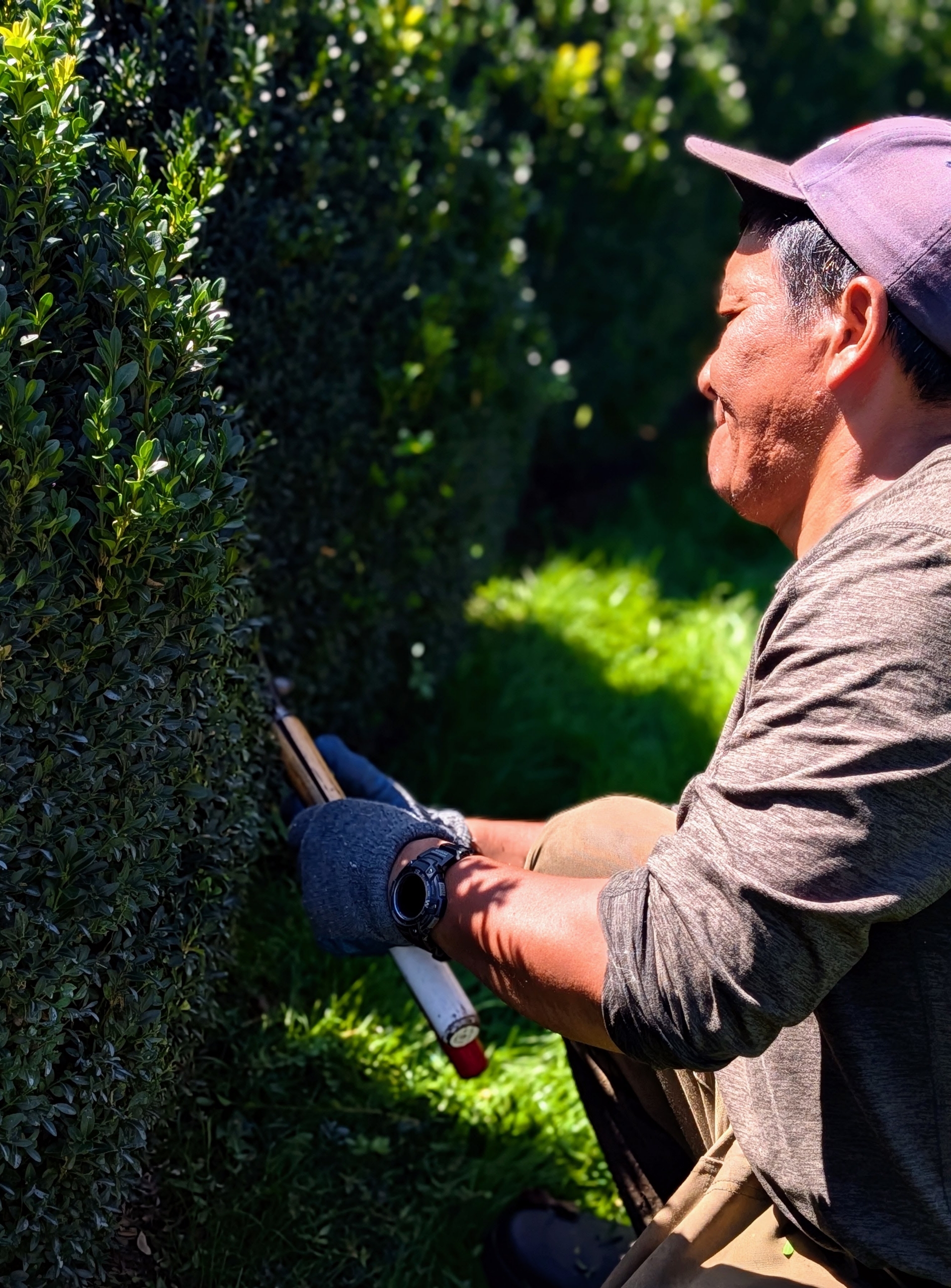
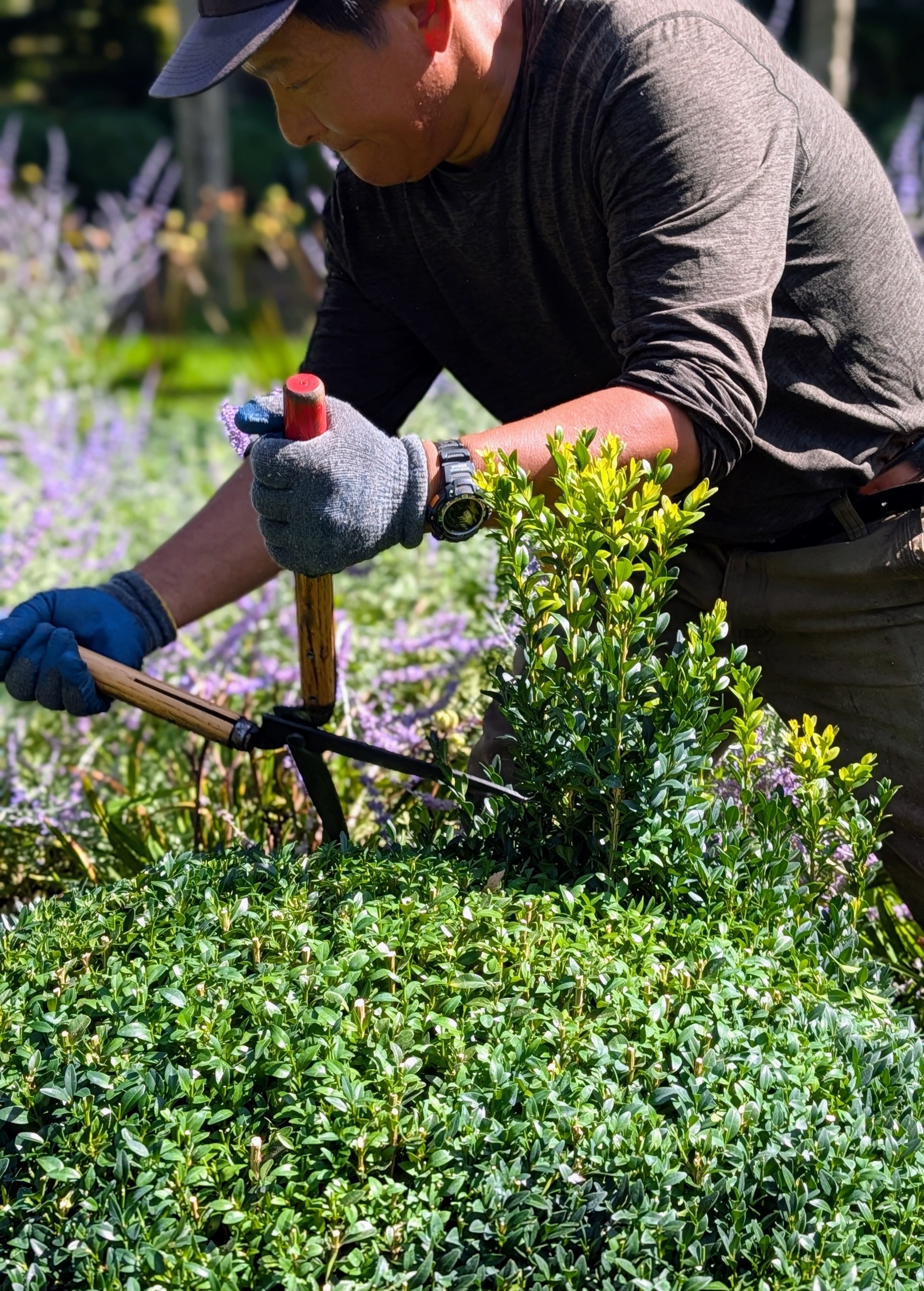
- Here, close to the top, he changes his grip and holds the shears pointed down, using different muscles to cut.
-
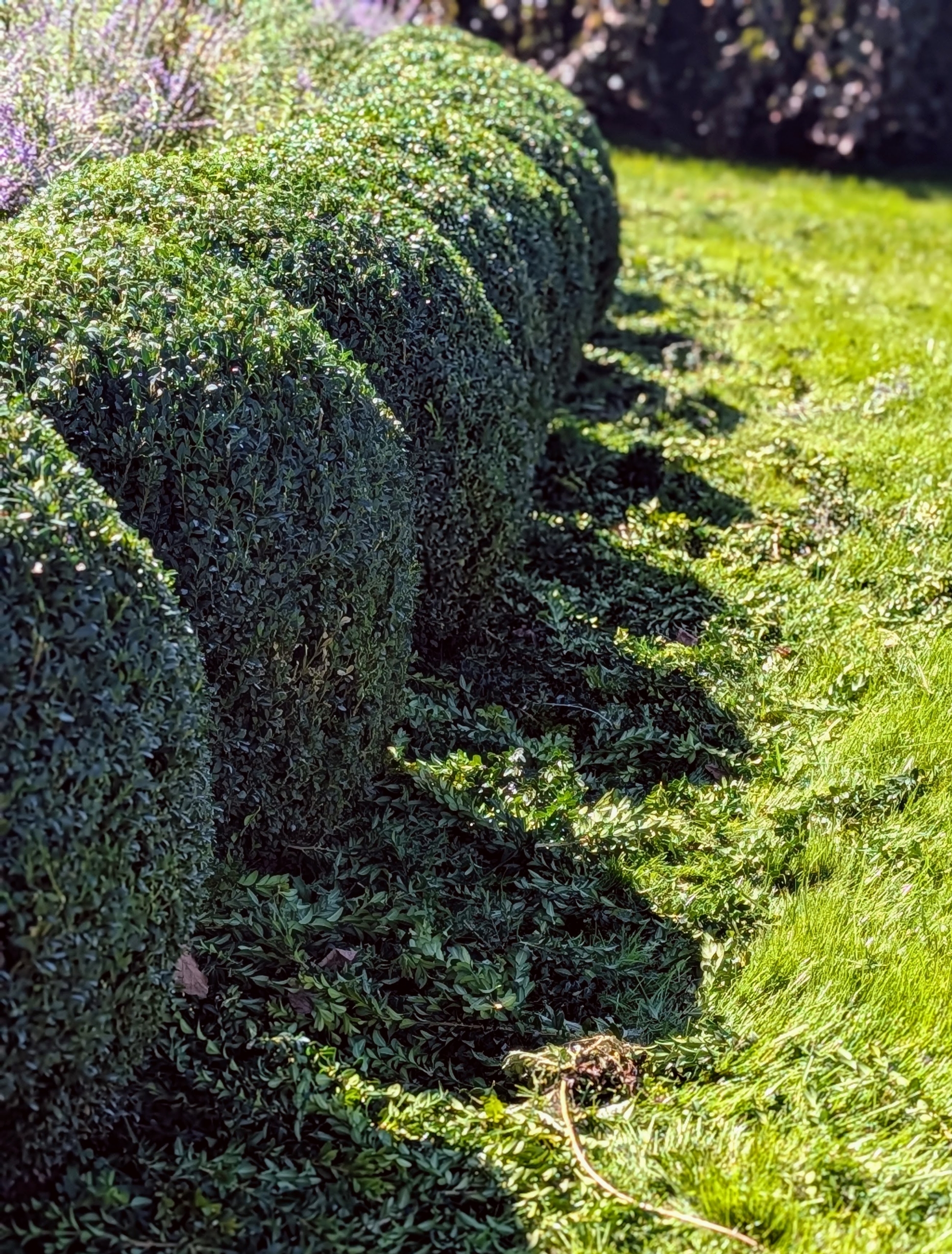
- Once a large section is done, the entire space looks markedly different. Here are a few shrubs after trimming. The cuttings on the ground show how much was removed.
-
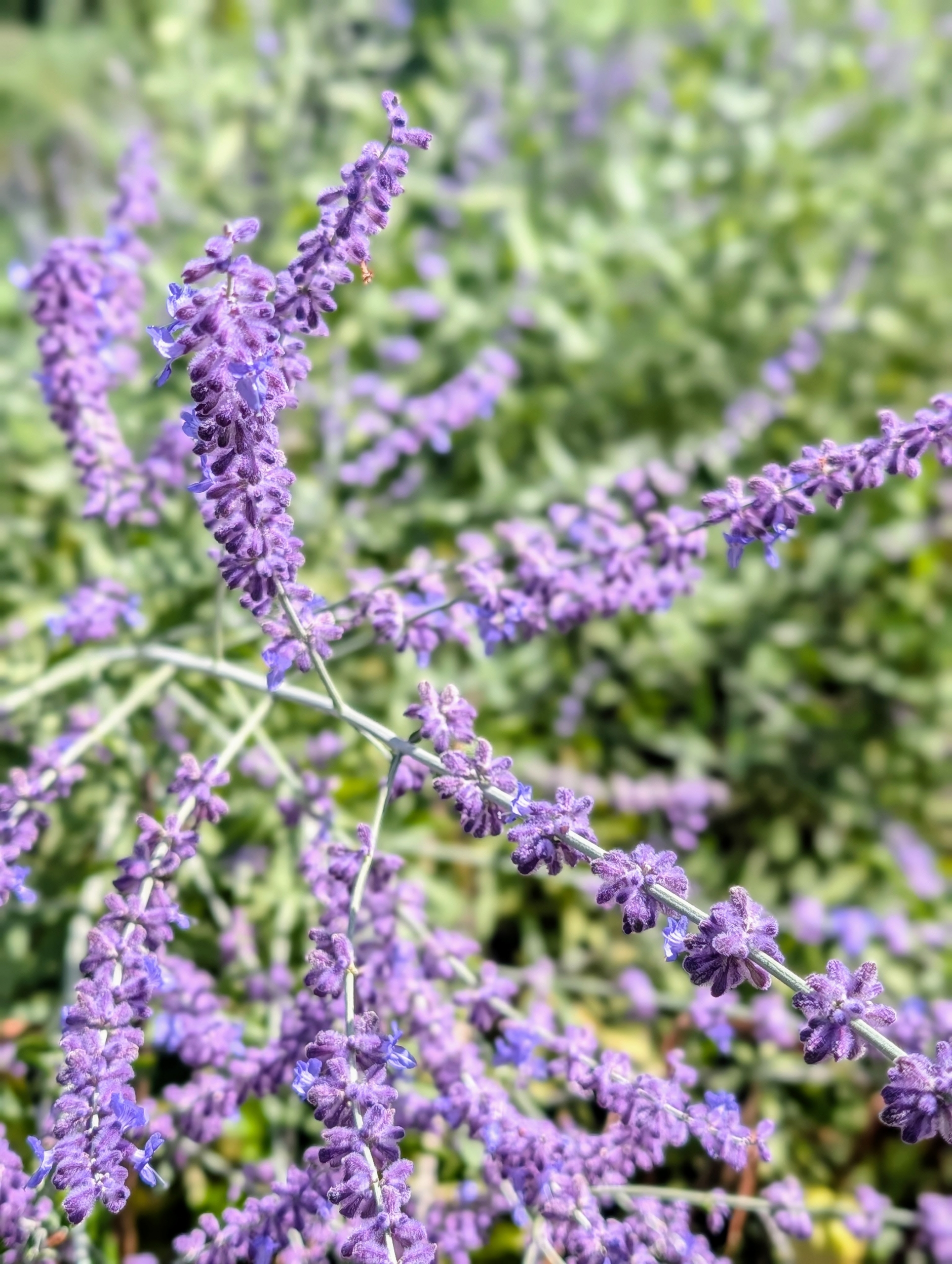
- In the back bed, I also have Russian sage, growing, Perovskia atriplicifolia. This plant shows tall, airy, spike-like clusters that create a lavender-blue cloud of color above the finely textured, aromatic foliage. It is vigorous, hardy, heat-loving, drought-tolerant, and deer resistant.
-
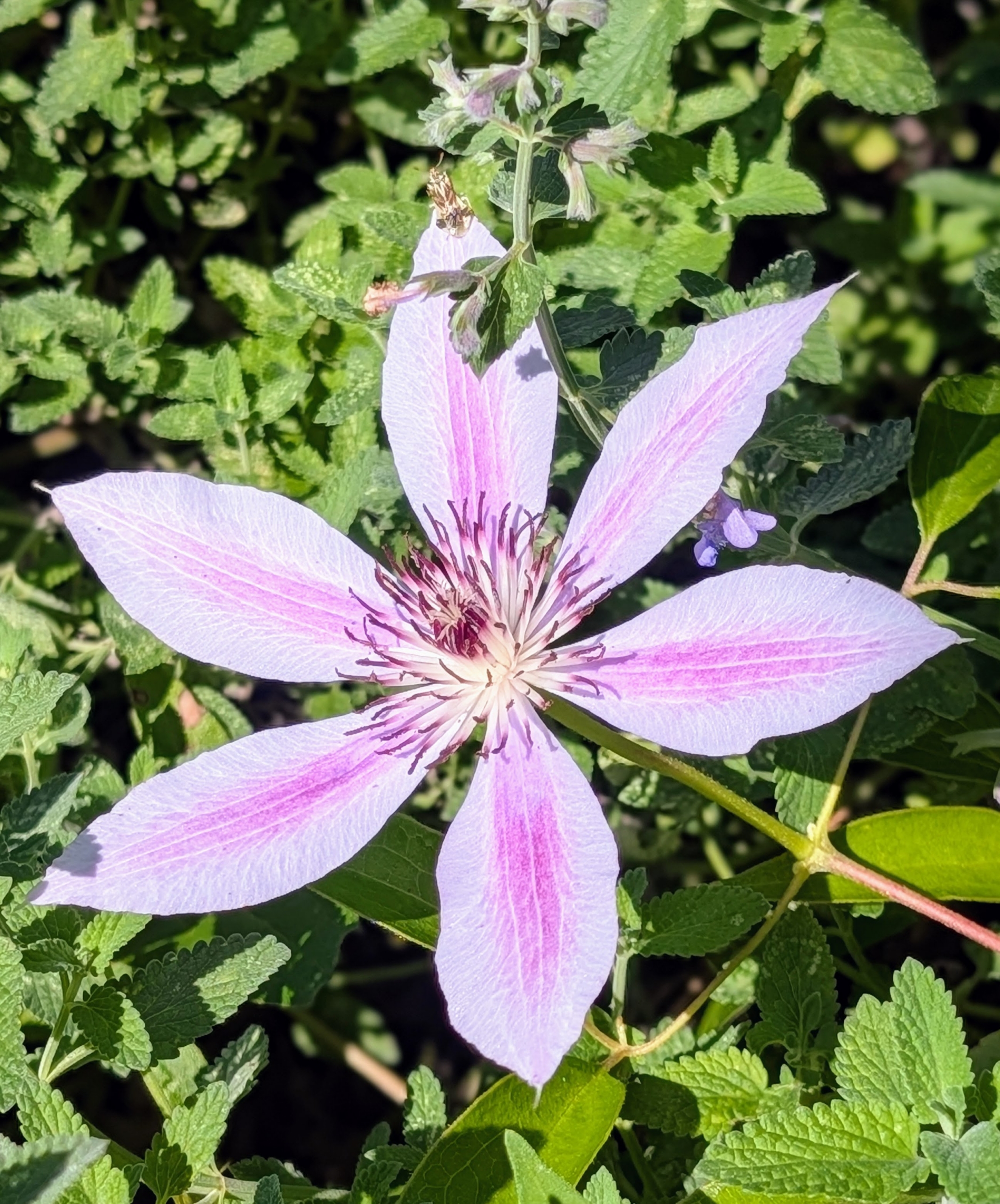
- There are even a few clematis still showing off their blooms.
-
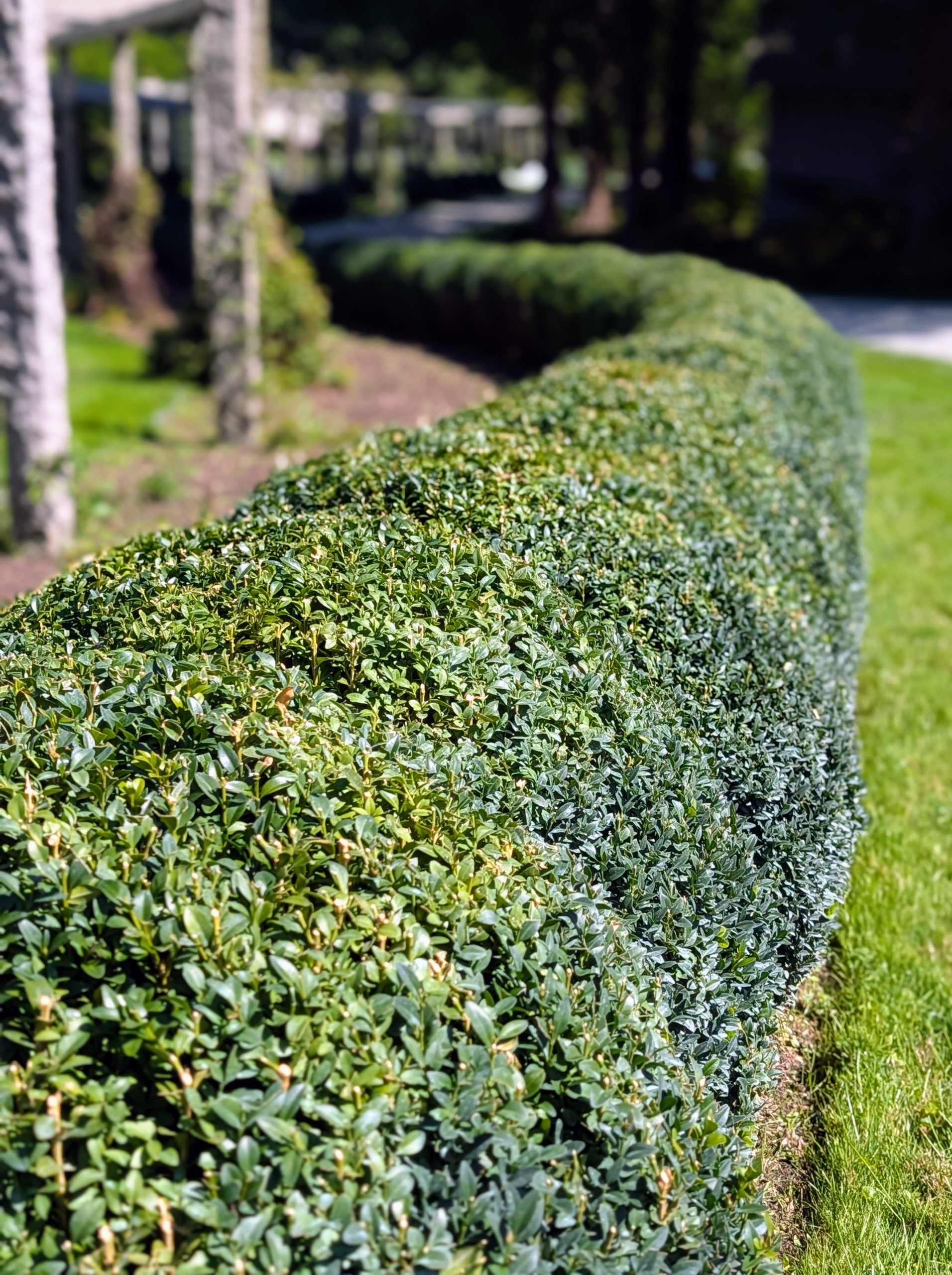
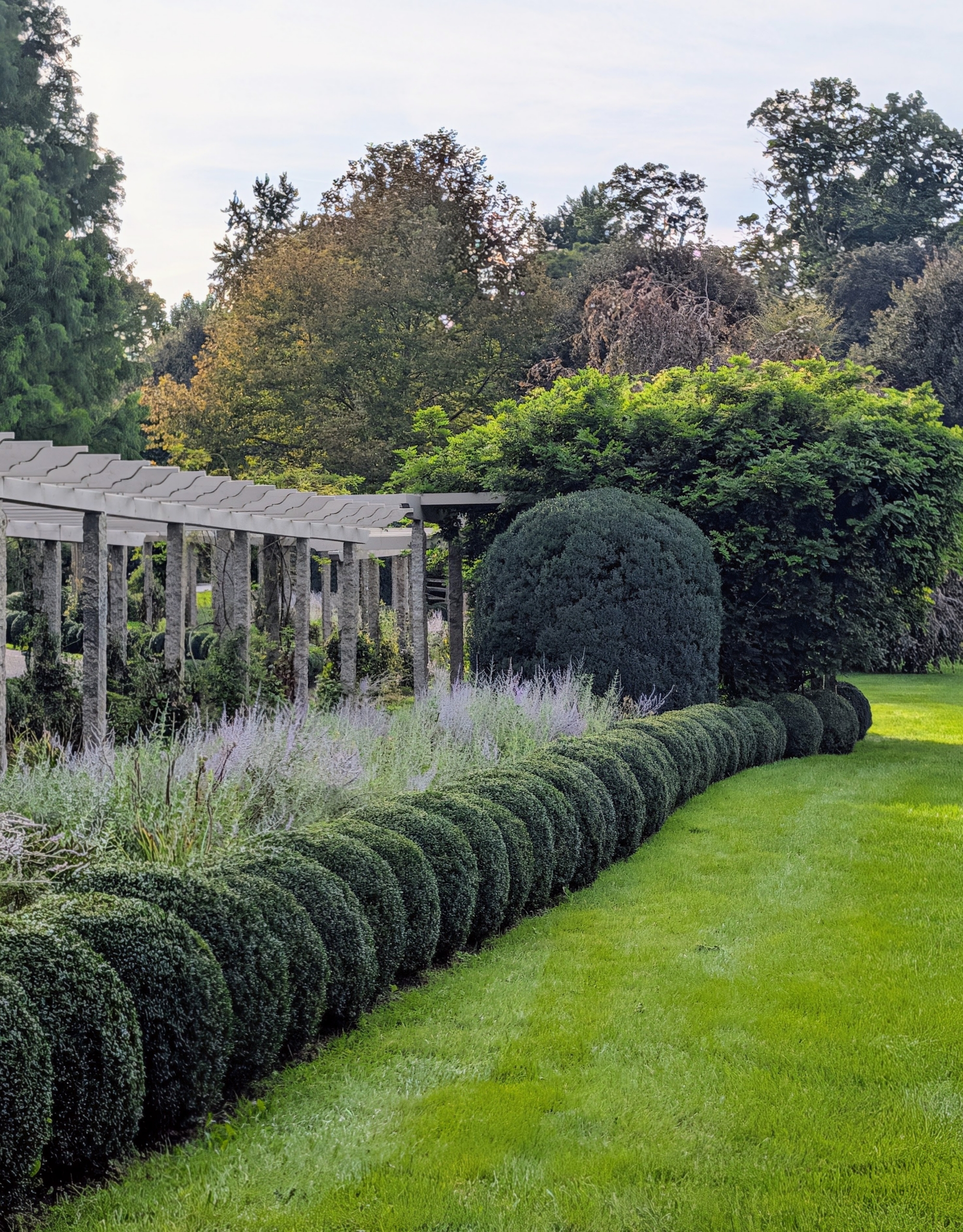
- Here’s one side of the pergola, pruned, groomed and raked – the boxwood looks so much better.
-
- And each one is shaped beautifully.
-
- By late afternoon, it’s all done. The entire border is just so beautiful – in spring when it blooms with gorgeous purple and blue; in summer when it features all the bright orange lilies; and, in autumn, with all its bold greenery.
 Martha Pins


 Martha Tweets

