

Planting Junipers at My Farm
Planting evergreens is a great way to bring year-round color, texture, and structure to the garden.
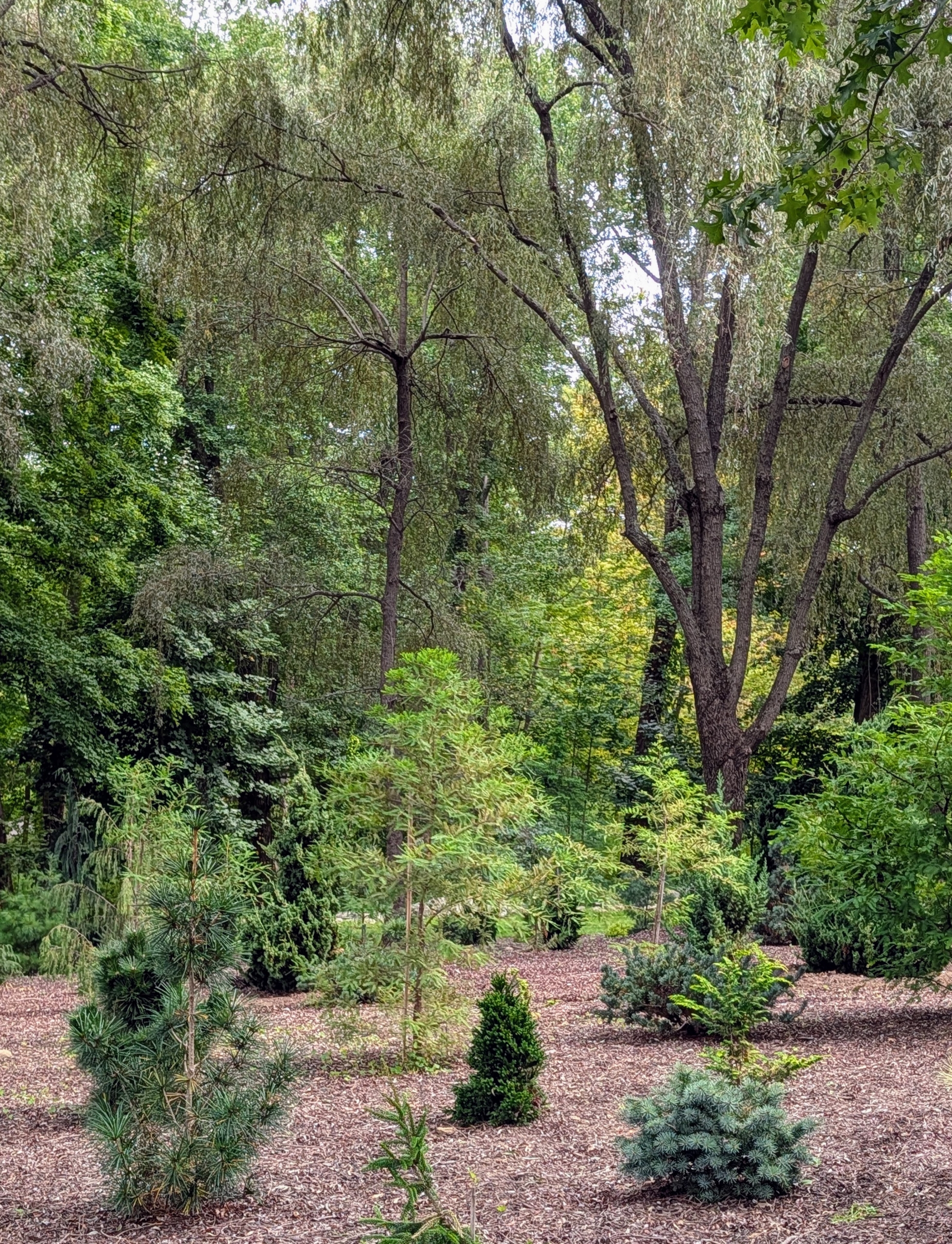
Here at my farm, I have a special area I call my pinetum, an arboretum devoted to pines and other conifers that I began developing soon after moving to the property. Over the years, the trees and shrubs have thrived and I continue to expand the collection with new additions each season. Recently, I purchased a group of junipers that I knew would be perfect for the space. Once they arrived, markers were placed where they would be planted and the crew got to work.
Enjoy these photos.
-

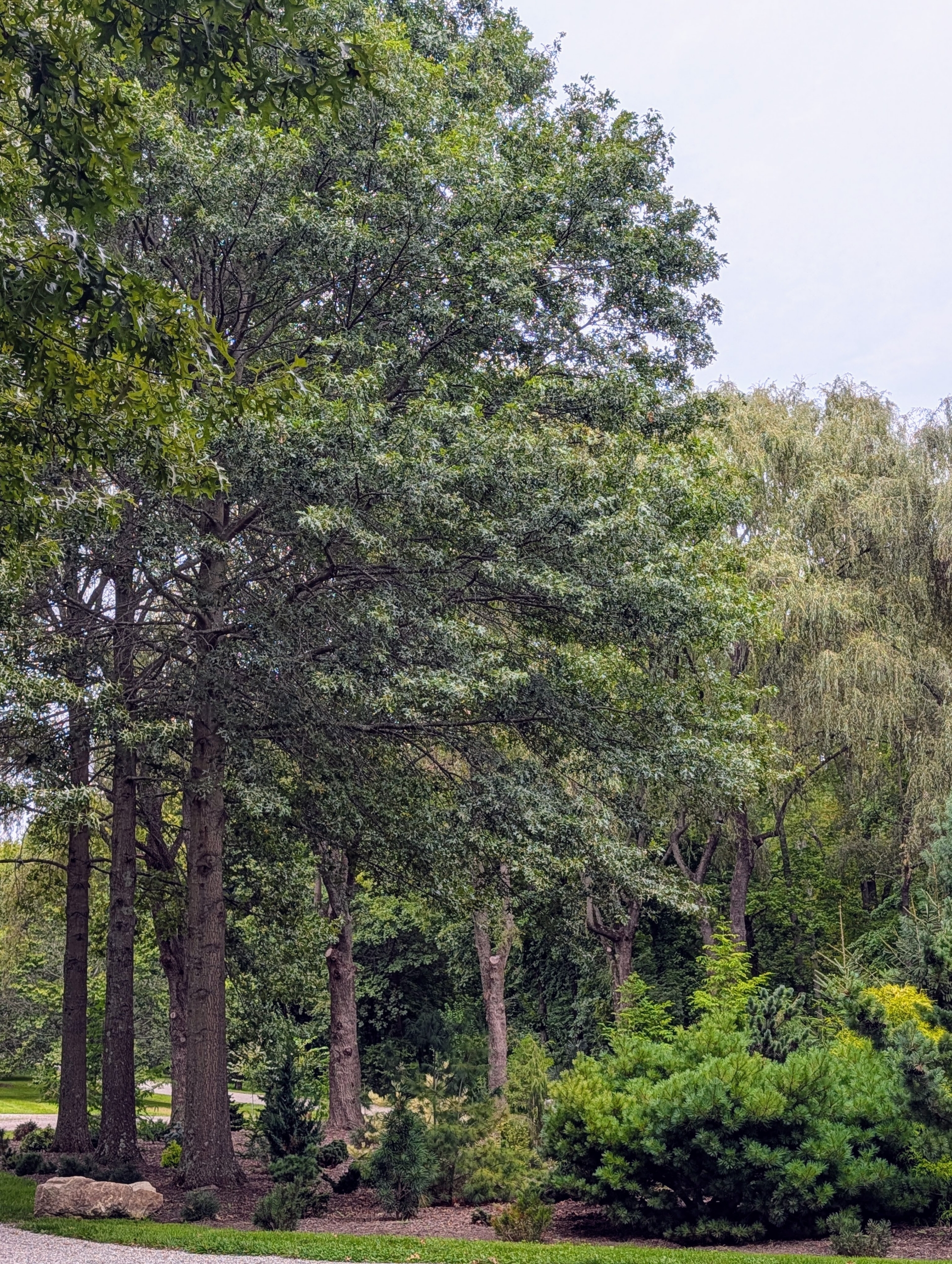
- I started my pinetum about 20 years ago. Now it extends to the carriage road under the partial shade of my pin oaks and weeping willow trees.
-
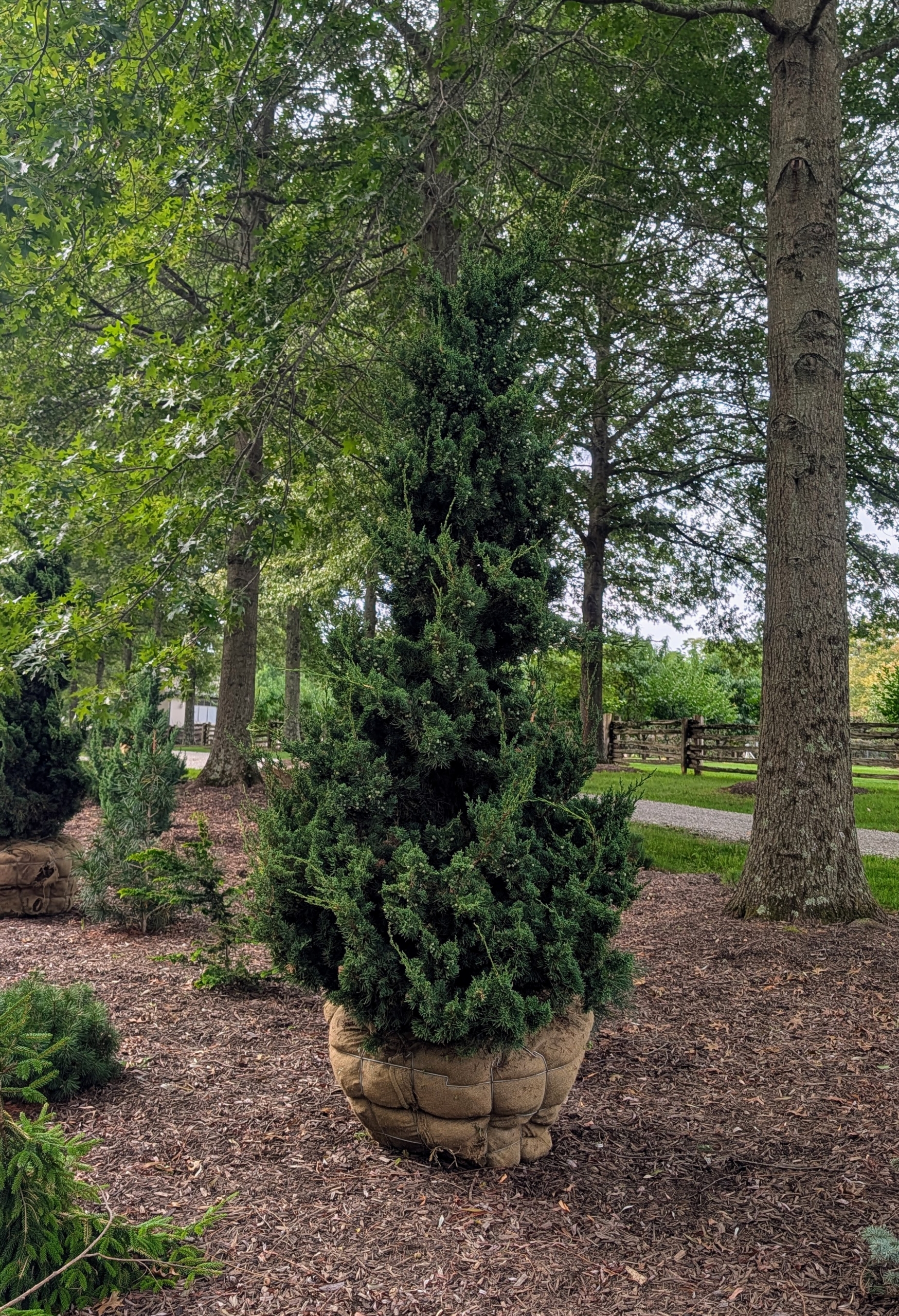
- This is a very healthy juniper, Juniperus virginiana. Its upright growth habit and beautiful color make it a great addition to any garden. For my pinetum, I got six from nearby Hardscrabble Farms in Westchester County, New York.
-
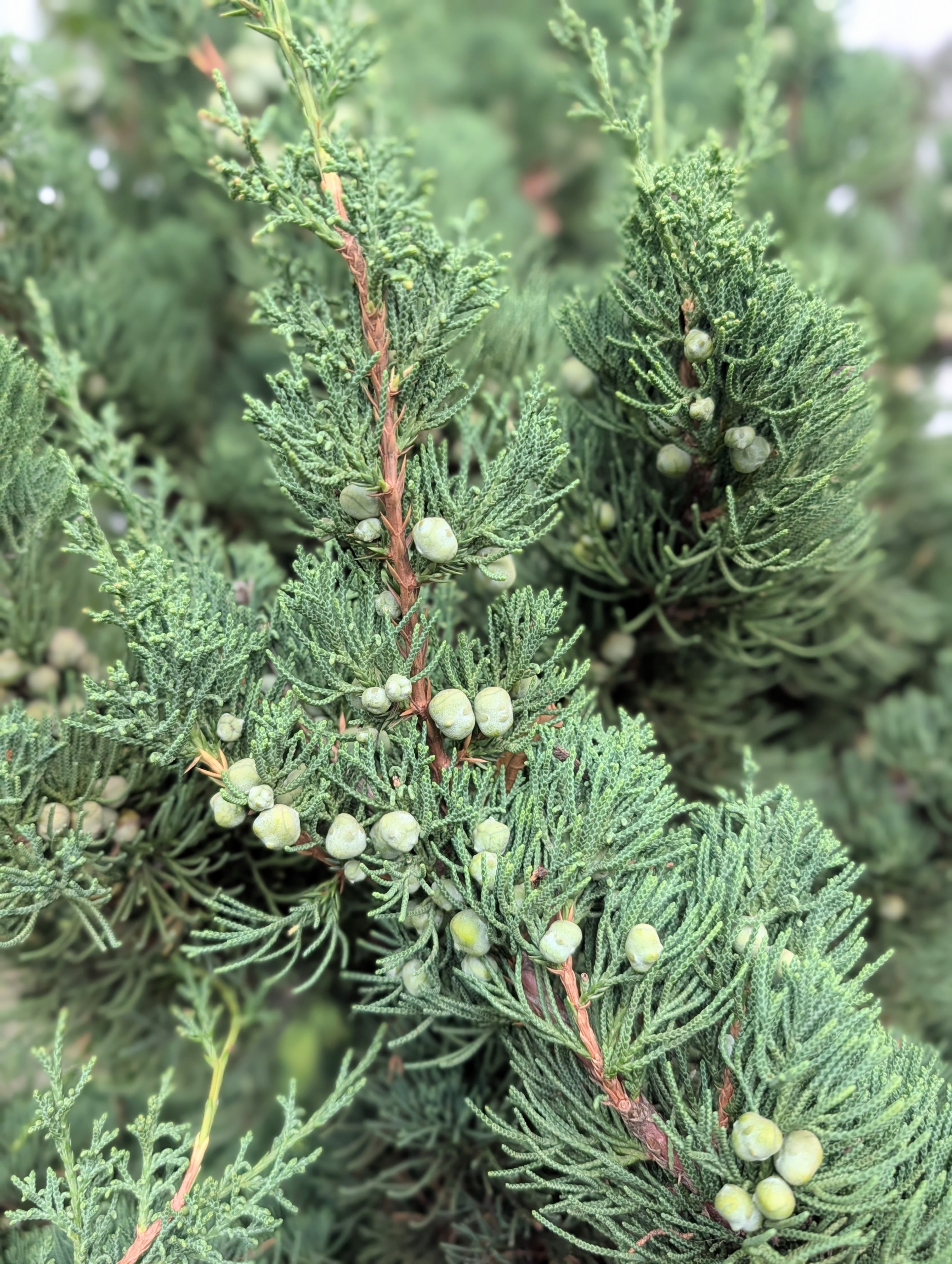
- Leaves on the tree are soft, scale-like blueish-green or green sprays, growing compactly on their stems. Female trees produce berry-like cones.
-
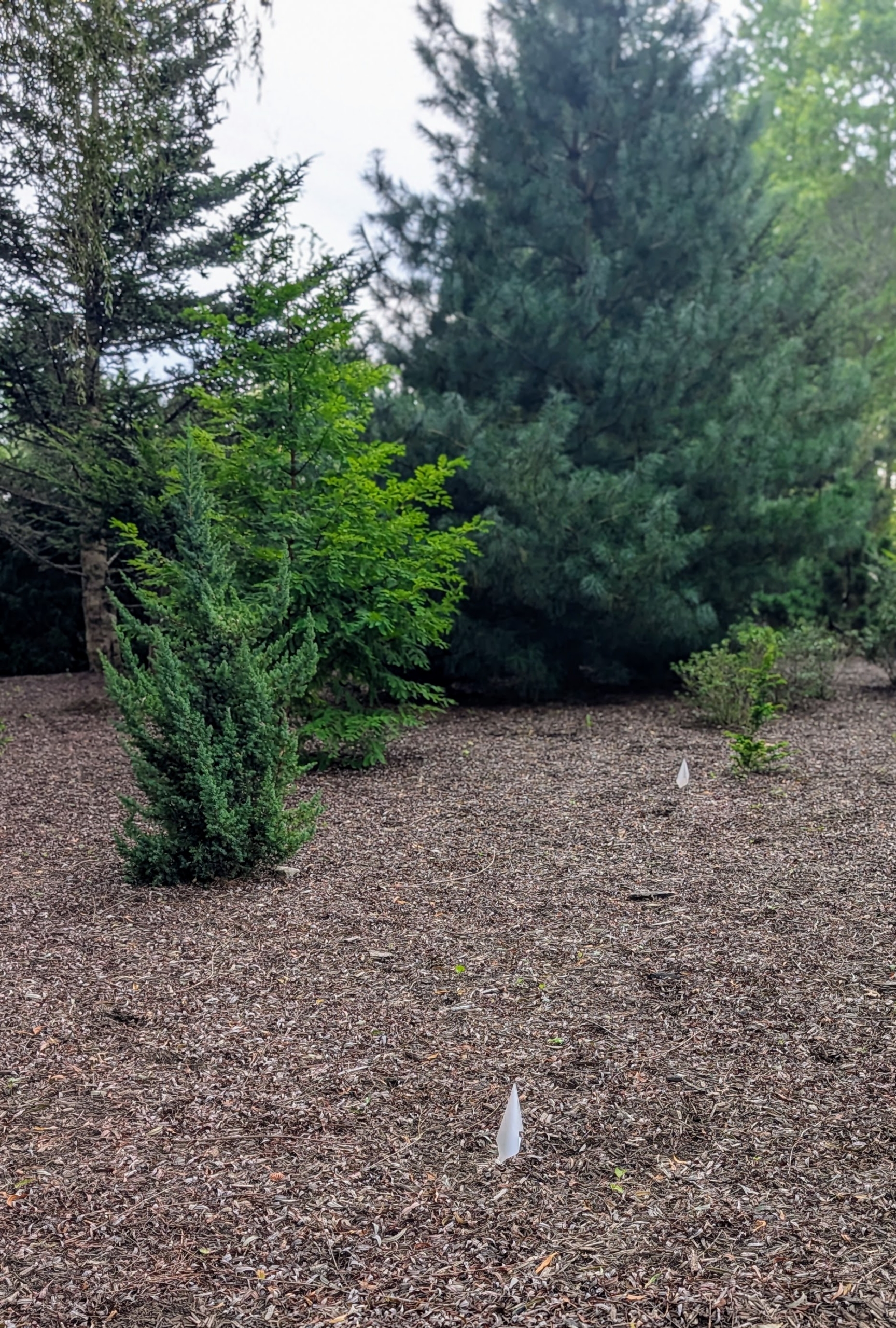
- I decide where the trees will be placed and then markers or flags are put in the approximate planting positions. My gardeners also check each individual plant’s space and light needs and adjust accordingly.
-
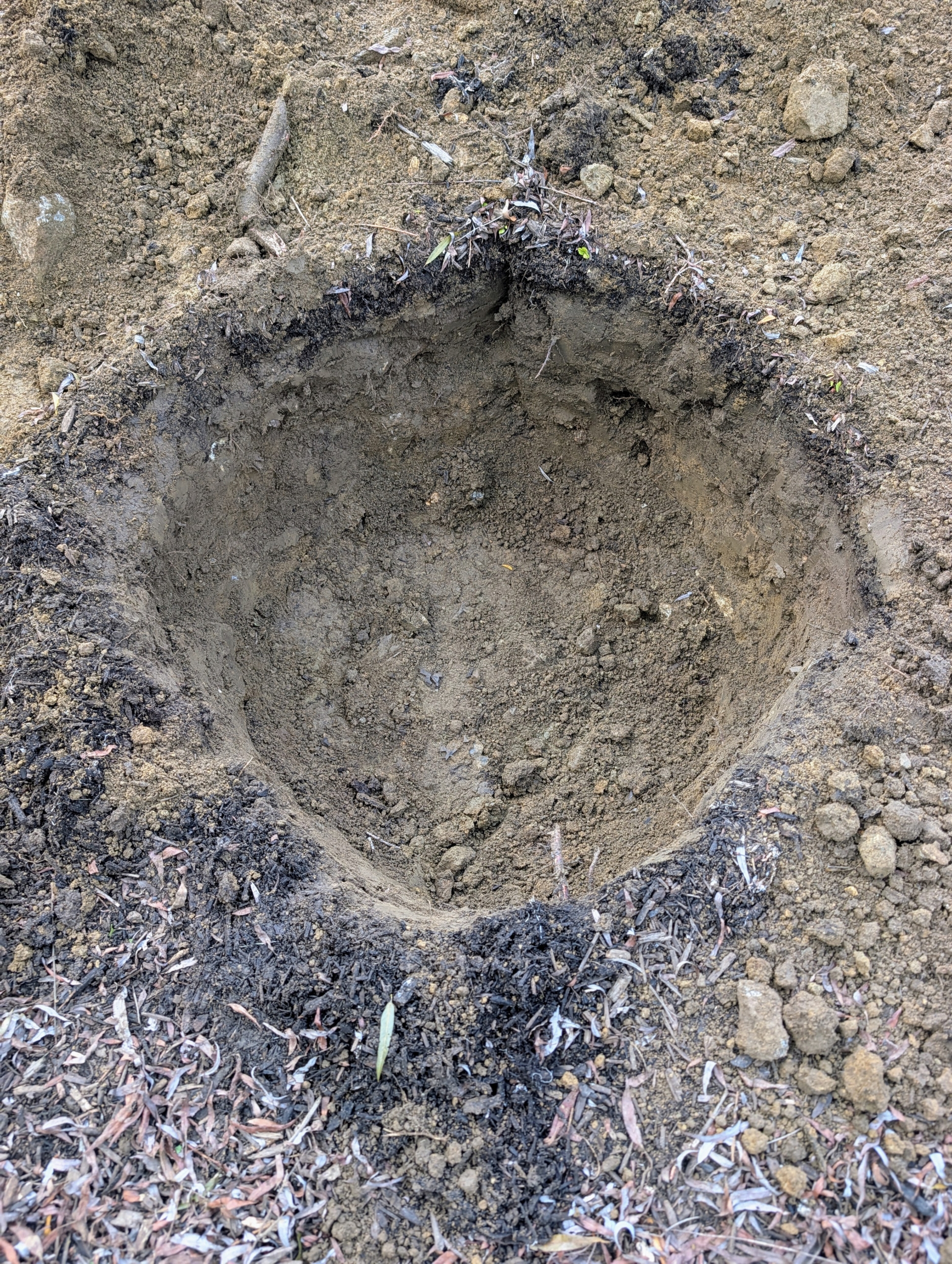
- First, all the holes are dug at least twice the size of the plant.
-
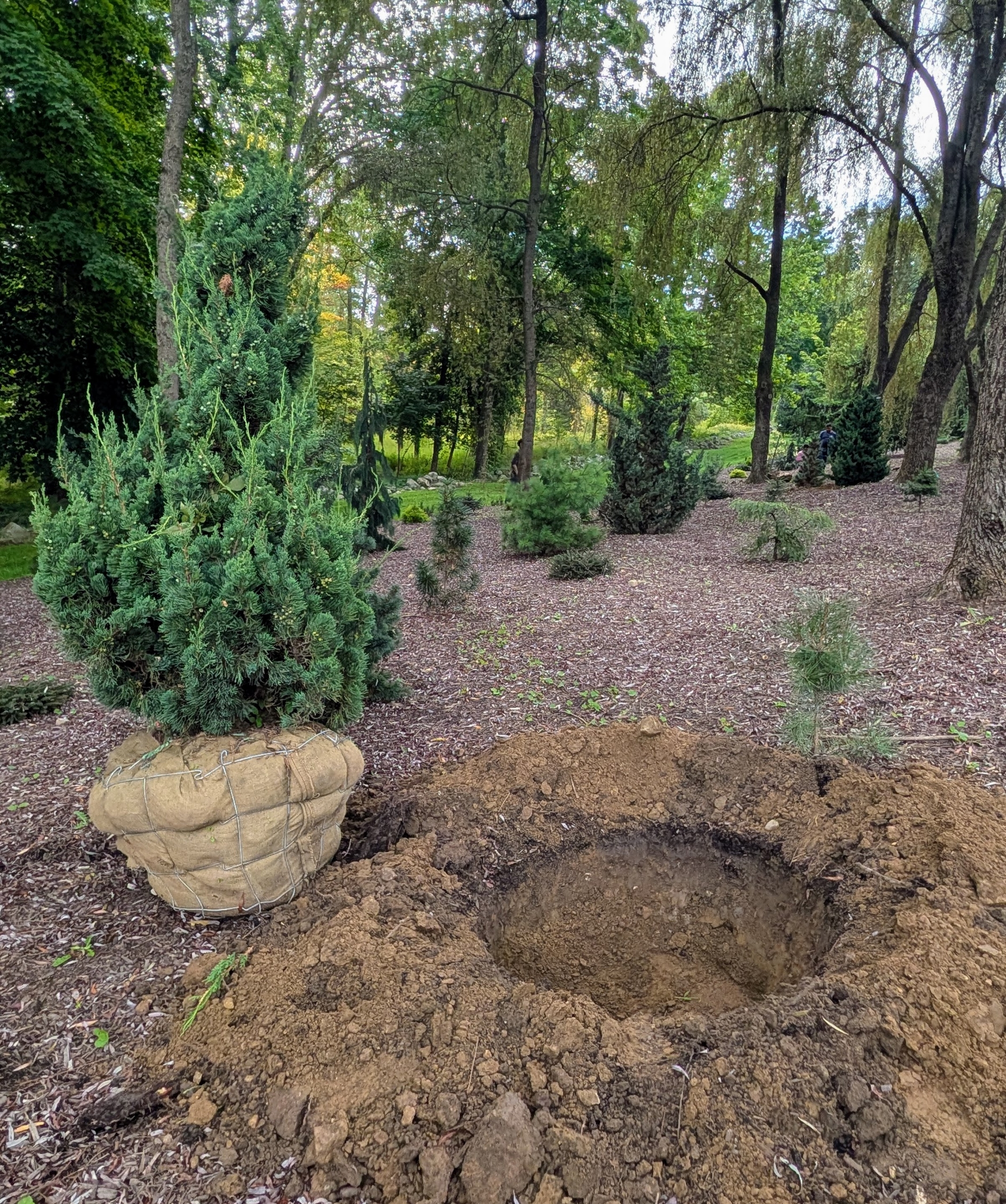
- Each specimen is placed by its designated hole.
-
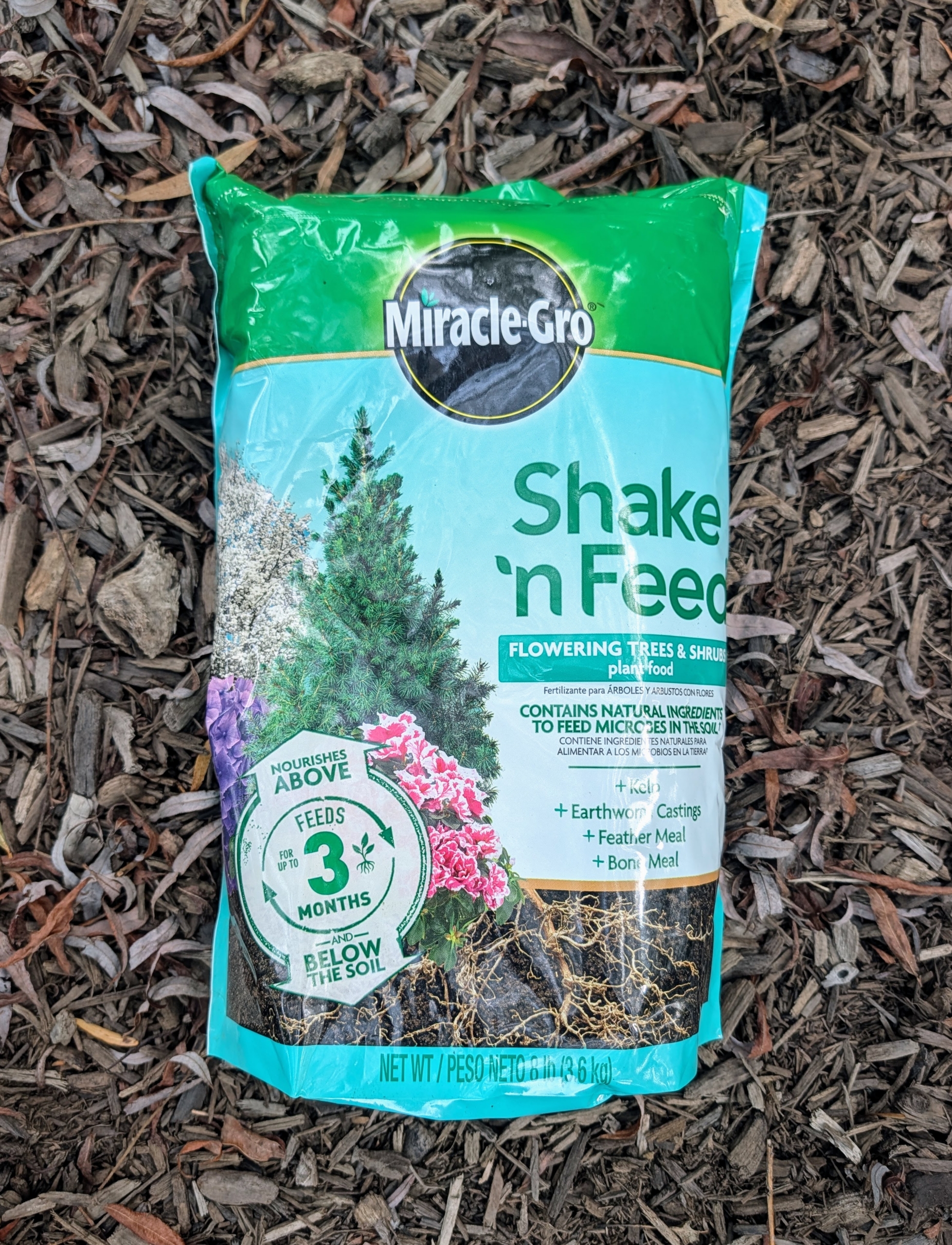
- I use Miracle-Gro Shake’n Feed Flowering Trees & Shrubs plant food which has done so well for my plants. It contains natural ingredients such as kelp, earthworm castings, bone meal, and feather meal, which will feed the plant and maintain its deep, lush green foliage throughout the season.
-
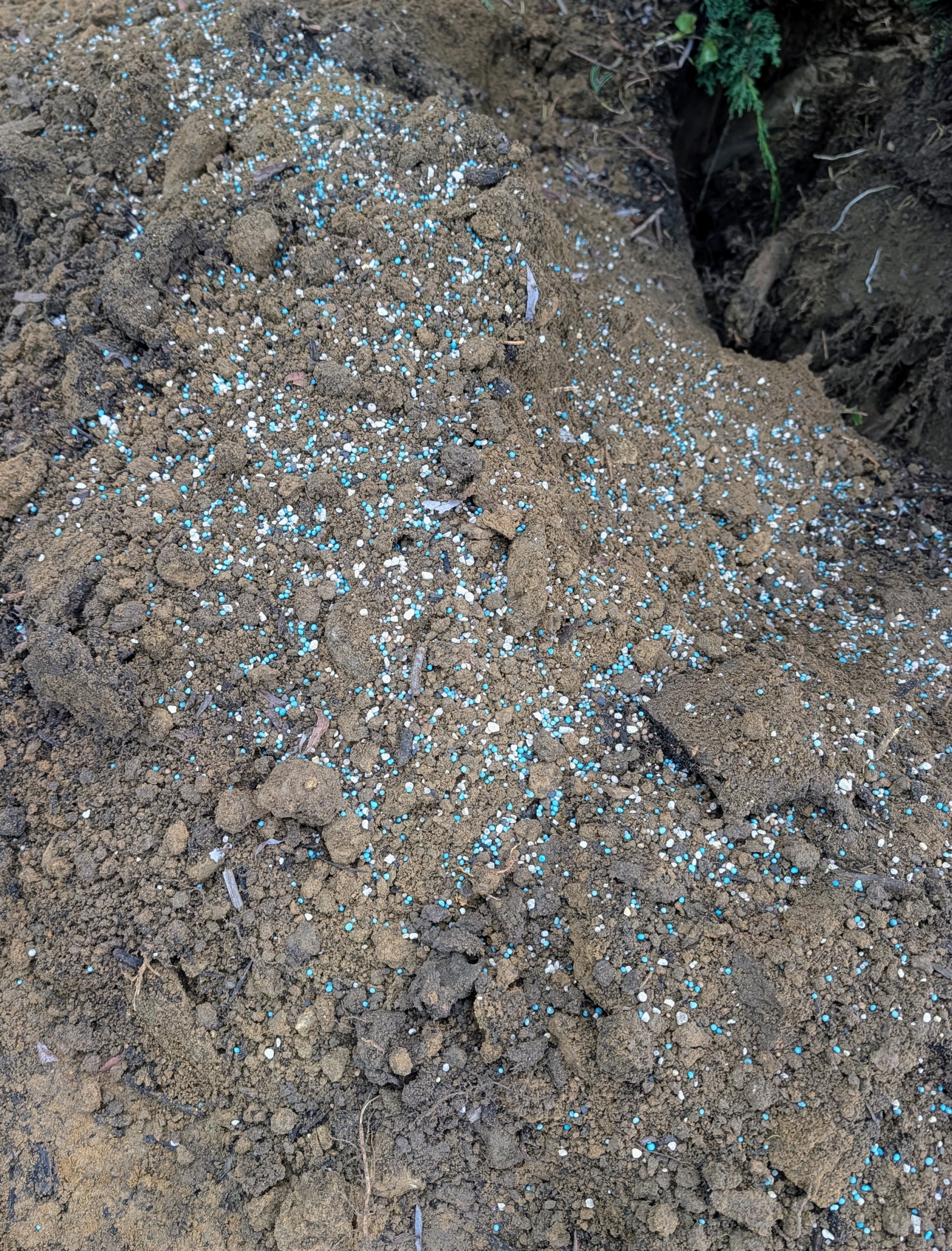
- A generous amount is sprinkled into the hole and mixed with the existing wet soil. Remember what I always say, “if you are eating and drinking today, so should your plants.”
-
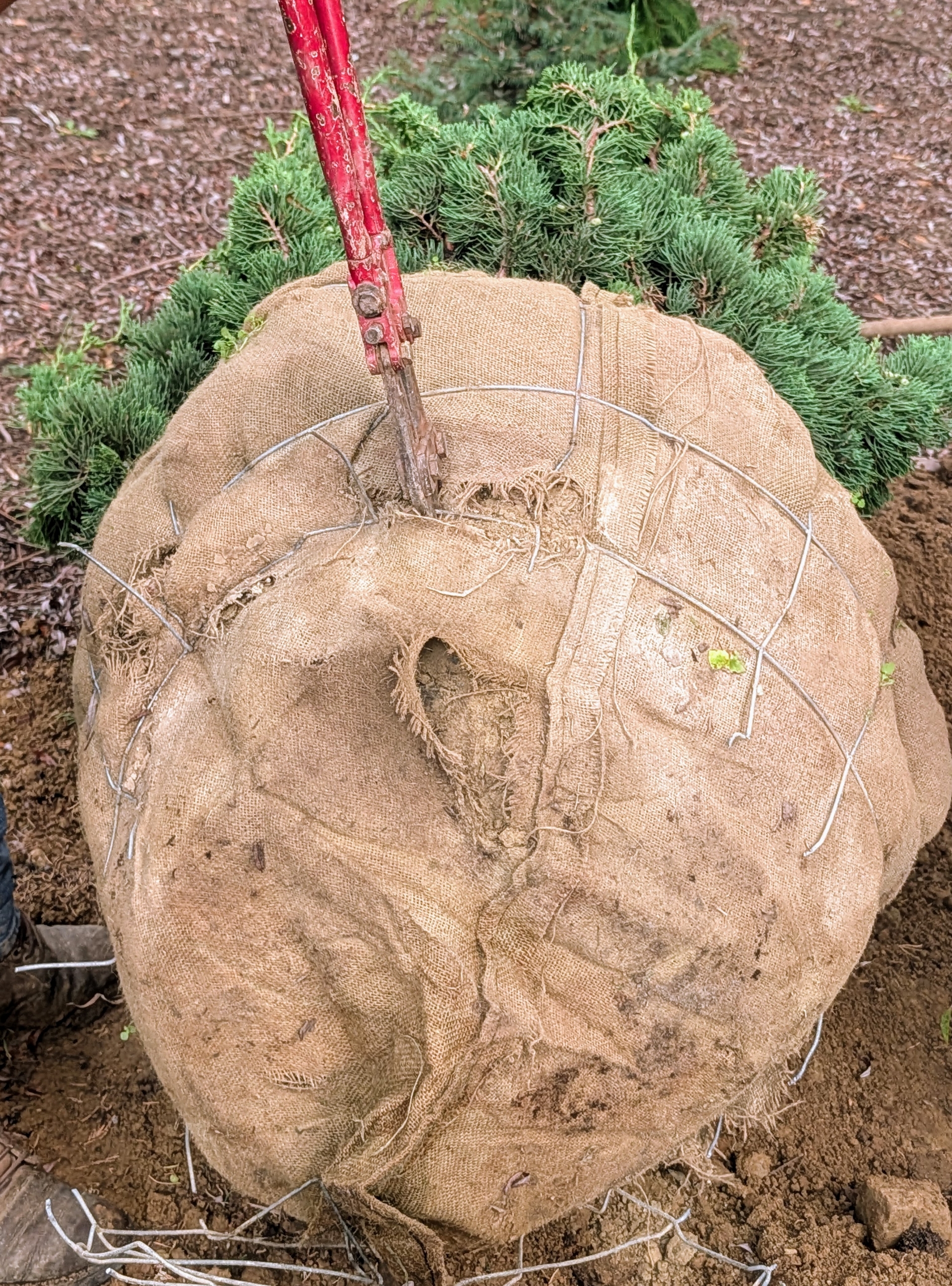
- Arnold removes the protective wire or rope from the root ball. If left untouched, these wrapping materials could reduce the ability of a tree’s roots to grow out into the surrounding soil.
-
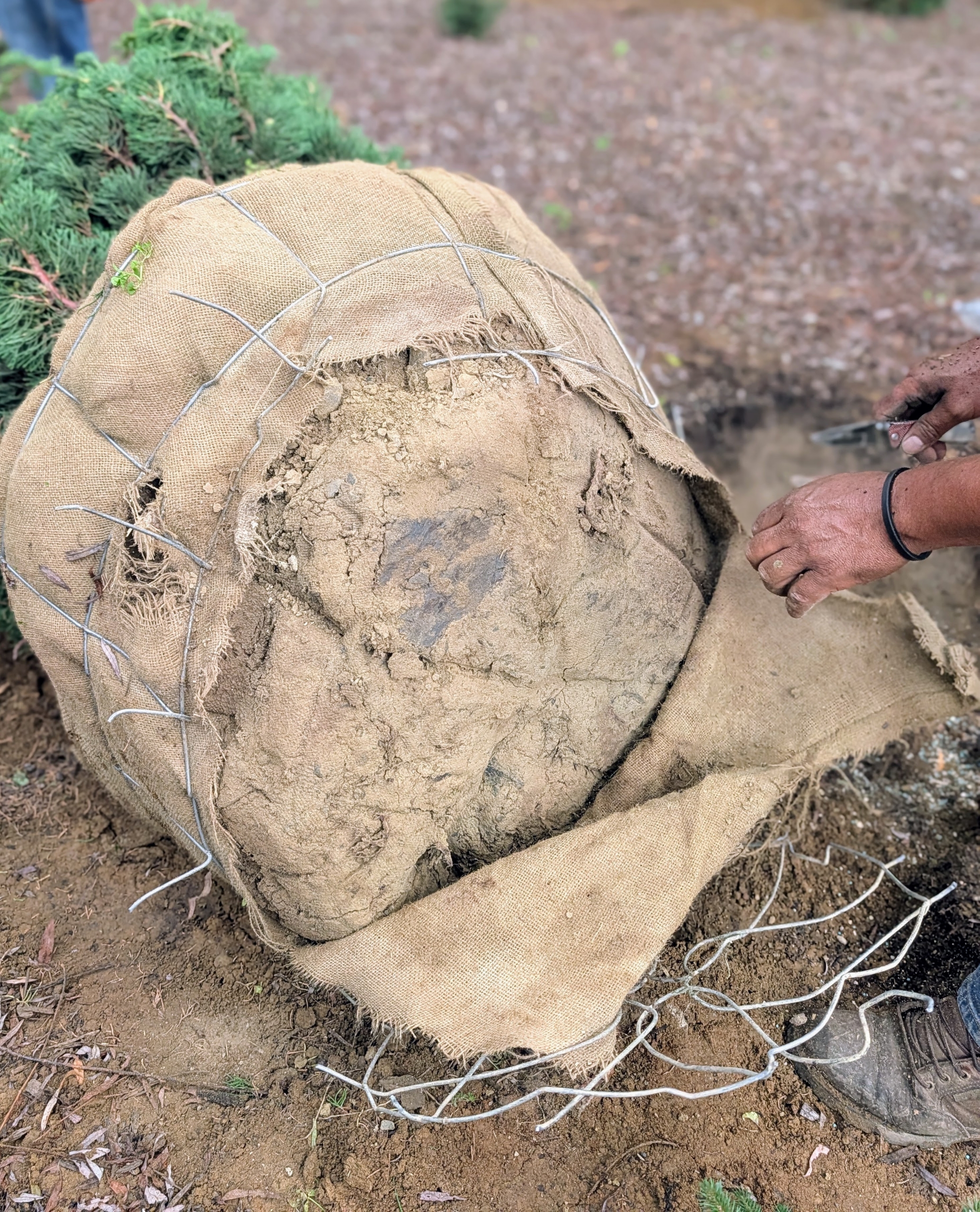
- And then he removes the bottom of the burlap covering.
-
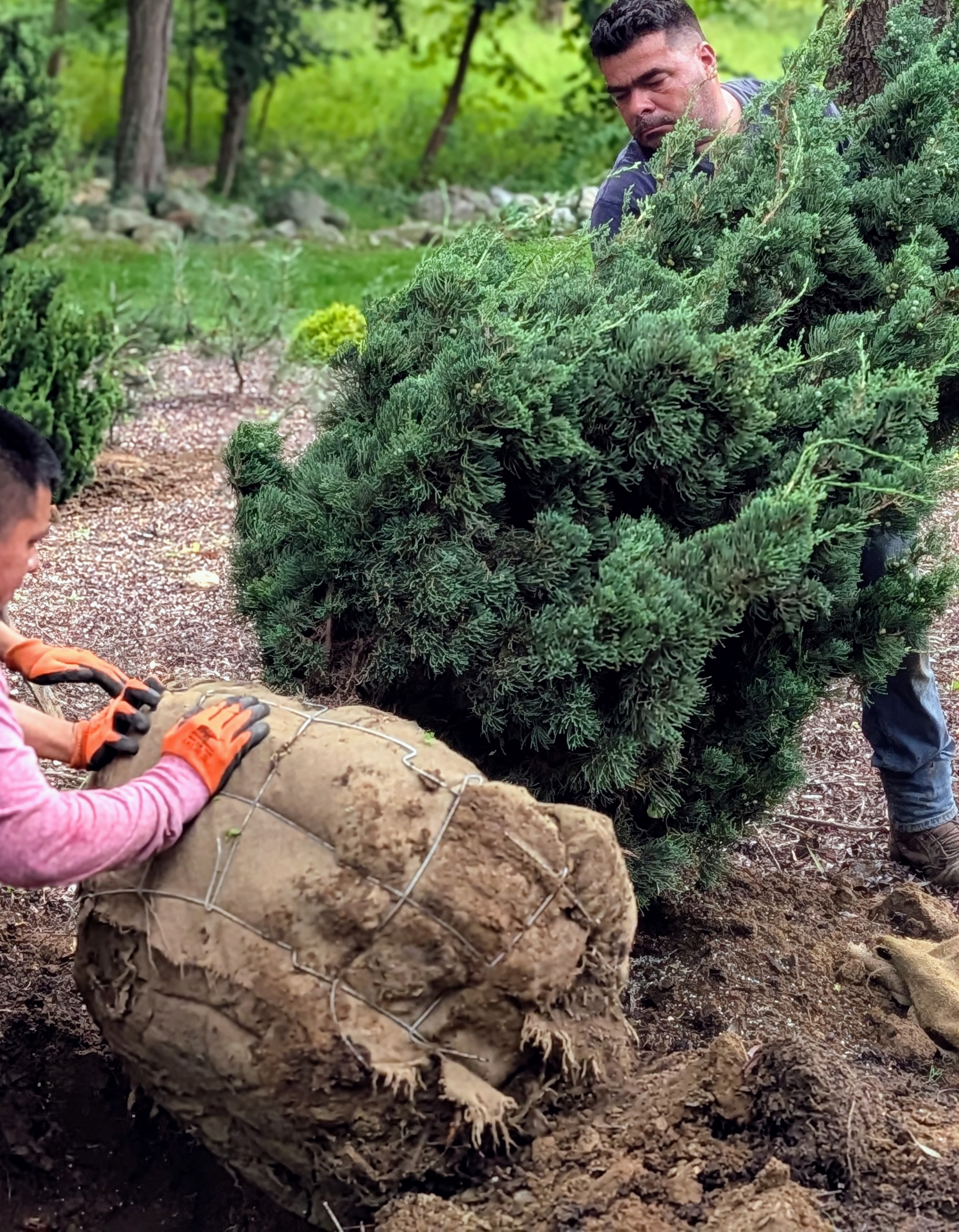
- The tree is rotated on its root ball closer to the hole and then into it. When moving heavy trees, only hold it by the root ball and the base of the trunk – never by its branches, which could easily break.
-
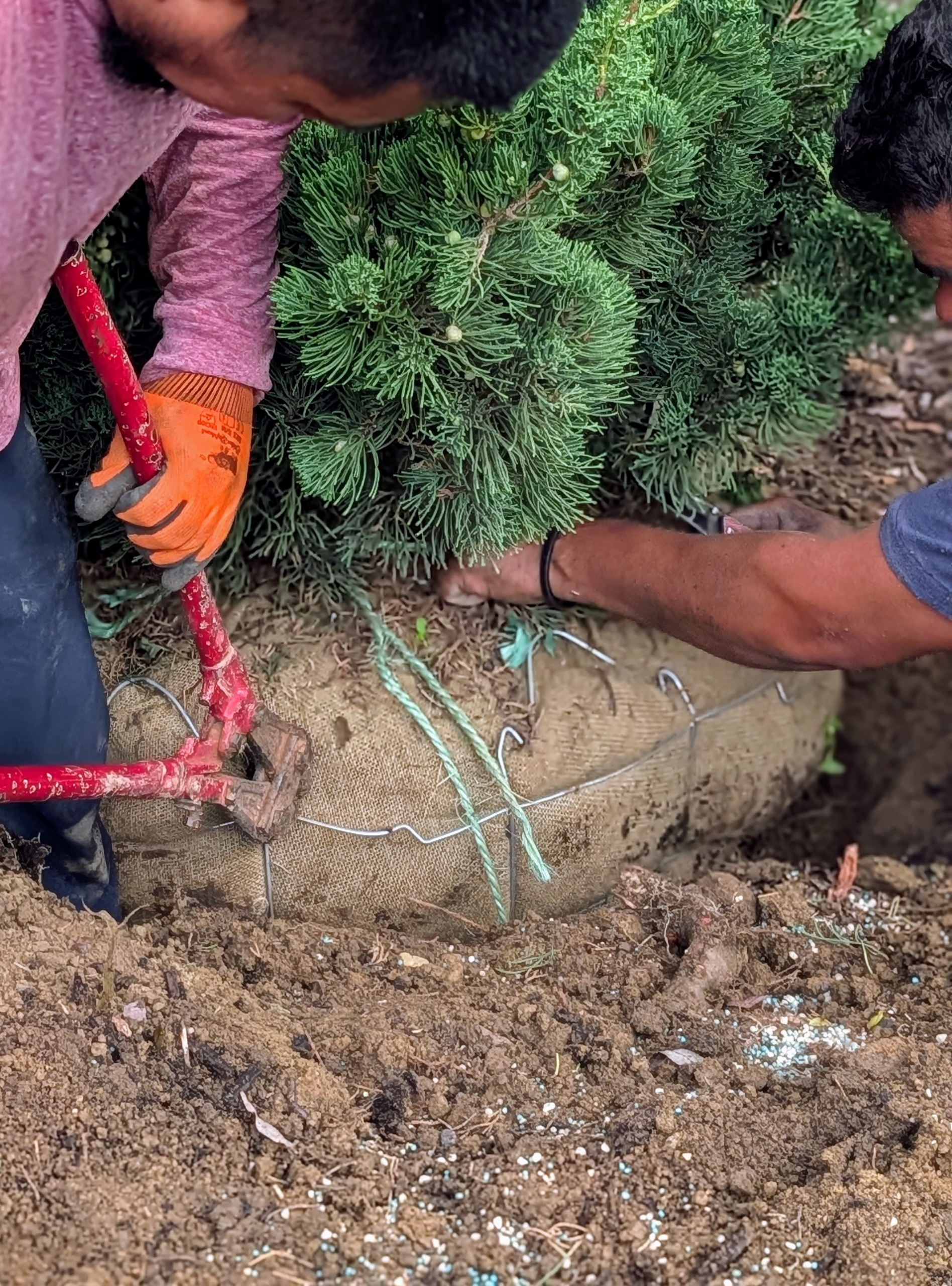
- Once the tree is positioned where it should be – with its best side facing the carriage road – the rest of the wire cage is removed.
-
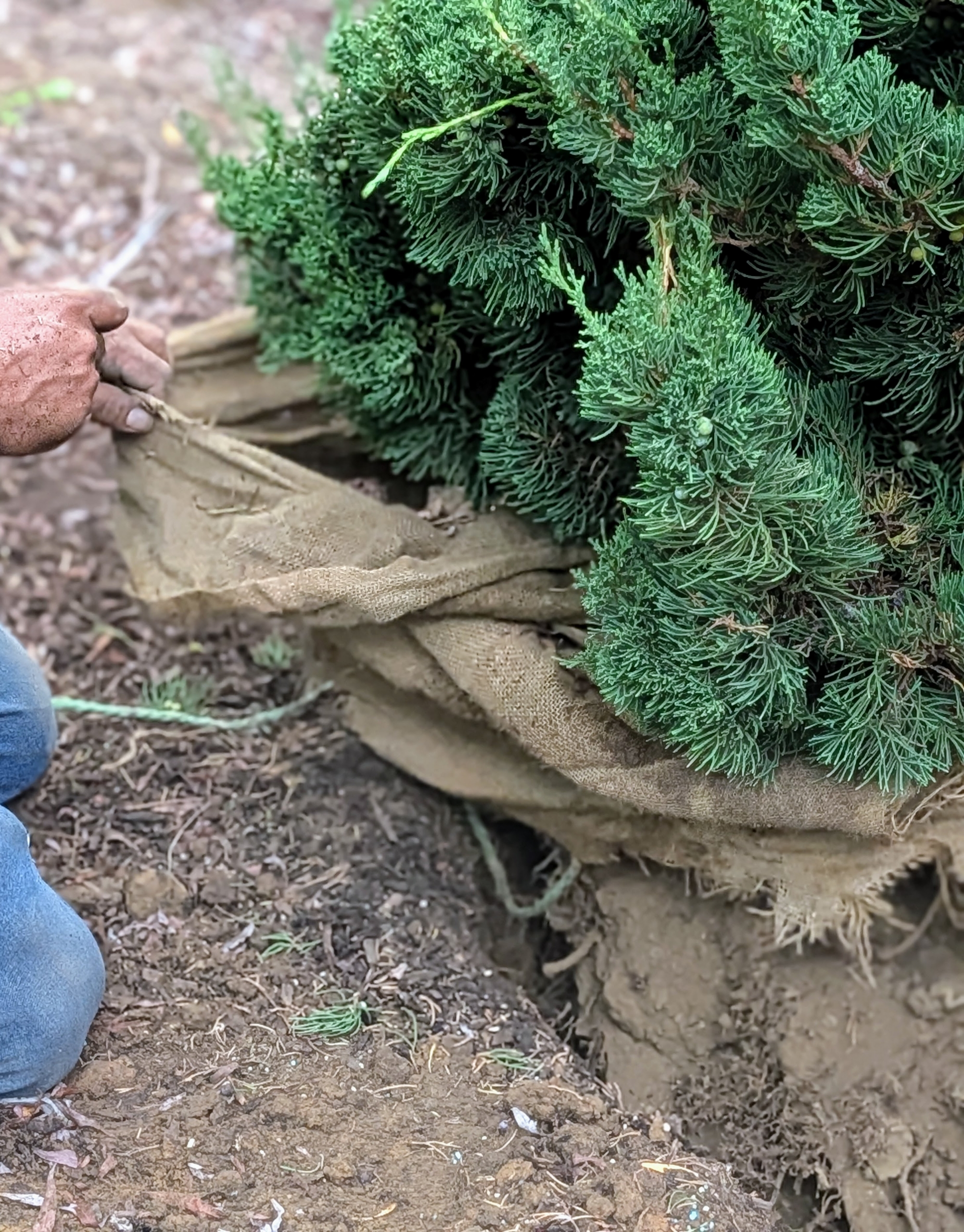
- And the rest of the burlap is also pulled. Some leave wire and burlap in place; however, I prefer to remove everything, so there is nothing preventing root development.
-
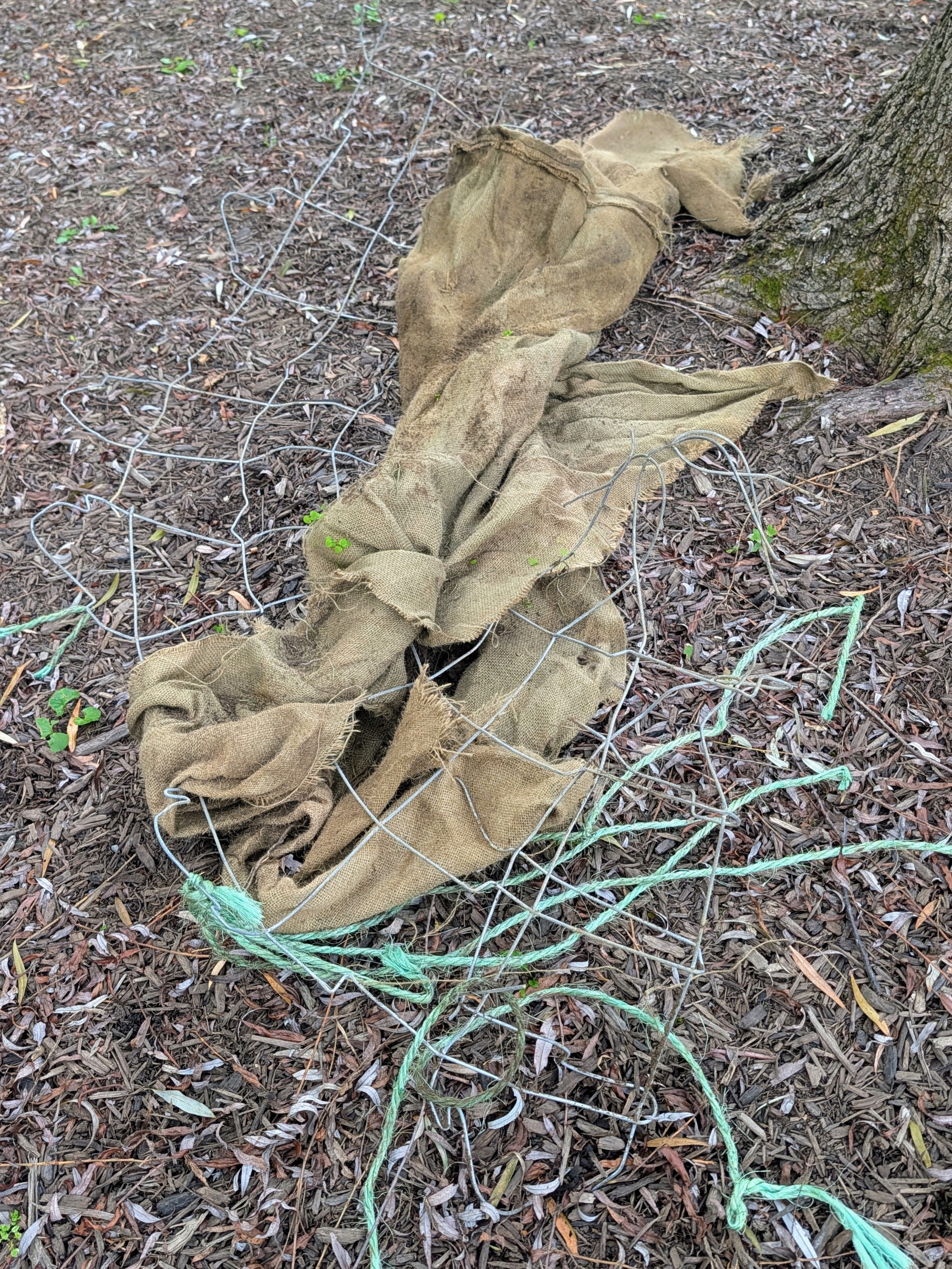
- Here is the pile of wrapping from just one tree.
-
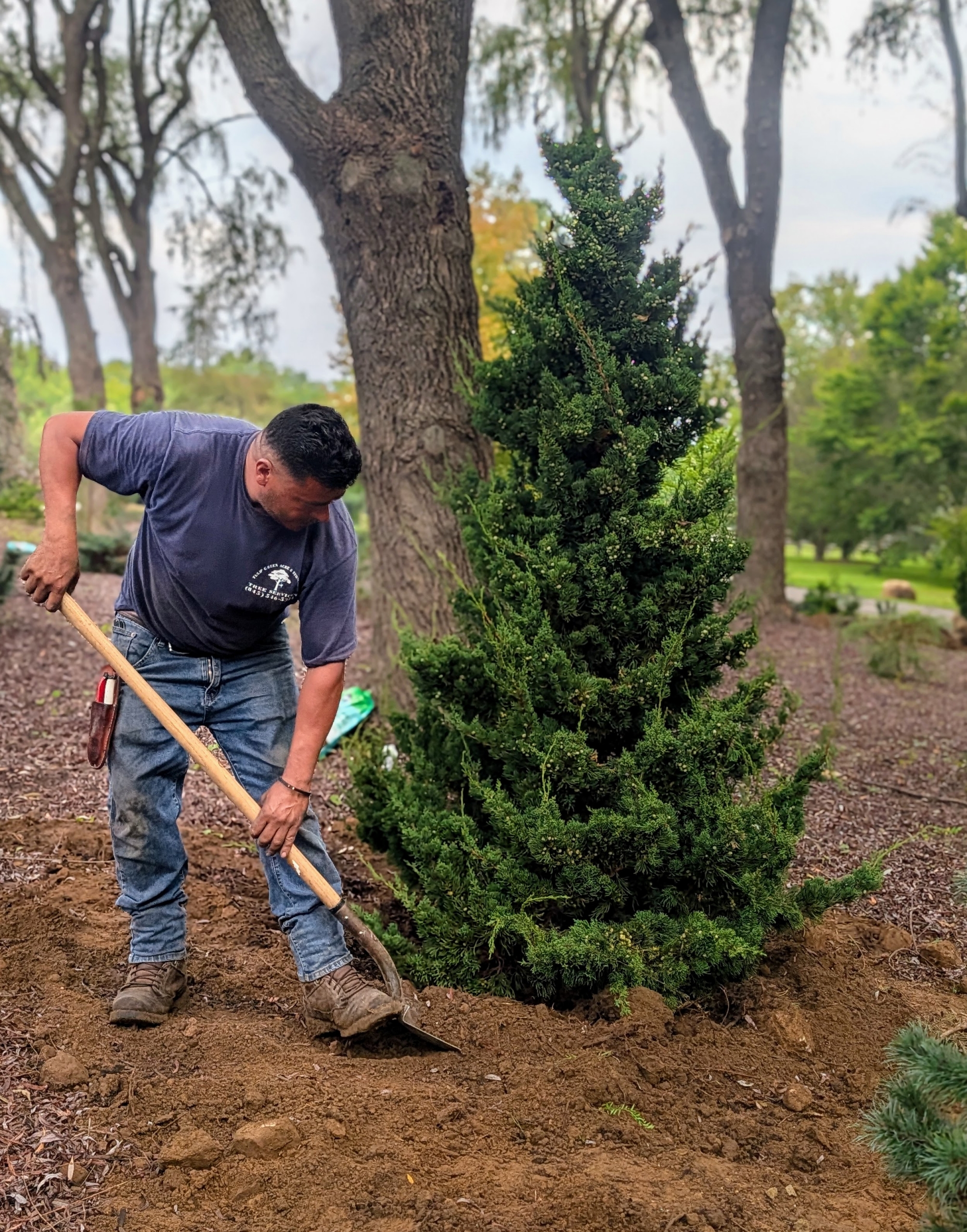
- Arnold backfills the tree and tamps down to establish good contact between the root ball and the soil.
-
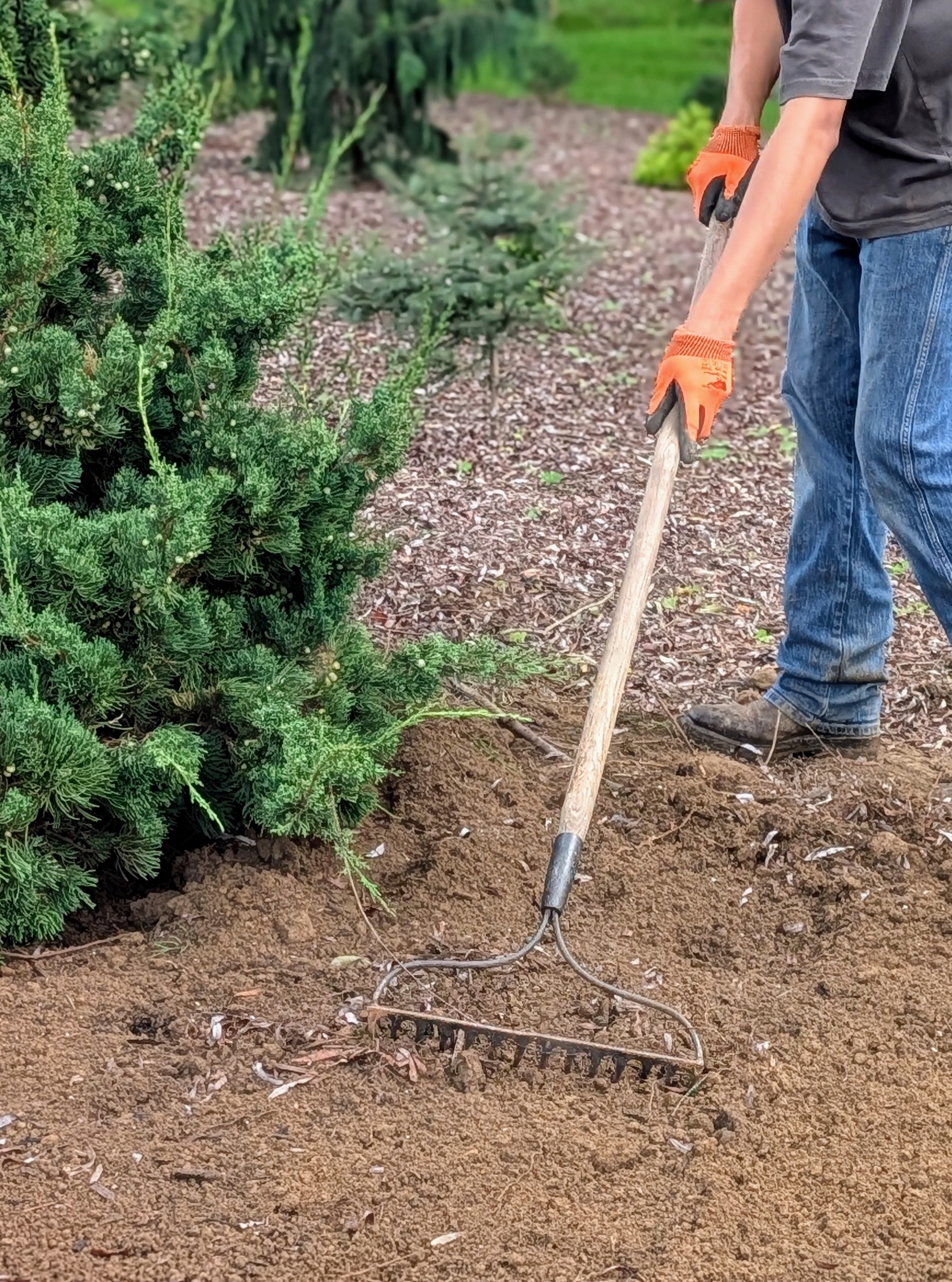
- The area is then raked, so it is neat and tidy.
-
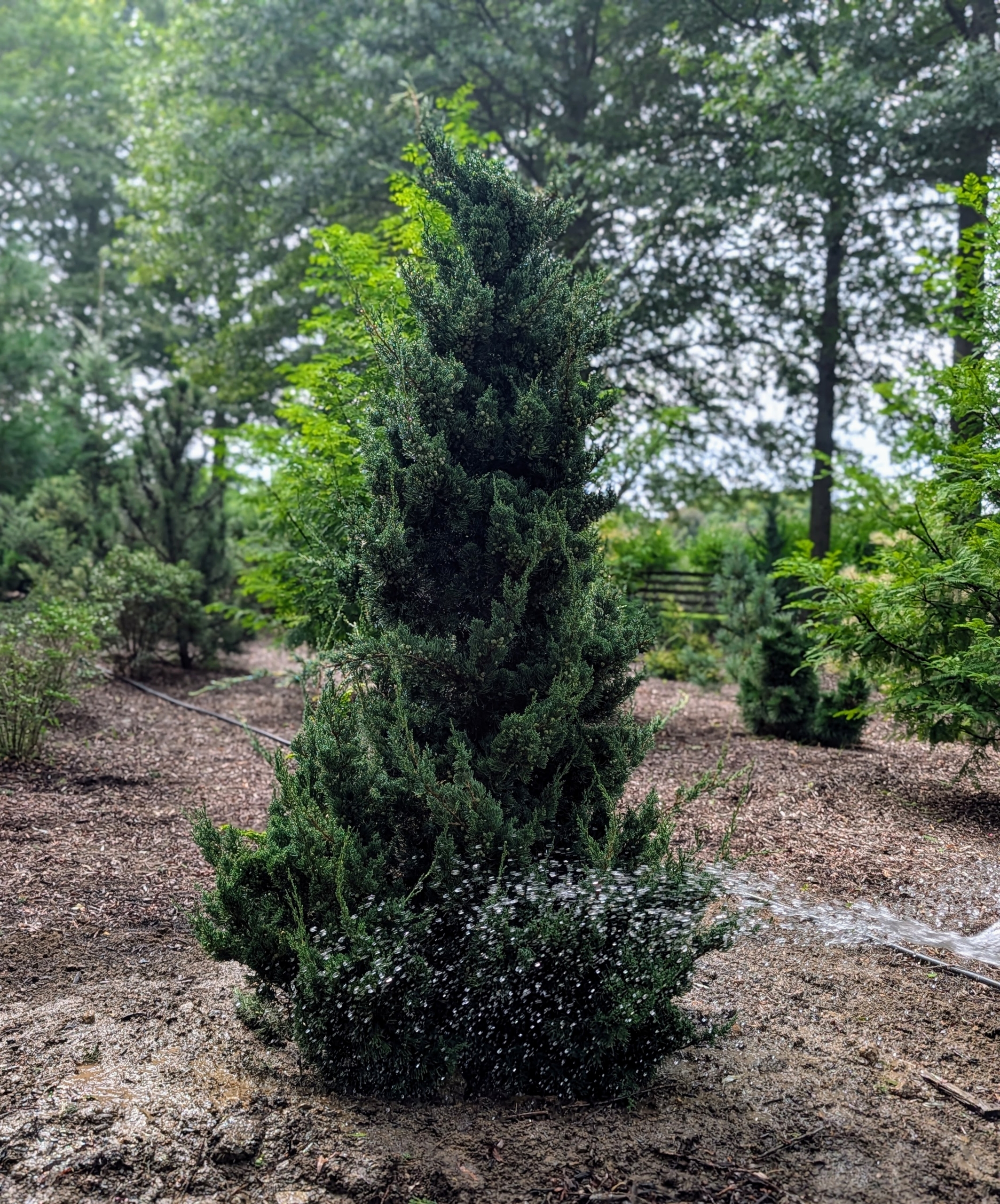
- Finally, it is given a good drink. The soil is already wet from recent storms, but it is always a good idea to give newly transplanted specimens water once in the ground.
-
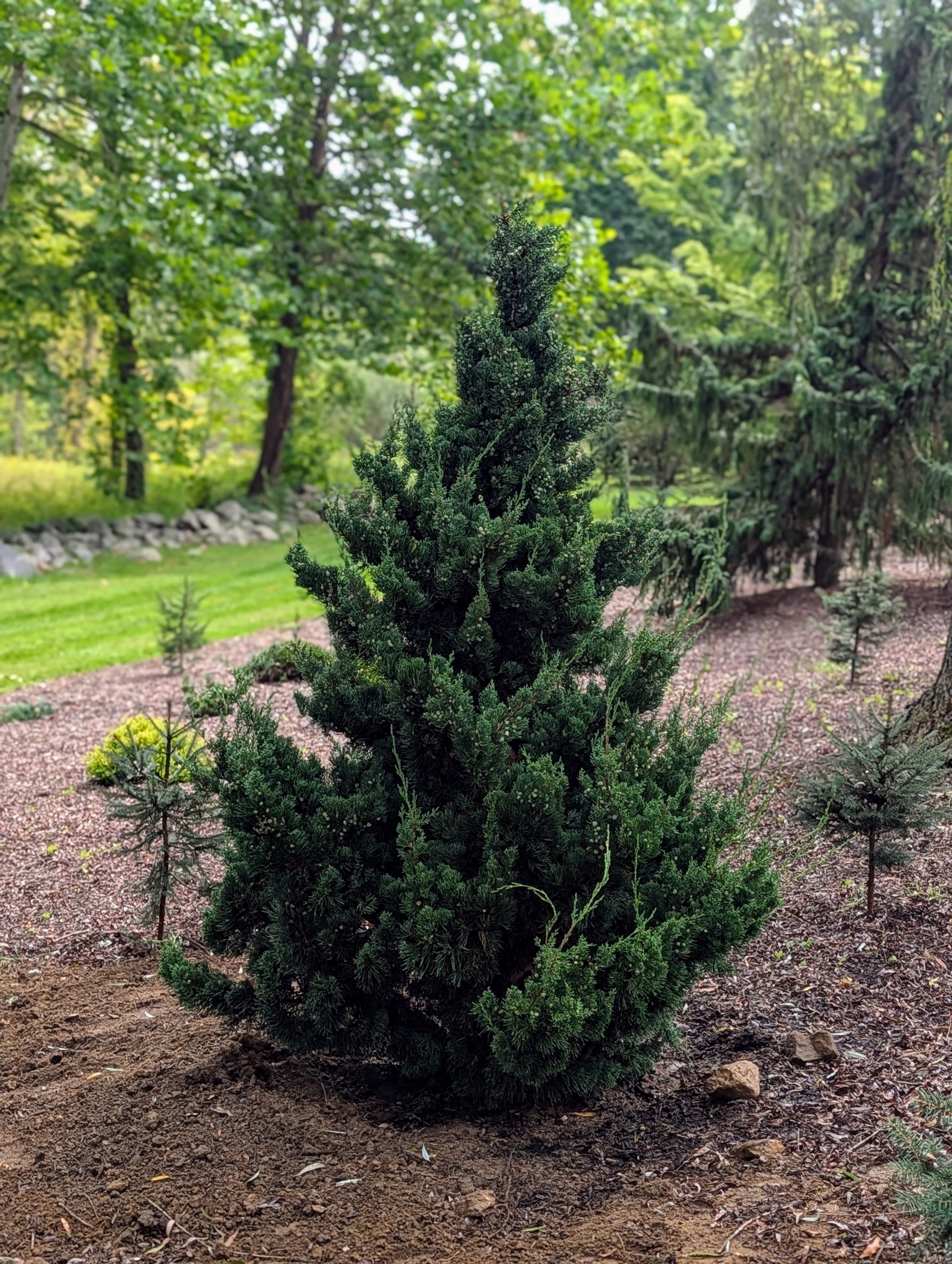
- All of them are planted and watered before lunch.
-
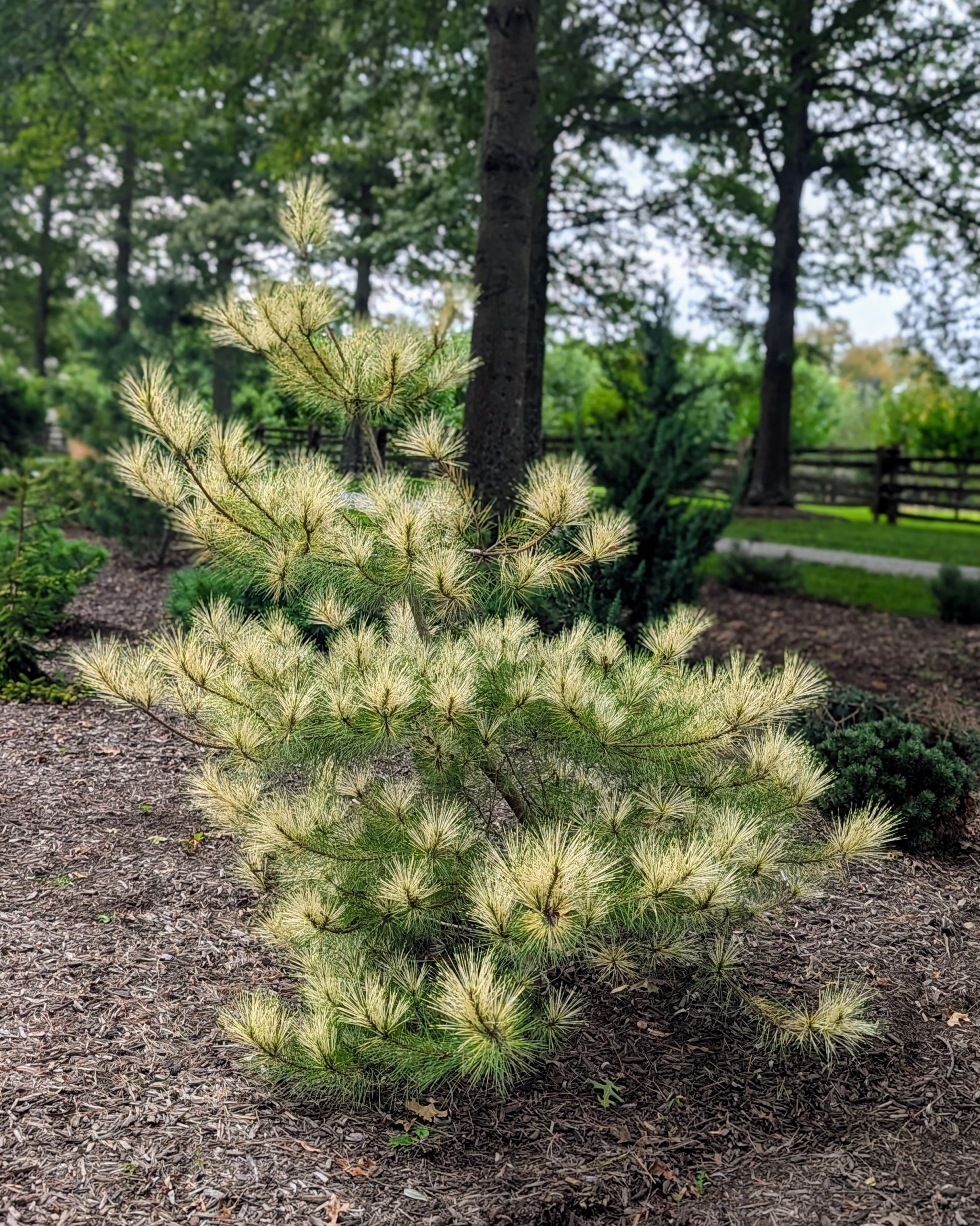
- Other interesting plants in this pinetum include this Burke’s Variegated Red Japanese Pine, Pinus densiflora, a multi-stemmed evergreen with a distinctive and refined pyramidal form. It features striking wide, horizontal, creamy yellow bands on each needle, which are visible year-round on rough branches.
-
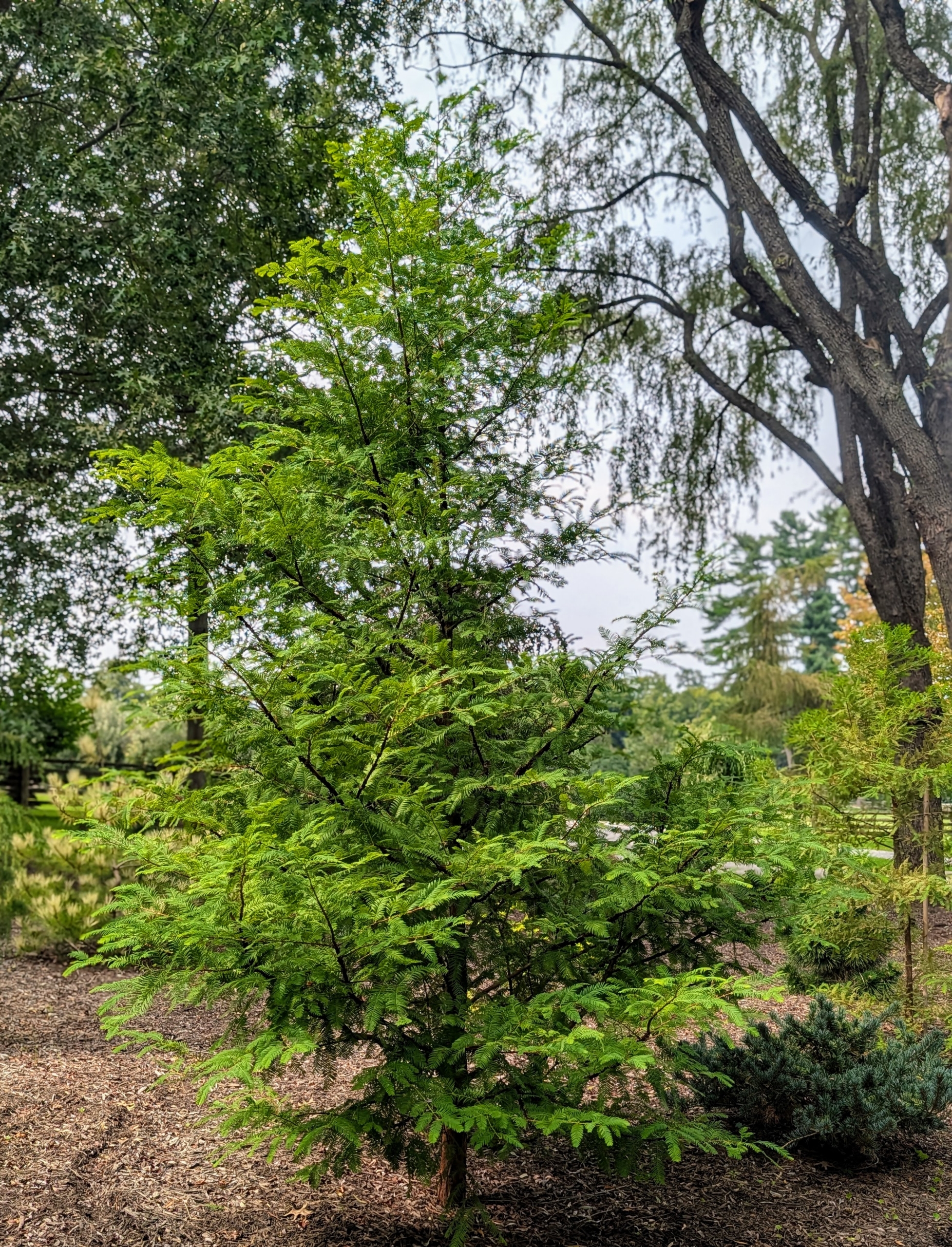
- The dawn redwood has feathery, fine-textured needles that are opposite each other and approximately a half-inch long. Don’t confuse them with the bald cypress needles, which grow alternately. These dawn redwood needles will turn shades of red and brown before falling – it is one of the few deciduous conifers.
-
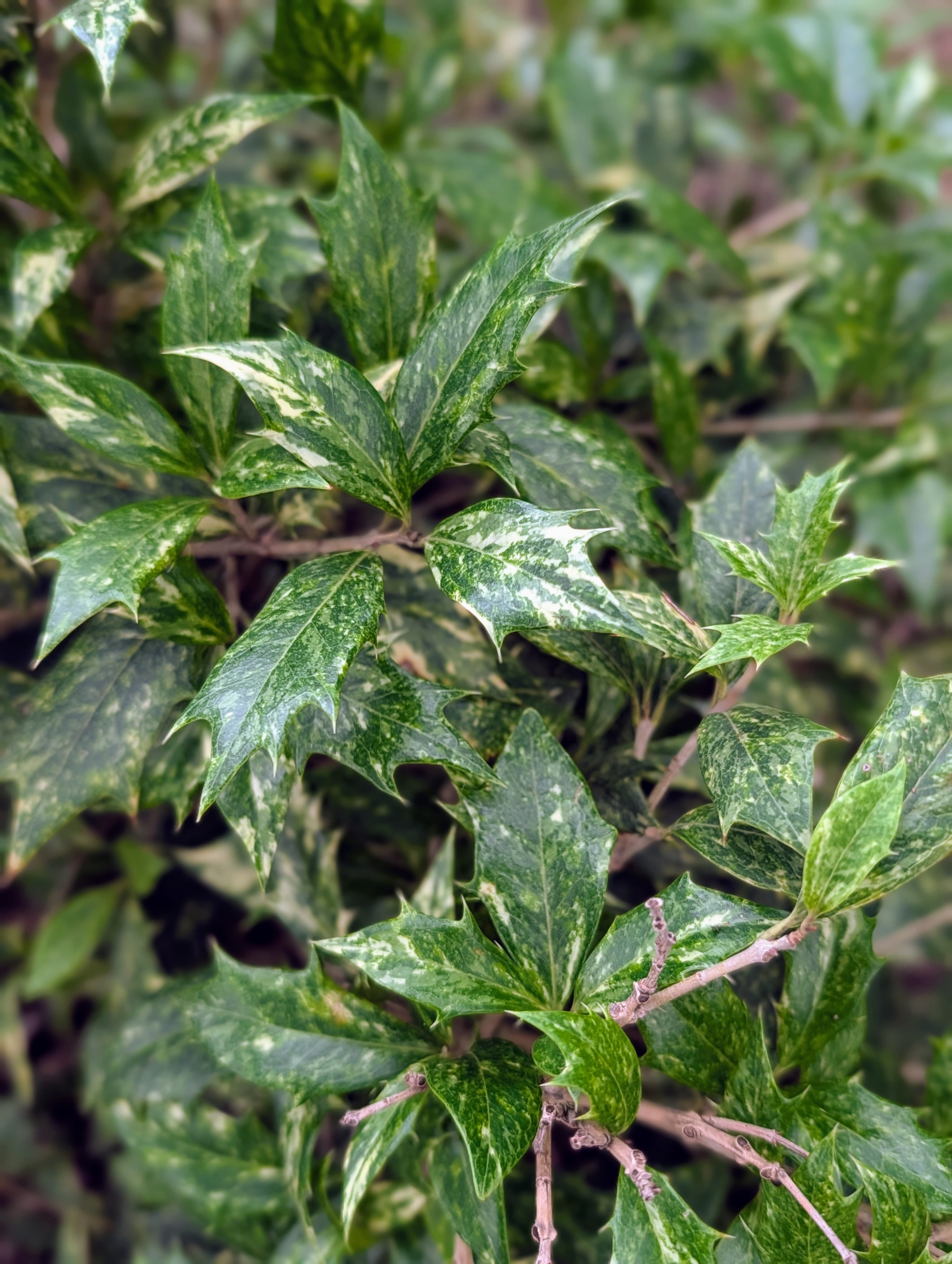
- This is a variegated false holly, a tree-form version of the Goshiki Osmanthus. It is a well-loved specimen for its radiant, variegated, holly-like leaves of creamy white, yellow, and dark mint green.
-
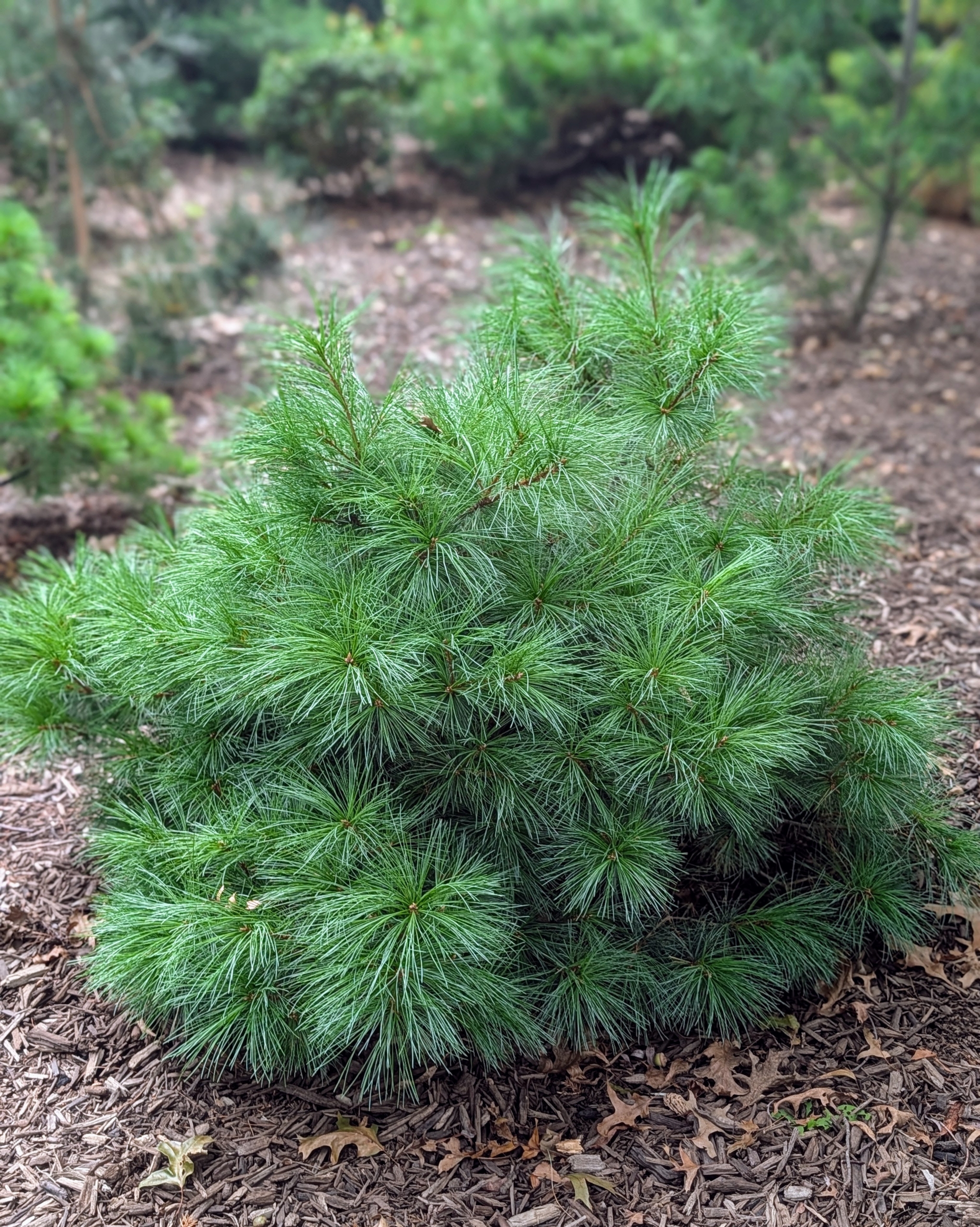
- This is a dwarf pine tree. If you’re not sure how to tell some of these popular trees apart, here are some key tips: pines have needles that are arranged and attached to the branches in clusters. Spruce and fir trees have needles attached individually to the branches.
-
- I add more specimens to this collection every year – some are very rare and slow growing, but I love the variety of plantings I’ve amassed. I’m looking forward to watching this garden mature. I hope this inspires you to try planting more unusual plants that can add both texture and color to your garden.
 Martha Pins


 Martha Tweets

