

A Guest Blog from a Visit to the Netherlands and Germany
Here at my Bedford, New York farm, whenever a member of my team returns from vacation, I always encourage them to share some of their photos.
Last month, my head gardener Ryan McCallister traveled to Europe to visit two major cities. His first stop was Amsterdam, the capital city of the Netherlands, where he walked along its canals, shopped its outdoor markets, and learned about the area's vibrant culture. He also spent time in and around Berlin, the capital of Germany - well known for its rich history, notable landmarks, and modern attractions.
Here are a few of his images, enjoy.
-

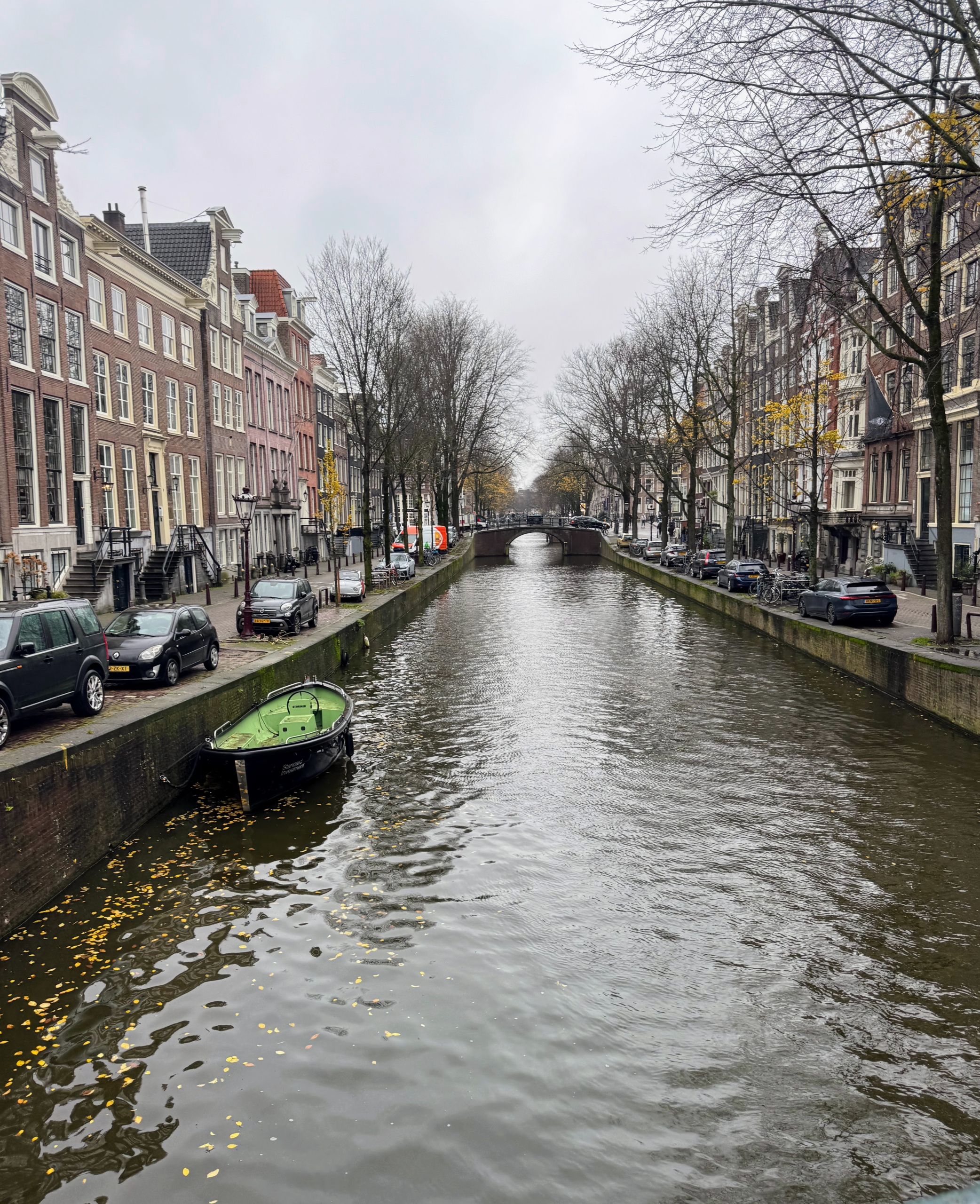
- Amsterdam’s canals are part of the city’s history and charm. They are crucial for water management, trade, and transport. They divide the area into numerous islands connected by hundreds of bridges. In all, there are 165 canals.
-
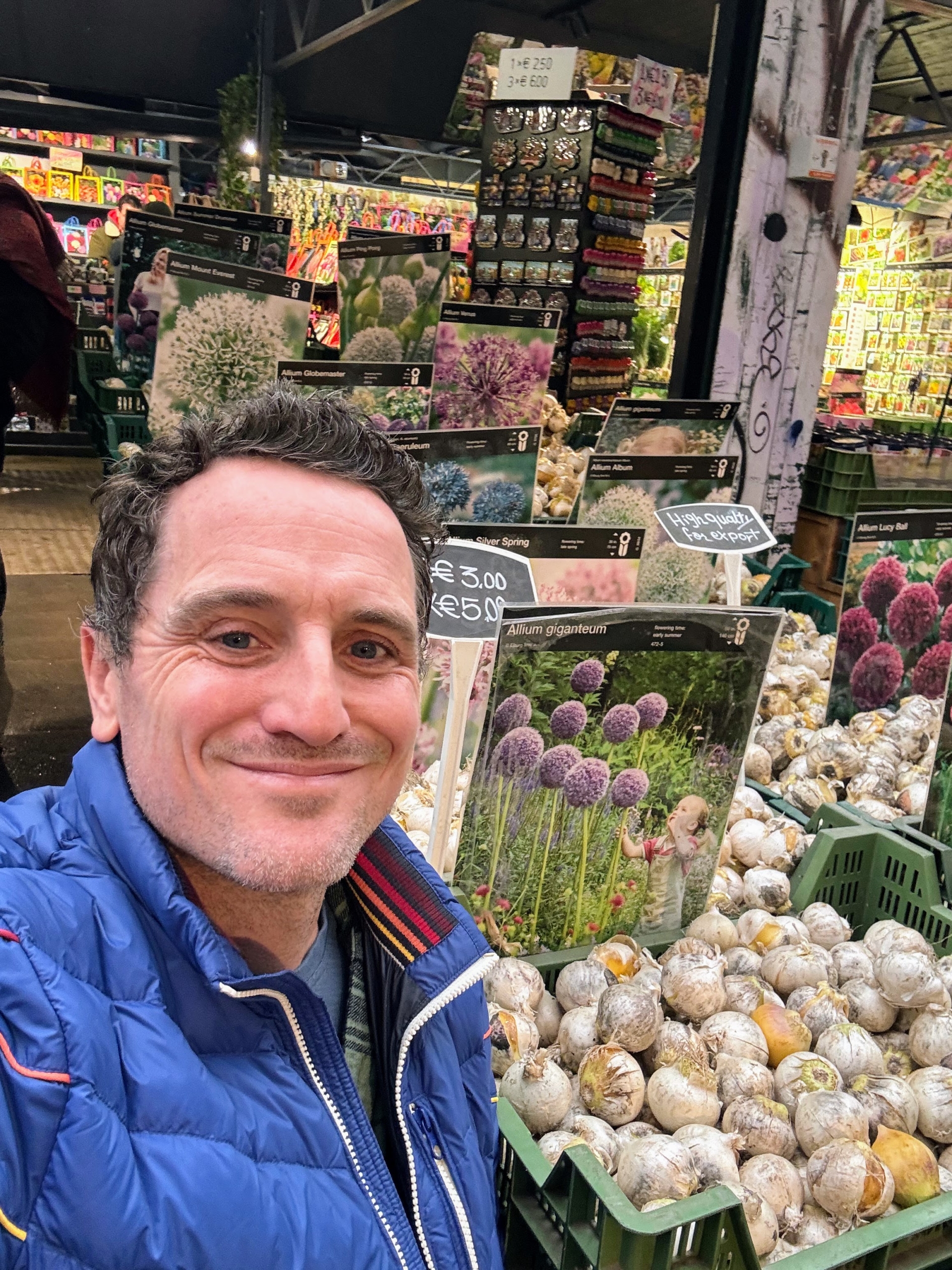
- Here’s Ryan at Amsterdam’s famous Flower Market, located on the Singel between Koningsplein and Muntplein. It is the world’s only floating Flower Market and was first established in 1862.
-
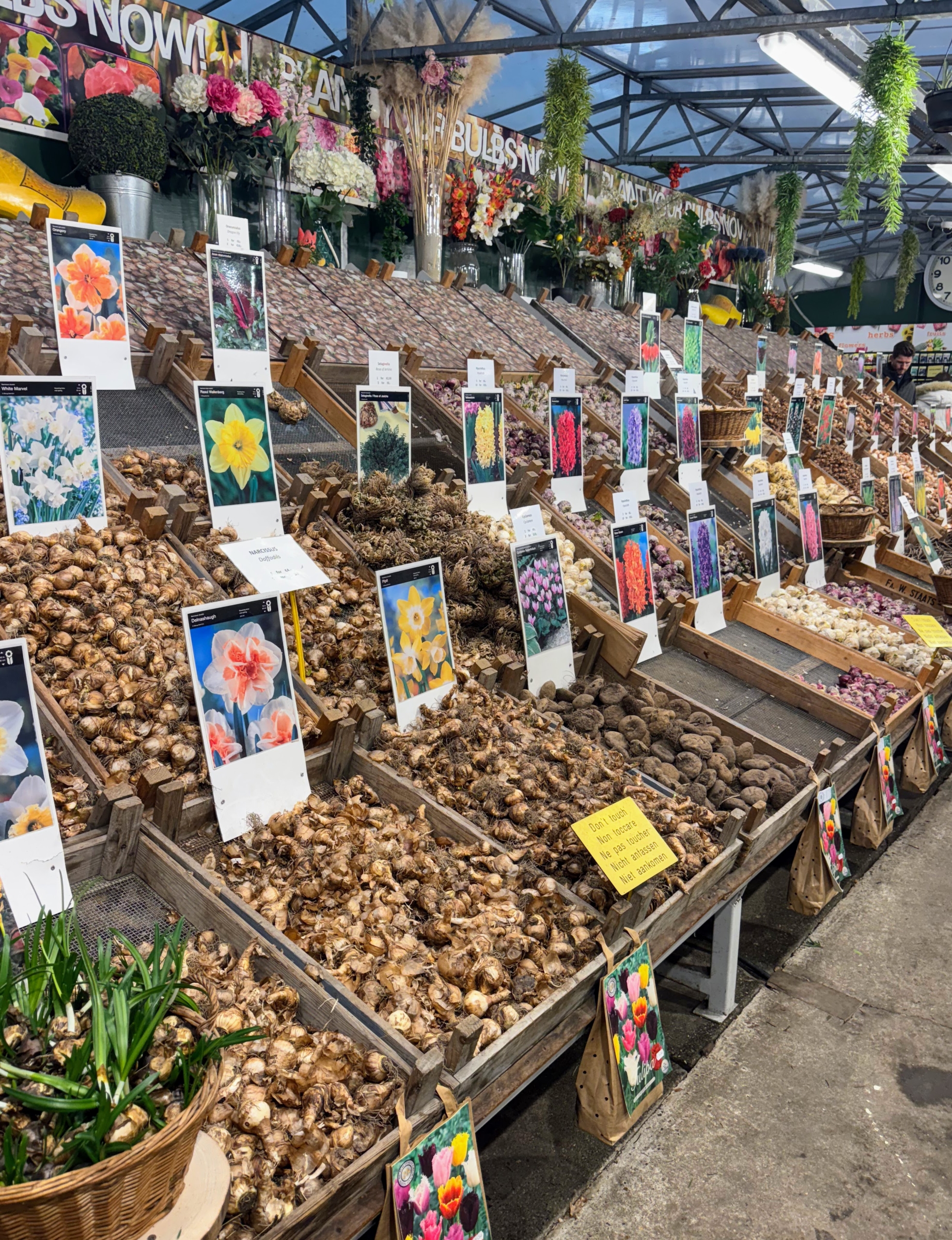
- In addition to an impressive and vast selection of flowers and plants, there is also a wide variety of flower bulbs available at the market.
-
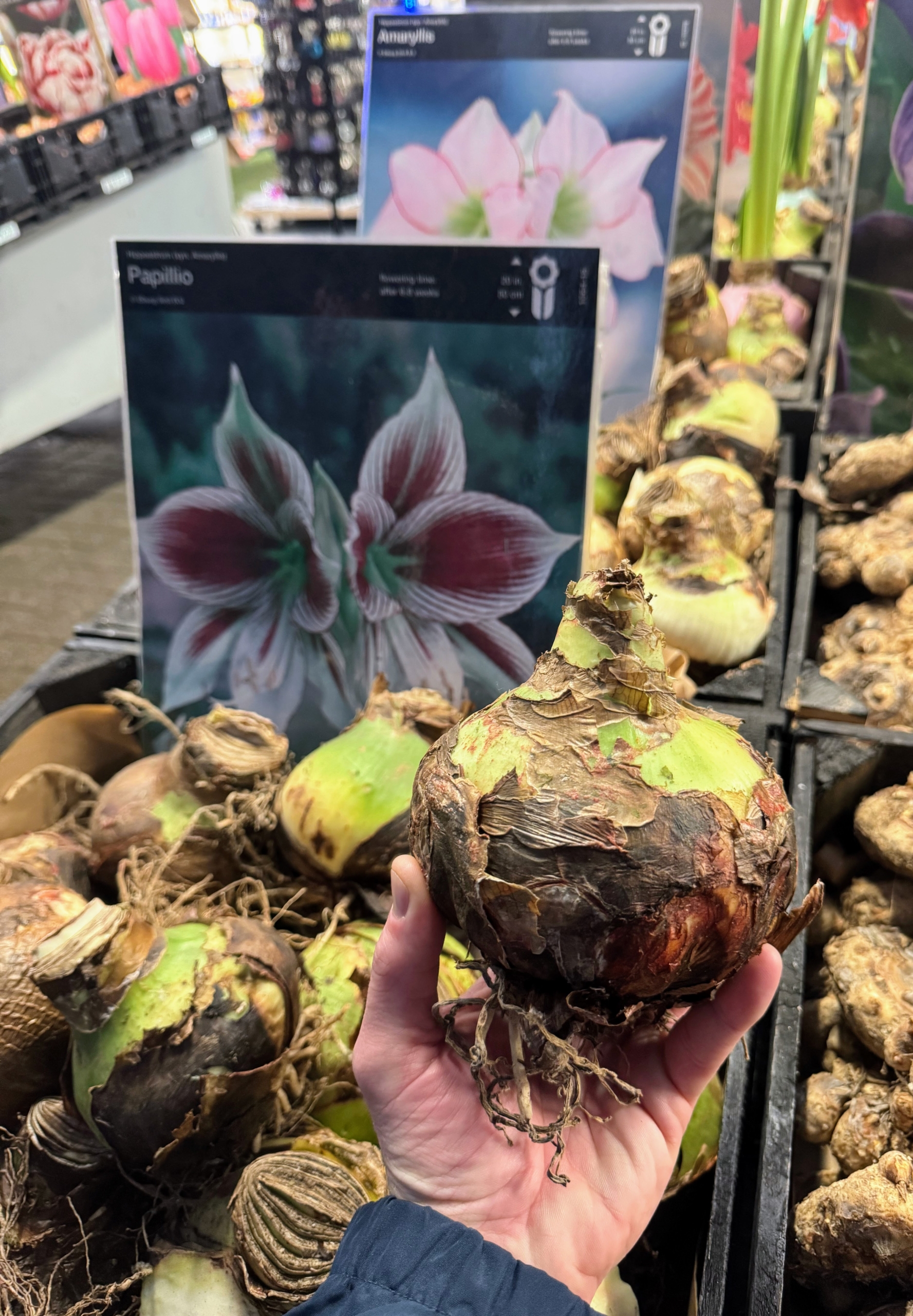
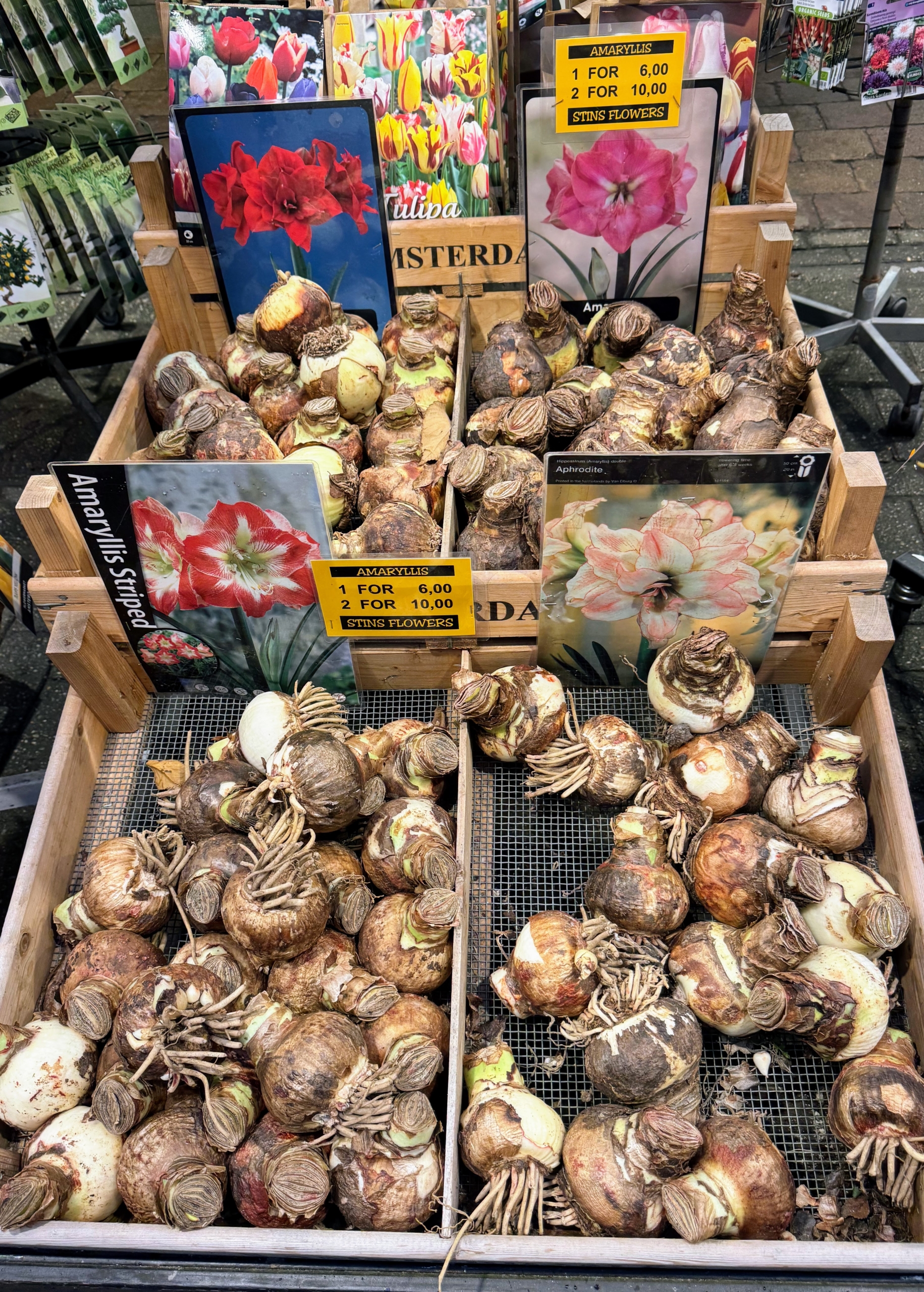
- Look at the size of these amaryllis bulbs!
-
- And there are so many different types from which to choose.
-
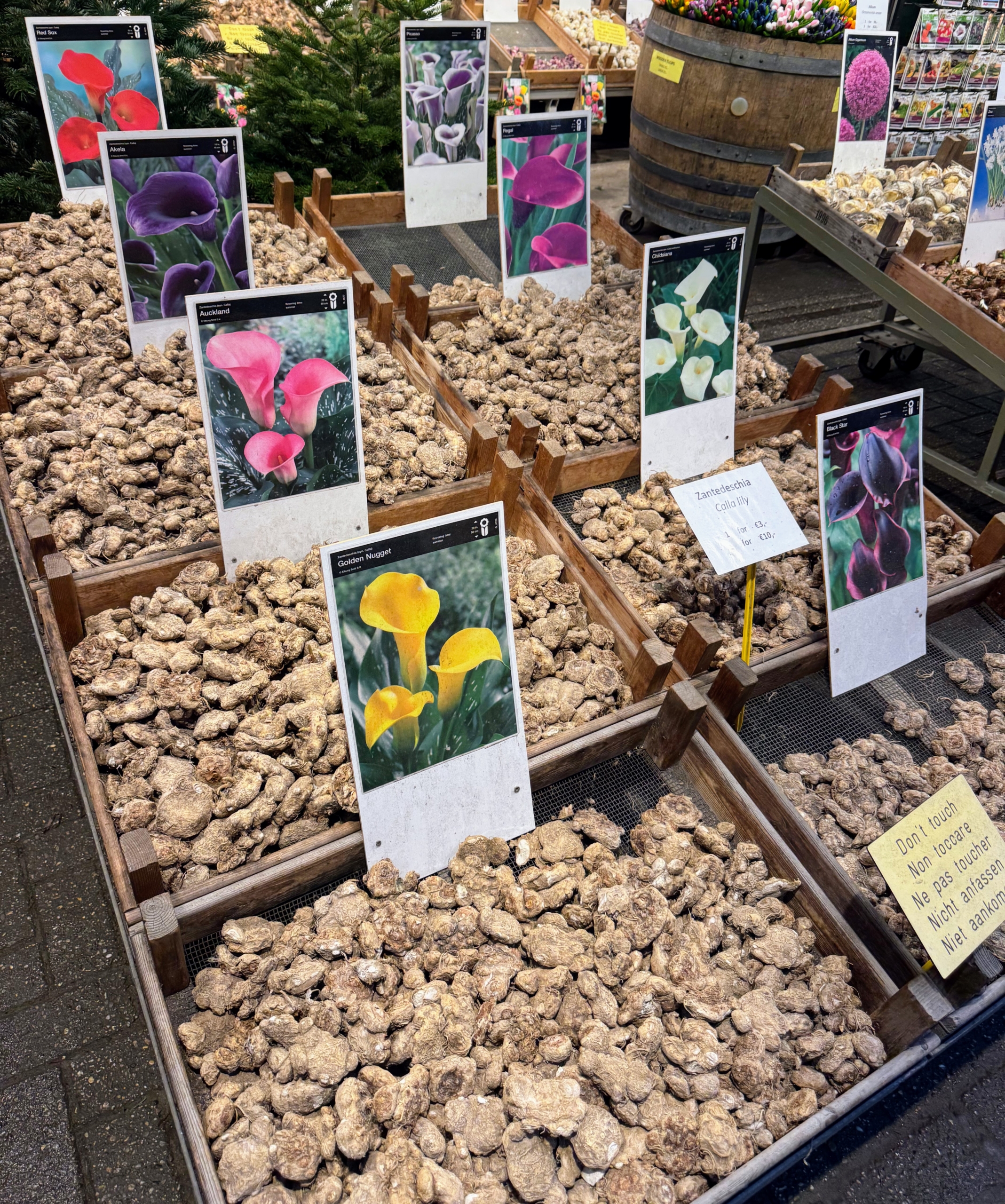
- In this section – beautiful calla lilies for sale.
-
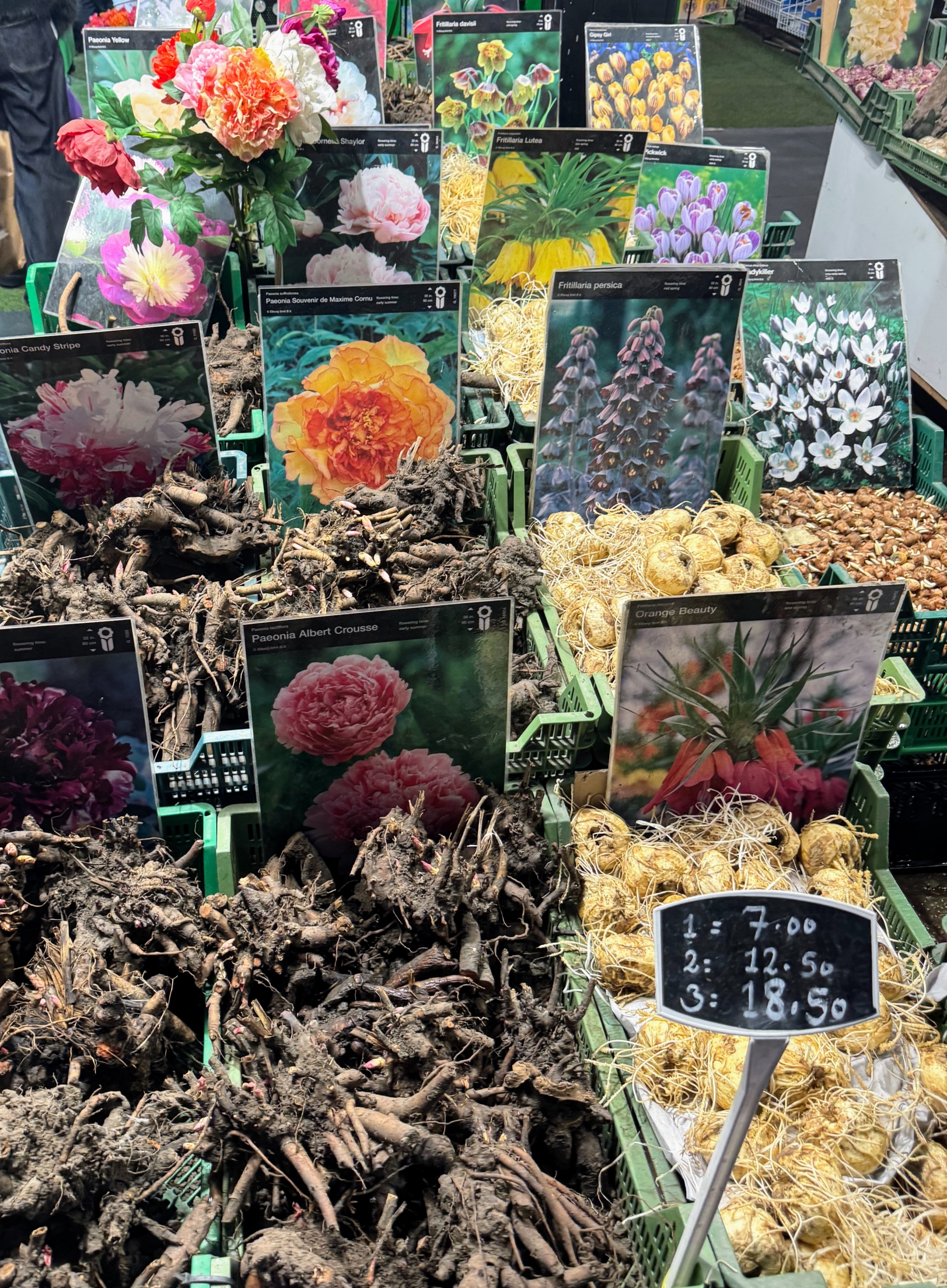
- And of course, Ryan perused the large selection of peonies.
-
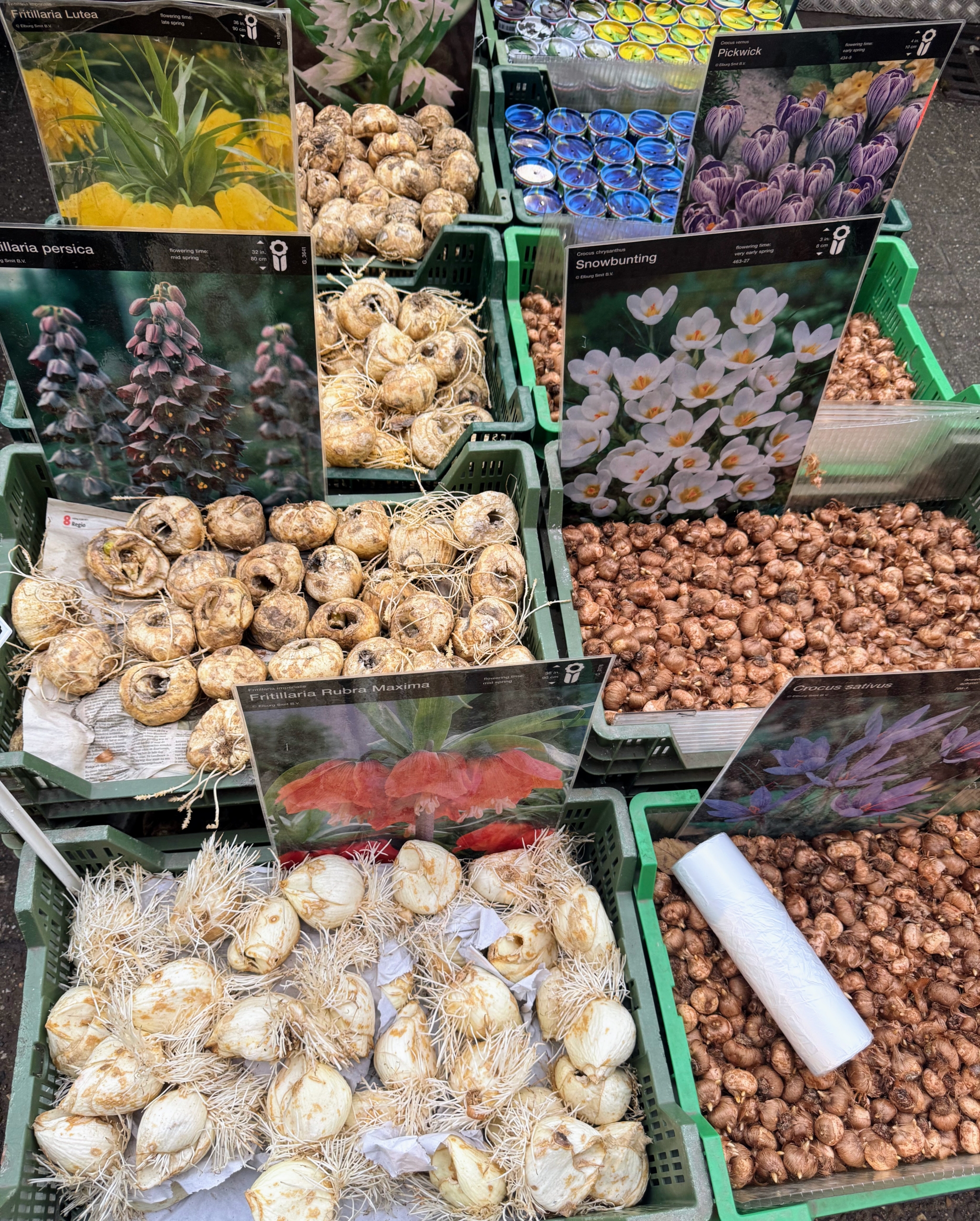
- Over the years, the market has become a popular destination for garden enthusiasts and other travelers. In this section – fritillaria and crocus bulbs.
-
- The flower market is also open throughout the year, offering visitors large and vibrant displays regardless of the season.
-
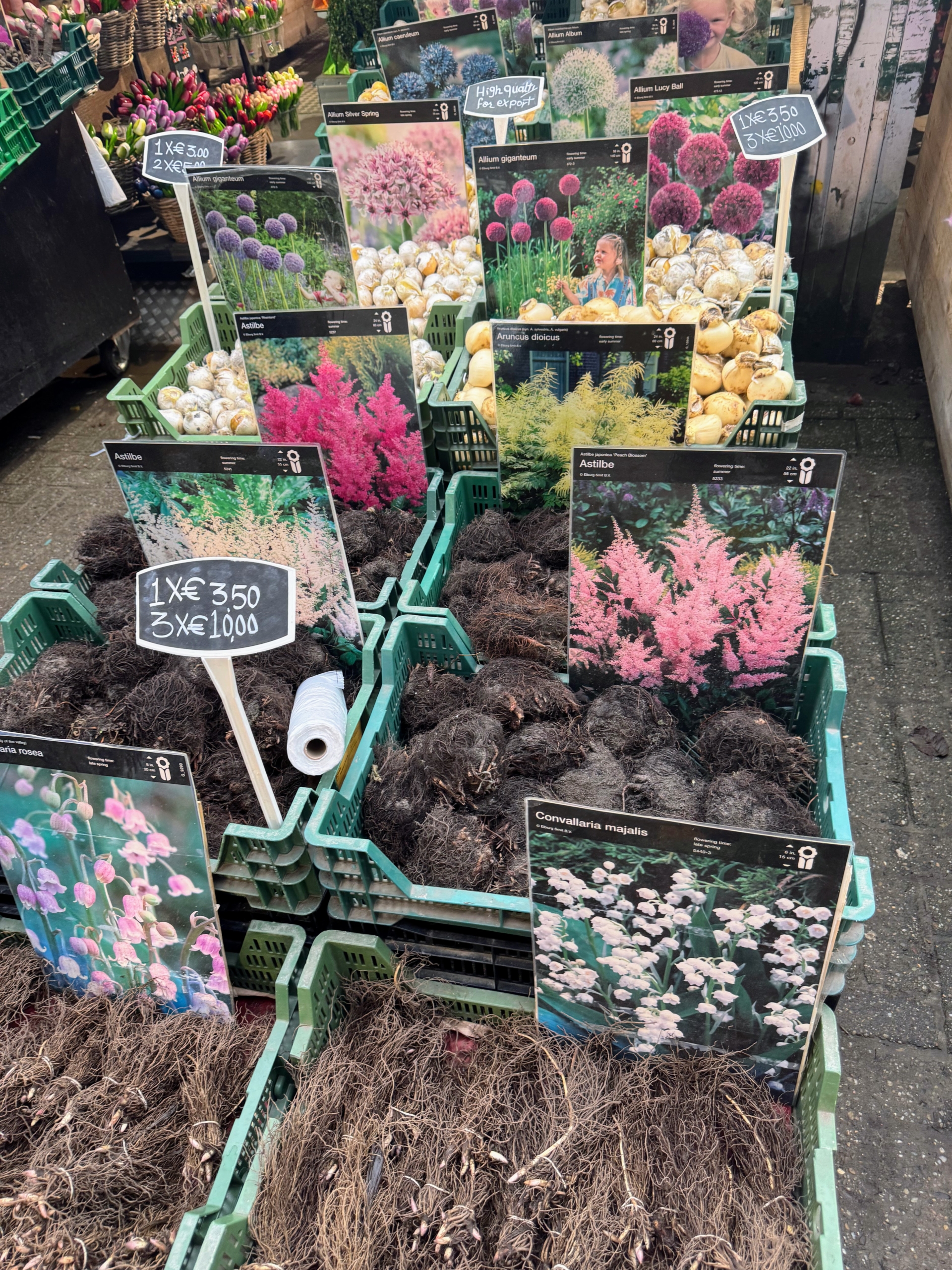
- Hortus botanicus in Leiden is one of the oldest botanical gardens in the world and the oldest of the Netherlands. It was established in 1590.
-
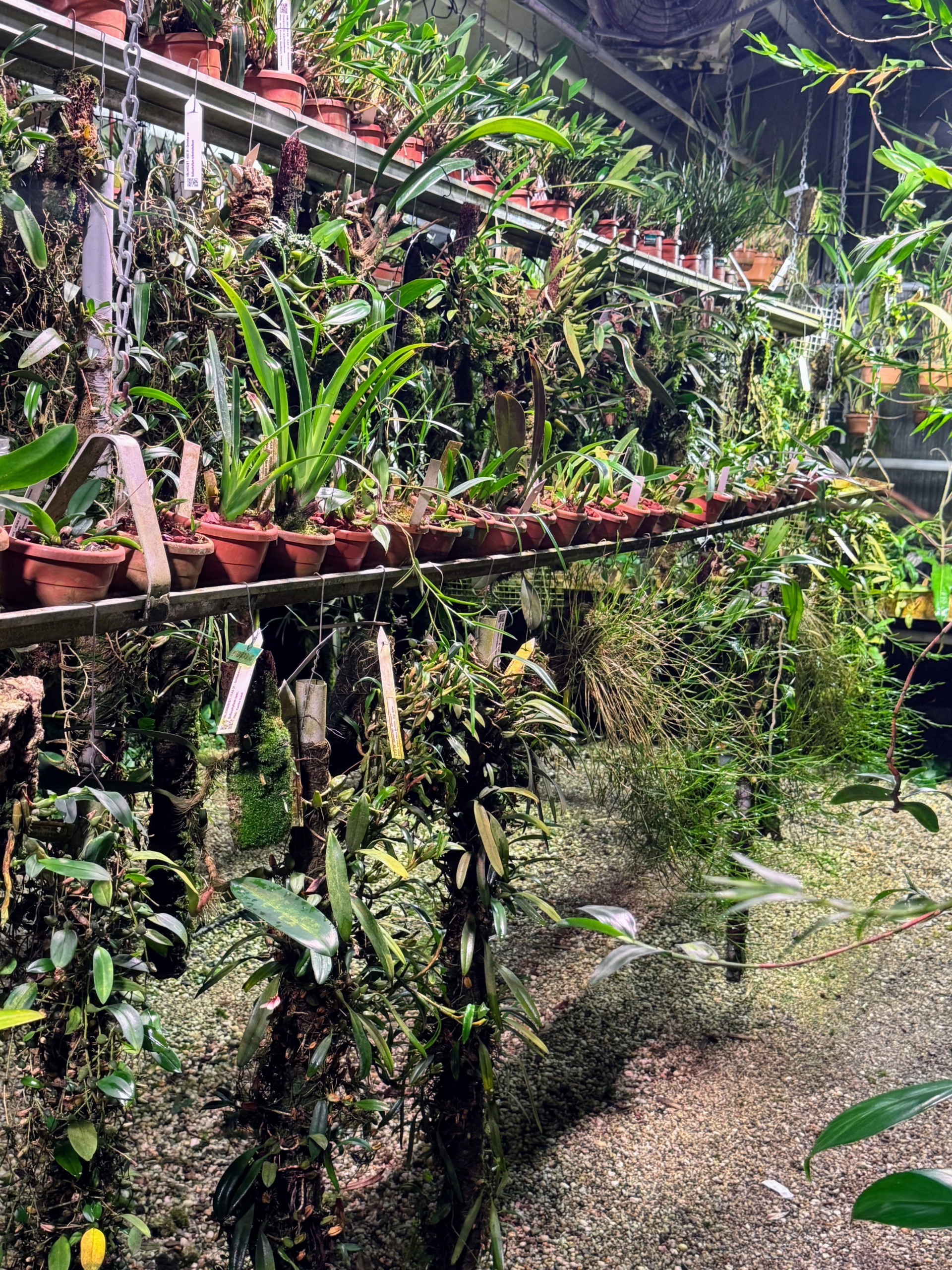
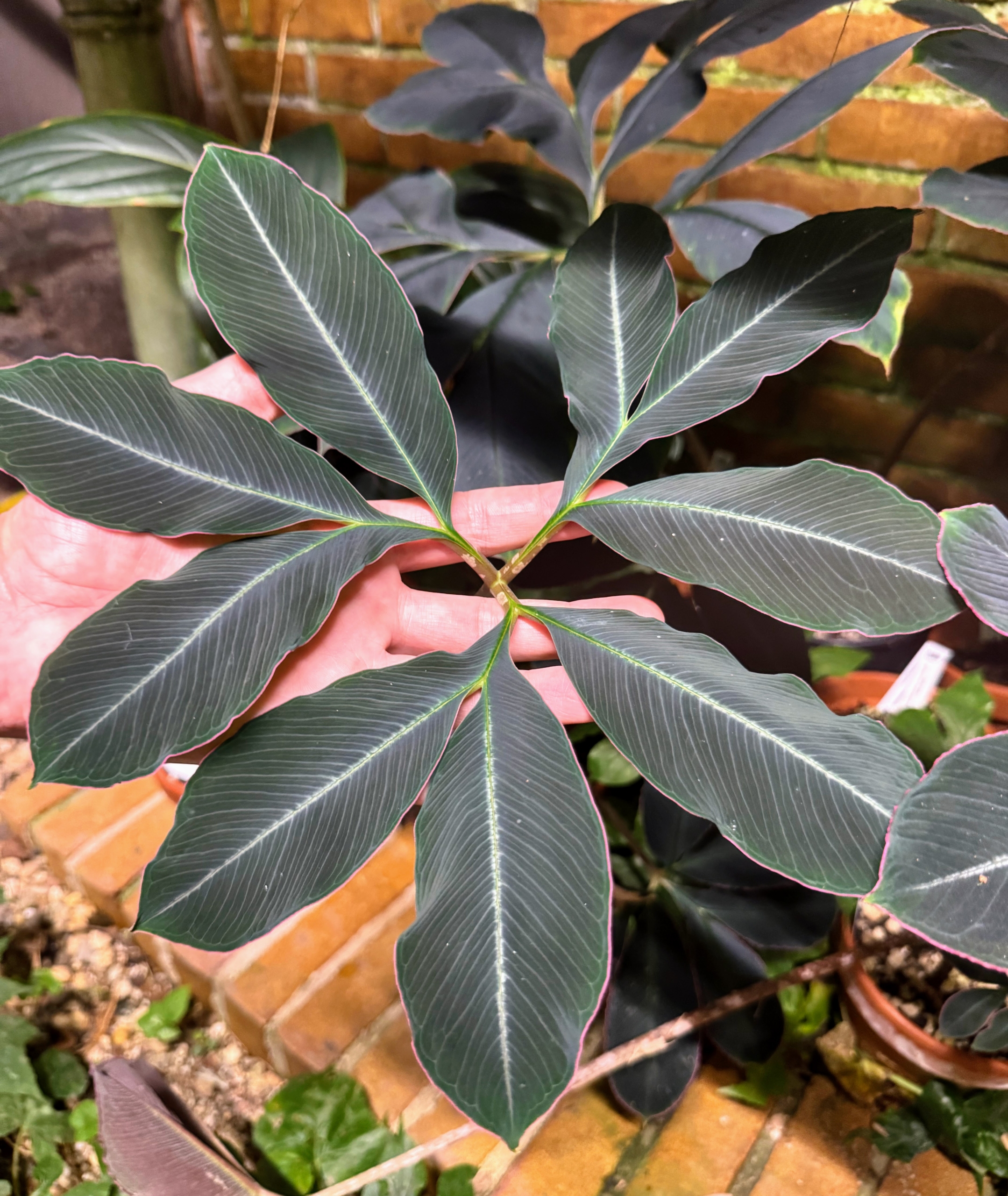
- This plant is Amorpholhallus atroviridis, also known as the voodoo lily. It is known for its dark emerald-black green foliage. The plant produces cream and pink flowers that bloom in spring and summer, reaching heights up to three feet. The flowers are composed of a spadix surrounded by a spathe, resembling a large, open umbrella.
-
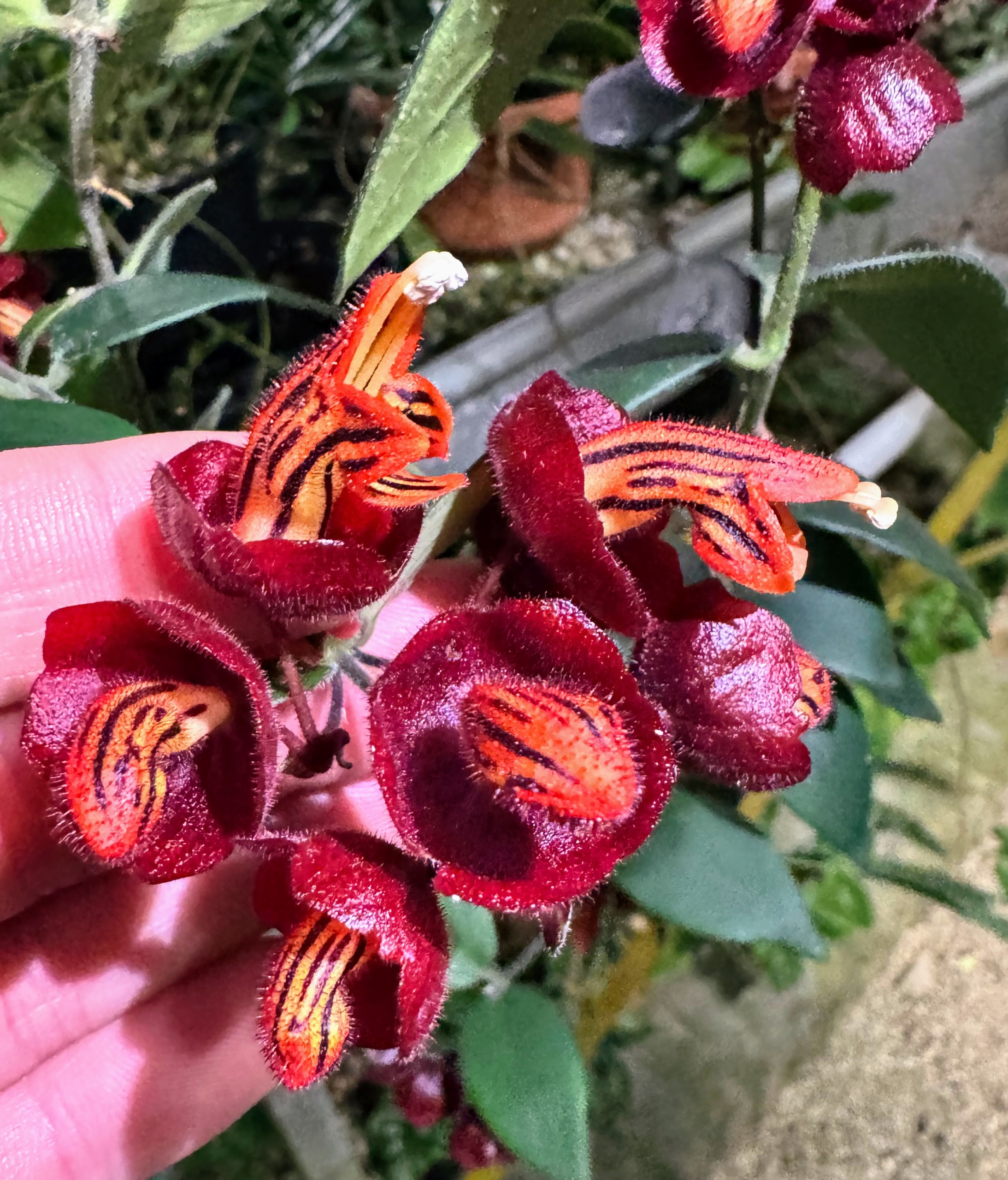
- This is Aeschynanthus tricolor, commonly known as the lipstick plant. It features striking tubular flowers that are bright red with yellowish tips resembling makeup. This plant is native to regions of Southeast Asia and flowers in clusters showing off its colors for several weeks.
-
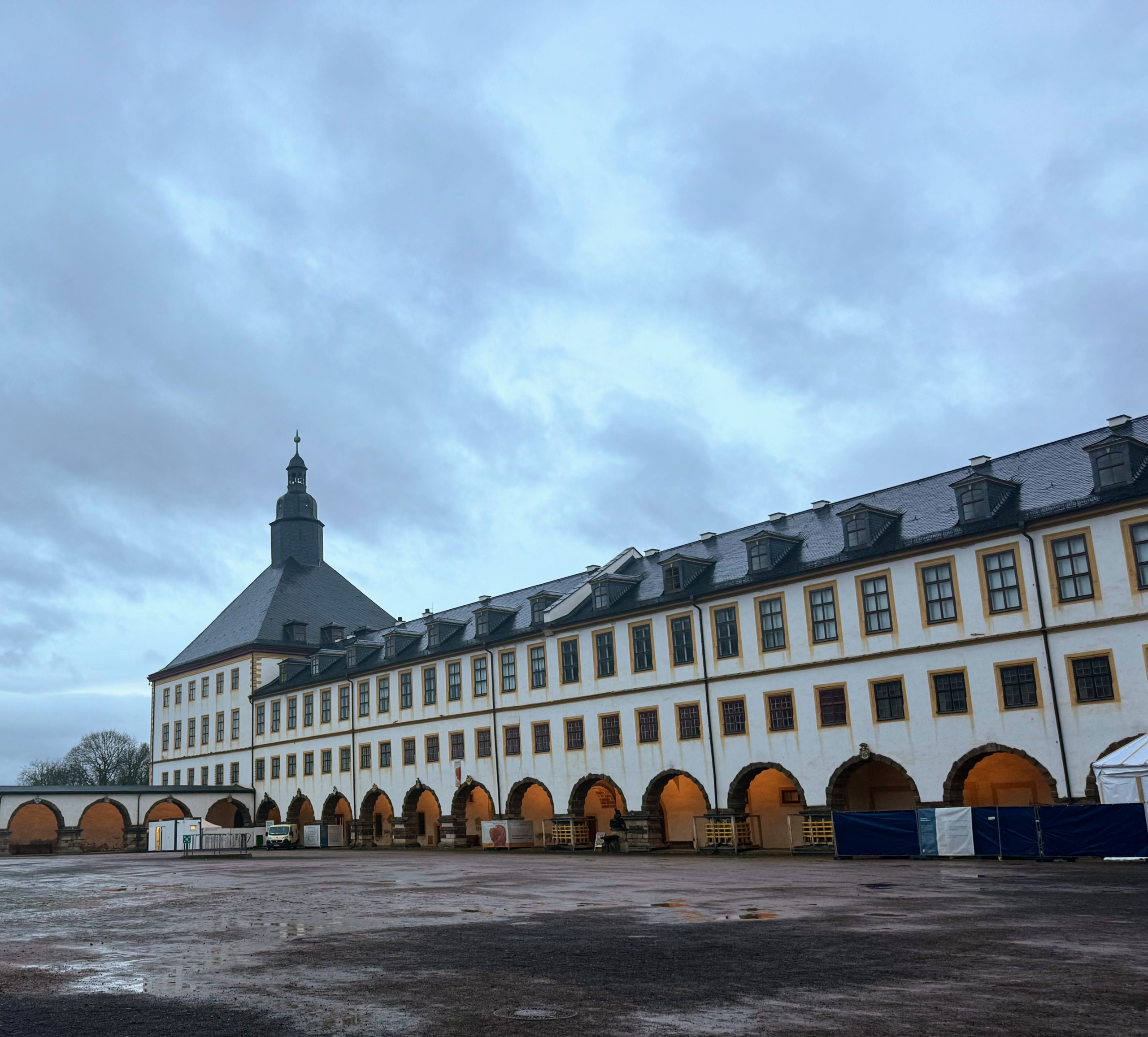
- This is the Friedenstein Palace or Schloss Friedenstein – an early Baroque palace in the city of Gotha in Germany. This palace was built in the mid-17th century around an open courtyard. The palace now houses several museums.
-
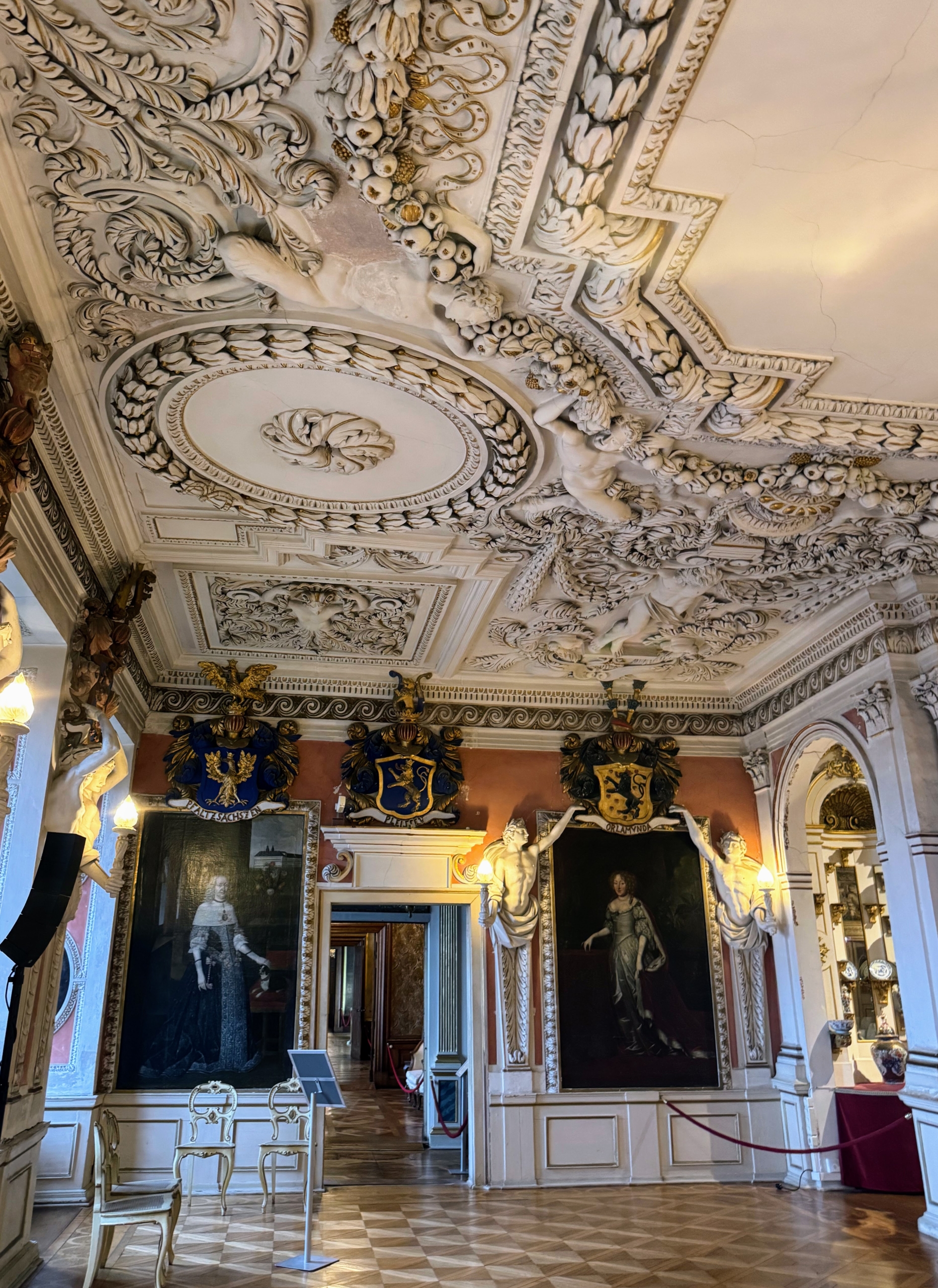
- Inside, one can see its opulent stucco ceilings.
-
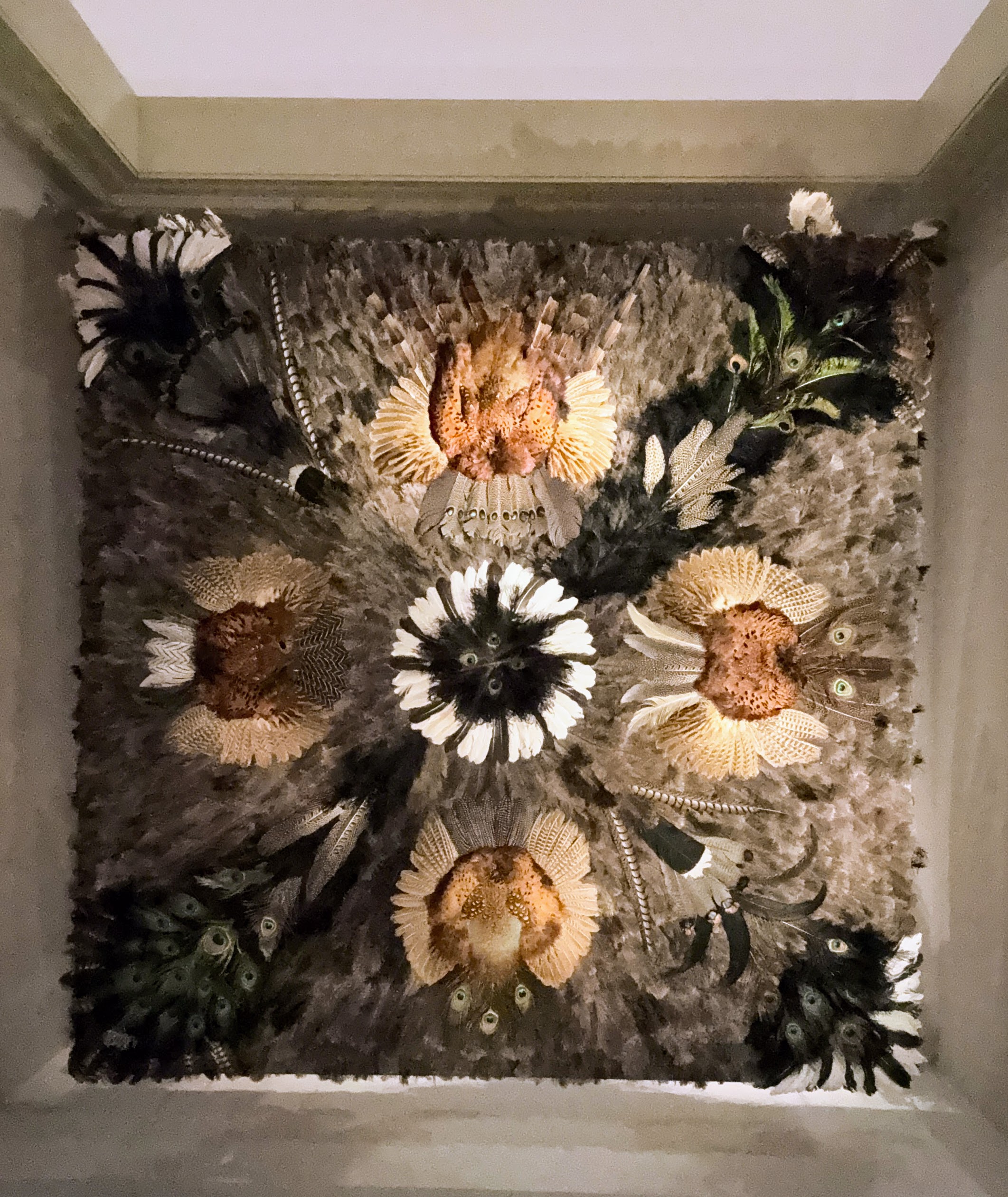
- The main banquet hall had lavish ceiling sculptures framed with flowers.
-
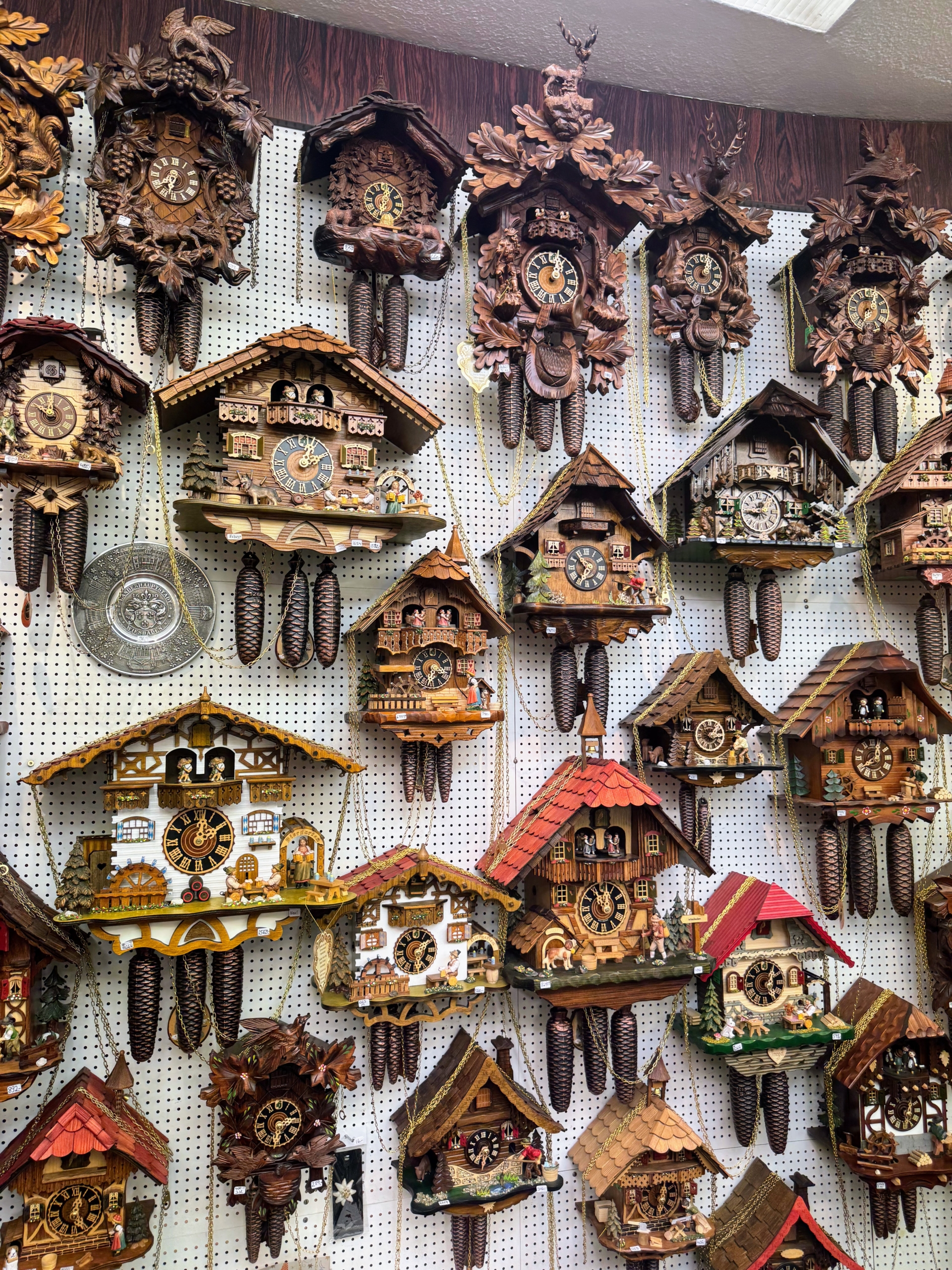
- In Weisbaden, cuckoo clocks are particularly popular for their unique charm and craftsmanship. In this shop, Ryan saw both vintage and newer handmade items.
-
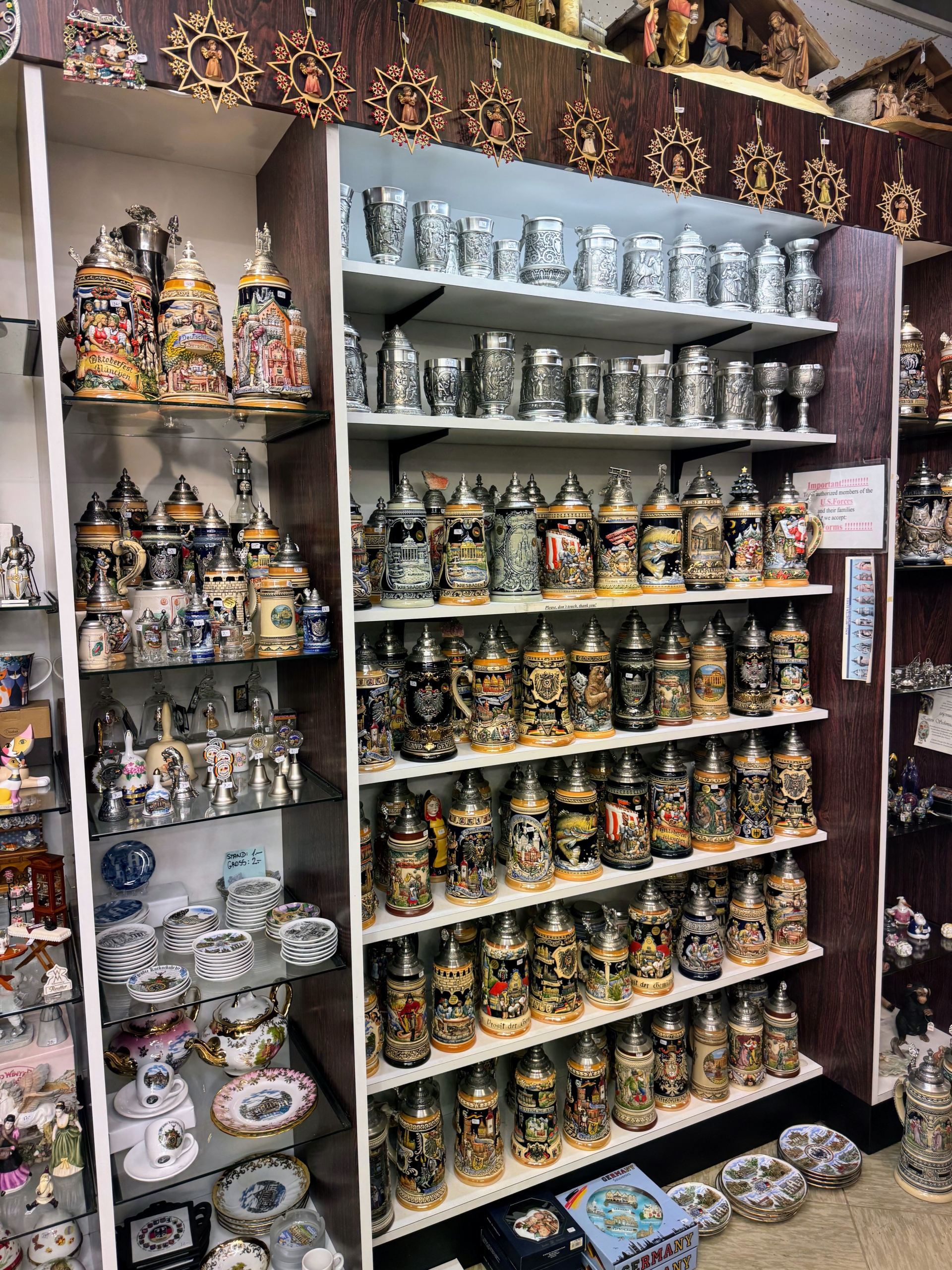
- In another shop, Ryan admired the wall of beer steins – traditional beer mugs made out of stoneware, pewter, porcelain or even silver, wood, or crystal.
-
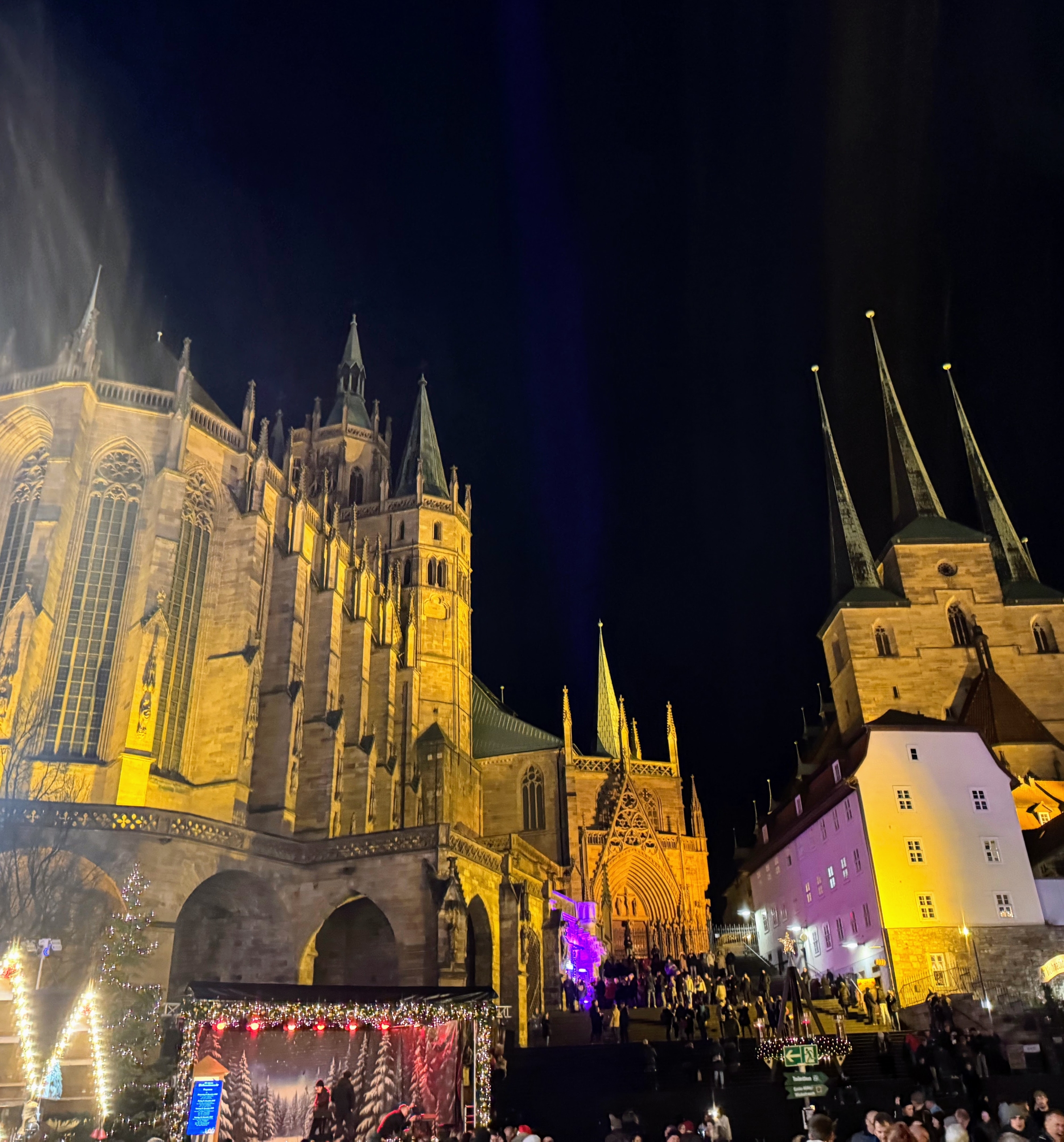
- Here is the Erfurt Cathedral, also known as St. Mary’s Cathedral, the largest and oldest church in the city of Erfurt.
-
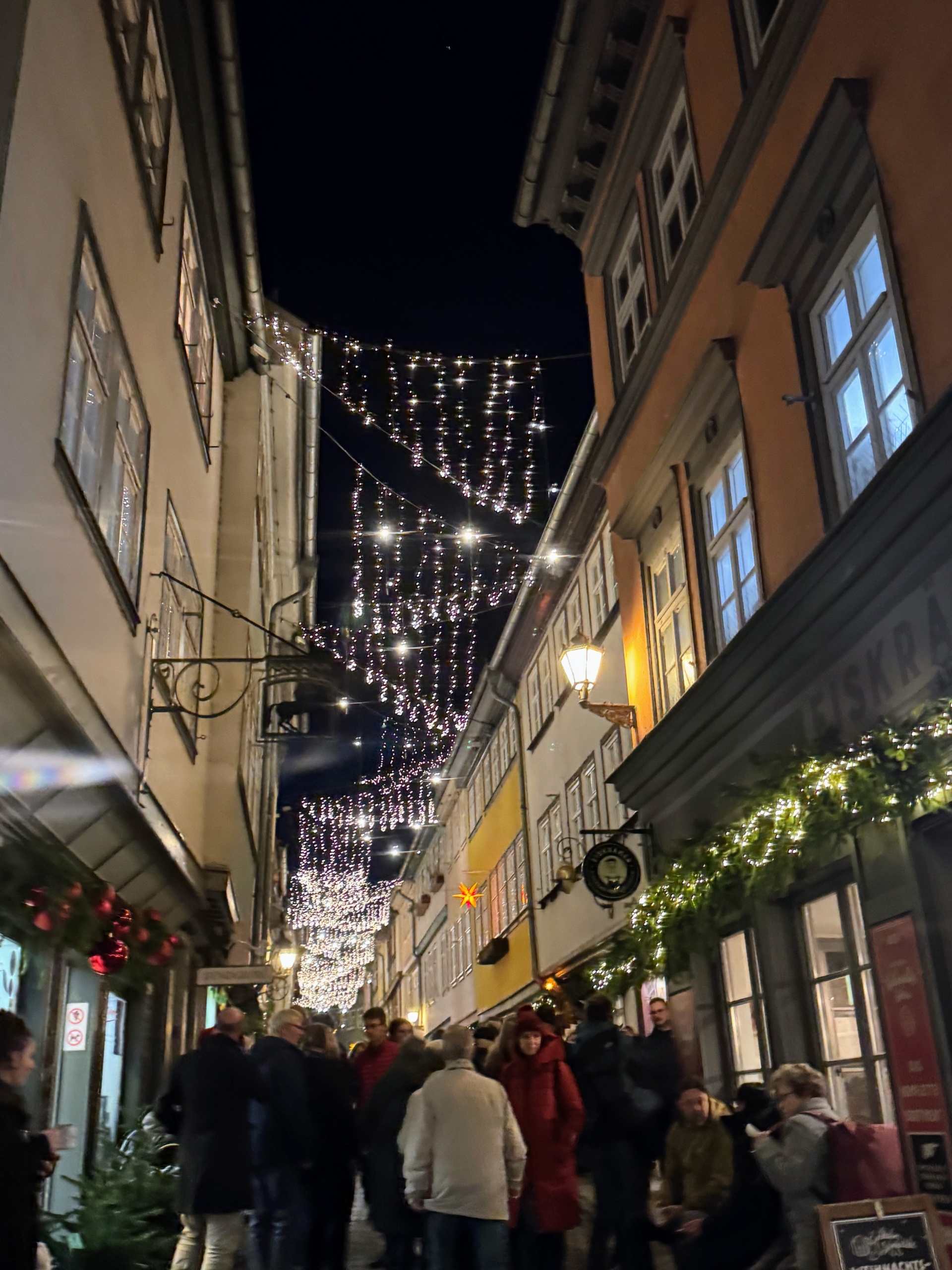
- Many of the streets were decorated for the holidays.
-
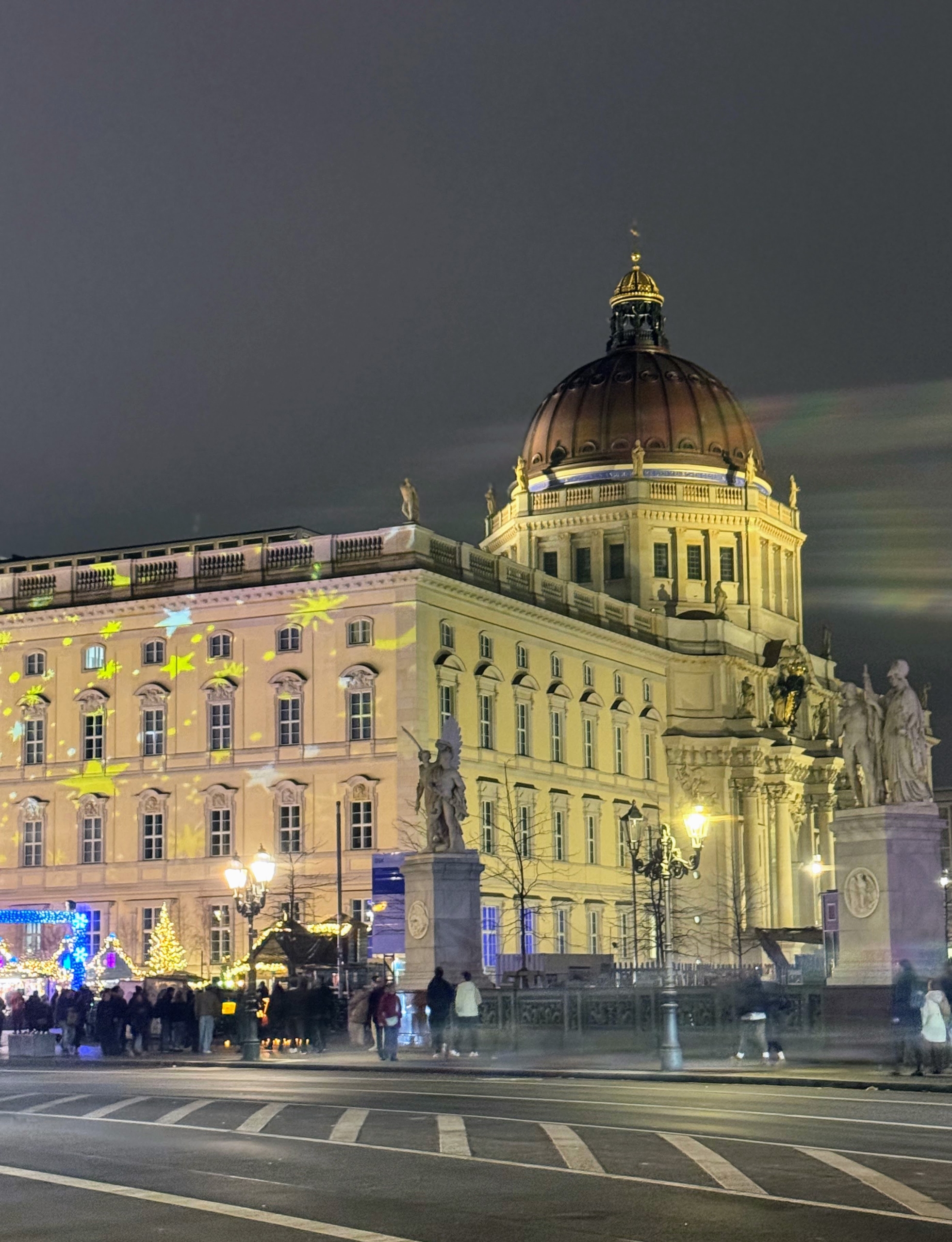
- Here is the Berlin Palace, also called Stadtschloss or “City Palace.”
-
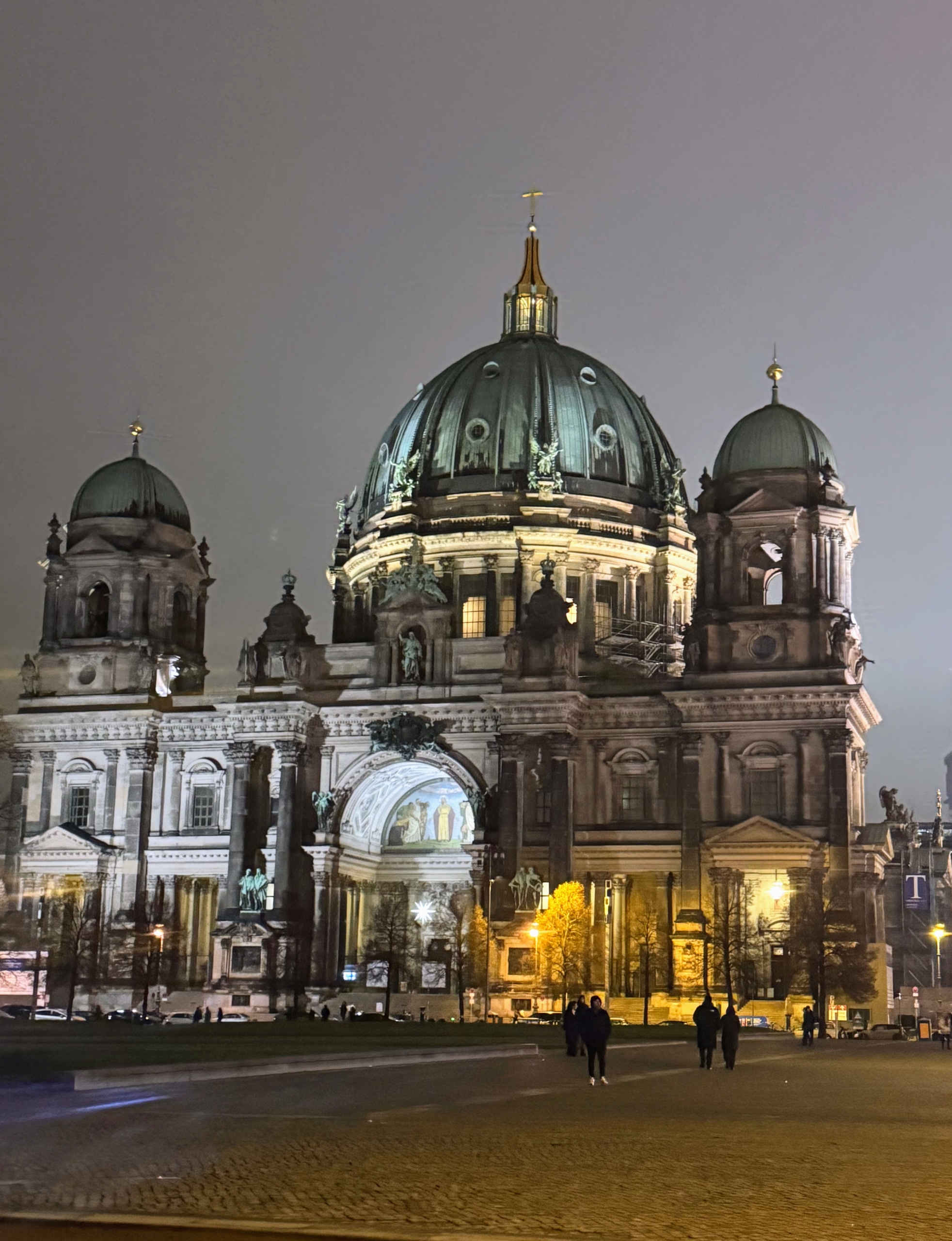
- And nearby is the Berlin Cathedral. This Protestant church was built from 1894 to 1905 by order of Emperor William II.
-
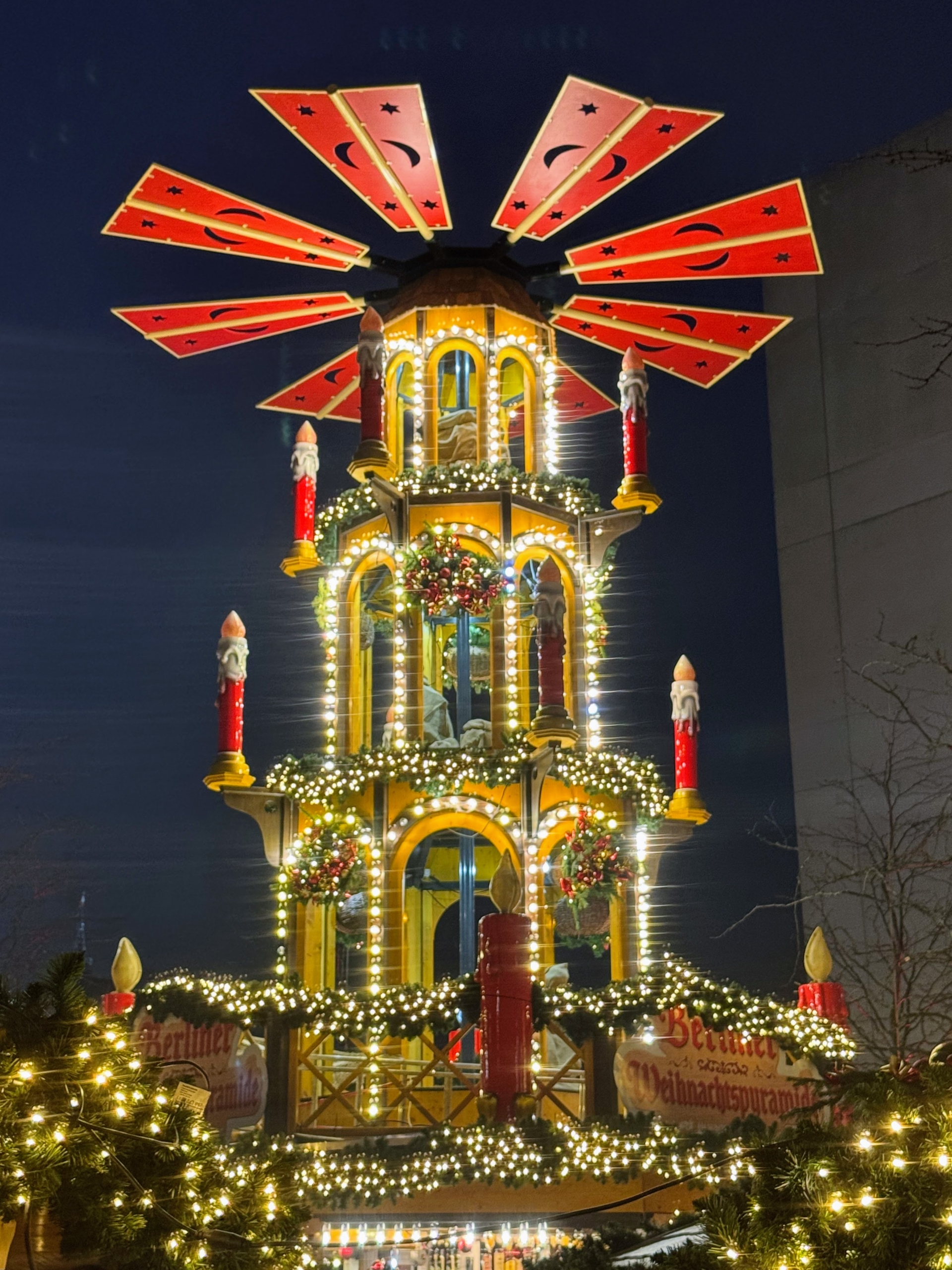
- In Berlin, Ryan couldn’t miss this Christmas pyramid all lit up for the holiday season.
-
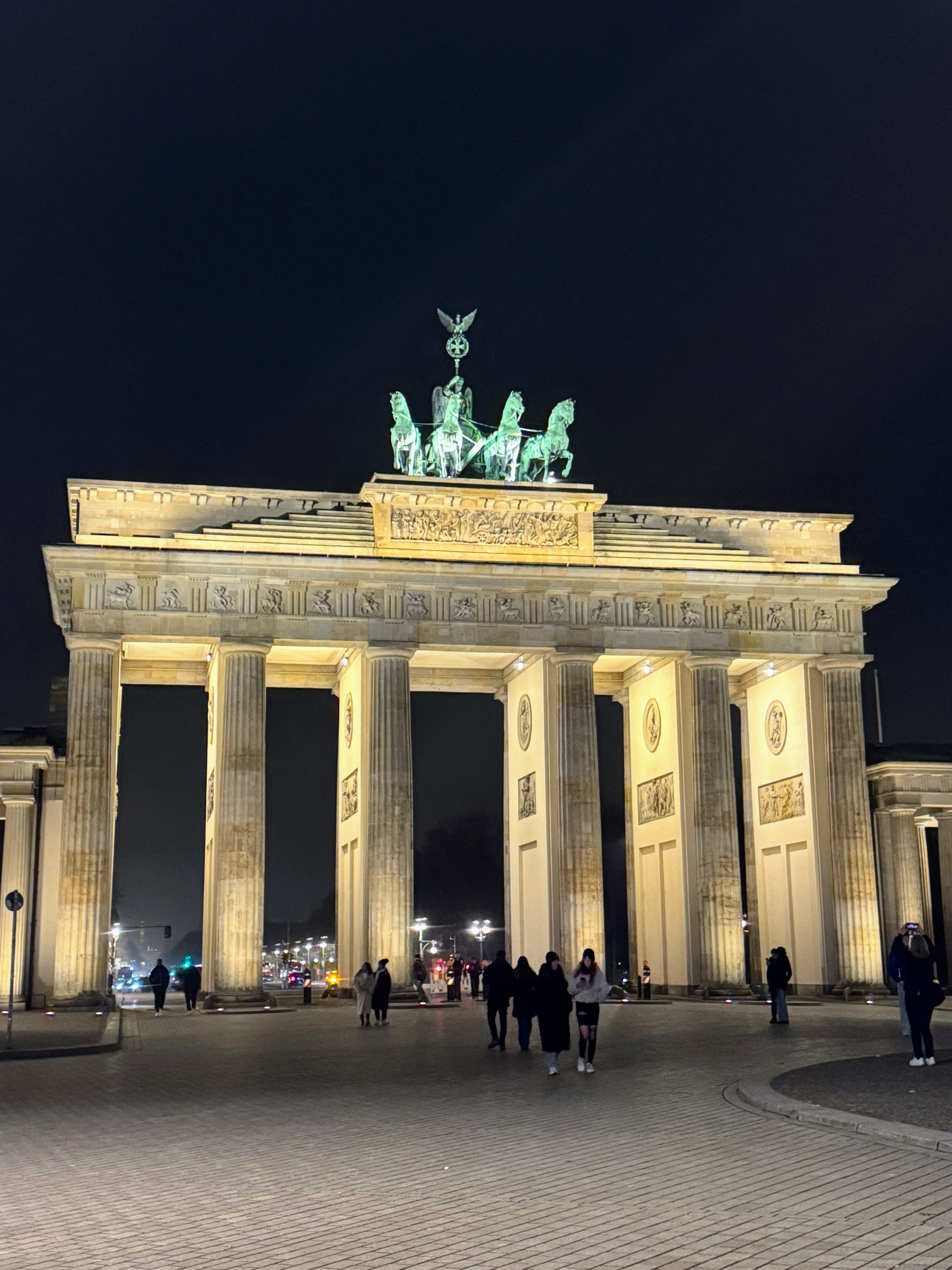
- And here is the famous Brandenburg Gate, one of Germany’s best-known landmarks. It was built from 1788 to 1791 on the site of a former city gate that marked the road from Berlin to Brandenburg. Since German reunification in 1990, it has been considered not only historic but also as a symbol of European unity and peace. Thanks for sharing your photos, Ryan.
 Martha Pins


 Martha Tweets

