

Dressing the Gardens with Rich Compost
Winter is a good time to cover the garden beds with a rich layer of organic compost.
Fortunately I am able to make compost right here at my farm. During the course of the year, my outdoor grounds crew amasses large amounts of organic debris - felled trees, branches, underbrush, etc., but none of the material goes to waste. The wood is either repurposed quickly as milled lumber, chipped and returned to the woodland as top dressing, or mixed with other biodegradable materials including chicken and horse manure to make compost - that nutrient rich “black gold” that's spread generously over all the gardens to protect plants and growing bulbs and keep them insulated until spring.
Enjoy these photos.
-

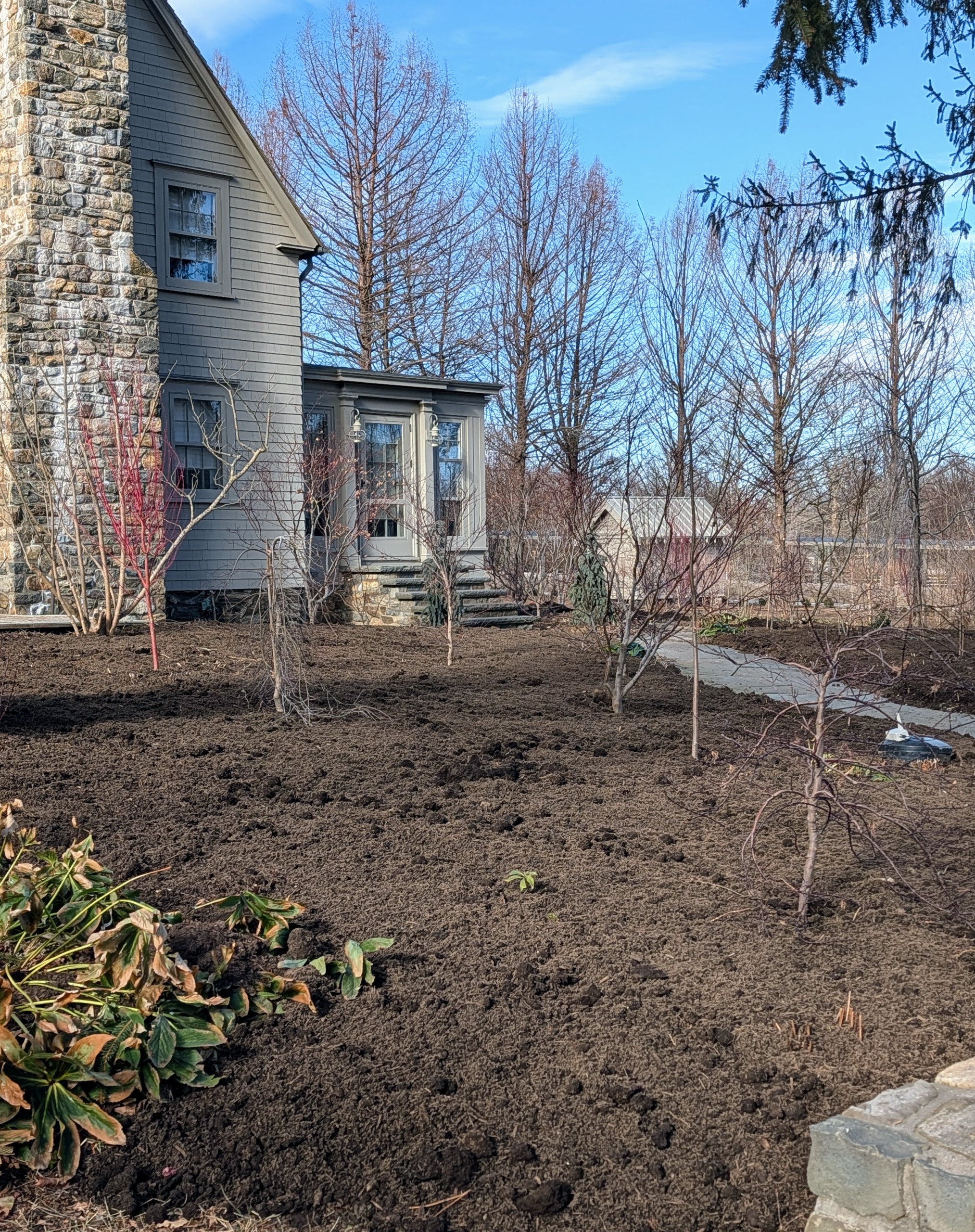
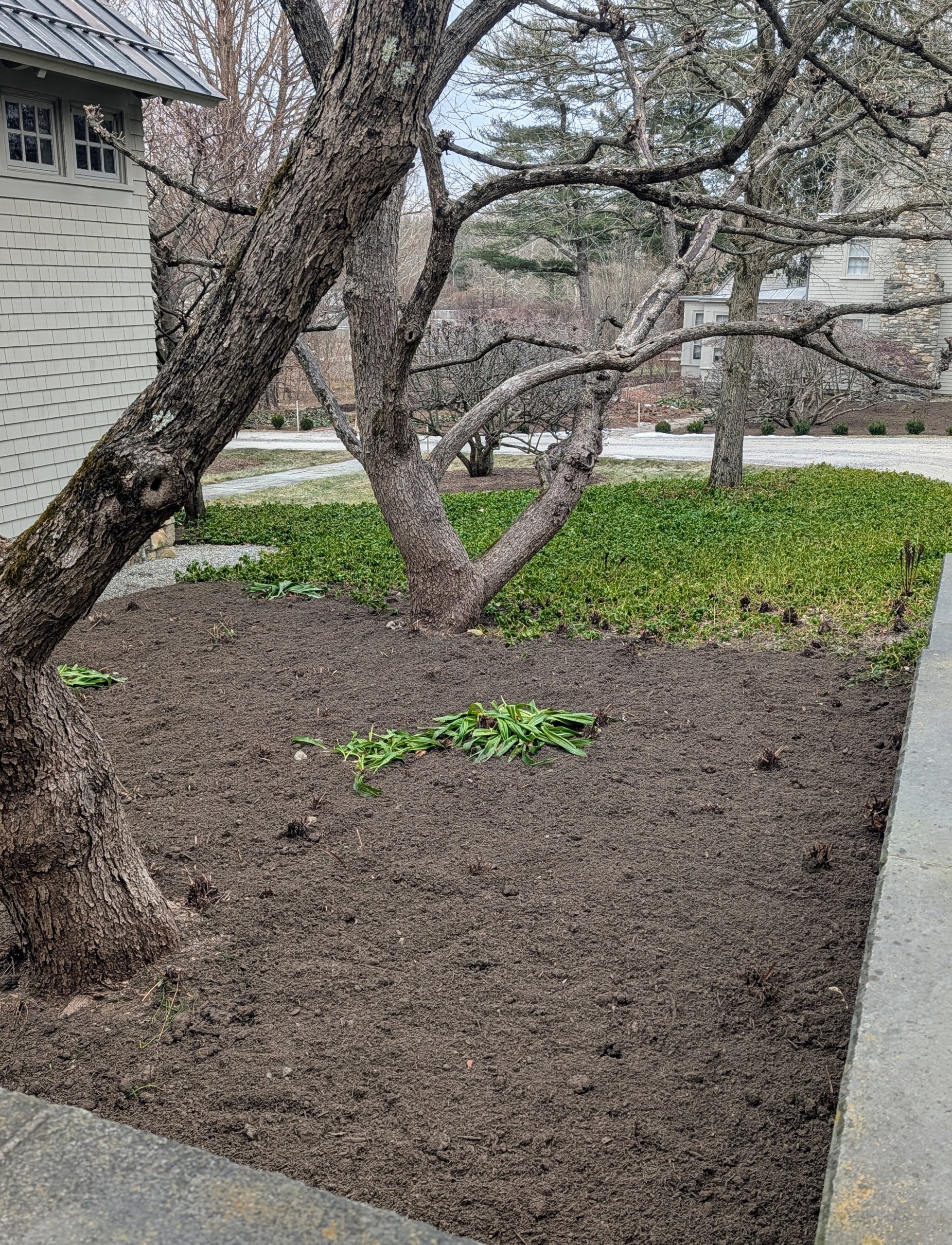
- Before the huge weekend snow storm, my outdoor grounds crew was busy covering garden beds around my home with beautiful compost.
-
- This area is just outside my archive studio just off the carriage road to my Winter House.
-
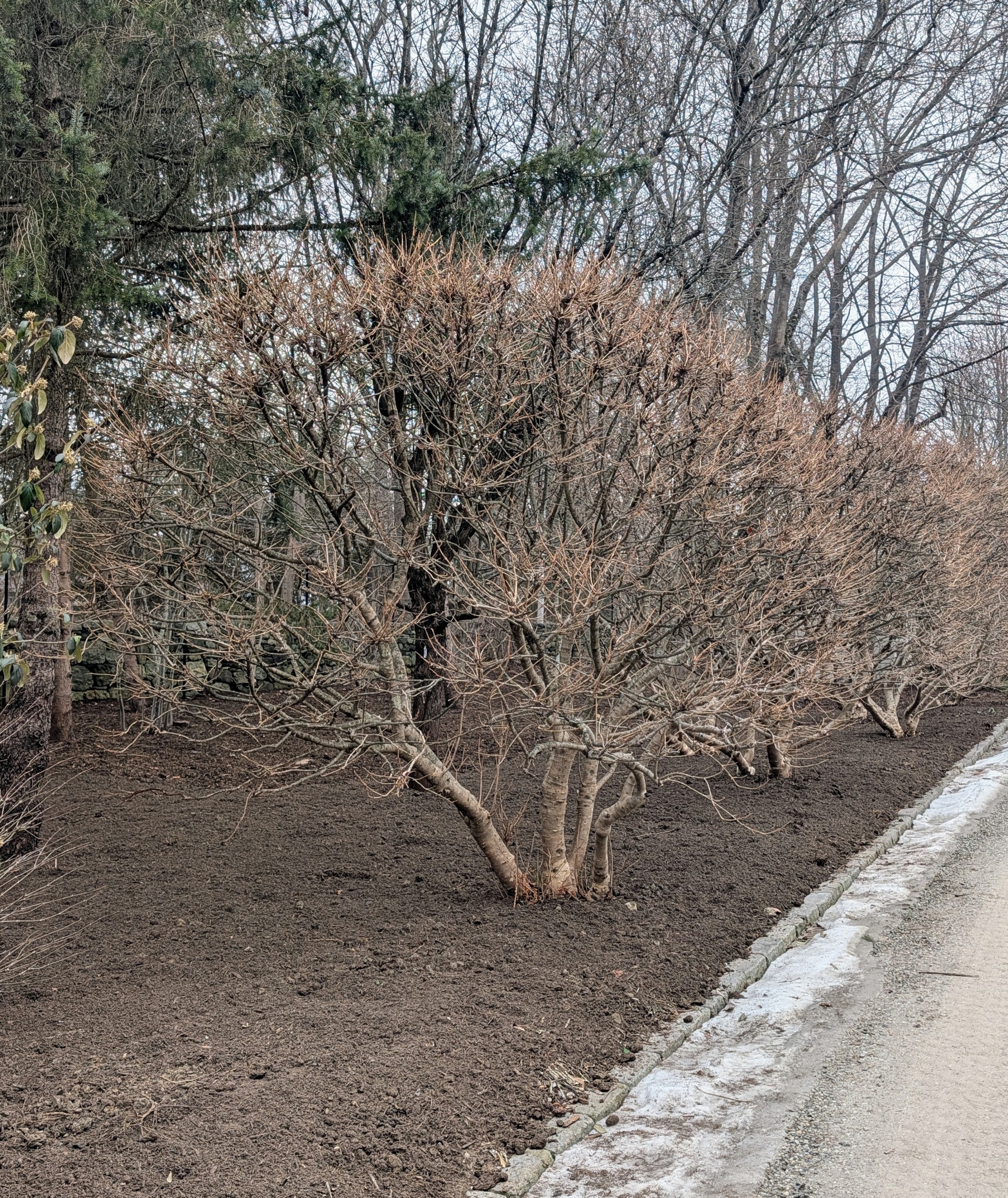
- And further up the road, the viburnums across from my carport are top dressed so nicely with compost.
-
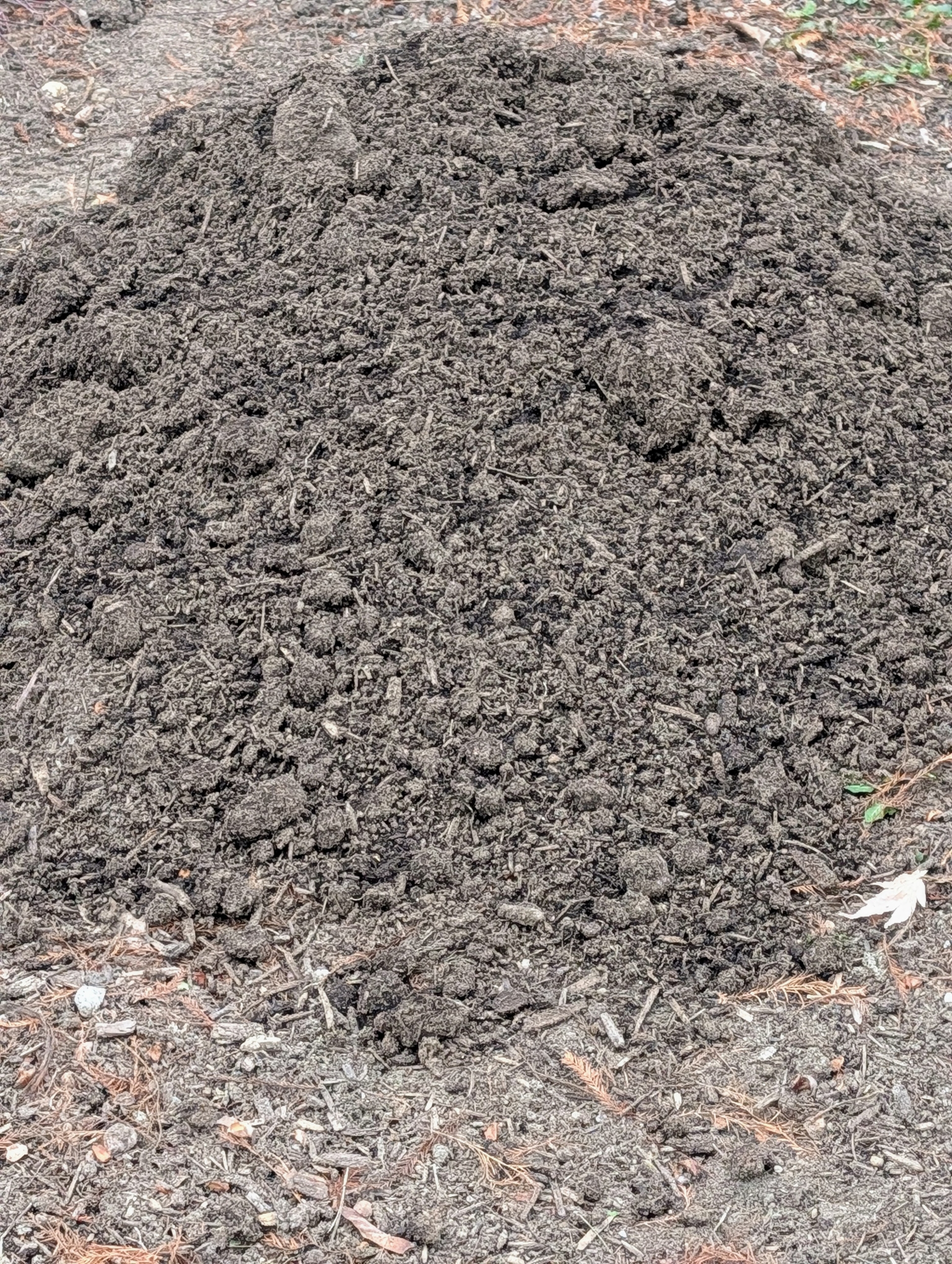
- Here’s a closer look at the compost – so full of nutrients for the existing soil.
-
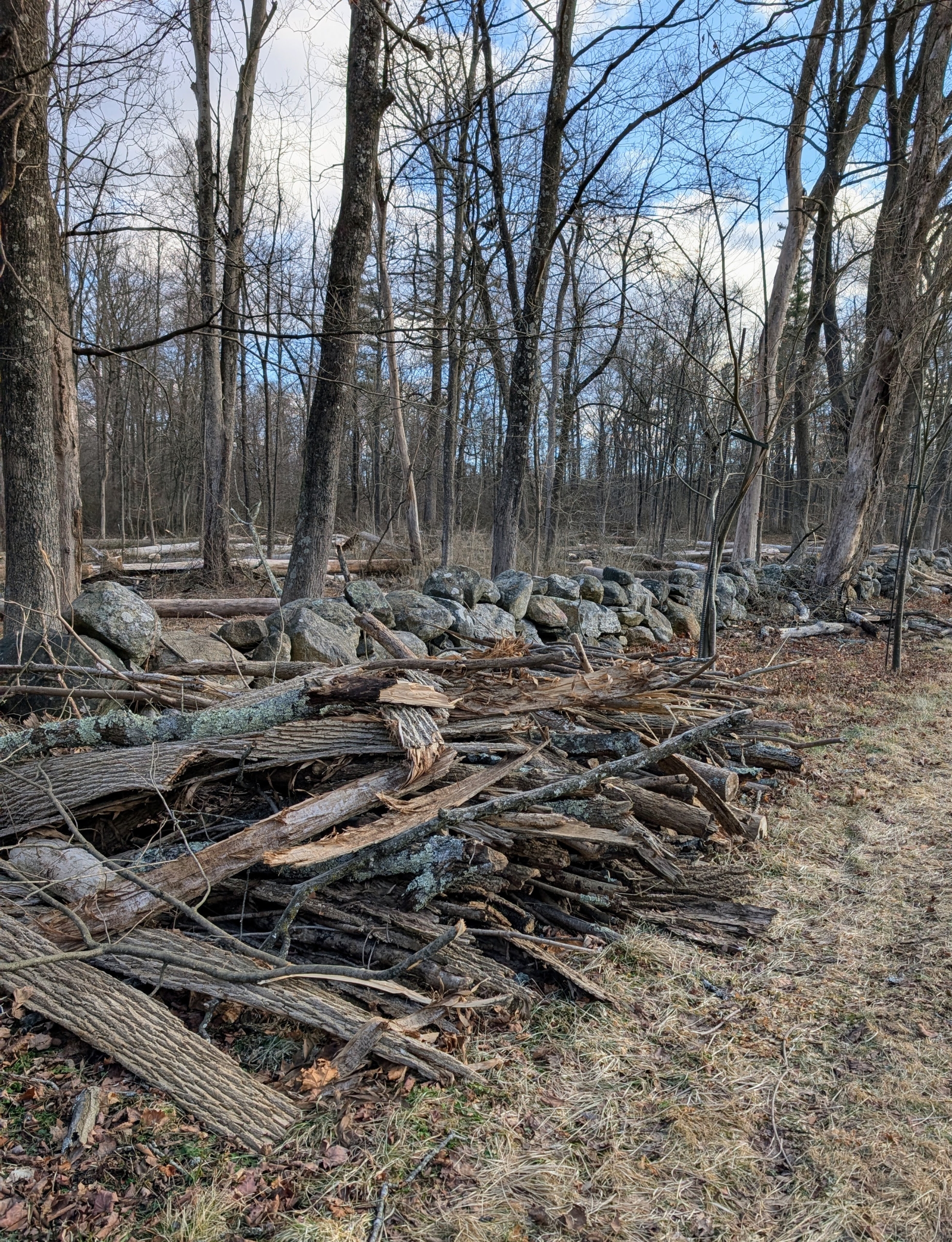
- Compost also includes some of the organic debris from the woodland. During the course of the year, these felled tree limbs and branches are piled neatly by the side of the carriage road. When possible, it is either chipped and returned as dressing in the woods, or carted away and brought to the compost yard and saved for the tub grinder.
-
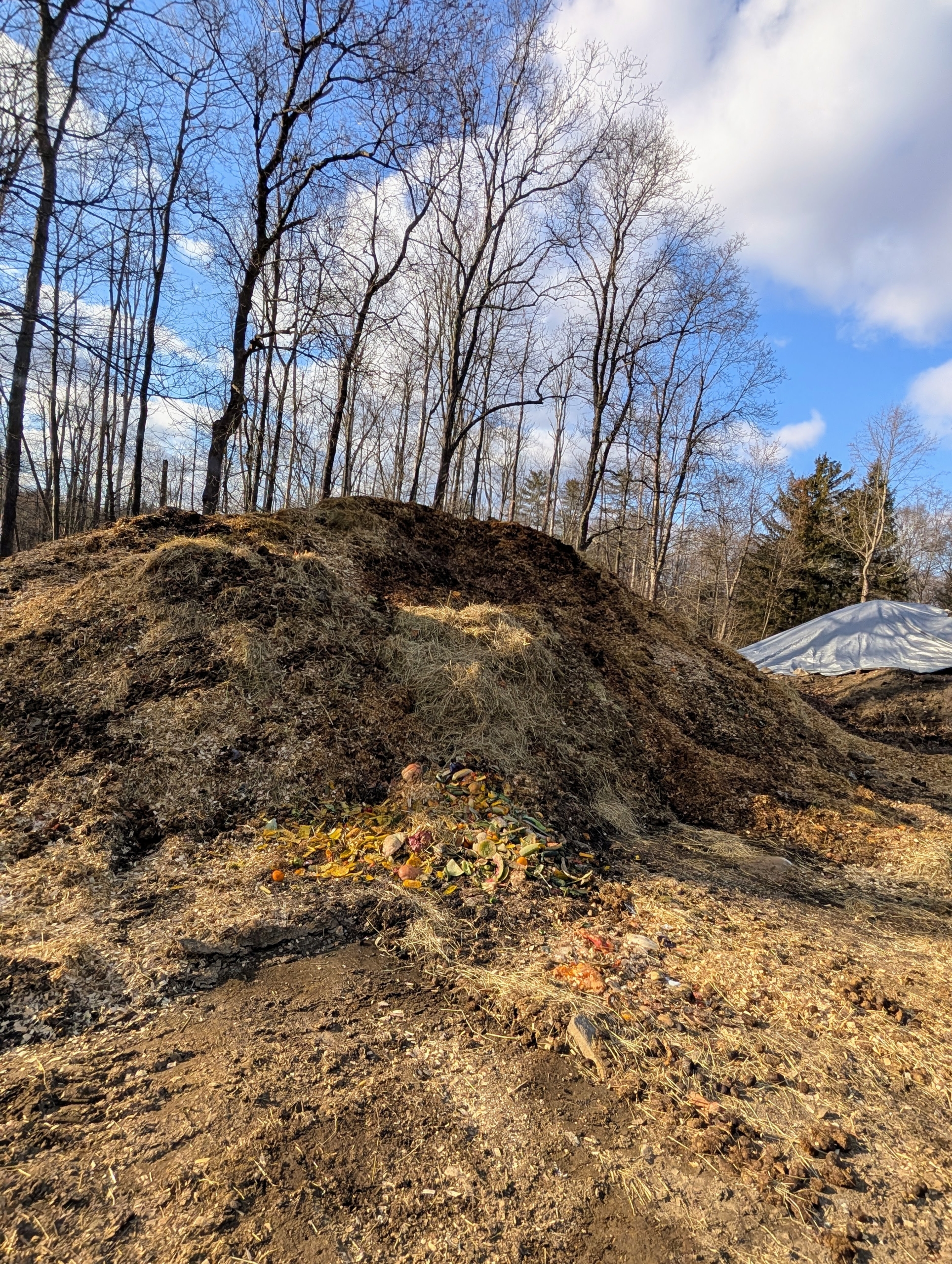
- Here is the animal waste and hay collected in another area – this also gets processed.
-
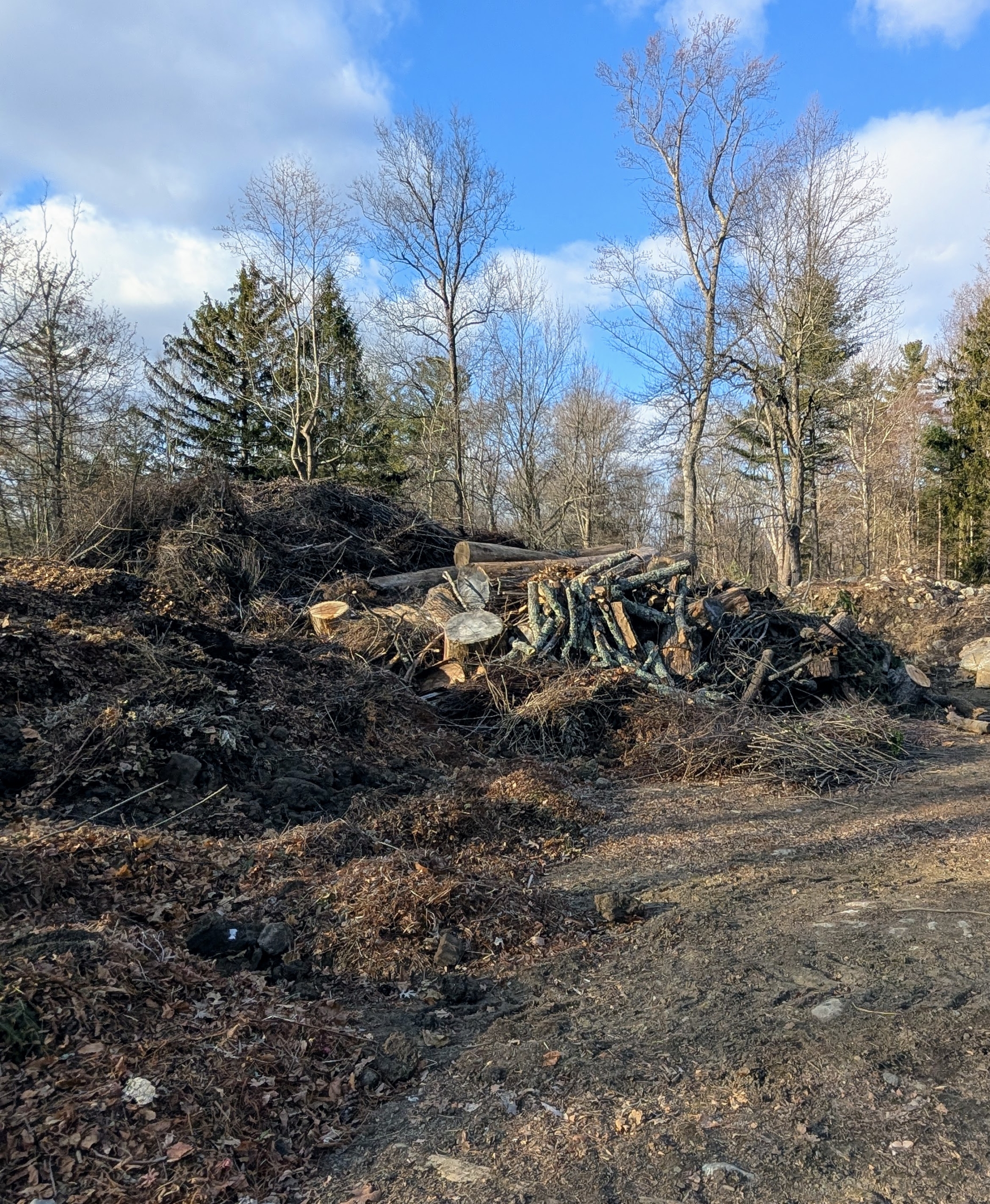
- And here are other piles – leaf mold, or composted leaves, and other organic brush and plant debris – all carbon-rich materials in various stages of decay.
-
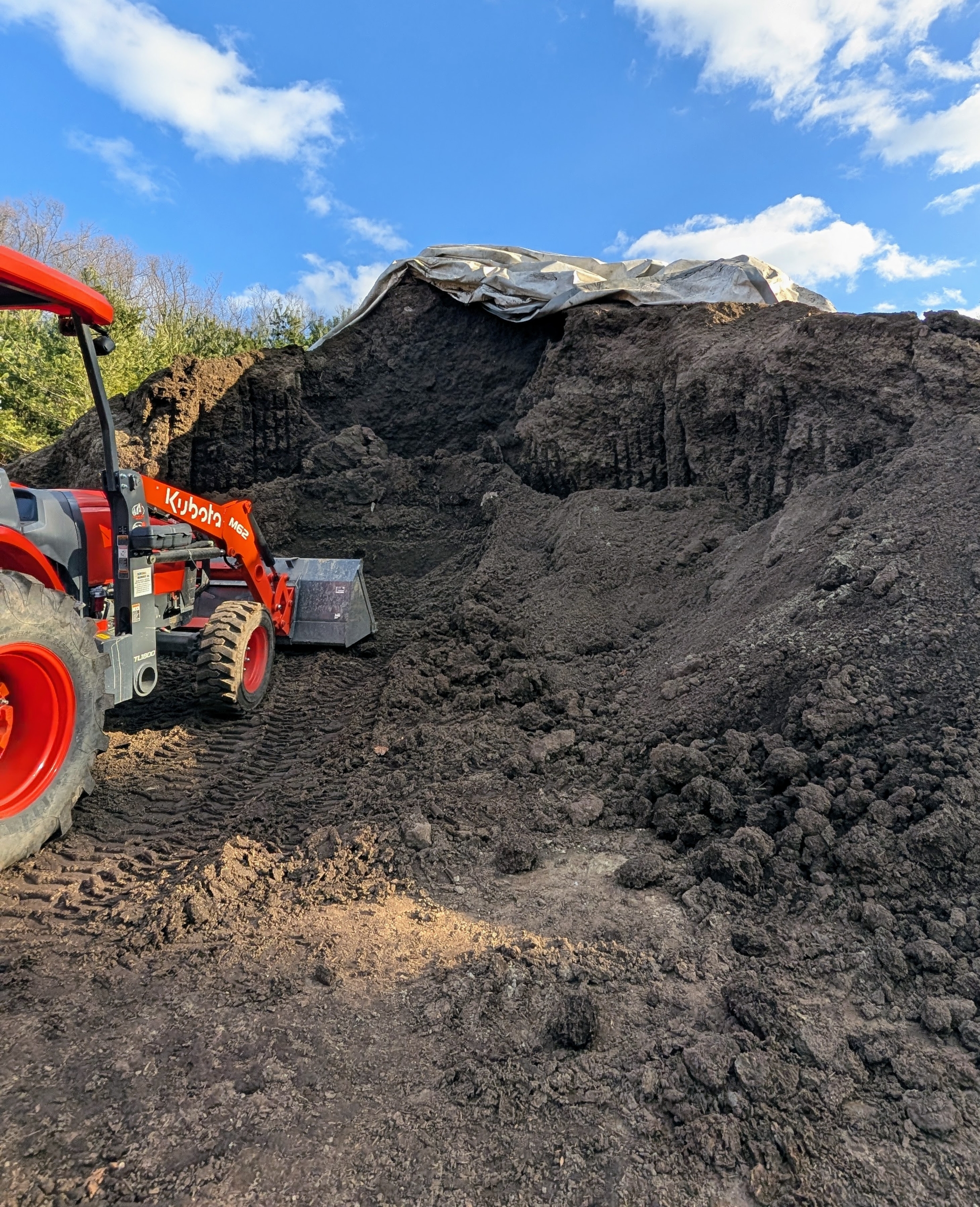
- After it is all run through the tub grinder multiple times, it is left to decay naturally under giant tarps and made into garden compost – filled with nutrients.
-
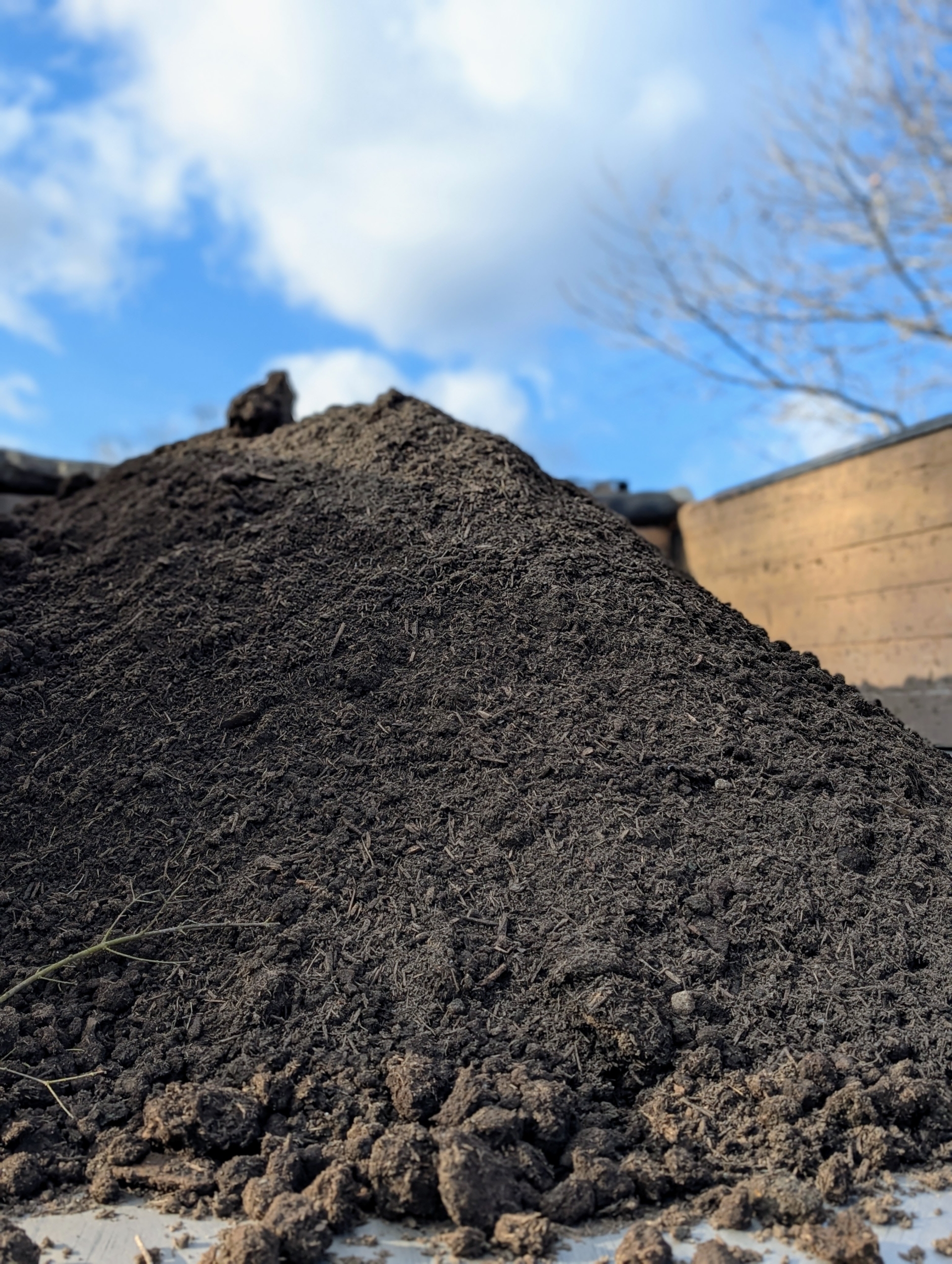
- This compost is well decayed. The rich, dark, and crumbly compost can now support proper soil structure, improve water retention, and promote beneficial microbial life back in the gardens.
-
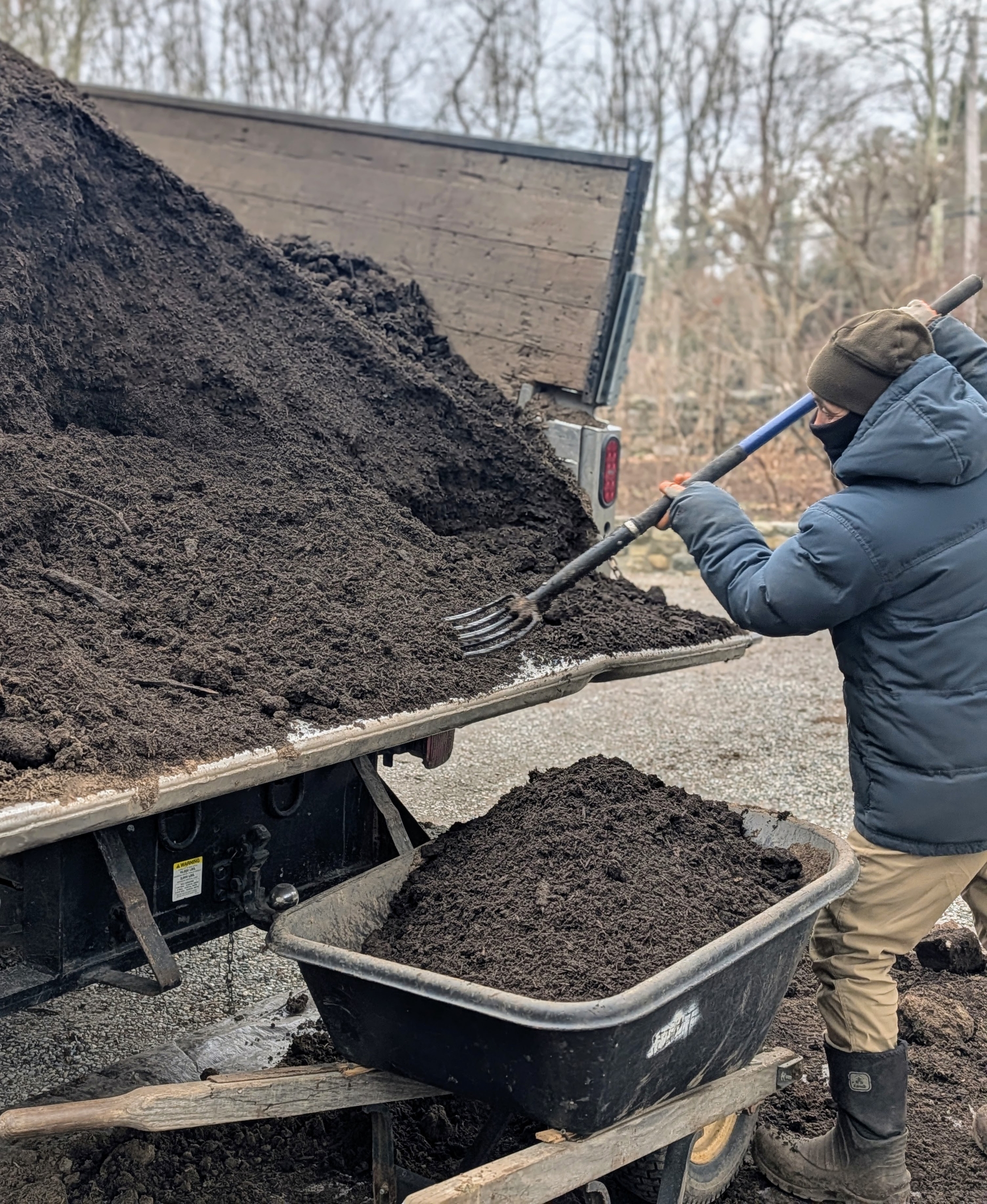
- The task of composting the gardens is done efficiently by several members of the crew. Here, Chhiring fills the wheelbarrows full of compost.
-
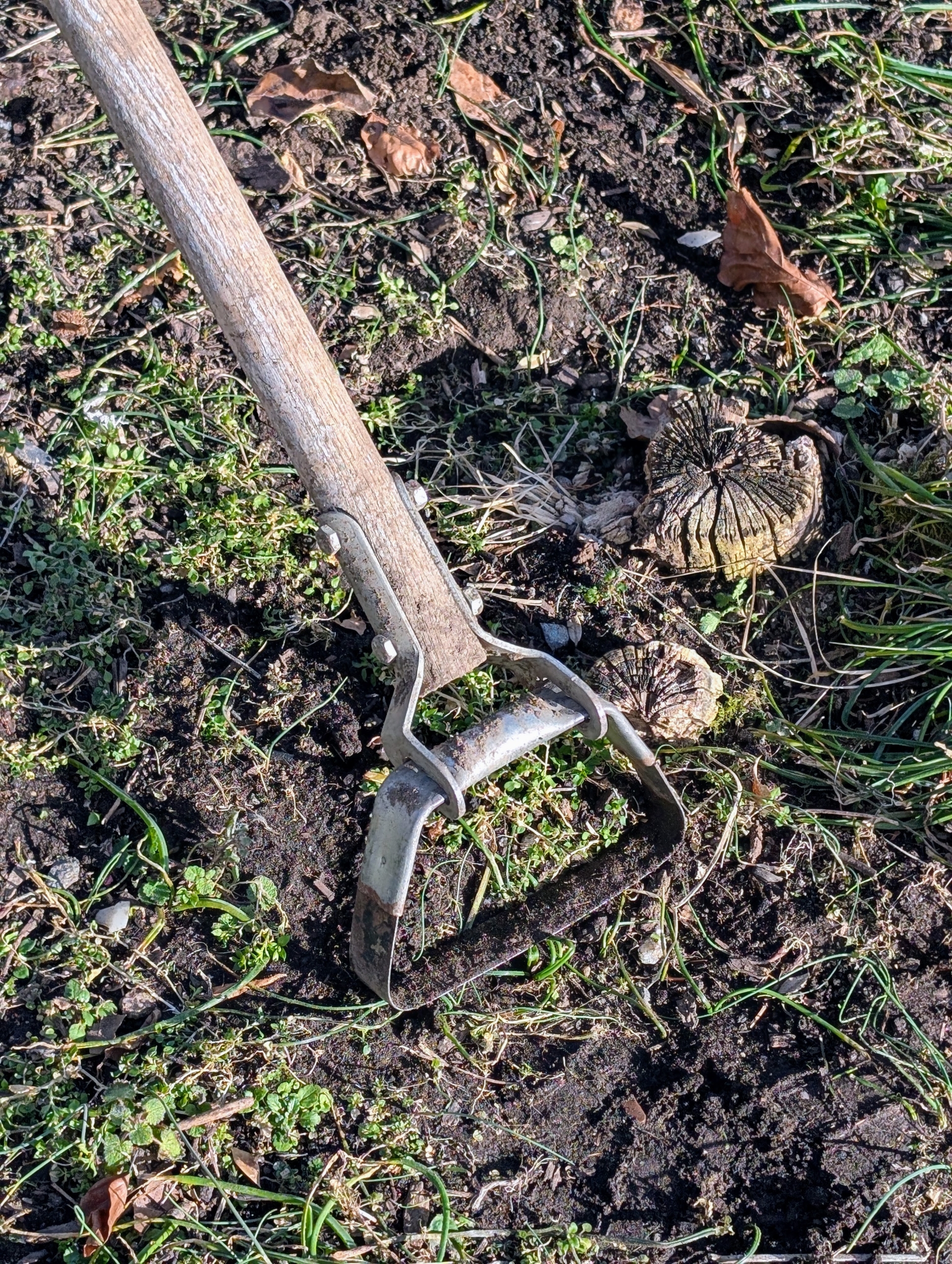
- Weeds are removed before any top dressing is applied. Covering the garden beds with compost will also help deter future weeds… I hope.
-
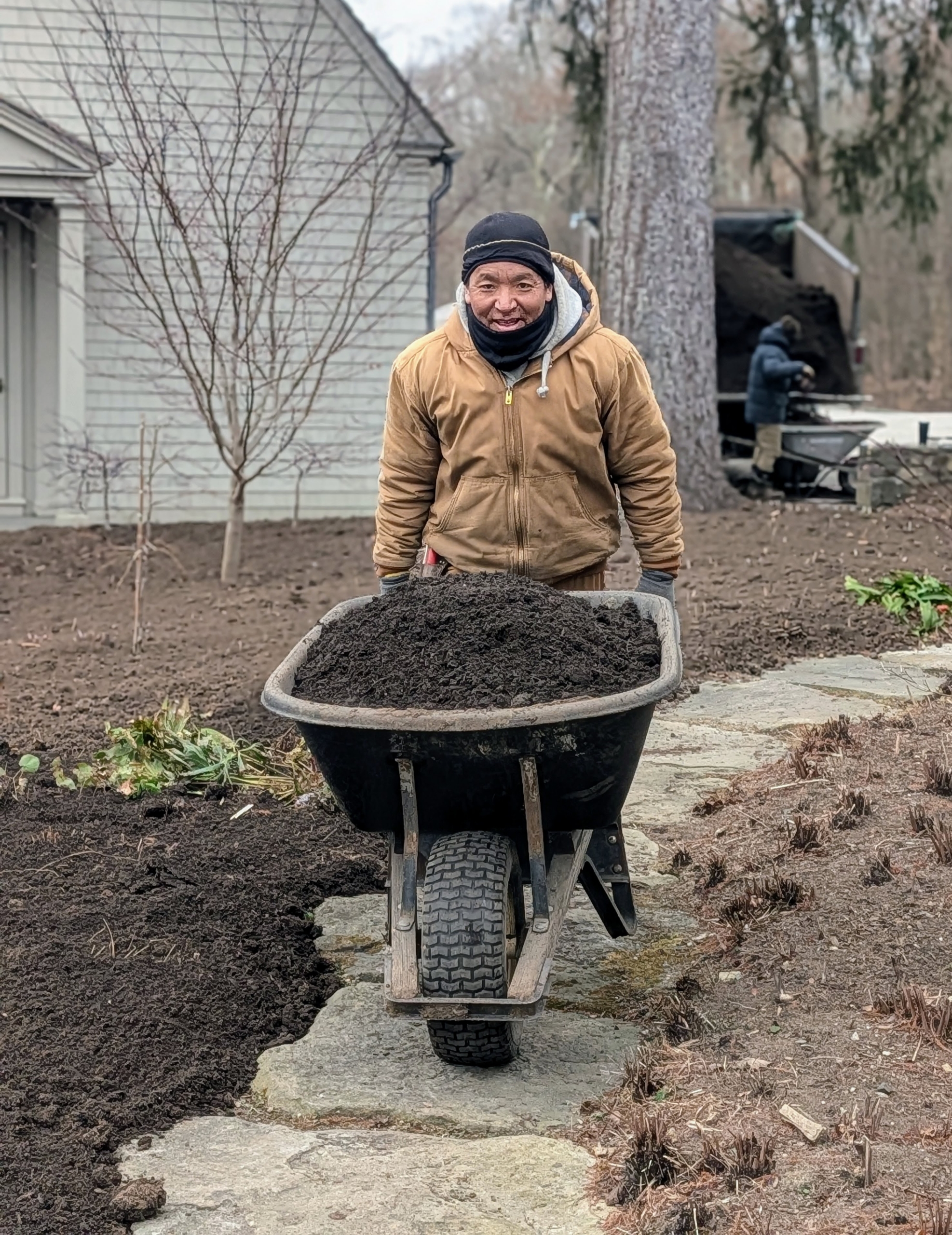
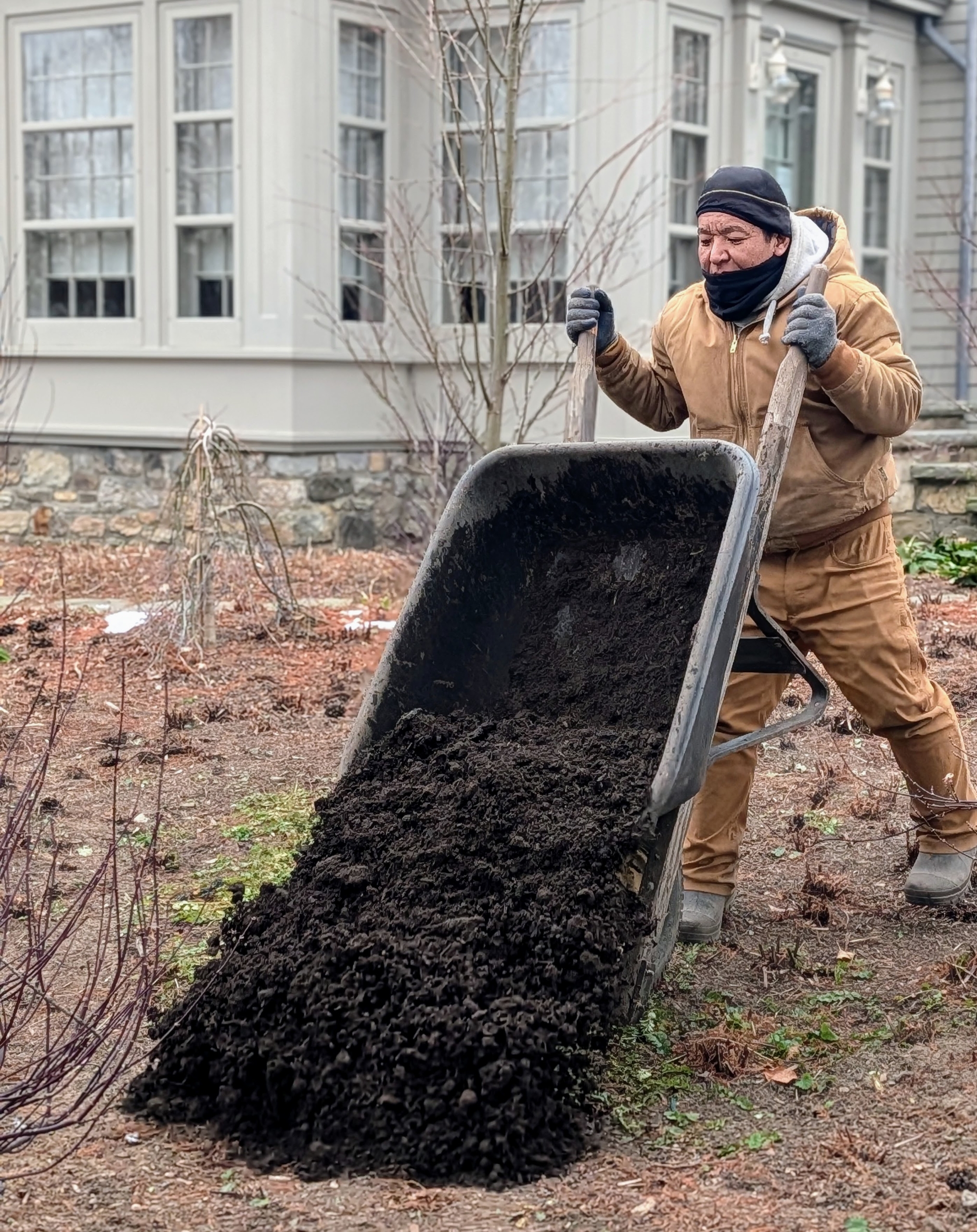
- And as each wheelbarrow is filled, it is brought to the cleaned bed and unloaded in piles. Here is Phurba delivering more compost to the beds behind my Tenant House.
-
- Phurba drops small manageable mounds of compost in the area.
-
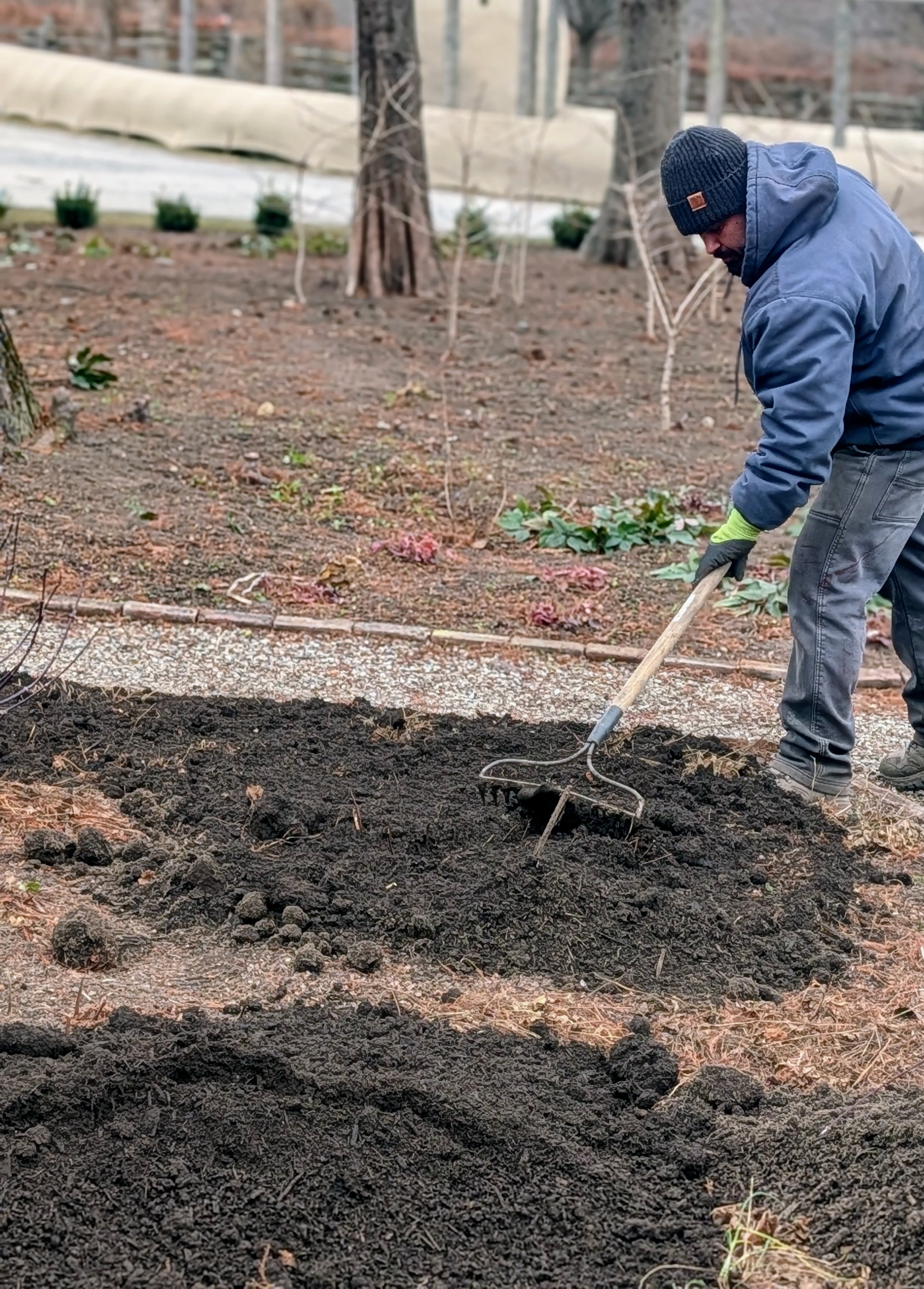
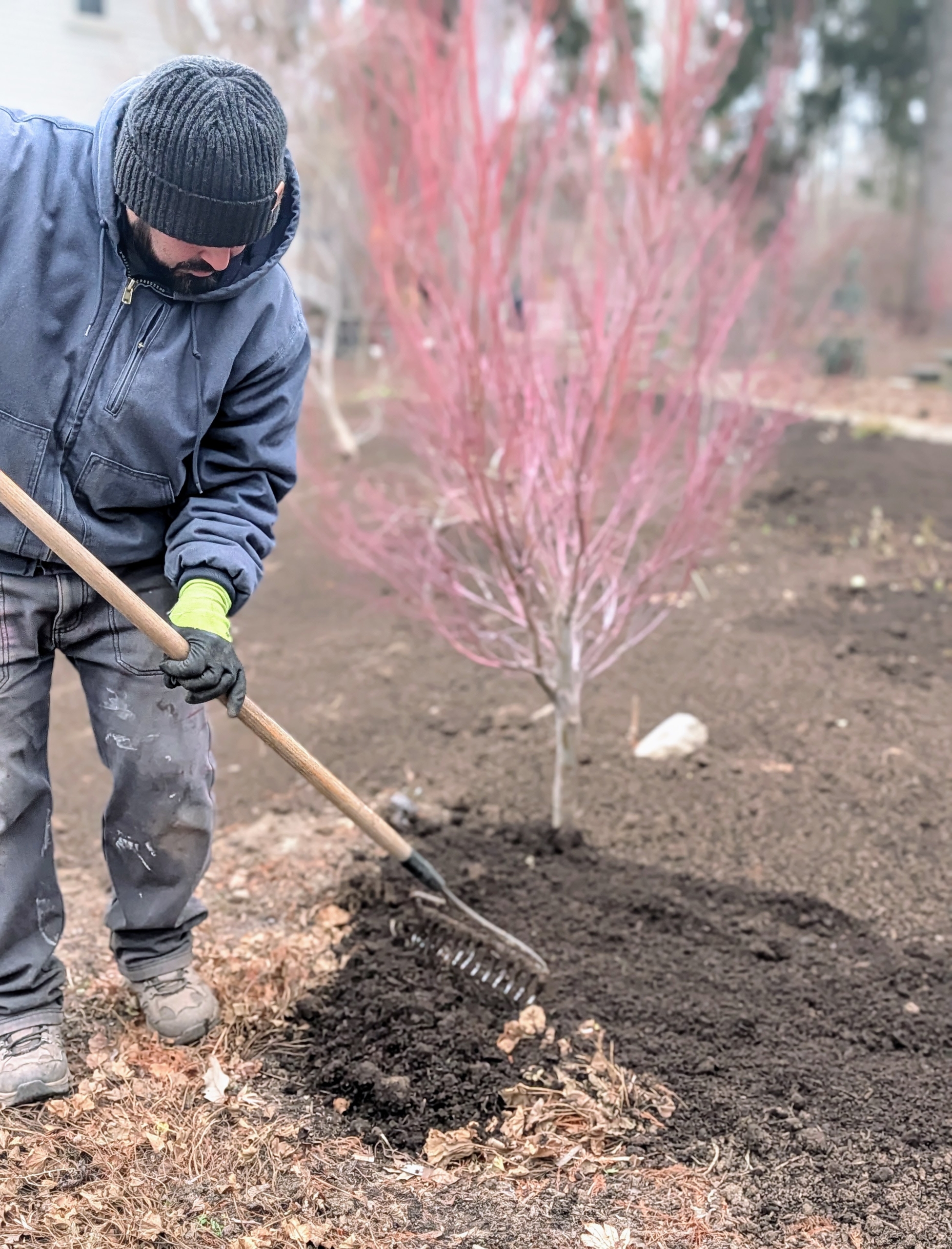
- And by hand, a three to four inch layer of compost is spread over all the beds. I prefer this done in winter when flowers are not in bloom and the crew can gingerly walk through without disturbing any growth.
-
- All of it is done carefully and thoughtfully to make sure it is spread in a neat and even layer.
-
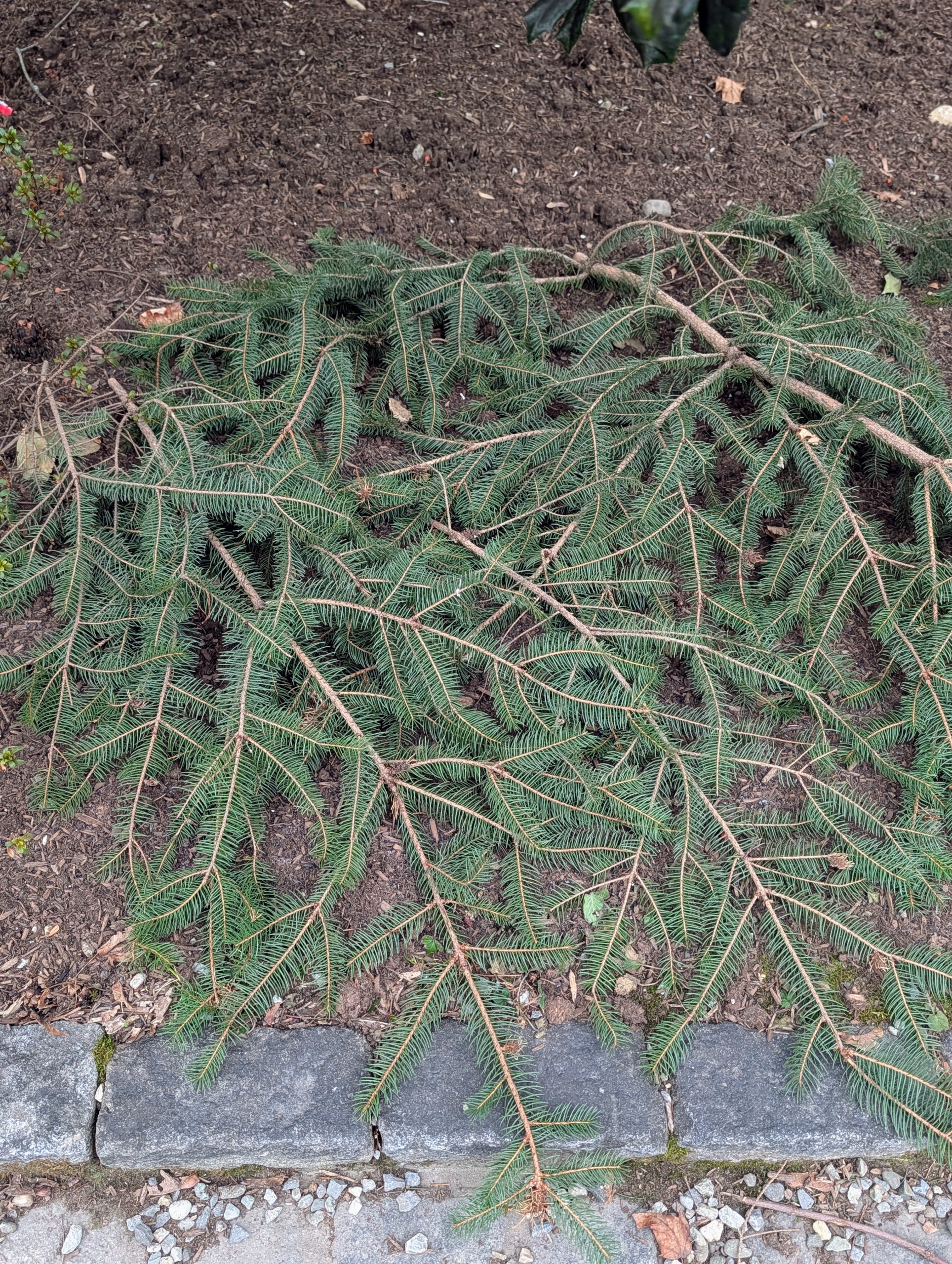
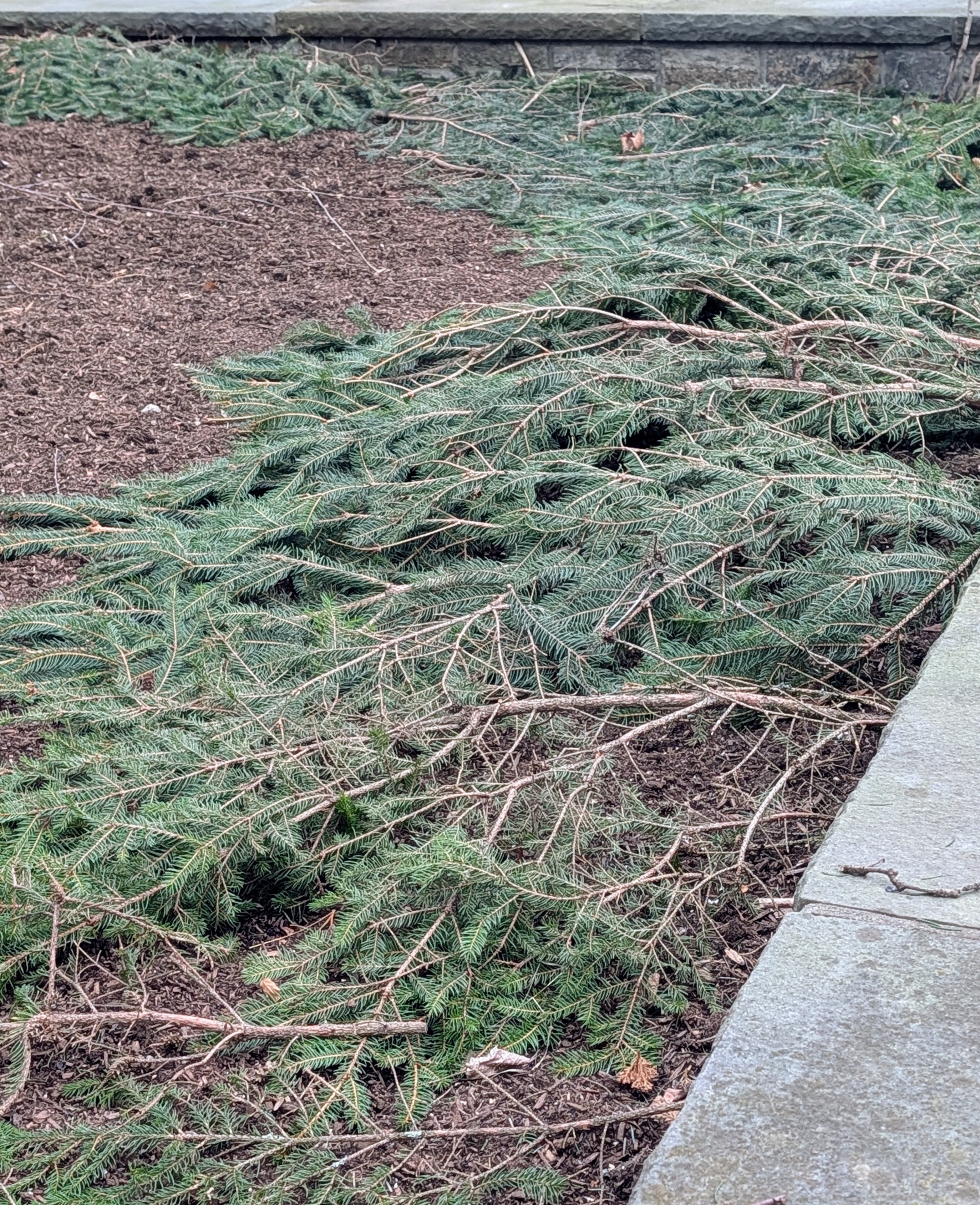
- I also use evergreen boughs to provide more insulation over sensitive plants.
-
- This is a garden bed outside my home – not only do the boughs protect plants from harsh weather conditions, but it also looks pretty. And I am reusing and repurposing what I already have.
-
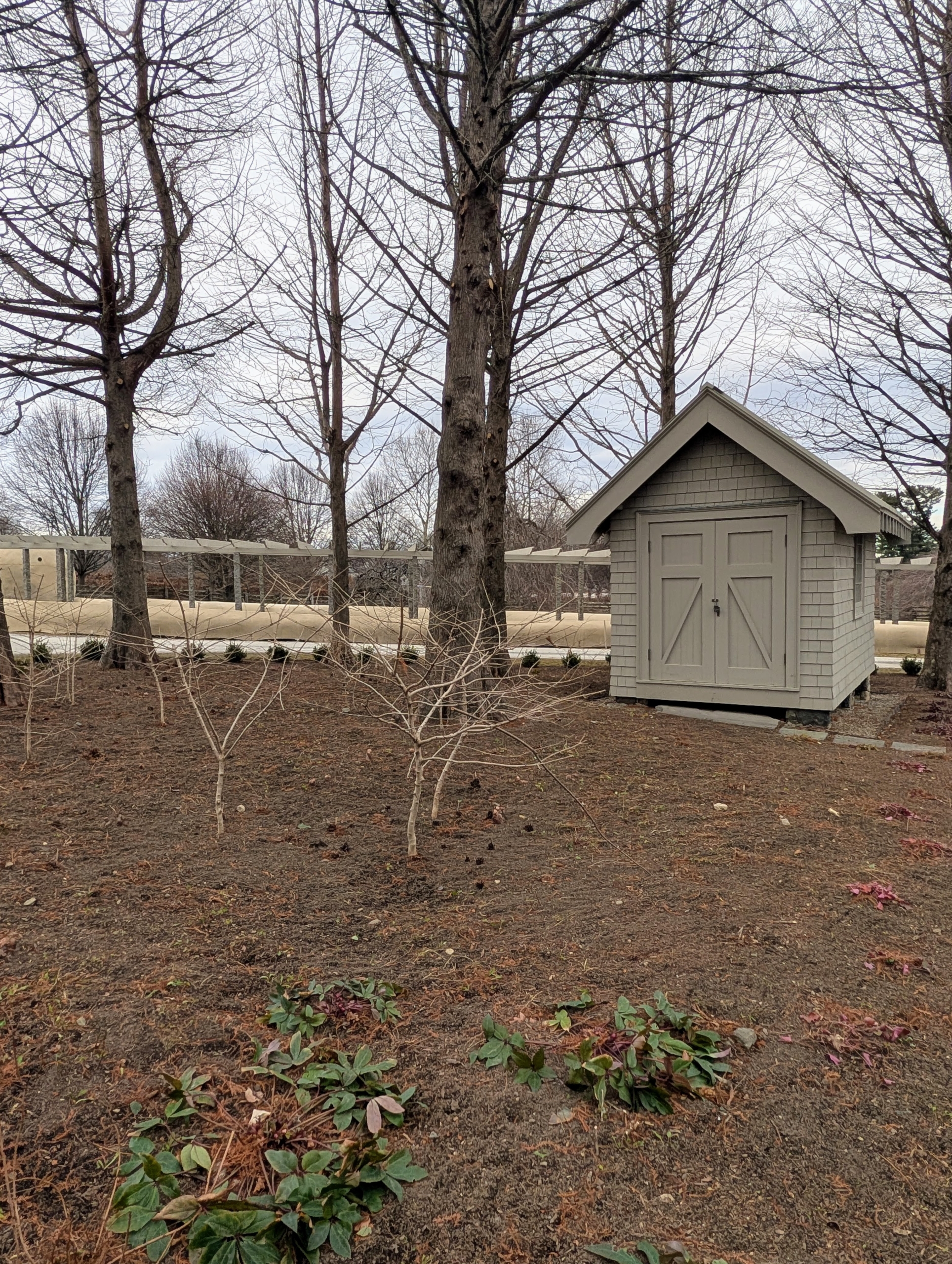
- This is the garden surrounding my Basket House below the towering bald cypress trees – all bare of their feathery fern-like foliage.
-
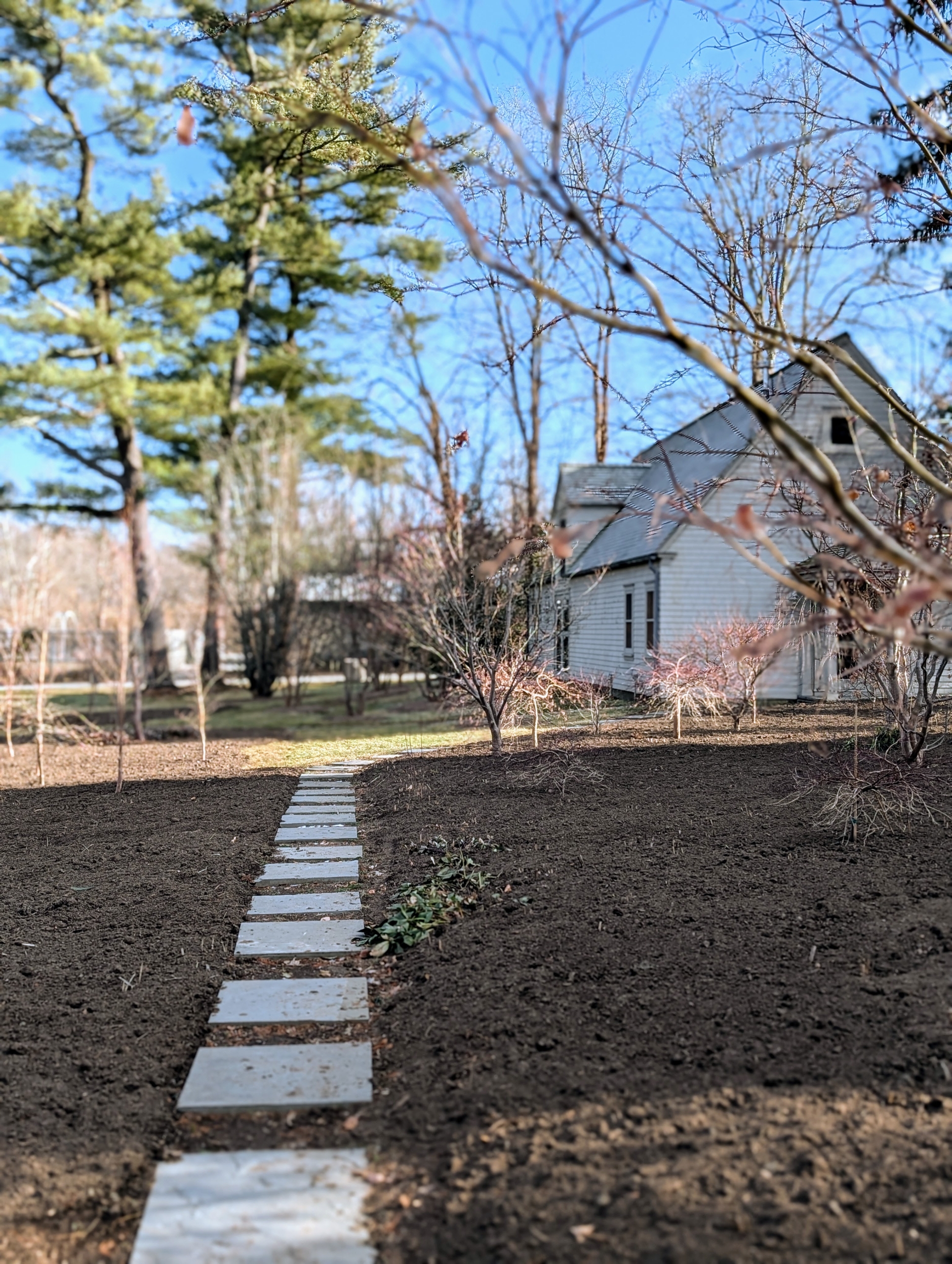
- This area is part of my Stewartia garden, where I plant various perennials, spring blooming bulbs, and of course, Stewartia trees.
-
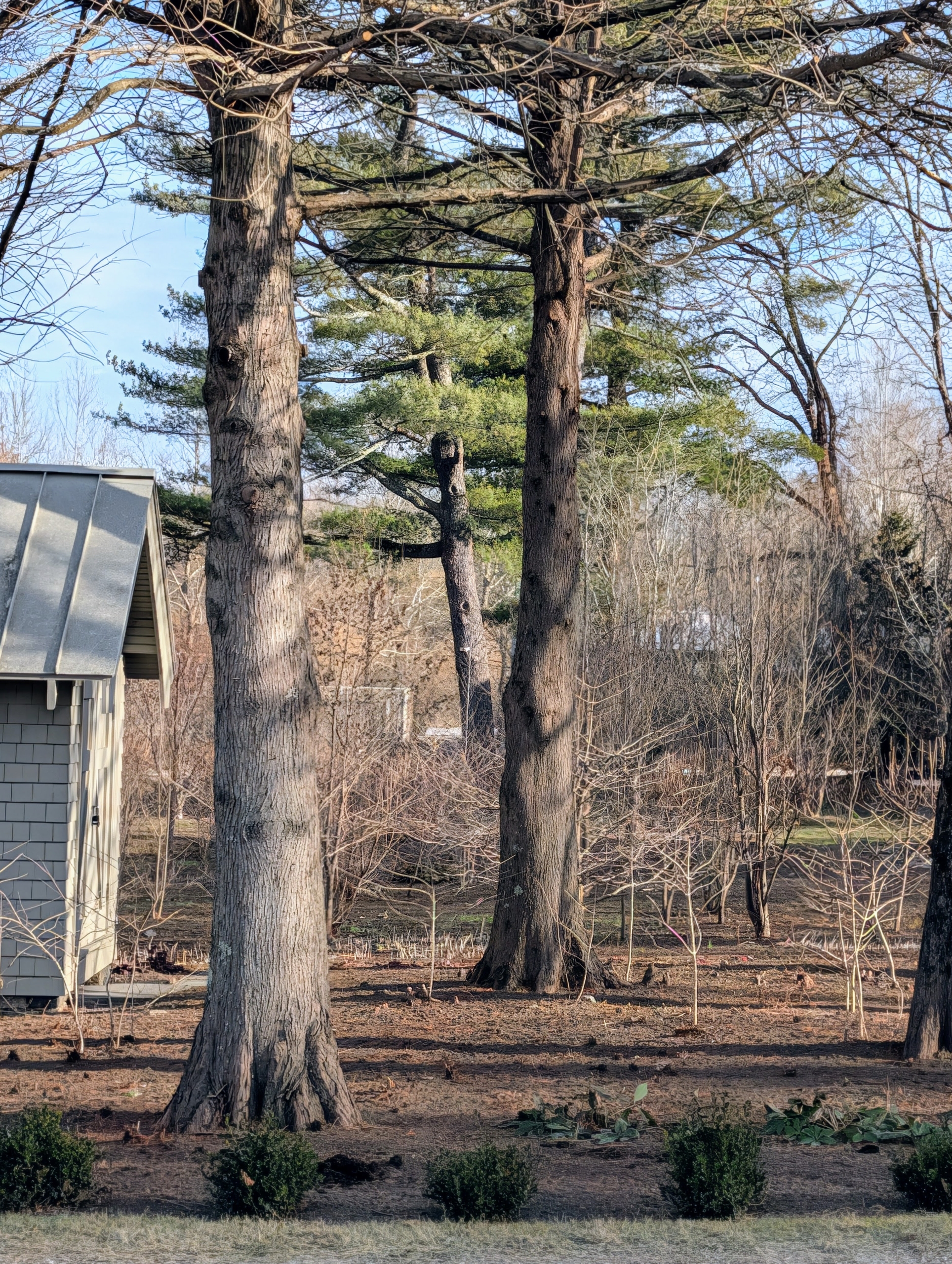
- Covering the gardens with a good layer of compost is nature’s best soil conditioner and a wonderful way to beautify the gardens and give back to the earth.
 Martha Pins


 Martha Tweets

