

A Silver Pheasant Joins My Farm
Pheasants are colorful, fast birds native to the forests of Asia.
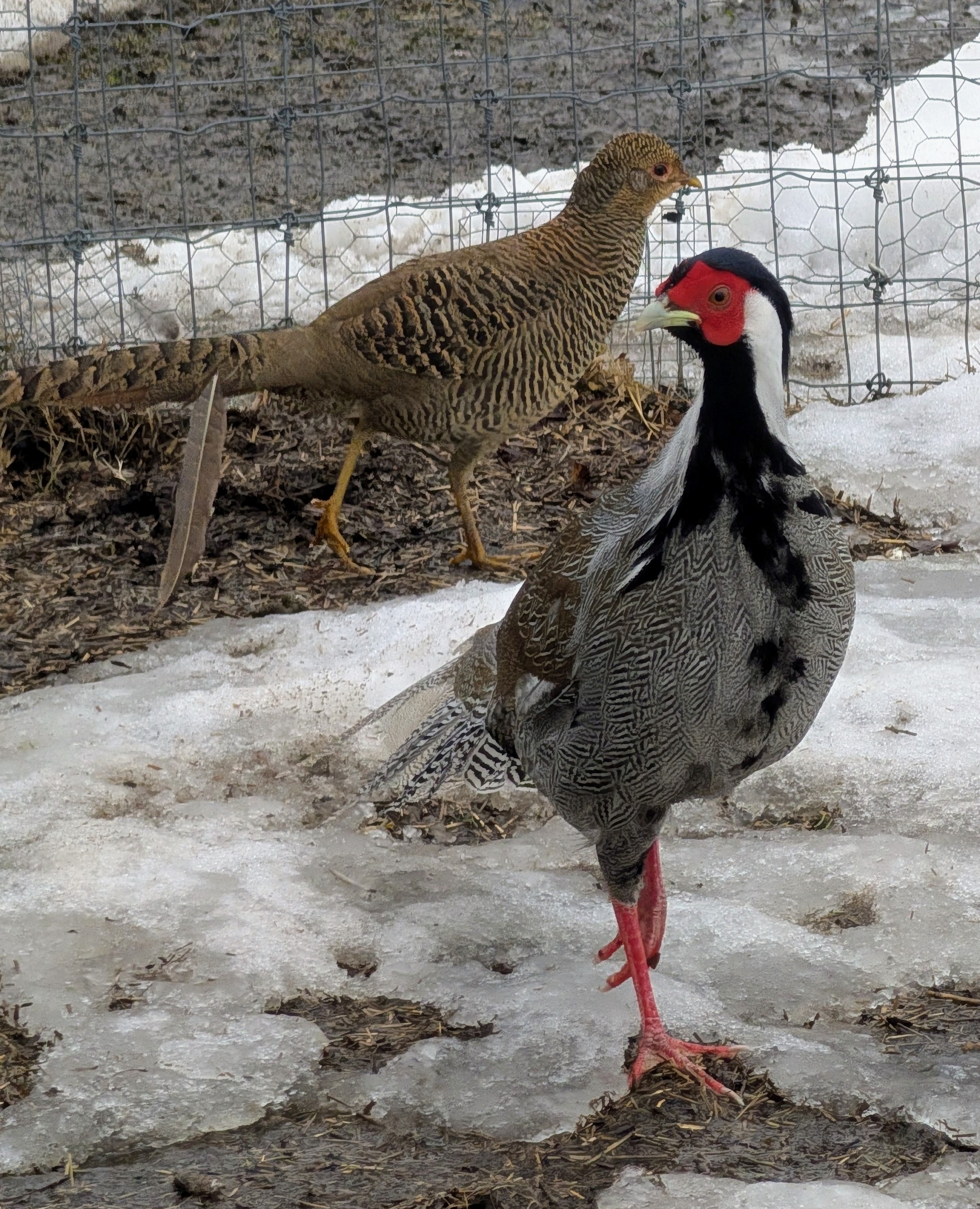
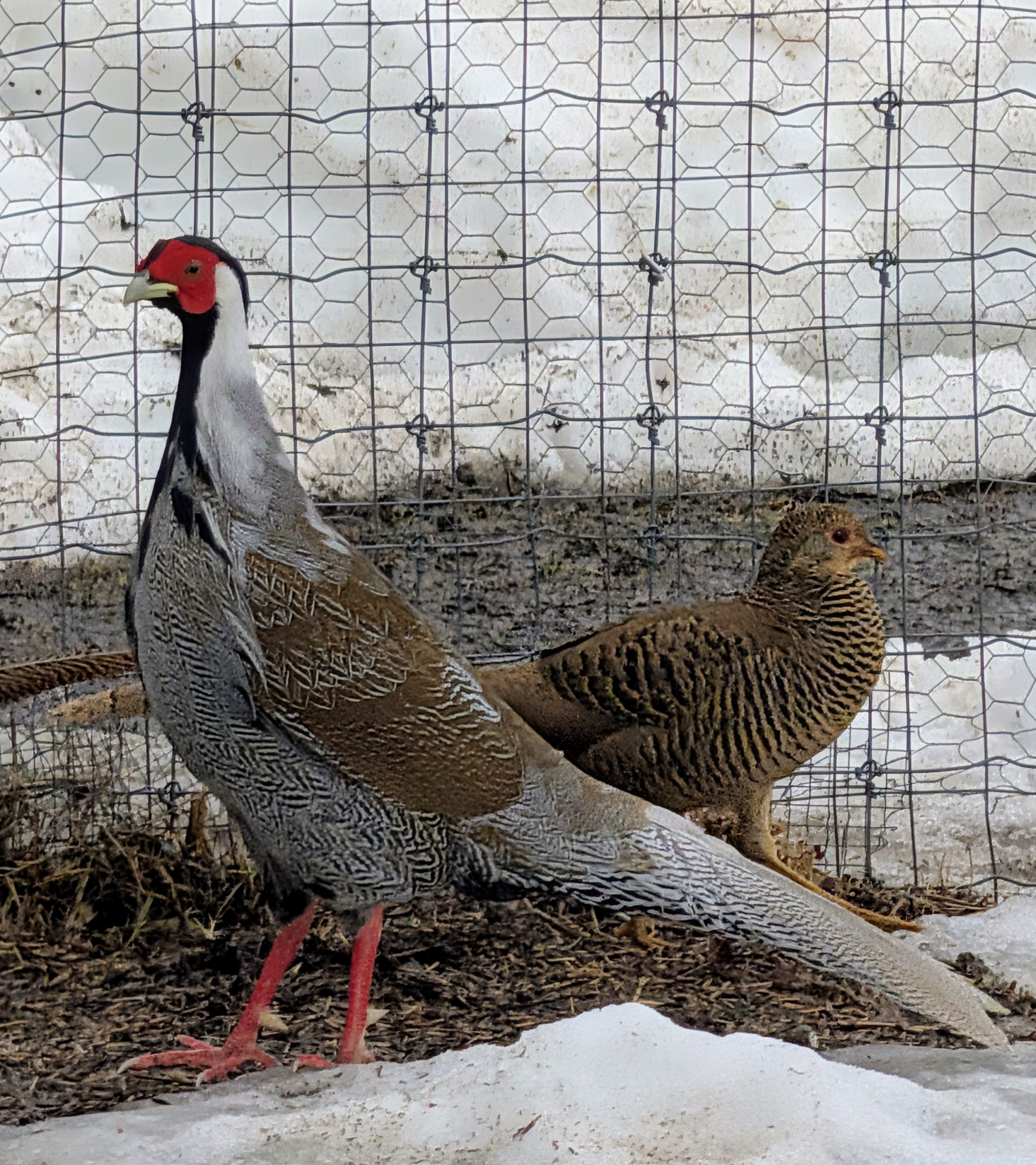
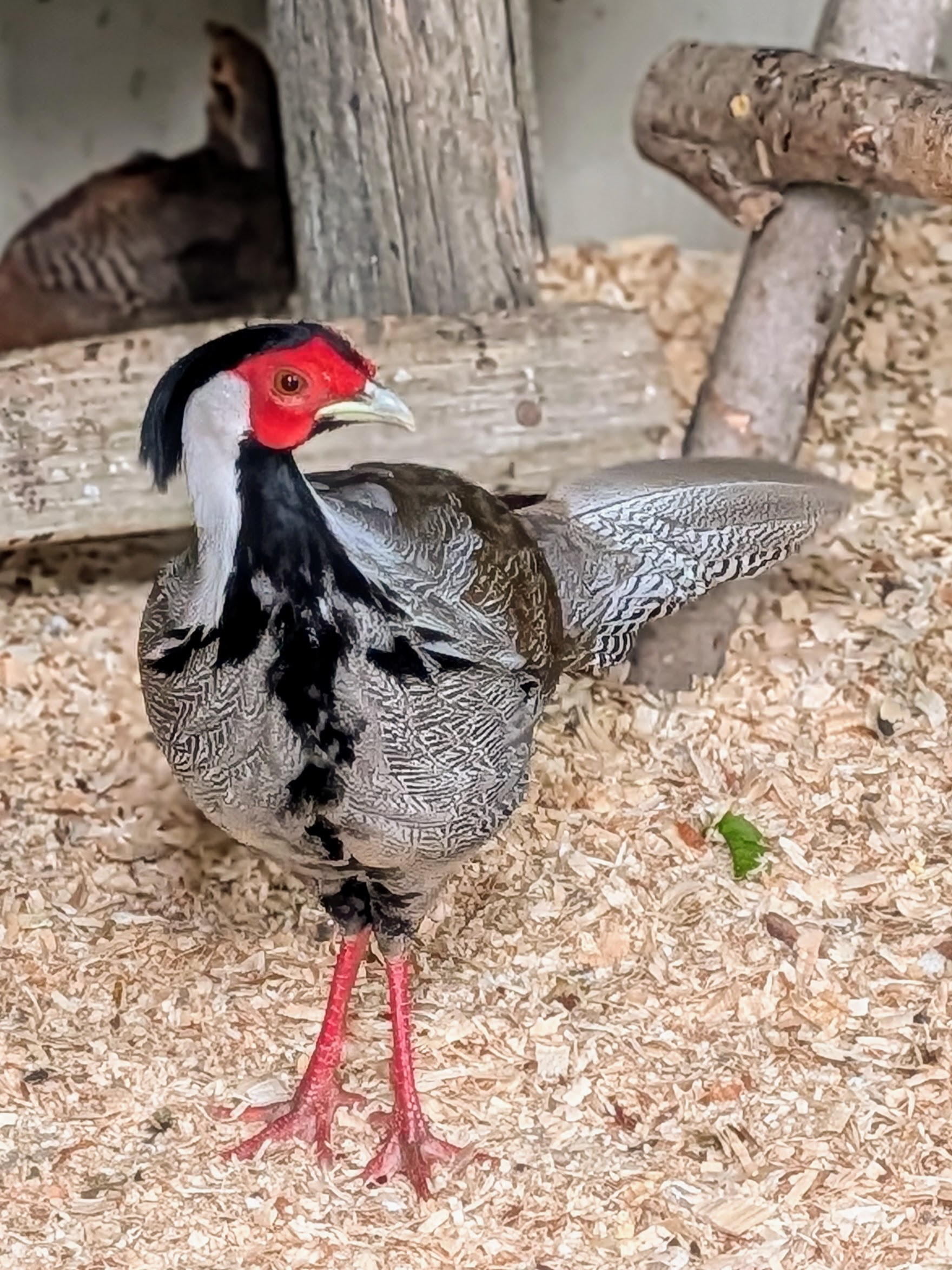
I now have 11 pheasants under my care. 10 of them are golden pheasants - several adopted and the rest hatched right here at my farm last year. My newest is a young male silver pheasant, a relatively large bird with a long-tail, silvery white and gray upper parts and black and gray markings. Both sexes also have red faces and red legs. This pheasant is still acclimating to his new surroundings, but he is venturing outdoors and enjoying time with his new friends.
Enjoy these photos.
-

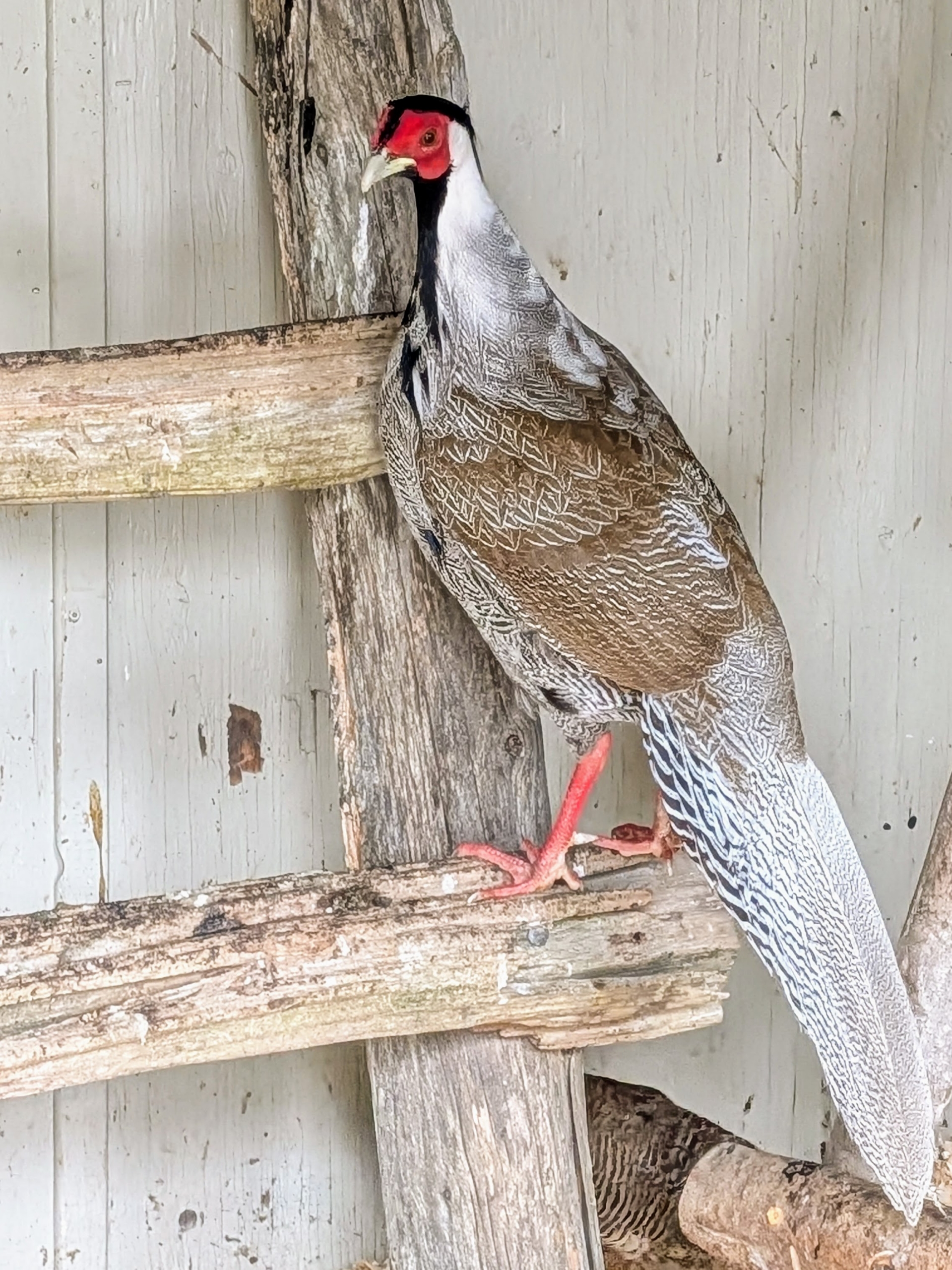
- This is a handsome and impressive silver pheasant. He is still young and will continue to grow until his total body length is about 50 inches including a tail of up to 30 inches.
-
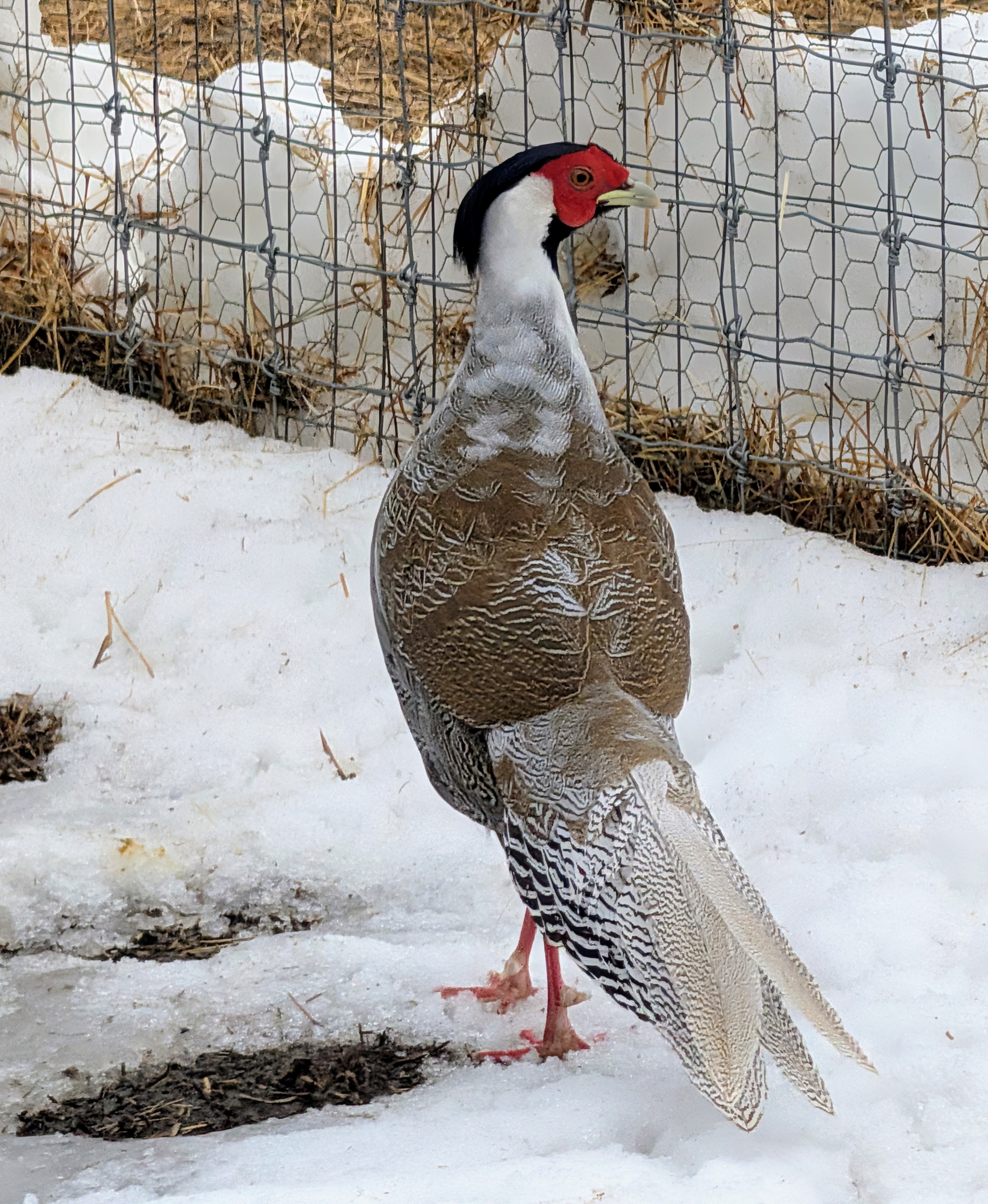
- His markings will also continue to change until he is full grown. He will have a long black crest, with central feathers becoming more white.
-
- Silver pheasants are quiet and mild. This one is also very attentive to his surroundings.
-
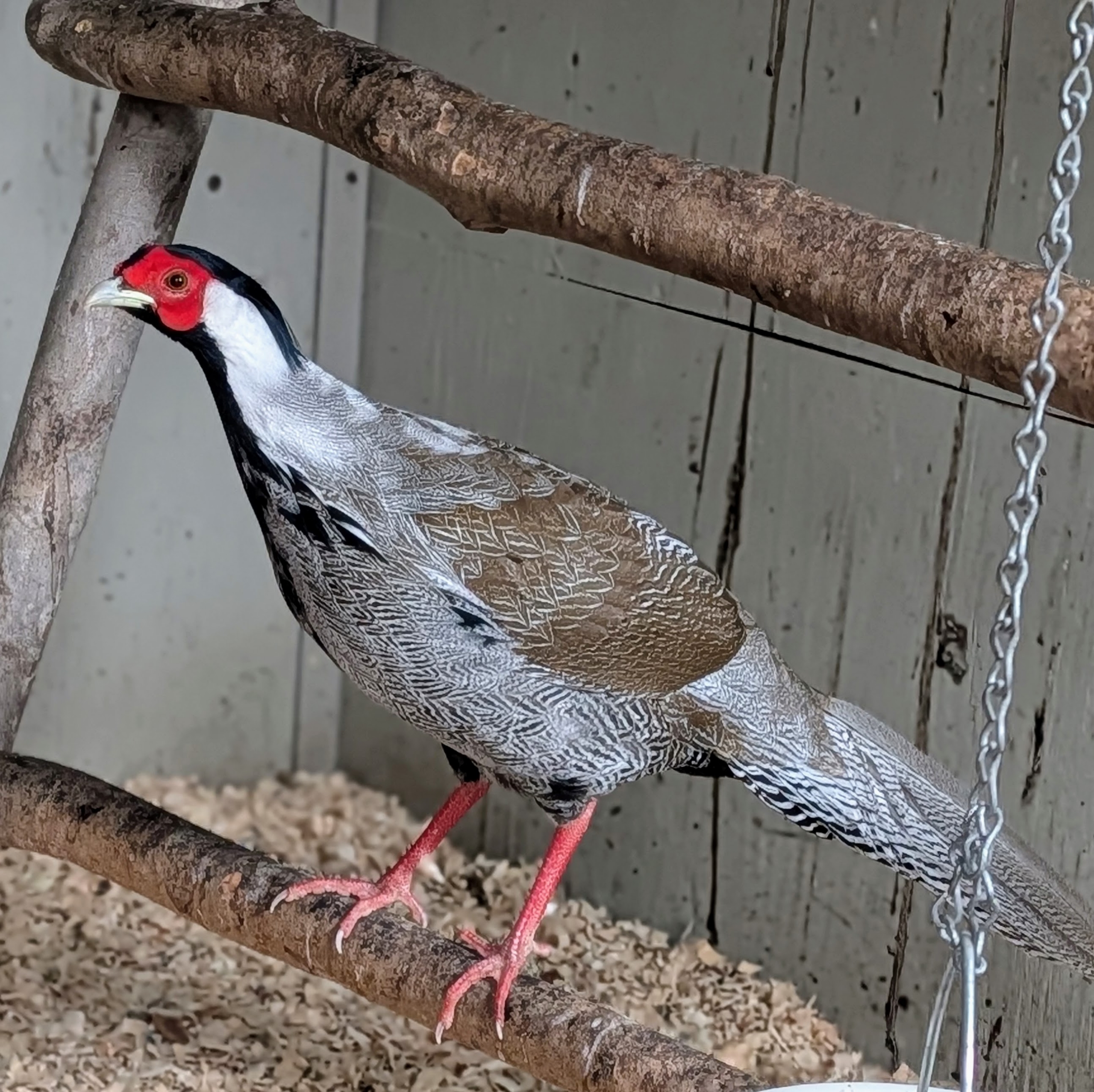
- While mostly ground dwelling, pheasants will perch up high to escape predators.
-
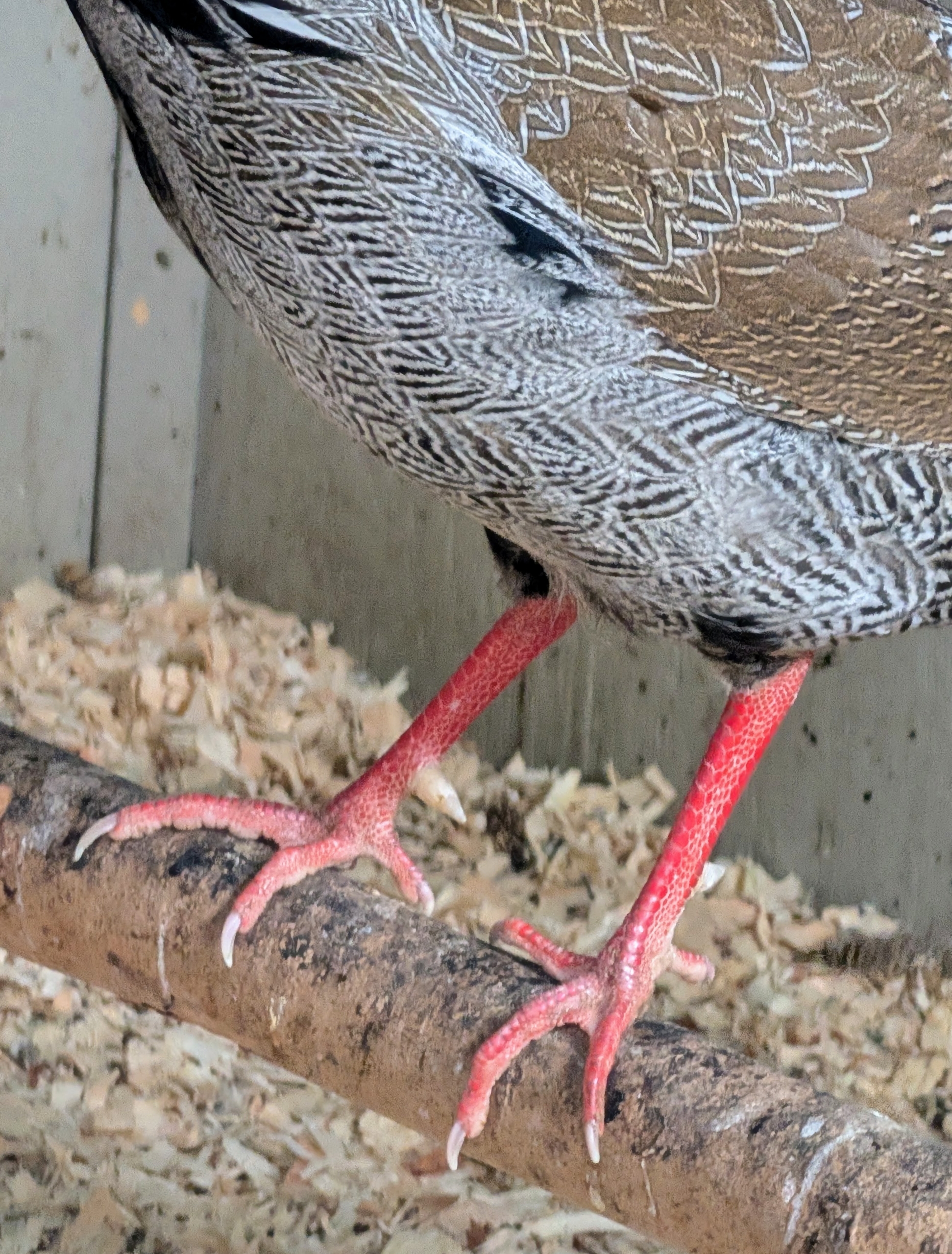
- They have four digits on their feet, with the first toe, known as the hallux, typically pointing backward for effective stability and movement. The legs of silver pheasants are red, distinguishing them from other species.
-
- Pheasants have surprisingly good memories and can recall the location of their nests even after traveling long distances.
-
- Silver pheasants are known to be gentle natured and tame. I’m looking forward to watching this one grow.
-
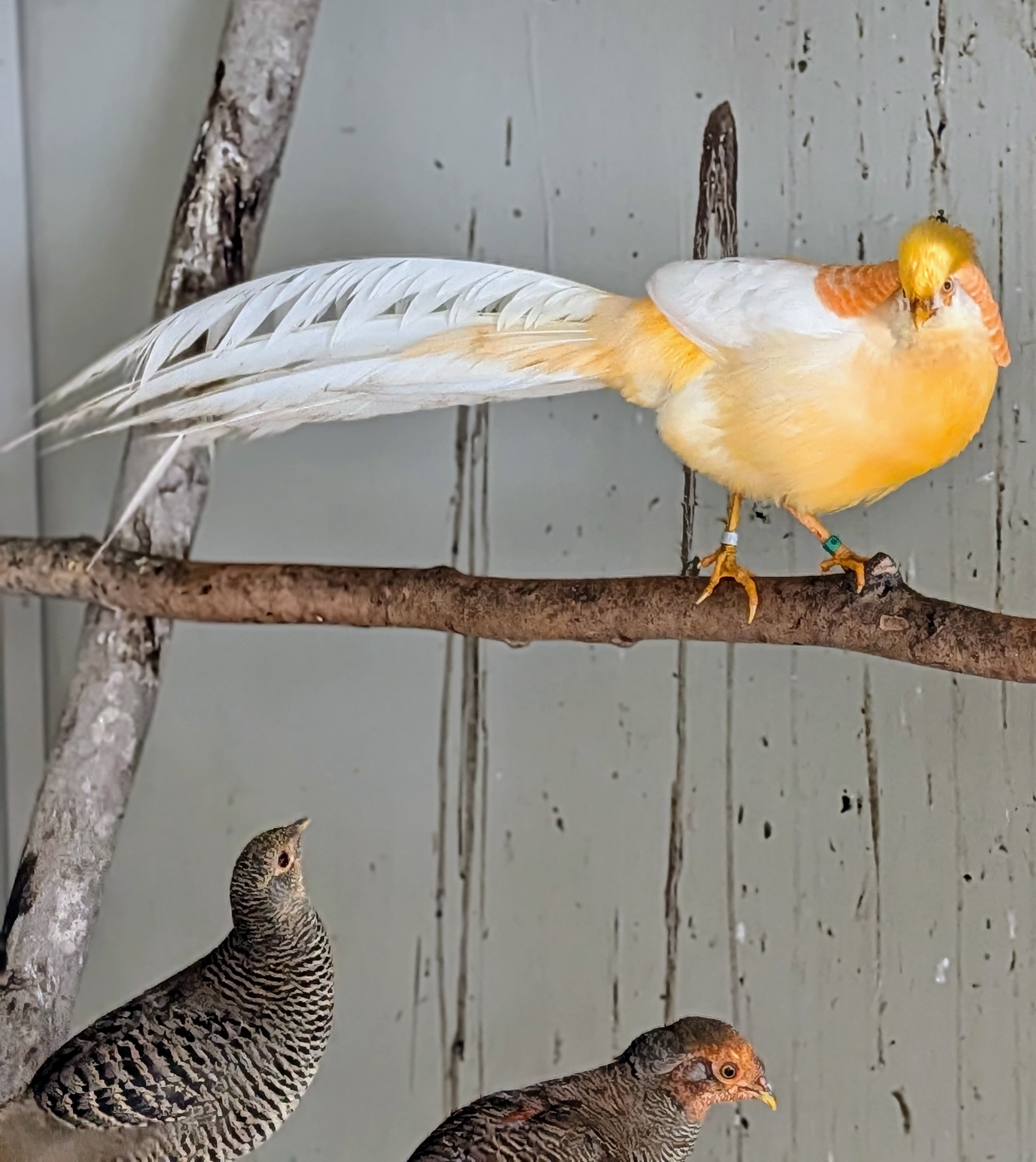
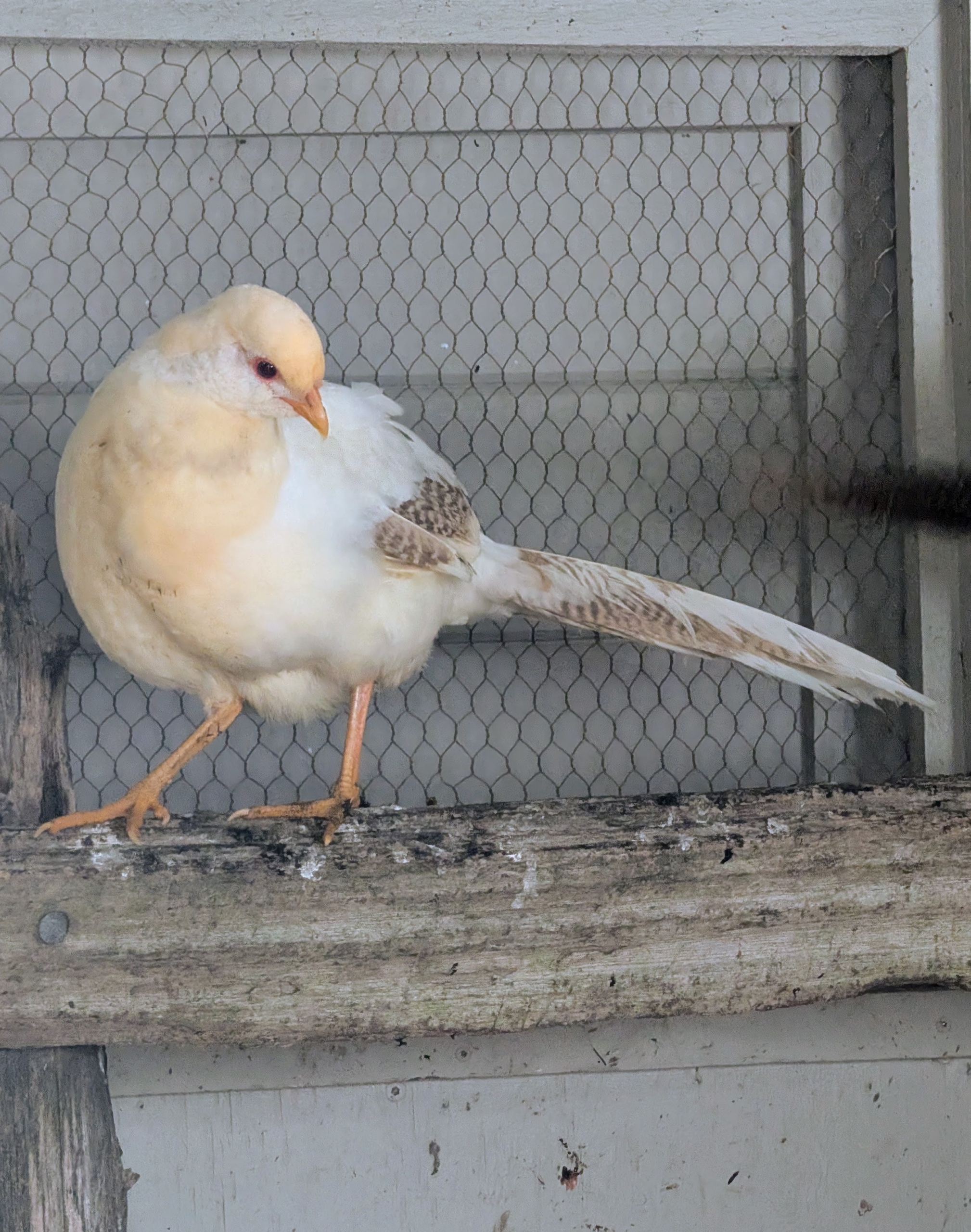
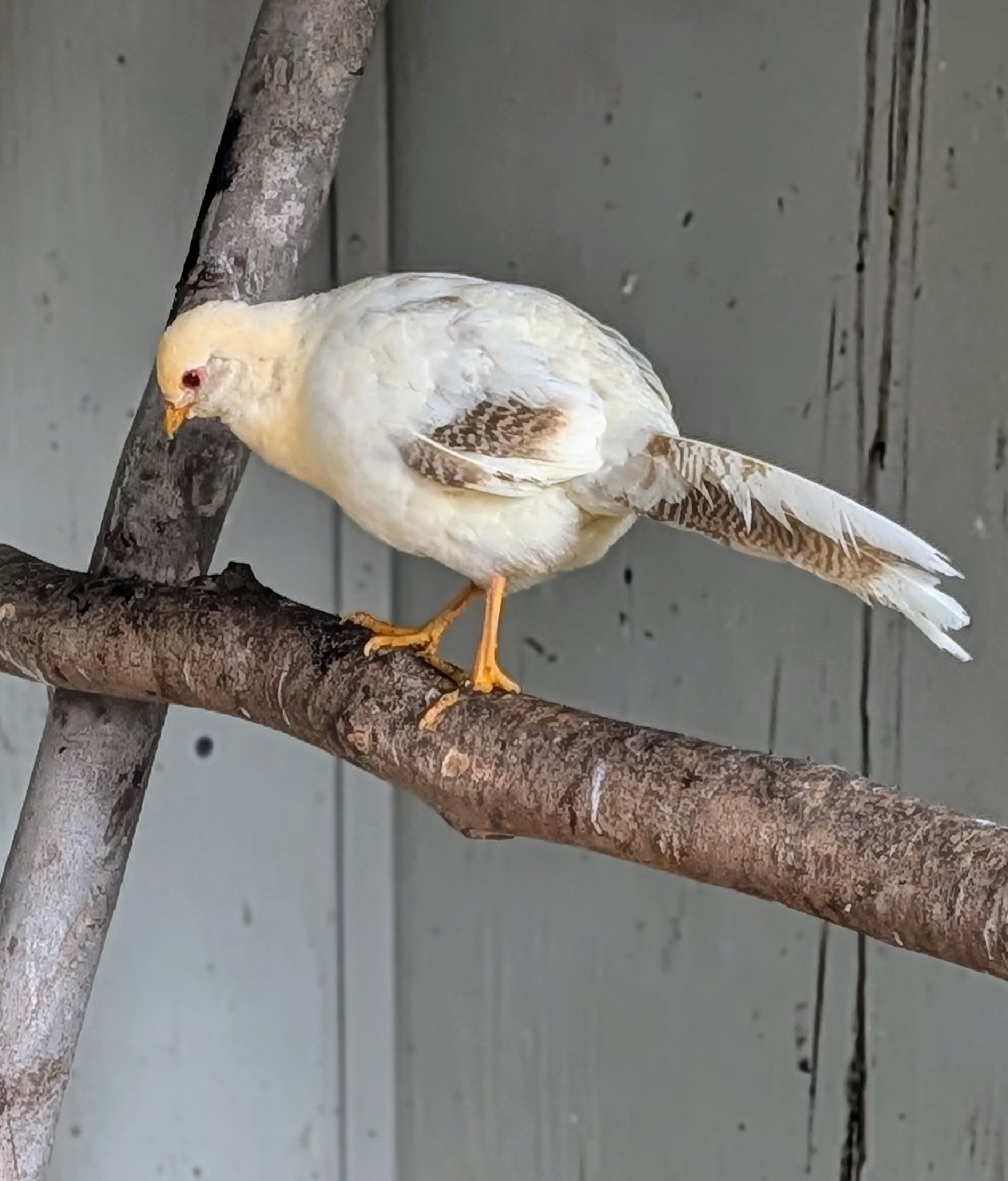
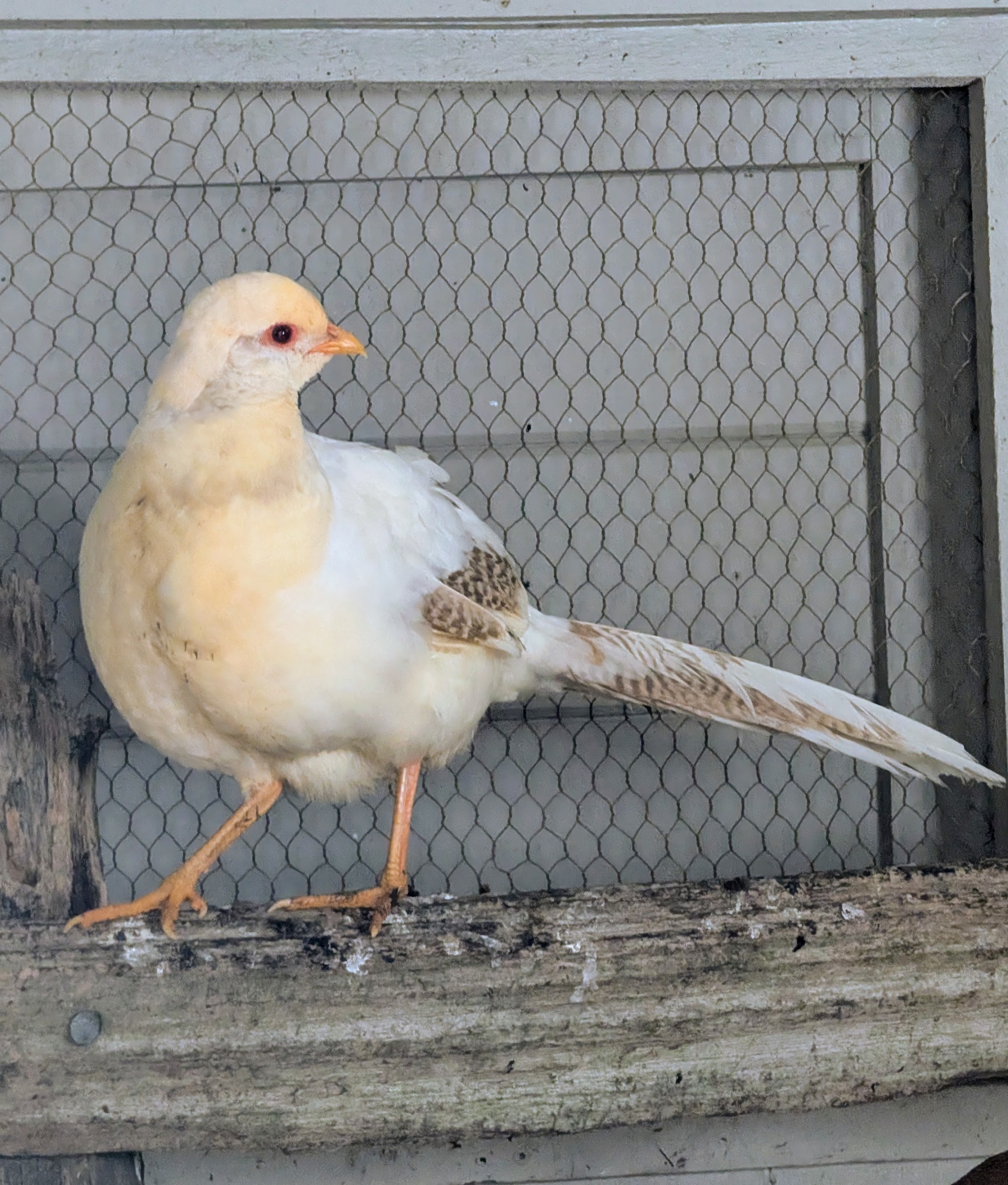
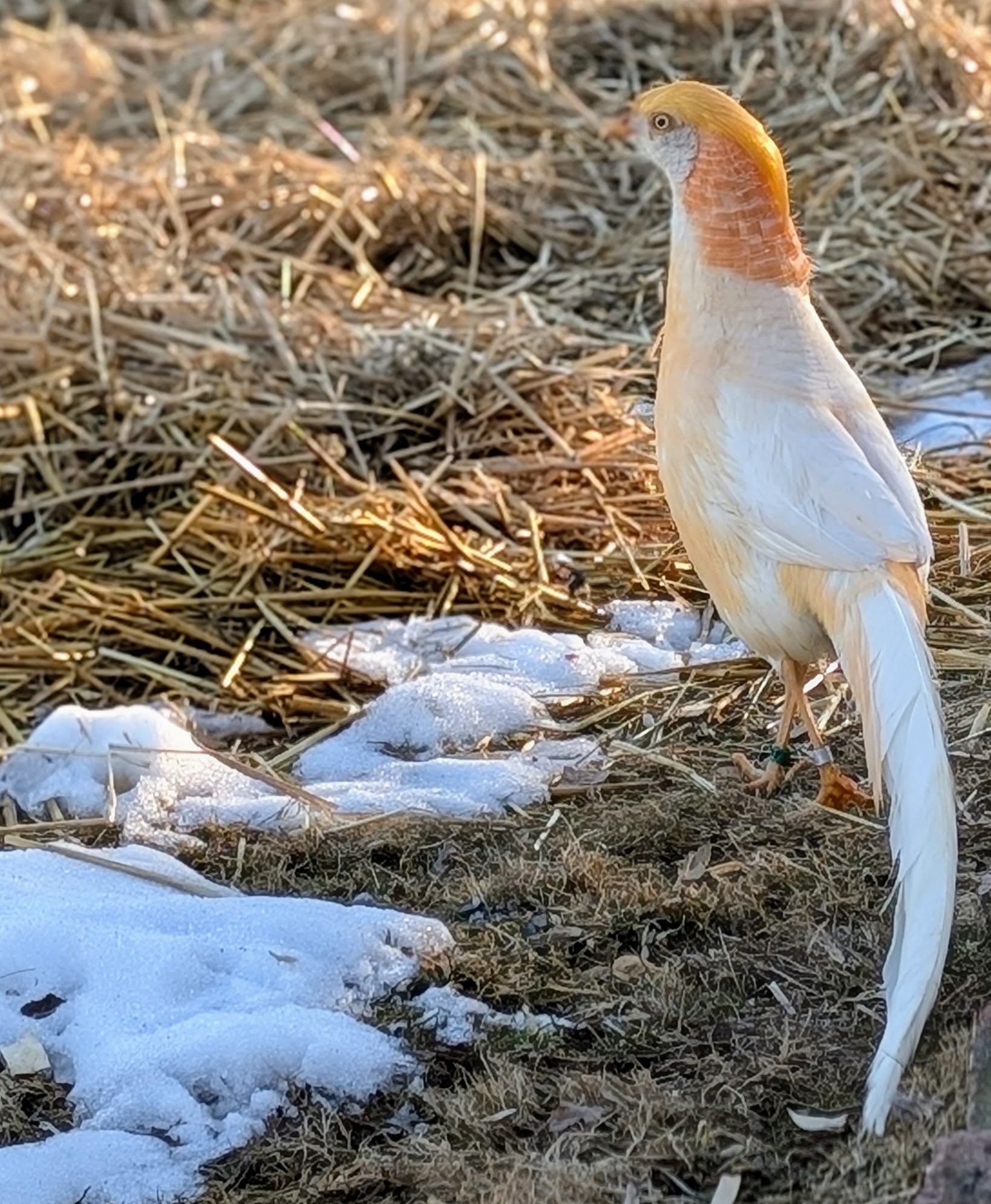
- The silver pheasant joins my group of golden pheasants. This is a male peach golden pheasant, strikingly rare in its coloration. Males have a lot of white set off by a light, shiny golden breast and body and a full peachy ruff.
-
- This is a female peach golden pheasant – much duller in color.
-
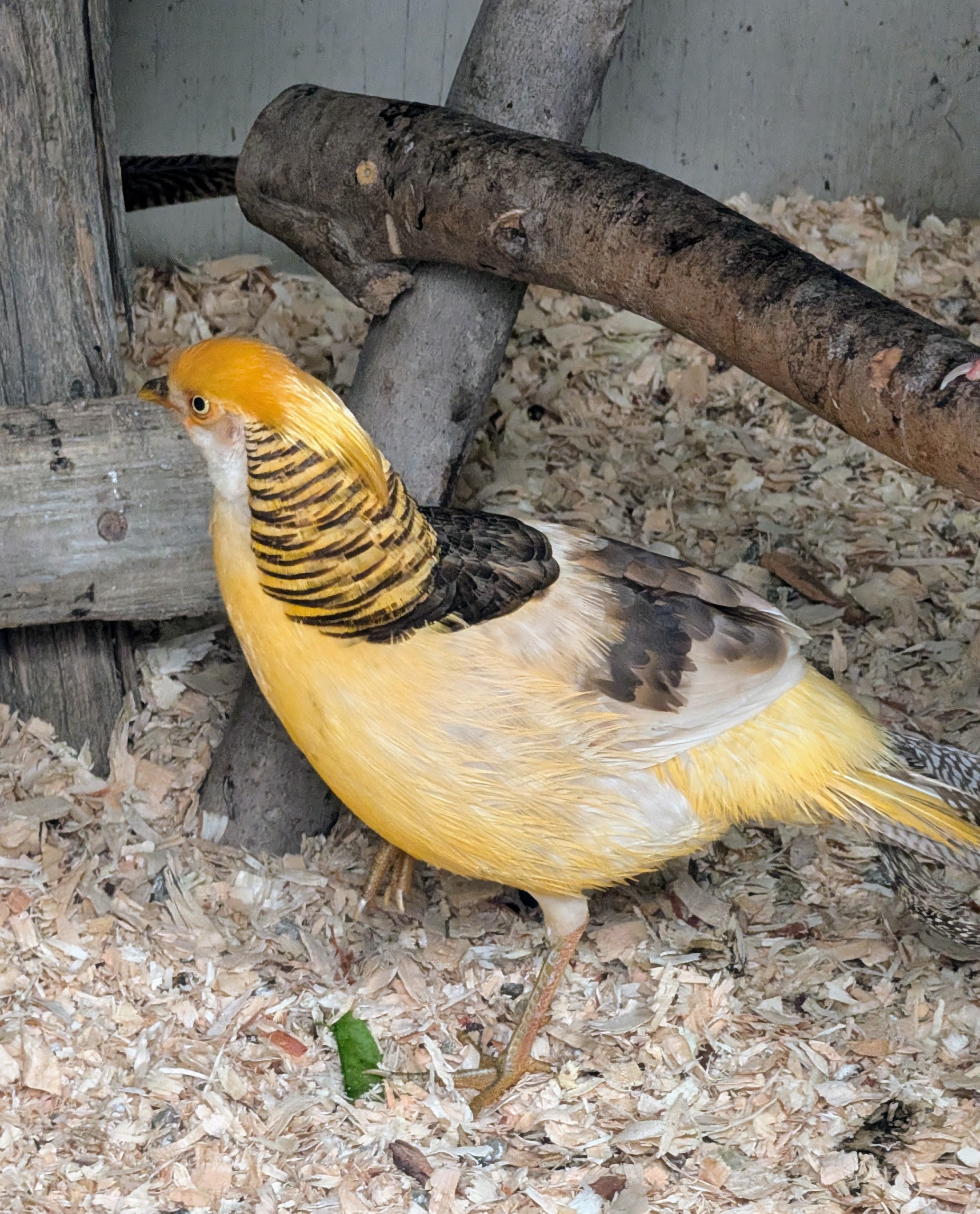
- This is a male yellow golden pheasant. The yellow is a color mutation of the red golden pheasant. It was originally developed in the 1950s. To maintain the yellow coloring, these birds need shaded areas to protect their feathers from the sun.
-
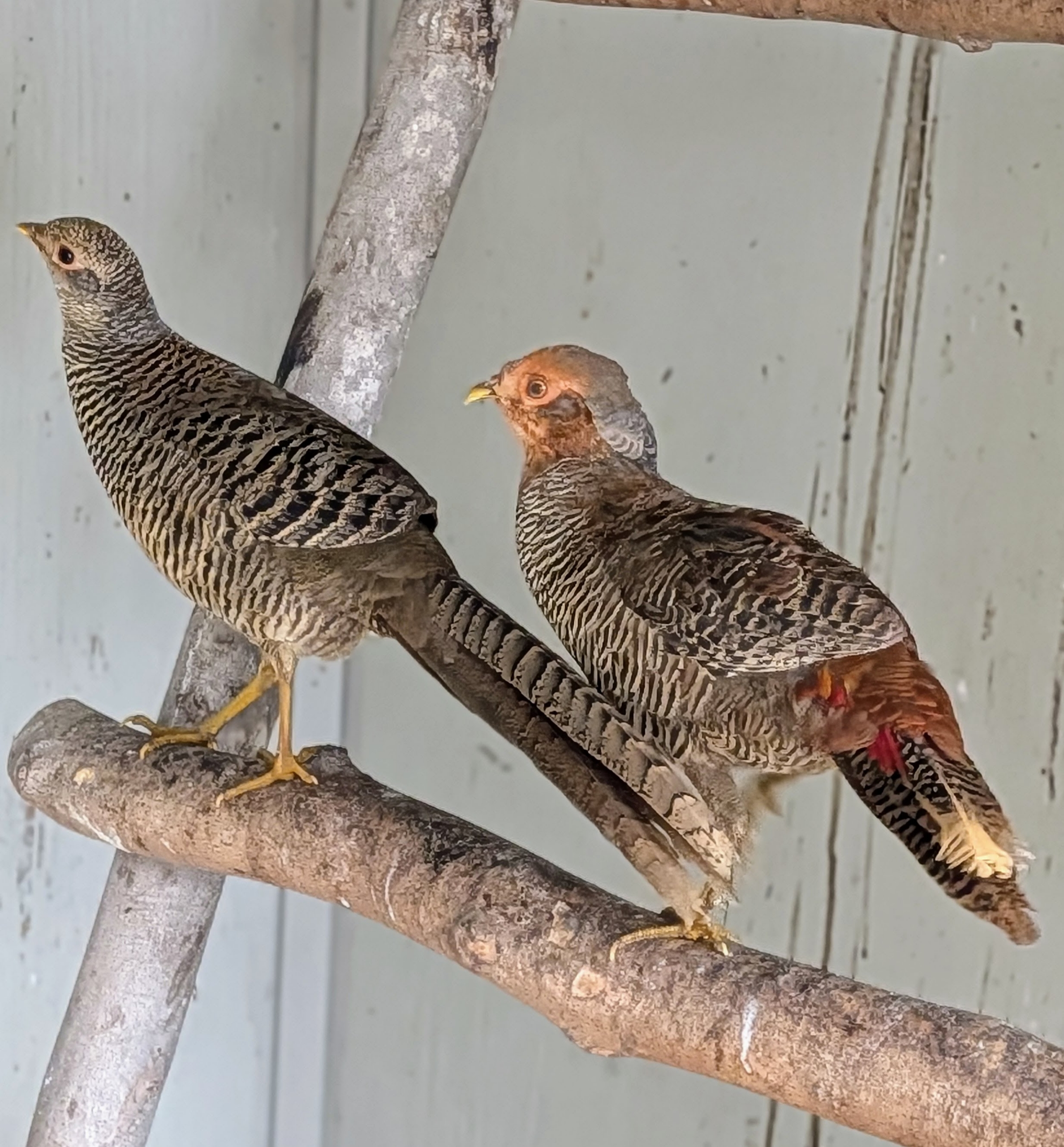
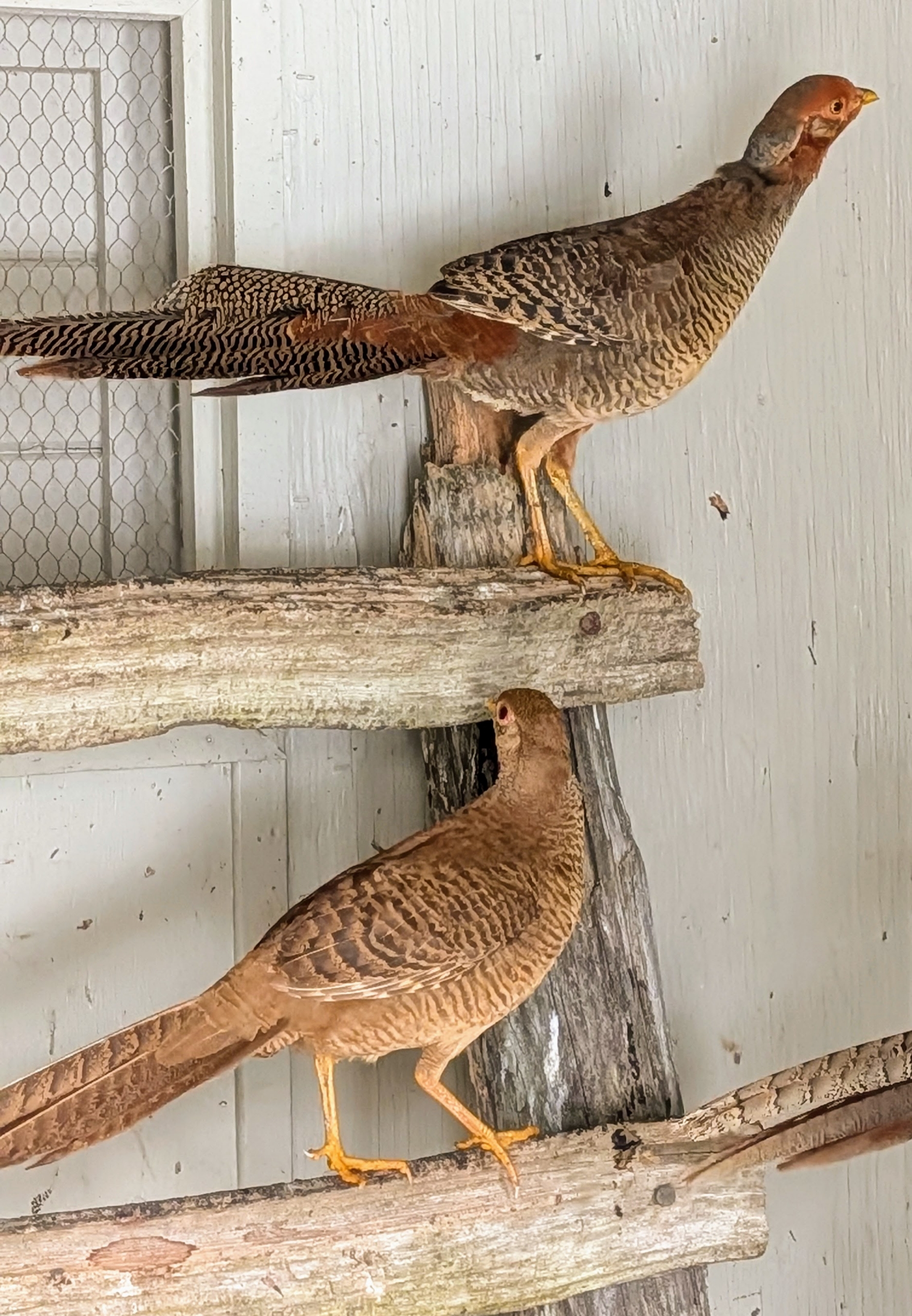
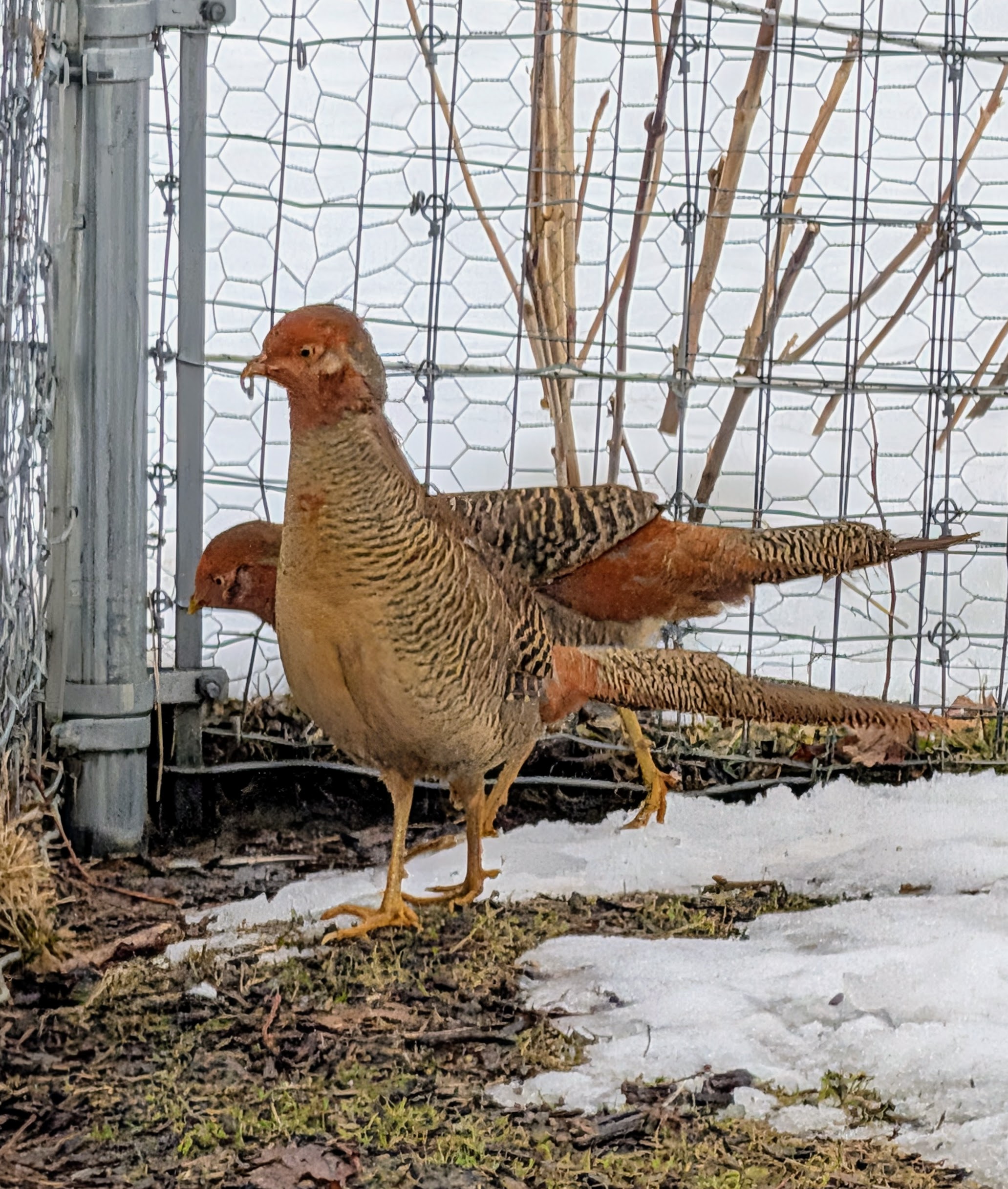
- These are also females – they are smaller and lighter than the males, and have shorter tails.
-
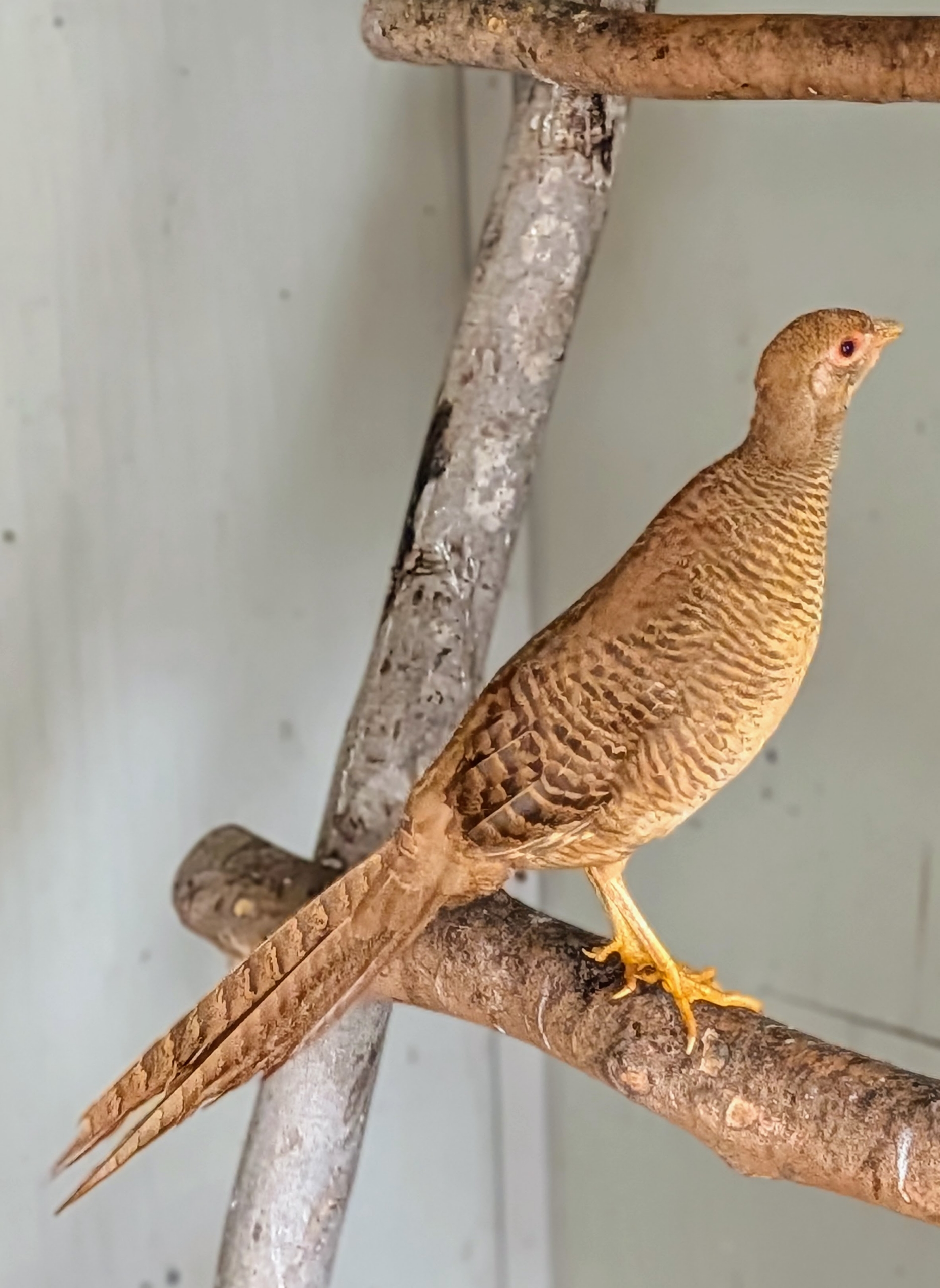
- Many females show a mottled brown pattern all over the body.
-
- I hatched several females here at the farm. They adapt easily and are known to thrive in various environments.
-
- All my outdoor birds get a good supply of seeds. Pheasants also eat insects, berries, and plant matter – they are excellent foragers.
-
- Pheasants are very curious and alert.
-
- These pheasants enjoy watching the farm activity. Being near my stable, they get lots of visitors.
-
- They also prefer to run rather than fly and can reach speeds of up to 45 miles per hour if necessary to escape danger.
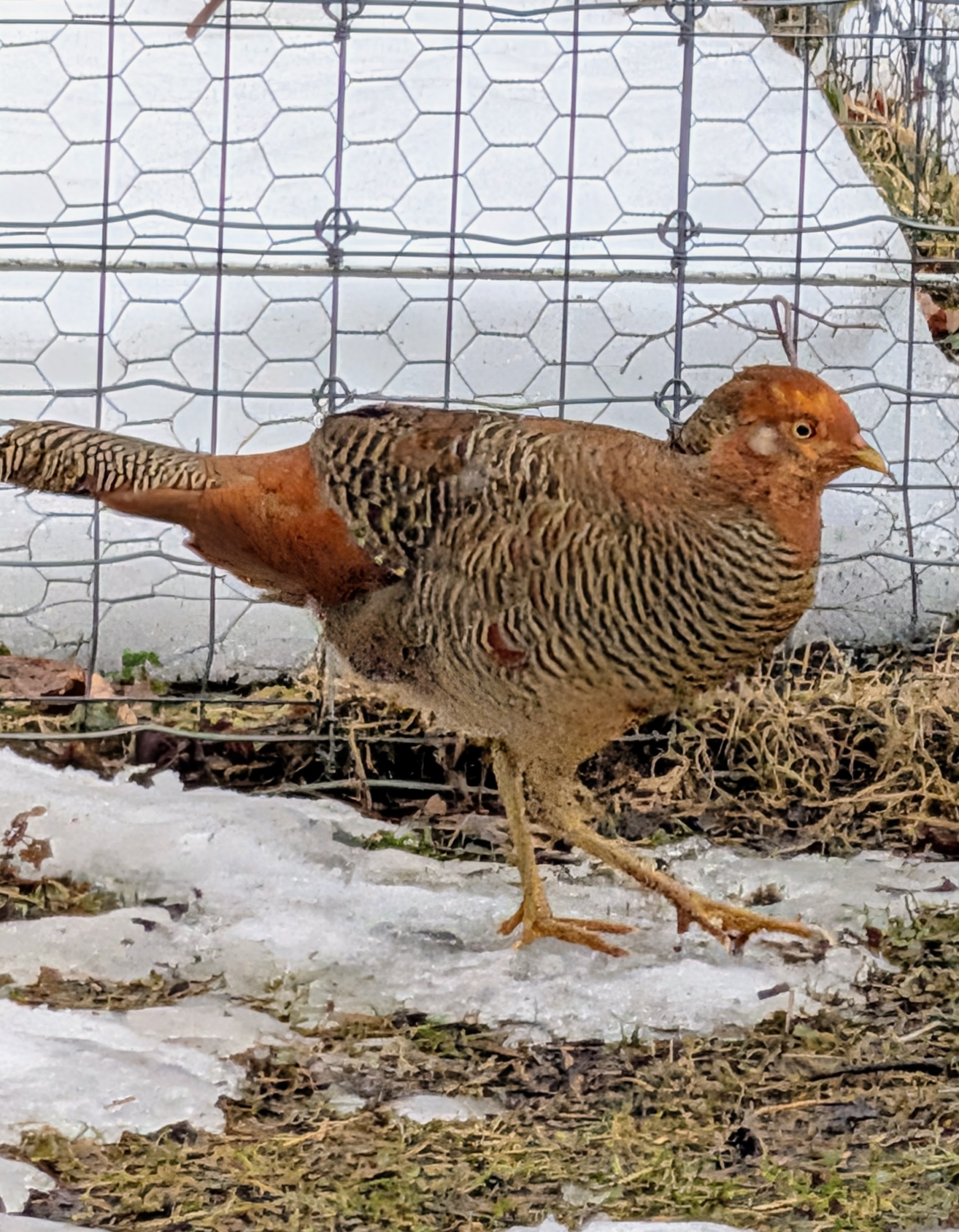
-
- Here, the pheasant is greeting two of the peahens in the adjacent enclosure.
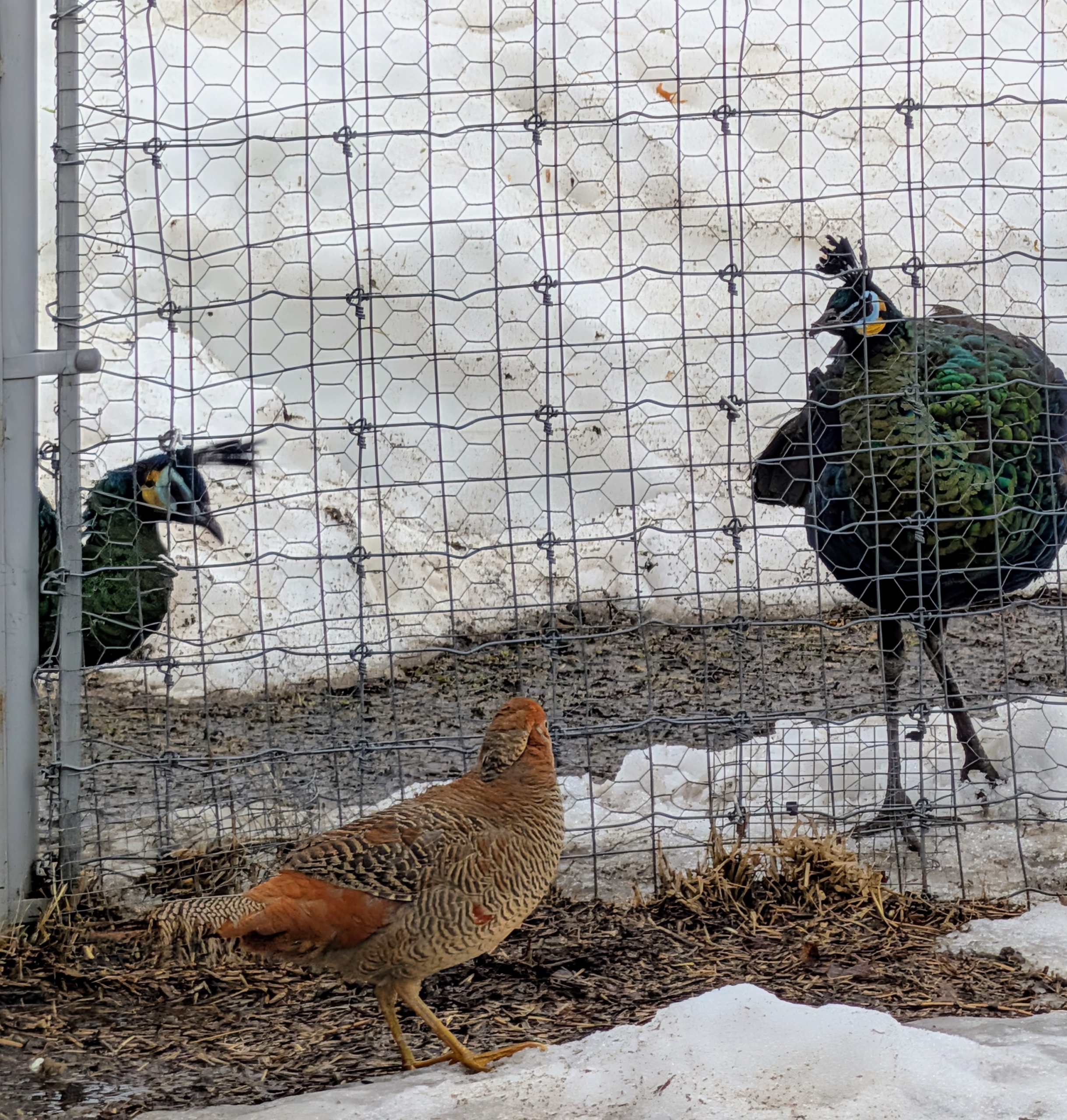
-
- They also like to go into their natural made shelters. This one is made out of branches and twigs.
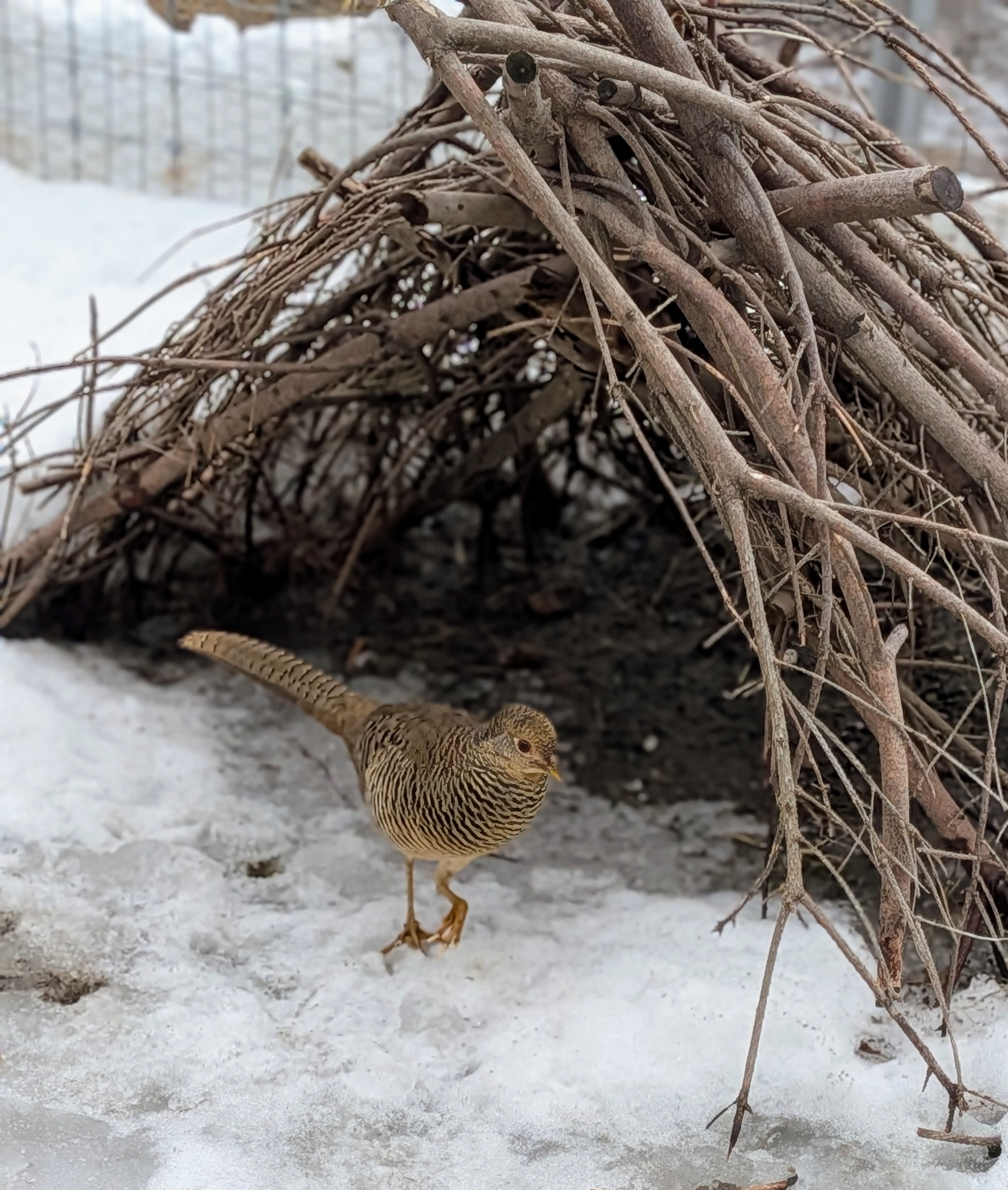
-
- These birds, with their gorgeous colors and interesting characteristics are a joy to keep and nurture. And, well cared-for pheasants can live 15 to 18 years.
 Martha Pins


 Martha Tweets

