

Repotting Chinese Money Plants
Winter is such a good time to tackle those indoor houseplant chores.
I love container plants, and over the years I have amassed quite a collection of potted specimens. To keep them looking their best, it is important to check their condition regularly, feed and water according to their needs, and repot those that have outgrown their current vessels. My head gardener, Ryan McCallister, has been repotting a group of Chinese money plants, Pilea peperomioides - low-maintenance perennials with interesting coin-shaped foliage.
Here are some photos, enjoy.
-

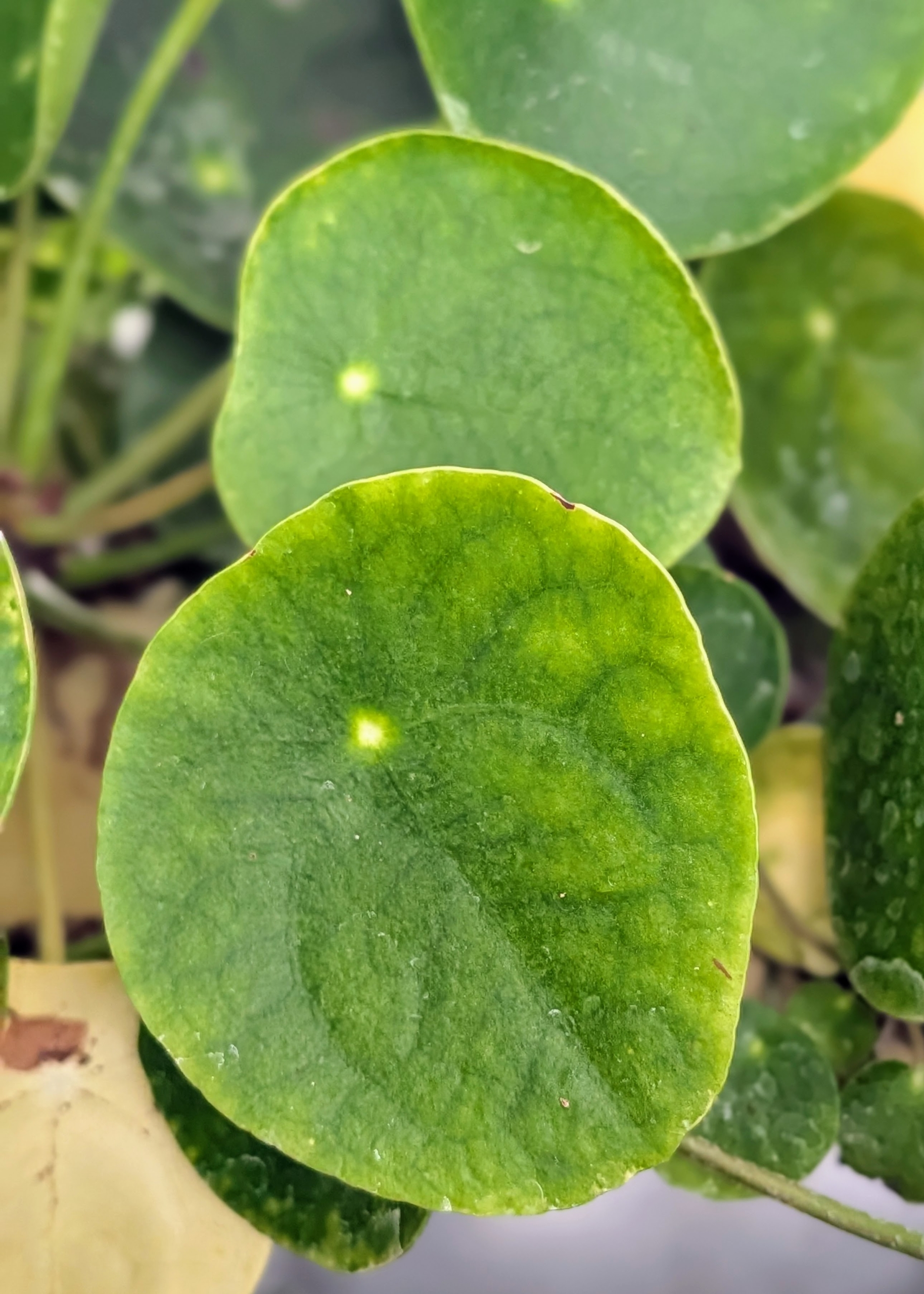
- These are the interesting leaves of the Chinese money plant, Pilea peperomioides. The round leaves can grow up to four inches in diameter, with the plant itself capable of reaching up to 15 inches wide.
-
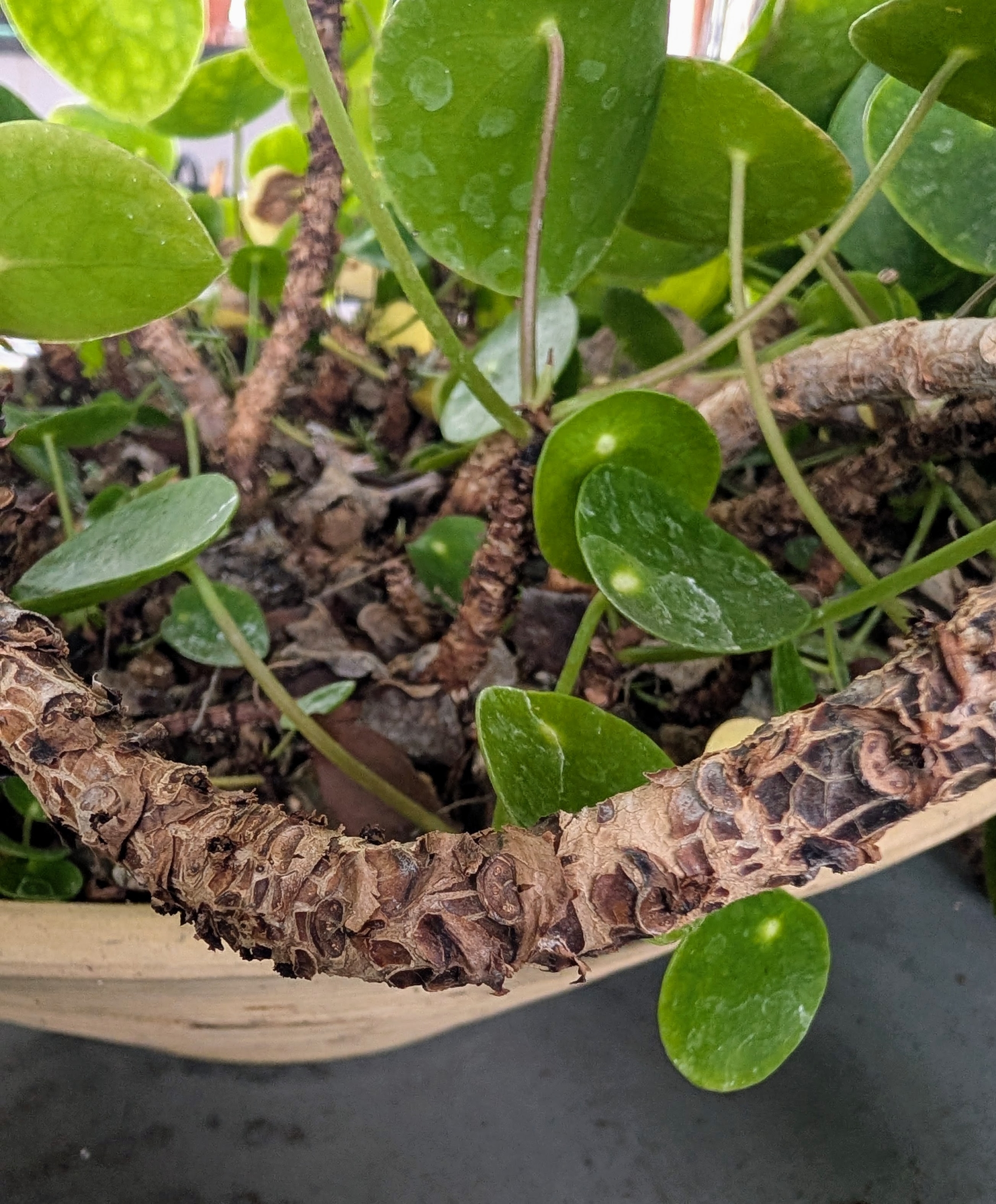
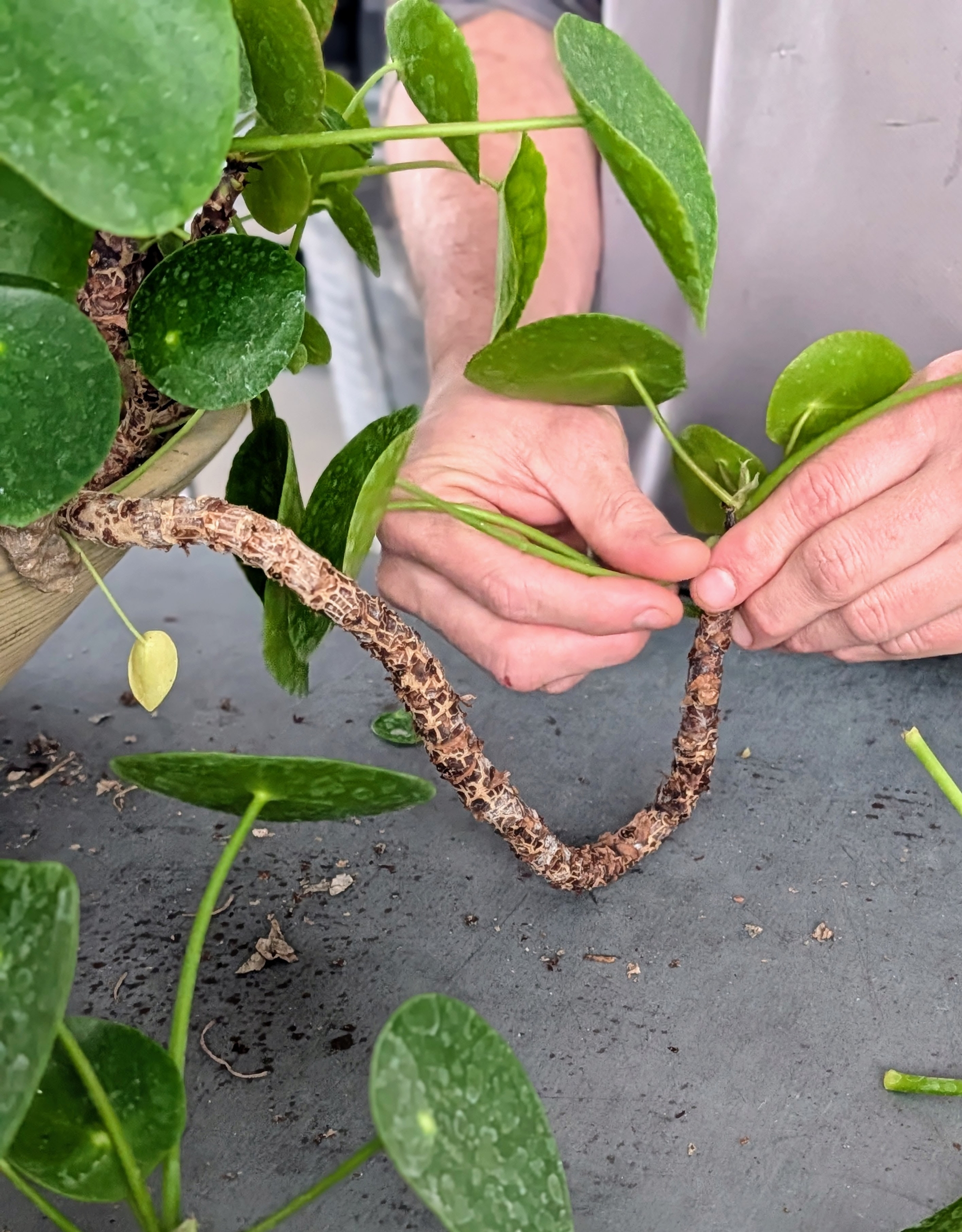
- The main woody stems of Pilea peperomioides are thick with an upright growth habit. They show nodes where leaves, buds, and branches emerge, and internodes which are the spaces between these nodes.
-
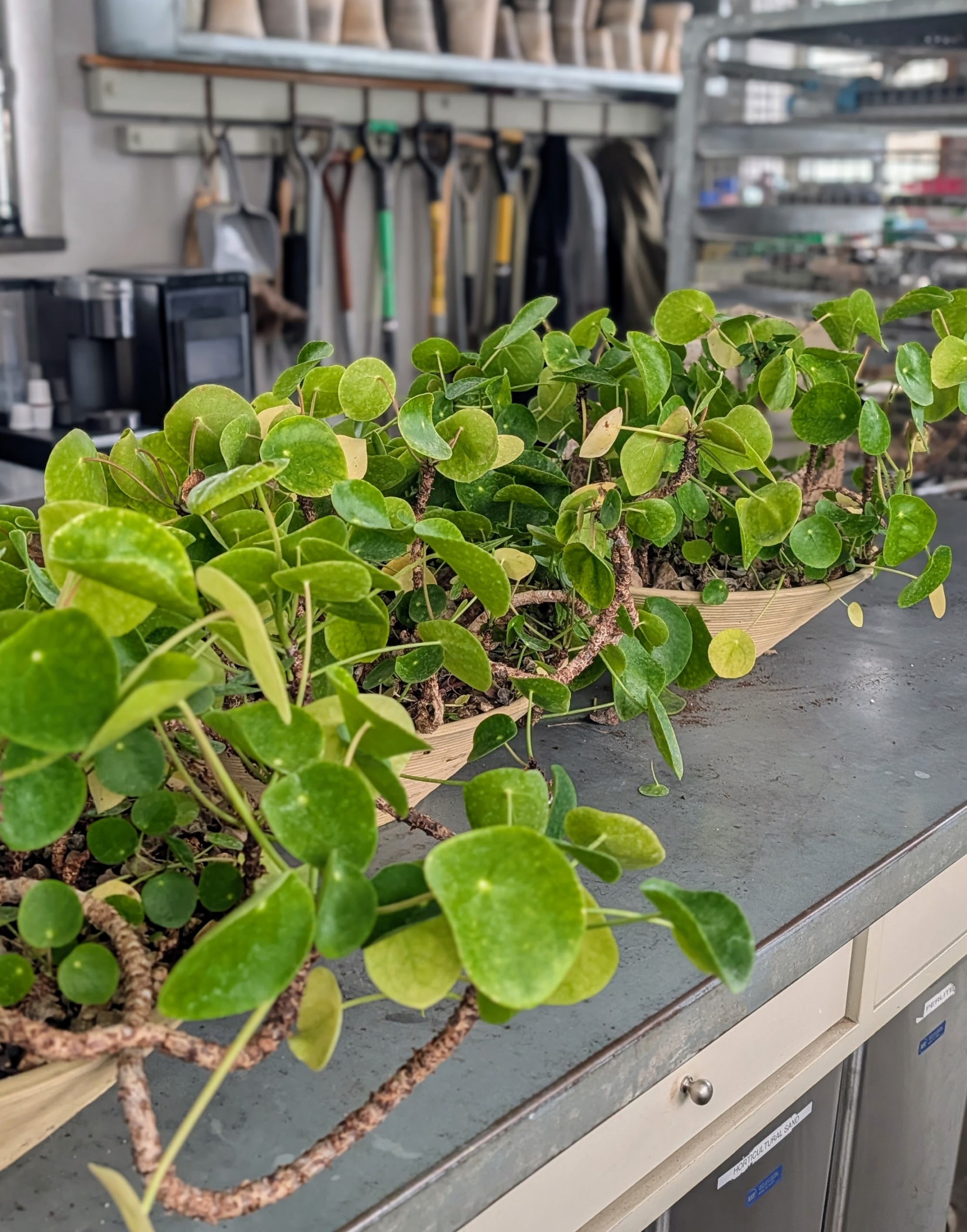
- I have many Pilea peperomioides plants in my greenhouse. These plants are grown primarily for their interesting foliage and easy-to-care-for nature. With proper lighting, it can also double in size within a year. These plants were potted up a few years ago and need repotting to give the plants more room to thrive.
-
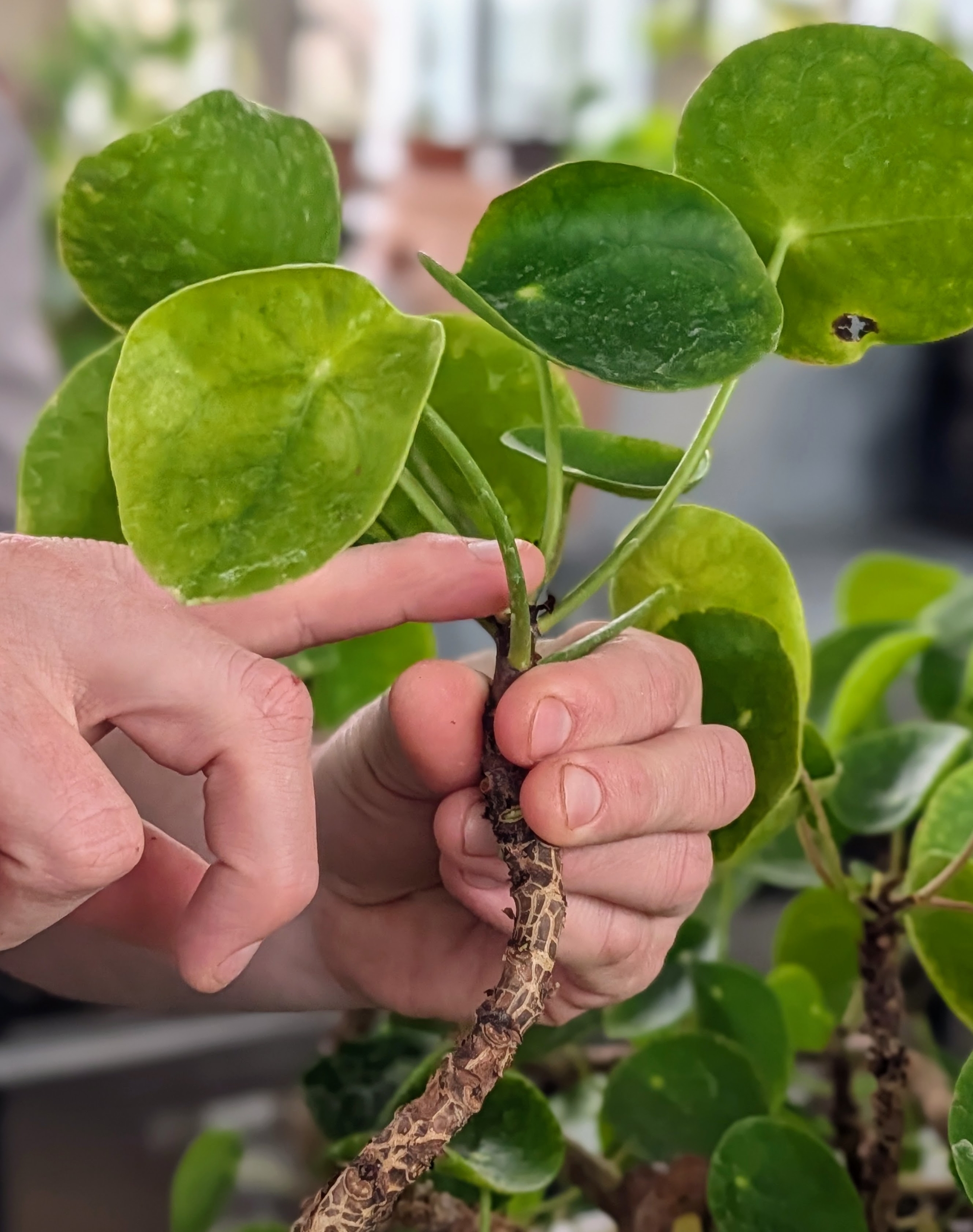
- Ryan inspects the plant and removes any dead or yellowing leaves.
-
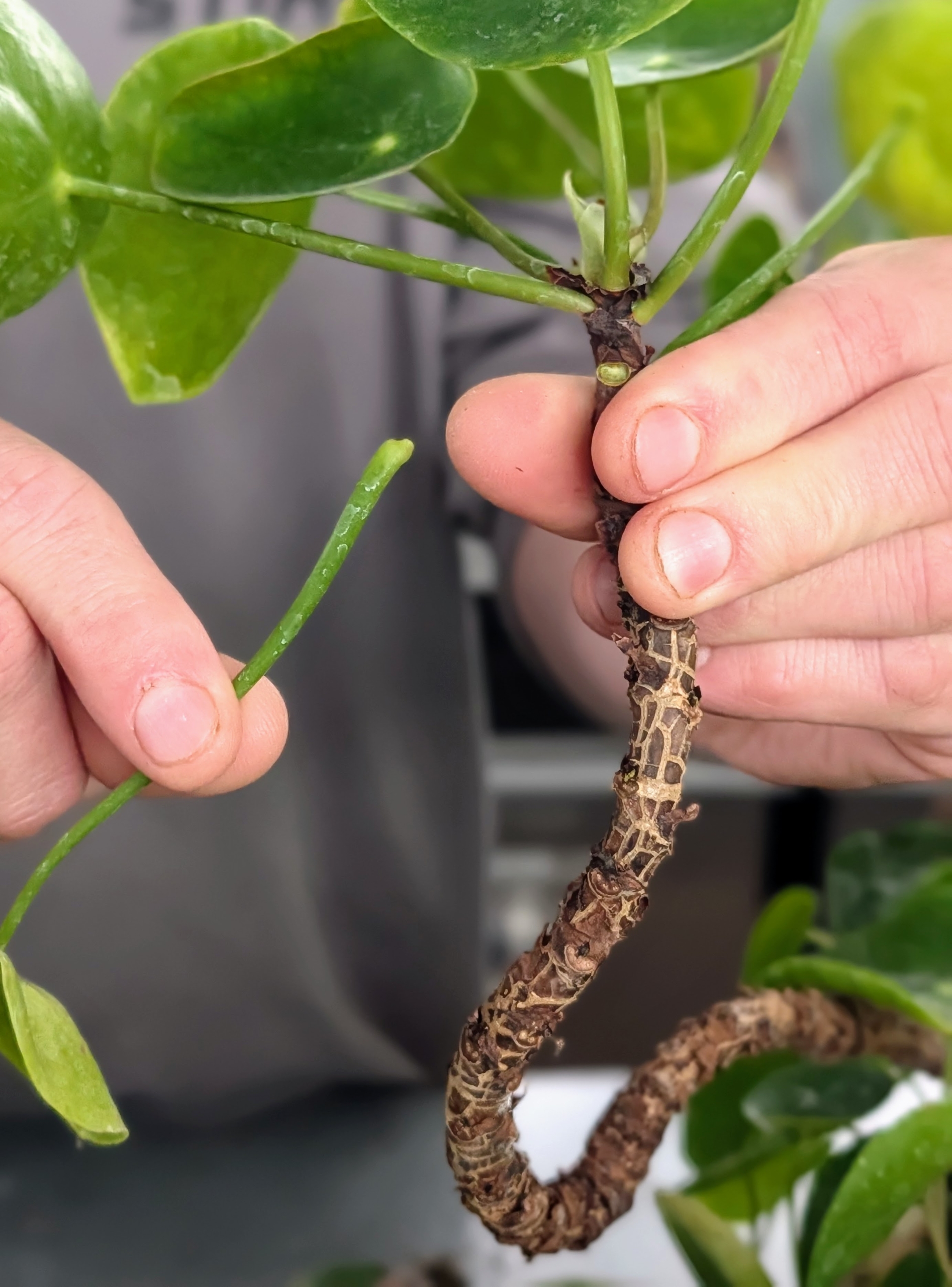
- Removing leaves is easy – just snap off close to the main stem.
-
- The leaf and stem will quickly disconnect from the plant.
-
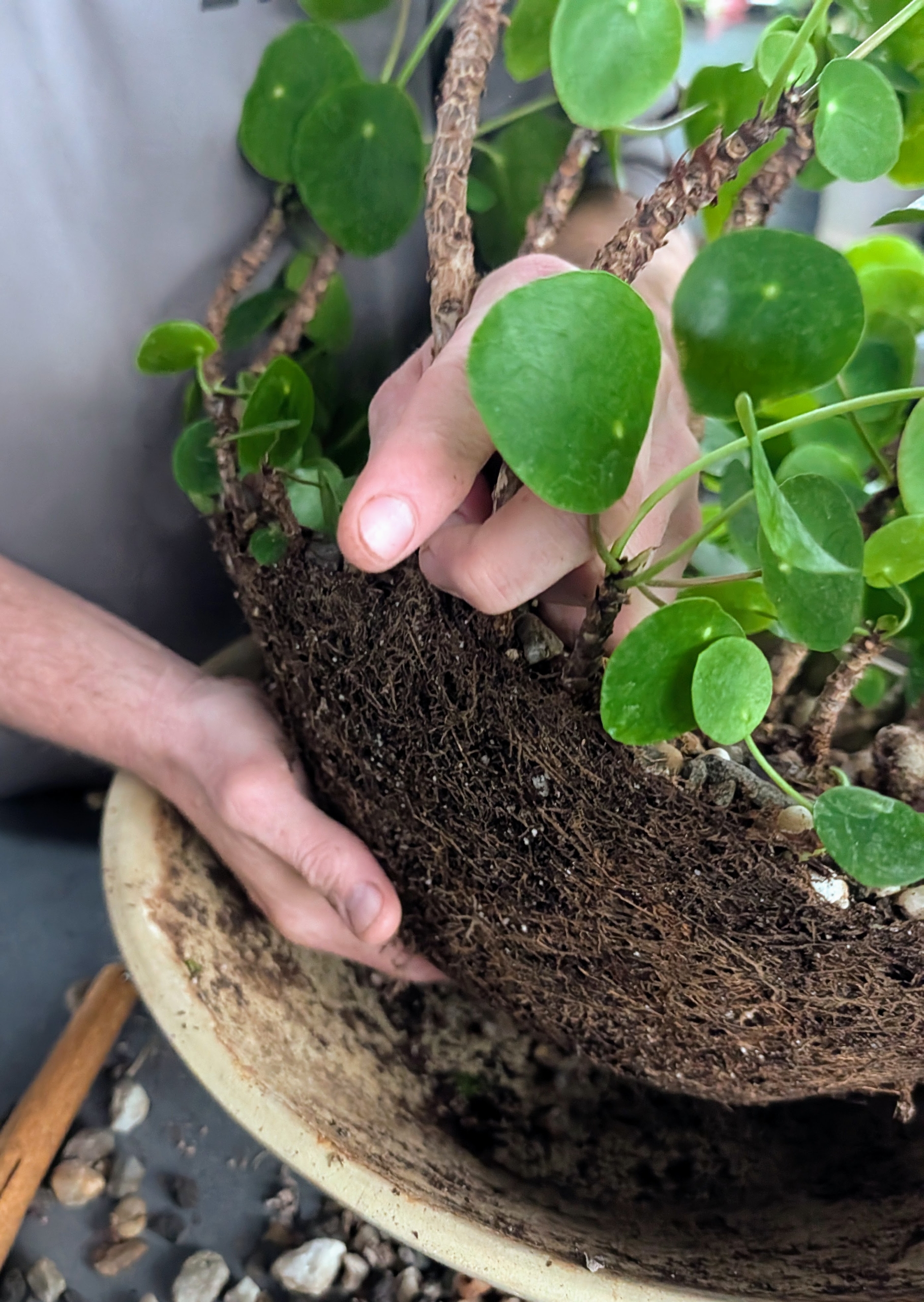
- Next, Ryan carefully removes the plant from the pot.
-
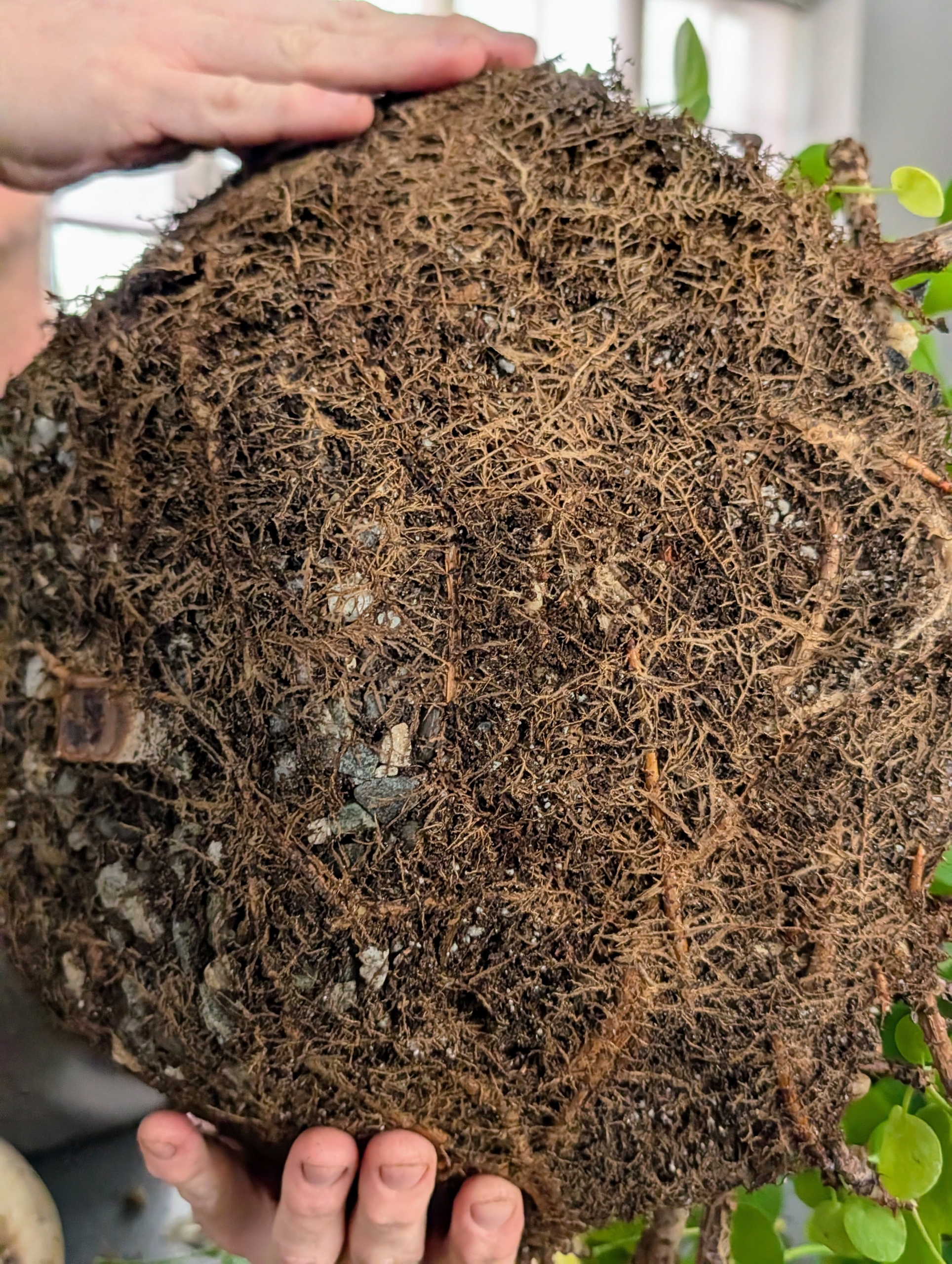
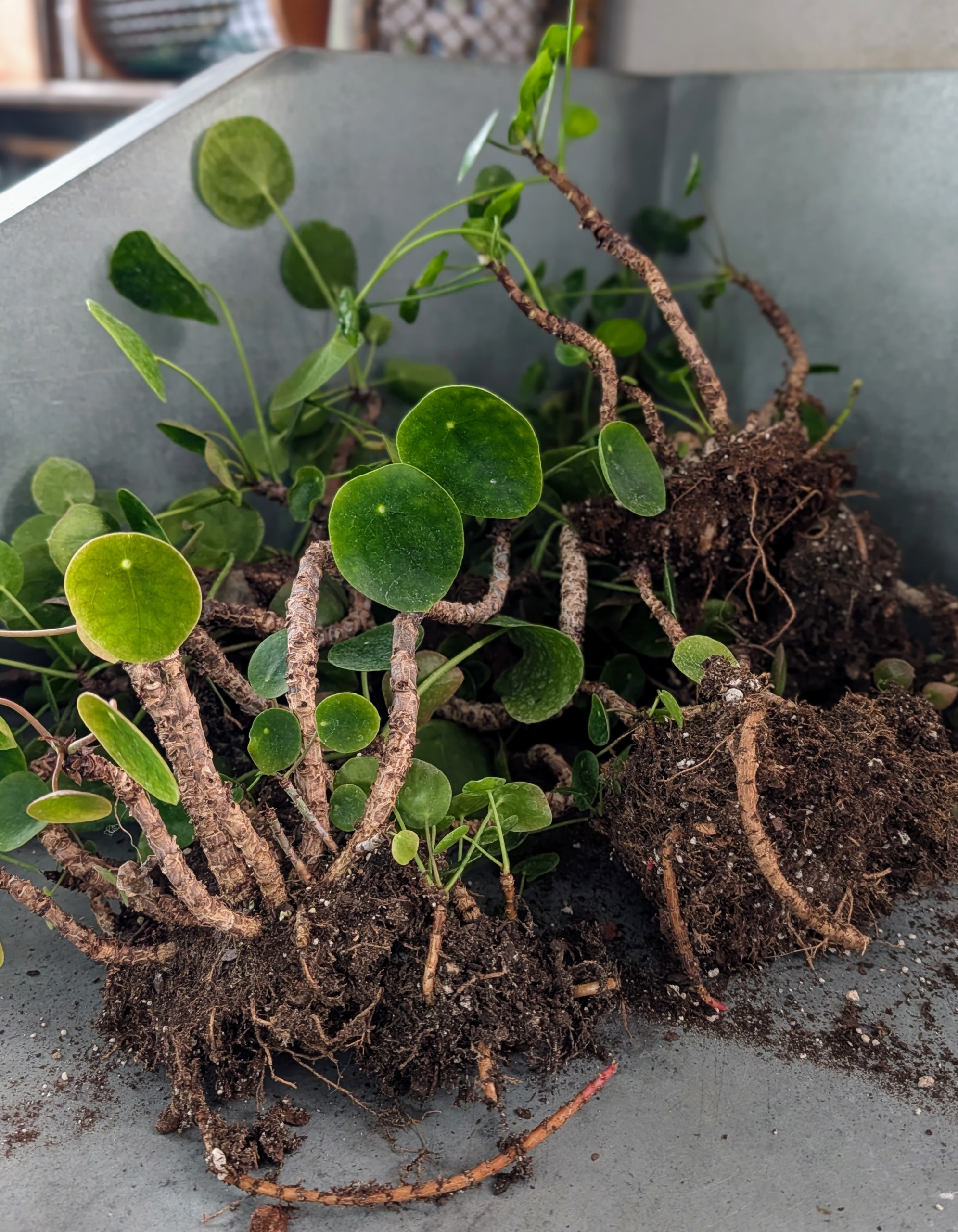
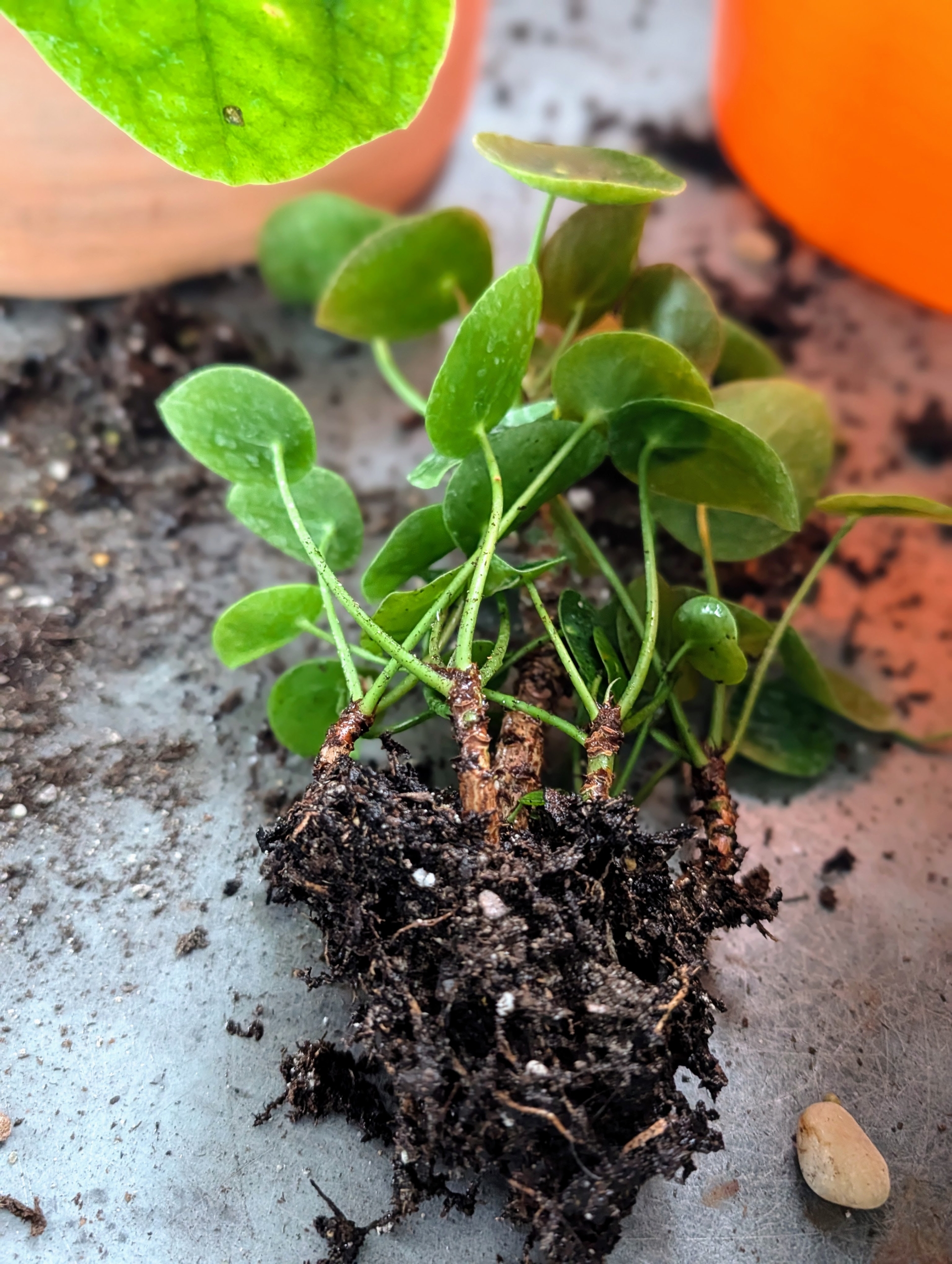
- Look at all the roots surrounding the root ball. When roots become tightly packed and confined within the container, it is called root bound – a condition that hinders the plant’s ability to grow and expand.
-
- Ryan divides the plants so they could be repotted. This is a good time to check for any signs of disease, rot, or pest infestation.
-
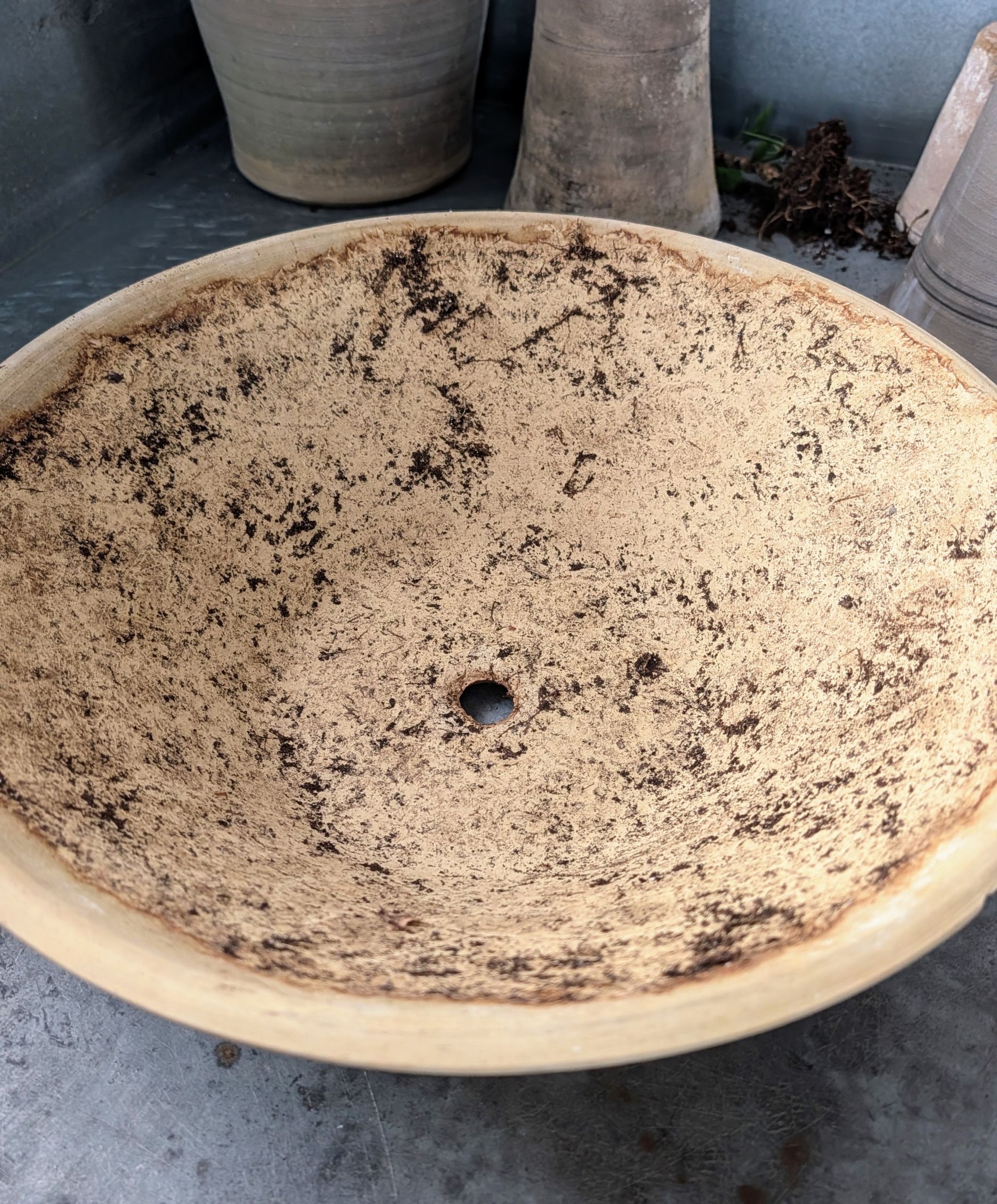
- Some of the money plants will be repotted in the same vessel, but with much more room to grow.
-
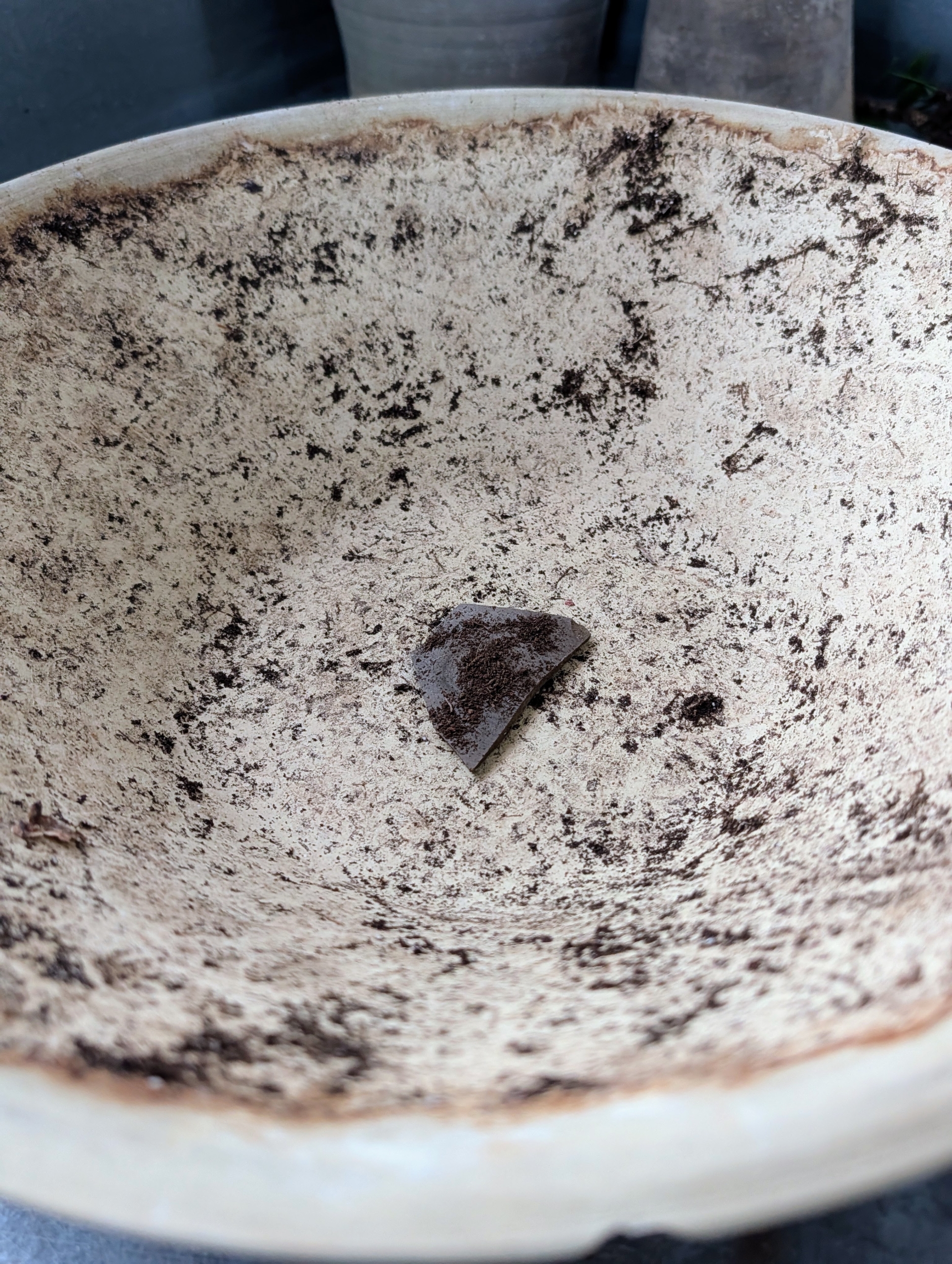
- Ryan places a clay shard over the drainage hole in the bottom of the pot to help with drainage and to prevent any soil from falling out.
-
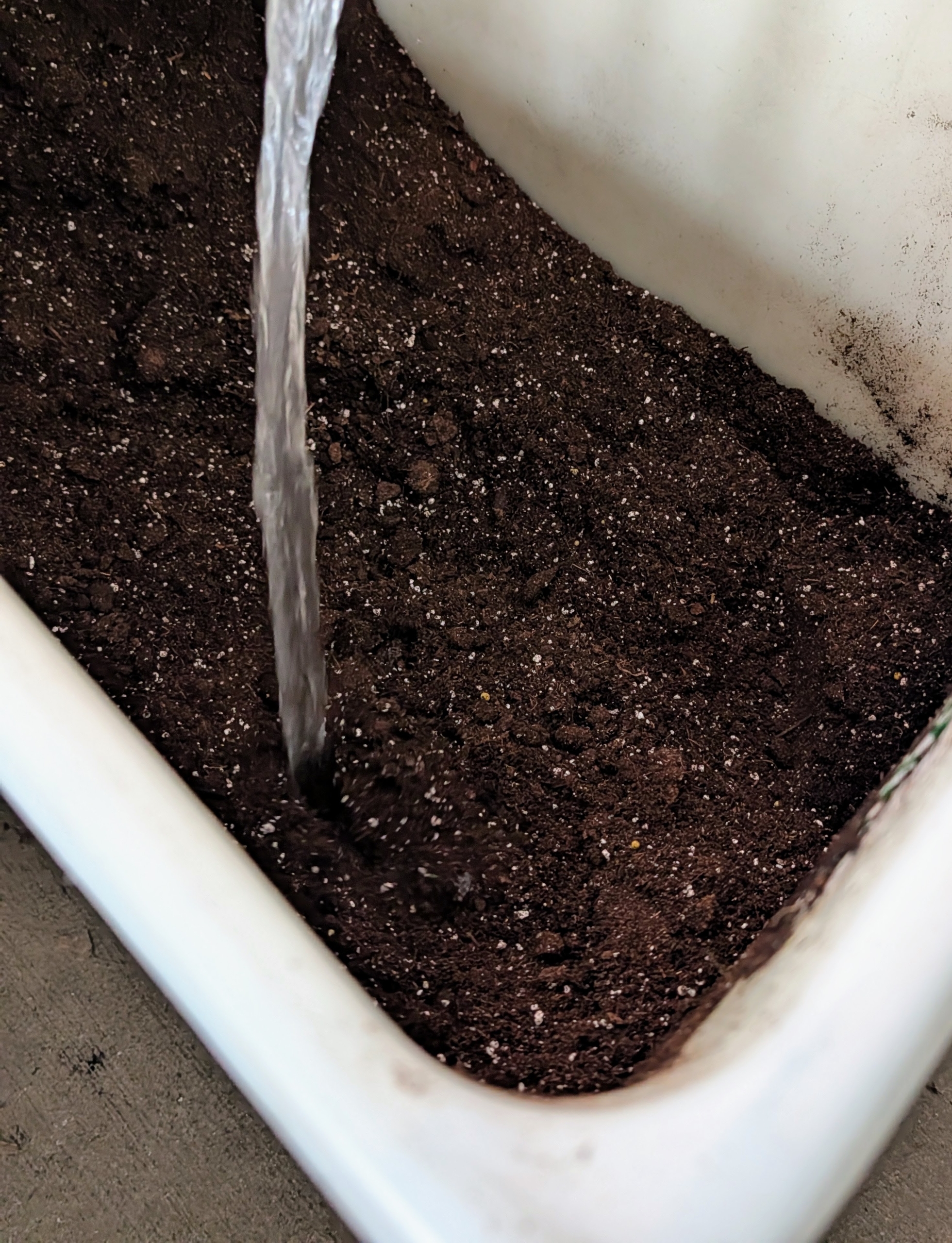
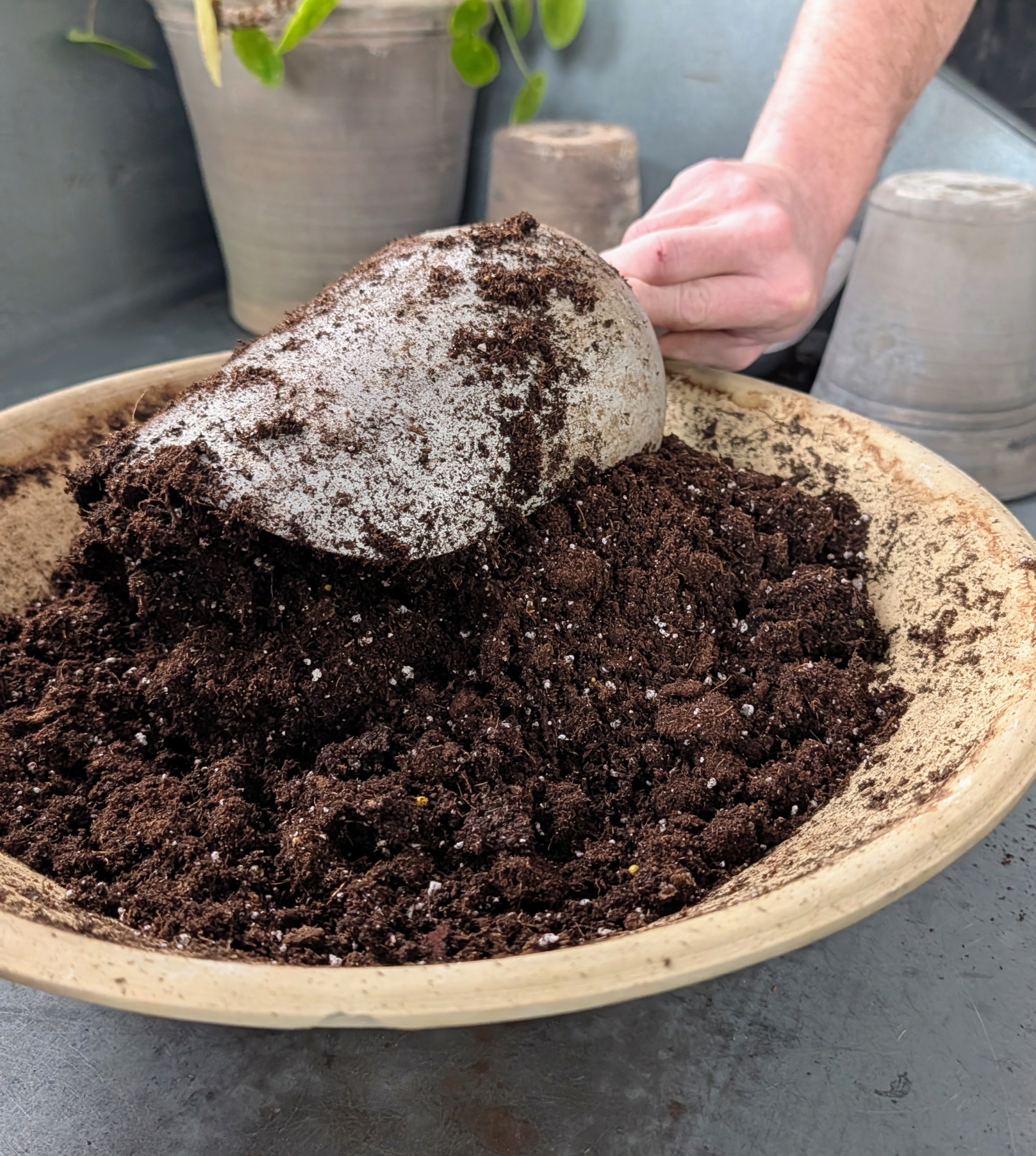
- For repotting, Ryan uses Miracle-Gro Tropical Potting Mix. It is packed with nutrients that feed for up to six months and includes lava rock for added drainage that tropical plants and the Pilea peperomioides need. He wets it down first so it is more supportive for the plants.
-
- He fills the pot to just under the rim.
-
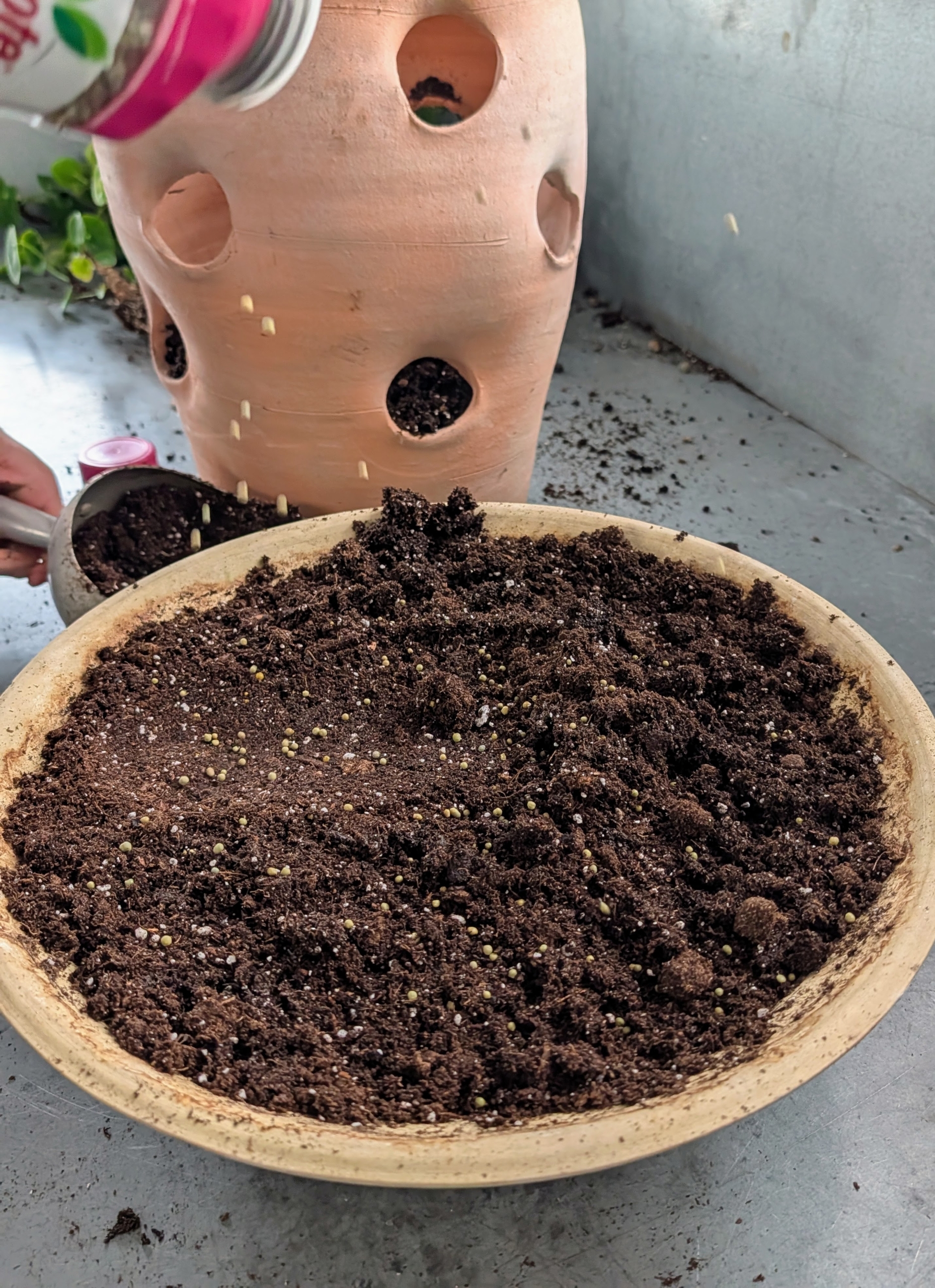
- And then adds some fertilizer. I use Osmocote. The beige shell on each prill coats a core of nitrogen, phosphorus and potassium.
-
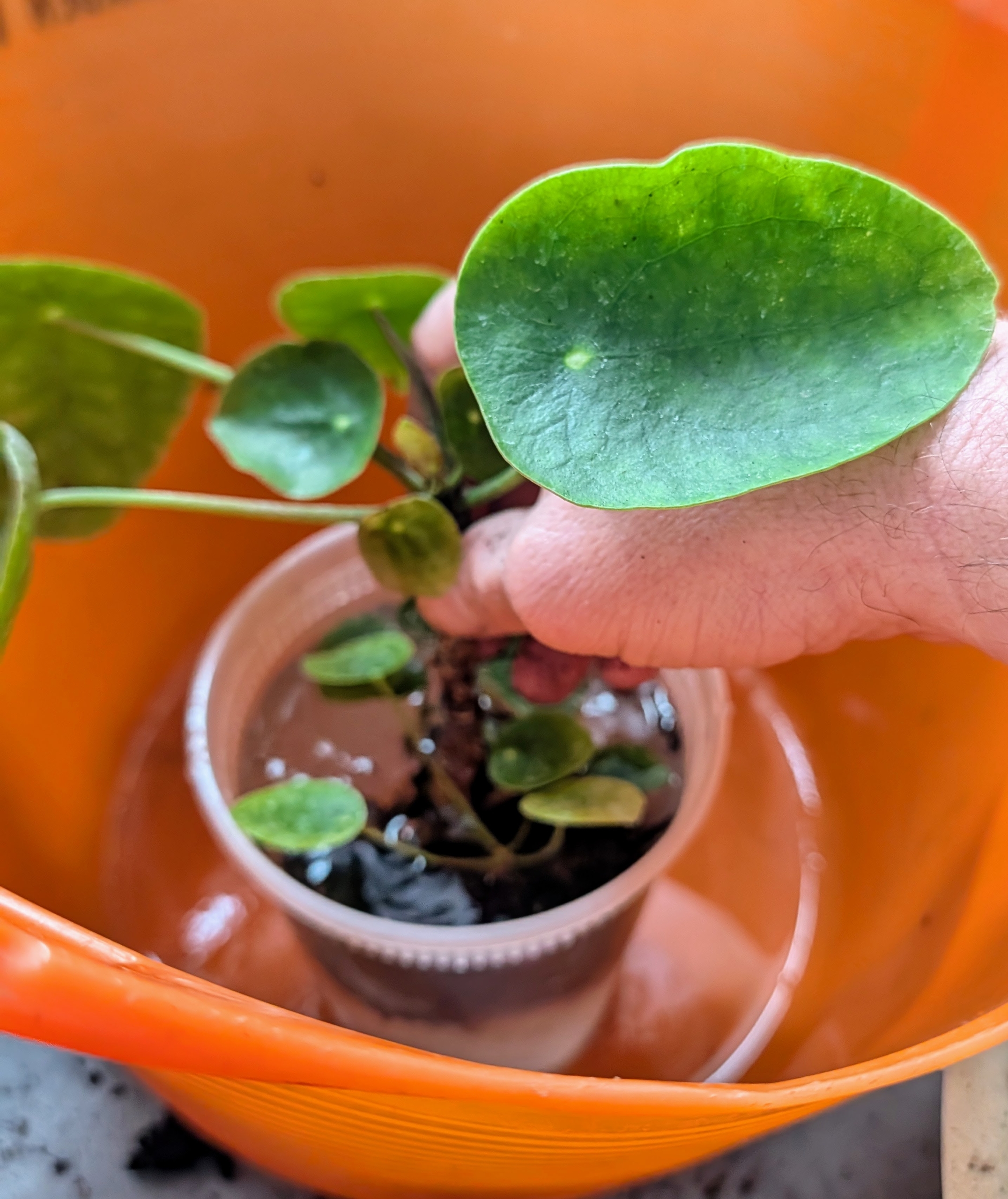
- Next, Ryan dips the divided plant into some water, so it is well-hydrated.
-
- Dipping the root ball at this stage allows the roots to absorb water and nutrients and become more resilient and better prepared for its new environment.
-
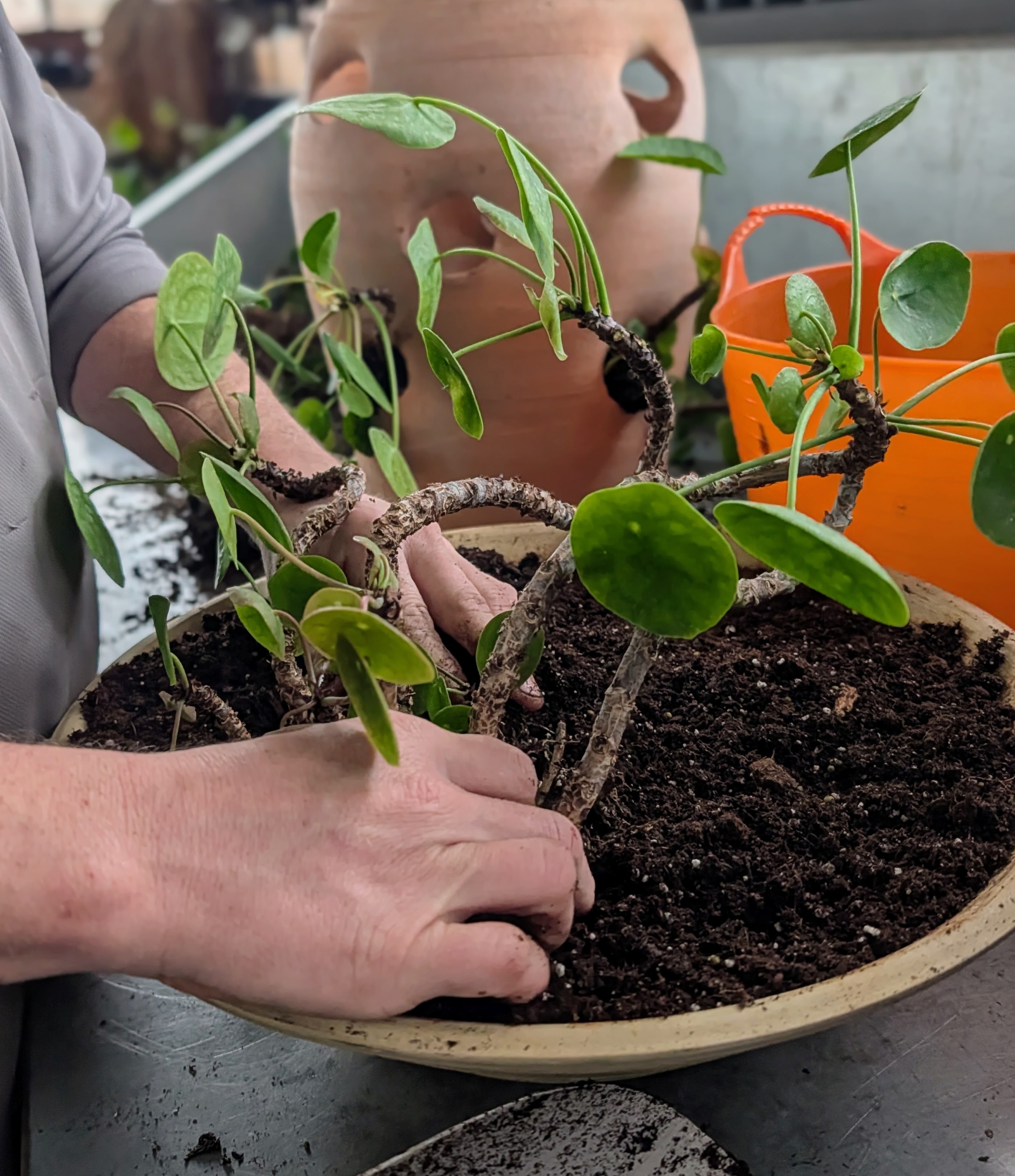
- Ryan places the plant in the pot at the same height it was previously.
-
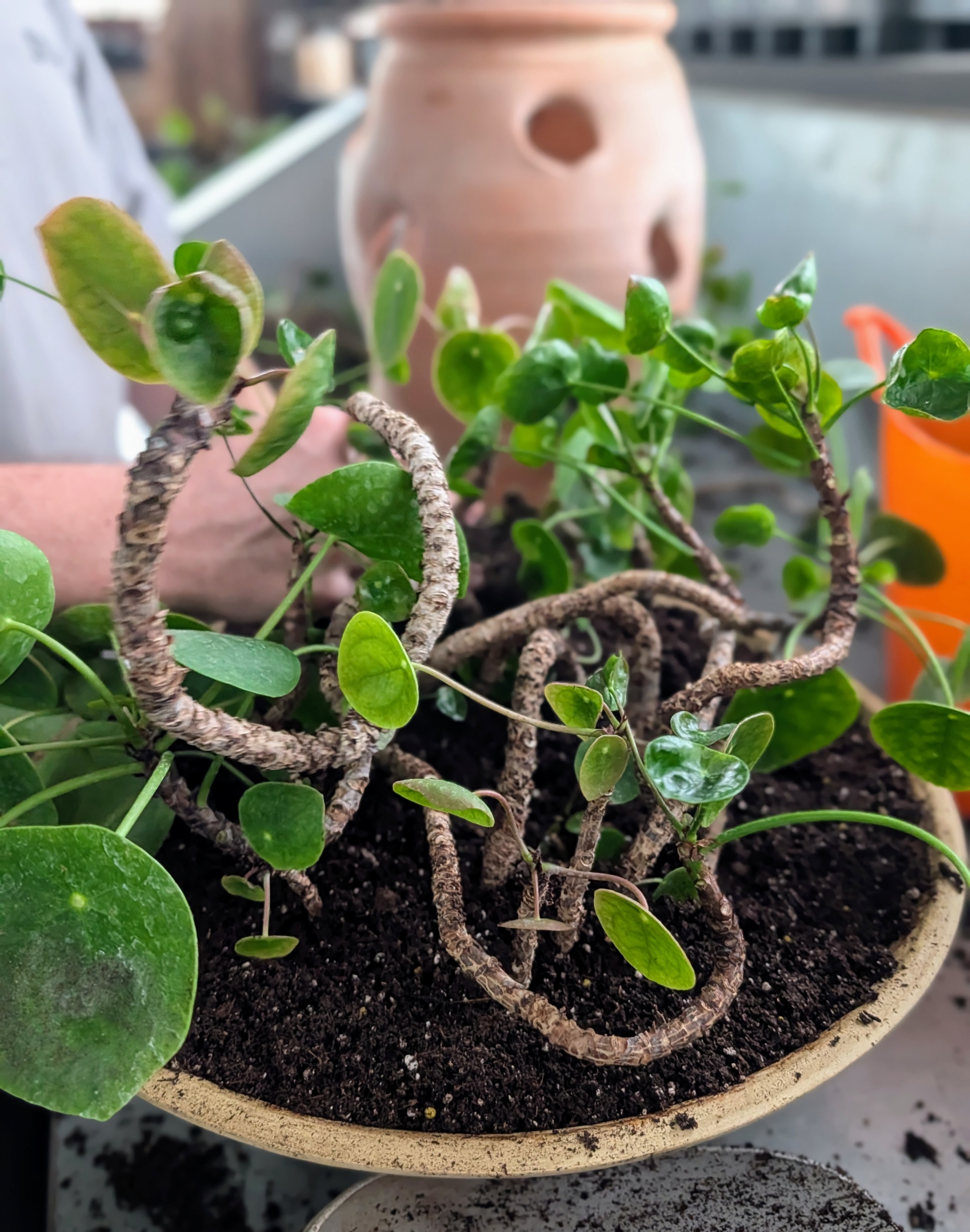
- In this shallow container, it is easy to give the plants some needed space. Ryan makes sure the arrangement is balanced and attractive.
-
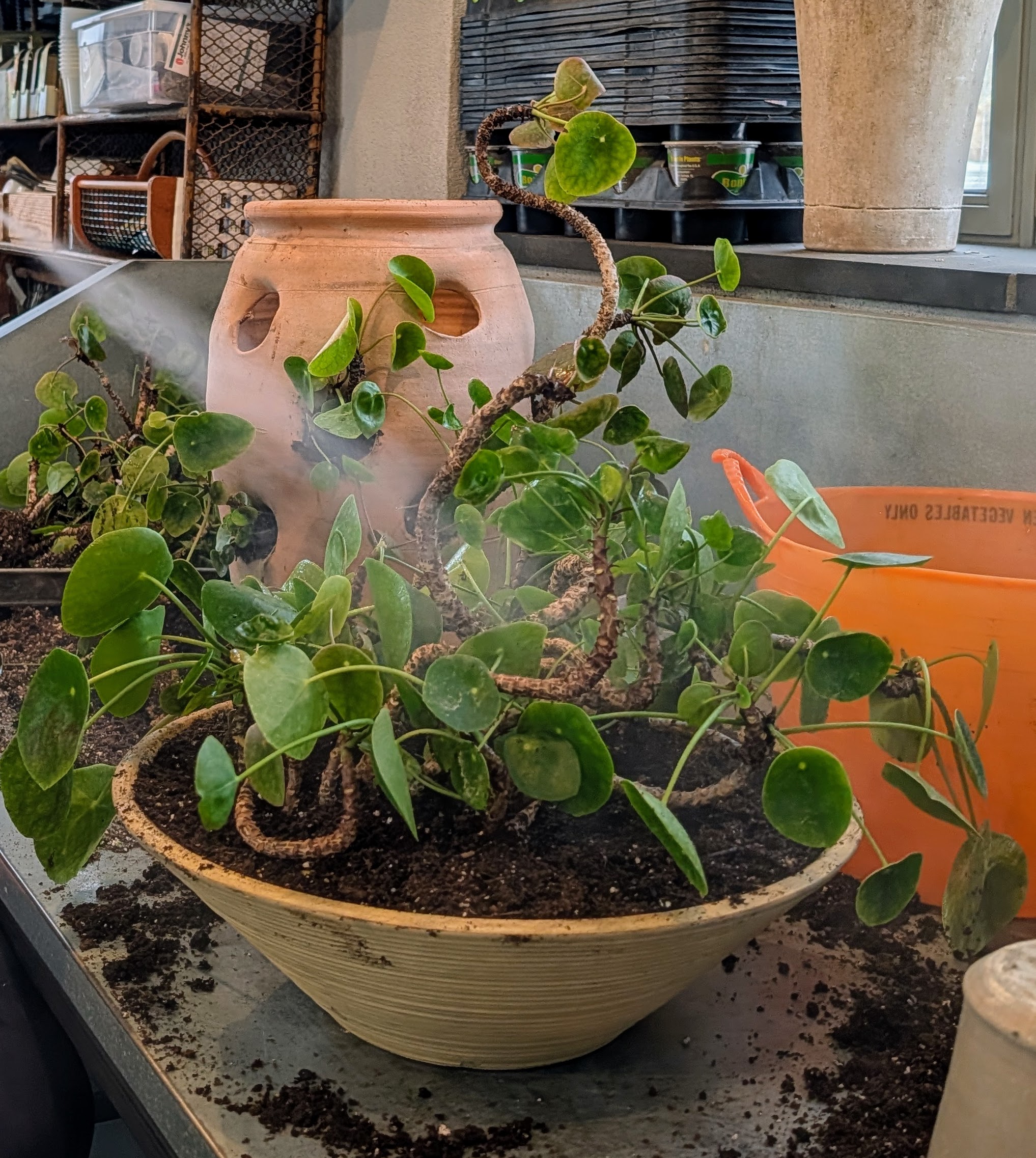
- Here, Ryan sprays the leaves with some leaf shine, which livens up any dull foliage.
-
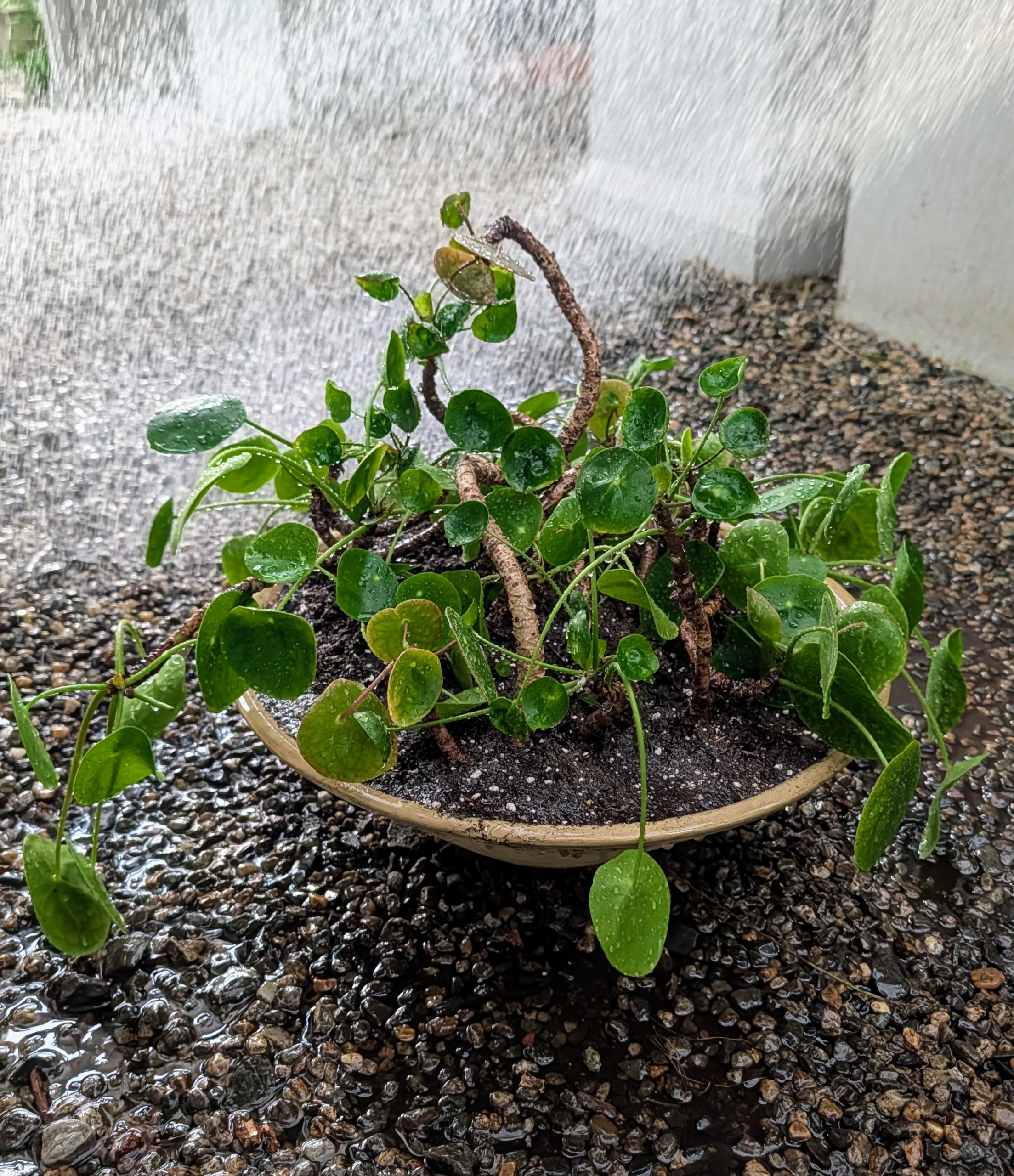
- Finally, Ryan brings the plant into the greenhouse for a good drink of water. Allow money plants to almost dry out between waterings and then water well. The leaves will droop slightly when dry. Newly repotted, this plant will continue to flourish.
 Martha Pins


 Martha Tweets

